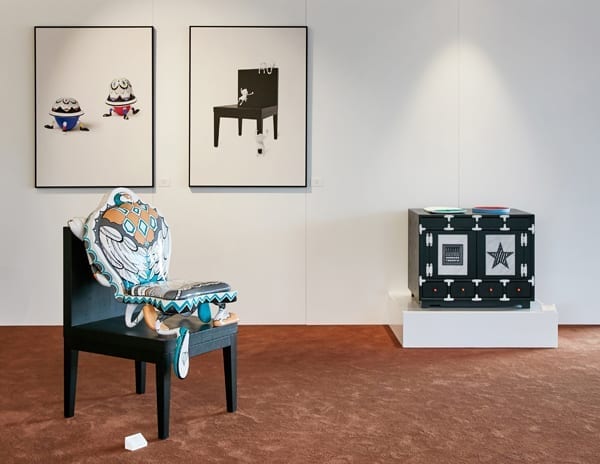
Tag: Korea

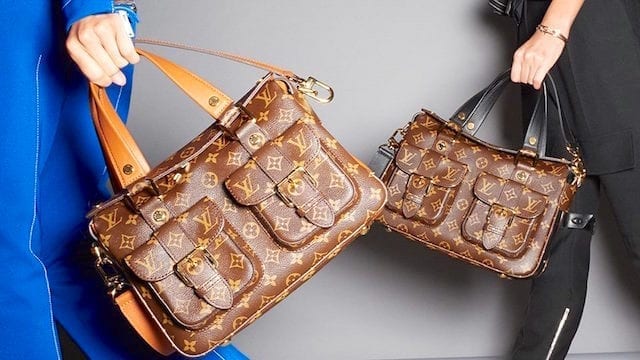
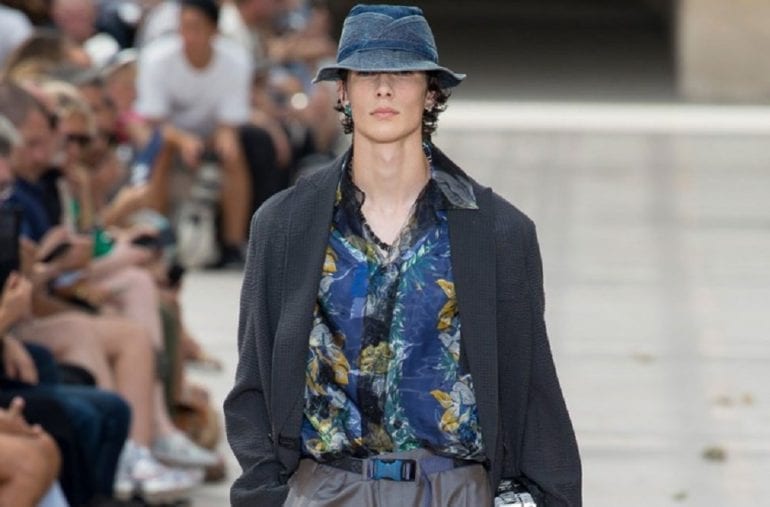
  • LV chooses Korea for the launch of its new menswear collection

    LV chooses Korea for the launch of its new menswear collection

    French luxury brand Louis Vuitton has chosen Korea for the launch of its new collection for men.

    The new SS18 menswear and bags will be available in Shinsegae Department Store from 19 January, and Louis Vuitton men’s exclusive store in Seoul from the 10 January 2018.

    Louis Vuitton said the collection is pre-sold at seven stores in seven countries with maily trend-conscious consumers.

    Louis Vuitton selected 7 countries to introduce its new menswear collection, namely Korea, France, the United States, Japan, China, Hong Kong and Singapore.

    In each country, the brand selected one store to represent the brand, and pre-release the collection.

    This new product reflects the design inspired by famous islands around the world with the subject of ‘luxury island hopping’.

    Leather goods, clothing, shoes, accessories, including the Monogram Reflective Keypole Bag, which was first unveiled in the menswear collection in Paris last June, are all available in the selected stores.

    Kim John, Artistic Director of the Louis Vuitton Men Collection Design said “this collection has been designed with a special reminder of beautiful islands such as New Zealand, Easter Island and Hawaii,” and “Travel and Island, where different cultures and identities can be experienced, that is where I got the idea from.”

    Meanwhile, Louis Vuitton store specializing in menswear was opened on the sixth floor of Shinsegae Department Store’s main branch in Seoul. The department store has accommodated a renovated store featuring women’s collections as well on the ground floor.

    Other Louis Vuitton stores can only be found at Saks Fifth Avenue in New York, Harrods in London, and Shin Kong Place in Beijing, as well as Shinsegae Department Store’s Gangnam branch stores having also womenswear.

  • Starbucks Debuts Largest Store in South Korea

    Starbucks Debuts Largest Store in South Korea

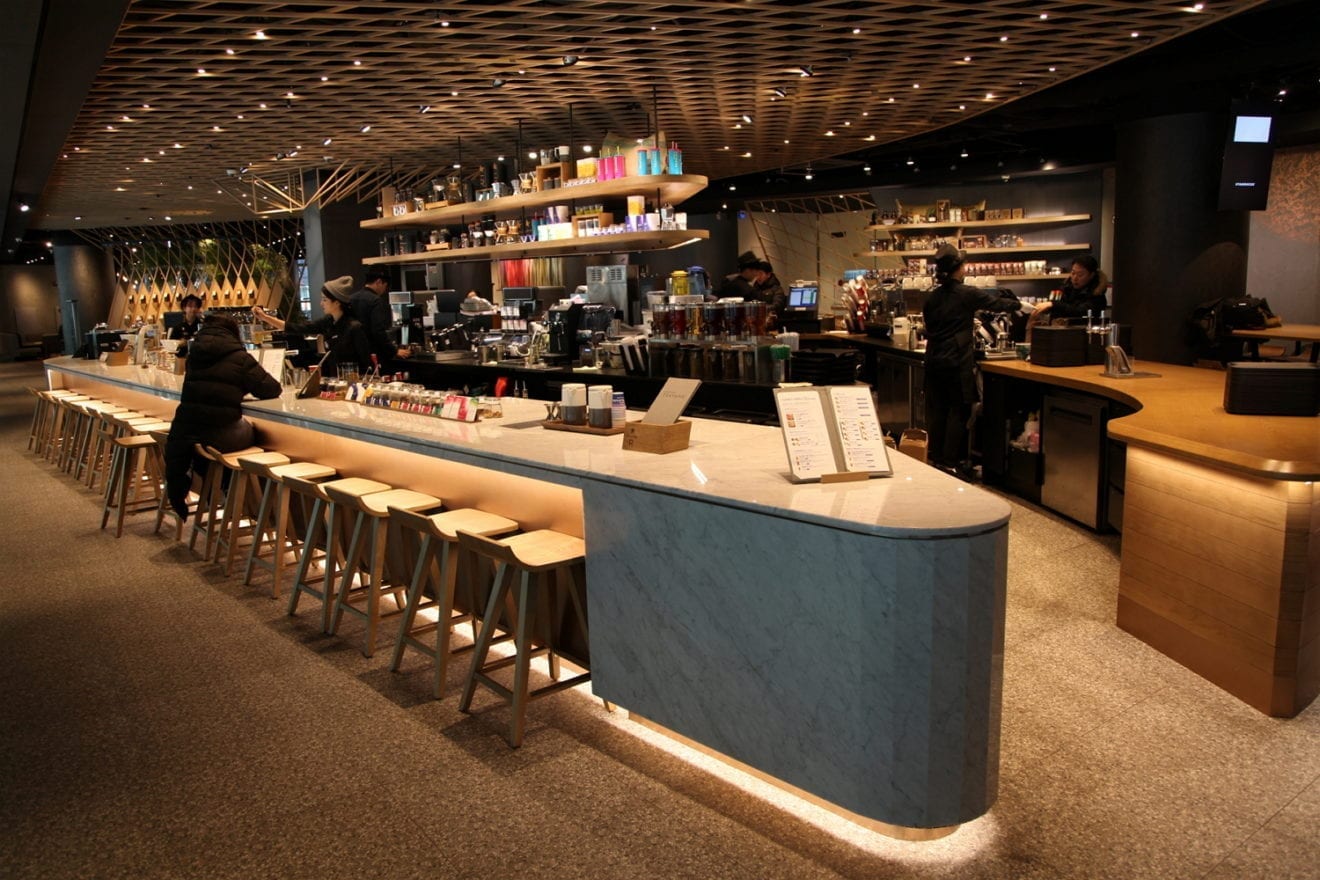
    Starbucks Coffee Korea Co., a 50/50 joint venture between Starbucks Coffee International, Inc. and Shinsegae Group, celebrated the opening of Korea’s largest Starbucks store in Central Seoul near Jonggak Station in December 2017. Located in Jongro Tower, with more than 900 residents, the store sits between two of the Tower’s floors covering over 1,000 square meters (11,000 square feet). Jonggak Station serves as a gathering place for all generations of Koreans to shop, dine, work and play in a location where history and tradition of Korean culture merge with modern city amenities.

    The Jongro store features a “Grand Bar,” a triangular bar on the second floor measuring 25 meters (82 feet), making it the largest stand-alone bar at any Starbucks across South Korea, and puts both coffee forward and Teavana handcrafted beverages at centerstage.

    Beyond the Grand Bar, the space also offers a space known as the Coffee Stage, for a more personalized and intimate coffee experience with Starbucks baristas. In addition, specially-designed seating zones, inspired by the six commonly traded goods among Koreans during the Chosun Dynasty, provide comfortable seating for large groups, close friends and individuals to enjoy a cup of coffee in this unique atmosphere.

    “The Jongro store represents the 19-year coffee journey we’ve been on with Korean customers,” said S.K. Lee, CEO, Starbucks Coffee Korea. “We are pleased to create a place which pays respect to our Korean heritage while elevating the coffee retail experience customers have come to expect of Starbucks.”

    The beverage menu at the Jongro store includes nearly 100 handcrafted customized beverages. The Teavana Blueberry Bliss and Teavana Lavender Sage beverages are uniquely brewed on a Siphon to extract the full tea flavors and aromas. These teas, as well as the Starbucks Reserve Origin Flight and Reserve Brew Comparison tasting experiences, can only be found at the Jongro store.

    In addition, more than 60 locally-sourced food items are available, including seven various rice dishes such as a Cactus rice ball with beans and sweet potato, as well as light meals and snacks, and can be found only at this location.

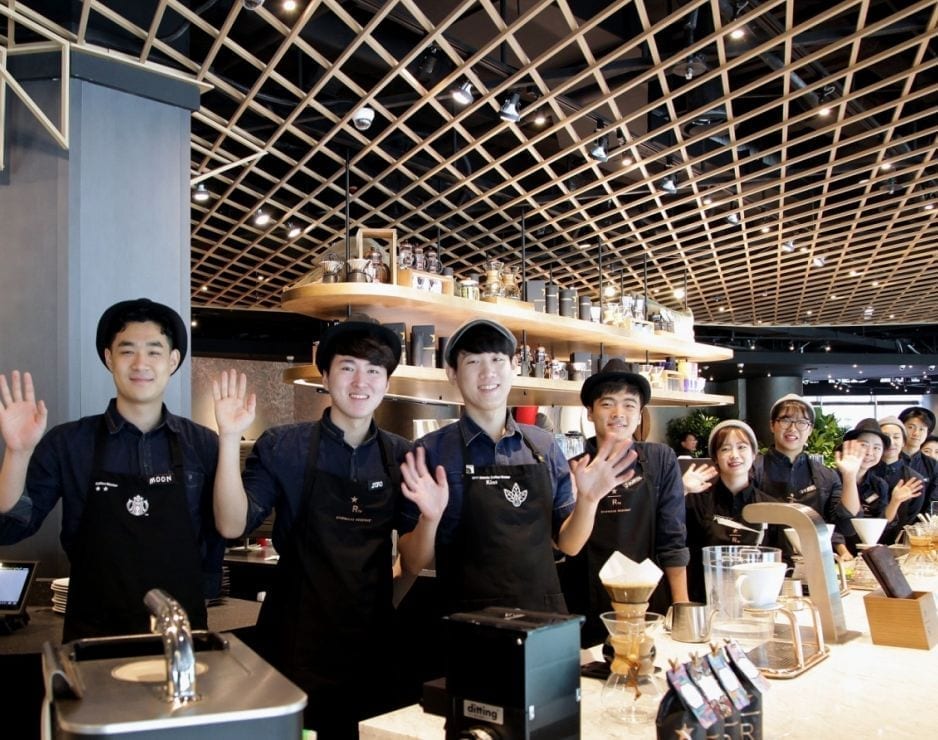
    “We are committed to innovating the Starbucks Experience to meet the expectations and needs of our customers and are proud to bring our Korean customers closer to our coffee and partners (employees) than ever before,” said Mark Ring, president of Starbucks Asia Pacific.

    Since opening in 1999, Starbucks today has more than 1,140 stores across 75 cities in South Korea. Employing over 13,000 partners (employees), Starbucks Korea is a leading Employer of Choice in the country and is also a model of corporate citizenship with an robust social impact agenda, partnering with over 140 communities and nonprofits to serve its partners and the community.

  • Tartine Bakery to Open in Seoul in 2018

    Tartine Bakery to Open in Seoul in 2018

    Award-winning Tartine Bakery is expanding from San Francisco and will open its first overseas branch in Seoul’s Hannam Dong area on February 9.

    There are plans to also open about four more Tartine Korea outlets over the next 12 to 18 months.

    Heading the Korean branch will be pastry chef Lee Hyun Hee and chef Edward Lee, co-founder of Baroque Bakery and Pizzeria d’Buzza in Seoul. The two Korean chefs have spent six months in San Francisco learning the bakery’s recipes, says Food And Wine magazine.

    Tartine founder Chad Robertson, who has studied Korean martial art taekwondo, describes Korea’s food culture as “really amazing” with its take on Western food.

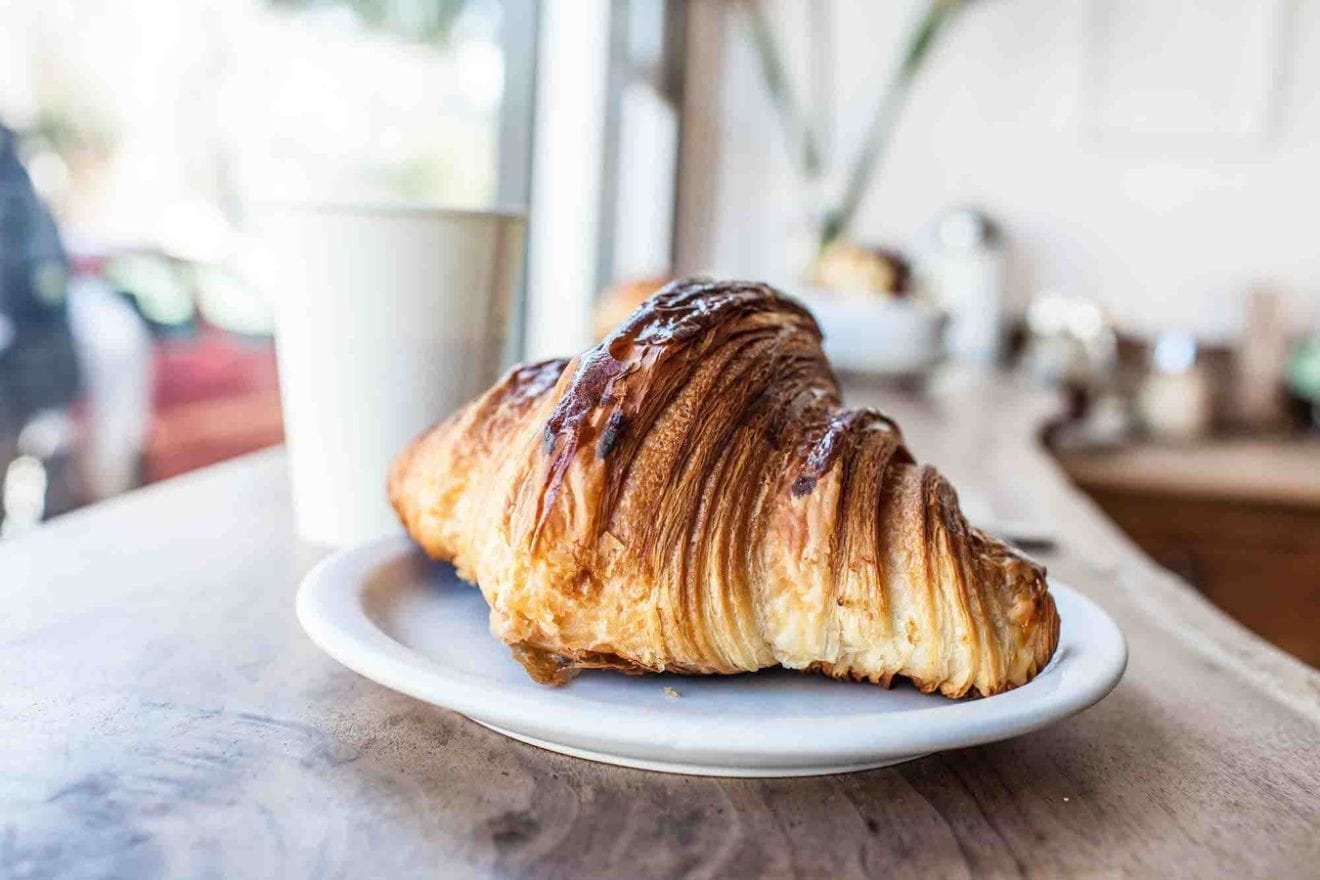
    Tartine’s San Francisco shop attracts queues for its morning buns, a croissant dough rolled into a bun form and dusted with sugar, orange zest and cinnamon, as well as its buttermilk scones studded with currants, and fresh loaves ranging from baguettes to offerings made with buckwheat and quinoa.

    Meanwhile, the bakery has just opened a 464sqm bread factory in San Francisco that combines a pastry shop, restaurant, ice-cream parlour and coffee shop in a warehouse space. The company plans to replicate this concept in a 3716sqm space in downtown Los Angeles, which will also include a coffee lab and roastery as well as a trattoria and pizzeria.

  • UL-OS to appoint its new brand ambassador

    UL-OS to appoint its new brand ambassador

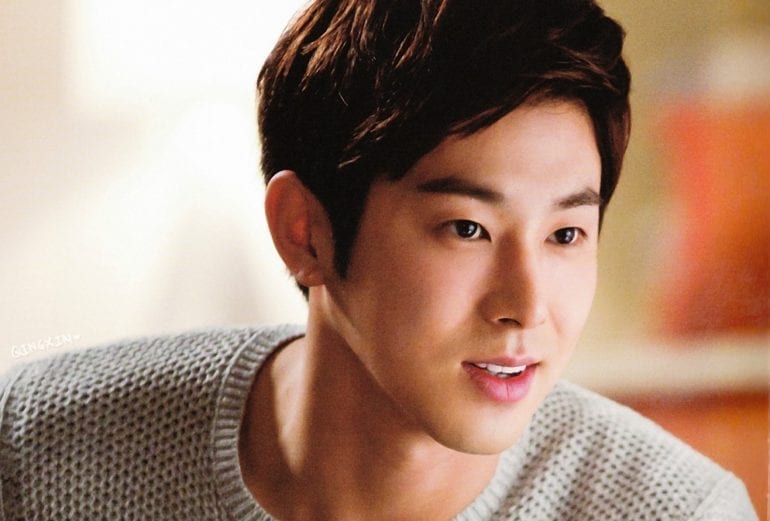
    TVXQ ‘Yunho (Jeong Yun-ho)’ was selected as the first solo male cosmetics brand model.

    UL-OS, a male total skin care brand in Otsuka Pharmaceutical Korea, announced on  that the brand selected Yunho, the leader of group Dong Bang Shin Ki (TVXQ).

    An UL-OS official said, “We decided to choose Yunho as a new model, judging that Yunho’s healthy skin and sophisticated image fit well with the Ul-os brand image.”

    Yunho finished shooting a new TV advertisement of UL-OS’s representative product of all-in-one moisturizer. In this advertisement, Yunho’s stylish and manly charm will appeal to viewers with his UL-OS brand message and will be aired from January 1, 2018

    Yunho said “I am very interested in skin care products for normal moist and healthy skin.” “I am very pleased to be a model of the UL-OS brand that helps people to understand skin troubles and needs accurately and to provide effective skin care.”

    Yunho, who was selected as the fourth model of UL-OS after Cha Tae Hyun, Jung Woo and Eric, is the 13th year of his debut this year, as a K-POP leader, Korea’s best male idol, and he has been loved by fans home and abroad. He has been still active in the five major dome tours in Japan since November 2017.

    Meanwhile, men’s total skin care brand UL-OS presents three all-in-one moisturizers (skin milk, skin lotion, and skin conditioner) as men’s all-in-one products and has a full skin care line including scalp shampoo, skin wash, sunblock and face sheet.

    In particular, UL-OS Skin Milk has recently been selected as a men’s cosmetics standard at the Olive Young 2017 Health & Beauty Awards, and received continuous support from male consumers, including the Olive Young Health and Beauty Award in the men’s all-in-one category for the second consecutive year.

  • Amorepacific bets on luxury cosmetics for Europe push

    Amorepacific bets on luxury cosmetics for Europe push

    After launching in France last year, South Korean cosmetics company Amorepacific aims to introduce one of its luxury brands in Britain this year and in Germany next year.

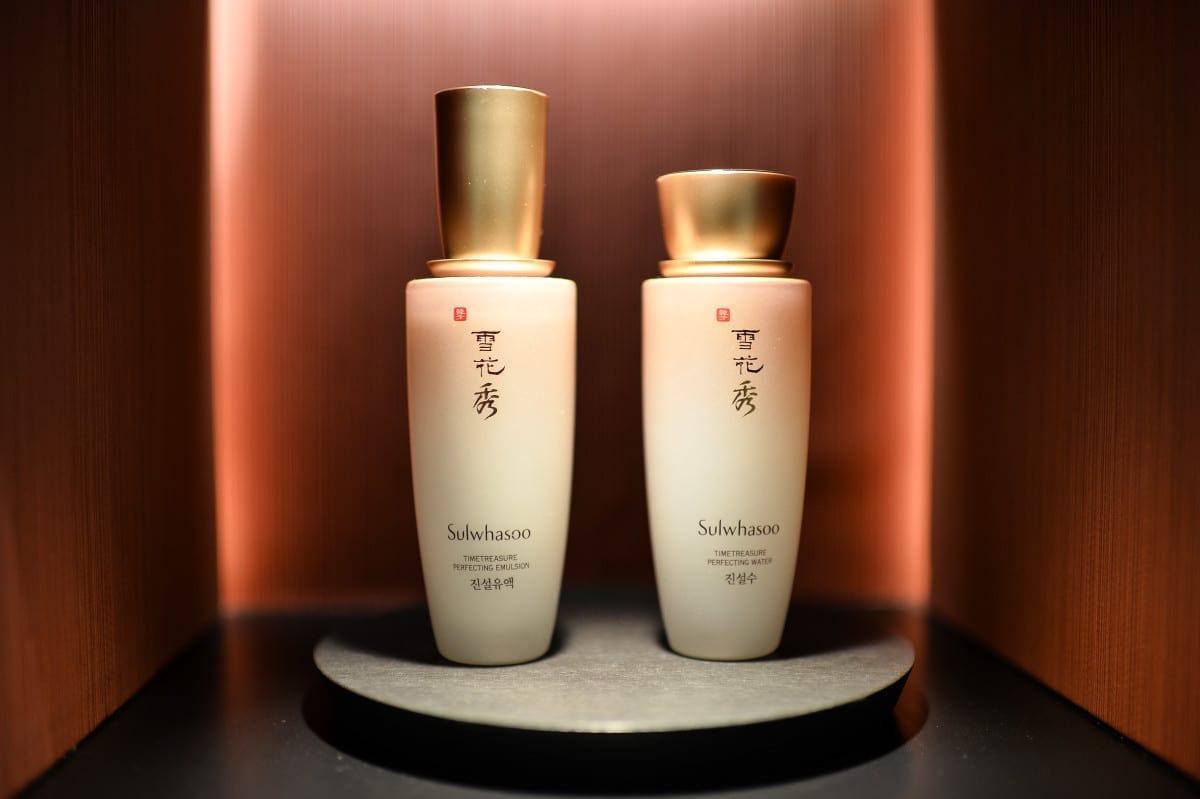
    It began selling its luxury Sulwhasoo brand of creams and other cosmetic products in Galeries Lafayette department store in Paris in September.

    Amorepacific Europe head Thierry Maman, hired in 2015 from the perfume and beauty arm of LVMH’s Givenchy, says the Paris outlet is a good testing ground.

    The group first tried to break into the French cosmetics market 30 years ago but withdrew after just two years because of poor sales. It bought French perfume house Annick Goutal in 2011.

    Maman says France is a tough market, but Sulwhasoo is betting on drawing customers with its traditional herbal-inspired formulas.

    Amorepacific’s European revenues, including Goutal, are less than €50 million (US$60 million) annually but are expected to rise by 20 per cent is year, he says.

    Sales were hit last year when diplomatic tensions with China cut back Chinese tourists to South Korea. Relations are now on the mend, but Amorepacific’s sales fell 8 per cent to about KW4 trillion (US$3.76 billion) in the year to September.

  • Hyundai Motor, Kia Motors flag slow sales growth in 2018

    Hyundai Motor, Kia Motors flag slow sales growth in 2018

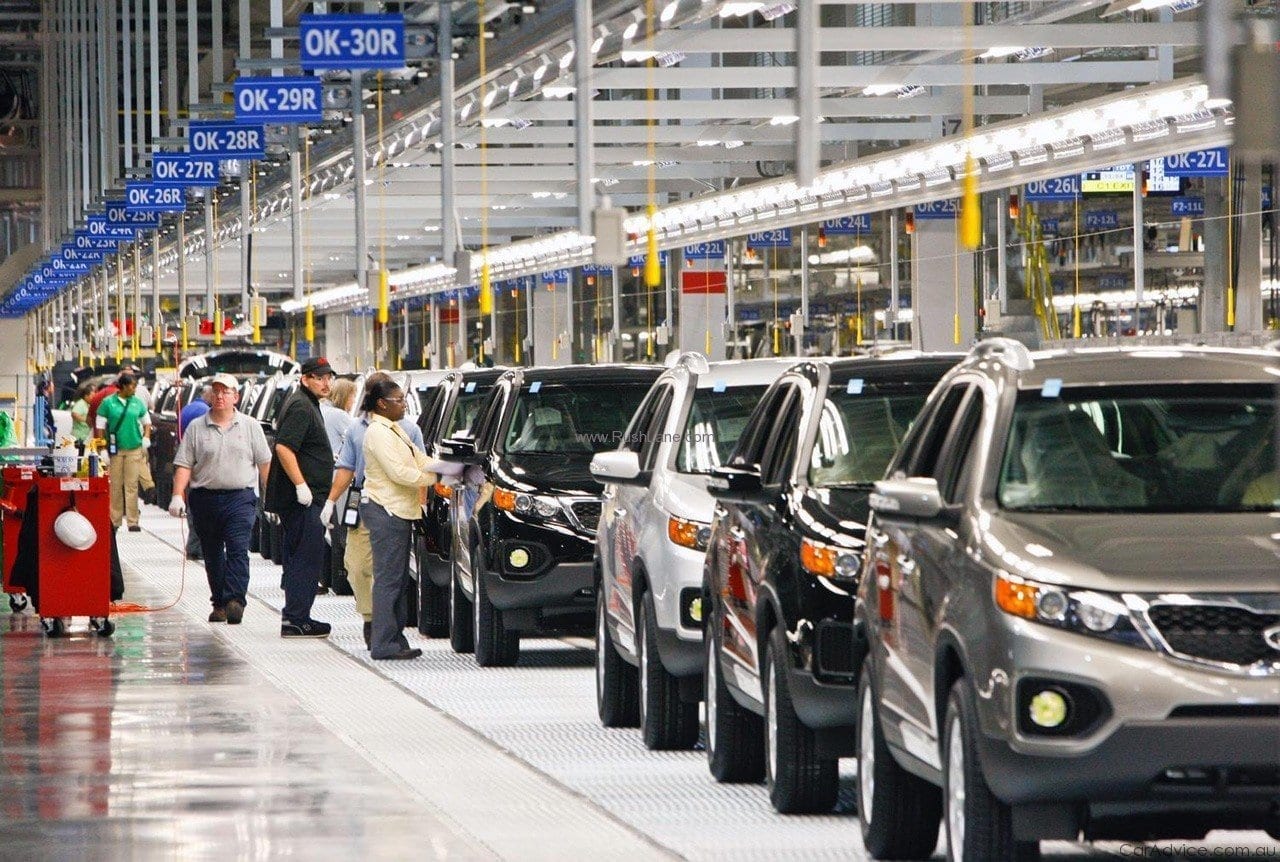
    South Korea’s Hyundai Motor and Kia Motors on Tuesday flagged only modest sales growth in 2018, suggesting a slow recovery from a slump linked to their lack of SUVs in the United States and diplomatic tensions with China.

    Hyundai and smaller affiliate Kia, which together make the world’s fifth-largest automaker, said demand was expected to soften in the U.S. and Chinese markets as they unveiled a combined sales target of 7.55 million vehicles this year.

    Analysts said that would be a slight increase on 2017, when the automakers are estimated to have sold about 7.3 million vehicles, their lowest in five years.

    “The target for Hyundai and Kia is lower than expected. It seems to be a conservative target, reflecting a slow recovery in China and ongoing U.S difficulties,” Kim Jin-woo, an analyst at Korea Investment & Securities said.

    The 2017 sales figures are due out later on Tuesday but analysts expect the South Korean duo to fall well short of their target of 8.25 million vehicles, marking their third consecutive annual miss.

    Hyundai Motor shares declined 2.2 percent after falling as much as 4.5 percent on Tuesday morning, and Kia Motors stocks were down more than 1.6 percent. The broader market rose 0.2 percent.

    The firms’ sales tumbled last year in China, the world’s largest auto market, amid a chill between Beijing and Seoul over South Korea’s deployment of a U.S. anti-missile system.

    Sales in China and the United States were also hurt by a failure to capitalize on surging demand for sports utility vehicles (SUVs).

    While Hyundai Motor has plans to offer more SUVs in the United States and China, analysts said new models such as the redesigned Santa Fe SUV may come too late in the year to significantly impact sales.

    The expiration of a tax cut on small-engine cars in China also would be a negative for Hyundai’s sedan-heavy line-up, they said.

    Hyundai Motor Group Chairman Chung Mon-koo said in a statement the South Korean automakers would launch 12 new or refreshed models this year.

    They would “actively venture into” new markets like Southeast Asia, as protectionism was expected to grow elsewhere, he added.

    South Korea and the United States will hold talks on a trade deal on Jan. 5 although U.S. President Donald Trump has threatened to withdraw from the pact.

    Chung, 79, skipped his annual New Year speech to employees for a second year in a row. He has not made any public appearances since December, 2016.

  • Different approaches to bitcoin in Asia

    Different approaches to bitcoin in Asia

    In mid-September, China’s central bank, the People’s Bank of China (PBOC), told virtual currency trading platforms based in Beijing and Shanghai to cease market operations.

    Authorities also clamped down on ethereum and any other electronic units that are exchanged online without being regulated by any country.

    The PBOC said it wanted to fight “speculation” around the crypto-currencies, which “seriously disrupted the financial system”.

    This came after the National Internet Finance Association of China — an offshoot of the PBOC — drew up a damning report on virtual currencies, saying they were “increasingly used as a tool in criminal activities” such as drug trafficking.

    Experts say Chinese authorities are also concerned about possible capital flight which could harm the value of the yuan.

    However, the authorities in Beijing have not yet attacked bitcoin mining — the creation of the digital currency.

    Between 60 and 70 percent of new bitcoins are created in China.

    Korean concern

    Hyper-wired South Korea was also a hotbed for virtual currencies such as bitcoin, accounting for some 20 percent of global transactions, about 10 times its share of the world economy.

    But South Korean authorities late last year banned financial institutions from dealing in virtual currencies on fears of a bubble fuelled by retail speculators.

    About one million South Koreans, many of them small-time investors, are estimated to own bitcoins and demand is so high that prices are around 20 percent higher than in the US.

    Initial coin offerings (ICOs) — where companies sell newly mined cryptocurrencies to investors for real money — were also outlawed.

    The government has also pledged to strengthen investor protection rules, in an effort to curb speculation and potential fraud.

    Announcing the ban on ICOs in September, South Korea’s Financial Services Commission declared “cryptocurrencies are neither money nor currency nor financial products”.

    Youbit, a South Korean exchange trading bitcoin and other virtual currencies, declared itself bankrupt in December after being hacked for the second time this year.

    North Korea was accused of being behind the first attack.

    Singapore caution 

    Singapore’s central bank has issued a warning over cryptocurrencies, cautioning the public about the risk of jumping in on the “bitcoin bubble”.

    The Monetary Authority of Singapore noted they are not backed by any central bank and are unregulated, which means those who lose their investments have no grounds for redress under Singapore law.

    Yusho Liu, co-founder of Singapore-based cryptocurrency wallet Coinhako, says demand has been soaring, with transactions up around 10-fold over the past year.

    However, while regulators have been prepared to offer a cautious free rein to the digital units, “financial institutions and service providers have been rather resistant”, Liu told AFP.

    “In fact, I believe that only 30-40 percent of the market potential is fulfilled because of the friction generated by such matters. This is the key missing piece of Singapore being the fintech hub,” said Liu.

    Japanese jump in 

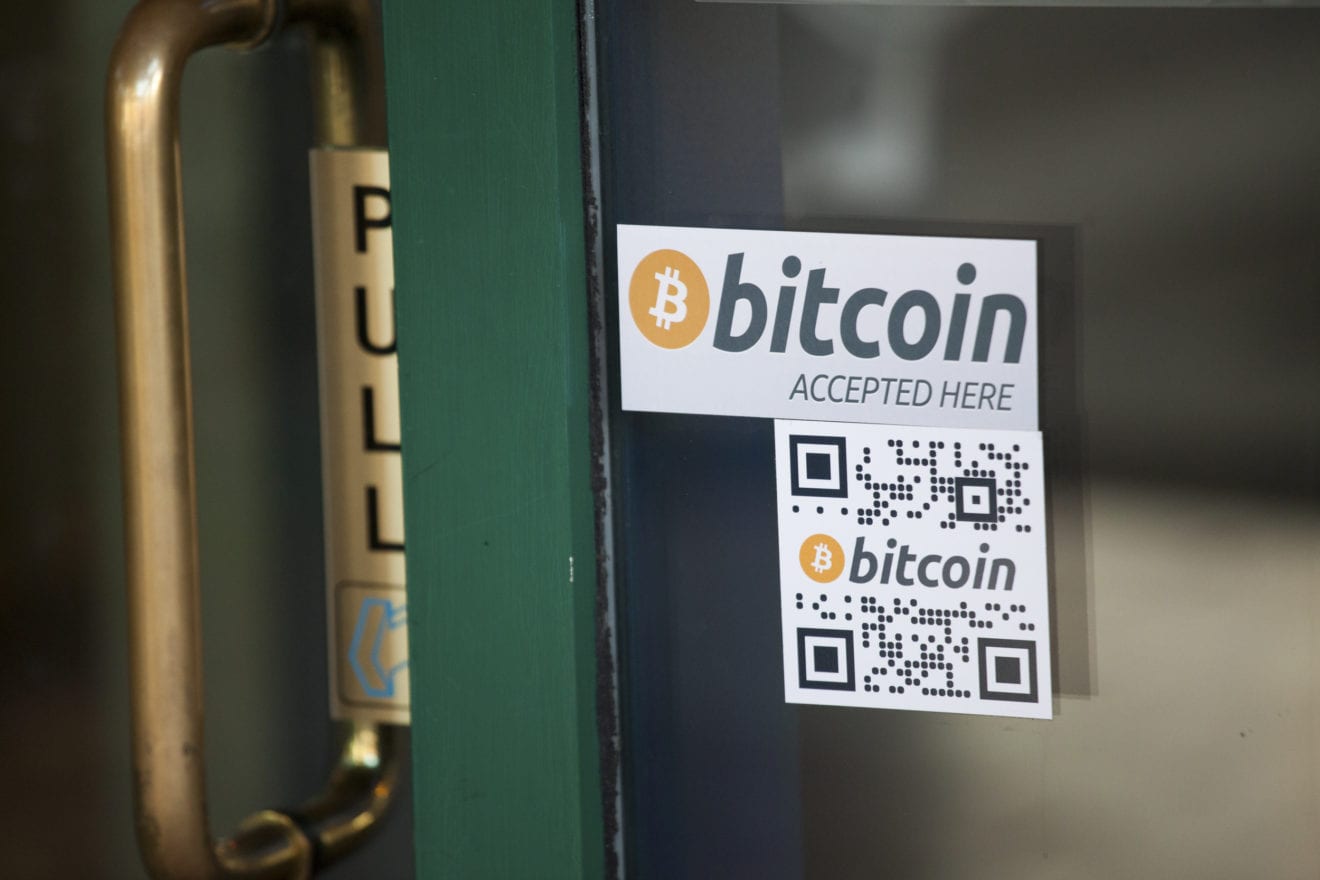
    The high-profile collapse of digital currency exchange platform MtGox failed to douse the enthusiasm for virtual currencies in Japan, which in April became the first country in the world to proclaim it as legal tender.

    As many as 10,000 businesses in Japan are thought to accept bitcoin and bitFlyer, the country’s main bitcoin exchange, saw its user base pass the one-million mark in November.

    Many Japanese, especially younger investors, have been seduced by the idea of strong profits in the context of ultra-low interest rates that offer little in the way of returns.

    However, the governor of the Bank of Japan, Haruhiko Kuroda, has recently issued a warning that the recent rise of the bitcoin price was “abnormal”.
  • South Korean economy to uphold decent growth

    South Korean economy to uphold decent growth

    According to a state-run think tank Sunday, the economy of South Korea is preserving a decent growth rate while private spending is picking up, reaching a compensation for a hold up in corporate investment.

    In its monthly assessment of economic conditions, the Korea Development Institute (KDI) declared “facility investment growth slowed down, and construction investment continued its pace of deceleration, while consumer sentiment ran high, with retail sales posting sharp growth.”

    KDI found that even though December’s outbound shipment growth slowed down, exports are proving a modest expansion day by day.


  • Opening of Jeju Shinhwa World Casino Delayed Yet Again

    Opening of Jeju Shinhwa World Casino Delayed Yet Again

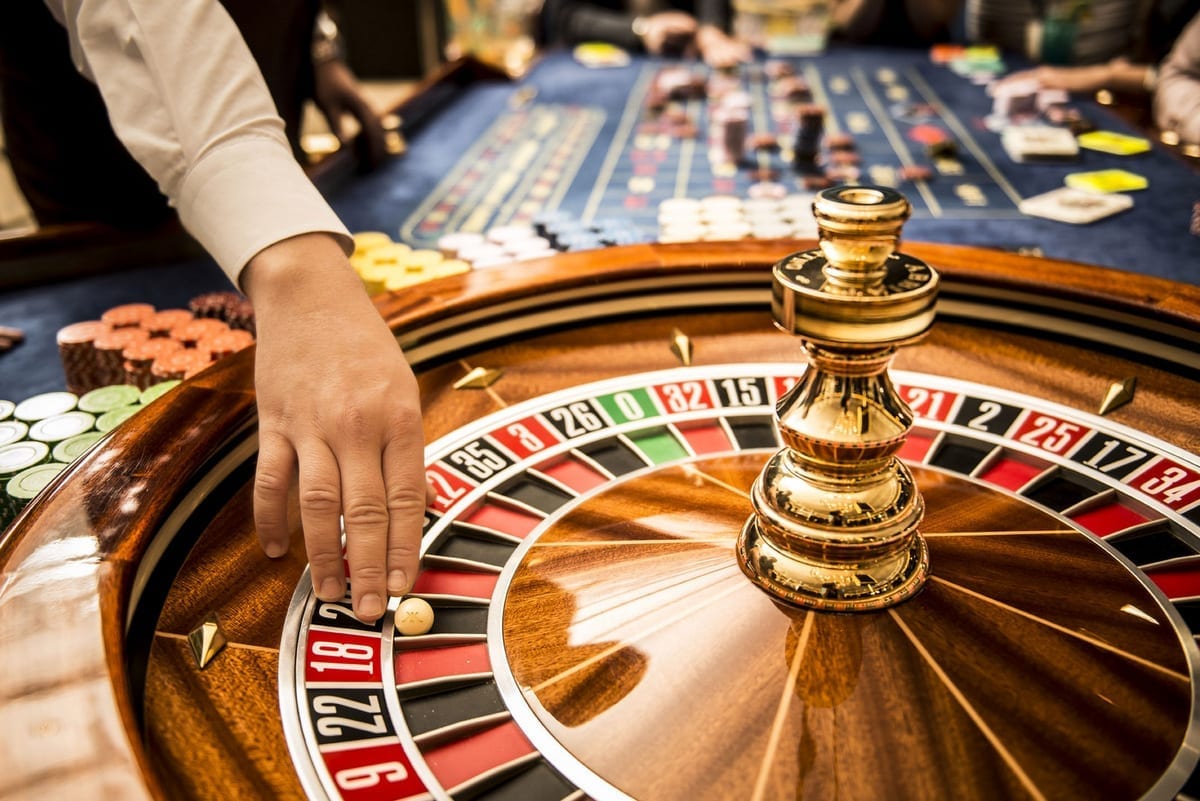
    The casino at the Jeju Shinhwa World resort on South Korea’s Jeju Island has pushed back its opening date yet again, with officials this time citing a delay in the transfer of a casino license from another gaming facility.

    Jeju casino delay

    Jeju Shinhwa World has opened many resort attractions, but a planned casino has been delayed several times.

    The casino, which was to be operated by Hong Kong’s Landing International Development, was originally announced to be opening on December 8.

    Two rounds of delays pushed the grand opening to January 18 of this year before Wednesday’s announcement. The opening has now been postponed to a yet unannounced later date.

    Landing Looks to Move Casino from Hotel to Resort

    According to a spokesperson, the issue is now that Landing International wants to take their current casino operations, which are hosted in a local Hyatt hotel, and move them to the resort.

    “We have submitted our application to relocate our casino in Hyatt Jeju to Jeju Shinhwa World,” the spokesperson said. “The Jeju government is currently processing our application and we expect the casino transfer to be approved by the Jeju government after the next sitting of the Jeju [Provincial Council] in February 2018.”

    The proposed resort casino would be significantly larger than Landing International’s hotel operation on the island. While their venue in the Hyatt only features 16 electronic machines and 28 tables, the proposed resort casino would feature 160 table games along with 240 slots.

    Resort Opens Other Attractions While Waiting on Casino

    The Jeju Shinhwa World resort began its first phase of operations just last year, with retail space, hotels, a convention center, and a theme park, which opened last September. Still, the resort won’t be considered truly complete until the casino is opened.

    “It is recognized that [a] casino is one of the most essential facilities within an integrated resort to complement better offerings to its visitors with a complete hospitality experience,” the company said last August.

    According to Landing International, the company plans to continue offering training to casino workers while they wait for the gambling license to be transferred. In total, the resort has about 2,000 employees, including those that are intended to work at the planned casino.

    As with almost all casinos in Korea, only foreigners would be permitted to gamble at the new facility. The only exception to this rule in the country is Kangwon Land, located about 100 miles south of Seoul, which does allow local players.

    The Korean government recently ordered the resort to cut its gaming operations down to 18 hours a day from the previous 20-hour schedule, which could reduce revenues at that facility.

    Jeju Island is the largest of the islands situated off the coast of Korea. The island makes up the entirety of the Jeju Special Administrative Province, an area that enjoys some degree of autonomy from the central South Korean government.

    The island is also a popular tourism destination for Chinese visitors, who can enter Jeju without a visa. However, Chinese tourism to the island has diminished significantly following a temporary travel ban instituted by Chinese President Xi Jinping during a diplomatic standoff last fall.

    According to the Bank of Korea, the decline in Chinese tourism may have cost South Korea more than $4.5 billion in revenue

  • Incheon Airport DF sales notch $2.1bn in 2017

    Incheon Airport DF sales notch $2.1bn in 2017

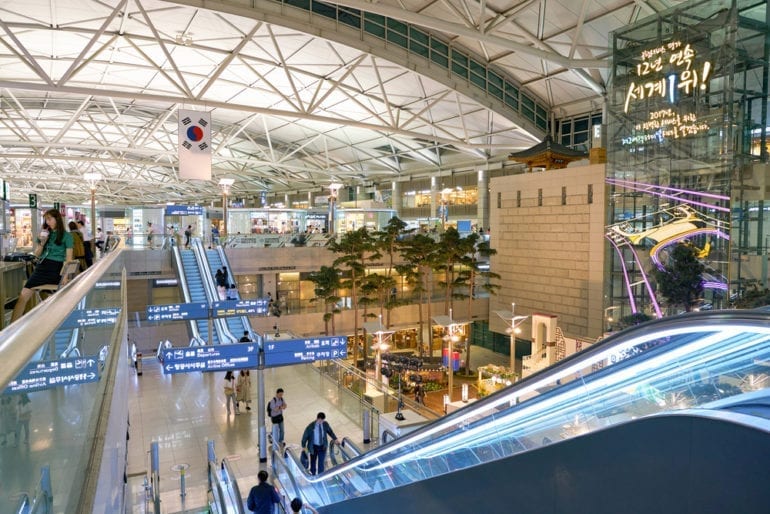
    As anticipated, the ‘record-breaking’ figure surpasses the $2bn registered in 2016. The result places Incheon ahead of Dubai Duty Free, which recently reported duty free sales of $1.93bn in 2017.

    Many had viewed the THAAD crisis and security issues surrounding North Korea as tempering the South Korean airport’s annual revenue.

    “Incheon Airport Duty Free, however, did pretty well tackling those security issues recording the highest duty-free sales figure, beating previous records,” Bum-Ho Kim, Deputy Executive Director of Incheon Airport Corporation’s (IIAC) Concession Development Group said.

    “Moving into 2018, Incheon Airport expects further growth with our humble prospects of reconciliation with North Korea as well as the end of THAAD crisis with China.”

    In a statement, IIAC confirmed perfumes and cosmetics as the best-selling category with sales of $774m, accounting for 38% of total annual sales.

    Liquor and tobacco took second place with $459m, while leathergoods clocked in sales of $301m.

    The $2.1bn return has to be regarded as impressive given IIAC’s acknowledgement said on frequent occasions that the situation concerning THAAD on the fortunes of South Korea’s duty free market remains a challenging one.

    However, it is worth noting that rising numbers of Korean and international passengers have helped the airport to offset the impact of diminishing Chinese passenger spends in recent times.

    In reaction, Incheon has moved to diversify its retail offer over the past few years, confirmed Kim in an in-depth interview in the Top 10 Airport’s report in August.

    IIAC confirmed these sentiments in a statement, stating it has ‘confronted these challenges by diversifying [its] customer demography, offering customer-friendly promotions with first-hand experiences, and inviting global and local brands, not to mention increasing passenger traffic’.

    Five-year concession contracts were awarded in 2015 to SM Duty Free, City Plus Duty Free, Samick Duty Free and Entas Duty Free with Shinsegae Duty Free, which operates a 2,856sq m fashion store in T1, also adding new luxury brands such as Moncler.

    As reported, Lotte Duty Free and Shilla Duty Free secured the eight-year liquor, tobacco and food and perfumes and cosmetics concessions, respectively, for the the new T2 last year, with Entas Duty Free, SM Duty Free and City Plus scooping the SME lots.

    Meanwhile, the 4,889sq m re-tendered fashion & accessories concession was secured by Shinsegae Duty Free.

    Terminal 2’s retail area covers an impressive 9,597sq m, boasting a number of flagship stores offering unique shopping experiences.

    These include make-up showcases from the likes of Chanel, Dior, Sulwhasoo, Lancome, SK2, and Estée Lauder and liquor & tobacco areas featuring tasting bars and new concepts from Ballentine’s, Johnnie Walker, Royal Salute, Hennessy, KT&G and IQOS.

    “In 2018, Incheon Airport is hoping to see further increases in our passenger traffic thanks to the opening of Terminal 2 and better political circumstances,” Kim added.  “Incheon Airport Duty Free is set to embark on new leap with T2, as well as T1, to satisfy passengers visiting Incheon Airport and lead with the best airport shopping environment.”

  • Korea cosmetics industry eyes growth recovery in 2018

    Korea cosmetics industry eyes growth recovery in 2018

    South Korea’s cosmetics industry is looking to regain growth in 2018 after taking a big hit from China’s retaliation against Seoul over a missile row in 2017.

    In March 2017, China banned sales of group tours to South Korea in retaliation against Seoul’s decision to deploy an advanced US missile defense shield, which Beijing sees as a security threat.

    The move has dealt a big blow to South Korean cosmetics manufacturers and retailers, whose main customers were Chinese tourists.

    Top cosmetics maker AmorePacific Corp. was hit hardest. In the third quarter of the year, its operating profit plunged nearly 40 percent on-year to 132.4 billion won ($123 million), with sales falling 14.2 percent to 1.4 trillion won.

    The dismal records marked a drastic turnaround from its stellar performances over the past years. The company had registered double-digit growth in sales and operating profit in recent years.

    LG Household & Health Care Ltd., South Korea’s No. 2 cosmetics and household goods maker, was no exception. In the wake of China’s retaliation, its sales edged down in the second quarter after renewing records each quarter.

    But its sales climbed 2.9 percent on-year to 1.6 trillion won in the third quarter and operating income gained 3.5 percent to 252.7 billion won as the portion of cosmetics to its business portfolio is low.

    Industry watchers predicted cosmetics companies to recover their growth pace in the coming year thanks to efforts to diversify markets and launch new products.

    AmorePacific and other industry players have resumed their marketing activities in China by rolling out new products and ramping up efforts to meet the diverse needs of Chinese customers.

    Sources said South Korean cosmetics makers’ efforts to tap into new markets, such as Vietnam, the United States and Europe, may boost their competitive edge down the road.

    In contrast to the slump of the cosmetics industry, local health and beauty stores, the local version of drugstores, have posted solid growth this year.

    The health and beauty sector has been growing at an annual average rate of 22.5 percent over the past five years, with the market size expected to reach 2 trillion won this year. Market leader Olive Young, run by CJ Group, saw its sales jump to 1.1 trillion won last year from slightly over 300 billion won in 2012.

  • Inside the “Musée de KAKAO FRIENDS”

    Inside the “Musée de KAKAO FRIENDS”

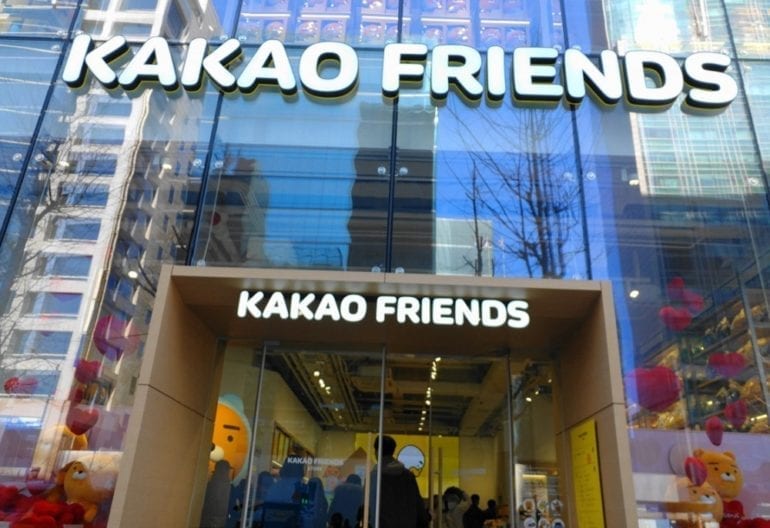
    Kakao Friends is holding a second exhibition at the “Kakao Friends Concept Museum” in Hongdae, Seoul from 15 December 2017 to 27 May 2018.

    This exhibition is dedicated to the cultural icon Kakao Friends which represents modern times.

    Kakao Friends’ second exhibition project theme is ” Musée de KAKAO FRIENDS”, which is a parody of the space and classic works reminiscent of famous museums through the Kakao Friend Character. It is characterized by the reinterpretation as a witty artwork.

    Through this, Kakao Friends, the most popular character in the daily life of the tech-savvy Koreans, has expanded into aesthetic form, expressing the process of being born into a cultural time characterized by artistic inspiration.

    In the seven-section exhibition, visitors can see the parody works of Kakao friends characters Ryan, Muzi, Apeach, Frodo, Neo, Tube, Jay. Each section features a variety of interesting spaces where visitors can experience photo spots and characters all over the body to make unique experiences with Kakao Friends characters.

    The second basement floor of the exhibition hall is a well-coming space that welcomes visitors. It embodies the mysterious character sculpture park with a vague border between outdoor and indoor areas, with the motif of the Versailles Palace in France and the Moma Museum in New York.

    Additionally, in the central ceiling, a large chandelier lighting installation art utilizing the “Ryan Mood Lamp”, a standard product of Kakao Friends, is placed to enlighten the scene.

    The first floor of the exhibition hall is a full-scale work experience space, and the overall concept is composed of an art deco style that can be seen in a typical classical museum.

    In the last section of the exhibition, Kakao friends character illustration is placed on the entire wall to provide a large coloring space where visitors can paint their own characters, giving visitors the opportunity to complete their own works.

    “This exhibition is designed to create opportunities for consumers to experience cultural contents from different perspectives through the Kakao Friend character, which is based on emoticons and is loved by the people,” said Kakao Friends. “I hope that it will be an opportunity to experience a new type of exhibition that combines familiar characters and art.”

    Kakao Friends second exhibition, “Musée de KAKAO FRIENDS”, is operated as an online reservation system, and other details can be found on the official site of the Kakao Friends Concept Museum.

  • Hurom Juice Cafe expansion plan in Vietnam

    Hurom Juice Cafe expansion plan in Vietnam

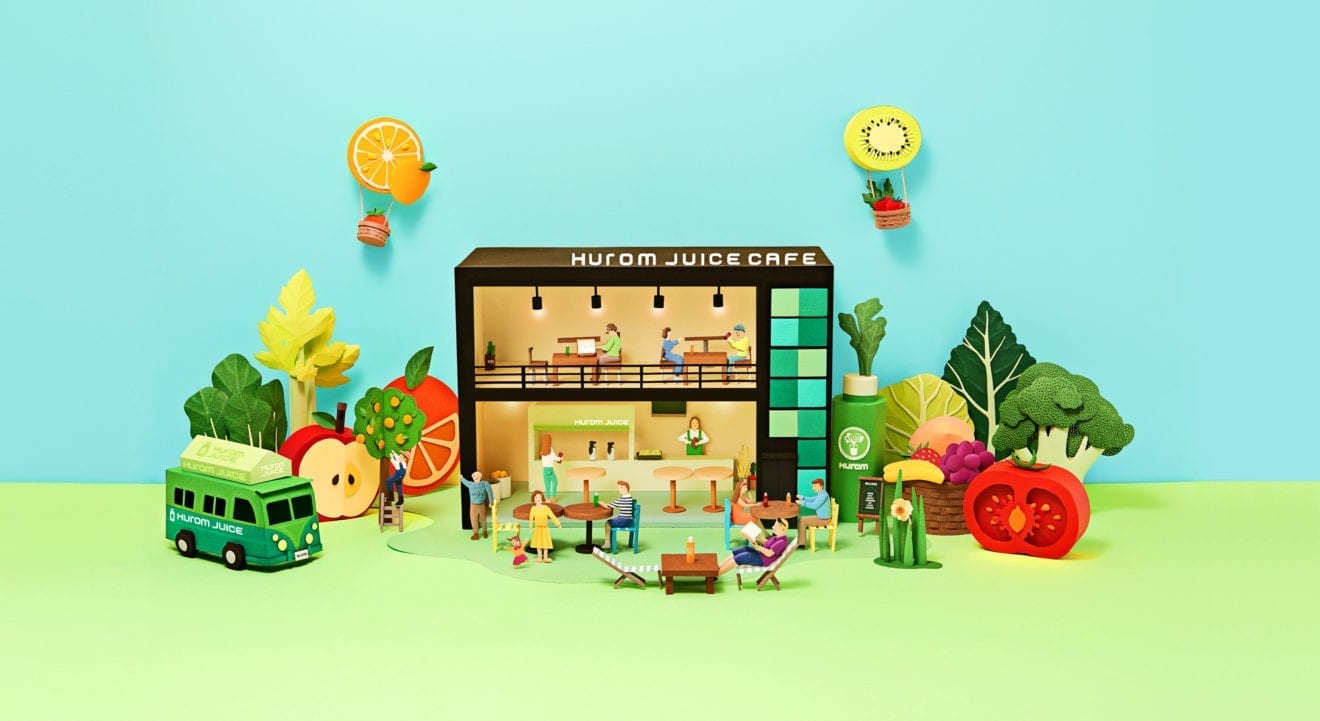
    Vietnam’s eighth Hurom Juice Cafe has opened in the central coastal city of Danang.

    Close to the tourism hotspot My Khe Beach, the cafe serves Korean desserts, tropical fruit bingsu (ice flakes), paninis, sandwiches and brunch as well as juices.

    A second Danang outlet will open close to the Dragon Bridge near the end of this month.

    A Korean manufacturer of juicers and kitchen gadgets, Hurom entered Vietnam in 2014 and has established its cafes in Ho Chi Minh City and Hanoi.

    It also has cafes in Australia, China, Europe, Malaysia, Singapore, Thailand and the US. The company advocates fresh fruits and vegetables for healthier eating.

  • MCM stores become art hubs

    MCM stores become art hubs

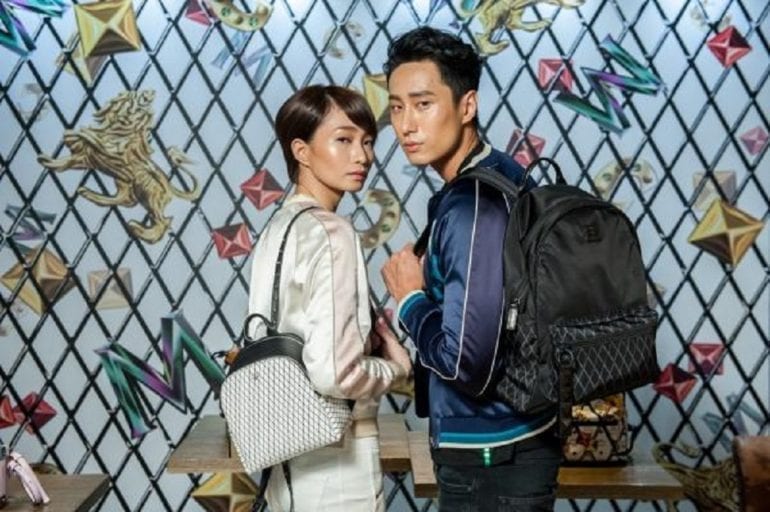
    MCM offers a harmony of art and fashion, introducing works of art and artists.

    MCM starts art activities in ‘MCM House’ store, Hongdae ‘MCM Popup’ store located in Hongdae youth street in Mapo-gu, and other flagship stores in Seoul.

    All activities take inspiration from the brand’s identity, and the 70s, years in which the brand was established  in Munich, Germany.

    Germany in the 1970s, when art culture flourished, and at the same time, combined with modern cutting-edge materials and design are att he core of the brand. Music, art, travel, and technology are the four priorities, giving Millennials a lifestyle experience that goes beyond fashion.

    The ‘MCM House’ in Cheongdam-dong allows customer to meet art by decorating the 5th floor and the 1st basement floor as a sole art space. The MCM Culture Program, which was launched in July 2017, is a representative example.

    This program is a lecture program of first-generation interior designers and representative photographers in Korea. It is a place where content creators can communicate with the public and meet with their audience.

    As the ‘MCM House’ is being used as a cultural space, the simple structure in which visitors experience the exhibition is transformed into a virtuous cycle structure in which visitors who visit the store look at the products as they were artworks.

    The ‘Kunst Project’, which is currently holding a photo exhibition at Hongdae’s MCM pop-up store, is a representative cultural and artistic campaign for MCM. Kunst means art and has been steadily opening 3-4 projects a year since 2014.

    In the meantime, it collaborated with artists from various art fields such as tattoo, toy art, molding art, sculpture, photography, installation art, graffiti, digital neon art and pop art.

    MCM will continue to carry out arts and cultural activities in the future.

    The ‘MCM Culture Program’ will host the remaining 5 lectures in the MCM House in the first half of 2018. The Kunst Project is also expected to continue throughout the year and is looking for the 12th collaborative artist.

  • KUHO’s flagship store combines fashion and art

    KUHO’s flagship store combines fashion and art

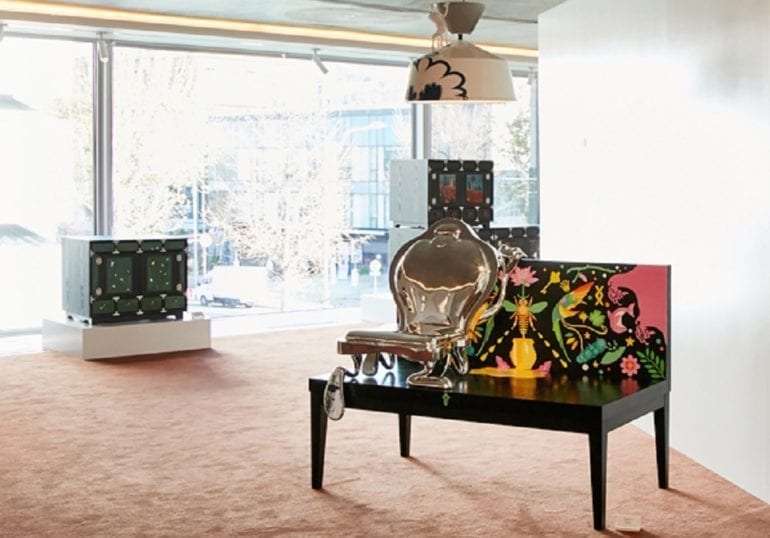
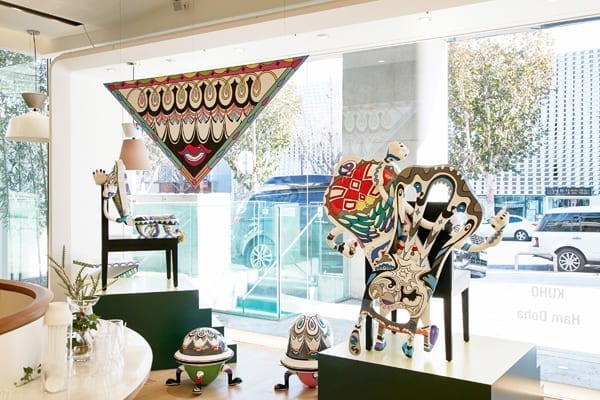
    Samsung C & T’s womenswear “KUHO” showcases the exhibition and collaboration line “Artisan” with Doha, a furniture designer to build its image of a lifestyle brand.

    Ham-Doha Collaboration is held under the theme of “Sentiment” in the showroom on the second floor of the flagship store in Hannam-dong, Seoul, until the 31st of this month.

    Hannam-dong, a lively neighborhood in central Seoul near Itaewon, is becoming a popular spot for all kinds of cultural experiences, including fashion.

    It is in this area full of designer stores and galleries that KUHO, a Korean fashion label, launched its first flagship store, called “The House of KUHO”.

    KUHO introduced ‘Artisan’, an exclusive line to attract young customers. This line is combined with Ham Doha, a famous furniture designer, and artwork with distinctive colors and curves. It has a limited edition including sweatshirts, eco bags, pouches and brooches.

    The exhibition displays 31 works including furniture, lighting, and painting.

    The designer creates a personalized work by projecting the concept of ’emotion’, which is accompanied by all the acts that people feel and sympathize with, in  their interaction feel  furniture.

    Visitors can feel various subjective interpretations about the meaning and expression of the household and change the emotion.

    Park Ji-na, director of “KUHO” said “We have organized exhibitions to share a brand identity that pursues total lifestyle beyond clothing and enhance customer communication. We will strengthen brand identity through the works of Ham designer and Artisan line to deliver differentiated values.”