Tag: Korea

  • Scania says Korea keeps its trucks on top

    Scania says Korea keeps its trucks on top

    Sweden commercial vehicle manufacturer Scania said Korea will remain strategic to its Asian business, particularly due to the advanced technology and high environmental regulations imposed on cars.

    “There’s a saying that if you can manage Korean standards, you can manage any country standards [in Asia],” said Kaj Farm, the managing director of Scania Korea at a press conference held Thursday in Gangnam, southern Seoul.

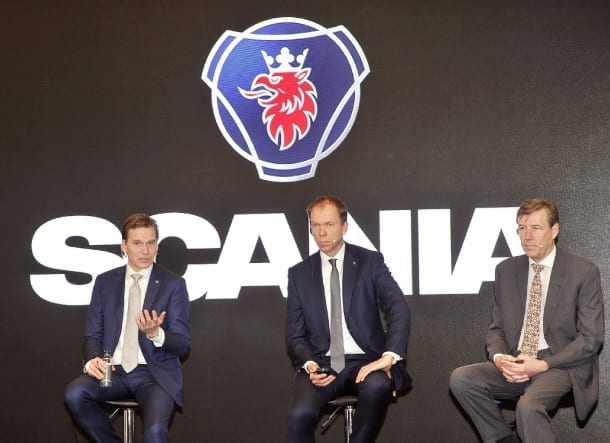
    Executive Vice Presidents Mathias Carlbaum, head of commercial operations, and Christian Levin, head of sales and marketing, joined the event to share the company’s future plans. This was the first time top-level executives from headquarters attended a local press event for Scania.

    The company says Korea is an effective gateway for launching new models before they are sent to other Asian countries, as environmental regulations and safety standards are much stricter. Another advantage is that Korea has an information technology infrastructure that allows the company to test high-tech “connectivity” features that help the company collect data on drivers and their trucks on the road.

    The company chose Korea as the first Asian market to sell its newest lineup, the All New Scania series, launched Feb. 10. The series was its biggest R&D project ever, taking 10 years and 2 billion euros to develop.

    In sales, Korea was Scania’s biggest market in Asia before last year, when China overtook it. In Korea, Scania has an 11.5 percent market share in heavy trucks, a jump from 6.6 percent in 2013. The Korean office’s aim is to keep up slow but steady growth by expanding market share 1 percent each year.

    Scania is pushing R&D to prepare for an era of sustainable transportation with increased energy efficiency, alternative fuels, electrification and so-called “smart transport.” It has already had some success in developing engines for alternative fuels.

    One interesting experiment Scania is conducting in Singapore for the “smart” sector is “platooning,” where four trucks, operating between several freight terminals, drive in a convoy and the only manned vehicle is the one at the very front. The others are connected via Wi-Fi and are led by the car in front.

    “Our target [for the Asian market] is a 70 percent increase [in the number of units sold] from 2016 to 2020,” said Carlbaum, Scania’s commercial operations head. “By then, one third of the total volume for the company will come from Asia. And, in the meanwhile, Korea will remain a core part of this growth strategy.”


  • Coupang launched Korea’s largest STEAM toy store

    Coupang launched Korea’s largest STEAM toy store

    Ecommerce platform Coupang has opened what it says is the largest Korean online toy store specialising in Steam (science, technology, engineering, arts and mathematics) education.

    The new theme store offers more than 390,000 Steam education items at low prices.

    Steam education refers to a creative teaching framework that integrates the five disciplines. It started as a Stem initiative in the US, and later arts was added to the mix. Unlike the traditional lessons, this latest education trend uses fun games to learn knowledge and senses that can be applied in a daily setting. The initiative encourages children to think comprehensively and flexibly, which contributes to their creativity.

    Coupang opens Koreaís largest STEAM toy store

    At Coupang, customers can find art supplies, blocks, remote control toys including drones, board games as well as instructive toys that can be used as tools to learn the five disciplines, grouped by age category as well as toy type.

    Flagship items include the Lego Boost 17101 unveiled at CES 2017 in Las Vegas. The toolbox offers hands-on experience of building a robot, cat or a car.

    Lee Byeong-hee, the head of baby category in Coupang, says the Steam initiative has been widely accepted as a new teaching method to nurture talents for future.

    “Customers can take advantage of the opening promotion and shop top educational toys from various brands at affordable prices.”

    Coupang is one of the world’s largest and fastest growing e-commerce platforms.

  • Gucci korea reopened its flagship store by going back to basic

    Gucci korea reopened its flagship store by going back to basic

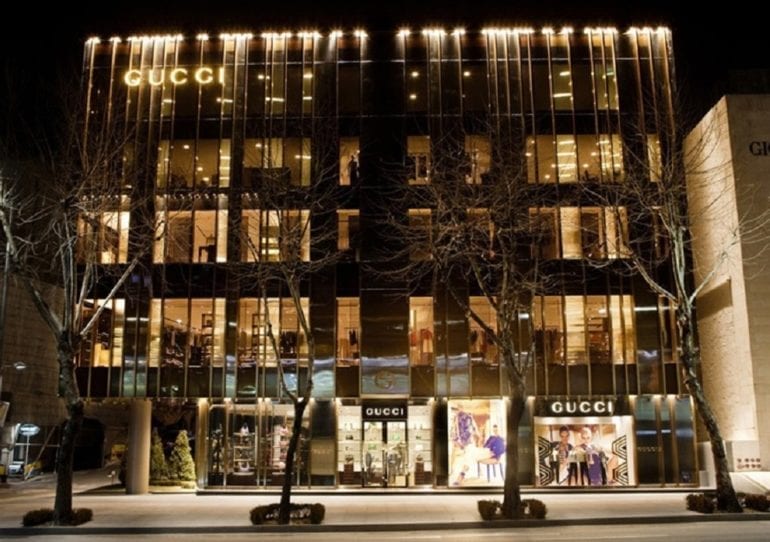
    Italian luxury house Gucci opened the doors to its renewed Korean flagship store in Cheongdam, Southern Seoul, giving fashionistas a new reason to visit the neighborhood.

    The three floors of the shop carry the brand’s most popular items, from bags, wallets and shoes to clothes and the newly launched “Gucci Deco” home-furnishing items.

    Just a few years ago, Gucci was regarded as a luxury brand with a slightly old-fashioned design that failed to appeal to younger trendsetters. But after Alessandro Michele took the helm in 2015 as creative director, Gucci has started a whole new chapter in its history, becoming the most searched for brand on Google in 2017, and adding over 8 million followers on the Gucci official Instagram account.

    Their success was attributed not to trying something entirely fresh, but to Michele’s decision to get back to basics, returning to the vibrant colors and patterns of the old archives, but adding a 21st century twist. His designs were vintage, but not too classic – bold but not gaudy.

    The flagship store carries all the popular items that made Gucci the hottest brand in town, within an interior of walls decorated in old rose, and antique carpets that add a classy ambience to the overall space. The toned-down color of the walls lends a stark contrast to the colorful products on display.

    Visitors to the store can see all of Gucci’s treasures in one space, but there are two distinct reasons why the new shop is worth a look: the do-it-yourself (DIY) zone and the Korean edition goods only available at the flagship store.

    The two DIY zones are located on the second and third floors and are both equipped with different ready-made patchworks and pins that, when guests choose from them, staff members are ready to sew them on in different ways. On the second floor, visitors can decorate their very own jackets, while on the third, one can create DIY handbags and clutches.

    Also available are the Korea-exclusive edition items, which have been embroidered with a Korean tiger that differs from any of the animals usually seen on other Gucci products. The unique Korean tiger is printed on men’s Beastiary bags, wallets and Princetown shoes, which can only be found in this particular shop and nowhere else in the world.

    And while they don’t have their own DIY zone, many of the women’s sneakers have metal buttons on them, which allow the wearer to snap different patches into place and change them as one likes.

    “The Gucci flagship store is like a cabinet of curiosities that’s made to please and inspire visitors,” said a staff member on the day of the opening. “The store is a space where you can experience the unique brand culture of Gucci.”

  • Korean embracing the chill, retail sales number peak in low degrees

    Korean embracing the chill, retail sales number peak in low degrees

    A new study has revealed that Korean shoppers embrace the cold winter climate – but not much beyond minus 5 degrees.

    Supermarket operator E-Mart says the number of customers peaks during winter when the temperature hits minus 5 degrees Celsius, also known as the ‘golden temperature’ in the South Korean retail industry.

    Researchers learned that customers were most likely to come out and shop when the mercury fluctuated around the golden temperature, after analysing the shopping patterns of consumers from last December to early January on Wednesday, Thursdays and Fridays.

    The number of visitors to E-Mart reached the highest levels between December 20 and 22 of  last year, totaling 2.17 million shoppers. During this period, the temperature dropped to around minus 5 degrees Celsius.

    Between January 31 and February 2, 2.12 million people shopped at E-Mart stores across the country, with the temperature plunging to a low of minus 4.3 degrees Celsius on average.

    During the seven weeks when the study was conducted, the temperature stayed at a low of minus 4 to minus 7 degrees Celsius on the top four most visited days.

    The best temperature for retail sales didn’t come often, however.

    The number of customers dropped when the mercury rose to minus 0.3 degrees Celsius, with only 2.05 million people visiting E-Mart stores on Wednesday, Thursday and Friday during the third week of January.

    When it was too cold, retail sales were impacted negatively, with the number of customers plunging below 2 million during some days in January when the temperature dropped to minus 10 degrees Celsius.

    “When cold waves hit and temperatures drop below minus 10 degrees Celsius in the winter, shoppers tend to avoid offline shopping. At the same time, warm weather also doesn’t help retail sales as sales of seasonal products like heating supplies become sluggish. We believe around minus 5 degrees Celsius is best for retail sales,” an E-Mart spokesperson said.

  • Lotte’s chair resigns Japanese CEO role after bribery conviction

    Lotte’s chair resigns Japanese CEO role after bribery conviction

    Lotte Holdings held a board meeting on Wednesday and accepted Shin Dong-bin’s resignation, following a Japanese tradition of convicted chief executives stepping down, the group said in a statement. But Mr Shin will retain his post as vice-chairman of Lotte Holdings and the move will not affect his status in Lotte’s Korean units, the group added.

    Lotte Holdings is at the heart of the retail-focused conglomerate’s complex ownership structure and indirectly controls the group’s key businesses in South Korea such as Lotte Hotel and Lotte Chemical through cross shareholdings.

    Mr Shin’s resignation as chief executive of the holding company comes after a South Korean court sentenced him to two-and-a-half years in prison for bribery, in a stern warning to the country’s political and business elites. Mr Shin was found guilty of offering Won7bn in bribes to foundations of the long-time confidant of former South Korean president Park Geun-hye in return for political favours.

    Lotte said Mr Shin’s resignation would likely have a negative effect on business cooperation and synergies between the group’s South Korean and Japanese operations.

    Mr Shin is appealing the court case. However, his legal troubles could reignite a family dispute over management control at South Korea’s fifth-largest conglomerate and slow its group-wide restructuring efforts.

    Lotte officials are also concerned that Mr Shin’s detention could undermine Lotte’s major investment plans as the group grapples with ballooning losses in China.

  • Starbucks Korea issues CPs to speed up domestic expansion

    Starbucks Korea issues CPs to speed up domestic expansion

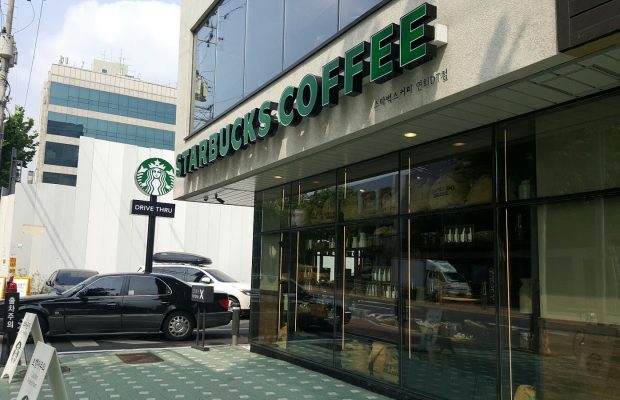
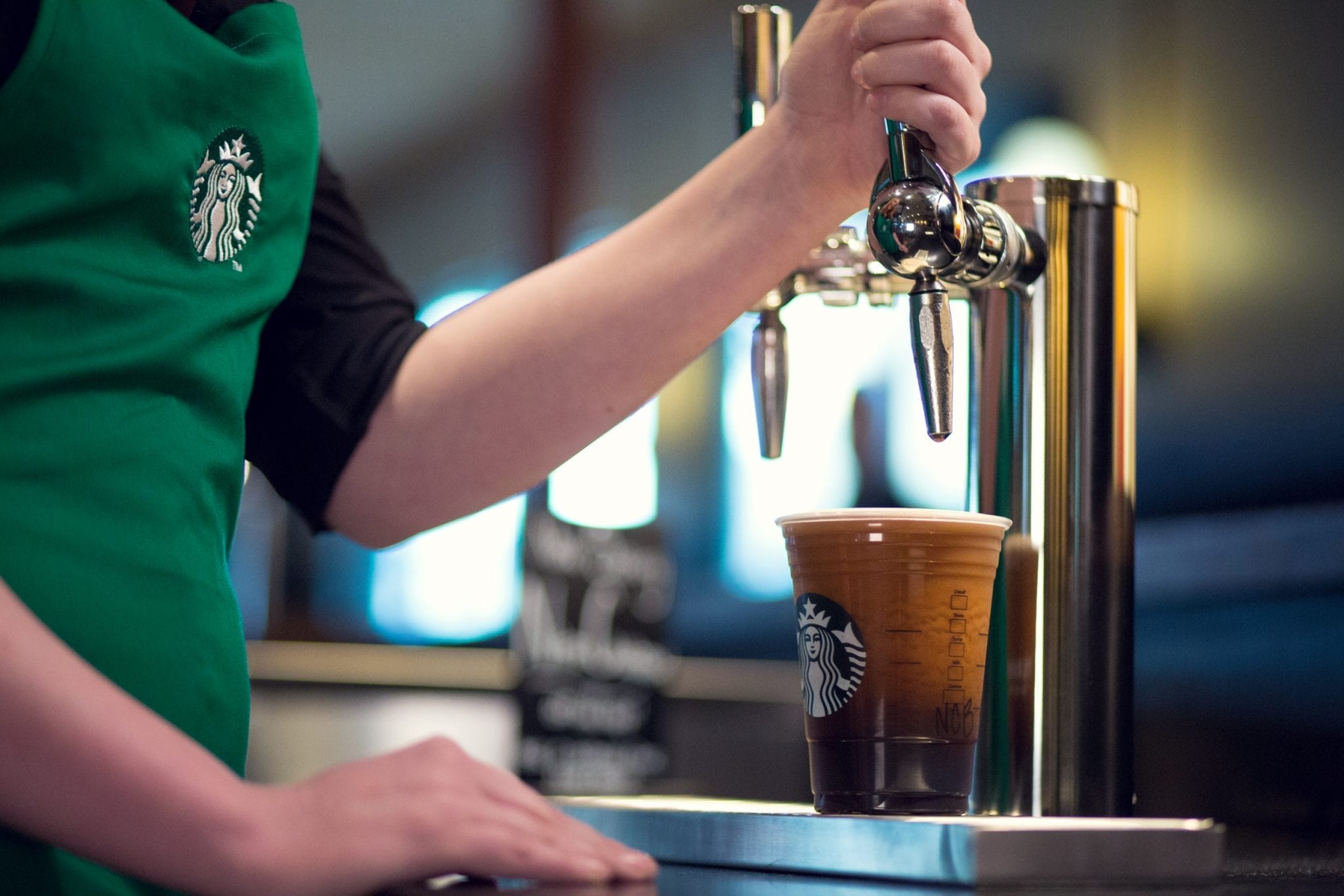
    Starbucks Korea recently issued commercial papers worth 30 billion won (US$28.07 million), possibly to further speed up its domestic expansion, according to news reports on Feb. 19.

    Seattle-based Starbucks is the nation’s No. 1 specialty coffee chain with about 1,100 outlets, followed by rival CJ’s A Twosome Place with 910 outlets. Its revenue hit the 1 trillion won mark last year for the first time as a coffee chain brand here.

    The Korean unit, a 50:50 joint venture with local retail giant Shinsegae Group, last year opened 130 new outlets nationwide, spending about 100 billion won. Sources said the firm is seeking to raise funds possibly to open about 150 new stores this year as part of its aggressive expansion plans.

    “We will continue to expand our presence here like we did last year,” a company spokesperson said. “We cannot confirm any details of the CPs now.”

    According to industry watchers, Starbucks Korea is issuing CPs as it has reduced its debt over the past years thanks to strong earnings. In the early years, the firm issued CPs to fund the expansion. Its debt reached more than 60 billion won five years ago but the figure dropped to 4 billion won by the end of last year.

  • Hana Financial Group To Drive Its Global Loyalty Network With Oracle

    Hana Financial Group To Drive Its Global Loyalty Network With Oracle

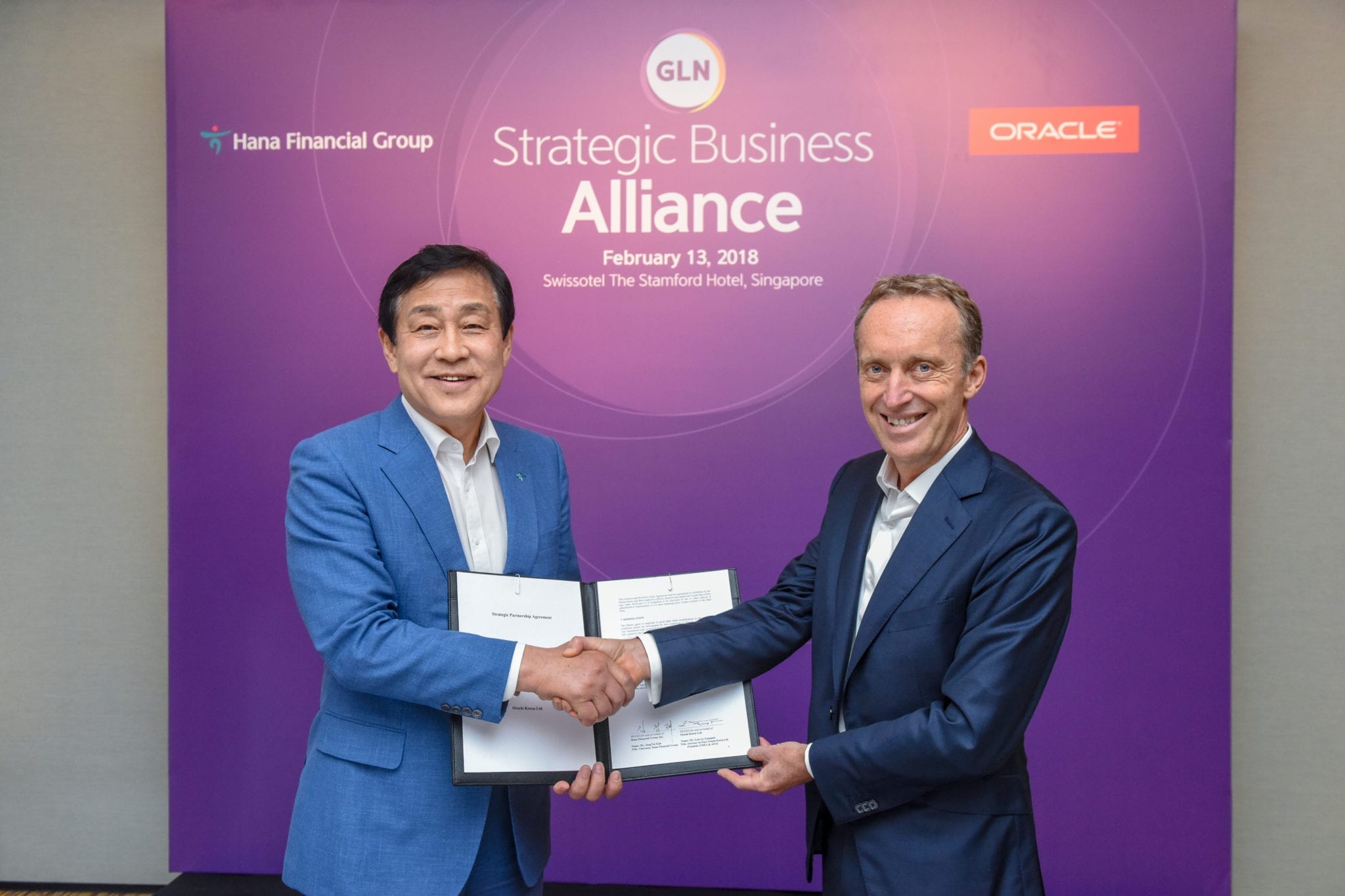
    Hana Financial Group (HFG) (Chairman Kim Jung-Tai, www.hanafn.com) announced it signed a memorandum of understanding (MOU) with Oracle in Singapore yesterday under which Oracle will work with HFG in the building and joint marketing of HFG’s Global Loyalty Network (GLN).

    Kim Jung-Tai, chairman of the Hana Financial Group, and Loïc Le Guisquet, president, International, Oracle Corporation, were in attendance at the signing ceremony. Both companies confirmed their mutual cooperation for GLN’s successful launch of services and global expansion, and agreed to collaborate on new technologies such as blockchain, membership, e-money and AI through HFG’s business know-how and Oracle’s technology capabilities. HFG will also modularize the results of the project, including digital asset exchange, and conduct consulting and sales.

    Kim Jung-Tai said, “Through this collaboration, we expect it will be easier for GLN to expand worldwide using Oracle’s leading and innovative cloud technologies that enable digital transformation. Building a global digital asset transfer network is a level of innovation that is rarely seen around the world and when the global integration platform is built, GLN’s customers will be able to enjoy locally offered deals and discounts around the world.”

    GLN is an innovative integrated platform network that enables digital institutions and retailers around the world to connect their digital platforms in one network to freely exchange digital assets and electronic money such as points and mileage. The GLN consortium was established in November 2017 with 36 companies in 11 countries. It is currently under contract with 24 companies and detailed discussions are underway with 15 banks and 20 retailers.

    Meanwhile, on Feb 2, it said that a ‘Coupon Mall Pyeongchang Edition’ in connection with GLN was opened to keep pace with the hosting of the PyeongChang Winter Olympics. This coupon mall is based on the global platform and is being provided in seven languages including English, Korean, Chinese and Japanese. This service will be also expanded globally through GLN’s consortium banks including SuMi TRUST Bank in Japan and Taiwan Taishin Bank, and it is currently offering over 1,000 free coupons. Han JunSeong, vice president of KEB Hana Bank said, “We provide foreign tourists visiting Korea during the PyeongChang Winter Olympics with information on sightseeing, restaurants and various free coupons for major domestic cities such as Pyeongchang, Seoul, Jeju and Busan.”

  • Imported beer sales at convenience stores on rise

    Imported beer sales at convenience stores on rise

    Sales of imported beer at South Korean convenience stores have risen sharply, store operators Sunday, as more consumers opt for variety and a growing number of people drink at home.

    BGF Retail Co., the operator of CU, South Korea’s largest convenience store chain, said sales of foreign beer brands accounted for 60.2 percent of the total in the two months of this year.

    The figure has steadily increased from 58.3 percent in 2015, with numbers surpassing the 60 percent mark for the first time ever.

    Industry insiders said the rise of single-person households also boosted the trend of demand for light alcoholic beverages. This has resulted in rising demand for imported beer sales at discount chains and convenience stores.

    “A total of US$250 million worth of beer were imported last year to set a new record,” said a CU official, noting that discounts on imported beer have also reduced the price gap with domestic beers.

    Local convenience stores have recently offered aggressive price promotions for foreign beers to meet strong demand for various flavors beyond the lager-dominated domestic brands.


  • Lotte Group Chairman jailed for duty free licence bribery

    Lotte Group Chairman jailed for duty free licence bribery

    Lotte Group, parent of the country’s leading travel retailer Lotte Duty Free, is reeling from the shock jailing of its Chairman Shin Dong-bin on 13 February 2018.

    Following a Seoul Court’s guilty verdict and simultaneous sentencing of 2 1/2 years in jail to Lotte Chairman Shin Dong-bin for bribery, Lotte Group voiced concerns over its future business plans.

    In an official statement, Lotte Group said the outcome was “unexpected” and it was “regretful” about the jail term, and insisted that Shin was innocent.

    “As soon as we receive the written judgement, the group will discuss with its attorneys for further process,” the group said.

    “But what worries us is not being able to achieve our promise with customers, such as listing our hotel business, completing the establishment of the holding company, as well as investment and employment expansion plans,” the group added.

    The group said it would activate its emergency management system to reassure employees, customers and shareholders.

    With Shin’s sentence, the business license for Lotte Duty Free branch in World Tower in southern Seoul may be at risk, according to industry watchers.

    The National Tax Service said it has launched a review of the licensing process upon the sentencing.

    In what is now referred to as the “duty free war” in 2015, Lotte had lost its duty free business right in the license screening process in November of that year. Then in 2016, the government announced a plan to dole out an additional duty free license in Seoul, for which Lotte won in December of the same year. The court found the duty free business as one of the management issues for Shin.

    The company will continue to support the ongoing 2018 PyeongChang Winter Olympic Games as an official partner with help of the vice president of Korea Ski Association, it added.

    Shin became the president of the Korean Ski Association in 2014 and has been supporting the Korean ski team since then. He is also a member of the 2018 PyeongChang Organizing Committee’s governing board and has been a member of the International Ski Federation since 2016.

  • Bolloré Logistics Korea to be the First to Achieve CEIV Pharma Certification

    Bolloré Logistics Korea to be the First to Achieve CEIV Pharma Certification

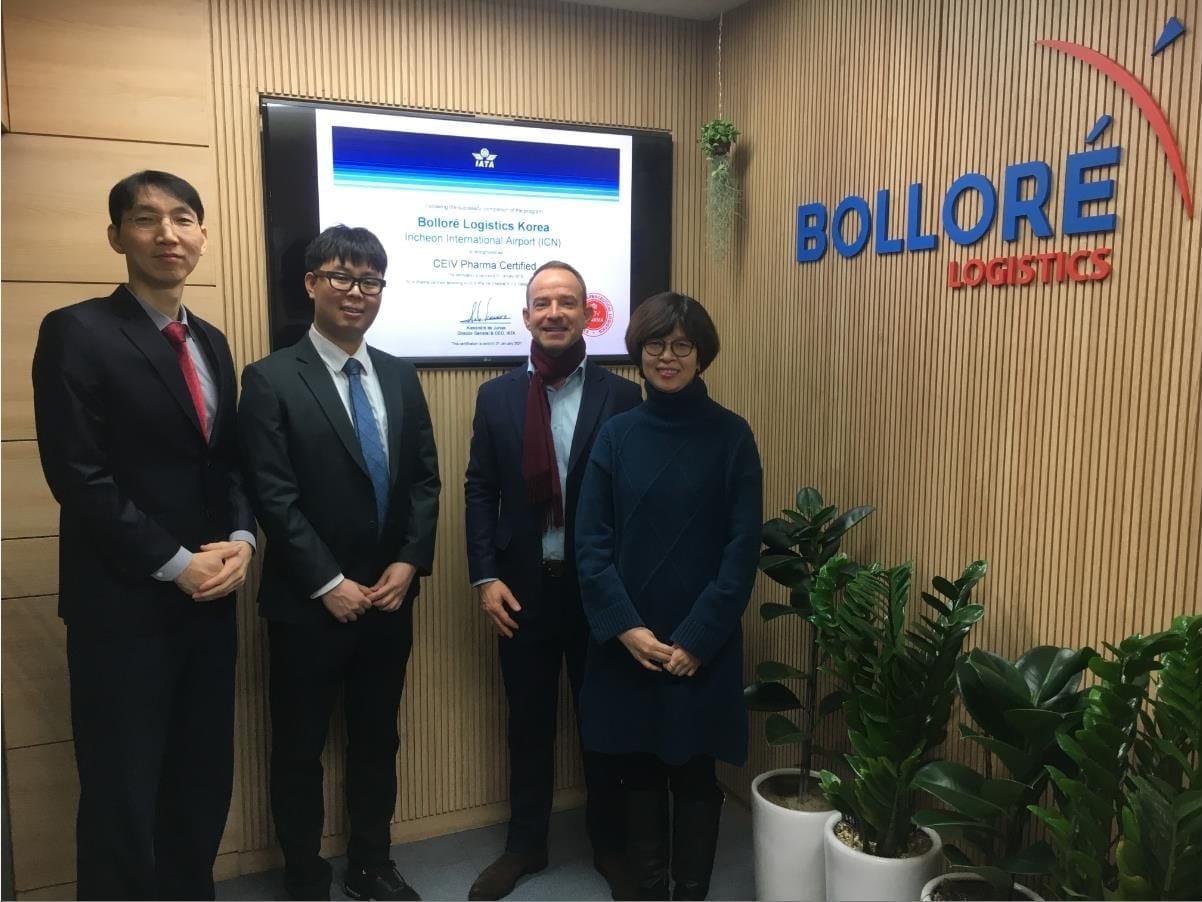
    On January 31st, 2018, Bolloré Logistics Korea became the first transport and logistics company in South Korea to independently achieve the International Air Transport Association (IATA) as Center of Excellence for Independent Validators in Pharmaceutical Logistics (CEIV Pharma).

    The certification is a globally recognized and standardized certification for healthcare airfreight shipments. It is meant to train all the air cargo industry operators on the proper Cold Chain handling of pharmaceutical products requiring temperature control.

    Bolloré Logistics Korea began the certification process according to the IATA CEIV Pharma standard in the third quarter of 2015. The CEIV committee has worked with dedication to bring the internal processes to required expectations.

    “We are proud to be the first CEIV Pharma logistics company independently certified in Korea. The certification reinforces our commitment to provide the highest standards of professionalism in handling the transportation of high-value pharmaceutical products under strict temperature and time-sensitive conditions,” said Thibault JANSSENS, Managing Director of Bolloré Logistics Korea.

    The CEIV certification will allow Bolloré Logistics Korea to have a competitive/strategic advantage in the healthcare logistics market with a stronger, more competitive and enhanced air cargo service.

    This is a new success which shows our commitment to achieve the highest international quality standard in the global pharmaceutical supply chain for its customers, by continually improving our processes and infrastructures to be compliant with IATA CEIV Pharma standards. With Australia, Singapore and now South Korea certified, the aim of Bolloré Logistics is to deploy this action throughout its global network with on-going certifications on other sites in the Asia-Pacific region such as in Hong Kong and Japan.

    With its modern and innovative facilities, the excellence of its quality management system, the expertise of its teams and its multiple certifications, Bolloré Logistics is a major global player in the supply chain of pharmaceutical products.

    The International Air Transport Association (IATA) created Center of Excellence for Independent Validators in Pharmaceutical Logistics (CEIV Pharma) in 2015. It aims to set the industrial standard for air cargo supply chain in pharmaceutical handling excellence. It addresses industry’s need for more safety, security, compliance and efficiency, by the creation of a globally consistent and recognized pharmaceutical product handling certification.

    CEIV Pharma encompasses, or even supersedes, many of the existing pharmaceutical standards and guidelines, such as IATA Temperature Control Regulations (TCR), European Union Good Distribution Practices (EU GDP), World Health Organization Annex 5, United States Pharmacopeia Standards.

  • Samsung to target young market via Samsung Digital Plaza

    Samsung to target young market via Samsung Digital Plaza

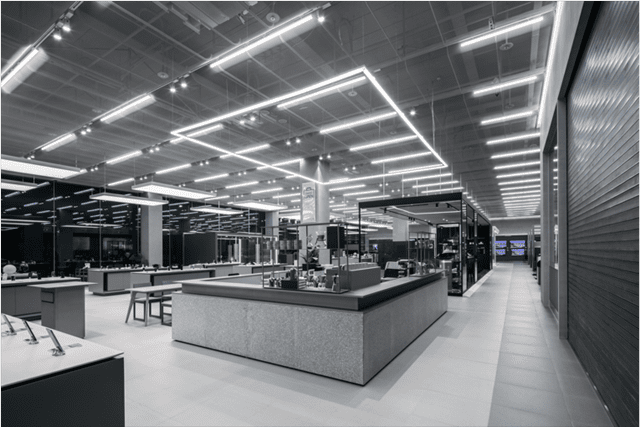
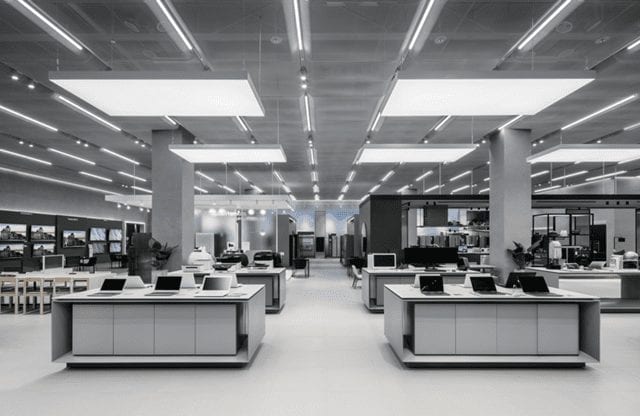
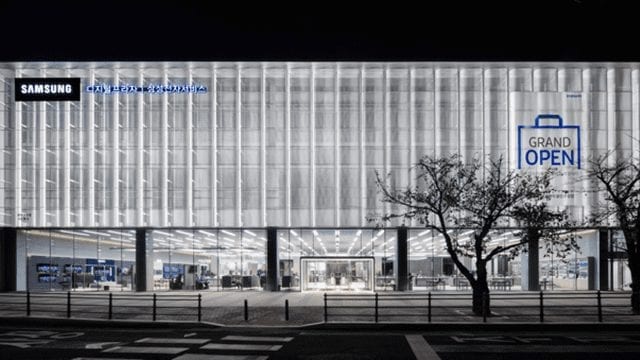
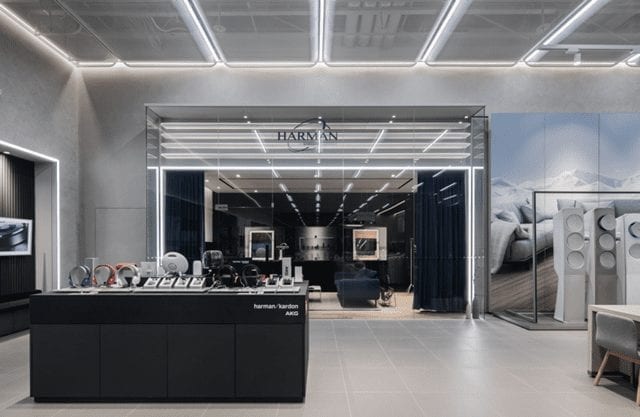
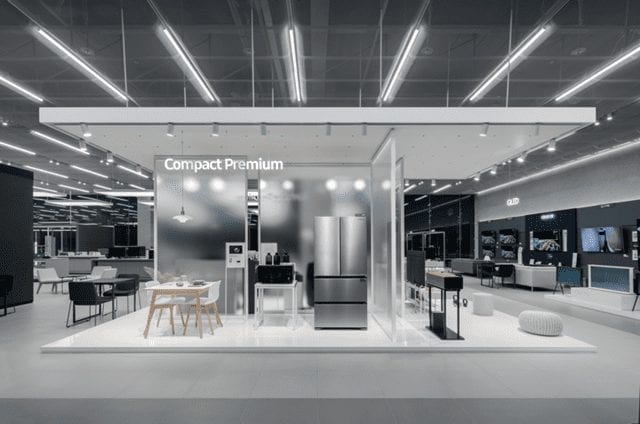
    Aiming at a young demographic, the Samsung Digital Plaza has been reimagined for its launch in Yongin City, Korea.

    On the ground floor of a metal-covered three-storey building, the 1255sqm store offers its goods in a context that echoes the home. The electronics giant engaged Seoul architecture practice Betwin Space Design to create the venue’s façade and interior.

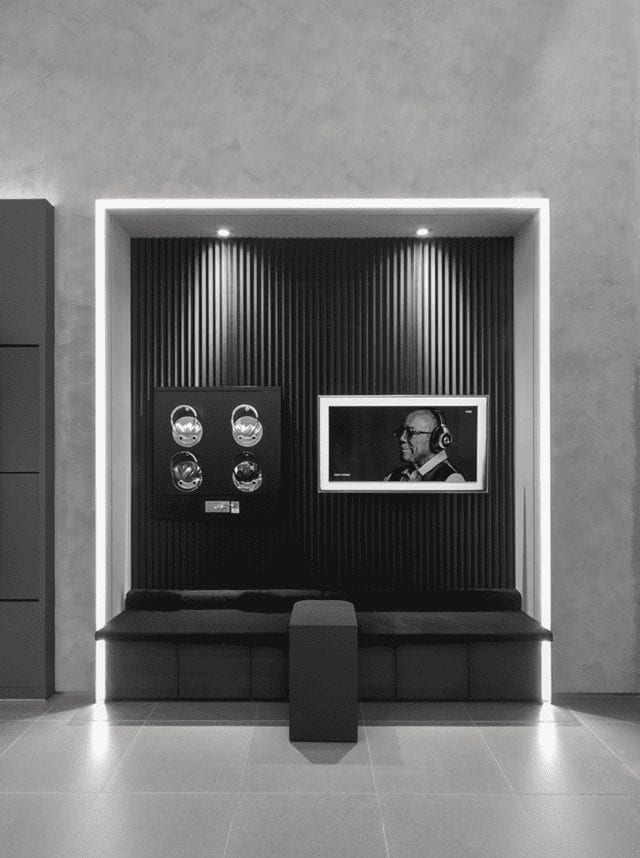
    One of the display zones features audio devices by Harman, a company that became a Samsung division early last year. Samsung displays its TVs in a zone designed like a living room complete with sofas.


    Aiming at occupiers of single-person flats, the compact premium zone presents special products in a setting that reflects modern living styles in Korea, says Samsung.

    There is also a cafe in the middle of the store.


    Photo courtesy: Samsung

  • Alipay now available in all Starbucks across South Korea

    Alipay now available in all Starbucks across South Korea

    For Chinese tourists traveling South Korea, paying for a grande latte at Starbucks is now as easy as showing your smartphone.

    Ant Financial, which now Alibaba a 33% stake, said Sunday its Alipay e-wallet service is now available at over 1,150 Starbucks branches across South Korea – the first third-party mobile-based payment method enabled nationwide at Starbucks in the country.

    “Starbucks branches are among the most-visited places by Chinese travelers in South Korea. We will continue to introduce Alipay to more local merchants, including restaurants and shops to make Chinese travelers’ journey as convenient as at home,” said Danny Chung, General Manager of Alipay Korea.

    Alipay, the world’s leading third-party payment platform available in 38 countries and regions, was first introduced in South Korea in 2015. Users of the online payment platform can also enjoy an instant tax refund via Alipay at four major airports in South Korea. Earlier this month, Finland became the first country to offer Chinese tourists fully cashless experience by adopting Alipay.

    According to the state-run Korean Tourism Organization, travelers from China make up around one-third of South Korea’s inbound tourists each year.

    The announcement comes on the heels of Alibaba’s launch of an interactive showcase at Gangeung Olympic Park, a staging area for PyeongChang 2018 that hosts the Games’ ice sports.

    Alibaba Group is an Olympic TOP partner through 2028.  As part of the Olympic Partner worldwide sponsorship program, the Hangzhou-based technology giant is the official “Cloud Services” and “E-Commerce Platform Services” partner of the International Olympic Committee, as well as a Founding Partner of the Olympic Channel.


  • Coupang Opened a Hanbok Store that Provides Korean Traditional Costume

    Coupang Opened a Hanbok Store that Provides Korean Traditional Costume

    E-commerce platform Coupang has opened an online store specialising in hanbok, Korean traditional clothing.

    Even babies and pets are catered for with the hanbok range, which also includes hanbok accessories such as hairbands, daenggi (ribbons for braided hair) and ggotshin (women’s shoes with flower patterns).

    As well as its hanbok store, Coupang has specialty stores focusing on its private-label brand Tamsaa, organic/eco-friendly items, men’s grooming, maternity items and travel accessories.

    Ecommerce platform Coupang has opened a store specializing in Korean traditional clothing hanbok. (PRNewsfoto/Coupang)

    As well as Seoul, Coupang has offices in Beijing, Los Angeles, Seattle, Shanghai and Silicon Valley.

  • Asia boosts Hermes international sales

    Asia boosts Hermes international sales

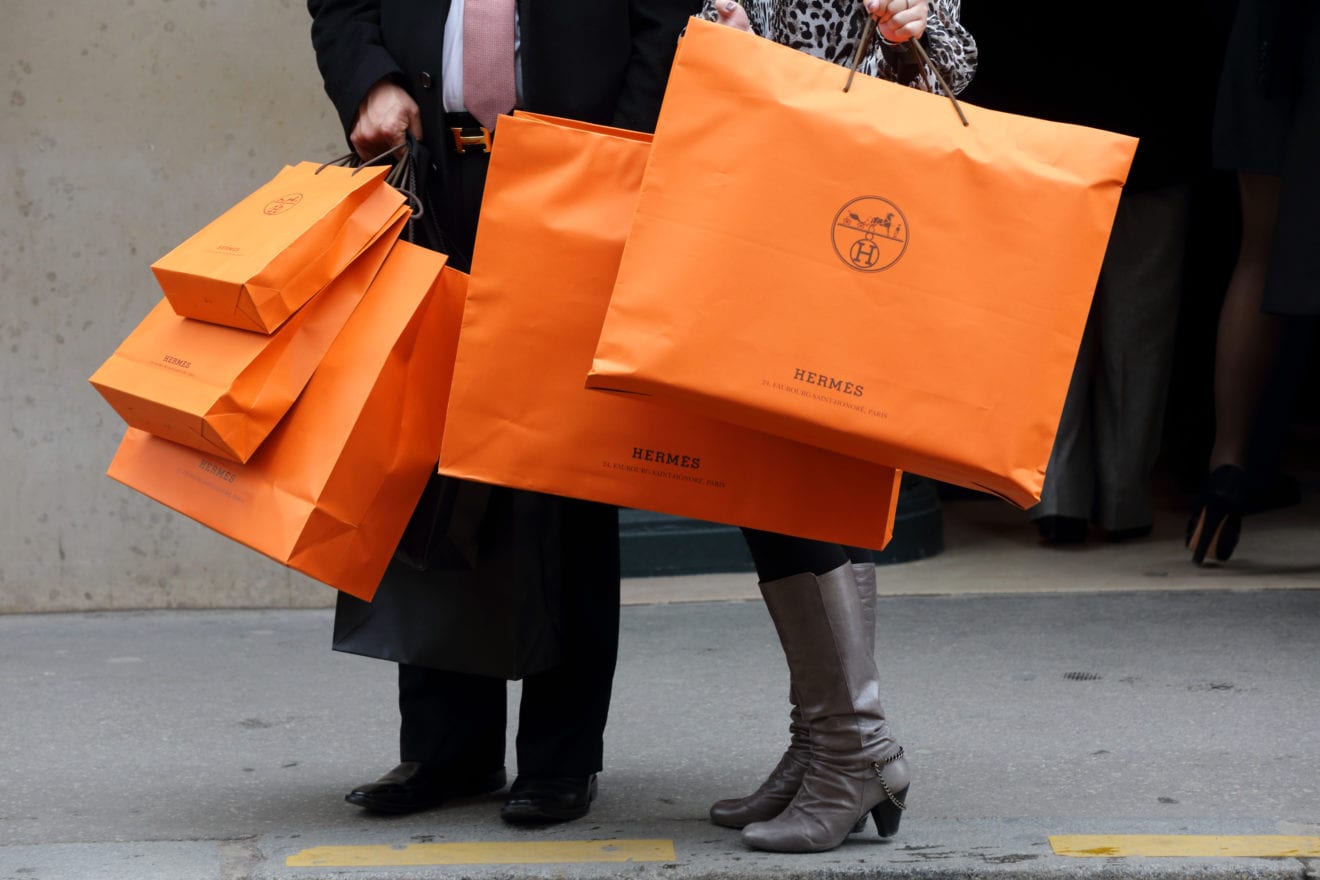
    Hermes international sales showed strong growth last year, pushed by an upward curve in Asia.

    Sales for the French fashion brand were up 9 per cent at constant exchange rates, with consolidated revenues reaching €5.5 billion (US$6.7 billion). After adjustment for the negative currency effect resulting from the year-end strengthening of the euro, the increase was 7 per cent.

    In the final quarter growth was sustained at 5 per cent at constant exchange rates.

    During the year Hermes continued to improve its distribution network, renovating and extending almost 20 stores. It launched websites in Canada and the US, to be followed by China at the end of this year.

    Asia, excluding Japan, saw sales rise 11 per cent with a positive outlook in Mainland China and South Asia.

    Hermes says the context is improving in Hong Kong and Macau. Regional stores were extended and renovated – the Sogo Fuxing store in Taiwan, Kowloon Elements in Hong Kong and the Kuala Lumpur store.

    Despite a high comparison basis, Japan recorded a sustained increase of 4 per cent thanks to its selective distribution network.

    All sectors recorded growth, with a “remarkable” performance by the ready-to-wear and accessories, perfumes and other sectors.

    Leather goods and saddlery sales grew 10 per cent to meet demand for such bags as Constance, Halzan, Lindy and Verrou. Shoes particularly boosted sales in the ready-to-wear and accessories division, up 9 per cent, silk and textiles had a  6 per cent rise, while the perfumes division posted 10 per cent growth with the launch of Twilly d’Hermes.

    There was a 1 per cent rise in watch sales, while other Hermes business lines ‒ encompassing jewellery, Art of Living and Hermes Table Arts ‒ rose 11 per cent.

    Currency fluctuations had a negative impact of €100 million on revenues.

    The company will publish its annual results next month.

  • Lotte Shopping swings to loss in 2017 due to THAAD row

    Lotte Shopping swings to loss in 2017 due to THAAD row

    Lotte Shopping Co., the retail affiliate of South Korea’s fifth-largest conglomerate Lotte Group, said Thursday it swung to the red in 2017 from a year earlier amid a diplomatic row between Seoul and Beijing over the deployment of a U.S. anti-missile system here.

    Its losses reached 20.6 billion won (US$18.9 million) on a consolidated basis last year, compared to a net profit of 246.9 billion won posted in 2016, the company said in a regulatory filing. The firm operates Lotte’s key retail units, including its department store and hypermarket chains.

    Operating income stood at 530.3 billion won, down 30.5 percent on-year, and sales dropped 24.6 percent to 18.2 trillion won during the cited period, it said.

    The numbers reflect the performance of Lotte Shopping and its subsidiaries, including Lotte HiMart Co., which specializes in electronics and home appliances.

    The drop in the revenue was largely expected following Beijing’s apparent retaliation over Seoul’s deployment of the U.S. Terminal High Altitude Area Defense (THAAD) system on its soil. Lotte Shopping was one of the most affected companies from the economic retaliation after it signed a land-swap deal with the Seoul government to host the missile shield system.

    Shares of Lotte Shopping soared 4.17 percent to close at 250,000 won on the main bourse Thursday, with the broader KOSPI index gaining 0.46 percent. The earnings results were released after the stock market closed.