Tag: Korea

  • Automated stores with no human cashiers on the rise

    Automated stores with no human cashiers on the rise

    Unmanned Stores without cashiers are on the rise, industry sources said, amid local retailers‘ efforts to find a breakthrough in the saturated market.

    Local software firm Danal Co., which operates coffee franchise dal.komm coffee, said it recently opened the country’s first cashier-less coffee shop at the country‘s main gateway, Incheon International Airport.

    The coffee shop, named Beat, is located at the newly opened second terminal and is activated by robots, the company said.

    The store is operated by smart robots that can take orders, make coffee and move cups to a pick-up location where customers can drink.

    “The company aims to add up to 100 stores by the end of this year at various locations, including banks, shopping malls, and universities,” said a company official who asked not to named.

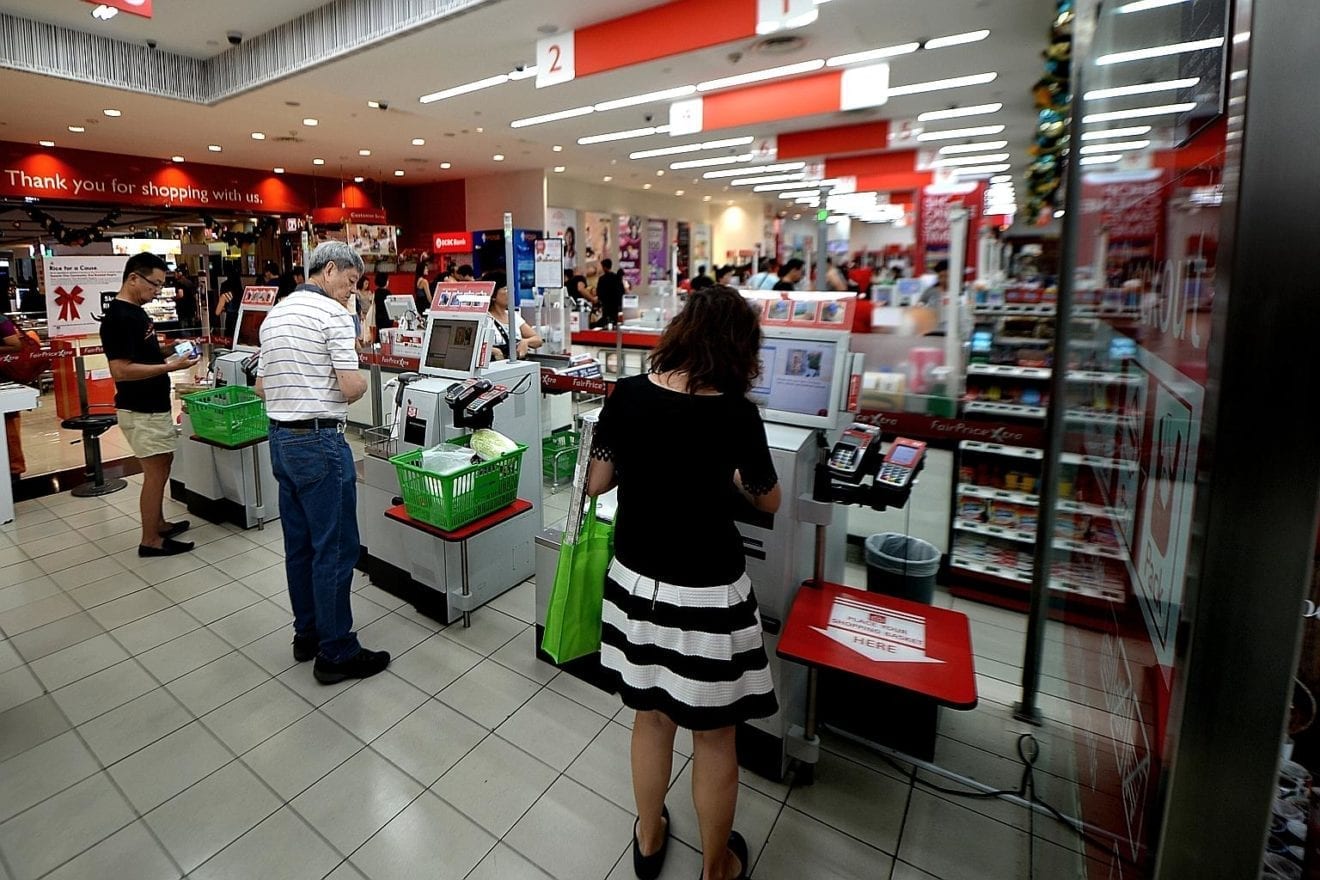
    Unmanned convenience stores are also on the rise, since the country’s first cashier-less convenience store broke onto the retail scene in May. The local operator of 7-Eleven unveiled a shop that utilizes vein recognition technology at South Korean retail giant Lotte‘s 123-story skyscraper.

    Unlike other 24-hour shops, automated convenience stores feature self-service kiosks, where guests scan the bar codes of their items and pay.

    Emart24, an affiliate of leading discount store chain operator Shinsegae, currently operates six cashierless stores, having opened the first one last June.

    BGF Retail Co., the operator of CU, South Korea’s largest convenience store chain, said it is preparing to open an unmanned shop.

    The company currently provides mobile application called “Buy-Self,” which allows customers to search for an item, and provides a payment tool.

  • The Face Shop X Coca Cola has been launched

    The Face Shop X Coca Cola has been launched

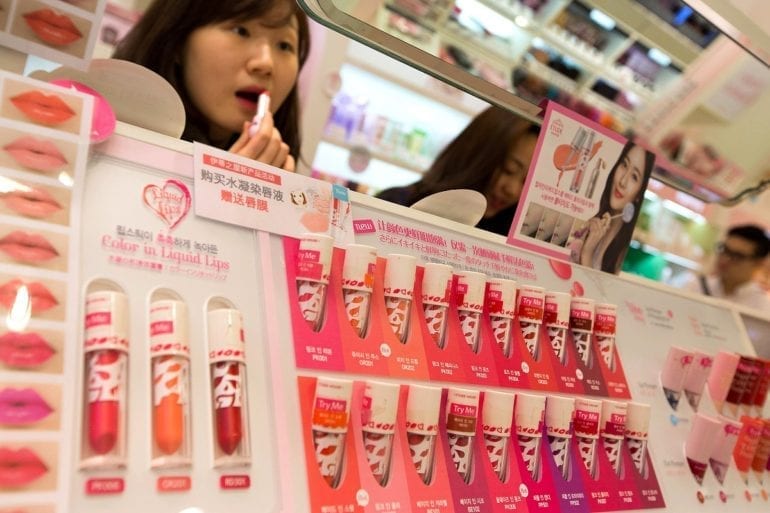
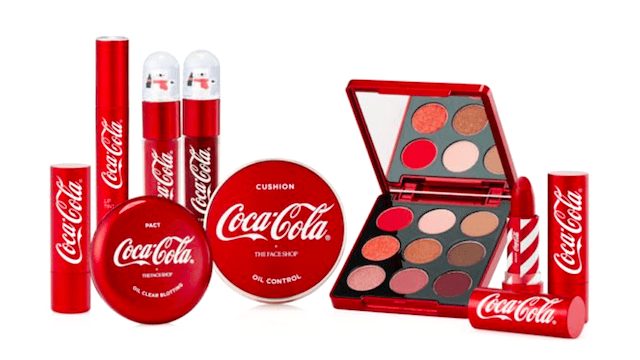
    Korean makeup brand The Face Shop has launched a range of Coca Cola cosmetics in an unusual collaboration with the US soft drink brand.

    The makeup range includes cushion compact, powder pact, five cream lip tints, five lipsticks, three gel lip tints, and an eyeshadow palette – all in Coca Cola pattern packages.

    Not only are they sold to look a little like Coke products… they even smell like Coca Cola.

    The Face Shop says the lip tints and lipsticks really do have a scent similar to “the real thing”…

    The lip tint packaging also features a cute polar bear image on the cap.

    The Coca Cola cosmetics collection by The Face Shop is sold online and at retail chains in Korea.

  • Blockchain might beat crooked contractors

    Blockchain might beat crooked contractors

    Brothers Frideric and Alexandre Prandecki’s journey to success in the home repair business started with a simple problem – their air conditioner broke in the Las Vegas heat.

    Rather than scan the local yellow pages, the brothers called in a repairman with a five-star rating through the Google for Work platform.

    “A guy comes in, big company, with his gadget and says, ‘Your AC unit is down, shot broken, you can’t even fix it, don’t repair it,” Frideric Prandecki said in an interview in Seoul. “I can give you a call, it’s $5,500 for a small unit.”

    The evaluation sounded fishy to Prandecki. He called another independent repairman named Nicu, who had a license but wasn’t well-known on the contractor listing sites. But Nicu turned out to be just the guy for the job.

    “He came to the house, he checked this, checked that and looked at the air filter, which is stupid by the way, and our air filter was dirty,” Prandecki said. “He changed the air filter and cold air started blowing.”

    The brothers realized that they had stumbled upon a business opportunity – connecting honest repairmen to customers.

    The Prandeckis’ business, Bob’s Repair, which introduces honest, skilled contractors with affordable rates to customers, grew steadily since they founded it.

    Since then, Bob’s Repair has handled over $1 million in transactions and facilitated more than 50,000 service calls.

    One of the barriers to solving the problem of overcharging customers is the nature of popular contracting platforms such as Angie’s List, Home Advisor or Google for Work. Because contractors are the main fee-paying customers of those sites, reviews posted on those platforms often can’t be trusted.

    “Home Advisor or Angie’s List will take down bad reviews if there’s a big complaint,” Prandecki said. “The only contractor that’s good is the person that pays [the most].”

    The company is adopting blockchain technology to further improve transparency for customers, who are often taken advantage of by unscrupulous contractors.

    “There’s a big issue where there’s a lot of fraud,” Prandecki said. “They’re overpaying for a simple repair or a toilet installment or an AC unit.”

    Prandecki believes the solution to this problem is blockchain. In a blockchain-based system, once a transaction is made and the review for the service is posted, the review will remain visible and can’t be removed or altered.

    “Someone said my business plan would never work because contractors won’t want anyone to know how much they’re charging,” Prandecki said. “That’s a lie.”

    Prandecki believes that successful blockchain services will combine blockchain with traditional businesses. That way, customers can directly experience the advantages of blockchain in their daily life – like when they need to call a handyman.

  • BMW, Mercedes win with diesels in Korea

    BMW, Mercedes win with diesels in Korea

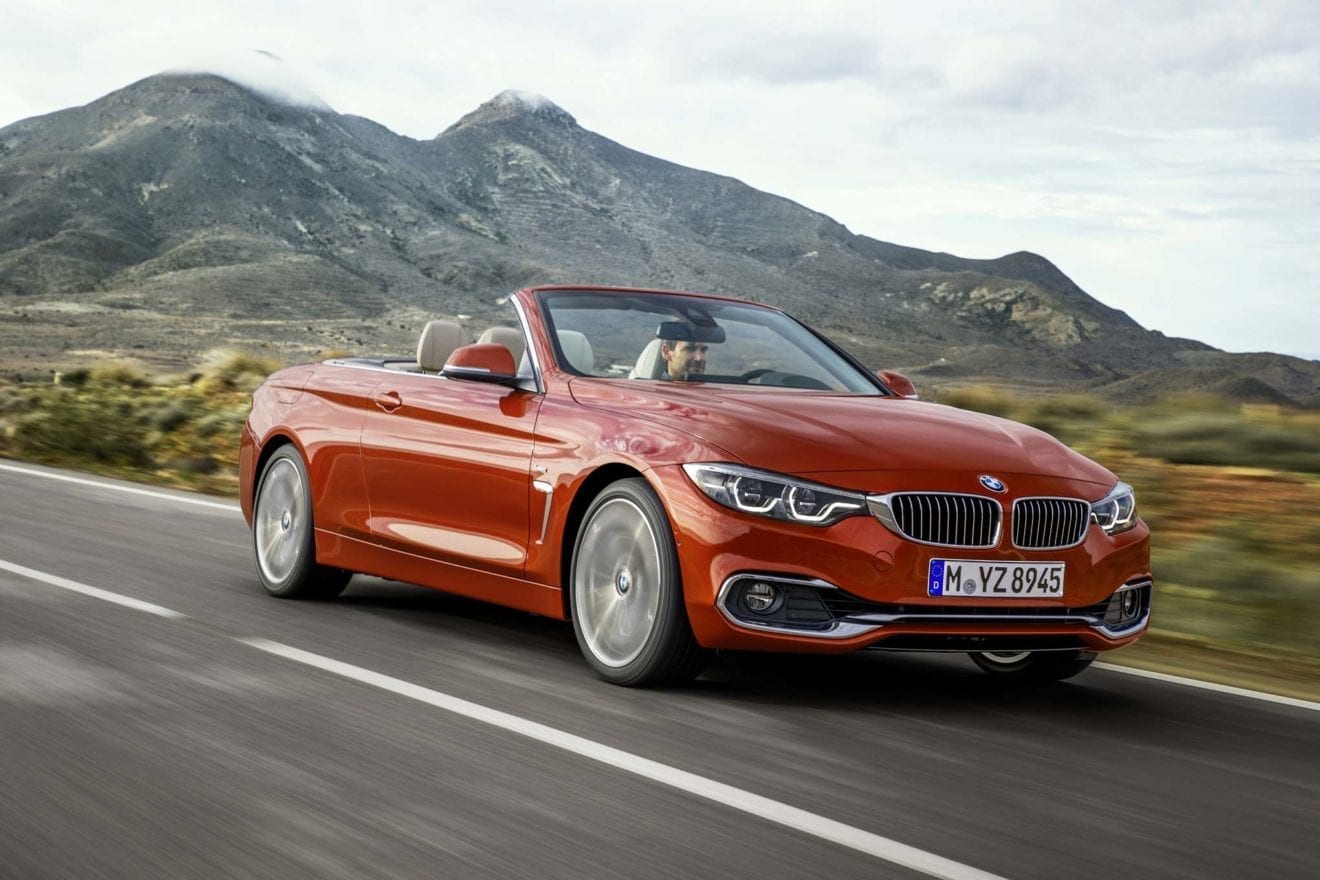
    It’s only been a couple of weeks since the 2018 Winter Olympics in Pyeongchang concluded, but for two of Germany’s major premium brands the hunt for gold in South Korea continues. BMW’s and Mercedes-Benz’s sales are booming and, unlike Europe, diesels have been a major driver of the success.

    Models such as the BMW 520d or Mercedes-Benz E 220d routinely rank as the best-selling imports.

    Typically, when experts talk about strategically important car markets, the Korean peninsula doesn’t come up. Instead the focus lies mainly on the BRIC countries: Brazil, Russia, India and China.

    While China has become the single-biggest market for Mercedes, BMW and Audi, the other three have failed to live up to their potential. Instead, a market of only 1.53 million light vehicles has stepped into the vacuum. Sales of Mercedes cars in South Korea increased by 20 percent last year. Remarkably, that represents a slowdown over 2016, when volumes surged by a third.

    Some of the growth can be attributed to a 2011 free trade agreement with South Korea that first reduced the 8 percent tariff on cars imported from the EU before eventually eliminating it entirely. Executives say what is even more important has been a change in attitude. A rising number of consumers are eschewing brands controlled by large family-owned conglomerates known as the chaebol, including Hyundai, in favor of foreign makes.

    Several such groups have become embroiled in scandals where the government helped keep chaebol executives found guilty of bribery and corruption out of jail. Now it’s no longer considered your patriotic duty to help the domestic brands, especially if you can afford better.

    “There’s a new spending paradigm called YOLO: You Only Live Once,” said IHS Markit senior analyst Andy Bae. “Thanks to supportive financial and promotion programs, YOLO consumers do not hesitate to purchase premium cars from Mercedes and BMW.”

    Mercedes now counts South Korea as its sixth-largest market worldwide, only narrowly trailing France with nearly 69,000 cars sold last year. BMW wasn’t far behind with a little less than 60,000. South Korea even eclipsed Japan last year as BMW brand’s second-biggest market in Asia.

    “There’s a strong relationship between South Korea and Germany, and they are attracted by German products, so we could utilize that,” Mercedes global sales boss Britta Seeger told journalists in Los Angeles last November.

    Seeger might be the best example of the growing importance of understanding South Korea. Prior to her promotion to the board of Mercedes parent Daimler, her first major assignment was running the automaker’s national sales company in South Korea from 2013 to 2015. Her unique experience there is also influencing what decisions she makes now. As part of her goal to open up the brand to new audiences, not just customers, Seeger decided that Mercedes should sponsor eSports competitive video gaming. “It may not be considered a mainstream sport, but it’s the fastest growing sport in the world,” said Seeger, who was attracted by sold-out stadiums around the globe and almost 500 million streaming hours watched per month. “I lived in South Korea. There it’s very normal — like soccer.”

    So, it’s that much more painful that smaller premium brand Audi has effectively been frozen out of this lucrative market after regulators decertified thousands of its diesels and imposed a ban on new registrations in August 2016 because of parent Volkswagen Group’s emissions-cheating scandal. This caused volumes to plummet from a peak of 32,538 in 2015 to less than 1,000 in 2017, crippling its dealer network.

    “Korean customers migrated from Audi to BMW and Mercedes during the sales ban,” IHS Markit’s Bae explained. “VW (Group) is preparing to start sales again.” Perhaps Audi will be able to benefit from what remains of the Olympic spirit.

  • KT Korea to launch 5G soon

    KT Korea to launch 5G soon

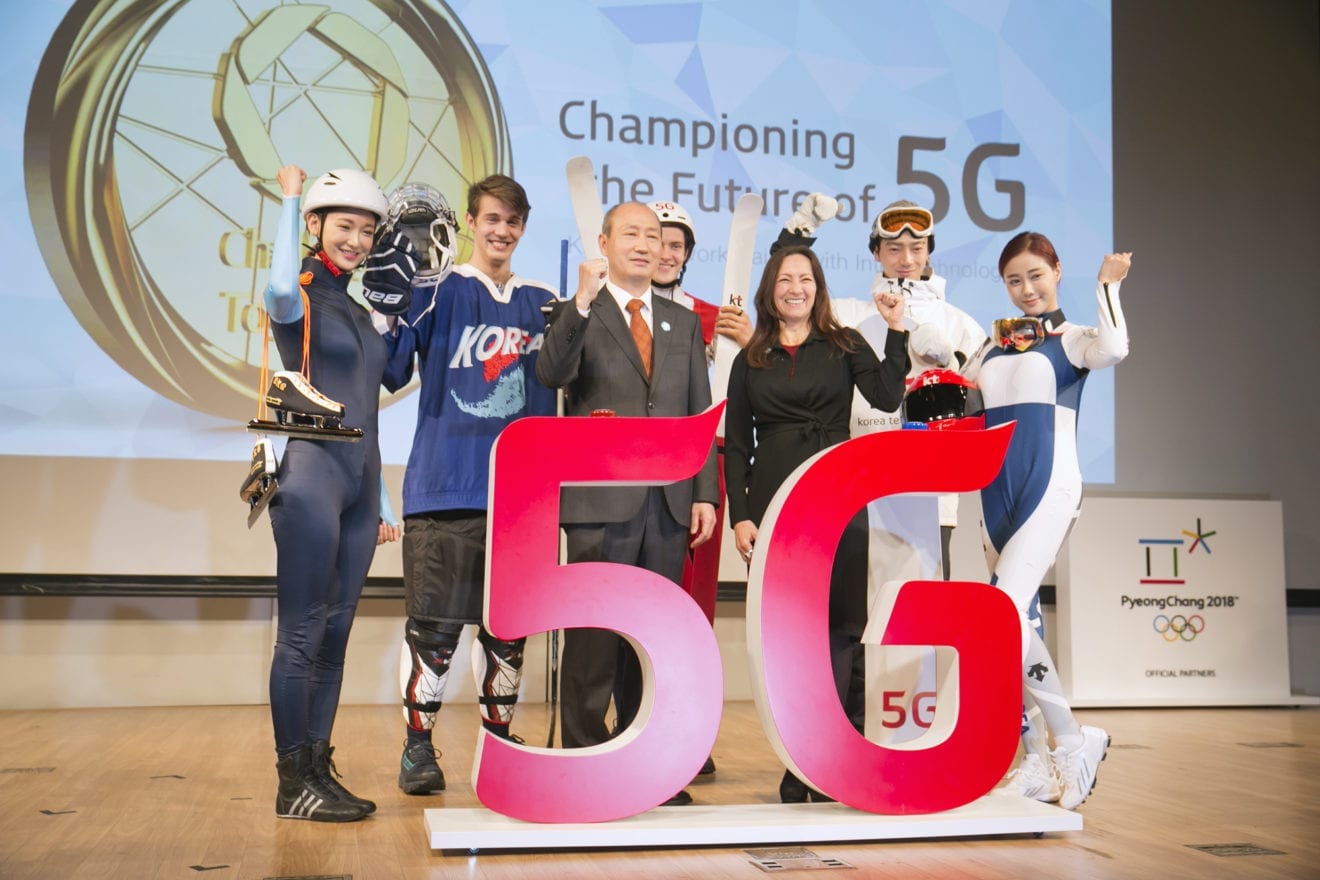
    KT plans to roll out its next-generation 5G network to users as soon as next March after its test run at the PyeongChang Olympics proved a success.

    The country’s second-largest mobile carrier said Thursday that its 5G system will offer true wireless service as opposed to fixed wireless service. Verizon is preparing to launch the first fixed wireless 5G service in the United States later this year. Fixed wireless 5G service requires the use of a router, and can only produce small networks for homes or offices.

    “We are not going to say we have commercialized a 5G network after offering fixed wireless service for homes,” said Oh Seong-mok, the head of KT’s network division, at a press briefing Thursday at the company’s Gwanghwamun headquarters in central Seoul. “We can offer fixed wireless services for those who really need them, like households in rural areas with poor network infrastructure, but it will not be our focus.”

    According to KT, the key to commercializing 5G is making sure users don’t lose connectivity as they move between the ranges of base stations which broadcast the signals.

    A KT spokesperson said that the strategies behind deploying fixed wireless 5G in the United States and Korea differ because of the two countries’ telecommunications infrastructure. The United States still has many areas without the fiber cables that enable broadband service, and laying down the cables is costly. Fixed wireless 5G could prove to be a cheap, efficient alternative, delivering high-speed internet to customers who are currently poorly served.

    KT wants to take the lead in Korea’s advanced telecommunications market by becoming the first company to provide a seamless mobile 5G network. Oh said that though its service will be first rolled out in major Korean cities, it aims to eventually create a nationwide network.

    The company is also working to set up its 5G Open Lab, a research and development center in Seocho District, southern Seoul, that will share 5G technologies with small and medium-sized businesses. KT expects to open the lab within the next few months.

    Even if KT manages to offer 5G by next March, customers will have to wait a little longer for 5G-enabled phones to hit the market. Global manufacturers are expected to launch the first 5G-capable commercial phones by the second quarter of next year.

    KT said its first customers will likely be enterprise clients that can use the 5G network on their own devices.

  • South Korea agrees to further open auto market to US

    South Korea agrees to further open auto market to US

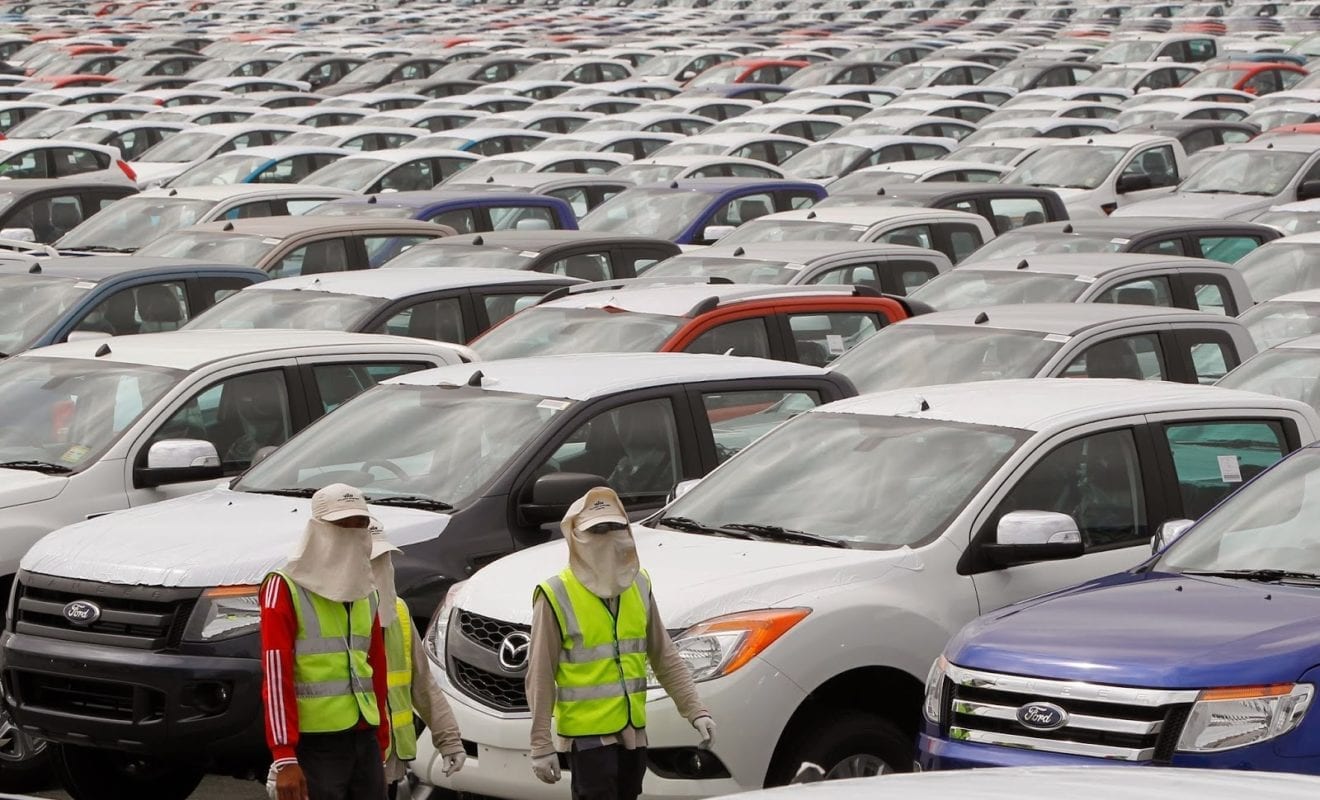
    South Korea has agreed to further open its auto market to the United States as the two countries prepare to amend their six-year-old free trade agreement, its top trade negotiator said Monday. South Korea’s Trade Minister Kim Hyun-chong said the United States will end tariffs on South Korean-made pick-up trucks in 2041 instead of 2021.

    Each American carmaker will also be able to export 25,000 additional vehicles to South Korea each year without having to comply with domestic safety regulations. South Korea also will ease emission standards for American cars shipped from 2021-2025, when the Asian country is due to set new import regulations.

    Kim said South Korea also won an exemption from increased import tariffs on steel products. The third-largest steel exporter to the United States after Canada and Brazil, South Korea was among 12 countries whose exports of steel and aluminum U.S. President Donald Trump recently said would be hit with heavy tariffs. But South Korea’s steel tariff exemption is subject to a quota of about 2.7 million tons of steel products a year, about 74 percent of its exports in 2017.

    The agreements in principle were announced Monday just hours after Trump said the United States was on the verge of amending its trade agreement with South Korea, which took effect in 2012. They came as a relief to South Korean industries, although the steel companies said they had wanted a larger quota of tariff-free exports to the United States.

    The auto sector is among the most contentious issues in South Korea’s trade dealings with the U.S. The Korean Automobile Manufacturers Association praised the government’s efforts to protect South Korean automakers and avoid major changes on sensitive issues such as adjusting tariffs.

    The revised agreement appears like significant concessions by South Korea but is expected to have little impact on its exports to the United States or its domestic auto market. No local auto companies export pick-up trucks made in South Korea to the United States, according to Kim.

    While U.S. carmakers will be able to ship 50,000 cars to South Korea annually, 25,000 more than before, without being subject to domestic safety regulations no American car brand sold more than 10,000 vehicles in South Korea last year.

    South Korean negotiators managed to avoid changes in treatment of its agriculture sector, a highly sensitive area in domestic politics.

    The two allies started working on amending the free trade pact in August after Trump blamed the arrangement for causing the U.S. trade deficit with South Korea.

    The president told reporters at a Friday news conference that trade deals are being made with various countries and then highlighted South Korea, a key economic and national security partner in Asia. The United States ran a $10.3 billion trade deficit with South Korea last year.

    While the United States posted a trade surplus of $10.7 billion with South Korea in the services sector, it recorded a goods trade deficit of $27.7 billion in 2016, leaving an overall deficit of $17.0 billion.

    After Trump’s remarks, Commerce Secretary Wilbur Ross said he hoped a final agreement with Seoul would be announced next week.

  • Hong Kong retail rents prepare to move into ‘early upswing’

    Hong Kong retail rents prepare to move into ‘early upswing’

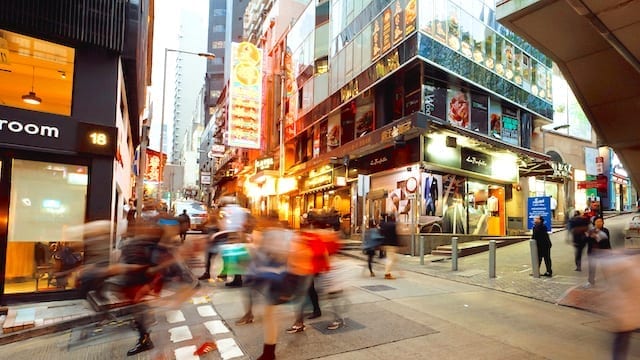
    Hong Kong retail rents are expected to move into an “early upswing cycle” this year according to a regional real estate market briefing prepared by Savills.

    The report details commercial and residential property leasing trends across major Asian markets and as the accompanying tables show, compares occupancy costs of space as well.

    It groups major cities by upswing and downswing, late and early, showing that Hong Kong is at the end of its downswing in retail rental rates. Cities currently in early upswing are Manila, Guangzhou, Jakarta and Singapore. Hong Kong is grouped with Taipei, Hanoi, Ho Chi Minh City and Seoul, suggesting all those markets are about to turn.

    Savills says regional prime retail rents moved by between a decline of 1.8 per cent in Beijing and an increase of 5.9 per cent in Guangzhou last year.

    “Strong local retail consumption growth of 9.5 per cent year on year in the second half of the year following 10.5 per cent in the first half of the year supported the Guangzhou leasing market, while prime shopping malls began to re-position and upgrade, focusing more on entertainment and food & beverage,” said Savills in a brief commentary.

    “Again, Hong Kong’s prime shopping mall rents are considerably ahead of all other Asia-Pacific markets and are expected to move into an ‘early upswing’ cycle this year.”

    Savills says economic growth across Asia-Pacific continued to picked-up moderately in the second half of last year and the International Monetary Fund estimates that the “Emerging and Developing Asia” economies grew by 6.5 per cent over the year as a whole while China grew by 6.8 per cent and Japan’s economy grew by 1.8 per cent last year, from 0.9 per cent in 2016.

    “The improving global economic outlook and an accommodative monetary policy created momentum for business expansion,” said Savills.

  • Korean fashion brand Hazzys to launch collaboration collection with Todd Selby

    Korean fashion brand Hazzys to launch collaboration collection with Todd Selby

    Korean casual fashion brand Hazzys has unveiled its second collection for Artist Edition in co-operation with photographer Todd Selby.

    Including more than 30 items for womenswear, menswear, golf wear, accessories and childrenswear, the Todd Selby collection will be available at Hazzys stores across Korea and online at LF Mall.

    Slide to view the gallery below :

    Launched last year, Hazzys’ Artist Edition is a global market collection created with international artists. The previous collection featured French artist Ramdane Touhami, who is also creative director of French cosmetics label Buly 1803.

    Hazzys is owned by LF Group, which also has such brands as Alegri, Daks Men, Il Corso, Maestro and TNGT.

  • H&M opened on Tmall

    H&M opened on Tmall

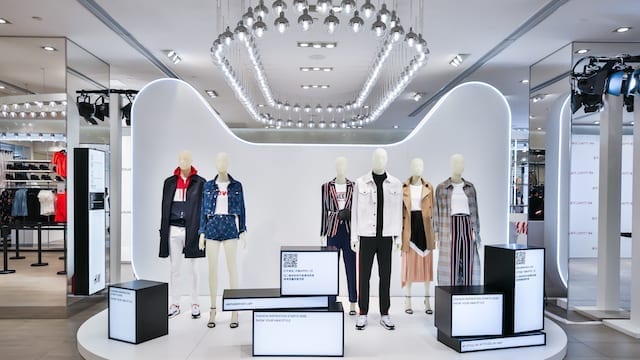
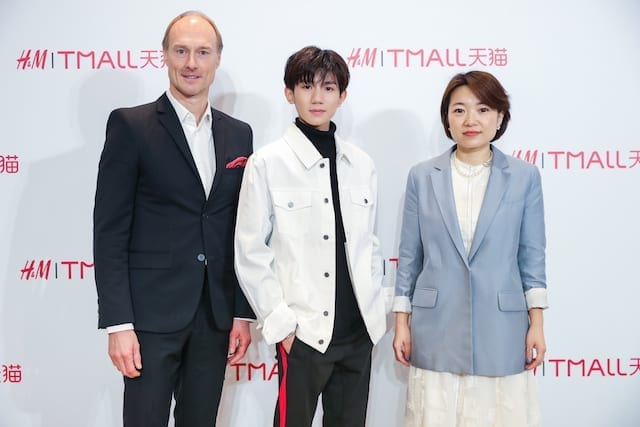
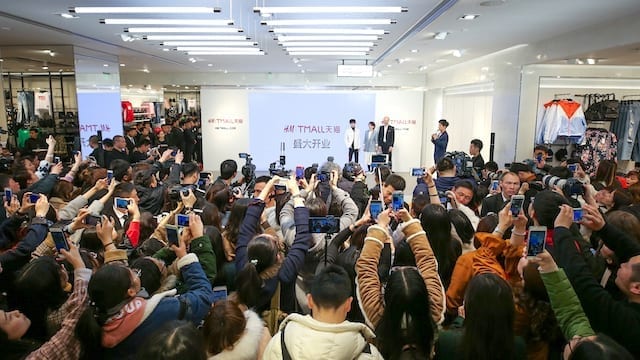
    H&M China launched on Chinese e-commerce platform Tmall, complementing the Swedish clothing retailer’s 400-plus physical stores and HM.com Shop Online.

    “We are very happy to extend our collaboration with Alibaba by launching H&M and H&M Home on Tmall,” says H&M Greater China country manager Magnus Olsson.

    H&M opened its first store in Mainland China in 2007 and launched its online shop in 2014. The H&M group brand Monki has had strong development in China since its launch on Tmall, and this collaboration between the two groups, touted in December, is being extended to include both the H&M brand and H&M Home.
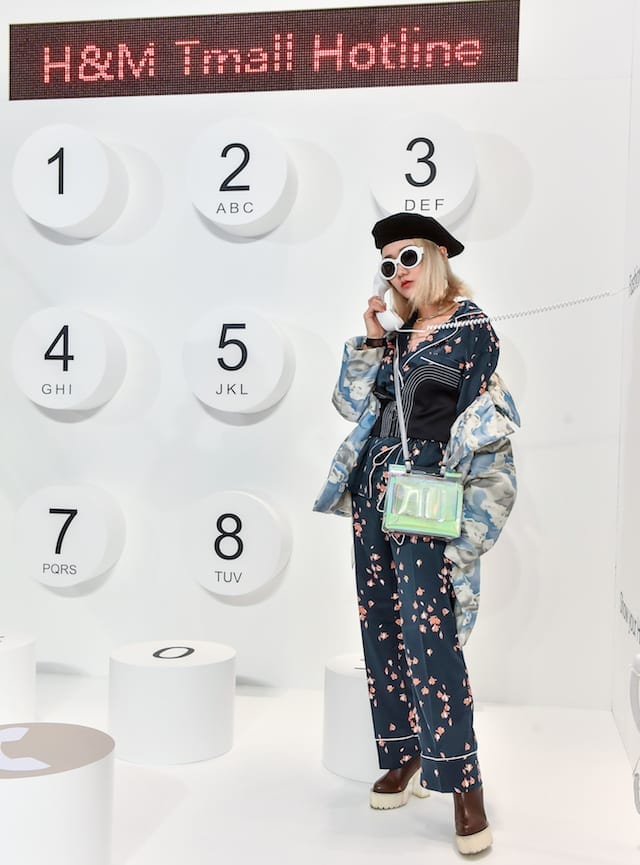
    During the launch period, H&M’s Tmall shop is offering more than 10,000 styles of fashion items including women’s, men’s, teens’ and children’s styles, plus H&M Home. As well as special opening offers, Tmall and H&M is offering exclusive pieces featured by TF Boys singer Wang Yuan, one of the stars in a H&M/Tmall campaign film.

    “With H&M’s experience in online and offline fashion retail, this collaboration signifies an important milestone for Tmall’s expansion, allowing more customers to enjoy the pleasure of interactive shopping,” says Alibaba VP for Tmall fashion and luxury Lv Jianmei.

    Procurement centres

    Meanwhile, Tmall Global plans to open six procurement centres across the world to help overseas vendors capture Chinese consumers’ booming appetite for newer and better imported goods, says Tmall president Jet Jing. They will be established in Japan, South Korea and Hong Kong, as well as regions of North America, Europe and Oceania.

    Jing’s announcement, at the annual Tmall Global 2018 Global Partners Summit in Hangzhou, did not disclose a time frame.

    Launched in 2014, Tmall Global is Tmall’s channel for cross-border e-commerce. The platform controls nearly a quarter of the market. With Alibaba’s expansive consumer analytics, Tmall Global provides overseas vendors insights into Chinese consumers’ shopping behaviour and preferences.
    China is the world’s second-largest consumer market following the US, according to Boston Consulting Group. The research consultancy notes China will see nearly $2 trillion in new consumption by 2021, and also projects China’s e-commerce cross-border trade to more than double to RMB620 billion (US$98 billion) in gross merchandise volume by next year from RMB305.5 billion in 2016.

    Global commitment

    Tmall Global, which already offers more than 18,000 brands from 74 countries and regions, is committed to attract even more international brands and vendors to sell their goods into China in the coming year, says Tmall Global GM Alvin Liu.

    New Retail, which harnesses new technologies to unify online and offline shopping, will serve as an important driver to power such growth by allowing vendors to engage with their customers in both spheres, Liu says.

    “Our goal is to give Chinese consumers the best shopping experience, so we select only the best quality for China,” says Liu.“We must discover new categories and find new products so Chinese consumers can find items that are best suited to their needs.”

    To achieve these goals, Tmall Global has pledged to boost the traceability of items sold on the platform. By using blockchain technology, consumers will be able to track their orders throughout every stage of the delivery process, starting from the factory at the country of origin.
    Secondly, the platform seeks to expedite the expansion of overseas fulfillment centres so smaller foreign brands can introduce their products to the Chinese market more quickly.

    The platform will also increase the use of bonded warehouses, where imported goods can be stored securely without import duties until the items are sent.
  • These 13 Korean Beauty Products Are Being Recalled From The Market

    These 13 Korean Beauty Products Are Being Recalled From The Market

    Unsafe levels of the heavy metal antimony have led to the South Korean government banning 13 cosmetics products.

    Some of the products, including eyebrow pencils from 3CE and Etude House, were previously available in Hong Kong and have been taken off store shelves.

    According to the Ministry of Food and Drug Safety in South Korea, antimony at levels ranging from 10.1 parts per million (ppm) to 14.3ppm was found in the 13 products. The maximum legally permitted antimony level is 10ppm.

    After the department ordered recalls of the products, Amorepacific Group, whose brands accounted for six of the products, issued an apology to customers.

    Antimony is found in consumer products such as batteries and electrical appliances, and has been detected in food packaging and toys. Research has shown that chronic exposure to antimony in the air can lead to irritations of the skin, eyes and lungs. Drinking high levels of the metal in water could cause vomiting and abdominal pain.

    Among the products recalled were: 3CE Slim Eyebrow Pencil (chestnut brown) and Makeheal Naked Slim Brow Pencil (shades BR0203 and YL0801); Aritaum’s Full Cover Cream Concealer and Stick Concealer; Black Monster Homme Black Erasing Pen; Etude House’s AC Clean Up Mild Concealer; Skeda Concealer; Skinfood Cherry Full Lip Liner; and XTM Style Homme for Men Easy Stick Concealer.

  • FILA launches Pokémon-inspired sneakers

    FILA launches Pokémon-inspired sneakers

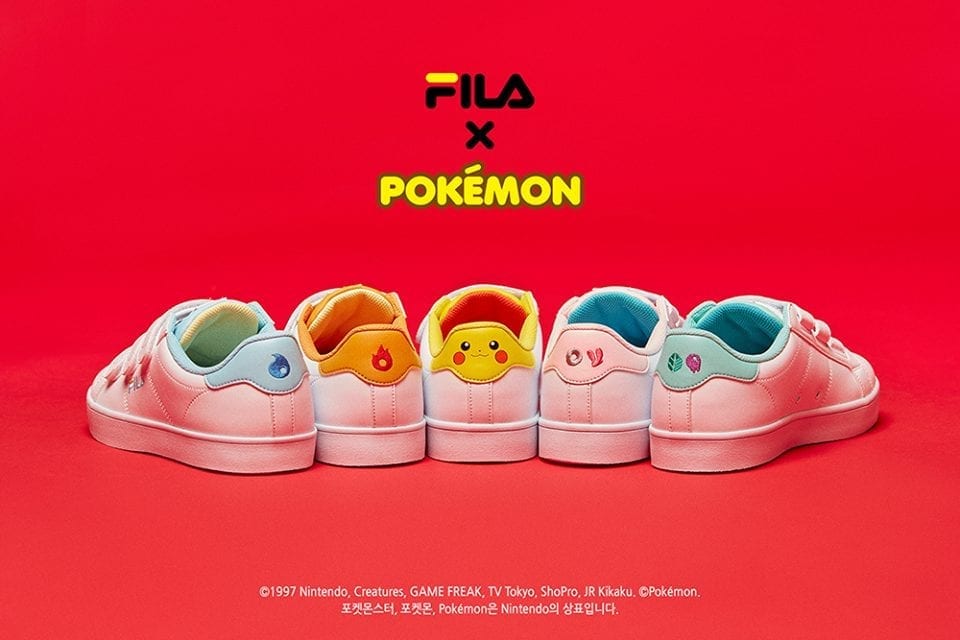
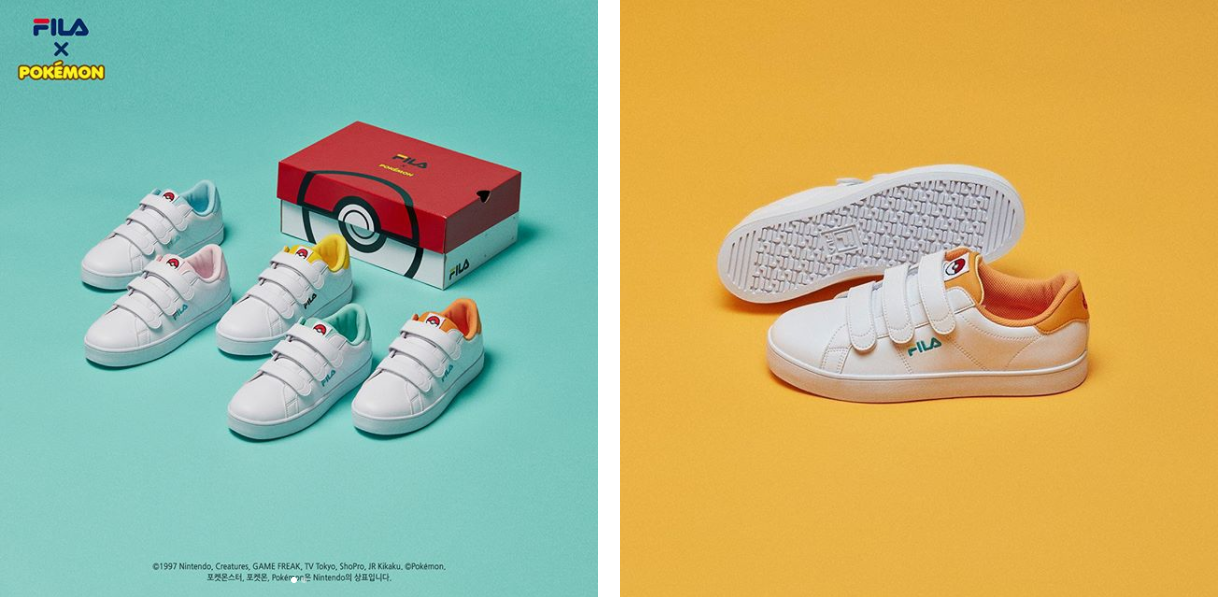
    Fila Korea has collaborated with Japanese VR game franchise Pokemon on a range of colourful sneakers.

    Available via Fila South Korea, the limited-edition shoes feature Pokemon characters including Bulbasaur, Charmander, Jigglypuff, Pikachu and Squirtle. The shoes are wrapped in a Pokeball-themed box with a badge and sticker of the corresponding Pokemon.

    There are just two models: the Fila Court Deluxe and Classic Kicks.

    Orders for Hong Kong, Japan, Malaysia, Philippines Singapore, Taiwan and other Asian countries as well as the US can be placed through Harum.io.

  • Ministry working on faster internet with private sector

    Ministry working on faster internet with private sector

    Korea is pushing to commercialize 10-gigabit transfer speeds that are 10 times faster than Giga Internet, the fastest broadband service currently available in the country, the Ministry of Science and ICT said Sunday.

    The ministry would work closely with local IT companies to adopt 10-gigabit service, considered the core technology behind 5G wireless technology, virtual reality and augmented reality. Under the plan, the ministry plans to form a consortium to develop basic equipment and prepare networks for the rapid commercialization of 10-gigabit speeds.

    “The ministry hopes to achieve competitiveness in the ICT industry by commercializing 10-gigabit internet through close cooperation between public and private sectors,” a ministry official said.

  • Microsoft predicts digital gains

    Microsoft predicts digital gains

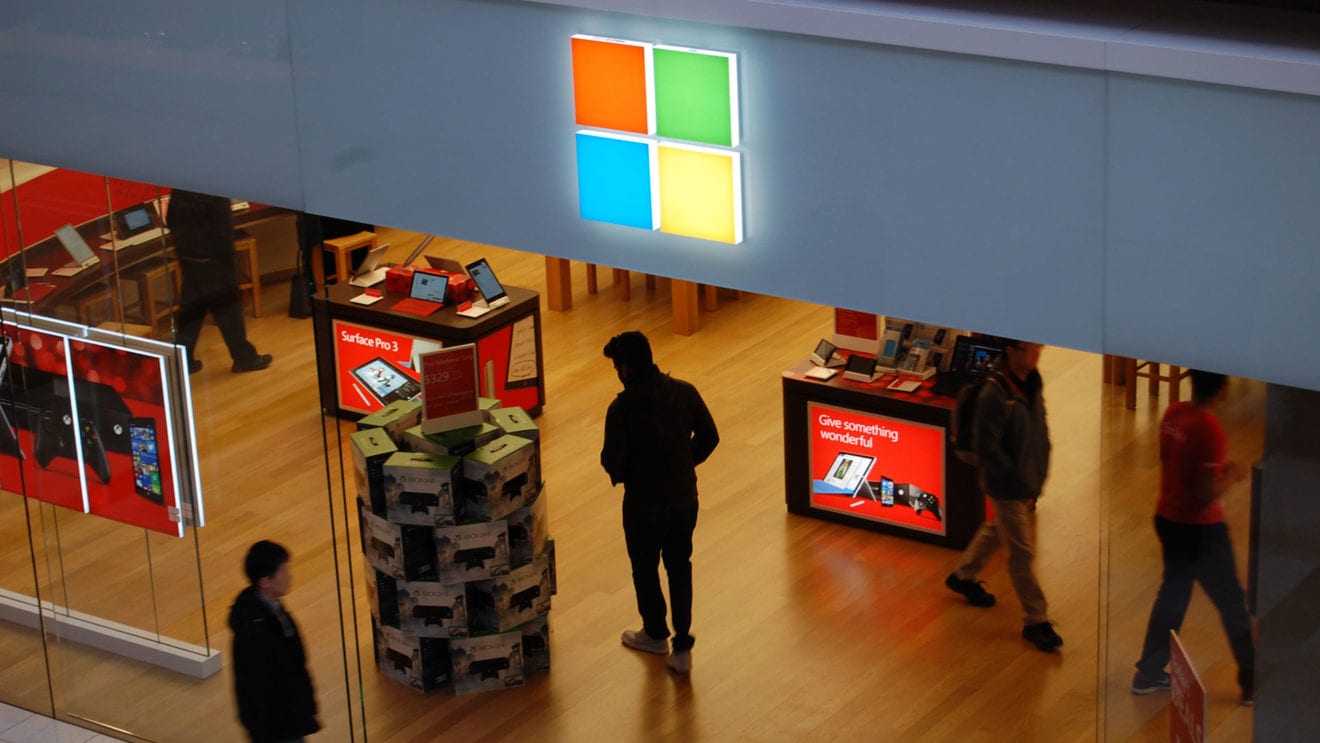
    Microsoft Korea said Tuesday the ongoing digital revolution will add roughly $42 billion to Korea’s gross domestic product by 2021 and push up the country’s growth rate by 0.5 percent annually.

    The projection was based on research conducted with market tracker IDC Asia Pacific. IDC surveyed 1,560 decision makers in mid- and large-sized business organizations across 15 economies in the Asia-Pacific region on the economic impact of digital technologies.

    According to Microsoft, application of digital technologies like the cloud, big data and artificial intelligence to business processes will increase profit margins and productivity, and create new sources of revenue for companies.

    The study predicted that while about eight percent of Korea’s GDP was derived from digital products and services created directly though the use of digital technologies last year, that percentage is expected to surge to around 65 percent by 2021.

    “Digital transformation has a positive and measurable impact on Asia Pacific’s economy,” said Andrea Della Mattea, president of Microsoft Asia Pacific, in a press briefing during the Digital Transformation Summit hosted by the computer software company on Tuesday.

    “In fact, organizations are seeing tangible improvements from their digital transformation initiatives today between the ranges of 15 to 18 percent, which shows digital transformation is no longer an idea, but a reality.”

    According to the study, about 77 percent of companies in Korea are in the midst of digital transformations while only seven percent can be classified as so-called leaders. The leaders in digital transformation have full or progressive digital transformation strategies with at least a third of their revenue from digital products and services.

    Microsoft introduced Korean partners that are rapidly adapting to digitization by using the software company’s AI and cloud platforms, such as 365mc Hospital, which is known for liposuction surgeries.

    “Until recently, liposuction procedures depended almost entirely on the surgeon’s experience and capability,” said Kim Nam-chul, CEO of 365mc Hospital.

    “Hence our motion capture and artificial intelligence-assisted liposuction system was built to collect data and enhance precision and safety of liposuction procedures.”

    Other Korean partners of Microsoft include Samsung Electronics, LG CNS, NH Investment & Securities, Hyundai Motor and Asiana Airlines.

  • Naver and Daum to track cryptocurrency prices

    Naver and Daum to track cryptocurrency prices

    Naver and Daum, Korea’s two largest search engines, will begin providing real-time cryptocurrency prices on their websites.

    Dunamu, an affiliate of Kakao which operates the cryptocurrency exchange Upbit, will run the service, the company said. Users can enter the name of a cryptocurrency in either search engine, and the current price will show up in the results.

    Service began on Daum, which is owned by Kakao, immediately after the announcement. Naver plans to start the service early next month.

    Users of KakaoTalk chat app could also check cryptocurrency prices inside the chat app.

    Dunamu already provides real-time cryptocurrency prices as well as information about highs and lows of the day, week, month and year, and transaction size on its own website.

    Its trading platform, Upbit, deals in 124 different cryptocurrencies.

  • Korea coffee market grows to 512 cups per person

    Korea coffee market grows to 512 cups per person

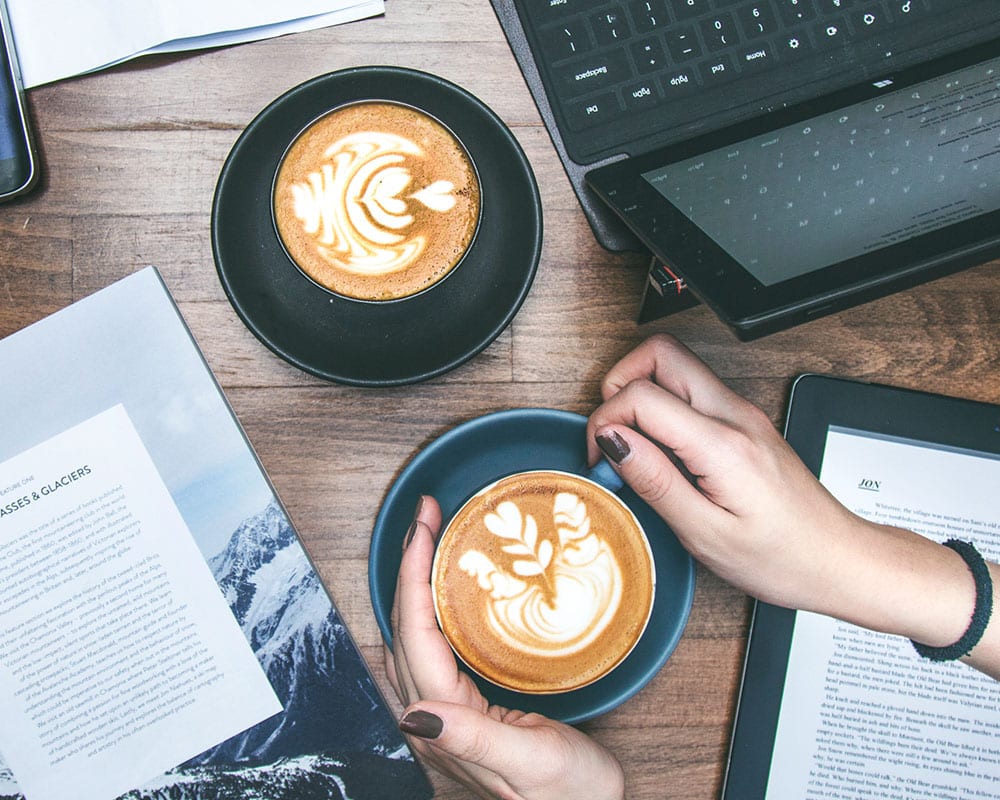
    Korea’s domestic coffee market surpassed 10 trillion won in 2017 for the first time ever as demand for the brew continues to rise, market data showed.

    According to the Korea Customs Service (KCS), the country’s coffee market stood at 11.7 trillion won (US$10.8 billion), up more than threefold from around the middle 3 trillion won level a decade earlier.

    This translates into 26.5 billion cups of coffee being served last year and an average of 512 cups being consumed per person. Asia’s fourth-largest economy has 51.7 million people.

    Broken down, coffee mixes ranked No. 1, accounting for well over 13 billion cups, followed by fresh roasted coffee making up 4.8 billion cups, with the remainder being canned coffee and various coffee-flavored drinks.

    The latest data showed that while people drank more, the price of a cup of coffee has also shot up in the past 10 years, with more people drinking expensive brews than before.

    The average price for a cup of fresh roasted coffee stood at 1,636 won, with this market reaching 7.85 trillion won market last year, while in 2007, it stood at just 900 billion won.

    In the past, Korea’s domestic market was dominated by coffee mixes and instant coffee, but this changed with the opening of Starbucks and Coffee Bean & Tea Leaf stores in the late 1990s and early 2000s.

    Starbucks Coffee Korea, the local unit of the global beverage company, reported sales topping 1 trillion won in 2016, 17 years after it opened its first outlet here in 1999, with the company’s operating profit hitting the 100 billion won mark for the first time last year.

    Besides the growth of big coffee chains, local trends are leading to more stores operating their own roasting machines and becoming more high-end to meet consumers’ diversified demands.

    But per capita consumption of coffee is far below that of such countries as the United States.