Tag: Korea

  • Sephora to open store in Doota mall in Korea

    Sephora to open store in Doota mall in Korea

    Sephora, the world’s largest cosmetics multi shop, will open a store in Doota Mall, Dongdaemun, Seoul.

    According to officials, Sephora is in the process of making contract with Doota Mall.

    Sephora, that started in 1969 as a small cosmetics shop in France, is a famous cosmetics shop that is often found in famous shopping streets around the world, where customer can buy and test various cosmetic brands.

    Especially in 1997, the power of Sephora became stronger when it was sold to the LVMH group of world famous brand Louis Vuitton.

    It has been reported that Doosan’s owner, Park Seo-won, in charge of distribution strategy of Doosan (CSO), has contacted officials of Louis Vuitton and It is now presumed to open Sephora in Doota Mall.

    Park Seo-won met Bernard Arnault, who is president of LVMH group in the eve of Louis Vuitton Exhibition held at Dongdaemun Design Plaza in Seoul in early June, and also attended the “Viva Technology” conference, a start-up company road show held in Paris, France.

    At the time of opening the Doota Duty Free Shop, Park visited Louis Vuitton and Chanel‘s headquarters to try and attract luxury brands. However, one year later, they are facing difficulties in attracting luxury brands compared to other duty free shops. In addition, Doota duty free sales was directly affected by Thaad.

    However, it is now possible to expect to boost the Doota mall through the opening of Sephora.

    Sephora is expected to attract not only foreign customers but also Korean customers by having a PB brand that can be sold only in Sephora as well as luxury cosmetics brands such as Dior, Hermes, Prada and Tom Ford.

  • Shinsegae Duty Free lands fashion & accessories contract at Incheon Airport T2

    Shinsegae Duty Free lands fashion & accessories contract at Incheon Airport T2

    Shinsegae Duty Free has been awarded the fashion & accessories contract at Incheon International Airport Terminal 2. The DF3 concession covers 14 stores embracing 4,889 square meters of retail space.

    It draws a line under troubled period for the concession, which was retendered multiple times with successively reduced minimum guarantees in an effort to attract interest.

    Bidding was negatively affected by the perceived high cost of entry and the recent collapse in Chinese tourism caused by the THAAD dispute between South Korea and China. Last year the Chinese represented almost 50 percent of total arrivals and generated around 65 percent of duty free spending. Chinese visitor arrivals have fallen dramatically so far in 2017, by -40 percent year-on-year in March, -66.6 percent in April, and -64.1 percent in May.

    In the end, Incheon International Airport Corporation decided to directly negotiate a contract with Shinsegae and requested the Korea Customs Service (KCS) to hold a patent examination committee.

    If the selection of operators is delayed, it is difficult to open 2 terminals until January next year.

    As reported, the other T2 contracts have been awarded as follows: DF1, The Shilla Duty Free; DF2, Lotte Duty Free; DF4 SM; DF5 Entas Duty Free; DF6 CItyPlus.
    The new terminal is due to open in the final quarter of this year.

    Shinsegae will proceed with negotiations with Incheon International Airport Corporation on specific matters related to the duty-shop business contract in the future.

  • Korea ranks number 1 in online grocery shopping

    Korea ranks number 1 in online grocery shopping

    South Korea ranked No. 1 in terms of e-commence for grocery shopping, far outpacing other major developed countries, an industry report showed.

    According to the report by industry tracker, Kantar Worldpanel, the percentage of fast-moving consumer goods shopping via online and mobile channels out of all purchases in South Korea between June 2015 and June 2016 came to 16.6 percent.

    FMCG refers to goods such as soft drinks, toiletries, over-the-counter drugs, processed foods and many other consumables.
    Japan came in second with 7.2 percent, followed by the United Kingdom with 6.9 percent, France with 5.3 percent and Taiwan with 5.2 percent, the report showed.

    For the United States, the share of e-commerce represented just 1.4 percent, Kantar Worldpanel said. However, with initiatives from Amazon and more established grocery retailers, the region is likely to catch up quickly.

    South Korea also ranked the highest in terms of the percentage of households that buy online FMCG products at least once a year.

    Industry watchers attributed the broadened digital shopping experience by South Koreans to an aggressive expansion of online-based fresh food delivery services by key e-commerce companies and related startups.

    The diversification of fresh food supplies and shortened delivery periods due to heated market competition has led to the overall increase of the transactions and improvement of online shopping services for consumers.

    The growing number of single-person households is another factor that has fueled the demand for online grocery shopping here, observers added.

    Along with many double-income families that have little time to shop at a supermarket, those who live and eat alone have shown a tendency to spend generously if they can have groceries delivered with a simple click.

    One-person households in Korea account for some 35 percent of the total population as of September 2016. The trend has prompted local retailers and e-commerce companies to scramble to launch fresh food delivery services.

  • ‘Customer-centric’ Giorgio Armani counter opens at Lotte Hotel

    ‘Customer-centric’ Giorgio Armani counter opens at Lotte Hotel

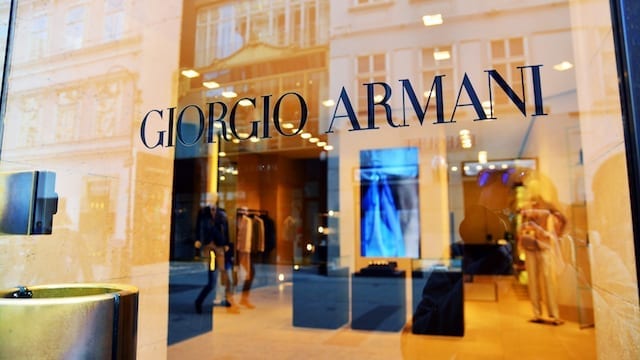
    L’Oréal Travel Retail has partnered with Lotte Duty Free to open a 23sq m counter at the Lotte Hotel in Seoul.

    The counter, based on Armani’s “from fashion dress code to beauty dress code” concept, is the first in travel retail to showcase the brand’s new retail expression. The space, which features curved lines and an open feel, allows customers to try the brand’s products and services.

    From fashion dress code to beauty dress code: The counter features splashes of red, inspired by the iconic lipstick colour Rouge #400.

    The counter enables customers to discover a complete beauty dress code through make-up and skincare (dress code for lips, dress code for face) and perfumes (fragrances dress code). Giorgio Armani Face Designers also offer customers tailor-made advice.

    Lotte Duty Free Merchandising Innovation Team Merchandising Director Jeffrey Davis said: “We are very pleased to open the very first Giorgio Armani Cosmetics beauty concept counter at Lotte Duty free. It breaks the rules of retail standards in travel retail as it is fully customer-centric enabling each customer to play with the products and indulge in the full universe of Armani.

    “The revolutionary design sets itself apart from all of the other beauty counters with its signature red and black design and fabric swatches above the foundation bar that ties back to Armani’s runway fashions. Sales have already improved since opening and you can see the smiles and joy from customers that love the new look and freedom to navigate in a more playful manner.”

  • The Shilla Duty Free and AmorePacific launch pop-up ‘Beauty Truck’

    The Shilla Duty Free and AmorePacific launch pop-up ‘Beauty Truck’

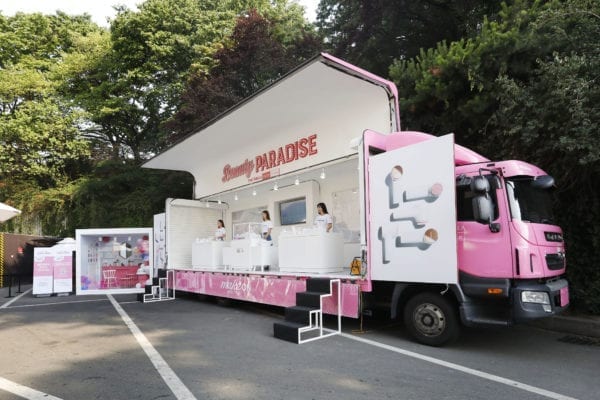
    The Shilla Duty Free and AmorePacific have introduced a pop-up ‘Beauty Truck’ store to promote the Korean skincare house’s MakeOn brand. The pop-up, which launched on 22 June and will stay open till 19 July, is located outside the travel retailer’s flagship store in downtown Seoul.

    The five-tonne Beauty Truck, painted vivid pink, is intended to capture visitor interest as soon as they arrive at the main store.

    MakeOn is described as a “self-aesthetic device that allows facial cleansing, make-up and massage” at any time and any place.

    MakeOn beauty devices offer skincare treatments through energy – combining light, heat, ion and motion. MakeOn’s four top items can be experienced at the pop-up store: Cleansing Enhancer, Skin Light Therapy, Makeup Enhancer and Magnetite Roller.

    Pop-up store staff provide product support and product explanations in Korean, English and Chinese. All items are available for sale inside the main store.

    Pop-up store visitors receive discount coupons and free gifts from MakeOn and AmorePacific, including a -10% discount coupon for MakeOn products a and pink fan featuring the brand’s logo.

    Free samples of highly popular AmorePacific cosmetics brand Laneige are given to visitors taking and sharing pictures in the MakeOn photo zone. Additional Laneige samples are given to visitors boarding the truck and experiencing MakeOn treatment.

    Shoppers who visit the MakeOn shop in The Shilla Duty Free Seoul store receive a MakeOn gold pouch. An additional beach bag is given to those who purchase at the shop.

    The Shilla Duty Free is airing live social media broadcasts at the pop-up store for Chinese, Southeast Asian and South Korean followers in Chinese, English and Korean. KOLs (Key Opinion Leaders) for each language are visiting the pop-up, and describing their experiences in an effort to generate on-line buzz and word of mouth via social media.

    While The Shilla Duty Free has long focused on social media events for Chinese followers, this is the first time that the retailer has aired live broadcasts in other languages. Shilla says it plans to increase social media events and live feeds for Southeast Asian and South Korean consumers following the Beauty Truck initiative.

    The company commented: “This brand new concept pop-up store is The Shilla Duty Free’s latest endeavour to provide an unique and differentiated customer experience especially focused on the beauty category. The Shilla Duty Free, the first operator to run the cosmetics & perfume category in all three major hub airports in East Asia [ncheon, Changi and, soon, Hong Kong International -Ed, is eager to offer an unparalleled beauty experience to customers.”

  • South Korea to raise subscription discount to 25%

    South Korea to raise subscription discount to 25%

    The South Korean government plans to increase the mandated monthly telecoms subscription fee discount to 25% from 20% as part of a plan to reduce total household expenses by 4.6 trillion won ($4.03 billion) annually.

    Customers signing up for one or two year subscriptions will be able to choose to apply the discount as either a monthly rte cut or a one-time discount on a new smartphone purchase.

    The market’s operators will also be required to provide an extra 11,000 won discount on monthly fees for elderly and low-income Koreans.

    A plan unveiled by the government will also involve the establishment of more Wi-Fi access points at schools, public buildings and public transport lines.

    But the plan has excluded an earlier proposal to abolish the 11,000 won basic mobile service fee to further reduce costs for consumers, due to strong opposition to the plan from the industry.

    According to the report, the economic committee of the nation’s State Affairs Planning Advisory Committee believes that increasing the discount rate for subscription services and low-income customers has the same effect as the proposed abolition of the fee.

    The mandated increased discount rate is expected be introduced in September, but could face legal and other challenges from operators.

    The government reportedly also intends to reduce mobile network lease rates for MVNOs and abolish the current cap on handset subsidies to make purchasing smartphones more affordable.

  • Social media fatigue spreading among Korean users

    Social media fatigue spreading among Korean users

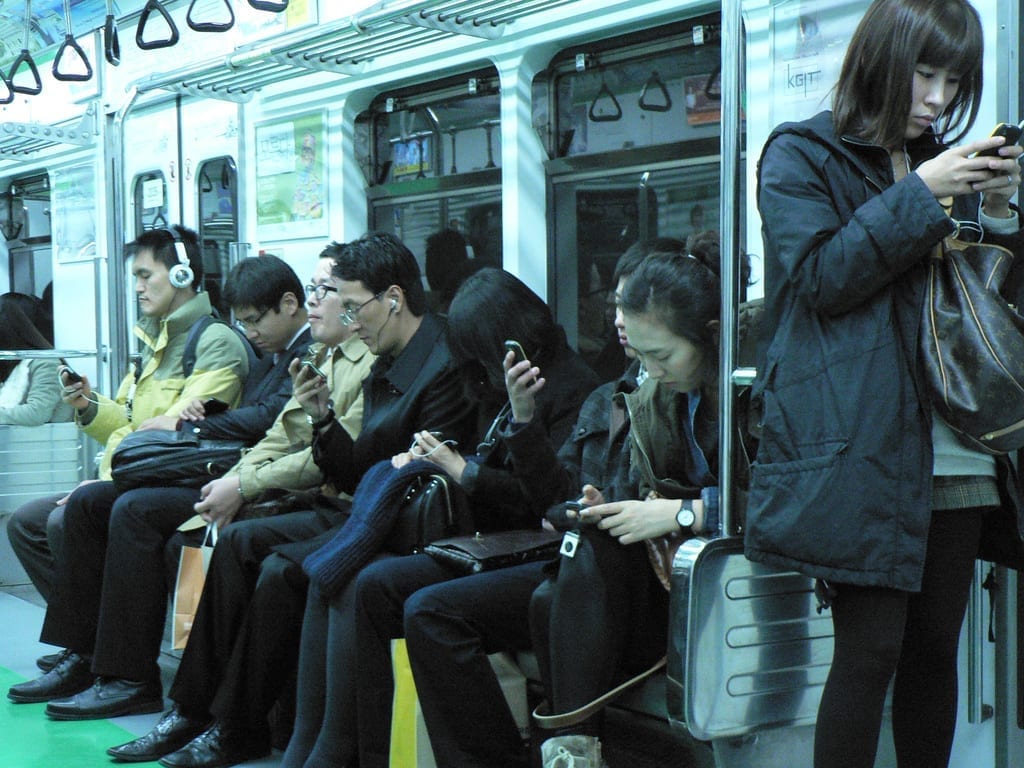
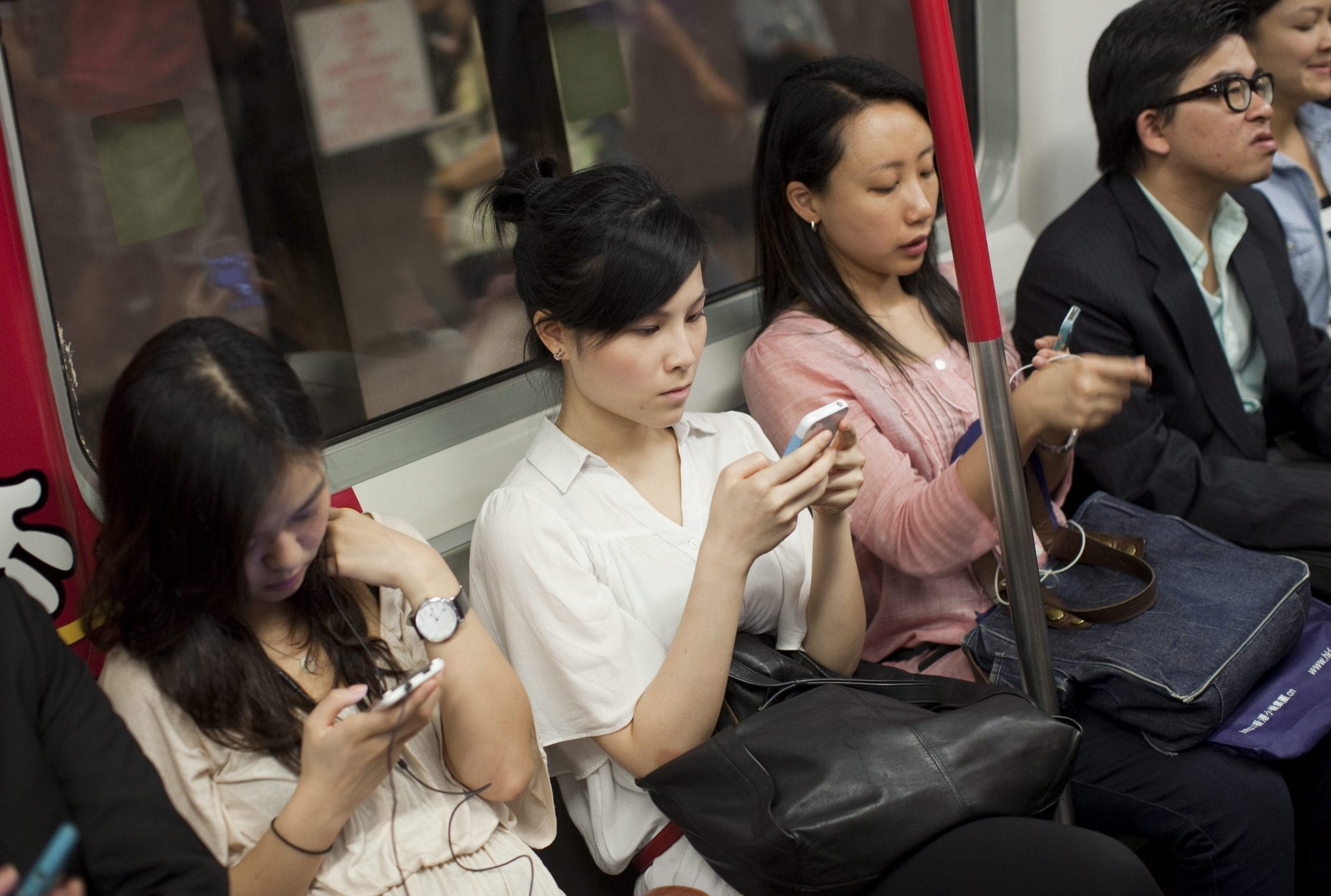
    The explosive popularity of social media among Korean users is starting to subside amid a sense of fatigue on excessive information from the new medium, according to industry sources.

    Data showed the numbers of users on major social media sites such as Facebook and KakaoStory are decreasing this year. According to market tracker Nielsen KoreanClick, the monthly active users of Facebook remained at 9.96 million in May, down 13.1 percent from 11.45 million a year earlier. That of Kakao Story was 12.59 million, down 17.76 percent from 15.31 million. Twitter also lost over 10 percent of its users in the month.

    Facebook has been the most-used social media site in Korea, recording 5.6 billion minutes of cumulative use time on mobile devices in April, according to mobile app data researcher WiseApp. Naver’s Band came second with 2 billon minutes. Instagram had 1 billon minutes and Kakao Story had 900 million minutes.

    WiseApp pointed out Facebook’s use time is continuing to decrease for the first four consecutive months of this year. Its use time was 6.6 billion minutes in January, 5.9 billion minutes in February and 5.8 billion minutes in March.

    When the internet entered the business world in the 1990s, executives unaccustomed to the massive amount of information suffered from what is called “information fatigue syndrome,” which made making decisions difficult.

    “Adding to the information fatigue syndrome, social media users increasingly face concerns over excessive or unwanted disclosure of personal data. They also experience a sense of relative deprivation as they compare their actual lives with the seemingly happy lives of others,” an internet service industry source said. Out of so-called “social media fatigue,” some of them stop using social media or unregister from the services, he said.

    “Though it has not been medically defined, those who excessively indulge in social media can feel stressed and fatigued. Some of them undergo withdrawal symptoms when they are not able to access social media,” the source said.
    An overflow of ads in social media timelines has also been pointed out as a cause of the user’s tiredness.

    In particular, Facebook is increasingly strengthening its ad business on the social media platform, tapping into its 2 billion global user base. Besides Facebook, most social media platforms have introduced ad platform algorithms that automatically analyze user patterns and preferences to publish ads.

    “Ad platform businesses on social media will definitely continue to grow on the spread of mobile devices and their use. Social media platform operators will come up with more elaborate advertising techniques to penetrate into the lucrative market,” a Seoul analyst said.

    “It is notable that the number of ads that users have to watch is rapidly increasing while people have already started to access the services less. In the meantime, users may find the platform less intriguing.”

    Meanwhile, new types of social media such as video-sharing Snapchat and Naver’s SNOW are gaining momentum in niche markets. Closed-doors social media services such as Blind are also popular.

    Compared to mainstream social media platforms such as Facebook, Instagram and Kakao Story, Blind provides anonymous communication channels among members of the same industry or company.

  • Japanese banks plan 90% cut on transfer fees to South Korea

    Japanese banks plan 90% cut on transfer fees to South Korea

    Japanese banks will lower the fees on money transfers to South Korea by 90% as early as 2018 in an effort to remain competitive and prevent customers from switching to foreign rivals.

    The plan was revealed Wednesday by the Japanese Bankers Association at a panel hosted by Japan’s Financial Services Agency. Currently, each transfer is processed individually between the sending and receiving banks, often with the involvement of intermediary banks. Fees range from about 4,000 yen to 5,000 yen ($35.80 to $44.80) per transaction for companies, and are slightly higher for retail customers.

    The dramatically lower fees will be achieved by consolidating all transfers from Japanese banks to a country into one bundle. A single lead bank then will send the entire amount to the destination country once a day, sharply reducing fees paid to intermediary banks.

    Japan’s three megabanks — Mitsubishi UFJ Financial Group, Sumitomo Mitsui Financial Group and Mizuho Financial Group — will be the first to adopt the new framework. Major regional banks are expected to follow suit.

    New financial technology has let some American and European banks reduce international money transfer fees to just several dollars. The planned cut will squeeze the income of these Japanese institutions, but the move is seen as necessary to keep up with foreign rivals.

    Japanese banks will consider reducing fees on transfers to Thailand, Malaysia and other Southeast Asian nations as well.

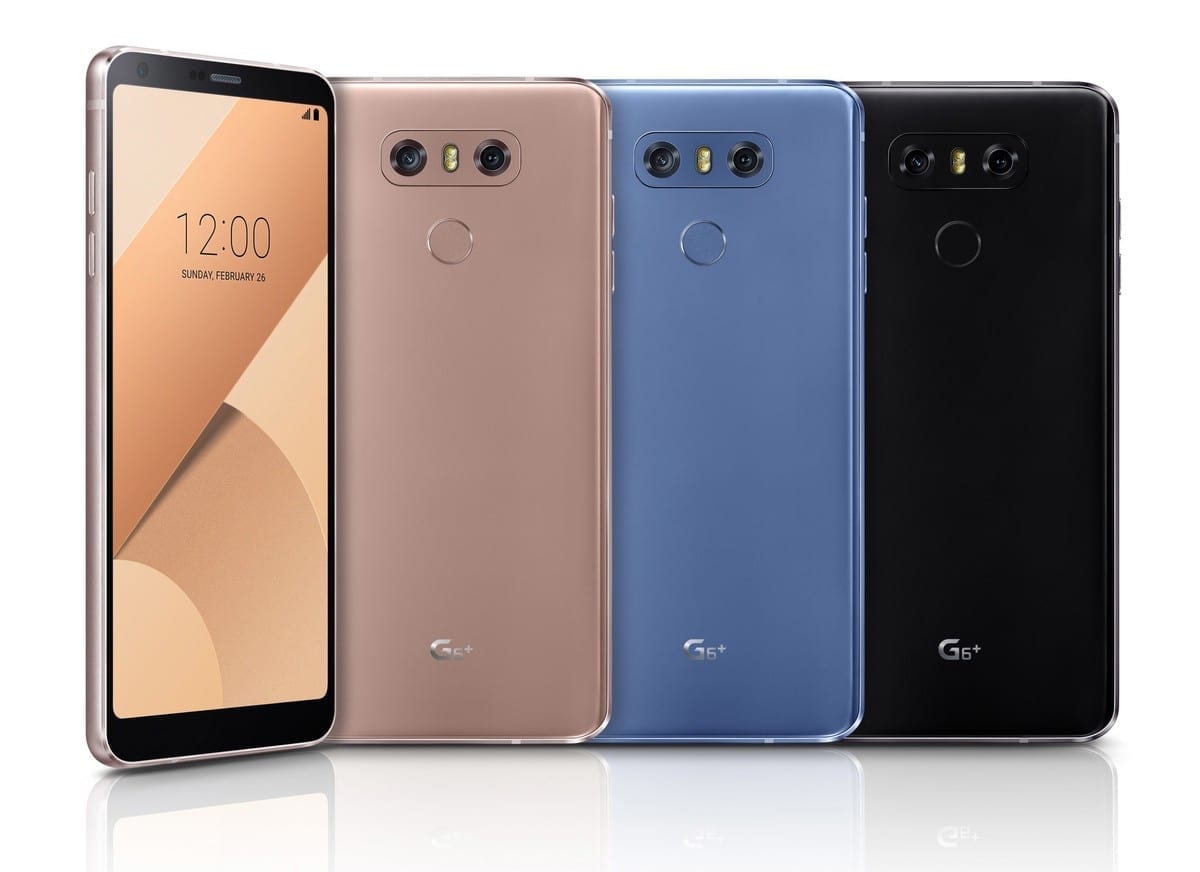
  • LG G6+ launched with bigger RAM and storage, will debut in South Korea

    LG G6+ launched with bigger RAM and storage, will debut in South Korea

    LG has launched a new variant of its widely-appealing G6 with bigger RAM and storage. The new LG G6+ was announced alongside a slew of upgrades to the G6.

    Specs wise, the LG G6+ more or less has the same features seen on G6. You have a 5.7-inch QHD+ display and a Snapdragon 821 processor, with the same 3,300 mAh battery with Quick Charge 3.0 support and Qi wireless charging.

    The processor however is paired with a bigger 6GB RAM and 128GB storage. If you recall, the base model had launched with a 4GB of RAM and 32GB storage. As for software, the device will run Android 7.0 Nougat with LG UX 6.0 out of the box.

    On the optics front, LG has not expanded the sensors, but retains the same dual 13MP cameras at the back and 5MP front shooter. When the LG G6 launched, it was the world’s first smartphone to support Dolby Vision. On LG G6+ as well users will enjoy the same.

    According to reports, the LG G6+ will be priced at KRW 999,800 ($892). LG is yet to make any official announcement on the pricing or release date. However, we know this for sure that it would first retail in South Korea after which it will debut in other markets. LG G6+ will be available in choices like Optical Astro Black, Optical Terra Gold, and Optical Marine Blue.

    As for the existing owners of the LG G6, there are some new updates on the software front. A new firmware update brings the Face Print feature that will allow users to unlock their device through facial recognition functionality. Also, a new featured called Low Power Consumption was added to optimize battery usage. The LG G6 has been among the biggest releases of the year so far.

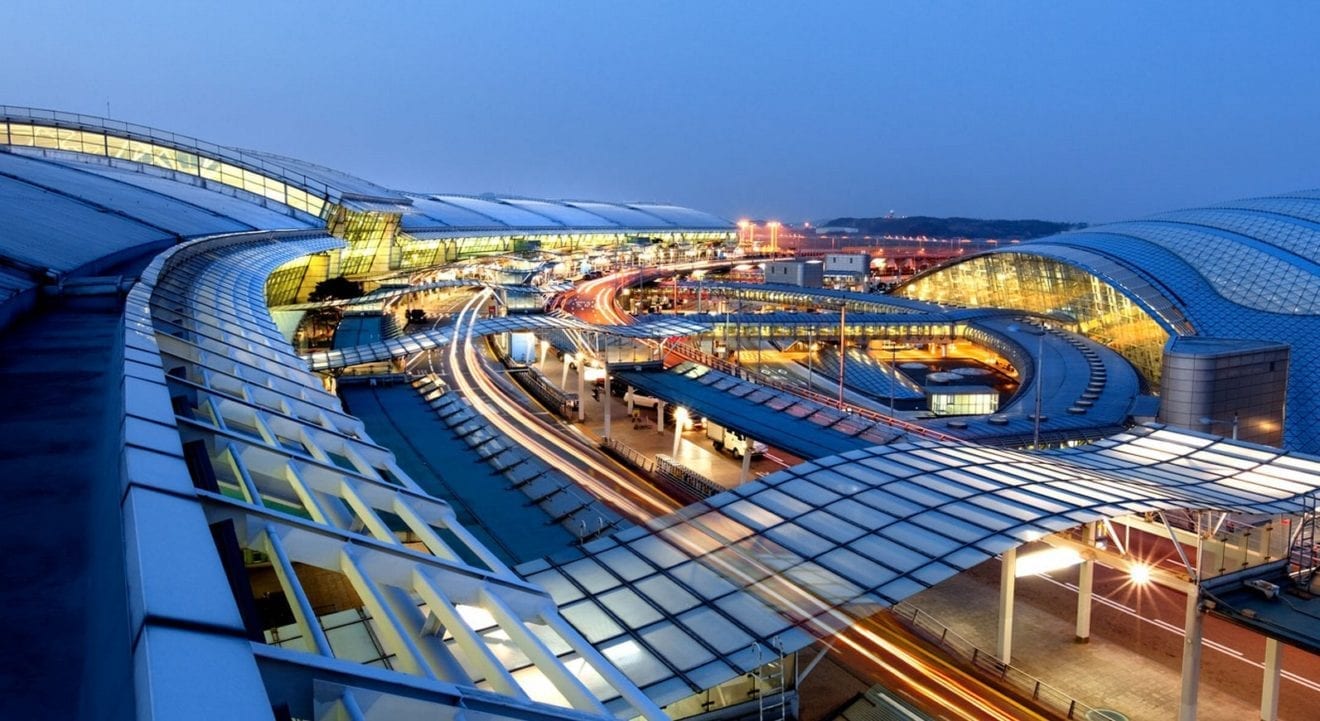
  • Opening of Incheon Airport’s 2nd terminal likely to be delayed

    Opening of Incheon Airport’s 2nd terminal likely to be delayed

    Incheon Airport’s second terminal, which was originally slated to open this year, may push back its opening to after the PyeongChang Winter Olympics next February.

    According to a spokesperson at the airport corporation, the airport is weighing the pros and cons of opening the terminal within the year or after the PyeongChang Games.

    “It is technically possible to operate the second terminal this year, because all of the necessary facilities will complete construction in September,” he said.

    However, this would require the terminal to open while the luxury and fashion duty-free shopping area, considered a “landmark” of the airport, is still under construction.

    “It would not only create inconvenience for airport visitors, such as dust from the construction, but also impact the airport’s image,” the spokesperson said.

    Incheon Airport has gone through six rounds of tenders to find an operator for the area, but has been unsuccessful. Shinsegae DF was the only company to bid in the fifth and sixth rounds, meaning that now Incheon Airport is legally able to directly negotiate a contract with an operator without another open bidding process.

    Even if Incheon Airport is able to negotiate acceptable terms with Shinsegae DF or another operator, it would take time for the Korea Customs Service to grant the final license. Another nine months to finish construction would mean that the shopping area would be able to open around next April.

    Another consideration is that visitors to the airport might still be unfamiliar with the second terminal when the PyeongChang Games are being held. The new terminal will house Korean Air, Delta, KLM and Air France.

    “Unless we are able to open by December, there will still be confusion at the airport regarding the terminals by the time the Games begin,” the spokesperson said, noting that the airport will have no problems handling the influx of travelers during the Olympics with just its first terminal.

    The Transport Ministry said in a statement that the second terminal “will be opened according to plan, with no postponement plans currently under consideration.”

  • IKEA Korea chief ‘absolutely satisfied’ with performance

    IKEA Korea chief ‘absolutely satisfied’ with performance

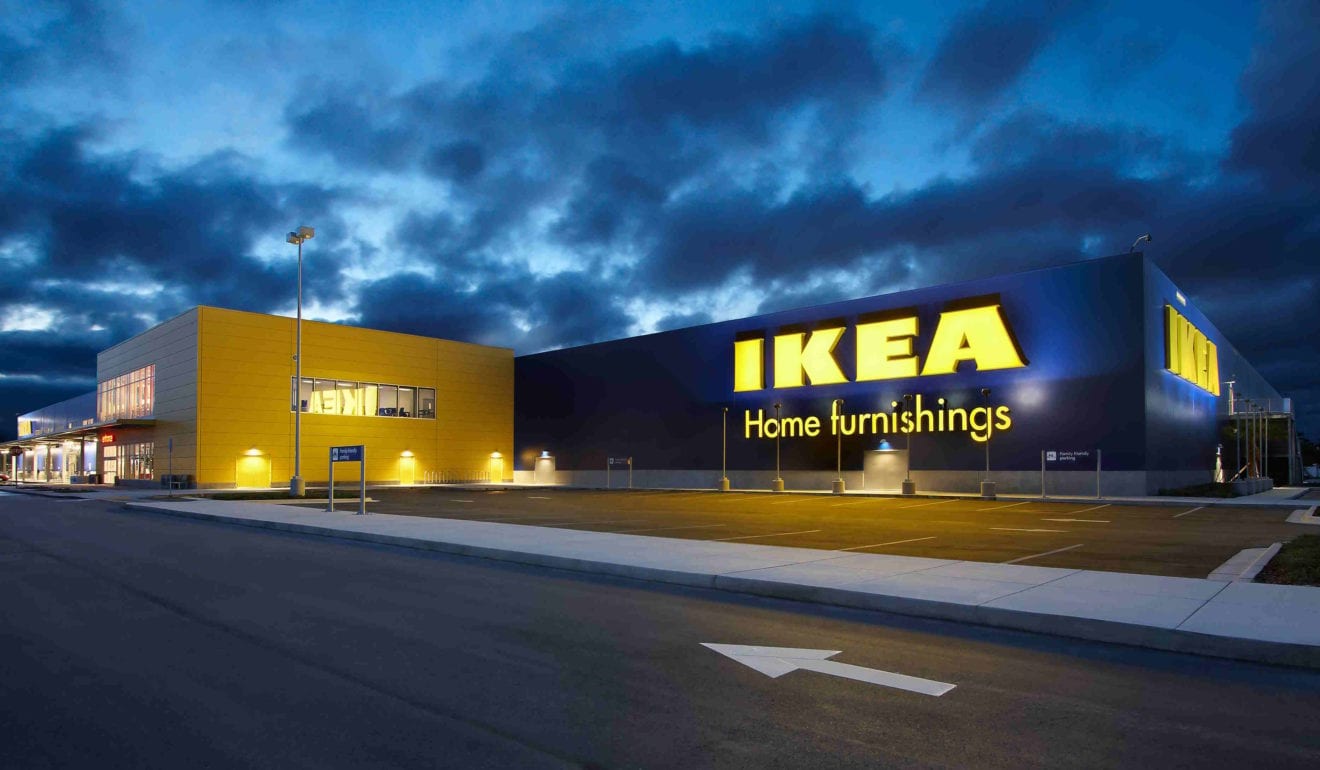
    Global furniture giant IKEA’s retail manager for South Korea Andre Schmidtgall said the country’s home furnishing industry will continue to grow for the next couple of years.

    Its first store in South Korea which opened in December 2014 in Gwangmyeong, just southwest of Seoul, logged 345 billion won (US$303 million) in sales in the 2016 fiscal year.This is the largest turnover among all IKEA stores in the world during the period.

    The two-story building spans 57,100 square meters and displays some 9,200 products in 65 showrooms with a child care area and a cafeteria featuring Swedish and Korean dishes.

    During the 2016 fiscal year, the Gwangmyeong outlet had 6.4 million visitors. It said 1.1 million people have signed up for a membership so far.
    “”We believe that the (South Korean) home furnishing market will clearly grow above average retail the next five to seven years,”” the country retail manager said. “”One of our challenges at the moment is that we have only one store,”” he said. “”This store is too busy when it comes to the amount of visitors. We have more than 6 million, so we need more stores to give a better shopping experience.””

    IKEA plans to have six stores including one in Gwangmyeong — and an online store up and running by 2020 at which time it will have invested 1.2 trillion won in the country.

    The second store is set to open in Goyang, northwest of Seoul, later this year.
    The company currently has three memorandums of understanding (MOUs) with Giheung, 40 kilometers south of Seoul, the southern port city of Busan and the Gangdong Ward office in southeastern Seoul.
    IKEA Korea is also preparing to launch an e-commerce service though it is yet unclear when this would begin.

    Despite worries that IKEA’s entry would result in a decrease in sales of existing small and medium-sized enterprises in the market, the furniture giant said it has so far brought a positive impact to the surrounding community.

    Citing a credit card survey conducted by the Korea Distribution Association between December 2014 and August 2015, Schmidtgall said more than half of their customers bought things at a shop other than the furniture store within a 10-kilometer radius.

    All shops in the region have seen their credit card turnover increase between 7 and 27 percent during the cited period, he said.
    “”This is something we are really happy with,”” the retail manager said. “”We are not only trying to stimulate interest in the furniture market, but it is visible that we are nurturing the area around too.”

    In addition, IKEA Korea is attributed to create new jobs forecasting to hire some thousands of new employees in the next couple of years with its new stores.

    IKEA Korea currently has around 1,200 employees at its headquarters and store in Gwangmyeong, and plans to hire 550 more workers for its second store in Goyang.

  • Rental services popping up in every corner of South Korean life

    Rental services popping up in every corner of South Korean life

    The rental service market in South Korea is rapidly expanding into every corner of South Koreans’ life with items ranging from fashion accessories to digital cameras and furniture, as a growing number of consumers are willing to borrow products at affordable prices.

    According to the KT Economy and Research Lab, the rental business in the country has increased over 30 percent in the last five years, with businesses that rent personal and household goods seeing a 50-percent jump.

    Last year’s market size for rental services is estimated at 25.9 trillion won (US$23.1 billion), sharply up from 19.5 trillion won posted in 2011. The local rental market is expected to further grow to reach 28.7 trillion won this year, 32 trillion won in 2016 and 40 trillion won in 2020, the think tank predicted.

    “Consumers are getting increasingly smart by reducing unnecessary spending while meeting their need to consume,” said Kim Jae-pil, a researcher at KT Economy & Research. “They are also not adverse to sharing goods with others to reduce their financial burden.”

    The researcher says that renting goods has emerged as a lucrative business here, as people, especially the younger generation, are increasingly open to the idea of borrowing items for everyday use and less inclined towards ownership, which was the case with their parents.

    In the past, the country’s rental service sector has been largely led by the auto rental business, as a growing number of young consumers on tight budgets want to experience a wide range of vehicles, with some players nimbly moving to capitalize on such subtle changes.

    Cars registered to rental services are estimated at some 624,000 units in 2016, a more than twofold increase from 280,000 units in 2011, according to data compiled by the Korea Rental Car Association.

    Retail giant Lotte Group and energy conglomerate SK Group are among those who have entered a car rental business.

    Market leader Lotte Rental has some 25 percent market share, with a customer base of some 2.3 million, followed by AJ Rent-a-car with a 12 percent share and SK Networks, which has an 11 percent market share.

    Recently, however, the rental business has further expanded its territory. People nowadays have started renting miscellaneous goods that can be considered rather unusual to borrow.

    SK Planet Co., the operator of leading e-commerce site 11Street, opened up a fashion rental service within the online shopping site named Project Anne last September, joining the rental business race.

    Over 30,000 apparel, handbag and accessory items from some 150 brands are available, with total subscribers standing at 95,000 as of end-February this year, according to the company. A subscriber can rent Gucci or Ferragamo handbags for a minimum fee of 80,000 won per month, with no laundering required, and can later purchase the item.

    SK Planet has partnered up with 17 companies that sell household goods to offer rental services to its users, diversifying the lineups to high-end wedding suits, kids items and beauty equipment, while retaining the existing lineup of air and water purifiers and massage chairs.

    Since its launch on November 2016, transactions in the rental shop have spiked 146 percent as of February.

    “Consumers are becoming more interested in rational or reasonable consumption, opting to borrow goods rather than to own something,” said Kim Min-seok, a manager at 11st. “Consumers can save on the cost by paying reasonable prices (to rental services), and they can trust such rental services.”

    Lotte Department Store, the country’s largest department store chain, operates a premium rental boutique named Salon de Charlotte, which mainly caters to those wanting to borrow party dresses, fancy suits and jewelry.

    Rare or less-sought-after items ready for rental services include suitcases, adjustable beds and golf clubs.

    “The rental business has seen rapid growth in the past few years as consumption was not backed by a rise in income,” said an analyst at SK Securities. “Without a sharp rise in disposable income, rental business in the country will continue to grow.”
  • Japanese ‘lifestyle retailer’ opens first foreign brand store in North Korea

    Japanese ‘lifestyle retailer’ opens first foreign brand store in North Korea

    A four-year-old retail company which claims to be headquartered in Japan and has branches in South Korea and the United States recently opened the first ever foreign brand chain outlet in North Korea confirm. A branch of Miniso, a Uniqlo-style Japanese-Chinese low-cost retail brand that sells everything from umbrellas and humidifiers to computer mice and neckties recently opened on Pyongyang’s Ryomyong Street, a showcase development featuring over 3,000 new and refurbished apartments which was completed in April this year.

    But the firm’s claims to have stores in the United States and a headquarters in Japan – despite the majority of its factories and distribution network being based in China – could mean its presence breaches tightening unilateral sanctions from Washington and Tokyo against the North.

    North Korean state media is yet to report on the store, but sources in Pyongyang told that news of its existence is quickly spreading throughout the city.“It’s a huge hit with the younger Pyongyang crowd,” one source said, requesting anonymity due to the sensitivity of speaking to media about the issue. “All items are two or three dollars and it’s legit.”

    Observers familiar with the North Korean economy told on Tuesday that the branch’s presence was a significant development in light of Pyongyang’s traditionally sparse range of retail options.“I think the most notable thing is that it appears to be a foreign chain operating a modern, branded store in Pyongyang, there’s nothing else quite like that,” said Andray Abrahamian, an honorary fellow at Macquarie University.

    “As far as I know, their products are quite cheaply sold in most markets – cheap enough to be competitive in the DPRK,” he said. “I think the shop will be seen by Pyongyangites as modern and affordable: I’d bet it does quite well.”Benjamin Katzeff Silberstein, an associate scholar at the Foreign Policy Research Institute, and co-editor of North Korean Economy Watch, described the new store as a “really interesting development both from an economic policy point-of-view, and from a consumer’s perspective.”“In the first realm, it is a telling sign of how much the North Korean economic landscape really has changed, from a time when the opening of a pizza restaurant was considered a radical breakthrough, to a foreign retail chain opening up shop,” he said.“It also says something about the changed character of North Korean consumption, from goods like these being sold only on marketplaces sometimes in a semi-clandestine way, to them being offered front and center in a chain store in the capital of the revolution.”

    While the firm’s Japanese representatives claimed ignorance about the new Pyongyang branch during Tuesday calls, a January 2017 press release issued by the company’s Chinese office specifically confirmed the connection.“On 18 January, 2017, Japanese fast fashion designer brand MINISO took another step forward, signing strategic cooperation agreement with North Korea…” the notification said, describing the deal as having been made with the “North Korea Economic and Trade Department”.

    But while Miniso has come under fire both for appearing to be a Chinese company only feigning Japanese ownership for branding purposes, as well as for a low-level quality of advertising copy often associated with Chinese companies, it nevertheless continues to claim it is a Japanese company in media and press releases.“On the face of it Miniso’s activities in Pyongyang are not a violation of UN Security Council sanctions,” said Tristan Webb.“The more relevant issue here is unilateral sanctions: Miniso’s business operations in the DPRK bring it within the remit of Japanese and U.S. unilateral sanctions because, according to a press release apparently issued by Miniso, it has company headquarters in Japan, produces at least some of its products there, and also has a U.S. presence.

    ”Therefore, if Miniso hasn’t obtained permission for its DPRK operations from Japanese authorities, Webb said, then it may well be breaking the law.“Specifically, since Japan’s Cabinet decision of 7 April 2017 to renew unilateral sanctions which go back at least as far as 2013, Article 48 paragraph 3 of Japan’s Foreign Exchange and Foreign Trade Act prohibits any exports from Japan to the DPRK without METI approval, and Article 25 paragraph 6 prohibits any transactions involving the movement of goods between the DPRK and a third country without METI approval,” he said.“If Miniso does not have permission from METI to trade with the DPRK like this, then its only defense under Japanese law is if the goods are for humanitarian purposes: the claim could be made, but I wonder if METI would be persuaded by it.”

  • 7-Eleven heads to Okinawa to expand its reach in Asia

    7-Eleven heads to Okinawa to expand its reach in Asia

    Seven-Eleven Japan is finally setting up shop in Okinawa, the only Japanese prefecture where it has yet to open an outlet. The convenience store operator plans to use the southern island as a stepping stone for expanding sales of its in-house brand across Asia, where demand for Japanese food and snacks is growing.

    On Friday, Seven-Eleven Japan announced it will enter Okinawa in 2019 and open around 250 outlets there over the following five years, mainly in Naha, the capital.

    While the company is keen to boost domestic business, Okinawa’s proximity to foreign markets also proved an attractive draw for Japan’s largest convenience store operator. President Kazuyuki Furuya said the company plans to use the prefecture as a “transportation hub” for expanding sales of its Seven Premium brand.

    “Asia is full of attractive markets, including China,” Furuya added.

    Okinawa has traditionally not been an ideal location for the company’s so-called area-dominant strategy, which involves concentrating stores in specific areas to rapidly raise brand recognition and reduce transportation costs.

    The company also needed a factory within the prefecture to get food onto store shelves more efficiently. With prospective local partners lined up, however, the operator now plans to open a factory and distribution center as soon as possible.

    With local partners, rival convenience store operators FamilyMart and Lawson already have outlets in Okinawa — around 300 and 200, respectively. Seven-Eleven Japan will establish its first 100% subsidiary this year in the prefecture to better cater to local needs.

    Launched in 2007, the Seven Premium brand now has over 3,600 items, ranging from snacks and ready-made meals to fresh meat and vegetables. By fiscal 2019, the company plans to increase the number to 4,200 items, with a revenue target of 1.5 trillion yen ($13.6 billion), up 30% from fiscal 2016.

    Though the details are still being worked out, Seven-Eleven Japan plans to use a cargo hub in Okinawa operated by All Nippon Airways. Okinawa’s ideal location would allow more efficiently to deploy Seven Premium brand to Asian markets.

    Okinawa is closer than Tokyo to a number of major Asian cities: Taipei, Seoul, Bangkok and Singapore are all within five hours or so. This has allowed ANA Cargo’s air freight network to offer next-day parcel delivery from Japan to these cities. Products are first brought from around the country to Haneda Airport in Tokyo and then to Naha, which permits late-night air traffic and runs customs services around the clock.

    While these trials have has been limited to around 20 items, mostly snacks, Seven-Eleven Japan plans to roll out its Seven Premium brand at its first Vietnamese store in Ho Chi Minh, set to open on Thursday. The company aims to open 20 stores this year and 100 by 2019.

  • Incheon Airport expects US$2billion duty free sales again in 2017

    Incheon Airport expects US$2billion duty free sales again in 2017

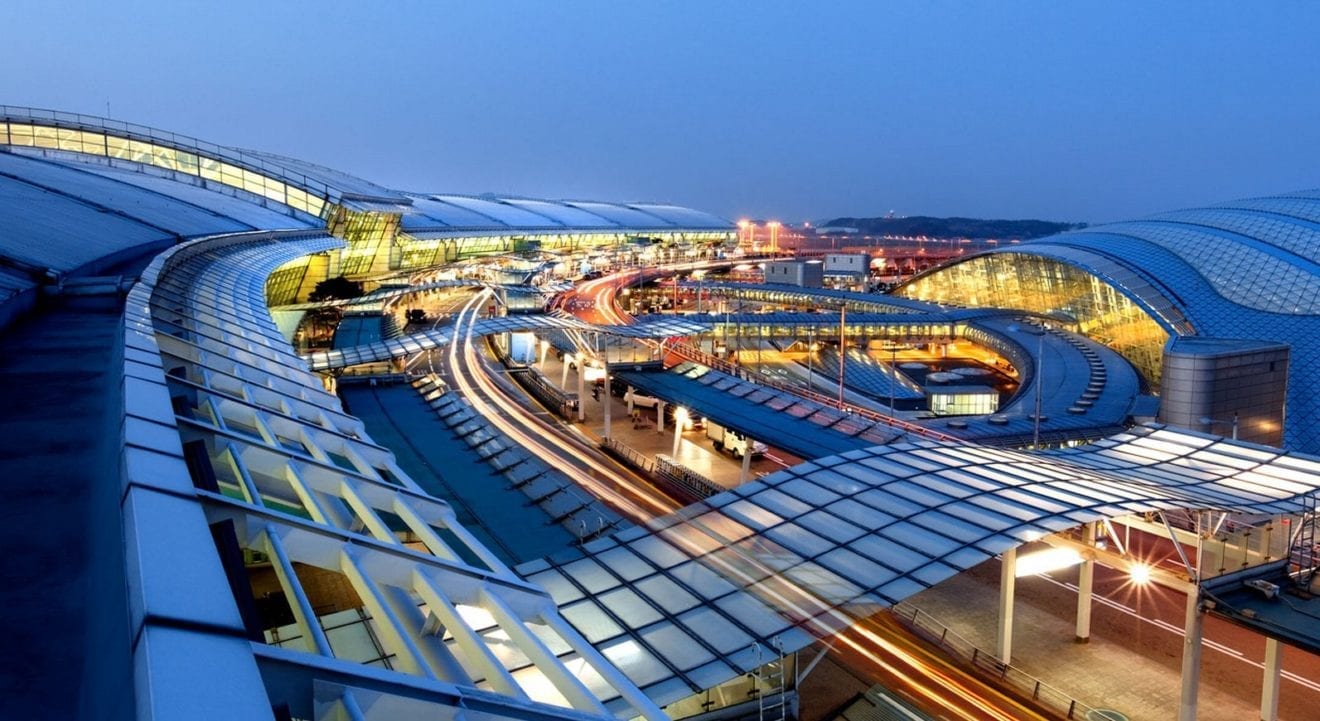
    Incheon International Airport says it expects annual duty free sales to reach US$2billion once again in 2017 following the complete remodelling of its 2,753square meter luxury boutique street, Airstar Avenue, at the central area of Terminal 1. Meanwhile the airport expects to open new T2 shops at the end of 2017 following a long and controversial tender process.

    The remodelled area which occupies approximately 16 percent of the airport’s duty free concession space (17,074 square meter), includes these 25 top luxury boutiques: Balenciaga, Bally, Bottega Veneta, Burberry, Bvlgari, Cartier, Celine, Coach, Fendi, Ferragamo, Gucci, Longchamp, Louis Vuitton, Marc Jacobs, Miu Miu, Montblanc, Moncler, Omega, Prada, Rolex, Saint Laurent, Tiffany, Tod’s, Tory Burch and Tumi.

    The Saint Laurent, Balenciaga and Moncler stores were the most recent additions to the revamped shopping street.

    Bum-Ho Kim, IIAC Executive Director of Commercial Marketing, made these comments: “We are pleased to announce the completion of the main terminal’s renovation. Last year, while the area was partially being revamped, the central boutique managed to deliver robust sales of US$224million.

    This sales amount covers approximately 11 percent of the total annual sales (US$2billion). As we have now completed the renewal process successfully, we are expecting to provide efficient customer experiences beyond passengers’ expectations, and aim to hit US$2billion sales once more.

    Turning to Terminal 2, he added: “Incheon Airport is currently putting its utmost efforts to successfully open duty free shops in Terminal 2, by the end of 2017. “Along with T1 duty free, we will do our best to create a place of which can deliver unforgettable, delightful airport shopping experiences and satisfaction for the passengers visiting our airport.”

    Lotte walked away with the L&T concession contract – awarded in May this year – and Shilla took P&C, while the terminal’s fashion tender was rebid.
    The three small and medium enterprise (SME) contracts will be operated by SM Duty Free (DF4), Entas Duty Free (DF5) and CityPlus (DF6), according to an announcement from the Korea Customs Service (KCS).