Tag: Korea
-

7-Eleven opening futuristic store in South Korea
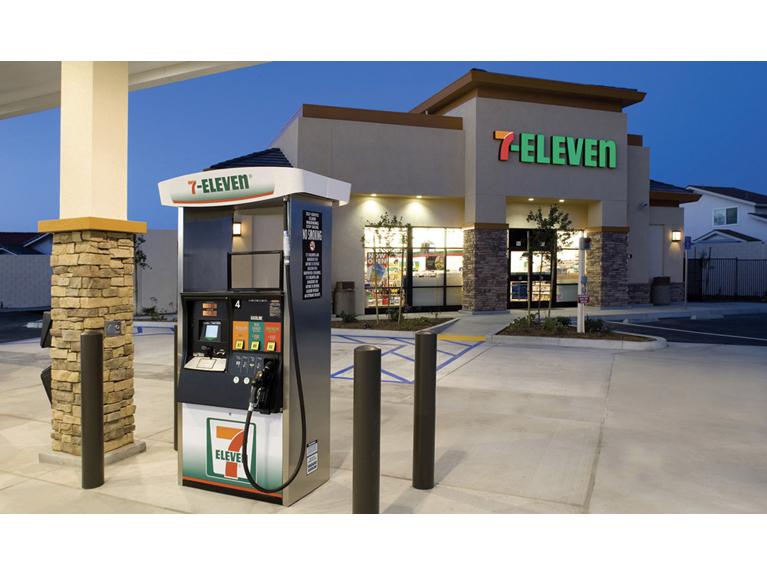
Convenience-store giant 7-Eleven is opening a store that allows customers to pay simply with a wave of their hand.The store is located in the world’s fifth largest building, Lotte World Tower in Seoul, Korea. It features a biometric verification system that scans vein patterns in shoppers’ palm and allows them to pay by swiping their hands. A scanner at the self-checkout studies the size, color and shape of a shopper’s veins, and allows them to make payments after they have registered their Lotte Card user information.Other features include an unmanned checkout system with a 360-degree laser scanner that reads the barcode of every item within range and calculates the total cost, according to the report, and refrigerators that automatically open and shut their doors. The high-tech 7-Eleven is doing a test run, open only to Lotte staff. It is due to open to the public in August. -

Hotel Shilla to invest W186.5b in Hong Kong duty-free store
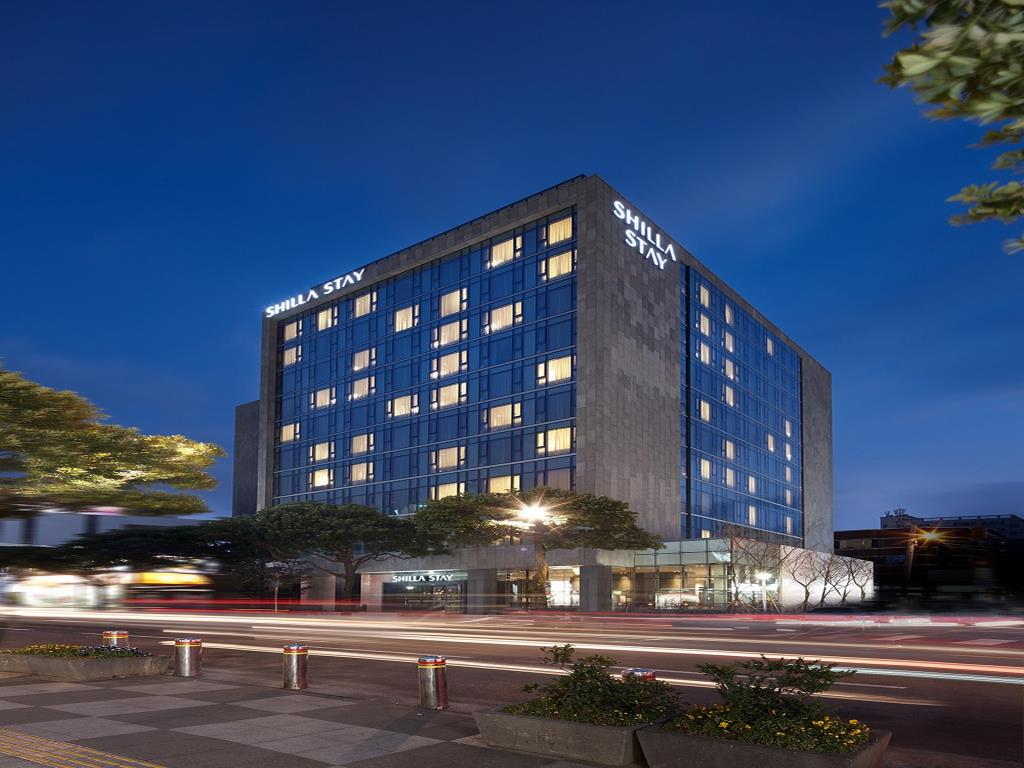
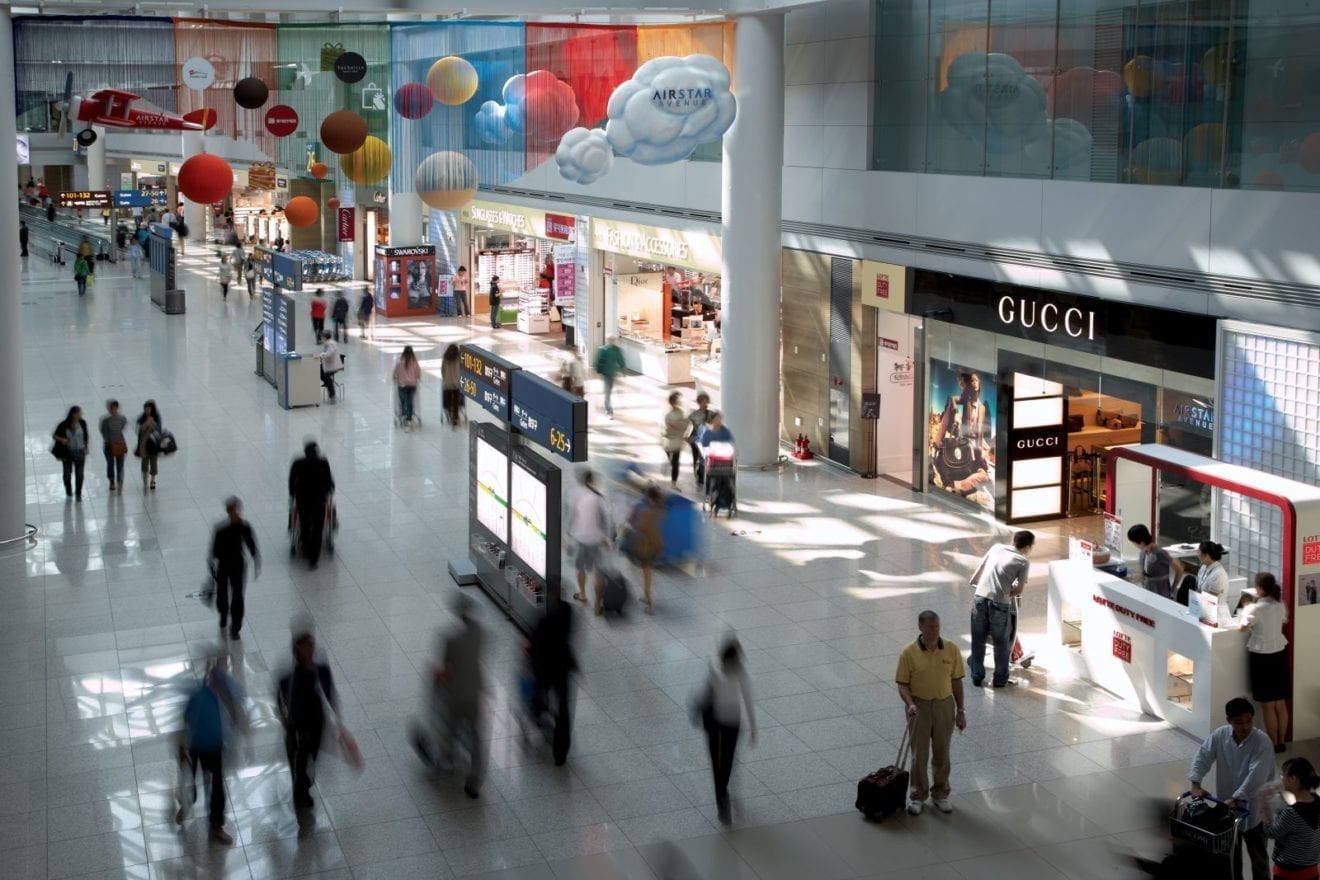
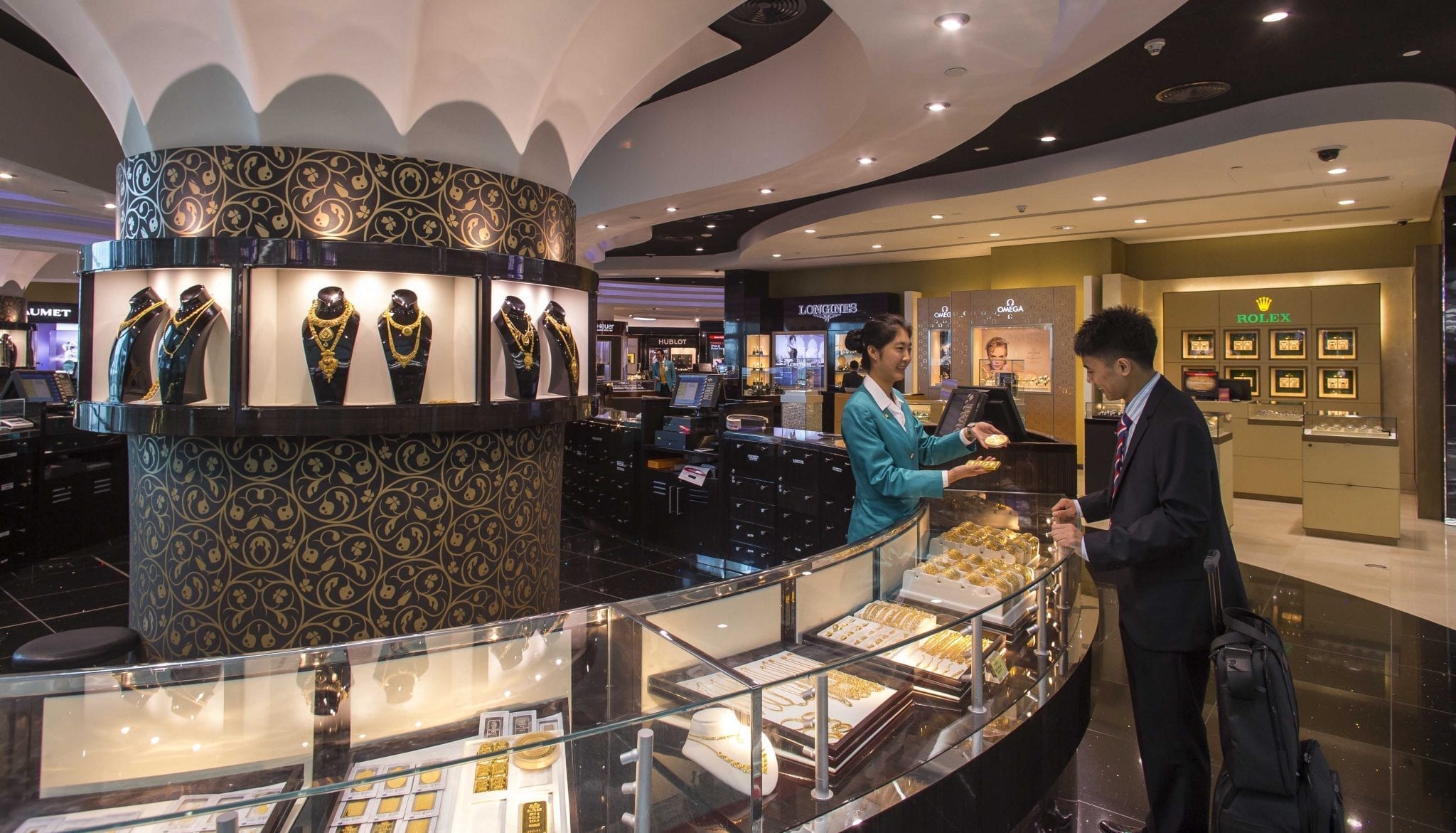
Hotel Shilla will spend 186.5 billion won (US$166.74 million) for its duty-free store that is scheduled to open at Hong Kong International Airport in December.
With the opening of the store, Hotel Shilla will have a presence in Asia’s three largest airports including Incheon and Singapore. The hotel and duty-free operator will issue corporate bonds worth 200 billion won to finance the investment. Hotel Shilla won the license last month and will sell cosmetics and accessories. It plans to maintain the outlet until September 2024, it said in an investment prospectus.
The company has loaned 86.5 billion won to its wholly owned subsidiary Shilla Travel Retail Hong Kong and will also fund the remaining 100 billion won.
-

PyeongChang 2018 to Open 1st Official Shop This Week
The first official shop of the 2018 PyeongChang Winter Games will open in the South Korean capital this week, selling licensed merchandise associated with the international sporting event, local organizers said Thursday.
The PyeongChang Organizing Committee for the 2018 Olympic & Paralympic Winter Games (POCOG) said the official merchandise store of the games will open to the public Friday at Lotte Department Store’s Myeongdong branch in central Seoul.
The store, run by South Korean retail giant Lotte Group, also one of the sponsors for the PyeongChang Games, will sell products related with both the Olympics and the Paralympics in PyeongChang, Gangwon Province, some 180 kilometers east of Seoul. The POCOG said some 300 items, including stuffed animals of the PyeongChang Games mascots, Bandabi and Soohorang, are currently available for sale, but the number of products will double by the end of June and reach 2,000 by October.
The POCOG said the opening ceremony for the official store will take place Sunday, featuring its honorary ambassador and speed skater Park Seung-hi, as well as other South Korean celebrities.
The POCOG said two more official PyeongChang 2018 stores will open next month at Lotte’s department store and duty-free shop in Seoul.
The PyeongChang Winter Olympics will kick off Feb. 8 next year for a 17-day run.
-

Indian mangoes hit South Korean shelves
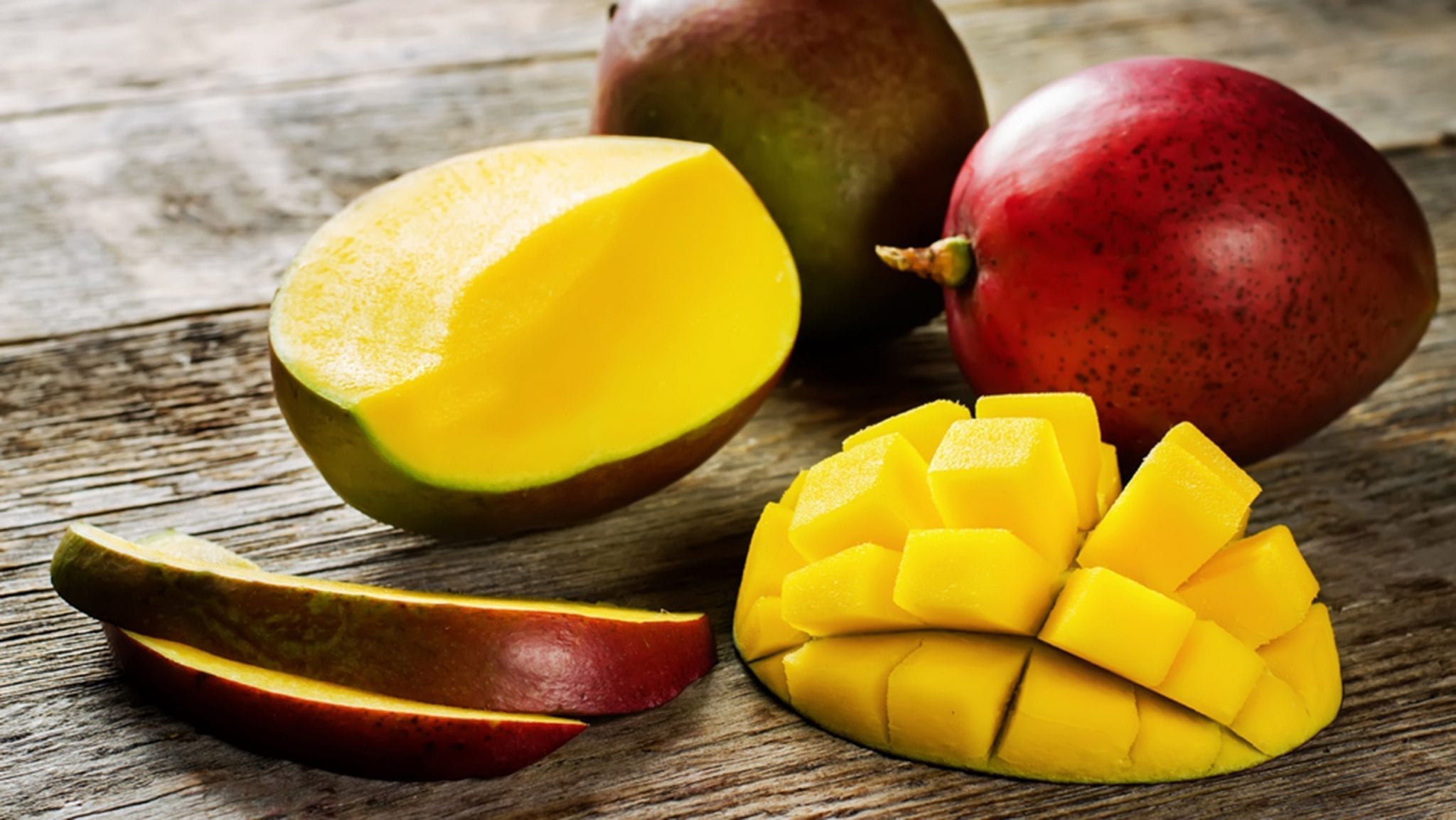
Teams from the GMR Hyderabad Airports Limited, which operates the airport and HMACPL haveworked with the farmer community at Vizianagaram facility for developing a pack-house, creating markets, commissioning this project with requisite approvals from Government and exporting Suvarnarekha variety of mangoes to South Korea.
With this, RGIA becomes the first airport in India to facilitate export of mangoes to South Korea directly from a farm-based infrastructure. Mangoes being a seasonal fruit of high demand, export volume to South Korea is expected to grow up to 10 tonnes per day for the rest of the season, it said in a statement..
The Cargo operator has a coordination committee comprising of APEDA, National Plant Protection Organization (NPPO), Korean Delegation and Plant Quarantine to guide the farmers to compete with international export norms..
The GHIAL & HMACPL are in the process of identifying and enabling similar infrastructure across the catchment areas in Telangana State, Andhra Pradesh, Northern Karnataka and Eastern Maharashtra among others, that can provide the requisite processing facilities to to boost the prospects of India’s Mango exports to South Korea.
According to Sudhakar, DGM of APEDA, “Telangana and AP are the largest producers of mangoes in India with 25 per cent share, of this Banganapallii, Suvarnarekha, Neelam, Cherukurasam are the most popular varieties. Exports provide attractive rates giving better returns to producers and farmers”:
The CEO of GHIAL SGK Kishore says so far Hyderabad has been India’s Pharma capital and the airport had garnered a lion’s share of pharma exports. Our effort to diversify into perishables export base has been realised now with the initiative of Mango exports to South Korea.We will establish a dedicated perishables handling facility at the airport soon.
RGIA has been collaborating with various exporters and regulatory bodies to make this feat possible. Soon Indian mangoes would compete in Mango Festival happening at Seoul with varieties from Pakistan, Vietnam, Thailand and Philippines.
-

Customer traffic dropping fast at Korean online shopping malls
Online shopping malls are fast losing customer traffic, industry data showed , compounding their massive business losses last year. According to the data, the number of unique visitors to the six top online shopping sites totaled 84.86 million last month. This is 9.2 percent less than the same month last year, with each site losing between 2 to 19 percent. For Ticket Monster, the monthly tally for April was 9.91 million, the smallest among the six sites.
It is the first time that the number fell under the 10-million mark since the latter half of 2014.
Industry analysts say the market has become overcrowded with both large retailers and smaller competitors all strengthening their online platforms. Customers consequently have scattered in the face of more choices. E-shoppers have also matured, making purchases at select sites best suited for them instead of hopping through different malls.
A growing number of online customers shop through portals like Naver instead of directly visiting the sites, which is contributing to the decrease in traffic among online malls, analysts said.
Industry experts estimate that losses by e-shopping sites last year exceeded 1 trillion won (US $892.85 million). Given that most of the companies are making ends meet through monetary increase in transactions, they may be pushed to the brink if the current loss in traffic leads to bigger operational deficits, analysts say.
“The number of unique visitors is not the absolute indicator,” an industry official said. “However, since it is related to transactions, we are closely watching the situation.”
-

Koreans consume 377 cups of coffee on average in 2016
South Koreans drank a total of 377 cups of coffee per person on average last year, mirroring brisk growth of the sprawling market fueled by a flurry of various franchises, a government report showed.
The average coffee consumption, based on South Koreans aged over 20, has grown at an annual rate of 7 percent since 2012, according to the report by the Ministry of Agriculture, Food and Rural Affairs and the Korea Agro-Fisheries & Food Trade Corp.
The size of the domestic coffee market reached 6.4 trillion won (US$5.68 billion) as of end-2016, up 30.6 percent from 4.9 trillion won tallied in 2014.
Of the figure, coffee franchises accounted for 62.5 percent last year, up from 53.8 percent two years earlier, reflecting that the coffee brands have led the market growth.
Big coffee chains, such as Starbucks and Paul Bassett Korea that attract customers with high-quality brewed drinks and a wide range of choices, have spurred smaller businesses on to launch their own brands, the report said.
The outbound shipments of coffee products, which include ready-to-drink coffee that usually come in as powdery or liquid forms in small packs, nearly doubled to US$180.21 million in 2016 from US$91.9 million in 2007. Their imports grew about 3.8 times to US$204 million in the same period.
Russia was the biggest exporting market for South Korea, accounting for 25.4 percent of the total shipments, due largely to the popularity of Korea-made powdery coffee sticks, followed by China with 17.3 percent and Greece with 11.6 percent.
The global coffee product market was valued at US$125.6 billion as of end-2015. Japan trumped the market with a 30.9-percent share, trailed by the United States with 17.2 percent. South Korea’s share stood at 1.5 percent.
-

Lotte Liquor launches Fitz, a lighter beer for summer
Lotte Liquor will launch its second beer brand Fitz Super Clear on June 1, the company said. Fitz Super Clear is a lager containing a relatively low 4.5 percent alcohol content. The company said Fitz is designed to serve as a light but refreshing alcoholic drink for the summer.
“Fitz was developed with a focus to resolve a reputation that Korean beer is tasteless and bland,” the company said. “We tried to eliminate the unnecessary taste that is generated when the temperature and ingredients aren’t kept stable during the brewing process.”
The beer uses the same “original gravity” method as Kloud products, which don’t add water in the brewing process. It also used the self-developed Super Yeast and enhanced the fermentation rate to 90 percent for a cleaner taste.
The company launched Kloud in 2014. Kloud has 5 percent alcohol content and has a flavour similar to imported beers from European countries. It’s sometimes criticised for not being suitable for Korea’s somaek drinking culture, which mixes soju with beer.
Fitz’s target customers are in their 20s and 30s. Kloud is for those who enjoy drinking alcohol while Fitz is for general gatherings because it is lighter and contains less alcohol content.
Lotte Liquor invested 700 billion won (US$622.6 million) for a second beer manufacturing plant, which is scheduled to open in July. Once it opens, it will be able to produce up to 200,000 kiloliters (55.8 million gallons) of Fitz per year.
The company aims to generate 90 billion won in sales for Kloud and 70 billion won for Fitz this year.
The beer costs 1,147 won for a 500-millileter bottle.
-

Sales at Korean duty-free shops inch up
Despite concerns of economic retaliation from China, sales at duty-free stores in April rose slightly over last year. Korea Customs Service said revenue at local stores reached 1 trillion won ($8.9 billion) last month, a 0.3 percent increase year-on-year.
Outside the airport, sales at city duty-free stores climbed 0.4 percent year-on-year in April to 501 million won. Two new duty-free shops opened during that period.
The increase gap isn’t large, but the uplift is a positive surprise for operators that expected sales to retreat amid frozen relations with China after Korea deployed the U.S. antimissile system known as Thaad. Beijing halted group tours to Korea on March 15. At the time, most duty-free operators were expecting the consequent blow the following month.
Their concern was partly correct: The number of Chinese tourists to Korea in March declined 40 percent year-on-year and April’s visits, although not yet tallied, are expected to have plummeted further.
One possible explanation of the unexpected outcome is the increase of daigou, or personal shoppers that purchase commodities overseas and resell them to customers in mainland China. “The contributor that kept local duty-free operators’ sales afloat is individual shoppers and especially daigou,” said one industry source.
This form of transaction is not confined to professional businessmen, but also young Chinese who are increasingly conducting business through Weibo, China’s version of Twitter, and mobile messenger WeChat.
Chinese tourists who travel multiple times in Korea can easily get into the business by buying cosmetics from Korea and reselling them when they return home.
The influence of daigou on the local duty-free scene isn’t new. “One individual Chinese tourist visiting Korea on a three-day group tour plan will spend $200 to $300 in duty-free stores; individual shoppers spend around $700 to $800. During the same period, daigou shoppers spend at least $2,000,” said a travel agent who works exclusively with Chinese tourists.
The increase of daigou is partly due to the Chinese government’s decision to ban group tours to Korea.
In fear of dropping sales, local duty-free operators and tour agencies strengthened marketing and promotion targeted at daigou. When group tours were at their peak, competition to find popular products was fiercer. But after their disappearance, daigou were able to shop in a more comfortable environment, easily obtaining high-premium goods that were frequently sold out in the past.
However, a new problem emerged – as the importance of daigou rises, the commission they receive from duty-free stores is rising as well. Duty-free stores pay tour offices around 10 to 20 percent of sales earned from daigou. Tour offices receive this money and pay part of this fee to daigou.
“The payback rate for daigou is relatively high because they normally purchase in large sums,” said a travel agent who specializes in Chinese clients. “There was a case where the tour agency received 22 percent and paid back 20 percent to daigou.”
This commission rate is a major reason this form of transaction is increasing among Chinese tourists. The commissions duty-free stores paid agencies in return for bringing tourists were 967 billion won last year, accounting for 10.9 percent of annual sales, according to the Korea Customs Service.
-

Korea emerges as top Asian importer of Benz, BMW
Korea has become Asia’s largest importer of Mercedes-Benz and BMW vehicles this year, as the two German carmakers sold more vehicles in Korea than Japan for the first time ever.
Chinese motorists buy more Mercedes-Benz and BMW vehicles than Koreans do. But both firms roll out and sell their models through joint ventures with local Chinese firms. Hence, Korea is the populous continent’s de facto leader in terms of Mercedes-Benz and BMW vehicle imports.
The Korea Automobile Importers and Distributors Association (KAIDA) said that Mercedes-Benz sold 24,877 cars in the first fourth months of this year, while BMW sold 18,115, up 48 percent and 32.4 percent from a year earlier, respectively.
The luxury carmakers sold 21,365 and 15,818 cars respectively in Japan during the January-April period, up just 0.7 percent and 2.2 percent from the previous year.
Based on its larger population and higher income, Japan has remained the largest Asian importer of the two luxury brands. Japan’s population is more than double that of Korea and its GDP per capita is 20 percent higher than that of Korea.
But Korea dethroned Japan this year because of a months-long sales ban on Audi-Volkswagen vehicles here. The carmaker stopped selling its vehicles in Korea after the emissions scandal last summer but it did not face such troubles in Japan.
During the sales suspension, Mercedes-Benz and BMW increased their sales in Korea’s import car market.
The two combined to sell 57 percent of the import cars in Korea over the four months, up from 41 percent last year. In Japan, however, the figure only edged up from 38 percent to 40 percent.
Analysts expect Mercedes-Benz and BMW will dominate the market for a while. The KAIDA also said BMW sold more cars than Mercedes-Benz in April.
Mercedes-Benz maintained its top position until this March but fell to second place due to a short supply of its popular new E-class model. Lexus came in third in the number of sales, followed by Toyota and Honda.
-

Boots to launch in Korea
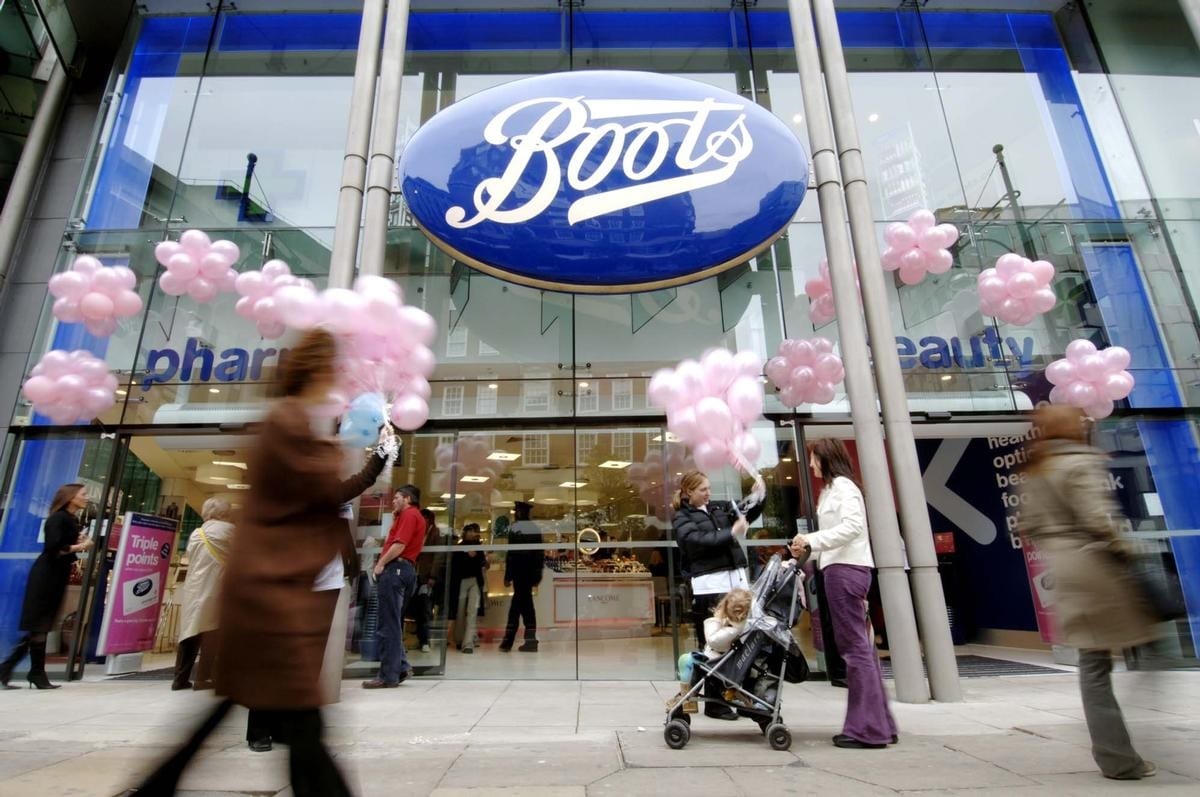
E-Mart said on March 19 that the Korean first store of Drugstore Boots opened in Starfield, Hanam. It was only 10 months since the signing of a partnership agreement between E-Mart and the Wall Green Boots Alliance (WBA) in July last year. The Boots store is located on the first floor of Starfield with the size of 619 square meter (187 pyeong).
WBA is a global ‘distribution giant’ that has 13,100 stores in 11 countries around the world, including the UK’s No. 1 health and beauty (H & B) brand, with annual sales of 145 trillion won.
E-mart will show Korean version of H & B, which is differentiated by global sourcing power of boots, the world’s top drugstore company, and E-Mart’s product planning ability.
The H & B market in Korea last year was1.2 trillion won. It has been on a steady upward trend with a growth of 30~40 percent every year and the business holds great promise for the future. In the next five years, it will grow to over 3 trillion won.
The boots strengthens the competitiveness with their own brand products (PL) and services. Boots has PL products such as ‘Soap & Glory’ and ‘Botanics’, including functional cosmetics ‘No.7’. In particular, No7 is the number one beauty brand in the UK, and has already been famous among Korean customers. With the official opening of boots, consumers can purchase boots PL products more easily such as No7.
The boots offers a ‘Match-made’ service that will consult the colours for their skin tones on the opening day. It recommends foundation and colour cosmetics by measuring consumer’s skin tone using No7 exclusive device.
To celebrate the opening of the Starfield Hanam store, the boots will carry out the ‘3 for 2’ event, which takes one more item if you buy two items of their own brand of boots by the 1st of next month. Until June 29th, 5000 won discount certificate will be presented to customers who purchase more than 50,000 won. The boots eco bags will be presented to 5,000 people by order of arrivals regardless of the amount of purchase. When purchasing more than 50,000 won, the boots beauty box will be presented for the first 400 people as well.
E-Mart will also open a large flagship store in Myeong-dong, which is called “The Holy Land of Cosmetics” in July. The size of the store is 1284 square meter (388 pyeong). E-Mart plans to gradually expand its H & B gmbusiness, starting with Starfield Hanam, complex shopping mall and Myeongdong stores.
-

Korean fashion retailer Stylenanda opens a flagship store in Harajuku
It is noticeable that online fashion shopping brands perform well in Japan, after China. Global women’s brand “Stylenanda” opened its first flagship store in Harajuku in the center of Japanese fashion. In the early morning of the opening day, a long line of Japanese customers were waiting for the store to open.
On May 11, day before the opening ceremony, various events were held for the press. Ruriko Kojima, the most popular Japanese entertainer, attended the event to celebrate the opening. The store also offered a catering service and allowed customers to take pictures with models, hence making the place popular.
“Stylenanda” released a 3CE Tokyo Edition design and a limited edition bag featuring unique graphics; both can be seen exclusively in the Harajuku flagship store. Limited edition “Lucky Box” is also available for customers.
Stylenanda, which already had success in Korea and China, is growing every year, such as it is now responsible for trendy fashion and beauty for women.
Stylenanda is an online shopping women’s apparel brand launched in Korea in 2005. Based on its online popularity, it opened its first flagship store in Hongdae and entered the department store for the first time as an online shopping mall brand. Since it opened in Lotte Department Store in 2012, it has recorded annual sales of more than 800 million won, and was ranked No.1 in the Chinese consumer preference brand of Lotte Department Store in 2014.
Thanks to its international success, the company is rapidly expanding by opening stores in China, Hong Kong and Singapore, thus strengthening its presence as a global brand.
In the same way, a few companies have been recognized as ‘Korean fast fashion brands‘ and now grow quickly by reflecting fashion trends and only selling a small quantity of products in various designs.
Already opening a first store in the Isetan Shinjuku Department Store last year, Stylenanda hopes that the Harajuku flagship store will seduce and catch attention.
-

Samsung targets 33 pct sales growth in Vietnam as phone business thrives
Samsung Electronics and three other units of the tech giant in Vietnam target combined sales of $60 billion this year. South Korean conglomerate Samsung expects that its strong smartphone business will boost sales in Vietnam by 33 percent this year.
Four subsidiaries of the tech giant, Samsung Electronics, Samsung Display Co., Samsung Electro-Mechanics Co. and Samsung SDI Co. which is a battery producer, are targeting combined sales of $60 billion this year, up 33 percent from 2016.
The units also aim to raise their export value by 25 percent to $50 billion, Samsung Vietnam General Director Han Myoung-sup told Vietnamese Prime Minister Nguyen Xuan Phuc at a Tuesday meeting.
Samsung, the world’s largest cellphone maker, last month posted its biggest quarterly net profit in more than three years after shrugging off the debacle over exploding Galaxy Note 7 batteries. A company statement said its January-March net profit jumped 46 percent from a year ago to $6.7 billion.
Its business in Vietnam has been driven by robust sales of its latest flagship phones Galaxy S8 and Galaxy S8 Plus, which sales have reached five million units worldwide in less than a month.
Samsung Electronics operates two cellphone plants in the northern provinces of Bac Ninh and Thai Nguyen, which produce around half of all cellphones that Samsung supplies to the global market.
Cellphones contribute to more than 80 percent of exports by the Samsung units in Vietnam, which accounted for 23 percent of Vietnam’s total overseas shipments last year, making it the dominant exporter from the Southeast Asian country.
-

Korean fast fashion brand “8 Seconds” is catching up ZARA
The fast fashion brand of the fashion division of Samsung C & T has been on the brink of exceeding 40, the number of stores in Korea. The firm geared up to catch up ZARA, the third-largest fash fashion brand in Korea.
The number of domestic stores in 8 Seconds will increase from 39 to 41 by the end of this month. It increased by 5 from 36 at the end of last year.
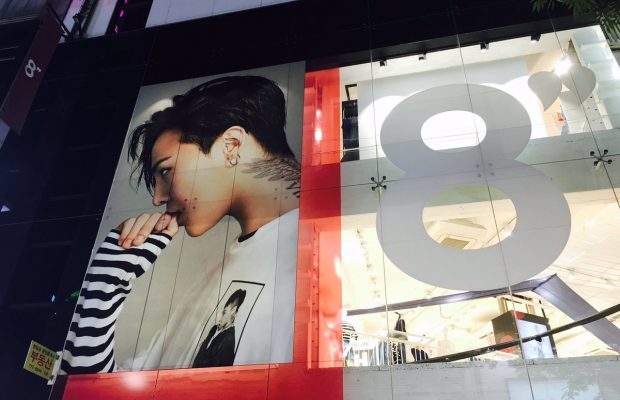
8 Seconds will open three stores in the metropolitan area, including Seoul, this month alone. It opened the store in Myund-dong branch of Lotte department store in May 1, followed by Lotte Premium outlet in Icheon on May 13. It is also planning to open Hyundai City Outlet Garden Five at the end of this month.EightSeconds, officially launched in 2012, has been known as ‘Lee Seo Hyun Brand’ because Lee Seo-hyun, president of Samsung C & T’s fashion division, has elaborated the brand for three years.
She planned to enter the Chinese market with the goal of becoming the third fast fashion brand in Asia. Last year, it opened its first flagship store in the center of Huaihai Road in Shanghai, China. The brand gained a huge popularity in China by releasing products which collaborated with Big Bang’s GD who was a model of 8 Seconds. However, as the investment cost has been rising in the early stage of China, the two subsidiaries in Shanghai have suffered an operating loss of 7 billion won.
8 Seconds will focus on stable operation of its existing Shanghai flagship, rather than aggressively expanding its business in China for the time being, and will aggressively boost its business by expanding distribution channels in Korea.
The GD collection, which was first introduced in Korea and China last year and was hit by Chinese, will continue to be released. GD has been collaborating with 8 Seconds for the first time as a fast fashion brand in Korea. The third collection, released last month, featured items from the daily life of GD.
An official from Samsung C & T 8 Seconds said, “We are pursuing a full-scale business with the release of 8 Seconds Summer Collection with model GD.” “We plan to expand distribution in China as well as domestic distribution”.
-

Cashing in on Korean cuisine
Some 15 years ago, Malaysians were introduced to a Korean drama series that quickly became a global sensation. This iconic series opened the doors of K-drama to the world, and Malaysia is no stranger to it!
Our love for all things Korean – food, fashion, beauty, drama, music and so on – quickly escalated into an undescribable passion even til today.
Malaysia and the rest of East Asia were so enthralled by the Korean culture that many have sought to travel to South Korea for holidays, just to have the glimpse of experiencing the true lifestyle there.
As per Korea Tourism Organization’s (KTO) statistics, for the first three months of 2017, Malaysian visitors reached a high of 71,215 individuals which was a rise by 14.4 per cent from 62,236 during the same period last year.
This was up by a stark contrast of 272.4 per cent from only 19,122 during the same period back in 2003.
It is only natural that after visiting and immersing themselves in the culture of South Korea, enthusiasts cannot forget the charm and benefits of Korean goods and services which may or may not be found in retail outlets in Malaysia.
This was one of the points discovered by Malaysian online shopping website 11street. Through its recent ‘Shop The World’ campaign, 11street revealed some astonishing behaviours exemplified by Malaysian shoppers.
“Firstly, Malaysians loved products from Korea, Taiwan and the US,” the online marketplace said in a statement last week. “Consequently, these three countries were also the most popular countries with the highest number of purchases.”
‘Malaysians Love Korean Food’
Another study from 11street affirmed Malaysians’ love specifically for Korean food.
“The insight we obtained from the market confirmed what we have known for a while now, that Malaysians love Korean food. It revealed that Malaysians often search for Korean food items such as ramyun, chigae, chimek and samgyupsal.
“On top of that, we noted that a commonly recurring word among these searches on 11street is ‘spicy’, which goes to exemplify Malaysians’ love for spicy food,” said Bruce Lim, Vice President of Merchandising for 11street previously.
“In fact, ‘heat’ is a common ground between Malaysian and Korean foods, which is why we at 11street have ramped up our spicy Korean food offerings on our platform, to enable our shoppers to find what they love.
“Through this partnership with K Market, we also took this effort up a notch by introducing products that are halal so that our Muslim shoppers continue to shop with us at ease.”
According to 11street, the sale of Korean food items on its platform has doubled since its inception in April 2015, with the 26 to 35 age group contributing on average 40 per cent of total Korean food sale in 2016.
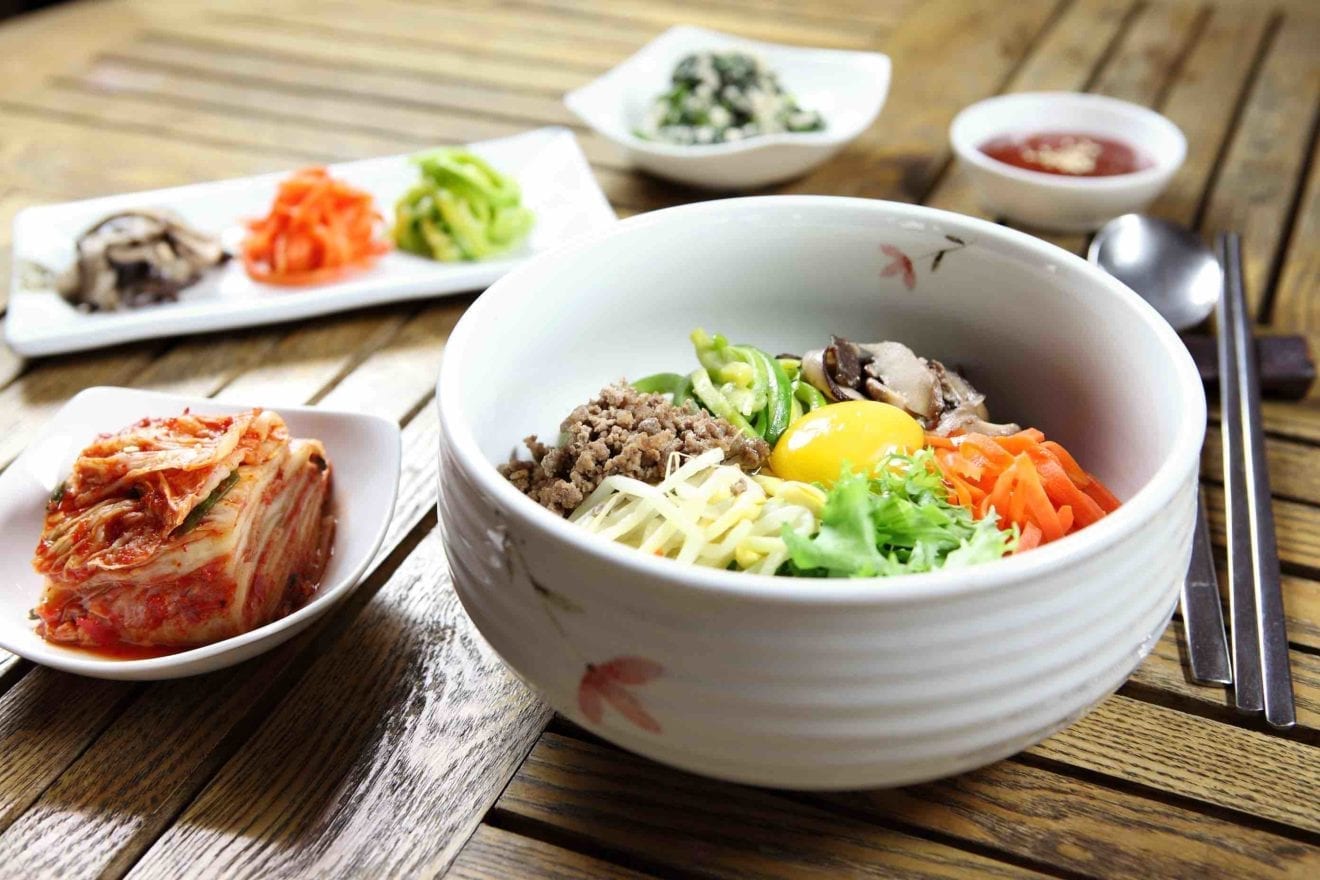
Among the top five items often purchased from its platform are Pepero, a cookie stick dipped in chocolate; ramyun, also known as instant noodles; kimchi, a fermented Korean side dish made of vegetables; toppoki, a type of soft rice cake; and milkis, a popular carbonated beverage in South Korea.
Other popular Korean food items that are highly sought after by 11street shoppers are banana milk, red pepper powder for kimchi making and healthy vinegar drink.
With evidence pointing to the fact that the Korean culture trend is here to stay, BizHive Weekly takes a look at how the Korean cuisine industry fares locally in Kuching:
Kuching Seoul Garden: An icon of Kuching’s Korean taste
Ask “Where can we get Korean food in Kuching?” and many may first think of Kuching Seoul Garden (Seoul Garden) which has been operating for several years now.
Proprietor Steven Lee knows a thing or two about bringing the influential Korean culture trend here to this city.
Lee first ventured into the restaurant business here seven years ago with Seoul Garden at Central Park Commercial Centre, and initially started with just operating from the ground floor of a shoplot.
Lee told BizHive Weekly the reason why he was so passionate to open a restaurant here – having had more than 10 years of experience in the restaurant business back in South Korea – was to expand Korea’s culture in other countries.
“We try to bring a slice of Korean food and culture to Kuching by taking a family-oriented method to run the food and beverage business,” he said. This means taking the time to serve, assist and dine with customers akin to that of eating at home ith family.
“The ground floor serves ala carte dishes, with an authentic menu list which kept growing and changing over the years to suit the evolving food trends.”
Using very little monosodium glutamate (MSG) when preparing the dishes, Lee believed this to be one of the few reasons why Seoul Garden has a lot of regular Korean customers as they know that the food at his restaurant are authentic and healthier.
Lee also affirmed that he sources his seasonings and sauces directly fom South Korea, lending to the authenticity of his dishes.
“From when we started, these (seasonings and sauces) have gone up by some 40 per cent in prices, especially with the GST (goods and services tax),” he commented. “But we’ve never raised our food prices offered.”
Authentically made
In fact, Seoul Garden’s own kimchi stands out from its competitors as Lee adopts the traditional Korean style of making kimchi – which means a longer processing time for the salted and fermented vegetables.
Additionally, instead of offering seven to eight side dishes for customers, Seoul Garden only serves five, including kimchi and fruits.
This is because Lee observed that local customers are usually not able to finish the typical portion of seven to eight side dishes customary in Korean restaurants.
At Seoul Garden, with the exception of kimchi which is a must at every meal, the side dishes will change daily so that regular customers will not feel bored eating the same thing everyday.
Lee usually tries to change up or add new dishes on the Seoul Garden menu in the middle of the year, as that is the time when they are not too busy and can start becoming creative and designing new dishes according to the latest trend.
Recently, Kuching Seoul Garden launched a few new dishes incorporating melted cheese which are eaten with the main dish such as stir fried squid or grilled chicken pieces.
He explained that this is the new trend as he noticed that young people generally like to eat food with cheese. This trend is apparently very common in Singapore and Korea, he observed.
Changing business model
Two and a half years ago, Lee decided to branch out into the buffet business model with the addition of a second floor dedicated to meat barbeque (BBQ) steamboat buffet.
With this buffet, Lee opined that it is a much more straightforward business model given that customers need only pay for a fixed price to have unlimited access to all types of meat, seafood, fruits, drinks and ice cream.
For the restaurant’s side, staff will only need to prepare the ingredients as the customers themselves will do the cooking.
“It is more fun,” he said, “as families, or even friends and couples can sit down to a meal together, cook and enjoy each other’s company. They can also adjust the seasonings to their liking.”
While he does hope to expand and open more halal and non-halal meat BBQ steamboat buffets throughout Sarawak, Lee has reservations in opening more of his ala carte style restaurants in other cities.
This is because of the extensive menu they have at the ala carte restaurant which will require too much time training and it will also be difficult to maintain the quality and taste of the foods.
When asked on future potential growth, Lee said he is now looking for potential investors or joint venture partners to consider opening up a halal version of his buffet restaurant to cater to the Muslim market.
Lee Korean Fried Chicken a new franchise venture
Recently, Lee has further expanded into Kuching’s first Korean fried chicken restaurant business, a popular Korean cuisine and concept back home.
Lee explained that in South Korea, if the fried chicken eateries are located in office areas, those usually attract office people who after clocking out from work, will go and have themselves some fried chicken and down that with beer.
Over here in Kuching, Lee believes that his new restaurant, Lee Korean Fried Chicken (Lee KFC), will attract customers from all walks of life because of the sauces which he makes himself for the chicken dishes.
He explained that these sauces are important for these dishes, adding that all are made with natural ingredients consisting of carrots, garlic, onions and South Korea-imported chilli powders and yellow and white starch syrup.
This, he highlighted, is a better business decision than other restaurants which have fully relied on ready-made sauces imported from South Korea. This has resulted in a lot of expired stock and wasted shipping costs due to their inabilities to estimate how the exact amount of supply required.
“Compared to other international or local outlets which rely on two typical flavours of spicy or non-spicy, our wide variety of fried and grilled chicken dishes with their authentic sauces will draw in customers who want to try something new and different from other competitors,” he stated.
Slow start expected
Customer flow into the restaurant is currently still slow but Lee said that this is normal for brand new businesses. “Because when I first opened (my own fried chicken restaurant) in South Korea, it was the same,” he said.
Even with a good location facing the main road at 3rd Mile, he expects a slow start as he knows that customers are still getting to know about what Lee KFC has to offer.
To ensure that customers receive their dishes freshly cooked, Lee KFC’s procedures do not involve pre-deep frying the chicken. Instead, the restaurant will only fry the dishes upon receiving the orders, as is customary in every fried chicken restaurant in Korea.
Additionally, Lee pointed out that Lee KFC had designed a slightly different menu from the typical fried chicken restaurant concept in South Korea. Aside from its main fried chicken dishes, Lee KFC also added popular Korean favourites such as kimchi jjigae, ramyeon, tteokbokki and many more on its menu.
The idea is that for families or groups of people whogo to the restaurant to eat, they can order a variety of dishes and share them together.
As with his Seoul Garden BBQ steamboat buffet concept, Lee is also open for discussion to those who are interested to invest, joint venture or do a franchise of Lee KFC in other aeas of Kuching or other cities in Sarawak. On the sauces, he explained that he can just make the sauces to supply to these other outlets when needed while the staff only need to come to the main outlet in Kuching to learn how to use the machines to cook or fry the chickens.
That said, he only aims to allow the opening of a few outlets so as not to oversaturate the market and ensure the survival of each individual restaurant.
In fact, if possible, Lee hopes that when opening new outlets in other areas, that the concepts will consist of Lee KFC on the ground floor while the buffet is on the first floor of the same building.
Pullman Kuching: Jumping on the bandwagon
Pullman Kuching is also taking steps to incorporate the Korean cuisine into their food and beverage (F&B) offerings while the K-culture is still trending on the local scenes.
Pullman Kuching general manager Charles Choi who recently relocated here explained that because of his position, he has tried to do some market research on the F&B industry in Kuching.
“Whenever I have time for dinner during the weekends, I try to visit as many restaurants as possible. I could see that at the moment, for Kuching, because of the small population and the fact that there are a lot of restaurants operating here, you need to open something special otherwise your restaurant (risks becoming) empty,” Choi observed.
“You need to have a specialty and I could see that, at the moment, once you have Korean cuisine, Japanese cuisine or even Thai cuisine, it is working. I was thinking to myself, ‘Once you have something special, it already ticks one box on being popular.
“So, what about if it is good in terms of quality and authenticity?’ That is how I decided to hire a Korean chef from Korea (for Pullman Kuching) so that we can compete with our other competitors in terms of quality and being authentic.”
Driven by young demand
Hiring a Korean chef is one of Choi’s efforts to boost up Pullman Kuching again and also to show that the hotel will be different from others in the hotel industry.
On why Sarawakians and Malaysians in general are still drawn to Korean food, Choi explained that this is because the market is driven by young people.
He opined that the Korean cuisine is still quite a new thing or trend in Kuching and overall Sarawak.
While Korean-based Choi admitted that he is still new to the city, he could see that the whole city consumer market has been dominated by the older or senior generation.
“And recently, I would assume that the young generation has started to become dominant in terms of culinary experience, eating out and visiting new places (to eat),” he observed.
“That is why some of the trendy malls, restaurants, they are becoming popular. Because if you go to popular restaurants in Kuching, it is filled with young people, not the older crowd. I think that’s a sign that now, young people are starting to have financial power to purchase.”
Choi also pointed out that as these financially capable young people are still attracted to the K-culture of pop music (K-pop), dramas and movies, that fever has thus carried over to the Korean restaurant industry.
Eye on halal menu
On how Pullman Kuching aims to differentiate the Korean cuisine it serves from competing restaurants out there, Choi affirmed that they will be completely halal.
“Because in Kuching, surprisingly, we have almost 10 korean restaurants and I have been to most of them. Quality wise, they are ok. They are serving good food and they are good restaurants in terms of quality.
“Problem is, they are not serving halal food. They are only focusing on one part of the market, non-halal,” he said.
As Pullman Kuching serves all halal food, Choi is taking advantage of this and plans to cater to 100 per cent of the market here with the hotel’s very own halal, authentic and quality Korean food.
“The hotel will be able to serve 100 per cent of the market and not just 50 per cent or small portion of the market,” he enthused.
Overall, Choi hopes that the Korean food will continue being popular here but acknowledges that it is a trend and trends do change.
“I hope it lasts for a long time because I’m Korean,” he said.
“But, nothing lasts forever. I think we have to take advantage of this trend and I feel very lucky because I came to Kuching during this time when K-pop and K-culture is still popular.”
Korean purchases online continue to trend, says 11street
Another insight into the constantly growing Korean food trend in Malaysia was provided by none other than online marketplace 11street which has seen growth in Malaysians conducting Korean-food related searches on their platform.
11street, which was established in Korea since 2008, is one of the top global e-commerce marketplace providers with 400,000 sellers serving over 30 million consumers worldwide.
According to vice president of Merchandising Bruce Lim in an email interview with BizHive Weekly, 11street search trends saw an increase in Malaysians searching for Korean food, recipe and ways to prepare Korean food.
“Apart from that, the search for Korean food on 11street saw an increase from the previous year, whereby we experienced significant boost of total Korean food sale in 2016,” Lim said.
“This also comes at the back of our year-end survey, where 11street predicted consumers to likely explore new product categories for groceries and fresh produce when shopping online, a clear indication to the growing interest to purchase food products online, especially for Korean food items that are not easily available in Malaysia.”
To date, the five most popular Korean items purchased from 11street’s platform includes Pepero, a cookie stick dipped in chocolate, Ramyun, also known as instant noodles, Banana milk, a banana flavoured Korean milk beverage, Toppoki, a type of soft rice cake and Ottogi Cheese Ramen, another famous Korean instant noodles.
“Other popular Korean food items that are highly sought after and getting popular amongst Malaysians in 2017, are Milkis, a popular carbonated beverage in South Korea; red pepper powder for kimchi-making; and healthy vinegar drinks,” Lim revealed.
Food with extra ‘kick’
While 11street does not have specific data to indicate which states have the highest demand for Korean food items, Lim has however noted that the response the online marketplace gets in general are very encouraging as it sees an increased demand across the board for Korean food items.
From K-dramas to pop music to cuisine, the interest for everything Korean especially food has continued to surge since the penetration of K-culture in Malaysia, according to a recent search trend finding by 11street.
In fact, Lim observed that there are many similarities between the Korean and Malaysian cuisine as both feature spices in their food which gives the cuisine that extra ‘kick’.
“’Heat’ is a common ground between Malaysian and Korean foods which is evident in the usage of chillies in both cuisine,” he said.
Meanwhile, Lim believed that the Korean food or cuisine industry will continue to grow and become popular in Malaysia.
Since its collaboration with KMarket, a subsidiary of KMT Trading Sdn Bhd and importer and distributor of Korean products in Malaysia, last year, 11street has seen a rise in demand for Korean food products on its platform.
“Korean cuisine is poised to be one of the top cuisines in Malaysia, adding more flavour to the already tasty cuisine we have here, as it is no longer difficult to stumble upon different kinds of Korean restaurants or even Korean products in Malaysia,” the vice president remarked.
Matthew Lee, Group Managing Director of KMT Trading Sdn Bhd commented: “Two years ago when we decided to open a Korean supermarket in Kuala Lumpur, we were motivated by the growing Korean community in the area.
“Essentially, we wanted to bring a piece of home closer to them but we certainly did not foresee the steady stream of Malaysians frequenting our store.
“We realised that in order for us to cater to more Korean food lovers out there, it is more effective that we partner a reputable online marketplace such as 11street.
“To date, we are happy to continue supplying Malaysians with the Korean foods they love through 11street, as well as introduce new ones that are hot off the shelves from Korea.”
On the growing demands of halal Korean food items, given the rising popularity of the cuisine and the local requirements, 11street also predicted that many would adhere to the Islamic dietary law as the majority in Malaysia are Muslims.
“The demand for halal products are on a rise and we took this effort up a notch by introducing products that are halal so that our Muslim shoppers continue to shop with us at ease,” he said.
-

Etude House opened its flagship store in Seoul
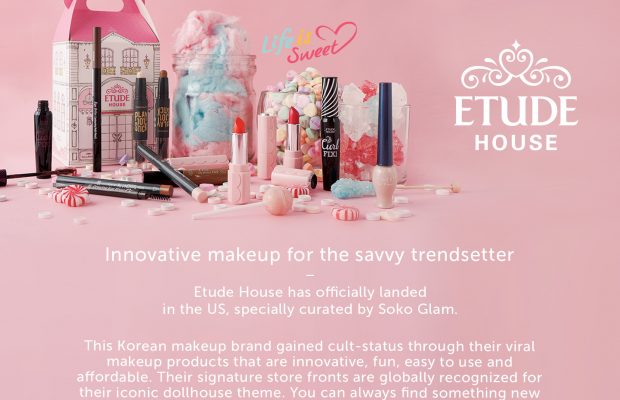
Etude House opened its flagship store in Myungdong on May 10. The flagship store was designed as part of a customer-focused campaign that embodied the brand’s slogan “Life is sweet”, which means positive energy and value in their twenties. A three stories Etude House flagship store provides various service. The store allows customers to have a variety of experiences by trying diverse colour and to purchase all products of Etude House.
Under the theme of “House of Colour Play”, exterior design of trendy mood stands out. There is also a special photo zone inside and outside the elevator, where customers take a picture.
On the first floor, customers can see all Etude house products and various beauty items. There is also a “FIND YOUR LOOK” corner, which are nine different looks of Etude House brand value. The “FIND YOUR LOOK” corner is made up of visuals that allows customers to look at the nine different looks, and the make-up products used in each look are displayed on the bottom of visuals so that customers can pick up their favorite look and experience make-up.
“Personal Colour Studio” on the 2nd floor, customers can check their personal colour tones with the colour meter, and get recommendation for ‘four season worms and cool tone shadow palette”. Four seasonal worms and cool tone shadow palette with four colour eye shadows was rolled out in four different colour.
The ‘Personal Colour Palette’, which is currently being sold as an online exclusive product, will be sold exclusively in the second floor of Myungdong flagship store.
The ‘Colour Factory’ in the 3rd floor, which will be released from the first of the next month, is a space where customers experience the service to make your own lipstick by choosing your own colour and design. Personalised lipstick, which is the most noticeable service, can be booked in advance and Etude House artist recommends personal colour through colour meter and colour draping service.