Tag: Korea

  • UberEats Korea launch imminent

    UberEats Korea launch imminent

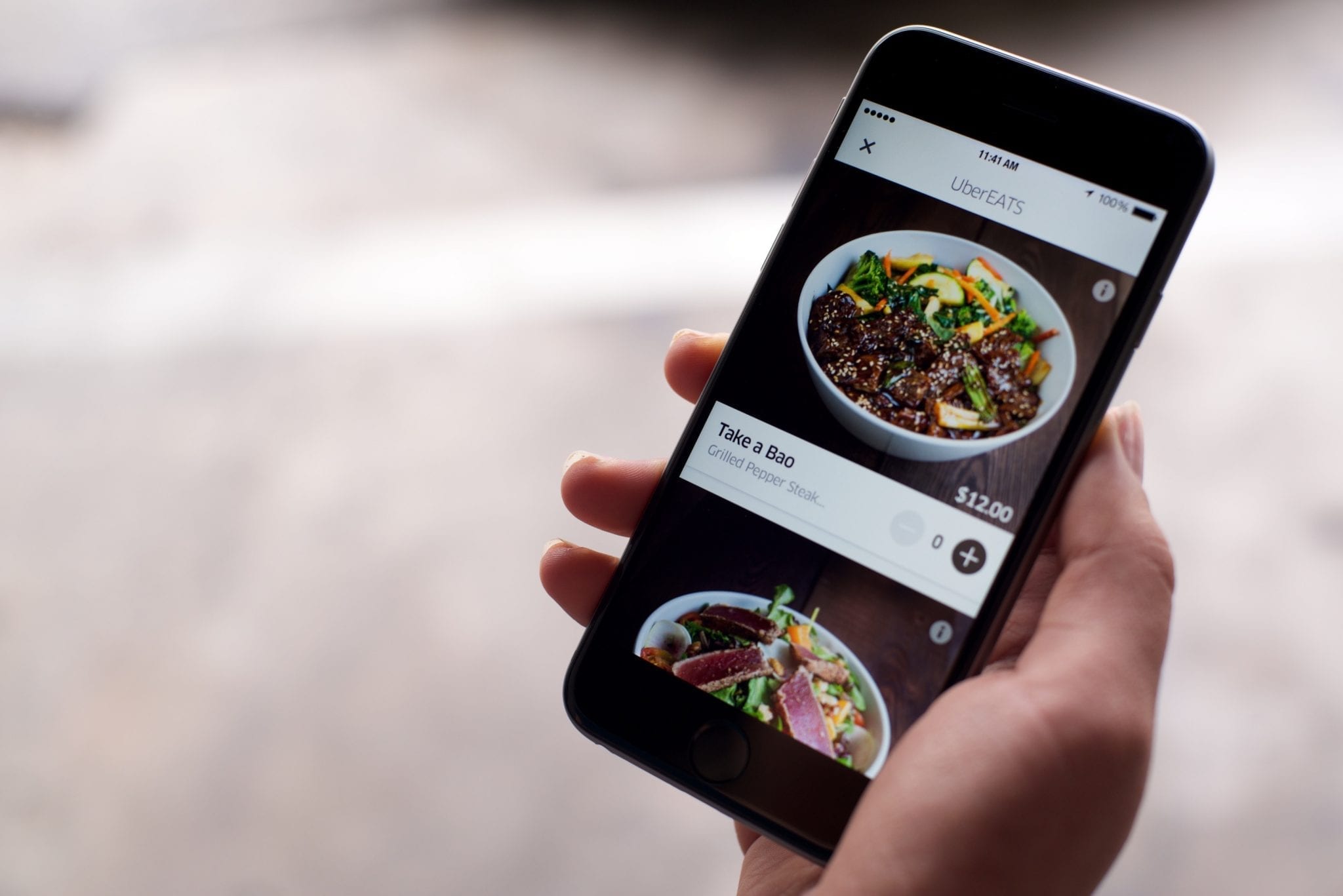
    App-based ride service provider Uber Technologies says it is planning to launch its on-demand restaurant delivery service UberEats in South Korea.

    UberEats Korea will partner with restaurants, with ordering conducted on the company’s web site or with a smartphone app.

    “The company is preparing the local launch of UberEats,” said a spokesman for Uber Korea, the local unit of Uber, on the condition of anonymity. “But at the moment, we have not decided on the exact launch date.”

    Industry sources expect the UberEats Korea delivery service to be introduced within the year.

    UberEats Korea is expected to join other local delivery apps such as Yogiyo, FoodFly and Baedal Minjok. Baedal Minjok is the market leader with more than 50 per cent market share, followed by Yogiyo and Baedaltong, which are both owned by Germany-based Delivery Hero.

    Ordering food by phone is commonplace in South Korea. However, delivery apps have become increasingly popular and now take up nearly 15 per cent of the total food delivery market which is estimated at around 12 trillion won (US$10.5 billion) annually.

    UberEats was launched as a delivery pilot in Los Angeles in 2014. Since then, it has expanded to 58 cities. The service also exists in other major Asian cities including Bangkok, Tokyo and Taipei.

  • Lotte Group forced to drop $4.5bn IPO

    Lotte Group forced to drop $4.5bn IPO

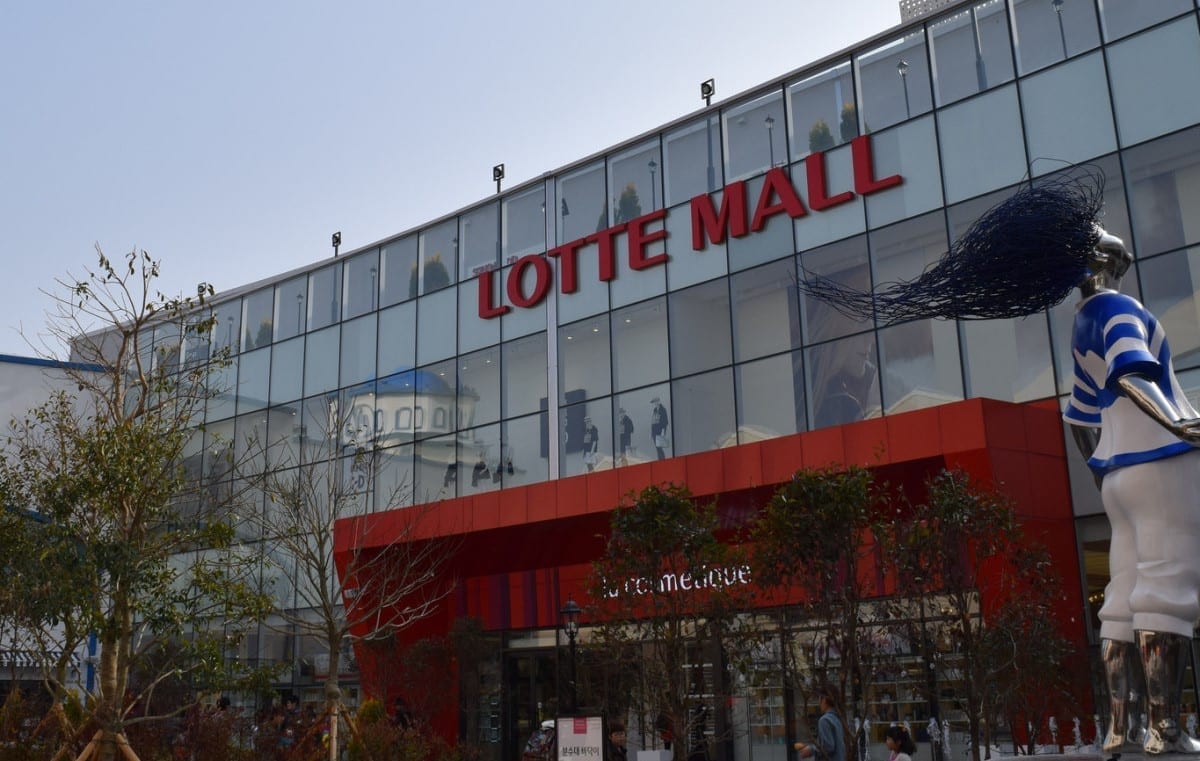
    Following a 30 per cent drop in duty-free sales last month and the virtual closure of more than 100 supermarkets and discount shops in China, the Lotte Group has cancelled its US$4.5 billion IPO.

    Its woes are fallout from the mainland’s objection to South Korea’s new THAAD missile defence system, designed to knock out missiles from North Korea in the event of a war. China’s military claims the system can snoop on its installations as well. China is also angered that the system is on land sold by the Lotte Group to the South Korean government.

    These political moves have put the brakes on Lotte Duty Free’s booming South Korean sales, which rose a record 36 per cent last year to US$5.7 billion.

    Meanwhile, South Korea has protested to the World Trade Organisation (WTO) in an effort to persuade China to relax its stance.

    This means the Lotte Group will now dip out on funding for its expansion programs while its key competitor, Shilla Duty Free, has continued to expand its duty-free business overseas, including Hong Kong International Airport (HKIA), as reported.

  • Diageo rolls out small Johnnie Walker Black Label

    Diageo rolls out small Johnnie Walker Black Label

    Diageo has launched a 20cl bottle of its Johnnie Walker Black Label as it looks to make whisky more accessible to consumers in South Korea.

    The new pack, which rolled out yesterday, follows a launch for a 20cl Johnnie Walker Red Label last October, the firm said. The 20cl bottle comes with lemon syrup and a recipe for a ‘Johnnie Lemon’ cocktail.

    “Diageo Korea has worked to promote a new drinking culture that makes whisky more accessible to local consumers in various ways,” said Diageo Korea CEO Cho Kilsoo. “Following a small format of Johnnie Walker Red launched last year, the new Johnnie Walker Black Label 20cl is expected to contribute to building a new whisky culture that enables people to enjoy whisky more casually.”

    The new product will be available through convenience stores and hypermarkets, nation-wide. Diageo said the packs will be priced at about KRW16,000 (US$13.99). Red Label packs retail at around KRW8,500.

  • Jin Air ready to fly to lombok using Boeing 777

    Jin Air ready to fly to lombok using Boeing 777

    South Korean low-cost carrier Jin Air is ready to fly to Lombok in the Indonesian province of West Nusa Tenggara using a wide-bodied Boeing 777 plane to encourage the tourism industry there, an official said.

    “I have received an official (notification) from the chairman of Korean Air that its subsidiary, Jin Air, is ready to fly to Lombok using Boeing 777,” Chief of the Investment Coordinating Board (BKPM) Thomas Lembong noted following a meeting at the Coordinating Ministry for Maritime Affairs here on Monday.

    He stated that low-cost carriers are badly needed to boost the tourism industry in Indonesia.

    Although investment in the tourism sector is not large, it still plays a very strategic role in creating jobs and bringing in foreign exchange earnings from international tourists, he said.

    “This needs an extraordinary teamwork as many tourists depend on air connectivity. We need air connectivity, particularly through budget carriers, so that there will be low-cost flights from Korea, China, Japan, Australia, India, and so on,” he remarked.

    Besides low-cost carriers, the government must also prepare supporting infrastructures to boost the tourism industry, he pointed out.

    “Although the runways and terminals of airports are still good, we still need to upgrade them. We must check their electronic navigation system, so that planes can land and take off despite bad weather,” he stated.

  • South Korea making mark in global beauty markets

    South Korea making mark in global beauty markets

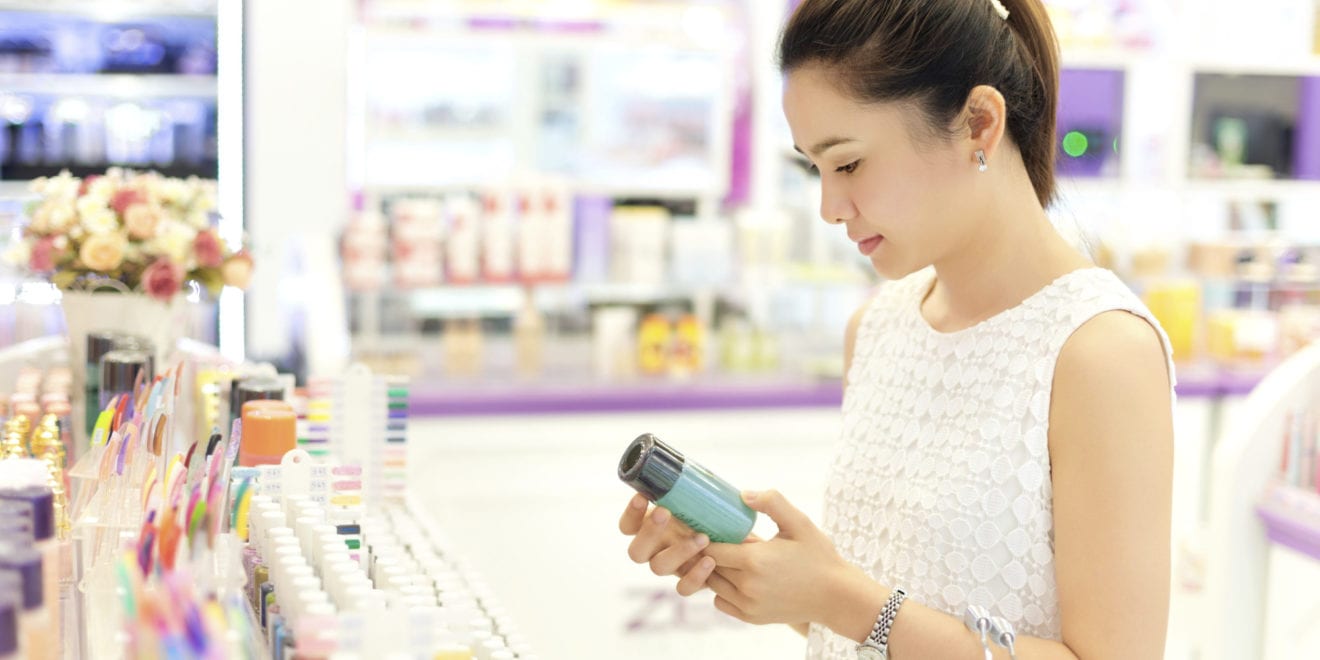
    South Korea is among the top 10 global beauty markets, estimated to be worth more than US$13 billion this year, according to London-based market research firm Mintel Group.

    Its research was released on the eve of the 27th edition of In-cosmetics Global in London, said to be the world’s foremost exhibition for personal-care ingredients. As well as spotlighting South Korea’s beauty market, the research looks at trends impacting the global beauty industry and innovations in textures, ingredients and product experience.

    Facial skincare accounts for 51 per cent of total market share with $6.5 billion in retail sales and a projected 5.8 per cent CAGR over the next five years to reach $7.2 billion by 2020. Much of the success of the category comes from an abundance of product development and the fact that 68 per cent of total skincare product launches in South Korea for 2015-2016 were facial skincare products, according to the Mintel Global New Products Database (GNPD).

    Colour cosmetics make up the second-largest beauty category in the South Korean market, valued at $2.3 billion this year. Mintel research indicates the market is actively supported by consumers with a per capita spend at $45, compared to $43 in the UK and $37 in the US, and more than double the global average of $21. With a projected CAGR of 8.1 per cent over the next five years, the market is estimated to reach $2.8 billion by 2020.

    “The Korean beauty market remains buoyant thanks to fast-paced innovations and highly engaged consumers who don’t hesitate to adopt novel products,” says Mintel senior beauty analyst Jane Jang.

    Several South Korean beauty and personal-care trends are set to impact global beauty markets, says Jang…

    Facial skincare

    For facial skincare, this will be a year of extreme segmentation, says Jang. Products will become increasingly targeted and multi-functional, responding to the needs of knowledgeable and demanding consumers.

    South Korean beauty routines can comprise up to 10 steps, with moisturising, brightening, whitening and anti-ageing specific obsessions.

    “Expect to see hybrid concoctions, such as daily exfoliating moisturisers, anti-wrinkle whitening tone-up creams and lightweight nourishing oil serums, but also transformative textures, like powder-to-serum, oil-to-foam and water-to-cream. Overall, lines are blurring in every possible way to deliver new experiences and create continuous excitement around skincare.

    “A strong focus on quality and safety supports a fascination for natural ingredients, in line with ‘hanbang’, the ancient Korean herbal medicine. Tradition is taken to the next level through scientific improvements, and 69 per cent of facial skincare launches last year featured herbal/botanical claims.”

    Jang says the sheet mask craze does not seem to be slowing down. “Moving beyond basic hydrating benefits, sheet masks and patches are now designed for each part of the body and every member of the family, babies included… Some interesting examples include masks inspired by oriental acupressure massage techniques, plus injection treatments at clinics featuring micro-needles and pressure points, and sauna-effect masks that lock in moisture while trapping body heat.”

    Make-up

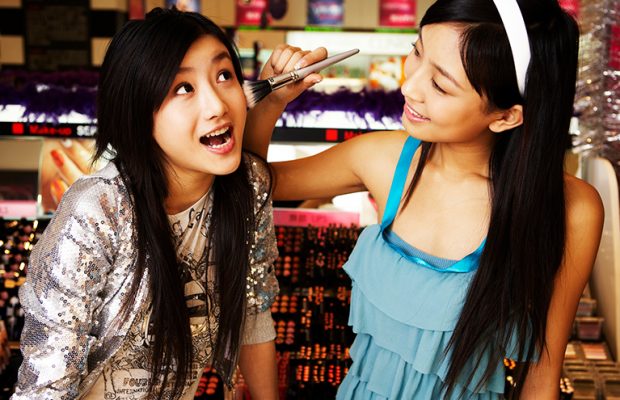
    South Korea’s make-up rituals last year focussed greatly on lips and complexion, using products in a diversity of shades with a variety of contouring techniques. “As such, the number of  lip colour and face make-up product launches tend to be higher than the global average,” says Jang. Mintel GNPD says lip colour launches accounted for 30 per cent of all launches of colour cosmetics in South Korea last year, compared to a global average of 27 per cent. This is followed by foundations and fluid illuminators, accounting for 16 per cent of launches.

    “The boom of hybrid formats has spawned a variety of new lip products, like lip syrups, lip crayons, lip-quids and gel sticks,” says Hang. “Lip tints are also widely diffused, but contrary to their potentially drying Western counterparts, South Korean products are lightweight and glossy, and often come as oils.”

    A Korean success story for the past few years has been cushion compacts, breaking through the Western market last year. “New launches in South Korea include multi-functional skincare claims such as moisturising, anti-ageing, whitening and UV protection; foundation-like properties; and hygiene and application innovations.”

    Jang says the trend for hybrid textures and formats is borrowed from skincare. “South Korean brands are increasingly focussing on gels, jellies, mousses and watery oils. Moreover, transforming textures combine the benefits of two or more textures within one product. For instance, liquid textures such as cream and oil that provide high moisture and spreadability transform into a water or serum for fast absorption or into a powder to give a matte and lasting finish.”

    Summing up, Jang says that because of K-beauty’s growing popularity worldwide, Western brands are constantly looking to South Korea for inspiration.

    “The popularity of South Korean beauty products lies in their high performance combined with fun packaging and sensorial cues, as well as affordable prices.”
  • China still on radar for Lotte Group

    China still on radar for Lotte Group

    A Lotte Group executive says the retail giant will continue to invest in its China business despite diplomatic tensions.

    Chinese authorities last month closed dozens of Lotte stores following inspections, ramping up pressure on South Korea’s fifth-largest family-run conglomerate after it agreed to provide land for the US Terminal High Altitude Area Defence (THAAD) missile system outside Seoul.

    South Korea and the US say the system is designed to thwart North Korea’s nuclear missile threat, but Beijing says the system’s radar can also reach far into China. This led to Chinese state media calling for a boycott of Lotte businesses.

    “We plan to continue to invest in our China business and continue to strengthen it,” executive Hwang Kag-gyu says. He is the head of Lotte Corporate Innovation Office and is regarded as the second-highest executive next to chairman Shin Dong-bin.

    “It has been 20 years since Lotte entered the China market. We believe the China business is still in an investment period,” he says.

    Out of 99 Lotte hypermarkets in China, 75 have been closed by Chinese authorities. Hwang says the company is working to fix the problems raised by Chinese regulators.

    China is Lotte’s biggest overseas market, generating more than 3 trillion won (US$2.7 billion) in annual revenue in 2015. It is also one of four strategic markets along with Indonesia, Russia and Vietnam that Lotte has been focussing on.

  • CVS Pharmacy introducing Korean beauty range

    CVS Pharmacy introducing Korean beauty range

    CVS Pharmacy is introducing Korean beauty products to the US, launching its K-Beauty HQ concept at 2100 stores across the nation.

    In one of the largest Korean beauty initiatives globally, more than 100 products – some exclusive to CVS – are being rolled out from this month in a partnership with Korean beauty expert Alicia Yoon, founder of e-retailer Peach & Lily.

    CVS VP of merchandising for beauty and personal care Alex Perez-Tenessa says the curated selection features innovative products including masks, skincare regimens, “whimsical” cosmetics and innovative ingredients such as egg oil and snail mucin.

    “While Korean beauty has been steadily growing in popularity, there are still so many people who cannot easily access the products,” says Yoon. “CVS Pharmacy’s focus on health and beauty is at the core of Korean beauty ideals.”

    Yoon will also launch her Peach Slices beauty brand exclusively at CVS Pharmacy. It includes nine K-beauty products with natural ingredients like honey and yuzu, and natural cotton masks without chemicals, dyes, alcohol, parabens or sulfates.

    K-beauty brands available for the first time in the US at CVS Pharmacy include waterless fruit-based Frudia skincare, Elisha Coy with naturally derived ingredients to help replenish skin moisture and support cell regeneration, pore-focussed JJYoung by Caolion Lab, and Ariul Egg Collection to help reduce inflammation, boost elasticity and fight free radicals.

    Other brands include Ariul mask, Saem natural products, and the Holika collection with its Sanrio-inspired Gudetama peeling gels.

    As well as stores, K-Beauty HQ products will be available online.

  • Here’s where K-beauty is driving Western skin care, cosmetics

    Here’s where K-beauty is driving Western skin care, cosmetics

    New research from Mintel, presented at in-cosmetics Global, is taking a look at the size of South Korea’s beauty market, the changes Korean beauty has brought to the global market and what trends to expect in the coming year.

    Mintel notes that South Korea is among the top 10 global beauty markets, with its market size sitting at $13 billion in 2017, with facial skin care composing $6.5 billion in retail sales. It’s expected that facial skin care will grow at a 5.8% compound annual growth rate for the next five years, hitting $47.2 billion in 2020. Color cosmetics make up the second-largest segment of the Korean beauty market, and Korean shoppers spend $45 per capita on color cosmetics, compared with the $37 per capita spend in the U.S.

    “The Korean beauty market remains buoyant thanks to fast-paced innovations and highly engaged consumers who don’t hesitate to adopt novel products delivering new beauty experiences,” Mintel senior beauty analyst Jane Jang said. “The success of the market has been heavily driven by the boom of facial skincare, but is also highlighted by the impressive per capita spend on color cosmetics which is more than double the global average.”

    In addition to the size of the beauty market in Korea, the trends that have driven its growth have gone global, with such retailers as CVS looking to capitalize on it with and expanded K-beauty selection that includes exclusive brands and products. Mintel projects continued influence from Korea on product innovation and launches.

    “Looking at facial skincare, 2017 will be the year of extreme segmentation. Products will become increasingly targeted and multi-functional, responding to the needs of knowledgeable and demanding consumers,” Jang said. “South Korean Beauty routines can consist of up to 10 steps, and a common obsession for specific claims – especially moisturizing, brightening, whitening and anti-ageing — means that most products combine multiple functions. The goal is to achieve the so-called ‘chok-chok’ skin, which is supposed to look bright, fair, plump, dewy and youthful.”

    Trends in skin care will include such hybrid concoctions as exfoliating moisturizers, anti-wrinkle whitening tone-up creams and nourishing oil serums, Jang said, as well as transformative textures — powder-to-serum, oil-to-foam and water-to-cream products. Jang also notes that natural is a big factor in K-beauty, with 69% of 2016 South Korean skin care launches including herbal or botanical claims.  And sheet masks are here to stay, Jang noted.

    When it comes to cosmetics, Mintel predicts that the skin care trends of hybrid textures and formats will carry over, with focuses on jellies, gels, mousses and watery oils. The main category seeing growth from hybrid formats has been the lip care category. Cushion compacts from Korea also have broken into the U.S. market, with 54% of global cushion compact launches taking place in Europe and the United States from October 2015-Setpember 2016.

    “Because of K-beauty’s growing popularity worldwide, Western brands are constantly looking to South Korea for their next inspiration, seeking to adapt popular South Korean beauty formats for Western consumers,” Jang said. “The popularity of South Korean beauty products is due to their high performance combined with fun packaging and sensorial cues, as well as affordable prices. By gaining the attention of bloggers, vloggers and the media, the K-beauty wave is spreading to retailers outside of Asia. While color cosmetics will be the active innovation area to cater to an increasing number of sophisticated beauty consumers.”

  • Apple has ordered 70 million OLED panels from rival Samsung for upcoming iPhone 8

    Apple has ordered 70 million OLED panels from rival Samsung for upcoming iPhone 8

    Shares of Samsung Electronics got a boost on Tuesday after the report that archrival Apple had ordered 70 million display panels that the South Korean giant specializes in for the upcoming iPhone. Samsung’s stock closed at 2.1 million Korean won, posting a rise of 1.54 percent.

    Citing a supply chain source, Nikkei reported that Apple has placed orders for bendable organic light-emitting diode panels for use in 70 million handsets for the year. OLED offers brighter displays and better power efficiency over liquid crystal displays currently in use.

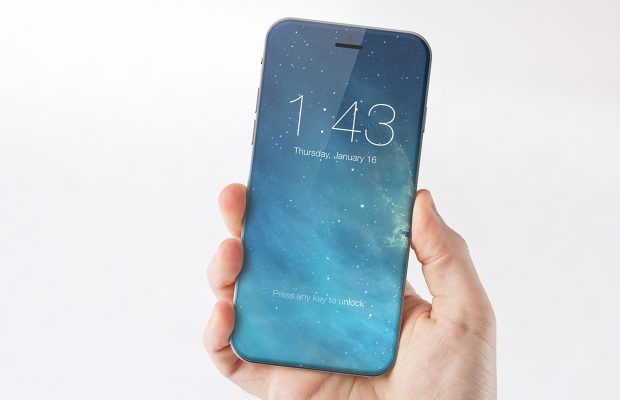
    Samsung’s OLED displays are used on its own flagship Galaxy devices, and the company is a market leader in the area. Apple is expected to launch three new iPhones later this year, with the anniversary edition iPhone 8 believed to have a slightly curved 5.2-inch OLED screen. This will be the most expensive model. The two other iPhones will have LCD displays. It would be the first time Apple has used OLED displays on its flagship device.

    Quoted IHS Markit analyst David Hsieh as saying that the order for 70 million units of OLED panels is in line with his expectations. He added that Samsung is expecting to produce as many as 95 million units for Apple in 2017, in case demand exceeds expectations. Hsieh also said Samsung is likely to be the sole supplier.

    “It is also possible that some of these 70 million handsets will not be shipped to customers this year and be carried over to next year depending on demand,” Hsieh told.

    The 70 million unit figure gives a sense of the kind of bullish demand Apple is expecting for the anniversary model, which some analysts are suggesting could cost $900 to $1,000.

    But some analysts have said it’s not likely Apple will sell all 70 million OLED iPhones this year looking at previous performance. In the fiscal first quarter, which ended Dec. 31, Apple sold 78.2 million iPhones — latest iPhone 7 and 7 Plus models and older versions.

    Neil Shah, research director of devices and ecosystems at Counterpoint Research, said he expects Apple to be able to sell around 70 million iPhones in total in the final quarter of this year when it releases the new device. But again, not all 70 million will be the OLED devices.

    “Seventy-million units of the OLED iPhone is too high for me at this point,” Shah told.

    The likelihood is Apple will sell some of the OLED phones next year, and at least have some ready in case it sees a pop in demand.

    Leaks and reports suggest that the iPhone 8 could be the most advanced yet with new features such as a front-facing camera with 3-D sensor. Analysts are expecting this to kick of a “supercycle” of iPhone sales.

  • AirAsia X in talks with South Korea’s Jeju over Kuala Lumpur service

    AirAsia X in talks with South Korea’s Jeju over Kuala Lumpur service

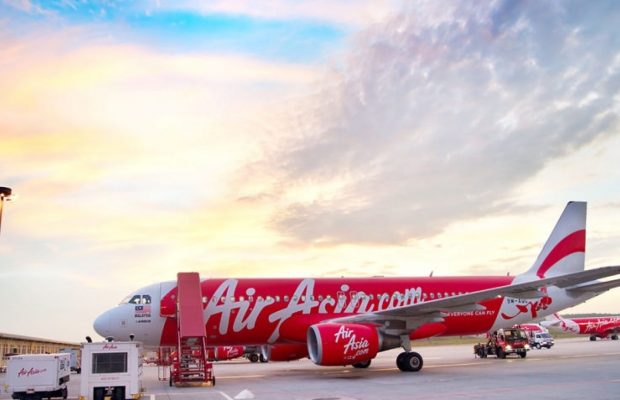
    AirAsia X is in talks with Jeju’s provincial government about direct flights between Kuala Lumpur and the South Korean resort island.

    Jeju officials said discussions were held last week in Kuala Lumpur about frequencies in the absence presently of direct flights. “We hope that we will have flights by the end of this year,” said Seo Hye-jin, a provincial official. “We have been marketing in Southeast Asia since last year.” She declined to speculate on possible frequencies while discussions are ongoing.

    China accounted for almost 96% of the island’s inbound flights in March, according to Jeju tourism officials. There were over 5,000 arrivals from Malaysia in January, making it the second largest source market after China with over 184,000.

    Observers expect Malaysia’s presence in Jeju to increase after the curtailing of Chinese arrivals in the wake of deployment of a new U.S. missile defense system in South Korea.

    China opposes the Terminal High Altitude Area Defense system because of concern about related U.S. surveillance. Seoul and Washington maintain that their sole purpose is to defend against North Korean missile strikes.

    According to travel agencies in China, tours to South Korea were curtailed from Mar. 15 under official pressure, posing a serious threat to the industry there.

    AirAsia X is an AirAsia subsidiary offering long-haul services to 23 destinations in Asia-Pacific, the Middle East, and Africa.

  • Indonesia Mulls Hosting Coffee Exhibition in South Korea Next Month

    Indonesia Mulls Hosting Coffee Exhibition in South Korea Next Month

    The Ministry of Commerce assesses that there is a significant opportunity for exporting coffee commodity to South Korea. To achieve this, the Ministry of Commerce plans to hold an exhibition in South Korea.

    Arlinda Director General of Export Development at the Ministry of Commerce, said that coffee has become a trend in South Korea, especially among young people. Therefore, this trend can be utilized  by Indonesian coffee businesses.

    “There is a significant opportunity for coffee in South Korea. We plan on conducting coffee exhibition there next month, and we must use that trend to engage the South Korean markets,” she said in Jakarta on Tuesday (04/04/2017).

    According to Arlinda, the youth market in South Korea will be easier to engage in because of their penchant to drink coffee. Therefore, Indonesia must provide the highest quality coffee, including  Arabica coffee that is a mainstay product in Indonesia.

    “The trend in young people there is coffee and tea. A seminar on food and beverage can provide us with information on local youths’ tastes. Our specialty is coffee Arabica, and we actually have 32 kinds. We are working with coffee exporters to increase their exports,” she said.

  • Shinsegae Department Store uses AI in marketing push

    Shinsegae Department Store uses AI in marketing push

    Shinsegae Department Store has become the first South Korean retailer to deploy a marketing strategy using AI technology.

    A wave of artificial intelligence (AI) is sweeping the nation’s retail industry, as major department stores and online shopping malls rush to adopt the latest technology to attract consumers.

    From this week, Shinsegae Department Store is introducing a personalisation service called “S Mind”, which will analyse each customer’s brand preferences and come up with product suggestions.

    Using a database of some 5 million existing customers, S Mind will take into consideration around 100 factors including the purchase history, gender, age, and location.

    The results, which will include suggested brands and related shopping information, will be sent to customers through Shinsegae’s mobile application.

    AI Korea

    Shinsegae predicts its latest move will generate additional sales revenue of 100 billion won annually.

    The new system, established solely with South Korean developers and data analysts, was four years in the making before its completion.

    Shinsegae Department Store’s rival, Lotte Department Store, teamed up with IBM Korea last December to develop a new mobile app AI feature that is expected to be released by the end of this year.

    Lotte’s new ‘Recommendation Bot’ will work as a shopping advisor to make suggestions through voice messages or texts, and will give app users information on the latest trends and celebrity fashion news.

    Kim Myeong-gu, who is responsible for omni-channel marketing at Lotte, said, “With the overload of information today, many customers find it tiresome to make a choice.

    “Our new AI-based recommendation feature will differentiate our marketing strategy with that of our competitors,” he added.

    As the major retail chains are beginning to embrace AI technology that will redraw the landscape of how we shop, the industry as a whole and the government are also backing the trend.

    A new alliance was formed yesterday which will see the retail and distribution industry work closely with IT and manufacturing companies to adopt the fourth industrial revolution.

    Dubbed the “Retail Industry Convergence Alliance,” the cross-industry coalition will help spread the use of new technologies in various fields including research and development.

    The fourth industrial revolution, typified by advanced technology such as AI, IoT, robots, augmented reality and virtual reality is rapidly being incorporated into the retail and distribution industry around the world.

    An official from the Korean Ministry of Industry said: “For our retail industry to be acknowledged as a global platform, it’s important to emphasise having the right business environment for innovation and cooperation.

    “The government will help with subsidies to make sure the collective effort between various industries leads to new business opportunities and markets.”

  • Korea, Indonesia to boost cooperation in food sector

    Korea, Indonesia to boost cooperation in food sector

    Food experts from Korea and Indonesia will gather in Jakarta to discuss ways to boost cooperation in the food sector. The ASEAN-Korea Centre and Indonesia’s Ministry of Trade will organize the “Trade Facilitation Workshop for Indonesian Food Micro, Small and Medium Enterprises” in Jakarta and Makassar on April 4-6. The aim is to support companies to “enhance competitiveness and gain further access to the Korean market,” the organization said.

    Over 200 participants from local enterprises are expected to attend.

    “The food and beverage sector is the largest subsector of Indonesia’s manufacturing industry, accounting for around a quarter of total manufacturing value of the country,” ASEAN-Korea Centre Secretary General Kim Young-sun said.

    “Recognizing the importance of the food industry, the Indonesian government designated the industry as one of the 10 priority industry groups for accelerated development in the Master Plan of National Industry Development 2015-2035. I hope this workshop will contribute to the development of the Indonesian food industry, as well as facilitating business cooperation between Indonesia and Korea.”

    The organization said the workshop will be part of the “Indonesia-Korea Business Forum,” organized by the ASEAN-Korea Centre and the Korea International Trade Association. The forum will feature other programs such as “Indonesia-Korea Cooperation on E-Commerce” and “1:1 Biz Meetings.”

    Kim, Yang Mulia Ibu Arlinda, director general of the Ministry of Trade, and Korean food experts will introduce sourcing trends, branding and marketing strategies, logistics systems and up-to-date packaging design and technology to business representatives from the Indonesian food micro, small and medium enterprises, an organization spokesperson said.

    Starting this year, the ASEAN-Korea Centre has developed its capacity-building program, formerly the Product Development Workshop, into the Trade Facilitation Workshop that covers wider areas important for the acceleration of trade, such as utilization of the ASEAN-Korea free trade agreement.

    The ASEAN-Korea Centre is an intergovernmental organization established in 2009 with an aim to promote exchanges among Korea and the 10 ASEAN member states.

  • S. Korea’s retail sales edge up 0.1 pct in Feb.

    S. Korea’s retail sales edge up 0.1 pct in Feb.

    Sales of major South Korean retailers rose slightly last month as a sharp gain in online sales was offset by a drop in those of discount chains and department stores, government data showed Thursday.

    The combined sales of department stores, large outlets and online malls edged up 0.1 percent in February from a year earlier, backtracking from a 9.3 percent rise in the previous month, according to the data by the Ministry of Trade, Industry and Energy.

    Thirteen Internet shopping malls and e-commerce sites including eBay Korea Co. saw their February sales soar 16.3 percent from a year ago, while sales of 13 offline stores such as Lotte Department Store and E-Mart fell 6.6 percent on-year.

    The ministry said the decline in offline malls came as the number of business days dropped to 26 days in February this year from last year’s 27 a year earlier and the Lunar New Year’s holiday, one of the biggest shopping seasons in the country, fell on January.

    Sales by convenience stores continued on an upbeat mode to grow 9.3 percent on-year last month amid a growing single life trend in South Korea.

  • Korea ranks world No. 4 for most Starbucks stores per capita: data

    Korea ranks world No. 4 for most Starbucks stores per capita: data

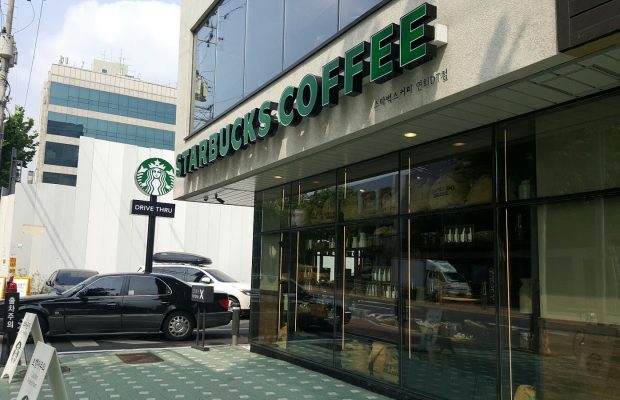
    South Korea has the world’s fourth largest number of Starbucks Coffee stores in relation to its population, industry data showed Thursday.

    Starbucks Coffee Korea, the local unit of the U.S. coffee giant, said it has 1,008 stores across the country as of the end of February, meaning one outlet for every 50,000 South Koreans. South Korea’s population is 50.5 million as of the end of July last year.

    Canada topped the list with 1,035 shops for a population of 36.2 million, translating into one shop for every 35,000 Canadians.

    The United States came in second with 7,880 stores or one outlet for every 41,000 Americans, trailed by Singapore with 126 shops which translates into one store for every 45,000 Singaporeans.

    Japan has 1,140 shops or one shop for every 110,000 people.

    Industry sources attributed the popularity of Starbucks in South Korea to the growing loyalty of women in their 20s and 30s to the U.S. coffee brand.

    “Starbucks Coffee Korea has succeeded in promoting its image as a luxury brand in South Korea where the luxury coffee market has yet to mature,” a source said.

    Starbucks Coffee Korea’s annual sales topped the 1 trillion won (US$884.17 million) mark for the first time last year since it opened its first branch near Ewha Womans University in Seoul in 1999. Starbucks Coffee Korea is a joint venture between retail conglomerate Shinsegae and the U.S. coffee giant.

    Industry data showed annual sales of its local competitors Twosome Place and Angel-in-us Coffee averaged between 100 and 200 billion won last year.