Tag: Korea

  • 6ixty8ight expansion plan to Korea

    6ixty8ight expansion plan to Korea

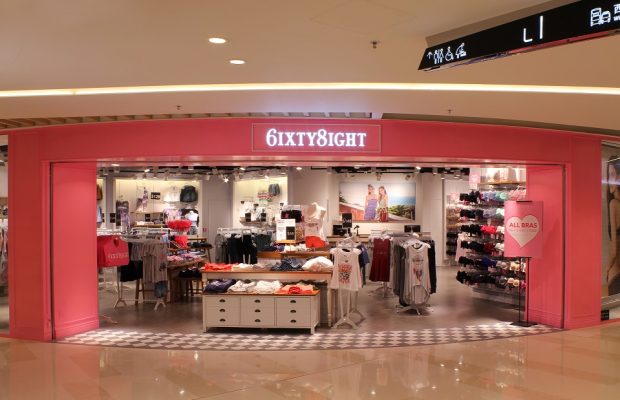
    Hong Kong-headquartered youth fashion brand 6ixty8ight has chosen South Korea for its first international foray outside Greater China.

    The company will open a flagship store in Myeongdong, downtown Seoul, at 992 sqm, its third largest footprint. A second store will follow on the fashion street of Garosu-gil in Sinsa-dong of southern Seoul.

    Owned by Hop Lun Group, which has for 25 years manufactured lingerie for many of the world’s largest brands, 6ixty8ight sells affordable, fashionable lingerie and casual wear designed specifically for the Asian female figure.

    Over the last two years, the retail brand has undergone a revamp and launched a major expansion, now numbering more than 130 stores through Hong Kong and Mainland China.

    Last year, in an exclusive interview, 6ixty8ight COO Anders Heikenfeldt said the secret to the brand’s new success has been a single-minded focus on who it is, what it stands for and who its customers are – a narrow band of 15 to 30 years.

    “We have a unique offer. Our value proposition is different to H&M, Zara, Forever 21 or Uniqlo – they go broad trying to cover menswear, women, kids – very mass – and they have something for everyone under the one roof.

    “Our strategy is to be very different and to be very true to our target. That’s our DNA. We are not going to divert into men or older customers.”

    At the time, Heikenfeldt said the company was in the final stages of planning to enter two international markets. It has not yet revealed the second.

  • MyTheresa.com takes aim at Korea

    MyTheresa.com takes aim at Korea

    European luxury online retailer MyTheresa.com is launching a Korean-language site.

    Selling luxury womenswear and accessories from such brands as Chloe, Gucci, Miu Miu and Stella McCartney, the e-tailer says it has seen “huge growth potential” in South Korea.

    “The Korean luxury market is moving quickly to digital. Ever since our first activities in Korea we have seen a massive consumer shift to digital and a triple-digit growth in the market,” says MyTheresa.com president Michael Kliger.

    The online fashion destination’s Korean website will offer free exchanges and returns within 30 days, including a free collection service, as well 72-hour deliveries. It aims to offer a more personalised service with a Korean-speaking customer care team.

    Korean customers will be able to pay in euros if using American Express, MasterCard or Visa.

    Launched in 2006, MyTheresa.com was acquired by American company Neiman Marcus Group in 2014. The German multi-brand retailer delivers to more than 120 countries with websites available in Arabic, Chinese, English, French, German and Italian.

  • South Korea’s tallest skyscraper to open early next month

    South Korea’s tallest skyscraper to open early next month

    The skyscraper built by South Korean retail giant Lotte Group is due to open early next month, the group’s operating unit said Tuesday.

    The 123-story Lotte World Tower will officially open to the public from April 3, housing offices, luxury residence and a hotel, and an observation deck at the very top, Lotte World said in a press release.

    The construction of the landmark was a mega real estate project long envisioned by Lotte founder Shin Kyuk-ho, who always aspired to have “something world-class” to further grow his sprawling retail and tourism businesses.

    It almost took three decades for Lotte to finally realize Shin’s dream, as his grand plan had faced strong opposition from past administrations and the public over safety concerns.

    Six years after the ground breaking, the 555-meter high skyscraper is now the world’s fifth-tallest building after the Burj Khalifa in Dubai, the Shanghai Tower, the Makkah Royal Clock Tower Hotel in Saudi Arabia and One World Trade Center in New York, the company said.

    The lower floors of the Lotte World Tower will consist mainly of offices, with some 30 stories above them accommodating a lavish residence named Signiel Residence, one of which has been bought by the current Lotte Chairman Shin Dong-bin.

    Signiel Seoul, a luxury hotel will be located in the upper part of the landmark building, where the guests can stay in some 235 rooms. The Signiel Seoul will be the world’s second-tallest hotel, with one of its top suite rooms costing about 20 million won (US$17,860) per night.

    Between the 117th to 123rd floors is a glass-made observation deck designed to accommodate 900 people at once, who will be able to see the entire view of Seoul and, if they’re lucky, as far as the East Sea, according to Lotte.


  • Lotte Department Stores take in online retailers

    Lotte Department Stores take in online retailers

    Online retailers in Korea are set to open 13 outlets at Lotte Department Store branches in the next three months.

    “Online brands are continuously expanding into offline stores to raise their brand value and to receive real-time feedback from consumers,” says Lotte Department Store.

    Statistics Korea says online sales of apparel and fashion-related items have grown each year by double digits from 6.2 trillion won (US$5.48 billion) to 10.2 trillion won between 2013 and last year.

    As these brands gain traction against traditional fashion houses, they start opening brick-and-mortar outlets as well, first as showrooms then as stores, says the Korea Herald. This helps them to tap into consumers who prefer to see products before they buy.

    A report from Open Survey last year shows that 53 per cent of consumers want to buy their clothes at offline stores.
    Lotte Department Store’s first offline store was for Style Nanda in 2012. Now about 100 online brands have offline outlets at Lotte’s department stores. Opening soon at Lotte are such brands as Imvely, Migun Style and Sappun.

    Some Korean brands, such as Liphop and Style Nanda, have even expanded to offline stores overseas in countries like China and Singapore.

  • Korea looks elsewhere as Chinese shoppers vanish

    Korea looks elsewhere as Chinese shoppers vanish

    South Korea has stepped up efforts to overhaul its dependence on Chinese shoppers by shifting the focus to other Asian countries.

    The country’s tourism sector – especially the duty-free retail industry – is bearing the brunt of the fallout triggered by the stationing of an advanced US missile defense system in Korea.

    In what appears to be acts of retaliation by Beijing against Seoul’s decision reached in July to host a Terminal High Altitude Area Defense (THAAD) battery, since Wednesday, all package trips from China to South Korea have been banned at the behest of authorities.

    China has vehemently objected to the missile move, saying THAAD’s high-power radar can be used to spy on its own military.

    This week, Chinese airlines have cut back on South Korea-bound flights and Chinese cruises are no longer making stopovers at local ports in popular tourist destinations.

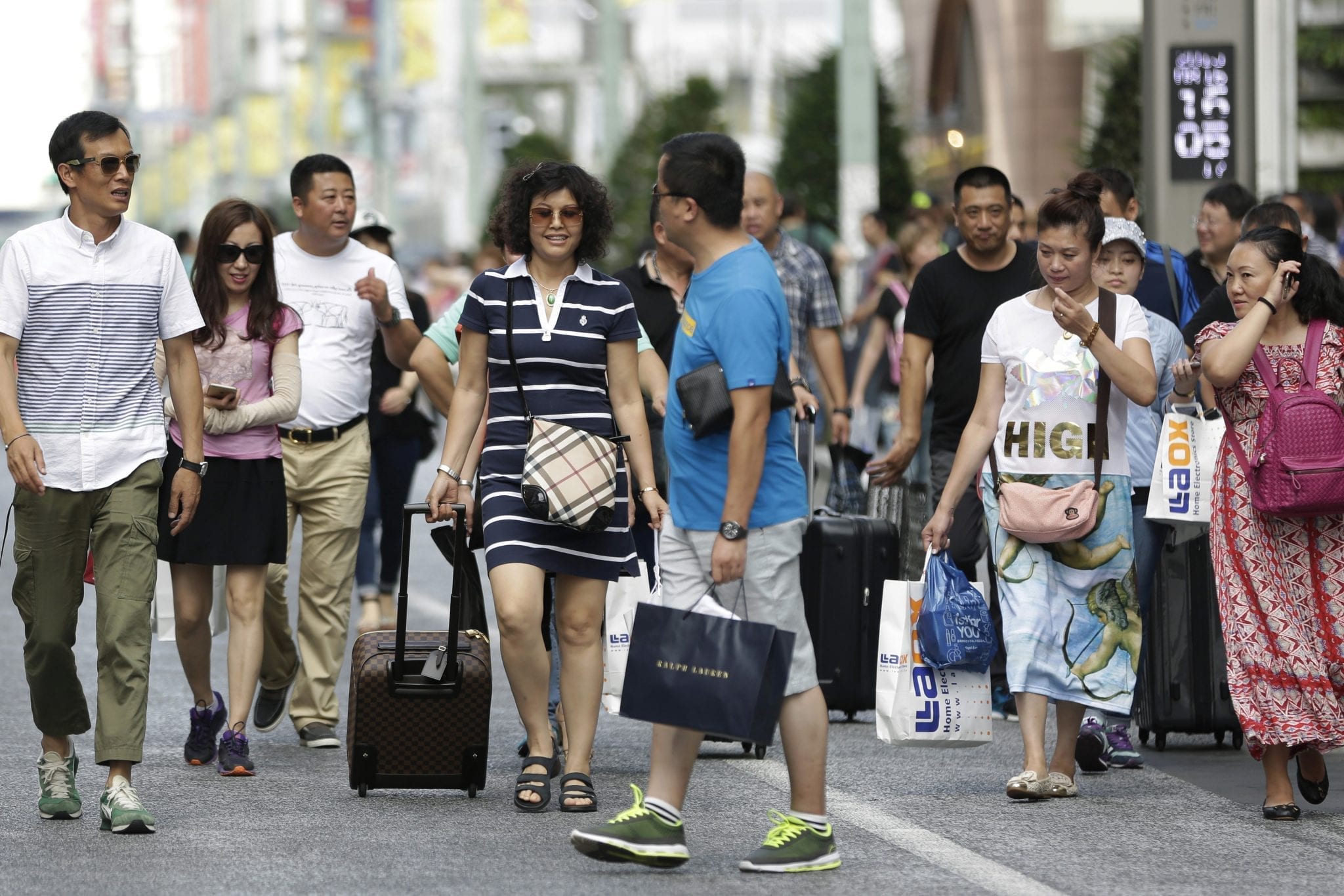
    The slew of restrictions by Beijing has caused concerns among the local tourism and related sectors, such as the duty-free business, as they have heavily depended on Chinese visitors as sources of profit. Not only did they account for half of all foreign travellers last year, but they were big spenders who spent at least US$2000 per person buying things in Korea.

    In an effort to minimise the impact, Korea’s central and provincial governments are pushing to diversify foreign visitors to Southeast Asians and those from the Middle East, where Korean pop stars and TV drama series have gained huge popularity.

    Busan, South Korea’s largest port city, plans to bolster designing various tour programs that target Middle Eastern visitors, who are mostly big fans of Korean dramas, its city government said earlier.

    The city will also work with local businesses to develop medical and cruise tours for visitors from the Middle East, India, Mongolia and Russia.

    North Chungcheong Province, which has Cheongju International Airport, is pushing to increase flights to Taiwan, Vietnam, Russia and Japan.

    Related to such moves to diversify, the culture ministry said Thursday it plans to hold tourism exhibitions in Vietnam and Singapore next month to promote South Korea.

    Aside from state and provincial efforts, local firms, led by duty-free operators, are rushing to diversify their customer bases to tide over current difficulties. Hanwha Galleria, the duty-free unit of Hanwha Group, recently clinched deals with two travel agencies in the Middle East to secure foreign customers.

    It also plans to work with local hospitals to offer medical treatment services for Middle Eastern visitors as part of their tour programs.

    “The purchasing power of Middle Eastern customers on average is 30 per cent higher than people from China. We see (the THAAD issue) as a chance to boost our duty-free business through focusing more on individual tourists and VIP marketing,” Hanwha Galleria said.

  • Herr Seoul opens in Central

    Herr Seoul opens in Central

    Herr Seoul has opened its first store outside Korea.

    The prestigious Seoul barbershop has chosen bespoke menswear destination Attire House for its offshore debut, which opened this week.

    HERR_in_Seoul

    Founder Sangyoon Lee visited Hong Kong to meet customers and local influencers and share his knowledge of men’s grooming, entrepreneurship at his young age and Herr’s mission to be “the ultimate gentleman’s paradise”.

    HERR_at_AttireHouse

    Established in 2013 in Seoul, Herr believes it has “set the trend of men’s grooming in Korea as it encourages men to release their dapper potential by providing professional knowledge of personal care and offering highly skilled stylists for the finest and latest haircuts”.

    HERR_interior

    Customers are encouraged to take dwell time and build a relationship with their barber.

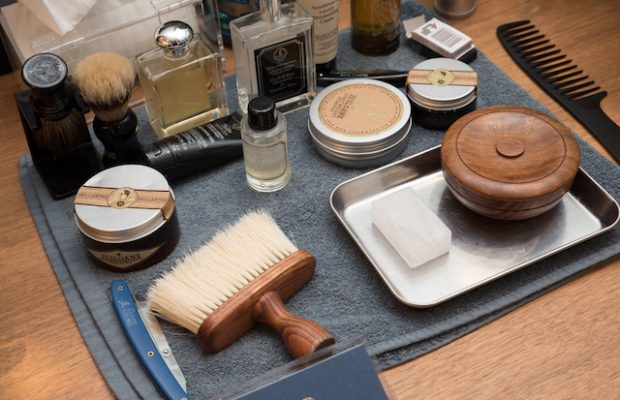
    TaylorOfOldBondStreet_grooming_kit

    Herr Seoul has collaboration projects with luxury fashion giants, watchmakers and hotels, including Louis Vuitton, Gucci, Tod’s, Club Monaco, Patek Philippe, and the Four Seasons Hotel.

    HERR_cupboard1

    Herr currently has three branches in Seoul – next to Hyundai Card Headquarter, Lotte Department Store in Myeong-dong and the Four Seasons Seoul providing full grooming services.

    HERR_sink2

    HERR_barberchair1

    Attire House, the  brainchild of Brandon Chau and Roger Chan, is a two-story, 5000 sqft ‘gentlemen’s haven’ in Central established in December 2016, offering ready-to-wear attire, bespoke tailoring, grooming and a mixologist’s bar.

  • Inditex Group sales rise on new stores

    Inditex Group sales rise on new stores

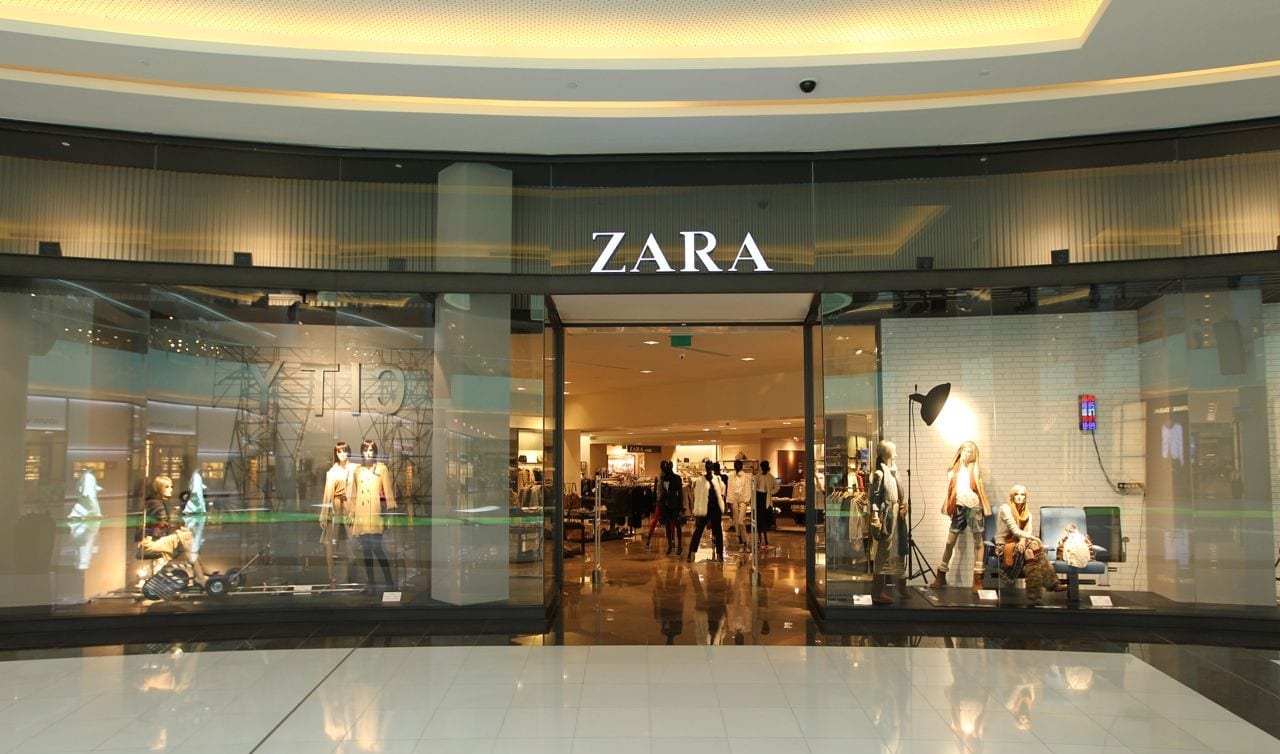
    Zara parent Inditex Group sales rose by 12 per cent in its latest trading year, to January 31, reaching €23.3 billion.

    Growth was achieved in every geographic region where the group is present, and includes contributions from debut stores in Vietnam and New Zealand.

    Same-store sales rose by 10 per cent, up from 8.5 per cent the previous year, with positive same-store sales growth in all geographies and across all brands.

    Net profit was €3.2 billion, up 10 per cent year-on-year, while earnings before interest and tax grew 8 per cent to €5.1 billion.

    Chairman and CEO Pablo described the result as positive against a backdrop of strong prior-year performance.

    Inditex opened 279 stores, net of closures, in 56 markets, across all its brands, ending the year with 7292 stores in 93 countries, a large proportion of the new ones in Asia, including its first Zara in Vietnam, in Ho Chi Minh City.  Other Zara stores opened in China, Thailand, Indonesia and Japan and it refurbished it flagship in the Shinjuku district in Tokyo, one of Japan’s most important shopping districts, which reopened to the public in November.

    A flagship Pull&Bear store opened in Windsor House in Hong Kong and new stores were opened by Massimo Dutti in India and by Oysho in Indonesia. Bershka refurbished its flagship on Nanjing Road East in Shanghai and Zara Home opened a global flagship on Garosu de Seoul in South Korea.

    Since the financial year ended, it has opened online stores in Malaysia and Singapore, taking its online platform to 43 markets.

  • Starbucks Coffee Korea sales booms

    Starbucks Coffee Korea sales booms

    Starbucks Coffee Korea said its annual sales topped the 1 trillion won (US$884.17 million) mark for the first time ever last year.

    The local franchise of the US coffee giant, which is operated by retail conglomerate Shinsegae, debuted in South Korea in 1999.

    Annual sales rose 29.6 per cent from the 773.9 billion won of 2015.

    Operating profit also increased 81.2 per cent year-on-year to 85.4 billion won in 2016.

    As at the end of February, Starbucks operated 1008 shops across the country.

    Industry observers said Starbucks’ record is astonishing as annual sales of other players such as Twosome Place and Angel-in-us Coffee are averaging between 100 and 200 billion won.

    “Starbucks gained popularity among women in their 20s and 30s who are attuned to the latest consumer culture of the United States,” an analyst said, adding that Starbucks has constantly launched new menus.

    Starbucks acquired tea retailer Teavana in 2012 and has since rolled out various tea menus along with bakery products.

  • Indonesia’s Lippo & Korea’s Lotte form e-commerce JV

    Indonesia’s Lippo & Korea’s Lotte form e-commerce JV

    Indonesia’s Salim Group is planning a major foray into e-commerce this year in partnership with South Korea’s Lotte.

    Indo Lotte Makmur, a 50-50 JV by the two conglomerates, will launch the iLotte online shopping platform as soon as July, putting US$88 million into the project initially. The service will be geared primarily toward women in their 20s and 30s, and feature name-brand cosmetics sold in South Korea as well as offerings from Lotte’s online mall.

    A robust infrastructure built up over the course of years will let Salim achieve economies of scale for the e-commerce business, says Indo Lotte CFO Dani Sumarsono, who is overseeing online business at Indonesia’s largest conglomerate.

    “E-commerce is not only about digital technology but about moving physical products,” he says. “We have been investing in infrastructure for a long time.”

    Indo Lotte president, a former executive at Lotte’s e-commerce business in South Korea, says Salim has a lot of infrastructure, while Lotte can bring know-how and technology.

    Indonesia’s e-commerce market is expected to grow to $46 billion in 2025 from just $1.7 billion a decade earlier, according to research by Google and Singapore’s Temasek Holdings. Under this scenario, Indonesia would make up more than half of the total Southeast Asian e-commerce market and would follow China and India as the third-largest national market in Asia, excluding Japan. A doubling of internet users, from 92 million to 215 million, is seen as the driver of this expansion.

    Expensive market

    With chronic congestion of its major cities and a lack of basic infrastructure on its islands, Indonesia is an expensive market to service. Logistics costs are 27 per cent of GDP, compared with 20 per cent in Thailand and 13 per cent in Malaysia, according to the World Bank.

    However, Salim’s 13,000-plus Indomaret convenience stores across Indonesia can be used as places to pay for and pick up goods ordered online. Meanwhile, a shipping unit that delivers instant noodles made by group member Indofood Sukses Makmur to more than 30,000 small towns nationwide can help bolster efficiency.

    Salim has also created a JV with Tokyo-based startup Liquid to explore payments using fingerprint authentication, with credit-card ownership of less than one in every 10 adults in Indonesia. Liquid’s system allowing pre-registered shoppers to pay via fingerprint scanner has been deployed at Japanese convenience stores. The JV will test the system for 500,000 Salim employees initially and targets commercial application within the year.

    Meanwhile, another Indonesian conglomerate, Lippo Group, is developing an electronic payment service for use on MatahariMall.com, which Lippo launched in 2015.

  • Aesop Korea opens fifth Seoul boutique

    Aesop Korea opens fifth Seoul boutique

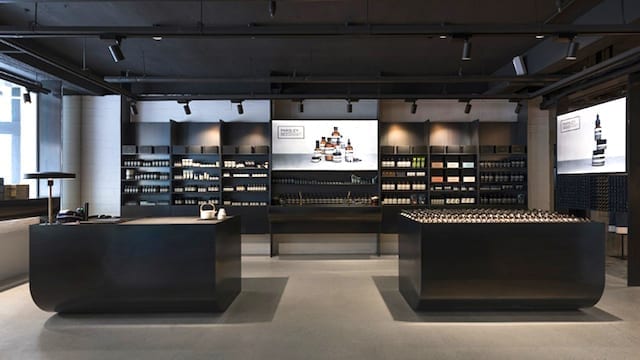
    Australian luxury beauty brand Aesop has expanded its footprint in Seoul with a fifth signature boutique.

    On the ground floor of LG Twin Towers, a mixed-use complex in the upscale riverside neighbourhood of Hannam-Dong, the store is just 45 sqm.

    Aesop-new-boutique-Seoul-at-LG-Towers-1


    The new Aesop Korea store’s interior was designed by Suh Architects, a Korean practice which has already collaborated with the cosmetics brand on two other projects. Principal/founder Eulho Suh has degrees from Rhode Island School of Design and Harvard University Graduate School of Design in the US, and worked for Morphosis Architects in Santa Monica, California, and Kohn Pederson Fox in New York.

    Aesop was established in Melbourne in 1987 and has offices and stores throughout the world, including Hong Kong, London, New York, Paris and Tokyo.

  • Further ‘exceptional’ growth for Furla Group

    Further ‘exceptional’ growth for Furla Group

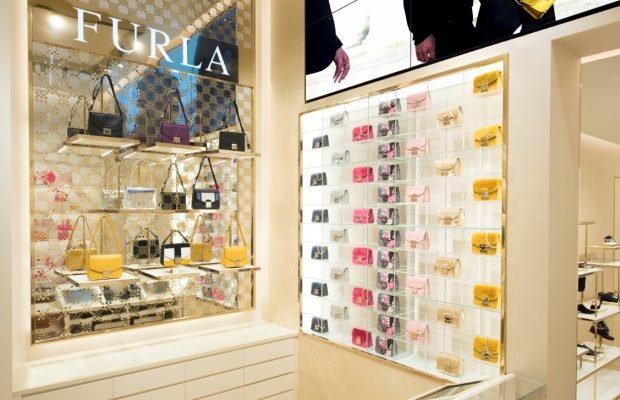
    Italian luxury company Furla Group has had another year of what it describes as “exceptional growth” in turnover and profit.

    Sales soared 31.7 per cent in Japan, its strongest market in Asia, and the company is now setting its focus on boosting sales in China and Australia in the year ahead.

    The fashion house turned over €422 million last year (US$446.7 million), up 24.5 per cent year-on-year at constant exchange rates. Pre-tax earnings rose 48 per cent and worldwide like-for-like sales were up 9 per cent.

    Furla says the key factors behind its outstanding performance across all markets and distribution channels were a growing appreciation by international consumers for the brand and its collections, the company’s significant investments in marketing, and its constantly expanding distribution network.

    Furla has a direct presence in 100 countries. Its monobrand stores total 444, compared to 415 in 2015, and these are split evenly between directly owned boutiques and franchises. The company also has wide distribution in multibrand and department stores in 1200 international locations.

    During the year, Furla opened stores on Nathan Road in Hong Kong, Nanjing Road in Shanghai and other upscale addresses in Australia, China and South Korea.

    During the year the company’s travel retail sector also grew significantly, to a total of 262 stores in 63 countries, with a 40 per cent increase in turnover.

    “We are particularly proud of the 2016 results,” says Furla Group GM Alberto Camerlengo. “The investments of the shareholders, our constant efforts in research and product innovation, all the way to distribution, have allowed us to be a leader in the top international markets.”

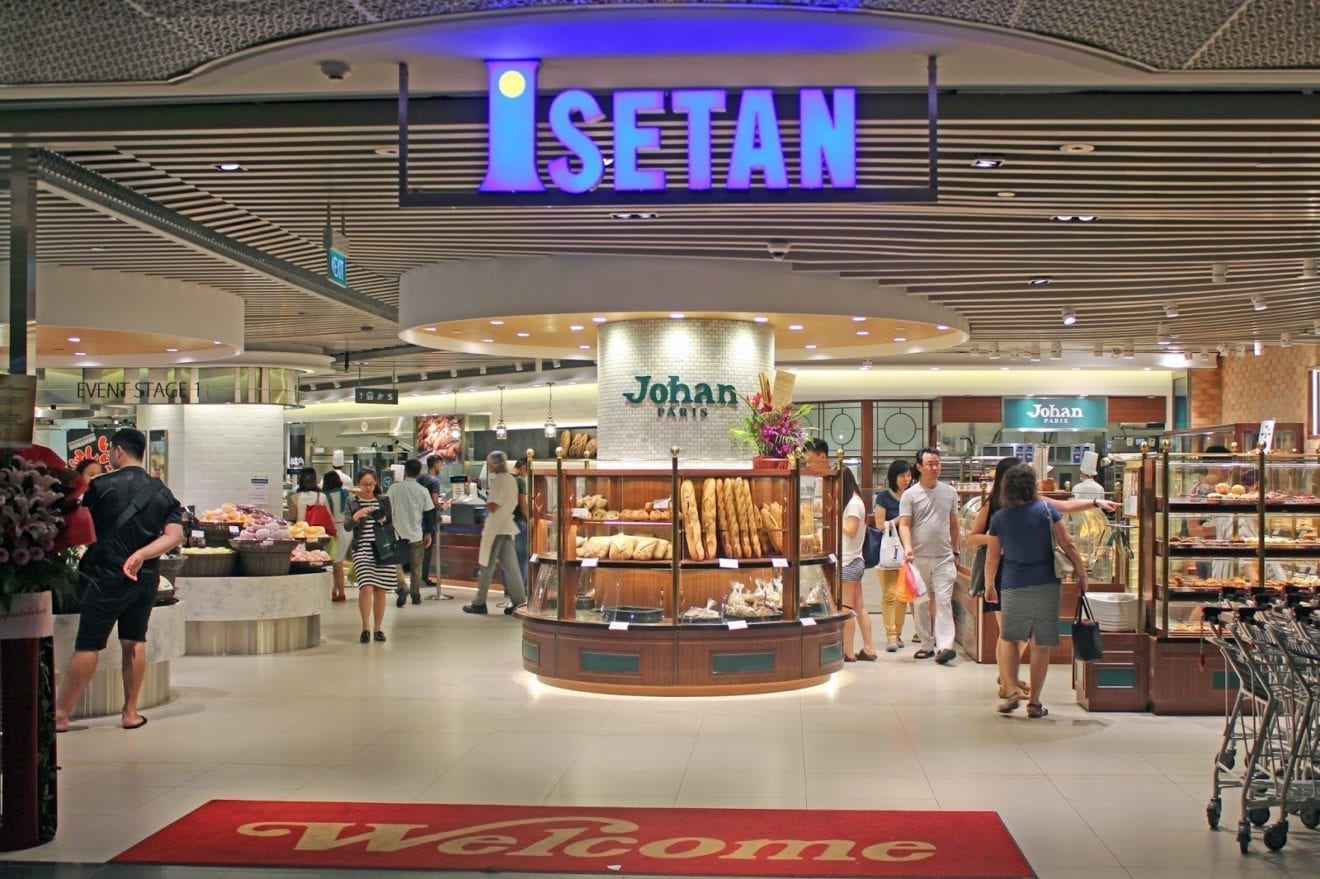
  • Isetan Mitsukoshi replacing CEO

    Isetan Mitsukoshi replacing CEO

    Japanese department store chain Isetan Mitsukoshi Holdings has appointed a new CEO as retailers battle to recover from a sharp fall in shopping spend by tourists.

    In a filing with the Tokyo Stock Exchange, Isetan Mitsukoshi says senior managing executive officer Toshihiko Sugie will become CEO on April 1, replacing Hiroshi Ohnishi, who had been in the role since 2012.

    Isetan Mitsukoshi says it made the change “to further improve corporate value by installing fresh management”.

    Japanese department store sales fell to less than ¥6 trillion (US$52.70 billion) last year from a 1991 peak of ¥9.7 trillion, with retailers hit by weak economic growth, changing consumer tastes and e-commerce competition.

    There was a brief boom when tourists, especially Chinese, were buying expensive items such as jewellery and watches. This has come to an end despite tourism numbers growing by 21.8 per cent to a record 25 million last year, according to the Japan National Tourism Organization. More than 70 per cent of tourists came from China, Hong Kong, South Korea and Taiwan.

    Isetan Mitsukoshi says its duty-free sales fell 19 per cent to ¥36.7 billion over the nine months through December.

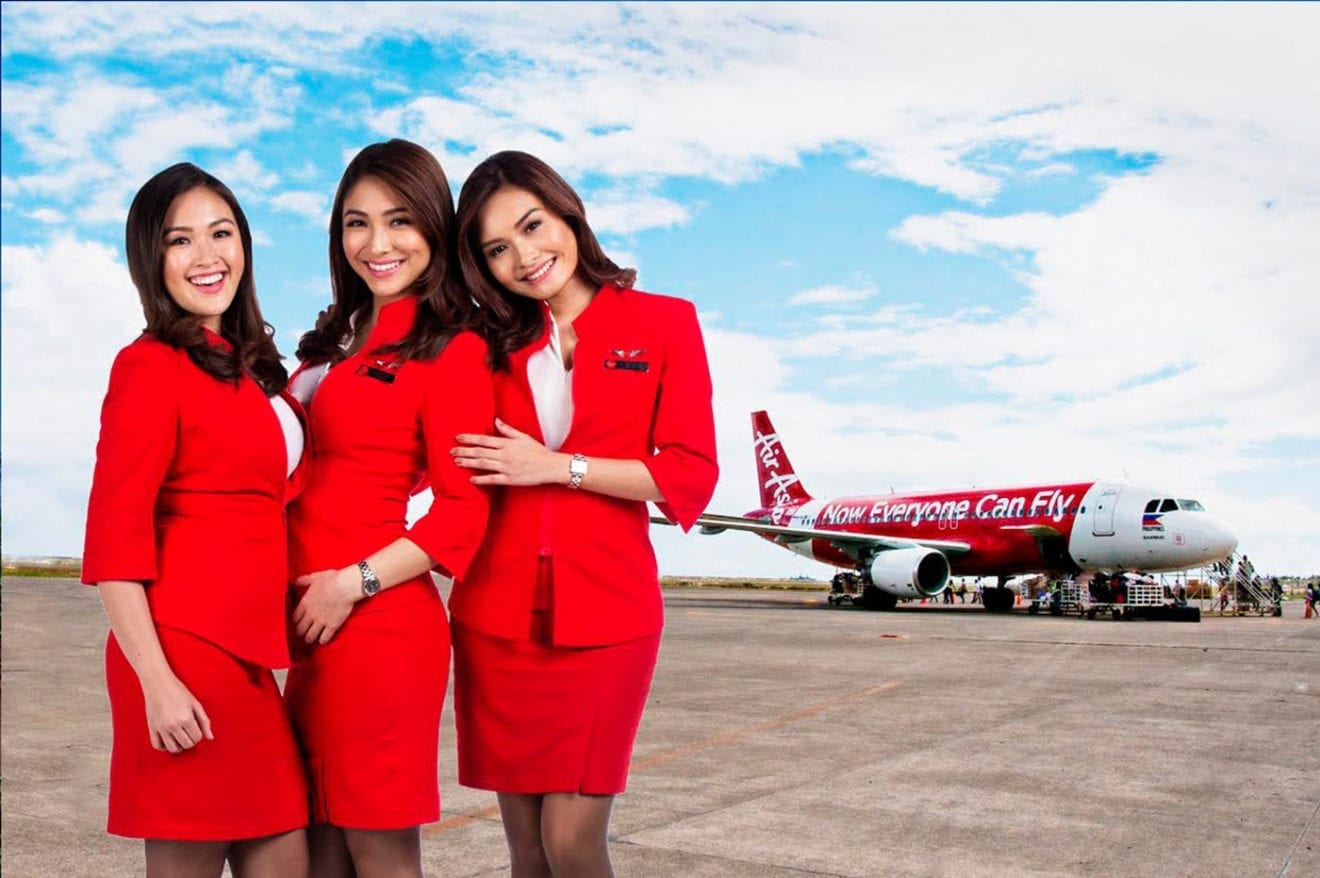
  • AirAsia in big free-seat giveaway

    AirAsia in big free-seat giveaway

    AirAsia will be “giving away” up to 3 million seats in its first major promotion of the year, the company said on Monday.

    People who book from today till Sunday – March 13 to 19 for travel between September 1 this year and June 5 in 2018 will enjoy fares from as low as Bt0 to various destinations.

    (That deal applies for one-way base fares, and terms and conditions apply – passengers would still pay for taxes and fees.)

    Guests travelling on Thai AirAsia X will also be able to enjoy flights to Seoul, Osaka, Tokyo and Shanghai from only Bt2,990, or its Premium Flatbed from only Bt7,990. Bookings are available from today till Sunday for a travelling period from 1 September 2017 to 5 June 2018.

    AirAsia is a leading low-cost carrier, with a network of more than 120 destinations in Asia, Australia, New Zealand and the Middle East.

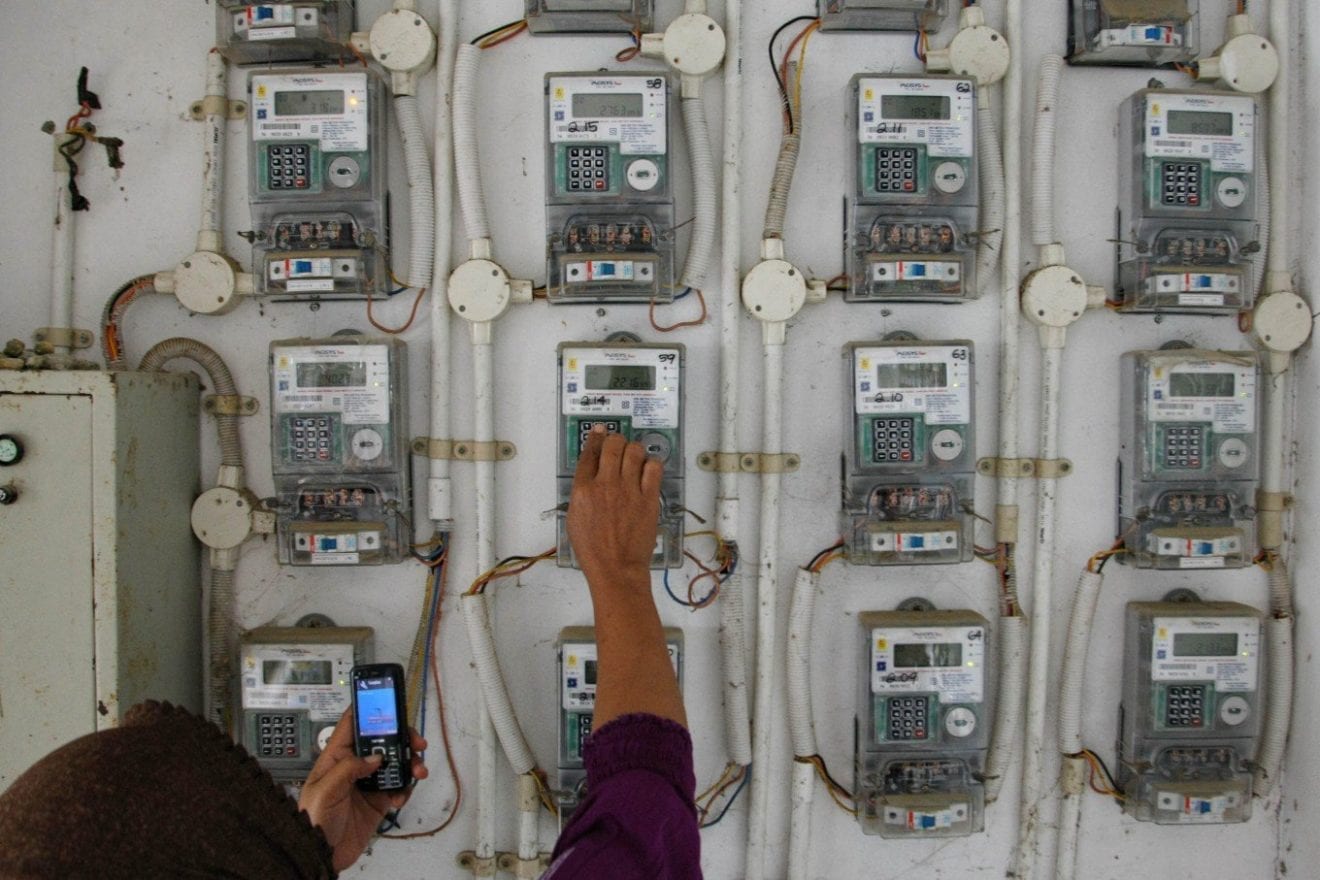
  • South Korea Invests in Infrastructure, Electricity Projects

    South Korea Invests in Infrastructure, Electricity Projects

    The Investment Coordinating Board (BKPM) said that South Korean investors will invest in numerous sectors in Indonesia. BKPM chief Thomas Trikasih Lembong said in this week alone, several project agreements will be signed.

    “I’m expecting for several infrastructure and electricity projects to be signed this week. The value is about US$200 million (approx. Rp2.6 trillion),” Thomas said during the sidelines of the Indonesia-Korea Business Summit at the Shangri La Hotel in Jakarta, Tuesday, March 14, 2017.

    According to Thomas, many South Korean factories have opened in Indonesia, such as textile and footwear factories. The factories’ operation has employed more than 500,000 people.

    At the Indonesia-Korea Business Summit, the BKPM and the Korea Trade Investment Agency (KOTRA) signed a MoU as a way to promote investments between the two nations.

    “We hope this will help both Indonesian and South Korean companies in developing their business,” Thomas said.

    Thomas said that most of the country’s investments are in the manufacturing sector, accounting for 71 percent of their investment value from 2012 to 2016.

    The investments are aimed at both countries’ leading sector, and will cover areas including information exchange, documentation, publication, and others.

    South Korea is Indonesia’s third-biggest investor today after Singapore and Japan. From 2012 to 2016, South Korean companies invested a total of US$7.5 billion for 7,607 projects in Indonesia.

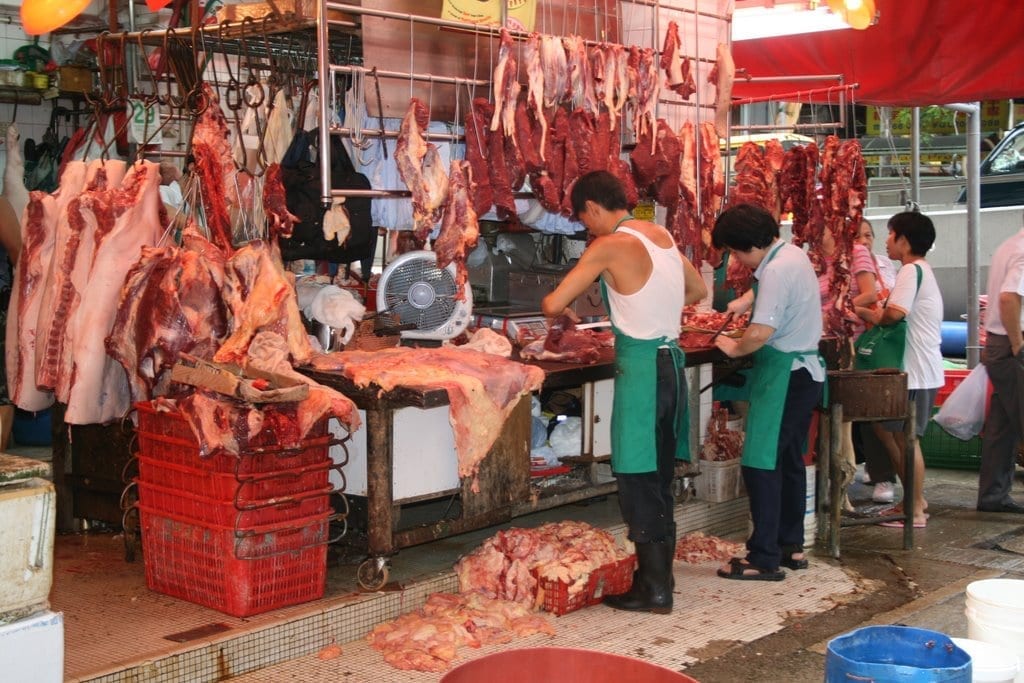
  • Sout Korea Costco stores’ move to all US beef a positive for exporters

    Sout Korea Costco stores’ move to all US beef a positive for exporters

    On the heels of two Costco stores in South Korea beginning the transition to sourcing chilled beef from US sources, with the remaining 11 to make a similar shift from Australian beef to US imports, officials from the Iowa Beef Industry Council (IBIC) were part of a trade mission to get a closer look at the supply chain in South Korea. The US Meat Export Federation’s (USMEF’s) Spring Seminar drew more than 200 representatives to make the Feb. 11-18 trip, which also included members of the Iowa Pork Producers Association and representatives from the beef-processing segment and pork exporting officials from the US.

    USMEF officials coordinated tours of the processing plant and cold storage facility at Haesung Provision and Kyunwoo Foods, followed by a visit to a Costco warehouse in Kwangmyung. The recent resumption of red meat exports to South Korea was a windfall for USMEF and its members and the decision by Costco, the region’s largest importer, to convert the remaining 11 stores to selling US beef exclusively signals more positive trade relations moving forward.

    “The retail market is vital for US beef. Costco’s announcement to move from 17 percent to 100 percent US beef in their stores is exciting for cattle producers,” said Dave Rueber, an IBIC member and Iowa beef producer who was part of the mission. “USMEF has been working on this for 13 years. This will result in a 15,000 metric ton increase in beef purchases this year.”

    Expectations of record exports of chilled beef to South Korea are based on the momentum realized in 2016, when beef exports jumped 31 percent in value (to $1.059 billion) and 42 percent in weight (to 179,280 metric tons).

    Knowing South Korea is one of the most social media-savvy cultures in the world, USMEF invited well-known bloggers and foodservice professionals to network with attendees in addition to hosting a cookbook launch, which focuses on US meats.

    “As beef producers, we cannot become complacent, we must continue to focus on building long-term beef demand and being aware of future opportunities,” said Daryl Strohbehn, another Iowa beef producer who made the trip. “As an industry, we have to continue listening to what our consumers want, including our overseas customers.”