Tag: Korea

  • Cosmetics dominate Korean duty-free sector in 2016

    Cosmetics dominate Korean duty-free sector in 2016

    Make-up products accounted for more than half of the annual sales at duty-free shops in South Korea last year, fueled by brisk demand from foreign tourists immersed in Korean entertainment culture.

    Fresh data from the Korea Customs Service and companies reveals the combined cosmetics revenue from duty-free chains, including top players Lotte Duty Free and Shilla Duty Free, stood at 6.28 trillion won (US$5.48 billion) at the end of 2016, up 51.7 per cent from a year earlier.

    The sales of such beauty products took up 51.2 per cent of all sales, jumping from 45.1 per cent in 2015.

    Their proportion far outstripped those of other products, such as handbags or watches, whose sales grew 14 per cent and 7.6 per cent on-year in 2016, respectively.

    The upbeat figure came as Korean-made cosmetics have become very popular among Asian tourists who come here to shop, fascinated by Korean pop culture and TV drama series, a phenomenon commonly referred to as the Korean Wave or Hallyu.

    Local cosmetics companies have rushed to boost their marketing targeting these Hallyu fans, making advertisement clips using the celebrities who have gained popularity through movies and dramas exported to those countries.

    Thanks to such efforts, the revenue portion of domestic cosmetics brands at duty-free stores also made a big leap, accounting for nearly 40 per cent of the overall sales, the data showed.

    “The portion of Korean brands being sold at duty-free shops is growing rapidly unlike in the past when most of the top-selling items were imported products,” Ahn Ji-young, a market analyst at IBK Securities Co.

    Industry watchers said the cosmetics firms should plan ahead in developing products in line with a fast-changing beauty trends and discriminate their strategy by country or region.

    “Younger Chinese tourists these days are showing a tendency to fall for color make-up so the companies need to closely track such trend,” an industry source said.

  • Lotte Duty Free sales up 25 per cent

    Lotte Duty Free sales up 25 per cent

    Lotte Duty Free has reported a 26 per cent increase in turnover to W5.9 trillion (US$5.1 billion) for last year.

    The figures are believed to excludes sales from its overseas airport and downtown outlets (Guam, Indonesia, Tokyo), reports DFNI Online.

    For 2015, its sales reached W4.82 trillion, a decline from W4.55 trillion the previous year.

    The Mers outbreak hit the retailer, despite it being awarded five-year contracts for two perfumes and cosmetics concessions and a liquor and tobacco concession at Seoul Incheon airport. It also beat off competition for a downtown duty-free shop in Jeju. The disease outbreak chopped off Chinese tourist arrivals to South Korea.

    Lotte Duty Free was further dented by the loss of its pivotal World Tower licence to travel retail newcomer Doosan Corporation (Doota Duty Free), but it has since regained the licence and re-opened the store.

    Marketing division manager Bo Joon Kim describes it as “one of the most chaotic times” in the group’s history.

    Lotte accounted for 48.7 per cent of total Korean duty-free sales last year, which amounted to W12.3 trillion. It started the year by opening its 4396 sqm Korean-style downtown duty-free store in Tokyo.

    Other developments included the reopening of its Gimpo airport store in August and the re-launch of its Gimhae airport outlets.

  • Record growth boosts Jollibee Foods’ income 24pc

    Record growth boosts Jollibee Foods’ income 24pc

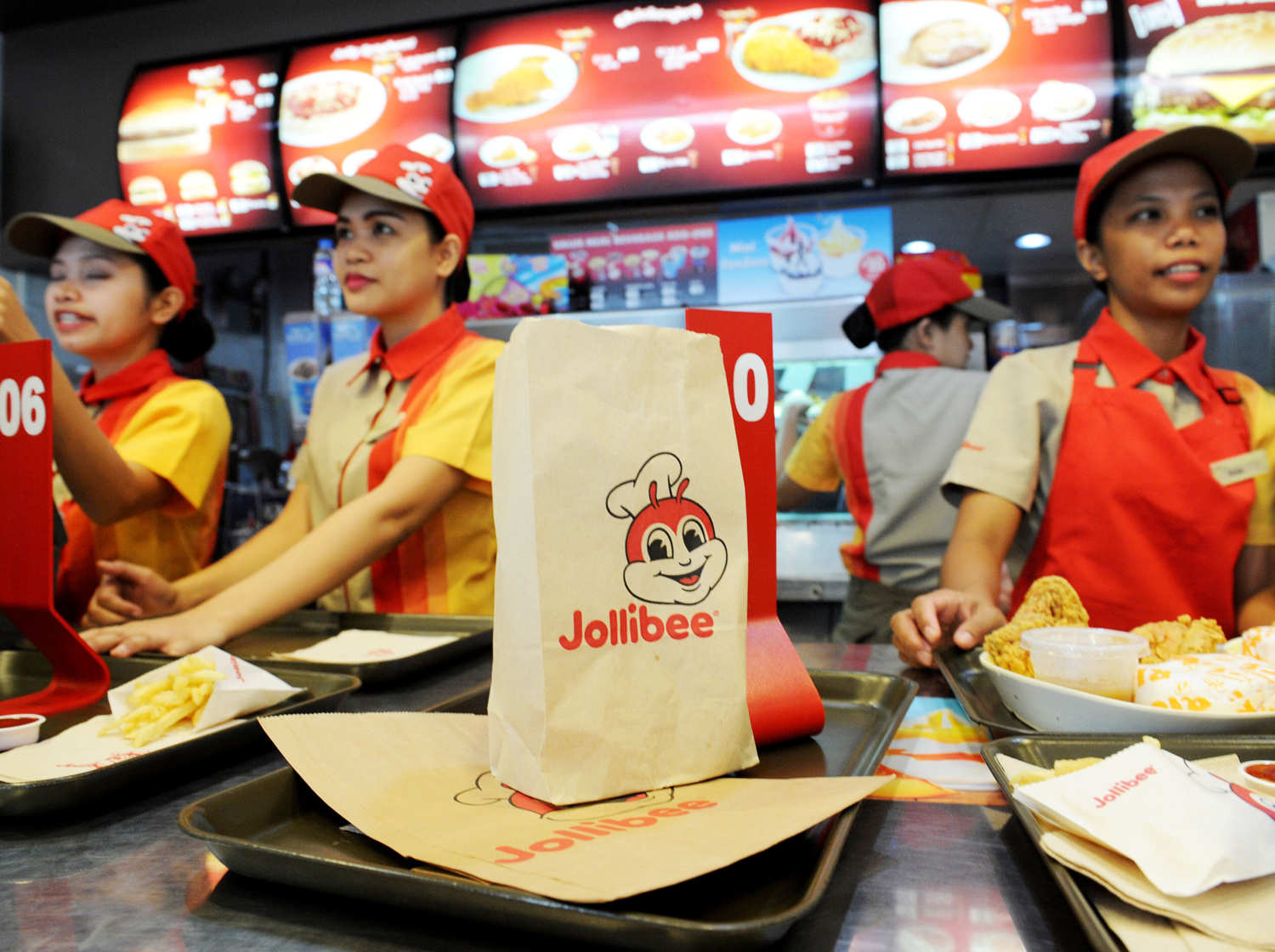
    Philippine-headquartered quick-service restaurant chain Jollibee Foods income jumped 24.6 per cent to 6.14 billion pesos (US$123.26 million) last year, thanks to aggressive store openings.

    Jollibee says it opened 340 outlets across nine brands – its biggest expansion in a single year – of which 243 stores were in the Philippines. Including JVs, such as Smashburger in the US and Highlands Coffee in Vietnam, Jollibee opened 468 stores last year.

    This pushed system-wide retail sales, derived from franchised and company-owned stores, by 14.1 per cent to 149.14 billion pesos.

    Jollibee Foods Philippines CEO Ernesto Tanmantiong says the company is spending 14 billion pesos this year, up from 10.4 billion pesos last year, to open more outlets and expand its commissaries.

    Jollibee says its business in China – about half of its overseas interests – has returned to growth, with sales expanding by 6 per cent in the fourth quarter.

    Poor sales in China earlier prompted the company to reorganise there. It unloaded its San Pin Wang noodle chain and took over a food-processing company.

  • Williams-Sonoma South Korean partner appointed

    Williams-Sonoma South Korean partner appointed

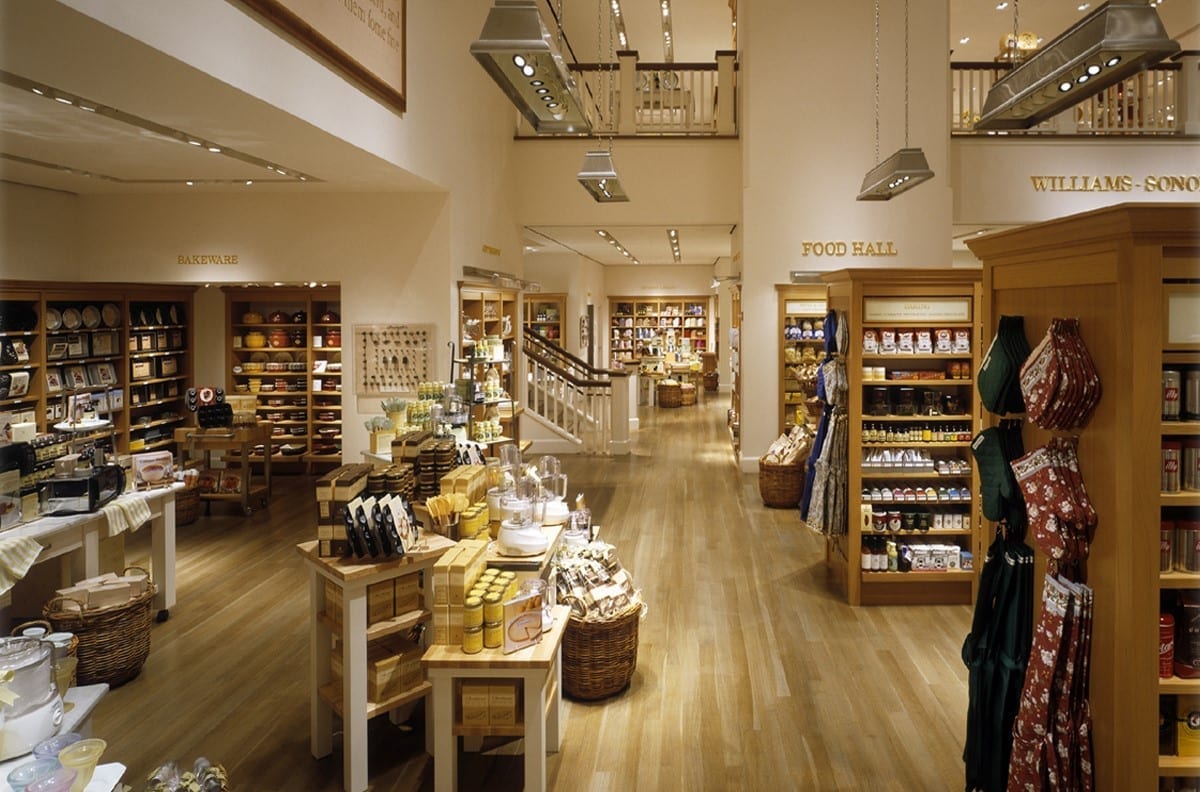
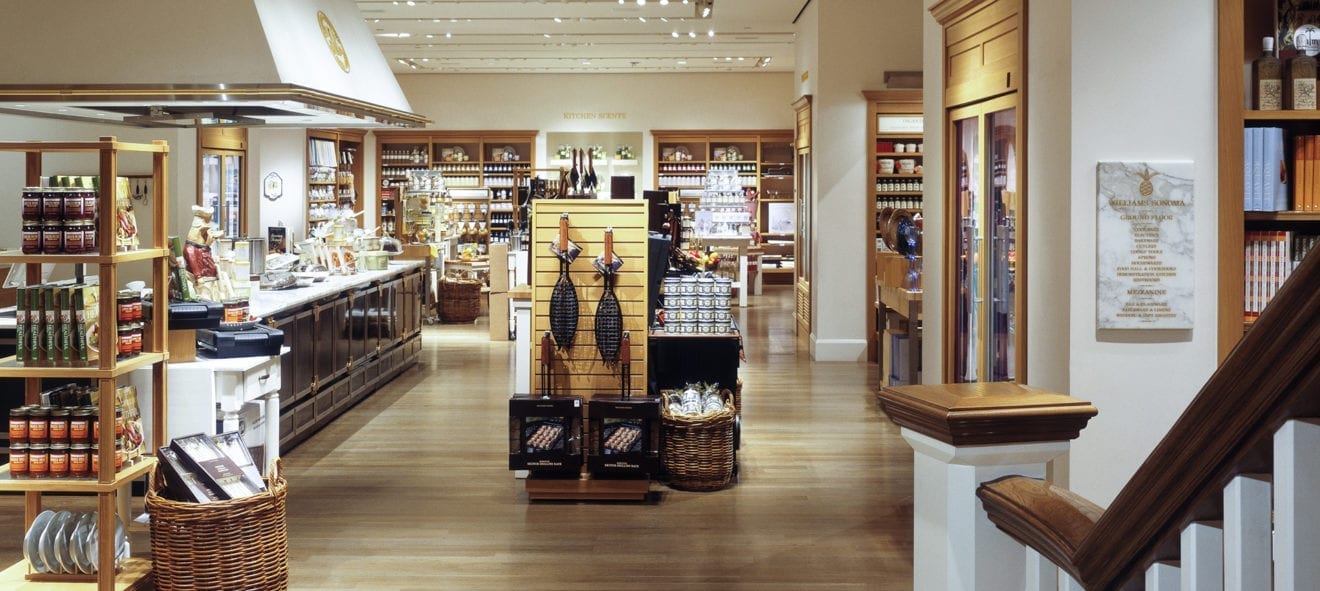
    Williams-Sonoma South Korea will launch in Spring after the US homewares brand appointed a local partner.

    Hyundai Livart Furniture, a leading Korean furniture manufacturer and distributor and an affiliate of Hyundai Department Store Group, will have exclusive rights to operate stores, shop-in-shops, and eCommerce sites for Williams Sonoma and sister brands Pottery Barn, Pottery Barn Kids and West Elm.

    Livart will open more than 30 stores in South Korea over the next decade across the four brands, the first of which are scheduled to open this spring, including a combined 924sqm Pottery Barn and Pottery Barn Kids store and a 700sqm West Elm store at the Hyundai City Mall Garden Five Mall, and a 297sqm Williams Sonoma store at Hyundai Department Store Mokdong.

    “We are pleased to announce our latest strategic global expansion with our new franchise partner, Livart,” said Laura Alber, president and CEO of Williams-Sonoma, Inc. “Livart’s market expertise and extensive retail footprint in South Korea will enable us to deliver the same high quality of service that we provide in the US and around the world. Livart is the best partner to help bring our brands to the Korean market,” she said

    Hwa-Eung Kim, representative director and CEO of Hyundai Livart Furniture, said the franchise agreement will help strengthen the company’s competitive advantage in the domestic premium home furnishings market by complementing existing Livart brands.

    “We plan to leverage our diverse distribution channels to expand strategically through Seoul and other major cities.”

  • West Elm owner enters South Korean market with new franchise partner

    West Elm owner enters South Korean market with new franchise partner

    US-based Williams-Sonoma, the business behind furniture brand West Elm, has confirmed that it has agreed a new franchise partner with Hyundai Livart Furniture Co. Ltd, expanding its South Korean presence.

    Hyundai Livart, a Korean furniture manufacturer and distributor and an affiliate of Hyundai Department Store Group (HDG), will have exclusive rights to operate stores, shop-in-shops, and e-commerce for brands in the Williams-Sonoma, Inc. portfolio including Williams Sonoma, Pottery Barn, Pottery Barn Kids and West Elm.

    Over the next 10 years, Livart is expected to open more than 30 stores in South Korea across four Williams-Sonoma, Inc. brands, with the first scheduled to launch this spring, which include a West Elm outlet at the Hyundai City Mall Garden Five Mall and a Williams Sonoma store at the HDS Mokdong branch.

    Laura Alber, president and CEO of Williams-Sonoma, Inc, said: “We are pleased to announce our latest strategic global expansion with our new franchise partner, Livart. Livart’s market expertise and extensive retail footprint in South Korea will enable us to deliver the same high quality of service that we provide in the United States and around the world.”

    Hwa-Eung Kim, representative director and CEO of Hyundai Livart, added: “This franchise agreement will help strengthen our competitive advantage in the domestic premium home furnishings market by complementing existing Livart brands, and we plan to leverage our diverse distribution channels to expand strategically through Seoul and other major cities.”

  • Progress on bringing Apple Pay to South Korea ‘still in an early stage’

    Progress on bringing Apple Pay to South Korea ‘still in an early stage’

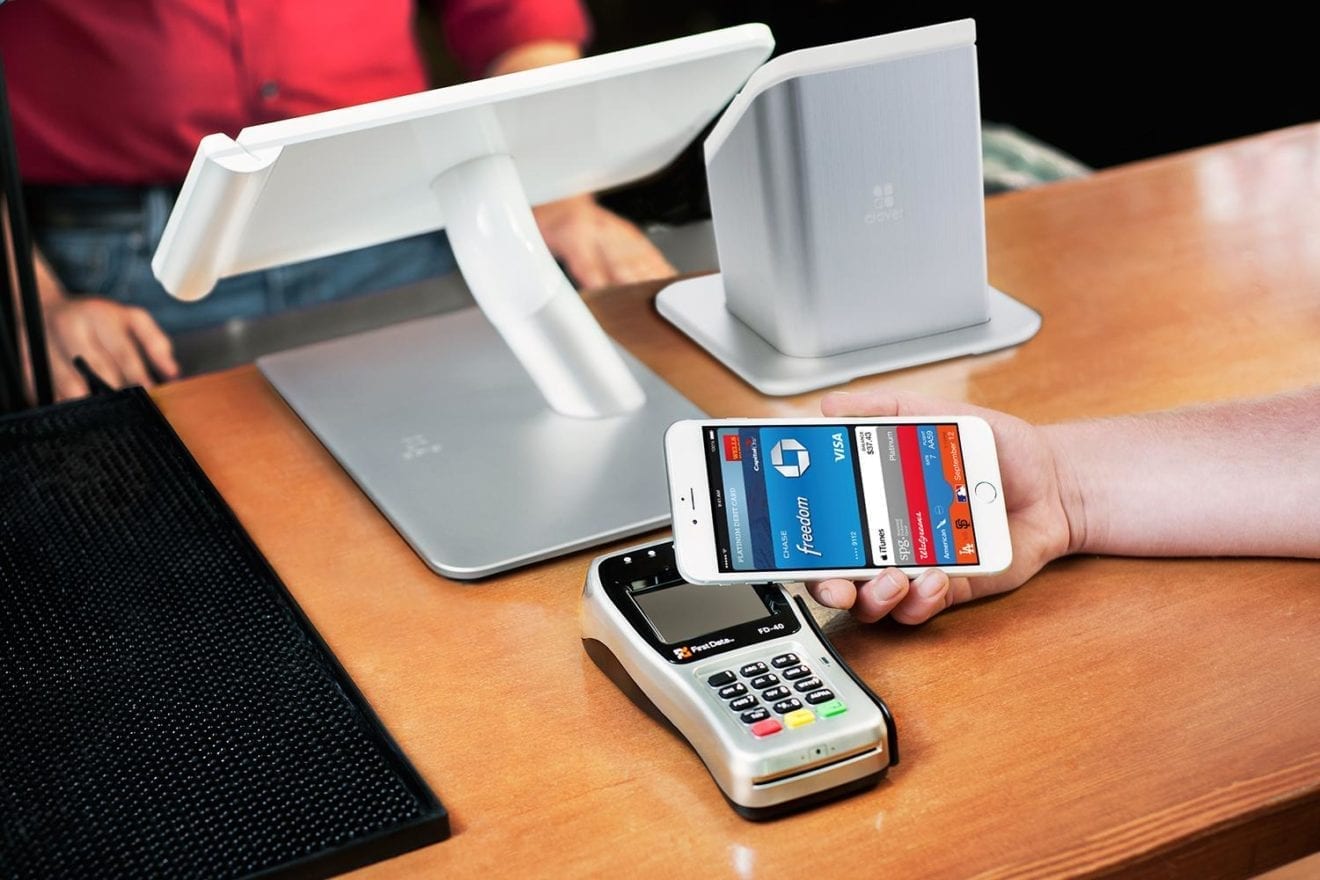
    Though Apple is working on launching Apple Pay in South Korea, the mobile payments system is still some ways out —and the company has yet to hold a critical meeting with the government, according to a local report.

    A legal director and a senior counselor from the company visited Korea in November to talk with the country’s financial officials. At the time however, Apple’s team is only said to have explained how Apple Pay works —including the tokenization of transactions, for security purposes —while promising to partner with local credit card firms.

    To actually launch in Korea, Apple will need to meet with authorities again to determine whether it should be registered as an electronic financial business operator. No such meeting is scheduled so far.

    On the private side, meanwhile, an official with one local card company told the publication that “work with Apple is still in an early stage.”

    This stands in contrast with Google, which is expected to launch Android Pay in Korea before Apple can get a foothold. The company is not only said to be planning a meeting on the electronic financial business operator issue, but working with card companies like KB Kookmin, Shinhan, Lotte, and Hyundai on online and NFC-based payments.

    It’s believed that Google will probably focus on online transactions first, as most Korean retail stores reportedly lack NFC-ready sales terminals. The situation has in fact given Samsung an edge, since Samsung Pay can be used at any terminal with a magnetic card reader. The firm isn’t registered as an electronic financial business operator, though, since it doesn’t actually generate money from transactions.

    Apple Pay is now accepted in a dozen countries. Apart from the U.S. this includes places like Australia, Canada, China, France, Russia, and Japan. Taiwan has been confirmed as an upcoming market, but hints of a German launch have yet to solidify.

  • Double debut for ‘& Other Stories’

    Double debut for ‘& Other Stories’

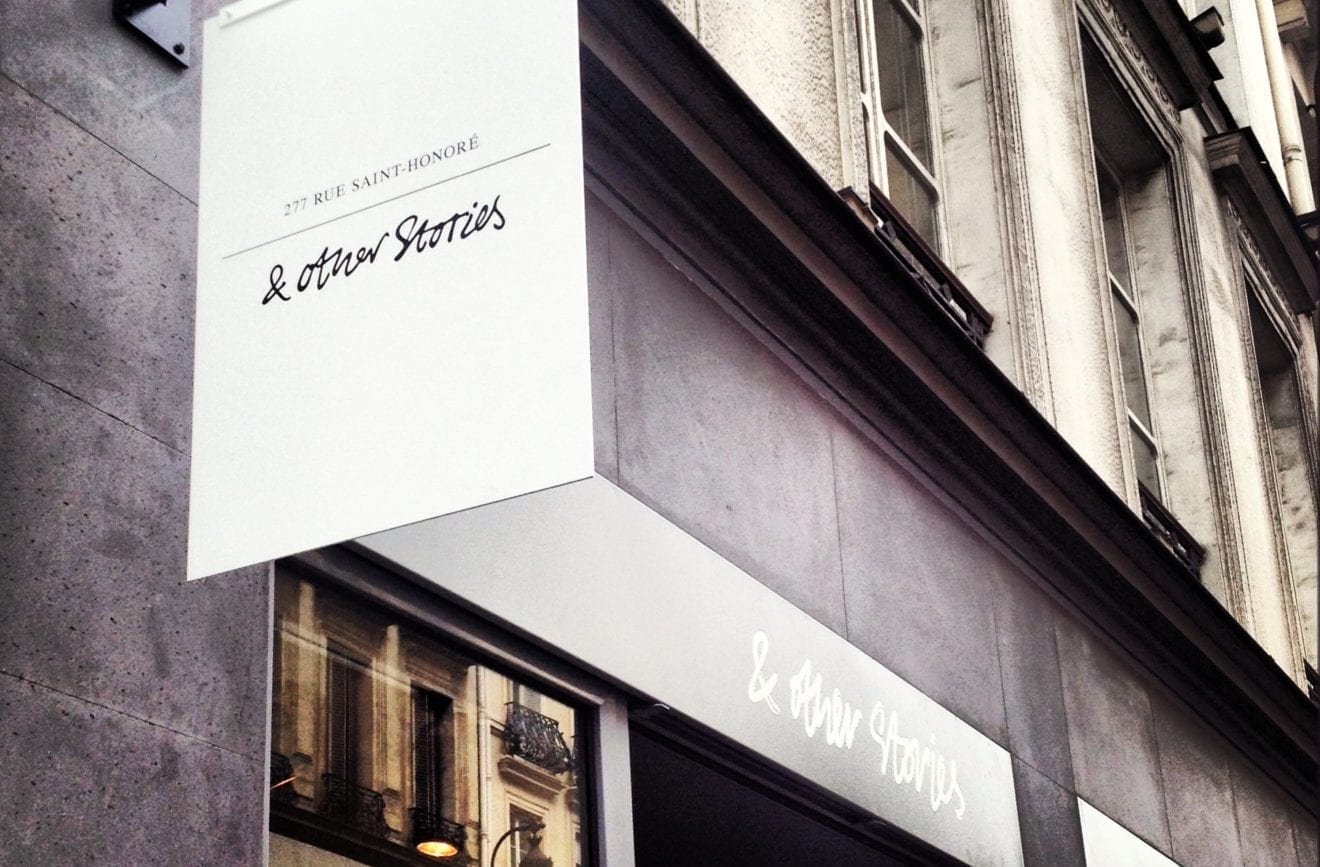
    H&M brand & Other Stories will have a double debut in South Korea next month.

    It is opening its first two stores for Asia in Seoul – in Ajotei and Starfield Henan – following stablemate Cos and H&M itself into Korea.

    Founded in 2013, & Other Stories opened in seven cities in Europe, followed by North America.

    & Other Stories MD Samuel Fernström says he is happy to be able to advance the brand into Asia.

    The brand offers women’s shoes, bags, accessories, beauty and ready-to-wear.

  • Korean multiplex chain leads booming movie market in Vietnam

    Korean multiplex chain leads booming movie market in Vietnam

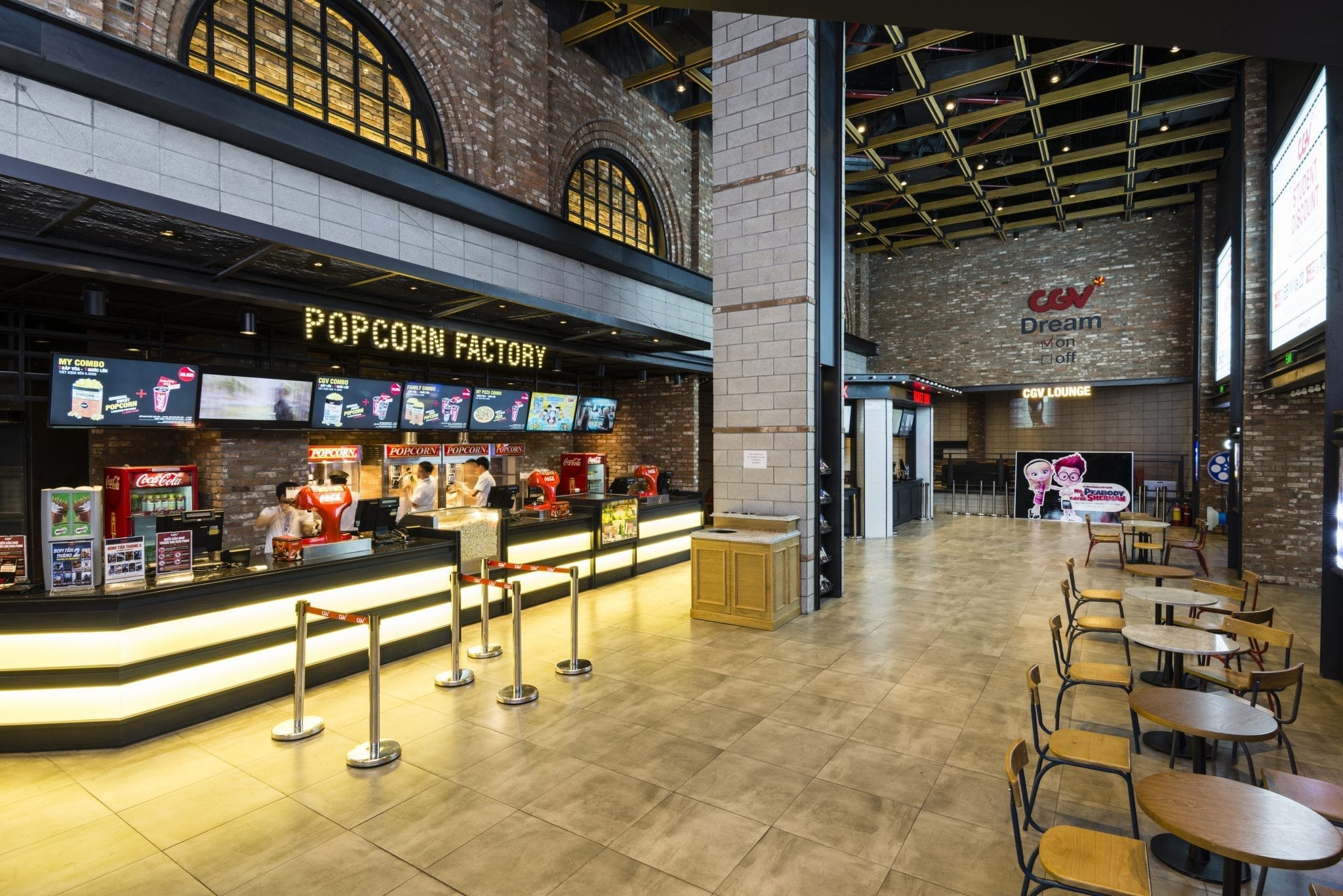
    CJ-CGV has quickly emerged as the dominant cinema chain with more than half of the market share. South Korean multiplex chain CJ-CGV, which currently has 38 cinemas and 247 screens in Vietnam, managed to triple its net profit last year to VND93.4 trillion ($4 million).

    The chain has aggressively expanded in Vietnam since 2011 when it spent $73.6 million to acquire an 80-percent stake in Megastar, one of the biggest local operators at the time.

    After the acquisition, CGV maintained an impressive growth rate with revenue hitting VND870 billion in 2012 and VND1.1 trillion in 2013, equivalent to year-on-year increases of 45 percent and 27 percent. The operator also reported substantial growth in net profit, generating on average VND120 billion per year; three times higher than the best achieved by Megastar.

    In the next two years, despite steady revenue growth, CGV recorded a significant decline in net profit due mainly to massive investments in new cinemas and foreign exchange fluctuations.

    Its 2014 revenue only matched 2013, and net profit tumbled by 40 percent to VND70 billion. In 2015, while revenue soared by 60 percent to VND1.76 trillion, net profit slumped by 55 percent to VND31.5 billion.

    CGV has established itself as the leading distributor in the country. It has won exclusive distribution rights to handle movie releases for giant film studios like Universal, Paramount, Disney and Warner Bros, and also topped the distribution rate for local movies.

  • Vietjet to launch Danang-Seoul route and offer promotion for Valentine’s Day

    Vietjet to launch Danang-Seoul route and offer promotion for Valentine’s Day

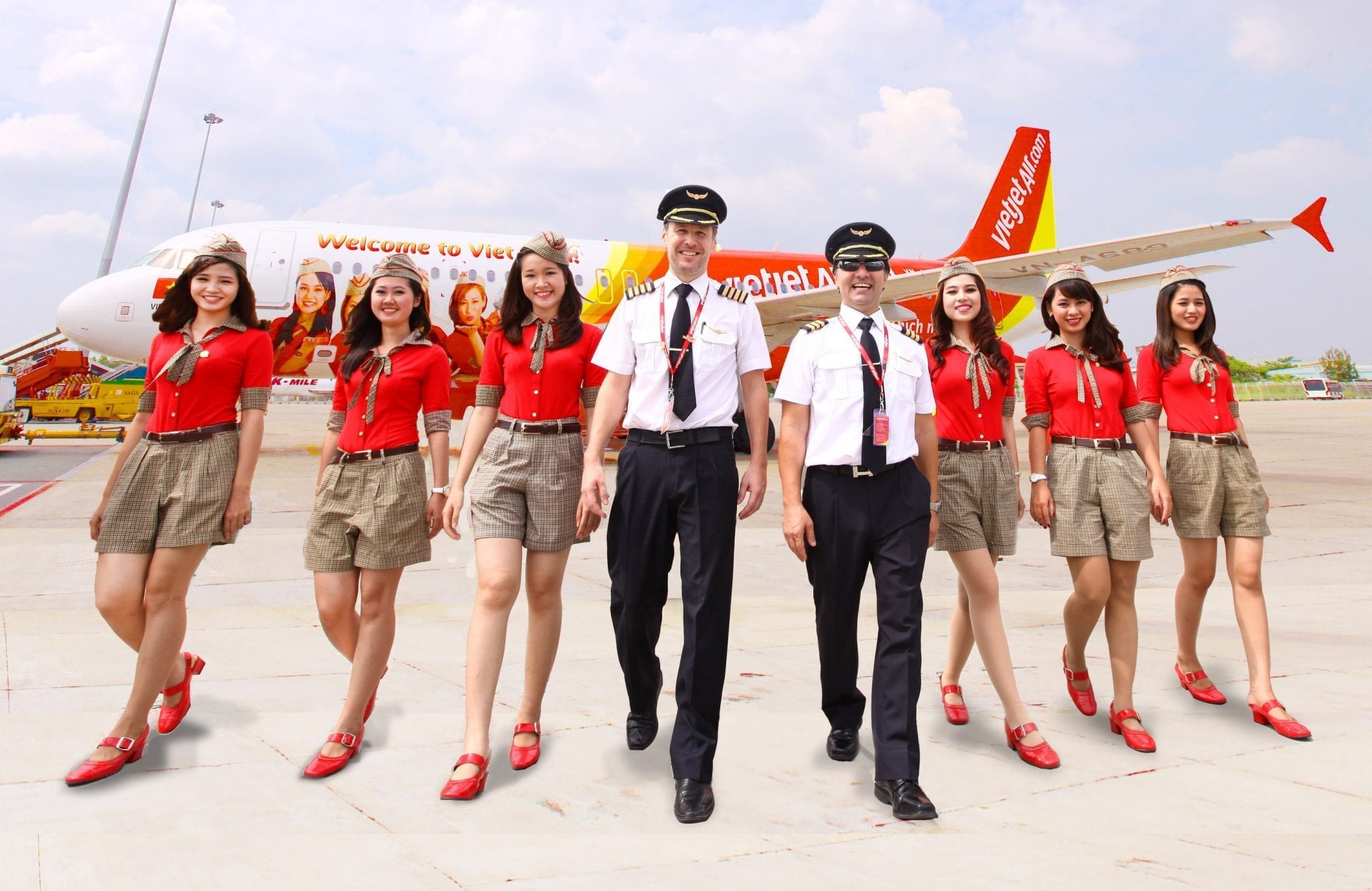
    Vietjet is to open its new international route from the central Vietnamese city of Danang to Seoul (Korea) in a bid to meet the increasing travel demand of tourists, businessmen and individuals between the two tourism-attraction cities. The new route will take off on May 31, 2017 with the flight time per leg of 4 hours 30 minutes. 

    The Danang-Seoul route will be operated on a daily basis. The flight from Danang departs at 23:45 (local time) and arrives in Seoul at 6:00 (local time). The return flight takes off at 7:00 (local time) and lands at 9:40 in Danang.

    In celebration of the new route and on the occasion of Valentine’s Day, the airline will run a three-day promotion offering 500,000 air tickets priced from only HK$8 from February 14 to 16, 2017 at www.vietjetair.com. The promotion applies for all international routes from Ho Chi Minh City, Hanoi, Hai Phong and Danang to Seoul, Busan (Korea), Hong Kong, Kaohsiung, Taipei, Taichung, Tainan (Taiwan), Singapore, Bangkok (Thailand), Kuala Lumpur (Malaysia), Yangon (Myanmar) and Siem Reap (Cambodia) from March 1, 2017 to December 12, 2017 (excluding national holidays). As for the Danang-Seoul route, the promotion is available from May 31, 2017 to December 31, 2017.

    Following the international routes from Seoul to Ho Chi Minh City, Hanoi and Hai Phong, Danang is Vietnam’s 4th destination to be connected with Korea’s famous capital of Seoul, marking the 5th route to be operated by Vietjet between Vietnam and Korea. Vietjet also plans to expand its international network in 2017, looking to boost the regional trade and integration.

    Danang, a port city, is Vietnam’s third largest city and is the main commercial and tourism centre of central Vietnam. The city is well known for its clean environment, beautiful beaches, and good public services. It is often referred to as the most livable city in Vietnam and is one of the fastest growing cities in Vietnam. 

    Seoul is ranked as one of the world’s top favorite cities including New York and Tokyo to name a few. Despite its modernization, the Korean capital is still famous for is typical Korean culture, convenient transportation system, extremely rich food culture together with developed entertainment and shopping industry, making it also one of the world’s top favorite cities.

  • E-mart launches Marie’s Baby Circle brand and store

    E-mart launches Marie’s Baby Circle brand and store

    South Korea’s E-mart has launched Marie’s Baby Circle – a new baby brand, created by UK-headquartered Dalziel & Pow.

    The concept aims to place new and expectant parents centrestage, providing everything they need to enjoy their pregnancy and prepare for parenthood.

    Marie’s Baby Circle 1

    Marie’s Baby Circle opened its doors at the launch of Starfield Hanam, Korea’s newest and largest shopping mall complex, late last year, and the brand’s first destination is far more than just a shop. In a project that spanned strategy and brand creation through to design and communications, Dalziel & Pow created an aspirational ‘home from home’, a supportive community that talks to adults about all things baby.

    Instead of the chaotic nursery feel of standard baby stores, Marie’s Baby Circle offers shoppers modern domestic furniture cues and luxurious feeding and changing facilities. At the heart of the store, pregnant women can sit back in comfort and enjoy a personal shopping experience, with products brought to them. The brand will stock a range designed ‘by mums for mums’, and works with bloggers and outside influencers – spotlighting these mothers’ recommended products in feature displays.

    Marie’s Baby Circle 6

    “This concept recognises the unique cultural and contextual needs of South Korean consumers,” said a Dalziel & Pow spokesperson.

    “The country has one of the world’s lowest birth rates at just 1.1 per woman – making the majority of modern parents first-timers who seek knowledge and reassurance. Marie’s Baby Circle answers the call as a supportive, inclusive brand that offers to hold new parents’ hands.”

    Marie’s Baby Circle 4

    Meanwhile, South Korea’s thriving mCommerce market and lightning-fast delivery can present a challenge to physical store visits. The solution? Social, interactive and supportive elements that enrich the store experience, encouraging parents to spend time with this new community of peers and credible experts.

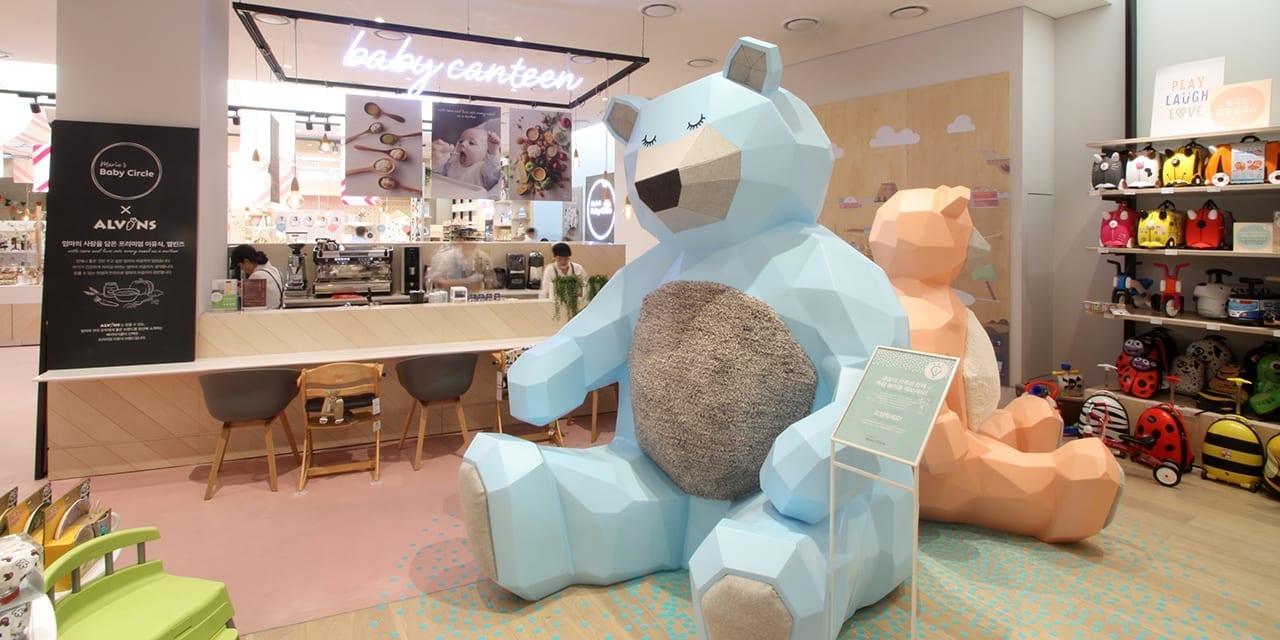
    “Marie’s Baby Circle also captures the excitement and joy of starting a family by weaving a thread of playfulness throughout the store via interactive, sharable moments. A family of snuffling and snoring giant bears in different textures form a tactile point where children can cuddle up and hear stories, while across in fashion you can see and hear a giant toy space rocket in ‘lift off’ which also doubles as an innovative unit for displaying babywear. Over in Sleep, owl and cricket sounds echo around the department as if under the night sky.”

    Marie’s Baby Circle 2

    Digital projection wall

    One key focal point is an engaging, interactive and fun wooden digital projection wall for kids and parents alike. The wall, designed using projection and conductive ink, responds to touch, triggering different animations and sounds involving a new range of bespoke animated characters. Inhabiting their own weird and wonderful world, each character is dedicated to a different part of bringing up a baby – from Ice-cream Susan for feeding, to Lord Peter for sleep.

    Marie’s Baby Circle 3


    These bespoke characters will hopefully become a key feature in the store’s communications and beyond, tapping into the hugely popular emoji and character-driven culture that is prevalent in South Korea. The wall has been designed to appeal to all different heights of children and adults; the bottom half features more robust sound design for younger children, with simpler colours and geometric shapes triggered, while further up the wall the animations become more imaginative, colourful and fantastical.

    The store is intuitively zoned to cater to different shopping missions. Entering through an open, pushchair-friendly storefront, the first section presents collections of toys and fashion, which are most accessible to the widest range of shoppers from expectant mothers to gift givers looking for that special present.

    Marie’s Baby Circle 5


    A Baby Canteen offers a nutritious menu for both adults and infants, with recipe inspiration, ample highchairs and buggy parking. Around this space customers can browse pop-up displays, gift registry and baby shower inspiration.

    The final part of the store journey is dedicated to more in-depth purchasing of essentials, broken up into three key areas of the day: feeding, bathing/changing and sleeping. Helpful conversational communications focus on breaking down what can be an often overwhelming array of product information with intuitive adult friendly need-to-know messaging; a tightly edited approach combats choice fatigue, comprising only the best and trusted products, with room sets providing ‘get the look’ ideas.

    Designed with a new generation of aspirational parents in mind, Marie’s Baby Circle is set to become synonymous with care, credibility and celebrating pregnancy.

  • Lotte looks to US to boost sales of 3 drinks

    Lotte looks to US to boost sales of 3 drinks

    The Korean energy drink Hot 6 will take on Red Bull and Monster in the American market from this month.

    Lotte Chilsung Beverage said Thursday, it will start selling the caffeinated drink from this month in the U.S., starting in on the West Coast.

    The company said it has already shipped 2,000 boxes of 30 units each.

    Korea’s energy drink industry saw a boom in the early part of this decade and became a 100 billion won ($87.3 million) market. Pioneers Red Bull from Austria and California-based Monster were followed by the launch of Hot 6, which sells for a cheaper price.

    But growth has stalled in recent years with the number of health-conscious consumers rising in Korea. Health authorities have also warned the public not to drink too many caffeinated drinks.

    According to industry sources, the energy drink market in Korea has slipped to 70 billion won and Hot 6 has a 60 percent market share.

    Its U.S. marketing will begin at the Genesis Open 2017 PGA golf tournament in California, which will be held from Feb. 13 to 19.

    Lotte Chilsung Beverage said it will introduce the drink with the slogan “Brand New No. 1 Korean Energy Drink” and emphasize its natural caffeine extracted from guarana.

    Lotte’s global ambition will continue by expanding U.S. retail sales of its Milkis and Chilsung Cider soft drinks. Milkis was introduced in 1989 and has loyal customers fond of its unique, yogurt-like flavor. Chilsung Cider was a pioneer in Korea’s soft drink industry when it was launched in 1950.

    Until now, Milkis, a white opaque fizzy drink, and Chilsung Cider, a Korean version of Sprite, have been only available online or in small retailers and Korean markets in the United States.

    “There are five flavors of Milkis being sold in Korea, including strawberry and melon. If the local response is good, the possibility of launching different flavors in the U.S. also exists,” the company spokesman said.

    The company said two of its drinks will be retailed at 2,000 branches of Kroger, the No. 1 supermarket chain in the U.S., from March.

    “Lotte Chilsung Beverage aims to create a ‘Hallyu beverage’ in the U.S. by expanding retail channels to appeal not only Koreans but Americans as well. Hot 6, Chilsung Cider and Milkis will be at the forefront,” the beverage subsidiary said in a statement.

    Lotte Chilsung Beverage’s foray into the U.S. is part of the group’s effort to expand beyond Asia. To become more global, Lotte Group has been holding the LPGA Tour Lotte Championship in Hawaii since 2012 and acquired the New York Palace Hotel located in Manhattan in 2015, renaming it the Lotte New York Palace Hotel.

  • Korean firm enters Indonesian credit card market

    Korean firm enters Indonesian credit card market

    Shinhan Indo Finance Ltd (SIF), a subsidiary of South Korean credit issuer Shinhan Card, has launched its first credit card on the Indonesian market.

    The “ShinhanIndo Card Hi-Cash” comes in four different types to reach consumers from all segments, especially the millennials.

    In developing its credit card business, SIF is cooperates with Indo-Pack, merchants under Indomobil Group, and K-Pack, merchants from South Korean companies, the company’s vice president Tan Kim Piauw told a press conference after the launching event on Monday.

    SIF was established in December 2015 as a multi-finance joint venture between the Korean credit issuer and two Indonesian firms, Indomobil Group and Asuransi Central Asia (ACA).

    The joint venture obtained permits to issue credit cards from the Financial Services Authority (OJK) and Bank Indonesia in December last year.

    In its initial stage of operation, Indomobil’s 20,000 employees and those of ACA were SIF’s main market target, Tan said, adding that this year the number of credit card holders was expected to reach 80,000.

    “We hope to book Rp 500 billion in transactions in 2017,” he said.

    Speaking at the press conference, Shinhan Card CEO Wi Sung Ho said that with its growing middle class, Indonesia was a market with quite a bit of potential for the credit card business. He said that the number of credit card holders totaled only 17 million despite the country’s large population, far below the South Korean market with 22 million cardholders.

  • Winter Olympics: South Korea builds it but will fans come?

    Winter Olympics: South Korea builds it but will fans come?

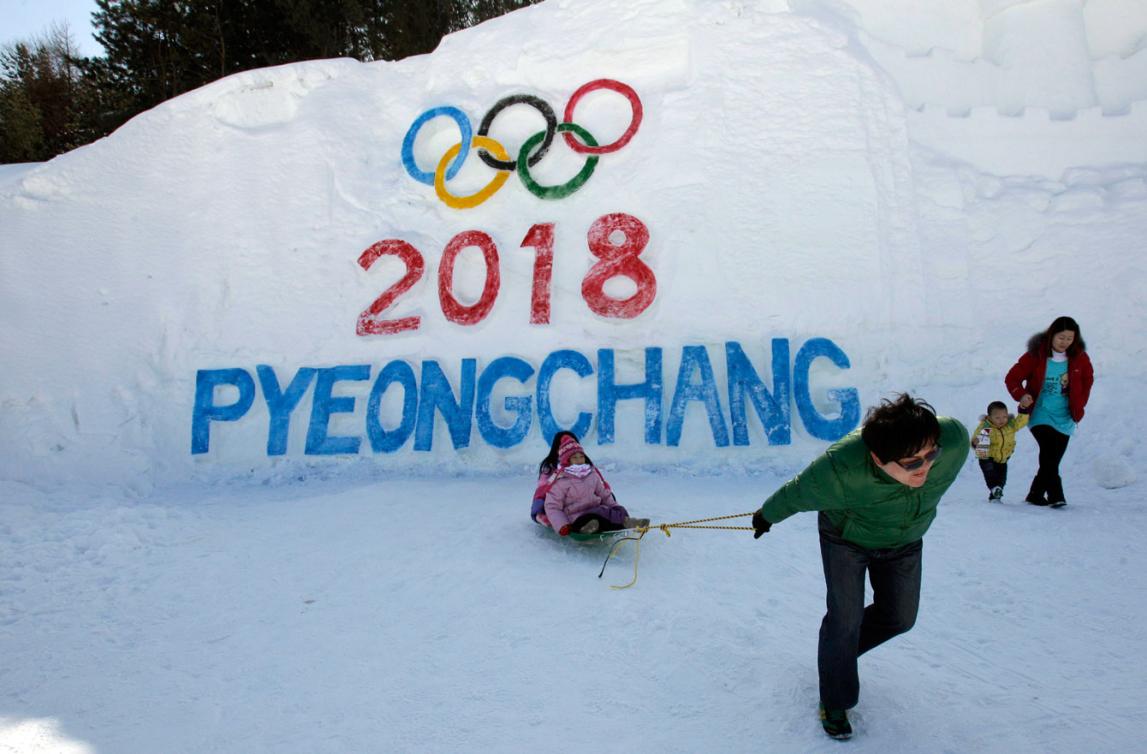
    Most venues for the 2018 Pyeongchang Games are virtually finished and the organisers are about to launch a domestic and international marketing blitz, touting Korean technology, culture and food as they seek to persuade sports fans from around the world to make the long journey to north-east Asia.

    Lee, though, has his doubts. Dried pollack — dessicated during the biting chill of winter — is a speciality of the area, but he thinks Westerners would find his signature product “a bit hard to eat”.

    He is not planning to increase production for next winter, he told AFP, despite his prime retail location and a chance to attract thousands of potential customers.

    With a year to go, many South Koreans express pride that they are hosting the games, and workers are already installing the upper levels of the Olympic structure opposite Lee’s premises.

    The only sporting facility still awaiting completion is a new ski slope for the downhill events — none of the existing resorts have high enough mountains to provide the vertical drop required according to regulations — but even that is 85 percent finished.

    A roomy show flat in the Olympic village, complete with bedspreads covered in sports symbols, has two sets of double glazing to protect against the cold.

    Looking out from the top of the vertiginous K125 ski jump, tiny staff in dayglo green jackets far below prepare the landing area snow for a test event, the cross-country course runs through wooded hills nearby, and wind farm turbines line the horizon.

    But marketing has so far been conspicuous by its absence. On the road from Seoul, the first mention of the Winter Olympics is a plain white sign on a hillside around 30 kilometres (19 miles) from Pyeongchang.

    It is a notable contrast to the next host China, where multicoloured billboards already line highways more than an hour from the venues, despite the fact that its Games are not until 2022.

    A Gallup Korea survey released Tuesday said nearly half of South Koreans — 49 percent — were not interested in the Winter Olympics, with 19 per cent having “no interest at all”. Only 48 percent were interested.

    The question of promoting the Pyeongchang Olympics — taking place an intercontinental flight away from the traditional markets of North America and Europe — is increasingly important.

    “It’s a fundamental issue,” IOC Olympic Games executive director Christophe Dubi told AFP.

    “We must sell these Games, and the challenge today — and we have spoken openly about this with the Pyeongchang organisers — is to engage this effort both at the Korean level and internationally,” he said.

    Even South Korean media have expressed concerns. In a stinging editorial, the Chosun Ilbo newspaper lamented that there was “no excitement or buzz around the Games that are only about a year away” and warned of the risk of “international embarrassment”.

    – ‘Games for Asians’ –

    The push will begin on Thursday, said Lee Hee-Beom, president and CEO of the Pyeongchang Organising Committee for the Olympic Games (POCOG), when tickets go on sale in South Korea. International availability depends on each country’s national Olympics committee.

    Top category seats for the opening ceremony and men’s ice hockey final cost 1,500,000 Korean won ($1,300) and 900,000 won ($800) respectively, but several disciplines ranging from biathlon to skeleton have tickets as cheap as 20,000 won.

    “From February 9th we will have promotions and we will expedite promotional activities around the nation and all around the world,” Lee told AFP, with advertisements on Seoul buses and international television networks.

    Pyeongchang will be the 23rd Winter Olympics, he pointed out, but the Games have only been held in 12 countries so far, all of them in Europe or North America aside from Japan, which has hosted them twice, at Sapporo in 1972 and Nagano in 1998.

    So far winter sports have been “games for the Europeans, games for the Americans”, he said. But with China to follow South Korea as host country, it meant “winter sports become games for Asians”.

    Beijing has declared its intention to have 300 million winter sports fans by the time it hosts the event.

    But at the Yongpyong resort where the slalom events will be held, tour guide Uno Wang — who has been escorting groups from China for 15 years — warned against relying too much on South Korea’s giant neighbour.

    “We usually introduce the Olympics to the people that we bring here but they don’t show that much interest,” he said. “It’s generally like that in East Asia. China is a country that’s not that into sports, especially winter sports.”

    And Chinese tourism to South Korea is under a cloud, with Beijing infuriated by the country’s planned deployment of a US missile defence system, THAAD, in response to nuclear-armed North Korea’s atomic tests and rocket launches.

    Beijing has imposed measures seen as economic retaliation, and Wang says his visitor numbers have fallen by 30 to 50 percent as a result.

    “If the South Korean government goes ahead with the THAAD deployment maybe the numbers will decrease even more — 70 or 80 percent,” he said. “It’s a very serious problem.”

  • Korean sales +30.9% to $10.6bn as growth slows

    Korean sales +30.9% to $10.6bn as growth slows

    South Korea’s duty free industry saw total sales grow by +30.9% or $2.5bn to a record-breaking $10.6bn in 2016, although senior sources in Seoul tell TRBusiness that sales growth is expected to slow to between 10% to 15% in 2017 – resulting in incremental sales of between $1bn to $1.5bn.

    These estimates nevertheless assume that foreign tourist numbers (primarily Mainland Chinese) continue to increase in 2017 as expected.

    According to senior sources in Seoul, foreign visitors’ duty free purchases amounted to US$7.6bn in 2016, accounting for 72% of South Korea’s total US$10.6bn purchases last year. This sales result includes contributions from all airport, seaport and downtown shops (including internet) sales and ‘domestic duty free’ sales on Jeju Island, although it excludes inflight duty free sales.

    BIG CHINESE TOURIST DEPENDENCY

    Highlighting the dependence on foreign tourists for duty free growth, South Korean travellers’ share of sales came in at $2.9bn last year, which was equivalent to 28% of the national duty free revenue total.

    “In 2015 we had a big impact from MERS on our duty free market from July to October, then the market recovered from November. It meant half of 2015 was impacted by MERS so we had a big 31% sales increase last year,” said a senior industry duty free source in Seoul.

    He told : “Sales to foreign tourists increased about 40% last year in value, about 80% of them are Chinese; but sales to South Korean travellers saw only a 9.7% increase.

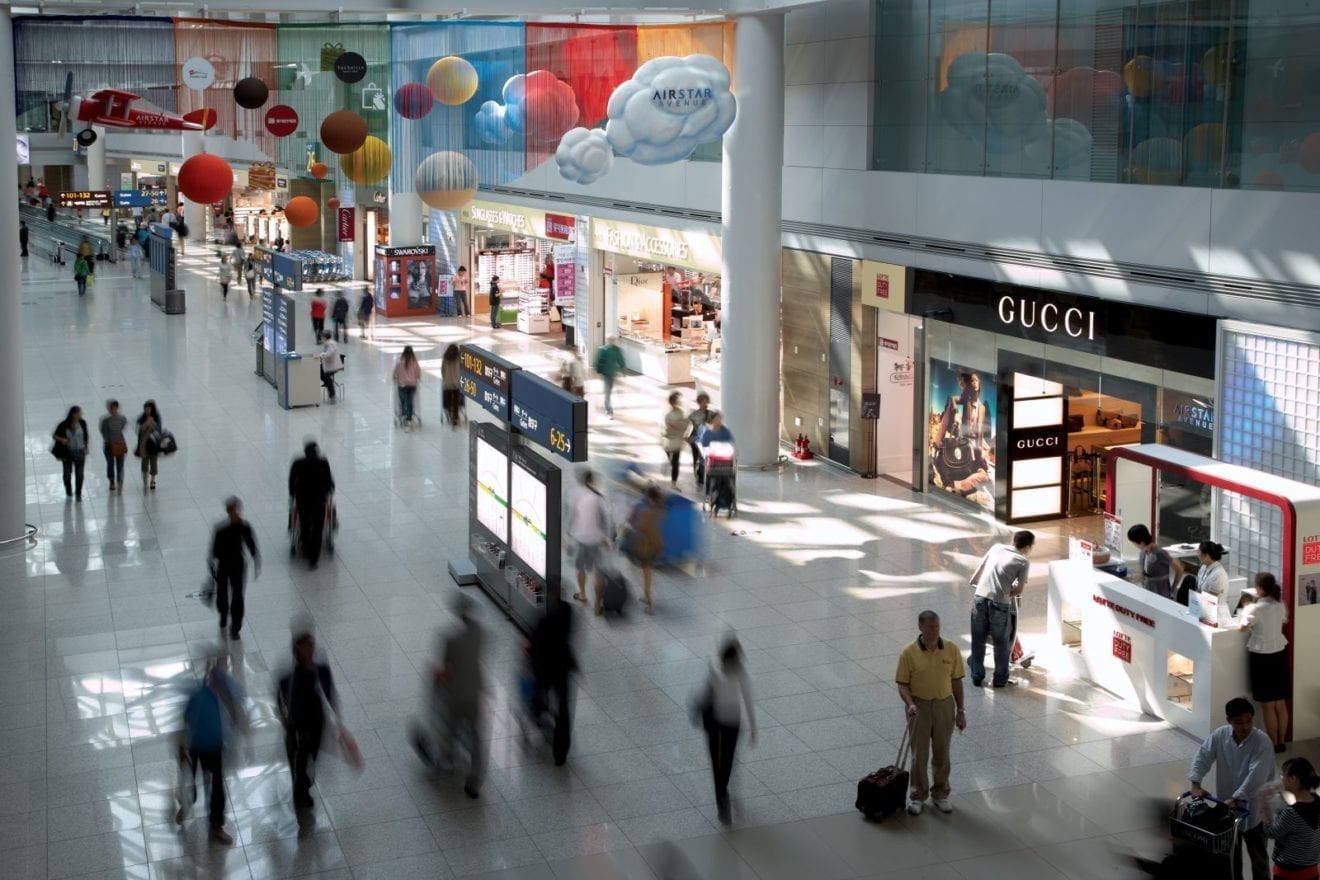
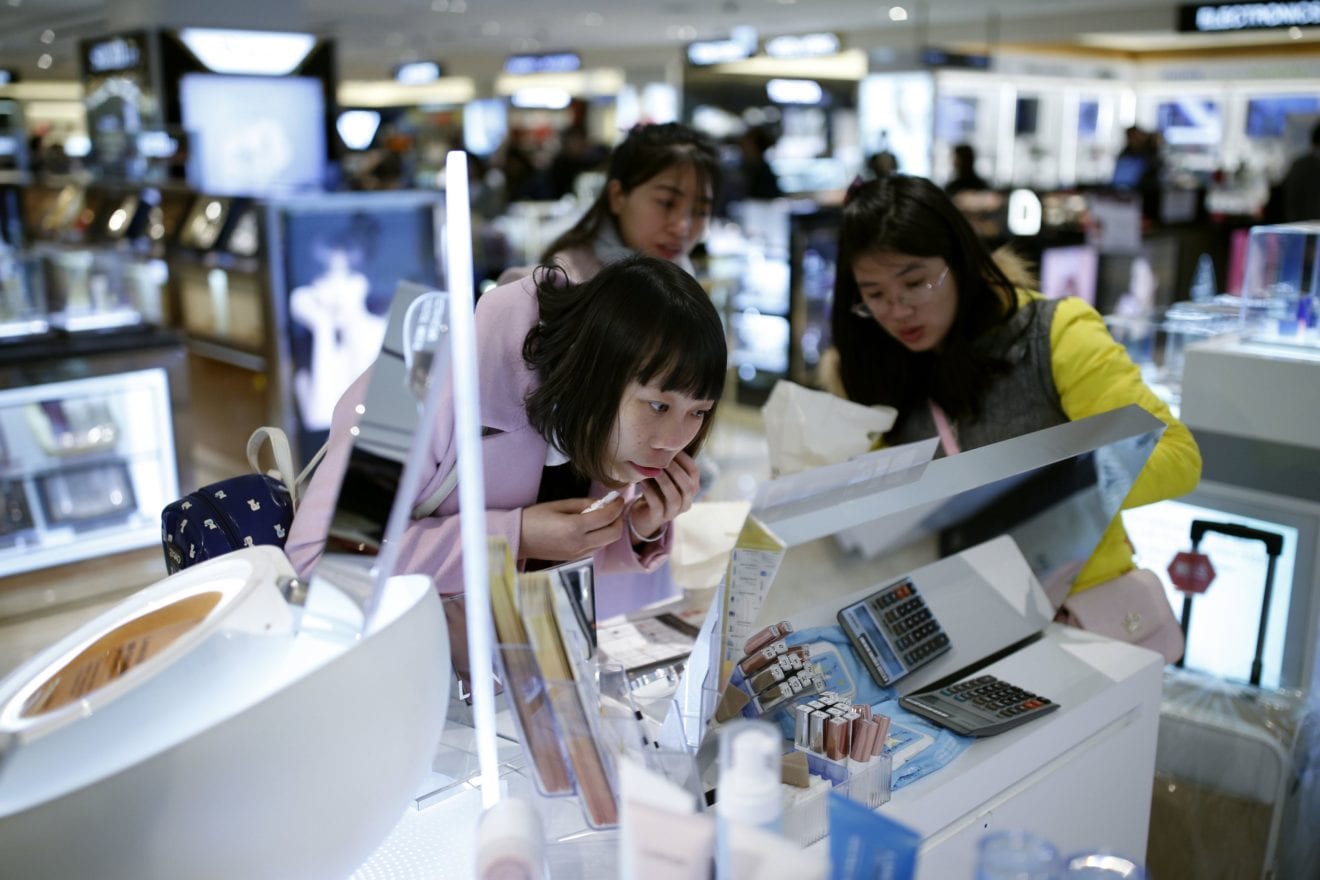
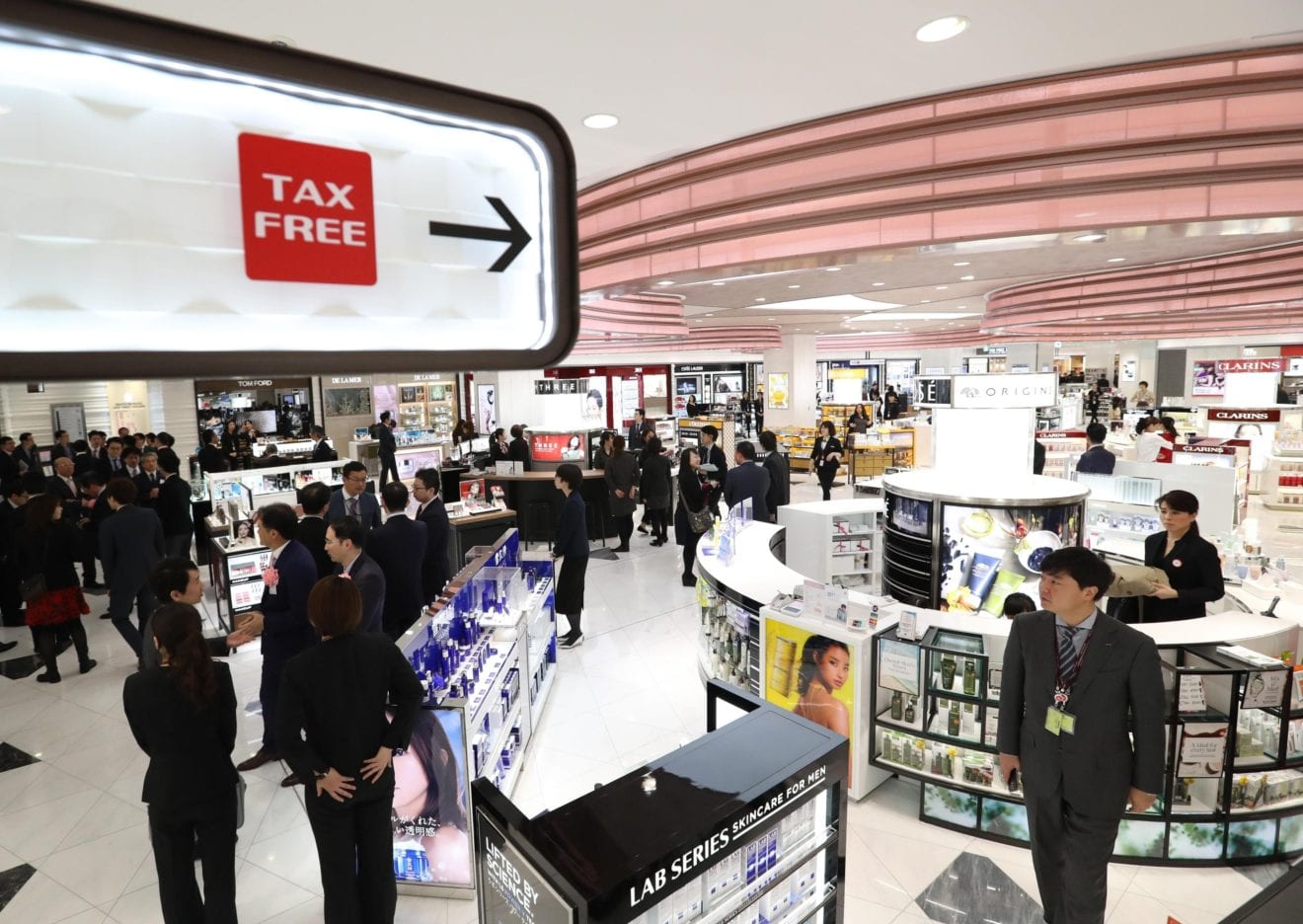
    A busy cosmetics counter at the Lotte World Tower duty free shop in Seoul.

    Meanwhile, per capita duty free spending amongst foreign visitors grew last year, allaying fears among duty free operators that changes made to China’s luxury goods import regulations in April might force a reduction in individual spending.

    20.6M FOREIGNERS BOUGHT DUTY FREE

    According to industry figures, a total of 20.6m foreign visitors bought duty free products in South Korea last year – a rise of 28% compared to those purchasing in 2015.

    In addition, 27.9m South Koreans purchased duty free goods last year – an increase of 13.6% compared to 2015.

    “Sales to foreign customers increased 40% in value and the number of foreign customers rose by 28%, so total per capita spending by foreign visitors increased last year,” said the source.

    By contrast, South Korean per capita customer spending slowed slightly in 2016 as total South Korean duty free purchases rose by 9.8% in value, although this was less than the rise in the number of customers making purchases.

    As expected, perfume and cosmetics continues to dominate as South Korea’s largest duty free category accounting for more than 50% of duty free sales, with Lotte Duty Free – the country’s leading operator – generating total sales of $5.7bn, of which perfume and cosmetics sales accounted for almost $3bn. These sales included all of Lotte’s various downtown and airport stores.

    HOTEL SHILLA SALES REACHED $2.6BN

    Hotel Shilla Duty Free was the next biggest operation with total sales registering $2.6bn in 2016 (not including its HDC Shilla joint venture in Seoul) and once again, perfume and cosmetics accounted for a large share of revenue.

    Other South Korean duty free operators – including new entrants to the industry – also registered good P&C sales, with many finding it easier to arrange supply deals with local cosmetics manufacturers rather than international brand suppliers.

    “The numbers are incredible; cosmetics is the number one item for Chinese visitors,” said the senior source. “South Korean cosmetics brands are about 60% of the purchases and imported cosmetics are 40%. South Korean cosmetics are very good quality and the prices are reasonable.

    “South Korean cosmetics companies are developing products to please East Asian customers, as their skin texture is different. They know what products Chinese visitors are looking for. South Korean face mask products are very famous with Chinese customers.

    SOUTH KOREAN COSMETICS GROWTH

    “The other thing is the price gap between the South Korean and Chinese markets. There are big perfume and cosmetics import tariffs in China; also, Chinese people do not trust products made in China, as there are many fake products.”

    While duty free operators are obviously happy to see products fly off the shelves, a number of perfume and cosmetics brands and luxury goods brands have started to limit the volumes sold to individual customers, as suspicions grow amongst some suppliers that not all these purchases are for personal use.

    ‘SURROGATE SHOPPERS’ ARE A CONCERN…

    “Many people are saying that a significant ratio of purchases are by surrogate shoppers,” said the source. “As foreign brands begin to withdraw from China, so mainland tour companies are sending tourists here to buy luxury branded goods and pay them a commission for buying.

    “The travel companies collect these products for re-sale in China, as there is a 30% to 40% price gap between South Korea and China because of the luxury goods tariffs. Chinese wholesalers organise these purchasing trips; they’re common now.”

    Individual brand product purchasing limits also vary, with most international P&C brands – along with top South Korean brands – limiting the number of pieces sold to individual customers to five items. For luxury fashion goods and accessories, many international brands also limit purchases to one or two items per customer.

    “The purchase limits are set by the brands, not the operators; the operators only think of profit. It’s the same around the world,” the source remarked.

    Foreign visitors are the major customers in South Korea’s downtown duty free stores, spending $6.4bn in downtown outlets in 2016, a huge figure which is five times the value of foreign traveller purchases worth $1.1bn in airport duty free shops last year.

    AIRPORT SALES EQUALLY DIVIDED

    Foreign and South Korean customers each accounted for half of the country’s total airport duty free sales that were worth $2.4 billion in total in 2016, of which the major share was recorded at Incheon International Airport.

    South Korean customer purchases were divided equally between downtown and airport shops, with spending reaching $1.3bn in the country’s downtown stores and $1.2bn in international airport shops last year, plus almost $500m was spent in Jeju Island’s domestic airport and seaport duty free shops.

    Foreign visitors accounted for 83% of all downtown store duty free purchases worth a total of $7.7bn in 2016, according to industry figures. Outbound South Korean traveller purchases accounted for just 17% of downtown duty free stores’ overall sales and included online and internet purchases estimated to account for 25% to 30% of total downtown revenue.

    More than 80% of purchases in almost all downtown duty free stores in South Korea were made by foreign customers (primarily Mainland Chinese) with the exception of the Shinsegae Duty Free and Lotte Duty Free Busan downtown shops, where South Korean customers accounted for 48% and 34% of purchases respectively.

    In addition, foreign visitors accounted for 71% of total sales in South Korea’s various SME downtown duty free stores, which recorded combined total sales worth $68m last year, a sales total equivalent to less than 1% of the nation’s total duty free revenue.

    Meanwhile, government policy to increase the number of duty free operator licenses in an effort to reduce large conglomerates’ dominance of the domestic duty free market has led to increased competition.


    LOUIS VUITTON STILL DELIVERS…

    “Last year there were 8m Chinese visitors to South Korea,” said the source. “South Korea’s duty free market is very concentrated and it’s difficult to make money as travel agents dominate an important share of the market. If they do not send tourists here there will be no group tour sales, so they receive huge a commission from South Korean duty free operators.

    “Two to three years ago the maximum commission paid was 20% for group tour customers, but nowadays over 30% is being paid. It’s impacting on operator profits. Most small operators and new starters cannot expect a profit – it’s a severe and critical problem in this market.”

    This follows the opening of new downtown stores in Seoul over the past 18 months by Shinsegae Duty Free, HDC Shilla, Doota (Doosan), Hanwha Galleria and SM Duty Free and another four downtown stores are also scheduled to open this year.

    As reported, Lotte has only recently reopened its Lotte World Tower store after winning a new downtown license, while three completely new downtown stores are scheduled to open in the capital city.

    DIPLOMATIC FALL OUT DUE TO MISSILE DEFENCE SYSTEM

    Work is underway preparing the Shinsegae Kangnam and Hyundai CO-EX duty free stores that are scheduled to open in Seoul’s growing southern area by the end of 2017 – along with the SME Top City Sincheon (City Plus) store in the capital’s western region.

    Meanwhile, one large dark cloud on the horizon is the deterioration in South Korea’s current diplomatic relations with China, which are causing serious concern for duty free operators.

    This has resulted in a dramatic reduction of Chinese visitor arrivals in both November and December, according to the Korea Tourism Organization.

    At the same time, South Korea’s current domestic political crisis, after the National Assembly voted to impeach Park Geun Hye over corruption allegations, has left the country in a leaderless limbo with no major statesperson in place to handle the escalating dispute with China – until new presidential elections in the spring of this year.

    GROUP TOUR NUMBERS ARE SUFFERING

    Some operators say this dispute has already prompted Beijing to quietly reduce group tour numbers visiting South Korea in January, as a clear warning that it means business with its protest against Seoul installing the proposed Terminal High Altitude Area Defense (THAAD) defence system.

    “South Korea’s duty free market should be increasing this year by 10% to 15%, but already in January we are losing the group tour market. We have already felt impact from South Korea and China’s tension,” said the source.

    “We will have presidential elections in April or May. Now there is no president as President Park is impeached and the South Korean government cannot react to China properly.

    “For the first half of 2017 we will be impacted by the China group tours situation. Also, Chinese customers are getting smarter and they are looking not only for luxury products, but reasonably-priced products and leveraging down their spend.”
  • Korean motorists pay high oil taxes

    Korean motorists pay high oil taxes

    South Korean motorists pay much higher oil taxes than their counterparts in the United States and Japan, a report said Monday, sparking calls for the government to lower them.

    According to the report by online crude price provider Opinet, gasoline prices in South Korea averaged 1,455 won ($1.28) per liter in December last year, with taxes accounting for 62.3 percent of the price, or 905.75 won.

    In January, the proportion of taxes dropped to 60 percent in line with rising gasoline prices.South Korea imposes a flat sum of three different taxes on petroleum products, including transportation-energy-environment and education taxes. Also added are an import levy of 16 won per liter, a tariff equivalent to 3 percent of crude prices and a value added tax amounting to 10 percent of the retail price.

    An industry source said that the percentage of taxes to gasoline prices has remained in the 60 percent range since 2014, when international crude prices entered into a low-price phase.

    Taxes account for a far greater share of retail gasoline prices in South Korea than in the U.S. and Japan. In November, the portion of taxes stood at 61.5 percent for South Korea, while comparable figures were 52.9 percent for Japan and 20.9 percent for America.

    Some experts call on the government to reduce oil taxes that are “excessive and irrational,” which they claim has resulted in mass production of ersatz oil products.

    Others argue that the current oil tax system should remain intact because South Korea relies entirely on imports for its oil needs and a cut would run counter to government efforts to reduce greenhouse gases and fine dust.

    The government has started research on revising the current oil tax system, but a finance ministry official said nothing has been determined yet.