Tag: Korea

  • Profits fall again at South Korea’s LG Electronics

    Profits fall again at South Korea’s LG Electronics

    South Korea’s LG Electronics on Wednesday reported its second successive year of slumping net profits due partly to weak smartphone sales.

    Full-year net profit for 2016 was 126.3 billion won (Dh398 million, $109.3 million), the Seoul-based firm said, down by almost half on 2015 — when they had fallen by 50 per cent.

    The company produces a range of products, from mobile phones to televisions and home appliances including air conditioners, washers and refrigerators.

    It said in a statement it fell into losses in the fourth quarter, taking hits in its mobile telecommunications and vehicle components businesses.

    LG Electronics made a net loss of 258.8 billion won ($224 million) in the October-December period.

    Its home appliances and home entertainment units both turned in strong performances, but in mobile communications “profitability was hampered by weak sales of the G5 smartphone and higher marketing investments”.

    LG has struggled for years to increase its smartphone sales after a late entry into the market dominated by Samsung and Apple.

    It has since found itself hemmed in by emerging Chinese rivals such as Huawei or Xiaomi.

    Its vehicle components unit saw revenues jump by nearly two-thirds in the fourth quarter, but “R&D investments negatively affected profitability”, it said.

  • Luxottica and DFS host worldwide exclusive launch of Prada Cinéma sunglasses

    Luxottica and DFS host worldwide exclusive launch of Prada Cinéma sunglasses

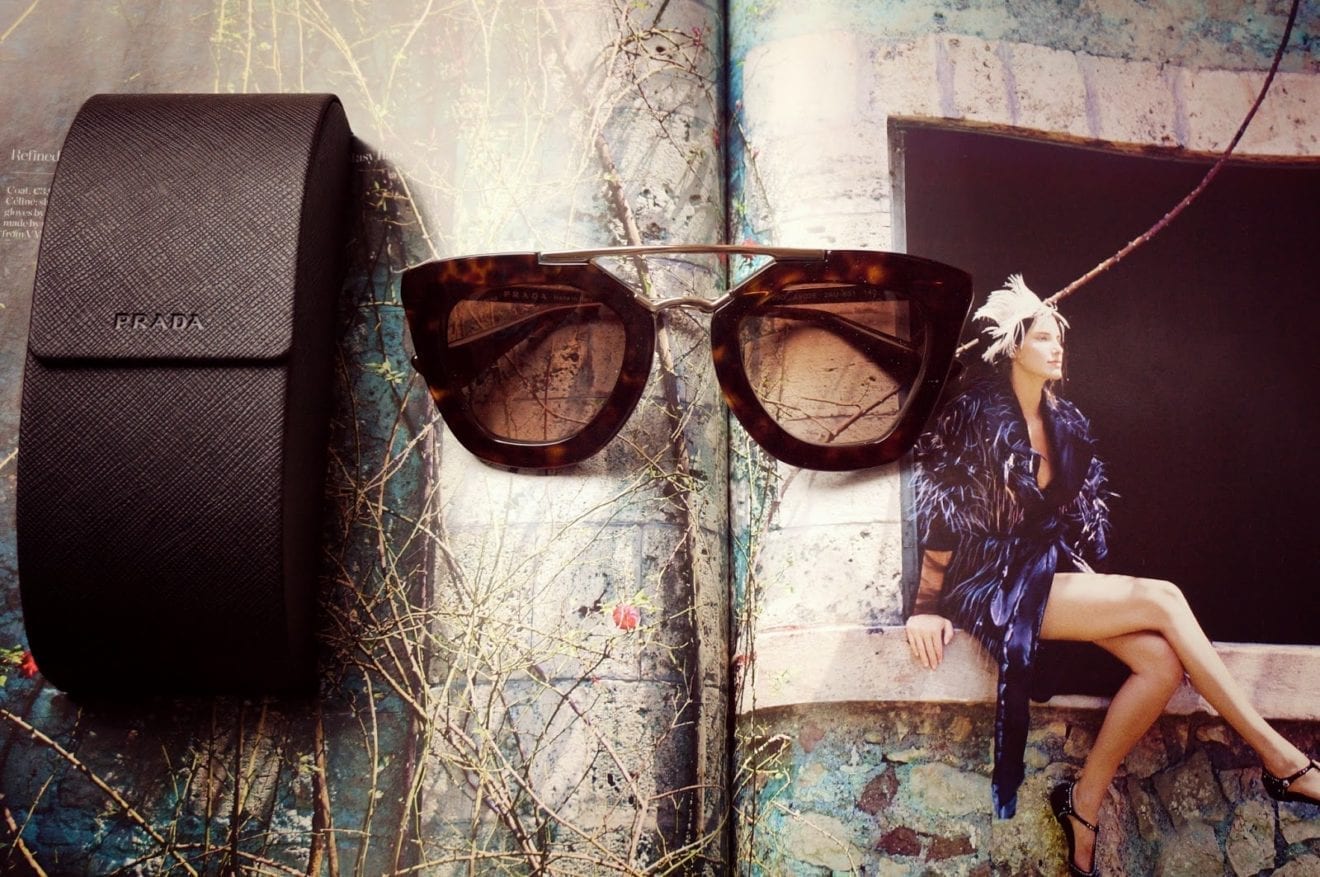
    Luxottica Global Channels, part of Luxottica Group, and DFS Group have joined forces in a worldwide exclusive launch of the new Prada Cinéma sunglasses collection. The limited edition range has been available exclusively at selected DFS airport and T Galleria by DFS stores since November 2016 (until February 2017), with support from a dynamic 360-degree omni-channel marketing campaign.

    Luxottica Global Channels and DFS Group have joined forces in a worldwide exclusive launch of the new Prada Cinéma sunglasses collection. The limited edition range has been available exclusively at selected DFS airport and T Galleria by DFS stores since November 2016, with support from a dynamic 360-degree omni-channel marketing campaign.

    The campaign utilises both online, including social media, and offline platforms to engage with customers before, during and after they shop, with further digital amplification provided on DFS’ website and email newsletter. The online reach is designed to drive traffic in-store, where shoppers are presented with a number of high-profile activations from Prada, including at DFS stores at Hong Kong International Airport and T Galleria in downtown Hong Kong. The launch is said to represent a pioneering step for the sunglasses category in travel retail.

    Shopper engagement is further enhanced through Prada-branded boxes of chocolate from Marchesi, a famous Milanese confectionery shop, which are offered as a gift-with-purchase.

    “Digital communication in travel retail is a hot topic, and offers undeniable and incremental opportunities to build brands and enhance retail performance,” comments Francis Gros, Head of Global Channels, Luxottica. “The ‘Prada Cinéma’ campaign showcases how a special new product can be strategically amplified to connect with travelling consumers, beyond the physical stores, on targeted platforms. DFS continues to deliver innovative ways to engage with customers and has been very supportive of the Sunglasses VISION 2020. We seek to make travel retail the expert channel for sunglasses, growing the category to be worth over 4% of total travel retail sales.

    The launch of the new Prada Cinéma sunglasses collection is said to represent a pioneering step for the sunglasses category in travel retail.

    Jason Blejwas, Director Merchandising Sunglasses, Fashion Watches and Jewellery, DFS Group, adds: “We are thrilled to extend our long-standing partnership with Luxottica to bring the ‘Prada Cinéma’ collection first to DFS stores, and to celebrate this exciting moment with our customers both in-store and online. We’re confident that both the product and experience will make for a memorable moment for travellers visiting DFS.”

    Hear more from Luxottica at the 26th Airport Commercial & Retail Conference & Exhibition, hosted by Aéroport Nice Côte d’Azur and taking place on 3-5 April 2017 at the Hyatt Regency Nice Palais de la Méditerranée. Francis Gros, Head of Global Channels, Luxottica, is participating in the First Working Session “Is there a big problem in the airport retail space? Are conversion rates and yields performing far below expectations?” His presentation is entitled “In order to maximise yield, airports should scientifically identify which categories are the clear stand-out, star performers and position them accordingly. What is the evidence that they actually do this?”


  • South Korea duty free sales grow +33% to $10.5bn

    South Korea duty free sales grow +33% to $10.5bn

    According to the Korean Customs Service (KCS) which recently shared some Korean duty free sales figures with the local media, the total DF market in South Korea grew by +33.5% in 2016, registering sales of KRW12,275.7bn (US$10.56bn)

    The No. 1 duty free retailer in South Korea, Lotte Duty free, registered sales of KRW5,972.8bn (US$5.13bn)in 2016, whilst second-placed Shilla Duty Free saw sales rise to KRW3,405.3bn (US$2.93bn).

    Shinsegae Duty Free posted sales of KRW960.8bn (US$826m).

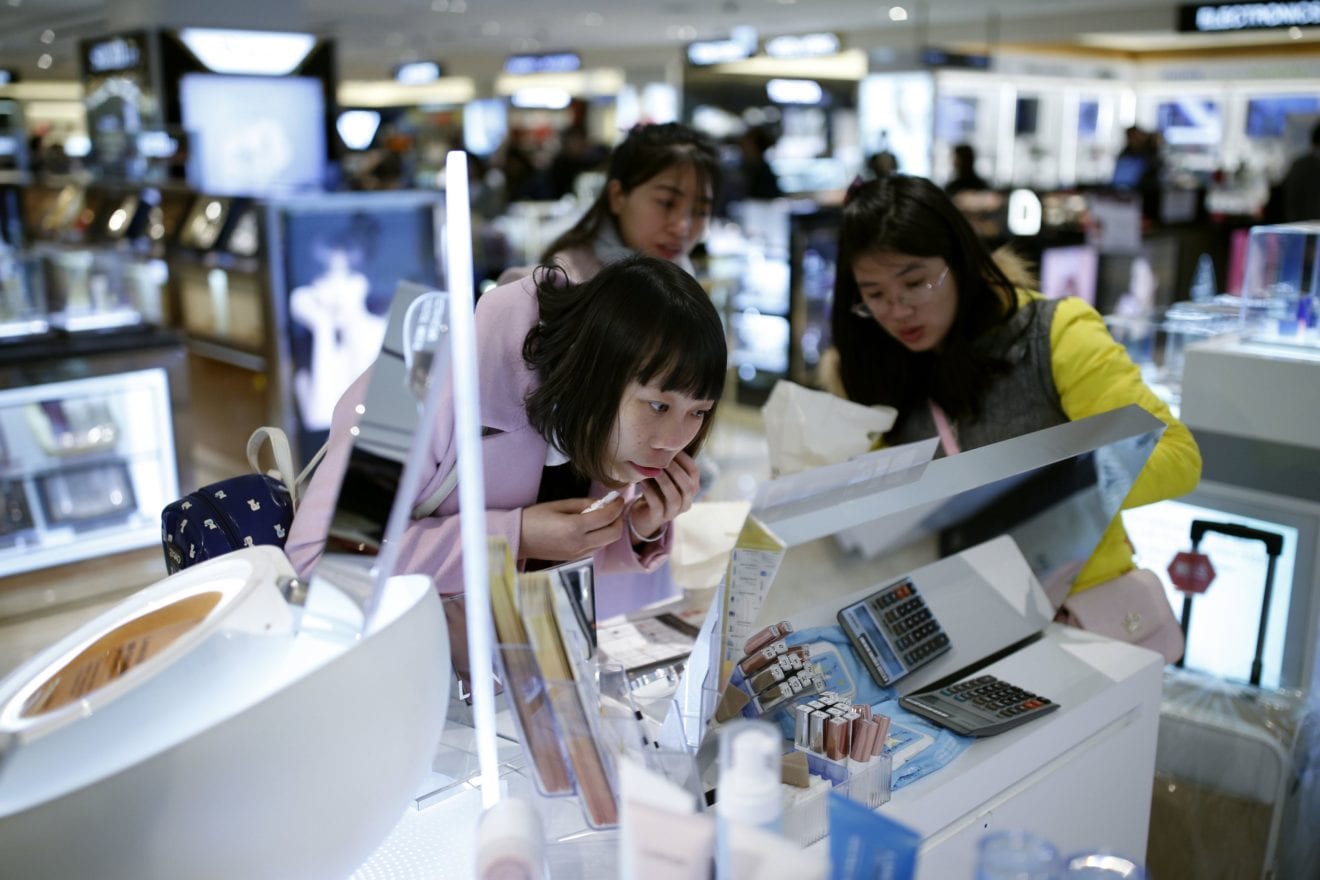
    By product category, sales of cosmetics – the highest-grossing product category – rose to KRW6,273.3bn (US$5.4bn); sales of handbags reached KRW1,735.6bn ($1.5bn); watches KRW935.9bn (US$804.5m) and tobacco KRW593.5bn ($510.2m).

  • CT Corp moving to open cinemas

    CT Corp moving to open cinemas

    Indonesia’s retail/media conglomerate CT Corp is partnering with cinema companies to open movie theatres in its retail complexes.

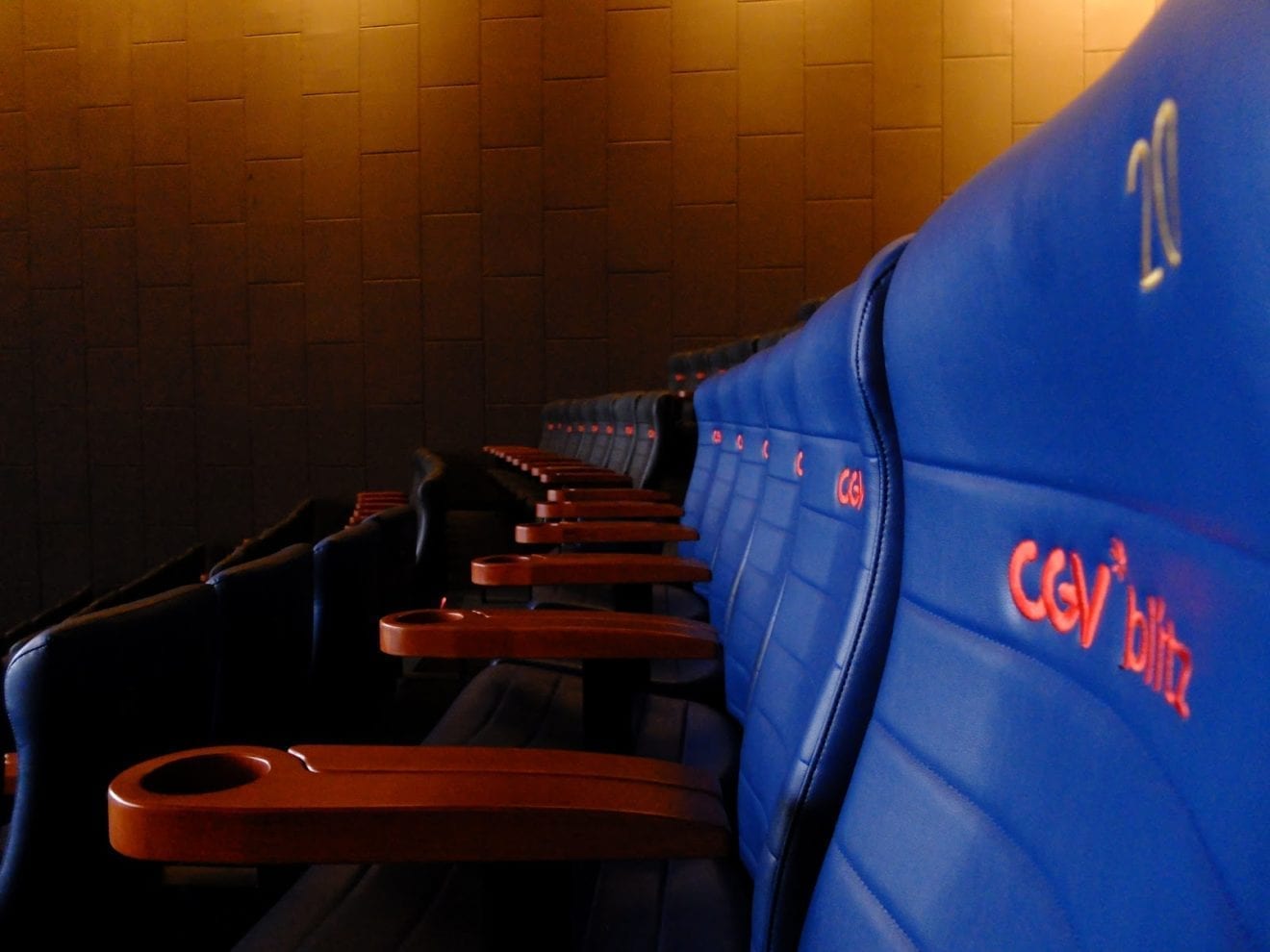
    CT retail arm Trans Retail has announced a partnership with Graha Layar Prima, which runs the Korean-owned CGV cinema chain (formerly known as Blitz Megaplex), to develop cinemas at CT’s Transmart Carrefour stores across Indonesia. Launched last year, the Transmart centres feature restaurants, apparel stores and supermarkets. There are presently 13 outlets, with a US$3 billion plan to expand the number to 100 by 2019.

    CT founder/chairman Chairul Tanjung says that over the next three years a minimum of 500 cinema screens will be opened in Transmart centres.

    GLP will open CGV cinemas in four Transmart centres in Java and Sumatra in May, with plans to add four more by the end of the year. Each cinema will have five screens and include 4D entertainment systems, sofa-type seating for couples and VIP spaces that serve drinks and snacks.

    GLP says its cinemas attracted more than 10 million visitors last year, a 150 per cent increase from 2012. It aims expand its network of cinemas to 40 from the current 27.

    Meanwhile, Singaporean sovereign wealth fund GIC is to acquire an undisclosed stake in cinema company Nusantara Sejahtera Raya (NSR) for 3.5 trillion rupiah (US$262.9 million).

    Trans Retail has just signed a deal to install NSR’s Cinema XXI movie theatres in at least four Transmart stores this year.

    Meanwhile, mall management company Lippo Group is expanding its own cinema business, with plans to have 2000 screens across 85 cities by 2024.

  • Pie Face expansion plan in Japan and Korea

    Pie Face expansion plan in Japan and Korea

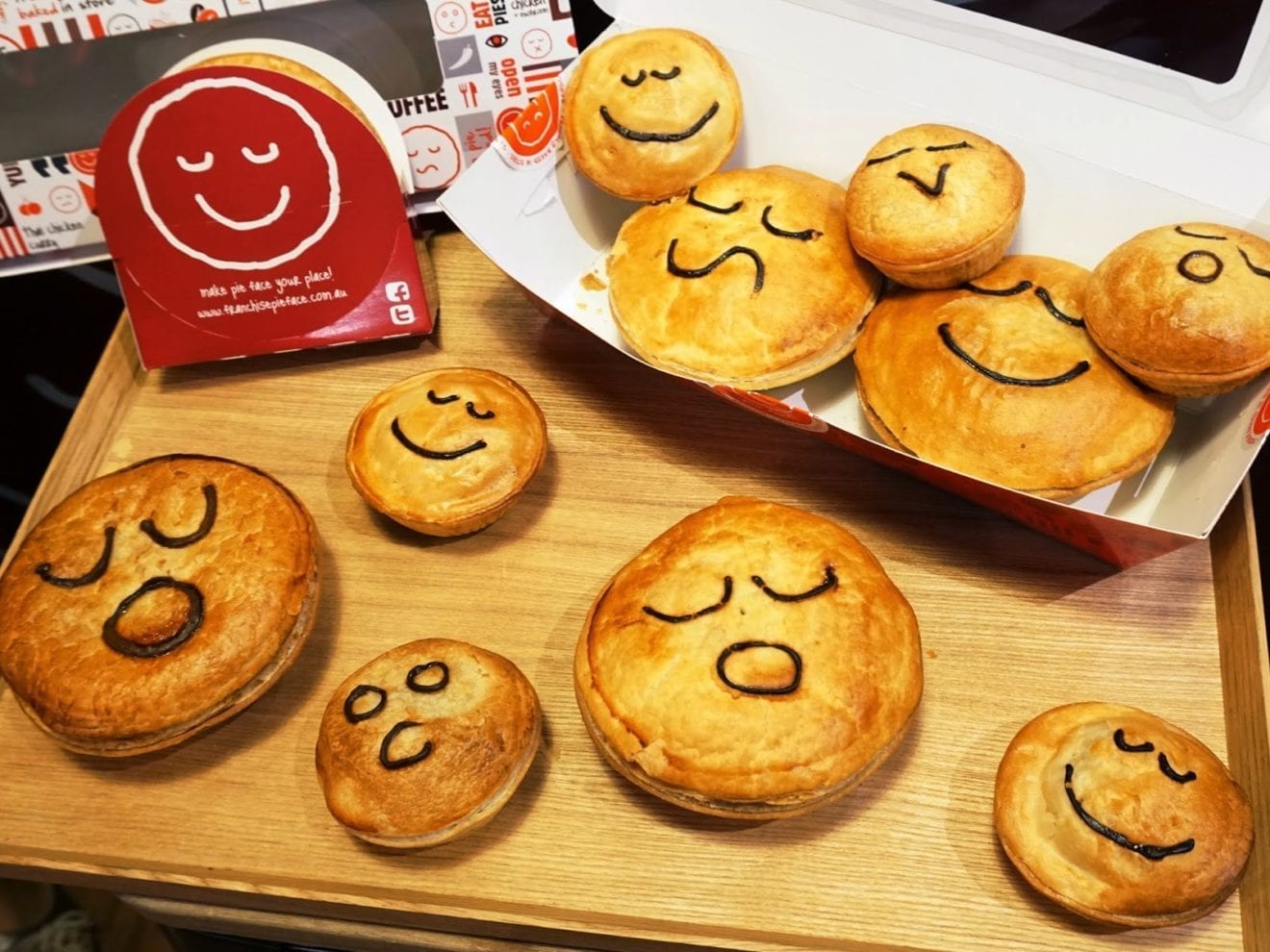
    As it turns around and heads toward profitability again, Australian fast-food chain Pie Face has plans to expand into Japan and South Korea.

    Its receiver flags the hot-pie business will be sold soon, but it has left behind a trail of destruction: secured debt is AU$4 million (US$3 million) and unsecured debt is estimated to be nearly AU$5 million, with employees alone owed more than AU$1 million.

    Also, listed Retail Food Group has made an application to the Queensland Supreme Court to wind up Pie Face Australia over an unpaid debt. But many creditors are unlikely to receive payment out of the receivership, says Pie Face trading entities joint receiver Liam Bailey, a partner at insolvency firm O’Brien Palmer.

    “I can’t speak to what the liquidator may be able to recover and pay them as a dividend, but it’s unlikely a surplus will be generated on the sale of the business, allowing funds to flow to unsecured creditors.”

    The Pie Face company runs a commercial kitchen and wholesaling business, Pie Face Holdings, which owns the intellectual property as well as Pie Face Franchising, which oversees its franchised business in Australia.

    US market

    Bailey became involved after Pie Face went into receivership for the second time in two years late last year. Founded in 2003 by couple Wayne Homschek and Betty Fong, after spreading through Australia the company moved into the US market and planned to open stores in the Middle East, Japan, Korea and the Philippines.

    Investors including retail entrepreneur Brett Blundy, Fat Prophets founder Angus Geddes and Rothschild Australia chairman Trevor Rowe had poured more than $35 million into Pie Face since 2009 with hopes of a sharemarket listing, reports The Age.

    In 2014, Pie Face collapsed owing tens of millions of dollars, sparking store closures, job losses, lawsuits and board changes. Pie Face then struck a deal with financier TCA Global, which took over loans to major lender Macquarie bank.

    Under a deed-of-company arrangement, unsecured creditors such as food suppliers agreed to receive between 14¢ and 19¢ in the dollar over several years, and Pie Face changed its focus to wholesale and direct retail sales.

    When this turnaround bid came unstuck, TCA Global appointed O’Brien Palmer in late October. The business was then restructured for sale. A new CEO and CFO were appointed, 11 unprofitable stores were closed and three franchised stores were opened. Nearly 100 staff members lost their jobs.

    Pie Face now has 30 franchised stores, about 10 people in its head office and 60 to 70 kitchen workers – and plans to expand overseas, particularly in Japan and South Korea.

    Bailey says seven or eight companies are now conducting due diligence, with binding offers due in at the start of next month.

    “We were very much taken aback by the level of interest in the business notwithstanding the bad press it has received over the years,” he says. “There’s a lot of recognition of the growth potential, if properly managed.”
  • Samsung Malaysia launches into regions

    Samsung Malaysia launches into regions

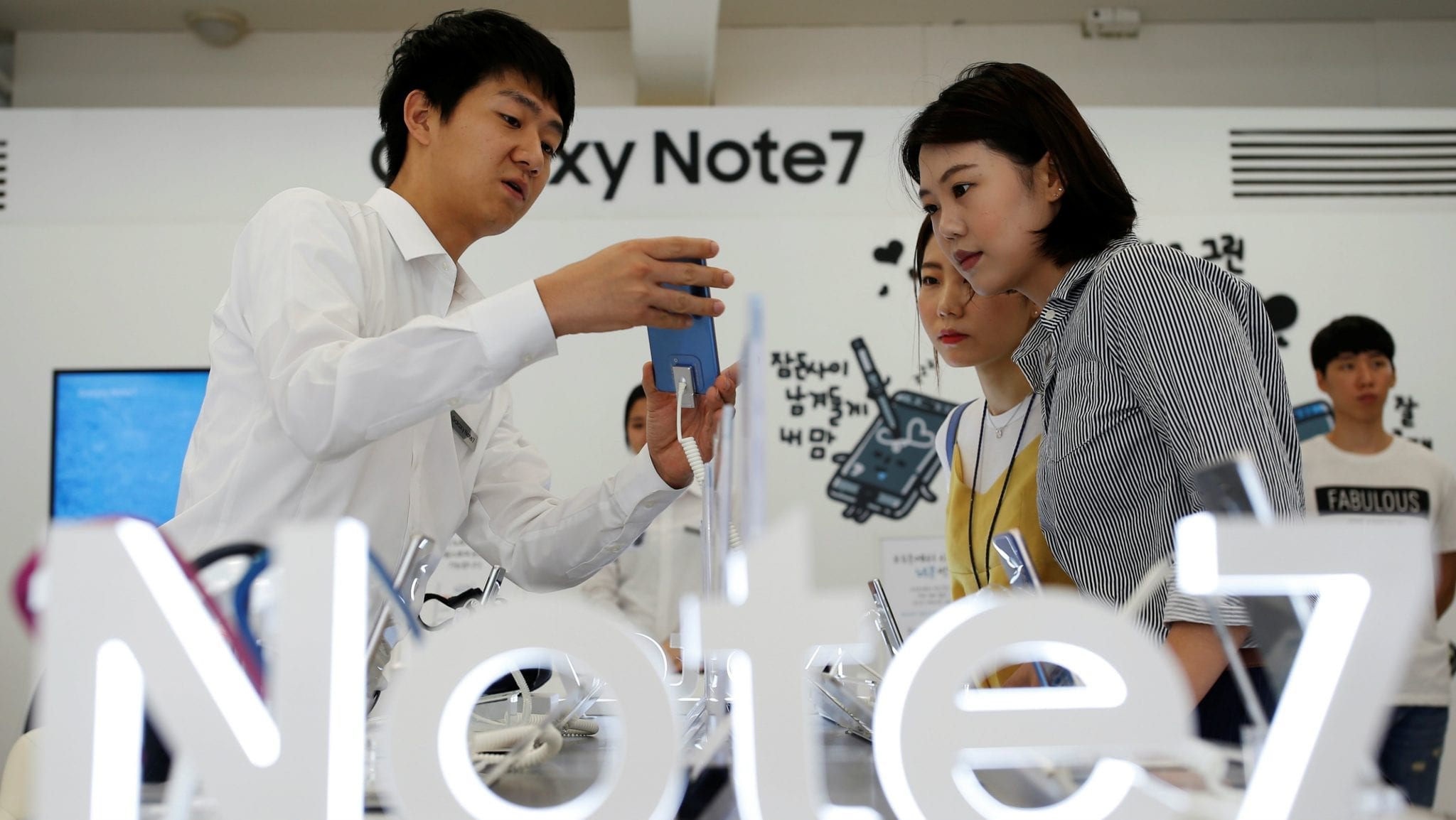
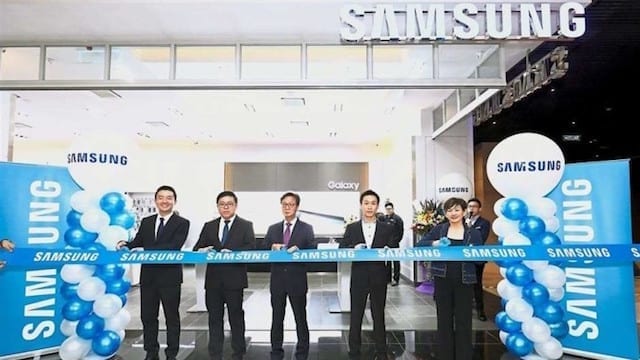
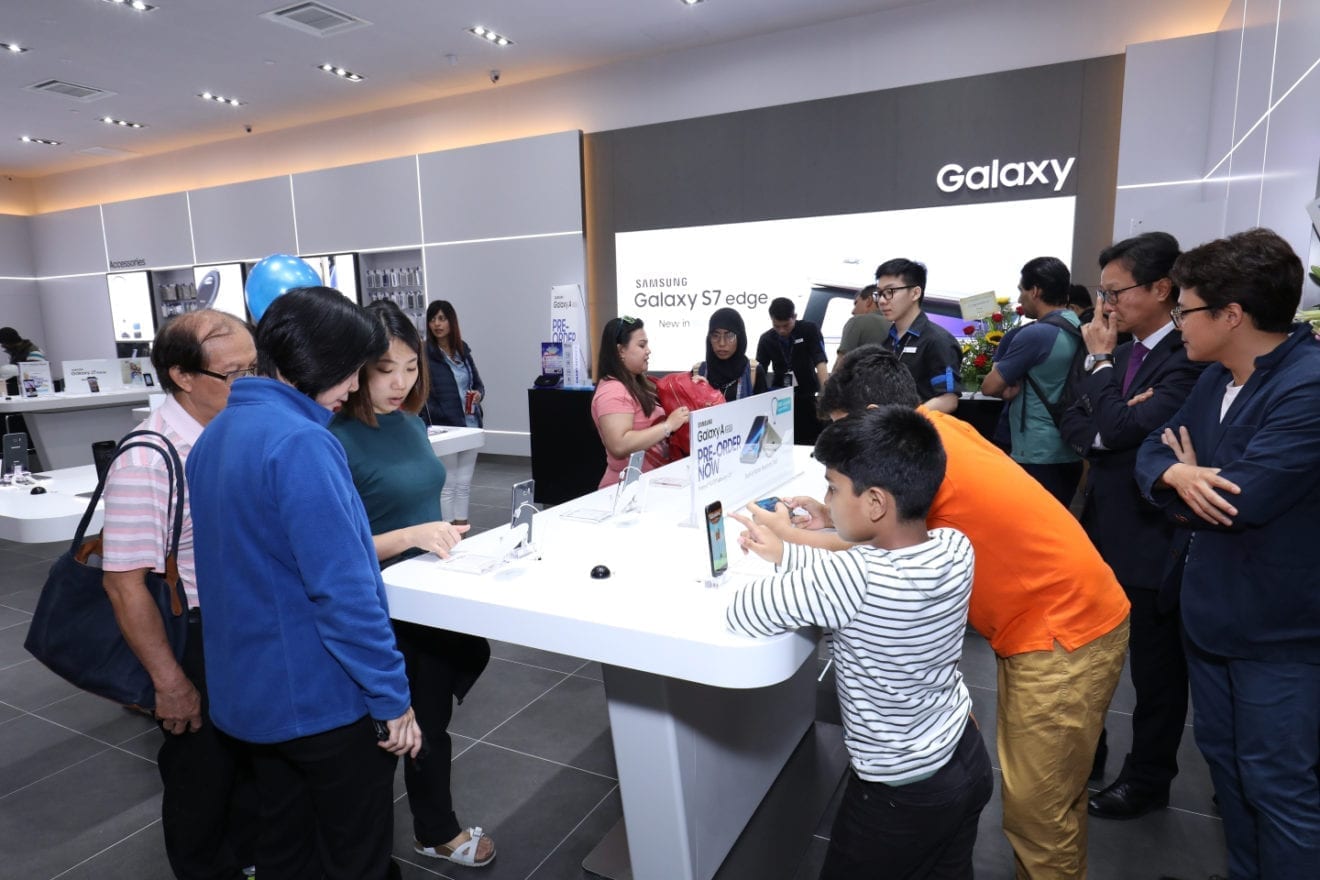
    Samsung Malaysia Electronics has launched its first Samsung Experience Store (SES) in Genting Highlands, at Sky Avenue mall.

    It is a one-stop shop providing mobile phones and accessories as well as associated services.

    Samsung Malaysia Electronics IT and mobile business unit VP Lee Jui Siang says the opening of the store is another step forward in the company’s plans to expand to different regions of Malaysia.

    To mark the store’s opening, Samsung offered customers a chance to take home a personalised caricature mug specially drawn using a Galaxy Note 5. It also gave away a special-edition umbrella for Samsung product purchases.

  • China bans imports of South Korean air purifiers

    China bans imports of South Korean air purifiers

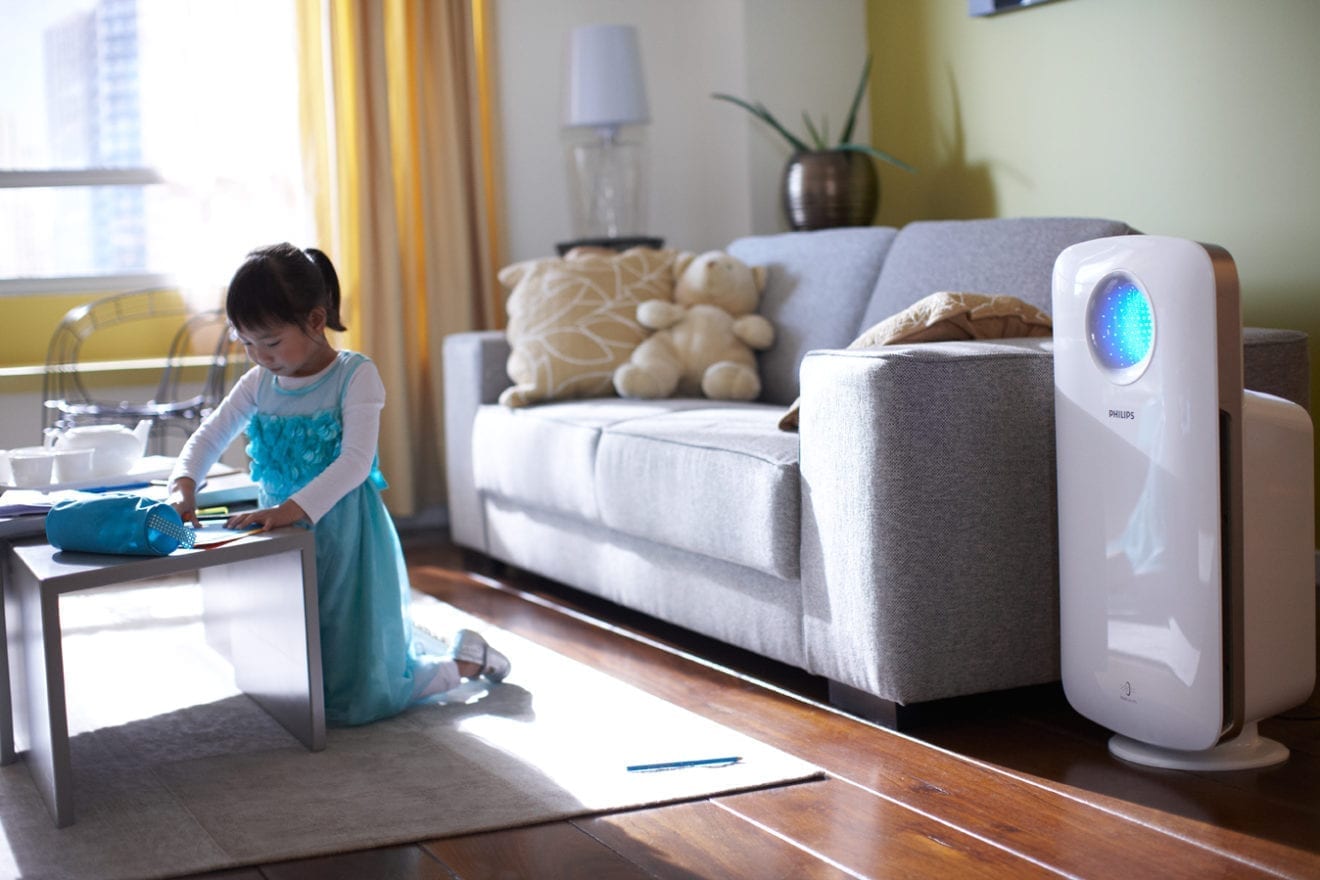
    China has banned imports of South Korean air purifiers, industry sources said Friday, amid growing concerns Beijing is retaliating against Seoul’s move to install an advanced U.S. missile defense system.

    Air purifiers made by LG Electronics Inc., Shinil Co. and two other South Korean firms were listed as disqualified by Chinese authorities on Dec. 20, along with air purifiers produced by four other foreign manufacturers, due to safety problems and poor performance, the sources said.

    China is believed to be economically retaliating against Seoul’s decision in July to have the Terminal High Altitude Area Defense (THAAD) system deployed on South Korean soil late this year. South Korea says the missile system will not target China but only counter threats from North Korea.

    China recently rejected shipments of bidets made by 22 South Korean manufacturers, citing poor power connection and instructions.

    China has also banned imports of South Korean cosmetics that are widely consumed by Chinese women influenced by the popularity of Korean pop culture in the world’s most populous country.

    Several Lotte Department Stores and its affiliated outlets in China have been under strict tax, safety and hygiene inspections since November, although Chinese authorities have denied any connection to THAAD.

    Lotte, a South Korean retail giant, is expected to conclude a deal soon for the swap of a golf course in Seongju County, North Gyeongsang Province, for a piece of land near Seoul owned by the Defense Ministry for the deployment of THAAD.


  • Trading brightens for Luk Fook Holdings

    Trading brightens for Luk Fook Holdings

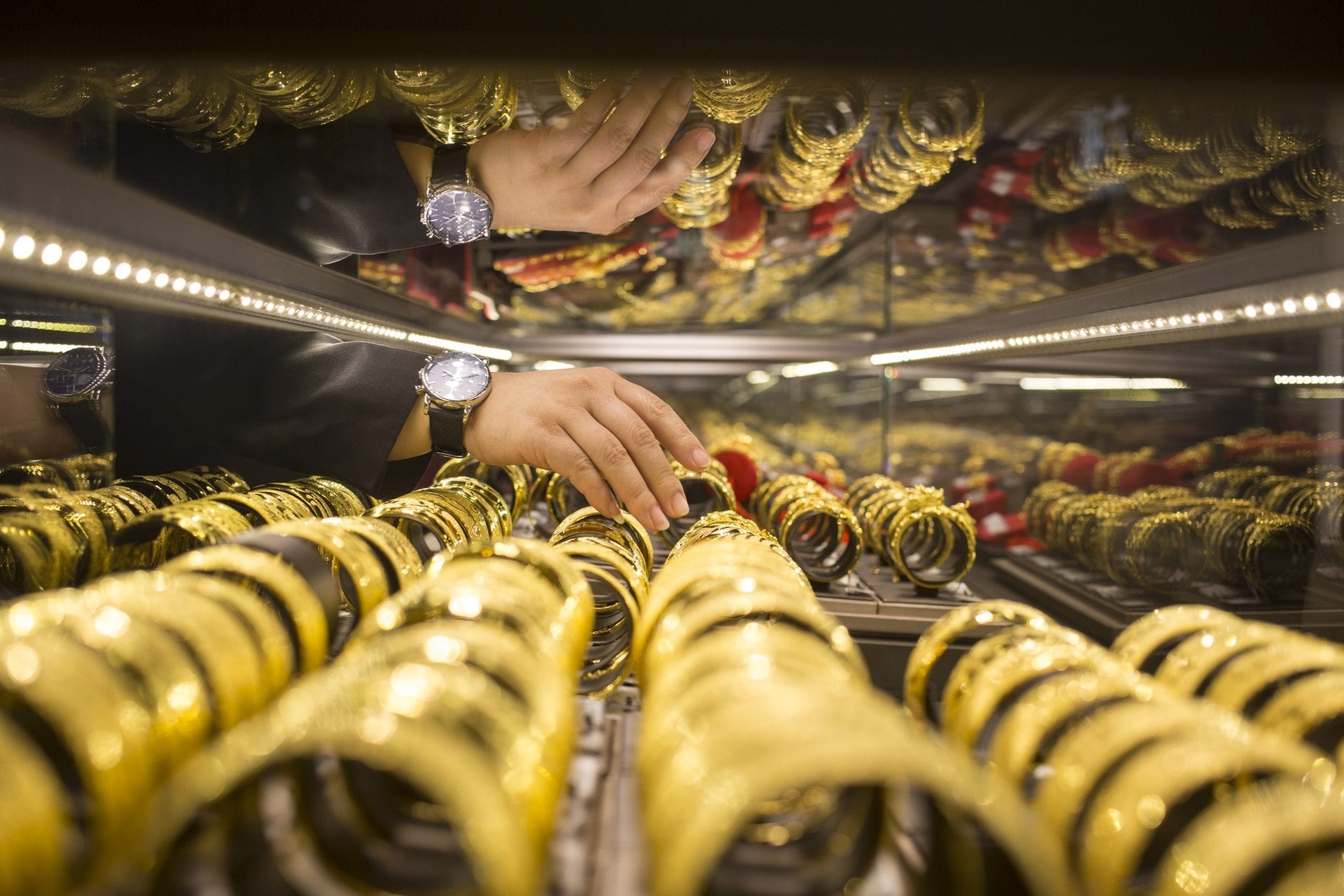
    Jeweller Luk Fook Holdings (International) reports a turnround to positive growth in its same-store sales for its third quarter, ended December 31.

    With a relatively low base, the same-store sales growth for the period recorded a “substantially narrowing decline” of 10 per cent from 37 per cent in the second quarter.

    Since September, same-store sales of gemset jewellery products in Mainland China have achieved double-digit growth for four consecutive months.

    Luk Fook’s same-store sales for the quarter turned into a positive growth of 20 per cent from a decline in the previous two quarters. Together with the 2 per cent growth of same-store sales in gold products, mainland sales for the quarter started to see positive growth (5 per cent) for the first time in the current fiscal year.

    The group ended the quarter with 11 new shops – nine in Mainland China and two in Kuala Lumpur. However, it closed an outlet in Macau.

    There was also an increase in its licensed shops in China, with 28 at the end of December. There were 195 own-brand shops – 129 in China, 47 in Hong Kong, 10 in Macau and nine in other countries.

    Together with 1297 licensed shops in China and one in Korea, there were 1493 Lukfook outlets worldwide, of which 1426 shops were in China.

  • Naver AI platform recommends travel options

    Naver AI platform recommends travel options

    South Korean internet giant Naver has launched Context Recognition AI (ConA), an artificial intelligence platform that automatically recommends travel destinations overseas.

    According to Naver, parent of messaging app Line, amongst other things, ConA uses ‘deep-learning technology’ and makes use of big data from online tour sites or restaurant information to come up with travel themes and ideas based on different travel purposes.

    For instance, if one were to search for tour packages in Singapore, the Naver AI technology would suggest themes like “travelling with family,” “best nightscapes,” or “exotic”.

    ConA has the ability to read data on the web to extract the most useful information, hence the name context recognition, said a company spokesperson.

    The new Naver AI platform is based on some 12.2 million travel-related posts from Naver’s massive online communities, and it even provides ratings based on traveler reviews, in addition to other essential travel information including the time and total distance of travel required for recommended routes.

    “ConA can analyse travel data written in other languages as well, including English and Chinese, and it has potential to be developed into a global service platform,” the Naver spokesperson said.

    “We’re also considering its implementation in Naver Place (a recommendation platform for domestic news and activities), so it can automatically recommend things like festivals, attractions, and cultural events (in Korea).”

  • Hyundai Department Store plans CoEx duty-free outlet

    Hyundai Department Store plans CoEx duty-free outlet

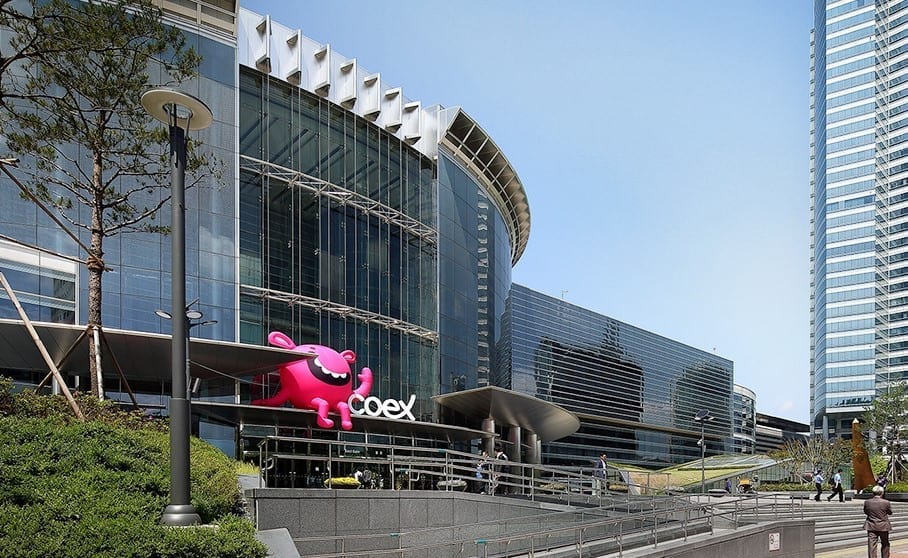
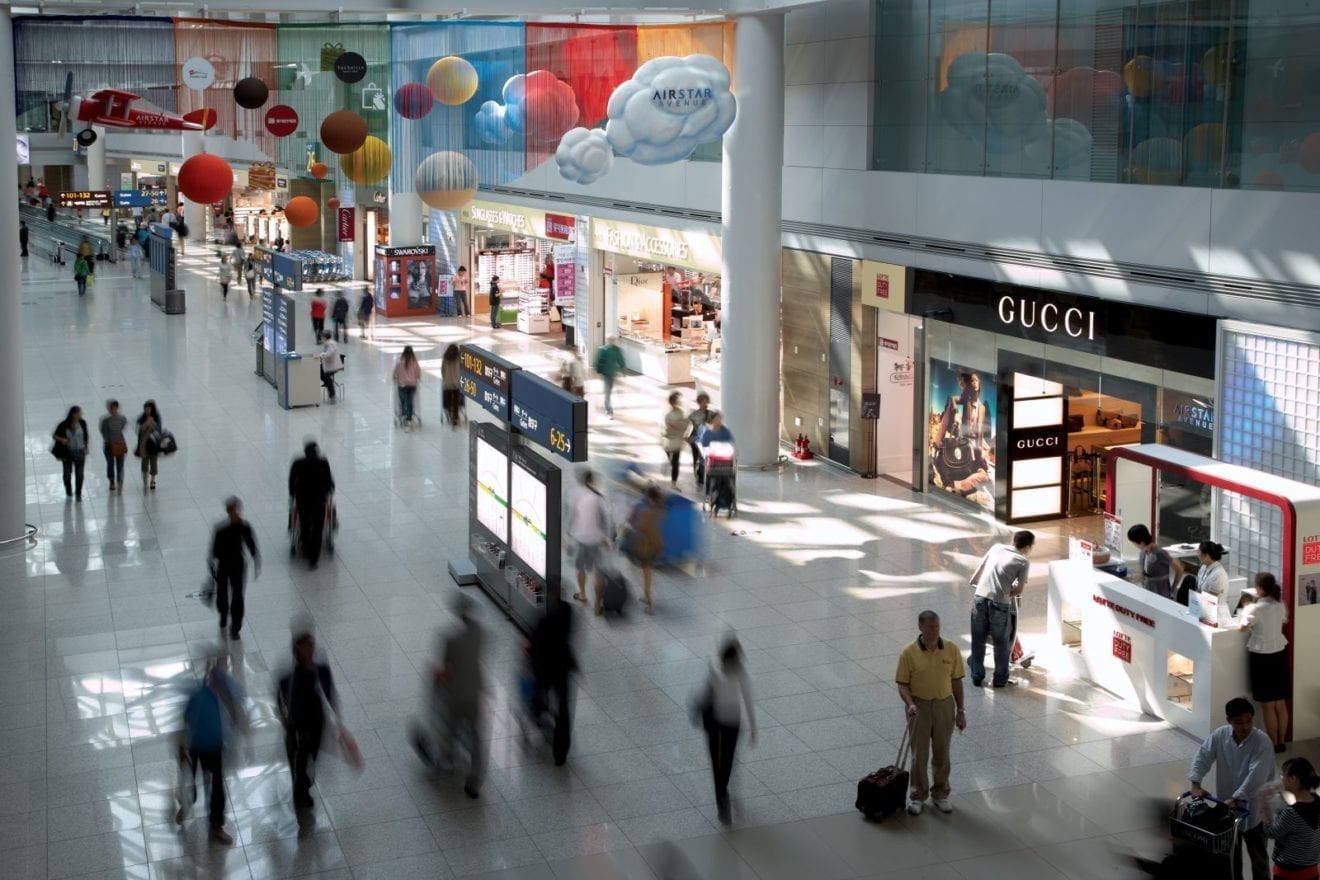
    Hyundai Department Store Group plans to open a 14,005 sqm duty-free store in the CoEx Convention and Exhibition Center in Samseong-Dong, Seoul, late this year.

    Hyundai joined rivals Lotte Duty Free and Shinsegae in securing five-year licences last month to run downtown duty-free stores in Seoul. The SME licence went to TopCity, with Alpensia and Busan Duty Free winning licences for stores in Gangwon Province and Busan.

    Hyundai Duty Free merchandising manager Hyunjin Lee says CoEx attracts independent travellers who are willing to experience Korean culture (K-wave).

    “This place will grow into a worldwide landmark in a few years when there is a Hyundai Global Business Center, underground transit complex and the Jamsil Sports Complex extension,” says Lee.

    “We will provide a differentiated duty-free store with luxury boutiques and customer lounges.”

    A wide selection of luxury items and Korean cosmetic products will be offered, says Lee. “We also plan to develop Kangnam tourist attractions, co-operating with entertainment companies and local government.”

    A key element in Hyundai Duty Free’s licence proposal was agreeing to a memorandum of understanding with the government to invest in tourism infrastructure development plus a commitment to contribute US$50 million in social welfare funds.

  • The Battle Between iPhone and Galaxy to Begin in South Korea

    The Battle Between iPhone and Galaxy to Begin in South Korea

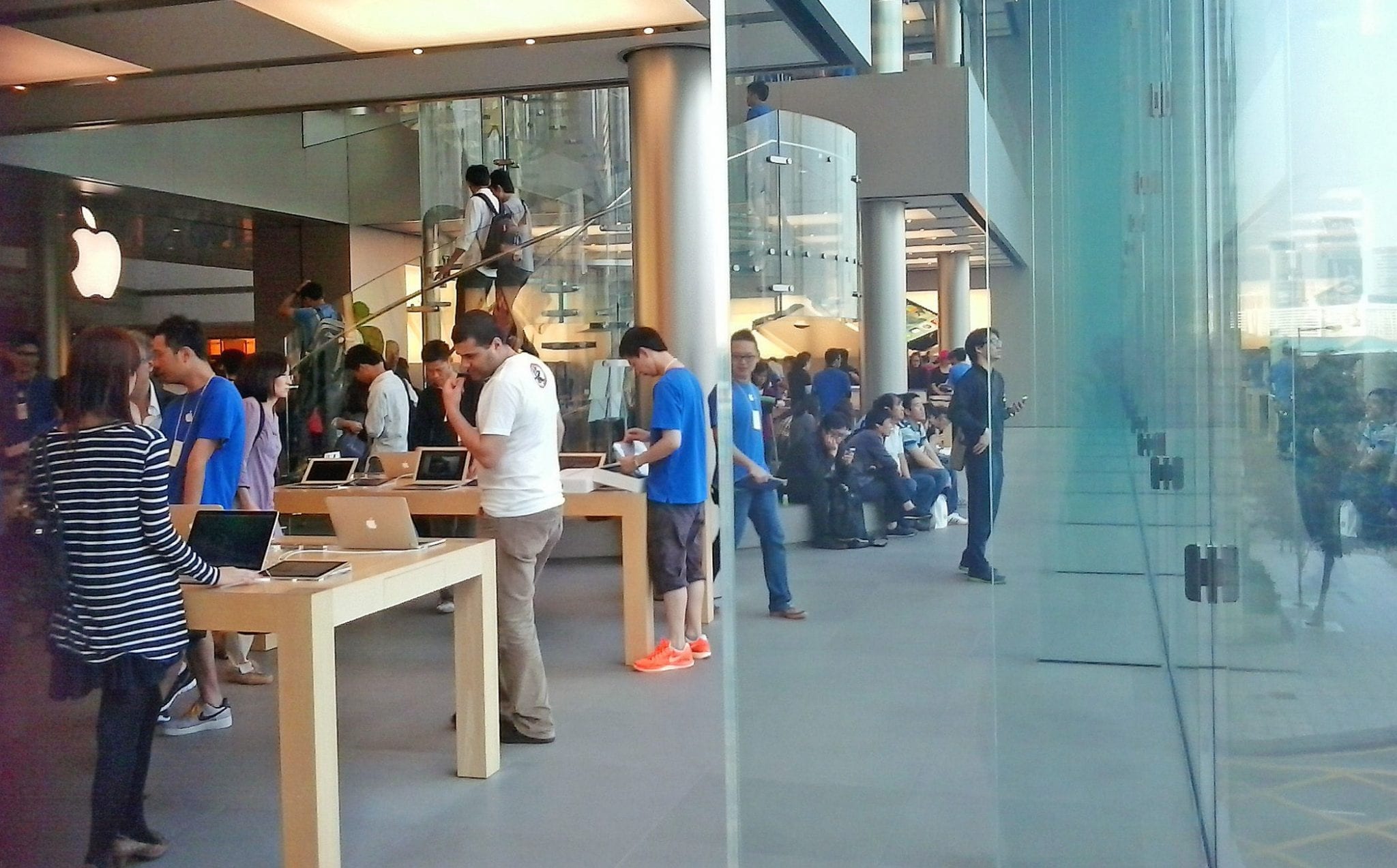
    Apple has confirmed that it plans to open its first South Korea retail store moving into the backyard of its biggest rival for smartphones Samsung Electronics.

    Apple, which this year celebrates its 10th anniversary of the iPhone said on Friday that it is very excited about having its first retail Apple Store in South Korea. The Cupertino, California based tech giant praised Korea as one of the leaders in technology and telecommunications.

    A spokesperson for Apple did not comment when asked when the store would be opening or where any of the Apple stores would be opening across South Korea.

    However, those people who are familiar with the opening, said the company looked at different sits in Gangham, an upscale neighborhood of Seoul.

    One of the possible locations is a short distance from the longtime headquarters of Samsung in Gangham, where the consumer electronics giants has a flagship store for its global products that is three stories high, said those familiar with the situation.

    The same people said that Apple was looking for a site on the fashionable shopping street of Garosu-gil in the same neighborhood.

    A representative from Samsung did not respond when contacted for a comment.

    South Korea, which is the fourth largest Asia economy, has been a difficult market for a long time for Apple. Sales of smartphones are dominated by Samsung and local rival LG Electronics. The popular hometown favorites together hold close to 80% of the overall smartphone market across the country.

    Apple does not even have a break down for sales in the country.

    The breakdown of smartphone sales in Korea is approximately 40% each for Samsung and LG and between 10% and 15% for Apple. That means South Korea is the only developed country that does not have a large iPhone user base.

    Apple, in South Korea, relies on different carrier partners as well as third party retailers. Those groups apply for a license to operate as Apple authorized vendors.

    On Friday, the company posted new job openings for 15 new positions on its website for South Korea, which included a store leader.

    A spokesperson for Apple said in a prepared statement released on Friday by the smarpthone maker that the company was now hiring its team that will offer customers in the capital of South Korea the education, entertainment and service that is loved by millions of Apple customers across the globe.

  • Australian egg farmers have sent the first shipment of eggs to South Korea

    Australian egg farmers have sent the first shipment of eggs to South Korea

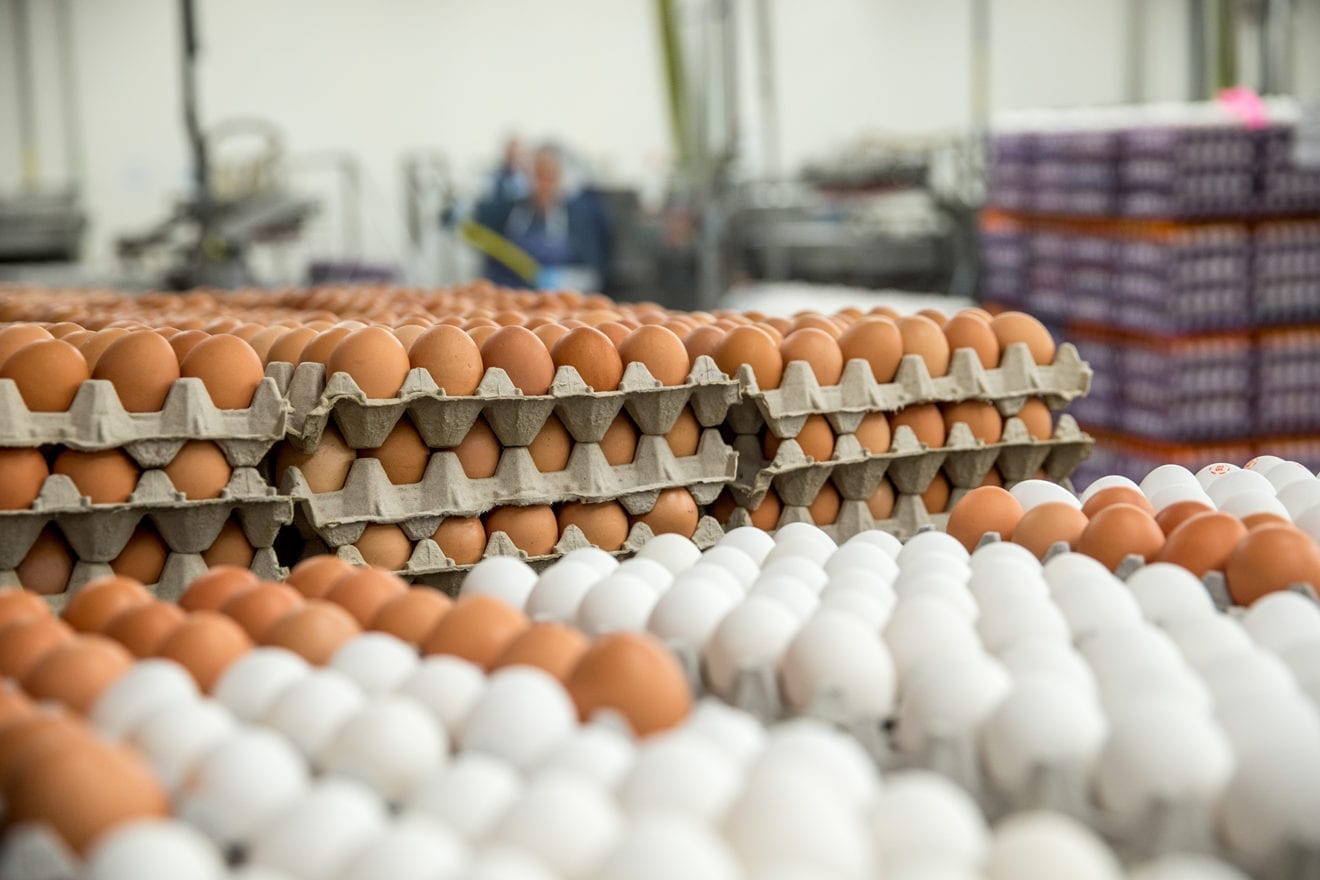
    Australian egg farmers have sent the first shipment of eggs to South Korea, to help ease a major shortage caused by an Avian influenza outbreak.

    Approximately 30 million birds have been culled to stem the spread of the disease, causing a shortfall of around 15 million dozen eggs each week.

    Prices of eggs and other poultry products have soared as a result, with retail egg prices rising by around 21.5 per cent to $2.50 (2,207 KRW) for 10 eggs.

    But at the farm gate, farmers have raised the price of eggs they are selling by 50 per cent to $1.75 (1,551 KRW).

    The outbreak is the first in seven months, caused by a highly contagious new strain, H5N6.

    Huge shipments of white eggs are already arriving from the USA, but Koreans have a preference for brown eggs, and that is where Australian farmers are stepping in.

    It is estimated around $20 million worth of eggs will be sent to South Korea, aided by a recently inked export agreement approved by South Korea, which permits the sale of Australian eggs.

    Industry body, the Australian Egg Corporation Limited managing director Rowan McMonnies said the urgency of the situation had help negotiations between the Australian Department of Agriculture and Water Resources and the South Korean government.

    “South Koreans are some of the biggest egg consumers in the world,” Mr McMonnies said.

    In comparison, Australians east around 227 eggs per person annually, the British consume 182 and South African eat 150 each per year.”

    All tariffs on imported eggs have been suspended until at least 30 June 2017.

    The first shipment of eggs left Australia by air last week, and further shipments will be sent by sea in the coming months.

    Mr McMonnies said the export of eggs to South Korea would not impact domestic supplies.

    “The Australian egg market is very large and Australian egg farmers are always seeking to balance supply and demand.

    “If anything this represents an opportunity for the expansion of the industry.”

  • South Korean home appliance and IT giant opens new store in Genting

    South Korean home appliance and IT giant opens new store in Genting

    Samsung Malaysia Electronics has launched its first Samsung Experience Store (SES) in Genting Highlands at the Sky Avenue mall, offering a wide range of the Samsung Galaxy mobile phones as well as a variety of wearables.

    The SES outlet is a one-stop shop that provides customer satisfaction with the best products and services.

    “The opening of the SES is another step forward in our expansion plans to different regions of Malaysia,” said Samsung Malaysia Electronics IT & mobile business unit vice-president Lee Jui Siang.

    “Our aim is to continuously expand our channel coverage, providing consumers a revolutionary digital convergence experience.

    Visitors to Genting Highlands can now experience the full Galaxy ecosystem at the newly opened Samsung Experience Store in the prestigious Sky Avenue mall.

    “With this expansion to Genting Highlands, we want to bring our innovations closer to locals as well as those visiting the country,” he said.

    In celebration of the store’s opening, Samsung offered customers a chance to take home a personalised caricature mug specially drawn using a Galaxy Note5 with purchase of any Samsung product on Jan 14.

    The company also gave away a special edition umbrella for the purchase of any Samsung product.

    Located at Lot T2B-57, Level T2B, Sky Avenue, Genting Highlands Resorts, the SES is now open every day from 10am to 10pm.

    Samsung Malaysia Electronics president Lee Sang Hoon (right) presenting a specially designed caricature mug, drawn using the Galaxy Note5, to Netcom Mobility Sdn Bhd director Elvis Chew as a token of appreciation.

    Samsung Malaysia Electronics president Lee Sang Hoon (right) presenting a specially designed caricature mug, drawn using the Galaxy Note5, to Netcom Mobility Sdn Bhd director Elvis Chew as a token of appreciation.
  • Korea Grand Sale promises deals for travelers

    Korea Grand Sale promises deals for travelers

    Starting Friday, the Visit Korea Committee is holding another round of the “Korea Grand Sale,” one of the major sale events in Korea. The event is set to encourage those with foreign passports in Korea to get more discounts so that they can have a chance to buy more within their budget. The sale will last until Feb. 28, so those who haven’t planned a trip to Korea can hurry and book a ticket.

    Asiana Airlines will give an up to 60 percent discount on flights flying from and to cities in China and Europe, and Jeju Air will provide an up to 91 percent discount on flights to Korea from cities overseas.

    Lodging will be more affordable as hotels also offer discounts. Shilla Stay is giving out an up to 50 percent discount on its rooms and some of the first ones to make a reservation will get a free upgrade.

    Many retail companies, especially cosmetic brands, give out discounts on items that have been popular among foreigners. Lotte Mart, where foreigners often buy Korean snacks, will have a buy one get one free promotion.

    To entertain visitors even after all the shops are closed, many ski resorts in Korea will provide discounts on tickets for lifts and rental fees for necessary gear. For more detailed information about the discounts across Korea, go to www.koreagrandsale.co.kr/en/. Information on the website is available in English, Japanese, Chinese and Korean.

    Korean nationals looking to get some benefits during this foreigner-targeted sales event can recommend their favorite shopping items online and win a variety of gifts including a hotel voucher. Locals can go to www.vkc.or.kr and post items with the reasons why those are their favorites and must-buy items for visiting travelers until Friday. Non-Koreans can also participate by posting items on the website as well. The website will announce winners on Jan. 24.

  • E-commerce firms face rivals from Japan, Thailand, China, South Korea

    E-commerce firms face rivals from Japan, Thailand, China, South Korea

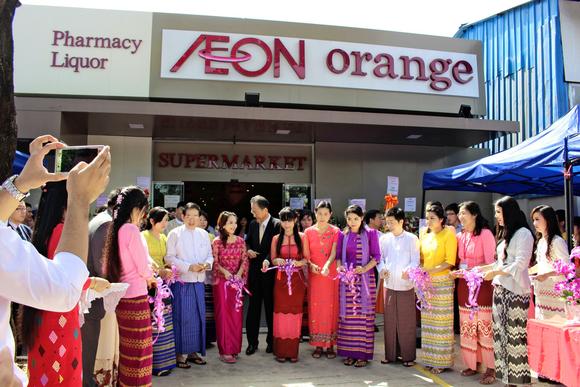
    Aeon, a Japanese e-commerce group, has launched aeoneshop. The website began its operation on January 1, 2017, mostly distributing the products from Japan and the ones bearing Topvalu, an Aeon’s private band. In Vietnam, nearly 1,000 products bear the brand.

    Of the products it distributes, Aeon hopes ‘Me va Be’ (mother and babies) products will be popular with Vietnamese mothers who like Japanese goods.

    Initially, Aeon will only delivery goods in HCMC. Like other e-commerce websites, Aeon will provide free deliveries to orders worth at least VND300,000.

    Analysts said that Aeon’s policies on goods purchases, payments and exchanges are nearly the same as other e-commerce firms.

    With Aeon in Vietnam, the market now has the most powerful rivals in the region. Two months ago, South Korean Lotte launched the Lotte.vn website, hoping for an ambitious plan to hold 20 percent of market share and become a top player in the market.

    Meanwhile, Jack Ma of China, a billionaire who owns Alibaba, has taken over Lazada in Vietnam, while Thailand’s Central Group bought Zalora Vietnam through Nguyen Kim, of which it holds a large capital stake.

    The Vietnamese e-commerce market is known as a ‘money burning machine’, meaning that investors pay big money even though profits are unpredictable.Competing against the four big players from Japan, South Korea, Thailand and China are three Vietnamese groups – Adayroi (Vingroup), Tiki (VNG) and Vuivui (The Gioi Di Dong).

    Lingo, Beyeu and Deca all have left the market because they ‘did not have enough money to burn’. Tiki has reported a loss of VND160 billion in the last eight months since it received investment from VNG.

    Analysts believe that those who have more powerful financial capability will win the battle, leaving the field to foreign companies.

    Commenting about the competitiveness of aeoneshop.com and Lotte.vn, Nhip Cau Dau Tu said they had the advantage of confidence. Lotte.vn focuses on cosmetics and fashion products because ‘South Korean cosmetics’  are popular in Vietnam.

    Aeon focuses on electronics and children’s products because products from Japan have a good reputation among Vietnamese.

    The second advantage is the large store network. Aeon, for example, besides the four shopping malls in HCMC and Hanoi, also has 18 Fivimart shops in Hanoi and 66 Ministop shops in HCMC after acquiring 30 percent of Fivimart and 49 percent of Citimart stakes.