Tag: Korea

  • South Korea’s GS Retail to fully own Watsons Korea

    South Korea’s GS Retail to fully own Watsons Korea

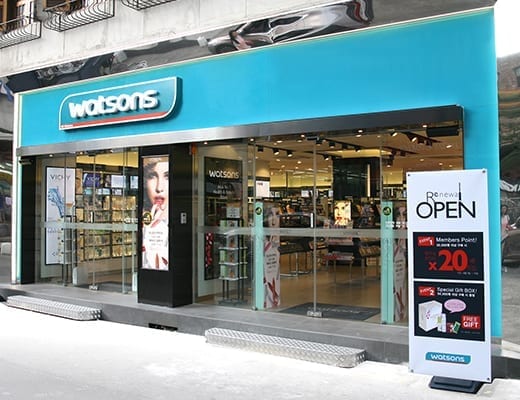
    GS Retail Co., a retail unit of South Korean conglomerate GS Group, will take over additional 50 percent stake in the Korean unit of drug store franchise label Watsons from Hong Kong-based A.S. Watson Group to make it its fully-owned entity, the company said Thursday.

    The Korean retailer in December 2004 launched Watsons Korea on a 50:50 partnership investment with A.S Watsons. It will fully own it by taking over the remaining 50 percent stake at 11.9 billion won ($10.4 million) from Watsons Holdings, Korean unit of the Hong Kong retail company.

    The company decided to make Watsons Korea as a wholly owned subsidiary to create a synergy effect with other retail businesses, said an unnamed GS Retail official.

    GS Retail has been operating the drug store chain in Korea under the brand name GS Watsons since it opened the first branch in Seoul in March 2005. It opened 54 GS Watsons stores across the country by 2011 and the number of stores jumped to 128 by end of last year.

    Shares of GS Retail closed Friday at 52,000 won, up 4.21 percent from the previous session in Seoul trading.

  • Time International introduces Sweet Monster

    Time International introduces Sweet Monster

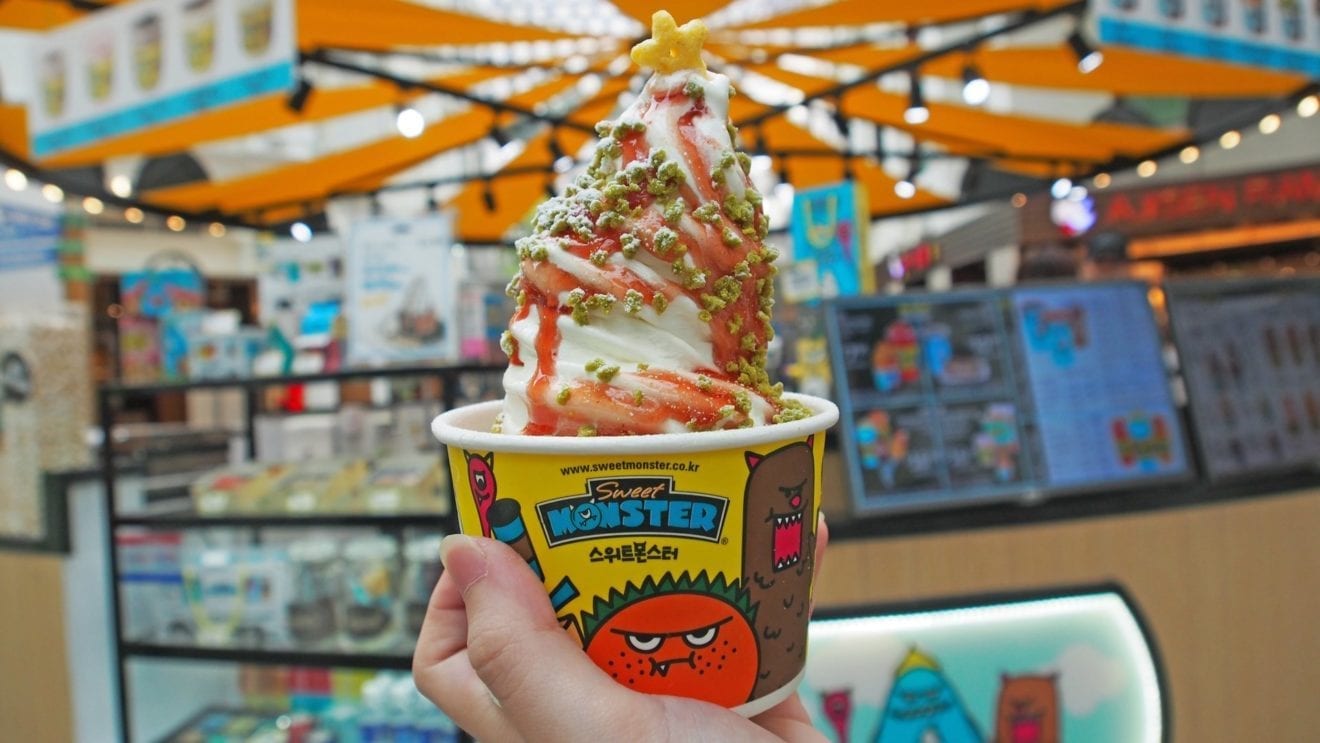
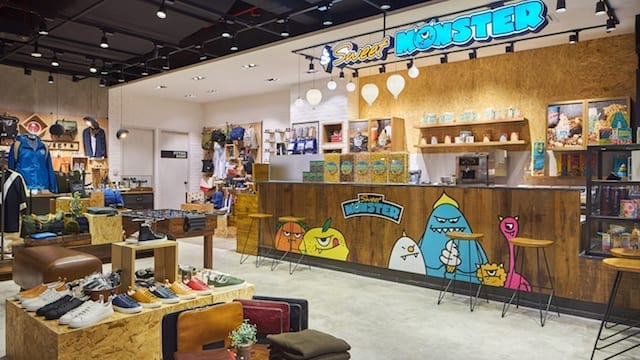
    Korea’s popcorn soft-serve ice cream brand Sweet Monster has arrived in Indonesia as the first F&B retail venture of Indonesian brand group Time International.

    It has launched stalls in Project X Plaza Indonesia and Pondok Indah Mall 2 in Jakarta, featuring its range of characters, EggMon, CookieMon, BlueMon, LeMon, PinkMon, OrangMon, ChocoMon and PopMon.

    SM_IG_Photo Product

    Inspired by confectionery sold at American carnivals and festivals, the brand attracted queues when it opened outlets in China, Hong Kong, Singapore and Thailand.

    Sweet Monster’s offerings are based on its ice cream, made fresh daily at each store from its own formula of milk powder. The flavour line-up includes Popcorn Ice Cream and Signature Ice Cream in Real Deep Milk, Original Tiramisu, Peanut Butter Pretzel, Caramel Macchiato, Cookie Mountain and Green Tea Mountain.

    There is also the full-cream Monster Shake, inspired by American milkshakes made only from ice cream and milk. Flavour options include Pure Milk, Cookie & Milk, Caramel Cafe au Lait, Strawberry Cake and Ferrero Nutella.

    Using only non-GMO corn, Sweet Monster’s popcorn is popped by air. It does not contain trans or saturated fats or artificial colouring, but does have dietary fibre.

    The PopMon characters represent the flavours of the popcorn: salt caramel, combination, strawberry, chocolate or tangerine.

    sweet-monster-project-x-2

  • AmorePacific operating profit tops 1 trillion won in 2016

    AmorePacific operating profit tops 1 trillion won in 2016

    AmorePacific Group’s yearly operating profit surpassed 1 trillion won in 2016 for the first time on diverse retail offerings in Korea and momentum in the global market.

    The company’s operating profit rose 18.5 percent year on year, reaching 1.08 trillion won ($940 million). Its revenue also jumped 18.3 percent compared to the previous year, hitting 1.7 trillion won.

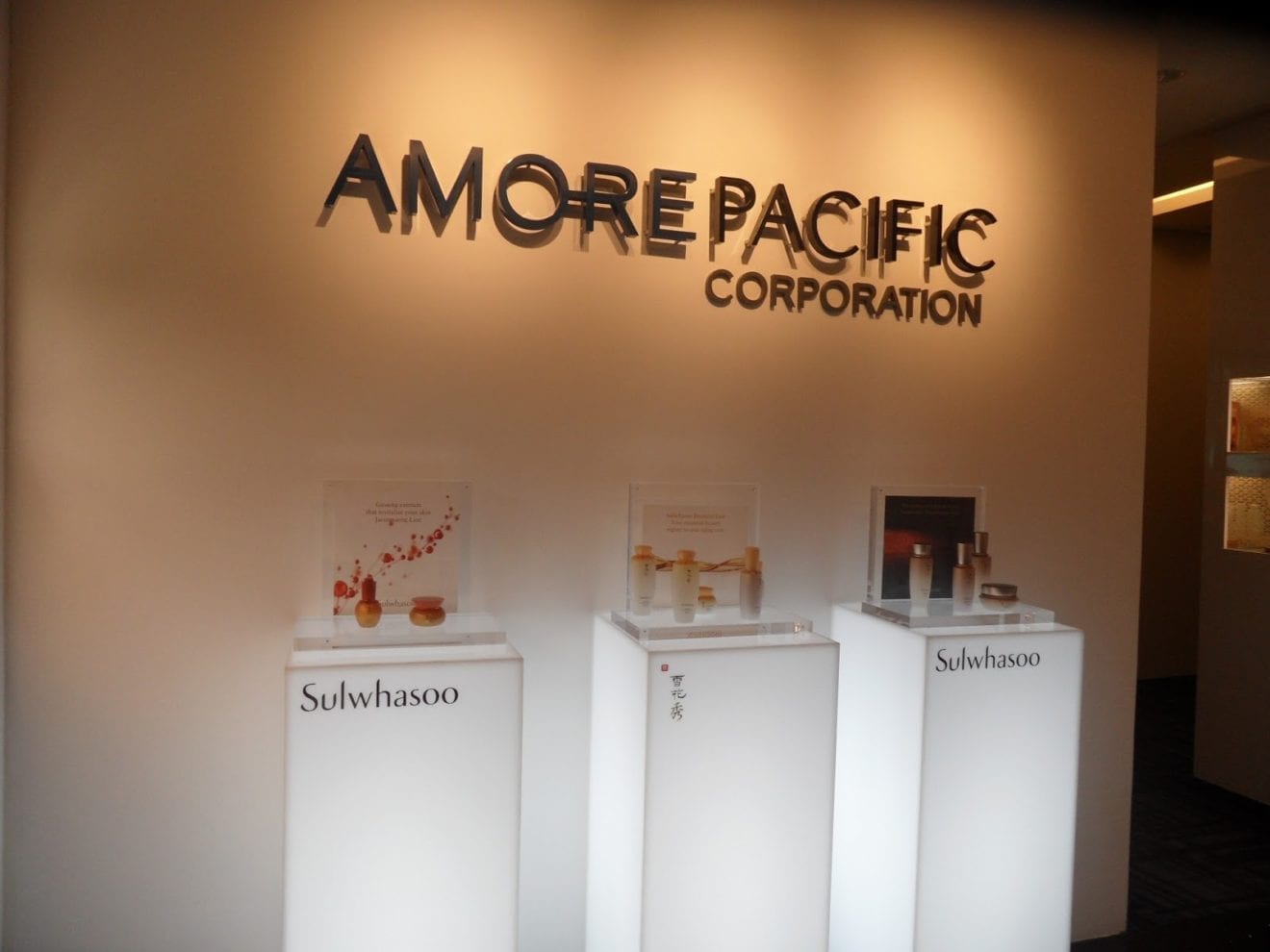
    The group’s main affiliate of the same name that owns brands like Sulwhasoo and Laneige raked in 5.6 trillion won in 2016. The country’s No. 1 cosmetics company explained such growth was due to expanded channels of some of its high-end lines.

    Sulwhasoo, the company’s luxury line that is popular among older women for its anti-aging products, opened a flagship store in affluent Cheongdam-dong last year. The company said the store played a pivotal role in building up the brand’s luxury image to Asian consumers.

    The company’s global business also grew thanks to its so-called five champion brands: Sulwhasoo, Laneige, Mamonde, Innisfree and Etude House. Their sales in Asian countries soared 38 percent year-on-year to generate 1.6 trillion won.

    Hera, another high-end brand under AmorePacific, entered the Chinese market last year for the first time with its fortified makeup line.

    Sulwhasoo expanded its retail offerings in China by opening storefront and shops inside department stores.

    AmorePacific’s sales performance in North America region also saw a boost. It grew 10 percent in 2016 compared to the previous year as the company opened Sulwhasoo and Laneige shops in Canada.

    Its European sales saw a 4 percent year-on-year growth.

    Sales of the group’s other affiliated brands that are not under AmorePacific, such as Innisfree and Etude House, also surged.

    Innisfree, a nature-friendly brand that is in the lower price range, had a 30 percent year-on-year soar in revenue of 767.9 billion won. Its operating profit was 196.5 billion won, a 56 percent growth compared to the previous year. Innisfree focused on adding a cultural kick to its stores so consumers could better understand its brand. The company opened a shop with a cafe inside and a shop with a virtual-reality zone where consumers could experience Jeju Island with model Lee Min-ho.

    Etude House’s operating profit skyrocketed 1,153 percent year-on-year in 2016 to 29.5 billion won.

    Meanwhile, the group’s household product business performed poorly last year due to the massive recall of its toxic toothpaste line in September.

    The recall cost the company an additional 10 billion won in the fourth quarter, following 35 billion won in the third quarter. The group’s operating profit in the fourth quarter tumbled 16.5 percent to 134.4 trillion won.

    “In addition to the recall cost, the depressed domestic economy took toll on the company’s Q4 performance in Korea,” said a spokesperson.

  • Korean cosmetics drop in price, shipment volume in China

    Korean cosmetics drop in price, shipment volume in China

    The price of imported Korean cosmetics in China dropped by some 40 percent last year, Chinese customs data showed Thursday, for reasons industry watchers see as driven both politically and by the market.

    Records from the Tianjin Entry-Exit Inspection and Quarantine Bureau indicated an average 40 percent drop in the price of cosmetics shipped in from South Korea. The volume of the imported shipments totaled 2,200 tons last year, down 46 percent from the year before.

    The numbers translate to an average $11 per kilogram of imports, down from the previous $18.The monetary value of the imports reached $23 million, down 69 percent. The import volume, which had nearly doubled in 2015, fell back to the level of 2013, data indicated.

    The two countries’ relations, persistently challenged by the differences in the way their governments deal with North Korea, have recently roiled over Seoul’s decision to host an advanced US missile defense system, known as THAAD, which Beijing argues is also aimed at China. Beijing has retaliated by imposing bans on Korean culture content and a number of import items, and restricting travel to South Korea.

    In November last year, Chinese authorities prohibited imports of 19 South Korean cosmetics products, turning back 11 tons of them.

    Industry officials say that the South Korea-China free trade agreement that took effect in December 2015 and China’s lowering of the consumption tax on cosmetics also pushed down the prices, with competition with global brands stiffening for South Korean companies.

    Market watchers are predicting more price markdowns this year, as some of the Korean exporting companies already have made downward adjustments.

    Amorepacific, South Korea’s biggest cosmetics firm, lowered the price on 327 products by between 3 and 30 percent in January.

    “The cosmetics prices are becoming more transparent as online and direct shopping grow at a fast speed,” an industry official said. “It’s inevitable for foreign cosmetics companies to change their retail prices in China.”

  • Korean shopping mall launches international delivery service

    Korean shopping mall launches international delivery service

    Paju Premium Outlets has launched a new service through which products bought at its shopping mall in Paju, Korea can be delivered to countries across the world. The retail company has offered the service through an agreement with DHL Korea.

    The mall, located in South Korea’s Gyeonggi Province, is operated by Shinsegae Simon. Brands sold at the mall include Armani, DKNY and Polo Ralph Lauren.

    “The delivery service will make it possible for foreigners to enjoy shopping without the worry of how to take the purchased products home,” a Shinsegae Simon spokesperson was quoted as saying.

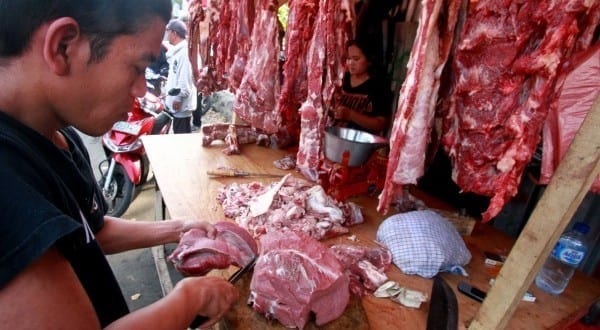
  • Koreans consume more foreign beef over expensive local hanwoo

    Koreans consume more foreign beef over expensive local hanwoo

    South Koreans consumed more American and other foreign beef than expensive local beef last year, a move that has lowered the country’s self-sufficiency rate for beef to below 40 percent over 13 years, a state-run think tank said Thursday.

    Last year, South Koreans consumed 362,000 tons of foreign beef, accounting for 62.3 percent of the total beef consumption in the country, according to the Korea Rural Economic Institute.

    South Korea halted imports of U.S. beef in 2003 following the outbreak of a mad cow disease. Seoul lifted the ban in late 2008, which led to mass demonstrations among people in fear of their safety.Australian beef came to 178,000 tons, making up 49 percent of total beef imports. American and New Zealand beef stood at 42 percent and 6 percent, respectively.

    Still, the market share of American beef in South Korea has gradually been on the rise in recent years.

    In comparison, South Koreans consumed 219,000 tons of domestic beef, known as hanwoo last year, accounting for 37.7 percent of the total beef consumption in the country, according to the institute.

    It marked the first time that South Korea’s self-sufficiency rate for beef fell below 40 percent since 2003 when it stood at 36.3 percent.

    The decline came as South Korean consumers shunned expensive local beef.

    The wholesale prices of local beef once hit nearly 20,000 won ($17) per kilogram last year.

    Retail prices of the best quality local beef for bulgogi, a grilled marinated beef dish, came to 4,578 won per 100 grams last year, compared to 2,464 won for American beef for bulgogi, according to the institute.

    The prices of local beef have been on the rise since late 2015 as the number of cattle is continuing to fall.

    Domestic farms cut the number of cattle as the prices of local beef went down and the government helped some farms shut down to stem the decline of local beef following a free trade deal with the United States.

    South Korea’s anti-graft law — which took effect in September — is also adding to the woes of the local beef industry.

    Local beef was one of the favorite gifts during major holidays, but was overtaken by health products, according to major retailers.

    The law imposes tight limits on free meals and gifts that can be accepted by government officials, journalists and private school teachers to try to curb the deep-rooted tradition of excessive hospitality. The maximum value of a gift that a person subject to the law can receive has been set at 50,000 won.

  • South Korea’s Samsung consider building US appliance factory

    South Korea’s Samsung consider building US appliance factory

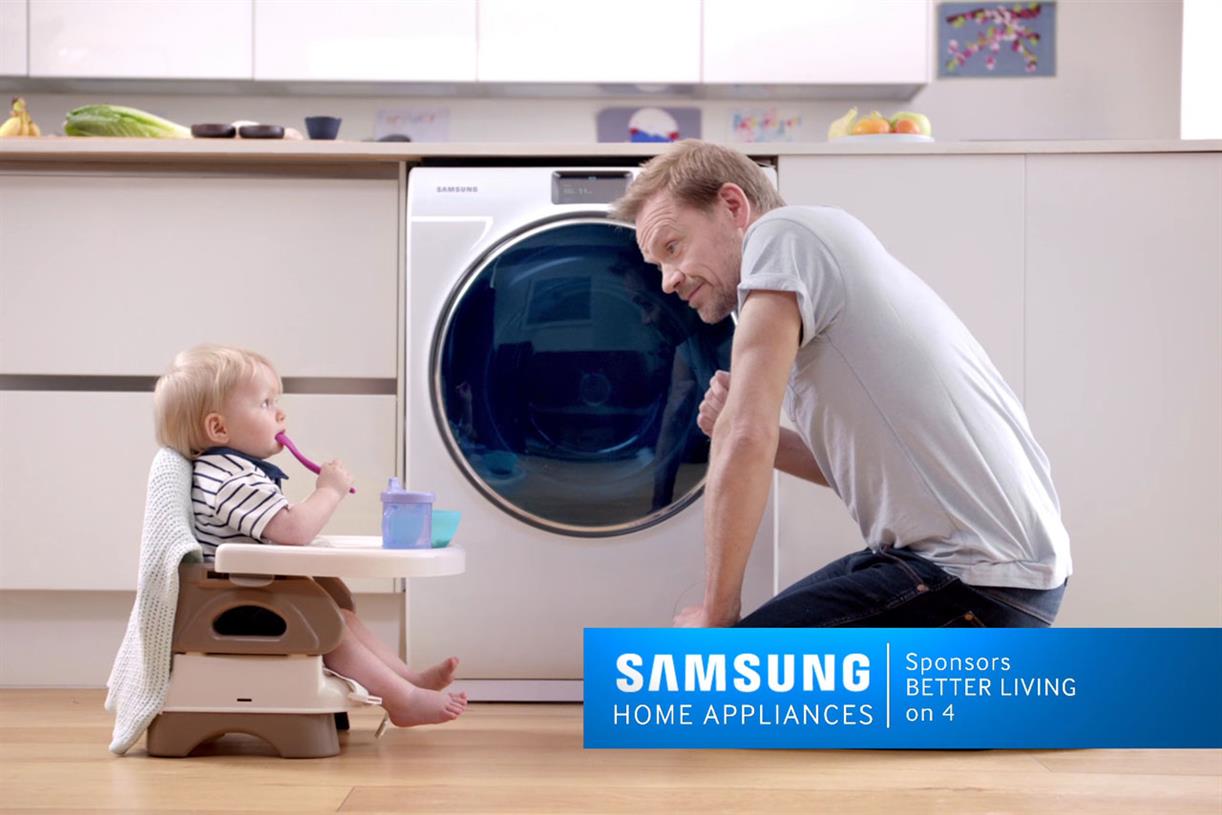
    South Korea’s Samsung Electronics said Friday it’s considering building a factory to make household appliances in the United States as various industries brace for potential protectionist trade policies under the administration of President Donald Trump.

    A spokeswoman for Samsung said the plans were “purely in the evaluation stage” and no decisions have been made. She didn’t want to be named, citing office rules.

    Samsung also said in an emailed statement on Friday that it continues to assess “new investment needs in the United States. The news drew the attention of Trump, who tweeted “Thank you, @Samsung! We would love to have you!”

    Most Samsung televisions, refrigerators and other household appliances sold in the United States are made in Mexico.

    The spokeswoman refused to say whether Samsung was worried about the possibility of the United States moving to impose tariffs on products imported from Mexico.

    A spokesman from LG Electronics, another South Korean technology company, said it is also considering building a manufacturing plant in the United States and will decide on the matter within the first half of the year. He also didn’t want to be named, saying that the matter was sensitive.

  • Korean duty free shops rely on online Chinese celebs

    Korean duty free shops rely on online Chinese celebs

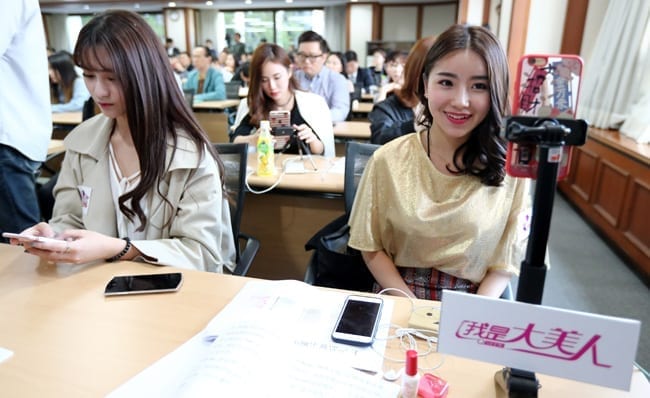
    Duty free shops in Korea have begun to invite internet celebrities from China, better known as “Wang Hong” there, to attract Chinese tourists during the upcoming holiday season.

    The shops are seeking to break through Beijing’s economic retaliation against Seoul’s decision to deploy a U.S. Terminal High Altitude Area Defense (THAAD) battery here.

    Last Wednesday, HDC Shilla invited four Chinese internet celebrities to HDC I’Park Mall and Shilla I’PARK Duty Free in Yongsan, central Seoul.

    The online stars, who have millions of followers on social media such as Weibo, broadcast their shopping for two hours to China through their smartphones.

    At toy store Toys & Hobby in I’Park Mall, the four introduced “kidult culture” in Korea, which has yet to be seen in China. They introduced Korea’s fashion and beauty brands as well at The Handsome and 3 Concept Eyes outlets in Shilla I’PARK Duty Free.

    “The promotional video broadcast by the four celebrities will likely get more than 5 million views within a week,” an HDC Shilla official said.

    The Shilla Duty Free also invited 15 Chinese internet celebrities to Korea to offer them a trip for five days and four nights from this Monday to Friday. The affiliate of Hotel Shilla plans to give them various experiences beyond shopping.

    Image result for shilla duty free korea

    Traveling from Seoul to Jeju, the 15 will visit hidden local restaurants and a tangerine farm on the island. They will also enjoy make-up sessions, a tea ceremony and pop arts, according to The Shilla Duty Free.

    An official said, “We expect more Chinese tourists, who are interested in beauty, food and experiences, to come to Korea.”

    The duty free shops want the celebrities to attract more Chinese tourists to Korea during the Lunar New Year festival from Jan. 27 to Feb. 2, which is regarded as one of the most lucrative times of the year in the industry.

    Last year, Lotte Duty Free and The Shilla Duty Free posted 10 per cent more in sales during the festival.

    However, duty free shops this year are facing a gloomy outlook due to Beijing’s order to regulate group tours to Korea.

    According to the Korea Duty Free Association, the number of foreign shoppers last November declined 17.8 per cent from a year earlier. The total sales of duty free shops also fell 8 per cent year-on-year, as sales to foreigners decreased 9.6 per cent.

    Observers said the recent invitations of Chinese celebrities are targeting non-group tourists, who visit Korea individually without travel agencies and who can replace the group tours.

    “The non-group tourists are not regulated by the Chinese authorities,” another HDC Shilla official said. “So, we want those tourists to visit Korea more, after watching promotional videos filmed by Chinese celebrities.”

    The Shilla Duty Free also said the itinerary of celebrities was arranged to help non-group tourists who are considering visiting Korea.

  • Cosmetics sales surge as Korean duty free market rockets

    Cosmetics sales surge as Korean duty free market rockets

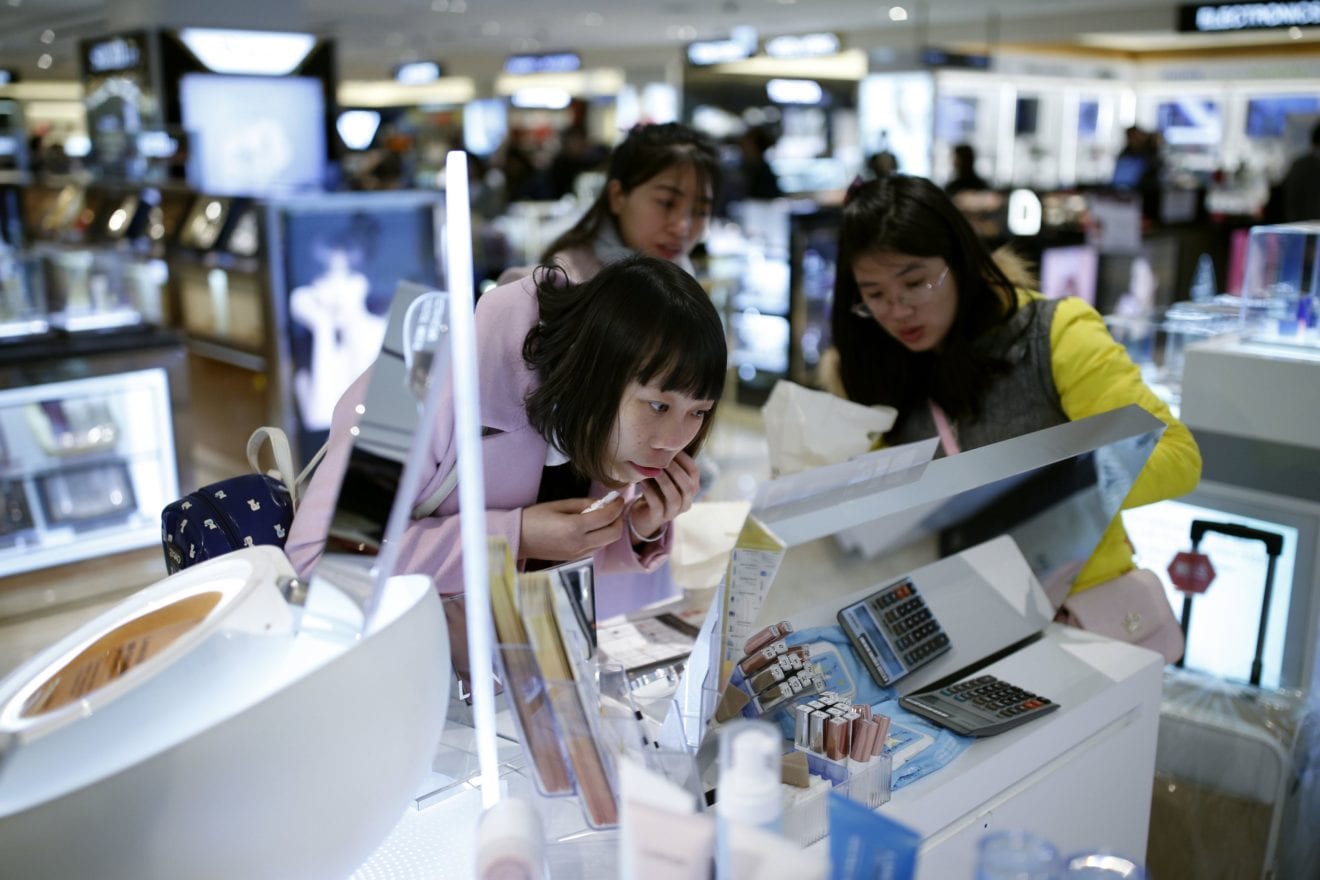
    The Korean duty free market surged by 33.5% year-on-year in 2016 to KW12.2 trillion (US$10.5 billion), according to new figures from Korea Customs Service.

    The results reflect a strong bounce-back from the MERS-ravaged 2015, allied to booming Chinese visitor numbers last year.

    Chinese arrivals for 2016 rose +34.8% to 8,067,722, according to Korea Tourism Organization figures published today, a 46.8% share of total visitors. Japanese arrivals also rose sharply, up +25% to 2,297,893, a 13.3% share of total arrivals. Korean departures rose +15.9% in the year to 22,383,190

    Duty free sales to foreigners (dominated by the Chinese followed by Japanese) rose +44.1% to KW8.8 trillion (US$7.5 billion)

    Cosmetics, driven by booming sales of skincare (particularly Korean brands), accounted for 51.2% of turnover. Here are the leading categories:

    Korea_Table_600

    Lotte Duty Free stretched its lead as the dominant force, racking up a +26% increase in sales to KW5.973 trillion (US$5.1 billion), a stunning performance given that the retailer had to close down its Lotte World Tower Duty Free store in late June.

    Lotte’s nearest rival, The Shilla Duty Free, posted a +31.5% increase year-on-year to KW3.405 trillion (US$2.9 billion). Its Seoul flagship generated revenues of KW1.739 trillion (US$1.49 billion) while its Incheon International Airport stores posted sales of KW0.697 trillion (US$596.7 million)

    Fast-rising Shinsegae Duty Free posted sales of KW0.9608 trillion (US$822.4 million). Its new store in Myeong-dong, Seoul, which only opened on 1 May, generated sales of KW0.349 trillion (US$298.7 million). Its downtown Busan store (relocated in March to Centum City) posted revenues of KW0.336 trillion (US$287.8 million). Dongwha Duty Free in Seoul posted sales of KW0.3547 trillion (US$306 million)

    Of the recent sector newcomers HDC Shilla generated sales of KW0.3971 trillion (US$340 million); Galleria 63 Duty Free reached KW0.224 trillion (US$191.7 million), Doota Duty Dree KW0.111 trillion (US$95 million) and SM (Hana Tour) KW0.056 trillion (US$47.9 million).

  • South Korea’s Race To 100% Internet Access

    South Korea’s Race To 100% Internet Access

    The proliferation of smartphones in the hands of the entire population — but mostly the elderly and children — are the main cause of these rising internet implementation rates. It’s been reported that senior citizens are one of the larger user groups surfing the web. Dubbed “silver surfers,” those above the age of 60 are mainly using the internet as a means of communication in instant messaging apps.

    From map navigation to shopping, banking, cloud usage and more, nearly every connected area imaginable is rising in South Korean user activity. Data shows three-fourths of respondents were utilizing maps, and over half were playing online games three to four times per week. Of particular interest is the popularity of instant messaging, as survey results show 88.3 percent are using some form of a messenger app.

    Now, although internet connectivity is normally seen as a good thing, there’s always a not-so-shiny side. It was found that 99 percent of respondents go online at least once per week, where they spend an average of 14.3 hours. Teenagers have shown signs of internet addiction, and parents are now enrolling their children in rehab centers for treatment. Given our world’s continual increase in connected devices and services, receiving help for this particular type of addiction may be a very tough road ahead for us all.

    As more people get online to communicate with one another, we just may see internet addiction rehab centers popping up all over.

  • South Korea Dec department store sales rebound from Nov, reverse two declining years

    South Korea Dec department store sales rebound from Nov, reverse two declining years

    Sales at South Korea’s department stores in December rebounded from November on year-end gift purchases, trade ministry data showed on Monday, while sales for the whole year ended on a positive note, reversing two years of decline.

    Combined sales last month at department stores run by Hyundai Department Store, Lotte Shopping and Shinsegae Co rose 3.3 percent on-year, the Ministry of Trade, Industry and Energy said, bouncing from a 2.8 percent decline in November.

    Nearly all product categories saw rises in sales, which were led by offshore brand items and food products.

    Retail data has shown consumption has not fallen markedly since an influence-peddling scandal involving President Park Geun-hye engulfed the country late last year, although consumer sentiment is at its worst in nearly eight years.

    The central bank governor, Lee Ju-yeol, said earlier this month private consumption is likely to head down in 2017 due to uncertainties at home and abroad, hampering overall growth.

    Discount store sales, meanwhile, slipped 1.9 percent in December over a year earlier, the same trade ministry data showed, although not as bad as November’s 6.1 percent decline.

    In 2016, department store sales rose 3.3 percent, breaking two years of falls and rebounding from a 1.2 percent fall in 2015. Demand for luxury goods and large household appliances such as televisions and refrigerators bolstered sales, the ministry said.

    Discount store sales fell 1.4 percent in 2016, declining for a fifth straight year, the data said, as more consumers bought food items online from a widening variety of vendors.

    In 2015, discount store sales dropped 2.1 percent.

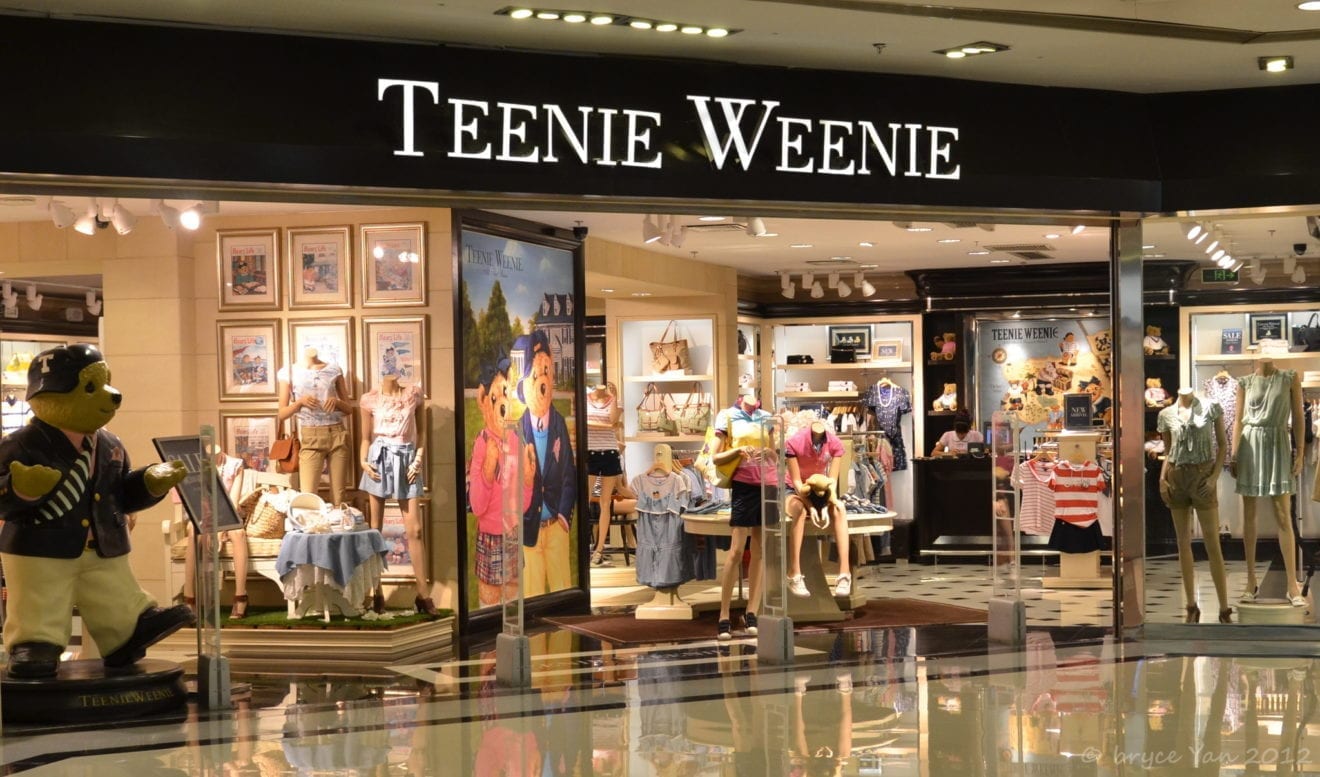
  • Teenie Weenie deal is a big one

    Teenie Weenie deal is a big one

    The deal with V-Grass represents the biggest cross-border merger and acquisition agreement in Korea’s fashion industry.

    E-Land Group said proceeds from the sale will help the company reduce its debt level to 240 percent by the first quarter from the current level, which is above 300 percent.

    The final price is lower than the previously reported range of 1 trillion won. “After we adjusted our position on the operation of E-Land’s women’s wear unit in China, we finally agreed on the deal,” said a source at E-Land familiar with the deal.

    The company said that since Teenie Weenie’s book value stands at 120 billion won, it would obtain a profit worth 750 billion won through the sale.

    However, it will still own 10 percent of the fashion brand’s shares for three years to “maintain a stable partnership” with the Chinese company. “The reason why E-Land keeps a 10 percent stake is that both companies need to cooperate on production and business and generate synergy after the deal,” E-Land said in a statement.

    The board of directors at V-Grass passed the takeover agenda on Tuesday, and the shareholders are expected to cast a vote on Feb. 10.

    Following the decision, the Chinese retailer is expected to pay the price for sale on Feb. 20.

    The Nanjing-based company captured Chinese consumers’ shifting purchase behaviors in favor of more premium brands. But since the sale price is higher than its market capitalization, the company will pay with debt.

    On E-Land’s end, the sale is its latest effort to restore financial liquidity. The group had sold three properties in Mapo District, western Seoul, and Gangnam District, southern Seoul, last year, a move that brought in 250 billion won.

    The company will push forward to secure cash through sales of other properties. By the first quarter, it will sell 200 billion won worth of real estate and then 500 billion won later this year.

    The fashion group also plans to take E-Land Retail public in a capital-raising effort by the first half of this year, a move that E-Land believes will reduce its debt level to 200 percent.

    E-Land has been accumulating more debt as some of its brands like New Balance have lost traction among young consumers.

    Other analysts believe the group is excessively focused on physical expansion, increasing the number of brick-and-mortar stores even though more are turning to online and mobile shopping.

    Faced with headwinds, E-Land Group companies saw their credit ratings downgraded in December by the Korea Investors Service.

    There are 1,300 Teenie Weenie stores in China. Last year, the brand earned 421.8 billion won in sales while generating 112 billion won in operating profit and 86.3 billion won in net profit.

    V-Grass was established in 1997 and specializes in high-end women’s fashion.


  • Scuba Diving Equipment Market in South Korea to Grow

    Scuba Diving Equipment Market in South Korea to Grow

    The scuba diving equipment market in South Korea to grow at a CAGR of 5.97% during the period 2016-2020.

    The report covers the present scenario and the growth prospects of the scuba diving equipment market in South Korea for 2016-2020. To calculate the market size, the report has taken into consideration the revenue generated from the retail sales of scuba diving equipment to individual consumers, as well as rental and sports clubs in South Korea. However, the break-up of these end-users has not been provided in the report.

    A trend which is helping to boost market growth is product improvements in diving equipment and apparel. The growing number of value-added and innovative scuba diving equipment launches is an important trend, which is expected to have a positive impact on the market’s growth during the forecast period. Vendors are focusing on the introduction of innovative product offerings in terms of design, color, shape, and weight, to cater to the varying needs of consumers. The transition from beginners to seasoned recreational divers necessitates the use of diving equipment that is required for diving deeper, staying underwater for longer durations, and also requires carrying more equipment.

    According to the report, a key growth driver is the rising interest in shark diving. Shark diving is garnering huge popularity among both local divers as well as tourists in South Korea in recent times, which is one of the major factors driving the growth of the scuba diving equipment market in the country. Shark diving in South Korea is now being promoted as an eco-tourism initiative by the government, and is expected to increase the interest for scuba diving among diving enthusiasts, particularly among tourists.

  • Safilo Group signs exclusive distribution agreement with Seeone in South Korea

    Safilo Group signs exclusive distribution agreement with Seeone in South Korea

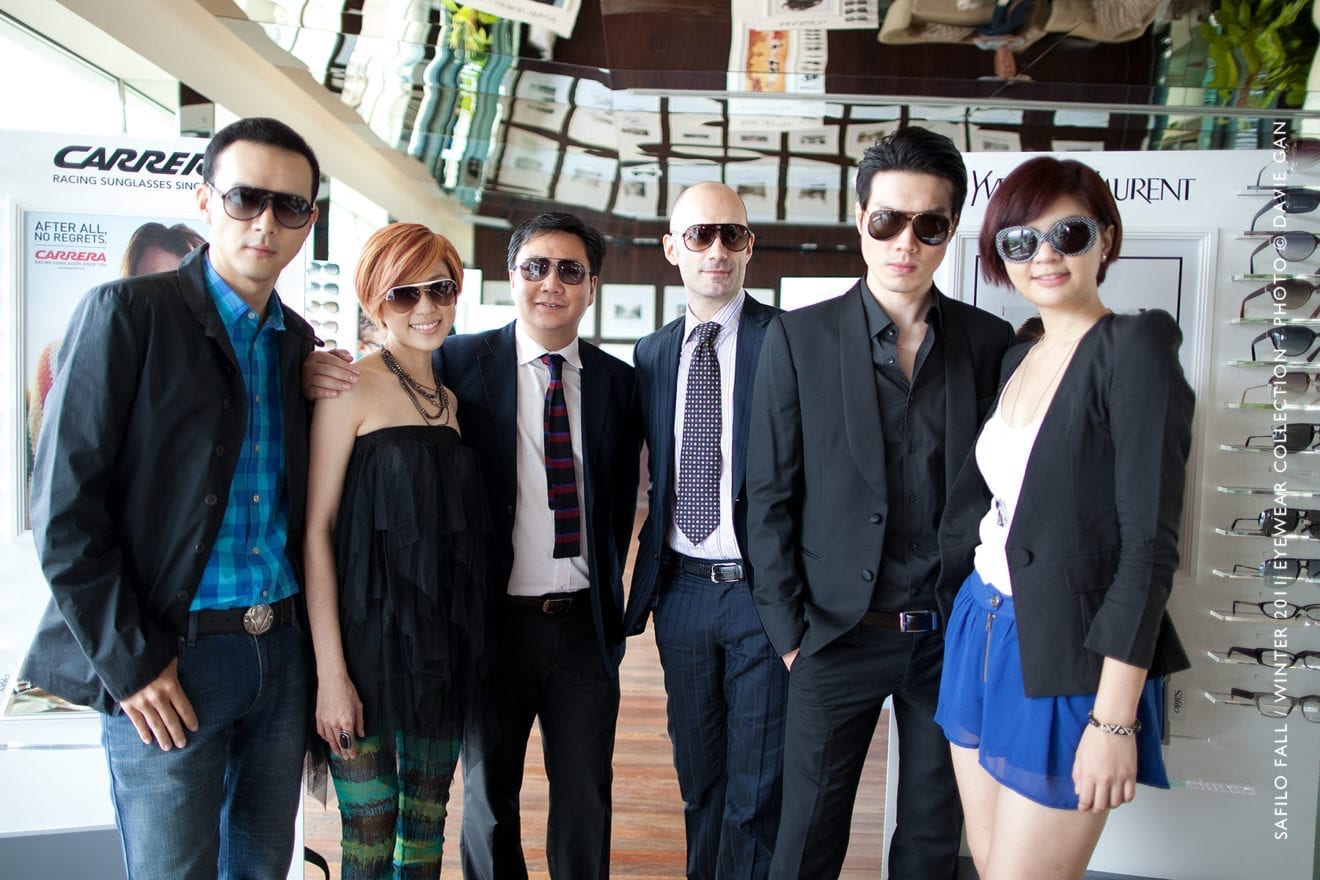
    Italian eyewear specialist Safilo Group has signed an exclusive distribution agreement in South Korea with Seeone, a respected local commercial eyewear operator.

    The new partnership is effective from 1 February. However, Safilo’s Korean duty free business will continue to be managed through the group’s global travel retail organisation and its local agents.

    Safilo said the distribution deal is in line with the company’s plans to change its local affiliate business model in Korea where it aims to further develop its brand portfolio.

    Seeone stated it would ensure a “seamless transition and smooth continuation of customer service to all optical retailers for all Safilo brands, including supply of products and after sales service”.

    Safilo Group CEO Luisa Delgado said: “We welcome Seeone to Safilo’s worldwide partner network, where our over 50 exclusive partners across the world contribute their unique commercial capabilities and local market leadership to Safilo’s growth strategy, serving the local retailers on our behalf.

    “Seeone brings an excellent track record of service and understanding of the Korean customers trade dynamics. We share a mutual belief in growing optical brands through quality distribution and operations, and relevant product design.

    “South Korea has for Safilo a strategic global importance, as a domestic market, design trend setter for Asia and worldwide, and as an important Asian tourist destination. We are therefore committed to building an effective business in Korea for the longer term,” Delgado concluded.

    Seeone CEO Sungjoo Ko commented: “This partnership is important for us. Safilo’s brand portfolio covers all market segments, with high quality eyewear. Their products are innovative and they have a history of leading craftsmanship and product design. With them, we see important growth opportunities that will strengthen our business in Korea.

    “Safilo is the world’s second global eyewear leader. We will represent them with rigour and quality in Korea’s independent optical channel.”

  • Taiwan, South Korea feel pinch as Chinese Lunar New Year tourism slows

    Taiwan, South Korea feel pinch as Chinese Lunar New Year tourism slows

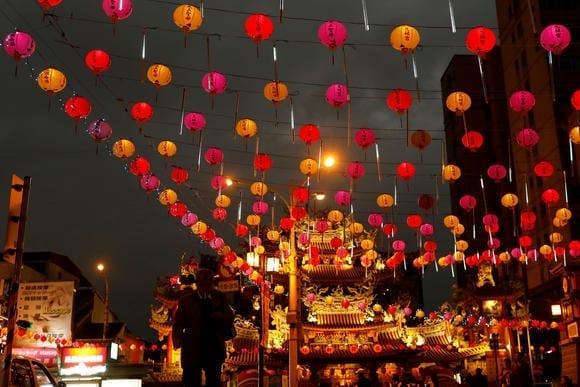
    The weeklong Lunar New Year holiday season has started in China, and surrounding countries and regions are expecting the usual surge in spending by Chinese tourists. This year, however, things may be different.

    According to China’s biggest online travel agency, Shanghai-based Ctrip, the number of Chinese visiting foreign countries during the holiday period this year is expected to level off, at around 6 million, as a weaker yuan has made shopping overseas less advantageous.

    The depreciation of the yuan has slowed the growth in the number of Chinese tourists going abroad. A survey found that prices of tours to Asian destinations from China during the Lunar New Year holiday season rose more than 10% after the yuan fell 6.6% against the U.S. dollar.

    In addition, the popularity of countries and regions whose relations with China have been strained has sharply dropped among Chinese tourists. The hardest hit may be Taiwan and South Korea.

    Taiwan has seen a decline in Chinese tourists since President Tsai Ing-wen, whose party advocates independence for the island, took office last May. Relations between Taipei and Beijing have cooled significantly under Tsai, compared with the eight-year reign of her predecessor, Ma Ying-jeou.

    The number of Chinese tourists visiting Taiwan during all of 2016 fell to 3.51 million from 4.18 million a year earlier, according to the Taiwanese Tourism Bureau.

    “We haven’t been seeing Chinese tourists lining up for visas for Taiwan since mid-2016,” a Taiwanese Tourism Bureau official said. The situation has been improving recently thanks to the approaching Chinese New Year holiday, but “incoming Chinese tourists will still drop substantially from a year ago, for sure,” the official said.

    The decline in tourists participating in group tours has been the most noticeable, compared with visits by self-guided Chinese tourists, according to the bureau.

    Self-guided Chinese travelers tend to go to different places and eat differently, compared with group tourists. Group tourists visit popular spots such as Sun Moon Lake or Alishan, shop more in souvenir stores, and eat group meals, while self-guided tourists like to visit exotic towns such as Jiufen, Shifen and Pingxi. Independent travelers also spend more time in the southern Taiwanese town of Kenting, enjoying beaches and water activities.

    South Korea

    South Korea expects 140,000 Chinese tourists will come to the country during the Lunar New Year holidays, an increase of 4% from a year earlier, according to the Korea Tourism Organization.

    The country used to be one of Chinese tourists’ most popular destinations. During all of last year, 8.1 million Chinese visited South Korea, up 34.8% from 2015. They accounted for 46.8% of foreign visitors to the country. But growth has slowed, reflecting China’s souring relationship with South Korea over the U.S. military’s introduction of the Terminal High Altitude Area Defense missile defense system on the Korean peninsula. Word in the local tourism industry has it that Chinese government officials have instructed travel agencies to reduce the number of visa applications for South Korea.

    The slowing growth in Chinese visitors is worrisome for duty-free shop operators in South Korea. In an attempt to attract Chinese tourists, industry leader Lotte Duty Free has begun giving gifts to all shoppers from greater China at its head store in Seoul if they make purchases worth $1,000 or more.

    At Gimhae International Airport in Busan, the Busan Tourism Organization set up a photo zone where tourists can take a photo with a model dressed in Korean royal apparel. The agency will also host welcoming events at the Busan International Passenger Terminal for Chinese tourists arriving on cruise ships. Interpreters and volunteers will be dispatched to the terminal to help them.

    In a distinct contrast, Malaysia, which has maintained good relations with Beijing, is enjoying a substantial surge in Chinese tourists.

    Thanks to a number of promotions by the Malaysian government, tourist arrivals from China have increased considerably. Between March and December last year, the number reached 2.2 million, compared with 1.2 million during the same period in 2015. That number is expected to increase further as the country looks to draw in more holidaymakers during China’s “golden week” break.

    Alibaba Group has launched Alitrip Malaysia Tourism Pavillion, an e-marketplace offering travel products and services.

    Following in the footsteps of budget carrier AirAsia, Malaysia Airlines has extended its reach further into China’s second- and third-tier cities. The national flag carrier will start nine new routes in 2017, connecting Malaysian cities to destinations including Haikou, Nanjing, Fuzhou, Wuhan, Chengdu and Chongqing. AirAsia is one of the biggest foreign airlines operating in China, offering over 300 weekly flights.

    Retailers in Hong Kong are also feeling the effect of the weaker yuan. Mainland visitors may be back for the Chinese New Year, but their waning spending power is seen as bad news. “Many of them are looking for bargains rather than luxury goods, and shopping for themselves rather than friends and relatives,” said Thomson Cheng Wai-hung, chairman of the Hong Kong Retail Management Association.

    Businesses have mixed views on Chinese New Year sales. Retailers are worried about a falling Chinese yuan that discourages spending. The Hong Kong dollar’s peg to the stronger U.S. dollar will make shopping more expensive for mainlanders. “This is negative for us,” said Cheng. Tourism sector lawmaker Yiu Si-wing expects hotel bookings to be satisfactory, as a recent correction in room rates will partly offset the currency impact for mainland tourists.

    In December, Chinese tourist numbers in Hong Kong reversed months of declines to grow 6.1% from a year earlier, led by a 9% spike in mainland arrivals during the four-day Christmas holiday. But recent official statistics show that their average spending per trip was 7,100 Hong Kong dollars ($915) in the first half of last year, down from HK$9,000 in 2014.

    “Hong Kong’s tourism industry has entered a period of adjustment,” Gregory So Kam-leung, the territory’s secretary for commerce and economic development, said on Jan. 23. He said the territory would roll out 16 food trucks selling local snacks and international cuisine, in addition to an annual night parade at an estimated cost of HK$33 million, to woo visitors during the week of the Chinese festival.