Tag: Korea

  • South Korean prosecutors on the hunt for Samsung heir

    South Korean prosecutors on the hunt for Samsung heir

    The Samsung heir is accused of spending corporate funds on under-the-table deals. South Korean prosecutors on Monday sought the arrest of the heir to giant conglomerate Samsung for bribery in connection with a political scandal that has seen President Park Geun-Hye impeached.

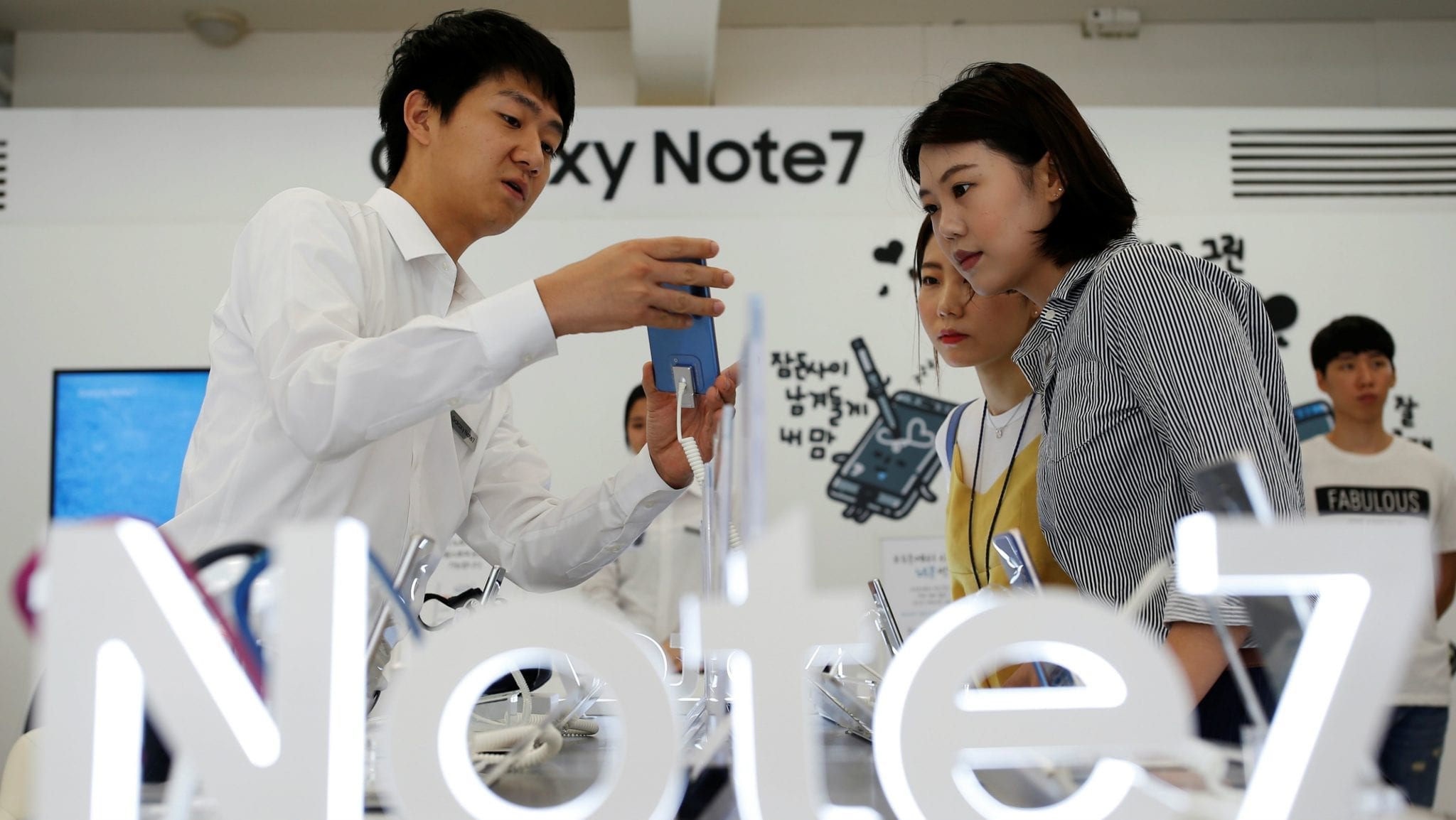
    Samsung, the world’s largest smartphone maker, is already reeling from the international debacle over its Galaxy Note 7, which was recalled after some devices caught fire.

    In a statement, prosecutors investigating the political scandal said they asked a Seoul court to issue an arrest warrant for Lee Jae-Yong, the son of the Samsung group chairman Lee Kun-Hee.

    Samsung — the South’s biggest business group by revenue, which is equivalent to a fifth of the country’s GDP — has dozens of units including flagship Samsung Electronics.

    Lee’s arrest could have an “important” impact on the South Korean economy, a spokesman for the prosecutors acknowledged. “But we believe that achieving justice is more important,” he told reporters.

    The scandal centers on Park’s secret confidante Choi Soon-Sil, who is accused of using her ties with the president to coerce top local firms into “donating” nearly $70 million to dubious non-profit foundations which Choi then used as her personal ATMs, in exchange for political favors.

    Samsung is the single biggest contributor to the foundations and separately paid Choi millions of euros, allegedly to bankroll her daughter’s equestrian training in Germany.

    Lee, 48, is the vice chairman of Samsung Electronics and is accused of approving decisions to pay Choi large sums of money in a bid to win political favours.

    Samsung’s bribes totaled 43 billion won ($36.4 million), the prosecution spokesman said, adding Lee was also accused of embezzlement for spending corporate funds for bribery.

    In addition, he faces charges of perjury after he told a parliamentary hearing that he did not seek any preferential treatment in return for donations.

    The Seoul Central District Court said it would rule on the prosecutors’ request on Wednesday. If it approves the move, Lee — who was questioned by prosecutors for a marathon 22-hour session last week — will be the first senior executive arrested in connection with the scandal.

    In a statement Samsung said the prosecutors’ decision to seek his arrest was “hard to understand”.

    “There was no support that sought something in return,” it said. “We believe that a court will make a good judgment on this.”

    ‘Personal matters’

    Prosecutors are in particular probing whether Samsung’s donations and payment to Choi were aimed at securing government approval for a controversial deal it sought in 2015.

    The merger of two Samsung units, textile manufacturer Cheil Industries and construction arm Samsung C&T, was seen as a key step towards ensuring a smooth third-generation power transfer to Lee.

    The deal was opposed by many investors who said it willfully undervalued Samsung C&T’s shares. But the National Pension Service, a major Samsung shareholder, approved the transaction, which eventually went through.

    A former welfare minister, Moon Hyung-Pyo, who oversaw the operations of the pension fund at the time, was formally charged Monday with abuse of power for pressuring its managers to approve the merger.

    Park, accused of colluding with Choi to extract money from the firms and letting the friend meddle in a wide range of state affairs, was impeached by parliament last month.

    South Korea’s constitutional court is deciding whether to uphold the impeachment. If it does, Park will immediately lose her executive immunity from prosecution and an election to pick her successor will be held within 60 days.

    Both women have denied any wrongdoing.

    Choi, who is currently on trial for coercion and abuse of power, appeared at the Constitutional Court proceedings for the first time on Monday.

    She admitted visiting the presidential Blue House several times to help Park handle “personal matters” and had shared an e-mail account with a senior presidential aide to edit some of Park’s official speeches. But she denied seeking any financial favours using her presidential connections.

  • LG U+ deploys Korea’s first NFV routing system

    LG U+ deploys Korea’s first NFV routing system

    South Korea’s LG U+ has deployed the nation’s first carrier-grade virtual routing system using technology from Juniper Networks, as part of efforts to prepare its network for the 5G evolution.

    LG U+ is deploying Juniper Networks’ Ethernet switches and its vMX virtual router for the upgrade project.

    The operator selected Juniper due to its prior experience with the vendor’s routing equipment, as well as the vendor’s support for OpenStack-based NFV orchestration and expertise in the NFV segment.

    Juniper was also able to meet the operator’s resiliency requirements with its virtual routing solution’s  auto recovery and auto healing functions.

    Juniper worked closely with LG U+ on the integration of the system with existing infrastructure and devices. The operator also enabled IPv6 routing, anti-hacking and anti-DDoS attack services in LG U+’s NFV infrastructure, and additional features may be aadded in the future.

    “We are very excited about Korea’s first commercial launch of a carrier-grade NFV-based router,” LG U+ GM for transport platform development Jae-ho Choi said.

    “I believe this will enable us to not only drastically improve our routing performance, but provide greater stability and a more diverse range of services for our customers. As a leader of the 5G era, LG U+ plans to expand the adoption of NFV equipment in close, continued cooperation alongside Juniper Networks.”

  • South Korea approves VW recall of Tiguan vehicles

    South Korea approves VW recall of Tiguan vehicles

    South Korea said on Thursday it has approved Volkswagen’s (VOWG_p.DE) plan to fix 27,000 Tiguan sports utility vehicles to ensure they comply with emissions standards, after previously rejecting the German automaker’s proposals three times.

    Government tests showed the proposed fix to remove software that cheats emissions tests did not affect fuel economy or performance, the environment ministry said in a statement.

    The vehicles comprising two Tiguan variants were among the 125,522 vehicles South Korea ordered Volkswagen to recall in November 2015 after it admitted to cheating emissions tests around the world.

    Plans to fix the remaining 99,000 vehicles will be reviewed, the ministry said.

    South Korea has taken a tough line on Volkswagen, slapping it with a record fine, suspending sales and on Wednesday indicting seven current and former executives and employees in the wake of the emissions-test cheating.

    Volkswagen’s sales in Asia’s fourth-biggest economy slumped to their first annual decline in 12 years in 2016 as a result of the sales suspension.

    The carmaker has also recently received approvals from U.S. and German authorities for vehicle fixes.

    In the United States, Volkswagen on Wednesday agreed to pay the largest ever U.S. criminal fine levied on an automaker to settle charges that it conspired for nearly 10 years to cheat on diesel emission tests.

    U.S. prosecutors also charged six current and former senior Volkswagen executives for their roles in the scheme.

  • Forever 21 expand on activewear

    Forever 21 expand on activewear

    US fast-fashion retailer Forever 21 has launched its activewear collection globally at its stores and on its website.

    The Forever 21 Activewear Collection provides low-, medium- and high-impact pieces in an array of soft and neon hues.

    forever-21-activewear-collection-2

    The Fit and Run assortment is designed for high-impact activity and features bold prints, sweat resistance, matching sets and lightweight jackets.

    The Booty Sculpt assortment is designed for medium-impact activity and aims to highlight and define curves. It features black and charcoal hues, with high-waisted shorts, capris and leggings with power mesh inserts.

    forever-21-activewear-collection-1

    For low-impact activity, the Dance and Yoga assortment features soft tones and delicate styles such as loose-fitting joggers and wrap-around tops designed for layering.

    With its headquarters in Los Angeles, Forever 21 was founded in 1984 and has more than 730 stores in 48 countries including Australia, China, Hong Kong, India, Japan, Korea and the Philippines.

  • A cloud of dispute above McDonald’s Korea franchisee

    A cloud of dispute above McDonald’s Korea franchisee

    McDonald’s Korea has become mired in a high-profile dispute with a franchisee.

    The local arm of the US restaurant operator terminated the franchise agreement with McDonald’s Mangwon branch on December 1 of last year. According to McDonald’s, the restaurant owner had been failing to fulfill the terms of agreement, including paying the company franchise commissions amounting to a total of about 700 million won ($586,264).

    The owner retaliated by claiming he suffered losses from another McDonald’s restaurant opening nearby, refused to pay the overdue amount and shuttered the restaurant on December 4 after firing some 60 employees who were owed 50-million-won ($41,865) in unpaid wages.

    This week, former employees and members of the Alba Organization, Korea’s labor union for part-time workers, protested in front of the now-closed Mangwon outlet, affixing signs festooned with angry slogans to the front of the building.

    In an official statement, the Alba Organization demanded that McDonald’s advance the overdue wages and severance pay to the former employees, then demand indemnity from the owner. It also requested that the company provide jobs to employees who wish to continue working at McDonald’s.

    “For part-timers, wages are essential to survival. We demand that McDonald’s resolve this matter as soon as possible,” said a spokesperson.

    McDonald’s Korea responded by saying  it was doing its best to help the employees, and claimed to have already hired 19 of the former Mangwon outlet workers at other McDonald’s restaurants.

    However, as for unpaid wages, officials said, “we need the work data for the part-timers to pay their overdue wages, but only the owner can access the data,” adding that “trying to access the information without the owner’s consent is a violation of the law.”

  • Korea food delivery app popularity booms

    Korea food delivery app popularity booms

    Food delivery has become more accessible than ever in South Korea.

    Korea food delivery apps have brought together thousands of restaurants across the country into a single location-based platform, growing significantly over the past few years.

    According to Woowa Brothers Corp., which operates the leading food delivery app Baedal Minjok, the monthly number of delivery orders exceeded 10 million for the first time last month at 10.7 million, which was an increase from 5.2 million in December 2014 and 7.12 million in 2015.

    Woowa Brothers added that the average number of orders per customer is also increasing steadily, from 3.2 orders per month in 2014 to 3.6 orders in 2015.

    Industry watchers expect the market to continue its growth, taking into consideration new types of food delivery apps with differentiated services entering the market, such as Shikshin Hero, which delivers food from famous restaurants that typically don’t provide delivery services.

    Newly emerging dining trends like eating or drinking alone are also expected to add to the continued growth of delivery apps.

    The Ministry of Agriculture, Food and Rural Affairs and the Korea Agro-Fisheries & Food Trade Corporation predicted last year that “do it yourself hype” and “more food options for take-out or delivery” would drive Korea’s dining trends in 2017, forecasting a positive outlook for the food delivery industry.

    “A greater number of single-person households gave birth to more people drinking and dining alone, and a greater variety of food options are now available for delivery,” said a Woowa Brothers official. “Such factors led to the rapid expansion of the market.”

  • Burberry Korea price cut is needed

    Burberry Korea price cut is needed

    Burberry Korea is under fire for cutting prices “too little, too late”.

    It’s not the first time Burberry has been criticised for its Asian pricing strategy. Last May,

    Jack Chuang, a partner with Hong Kong-headquartered OC&C Strategy Consultants, said that of all the luxury brands, Burberry is the one with the most significant price gap between Asian and European markets.

    “Prices in Mainland China are almost 40 per cent higher than in UK, while in Hong Kong, it is 20 per cent higher.”

    The South Korean office of Burberry recently marked down the price of some of its products to reflect the fallen value of the British pound, but only by a small margin compared with the currency’s depreciation, fashion industry officials said Wednesday.

    Burberry Korea dropped the local price by an average 9 per cent as the pound fell after Britain’s decision to leave the European Union in June last year. Industry officials say the markdown, however, falls far short of the 17 per cent fall of the British currency against the US dollar. The pound’s exchange rate against the South Korean won dropped 17 per cent from 1765.90 won in February last year to 1468.13 won as of January 9.

    The price adjustment in Korea also falls behind Burberry’s decision for Hong Kong, where the fashion brand’s product prices were taken down 10-15 per cent in September. Some of the products were down by 20 per cent. The markdown rate was more than the 9.75 per cent fall of the pound against the Hong Kong dollar at the time.

    Burberry Korea declined to talk on the matter despite repeated calls by news agency Yonhap.

    Consumer groups have long complained that foreign brands often take advantage of their popularity in South Korea to push demands they do not make in other countries or exclude South Korea from their market action.

    Swedish furniture maker Ikea caused ire last year when it kept selling dressers in South Korea that were recalled in the US and Canada after reported accidents involving children that resulted in deaths. The company had argued that the dressers meet local safety regulations. Volkswagen, who already settled on compensation to its consumers in the US from faked emissions tests, has yet to carry out full recalls or offer compensation steps in South Korea.

    US credit card company Visa in May came under fire for deciding to raise the processing fee by 10 per cent for overseas transactions, effective in South Korea but not in Japan or China.

    Such discriminatory actions are more stark at duty-free shops, industry officials say, who fiercely compete to host highly sought brands.

    “In case of popular brands, they often insist on excessive requirements, such as the cost of interior decorations when deciding to open their store,” an official at a Seoul duty-free shop said. “The retailers have to be compliant because of the brand power and because they have to attract customers, and they end up having to accommodate the demands.”

  • S4M sets new target in travel retail

    S4M sets new target in travel retail

    Mobile advertising tech company S4M has launched a service to target more than 30 million airport travellers each week.

    Using enriched geo-localised user behavioural and contextual data, the company wants to help brands boost their presence in 30 global airports.

    “Airports are more than just transit areas – they present a huge opportunity for brands to engage with consumers,” says S4M VP of APAC sales Gavin Buxton.

    “The smartphone is an extension of the individual, so it is a must-have touchpoint when creating fully integrated brand experiences. Advertisers should be combining the omnipresence of the mobile medium with real-time geolocation at airports to deliver seamless customer journeys.”

    S4M’s “geofencing” technology helps advertisers analyse and understand mobile user profiles at airports. The company combines anonymous mobile device identifiers with GPS co-ordinates, device language settings and online periods. This mix provides advertisers with more insights into consumer behaviours and offers a new opportunity to engage with travellers at airports.

    “Consumers break away from their daily behaviours when travelling, and the only constant is their smartphones,” says S4M CEO Christophe Collet. “Our goal is to reach people in transit, whether tourists or business travellers, when they are away from their everyday routines. Brands that can deliver tailored messages to their customers, even when they are hundreds of kilometres from home, are truly transforming mobile advertising into a valuable service”.

    About 1 million people a day travel through the Skytrax-rated top five airports in Asia: Singapore Changi, Incheon, Tokyo Haneda, Hong Kong and Beijing.

    More than two-thirds of air travellers are from middle- to high-income groups, according to figures from the World Bank.

    Demographics such as luxury-brand shoppers, digital high-tech users, high-end car buyers and business travellers can be reached in a duty-free setting via mobile. Luxury brands such as L’Oreal have already used S4M’s technology for cross-country campaigns.

    S4M (Success for Mobile) is an innovative advertising technology company that transforms mobile ads into personalised content for individual users. Founded in 2011 by mobile marketing pioneers, it now services more than 350 advertisers internationally. S4M has its headquarters in Paris with more than 95 employees and five offices covering Asia Pacific, Europe, Latin America and the US.

  • Samsung-Apple battle: the gap is closing

    Samsung-Apple battle: the gap is closing

    Samsung’s surprise surge in 2016 fourth quarter profit may further close the gap with its US competitor Apple.

    As the high-profile Samsung-Apple battle continues, the Korean company reported sales revenue of 53 trillion won (US$44 billion) with an operating profit of 9.2 trillion won, for an impressive operating margin of 17.36 per cent. The margin rose from 16.2 per cent in the second quarter of 2016 and represented its best result during the past two years.

    Apple has always led the Korean tech giant in terms of operating margin. In Q1 2015, the difference between the two companies was 18.82 percentage points, with Apple and Samsung reporting 31.51 per cent and 12.69 per cent, respectively. In Q4 of same year, the gap further widened with Apple reporting 31.86 per cent, and Samsung, 11.52 per cent.

    However, Samsung started catching up in 2016.

    Apple saw a continuous drop in its operating margin from 27.67 per cent in Q1 to 23.82 per cent in Q2 and 19.19 per cent in Q3, while Samsung saw its rate increase from 13.42 per cent in Q1 to 16. 2 per cent in Q2 and 17.36 per cent in the last quarter, although it did plummet in Q3 to 10.87 per cent as a result of the Note 7 crisis.

    Samsung’s prosperity in Q4 2016 was driven by a boom in its semiconductor business, improvement in display sales, and the success of its Galaxy S7 series, sources said.

    Apple has yet to disclose its financial results for the last quarter, but it is estimated that the company’s profit margin will come in around 20 per cent, with a slight improvement from the previous quarter, which will bring down the gap between the two tech giants to a record low of 3 per cent.

  • Free trade deal boosts South Korea’s exports to Vietnam

    Free trade deal boosts South Korea’s exports to Vietnam

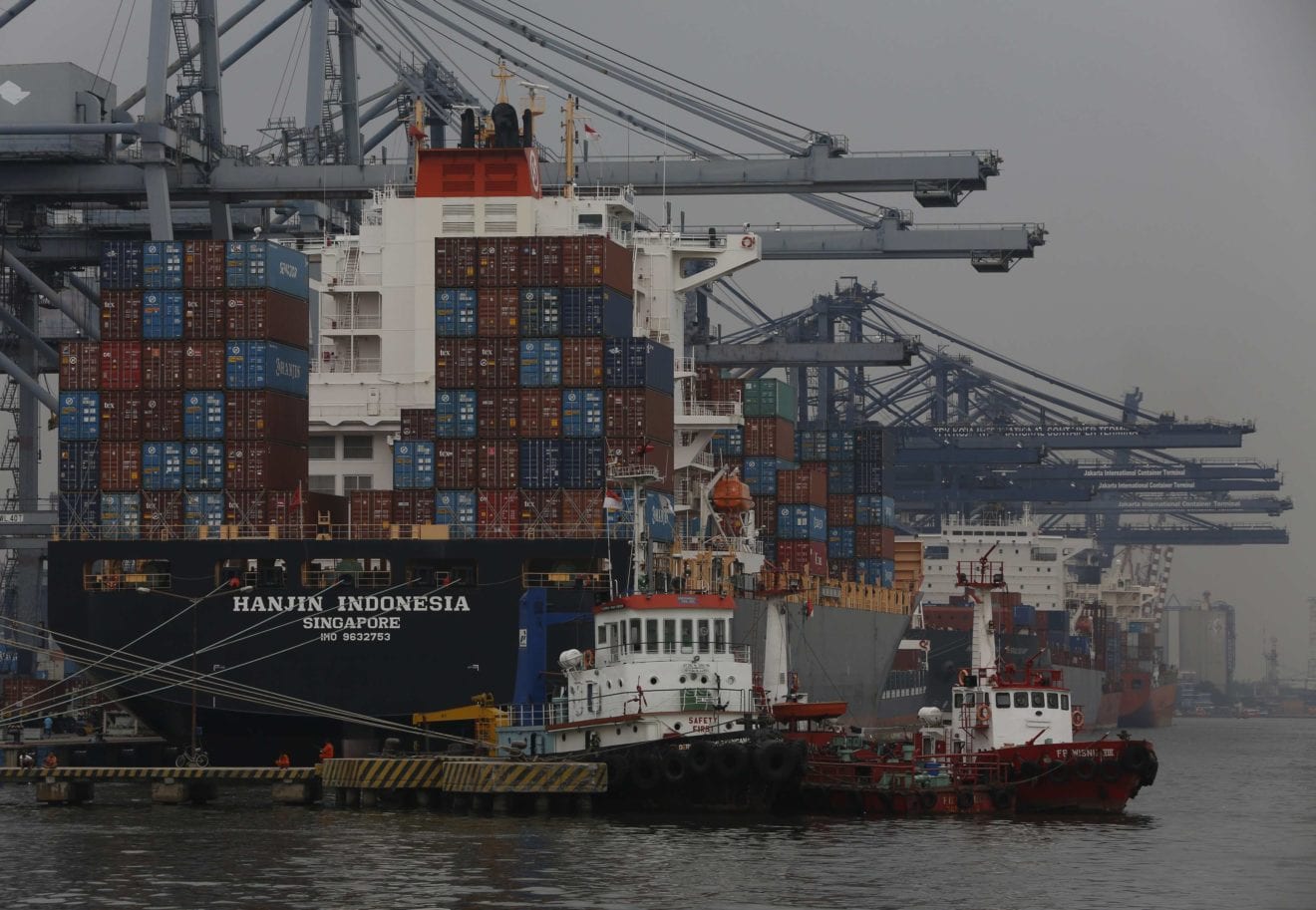
    Vietnam was the world’s third largest importer of South Korean products during January-October, data show. The Korea-Vietnam Free Trade Agreement, which took effect a year ago, has largely expanded exports from South Korea to Vietnam.

    South Korea’s shipments to Vietnam in the first 10 months climbed 12 percent from the same period last year to $26.4 billion, citing reports from the trade ministry and the Korea Trade-Investment Promotion Agency.

    South Korea’s trade ministry said the rising exports made Vietnam the world’s third-largest importer of South Korean products during the January-October period, after China and the U.S.

    Vietnam’s General Statistics Office on Friday released trade data for the first 11 months, putting South Korea among the top exporters to Vietnam in a wide range of products from iron and steel and garment materials to phones and consumer goods.

    In particular South Korea was the biggest seller of computers and electronics to Vietnam, with a total value of $7.94 billion, up 26.3 percent from the year-ago period. It was also the second biggest supplier of machinery to Vietnam, with exports of $5.12 billion, up 9.5 percent.

    Fuel shipments from South Korea increased fivefold to 1.6 million tons, the biggest expansion from all suppliers.

    Statistics showed that Vietnam has been recording a larger trade deficit with South Korea since 2010. The decifit hit nearly $19 billion last year.

    A survey by the Korea investment promotion agency found 42 percent of 60 South Korean exporters increased their shipments to Vietnam following the enactment of the Korea-Vietnam FTA in December 2015. A majority expected the free trade deal to continue helping their business in 2017.

    For years, South Korea has been the biggest foreign investor in Vietnam, driven by major projects of electronics giants LG and Samsung.

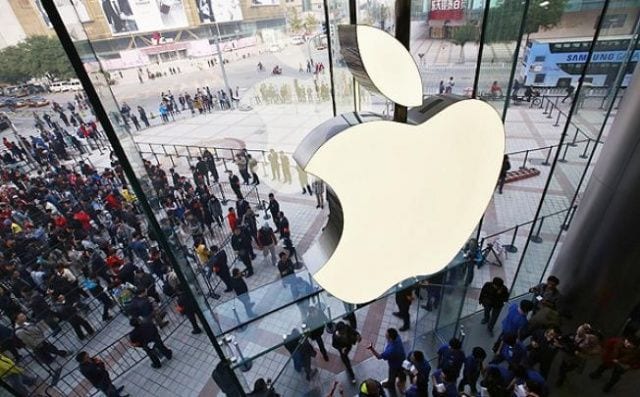
  • Apple confirms plan to open its first ever retail store in Samsung’s home city of Seoul

    Apple confirms plan to open its first ever retail store in Samsung’s home city of Seoul

    Apple published a total of 15 retail job listings to its corporate website today seeking candidates for the Apple Store Leader Program, business managers, Genius Bar staff and marketing, among other positions.

    As expected, the job postings seek employees for an outlet in South Korea’s capital of Seoul. The city also happens to be the hometown of Apple ally and competitor, Samsung.

    “We’re excited about opening our first Apple Store in Korea, one of the world’s economic centers and a leader in telecommunication and technology, with a vibrant K-culture,” Apple said in a statement on Friday, local time. “We’re now hiring the team that will offer our customers in Seoul the service, education and entertainment that is loved by Apple customers around the world.”

    Apple has not officially stated where it plans to build its first Korean flagship, but it is claimed construction is already underway in a southern district of Seoul. That report, also filed on Friday, suggests work at the site will be completed in November. Previous rumors suggested Apple was looking at sites in Gangnam and the busy Garosu-gil shopping street.

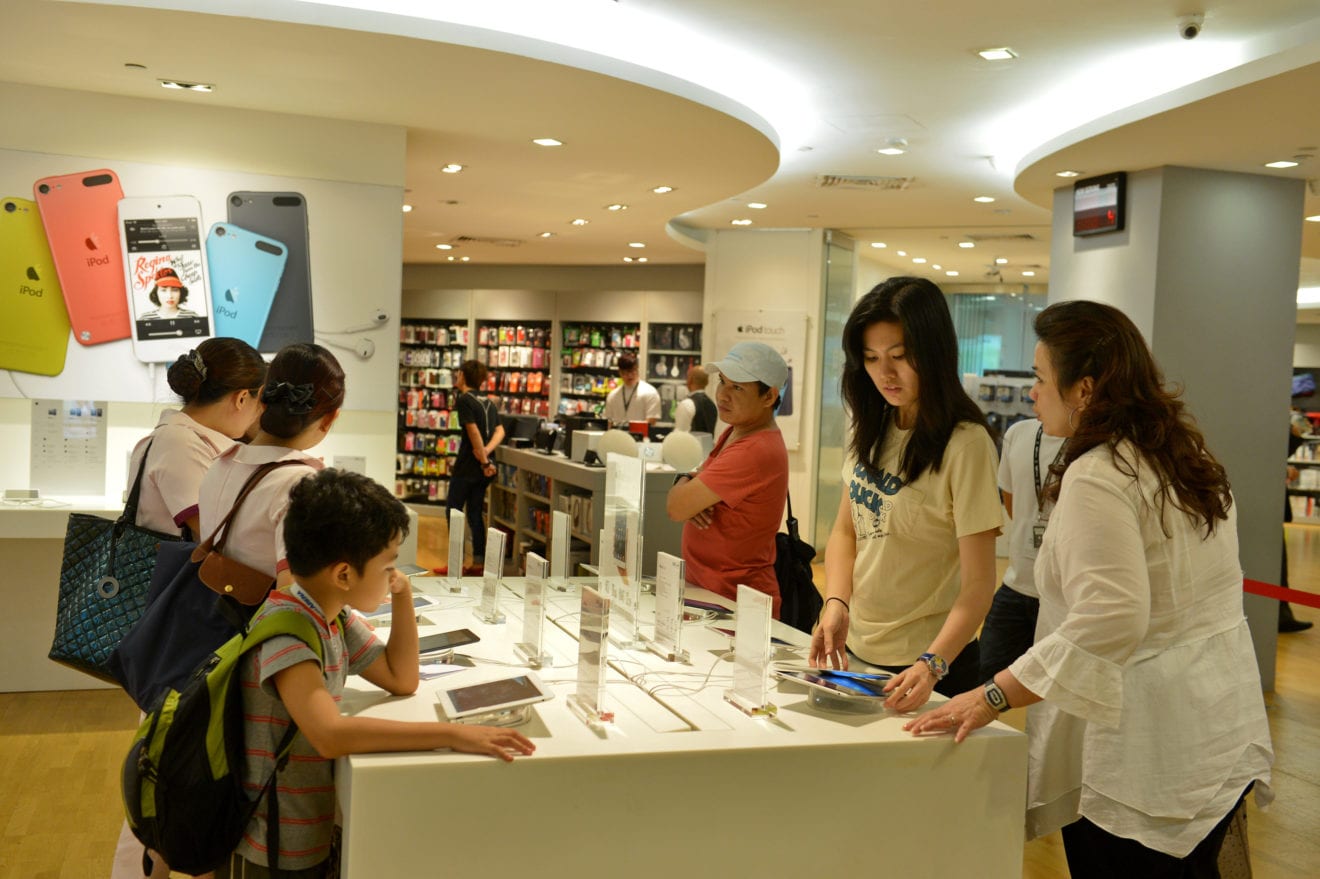
    For Apple, a brick-and-mortar outlet in Seoul represents more than an opportunity to grow international sales. A retail presence in Samsung’s backyard could go a long way in winning mindshare in the South Korean market, which is currently served by third-party resellers and Apple’s online store.

  • US to help Korea’s egg shortage crisis

    US to help Korea’s egg shortage crisis

    The U.S. Department of Agriculture said Friday it is discussing with Korea ways for American egg producers to tap into the Korean market that is suffering from an egg shortage as a result of a massive outbreak of avian influenza.

    Amid the rising egg prices due to the outbreak of bird flu that was detected in November, the department spokesperson said that the U.S. and Korea are “engaged in technical discussions to provide access for U.S. egg producers to the Korean liquid egg market.

    “Imports from the U.S. could help limit escalating production costs for processed food manufacturers in Korea and shield consumers from soaring egg prices,” the official added.

    He did not mention when the U.S. will start exporting eggs to Korea.

    Starting Saturday, the Korean discount store chain Homeplus raised the retail price of 30 eggs by 9.6 percent to 7,990 won ($6.67) at its 142 stores. Homeplus has increased its egg prices five times in a month and retail prices have jumped 31.4 percent over the month.

    The latest price hike by Homeplus came a day after its rival Emart increased the price of 30 eggs by 8.6 percent to 7,580 won.

    Officials of the companies expect egg prices to go up again ahead of the Lunar New Year holiday later this month.

    The American spokesperson also said that the U.S. Department of Agriculture is working with the Korean government and U.S. industry associations to facilitate and expedite registration of additional U.S. suppliers of table eggs to the Korean market.

    “In the U.S., many government agencies cooperate to ensure the safety of U.S. egg products including the Agricultural Marketing Service, the Animal and Plant Health Inspection Service, the Food Safety and Inspection Service, and the Food and Drug Administration,” the official said.

    Since the bird flu outbreak, Korea’s quarantine officers have culled more than 30 million birds, including 25.8 million chickens, which has resulted in the reduction of the country’s daily egg output by about 30 percent.

    To encourage imports, the Korean government decided earlier this week to remove import tariffs on egg products until Jun. 30. Currently, Korea imposes tariffs of 8 to 30 percent on imported egg products.

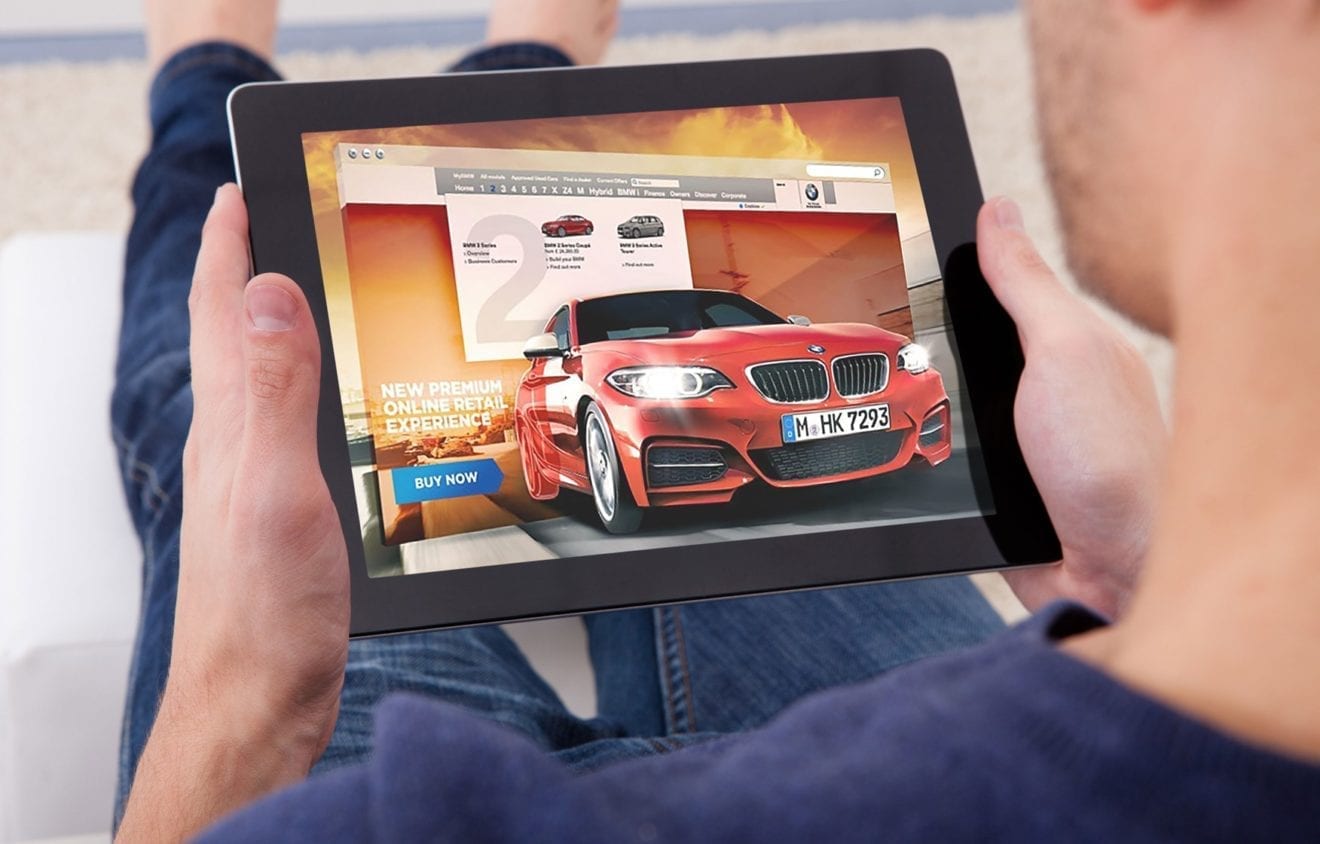
  • Online retailers move to sell new cars on web

    Online retailers move to sell new cars on web

    Brick-and-mortar shops will no longer be the only go-to place for buying new automobiles, as online e-commerce shops are stepping into the industry as well.

    Interpark said Wednesday it would start a retail service for imported vehicles with local company D.parts, which delivers foreign cars to Korean customers and assists with paperwork, tax issues and delivery.

    To avoid conflict with local car dealers, the company will offer models that are not included in the list of products officially imported to Korea.

    “Buying foreign brand cars that are not dealt by official dealers can be a nuisance for general consumers,” said Cho Jin-hyuk, manager for Interpark’s electronics division. “Because our service is based on collaboration with an experienced company, customers can now buy such products with credibility and convenience on the internet.”

    “We’re looking for a way to talk directly with headquarters without going through any intermediate agents,” said a Tmon spokesman.E-commerce site Ticket Monster (Tmon) is also beginning to sell vehicles online, offering inventory from auto manufacturers inside and outside borders. The company’s brief experience in the market may offer clues about demand. The retailer sold Jaguar XE models in August, for which orders were filled in the first three hours. However, only one eventually completed a purchase after Tmon and SK Encar, agent supplier for the project, bumped heads with Jaguar Land Rover’s Korean office and official dealer Aju Networks.

    Online is the main sales channel for the global electric car brand Tesla Motors which has two showrooms in Korea but doesn’t have an official brick-and-mortar store. Tesla’s stores serve only as showrooms and clients must use the website to order. Demand in Korea was evident last year when pre-orders of the automaker’s Model 3 surpassed 325,000 in the first week.

    Although most sales offers are temporary, online retailers are eyeing expansion into domestic car brands. In September, Auction placed 10 models of Chevrolet’s Aveo on its platform, in a deal with GM Korea. The models sold out within one minute, as Auction offered a credit of five million won ($4,195) to buyers on the website.

    “We already saw potential, so the company is open for collaboration suggestions as long as the manufacturer is willing to do so,” said Lee Jin-young, a manager for Auction.

    Starting next year, domestic cars will be sold on television home shopping channels as laws that prohibited the practice were eased in November.

    New sales channels may prove favorable for consumers, as fierce competition will prompt companies to offer discounts or interest-free installment plans, which were common when imported car sales on television were popular in the early 2000s.

    “Online sales of automobiles may be a chance to enhance consumers’ convenience and improve the ambiguous structure of domestic vehicle sales,” said Kim Pil-soo, an automotive engineering professor at Daelim University College.

    Industry insiders, however, say that there are still many obstacles. E-commerce and home shopping networks equally say that although they are interested in launching online auto sales, the final decision is up to manufacturers and official importers.

    Decision makers are not enthusiastic about the idea, as sales online would eventually hurt brick-and-mortar stores and their sales force.

    “Realistically speaking, going online is not an easy option as it is a matter likely to be attacked by our labor union,” said a source from Hyundai Motor. GM Korea employees also criticized the Aveo sale on Auction, calling it a death sentence for sales people.

    Foreign car brands don’t seem too excited about the idea either, even though they may be able to save 15 percent on the commission fees they pay dealers. Most foreign car brands sign contracts with local dealers. One source pointed out that those vehicles require service after the purchase.

    “Dealers have connections to competent car service providers and quality after-service is an essential in this industry, therefore going online may be a risky decision for brand image,” the source added.

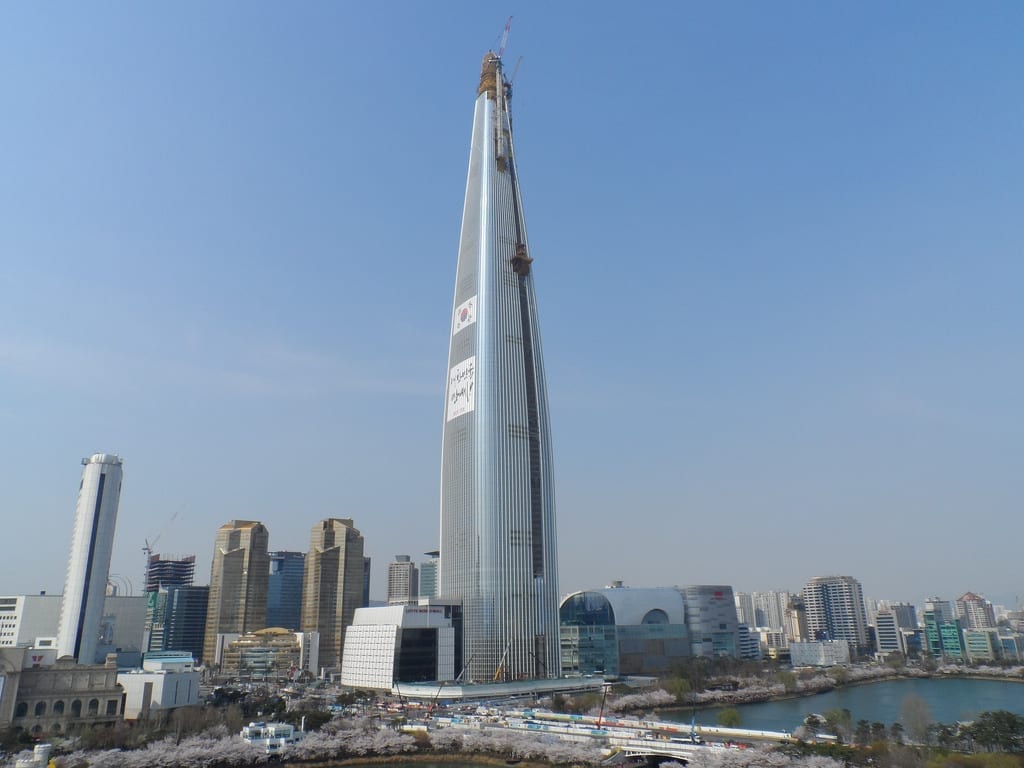
  • Lotte World Tower duty free store has reopened

    Lotte World Tower duty free store has reopened

    As expected, Lotte Duty Free opened its World Tower flagship duty free outlet yesterday, following a six-month period of uncertainty caused by last June’s closure of the duty free section in the building.

    The opening follows the well-publicised and controversial shock loss of Lotte’s duty free operating license for this store back in November 2015.

    As reported, the Korea Customs Service (KCS) awarded the 10-year duty free license to Lotte Duty Free on 17 December 2016. However, it has clearly stated since that if the operator is subsequently found guilty of any wrongdoing in its ongoing investigations related to a contributions scandal, then it will revoke the award.

    INVESTIGATIONS CONTINUE OVER ALLEGED CASH FOR FAVOURS

    As reported, this ongoing investigation surrounds requests for multi-million dollar equivalent monetary contributions for foundations, which were made to Lotte and other companies by President Park Geun-hye’s former close friend Choi Soon-sil, who is presently under arrest.

    Park’s relationship with Choi – a friend for 40 years – was also one of the key factors which led up to her impeachment last month, although Choi denies all the charges related to abuse of power and fraud.Park also maintains that she has not been involved with Choi in any wrongdoing, although she has publicly expressed regret at allowing Choi to get too close to matters of government.

    Meanwhile, Lotte has given several bold undertakings to attract foreign tourists and create new jobs alongside the award of this new contract, which the Korean Customs Service – itself under pressure – will doubtless expect it to meet.

    MASSIVE INVESTMENT PROMISES

    As reported earlier this month, Lotte has pledged to invest Won2.3 trillion ($1.97bn) on tourist-related investments in the upmarket Gangnam quarter of Seoul between 2017 to 2021.

    Lotte Duty Free spokesman Jihyun Ethan Choi also formally confirmed to TRBusiness (2 January) that the duty free reopening has naturally come as a huge relief to Lotte’s staff.

    They have had to endure a six-month wait to find out whether they would have jobs or not at the World Tower – subject to winning the license or not. (Lotte employs around 1300 individuals at the World Tower).

    CHINESE TOURIST ARRIVALS CONCERNS

    At this time, Lotte and all other duty free operators in South Korea will also be keenly monitoring the levels of Chinese tourist arrivals over the next few months, since their biggest overseas duty free customers (in sheer spending power terms) registered only +1.8% growth – or 516,956 visitors – in November 2016. This was a big drop from previous double-digit numbers, according to the Korea Tourism Organization (KTO).

    Many commentators are not surprisingly pointing to pressure on Chinese tourists to cool their enthusiasm for South Korea in the wake of its government decision to site a US-built missile defence system on the border with North Korea. China says this system has the ability to gather data on surrounding terrain in the region.

  • Apple is setting up shop in Samsung territory

    Apple is setting up shop in Samsung territory

    Apple announced it plans to open its first store in South Korea — an aggressive move, considering its main rival in the smartphone space, Samsung, is headquartered there. To that end, it’s hiring 15 staff members in the region and has stated publicly how excited it is by the prospect.

    We know that the store is set to open up in the nation’s capital, Seoul, but Apple has yet to make it clear exactly where within the city. However, South Korean media has commented that it should appear somewhere in the southern district and that work is expected to begin shortly, completing at some point before the end of November.

    To make sure its new store is staffed properly, Apple’s new positions range from store leader to business manager. While the listings don’t specifically state that they will be working at the Seoul store, it seems like an awful coincidence if they aren’t set to work there.

    The opening of a facility in South Korea is somewhat of a statement to Samsung also. With the big Android manufacturer taking a bit hit to its brand at the tail end of 2016 due to problems with its Galaxy Note 7 phone, it could be that Apple smelled blood in the water. However, it is also worth pointing out that it faces a lot of competition in Asian markets now from lower-end device manufacturers, many of them originating in China.

    Apple could be looking to put a stamp on the region and maintain a foothold in what is quickly becoming one of the most hotly contested regions. Targeting South Korea is a smart move too, as it is geographically near to some of the biggest smartphone industry growth in the world but well within the borders of an economically prosperous country.