Tag: Korea

  • A look at 5 richest conglomerate families in South Korea

    A look at 5 richest conglomerate families in South Korea

    A total of 33 relatives from the families that control Samsung, Hyundai Motor, SK, LG, Lotte and other conglomerates dominate the country’s wealthiest list. Unhealthy ties between Korean conglomerates and the government have long been cited as a factor that prevents Korea from moving forward.

    A recent comment by a chaebol chief at a parliamentary hearing over the alleged connections between businesses and the presidential office was a reflection of the reality.

    “It was near impossible to reject such a demand (from Cheong Wa Dae). That’s what it’s like in Korea,” said Huh Chang-soo, head of GS Group and chairman of the Federal of Korean Industries, at the hearing on December 6.

    He was responding to lawmakers’ questions on why the FKI helped coerce conglomerates to donate funds to two foundations controlled by Choi Soon-sil, confidante of impeached President Park Geun-hye.

    Another reflection of the business climate in Korea was that most of the chaebol leaders seated at the hearing were second to third-generation heirs of the conglomerates – not self-made businessmen.

    They are also in the top tier of a list of Korea’s 100 wealthiest people compiled by The Superrich Team. Joining them on the list are their relatives. Only 10 self-made entrepreneurs made it to the list in the past year.

    A total of 33 relatives from the families that control Samsung, Hyundai Motor, SK, LG, Lotte and other conglomerates dominate the country’s wealthiest list. The figure excludes the heads of major business groups.

    The combined private assets of the business moguls stands at 39 trillion won (S$47.1 billion), higher than the annual budget of the Seoul Metropolitan Government at 27.5 trillion won.

    Samsung Group

    Lee Jae-yong, vice chairman of Samsung Electronics, and 10 other Samsung family members own 22.6 trillion won in total assets.

    The assets of Lee Kun-hee, the bedridden chairman of Samsung Group, is 15.64 trillion won, accounting for the largest portion of the assets. His wealth includes real estate in Hannam-dong, one of the richest districts in Seoul.

    Outside of the capital, Lee Kun-hee also owns a considerable amount of land in Yongin City in Gyeonggi Province, where the Samsung-made amusement park Everland and Ho-Am Art Museum are located. His properties there sit on 8,712 square metres of land.

    In total, Lee owns 14 real estate assets nationwide, worth 938.9 billion won.

    The women of the Samsung family also own a colossal amount of assets. The senior Lee’s wife Hong Ra-hee, director of Leeum Samsung Art Museum, and her two daughters Boo-jin and Seo-hyun, who lead Hotel Shilla and the fashion business at Samsung C&T, respectively, own 1.7 to 1.8 trillion won each. Lee Kun-hee’s sister Myung-hee, chairman of Shinsegae Group, holds 1.3 trillion won.

    Hong’s siblings also dominate Korea’s business landscape including areas such as media, retail, investment capital and art.

    Hong Seok-hyun, chairman of Joongang Media Network, a parent company of Joongang Daily Newspaper and television network JTBC, is one of Ra-hee’s brothers most known to the public.

    Other siblings include BCG Retail Chairman Seok-jo, Bokwang Investment Corp. Chairman Seok-joon, and Leeum Samsung Art Museum Vice Director Ra-young. The combined value of the Hong family – excluding Hong Ra-hee – is estimated at around 1.24 trillion won.

    Hyundai Group

    The family of Hyundai Group may hold a smaller fortune than the Samsung family, but 12 of them are included on the 100 wealthiest people list, the largest number among the top five conglomerates.

    Chung Eui-seon, vice chairman of Hyundai Motors and son of Chairman Chung Mong-koo, owns the largest value of assets at 2.32 trillion won. Hyundai Motor Group chairman’s younger brother Chung Mong-joon, the biggest shareholder of Hyundai Heavy Industries, follows with 1.17 trillion won.

    Other assets of the Chung family surpass 500 billion won. Other family members include KCC Chairman Chung Mong-jin, Hyundai Development Chairman Chung Mong-kyu, Hyundai Marine & Fire Insurance Chairman Chung Mong-yoon and Hyundai Department Store Chairman Chung Ji-seon.

    Hyundai Group Chairwoman Hyun Jeong-eun is also included in Korea’s top 100 wealthiest list, with 240 billion won. Hyun is the wife of the late Chung Mong-heong, the former chairman of Hyundai Asan.

    Hyun was recently accused of intentionally omitting several Hyundai Affiliates on a list of companies subject to cross investment. The antitrust regulator Fair Trade Commission pressed charges against Hyun in October.

    SK Group

    SK Group, the country’s third-largest business group, has two businesspeople listed on the Superrich Team’s top 100 wealthiest list.

    Chey Ki-won, a director of the board at SK Happy Nanum Foundation and younger sister of SK Group Chairman Chey Tae-won, is the richest SK Group family member.

    Chey holds more than 1 trillion won worth shares in listed SK affiliates. In addition to the stock assets, she was paid an additional 18.75 billion won in dividends. The value of her paid dividends is the largest among the 125 relatives of the nation’s 17 superrich on a list by Forbes Magazine.

    Chey’s massive real estate assets include a building that was the former headquarters of JYP Entertainment in Cheongdam, southern Seoul. Chey purchased the around 1,085 square-meter building for 7.6 billion won in 2014.

    Another Chey family member, Chang-won, vice chairman of SK Gas and SK Chemical, was listed among Korea’s top 100 richest with 370 billion won of assets.

    LG

    LG has seven family members on the Superrich Team’s top 100 richest list.

    Chairman Koo Bon-moo’s brother Bon-sik, who leads Heesung Group as its vice chairman, is the wealthiest among them with assets of more than 1 trillion won.

    Another brother, Bon-neung, chairman of Heesung Group follows with 904.8 billion won. He is also head of the Korea Baseball Organisation.

    The remaining five LG family members on the list include Chairman Koo’s wife Kim Young-sik. The combined assets of the five members are estimated to be worth around 2.5 trillion won.

    Lotte

    Lotte Group has two of its business moguls on the top 100 richest list.

    One of them is Lotte Group founder Shin Kyuk-ho’s eldest son Dong-joo, who is the chairman of SDJ Corp.

    While still in turmoil over power succession, Dong-joo stands strong, backed by 1.64 trillion won of publicly traded stock assets. Added to this, he also owns 27 billion won of assets from unlisted firms.

    His father Shin Kyuk-ho’s wealth follows with 270.5 billion won, according to public data.

    The value of real estate assets under the founder is astronomical. His land assets were estimated to be worth 18.6 trillion won in 1988. Shin was then picked as the world’s fourth-richest man by Forbes magazine.

    Shin’s 15 real estate assets in Korea sit on over 1 million square meters of land worth 305 billion won. Apart from Shin Kyuk-ho’s private land assets, Lotte affiliates are known to own 5.7 million square metres of land in the country, a size that nearly doubles that of Yeouido in Seoul.

    Prices of the land have seen a jump of 14 trillion won since Lotte Group purchased them. An industry source, on condition of anonymity, said following Shin Kyuk-ho can help “find gold in the real estate business.”

    Out of the 125 rich businesspeople on the list of Korea’s wealthiest, 89 of them boosted their wealth through their family connections, while only 36 were self-made entrepreneurs.
     

  • Birde flu force cull of 22 million poultry pieces

    Birde flu force cull of 22 million poultry pieces

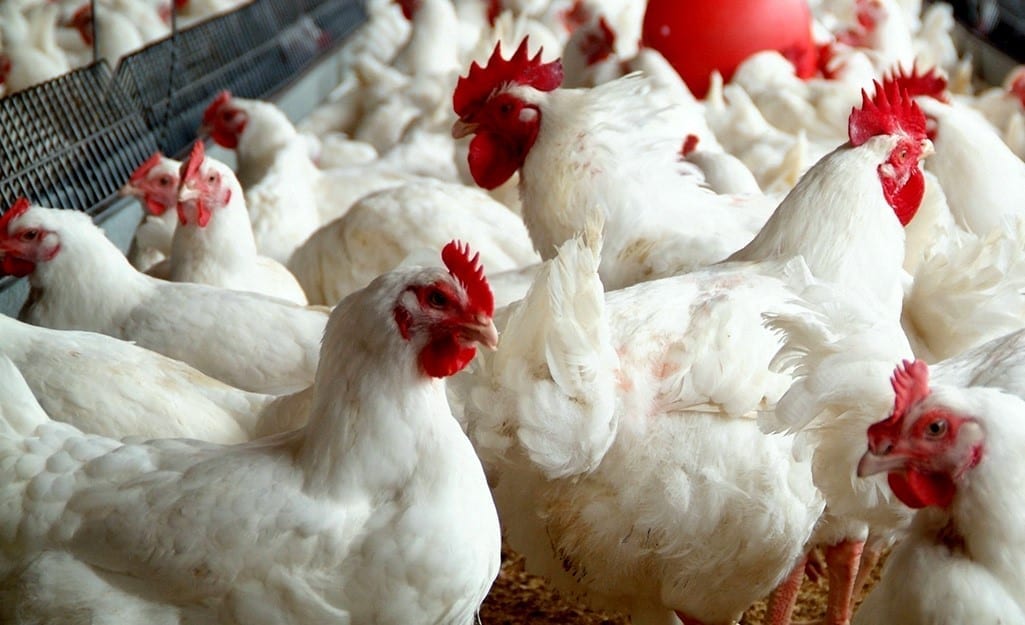
    South Korean authorities have culled more than 22.5 million poultry this winter, according to an official, as part of intense efforts to contain its worst bird flu epidemic in recent history that has affected farms across the country.

    The total number slaughtered since November 18 accounts for about 15 percent of the country’s poultry stock. The first outbreak was reported at a chicken farm in Haenam, about 420km south of the capital Seoul.

    Authorities also plan to kill an additional 2.97 million chickens and ducks across the country in coming days, reported on Saturday.

    “Korea has suffered from several bird flu outbreaks since 2003. I can tell you this year is the worst year ever,” Oh Se-ul, chairman of the Korea Poultry Association said.

    The outbreak – the first in nearly seven months – was caused by the highly pathogenic H5N6 strain of bird flu, a new type of virus that was first detected in South Korea.

    Previous cases

    In 2014 South Korea had culled 14 million birds amid a bird flu outbreak.

    As of the end of March this year, the country had killed more than 156 million chickens and more than 9.5 million ducks, according to government data.

    Because most of the birds culled since last month are egg-laying hens, the consequential shortage in eggs has caused their prices to rise sharply.

    In South Korea, the average retail price for 30 eggs has risen nearly 25 percent to $5.68 since November 18 – the highest in more than three years, according to state-run Korea Agro-Fisheries & Food Trade Corp.

    According to data from the institution, it is the highest month-on-month increase in egg prices in nearly a decade. Besides the price increases, some stores are restricting egg purchases.

    To ease the shortage, South Korea’s agriculture ministry is seeking to import egg-laying chickens and eggs from the US, Spain and New Zealand.

    Analysts say the egg shortage is expected to last at least one year as it could take up to two years for egg and poultry industry to raise baby chickens and rebuild flocks.

    Yoon Se-young, a farmer in Seoul said that he was worried because the government has not yet announced any plans to compensate farmers who had to cull their poultry.

    “It has been a month since I had to kill all my chickens and bury them. However, I have never heard of any clear explanation on how the government will compensate for my loss,” he said.

    Jeong In-Hwa, a member of South Korea’s Parliamentary Agriculture Committee said that as the issue of President Park Geun-hye’s impeachment takes the spotlight, the media has failed to highlight the bird flu epidemic.

    “As President Park’s impeachment becomes the most important national issue, protesters at candlelight rallies are dominating the headlines,” he said.

    “Because of that, the avian flu isn’t getting much attention.”

    Japan and China tackle outbreak

    Japan and China have also taken serious measures to control the bird flu outbreak that spread across northeast Asia.

    Japan launched a new chicken cull on a southern island, days after gassing hundreds of thousands of birds about 2,400km to the north.

    Tackling Japan’s sixth outbreak since end-November, Kyushu authorities said they will gas just over 120,000 chickens after the H5 virus was detected on a farm.

    The outbreak in Japan’s Miyazaki prefecture follows the gassing of more than 200,000 chickens at a farm in the northern island of Hokkaido last weekend and brings the country’s cull this season to nearly a million chickens and ducks.

    The cases in Japan – outbreaks before Miyazaki were all confirmed as H5N6 bird flu – are the first in nearly two years, with the bird cull now standing at its highest in six years.

    In China, chickens are being fed more vitamins and vaccines while farmers also ramp up henhouse sterilisation in an effort to protect their flocks.

    As part of its protection drive, China now has bans in place on poultry imports from more than 60 countries, including South Korea and Japan as well as parts of Europe now also experiencing a bird flu outbreak.

    The last major outbreak in mainland China in 2013 killed 36 people and caused about $6.5bn in losses to the agriculture sector.

    According to the website of China’s agriculture ministry, delegations from Japan, South Korea and China gathered in Beijing last week for a symposium on preventing and controlling bird flu and other diseases in East Asia.

  • Salvatore Ferragamo changes the game in Asia

    Salvatore Ferragamo changes the game in Asia

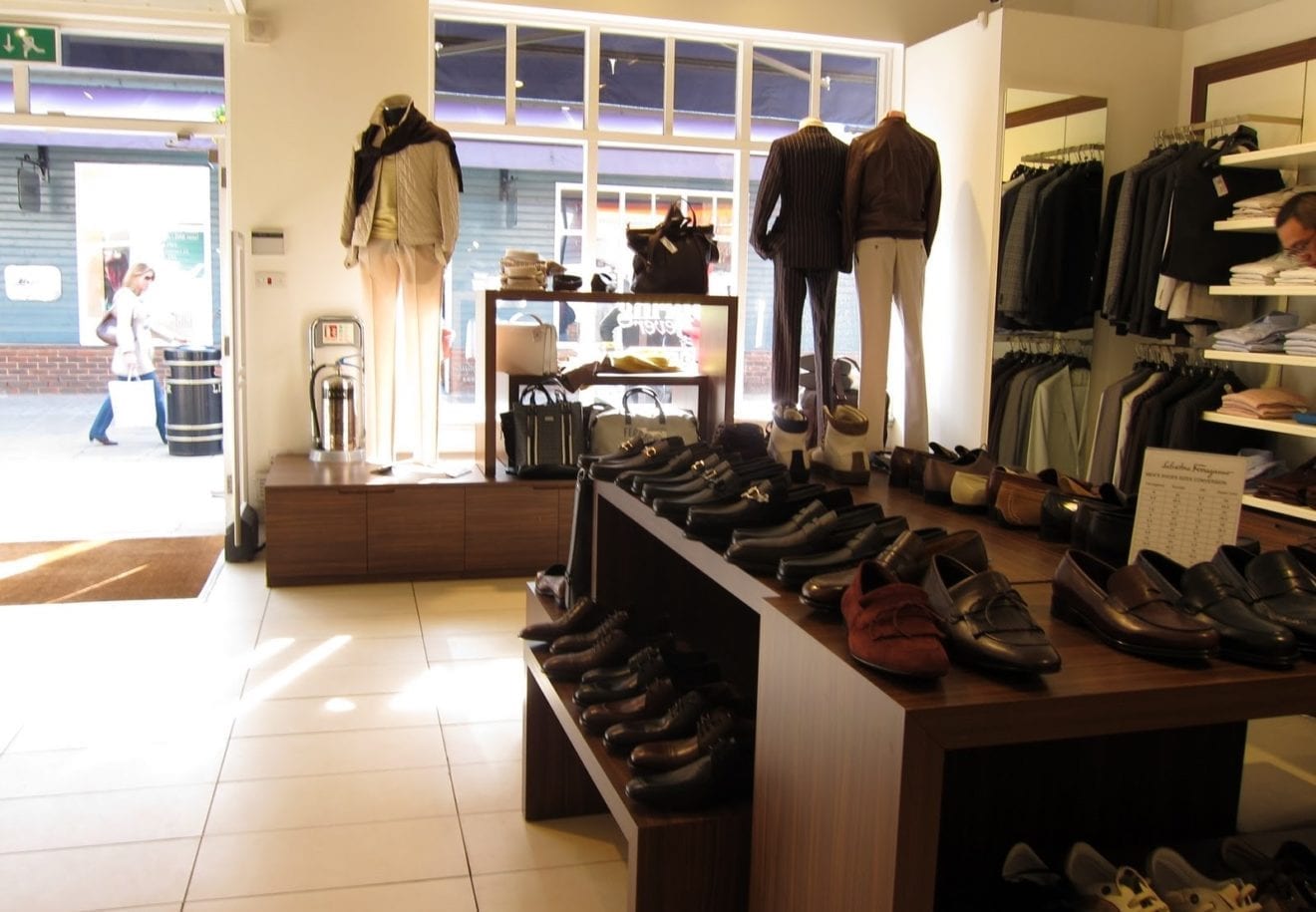
    Italian fashion label Salvatore Ferragamo has taken over four JVs created in partnership with Trinity (Fung Group), which distributes the brand in South Korea and Southeast Asia.

    Ferragamo says it has bought the companies’ 20 per cent share, still owned by Trinity through Trinity Luxury Brands Holdings and Ferrinch. The value of the transaction has not been disclosed.

    Impacting Ferragamo Korea, Ferragamo (Malaysia), Ferragamo (Singapore) and Ferragamo (Thailand), the takeover follows an agreement signed in 2012. This included a purchasing option allowing for Salvatore Ferragamo to take full control of the JV companies.

    At the time, Ferragamo had already increased its stake in the four companies to 80 per cent.

    In the past few years, the Asia-Pacific region has become Salvatore Ferragamo’s main market, accounting for 35.5 per cent of its global revenue. At the end of September, the label’s sales in the region amounted to €360 million (US$375 million), equivalent to a 0.3 per cent decrease compared to the first nine months of the previous fiscal year.

    The label has 70 monobrand stores in the region.

  • Seoul Michelin Guide launched

    Seoul Michelin Guide launched

    The first ever edition of the Seoul Michelin Guide has been released.

    Seoul is enjoying a growing reputation for its eclectic dining scene ranging from royal cuisine restaurants and fine dining establishments to its many specialty Korean one dish restaurants and its popular street food.

    The new guide brings together a selection of the best of all cuisines with every establishment chosen first and foremost for the quality of cooking.  Two restaurants awarded three stars are Korean cuisine restaurants Gaon and La Yeon.  La Yeon on the 23rd floor of Shilla Hotel was named in the Best 50 Restaurants in Asia in 2016.

    Other contemporary Korean restaurants in Seoul like Jungsik and Mingles are well known for their innovative cuisine and the blending of traditional Korean ingredients into modern contemporary dishes with unique Korean flavours.

    Jungsik also made it onto the Best 50 Restaurants in Asia list in 2016 and executive chef Jungsik Yim also has a restaurant in New York.  Mingles executive chef Mingoo Kang trained under Martin Berasetegui in San Sebastian, Spain and later enjoyed stints at Nobu in Miami and the Bahamas.

    Korea is increasingly attracting foodies, not only for fine dining but for its variety of street food popular with locals and visitors alike. Specialty one-dish restaurants serving Samgyetang (whole baby chicken stuffed with ginseng and glutinous rice simmered slowly for hours) and Mandu (Korean style dumplings served with kimchi) abound.

  • The plan for new Daegu Shinsegae

    The plan for new Daegu Shinsegae

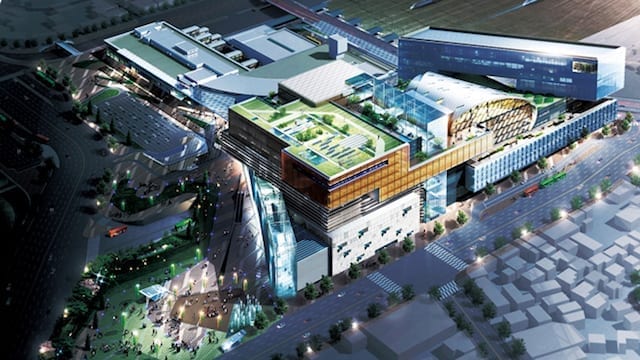
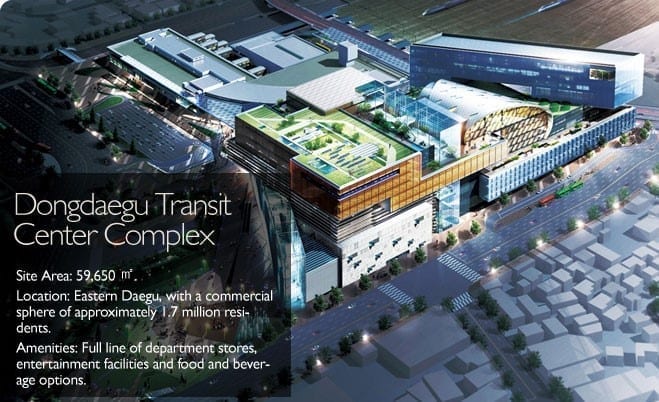
    Korean retail giant Shinsegae Department Store’s new Daegu Shinsegae is a large-scale shopping and entertainment complex connected to a transportation hub in the southern city.

    Covering more than 103,000 sqm, it is Shinsegae Department Store‘s second large-scale branch outside of Seoul, following the Centum City branch in Busan. As well as traditional shopping areas, Daegu Shinsegae has a rooftop aquarium, indoor and outdoor mini theme parks, an art gallery and a concert hall.

    Shinsegae invested KW880 billion (US$755 million) in the project, the largest amount for any single Shinsegae Department Store branch.

    Daegu Shinsegae shares four floors with the new Dong-Daegu Intermodal Transfer Center, the culmination of a five-year project together with the Daegu Metropolitan City Government and the Ministry of Land, Infrastructure and Transport. It offers access to KTX and subway trains as well as buses.

    “We hope to use the transfer centre to create a network of consumers in nearby cities as we have to target consumers across the north Gyeongsang province area rather than just focussing on Daegu,” says store CEO Jang Jae-young.

    “Our market research found that Daegu consumers are unwilling to travel to other cities like Busan in order to shop, but on the other hand consumers from other cities are willing to come to Daegu,” says Daegu Shinsegae deputy chief Hong Jung-pyo.

    He says the centre will be different from the Shinsegae branches in Seoul, which gain most of their revenue from luxury products. Its strategy instead will be to attract a more mass consumer base with its family entertainment and young casual attractions.

    More than revenue, however, Jang says Daegu Shinsegae will first focus on smooth running and working with the surrounding community.

  • Dairy Queen signs to expand into South Korea

    Dairy Queen signs to expand into South Korea

    US fast-food restaurant company International Dairy Queen (IDQ) has signed a multi-unit development agreement to expand into Korea.

    It plans to open 50 DQ Grill & Chill locations within the next five years in conjunction with privately held M2G USA Investment, which has a diversified business portfolio including restaurants, hotels, public storage, household appliance manufacturing, shoes and global real estate. M2G USA Investment is also a partner for Taco Bell restaurants in Korea and the US.
    IDQ president/CEO John Gainor says the brand is continuing to expand into new markets internationally. In Korea its outlets will serve a full range of food options, including its signature GrillBurgers, chicken-strip baskets, chicken sandwiches, salads and sandwiches.

    Korea’s DQ Grill & Chill restaurants will also feature the full menu of DQ treats, including the signature Blizzard Treats, MooLatte frozen coffee-flavoured beverages, soft-serve cones, sundaes and cakes.
    The DQ system has more than 6700 locations, more than 2200 of them outside the US. IDQ is a subsidiary of Berkshire Hathaway, led by investor Warren Buffett.

  • Asian Christmas gift-giving trends revealed

    Asian Christmas gift-giving trends revealed

    When it comes to Asian Christmas gift-giving, Koreans are the most generous, according to a Kadence Singapore survey.

    The company spoke to a cross-section of shoppers in Hong Kong, Japan, Korea, Malaysia and Singapore to understand more about their Christmas buying habits.

    Koreans emerged as the most generous, with 88 per cent saying they will give someone a present this year. Of these, 63 per cent are buying a gift for their partner, with 33 per cent buying for a parent.

    kadence-christmas-infographic

    In contrast, Japan is far more conservative, with 75 per cent shopping for Christmas. Of these, 13 per cent are considering buying a present for their parents.

    People in a relationship are far more likely to receive a gift this year, the survey shows. Of the people surveyed, 53 per cent will buy a gift for their partner. This is followed by presents for a parent or another family member (both 25 per cent). However, 21 per cent of the people surveyed do not intend to buy any presents this Christmas.

    A surprising find is that men (80 per cent) are more likely to buy a Christmas gift than women (77 per cent), a trend across all markets. Hong Kong men lead the field at 83 per cent, versus 70 per cent women.

    Men are more focussed on their partner, with 60 per cent buying a gift for their nearest and dearest, while only 46 per cent of women are doing the same. However, women are more willing to share the Christmas spirit, with 24 per cent likely to buy presents for friends and 18 per cent for siblings (for men the figures are 15 and 8 per cent respectively).

    In general, survey respondents have three extended family members in mind when Christmas shopping, beyond parents, siblings and partners. They also have up to five key friends and colleagues they will buy for. Women are likely to buy more presents for their friends and colleagues, with 33 per cent looking to buy five or more presents for colleagues versus about 12 per cent for men.

    When it comes to expenditure, partners are the main consideration. In Singapore, 73 per cent of respondents will spend SG$100 (US$70) or more on their partner. In contrast, 71 per cent will spend less than SG$100 on friends while 69 per cent will spend less than SG$50 on colleagues.

    In Singapore, 48 per cent of men interviewed say they will spend more than SG$200, compared to 28 per cent of women, who are more likely to spread their spending on friends, colleagues and other family members.

  • Memebox raises $60m in extension round

    Memebox raises $60m in extension round

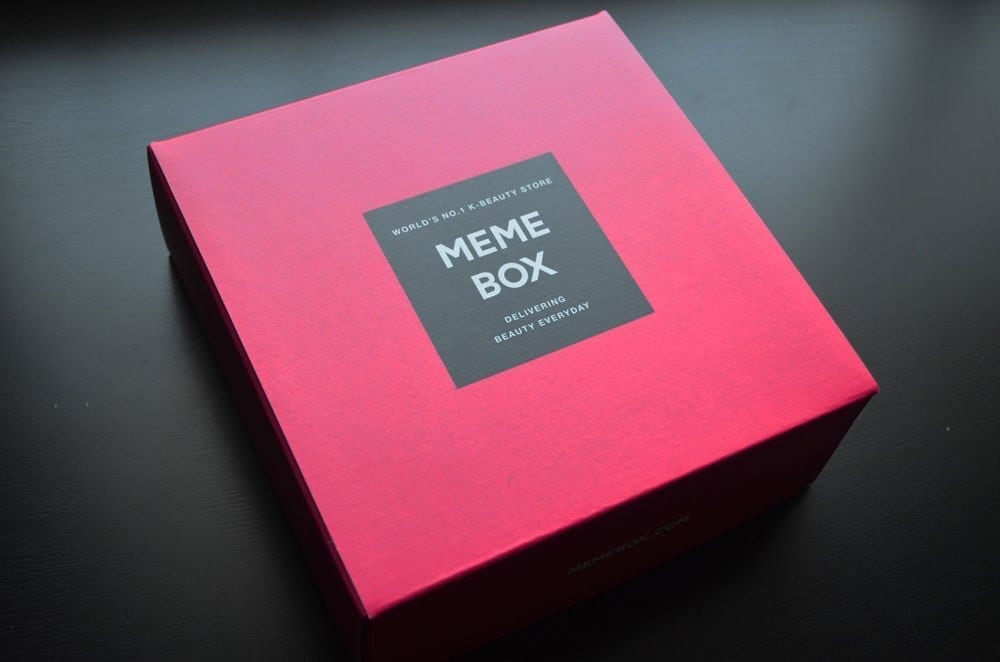
    South Korean cosmetics startup Memebox has raised US$60 million in a Series C extension round led by existing and new investors.

    Investors include Altos Ventures, Cota Capital, Cowboy Ventures, Formation Group, Funders Club, Goodwater Capital, Janet Gurwitch, Mousse Partners and Pear Ventures.

    Memebox says the round is an extension of the $66 million it raised in its initial Series C, bringing aggregate equity funding to $160 million since its incorporation in 2012. The extra investment will allow it to continue streamlining its mobile shopping experience, develop a database of beauty ingredients and products, and build its global footprint.

    As a result of the transaction, Gurwitch, a partner at private-equity firm Castanea Partners and the founder and former CEO of cosmetics company Laura Mercier, joins the Memebox advisory board. She has specialised in beauty companies during her time at Castanea and has served on the boards of Drybar, First Aid Beauty and Urban Decay. She has also served in an advisory role at Dollar Shave Club, acquired by Unilever this year.

    Gurwitch will be advising Memebox on brand strategy, positioning and developing retail partnerships for its four in-house brands – Bonvivant, I’M Meme, Nooni and Pony Effect – in the US market.

    Memebox CEO/founder Hyungseok Dino Ha says the company has been focussed on bringing innovative, high-quality and approachable beauty to consumers worldwide. “We are a global company with offices in six countries with 14 different nationalities.”

    Global streamlining

    There has been a focus on growth in Asia, particularly China, “but with this funding we plan to streamline our global operations at our company headquarters in San Francisco”.

    Memebox evolved from being a subscription box model in 2012 to retailing beauty products then developing its own brands with R&D labs near Seoul. Its four brands have had 60 per cent growth quarter-over-quarter, says the company.

    Memebox invested early in content-driven mobile shopping. It says its mobile app is used for 88 per cent of its global online transactions, with more than 94 per cent of its customers in Asia shopping through the app.

    “What Memebox is doing with mobile and video is unprecedented in the beauty landscape,” says Goodwater Capital managing partner Eric Kim, also a Memebox board member. “Memebox has the heart of a high-end brand, the brain of a deep-data company, and the muscle memory of a social network.”

  • C-Store Private-Label Brands Thrive in South Korea

    C-Store Private-Label Brands Thrive in South Korea

    South Korean convenience stores have long been a part of the country’s quick, fast-changing lifestyle, and are going a step further by producing their own private brands, as reported.

    “The private brand business here will continue to grow across all industries, centered on firms with strong distribution channels. South Korea has a relatively low private brand penetration rate compared to other OECD (Organization for Economic Cooperation and Development) countries,” Suh Yong-gu, a professor of marketing at Sookmyung Women’s University, told the new source.

    Private-label brands also benefit from a lower price tag, Suh added. 7-Eleven Korea’s introduction of private coffee brand Seven Café is an example of an affordable product that competes with existing brands. The news source notes that Seven Cafe ranked No. 1 in terms of the number of products sold at the chain’s locations this year between July 1 and November 16, which marks the first time a private brand product outperformed established brands sold at 7-Eleven stores. Seven Café began with just 20 vendors in January 2015 and has expanded to more than 4,000 vendors as of November.

    Convenience stores are also collaborating with consumer goods manufacturers for added value, notes the news source. For example, South Korean c-store chain CU this year worked with dairy company Seoul Milk to release CU Big Yogurt. Since launching in April, more than 1 million bottles have been sold every month, and the product topped the list of yogurt beverages sold at CU locations, according to the company. CU has about 1,000 different private brand goods on display, which account for about 25% of all products sold at CU stores.

    C-store chain GS 25, operated by GS Retail, and instant noodle maker Paldo recently rolled out Omori Kimchi stew ramen, reports the news source, noting that about 9 million units of the Omori Kimchi stew ramen were sold within a year of its release, surpassing sales of Nongshim’s Shin Ramyun.

    In South Korea, c-store chains aren’t shy about experimenting with private brand products, even when they’re not food or beverage related. For example, in October 2015, CU teamed with local toy maker Oxford Block to introduce three limited edition toys. At 26,000 won ($22), the toys were sold out within five days of release.

    “The rise of private brand products suggests a rosy outlook for convenience retail brands. On the downside, it has cast a cloud over manufacturers of products such as beverages which have to allocate more budget for advertisements and promotions next year,” Kim Tae-hyun, an analyst at IBK Securities, told the news source.

    Industry experts look no further than Japan to gauge the future private brands in convenience stores.

    “Over the past 10 years, Japan has seen a power shift from manufacturing companies to convenience retail businesses on the back of the latter’s distribution channels. For example, Seven & I Holdings, the operator of 7-Eleven Japan, gains 50% of its net sales from private brand products,” said Han Kook-hee, an analyst at NH Investment and Securities, in a report. “Most leading Japanese manufacturing firms are keen to produce private brand products for convenience store brands.”

  • Croatian Beer Now Available for Purchase in Korea

    Croatian Beer Now Available for Purchase in Korea

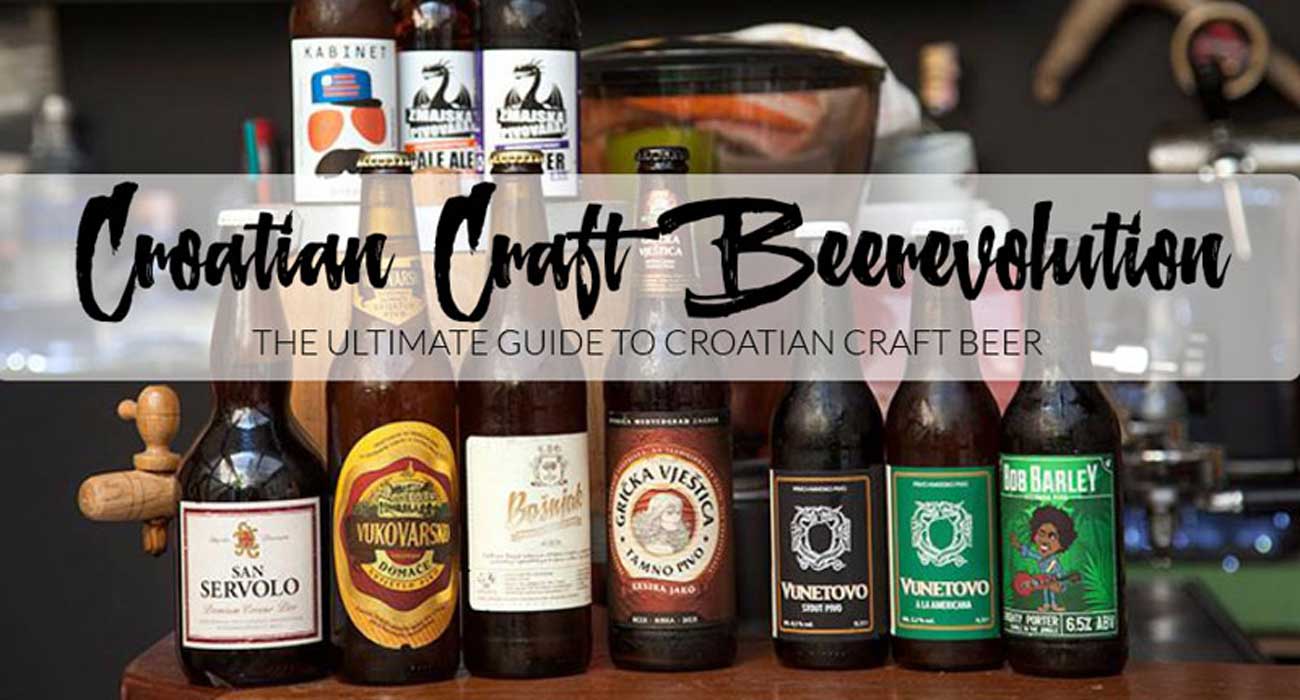
    Korean’s can now have a taste of Croatia under the market slogan, “Croatian beer froths up in the Korean market,” as from last week in South Korea, Croatia’s very own Ožujsko beer can be purchased.

    The liquor importer CKB will be pushing out 4 kinds of Ožujsko to the Korean market, of which two will be lagers and two will be the sweet fruit-flavors (Radler lemon and grapefruit). The lager-style Ožujsko has 5% alcohol content and the fruit-flavored types hold only 2%, assures the Korean portal.

    “Ožujsko is the top-selling beer in the European country, with a 40% market share,” said the statement by CKB, the liquor importer of Ožujsko in Korea.

    You can now find the popular Croatian Ožujsko available in all major retail chains in South Korea, and a 330-milliliter bottle will cost 2,300 won (around 14 kuna), while a 550-milliliter can will cost 2,500 won (around 15 kuna) at big malls across the country.

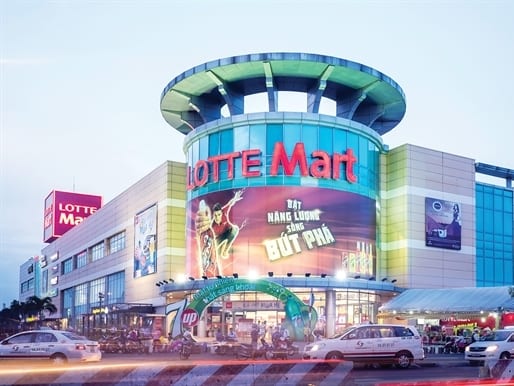
  • Lotte, Hyundai, Shinsegae get duty free licenses

    Lotte, Hyundai, Shinsegae get duty free licenses

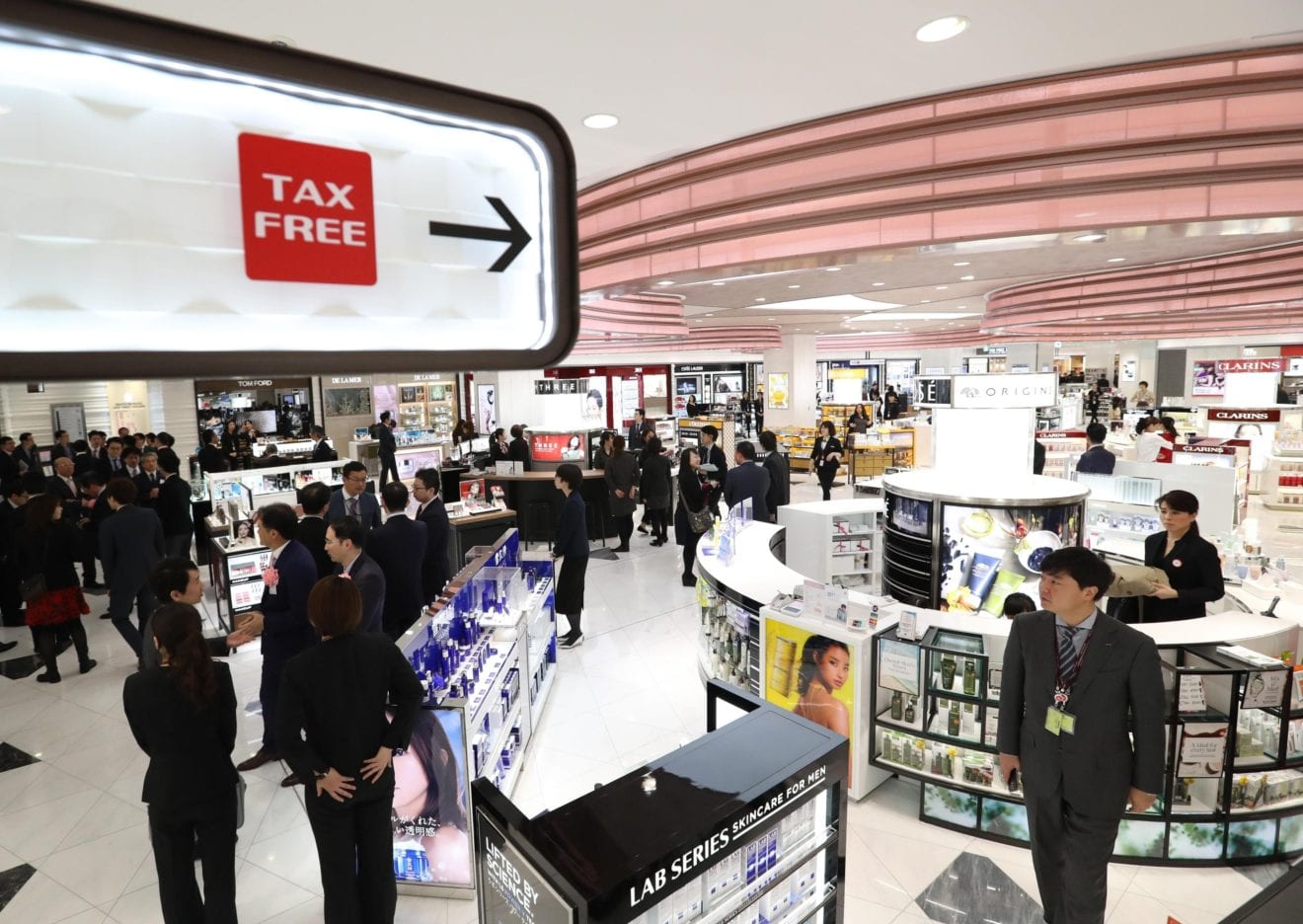
    Lotte Duty Free, Hyundai Duty Free and Shinsegae DF have snatched licenses for new duty free shops in Seoul, showing that retail specialists will have the upper hand over non-retail firms struggling in the market.

    However, the big three firms still have to brace for harsh competition in the already saturated market, as well as lingering questions about the fairness of the selection process due to possible ties to a corruption scandal engulfing President Park Geun-hye and her confidant Choi Soon-sil.

    The Korea Customs Service (KCS), Saturday, named the three firms as operators for three Seoul-based duty free outlets. Also, it said a fourth license for the city, reserved for small and medium-sized firms (SMEs), was taken by Top City Corp. Busan Duty Free and Alpensia won licenses for outlets in Busan and Gangwon Province, respectively.

    The three conglomerates are retail giants that run department stores in the country. Market watchers say their experience and expertise in attracting luxury brands as well as managing and running their stores worked favorably for them in the KCS evaluation.

    All three conglomerate-run shops will be based in southern Seoul. Hyundai, which earned the highest score in the KCS evaluation, will open an outlet near COEX in Samseong-dong. Lotte will reopen an outlet in its landmark Lotte World Tower in Jamsil. Shinsegae will have one in Central City in Seocho-gu.

    So far, most of the large duty free stores have been located north of the Han River. Top-seller Lotte Duty Free’s main store is located in Sogong-dong, while Shilla Duty Free is in Jangchung-dong and Dongwha Duty Free is in Sajik-dong. The combined earnings of the three outlets last year reached 3.85 trillion won.

    Market observers expect the fresh selection will create an opportunity to draw more tourists to southern Seoul and meet the growing demand for duty free shops in the region. According to the Korea Tourism Organization, the number of foreign tourists in those regions grew an average 19 percent annually from 2012 to 2015.

    With the new selections, however, more competitors are added to the already saturated duty free market in Seoul. Currently, nine duty free outlets are in operation in the city and the four companies will open their new stores next year.

    Data shows that the market is displaying signs of a widening gap between firms. Five duty free outlets that began operation after the government granted licenses last year have posted billions of won in operating losses.

    In the first three quarters this year, a Shinsegae shop in Myeongdong posted an operating loss of 37.2 billion won. Galleria Duty Free 63 on Yeouido and HDC Shilla Duty Free in Yongsan each recorded 30.5 billion won and 16.7 billion won in operating loss.

    SM Duty Free in Jongno-gu, which opened as an SME shop, also suffered a 20.6 billion won operating loss in the same period. Doota Duty Free in Dongdaemun did not disclose its data, but reportedly it posted an operating loss of 27 billion won in five months after opening in May.

    Another factor casting concern is the ongoing controversy that the selection was allegedly affected by Choi Soon-sil. Lotte and SK, which were among the candidates for the fresh selection, donated money to two nonprofit foundations controlled by Choi and the prosecution is suspecting the money worked in favor of the two companies.

    With Lotte winning one of the licenses, the controversy is likely to grow.

    The main opposition Democratic Party of Korea (DPK) said Sunday it is “suspicious of the KCS decision to press on with the selection process even though a special inspection over the scandal is ongoing regarding the matter.”

    The KCS said last December there would be no more selection for duty free operators but suddenly decided to offer more licenses in April.

    “There have been suspicions that SK Group head and President Park met privately over the duty free shops,” said DPK spokeswoman Park Kyung-mee.

  • Luxury goods feature in UK accord for South Korea trade talks

    Luxury goods feature in UK accord for South Korea trade talks

    The pending talks with South Korea follow similar dialogues the UK has opened with Australia, China, the Gulf Cooperation Council, India, New Zealand and Norway

    London: The UK and South Korea are set to to begin regular trade talks, with luxury brands a particularly promising topic, as Britain prepares to expand its commercial reach once it has left the European Union.

    A formal working group of ministers from the two countries will meet as many as four times a year to discuss removing barriers to commerce and prospects for “future, ambitious trade opportunities” after the UK exits the EU, the British government said in an statement on Sunday.

    Prime Minister Theresa May has promised to make the UK a leader in liberalising trade around the world after Brexit. Yet Britain is unable to strike its own free-trade deals — or even being formal negotiations — while still a member of the EU.

    “We want to take advantage of all the opportunities available to us to ensure that Britain becomes a global leader in free trade,” UK International Trade Secretary Liam Fox said in an emailed statement. “The agreement of this latest trade dialogue shows that government is preparing for Brexit, not prevaricating.”

    The pending talks with South Korea follow similar dialogues the UK has opened with Australia, China, the Gulf Cooperation Council, India, New Zealand and Norway in the six months since voters chose in a referendum to leave the EU. Trade and investment between the UK and South Korea is worth about 10.9 billion pounds ($13.6 billion) a year, according to British estimates. The UK is the fifth-largest foreign direct investor in South Korea.

    The UK government said in its statement that South Korea is an especially promising market for luxury brands such as Burberry Group Plc, which has 70 stores in the country, and high-end automakers Jaguar Land Rover and Bentley. Other sectors with strong potential include renewable energy and nuclear decommissioning.

    “What we’re doing is putting in place plans to ensure the UK remains open for business and trade links continue to strengthen,” Fox said. “Important like-minded free trading partners like Korea and others are telling us they’ve heard that message loud and clear. Korea itself is a prime example to the world of how free and open trade can lift countries out of poverty to prosperity.”

  • 2nd anniversary for IKEA Korea and how it grows

    2nd anniversary for IKEA Korea and how it grows

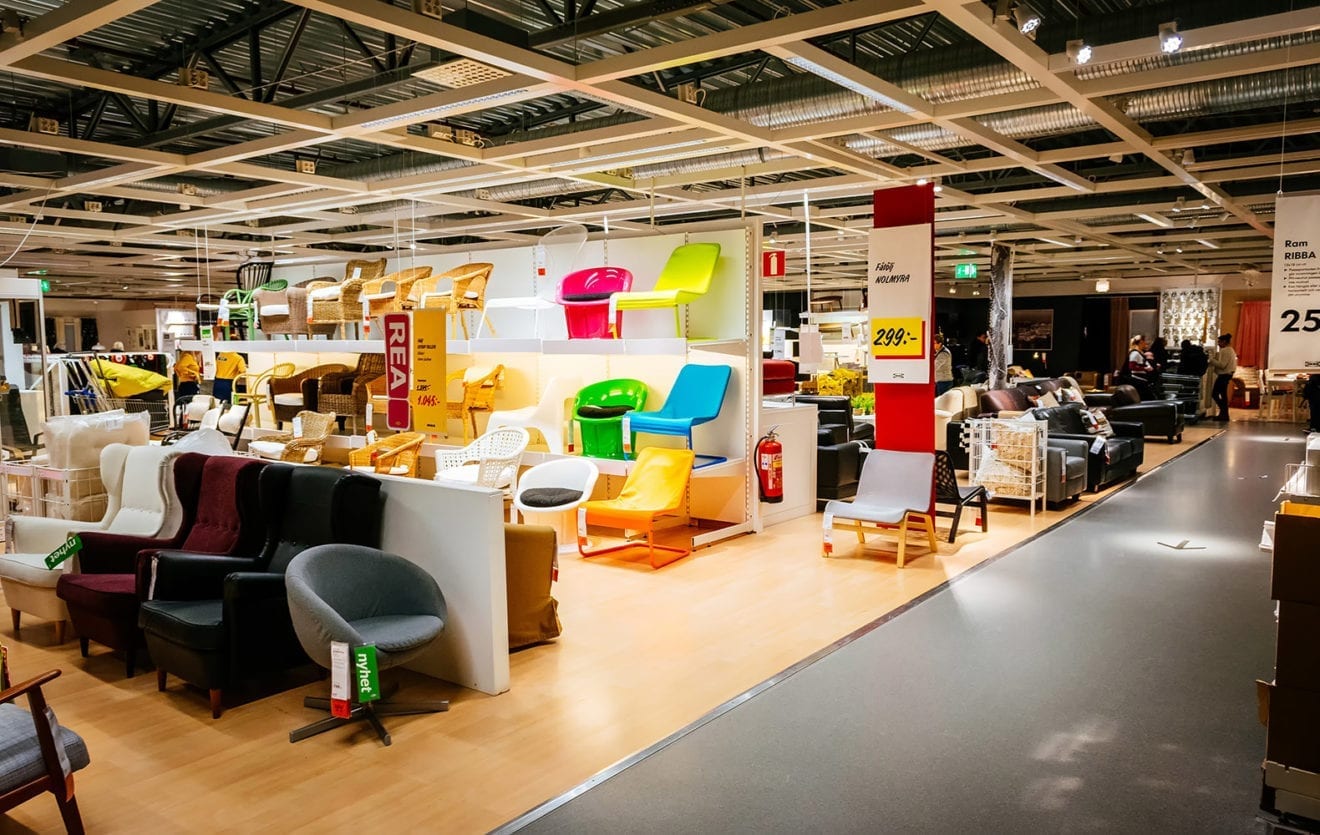
    December 18 will mark the second anniversary of Ikea Korea’s launch.

    According to Ikea’s Swedish head office, its Korean operations have been a success so far. Annual turnover for the 2016 fiscal year to August 2016 was 345 billion won (US$292.3 million), while this year’s sales from January to August, saw a 17 per cent year-on-year increase.

    Although the furniture giant was faced with a few setbacks, namely the controversial recall of its Malm dresser that was blamed in the deaths of at least six children (although none in Korea), Ikea has successfully established itself as a key player in the local market.

    “We’ve made fast progress since the launch of our first outlet here in Gwangmyeong on December 18, 2014,” a spokesman said.

    Ikea’s arrival brought about some positive changes too, particularly for medium to higher-priced furniture businesses.

    The store helped reignite consumer interest in what had been a stagnant Korean furniture market, helping to revitalise the industry, and considering the fact that Ikea targets consumers mainly with budget-friendly items, existing key players selling mid-priced or premium products didn’t have to compete so much with the Swedish giant.

    In fact, local furniture makers Hanssem and Iloom both saw positive growth, with sales for Hanssem, in particular, increasing by roughly 10 per cent as of the third quarter of 2016 to over $1.16 billion, compared to the first three quarters in 2015.

    “The target consumer group for Hanssem, which provides assembled furniture, differs from that of Ikea,” said a Hanssem spokesman, who admitted the company “did benefit a great deal from Ikea’s launch.”

    The Korean retail furniture market was worth $4.24 billion in 2015, a 7 per cent increase from the previous year, and the biggest jump since 2006. The unprecedented growth was viewed as exceptional by industry watchers, who pointed out that the industry appeared to reach its maturity after the 1990s.

    However, Ikea was bad news for furniture merchants at local markets and smaller businesses, who have now lost their biggest competitive advantage – low pricing.

    Over the past five years, the number of furniture companies operating in Korea – the majority of which are smaller enterprises – dropped by almost half, from 21,000 in February 2011 to 13,000 in February 2016.

    Retailers selling kitchen utensils and soft furnishings were also affected by Ikea’s entry, especially for stores in Gwangmyeong, 55 per cent of which said they experienced negative growth since December 2014.

    “There needs to be a way for smaller businesses to coexist alongside bigger players like Ikea and Hanssem,” said an industry official.

    “Given that non-branded furniture businesses make up about 70 per cent of the total Korean industry, small retailers are more than capable of making decent profits. But it seems necessary to implement some kind of official measures in order to help them differentiate themselves and  to better target consumers.”

    Ikea plans to establish five more outlets across the country by 2020, investing 1.2 trillion won ($1 billion).

  • Despite scandal, duty-free licenses to be issued Saturday

    Despite scandal, duty-free licenses to be issued Saturday

    The Korea Customs Service will begin evaluations for the much coveted duty-free licenses today, and the winners will be announced Saturday.

    Despite the political scandal surrounding the process, five bidders have been competitively releasing their plans for investment to gain favor in the selection process.

    Three out of four of the new licenses are allocated for conglomerates, for which five retail giants – Lotte Duty Free, HDC Shilla Duty Free, Shinsegae Duty Free, SK Networks and Hyundai Department Store – submitted bids in early October.

    Lotte Duty Free, which seeks to reopen a store at the Lotte World Tower in Jamsil, said it would invest 2.3 trillion won ($1.97 billion) over five years to establish tourism infrastructure in southern Seoul. The company intends to use the Seokchon River and Olympic Stadium nearby to organize a cherry blossom festival in April and a fall festival in November. The Lotte Duty Free in Jamsil would be the largest duty-free store in Korea.

    SK Networks wants to revive the Walkerhill Duty Free in Gwangjin District, near Seoul’s eastern end. One of the company’s grand plans is to open a resort spa that would add to the area’s scarce tourist sites. It was the only bidder to propose tourism development outside of Seoul in Gapyeong, Gyeonggi, which is popular with domestic tourists with venues such as Namiseom Island and Petit France.

    Shinsegae Duty Free promised to invest 350 billion won to expand the tourism infrastructure around Seocho and Gangnam District, near where it hopes to build its second branch. The company’s strength is in its location, Banpo-dong, in Seoul’s center. Its plans for tourism and cultural development are focused on promoting infrastructure in the area, such as pedestrian passages around landmarks like the Seoul Arts Center in Seocho-dong or the Floating Island, and a premium gourmet festival in Itaewon.

    HDC Shilla Duty Free, run by Hotel Shilla and Hyundai Development Company, has focused on IT and Korean culture, to attract young tourists to a second branch at Samseong-dong in Gangnam, southern Seoul. HDC Shilla’s focus is to collaborate with small and midsize shops in its second branch, particularly in cosmetics, accessories and food.

    Hyundai Duty Free is going for another shot to open in COEX. Its initial plan submitted in October said the company would invest 30 billion won in Gangnam’s tourism in the next five years. Hyundai’s plan focuses on Korean pop culture, including an idol theme park beside COEX. Last month, it said its 50 billion won plan includes support for Gangnam’s cultural development and donations to the needy.

    Meanwhile, 61 independent and opposition party lawmakers released a statement Tuesday requesting that KCS postpone selecting duty-free operators until suspicions about Lotte and SK Group are resolved. The companies are being investigated for promising licenses in return for donations this year to K-Sports Foundation, a nonprofit linked to President Park Geun-hye’s confidante Choi Soon-sil.

    However, the Korea Customs Service said that many companies have been awaiting a decision, which cannot be delayed over political matters. The office said Wednesday it would rather take back licenses afterward from companies found to have conducted illegal practices for the selection.

    It also said it will release detailed evaluations of companies selected as winners. In November 2015, the office was criticized after Lotte and SK lost their licenses without clearly being informed why, raising doubts on the procedure’s fairness.

  • Korean label Blanc & Eclare opening in NYC

    Korean label Blanc & Eclare opening in NYC

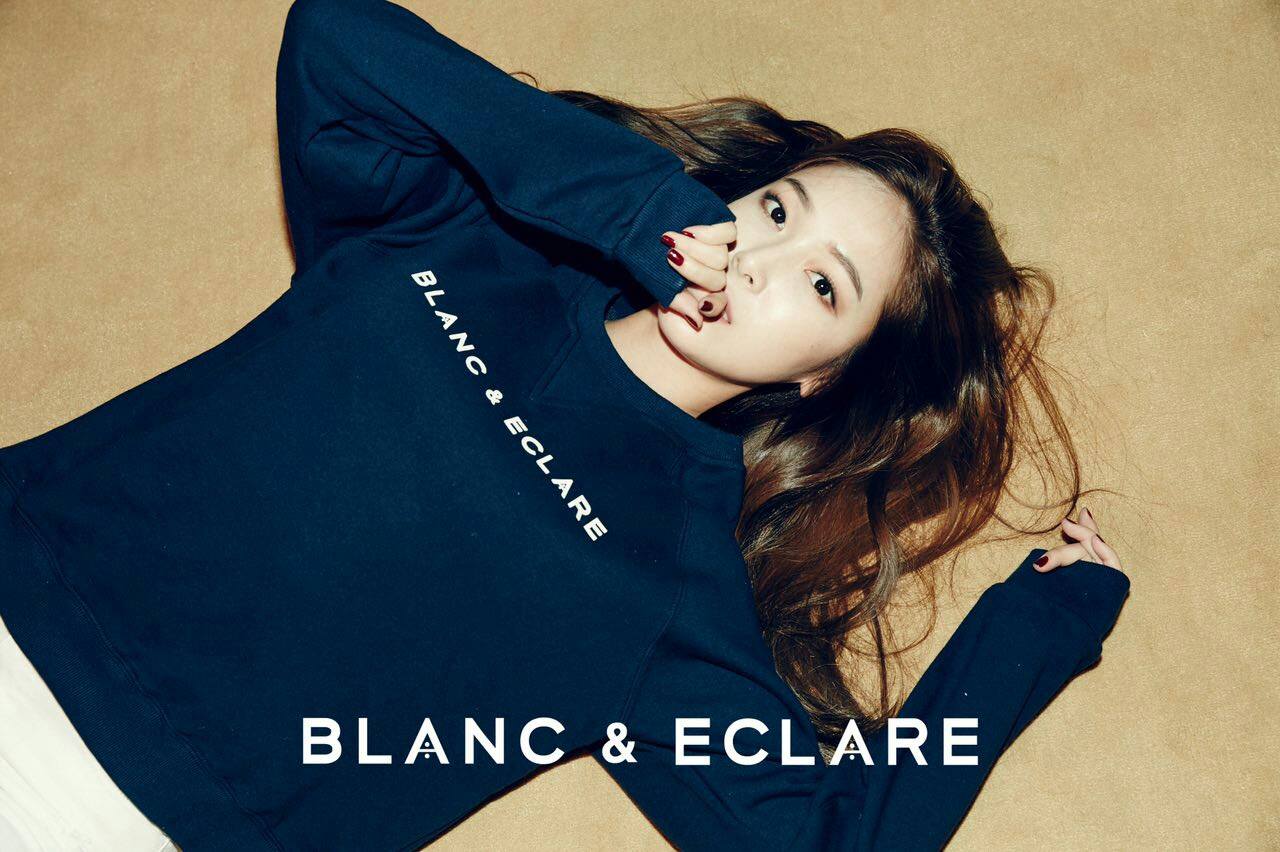
    At only two years old, Korean-based label Blanc & Eclare has decided on New York City for its first North American venture.

    Launched by Korean pop superstar Jessica Jung, the label will open in a brick-façade store along SoHo’s Spring Street Jung left the chart-topping Korean group Girls’ Generation in 2014 after seven years to create her own fashion brand. It started as sunglasses (the inaugural line sold out in four hours), with denim, coats, ready-to-wear and skincare products being added along the way.

    blanc-eclare-opening-in-nyc

    Jung has opened 40 Blanc & Eclare stores around Asia, including China, Macau, Singapore and Thailand.
    Prices for the collection range from US$145 for a turtleneck sweater to US$505 for a double-breasted blazer. Cosmetics start at $16 for lip balm, $22 for a face mask and $60 for a night cream.