Tag: Korea

  • Huawei to supply network for PyeongChang 2018

    Huawei to supply network for PyeongChang 2018

    Huawei announced it has been selected as an official network equipment supplier for the 2018 Winter Olympic and Paralympic Games in PyeongChang.

    As an official supplier, Huawei will deliver a comprehensive network system covering a games, administration and facility network.

    The vendor facilitate the delivery of services including real-time competition data transmission, broadband certification for audiences and stadium security protection.

    A network equipment supply and sponsorship agreement was signed in Seoul yesterday by the PyeongChang Organizing Committee’s (POCOG) president and CEO Lee Hee-beom and Huawei’s enterprise business group president Yan Lida.

    “We are honored to be selected as the Official Network Equipment Supplier of the PyeongChang 2018 Olympic Winter Games,” Lida said at the ceremony.

    “With a wealth of expertise in network construction for large-scale sports events and stadiums, Huawei will provide full support to POCOG in building a cutting-edge network for the Games.”

  • Apple Korea targets 15pc market share

    Apple Korea targets 15pc market share

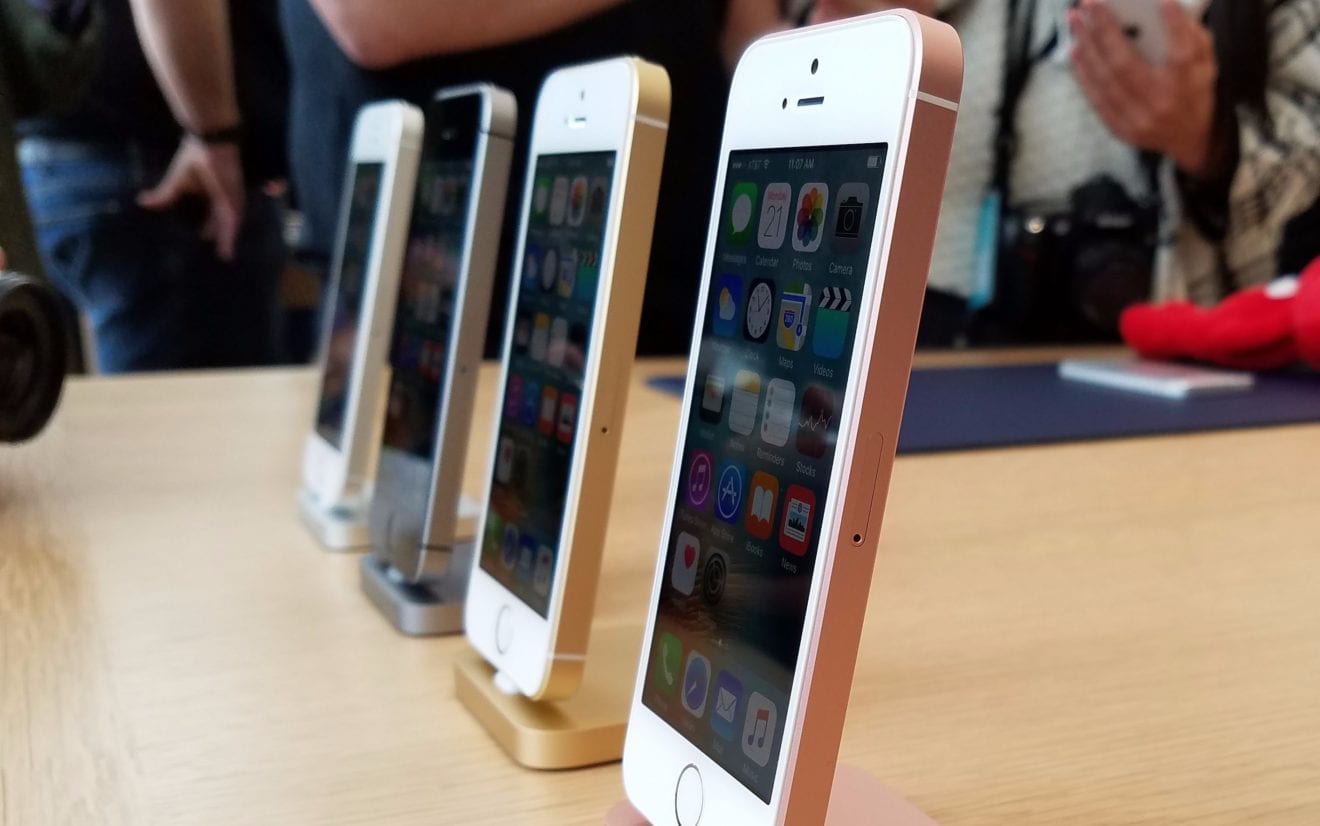
    Apple Korea is going head on to Samsung on its home turf, on target to sell 2.9 million iPhones in South Korea this year, giving it a market share of about 15 per cent.

    At the end of last month it had sold 2.6 million iPhones, and is forecasting improved results for the year. Its operating profit has reached more than KRW800 billion (US$684 million) on revenue of KRW3 trillion, according to Yonhap News Agency.

    Sales of iPhones account for more than 75 per cent of Apple’s revenue in Korea, sources say. It launched the iPhone 7 in October with the opportunity to take share from market leader Samsung after its Galaxy Note 7 debacle.

    On top of that, the Cupertino-based tech company is building its first flagship retail store in Seoul, expected to be completed next November, right across the street from Samsung’s headquarters.

    Apple’s market share in Korea peaked at 33 per cent in the fourth quarter of 2014 following the launch of the iPhone 6, according to Counterpoint. Samsung and LG now have a combined market share of more than 80 per cent. LG had a 19 per cent market share in the second quarter of this year.

    South Korea and Japan, where the iPhone had more than a 50 per share for the three-month period ending October 30, are rare growth markets in Asia for Apple. Its iPhone shipments in China plunged 31 per cent to 7.5 million units in the third quarter, with market share falling to 6.2 from 10.3 per cent, according to Strategy Analytics.

    Apple reportedly reduced orders from component suppliers for its iPhone 7 models early this month because of demand being weaker than expected in many markets, including China.

  • Lotte promises +$2bn in World Tower support

    Lotte promises +$2bn in World Tower support

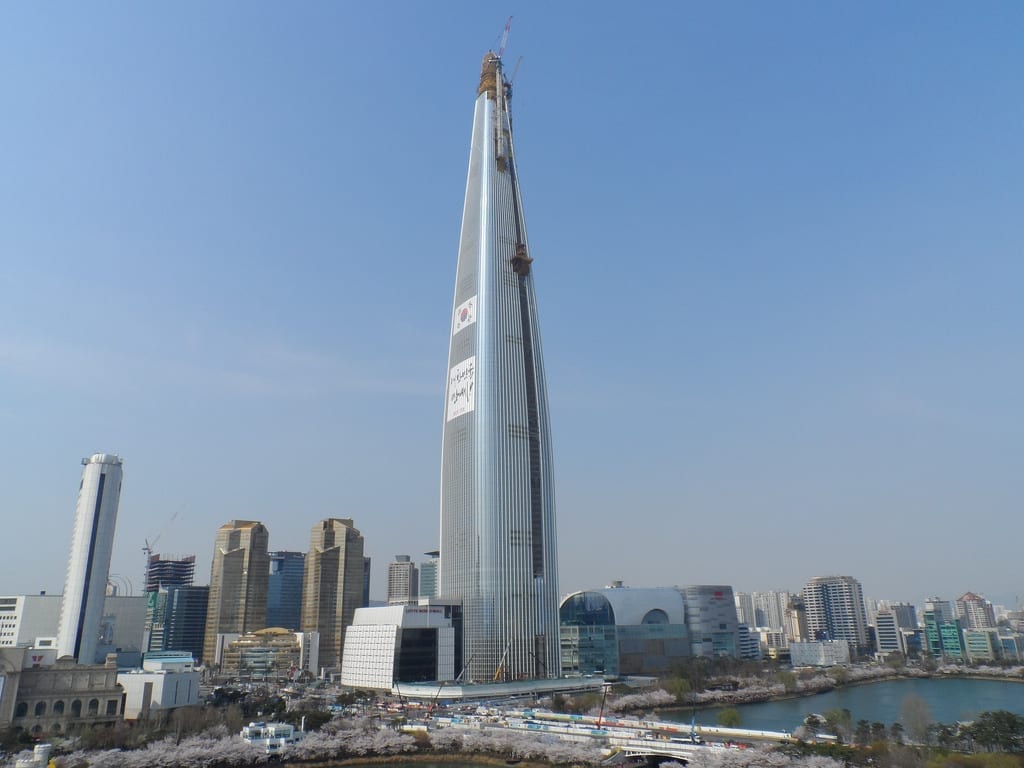
    Ahead of this Saturday’s highly anticipated downtown duty free license awards in Seoul, South Korea, Lotte Duty Free has promised to invest Won2.3 trillion ($1.97bn) on tourist-related investments in the upmarket Gangnam quarter of Seoul between 2017 to 2021.

    It has also pledged to include support for small and medium-sized business partners while finding ways to attract more than 17m foreign tourists.

    This unprecedented offering from South Korea’s biggest duty free operator also includes an undertaking to create 34,000 direct and indirect jobs, while creating substantial foreign exchange income.

    UNPRECEDENTED SUPPORT PACKAGE FROM LOTTE

    Lotte has also promised to contribute substantially to social needs, while offering ‘win-win management’ arrangements and solutions for small and medium business partners.

    In a lengthy communication, Lotte Duty Free adds that all of these promises and much more are ‘included’ within the business plan it has already submitted to the Korea Customs Service on October 4.

    As such, it is obviously hoping this will be enough to secure one of the Seoul downtown duty free store licenses which now comprise 10 years in length, rather than five.

    SK GROUP ALSO HOPES FOR A LICENSE ‘REPRIEVE’

    Needless to say, Lotte is not the only company looking to secure a downtown license since there are three on offer in the capital Seoul, with SK Networks also hopeful that it will win a license and be able to restore its duty free offer at the WalkerHill casino and hotel in Seoul.

    Another three licenses are also expected to be offered to retailers operating in smaller South Korean cities, including Busan.

    SK Networks (part of the SK Group) lost its Seoul license last November at the same time as Lotte Duty Free, although Lotte holds other licenses in downtown Seoul and at Incheon Airport.

  • The Twee flagship in Kuala Lumpur

    The Twee flagship in Kuala Lumpur

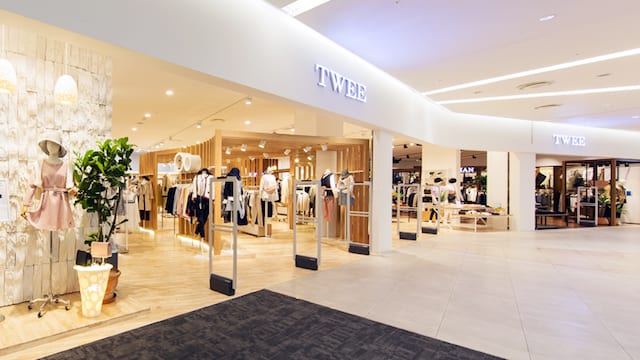
    Korean fashion retailer The Twee will open its first Southeast Asia flagship store at the new KL Gateway Mall in Kuala Lumpur.

    Set to open on January 12, the mall is part of the KL Gateway mixed development by Suez Capital in Bangsar South, Jalan Kerinchi.

    Along the Federal Highway, it offers a net lettable area of about 400,000 sqft (37,161 sqm) across seven levels, with more than 200 retail outlets.

    Covering about 11,000 sqft, The Twee flagship will be the brand’s biggest store in Southeast Asia, says Suez Capital head of asset management Michael Chee Soon Hin.

    Launched in 2009, The Twee has 28 fashion stores as well as kiosks in major department stores across Korea as well as in Shanghai. It targets women between 19 and 25 years old.

    Chee says the mall is already 80 per cent occupied and there are hopes it will achieve full occupancy by April. Secured tenants include Cotton On, Daiso, Doutor Coffee, H&M, Home’s Harmony, Mr DIY, Times Bookstore, Village Grocer, Yamazaki Bakery and Yubiso.

    There will also be free WiFi throughout the common areas of the mall.

    “The concept of the mall is based on a street mall – you will not be bored,” says Chee. Each floor is inspired by elements from different continents, and there will be an outdoor landscaped garden where residents in the residential units above the mall can grow vegetables.

    Suez Capital has invested in an automated car-park system for shoppers. “It will be the biggest automated car park in Southeast Asia with 1230 automated parking bays as well as 900 normal parking bays,” says Chee.

    The projected footfall for KL Gateway Mall is more than 10 million annually, with about 40 per cent from LRT (light-rail transit) commuters. A 100m covered, air-conditioned bridge will link the mall to the KL Gateway-University LRT Station.

    The integrated development includes four residential towers of more than 1180 units, which will be completed next year, while two Grade-A corporate office towers are being delivered in stages.

  • Hyundai buying SK Networks’ fashion sector

    Hyundai buying SK Networks’ fashion sector

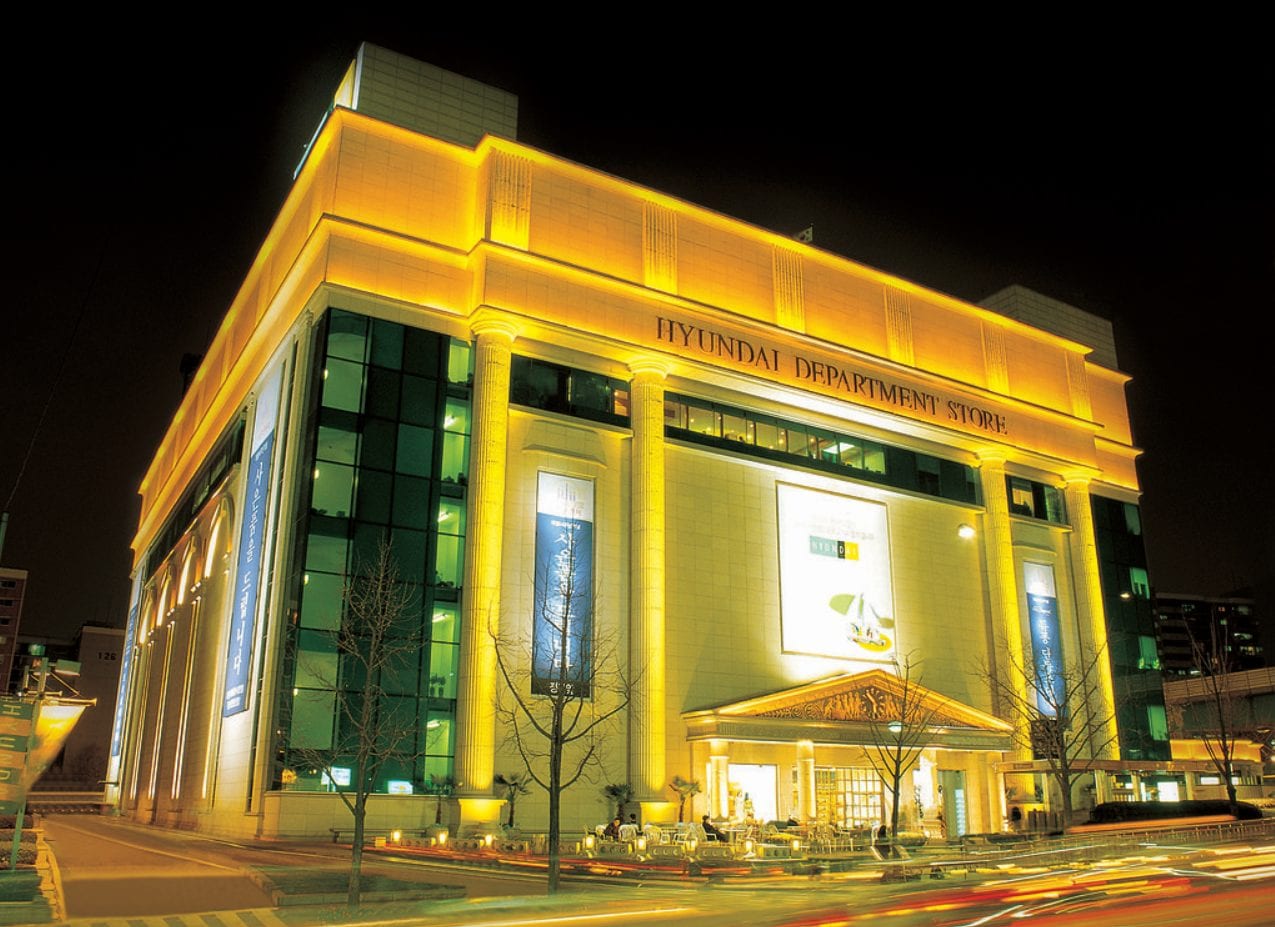
    South Korea’s Hyundai Department Store is buying trading company SK Networks’ fashion business for KRW326.1 billion (US$284 million).

    When the purchase is complete, probably by February, SK Networks (SKN) will no longer have interests in the fashion industry.

    The two companies have signed a deal to merge SKN’s 12 fashion brands into Hyundai’s Handsome fashion unit, which has annual sales of KRW750 billion. With SKN’s KRW600 billion added in, the merged group becomes the fourth-largest fashion company in South Korea behind E-Land, Samsung C&T and LF.

    Hyundai says it will retain SKN’s 400 designers, merchandisers, marketers and production staff, guaranteeing their jobs for five years.

    Analysts say the two businesses are a good fit and are unlikely to cannibalise each other’s trade as Handsome is known largely for its local womenswear brands while SKN is a major importer of global labels such as American Eagle, Club Monaco, DKNY and Tommy Hilfiger.

    Its house brands  include Obzee, O’2nd and Rouge & Lounge.

  • Apple tipped for strong growth in South Korea

    Apple tipped for strong growth in South Korea

    Apple Korea is forecast to post improved results for the year, with its operating profit reaching more than KRW800 billion ($684 million) on revenue of KRW3 trillion.

    The vendor is expected to sell 2.9 million iPhones in South Korea this year, giving it a market share of about 15 per cent, sources told the news agency. At the end of November it had sold 2.6 million iPhones.

    Sales of iPhones account for more than 75 per cent of Apple’s revenue in Korea, the local sources said.

    Apple launched the iPhone 7 in the country in October and has the opportunity to take share from market leader Samsung in its home country after its Galaxy Note 7 debacle. The Cupertino-based vendor is building its first flagship retail store in Seoul, which is expected to be completed in November 2017 and is located across the street from Samsung’s headquarters.

    The US vendor’s market share in South Korea peaked at 33 per cent in Q4 2014 following the launch of the iPhone 6, according to Counterpoint.

    Samsung and LG now have a combined market share of more than 80 per cent. LG had a 19 per cent market share in Q2.

    South Korea and Japan, where the iPhone had more than a 50 per share for the three-month period ending 30 October, are rare growth markets in Asia for Apple.

    iPhone shipments in China plunged 31 per cent to 7.5 million units in Q3, with Apple’s market share falling to 6.2 per cent from 10.3 per cent in Q315, according to Strategy Analytics. Earlier this month Apple reportedly reduced orders from component suppliers for its new iPhone 7 models due to weaker than expected demand in many markets, including China.

  • South Korea worries about growing economic risks, amid impeachment push for President Park

    South Korea worries about growing economic risks, amid impeachment push for President Park

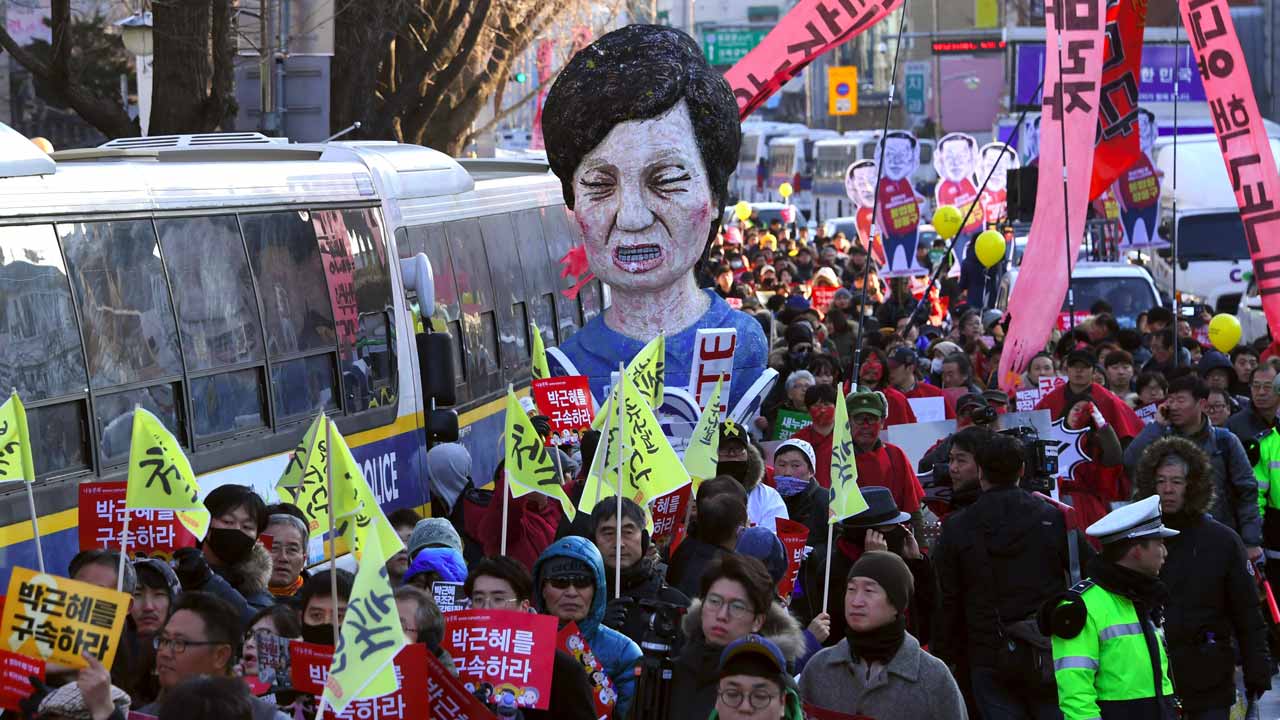
    South Korea’ finance ministry said on Thursday it is concerned about further risks to the economy from “domestic issues”, as parliament prepares to hold an impeachment vote on South Korean President Park Geun-hye.

    The ministry did not explicitly point to the deepening political scandal surrounding Park in its monthly assessment of the economy, but said it was concerned domestic issues may result in weaker consumption and investment at a time when many global uncertainties persist.

    That would put more pressure on an economy that is grappling with record household debt, dozens of zombie companies under restructuring and weak exports, which have been further dampened by Samsung Electronics Co’s decision to scrap its fire-prone flagship smartphone Galaxy Note 7 and a strike at Hyundai Motor Co.

    South Korea is bracing for another possible hit to trade if President-elect Donald Trump follows through on his protectionism rhetoric once he takes office in January, while its financial markets – like other emerging economies – have been roiled by expectations of more U.S. interest rate hikes starting as soon as next week.

    South Korea’s manufacturing activity shrank for the fourth straight month in November and export orders also fell, albeit at a slower pace than in October, a private survey showed last week.

    “We’re seeing a pause in investment and policymaking in general due to political uncertainties,” said Jung Kyu-chul, an economist at state-run Korea Development Institute.

    While the think tank forecasts the economy will grow 2.4 percent next year, down from 2.6 percent estimated for 2016, “it could easily be cut to just above 2 percent in 2017 if this scandal drags on and takes steam out of everything from consumption to investment to job market,” he said.

    The ministry report came a day after Finance Minister Yoo Il-ho cited the uncertain outlook for leadership in Asia’s fourth-largest economy as a risk to growth.

    Consumers already have turned the glummest since the global financial crisis.

    A Bank of Korea survey showed consumer sentiment last month fell to its lowest since April 2009, on the same week that Park’s approval rating sank to an all-time low of 4 percent.

    Park’s embattled presidency faces a critical juncture, with parliament expected to hold an impeachment vote on Friday.

    But even if the motion is passed, it must be upheld by the Constitutional Court, a process that could mean the political crisis will drag on for months.

    Park is accused of colluding with a friend and a former aide to pressure big business owners to pay into two foundations set up to back policy initiatives. She has denied wrongdoing but apologized for carelessness in her ties with the friend, Choi Soon-sil.

    Kwon Young-sun, a Hong Kong-based economist with Nomura Securities, sees the Bank of Korea cutting interest rates only once in 2017 if an early election is held.

    “We now expect only one 25 basis point policy rate cut to 1 percent in the fourth quarter of 2017, after a likely early presidential election in the first half of 2017,” Kwon said in a report released on Thursday.

    Previously, he had expected the bank to make two cuts to 0.75 percent, but said the country isn’t likely to see “any significant macro policy changes in the first half of 2017 until after the election,” he said.

    The ministry said private consumption has rebounded in recent months but largely due to government-led retail promotions.

  • McDonald’s trims plans to sell parts of Asian operations

    McDonald’s trims plans to sell parts of Asian operations

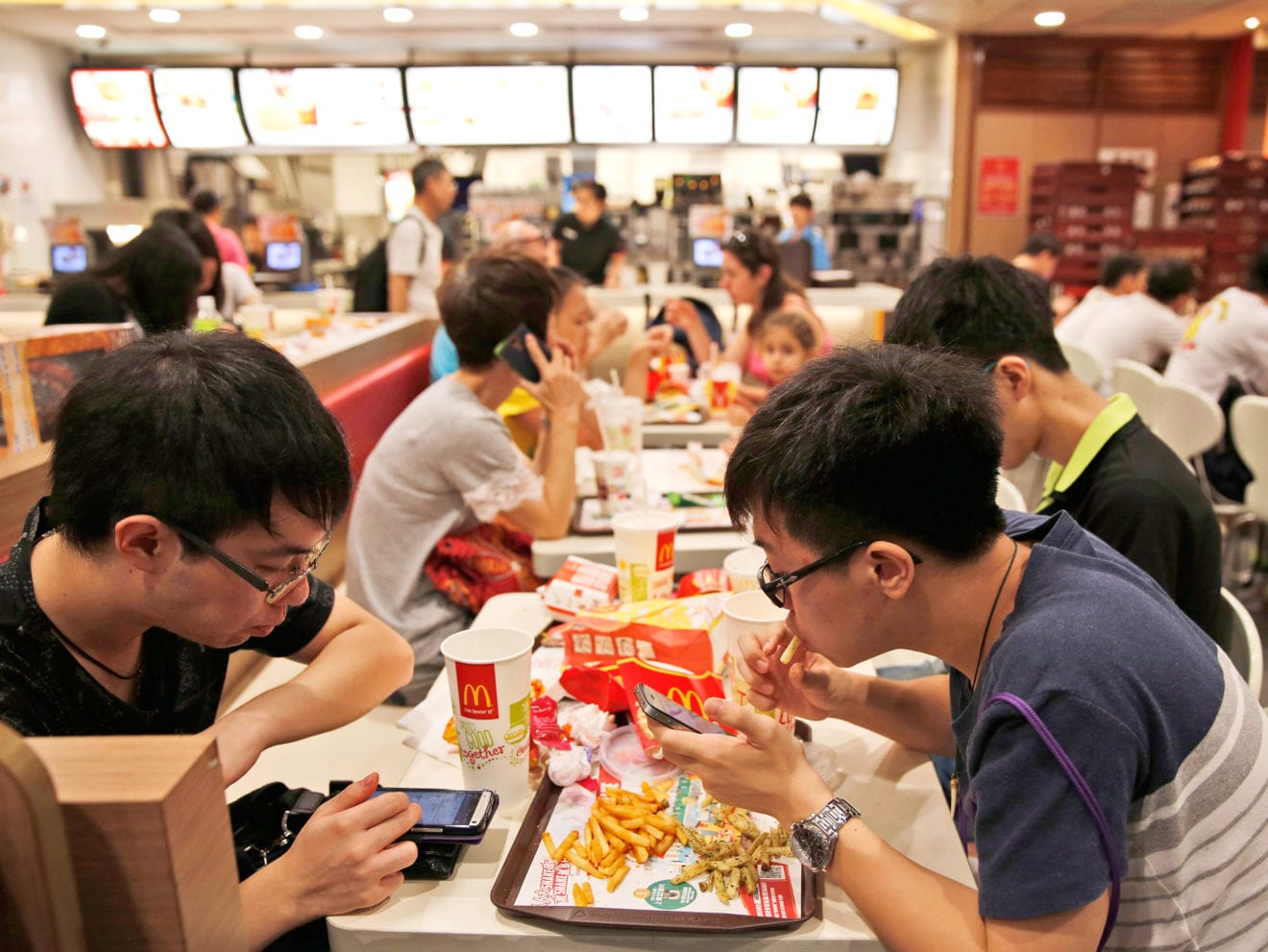
    McDonald’s has downsized plans to sell parts of its Asia franchise after failing to find a suitable buyer in South Korea. The world’s largest fast-food retailer has a stringent list of terms for the deal, including keeping management and existing suppliers in place for a period of time in the hope of protecting the brand.

    Potential buyers balked at those demands, and prompted the decision to cut the country out of the current deal, said two people close to the matter.

    McDonald’s also plans to take a minority stake in the sale of the franchise in China and Hong Kong of up to 25 per cent, in an attempt to exercise greater control over the business that has in the past suffered from food safety scandals.

    The changes to the deal, which is near closing, with China’s Citic Group Corp and US private equity house Carlyle as the buyers, would reduce the size of the transaction to between $1bn and $2bn from what was originally expected to be as much as $3bn.

    The deal could close by the end of the month, said one of the people close to the deal.

    The sale of the 20-year franchise of 2,400 stores in China and Hong Kong has forced McDonald’s to strike a balance between reducing its exposure to China while also protecting its brand in the region.

    The deal attracted several Chinese bidders but people close to the process said the company turned many of them away because they were not deemed suitable to run the operation. The list of bidders included Sanpower Group, the owner of UK retailer House of Fraser, as well as Cinda Asset Management, a state-run bad-debt investor.

    The terms of the deal were unappealing to some of the private equity funds that originally were interested because McDonald’s has insisted the franchise not be publicly listed. Some private equity investors hoping to squeeze value out of the franchise considered terms such as maintaining management and suppliers for two years oppressive.

    US private equity house TPG, which partnered with Chinese retailer Wumart Stores, dropped out of the process at an early stage, followed later by Bain Capital and Shanghai-based partner GreenTree Hospitality.

    Yum Brands, which is nearly double McDonald’s presence in China, struggled with similar problems earlier this year.

    Yum Brands spun off its China business in a New York Stock Exchange listing in October with China-based private equity fund Primavera Capital and Ant Financial Services, an affiliate of Alibaba, taking a $460m stake in the operation.

    One investor has raised concerns about McDonald’s Latin American partner’s performance and whether McDonald’s would face similar issues in Asia by stepping back from operations on the ground.

    CtW Investment Group, which has a 0.2 per cent stake in McDonald’s and is affiliated to a federation of unions representing more than $250bn in assets, wrote to McDonald’s earlier this year citing worries over corporate governance at the fast-food chain’s master franchiser in Latin America, Arcos Dorados, which it says is hampering the chain’s performance in the market.

  • Gucci owner meets Korea’s retail giants

    Gucci owner meets Korea’s retail giants

    Kering CEO Francois-Henri Pinault came to Korea, Wednesday, to meet owners and CEOs of retail giants here, according to industry sources. Kering, which changed its name from PPR in 2013, is the French luxury goods holding company owner of more than 20 luxury sport and lifestyle brands including Gucci, Bottega Veneta, Saint Laurent Paris, Balenciaga, Brioni and Puma, which are sold worldwide,.

    Pinault reportedly visited Hyundai Department Store in Apgujeong, southeastern Seoul, Wednesday, and was shown around by CEO Park Dong-woon. Chairman Chung Ji-sun did not meet Pinault, due to a scheduling conflict.

    The sources said Pinault also met Shinsegae Department Store President Chung Yoo-kyung and Lotte Group Chairman Shin Dong-bin on Thursday.

    Pinault is also reportedly scheduled to meet Hotel Shilla President Lee Bu-jin. In 2012, Pinault visited Korea as PPR chairman and met Shin and Lee. At that time, he looked around Lotte Department Store, Lotte Duty Free, Hanwha Galleria Department Store, Shinsegae Department Store and Shilla Duty Free over three days.

    Observers are paying attention to Pinault’s visit, which is only a week before new duty-free store operators are named, Dec. 17. Some sources anticipate Pinault and Korean retailers will discuss offering Kering’s luxury brands at the stores.

    However, candidates for duty free store cannot name what was not included in their business proposals submitted in October, during their final presentations. Other observers therefore believe Pinault’s visit is not related to duty free stores.

    Those observers say Pinault was here to talk with Korean retailers, so Kering’s brands can expand their presence here and in other Asian countries, especially China.

    With rapid sales growth, Asia has recently been in the limelight among global luxury brand retailers.

    In April, Moet Hennessy Louis Vuitton SE (LVMH) Chairman Bernard Arnault visited Korea and met Hotel Shilla’s Lee and Shinsegae’s Chung.

    Arnault also came to Korea last year for the opening celebration of The House of Dior, a flagship store in Apgujeong.

  • DJI Launches Xmas Promotion

    DJI Launches Xmas Promotion

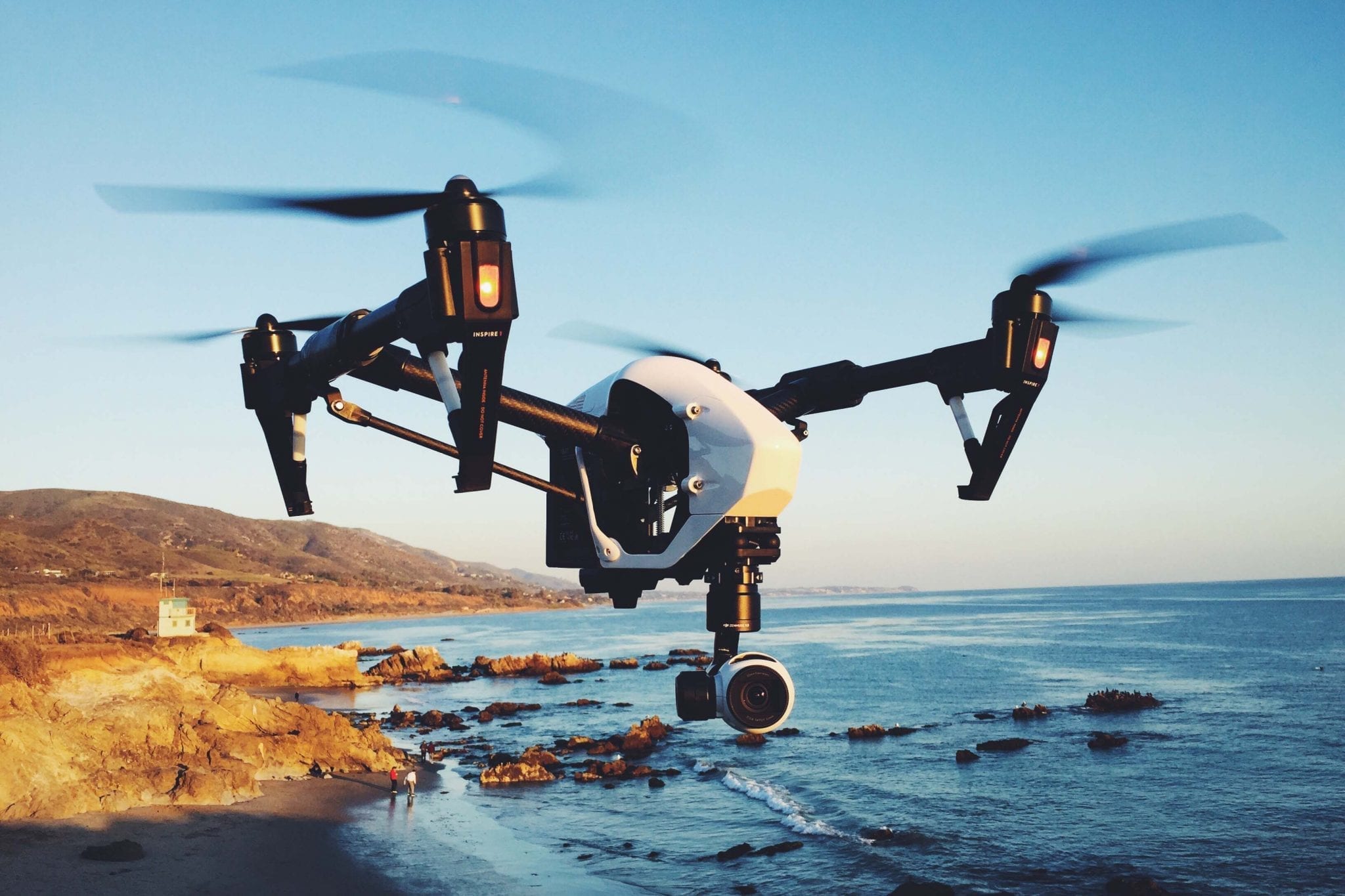
    DJI, the world leader in unmanned aerial technology, Monday launched its Xmas Promotion featuring price reductions, free accessories with purchases and special holiday gifts.

    Whether you are a content creator looking for the best stabilized handheld camera equipment to shoot your next online video or an experienced aerial photographer looking to take your skills to the next level, there is something for everyone to be excited about this holiday season. 

    DJI’s Xmas Promotion will commence December 12, 2016 and end at 4 pm HK time January 5, 2017. The Phantom discount and Osmo bundle promotion will be available on https://campaign.dji.com/xmas, at authorized DJI dealers and in the Shanghai, Shenzhen, Seoul and Hong Kong DJI Flagship Stores. 

    The DJI Xmas Promotion features:

    • Price reductions on select Phantom drone models as detailed in the chart below (excluding Japan and China).
    • Free High Capacity Intelligent Battery with the purchase of the Osmo+ handheld stabilizer or free Intelligent Battery and Osmo Base with the purchase of the Osmo Mobile.
    • All DJI Care service plans are discounted by 12%. For more info and applicable countries, please visit https://store.dji.com/category/service.
    • The first 400 customers who purchase the recently released Phantom 4 Pro or Inspire 2 at store.dji.com/ will receive a special holiday gift which includes a DJI scarf and 3D Christmas card.

    Pricing Details:

    Model


    AUD

    HKD

    TWD

    USD

    (SGP & MYS)

    Phantom 4

    Original Price

    2,099

    9,299

    53,000

    1,279

    Promotional Price

    1,699

    7,999

    37,400

    1,069

    Phantom 3 Professional

    Original Price

    1,699

    7,999

    36,800

    1,070

    Promotional Price

    1,399

    6,499

    30,000

    859

    Phantom 3 Standard

    Original Price

    859

    3,869

    18,300

    530

    Promotional Price

    689

    3,199

    15,000

    429

    Phantom 4 – Obstacle avoidance, intelligent tracking and computer vision, allowing you to experience a simplified flying experience

    The Phantom 4 expands on previous generations of DJI’s iconic Phantom line by adding new on-board intelligence that make piloting and shooting great shots simple through features like its Obstacle Sensing System, ActiveTrack and TapFly. It is the first consumer quadcopter to use highly advanced computer vision and sensing technology, which makes professional aerial imaging easier for everyone.

    For more info: https://www.dji.com/phantom-4 

    Phantom 3 Professional – Smart, responsive and stable, enabling you to unleash your creativity

    The Phantom 3 Professional makes flying remarkably easy so you can shoot like a pro. With GPS-assisted hover, Vision Positioning System, smart features such as Return-To-Home, Point of Interest, Follow Me and real-time flight data, capturing the perfect shot has never been easier. The Phantom 3 Professional is one of the most intelligent, ready-to-fly drone that allows you to unleash all sorts of creative possibilities.

    For more info: https://www.dji.com/phantom-3-pr 

    Phantom 3 Standard – Remarkably intuitive and easy to use, allowing you to enjoy the thrill of flight

    The Phantom 3 Standard makes flying fun and exciting with its powerful, responsive motors. Soar on the path you want, stop in place, speed up, or fly higher in an instant. From takeoff to landing, it’s completely under your control while its onboard intelligent features does all the work, making it the most affordable and easy to fly consumer drone.

    For more info: https://www.dji.com/phantom-3-standard 

    Osmo+ – Control your composition with zoom and capture smooth, cinematic videos

    The Osmo+ allows you to capture motion without blur, action shots without shake and create the perfect video even on the move. It is DJI’s first consumer handheld gimbal with an integrated zoom camera that empower users with a 7× zoom without sacrificing HD quality. This gives you more control over your composition than ever before, allowing you to frame the perfect shot.

    For more info: https://www.dji.com/osmo-plus

    Osmo Mobile – Turn your smartphone into a smart motion camera

    The Osmo Mobile allows you to capture memories and share life’s moments more easily than ever before by turning your smartphone into a motion camera. It can make every moment you shoot look smooth, professional and ready to share. With the DJI GO app, you can automatically track your subject, capture stunning motion timelapses or even stream your moment as it happens.

    For more info: https://www.dji.com/osmo-mobile

    Phantom 4 Pro – An intelligent, easy to use aerial platform for those who demand more from the camera

    The Phantom 4 Pro offers a powerful imaging system for those who demand excellence from the camera. The camera packs a 1-inch 20-megapixel sensor and almost 12 stops of dynamic range to bring out levels of detail even in low-light. Enhanced features include sensing systems on the four sides that help it avoid obstacles, Landing Protection function and newly added subject tracking capabilities.

    For more info: https://www.dji.com/phantom-4-pro

    Inspire 2 – A ready-to-fly platform for professional filmmakers and video creators

    The Inspire 2 takes everything that was good about the revolutionary Inspire 1 and improves it, with an upgraded camera system, dual intelligent battery, autonomous flight features and added sensors for better obstacle detection. An upgraded video transmission system is now capable of dual signal frequency and dual channel, streaming video from an onboard FPV camera and the main camera simultaneously, for better pilot and camera operator collaboration.

    For more info: https://www.dji.com/inspire-2
  • Shinsegae support for handcraft market

    Shinsegae support for handcraft market

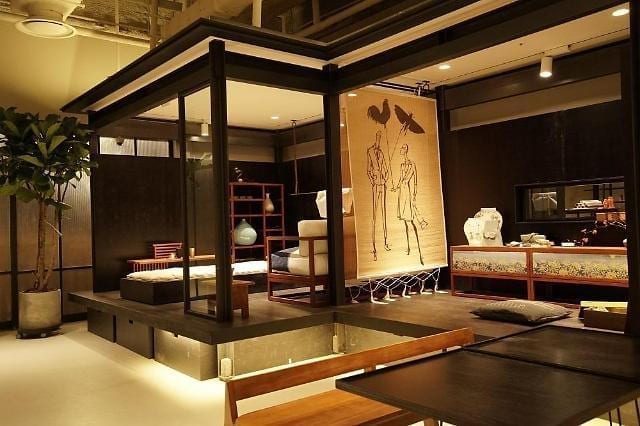
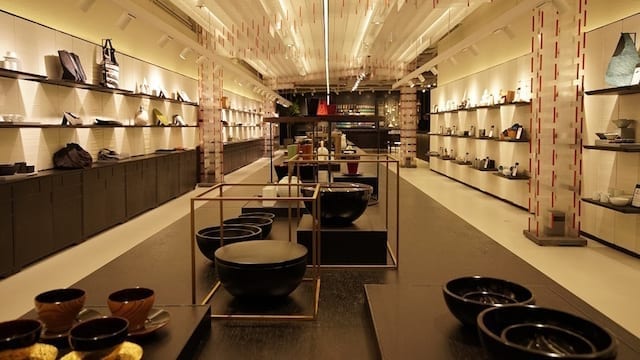
    Shinsegae Duty Free has launched Han Soo, an open space where visitors can experience and buy Korean traditional handcrafted items, at Mesa Building mall in Seoul’s shopping district of Myeongdong.

    The 1016 sqm store displays products made by dozens of artisans, including 15 government-certified craftspeople.Works span from simple pottery to furniture, including traditional items integrated with modern elements.

    shinsegae-duty-free-han-soo-2

    Officials expect Han Soo to become an important venue for foreigners wanting to experience Korean traditions and goods. It will offer not only the craftworks, but also introduce the raw materials used to produce them. There will also be special exhibitions.

  • Changed deal as McDonald’s Corp sells

    Changed deal as McDonald’s Corp sells

    While finalising a buyer for its China and Hong Kong stores, McDonald’s Corp has decided to keep a “significant” minority stake.

    The US fast-food chain has picked a consortium led by private-equity firm Carlyle Group and Chinese conglomerate Citic Group to buy the stores.

    Its decision to retain the minority stake lowered the price tag from the $3 billion reportedly sought. An insider says McDonald’s decided to keep a slice of the business as it wants exposure to future growth in the world’s second-largest economy.

    Meantime, the company will also keep its stores in South Korea, which it previously also wanted to sell, Reuters reports.

    Early this year McDonald’s said it was reorganising its business in the region, seeking strategic partners in China, Hong Kong and South Korea as it switches to a less capital-intensive franchise model.

  • Crown brings back Snyder’s of Hanover pretzels to Korea

    Crown brings back Snyder’s of Hanover pretzels to Korea

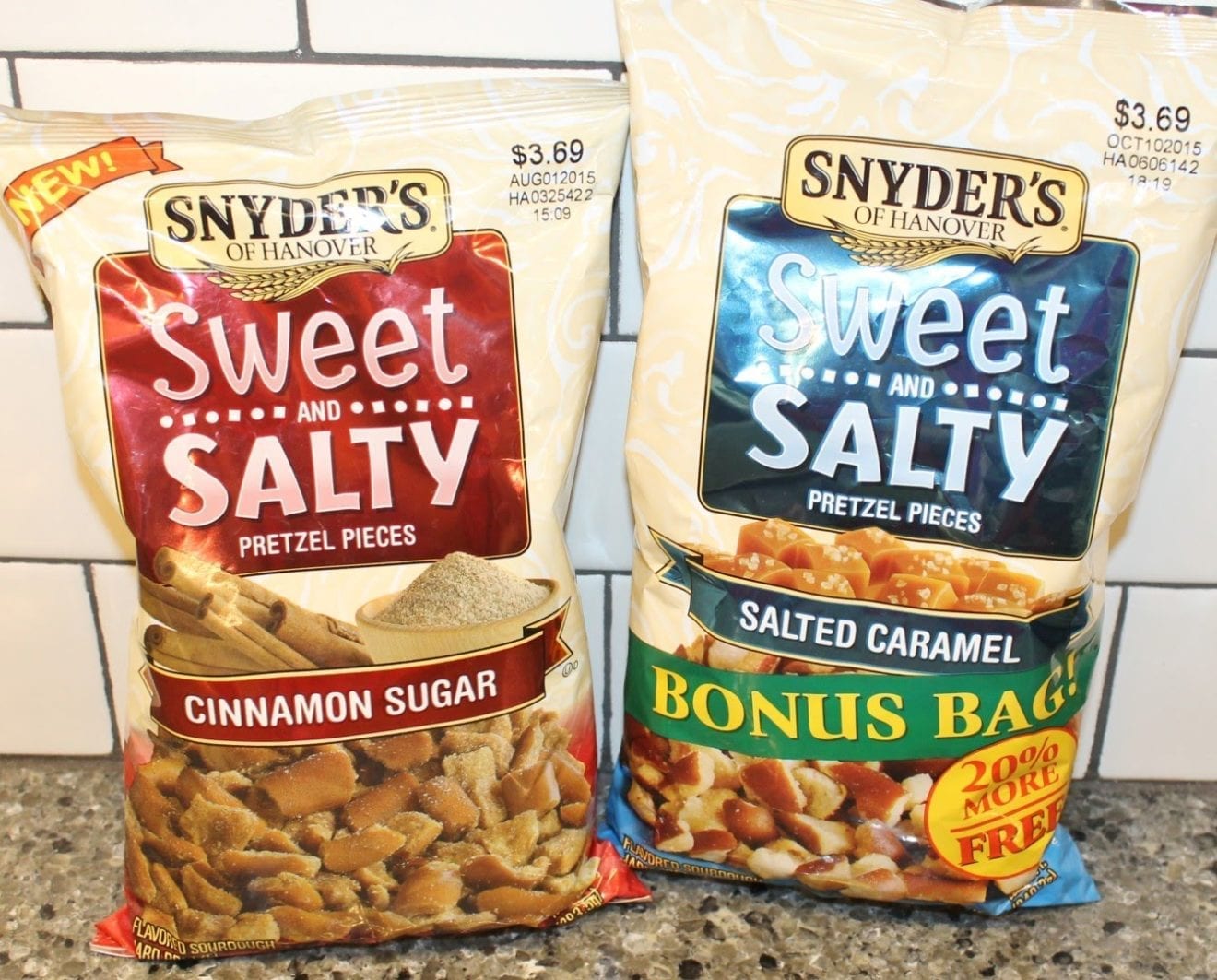
    America’s all-time favorite pretzel brand Snyder’s of Hanover will re-enter South Korean snack market via local snack maker Crown Confectionery Co., with the salty and buttery biscuit gaining popularity as a tidbit among beer and wine lovers in Korea.

    A pretzel is a type of snack made from sourdough most commonly shaped into a twisted knot and has a salty taste. It remains as an all-time favorite snack in the U.S. and Europe.

    Crown Confectionery on Tuesday said it inked an agreement with Snyder`s-Lance Inc., U.S-based snack maker that owns Snyder’s of Hanover brand along with many other snack labels, to form a strategic partnership. Under the agreement, the Korean snack maker will have exclusive rights on pretzel supplies to sell and distribute the Snyder’s of Hanover pretzels in Korea. The Korean snack maker also plans to gradually increase the volume of cross-selling products with Snyder`s-Lance.

    Snyder`s-Lance first entered Korean snack market with its pretzels in 2007 through a bakery company as its reseller but it was forced to exit the market last year after failing to penetrate into Korea’s bigger retail shops. The America’s number one pretzel brand suffered a disgrace in its first attempt due to the marketing strategy of positioning itself as an assortment of bakery products when it actually is a type of snack, industry experts said.

    The American snack maker posted $1.66 billion in net revenue for the full year 2015 and accounts for a 35 percent of pretzel market in the U.S.

    The demand for pretzels is rising sharply, especially among beer lovers, said an unnamed Crown Confectionery official. The estimated size of pretzel market in Korea is around 40 billion won a year, according to local snack makers.

    The pretzel assortments will hit the shelves in near future through Crown Confectionery’s sales network throughout the country, the official added.

  • Lego Korea launching first official shop

    Lego Korea launching first official shop

    Lego Korea is to launch its first shop at the Hyundai Department Store Pangyo branch in Gyeonggi Province, southeast of Seoul, on Friday.

    Officially certified by the Lego Group headquarters in Denmark, it will differentiate itself in design from outlets that sell a limited range of Lego sets. It joins a range of official Lego Stores in Asia including Hong Kong, Japan, Malaysia and Singapore.

    A comprehensive inventory of Lego sets, some of which are hard to buy at shops in Korea, will feature at the new official store. To mark its opening, there will also be limited editions of such sets as Lego Store and Lego Disney Castle.

    There will also be a Pick a Brick zone, where customers can put together customised sets.
    For its first six days, the Hyundai Department Store Pangyo will run Korea’s largest-ever Lego experience zone, a free attraction at its Topaz Hall.

  • Korean online shopping reaches new high

    Korean online shopping reaches new high

    South Korean online shopping reached a new record high in October, aided by a nationwide discount event, according to government sources.

    Total online transactions reached a record 5.6 trillion won (US$4.8 billion) in October, up 17.3 per cent from 4.8 trillion won a year earlier, according to the report compiled by Statistics Korea.

    Purchases made through smartphones, tablets and other mobile gadgets also soared 37.4 per cent on-year to a record 3.2 trillion won to account for 56.1 per cent of all online sales in the month, up from the 54.7 per cent share the previous month.

    In October, the Korea Sale Festa, designed to tie up the retail industry with the tourism and cultural sectors in line with the major Chinese holiday season, encouraged people to go shopping online and offline.

    During the one-month period, some 200 retailers and internet markets offered discounts and promotions to attract local and foreign shoppers.

    Demand for clothes jumped 29.5 per cent on-year to 726.8 billion won and online sales of cosmetics surged 42.1 per cent to 465.1 billion won, while online food delivery vaulted 24.8 per cent to 521.4 billion won.

    According to separate data, the combined sales of department stores, large outlets and internet shops increased 8.4 per cent on-year in October, with those of offline stores gaining 6.3 per cent and those of online retailers jumping 13.2 per cent.