Tag: Korea

  • Tax changes lower Mainland cosmetics prices

    Tax changes lower Mainland cosmetics prices

    China’s new import tax regime has enabled cosmetics giants AmorePacific and Estee Lauder to lower their prices in China by up to 30 per cent.

    AmorePacific’s China division says it will reduce Mainland cosmetics prices for 327 lines under the brands of Etude House, Innisfree, Laneige and Sulwhasoo by 3 to 30 per cent from January 15.

    US rival Estee Lauder has confirmed immediate price cuts for more than 300 lines in China, including its namesake label, Bobby Brown, Clinique, Jo Malone, and Mac by as much as 18 per cent.

    This follows Beijing’s move last year to slash its hefty duties on imported cosmetics in an effort to boost domestic consumption, according to AmorePacific, which has its headquarters in Seoul.

    “These global cosmetics names are now narrowing the price gap between China and overseas, and we believe more are probably about to follow suit,” says China Market Research Group director Ben Cavender, noting that with western brands becoming cheaper in the mainland, people may be discouraged from travelling to Hong Kong to make purchases.

    Imported cosmetics previously faced tariffs of 84 per cent, reflecting both import and point-of-sales taxes. The tariffs have now gone down to 29 per cent for most beauty products.
    Before the tariff reduction, many mainland consumers shopped via cross-border online marketplaces or while travelling abroad.

  • Lotte Duty Free re-launches at Gimhae airport

    Lotte Duty Free re-launches at Gimhae airport

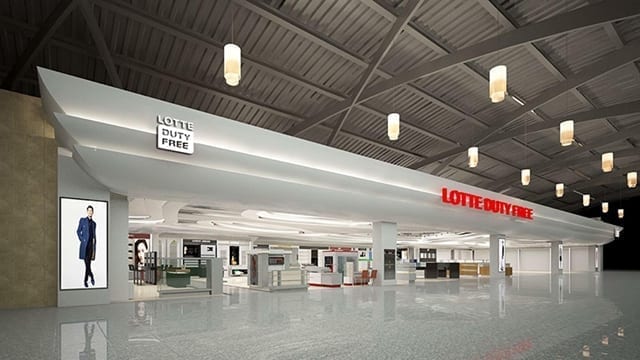
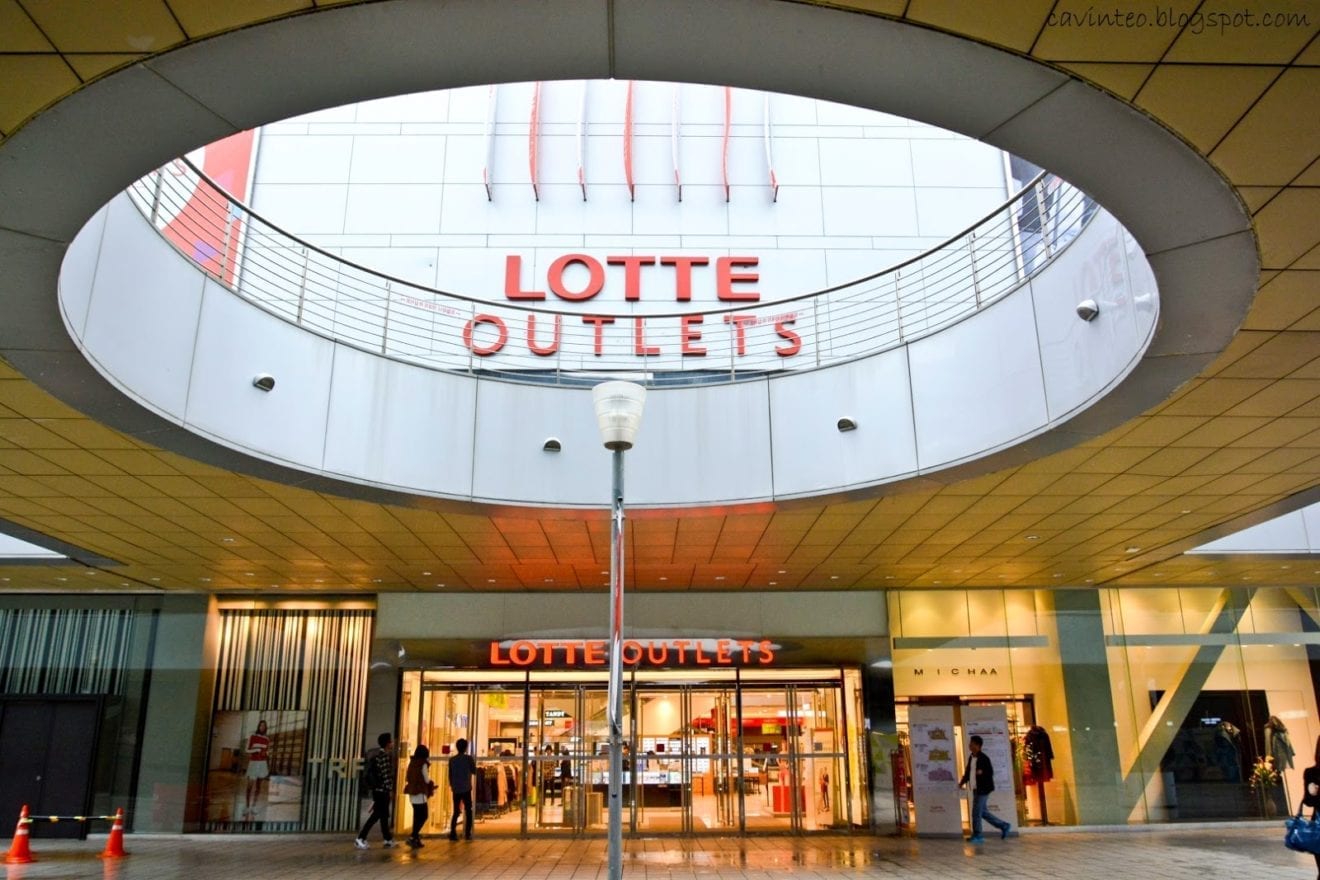
    After winning a Korea Airports Corporation (KAC) tender, Lotte Duty Free has officially re-launched at Gimhae airport.

    The retailer now has 980.44 sqm of space, an increase of 329.2 sqm over its area last year. Lotte Duty Free had a 158.34 sqm presence at the terminal when it opened in 2007 until early 2014.

    Fellow Korean retailer Shinsegae, which was at the airport until last month, is believed to have terminated its contract to focus on the city – it plans to open a 13,350 sqm store in the city centre – and its Incheon airport outlets.

    Meanwhile, Lotte is targeting sales of W120 billion ($US99.2 million) at the airport this year with daily sales of W200 million.

    Following an analysis of consumer shopping trends at Gimhae airport, the cosmetics area has been expanded by 40 percent with the introduction of such brands as Giorgio Armani, Jo Malone and Tumi.

    In its entirety, the Lotte offers more than 120 food, electronics and accessories brands at the airport, along with fragrances and cosmetics labels such as Chanel, Dior and Sulwhasoo.

    A special promotion to commemorate the grand opening at the airport offers as a grand prize for each of 30 Korean nationals and their partners a trip to Okinawa to watch the Lotte Giants baseball team train.

    Other customers can win pre-paid shopping cards, movie tickets, drinks coupons and gift certificates.

    Dufry Group also runs a duty-free concession at the airport.

  • Lina’s Paris seeking partners in SE Asia

    Lina’s Paris seeking partners in SE Asia

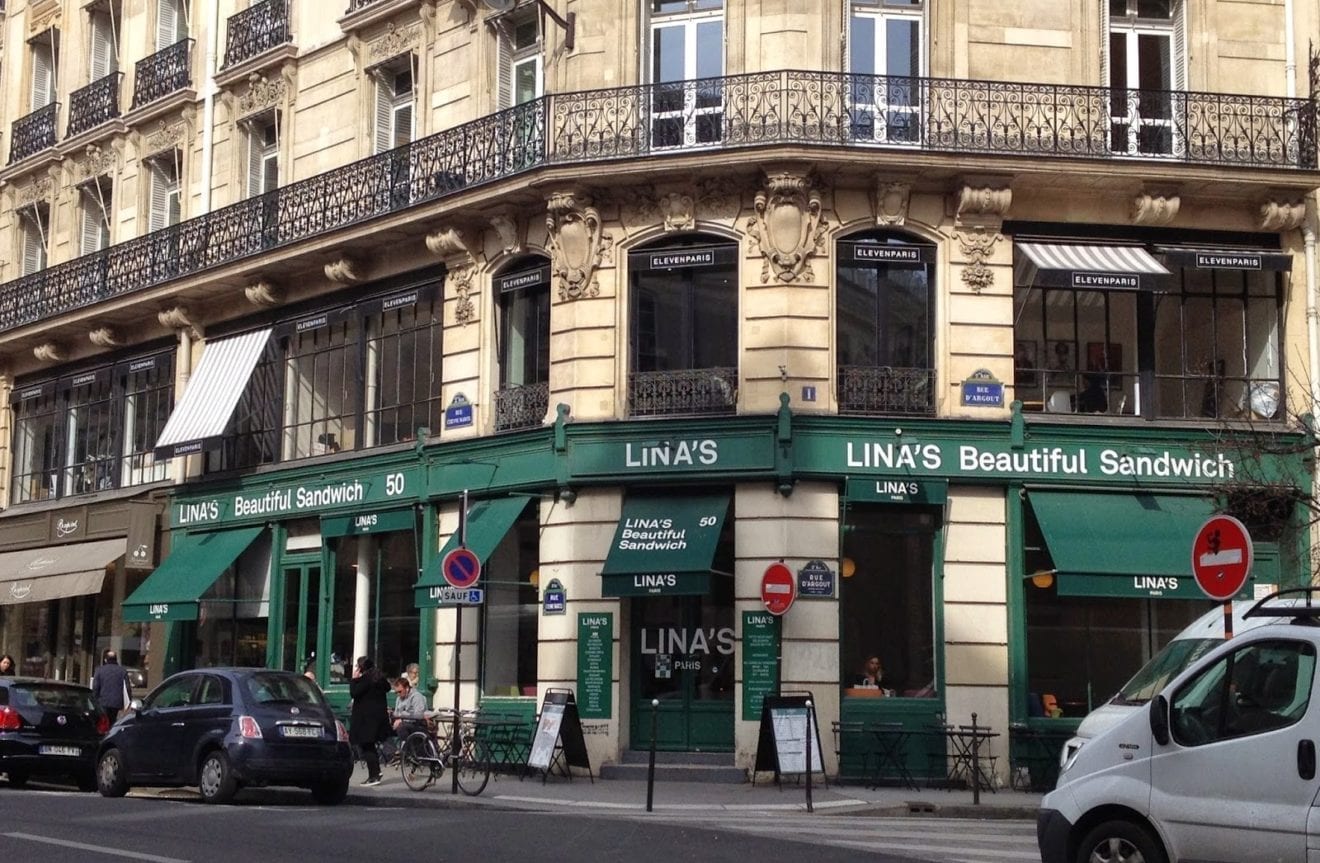
    After launching in Korea, French fast-casual restaurant chain Lina’s Paris is planning to roll out across Southeast Asia.

    Working with a franchisee, it already has 10 restaurants in Korea and has just opened a kiosk in Seoul Art Center with 100 seats.

    linas_sac

    Founded in 1989, Lina’s Paris offers French-style breakfasts, sandwiches, salads, hot dishes, soups, fresh juice, sorbet and pastries. The outlets are designed as comfortable lounges with free WiFi and Parisian decor. In some countries the offer includes organic and gluten-free food.

    Lina’s Paris has nearly 50 restaurants in six countries, and says it is now actively seeking partners in Southeast Asia.

  • Tous Les Jours expansion plan in China

    Tous Les Jours expansion plan in China

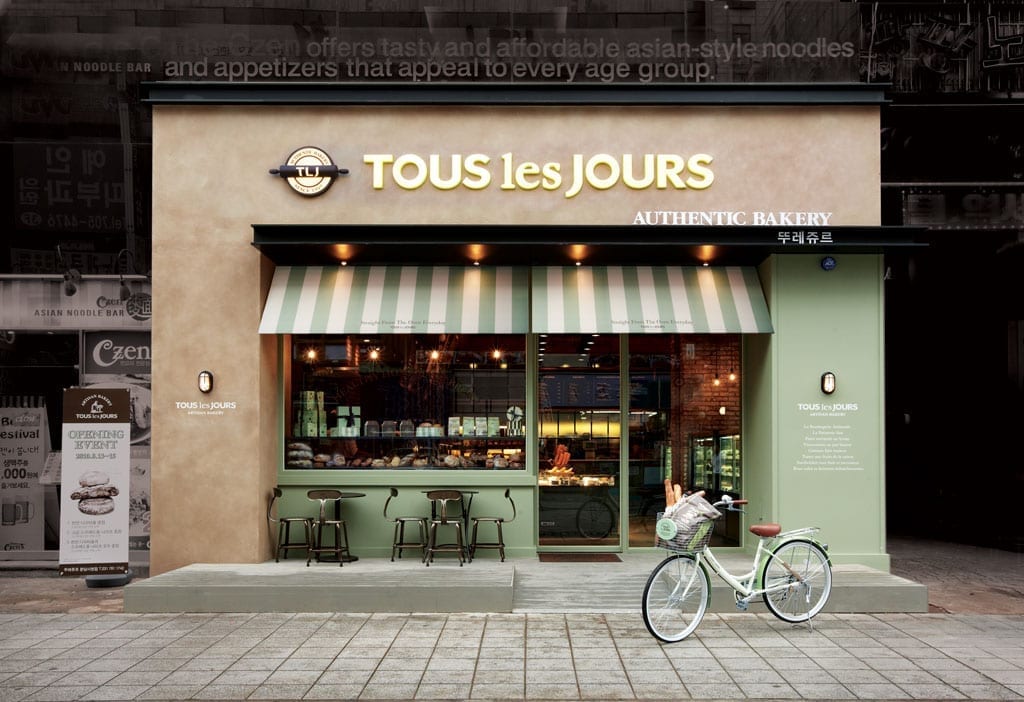
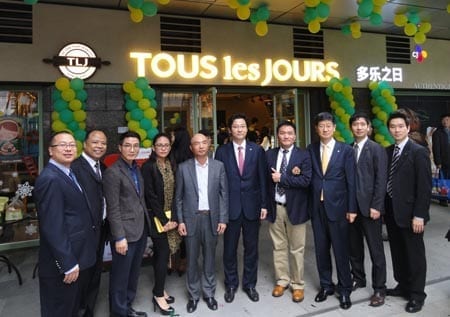
    Korean group CJ Foodville has opened two Tous Les Jours cafes in Chongqing with plans to expand further into China’s inland cities.

    CJ Foodville is running its Tous Les Jours business in China in the form of direct ownership and master franchise. It already has stores in Beijing, Chongqing, Guangzhou, Shanghai, Suzhou, Tianjin and Weihai. It has master franchise chains in 10 provinces plus stores under a master franchise contract in Xinjiang autonomous territory. At the end of December it had a total of 140 stores in China.

    A company official says the aim is to open more than 100 locations in China this year, and more than 1000 by 2020. “With the opening of the Chongqing location, we are set to move into the western part of China.”

  • Korea lifts import duties on eggs

    Korea lifts import duties on eggs

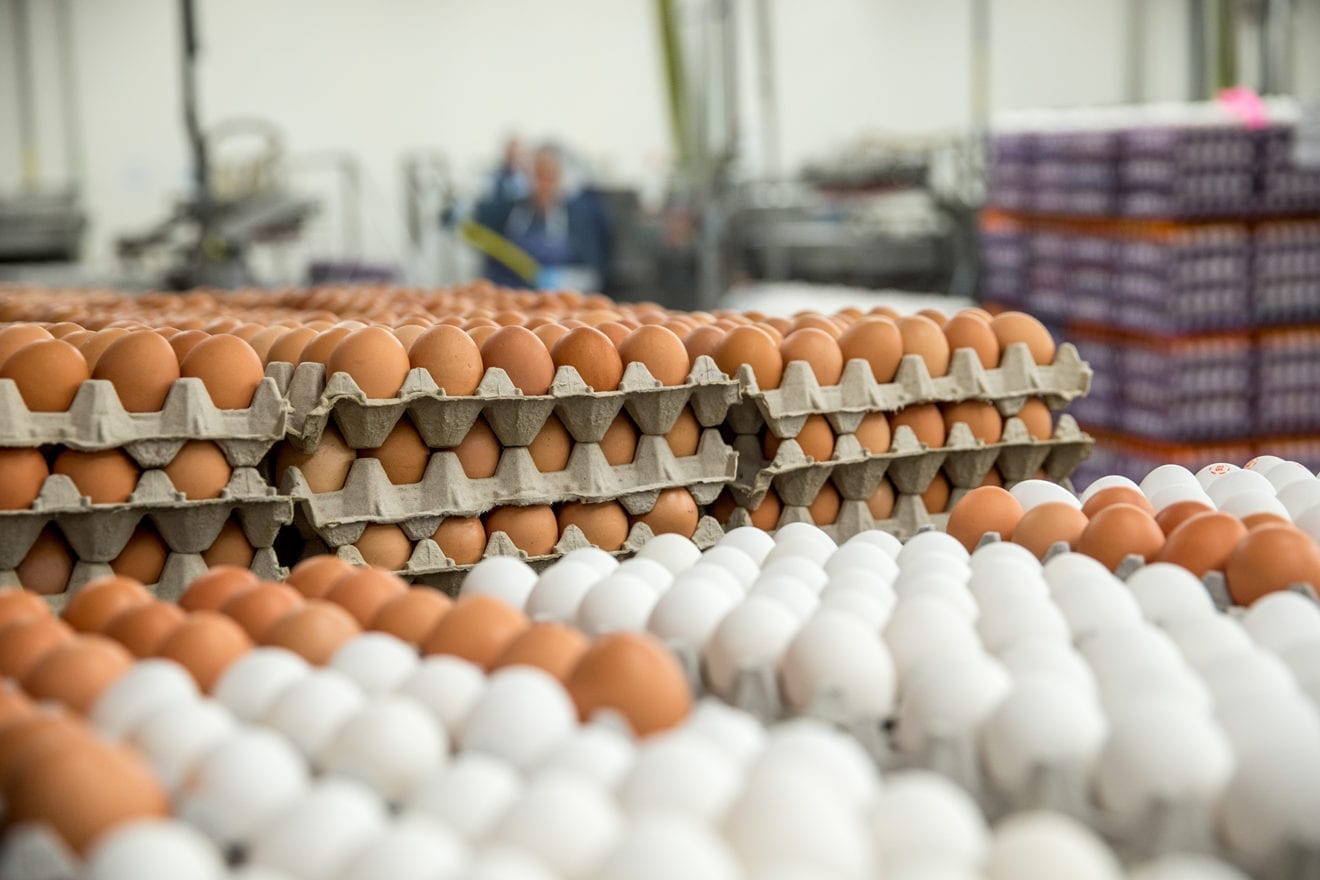
    The government will waive duties on imports of eight types of egg-related products, including fresh and powdered eggs, as the shortage in Korea is deepening after a widespread outbreak of avian influenza, which has led to the culling of nearly 30 million birds.

    The Korean government doesn’t import fresh eggs, but said Tuesday it would do so to alleviate the shortage. This is the first time in 18 years, which was when the country imported a small volume of fresh eggs from Thailand, that the Korean government imported fresh eggs from abroad, an official at the Ministry of Agriculture, Food and Rural Affairs said.

    “The data showed that we had very few occasions of importing fresh eggs from abroad in the past and even though they were imported, they were not for the public to buy at stores, but rather they were for other reasons such as medical research purposes,” said an official at the Ministry of Strategy and Finance. “This will be the first time for the government to allow importing large volume of fresh eggs.”

    The duty exemption will last until June. 30, the Finance Ministry said Tuesday. Currently, the import tariff on egg products ranges from 8 percent to 30 percent, but it will be suspended for six months.

    “The government has decided to remove tariffs on eggs to deal with soaring prices and shortage of them in the country due to AI,” said Kim Young-noh, a director at the Finance Ministry.

    The Finance Ministry said it will expedite inspections to have fresh eggs arrive as early as possible, or before the Lunar New Year holiday, when demand for eggs and poultry products tends to be higher.

    A total of 98,000 tons of egg-related products can be imported without tariffs, and among them 35,000 tons, or about 700 million, will be fresh eggs. The 700 million eggs can meet Koreans’ daily consumption for about 20 days.

    About 30.3 million birds have been slaughtered as of Tuesday, 50 days after the virus started to spread in the country. By type, layer chickens were affected the most. Nearly 22.45 million birds that were killed were layer chickens, which is about 32.1 percent of the layer chickens raised in the country.

    “About 30 percent of layer chickens are killed due to AI and the supply and demand problem will last at least six months from now [since the number of chickens for laying purposes needs to grow], said an official at the Agriculture Ministry.

    The average retail price for a tray of 30 eggs jumped 47.2 percent from 5,604 won ($4.66) a month ago to 8,251 won as of Tuesday due to the outbreak of the AI, according to data compiled by the Korea Agro-Fisheries & Food Trade Corporation (aT).

    The highest price reported to aT for a tray of 30 eggs was 9,700 won, which is 39 percent higher than the highest prices last month, which was when the shortage began after the country was hit by the virus on Nov. 16.

    Meanwhile, the government also has decided to distribute 7,200 tons of reserve fishery products to stabilize the heated market ahead of the Lunar New Year.

    The Ministry of Oceans and Fisheries said it will distribute its fishery products until Jan. 26 and local retailers, including traditional markets, will sell such goods 10 to 30 percent cheaper than retail prices.

  • South Korea bans sales of some Nissan, BMW and Porsche models

    South Korea bans sales of some Nissan, BMW and Porsche models

    South Korea has banned the sale of 10 models of Nissan, BMW and Porsche vehicles after the carmakers were found to have fabricated certification documents, in the latest fallout from the Volkswagen emissions scandal.

    The government announced in August that it would ban all 10 models after conducting an investigation into whether foreign carmakers besides Volkswagen AG falsified documents on emissions and noise-level tests.

    Nine of the models have been banned since last month and Nissan’s Qashqai diesel sport utility vehicle has been banned since June, the environment ministry said on Monday.

    It said it has also fined the carmakers’ local units a combined 7.17 billion won ($5.9 million) for the affected 4,523 vehicles already sold in South Korea.

    Spokespersons at the South Korean units of Nissan Motor Co Ltd and BMW AG acknowledged the findings in the government investigation, saying they would try to achieve certification for those affected models again. A spokesperson at Porsche AG, which is owned by Volkswagen, was not immediately available for comment.

    South Korea has been tough with Volkswagen, filing complaints against local executives, suspending sales of most of its models and imposing fines for alleged forging of documents on emissions or noise-level tests.

    In the latest move, South Korea said last month that it will file criminal complaints against five former and current executives at Volkswagen AG’s South Korean unit and fine the company a record 37.3 billion won for false advertising on vehicle emissions.

    South Korea’s sales of imported cars fell 7 percent in the first 11 months of last year, heading for their first annual sales decline since 2009.

  • South Korea allows new ‘comfort women’ statue

    South Korea allows new ‘comfort women’ statue

    The southern South Korean port of Busan said on Friday (Dec 30) it would allow activists to place a statue symbolising victims of Japanese wartime sex slavery outside the city’s Japanese consulate.

    The municipal authorities had previously removed the “comfort woman” statue, but changed track after Japan’s hawkish defence minister offered prayers at a controversial war shrine in Tokyo.

    Tomomi Inada’s visit on Thursday to the Yasukuni Shrine, which honours millions of mostly Japanese war dead – but also senior military and political figures convicted of war crimes – swiftly drew flack from China and South Korea.

    Activists had first placed their statue outside the consulate on Wednesday – marking their opposition to a South Korea-Japan agreement reached a year ago to finally resolve the comfort women issue.

    Under the accord, which both countries described as “final and irreversible,” Japan offered an apology and a one-billion yen (S$12.4 million) payment to surviving Korean comfort women.

    Critics said the deal did not go far enough in holding Japan responsible for its wartime abuses.

    The statue – a copy of one that sits across the road from the Japanese embassy in Seoul – was swiftly removed from outside the Busan consulate by the authorities.

    But after Inada’s visit stoked an outpouring of public anger, they said it would be returned to the activists.

    “We won’t stop the civic group from setting up the statue there if they wish to do so,” Yonhap news agency quoted local official Park Sam Seok as saying.

    The statue in Seoul – a bronze of a young, seated woman with a small bird on her shoulder – has proved an extremely potent and popular symbol.

    Japan says it should have been removed after the comfort-women accord was signed, but Seoul argued it had only agreed to look into the possibility of moving it.

    For the past year, activists have maintained a 24-hour vigil to prevent the statue being taken away.

    More than two dozen similar monuments have been erected around South Korea, and another dozen or so abroad in the United States, Canada and elsewhere.

  • South Korea Changes Rules On EV Cars

    South Korea Changes Rules On EV Cars

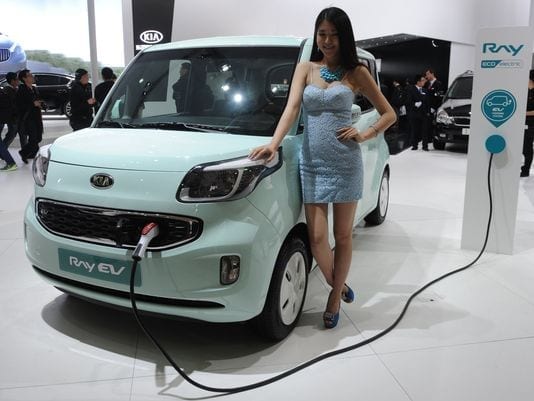
    EV or electronic vehicle is slowly rising to the competition in the automobile industry. South Korea already made changes to their rules to those who are interested in EVs.

    The South Korean government will change one of their rules when it comes to EVs. South Korea is known for having a market for premium cars. They’re even part of Tesla Motors’ reservation of the company’s upcoming vehicle model, the Model 3. According to Tesla’s website, the Model 3 is an affordable premium sedan. Model 3 is designed to achieve that highest rating when it comes to safety measures.

    South Korea will be removing subsidies when it comes to EVs with high-capacity batteries. This move could change the EV market in the country since this will allow other longer-ranged models to be available in the market. By removing the subsidies for the EV market, more and more models of the EV will be available at an affordable rate.

    This will also prove to be good for Tesla. The motors company will conduct their first Tesla showroom in South Korea this year. The exact date for the facility is to be revealed sometime soon. With the South Korean government changing their rules for subsidies when it comes to high-battery powered EVs, more and more models from Tesla will be available for the Korean market this year. Aside from Tesla, BYD, the world’s largest EV maker is also planning to enter the Korean market of EVs. BYD encountered a problem because their latest model doesn’t qualify for the subsidy, thus resulting in the delay of the company to join the market, according to Reuters.

    Currently, there are about four thousand electric vehicles roaming the streets of South Korea. Once the government implements this change, there might be a triple amount of EV cars in the country.

  • E-Land refutes credit downgrade

    E-Land refutes credit downgrade

    E-Land Group, headed by Chairman Park Sung-su, is fiercely refuting the Korea Investors Service’s latest credit downgrade of its holding firm, E-Land World, vowing to file a lawsuit against the ratings agency affiliated with the U.S.-based Moody’s.

    Officials at the mid-tier fashion-and-retail business group argued that the ratings agency’s assessment was flawed, calling on the company to retract its decision to cut the credit worthiness of E-Land World, which has a controlling stake in E-Land Retail and E-Land Park.

    E-Land Retail owns Kim’s Club and other retail outlets, while E-Land Park operates hotels, restaurants and other leisure-related businesses.

    On Monday, the Korea Investors Service lowered E-Land World’s credit ratings by one notch to BBB- from BBB, citing its deteriorating financial health as a result of snowballing debt. The agency maintained its negative outlook for the holding firm.

    “We see no improvement for E-Land Group’s financial conditions even though it has implemented self-rescue measures,” a company analyst said. “With E-Land’s struggling retail and fashion businesses, it would be difficult for the company to generate an operating profit. It is uncertain as to whether E-Land would be able to improve its financial health by executing self-rescue plans.”

    E-Land officials were furious over the credit downgrade, pledging to take the ratings agency to court.

    “It is absurd for the Korea Investors Service to cut the credit ratings for E-Land World when it has successfully been improving its financial soundness over the past few months,” an E-Land Group spokesman said. “The agency assessed the holding firm based on the data available in early September. But it should have included what happened in the fourth quarter of 2016. This is what they did wrong.”

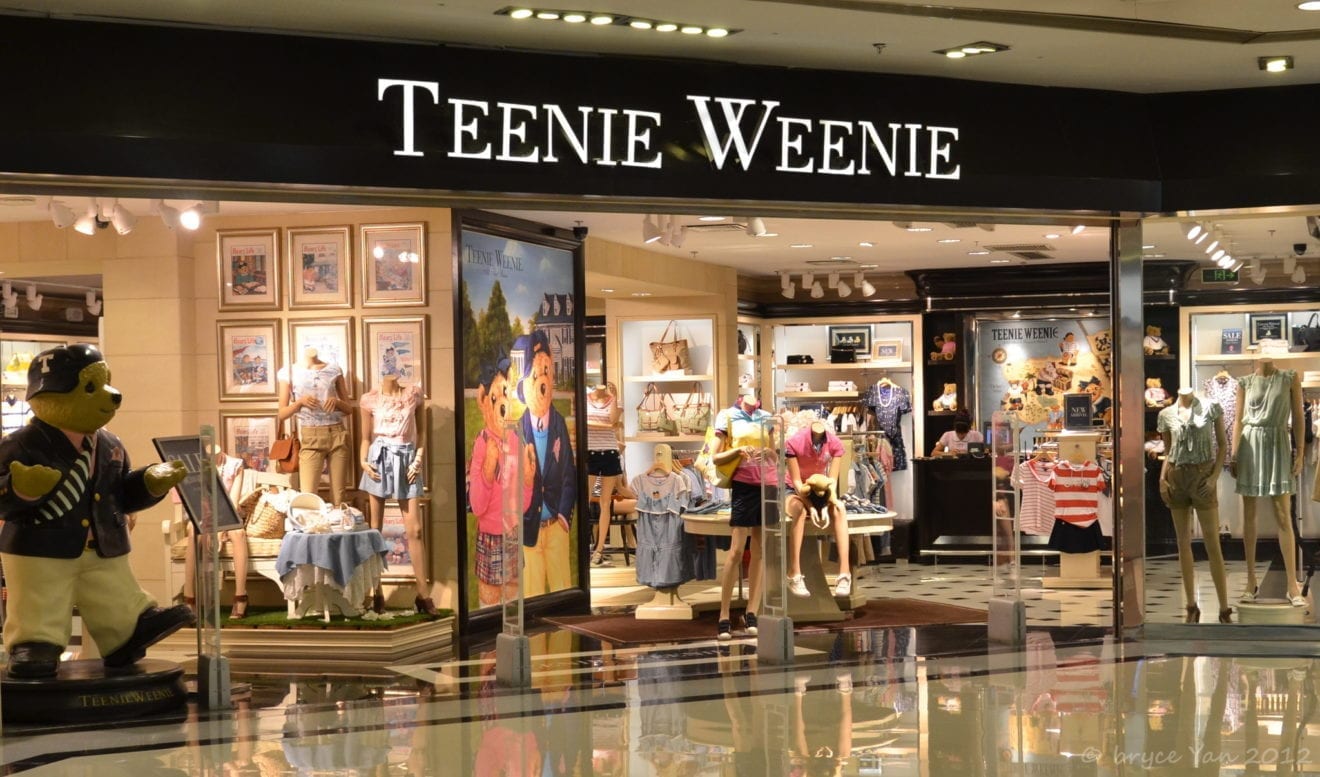
    In late September, E-Land, sold its casual clothing brand, Teenie Weenie, to Chinese fashion brand, V-GRASS, for 1 trillion won ($900 million). Teenie Weenie has about 1,200 stores in major department stores and shopping malls in China.

    The group, which has been desperate to raise cash over the past year, has also sold real estate and plans to list the shares of E-Land Retail in the first half of this year.

    “We believe that the Korea Investors Service has failed to reflect a series of self-rescue moves in its credit assessment of E-Land World. This is just irrational,” the spokesman said. “We will file a lawsuit against the agency to correct its irresponsible behavior.”

  • South Korea’s consumer sentiment suffers due to political turmoil

    South Korea’s consumer sentiment suffers due to political turmoil

    It’s been a dramatic year for South Korea. And that drama has played out both in the political and business spheres.  Let’s show you what it’s done to consumer spending.

    Consumer sentiment last month dropped its the lowest level since the 2009 financial crisis. The Bank of Korea, says the consumer sentiment index stood at 95.8 in November.

    Retail sales in South Korea have dropped more than 1 percent on a yearly basis since the beginning of November. Box office receipts plunged 17 percent on the year in November alone.

  • Korea braces for next industrial trends in 2017

    Korea braces for next industrial trends in 2017

    Korean businesses’ quest to step closer to future industries is expected to accelerate in the New Year, regardless of the political scandal, the ongoing investigations into dubious business-political ties and the looming presidential election.

    The year 2016 was an opportunity for general consumers to familiarize themselves with the innovative concepts of technologies. And the year 2017 is likely to see some of these technologies become reality.

    The convergence of the automotive industry with technology will speed up along with a transition to green cars, amid the growing competition in the battery market and the rising price of oil.

    Devices including smartphones and home appliances operated by artificial intelligence will come to the fore, with virtual reality and augmented reality technologies becoming mainstream in the tech world.

    The shifting technologies are also expected to affect the retail market with consumers looking for products that offer experience and value beyond a simple price benefit.
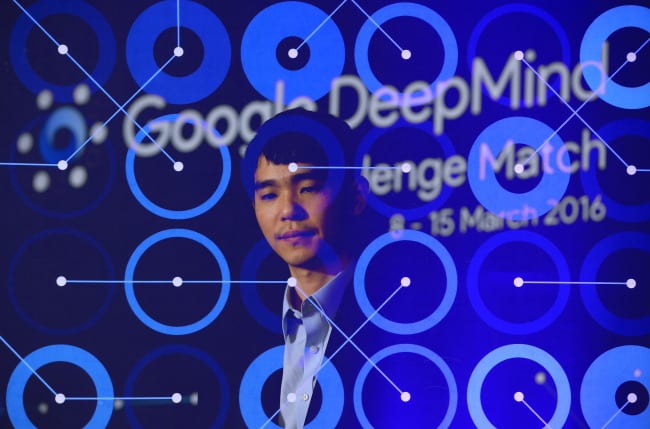
    Go player Lee Se-dol at a press conference at the Four Seasons in Seoul on March 12, 2016

    AI to be next big thing in the tech industry

    Artificial Intelligence, which astonished the world in a match with the top Go player Lee Se-dol, is expected to become the next big thing in the smart device and appliances industry in 2017.

    The nation’s largest tech company Samsung Electronics, which acquired the AI startup Viv Labs in October, seeks to recover from the note 7 debacle with its new AI-based smartphone Galaxy S8, which is set to be unveiled early this year. Viv Labs is the US tech firm set up by Apple’s Siri developers.

    Samsung Electronics’ Vice President Rhee In-jong said in October, “Galaxy S8 will be Samsung’s first platform, which adopts AI-based voice recognition technology,” adding that the technology has reached close to the level of the understanding humans.

    Korean tech firms — both smartphone makers and mobile carriers — are spurring AI development as the technology will ultimately be used to connect and control all home appliances and electronics.

    Samsung is set to unveil more advanced AI-based home appliances, which can be connected via Wi-Fi technology and controlled through smartphones, at the upcoming Consumer Electronics Show in January.

    LG Electronics is also slated to unveil AI-based home appliances, which adopt deep learning technology at the upcoming show. The deep learning technology enables products to provide customized services and functions by learning users’ habits and surroundings.

    The nation’s largest telecom carrier SK Telecom is also upgrading its AI-based speaker NUGU after first launching it in August. This device figures out users’ taste to recommend music, control home appliances and provides customized information such as weather and schedules based on their preferences.

    Market consulting firm IDC predicted that the global AI market would grow 55 percent on average annually from $8 billion in 2016 to $47 billion in 2020.
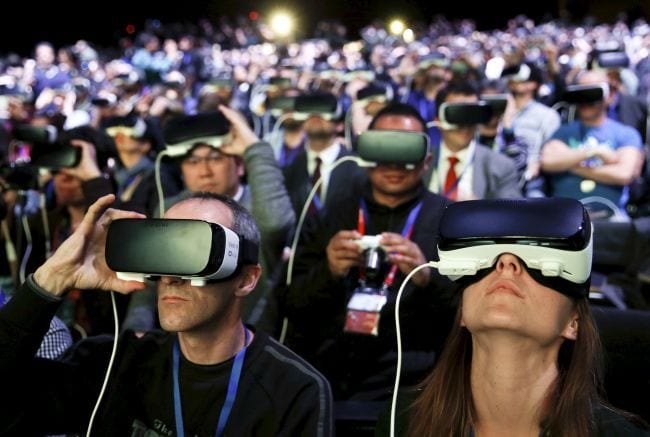
    Journalists and participants wear the Samsung Gear VR headset at the company‘s flagship Galaxy S7 launch event in Barcelona in February 2016.

    AR, VR to gain bigger presence

    Virtual reality and augmented reality technologies are geared to gain a bigger presence in the tech world in 2017, building upon the landmark developments made in 2016.

    VR is a technology that completely immerses users in computer-generated virtual worlds via a head-mounted display, while AR technology overlays, or augments, digital images onto a person’s view of the world.

    The year 2016 saw the release of next-generation VR headsets such as the HTC Vive, the Oculus Rift and Sony’s Playstation VR, which prompted the emergence of thousands of VR video games and mobile apps.

    The explosive popularity of AR-based mobile game Pokemon Go also highlighted AR’s potential to appeal to the masses on the mobile platform.

    The two cutting-edge technologies are geared to further advance and draw closer to the public in 2017 as the price of VR headsets further drop to boost the VR gaming sector, and as AR technologies are embraced by more industries.

    “After several years of hype, the operative reality behind virtual, augmented and mixed digital worlds is set to manifest more fully in 2017,” IHS Markit said in a recent outlook report.

    The firm expects AR and VR technologies will “advance significantly as Facebook, Google and Microsoft consolidate their existing technologies into more exhaustive strategies.”

    According to tech market intelligence company IDC, worldwide revenues generated by the AR and VR market will jump from just $5.2 billion in 2016 to more than $162 billion in 2020, as the two technologies expand their applications across diverse industries and services.

    IDC predicts that revenues generated by VR systems will surpass that of AR-related revenues until 2017, due to rising consumer uptake of VR-based video games and paid contents.

    After 2017, AR revenues will grow bigger as AR technology finds mass applications across areas such as healthcare delivery, product design and management tasks, it said.

    Just about every major tech company in the world has already entered the race to secure its place in the approaching era of VR and AR technologies. In the lead is Facebook-owned Oculus, Google and Microsoft, with Apple and Samsung Electronics working to catch up.

    Kia’s EV autonomous vehicle Soul

    Auto industry to face unprecedented race

    It was a tough year for the auto industry in Korea with an emissions scandal, strikes, low demand and negative growth.

    With the auto market expected to continue negative growth next year, carmakers will face unprecedented competition in the industry where automotive and technology are converging rapidly.

    South Korea’s largest automaker Hyundai Motor conducted a survey on the most anticipated technology next year. Almost 76,000 of 320,000 voters picked the autonomous driving technology. Although self-driving cars won‘t populate the road next year, most of the major carmakers and tech companies are putting all-out efforts to commercialize the self-driving technology.

    The debut of US electric automaker Tesla Motors and Chinese electric car maker BYD Auto will likely boost the EV market in South Korea, giving customers more choice in this growing segment. Tesla is set to open its flagship store in Korea and BYD officially launched its Korean office in Jeju Island in October.

    Backed by growing popularity, sport utility vehicles will remain as the silver lining for the sluggish auto market, which is expected to decline 1.2 percent on-year.

    Domestic carmakers, especially Hyundai Motor Co and Kia Motors Corp, will face fierce competition in 2017 in the Korean market as imported cars expand its market share. Currently, imported carmakers take up 13 percent of the total market.

    Outside Korea, South Korean automakers will struggle to thrive in mature markets, like the US and EU where analysts expect a zero growth next year, and in China where they saw disappointing sales figures in 2016. China’s auto market is expected to grow 4 or 5 percent in 2017 while other developing markets, like Russia and East Europe, will recover from the 2016 slump.

    China looms over Korean battery makers

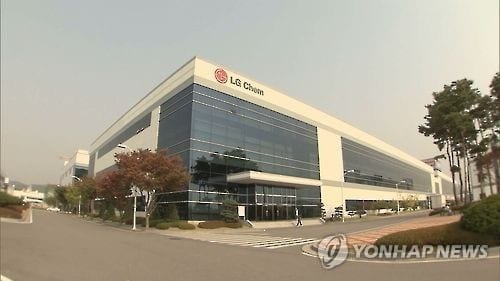
    For Korea’s major battery makers — Samsung SDI and LG Chem — concerns over their performance in the Chinese market are likely to persist next year amid the neighboring country’s stricter rules on providing battery certification.

    The two companies have been dealt with a blow after the Chinese government suspended subsidies for electric vehicles using batteries produced by the two firms earlier this year. The two were excluded from the subsidy list as they failed to acquire the battery certification amid tightened regulations in China’s alleged protectionism moves.

    Unless China changes its policies, the Korean battery makers are unlikely to see improvement in their business there, the companies said.

    “While (the company) had anticipated the EV battery certification process will resume in the third quarter, (the Chinese government) did not carry it out. It is difficult to project an accurate timing,” a Samsung SDI official said in the third quarter’s conference call.

    LG Chem shared a similar view.

    “The biggest variable for the company’s sales growth for next year is China. If the status quo continues next year, the automotive battery business growth rate will be around 30 percent. If (the certification issue) is solved, the growth rate will possibly jump up to 60 percent.”

    Amid the higher threshold to the Chinese market, Korean battery makers are seeking to sustain their top position in the global ESS market next year.
    LG Chem topped the global ESS market share with 21 percent this year, standing at No.1 for two years straight, followed by Samsung SDI with 19 percent.

    “Amid the three-party competition of LG Chem, Samsung SDI and BYD Auto in the market, Tesla has risen as the new competitor. As the supply amount of the two Korean companies is projected to surpass 2 gigawatt hours next year, the two are likely to make up half of the market in total,” SNE Research forecasted.

    LG Chem has made aggressive ESS moves with supplying ESS for California’s largest power company SCE and other European companies.
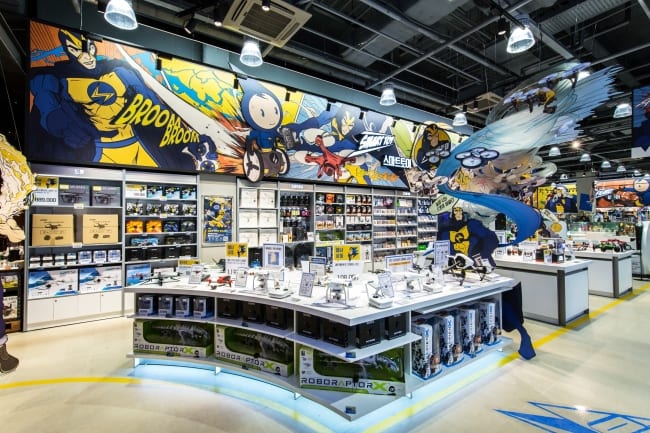
    Experience-focused electronics retailer Electromart at Starfield Hanam

    ‘YOLO’ trend to rule retail in 2017

    In 2016, the retail sector saw consumers shifting their focus to stores and products that offer value and experience, rather than simply low prices.

    Despite the stagnant economy, brands saw consumers reaching for premium and healthy products, packing newly opened malls offering experience-based stores.

    In “Trend Korea 2017,” Seoul National University consumer studies professor Kim Nan-do dubbed this the “YOLO,” or “you only live once,” trend.

    “Consumers who used to think of restraint as a virtue are now enjoying and challenging themselves each moment, and spending money on simple, clear value,” he said.

    The most notable examples of YOLO spending can be found in travel, with consumers facing record-low interest rates choosing to spend money on meaningful experiences rather than saving it away. All retail sectors, meanwhile, have seen consumers choosing to open their wallets and enjoy the “here and now.”

    For example, consumers are buying more decorative products for the home to create better surroundings for themselves. According to the online open market Auction, sales of products like sculptures and music boxes from January to November rose by over 200 percent on-year. Hobby-related products such as classical guitars and model buildings and model airplanes also nearly doubled on-year.

    The Samsung Fashion Research Institute saw “selfness,” or the importance of brands‘ personalities matching those of consumers, to be a major factor moving the fashion industry in 2017.

    Starfield Hanam, a shopping mall featuring stores that allow consumers to experience products as well as buy them, saw nearly 2 million shoppers each month since it opened in September. Starfield Hanam’s popularity during a year when department stores struggled to maintain sales indicated that consumers are visiting and spending money at places that have an element of entertainment, rather than simply shopping options.

    “In an ‘experience economy,’ it will become more important for brands to find new marketing strategies that can satisfy the now-focused experience consumption of the YOLO consumers,” Kim wrote.
  • South Korea c-store launches own parcel service

    South Korea c-store launches own parcel service

    South Korean convenience store chain CU has launched BGF Post, a c-store-specific parcel delivery service unit. A Korean Economic Daily article reported that BGF Post has been set up to distinguish CU’s parcel service from other convenience store chains’.

    CU previously operated CVS Net, a joint parcel service with GS25 convenience stores. As it independently operates the new subsidiary, GS25 plans to run CVS Net on its own, says the report.

    The company will also explore new business opportunities through BGF Post amid increasing number of convenience store parcel delivery users.

    CU is a subsidiary of BGF Retail and has more than 8,000 convenience stores in the country.

  • Convenience Stores Boom as Korea’s Households Change

    Convenience Stores Boom as Korea’s Households Change

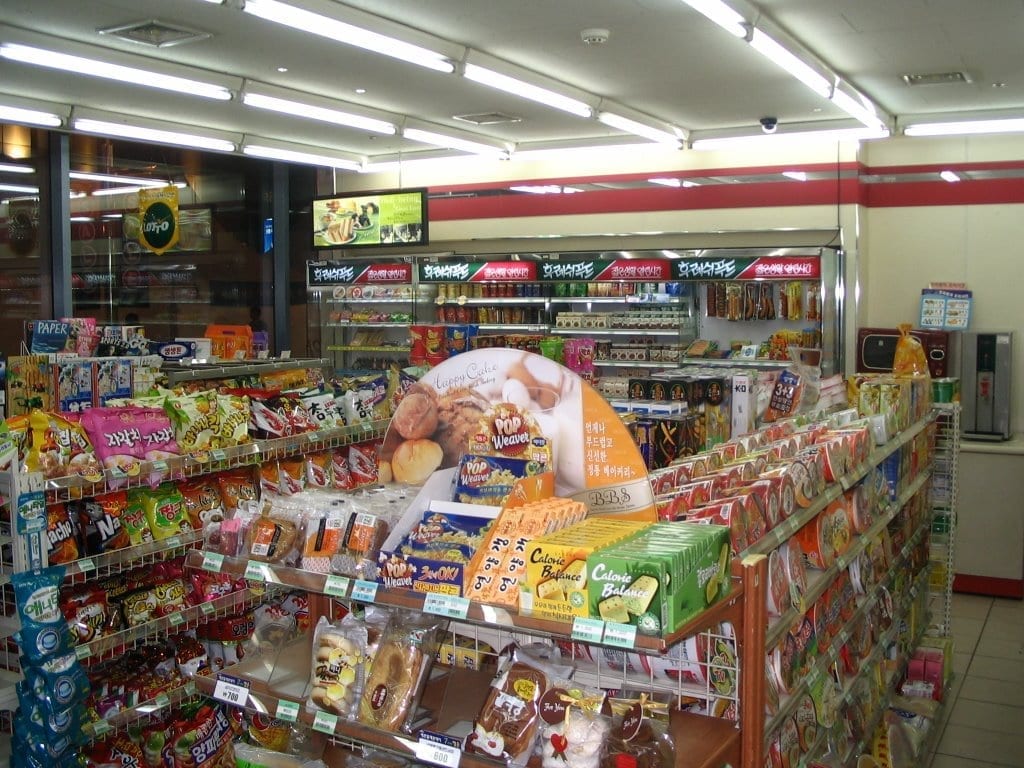
    The rising number of single-person households in South Korea is helping to fuel a boom in neighborhood convenience stores, one of the few bright spots in the nation’s sluggish economy.

    The number of convenience stores has jumped by more than half over the past five years, to 32,000 this year, according to the Korea Association of Convenience Store Industry.

    Analysts point to single-person households, which are expected to account for about a third of Korean households by 2030, up from 20% in 2005, according to the official Statistics Korea.

    “Convenience stores have more appeal to single households compared to other local businesses such as supermarkets and drug stores,” said Kim Moon-tae, a senior researcher at the Hana Institute of Finance. Goods at supermarkets are a bit too big for small households and drug stores focus on beauty products, Kim said.

    The trend has been great for BGF Retail Co., the largest convenience store chain in Korea, which is likely to surpass 5 trillion won $4.3 billion in revenue in 2016, according to a Bloomberg survey of analysts. That would be up 16% from 4.3 trillion in 2015. Its stock price has more than doubled since it was listed in 2014, according to data compiled by Bloomberg.

    “Single households can buy as much as they need at the closest convenience store without feeling restrained, wearing anything they’d like, 24 hours a day, and I think this is one of the factors helping convenience stores grow,” said Kim Chulsik, a researcher at Yonsei University’s Institute of East and West Studies.

    Convenience stores are adapting to the needs of single people, said Park Byung-su, who runs a 66-square-meter store in Seoul’s Sageun neighborhood where the number of those living alone rose 39 percent from 2010 to 2015, according to Statistics Korea.

    Park said he and his brother expanded the store’s offerings five years ago when hardware shops around the neighborhood started to disappear and people began dropping by in search of electric supplies. “Before then, most of our goods were just snacks,” he said.

    Now Park’s store sells nail clippers, garbage bags, brewed coffee, light bulbs, hair gels, wet wipes, towels and electric alarm clocks. At other convenience stores, shoppers can pay bills, drop off or pick up a parcel and even rent a car.

    Kim Young-kyu, 33, who lives alone near Seoul’s Hongdae neighborhood, said he visits the same convenience store almost every day for breakfast.

    “I’d rather go to a convenience store than a nearby gimbap restaurant,” Kim said, referring to small restaurants that sell rice wrapped in seaweed. “There is much more to choose from. They have lunch boxes, bread, ramen and a lot more.”

  • S. Korea’s retail sales rise 6.5 pct in Nov.

    S. Korea’s retail sales rise 6.5 pct in Nov.

    Sales of major South Korean retailers including department stores and Internet shopping malls rose in November from a year earlier on brisk online purchases, government data showed Thursday.

    The combined sales of department stores, large outlets and Internet shops increased 6.5 percent on-year last month, with cumulative sales of the January-November period jumping 10.6 percent, according to the data by the Ministry of Trade, Industry and Energy.

    The ministry said the on-year gain is led by online sales which soared 20.2 percent on the back of rising overseas purchases through global sale events including Black Friday in the U.S.

    Sales of offline stores, however, edged up 0.3 percent as a 15.3-percent gain at convenience stores was offset by a 2.8-percent drop at department stores and a 6.1-percent fall at large discount chains.

    Decreased holidays and shoppers after the nationwide shopping festival Korea Sale Festa that ended in October dragged down sales at department stores, added the ministry.


  • Lotte agrees to leverage IBM’s Watson for retail

    Lotte agrees to leverage IBM’s Watson for retail

    IBM has signed an agreement with the Lotte Group to provide cloud-based IBM Watson solutions to help the Group deliver innovation across the business and become a world-class retail company.

    Lotte Group represents the country´s largest retailer in a highly competitive retail market and is one of Korea´s top five companies, providing products and services to its customers through online channels, mobile services and offline department stores, marts, convenience stores and duty-free shops.

    Lotte Group will use Watson technologies to maximize insights from the huge amount of structured and unstructured customer data collected through its various channels, including the Lotte Members program, deriving valuable learnings about customer preferences and product feedback. With a deeper understanding of its data, Lotte will be enabled to offer more personalized services to customers, consistent product information and expert advice tailored to individual customer needs.

    This agreement prioritizes two “Artificial Intelligence Innovation Themes” for which to apply Watson. Lotte and IBM will team to create an ´Intelligent Shopping Advisor´ for customers and an internal employee ´Cognitive Business Decision Advisor´ for the Group´s retail affiliates.

    The ´Intelligent Shopping Adviser´ will be first introduced to Lotte´s department stores. Customers will have their own virtual personal assistant offering help from product recommendations, shop location guidance, to support for online pickup service. Customers will benefit from greater convenience and an enhanced customer experience as they interact, in natural language, with a service that understands the questions asked, in the context of the individual shopper´s needs.

    IBM will collaborate with teams from the Lotte Information & Communications and the Lotte Members affiliates for IT system support services, data integration and data analysis. Within the next five years, Lotte plans to build and upgrade its artificial intelligence-based application for business innovation to support personalized services throughout the customer life cycle. These initiatives are part of Lotte Group´s technology roadmap to expand the introduction of IBM Watson to all affiliates from retail to food, chemical, tourism and finance.

    Lotte is based in Korea and has nine affiliates and 120,000 employees.

    Watson represents a new era in computing called cognitive computing, where systems understand the world in a way more similar to humans: through senses, learning, and experience.