Tag: Korea

  • Singapore Sovereign Fund Invests $136 Million in Korean Retail Complex

    Singapore Sovereign Fund Invests $136 Million in Korean Retail Complex

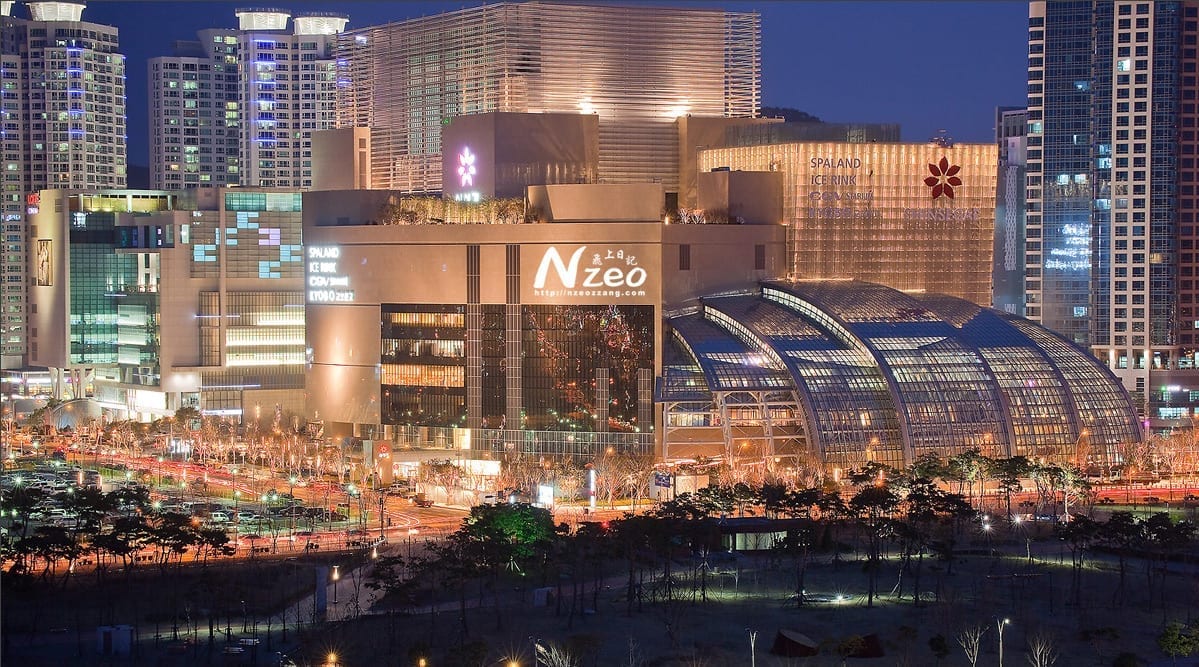
    Singapore’s sovereign wealth fund, GIC Real Estate Pte Ltd, has acquired GG-Square, a Seoul-based retail complex, for $136 million.

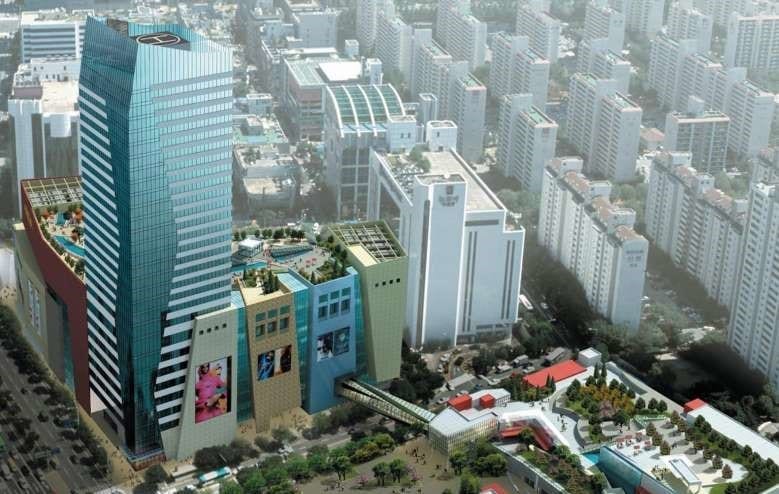
    The complex was completed in 2014 and is spread over an area of 238,248.43 square meters. It has 28 stories and is located in the heart of Anyang, a bustling metropolitan area in the southern part of Seoul. The complex is strategically located as it offers direct access to the city’s subway. Besides retail outlets, G-Square also has offices, spread over an area of 34,681 square meters.

    The complex is operated by one of the largest retail operators in South Korea, Lotte Shopping Co. However, after acquisition, it will be managed by IGIS Asset Management, a leading real estate management company in South Korea.

    GIC has been showing interest in the real estate, of late. Earlier in 2016, the sovereign wealth fund entered into an agreement with Shingsegae Inc., a South Korea-based department store franchise, to develop a retail mall based in Songdo.

  • South Korea’s LPG sales jump 17% to 6.4 mil mt over Jan-Sep on strong petchem demand

    South Korea’s LPG sales jump 17% to 6.4 mil mt over Jan-Sep on strong petchem demand

    South Korean LPG providers sold 6.4 million mt LPG in the domestic market over January-September, up 17.4% year on year, amid lower retail prices and stronger demand for petrochemical production, company officials said Friday.

    The rise outpaced the 0.8%-increase seen for full-year 2015 sales, when the suppliers sold 7.52 million mt, up from 7.46 million mt in 2014.

    Of the total 6.4 million mt LPG sold over the first nine months, SK Gas, the market leader, sold 2.83 million mt, up 49.7% from 1.89 million mt a year earlier.

    Its market share also increased to 44.3% for the period, up from 34.6% in the same period last year.

    In May, SK Gas started commercial production at its propane dehydrogenation plant that converts LPG into propylene.

    The PHD plant uses 700,000 mt/year of propane as feedstock to produce 600,000 mt/year of propylene.

    SK Gas is run by SK Group that also owns the country’s biggest oil refiner SK Innovation.

    Sales of second-largest supplier E1 Corp. rose 14.1% year on year to 1.54 million mt over January-September, up from 1.35 million mt in the year-ago period.

    E1 Corp. and SK Gas provide LPG to the domestic market through imports, while the country’s four oil refiners produce domestically.

    LPG sales by South Korea’s second-largest refiner GS Caltex fell 8.5% year on year to 741,000 mt over January-September, from 810,000 mt a year earlier.

    Top refiner SK Innovation’s LPG sales also dipped 10.1% year on year to 569,000 mt for the first nine months, from 633,000 mt in the same period last year.

    Third-largest refiner S-Oil Corp. sold 445,000 mt of LPG over January-September, up 3.7% from 429,000 mt, while smallest refiner Hyundai Oilbank’s sales dropped 20.3% to 177,000 mt, from 222,000 mt a year earlier.

    “LPG demand for petrochemical making soared 90% over the first nine months from a year earlier, while demand from industry use jumped 31% year on year in the period, driven by lower domestic prices,” an SK Gas official said.

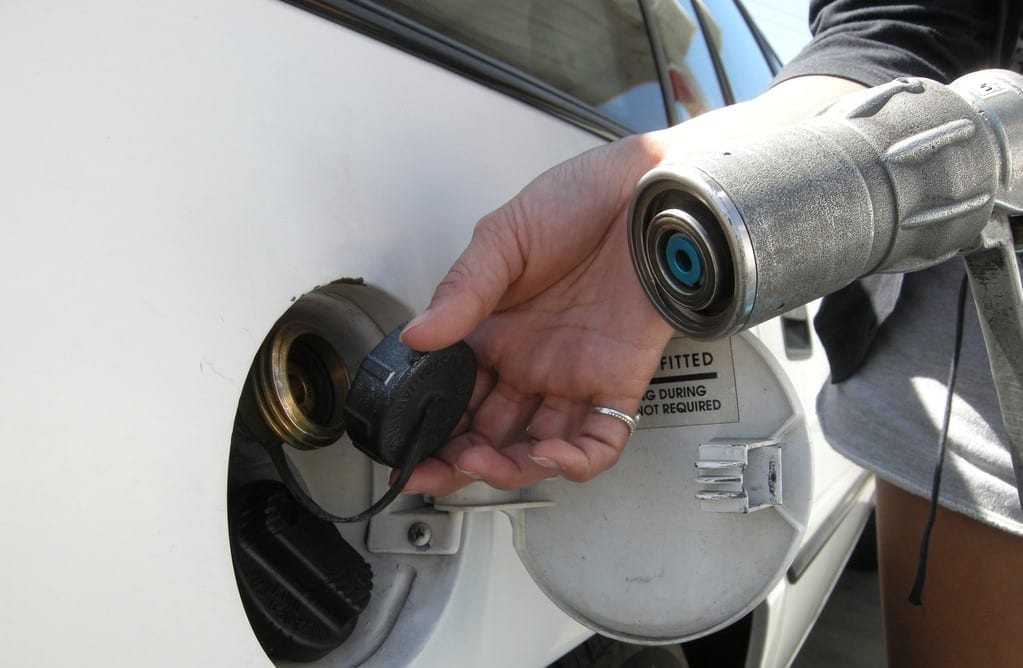
    But LPG demand for transport has been on the decline over the past few years, falling 4%-7% year on year over January-September due to fewer LPG-powered vehicles while consumption by households and commerce edged down 0.7% from a year earlier, the official said.

    RETAIL PRICES FALL IN Q3

    Retail propane prices averaged Won 1,651 ($1.39)/kg in the third quarter of 2016, down 8.3% from Won 1,801/kg a year earlier, according to state-owned Korea National Oil Corp.

    Retail butane prices also fell 8.1% to average Won 1,863/kg in the third quarter, down from Won 2,028/kg in the year-ago period.

    According to KNOC, which provides data on barrels basis, South Korea consumed 28.83 million barrels of LPG over July-September, up 22.2% from 23.59 million barrels in the same period last year.

    The third-quarter growth slowed compared with a 29.4% rise seen the second quarter when the country consumed 20.11 million barrels of LPG, KNOC said.

    For the first nine months, LPG consumption increased 21.8% year on year to 79.21 million barrels, KNOC said.

    “LPG demand is likely to keep rising later this year unless retail prices rebound,” the SK Gas official said. To meet strong domestic demand, South Korea’s LPG imports jumped 34.1% year on year to 59.18 million barrels over January-September, compared with 44.14 million barrels a year earlier, according to KNOC.

    LPG imports from the US, the biggest supplier, soared nearly three times to 27.83 million barrels for the first nine months, from 9.68 million barrels in the year-ago period.

    South Korea’s LPG demand was sluggish in previous years. The country consumed 89.87 million barrels of LPG last year, unchanged from 89.58 million barrels in 2014, which was down 3.7% from 93.06 million barrels in 2013.

    Amid weak demand, South Korea’s LPG imports fell 2.3% year on year to 62.71 million barrels last year, compared with 63.53 million barrels in 2014, according to KNOC.

    -Charles Lee

  • Tesla to open its first Korean showroom on November 29th

    Tesla to open its first Korean showroom on November 29th

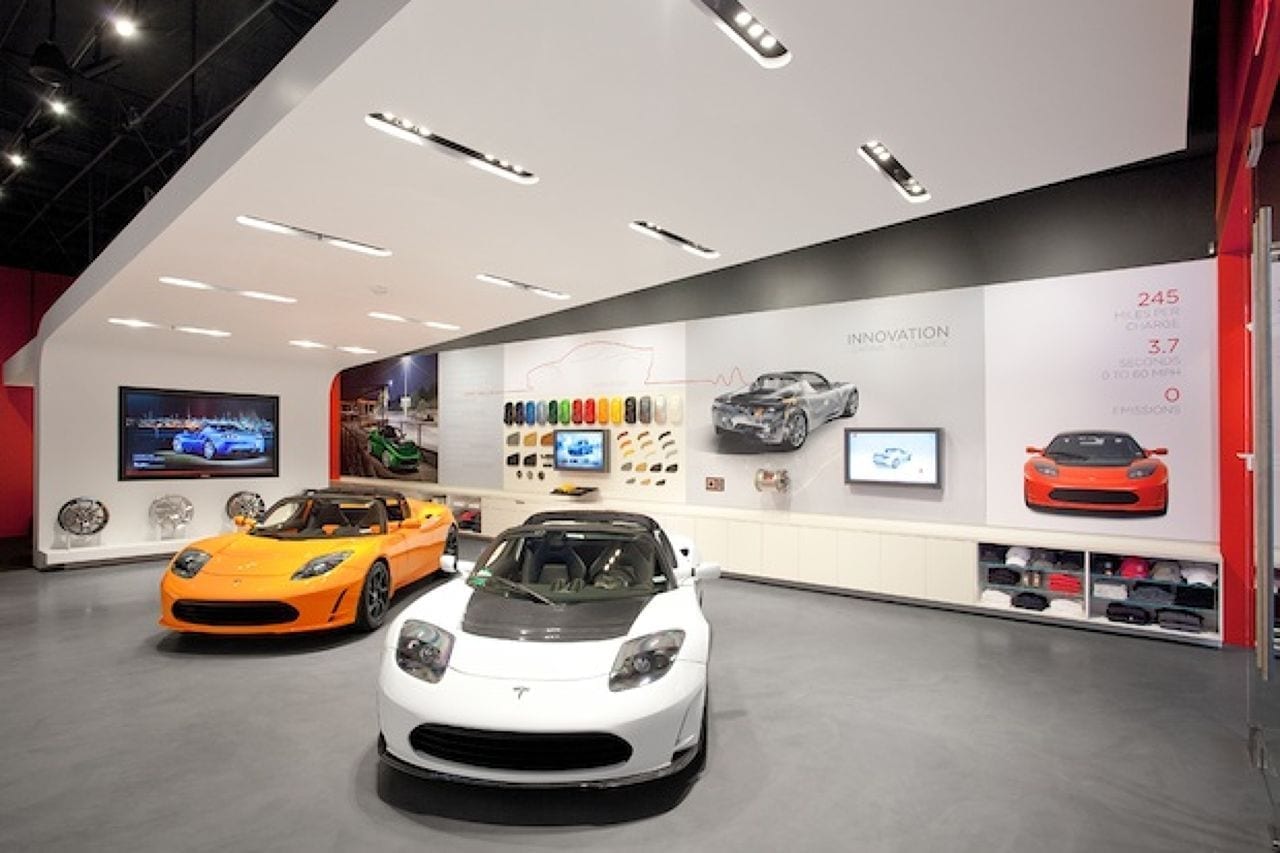
    The U.S.-based electric carmaker Tesla Motors will open its first Korean showroom at the Starfield Hanam shopping mall in Gyeonggi Province, Nov. 29.

    A Starfield Hanam official said he received an in-house notice of the Tesla showroom opening date.

    “However, the opening date may be moved up or delayed depending on Tesla’s preparations,” he added.

    Starfield Hanam, which had its grand opening on Sept. 9, is the largest shopping complex in Korea built as a joint venture between retail giant Shinsegae and U.S.-based shopping mall management company Taubman’s regional affiliate Taubman Asia.

    Before the grand opening, Tesla said Aug. 31 in a press release it would open its first Korean showroom on the second floor of the mall.

    The showroom is currently under construction, covered with a screen to hide the interior. However, Tesla has reportedly completed the ground construction for a charging station on the mall’s second-floor parking lot.

    The showroom will present Tesla’s Model S 90D, a full-size all-electric five-door luxury sedan.

    When the model was introduced in 2012, it received a perfect 5.0 from the U.S. National Highway Traffic Safety Administration (NHTSA) car safety rating. The U.S. Environmental Protection Agency (EPA) official range for the 2012 Model S equipped with an 85kWh battery pack is 426 kilometers.

    Tesla’s official webpage said the current Model S 90D’s range is 512 kilometers.

    Tesla has already received approval for emissions and noise standards from the Ministry of Environment, and is preparing for another approval with the Ministry of Land, Infrastructure and Transport (MOLIT). It is expected to take about two weeks to get MOLIT approval.

    Tesla is also preparing to open its second Korean showroom in Gangnam, southern Seoul.

    It reportedly signed a lease to rent a building in Cheongdam-dong on Sept. 1. It will use the building’s basement, first and second floors until Aug. 31, 2021.

    The Gangnam showroom is also currently under construction and Tesla officials visited the site last week to monitor the construction process.

    Tesla also announced last week via an email interview with ZDNet Korea, an IT-focused online newspaper, its plan to establish charging infrastructure in Korea.

    “Tesla is reviewing its plan to build a few supercharging stations in Seoul,” Atsuko Doi, Tesla’s head of communications for Asia Pacific, was quoted as saying.

    “We are discussing how to rent the sites for the charging stations.”

  • Under Armour opens office in Korea

    Under Armour opens office in Korea

    U.S. sports brand Under Armour said Thursday that it has opened an office in Korea to operate its business directly next year. So far, its clothes, shoes and sports equipment have been imported, marketed and sold through business partner Hyosung Galaxia.

    The company said it decided to bring its products directly to Korean consumers as the country’s sports and fitness market continues to grow.

    “Under Armour will strengthen its marketing, distribution and retail efforts, providing Korean consumers with the best brand and shopping experience,” said David Song, country manager of Under Armour Korea. “We will open our flagship store in southern Seoul in January. The brand will also continue to connect with athletes directly and promote sports, fitness and healthy living through its connected fitness platform, which is the world’s largest digital health and fitness community.”

    Song said driving deeper growth in Korea is a pivotal component of the firm’s comprehensive international growth strategy. “Through design, innovation and our Under Armour connected fitness platform, we look forward to forging long-term relationships directly with athletes at every level in the country.”

    Under Armour Korea plans to open premiere retail shops and carry out robust marketing campaigns to tell its unique brand story, as well as invest in the next generation of Korean athletes to exemplify its brand.

  • GIC snaps up a Korean shopping mall

    GIC snaps up a Korean shopping mall

    It invested $192.4m in the 28-floor retail complex. Singapore’s state-owned investment firm GIC invested $192.4m (USD 136m) in G-Square City Retail Complex in Seoul Korea.

    Tha complex, which was completed in 2012, spans 238,248 sqm across 8 floors. The building is well-situated in a prime location in the centre of Anyang City, a metropolitan area of Southern Seoul. It has a direct access to a subway line.

    “A 34,681 sqm office tower is also part of the complex, and is one of the preferred office buildings within the Anyang city district given its landmark status and building quality,” GIC said.

    The said mall is operated by Lotte Shopping Co. With the aquisition, it will be managed by IGIS Asset Management, one of the country’s largest real estate management companies with a good track record of managing retail assets.

    GIC Real Estate Chief Investment Officer Lee Kok Sun said G-Square is in line with the group’s strategy of acquiring income-generating assets.

    “As a long-term investor, we remain confident in the continued growth of the Korean economy and its retail sector,” Lee said.

    Do you know more about this story? Contact us anonymously through this link.

    Click here to learn about advertising, content sponsorship, events & rountables, custom media solutions, whitepaper writing, sales leads or eDM opportunities with us.

    To get a media kit and information on advertising or sponsoring click here.

  • ‘Design Korea 2016’ presents latest industrial design trends

    ‘Design Korea 2016’ presents latest industrial design trends

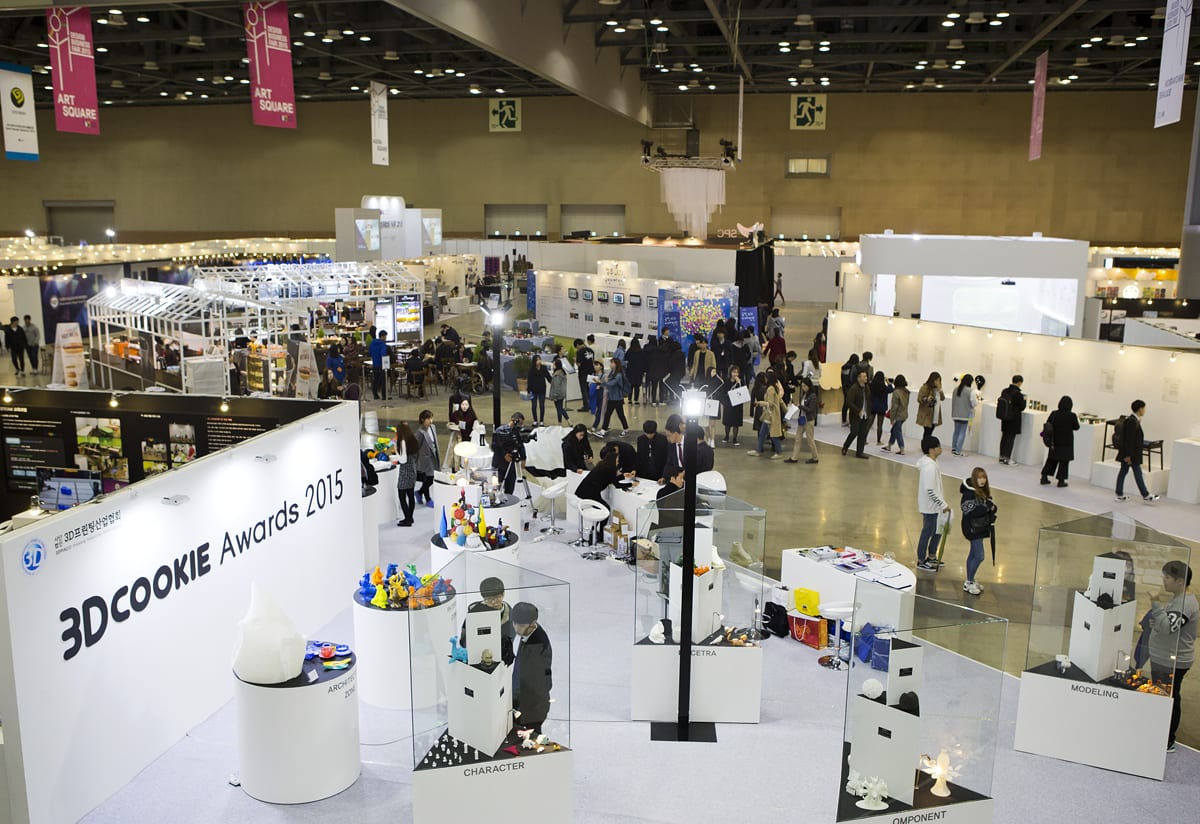
    More than 2,000 products ranging from kitchen hardware to stationary with innovative designs from across the globe were showcased at South Korea’s major trade show on Thursday, presenting the latest design trend.

    Design Korea 2016, under the theme of “Beyond Asia,” kicked off on Wednesday for a five-day run at KINTEX in Goyang, north of Seoul. The annual event is hosted by the Ministry of Trade, Industry and Energy and organized by the Korea Institute of Design Promotion.

    At an exhibition hall, more than 300 design companies from both at home and abroad set up booths to promote their latest design products, hoping to grab the attention of more than 200 international buyers.

    The South Korean government mapped out a plan earlier this year to foster the design industry, designating creative design as the centerpiece of the country’s soft power.

    “The event is the international design business festival that offers everything related to design and its business, from exhibiting world design trends to serving as a venue for participants to capture business opportunities,” the institute said in a press release.

    Various products such as furniture, kitchen hardware, stationary and clocks were showcased at an exhibition hall under five themes — convenience, dignity, beauty, healthy and happiness.

    Visitors look at innovative design products at the Design Korea 2016 at KINTEX in Goyang, north of Seoul, on Nov. 10, 2016. (Photo courtesy of the Korea Institute of Design Promotion)

    South Korea’ design house Nep Plus presented their latest electric gadgets with creative industrial design.

    Israel-based OTOTO presented innovative kitchen hardware products which are developed and manufactured in small scale each one by hand

    At a business lounge located at the corner of the hall, buyers from both home and abroad met with innovative desingers.

    Indonesia’s TV retail company Jabalu Media International, Britain’s retail shop Do Shop, and Japan’s AEON were at the lounge to close deals with local designers.

    More than 40 overseas and 200 local firms participated in last year’s exhibition to close deals worth 58.9 billion won (US$51 million), ministry officials said, adding than deals worth 80 billion won are expected to be signed this year.

    “The event will serve as an opportunity to promote the country’s excellent design industry and to expand design hallyu (the Korean pop culture craze worldwide,” said a ministry official.

    Alberto Alessi, CEO of Italian houseware giant Alessi, held a public lecture at a forum held on the sidelines of the exhibition on Wednesday.

  • Rakuten opens flagship store on South Korea’s e-marketplace 11STREET

    Rakuten opens flagship store on South Korea’s e-marketplace 11STREET

    Japan’s e-commerce giant Rakuten Inc. has opened an online flagship store on 11STREET, one of South Korea’s leading online marketplaces.

    It said store aims to provide South Korean consumers with popular Japanese merchandise and
    will feature a variety of fashion goods, beauty, and sports products.

    “11STREET is a vibrant and innovative online marketplace and we’re excited to be partnering with them on this new cross-border initiative,” said Ryoji Yasutome, Vice Senior Manager Cross Border Trading at Rakuten.

    The South Korean e-marketplace has a global network of 260,000 sellers, small merchants, brand names, department stores and supermarket chains serving 23 million registered members in the home market and abroad.

    Shoppers reportedly spend $6 billion annually on its sites.

    “Korean consumer demand for high quality Japanese and international goods continues to grow at a double figure rate,” said Joon Young Park, Senior VP at 11STREET. “Through our partnership with Rakuten, we are able to offer our customers a more exciting cross-border shopping experience with a larger selection of popular products from Japan.”

    Moving forward, Rakuten will introduce products to 11STREET customers from categories such as health, living, kitchen, and hobby items and will continue to expand the product line-up over the coming months.

    The two companies said they will also jointly provide support services to participating merchants such as translation, listings, merchandising advice, shipping and customer support.

  • Myeong-dong ranked as world’s 8th most pricey retail area

    Myeong-dong ranked as world’s 8th most pricey retail area

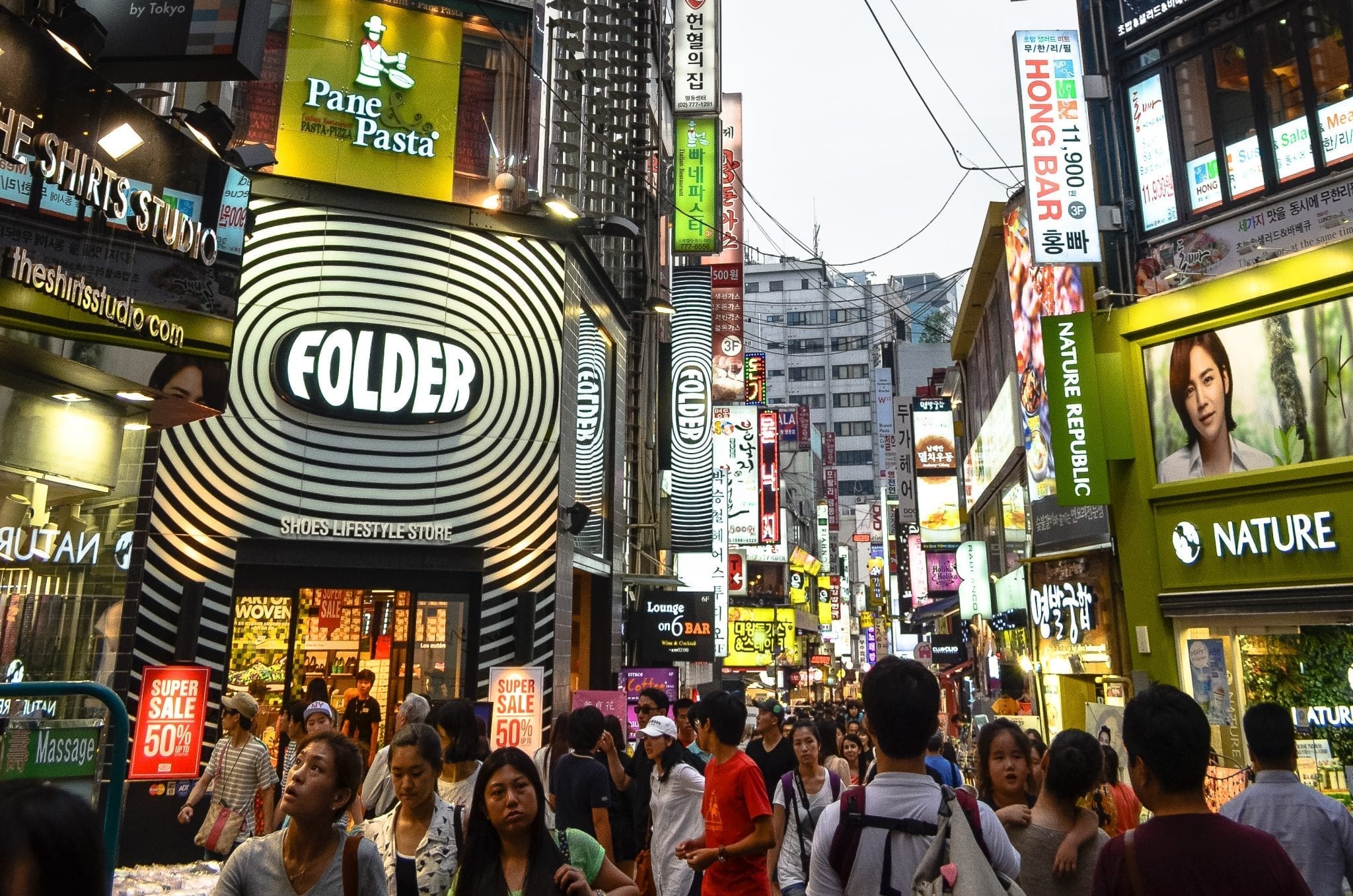
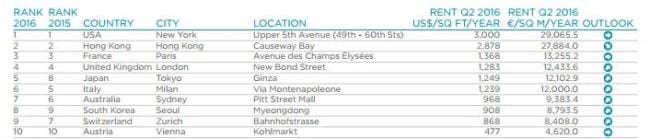
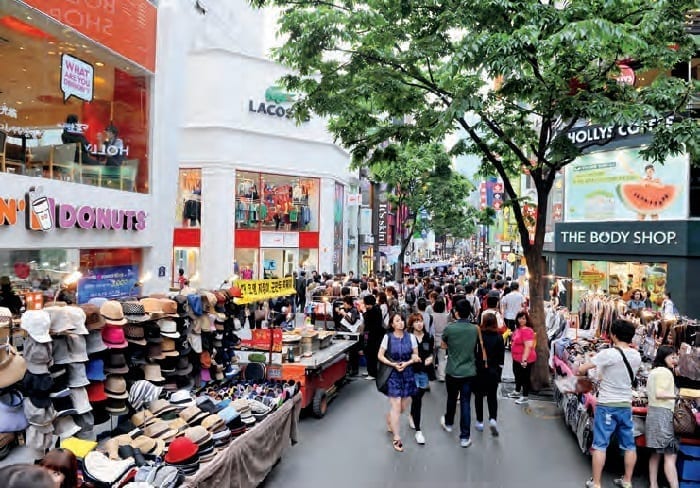
    Seoul’s Myeong-dong street was ranked the eighth most expensive retail street in the world, according to a report by real estate service company Cushman & Wakefield Thursday.

    (Cushman & Wakefield)

    Cushman & Wakefield’s “Main Streets Across the World 2016/2017” priced real estate in Seoul’s shopping district Myeong-dong at $908 per square foot (0.093 square meter) per year, with an outlook to further rise. Although consumers in South Korea are increasingly turning online for shopping, the report said the “inflow of Chinese tourists” is supporting the demand for shop units.

    Other major shopping streets noted in Korea were around Gangnam Station and Garosu-gil, as well as the trendy Hongdae district.

    The Nature Republic cosmetics store in Myeong-dong has been the most expensive plot of real estate in Korea for the past 12 years, according to the Ministry of Land, Infrastructure and Transport this year.

    According to the Cushman & Wakefield report, the most expensive shopping district in Asia is Hong Kong’s Causeway Bay at $2,878 per square foot, followed by Japan’s Tokyo Ginza district at $1,249. The most expensive shopping street in the world is Upper 5th Avenue in New York City, at $3,000 per square foot.

  • Korean duty-free stores suffer losses

    Korean duty-free stores suffer losses

    Korean duty-free stores newly opened in Seoul are losing money as heavy marketing costs erode profits.

    A review of financial documents from the major players show heavy competition is taking its toll on all players.

    Five duty-frees stores opened new shops in the capital city after winning licenses in two bids — one in July and the other in November 2015 — in hopes of courting deep-pocketed Chinese customers, but none of them has reached the break-even point since opening.

    Shinsegae Duty Free, which opened in mid-May, posted 121.2 billion won (US$103.8 million) in sales over the past four months, but it accumulated 37.2 billion won of operating losses, its regulatory briefing showed.

    Galleria Duty Free 63, a duty-free store run by Hanwha Galleria, said it booked 193.4 billion won of sales between December 28 and September 30, but the operating deficit reached 30.5 billion won over the period.

    HDC Shilla Duty Free, a joint venture between Shilla Hotel and Hyundai Development, said it posted 228.7 billion won and 16.7 billion won in sales and operating deficit, respectively, in the January-September period.

    SM Duty Free, a unit by leading tour agency Hana Tour, said it logged 71.1 billion won in sales and 20.8 billion in operating losses from its opening on February 15 to September 30.

    Doota Duty Free, a unit by power equipment and construction conglomerate Doosan Group, logged 10.4 billion won in sales and 16 billion won in operating losses in the first half of this year. It has not yet disclosed the third quarterly report.

    Business prospects remain grim for the fledgling operators as the government is set to give out four new operating licenses in Seoul as a way to promote tourism.

    The Korea Customs Service earlier said it will pick the winners next month, but it remains unclear as a snowballing influence-peddling scandal involving the business community has prompted investigation into the companies that donated funds to two sports foundations, involving those vying for duty-free shop licenses.

  • Korea’s Eland Aims At Ten Shopping Centers In China In 2016

    Korea’s Eland Aims At Ten Shopping Centers In China In 2016

    South Korean apparel brand Eland plans to develop ten shopping centers in China before the end of 2016. Eland started tapping the shopping center market in China from January 2016. By cooperating with Parkson, the company aims to transfer traditional department stores into city outlets. For the next step, Eland will cooperate with other department stores and shopping malls in China, aiming to open ten shopping centers in this marketplace before the end of 2016. For the year 2017, the company aims to have over 30 outlets and by 2020, they aim at 500 outlets and sales scale of CNY200 billion.

    Eland Group has 56 Newcore Outlets in South Korea. The company plans to bring its successful operating model and experience into China and transfer traditional department stores into city outlets to attract young consumers.

    At present, Eland has opened two shopping centers in China, one cooperating with Parkson in Shanghai and the other cooperating with Hualian in Chengdu. In addition, Parkson previously closed a store in Nanchang in September 2016 and said they will team with Eland Group to implement transformation and upgrades for the store.

  • Record demand for New Zealand avocados in Korea

    Record demand for New Zealand avocados in Korea

    The death of Thailand’s long-serving monarch may be affecting the buying behaviours of Thai consumers but export group leader AVOCO says any shortfall of New Zealand fruit sold will be more than made up in AVOCO’s other markets.

    Thailand is in official mourning following the death of King Bhumjbol Adulyadej on October 13. Popular tourism events have been cancelled and entertainment has been banned for 30 days as Thai people closely observe this period as a sign of respect to the 88-year-old monarch who ruled for seven decades. With fewer people dining out and industries temporarily shutting down, export activity to Thailand has slowed, says AVOCO and AVANZA’s market manager for Thailand, Carwyn Williams.

    “Sales have definitely changed and we are keeping a close eye on what impact this event will continue to have on avocado export volumes to Thailand,” says Mr Williams. “Correspondence has been difficult as business takes a back seat for Thai people during this time. This illustrates the importance of having a diverse range of export markets and the silver lining for us is that we can direct more fruit to our strong performing Korean market.”

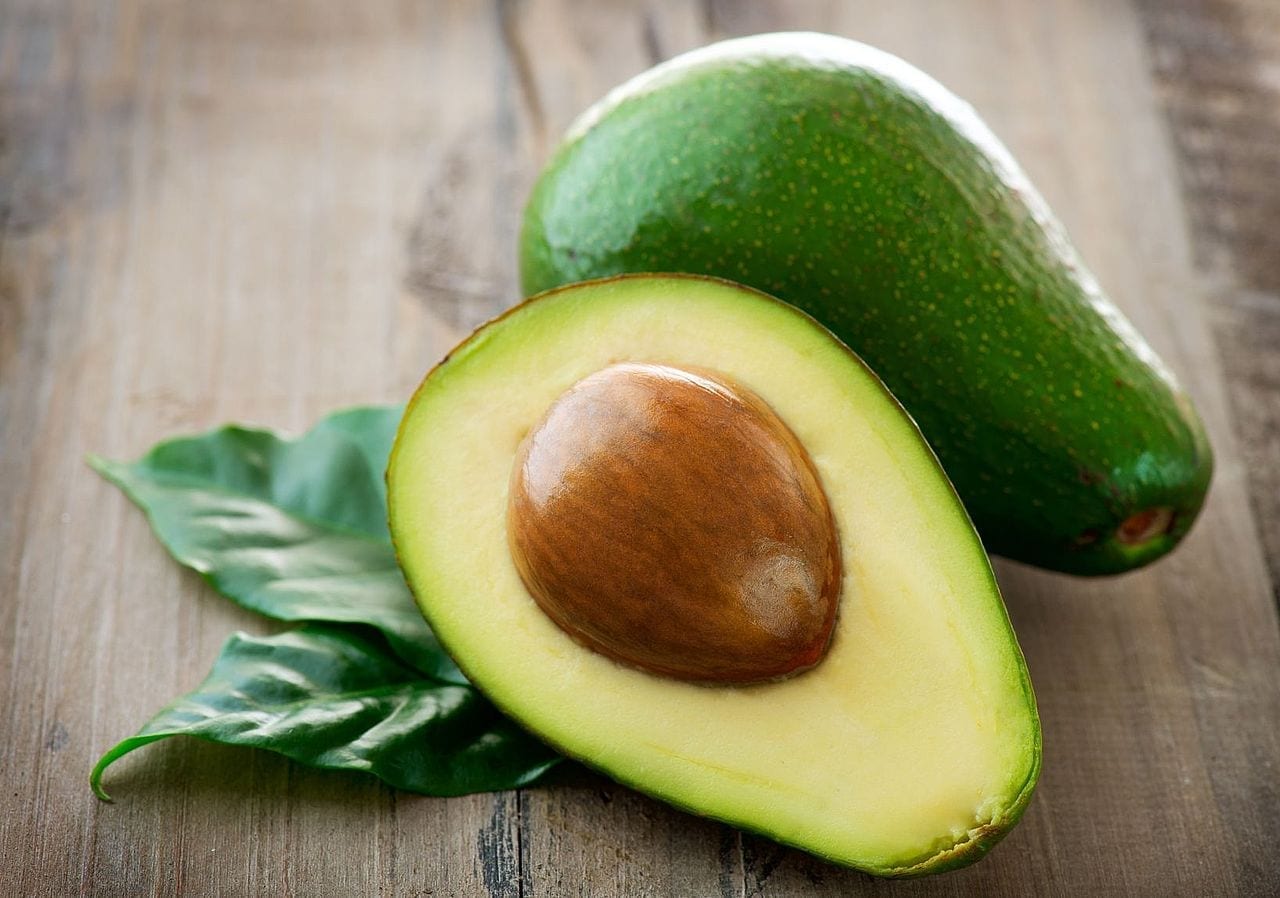
    Shipments of New Zealand avocados to South Korea have reached an industry high with 209,000 trays planned for export this season. Worth about $6 million to the total industry, it is three times the volume exported last year.

    The greater volume reflects the industry’s larger national crop in 2016-17 but more importantly the work AVOCO has put in, under its AVANZA brand name, to promote New Zealand avocados and drive consumption in Asia.

    After a short crop of 2.5 million trays last season, about 5.1 million trays will be exported in 2016-17 – exceeding the previous record of 4.5 million trays two years ago.

    AVOCO will handle the bulk of New Zealand’s crop and this season will export about 3.1 million trays, with 83% destined for Australia. The remaining 17% will be sent to various Asian markets, including Japan, Thailand, Singapore, India and Korea and marketed under the AVANZA brand.

    AVANZA is responsible for 85% of all NZ exports to Korea this season, shipping more than 7000 trays a week over a 25-week supply window. Compare that to last year when AVANZA’s total contribution was just over 65,000 trays.

    Changing diets and promotion of avocados as a healthy food option means the superfood is in demand more than ever in Korea, which has a population of 50 million people. Korean imports of avocados between January and August this year from all origins, including Mexico and the US, was 347,000 trays – an 83% increase on avocado imports during the same eight month period in 2015.

    It’s likely New Zealand avocados will make up about half of all avocado imports this year to Korea where AVANZA market manager Martin Napper says retail and wholesale buyers can’t get enough of the fruit.

    “Korea has been a rapidly growing market for avocados. Two years ago, New Zealand shipped close to 72,000 trays to Korea – anymore and the market could tip over very quickly. But this year, we’ve received unprecedented interest. Avocados have just hit a nerve.”

    Korea, unlike other Asian markets, prefers large size fruit, which gives AVOCO a valuable supply avenue outside Australia for fruit above a certain size profile. The larger size premium fruit (16/18/20/24ct) is retailing for NZ$4 per piece this season which Mr Napper considers to be a “reasonable price point”, given the nature of the product and the inclusion of duties.

    New Zealand’s Free Trade Agreement ratified with Korea in September last year saw the 30% tariff on New Zealand avocados drop to 24% at January 1. The tariff drops 3% annually until it is eliminated in 2024. Mr Napper says that while the duty is still a hindrance to AVANZA, currently accounting for up to US$10 for every bulk carton shipped to Korea, demand for avocados continues unabated.

    “There’s recognition that healthy food items command a premium price and consumers are prepared to pay that.”

    While other New Zealand exporters have shipped fruit to Korea in small volumes in recent years, AVANZA has led the way in developing the market, partnering with similarly health-focussed brands at retail events designed to raise awareness about the health benefits and versatility of New Zealand avocados. This year, they’ve partnered with Korea’s second largest dairy company, Maeil Dairies, to cross-promote smoothies using avocados and soya milk. By the season’s end, Koreans will have taken part in more than 1000 in-store demonstrations promoting AVANZA avocados since 2014.

    AVANZA has also collaborated in the market with the Avocado Industry Council which has helped to promote New Zealand avocados on a website designed specifically for a Korean audience. The NZAIC Korean website offers recipe ideas and fruit handling information to inspire and educate the Korean consumer. It has also engaged Korean celebrity chef Hong Shin Ae to front tasting events and meal demonstrations using avocados.

    “The AIC has also undertaken social media research to better understand the buyer behaviours of consumers throughout Asia. That information is fed back to us to tailor our own marketing strategies to reach our targeted consumer, which in Korea is a woman, aged 20-45. She values health and beauty and makes all the household buying decisions.”

    Additionally, AVANZA has made efforts to educate retailers handling the fruit. Technical consultants Colin Partridge and Jerome Hardy have visited Korean retailers to instruct them on techniques to ripen fruit correctly which have been critical to boosting sales. Supermarkets have been encouraged to put ripe, ready-to-eat fruit on display alongside hard, green fruit – a strategy that can result in a 300% increase in sales because people buy more often and consume the day of purchase.

    “Displaying ripe fruit is a step forward by retailers who would never have done that even two years ago due to perceived wastage. But they recognise now that avocado is an important retail category for them and any wastage will be more than offset by increased sales,” says Mr Napper.

    “It’s one of the experiences we’ve taken out of our market presence in Japan where New Zealand avocados are more established. We’ve noticed the difference these strategies have but timing is everything and Korean retailers are recognising now that avocados are a growth category for them and they’re worth the investment.”

    Nearly 800 avocado growers across Northland and the Bay of Plenty supply AVOCO. Harvesting got underway in the Far North in late-August and will continue until February.
  • Shinsegae Group to Run COEX Mall

    Shinsegae Group to Run COEX Mall

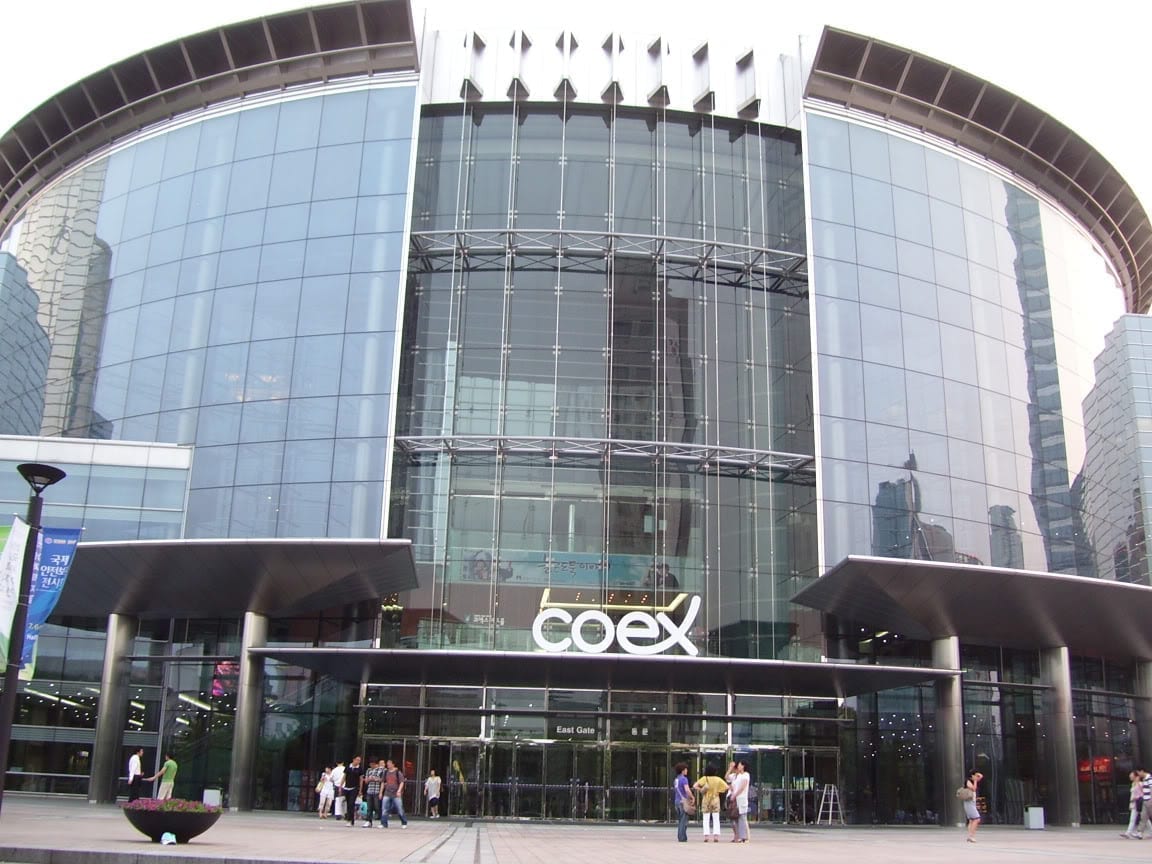
    Shinsegae Property, a unit of South Korea’s conglomerate Shinsegae Group, has solely bid and likely won the 10-year operation right over Convention & Exhibition Mall (COEX Mall), the largest underground shopping center in Asia, according to the industry and Korea International Trade Association (KITA).

    Hyundai Department Store Co., which had been regarded as a strong candidate, gave up entering the bid. Another potential candidate Aekyung Co. also was absent. Shinsegae Property would likely be consigned to run the shopping mall.

    The company would operate COEX Mall consisting of 247 stores on a site of 48,359 square meters and Cultmall composed of 80 stores on a site of 10,579 square meters over the next 10 years.

    The mall with convention and exhibition is close to the Hyundai Global Business Center whose construction will be completed in 2021, making the area a promising tourist destination.

    Shinsegae has so far made efforts to target commercial areas in Gangnam, southern Seoul. It remodeled the Gangnam branch of Shinsegae Department Store earlier this year and bought an additional stake in Seoul Express Bus Terminal last month to set a foundation to establish a Shinsegae Town by combining the current Shinsegae Department Store, the Central City shopping district, and others to be built in the block.

    It is also ready to open Starfield Hana, which would be one of the nation’s largest complex shopping malls, in September. It is considered the ambitious work of Chung Yong-jin, vice chairman of the group.

    Shinsegae plans to differentiate COEX Mall as an urban-style shopping mall. COEX Mall is the nation’s first underground shopping mall but it saw its visitors decline after remodeling costing 300 billion won ($266 million) in 2014.

  • South Korea Q3 GDP slows slightly, but better than forecast

    South Korea Q3 GDP slows slightly, but better than forecast

    The seasonally adjusted reading, down from a 0.8 percent gain in the second quarter, compared with a median 0.6 percent rise tipped in a Reuters survey.

    It also showed that facility investments fell 0.1 percent on-quarter in the July-September period, compared with a 2.8 percent on-quarter expansion three months earlier. On a sequential basis, the real GDP expanded 0.7 percent, slightly slower than the 0.8 percent growth recorded in the prior quarter.

    Despite the beat on both quarterly and year-on-year GDP, the Bank of Korea suggests growth could have been even better, citing troubles atelectronics giant Samsung following the release, then recall, of the Galaxy Note 7, along with industrial action at Hyundai.

    Services rose 1.0 percent in the September quarter from the previous three-month period, also better than a 0.6 percent gain in the second quarter, most likely thanks to government efforts to launch nationwide retail sale events to pry open wallets. On the other hand, exports grew 0.8 percent with rises in exports of chemical products and semiconductors. Capital investment slipped 0.1 percent, down from 2.8 percent growth in the previous quarter.

    Government consumption grew by 1.4%, in part due to an increase in health insurance benefits.

    It left the year-on-year expansion at 2.7%, down on the 3.3% rate reported in the previous quarter.

    A BOK official remained hopeful about Korea’s outlook, saying it could achieve 2.7 percent annual growth this year, as long as the economy does not contract any further.

    Both Chung and the ministry official agreed that fourth quarter growth would also be affected by Samsung’s decision to discontinue production of its fire-prone Galaxy Note 7 smartphone, although the economic impact from lost manufacturing was almost all reflected in the third quarter.

    Construction rose 4.4 percent sequentially, driven by a growth in building construction. LGERI projects 2.2 percent growth next year.

    “With China and European Union also likely to slow, Korea faces hard external conditions”, he said.

  • Shinsegae bets big on rooftop entertainment

    Shinsegae bets big on rooftop entertainment

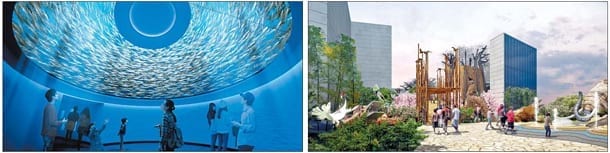
    Shinsegae Department Store’s newest location in Daegu is set to open next month, and it will include a massive 56,000-square-foot aquarium and indoor park on its roof, the company revealed Wednesday.

    The move is a bid to attract more visitors with family-friendly entertainment options. Incorporating more amusement facilities into its department stores and shopping malls has been Shinsegae’s main strategy in breaking through a prolonged slump in the retail business.

    shinsegae-aquarium

    The aquarium, which will feature some 200 types of animals including rare ones like manatees, sea lions and elephant seals, will occupy the ninth floor of the store. An indoor park with oversize furniture a la Alice in Wonderland and an outdoor plaza with plants and fountains will be adjacent to the aquarium.

    “The Daegu branch will be different from the concept of existing department store and focus on providing value and experience to visitors,” Shinsegae Department Store CEO Jang Jae-young said. “We will become a landmark in the North Gyeongsang region and attract people who were originally planning to go to an amusement park, zoos or baseball games during the weekend with our diverse cultural facilities.”

    This is the first time a Korean department store is installing an aquarium on the top floor. The heavy weight of water tanks requires most aquariums to be located at ground or on lower levels. Shinsegae, though, has defied convention by placing all its entertainment facilities on the roof.

    “The construction cost is double compared to when building [an aquarium] on ground level, but we boldly invested to provide more pleasure to visitors,” Shinsegae said in a statement.

    A 600-seat concert hall and art gallery that will host exhibitions and auctions are also in the space.

    The Daegu location is the last of Shinsegae’s six-projects initiative announced early this year, which also includes the recently-opened Starfield Hanam in Gyeonggi, the largest retail complex in Korea.

    CEO Jang said the series of projects marks Shinsegae’s “quantum jump” that it has been preparing for over three years, and once complete, its retail businesses will be “free of market share competition.”

  • Pernod Ricard TR sees Q1 improvement in Korea

    Pernod Ricard TR sees Q1 improvement in Korea

    According to Pernod Ricard travel retail witnessed an “improving trend in travel retail Americas” with a “return to growth [and] better performance from duty free across zone, product mix and pricing.”

    However, the travel retail division admitted that it battled a ‘difficult environment’ in Asia for Q1 ‘impacted by tough commercial negotiations’. More positively the same division said that Korea duty free appeared to show improvement.

    A sales decline for travel retail in Europe was apparently caused by weakness in Eastern Europe; something which the company has been battling for the last few years.

    Pernod-Ricard-Q1-FY2017

    Highlights from the Pernod Ricard Q1 FY2017 results. The company does not share its travel retail results, but does provide some commentary on the division.

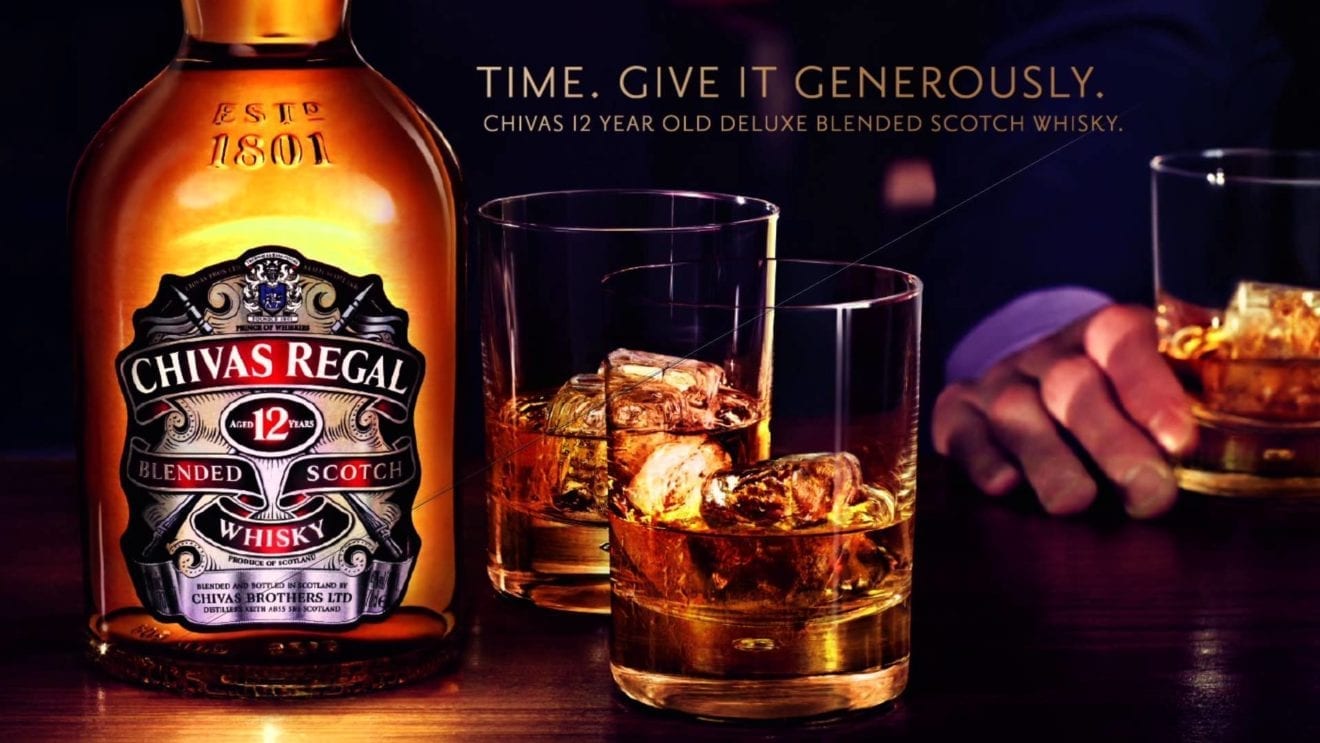
    Group wide, For FY17, as indicated in September, Pernod Ricard expects good sales growth to continue in USA, India, Jameson and innovation. It also expects sales to improve vs FY16 in China, Absolut and Chivas.

    There will be a ‘continued focus on the operational efficiency roadmap and priority brands and innovations’ and ‘continued deleveraging and strong cash flow generation’.

    Pernod-Ricard-house-of-brands

    Pernod Ricard shares its strong lineup of strategic brands (for the whole group).

    For FY17 the company is looking for organic growth in profit from recurring operations between +2% and +4%.

    *Shipments brought forward from July to June2015 ahead of back-office mutualisation between Ricard and Pernod on 1 July 2015.