Tag: Korea

  • Korea’s exports of consumer goods to China tops $7b in 2016

    South Korea sold more than $7 billion worth of consumer goods to China last year, a report showed Tuesday, amid growing concerns that this sector will suffer the most from a trade spat between the two countries over the deployment of an advanced US anti-missile system.

    The outbound shipments of consumer products reached $7.02 billion as of end-2016, accounting for about 11 percent of all consumer goods sold abroad last year, according to the latest report by the Korea International Trade Association and the Korea Institute of Finance.

    The figure represents only 5.6 percent of total exports to the world’s second-largest economy, which stood at $124.4 billion. More than 90 percent of all goods sold to China were intermediate goods such as machinery and industrial components like memory chips.

    Although the portion is marginal, consumer goods have emerged as a key export for the South Korean economy, Asia’s fourth largest, as the market has posted rapid growth over the past few years, the report said.

    The on-year export of five major consumer goods, including cosmetics and pharmaceuticals, grew by 13.6 percent last year, compared with a 5.9 percent on-year drop in the country’s overall overseas shipments, it showed.

    China’s import of consumer goods also rose at a faster pace of 9.2 percent in 2015 from 4.2 percent in 2000.

    The stellar performance in the consumer goods sector, however, is making local exporters more anxious since rising diplomatic tension with China could affect growth going forward.

    Since last July, Beijing has ratcheted up a hostile stance toward Seoul, in protest of Seoul’s stationing of the Terminal High Altitude Area Defense on its soil. Beijing strongly denounced the deployment, claiming that the installation’s powerful radar system will be used to spy on its own military.

    South Korea’s tourism and retail industries are bearing the brunt of what appears to be retaliatory measures taken by China.

    Beijing has banned the sale of group tours to South Korea and placed retail outlets run by Korean firms under suspension, among other moves.

    Experts here cautiously raised a view that maybe it’s time South Korea focused more on exports of intermediate and capital goods.

    “Consumer goods are to some extent overrated because we people can see them more easily. But intermediate and capital goods are traded between businesses, which means they’re less likely to be affected once a deal has been signed,” Ji Man-soo, a KIF researcher, said.
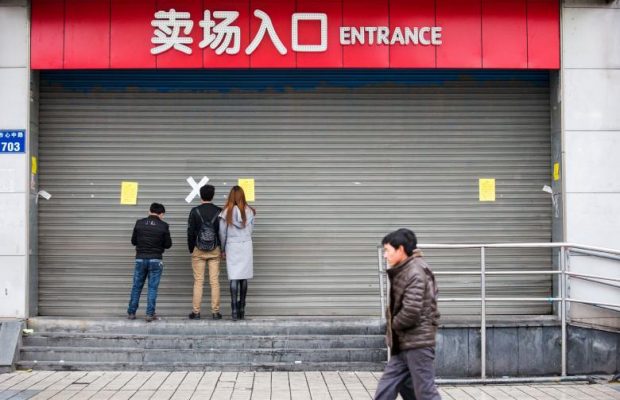
  • Chinese officials close Lotte Group stores amid political issue

    Chinese officials close Lotte Group stores amid political issue

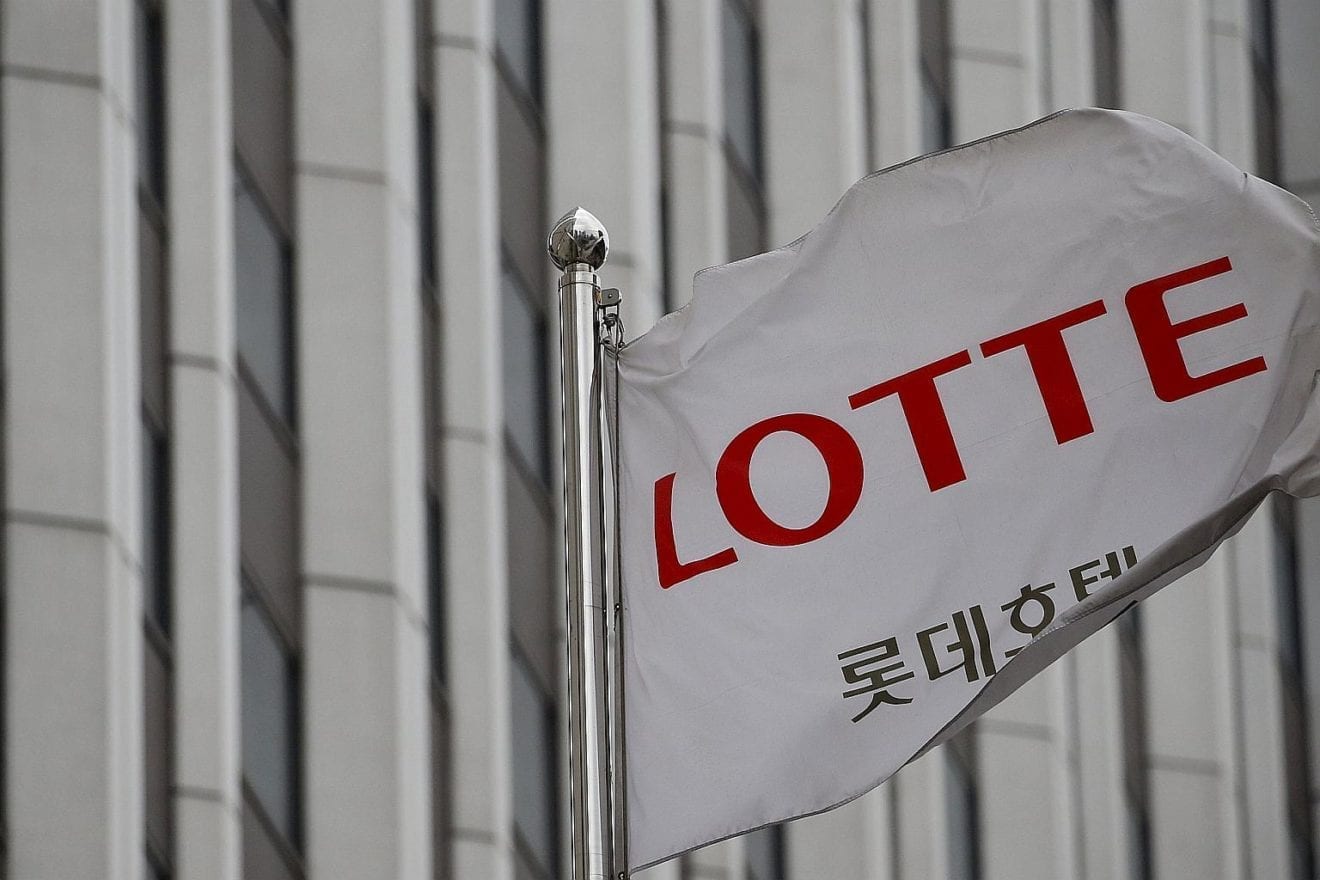
    Following inspections, Chinese authorities have closed nearly two dozen Lotte Group stores.

    Lotte says that 23 of its supermarkets in its biggest overseas market have been shuttered, reaching from Dandong on the North Korean border to the east coast and southern Changzhou.

    Workers at three stores say the closures are temporary and fire-safety related. Its its Sina Weibo microblog, the Anhui fire department says it temporarily shut two Lotte Mart stores because of fire risks, part of a broader regional sweep over the past month that had led to the closure of 30 stores belonging to a range of companies including Lotte.

    However, the Lotte closures follow a series of incidents affecting South Korean companies in China, including cyber attacks and a ban on sales of travel tours to South Korea, Reuters reports. Lotte Mart had 115 stores in China as of January, its biggest overseas market, and had group sales there of more than 3 trillion won (US$2.6 billion) in 2015.

    Problems started for Lotte after it approved a land swap outside Seoul last month so South Korea could install a defence system in response to missile threat from North Korea.

    Meanwhile, photos and videos are circulating on Chinese social media of protests outside Lotte stores, while others show Lotte outlets with their steel grates pulled shut. Outside one store, a red banner reads: “South Korea’s Lotte has declared war on China … Get the hell out of China”.

    Lotte Duty Free is back online after a cyber attack last week from Chinese IP addresses crashed its website, and the group is seeking help from the South Korean government regarding the issues it is facing in China, where it employs about 20,000 people – a third of its overseas staff.

  • Mamonde launches Singapore site on Lazada

    Mamonde launches Singapore site on Lazada

    Korean beauty products brand Mamonde has launched an e-commerce site on Lazada to introduce its skincare and makeup products into Singapore.

    Mamonde’s USP is using flower extracts in its products. Camellia, hibiscus, honeysuckle, lotus and magnolia blooms are hand-picked and frozen or heat dried, with the active ingredients then being extracted.

    Mamonde Lazada SG

    There are plans to also open a physical store in Singapore eventually, says Amorepacific, which also owns the brands Etude House, Innisfree, Laneige and Sulwhasoo.

    “Launching digitally first in Singapore was a deliberate move that allows us to observe consumer purchasing habits before scaling up operations in the market,” says Amorepacific Asean regional head Robin Na.

    “While the beauty industry in Singapore is mature, we believe that consumers there are still hungry for new brands.”

  • China main market for Korean online industry

    China main market for Korean online industry

    Sales of South Korea’s online shopping malls rose dramatically in recent months helped by the growing number of Chinese customers.

    Data released this week shows the Korean online industry growth is happening amid China’s retaliation against South Korea over Seoul’s plans to deploy an advanced US missile defense system on its soil.

    WeMakePrice, a major online shopping mall, said its sales on Alibaba Group’s Tmall rose 100 per cent in January compared with the same period last year. The comparable figure was 50 per cent for February.

    “We don’t expect any drastic decline in the sales in Tmall, one of the biggest online shopping sites in China, unless Chinese consumers stage a boycott of South Korean products,” a WeMakePrice official said.

    GMarket, another online shopping mall, said its sales to Chinese consumers surged 18 per cent in 2016 from a year earlier, and the trend is similar for the first two months of this year.

    A possible decline in the number of Chinese tourists visiting South Korea, however, may adversely affect the South Korea online industry as many Chinese tourists place orders at South Korean duty-free shops online before picking up goods in person while touring South Korea, industry sources said.

    China has been retaliating against Seoul’s decision reached in July to have the Terminal High Altitude Area Defense (THAAD) system deployed on South Korean soil later this year. South Korea says the missile system will not target China but only counter threats from North Korea.

    In the latest retaliation, Chinese travel agencies suspended sales of tour packages to South Korea last week.

  • Good direction for Korean rental booms

    Good direction for Korean rental booms

    South Korean Rental services, which in the past were typically limited to water purifiers or bidets in South Korea, are rapidly embracing other products.

    According to big data analysis firm Daumsoft, online mentions of “rental service” on blogs and Twitter more than doubled over the past three years from 75,300 in 2014 to 177,003 in 2016, and now include more lower priced goods, with shorter rental periods.

    Although water purifiers still ranked first in terms of the number of references, apparel such as clothes, coats, and bags have developed a significant presence in the rental market recently, officials said.

    For instance, the word “clothes” as a related term for rental services increased from 5587 mentions in 2014 to 23,047 in 2015 and 31,112 in 2016, while “coats” and “bags” soared from 108 to 14,777 and 454 to 3228 from 2014 to 2016, respectively.

    “While dress rentals for parties or other special occasions are most popular overseas, renting clothes for weddings (as guests), job interviews, and company meetings is also popular in Korea,” the company said. “The reason behind the dramatic increase in the number of ‘coats’ and ‘bags’ is probably because they’re among the more expensive fashion items.”

    Women were the biggest customers of the rental services, the analysis showed, with the word “women” topping the list in terms of the number of online mentions (at 23,848), followed by “babies”, with Daumsoft adding that baby products are increasingly sought after by local mothers.

    “During economic hardships, people tend to think twice about their spending and try to get the most out of their budget,” said professor Oh Se-jo at Yonsei University School of Business, adding that people compare more carefully the quality and the diversity of their consumption.

    “Rental services best serve consumers who want to save but at the same time pursue their interests and hobbies, which is why they’ll continue to grow,” he said.

  • ‘Grocerant’ Offers Korean Consumers Another Great Way to Enjoy US Beef

    ‘Grocerant’ Offers Korean Consumers Another Great Way to Enjoy US Beef

    Working to displace competitors of US beef in the growing South Korean retail sector, USMEF used social media and a celebrity chef to showcase US beef ribeye, striploin and chuck flap tail during a “grocerant” promotion.

    The event was held at PK Market, a high-end grocery selling premium food items, and was funded by the USDA Market Access Programme (MAP) and the Beef Checkoff Programme.

    PK Market, part of the vast Emart retail chain, includes a steakhouse called “Butcher’s Table” that allows consumers to enjoy steak cuts they purchase in the store’s grocery area.

    “The Butcher’s Table is what is referred to as a “grocerant,” meaning that it as a grocery store and restaurant under one roof, and it is becoming a big part of the ‘steak culture’ in South Korea,” explained Jihae Yang, USMEF director in Korea.

    “It also is part of a move toward ready-to-eat and pre-packaged meals favored by busy people. Korean consumers buy a steak and then take it to the Butcher’s Table kitchen and have chefs there cook it with vegetables. This service provides the customer with a great steak that might cost two or three times more at a restaurant.”

    During the promotion, USMEF had celebrity chef Mihal Ashminov grill US beef cuts. While the guests enjoyed their steaks, Chef Ashminov provided them with information about the advantages of US beef and explained a few of the best ways to cook a steak.

    To draw attention to the promotion, an online campaign was launched that included Syrup Table, the most popular Korean “foodies” app with a total of 13.5 million subscribers and 1.2 million monthly active users. USMEF’s promotion was featured on the main rolling banner at the top of the Syrup Table website. A total of 5,700 participated in the campaign, with 12 winners chosen for the US beef tasting opportunity.

    Officials with Emart described the event as a great opportunity to experience US beef steak and to promote superior quality of US beef to PK Market customers, adding that Emart recently began promoting thick-cut steak at locations across the country.

    “Retailers in Korea have been trying to offer various meat items and new applications to address consumer trends in the market,” said Mr Yang. “Steak is currently one of the most popular food trends and as a result, some retail chains are developing various steak items. Retailers are also taking an interest in steak items that address the desire for convenience and quick meals.”

  • Indonesia Signs Currency Swap Deal with Korea

    Indonesia Signs Currency Swap Deal with Korea

    Bank Indonesia (BI) and the Bank of Korea signed a bilateral currency swap arrangement (BCSA). Through the deal, both central banks will be able to swap currencies for a value of KRW 10.7 trillion or Rp115 trillion.

    The agreement was signed by BI governor Agus D.W. Martowardojo and Bank of Korea governor Lee Ju-Yeo, March 6. Agus said the BCSA extension will economic ties between the two nations through the use of their respective currencies.

    “The goal is to reduce our dependency on using a certain currency,” Agus said on Monday, March 6, 2017.

    According to Agus, the BCSA is part of the government’s initiative to deepen the financial market and support economic defense “especially in facing today’s economic uncertainties,” Agus said.

    The BCSA also guarantees the use of Indonesia and South Korea’s currencies in trading, to support the regional financial stability.

    Agus said the deal is valid for three years and can be extended if the two countries agree.

    The first BCSA between BI and Bank of Korea was signed on March 6, 2014, based on economic ties—especially in trade—between the two nations.

    South Korea is Indonesia’s fourth import destination with an average market share of 6.5 percent a year from 2010-2015. Korea is also Indonesia’s sixth export destination, with an annual market share of 6.8 percent in the same period.

    However, most transactions are denominated in US dollar. “That’s why we need to diversify the use of our own currency when trading with regional countries, to stabilize the rupiah,” Agus said.

  • South Korea dominate Vietnam entertainment industry

    South Korea dominate Vietnam entertainment industry

    They include YG Entertainment, which manages many of Korea’s biggest stars like Big Bang, 2NE1, PSY, Epik High, Choi Ji Woo, Black Pink and Lee Jong Suk, its subsidiary YGKplus, the country’s leading modelling agency, and Naver.com, the country’s biggest search engine and online media and entertainment channel.

    The Korean companies are seeking to tie up with Multimedia JSC in entertainment and fashion.

    They will send their stars to participate in major entertainment events in Vietnam like the Vietnam International Fashion Week and also create opportunities for Vietnamese models in Korea.

    Besides YG Entertainment and Naver.com, many other Korean companies in movies, the media and entertainment also have plans to enter the Vietnamese entertainment market.

    The Vietnam Film Distribution Association said the market was dominated by foreign distributors, many of them Korean.

    Vietnam now has more than 50 cinema chains. Korean-owned CJ CGV Vietnam is the largest in the market with 30 cinemas in 10 major cities. Lotte Cinema, also owned by South Korea, has 16 cinemas.

    A CJ CGV executive said each year the company opened around 10 cinemas in Vietnam and expected to reach 60 by next year.

    Market observers said South Korean investors saw plenty of opportunities in the Vietnamese entertainment industry.

    They find that the Vietnamese entertainment market is still in a fledgling state while the demand for entertainment has skyrocketed in step with living standards, meaning the sky could be the limit for investors.

    The fact that Vietnam and Korea have many cultural similarities means Korean entertainment investors with their quality products can attract Vietnamese audiences easily.

    On the commercial side of things, there are several trade agreements Vietnam has signed which offer opportunities to foreign investors, including those in the entertainment industry.

    Analysts said all this meaned pressure on domestic entertainment companies, who could lose the market completely to the Koreans if they were slow to react.

    In 2005 CJ CGV and Vietnamese company VIFA established a joint venture called CJ-VIFA whose first project was the drama “Mui Ngo gai”.

    Then CJ CGV bought out Megastar, the largest chain of cinemas in Vietnam at that time. At the beginning of 2014, after closing the acquisition, Megastar was renamed CGV.

    CGV now accounts for over a half the Vietnamese cinema market.

    It also dominates the film import market, and by showing more movies than its rivals, including blockbusters, CGV has become popular among the public.

    CJ CGV’s strategy is a vital lesson for local entertainment companies.

  • Fintrax and Lotte form JV to boost tax-free shopping in Korea

    Fintrax and Lotte form JV to boost tax-free shopping in Korea

    Eurazeo Capital portfolio company Fintrax Group has formed a joint-venture (JV) with The Lotte Group subsidiary Lotte Data Communications Corporation (LDCC).

    Fintrax will join Lotte as shareholding partners in CubeRefund, an existing refund operator in Korea and will drive the business forward together.

    Fintrax Group is the second largest tax-free operator in the world with over 150,000 retail outlets including leading luxury and retail brands such as Dior, Gucci, Dolce and Gabbana. The JV will firmly establish CubeRefund, which will use the Fintrax Group’s tax-free subsidiary Premier Tax Free’s name and logo, as the leading VAT refund company in Korea.

    The JV project will contribute to the expansion of Lotte Group’s sales as well as the economy by increasing visits to overseas tourists through duty-free shops, department stores, and outlets in the mid to long-term.

    CubeRefund is recognised for its innovative technology, which aligns with Fintrax Group values. Through this agreement, CubeRefund (t/a Premier Tax Free) will provide high-quality tax refund services to foreign tourists visiting Korea. In addition, the company plans to become more active in expanding its business by promoting international joint marketing, increasing the luxury goods tax refund business, and establishing a bridgehead for overseas market entry.

    Fintrax CEO Patrick Waldron commented: “We are delighted to invest in this joint venture with CubeRefund. We have a great partner in the Lotte group, who is one of Asia’s leading companies. This latest investment underpins our commitment to Asia as a growth strategy for our Group.”

    Waldron will be joined on the board of the JV operation by Gary Byrne, head of New Markets at Fintrax, who leads the Asian strategy and led the deal on behalf of Fintrax. Byrne added, “We are pleased to begin our operations in Korea, this is increasingly an important market for our international brands.”

    “CubeRefund is the first successful case to attract foreign investment as an excellent venture company discovered by LDCC,” said LDCC CEO Yong-deuk. “We will continue to explore various win-wins. I will take the lead in spreading the culture of mutual growth.”

    The tax refund market in Korea has grown almost 10 times since 2010 from circa W41.7bn to  circa W413bn in 2017 and is expected to grow in the future in line with the continued growth of overseas tourists. Tax-free shopping is a fundamental part of the country’s Government strategy to attract Chinese and other international tourists.

    Fintrax were advised by Natixis and LDCC were Advised by PWC Korea.

  • Limited Editions Thrive in Secondhand Markets

    Limited Editions Thrive in Secondhand Markets

    The latest hype in Korea has been over the Adidas Yeezy Boost 350 v2 “Zebra,” co-designed by American rapper and producer Kanye West. This extremely limited edition pair of shoes sold for a retail price of 289,000 won ($255.75), but they now cost somewhere around 1.5 million won on secondhand platforms online. 

    Similarly, the pair’s predecessor Yeezy Boost “Bred” (black + red) with the same retail price now sell for at about 600,000 won on secondhand markets, which isn’t as impressive but still double the original amount. 

    Such popularity, and the subsequent resale of limited or special edition shoes is nothing new. 

    The Nike Air Max 95s, launched in August 2015 to celebrate their 20th anniversary, sold out in Korea in less than two hours, and were later resold at prices roughly 100,000 won higher than their retail price of 189,000 won. 

    Nike’s Air Jordans, likewise, have long been popular among shoe fanatics with every new release. The Air Jordan 1 Bred (2016), for instance, peaked at 600,000 won on secondhand platforms after selling for 199,000 won at shoe stores. The shoes are still traded at a little over 400,000 won.

    Overseas collectors share the same enthusiasm. The most notable is perhaps Kanye’s Air Yeezy 2 “Red October,” which the rapper co-designed with Nike before he teamed up with Adidas. A pair of the shoes, which were produced in a limited run of only 1,000 pairs, was traded for $93,000 on eBay at one point in 2012, and they still cost thousands of dollars for anyone trying to add them to their collection. 

    Some resellers have even decided to take this business model to a professional level. 

    For example, Yeezy Mafia, a group of some 50 individuals from countries around the world, provides shoe collectors with early information on new Adidas releases (often before official announcements) and resells them to those with a Yeezy Mafia membership. Sneaker resellers Allen Kuo and Benjamin Kickz are also big players in the market. 

    Of course, shoes are not the only items that attract devotees.

    Starbucks’ special edition merchandise usually sells out quickly in Korea, and items are later traded online for higher prices, while clothes by specialty retailers or private label manufacturers co-designed with other designers are also frequently found on secondhand markets. 

    H&M’s collaboration products – which the company releases each year with world-class designers such as Balmain, Isabel Marant, Alexander Wang, and Maison Margiela – are particularly popular. In 2015, hundreds camped out at an H&M outlet in Myeongdong for days to get their hands on the newest Balmain x H&M collection. 

    One of the dresses, which rose to prominence after Suzy of idol group Miss A was seen wearing one on a local TV show, was going for roughly 250,000 won, up from its retail price of 159,000 won.

  • Shake Shack Korea tops global sales chart

    Shake Shack Korea tops global sales chart

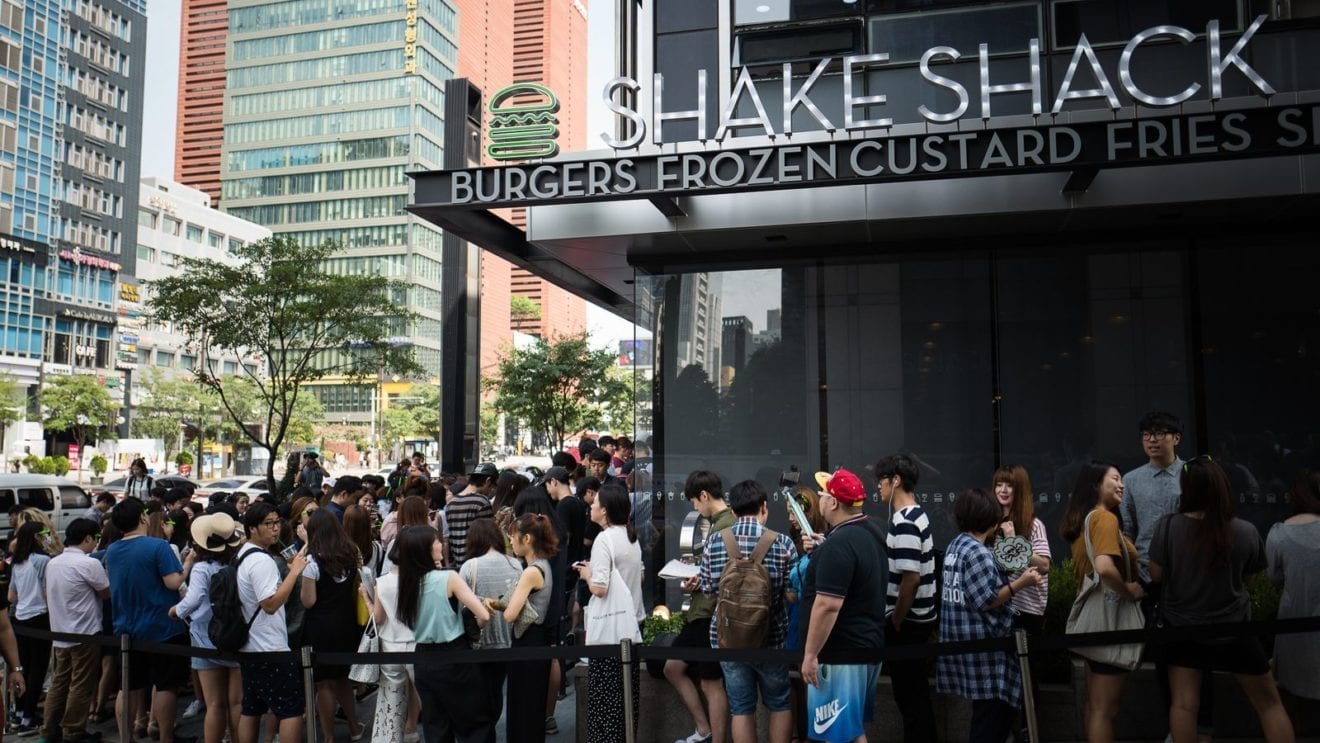
    Sales at a Shake Shack Korea store are the highest of any store worldwide.

    Just seven months after the chain launched in Korea, Shake Shack’s 13th international market, the Gangnam branch has outstripped some 120 branches outside the US. It sells 3000 to 3500 burgers a day, according to the Union Square Hospitality Group (USHG), the Shake Shack franchisor.

    Also known as the maker of the “New York burger,” the fast casual restaurant started out as a food cart inside Madison Square Park in 2001, expanding its menu from New York-style hotdogs to hamburgers and milkshakes.

    It made a foray into the South Korean market last year through an exclusive partnership contract with SPC Group, South Korea’s major food manufacturer and distributor.

    Another branch in Chungdam, southern Seoul, has also made it to one of the top three in terms of sales.

    A third shop is scheduled to open in April in Dongdaemun, a busy shopping district.

  • Sales soar for major Korean retailers

    Sales soar for major Korean retailers

    Major South Korean retailers saw their sales soar in January from a year earlier, driven by convenience stores and supermarket chains, government data shows.

    Combined sales for department stores, large outlets and online malls gained 8.3 per cent for the month, snapping a slide for three straight months, according to figures from the Ministry of Trade, Industry and Energy.

    Brisk sales and particularly soaring demand during the Lunar New Year holiday in late January helped boost sales, says the ministry.

    Sales by convenience stores surged 15.5 per cent year-on-year, followed by those of supermarkets with an 11.3 per cent gain. Department stores saw their sales rise 4.6 per cent.

    More “lone diners” – people who prefer to live and eat alone – has in part fuelled sales of prepared meals at convenience stores and frozen dishes at supermarkets, says the ministry.

    Convenience stores saw sales of instant meals, such as microwavable lunch boxes, hike 35.1 per cent, while the number of such stores grew by 13.3 per cent in the same period.

    Food sales by supermarket chains also helped boost growth with an 18.5 per cent gain.

    In contrast, online social commerce sites saw their sales inch down 0.1 per cent in January, largely because of increased marketing costs amid fierce competition. Online retailers overall saw their combined sales edge up 6 per cent for the month.

  • Lotte plans second Hanoi mall

    Lotte plans second Hanoi mall

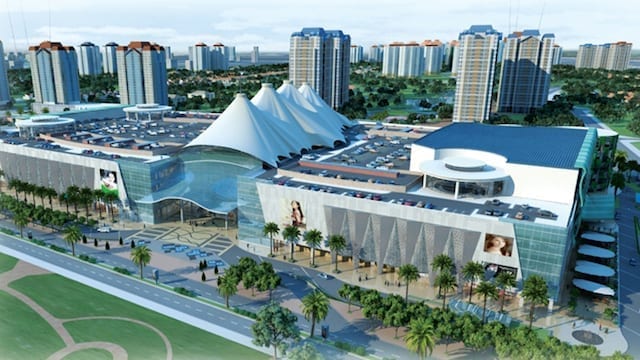
    South Korean conglomerate Lotte is to build a second Hanoi mall.

    It will be in a 200,000 sqm complex near West Lake in the Vietnamese capital, The Korea Heraldreports.

    Included in the mall will be a department store, supermarket and a cinema, all to be directly run by Lotte affiliates.

    Construction is set to start within the next couple of months for completion in 2020.

    It has been reported that the project, previously known as Ciputra Ha Noi Mall and owned by the Citra West Lake City Development Company, was acquired by Lotte this year.

    Started in 2007 with an estimated investment of US$2 billion, the project has been stalled for various reasons.

    The total investment capital of the new Lotte project is expected to reach nearly $300 million.

    The Lotte Group invested $400 million in the 65-storey Lotte Center Ha Noi mall, currently the second-tallest building in the city.

    The Korean giant plans to expand its retail network in Vietnam through mergers and acquisitions, and plans 60 shopping malls in the country by 2020 – a five-fold increase, reports Nikkei.

    Lotte has 285 shopping centres in Asian countries including China, Indonesia and South Korea, and views Vietnam as one of the fastest-growing retail markets in the region. In October, Lotte Mart launched its e-commerce channel in Vietnam following the introduction of Lotte Shopping TV in 2012.

    As well as providing South Korean products to Vietnamese consumers, Lotte plans to export Vietnamese products like coffee, dried fruit, wooden artifacts and ceramics back to its home market.

  • Starbucks Korea polls 1 million customers

    Starbucks Korea polls 1 million customers

    Starbucks Korea is killing two birds with one stone – improving sales by making customers happier.

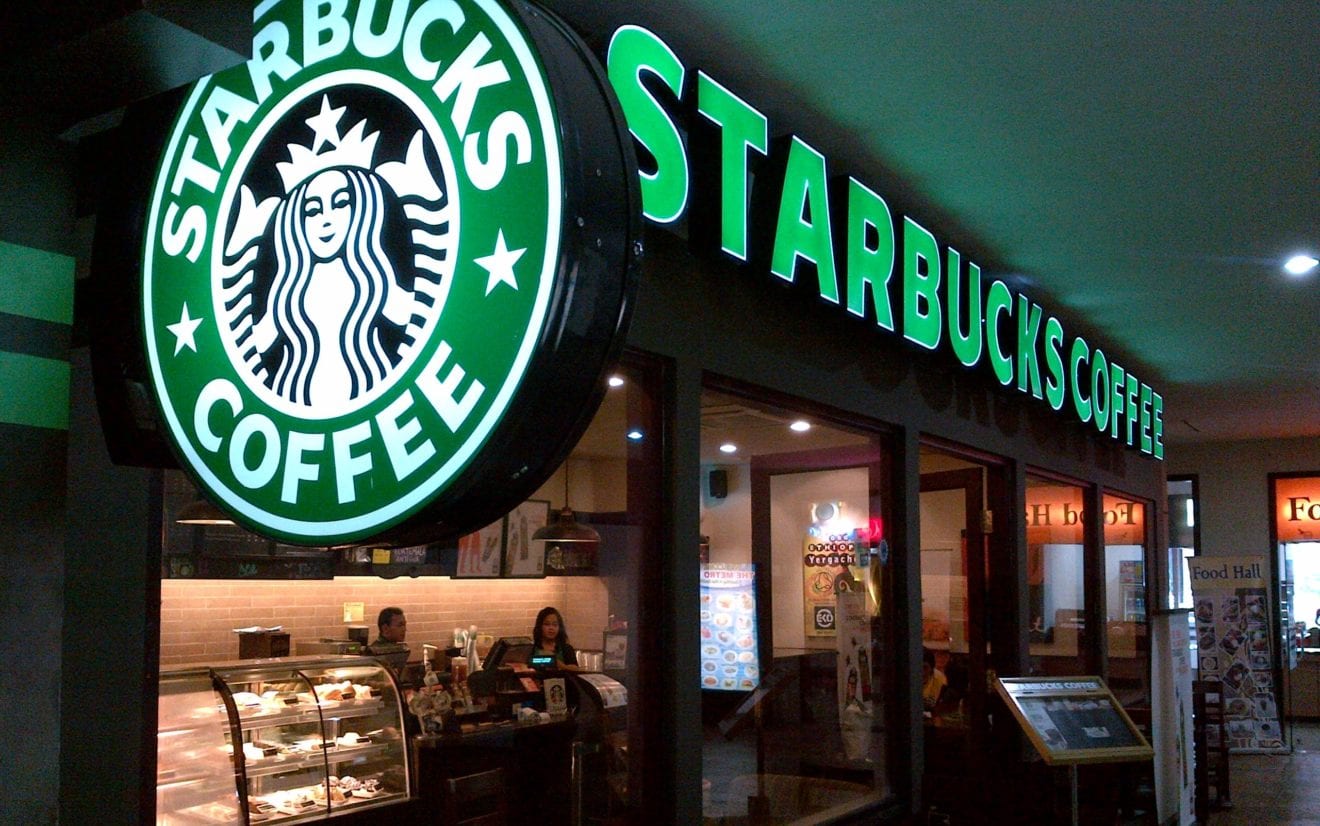
    According to the coffeemaker, the number of participants on its mobile survey platform “My Starbucks Review” has exceeded 1 million. Surveys are offered to Starbucks members who use Siren Order – ordering food and beverages on a smartphone, instead of having to wait in line.

    Starbucks Korea app


    The platform has been serving the coffeehouse well in terms of gathering customer feedback, officials said, and some 20 of the suggestions coming from customers have either been adopted or are expected to be introduced in the near future.

    One of the suggestions was related to Grapefruit Honey Tea, a seasonal drink temporarily introduced last year that was met with unprecedented popularity. Following the soaring demand, Starbucks decided to introduce the tea as an official menu item, and ended up selling over 1.2 million cups in just five months.

    Other successful ventures with the help of consumer input include the Starbucks Card Holder, with over 10,000 units sold since its launch late last year, and special edition coin pouches for chocolate coins, which sold out in just five days (50,000 batch) in early January.

    “We’ll continue to take into account customer feedback, to offer better products and services,” an official said.

    -Kevin Lee

  • Lotteria Burger Laboratory concept to open Korea-wide

    Lotteria Burger Laboratory concept to open Korea-wide

    London-based consultancy JHP Design has created a fast-dining experience for Asian fast-food restaurant group Lotteria.

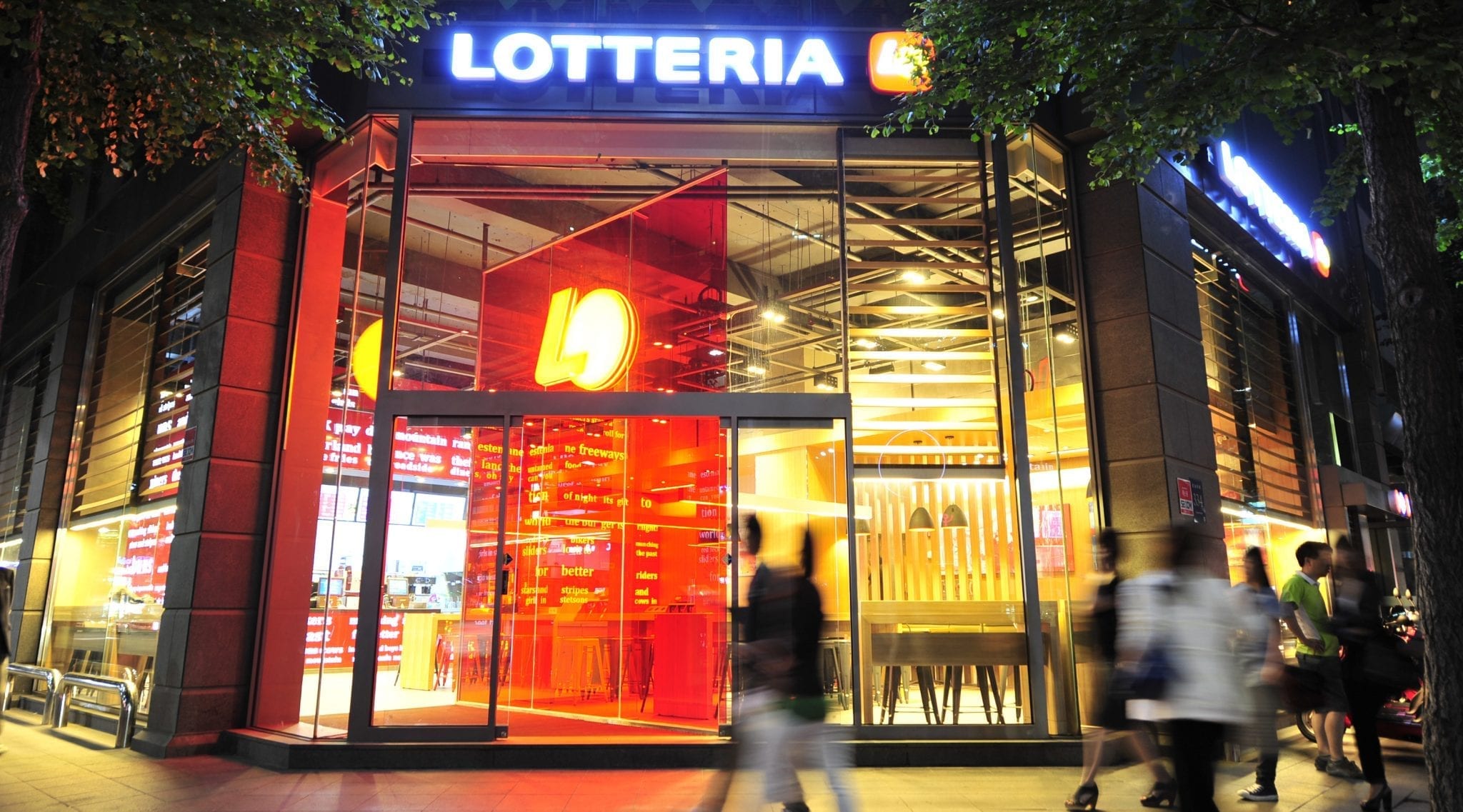
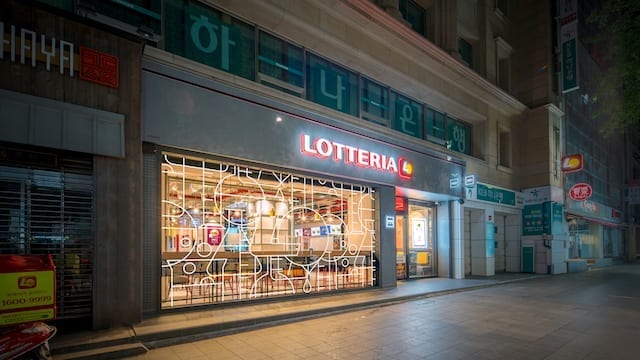
    The new concept, called the Lotteria Burger Laboratory, features an open kitchen combined with a made-to-order system, so customers can watch the “burgerista” preparing every stage of their meal.

    Customers can place orders via an app before arriving, or in store through bespoke tablets as well as at the counter.

    Lotteria Burger Laboratory Korea 6

    A science and experimental theme in the restaurant is reflected in every aspect of the customer experience. A red industrial ceiling-mounted pipe snakes from the front of the “laboratory” to the back, guiding the customer journey. The ceiling also features an illuminated digital clock indicating how long customers need to wait for their order to be ready.

    Lotteria Burger Laboratory Korea 5

    Science icons

    The walls are decorated with periodic tables, food-assembly diagrams and science-based icons. The chairs have chemical-resistant wire frames and the tables offer power plugs for charging mobile devices.

    The seating area offers individual code-writing tables, laboratory benches and breakout booths as found in high-tech start-ups.

    Lotteria Burger Laboratory Korea 4

    A stainless-steel drinks machine enables customers to mix and refill their own beakers.
    With “radioactive” yellow and black doors and frames, the restrooms have acid-resistant white glazed tiles.

    Lotteria Burger Laboratory Korea 3

    All materials used have low environmental impact. Recycled strawboard, reclaimed porcelain and salvaged waste pipes have all been combined in an environment lit entirely with low-energy LED bulbs, and the kitchen uses hyper-efficient induction cooking equipment. All packaging is recycled and biodegradable.

    Lotteria Burger Laboratory Korea 2

    The first Burger Lab opened in Seoul last November, built in just four weeks at a total cost of US$480,000. The concept is now being rolled out across the company’s 3000 outlets throughout Asia.

    Lotteria Burger Laboratory Korea 1

    The Lotteria Burger Laboratory sources its ingredients solely from Lotteria’s own vertically integrated sustainable farms. As well as beef, chicken and shrimp burgers and fries, the new outlet offers local specialties and vegetarian options.

    Lotteria is owned by Lotte, a conglomerate established in 1948 with headquarters in Japan and South Korea.