Tag: Korea

  • Online grocery shopping on the rise in Korea

    Online grocery shopping on the rise in Korea

    Grocery shopping via online and mobile channels in Korea rose sharply in the first quarter from a year earlier, backed by robust demand for delivery services of fresh food amid a rise in the number of one-person households.

    The amount of transactions made for fresh produce through online shopping malls reached 2.18 trillion won (US$1.92 billion), up 35.6 percent from the first three months of 2016. Of the total, purchases made via mobile devices soared 56.7 percent on-year to 1.55 trillion won over the cited quarter.

    In March alone, grocery shopping accounted for 11.7 percent of all online purchases tallied, trailing behind travel and booking by just 3 percentage points. In terms of mobile purchases, food shopping took up the biggest portion at 14.5 percent. Analysts attributed the brisk growth to an aggressive expansion of online-based fresh food delivery services by key e-commerce companies and related start-ups.

    The diversification of fresh food supplies and shortened delivery periods due to heated market competition has led to the overall increase of the transactions and improvement of online shopping services for consumers. The growing number of single-person households is another factor that has fueled the demand for online grocery shopping.

    Along with many double-income families that have little time to shop at a supermarket, those who live and eat alone have shown a tendency to spend generously if they can have groceries delivered with a simple click. One-person households in Korea account for some 35 percent of the total population as of September 2016. The trend has prompted local retailers and e-commerce companies to scramble to launch fresh food delivery services.

    SK Planet, the operator of leading online shopping mall 11st, is running a wholly-owned subsidiary, Hello Nature, which offers compact package deliveries of groceries. Baemin Fresh is another player, run by mobile delivery app provider Woowa Brothers, which has been actively expanding its foothold in the mobile grocery shopping business. In a recent media release, it said the number of Baemin Fresh users has surpassed 240,000 since it launched its mobile app last February. Other e-commerce sites, including Ticket Monster and WeMakePrice, have also joined the bandwagon with their own delivery services of fresh food supplied by its partners based in provincial regions. Industry watchers said the popularity of online grocery shopping will likely continue for some time, given strong consumer demand and the country’s fast-growing mobile sector.

    South Korea’s online shopping transaction reached 18.2 trillion won in the first quarter, up 19.4 percent from a year ago, with the mobile shopping accounting for 58.6 percent of the total payments, according to government statistics.

  • Lotte World Tower becomes tourist hotspot in Korea

    Lotte World Tower becomes tourist hotspot in Korea

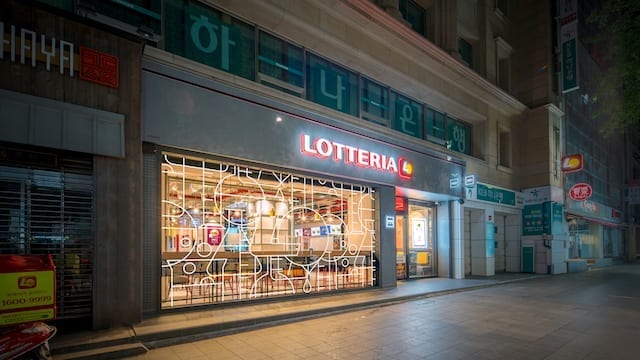
    Lotte World Tower has drawn 126,000 daily visitors on average in April, becoming Korea’s newest tourist hotspot.

    The number is set to grow faster this month, as Lotte holds various events around the nation’s tallest skyscraper in Jamsil, southeastern Seoul, during the “golden week” holiday. According to Lotte Corporation, Monday, 3.16 million people have visited Lotte World Tower and its neighboring Lotte World Mall since the tower’s April 3 opening. About 102,000 people per day visited the site on weekdays, while 203,000 per day visited there on weekends.

    In particular, Seoul Sky, the nation’s highest observation deck located between the 117th and 123rd floors of the tower, was visited by 120,000 people ─ about 4,800 a day enjoyed the city view from the 500-meter-high deck.

    Lotte, which has suffered a decreasing number of Chinese tourists over a missile dispute, now expects to achieve its goal of attracting 60 million tourists a year. The growing number of visitors positively affected sales revenue of facilities there as well. The aquarium, cinema, shopping mall, department store, discount store and electronics shop in the mall respectively had 33.6, 48.5, 15.8, 10.6, 19 and 61.5 percent more sales in April than a month earlier.

    The duty free shop alone suffered a 40 percent sales decrease, due to the Chinese government’s de facto travel ban on group tours to Korea.

    As more tourists are expected to visit the tower this week, Lotte has begun to hold various events. Until next Monday, visitors can enjoy the Sweet Swan public art project at Seokchon Lake. Lotte expects the massive swan family sculptures will boost sales of the nearby shops, as the 2014 Rubber Duck project and 2016 Super Moon project did.

    Families with children may enjoy a LEGO festival at a park in front of the tower. Four million LEGO parts will be available to visitors during the festival, so they can participate in making an eight- meter-wide and 12-meter-high flower which will be displayed at the park. Lotte World Tower is also holding exhibitions and classical concerts during the holidays.

  • Korean-themed mall opens in Bangkok

    Korean-themed mall opens in Bangkok

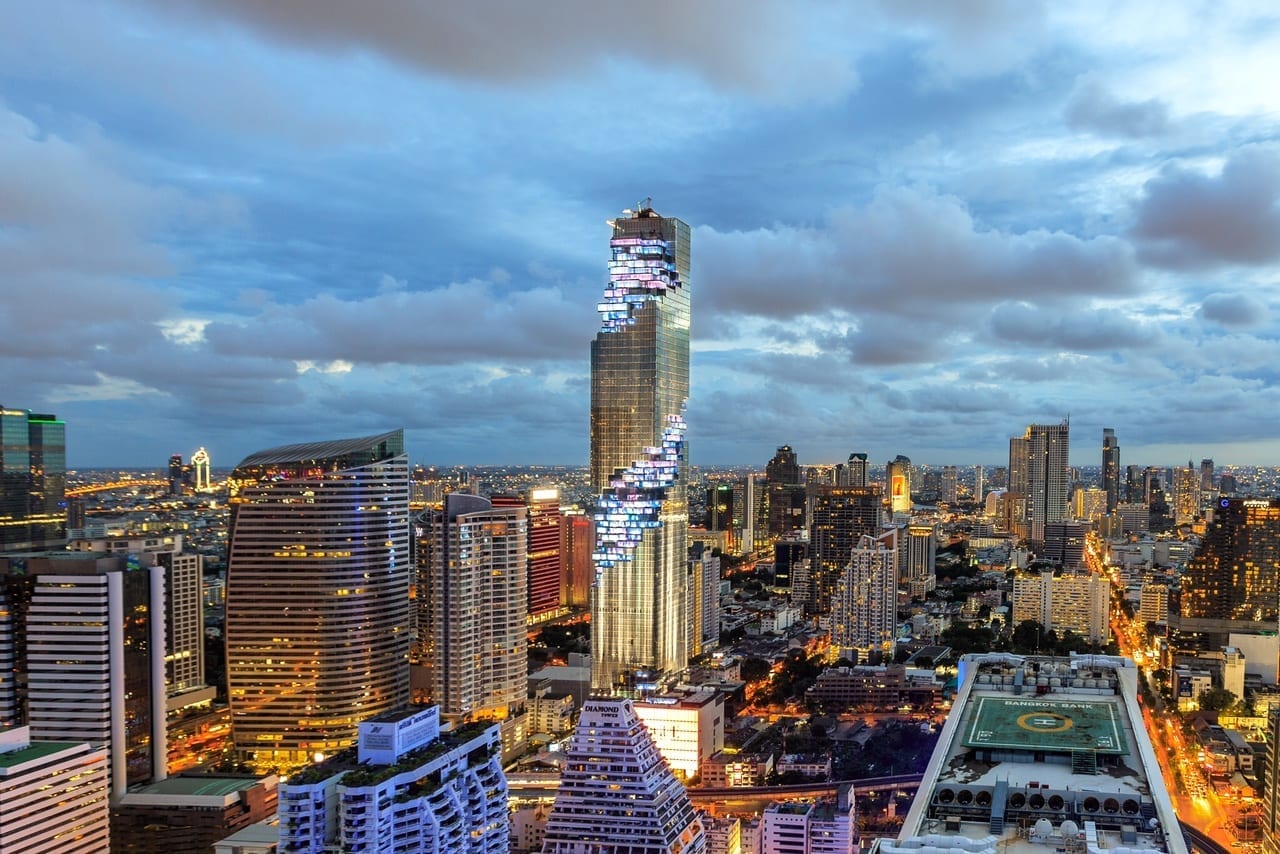
    Hoping to capitalise on growing regional interest in South Korean pop culture, a Thai company opened a $275-million Korean-themed shopping mall and entertainment complex in Bangkok on Monday.

    The 180,000 square metre (1.9 million square feet) building targets both Thai fans of K-Culture and foreign visitors. It hopes to get 10 million visitors a year and become a major attraction in what was the world’s most visited city last year.

    “A lot of Asian people are fans of Korea,” said Chayaditt Hutanuwatra, chairman of privately-owned SHOW D.C. Corp Ltd. “Thailand is the place where people can just fly in.”

    The mall has stores with clothing, cosmetics and restaurants from Korean brands and K-pop artists. It has statues and palm prints of Korean stars and plans to bring Korean performers in to the floor it has dedicated as a concert hall.

    South Korea’s Lotte Group is among the companies that will open a store there, the mall said.

    Around a third of the more than 34 million tourists forecast to visit Thailand this year are from China – where interest in K-Culture has been driven underground by a recent row over Seoul’s deployment of a missile defence system.

  • KAC to launch first nationwide duty free review

    KAC to launch first nationwide duty free review

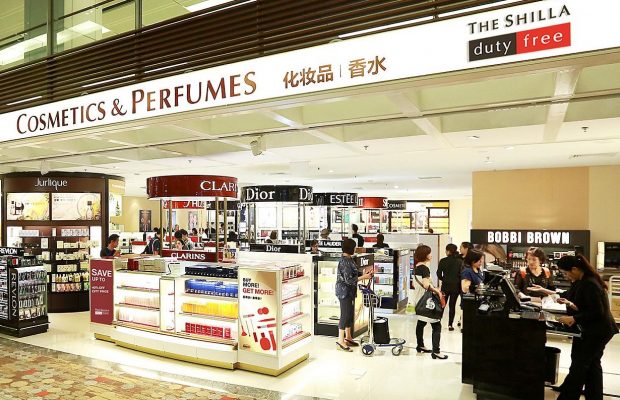
    State-run Korea Airports Corporation (KAC) is preparing to launch its first nationwide review of its airport duty free concession contracts and merchandise offer following two license awards last year.

    This is part of its long-term efforts to boost revenue from travel retail concession fees and other commercial activities, including restaurants and airport car park services.

    “This year we are looking at our new concession fee system,” reveals Kim Su Min, Korea Airports Corporation’s Commercial Facilities Team Assistant Manager, in an exclusive interview.

    “Sales are important to us and to the airport concession operators. We are bringing in a South Korean consultancy, Samil PWC, to review all our commercial contracts.

    IN-DEPTH PASSENGER SURVEY

    “Another company, Urban Property, is reviewing duty free merchandise in every one of our airport terminals.

    Duty-free-revenue-at-Gimhae-Airport-totalled-about-$140m-last-year.

    Duty free revenue at Gimhae Airport totalled about $140m last year.

    “We have a fixed annual rental fee and calculate the payment depending on the operator’s total annual sales.

    “The fixed rental is the MAG payment. If they exceed the agreed amount then they pay the higher concession fee rate.

    “Last year DufryThomasJulie at Busan Gimhae Airport and Kookmin at Muan Airport paid extra as they had good sales.”

    KAC’s review of airport commercial operations will include an in-depth survey of passenger attitudes as part of wider efforts to modernise and upgrade each airport’s public interface.

    WEBSITE MAKEOVER

    “Our strategy also includes the renovation of our websites – at the moment they only show the airport’s location information and contact telephone numbers,” Kim said.

    “We are thinking about providing more duty free shopping information including details about different brands and sales promotions.

    ‘This year we are doing a focus group survey to better understand our duty free customers.

    Jeju International is one of KAC’s best-performing airports for duty free sales.

    “Usually we just have regular passenger questionnaires, so it is the first time for us to do focus groups on all our international airports.”


  • Memebox will no longer sell Korean beauty products to the US

    Memebox will no longer sell Korean beauty products to the US

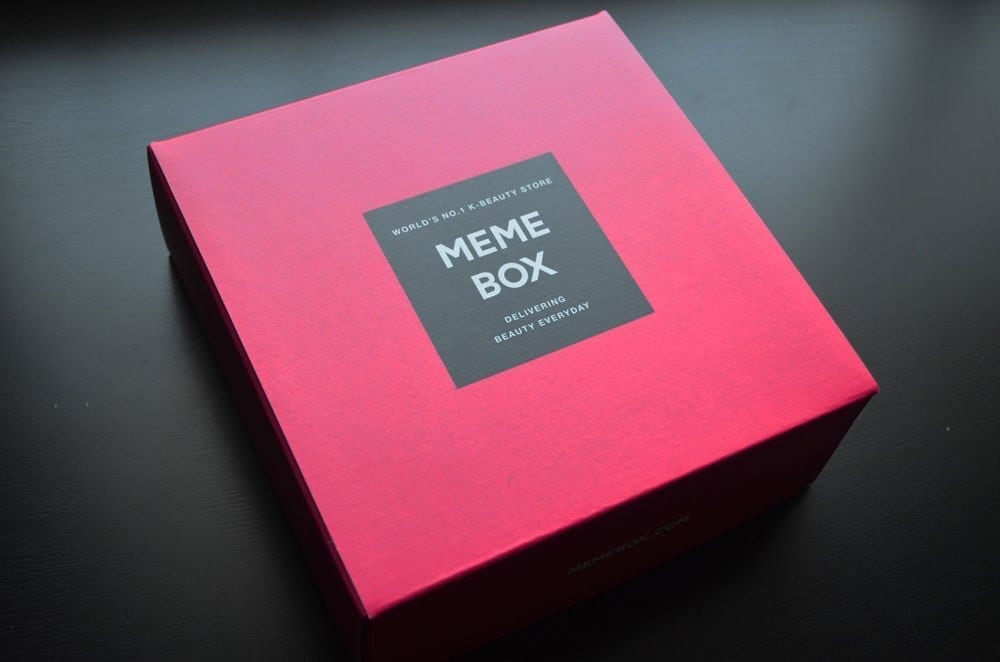
    Online Korean beauty shop Memebox was known for selling popular K-beauty products to the United States. However, the retailer revealed it will change its model from selling beauty products to focusing on educating consumers about Korean products through information, reviews and tutorials.

    Though it will continue selling K-beauty products to Korea and China, the site will send its US customers to Amazon to shop. According to Memebox founder Dino Ha, the restructuring will turn Memebox into an educational site and search function rather than online shop. “What we learned is that what we really need is the education and the content piece to let the users know what K-beauty really means,” he said. Memebox’s new model will also integrate YouTube tutorials and Instagram posts featuring K-beauty products into its search function, and allow users to search for products based on ingredient or skin type.

    With the new model, Memebox will earn money through affiliate links rather than direct sales. It currently has an affiliate agreement with Amazon, and Ha says the brand is in talks to create a similar deal with Sephora.

    Ha also says Memebox has seen longer engagement from visitors since introducing YouTube videos to the site. Though the site currently has no official agreement with YouTube or Instagram personalities, Ha says he has received requests from influencers to make their content more visible on Memebox. Eventually, the site may add a live chat feature with influencers.

    Memebox still maintains its four private beauty labels, and will soon introduce a fifth, but the site will send US shoppers to Amazon to purchase the products.

    Currently, Memebox has 1.5 million customers, and wishes to increase its customer base to 10 million by the end of the year. Ha says the site might see its profits dip with the new model, but hopes to see more engaged users and fruitful partnerships. “Whoever can do the best job sending these products to users is where we’ll partner as much as we can.”

  • South Korean Amore Pacific’s profit suffers from extended domestic slump

    South Korean Amore Pacific’s profit suffers from extended domestic slump

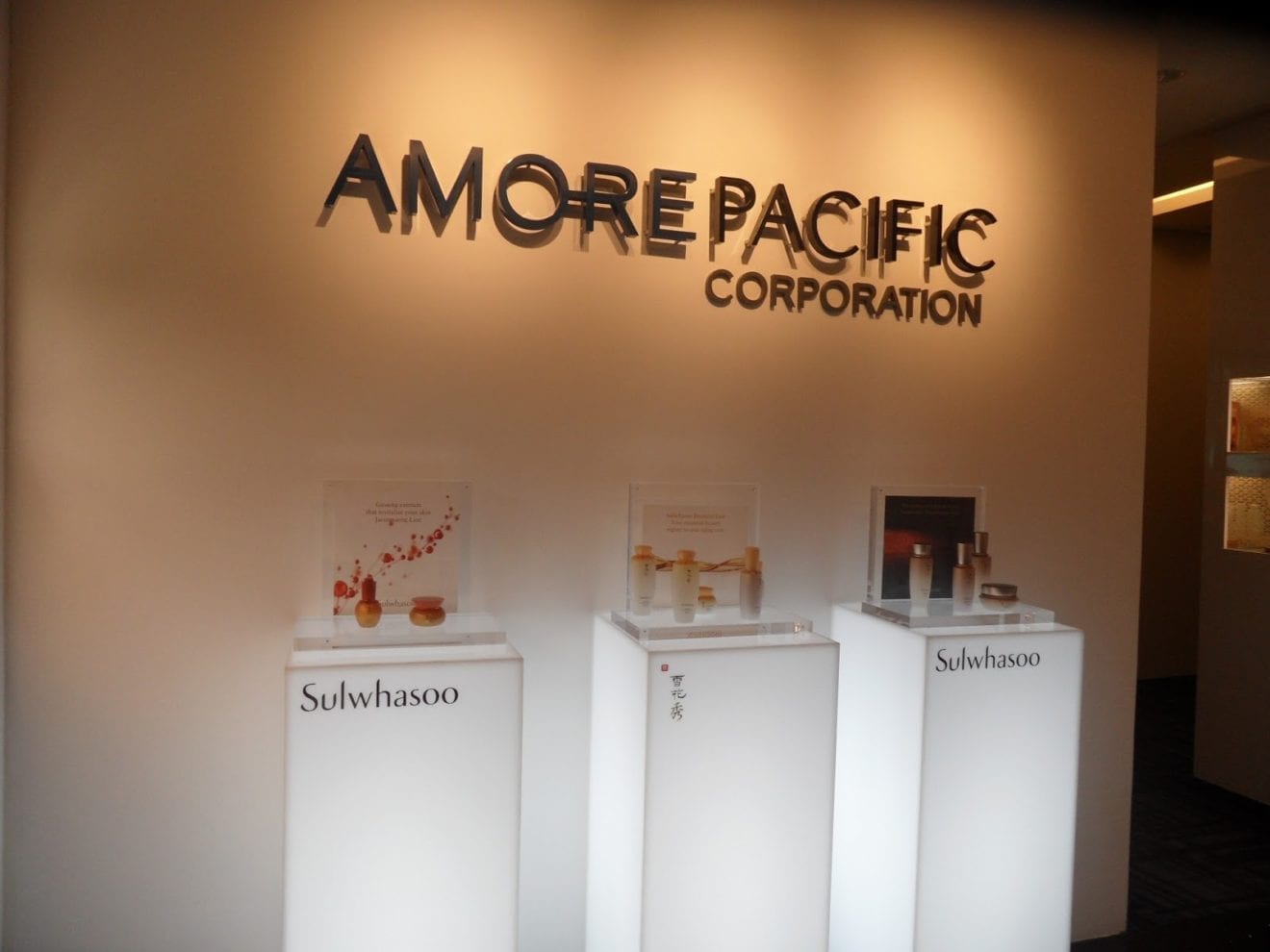
    Amore Pacific‘s first-quarter net profit shrank 15 percent from a year earlier, due largely to a protracted slump in the domestic market amid a rapid drop in Chinese tourists.

    Its net income came to 223.5 billion won (US$197.1 million) in the January-March period, compared with 262.9 billion won the previous year. The operating profit for January-March also slipped 6.2 percent on-year to 316.8 billion won, but sales gained 5.7 percent to 1.56 trillion won in the cited period from a year earlier.

    The company cited a drawn-out slump in its domestic sales, along with a decrease in inbound tourist inflow from China, which followed the ban on trip sales to South Korea by its authorities from mid-March as the main factors that weigh on the profit amid a slow economy. An increase in sales in other foreign markets, however, helped cushion a fall in sales stemming from Chinese consumers.

    South Korea has seen its tally on Chinese tourists plunge by nearly 40 percent since March 15, when travel agencies in China stopped selling tours to Korea on the behest of its government. Such a move by Beijing is seen as part of a string of apparent retaliatory measures against Seoul for the decision to station a U.S. anti-missile system, known as THAAD, on its soil.

    Its operating income from domestic sales, which include the revenue from duty-free stores, dropped 13 percent on-year to 234 billion won as of end-March. Market analysts predicted earlier that AmorePacific may suffer a blow from its mainstay duty-free sales as a result of China’s trip ban. Chinese tourists accounted for half of the foreigners who came into the country last year.

    In contrast, its overseas business posted an operating income of 88 billion won in the first quarter, up 11 percent from a year earlier, with the sales advancing 17 percent to 447 billion won over the cited period. AmorePacific will strive to improve the profitability by realigning the brand portfolio and sales channels in different markets, citing its European unit that logged a 7-percent on-year growth after it bolstered its fragrance lineup, drawing a contrast to the U.S. business which suffered a 16-percent decline in sales.

    The combined operating income of AmorePacific Group, which includes its smaller brands like Innisfree, Etude and other household products, reached 378.5 billion won in the first quarter, down 9.7 percent from a year ago. The sales on a consolidated basis also dropped 5.5 percent on-year to 1.75 trillion won.

  • Lotte refashions outlet to target families and kids

    Lotte refashions outlet to target families and kids

    The renovated branch of Lotte Premium Outlets in this suburban city about 30 miles south of Seoul looks more like an amusement park than a shopping mall for bargain hunting.

    At its Incheon outlet location, Lotte has opened a three-story complex catering to families with children. There are cafes with ball pits and slides, job experience zones where kids can pretend to be doctors and firefighters, and a large Toys ”R” Us store that anchors it all. The Incheon branch is not just for shopping but also for outdoor activities for families.

    Since opening the location in 2013, Lotte found that 75 percent of visitors were in their 30s and 40s. That’s 6 percentage points higher than the share of people who visit other outlet branches outside Seoul. The company figured that more shops and facilities for family visitors, especially kids, be better for customers.

    Another factor was the growing popularity of children’s products in Korea. Between 2012 and 2016, the industry’s revenue expanded from 27 trillion won (US$24 billion) to 39 trillion won. A good portion of the outlet’s new building is dedicated to play. On the third floor, a job experience zone lets kids experience diverse occupations, from veterinarian to firefighter and even urban planner. There is a fee – 22,000 won for kids between 5 and 13 and an extra 4,000 won for an accompanying adult – but there is no limit on time.

    In another play space, called Doctor Balance, children can test their physical strength, including muscle endurance and responsiveness, on playground sets that resemble gym equipment. Next to the job experience zone is a Toys “R” Us. Lotte is the Korean operator of the U.S.-based toy store, but so far, it’s only installed stores in its supermarket chain Lotte Mart.

    The location in the Incheon outlet is the first time Lotte is running a Toys “R” Us outside the mart. An outlet spokesman said the toy store will have about 6,000 products. The building’s second floor has more shopping areas, but even they’re dedicated to kids. Outdoor brands Nepa and Blackyak, for instance, are selling swimsuits and backpacks for children. Out of 47 brands in the new space, 32 are specifically kids’ brands.

    There’s something for the parents, too. Various fast fashion brands, including Uniqlo and Topten, have set up shop, and automaker BMW has opened one of its Motorrad cafes where car aficionados can enjoy coffee while browsing BMW-themed apparel.

    Lotte Premium Outlets’ Incheon location holds the title of biggest outlet in Asia with a floor space of 53,000 square meters (570,000 square feet). An average 15,000 people visit daily, and it has generated 1.2 trillion won in revenue since opening. The company expects the new Fashion & Kids Mall building to boost the number of visitors by 20 percent.

  • South Korea’s Kia invests in Indian factory after China troubles hit profit

    South Korea’s Kia invests in Indian factory after China troubles hit profit

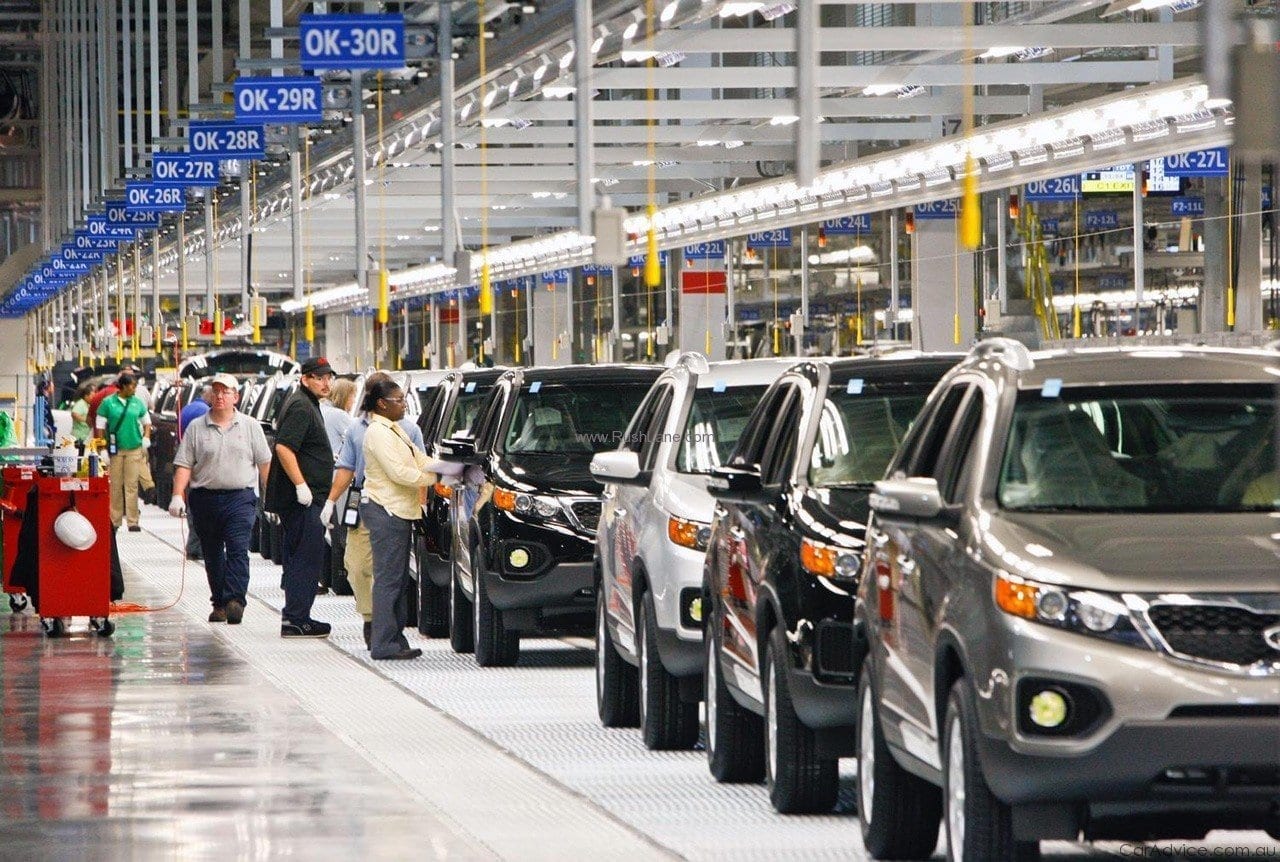
    South Korean carmaker Kia Motors Corp signed a deal on Thursday to invest about $1.1 billion to build its first factory in India, aiming to tap a fast growing market at a time when its China sales are sagging.

    The Hyundai Motor Co affiliate posted a 19 percent slump in first-quarter net profit as anti-Korean sentiment and a conflict with dealers hit its China sales, sending its shares down 2.2 percent in a flat market.

    Production at the factory in Anantapur district, Andhra Pradesh state, would begin in the second half of 2019, the company said.

    Kia is expected to leverage Hyundai’s supply chain network built around its factories in the neighboring state of Tamil Nadu to gain a foothold in the Indian market, tipped to become the world’s third-largest by 2020. Hyundai is India’s No.2 automaker by sales.

    The plant, which will have production capacity of 300,000 vehicles a year, will produce a compact sedan and a sport utility vehicle tailored for the Indian market, Kia said in a statement.

    It will break ground in the fourth quarter of this year.

    “Our new India plant will enable us to sell cars in the world’s fifth-largest market, while providing greater flexibility for our global business,” Kia Motors President Park Han-woo said in a statement.

    Reuters reported in February that Kia was close to finalizing Andhra Pradesh as the site for its first Indian factory..

    The announcement came after Kia and Hyundai Motor suffered a March sales slump in China, their biggest market, and sharply cut production in the wake of Seoul’s decision to deploy a U.S. anti-missile system, which angered China.

    “The fall in consumer sentiment in China is stemming from a political issue, a situation which is beyond the control of an individual firm and is difficult to be resolved within the short term,” Han Chun-soo, Kia’s chief financial officer, said during an earnings conference call.

    Kia would adjust its China production to reduce inventories, cut costs and launch new models including a small crossover to minimize the impact of the political row, he said.

    Kia also said its first-quarter profit was hurt by a cost of 160 billion won ($141.53 million) to recall vehicles over an engine issue in North America and South Korea.

  • Korean banks expand in Vietnam

    Korean banks expand in Vietnam

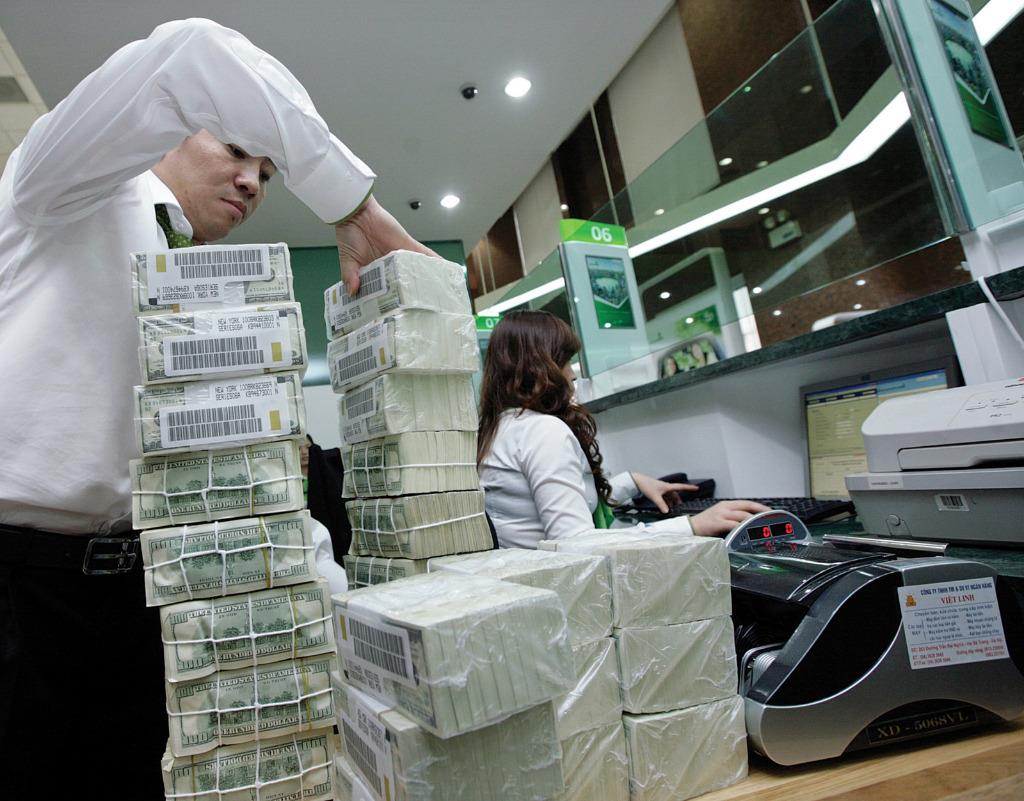
    Following Shinhan Vietnam’s successful acquisition of ANZ Vietnam’s retail business, fellow Korean banks have also expanded their sizes and market share in Vietnam, seizing the lead in the foreign bank race on the Vietnamese market.

    Shinhan getting stronger

    Shinhan’s takeover of ANZ Vietnam’s retail arm has made its competitors worry, as Shinhan seems to get closer to becoming the champion of foreign banks in Vietnam, especially as the growth rate of the current leader HSBC Vietnam has been wildly fluctuating over the last five years.

    Despite a relatively low chartered capital of only VND4.547 trillion (US$200 million) and being less active than HSBC Vietnam—the number one foreign bank in Vietnam in terms of chartered capital, total assets, and profit, in 2016 Shinhan Vietnam’s profit exceeded VND1 trillion (US$44 million).

    This amount far outstripped numerous, similar-sized domestic banks and all foreign banks in Vietnam. Shinhan Vietnam’s profit was lower than HSBC Vietnam’s only.

    According to the acquisition agreement with ANZ, Shinhan Vietnam will have eight ANZ’s branches and transaction offices in Hanoi and Ho Chi Minh City, carrying on the entirety of the ANZ retail banking staff and 125,000 individual clients in Vietnam, as well as AUD1.1 billion (US$824 million) in outstanding loans and deposits.

    With 20 years of experience on the Vietnamese market and the takeover of ANZ’s retail business, Shinhan Vietnam’s position is getting steadier.

    At present, Shinhan Vietnam has a large number of corporate clients, primarily made up of Korean investors in Vietnam.

    Before the agreement with ANZ, Shinhan Vietnam had been continuously expanding its network. At the middle of April 2017, the State Bank of Vietnam permitted it to open a representative office and four branches and transaction offices in Hanoi and Ho Chi Minh City.

    Korean banks make foray into Vietnam

    Following Shinhan Bank, many other Korean banks are increasing their influence in the Vietnamese market. This expansion is easy to understand, as Korea is the biggest foreign investor in Vietnam.

    Currently, two of the eight 100% foreign-owned banks in Vietnam are from Korea (Shinhan and Woori Bank). Besides, many big Korean banks are starting to join the Vietnamese market by establishing branches or representative offices.

    These include Kexim, KEB Hana, Industrial Bank of Korea, Kookmin, Busan, and Nonghyup.

    In terms of size and market share, Shinhan and Woori Bank are in the lead among all foreign banks in Vietnam. They are formidable competition even to well-established Vietnamese banks.

    By providing good services and competitive interest rates, Korean banks are luring away a large number of clients from domestic banks.

    For instance, in Shinhan Vietnam, the outstanding loan balance of Vietnamese corporate clients accounts for at least 50% of its total corporate credit.

    In addition, Shinhan’s interest rates for home loans, car loans and consumer loans are lower than in many domestic banks. This has attracted a huge number of individual clients, especially from the middle and high income bracket.

    Besides Shinhan, newbie Woori also plans to deploy plenty of retail products in Vietnam in the course of 2017, such as cards, unsecured loans, and mortgages.

    Abundant capital, modern technology inherited from parent banks, knowledge of the Vietnamese market, and the huge number of corporate clients make up the rare advantages for Korean banks to successfully join the Vietnamese retail market, likely making domestic and other foreign banks worry.

  • Korea’s economic growth accelerates in Q1: BOK

    Korea’s economic growth accelerates in Q1: BOK

    South Korea’s economy grew at a faster pace in the first quarter than three months earlier due to increased construction investment and exports, central bank data showed Thursday.

    In the January-March period, the country’s gross domestic product increased 0.9 percent from the previous quarter, improving from a 0.5 percent on-quarter expansion three months earlier, according to preliminary data from the Bank of Korea.

    The on-quarter growth is the fastest since the second quarter of last year.

    The data also showed the services sector expanded 0.1 percent from the previous quarter, compared with a 0.2 percent on-quarter expansion three months earlier.
    The central bank data showed construction investment grew 5.3 percent in the first quarter from the previous quarter, and facility investments rose 4.3 percent on-quarter in the first quarter.

    Chung Kyu-il, director general of the Economic Statistics Department at the BOK, blamed the slower growth in the services sector on a decline in the number of Chinese tourists, poor consumer sentiment and people putting off buying smartphones ahead of the release of Samsung Electronics Co.’s Galaxy S8.

    Samsung started official sales of the Galaxy S8 and the Galaxy S8 Plus smartphones in South Korea last Friday.

    The service sector includes wholesale and retail trade, restaurants, and hotels.

    Local tourism-related businesses have taken the brunt of China’s ban on trip sales to South Korea in an apparent retaliation against Seoul over a US missile defense system.

    Seoul and Washington began to deploy the US missile shield in South Korea to counter North Korea’s evolving nuclear and missile threats.

    Still, China has repeatedly pressed South Korea and the US to cancel the deployment and withdraw the missile defense system, claiming the US missile defense system could hurt China’s security interests.

    Exports — one of the major pillars for the South Korean economy — grew 1.9 percent from the previous quarter, while imports increased 4.3 percent.

    Gross domestic income rose 2.3 percent in the first quarter from the previous quarter, compared with a 0.8 percent expansion three months earlier, the BOK said.

  • Bold bid for expansion by Food Capitals

    Bold bid for expansion by Food Capitals

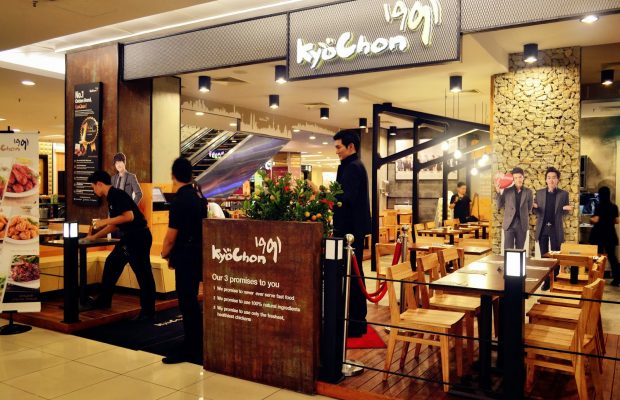
    Food Capitals, Thailand’s franchisee for Domino’s Pizza and South Korean fried-chicken restaurant chain Kyochon, has acquired two companies for THB400 million (US$11.6 million) in a bid to expand both domestically and overseas.

    It has spent THB289 million to acquire Osha Group’s food business in the US, with the remaining THB121 million for its takeover of Bangkok-based G Enterprise.

    California-based Osha has five restaurant brands – After Osha, Lao Table, Osha Express, Osha Thai and Osha Thai 3rd Street – while G Enterprise’s four restaurant brands are Chingcha Chalee, Moom Muum Park, Pirate Chambre and Umami Falabella.

    Food Capitals CEO Tanakorn Angpubate expects the acquisitions to boost the group’s revenue by more than 50 per cent from THB714 million last year – following five years of red ink.

    The company has also set aside THB200 million to open two restaurants in Thailand and another two in the US.

    Food Capitals’ brands include Domino’s Pizza in Thailand and Cambodia, Kyochon in Thailand, and Red Planet Hotels across Asia.

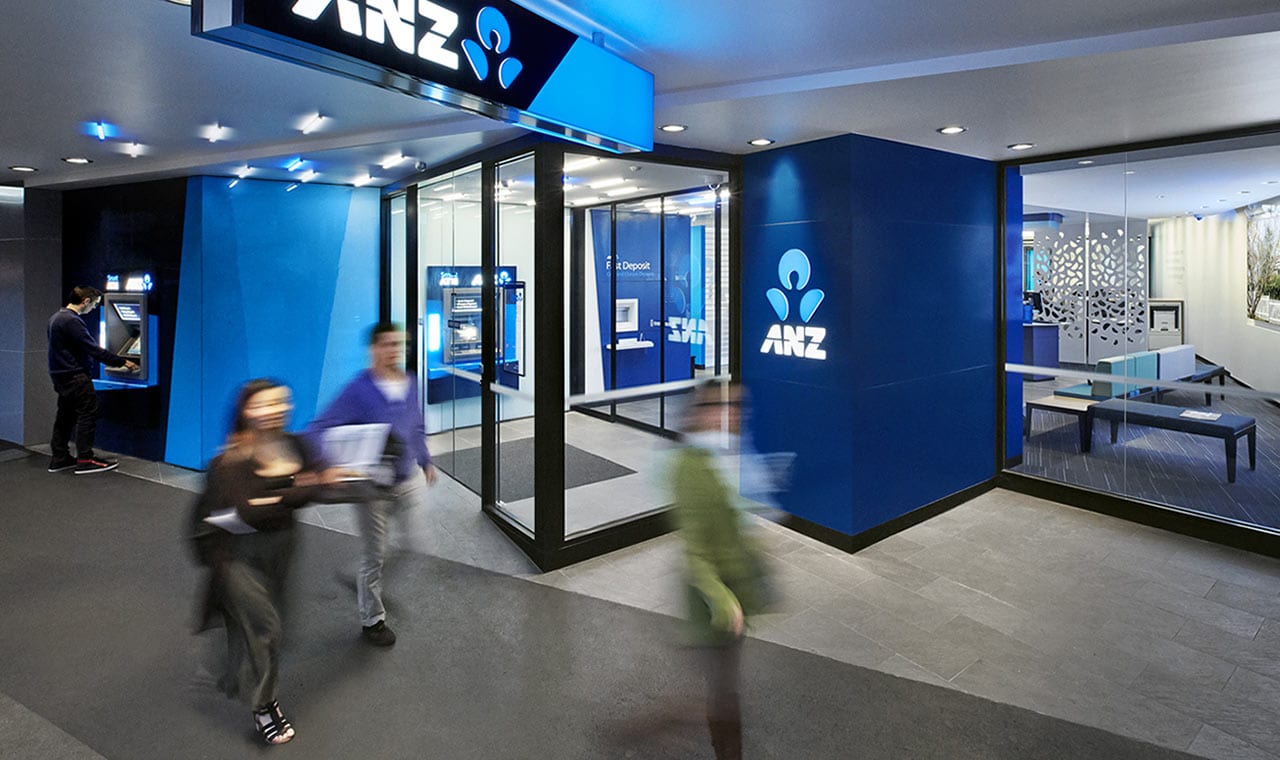
  • ANZ sells retail business in Vietnam to South Korea’s Shinhan

    ANZ sells retail business in Vietnam to South Korea’s Shinhan

    The Australian bank said it will focus on its institutional banking, its biggest business in the region. Australian lender ANZ has announced to sell its retail business in Vietnam to South Korea’s Shinhan to focus resources on institutional banking.

    The bank has entered an agreement to transfer all eight branches, including retail staff in Hanoi and Ho Chi Minh City, to Shinhan Bank Vietnam, part of the Seoul-based Shinhan Financial Group, Farhan Faruqui, ANZ international group executive, said in a statement on Friday.

    Faruqui said the sale will allow the bank to focus resources on institutional banking, its “largest business in Asia.”

    “We will be maintaining our presence through our institutional bank in Vietnam which will continue to support our corporate clients in the Greater Mekong Region,” he said.

    ANZ’s institutional bank has a presence in 15 different markets in Asia and was ranked as one of the top four corporate banks in the region by market intelligence provider Greenwich Associates in 2016.

    ANZ’s retail business serves 125,000 customers in Vietnam, and includes $241.2 million in lending assets and $603 million in deposits. The Southeast Asian country’s economy has one the world’s fastest growing rates.

    ANZ said the transfer is subject to regulatory approval and expected to complete by year end.

    Rumors about the sale have been circulating since late last year after the bank sold its wealth management and retail business in Singapore, Hong Kong and three other Asian markets to Singaporean DBS for nearly $80 million above book value.

    Vietnam’s credit growth this year is targeted at 18 percent to facilitate the country’s annual economic expansion of 6.7 percent, the central bank has said. Last year the economy grew 6.21 percent from 2015, the slowest in two years, even though the banking sector posted an annual credit growth of 18.39 percent.

  • SKT partners with Bluebell on new business

    SKT partners with Bluebell on new business

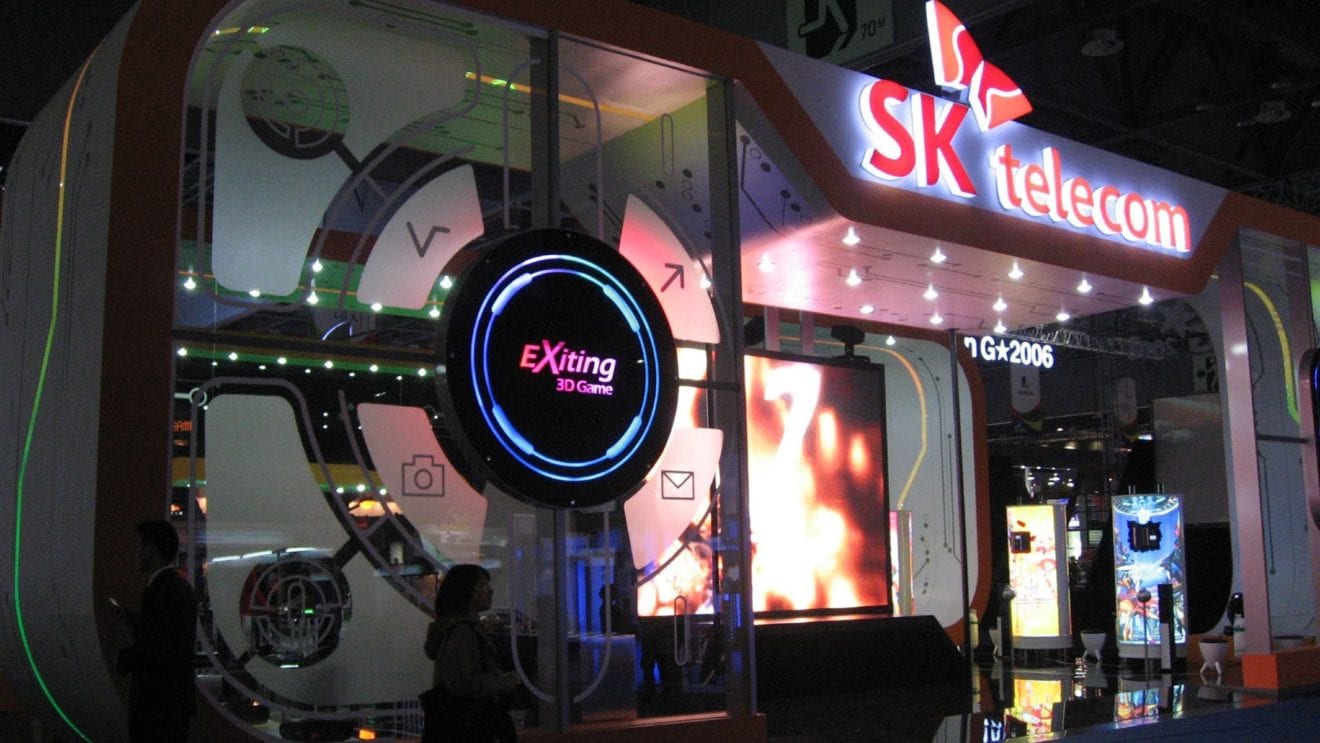
    SK Telecom is teaming up with Bluebell Korea, a local subsidiary of luxury goods retailer Bluebell Group, as the mobile carrier seeks to step up on-demand services as part of its business expansion.

    The mobile carrier said Wednesday it signed a memorandum of understanding with Bluebell Korea to cooperate on new business opportunities, by bringing information and communication technologies to the local luxury retail industry.

    Bluebell Group operates luxury brands in Asia and specializes in consulting. The group has eight branches across Asia – in Korea as well as Hong Kong and Taiwan – to distribute products from more than 100 brands. Bluebell Korea distributes luxury goods – from cosmetics to clothes, jewelry, watches and accessories — to duty free shops and shopping malls in Asia.

    Under the deal, the two companies vowed to collaborate to connect offline shoppers over online services.

    For instance, a foreign traveler to Korea may receive the latest information about luxury goods on their smartphone through SK Telecom and shop at stores affiliated with Bluebell. The goods purchased from those shops are embedded with location tracking devices so that shoppers don’t have need to worry about losing them or having them stolen, SK Telecom explains. The top mobile carrier also plans to more actively mobilize its cutting-edge technologies including cloud-based digital signage platform, where information, images and videos about products sold are displayed to respective stores’ need and users may even interact what they see.

    “The luxury industry has so far strictly adhered to the craftsmanship of products and traditional sales channels,” SK Telecom said in a statement. “However, a slowdown in market growth coupled with the rise of young, tech-savvy consumers who are taking up a growing share of luxury spending is driving new changes in the conservative industry.”

    “The convergence between ICT and the luxury retail industry will not only create new business opportunities for both parties but also deliver enhanced value and experience for customers,” said Cha In-hyok, executive vice president and head of the Internet of Things business at SK Telecom.

    The global luxury industry is estimated at 300 trillion won ($263 billion) and its impact on related markets in the clothing and accessories is immense, he added. In this age of digital revolution, fashion and retail also have been undergoing significant changes, applying emerging technologies such as virtual reality, artificially intelligent chatbots and blockchains to their day-to-day operations.

  • Bank of Korea begins effort to ditch coins

    Bank of Korea begins effort to ditch coins

    At convenience stores across the country, customers paying with cash will have the option of depositing extra change into public transit cards or converting them to rewards points. The bank’s goal is to reduce the number of circulating coins, which costs an estimated 60 billion won ($52.6 million) a year to mint.The Bank of Korea is starting with convenience stores as an experiment.

    The pilot project will run through 2019, after which the bank will decide whether to expand the option to other retail outlets.“After we review the results, we will consider whether to adopt the measure at drug stores and traditional open-air markets,” said Cha Hyeon-jin, head of the payment and settlement systems department at the Bank of Korea.

    Cha added the bank is considering a system that will let people send extra change directly to their bank accounts.About 23,050 convenience stores in Korea, including the chains 7-Eleven, CU and With Me, are participating in the project. Big discount chains like E-Mart and Lotte Mart are also part of the effort.

    The public transit cards in which customers can load their extra change include T-Money and Cash Bee. Customers can also convert the change into points on cardless rewards systems run by Hana Card and Naver Pay, a mobile payment service run by internet giant Naver. Shinhan Card will start servicing CU in May, and service for L.Point, the rewards system at 7-Eleven and Lotte Mart, will begin in July.Here’s how it works. Customers first pay for the transaction with cash. Then, if they want to load the extra change into their public transit card, they simply have to tap the card on the card reader. If they want to convert the change into points, they can also simply show a QR code from the corresponding mobile payment app.The Bank of Korea first proposed the idea of a coinless society last December, when it pledged to expand electronic payment methods to a majority of retail outlets by 2020.

    Cash transactions overall are already falling in Korea. The share of cash transactions decreased from 38.9 percent in 2014 to 36 percent last year, while credit card transactions jumped from 31.4 percent to 39.7 percent. When counting debit and prepaid cards, plastic has accounted for the most-used payment method.There are concerns that the move might hurt mom-and-pop shops and traditional markets that still deal heavily in cash. However, Cha said the coinless efforts will not likely have a big impact on them because it is still far from eliminating cash transactions altogether.

    “We will constantly discuss payment methods with smaller retailers and the possible digital divide phenomenon,” Cha said.

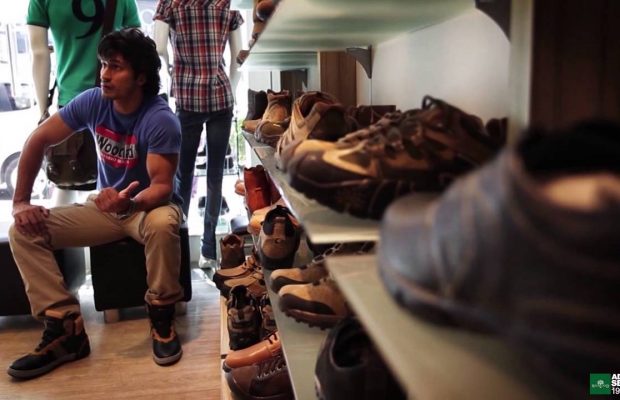
  • Woodland India eyes Japan, South Korea

    Woodland India eyes Japan, South Korea

    Footwear and apparel firm Woodland India plans to enter the Japanese and South Korean markets in the next 12 months.

    Owned by the Aero Group, the company is also expanding at home with plans to add 120 exclusive outlets across India by the end of next year.

    Woodland India MD Harkirat Singh says the company also plans to grow its presence in multi-brand outlets.
    He says the company clocked revenue of Rs 1200 crore (US$279.9 million) in the last fiscal year and is seeking growth of 15 to 20 per cent going forward.

    Woodland, which makes most of its products in house, is also looking to add to its employee strength.
    Currently, the company has 600 exclusive outlets apart from presence in 5000 multi-brand stores in India.