Tag: Korea

  • Korea moves towards scrapping basic mobile fees

    Korea moves towards scrapping basic mobile fees

    The South Korean government is increasing pressure to scrap monthly basic mobile service charges to reduce phone bills for customers.

    A presidential advisory committee has called on the Ministry of Science, ICT and Future Planning (MSIP) to draw up a plan for fulfilling these objectives.

    The monthly basic charge is currently 11,000 won ($10). These fees have historically been key drivers for telecoms industry profitability.

    A proposed abolition of basic monthly fees has been on the agenda for years, but the mobile sector has been opposed to the proposal, arguing that it could wipe out their profitability.

    The report states an unnamed industry official as stating that there is currently no appropriate alternative to the basic fees, and asserting that a better solution would be increasing the benefits offered to individual groups of customers.

    The hard-line stance marks an apparent reversal of the committee’s recent position that it is important that the interests of both the industry and customers are taken into account when evaluating reforms to regulations covering mobile price structures.

  • Korea’s Mobile shopping soars to record levels

    Korea’s Mobile shopping soars to record levels

    Purchases made through mobile devices like smartphones accounted for record-high levels of all products traded online in April, government data showed.

    Mobile transactions through smartphones and tablets reached 3.68 trillion won (US$3.28 billion) in April, surging 42.2 percent from a year earlier, according to the data by Statistics Korea. The amount was equal to 60.6 percent of all online purchases made in the cited month, which reached 6.08 trillion won, and outpaced the earlier record of 59 percent set in March.

    Mobile purchases in Korea have been on a steep rise for years as a growing number of people are spending more on their smart devices. The percentage of mobile transactions within total online sales was in the 40 percent range in 2015 and went up to the 50 percent level in 2016 before rising to the 60 percent range this year.

    Industry watchers said the increase is attributable to mobile shopping industry that launched aggressive marketing with ‘easy payment’.
    SK Planet Co., the operator of leading e-commerce site 11st offers customized products through ‘Digital Concierge’, which is a consultation service for digital appliances in applications (apps).

    The e-mart mall is equipped with a scanning function to support the mobile viewing of product information, shipping, and sending gifts, as well as the “”always-bought”” corner optimized for shopping malls.
    At the same time, the monthly value of mobile transactions has also been on a roll, reaching an all-time high of 3.74 trillion won in March this year.

    In April, mobile bookings for travel and movie tickets soared 32.9 percent from a year earlier to 509.6 billion won, while mobile sales and deliveries of foodstuffs shot up 68.8 percent to 547.5 billion won. Sales of clothing surged 40.1 percent to 439.8 billion won, while 300.8 billion won worth of cosmetics were sold through smartphones, up 37.2 percent.

  • Bloomingdale’s opens Soko Glam mini store

    Bloomingdale’s opens Soko Glam mini store

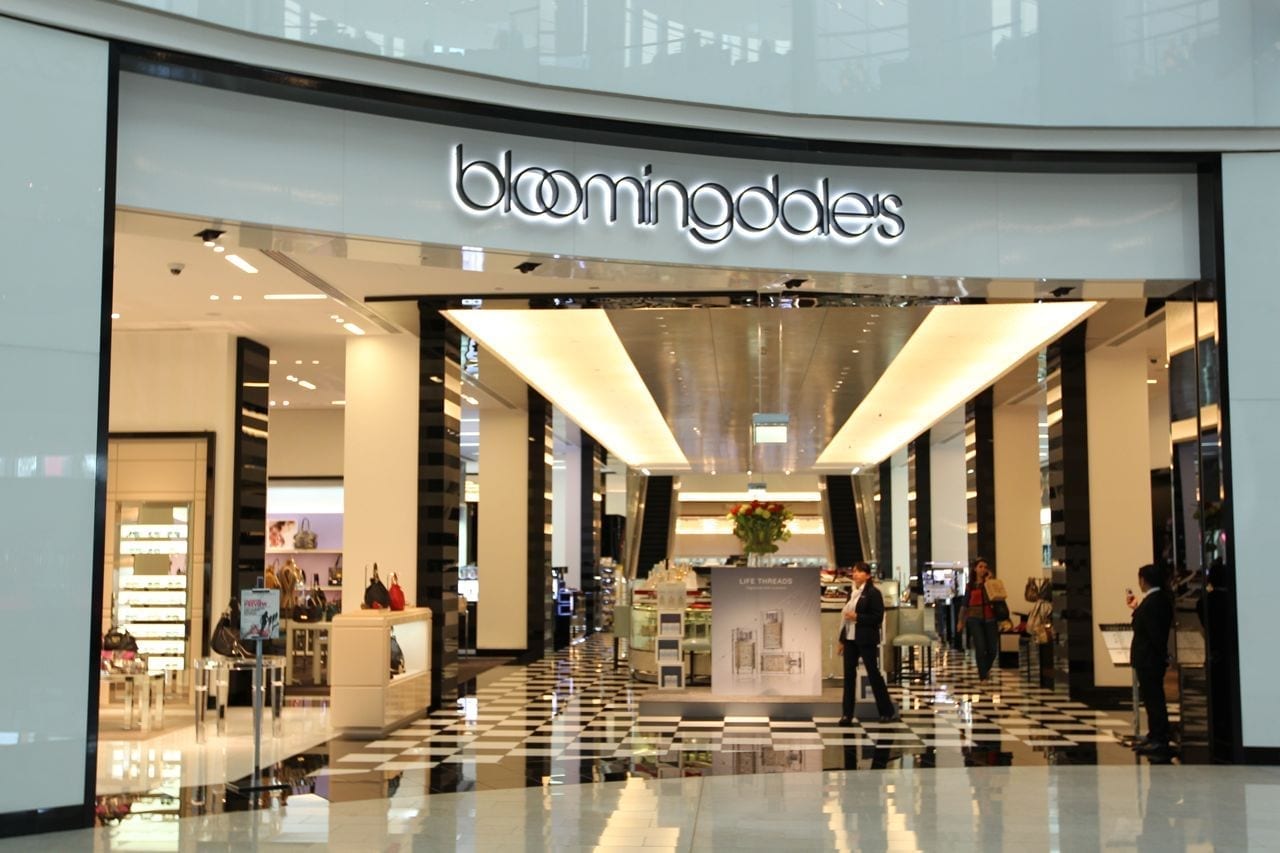
    Bloomingdale’s will launch on June 10th the first ever brick-and-mortar outpost of the Korean beauty retailer at its Soho location. The new mini store will sell a selection of K-beauty products curated by Soko Glam.

    Soko Glam launched in 2012 as an online community and retailer for Korean beauty products. Fans of the brand will now be able to shop the site’s favorite K-beauty products in person at Bloomingdale’s new Soko Glam mini store. The store will officially open on Saturday, with the launch party including a meet and greet with Soko Glam co-founder Charlotte Cho.

    The physical store will still keep some ties to its digital presence at the Bloomingdale’s store. The shop will include monitors showing beauty tutorials from Soko Glam’s blog, The Klog. Visitors to the store’s launch day will be able to upload and tag photos on Instagram in order to win prizes and rewards.

    In-store advisers will also assist customers in navigating Korean beauty products. The shop will carry a mix of well-known Korean brands such as Etude House, Manefit and Neogen, and new editions to the Soko catalogue like Hanskin.

    American interest in Korean beauty products has increased significantly in recent years, with mainstream retailers like CVS carrying Korean cosmetics. In March, Barneys launched a mask bar with Alicia Yoon, founder of the K-beauty shop Peach & Lily. Yoon has also worked with Target to create a curated section of K-beauty.

    Soko Glam expanded its reach by launching a subscription box service earlier this year, however the Bloomingdale’s mini shop represents a huge step forward for the company in establishing a physical presence.

  • Paycock to supply Seoul with optical recognition-based mobile payment service

    Paycock to supply Seoul with optical recognition-based mobile payment service

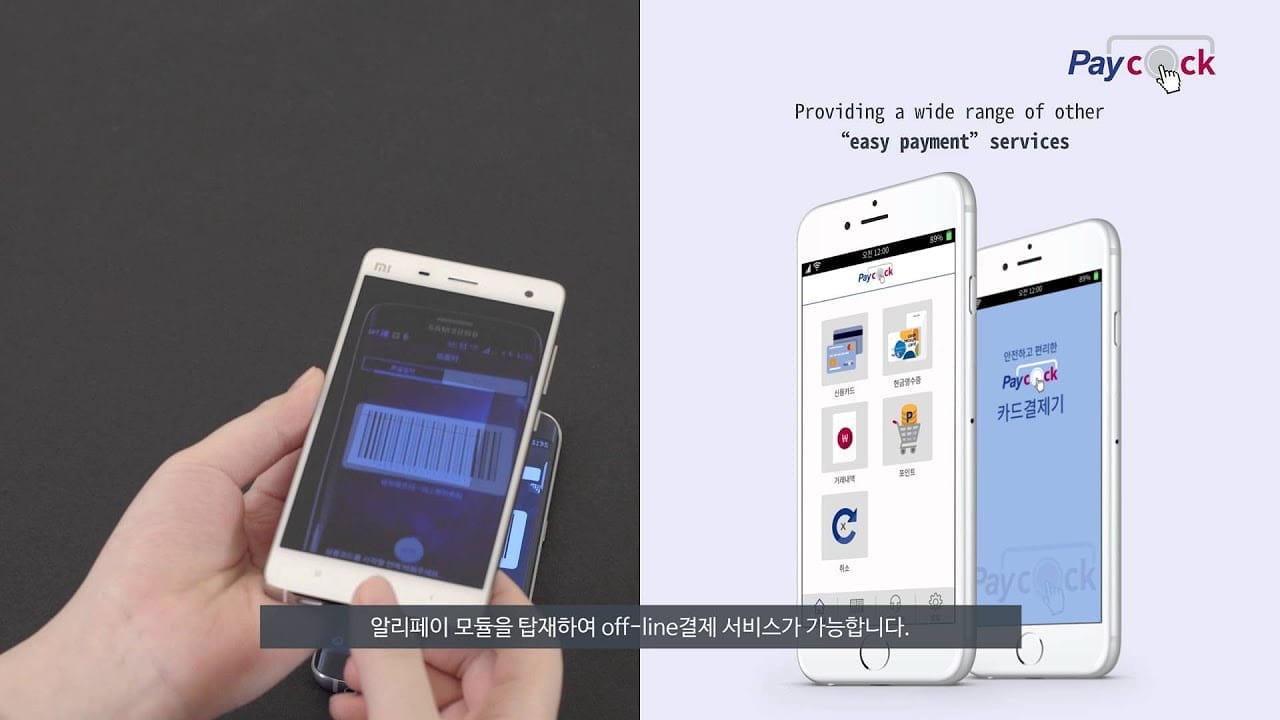
    Fintech startup Paycock announced Monday that it would begin supplying Seoul City with a mobile payment service based on optical character recognition technology starting in June. The service allows stores to accept credit card payments through the company’s mobile application, Paygood, making it possible for payments to be made and accepted no matter the time or location of the payment participants. Seoul City will be providing the mobile application to merchants in the Namdaemun and Dongdaemun markets as part of its support program for small business owners.

    Paycock’s payment application does not require a traditional card-reading device, as its OCR technology enables not only payment via physical credit and debit cards but also mobile application-based credit cards. This OCR technology, which is the product’s key technology, is accompanied by AI deep learning technology to prevent credit card fraud and theft.

    As the application is highly convenient to use and guarantees the security of credit card transactions, it is expected to be widely adopted by small business owners, individuals working in the delivery business, and companies that employ traveling sales representatives. CEO Kwon Hae-won said, “Our product has been fully vetted in terms of security. It has passed the security tests and evaluations of companies recommended by the Korea Internet & Security Agency and the Financial Security Institute.”

    Paycock has already signed MOUs with corporations and the governments of six countries, including the United States. Through its participation in K-Global@Moscow 2017, which is scheduled to be held on June 5, the company plans to seek out opportunities for it to enter the Russian and Northern European markets. Paycock receives support for its overseas marketing activities from the K-ICT Born2Global Centre, an organization affiliated with the Ministry of Science, ICT and Future Planning.

  • LG Uplus enters strategic partnership with Vodafone

    LG Uplus enters strategic partnership with Vodafone

    South Korea’s LG Uplus has announced a new strategic partnership with Vodafone Group for the South Korean market.

    The agreement, the first strategic partnership between LG Uplus and a global operator, will involve collaboration on both enterprise and consumer operations.

    Vodafone will provide best practices and draw on its global reach to support LG Uplus across all areas of its business, including network strategy and development, as well as customer experience management.

    The two operators will also cooperate to jointly offer unified communications and enterprise services to multinational companies with a presence in South Korea. LG Uplus will meanwhile join Vodafone’s global partner market network.

    “ Vodafone is one of the world’s leading telecommunications companies and close cooperation will enable us to streamline and improve our existing business performance and pioneer new areas.  “Vodafone is the ideal partner to help our drive to become world-class,” LG Uplus CEO Youngsoo Kwon said.

    “Our new partnership will enable LG Uplus to benefit from Vodafone expertise and experience, in addition to access to our global enterprise products and services,” Vodafone partner markets CEO Diego Massidda added.

    “I am delighted that LG Uplus has joined our Partner Market network and I look forward to building on our relationship in the coming years.”

  • SKT launches five-band CA, 4X4 MIMO

    SKT launches five-band CA, 4X4 MIMO

    SK Telecom has announced the launch of five-band carrier aggregation (CA) and 4X4 multiple input multiple output (MIMO) technologies as part of its ongoing evolution to 5G.

    The operator has made five-band CA LTE-A Pro available in the main areas of 53 cities across South Korea, supporting data rates of up to 700Mbps.

    The five-band CA service utilizes SK Telecom’s 10MHz of 800-MHz spectrum, 20MHz in the 1.8-GHz band, 10MHz in 2.1-GHZ as well as a 10MHz and 20MHz carrier in the 2.6-GHz bands.

    SK Telecom has meanwhile launched 900Mbps LTE-A Pro in the CBDs of six cities by combining existing three or four band carrier aggregation with 4×4 MIMO. The six cities are  Seoul, Busan, Daegu, Gwangju, Daejeon and Ulsan.

    Among SK Telecom’s handset line-up, currently only the Samsung Galaxy S8 supports these new services, and will require an over-the-air firmware upgrade to do so. But the operator said it anticipates that more upcoming premium smartphones will support the services.

    SK Telecom has set a target of having the two services combined cover more than 50% of the Korean population by the end of the year.

    The operator also plans to launch 1Gbps LTE-A Pro services in the first half of next year by combining five- or four-band CA with other technologies such as 4X4 MIMO.

    “SK Telecom’s LTE-A Pro services represent an early application of 5G technologies that support Gbps-level data speeds and massive network capacity,” SK Telecom SVP and head of infrastructure strategy Choi Seung-won said.

    ““SK Telecom will continue to offer differentiated mobile communications quality through LTE-A Pro service, while utilizing the network to gain a valuable edge in the 5G era.”

  • E-Bay Korea helps firms bolster overseas sales

    E-Bay Korea helps firms bolster overseas sales

    E-Bay Korea has been helping a number of small consumer goods makers by providing an online sales platform through which they can reach millions of buyers abroad.

    Thanks to Gmarket’s global shop, some companies have even seen their overseas sales exceed what they sell in the domestic market as Chinese, Japanese and other foreign buyers flock to the online shop for a range of made-in-Korea consumer products. Gmarket is Korea’s largest e-commerce site operated by e-Bay Korea.

    One of the beneficiaries is Coibana, a mid-tier cosmetics firm specializing in whitening cream and other skincare products, which began selling goods last August on Gmarket’s global shop.

    Following extensive exposure to the site’s main page, the sales of the firm’s items have increased sharply as more foreign shoppers pay attention to what it offers.

    In the first five months of this year, its sales through the global e-commerce site rose three times compared to its performance from August to December the previous year.

    According to Coibana officials, its products are shipped to consumers in China, Japan, the United States, Vietnam and many other countries.

    Skincare goods are popular in Ukraine, while many consumers in France and other European nations buy skin pore care items, they said. Whitening cream is the most popular item among people in the Middle East and Southeast Asia.

    “When we first decided to sell our products to foreign consumers through cyberspace, we were struggling with a language barrier,” Coibana CEO Park Shin-ae said. “We were engaged with people from many different countries and our employees had a hard time dealing with them. But when we became part of Gmarket, e-Bay Korea took care of the language problem for us.”

    Park said the company has received more inquiries from overseas buyers since its goods became available through Gmarket. “The e-commerce site has proven to be a perfect sales platform for companies likes us who want to reach both Korean and non-Korean consumers. We will continue to develop more sales channels overseas in cooperation with e-Bay.”

    Lee Eun-young, e-Bay Korea’s global sales manager, said many small and medium-sized consumer goods makers here need online sales channels through which they can offer products to foreign consumers.

    “We will continue to provide all the support we can to enable local firms to serve consumers abroad and grow into a global enterprise,” Lee said.


  • Lotte Duty Free taps Vietnam with new airport outlet

    Lotte Duty Free taps Vietnam with new airport outlet

    Lotte Duty Free, South Korea’s top duty-free operator, said it has set up a new outlet at a Vietnamese airport, making a foray into the Southeast Asian market.

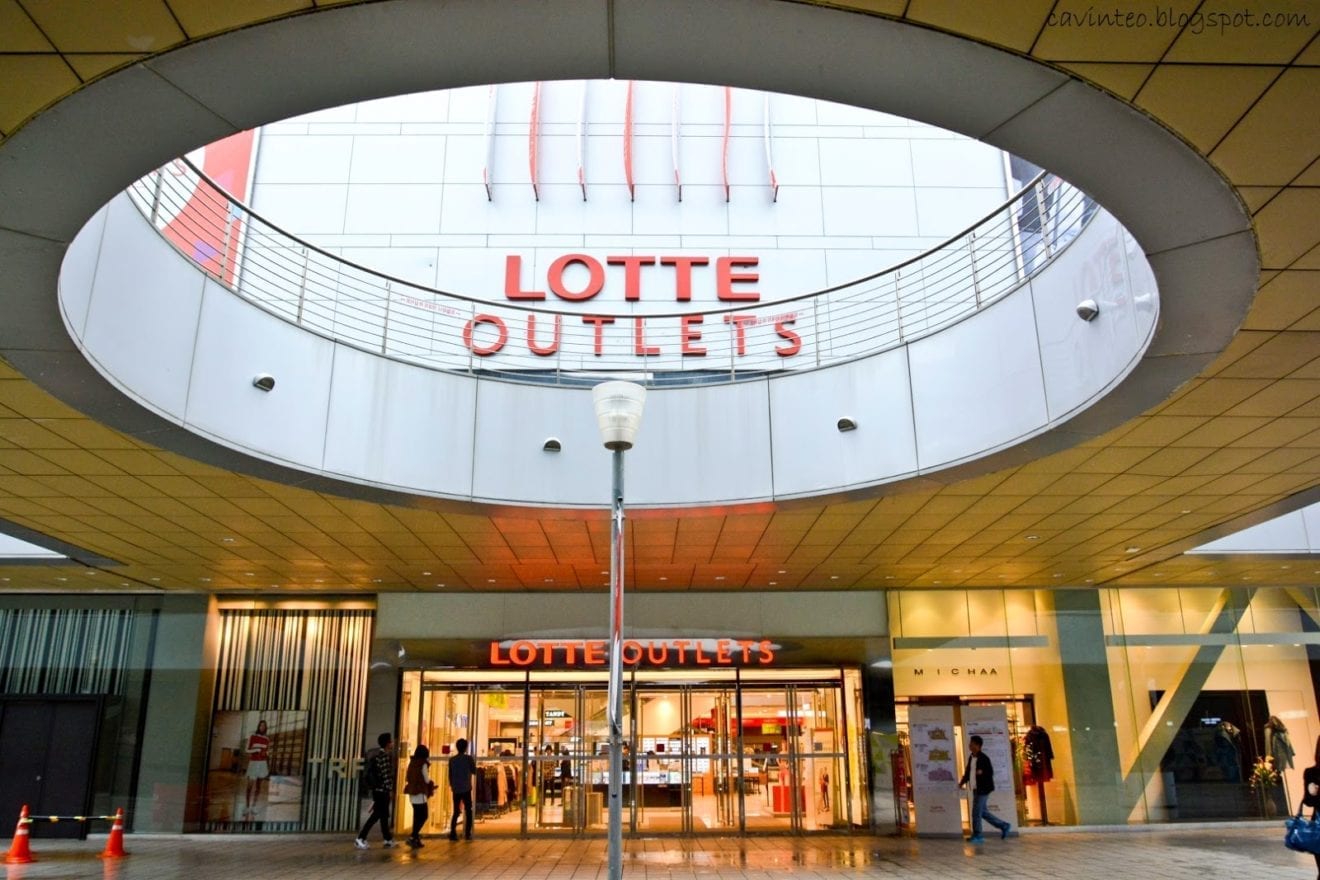
    Lotte clinched a joint venture deal with a Vietnamese counterpart to co-run Phu Khanh Duty Free at the Da Nang International Airport, it said in a statement. The South Korean firm owns a 60-percent stake in the airport duty free. The official opening is slated for August, with only part of the shop currently operational. It sells perfume, cosmetics, food & beverage and liquor.

    Da Nang is one of the most popular holiday destinations among South Koreans. PHU KHANH Duty Free shop is located in the new Danang airport, which has been newly expanded due to the recent increase in visitors, and the international flights are on the way to accommodate 4 million passengers per year.

    Korea’s duty-free marketis suffering from a 30-40% decrease in sales due to the due largely to a void in Chinese visitors following Beijing’s trip restriction. Last month, the number of foreign visitors to Korea’s duty-free shop reached a record low this year, falling below 1 million. The number of foreigners who visited Korea’s duty-free shop in April dropped by 40 percent from 1,682,223 in January to 99,806.

    The launch of its Vietnamese duty-free shop underscores Lotte’s push to expand its overseas foothold. Lotte is the third-largest duty-free operator in the world, after Swiss-based Dufry A.G. and DFS of the United States.

    It is the first Korean duty-free operator to have tapped Vietnam.
    Lotte Duty Free said it is planning to open another city branch in Bangkok this month. It currently runs airport stores in Indonesia, Japan and Guam.

  • Korea still has fastest average broadband speeds

    Korea still has fastest average broadband speeds

    South Korea retained its position of having the world’s fastest average internet speeds during the first quarter, but it was the only market in APAC to experience a year-on-year speed decline.

    These are among the findings of Akamai’s latest State of the Internet – Connectivity report, which found that South Korea’s average speed was 28.6Mbps for the quarter.

    Hong Kong had the second fastest average speeds in APAC and the fourth in the world at 21.9Mbps, followed by Singapore (seventh globally) at 20.3Mbps and Japan (eighth globally) at 20.2Mbps.

    Vietnam had the highest year-on-year gains in average speeds at 89%, but remained in ninth place among APAC countries and just 58th globally with an average speed of 9.5Mbps. India (87% improvement to 6.5Mbs) and China (78% improvement to 7.6Mbps) also recorded strong gains.

    The Philippines continued to have the slowest average broadband speeds in APAC at 5.5Mbps, despite a 57% year-on-year improvement. The report notes that president Duterte’s up to $4 billion national broadband network project has the potential to turn the market around. Deployment could commence as early as this month.

    By contrast, besides South Korea’s year-on-year decline, Hong Kong had the lowest level of improvement with just a 10% gain.

    In terms of average peak connection speeds, Singapore retained its top spot with a speed of 184.5Mbps, up 26% year-on-year. Singapore was followed by Hong Kong (129.5Mbps), South Korea (121Mbps), Thailand (106.6Mbps) and Taiwain (106.6Mbps), which had global rankings of fourth, fifth, eighth and 13threspectively.

    The slowest average peak connection speed was recorded in India (41.4Mbps), followed by the Philippines (45Mbps), China (45.9Mbps), Australia (55.7Mbps) and Sri Lanka (57.3Mbps).

  • Sony Xperia XZ Premium Up for Pre-orders in South Korea

    Sony Xperia XZ Premium Up for Pre-orders in South Korea

    The Sony Xperia XZ Premium has gone on pre-order in South Korea. The phone carries a KRW 869,000 ($775) price tag, and will go on sale in the Asian market starting June 8.

    The handset will be available through third-party retailers as well, including T WorldDirect and Gmarket. Those who pre-order will also get freebies including smartbands and cases. Color options for the phone include Luminous Chrome and Deep Black.

  • South Korea’s Jeju Air says China approves flights in sign of easing tension

    South Korea’s Jeju Air says China approves flights in sign of easing tension

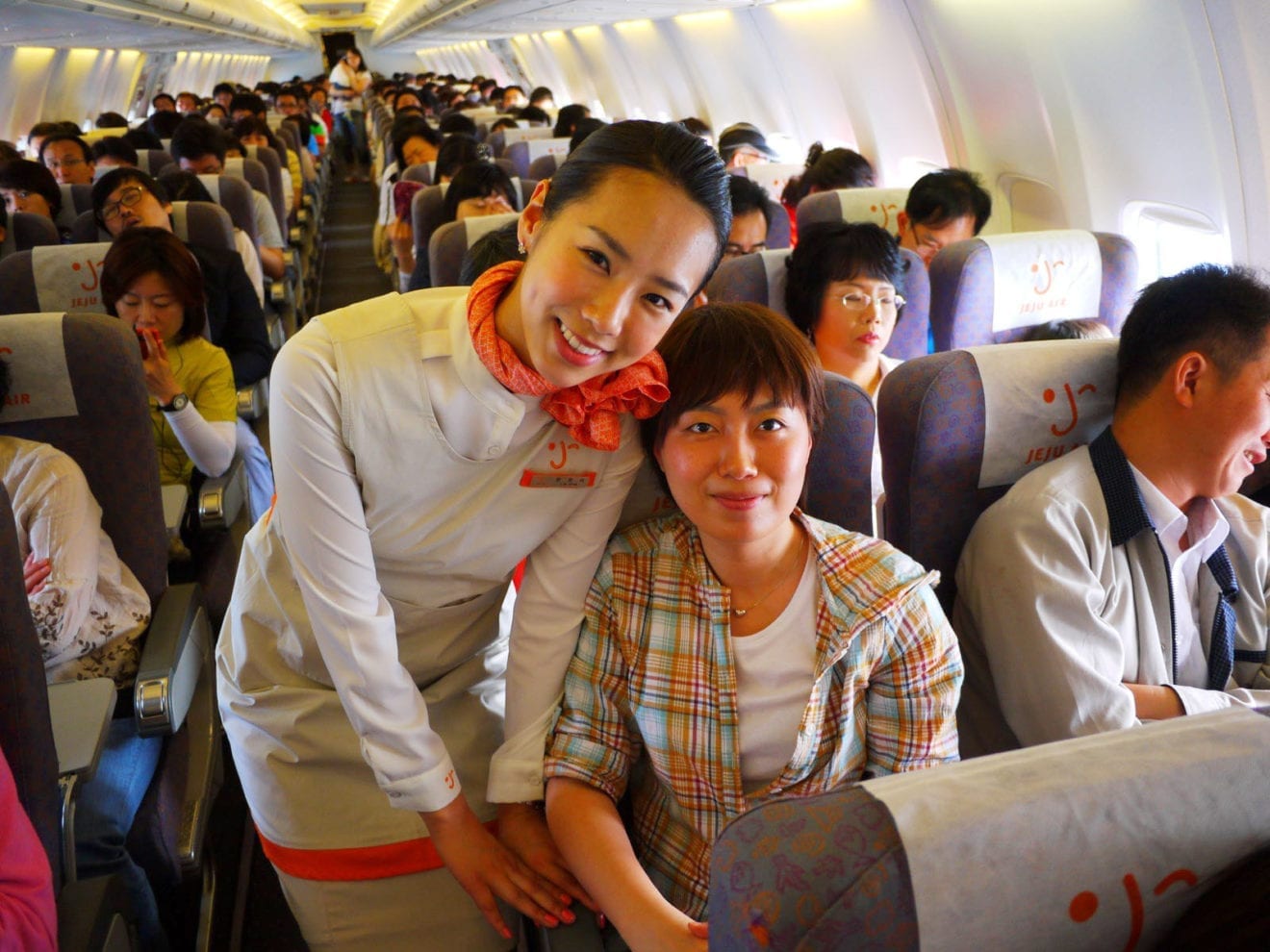
    South Korea’s Jeju Air said on Tuesday China has approved a plan to double its flights to the Chinese city of Weihai from June 2, boosting hopes of easing political tension between the two countries.

    Relations between China and South Korea have been strained for months by a South Korean decision to deploy a U.S. anti-missile system, but have taken on a more conciliatory tone with the election this month of President Moon Jae-in.

    Jeju Air, South Korea’s top low-cost carrier, said it first applied to increase its flights to Weihai, to 14 a week from 7, in early April, but China had not approved the plan because of the diplomatic row.

    “The political tension has had a far-reaching impact on flights between the two countries including new flights, added flights and charter flights,” said a Jeju Air spokesman, Park Jung-Jun.

    “The latest move raises hopes that the tension is easing,” he said.

    However, he said China has not approved a request from his airline to resume charter flights between the two countries.

    South Korean firms from airlines to automakers and retailers has suffered from China’s backlash to the decision last year to deploy the U.S. Terminal High Altitude Area Defense (THAAD) anti-missile system.

    China says the system’s powerful radar can penetrate deep into its territory and undermine its security. South Korea and the United States have said the deployment is aimed purely at defence against North Korea.

    Moon has pledged to seek a parliamentary review of the THAAD system, and sent his representative, Lee Hae-chan, to China to meet President Xi Jinping this month.

    Xi told Lee that China wanted to put ties with South Korea back on a “normal track”, but he also urged it to respect China’s concerns and resolve tension over the THAAD deployment.

    China’s tourism ministry has also instructed tour operators to stop selling trips to South Korea from March 15. An official at South Korean tour agency Mode Tour told Reuters it hoped the ban may be lifted as early as the second week of June.

    Lotte Group has closed 74 of 99 retail stores in China after the group in late February approved a land swap outside Seoul to allowed South Korea to install the THAAD system. A Lotte Group official said on Tuesday that no stores had reopened yet.

  • Blue Chip Group targets travel retail expansion for its emerging Korean brands

    Blue Chip Group targets travel retail expansion for its emerging Korean brands

    Asian travel retail distribution company Blue Chip Group is aiming to expand its business with existing and new travel retailers following its debut at this year’s TFWA Asia Pacific Exhibition.

    The company, which specialises in travel retail distribution of emerging Asian – in particular Korean – brands, also offers advertising and media, e-commerce and logistics services. Its headquarters are in Hong Kong and has offices in Shanghai, Seoul and Singapore.

    At TFWA Asia Pacific, Blue Chip Group highlighted leading Korean beauty brands CLIO, SNP, Jayjun and Papa Recipe. Colour cosmetics brand CLIO ran an advertising campaign at Singapore Changi Airport to drive traffic to the distributor’s stand at the show. Blue Chip Group also represents Banila co, Missha, Dr Jart + and Atopalm among other brands.

    Blue Chip Group Vice President Flora Lee said: “The show was very successful, we had a number of meetings with prospective business partners and operators and it proves that Korean beauty is in strong demand from the market.”

    Blue Chip Group has been the main distributor of Korean beauty brands to DFS Group since 2014. It has launched more than 20 brands in 22 DFS stores around the world, including T Galleria Siem Reap, T Galleria Cairns, T Galleria Hawaii, Hong Kong International Airport, San Francisco International Airport and Ho Chi Minh Airport.

    The company also partners with Shilla Duty Free, Dufry, Shenzhen Duty Free and China National Service Corporation for Chinese Personnel Working Abroad (CNSC).

    Blue Chip Group has recently launched Jayjun, Papa Recipe and Guerisson at Duty Free Americas’ Venetian Macau Resort Hotel stores. In Q3 of 2017, it will launch Leaders and Mediheal with Dufry onboard the Norwegian Joy cruise ship and will make its move into the inflight channel with Banila co.

    The company said it is targeting key Chinese customers on the Hong Kong/China border with a partnership with Free Duty at Lok Ma Chau railway station. Four beauty brands, including CLIO, are available there.

    Lee added: “This year, we have set the company objective to expand the business with existing travel retail operators as well as new partners, and to enrich their brand profiles, not limited to Korean or Asian brands but also to develop worldwide quality brands. That is why we finally made our first appearance at TFWA Asia Pacific.”

  • Jung Saem Mool beauty to open its first flagship store

    Jung Saem Mool beauty to open its first flagship store

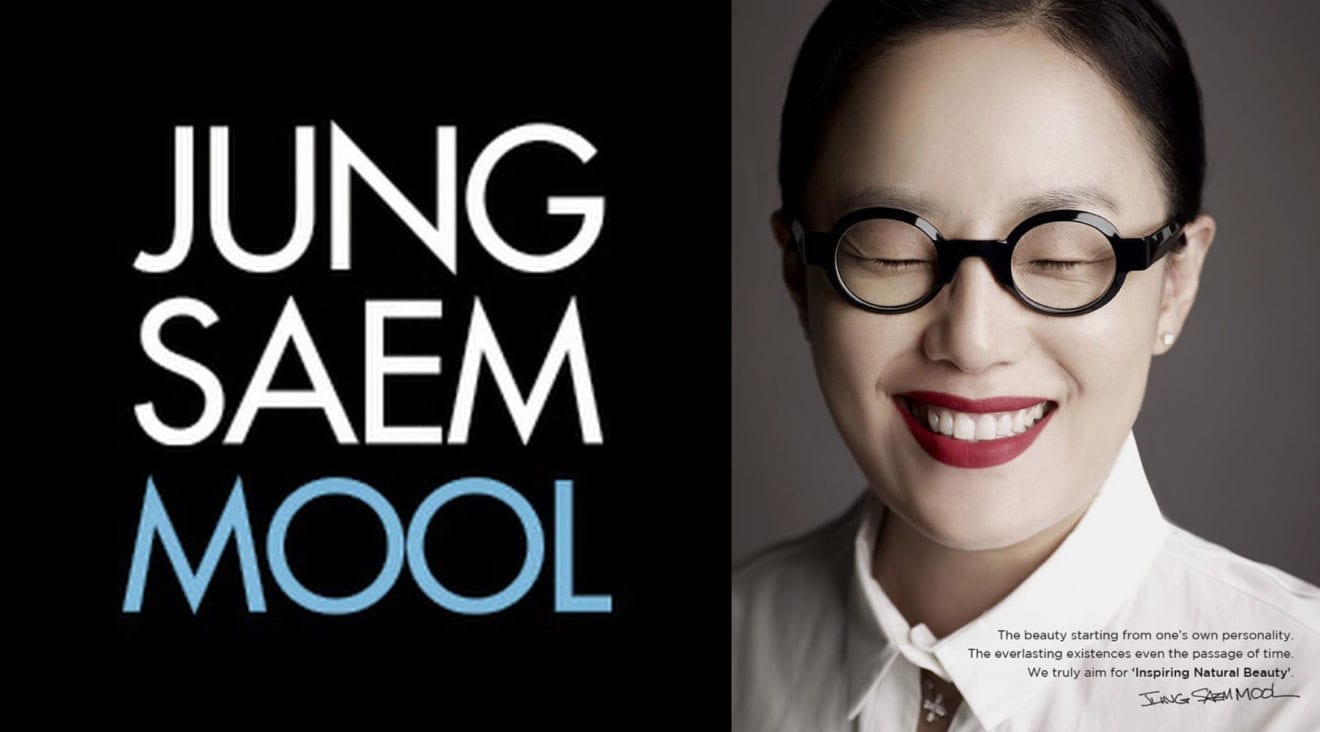
    Jung Saem Mool Beauty opened a flagship store on Boulevard Road in Sinsa dong, Seoul on May 25.

    In the three flagship stores, customers can experience brand items on the first floor, and objects inspiring makeup artists on the second floor’s artist room. There is also a cosmetic garden where customer can take a rest. The first basement, which has an exhibition zone, is designed as a space to appreciate new works with drinks through collaboration with artists.

    Jung Saem Mool Beauty launched a cosmetics brand two years ago which had no formal offline channels. It was only sold online and in Jung Saem Mool Inspiration, hair & make up shop.

    Today, a first offline store is a good opportunity to develop the brand’s philosophy, which is to become a global makeup artist company representing K-Beauty. Also, it allows customers to experience and buy products from ” Jung Saem Mool “.

    Jung Saem Mool is a brand launched under her name. She has been working as a makeup artist for 28 years, and applies all her experience and know-how to the products. It differentiates itself from other brands as it qualifies itself as being a makeup artist brand. “It is our strengths which makes it easy for beginners to put makeup on like an expert,” Jung said.

    She uses SNS channels such as Youtube to pass down the make-up know-how to people. She regularly makes makeup tutorials and looks with English subtitles on her YouTube channel; receiving positive responses from overseas customers.

    Jung Saem Mool plans to expand distribution through duty-free shops and overseas exports based on this first flagship store.

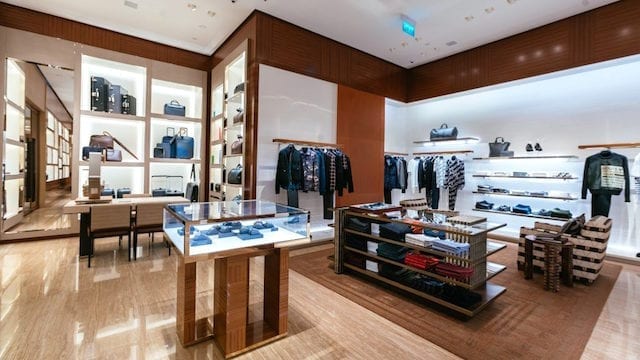
  • Louis Vuitton brings its spirit of travel to South Korea

    Louis Vuitton brings its spirit of travel to South Korea

    French leather good house Louis Vuitton is embracing its traveler heritage to bring its “Volez Voguez Voyagez” exhibit to Seoul, South Korea.

    Described as a 161-year voyage, Louis Vuitton’s Volez Voguez Voyagez retrospective opened in 2015 at Paris’ Grand Palais, a special site for the brand as it displayed its bags and luggage there during the Universal Exhibitions in 1900. The title of the exhibition translates to “Fly, Sail, Travel” to celebrate Louis Vuitton’s tradition of trunk making that dates back to 1854.

    Now a traveling exhibit dedicated to Louis Vuitton’s spirit of travel, Volez Voguez Voyagez is curated by Olivier Saillard.
    The exhibit’s story is told through nine chapters, designed by Volez Voguez Voyagez’s artistic director Robert Carsen. This starts with an antique malle from 1906, design and modern enough to carry the brand through its more than 150-year history.

    Throughout this exhibition, Louis Vuitton makes the connection between the old and new, focusing on how modern pieces were inspired by antiquities; and highlighting the people behind the brand throughout its history.

    Since its original opening in Paris, Louis Vuitton’s Volez Voguez Voyagez has traveled to Tokyo.

    The Tokyo adaptation of the exhibit gave Louis Vuitton an opportunity to interact with its Japanese consumers and demonstrate its relationship with the country. Louis Vuitton has maintained ties with Japan since the end of the 19th century, citing the Mon, or family crest, as an inspiration of its iconic Monogram canvas.

    Now, Louis Vuitton is packing its bags and heading to Seoul, South Korea to stage the exhibit.
    From June 8 to August 27, consumers in South Korea will be able to view the free Volez Voguez Voyagez exhibit at the Dongdaemun Design Plaza.
    Similar to its stop in Tokyo, Louis Vuitton has added a chapter to the exhibit devoted to South Korea. South Korea is a popular destination for luxury branded heritage exhibits. For example, nearly two years after its London debut, French couture house Chanel took its “Mademoiselle Privé” exhibit to Seoul, South Korea.

    Originally showcased in 2015 at London’s Saatchi Gallery, the public exhibit explored the spirit of brand founder Gabrielle Chanel and current creative director Karl Lagerfeld. Taking this exhibit abroad allowed Chanel to share its story with a larger, global audience.

  • Korean Air to fly to Lombok Island

    Korean Air to fly to Lombok Island

    The South Korean airline and flag carrier company Korean Air is ready to fly to Lombok Island, West Nusa Tenggara, Indonesia, in July and Aug 2017.

    “The Korean Air will open a charter flight for seven times,” Lombok International Airports General Manager I Gusti Ngurah Ardita stated in Mataram District, the capital of West Nusa Tenggara Province, on Monday.

    Ardita confirmed the information to journalists after a meeting with the Korean Airs Network and Sales General Manager of South East Asia/Oceania, Bae Sang Wook, and Regional Manager of Indonesia Park Kee Hyun in Mataram, Lombok.

    The Gonghang-dong, Gangseo-gu, Seoul-based airline companys aircraft would arrive at the Lombok International Airport (LIA) from July 29 to the end of Aug 2017, Ardita noted.

    “This charter flight is, of course, expected to open a fixed route for Korea-Lomboks flights,” he noted.

    Ardita explained that the arrival of Korean Air to Lombok Island was a result of the last meeting between the LIA and the Korean Air company on April 25, 2017, which was also supported by the regional government and the Tourism Board of West Nusa Tenggara.

    Earlier in a separate interview, West Nusa Tenggara Governor TGH Muhammad Zainul Majdi remarked during a visit by South Korean Ambassador to Indonesia Cho Tai Young and his wife Madame Cho Gye Young that the flight charter from South Korea to Lombok in Aug 2017 could be continued into a regular flight.

    Majdi expected that a regular flight would increase the number of South Korean tourists and ease the investment inflow to West Nusa Tenggara.

    The Indonesian government is hopeful of attaining 20 million foreign tourists annually by 2019 amid concerted efforts to make the archipelago a world-class tourism destination, one of which is in Lombok Island.