Tag: Malaysia

  • Public Bank launches all-in-one digital payment platform

    Public Bank launches all-in-one digital payment platform

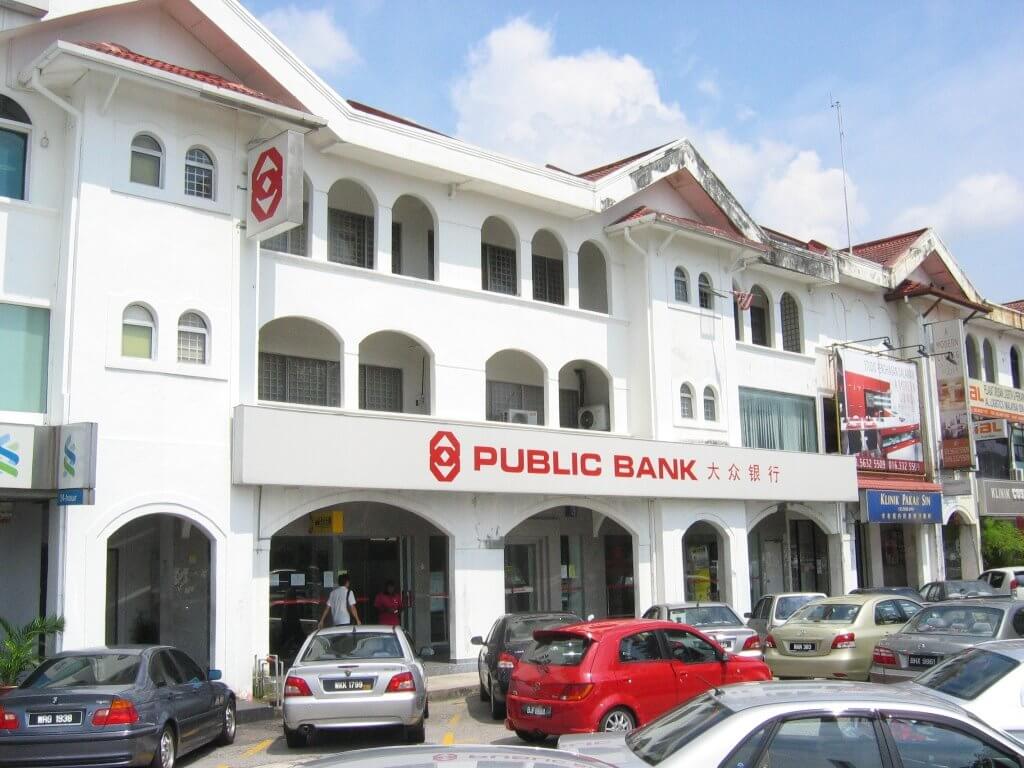
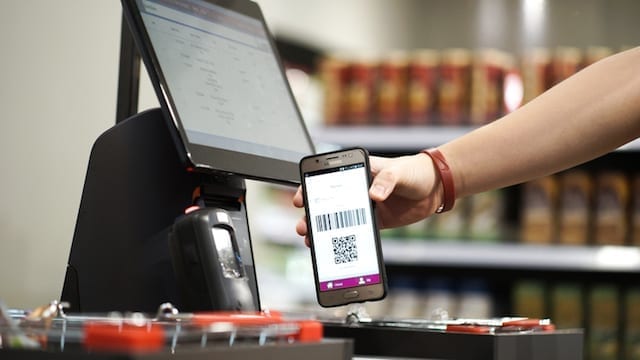
    Public Bank Bhd, in partnership with Revenue Group Bhd, today launched the all-in-one digital payment terminals. This all-in-one digital payment terminal has been piloted at selected merchant outlets of Public Bank and will be made available tomorrow.

    Public Bank managing director and CEO Tan Sri Tay Ah Lek said the first all-in-one digital payment terminal in Malaysia, developed by Revenue, will simplify the payment acceptance process as it will enable the physical retail merchants to accept both card payments and mobile wallet payments in a single digital payment terminal thus providing convenience to them.

    As at end September 2018, Public Bank has more than 60,000 electronic data capture terminals nationwide.

    Tay said it will continue with its strategy of increasing its merchant base and adding on more new acceptance services.

  • Genting Malaysia will act to mitigate impact of higher casino licence fee, duties

    Genting Malaysia will act to mitigate impact of higher casino licence fee, duties

    Genting Malaysia Bhd is assessing the full implications of additional taxes announced in Budget 2019 and will take appropriate action to mitigate their impact. The action includes a review of its marketing expenditure as well as cost structure, it told the stock exchange.

    Genting Malaysia said it has been advised by the Finance Ministry that the annual casino licence fee will be revised from RM120 million to RM150 million and casino duties will be revised to up to 35% of gross collection.

    “The increase in casino duties represents a 10 percentage point increase over existing duty rates. The amendments will take effect from Jan 1, 2019,” it added.

    On Bursa Malaysia today, Genting Malaysia closed 3 sen or 0.83% higher at RM3.64 after hitting limit down on Monday.

  • Malaysia’s September trade surplus climbs to 10-year high

    Malaysia’s September trade surplus climbs to 10-year high

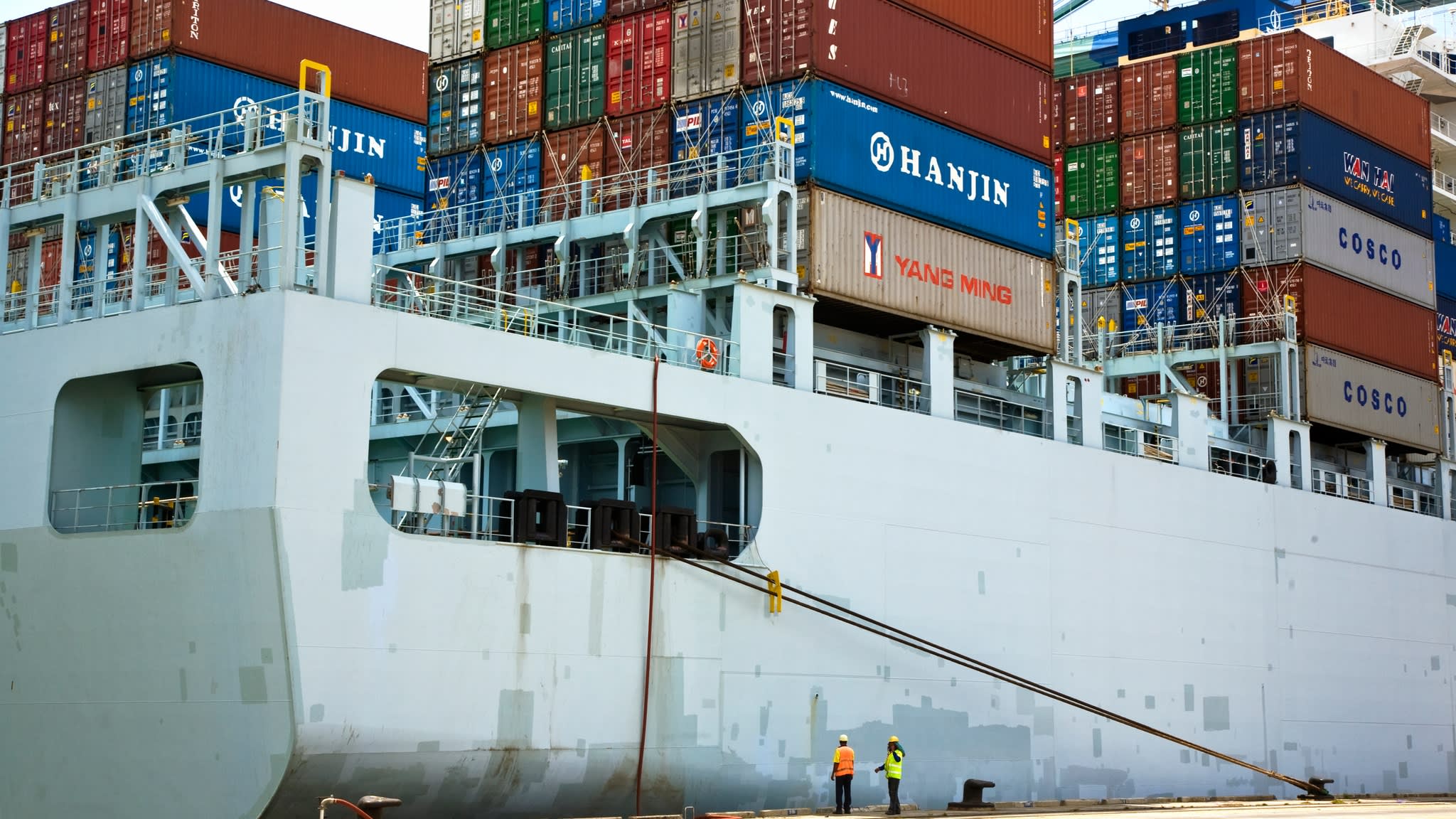
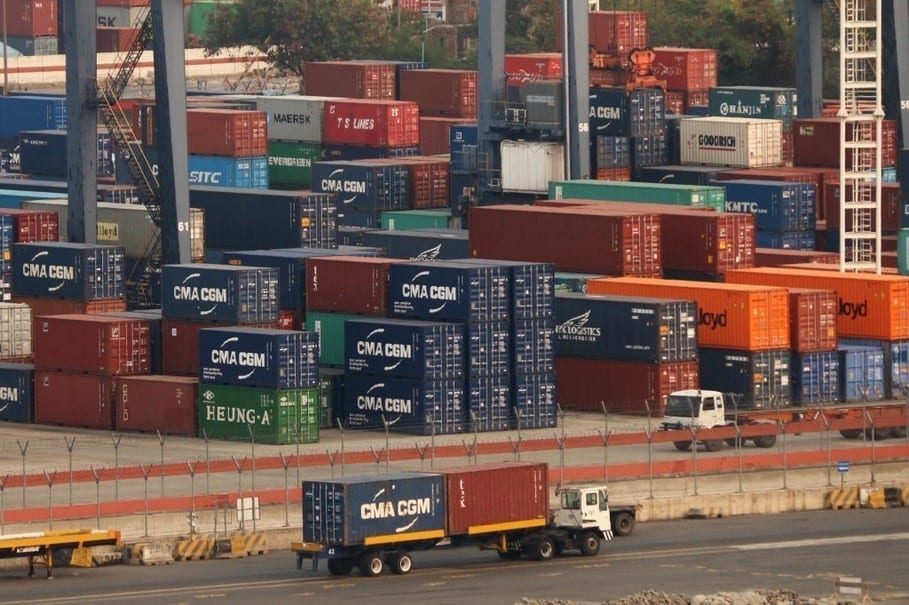
    Malaysia’s exports rebounded by 6.7% year on year (yoy) in September 2018 to RM83 billion after a dip of 0.3% in the previous month, boosting the trade surplus to a 10-year high of RM15.3 billion, the Statistics Department said. The surplus represents an 85.9% jump compared with the same month last year.

    Imports, however, registered a decrease of 2.7% yoy to RM67.8 billion. This was the second lowest import value in 2018.

    Total trade, which was valued at RM150.8 billion, increased RM3.3 billion or 2.3% in September 2018.

    The export growth was contributed by expansion in exports to Hong Kong, Taiwan, Singapore, Australia and South Korea. Lower imports were mainly from India, South Korea, Vietnam, the United Arab Emirates and the European Union.

    The main products which contributed to the expansion in exports were electrical & electronic products (+6.5%); refined petroleum products (+20.5%); crude petroleum (+54.5%) and liquefied natural gas (+1.8%).

    However, declines were recorded for palm oil and palm oil-based products (-11.5%); timber and timber-based products (-0.4%) and natural rubber (-1.9%).

    The lower imports by “end-use” were mainly attributed to intermediate goods, capital goods, and consumption goods.

    MIDF Research said export growth for Q3 averaged 5.3% yoy, moderated from 8.4%yoy in Q2. It was the lowest gain in seven quarters.

    Looking at the final quarter of 2018, it expects exports to perform better than in the earlier three quarters.

    “Amid higher base effects and signs of easing key global indicators, we foresee exports to expand by 7.3% this year (18.9% in 2017). This is supported by lower exports growth for the first nine months which registered at 6.5% compared to double-digit growth of 21.6% in the same period last year.

    “The moderating pace is consistent with gradual rise in global commodity prices, expectation of slight slowdown in overall business performance on top of the heating Sino-US trade conflict.”

  • FedEx QR Pay targets SMEs in five major Asian markets

    FedEx QR Pay targets SMEs in five major Asian markets

    Transport company FedEx has launched a QR-code based mobile payment system in Hong Kong, Malaysia, Philippines, Singapore, Thailand and Australia. The system, FedEx QR Pay (the QR stands for quick response), is targeted specifically at SMEs.

    Supplementing the firm’s existing online payment methods, FedEx QR Pay is a secure mobile payment option activated by QR codes embedded with unique payment links. QR Pay eliminates the need to have shopping carts, booking engines or checkouts, allowing customers to make payments with credit cards and e-wallet services.

    FedEx’s president for Asia Pacific Karen Reddington said: “FedEx is constantly looking for ways to innovate, pioneer new solutions and offerings to address customers’ evolving needs in the region … QR Pay provides greater flexibility and convenience for our customers, and ultimately a better experience when it comes to managing their logistics needs.”

    Asia Pacific leads the world in mobile payment with 53 per cent of connected consumers using their mobile devices to pay for goods or services at point of sale. Rising mobile penetration is a key driver, with the number of smartphone users across region now over a billion. Seeing the clear trend towards mobile payment adoption, SMEs are also harnessing new technologies to expand their business.

    According to a recent research commissioned by FedEx, 73 per cent of SMEs are already current users of mobile payments, with 69 per cent of these businesses likely to increase usage in the next 12 months. Thirty per cent of current non-users are likely to begin using mobile payments as well.

    FedEx QR Pay will soon be expanded to other markets in Asia Pacific.

  • Petronas has sufficient headroom to absorb one-off exceptional dividend

    Petronas has sufficient headroom to absorb one-off exceptional dividend

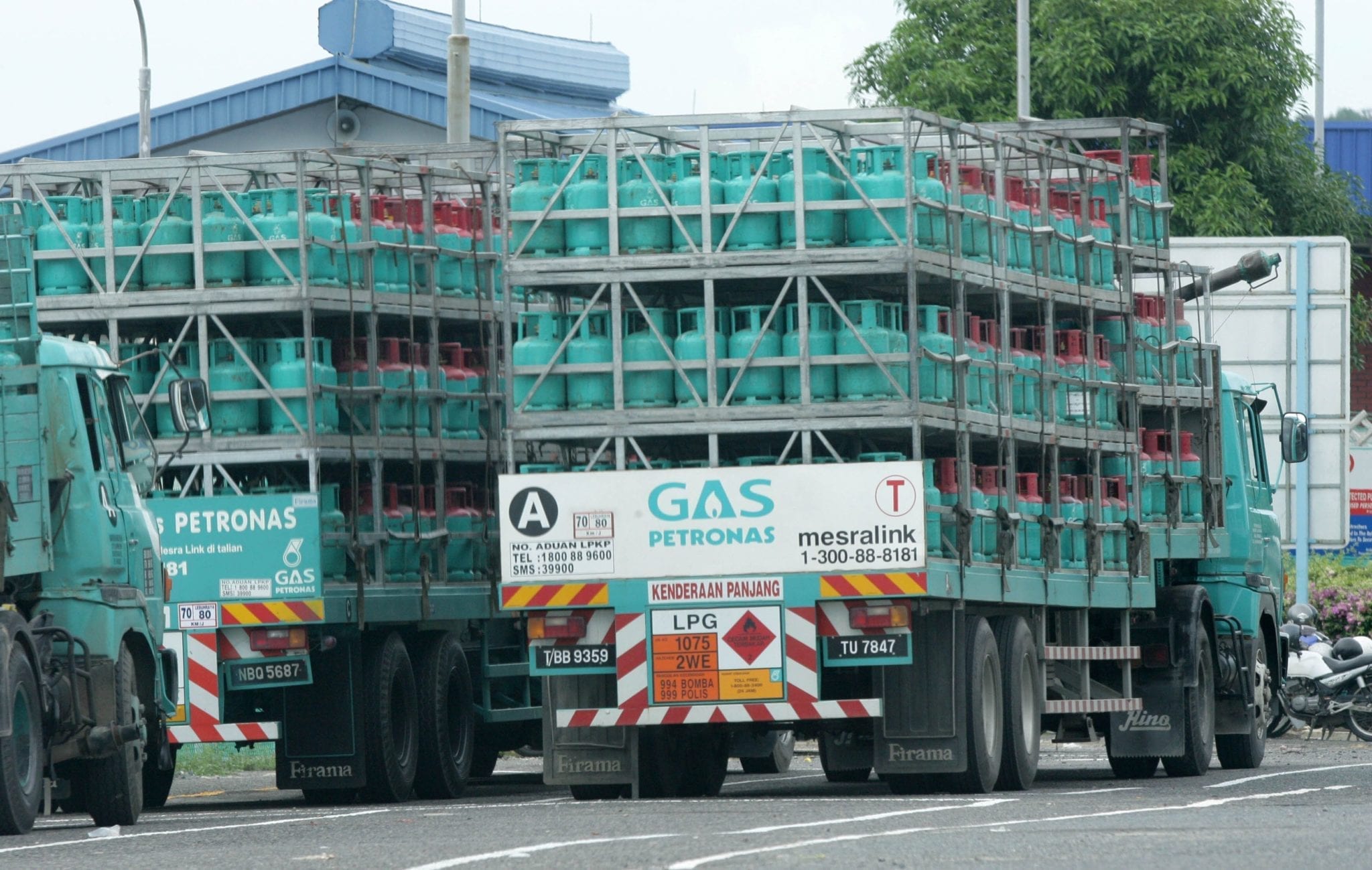
    Petroliam Nasional Bhd’s (Petronas) solid balance sheet, sizeable net cash position and ample liquidity provide ample buffer against the payment of one-off dividend to the government that could reach RM30 billion. According to S&P Global Ratings, the financial impact of a one-off dividend of this size is moderate considering Petronas’ cash position and balance sheet quality.

    “The company can finance this dividend, given cash and short-term equivalent of nearly RM180 billion as of June 30, 2018; immaterial reported debt of about RM66.3 billion as of June 30, 2018 and a net cash position of nearly RM114 billion as of June 30, 2018; and solid operating cash flows,” it said in a statement.

    It added that the exceptional dividend of RM30 billion would effectively offset inflows of nearly RM30 billion the company received following the completion of the transaction with Saudi-based oil and gas producer Saudi Aramco in the first quarter of 2018.

    “We project Petronas will remain in a net cash position in 2019 and, depending on the pace of capital spending disbursement, in 2020 as well. This underpins our ‘aa’ stand-alone credit profile on the company.

    “We currently project operating cash flows of at least RM80 billion in 2019 amid higher hydrocarbon prices. These are sufficient to fund capital spending that we forecast at about RM55 billion and regular dividends to the government and minority interest that we estimate at about RM25 billion,” it said.

    The rating agency said the special dividend will not affect Petronas’ solid liquidity as the group’s short-term debt maturities were minimal at about RM11.5 billion as of June 30, 2018, representing less than 10% of its cash balance.

    “We estimate that Petronas’ balance sheet can absorb negative discretionary cash flows of RM40 billion for two years before the headroom under its ‘aa’ stand-alone credit profile starts to reduce. Assuming no change to the company’s investment plan, this implies additional one-off dividends of RM40 billion to RM50 billion, on top of the regular and exceptional dividends in the 2019 budget,” it said.

    It said that the special dividend validates its long-standing credit view that Petronas can be subject to periodic cash calls from the government given its solid financial position, high importance to the national budget and ownership control by the government.

    It added that a sustained period of higher oil prices over the next two to three years will translate into higher dividends from Petronas, and potentially, additional one-off dividends to the state.

    “We cap our issuer credit rating on Petronas (foreign currency A-/Stable/–; local currency A/Stable/–) to that of the sovereign of Malaysia (A-/Stable/A-2; local currency A/Stable/A-1), despite Petronas’ stronger stand-alone credit profile, given this government intervention risk.”

  • Insufficient measures to boost retail spending : RGM

    Insufficient measures to boost retail spending : RGM

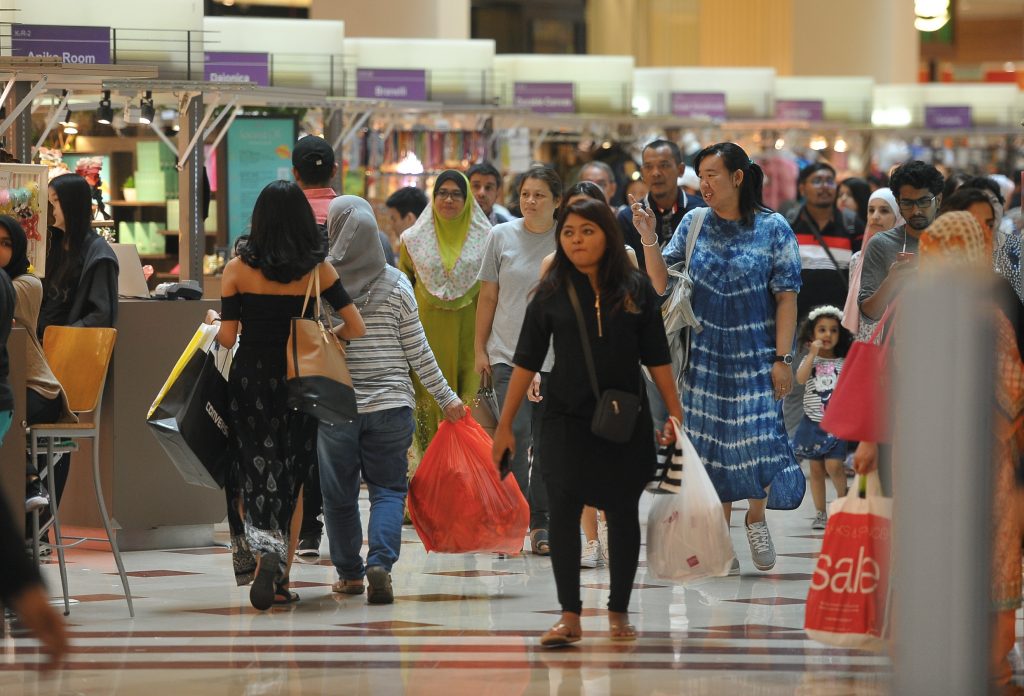
    The latest budget announcement is not expected to stimulate consumer spending in the near term, as there is insufficient economic policies aimed at increasing retail spending, opined retail consulting firm Retail Group Malaysia.

    Managing director Tan Hai Hsin said that Budget 2019 is focusing more on managing government deficit and social programmes for the B40 group.

    “We hope the economic activities will improve significantly in the immediate future. Higher economic activities will lead to higher take-home pays (and higher retail spending subsequently),” Tan said.

    Prior to the Budget announcement, he said Malaysian consumers were told that they should not expect monetary incentives from the government in 2019. Malaysians were also informed that more taxes could be expected next year.

    “Based on the latest announcement, it should improve consumer confidence. At least in the next six months,” said Tan.

    For next year, the government continues to distribute one-off monetary incentives to Malaysians (including civil servants) to reduce their financial burden. About 4.1 million households are expected to benefit from it.

    Increment of minimum wage by RM50.00 will also lessen the financial burden of B40 group.

    “On the other hand, higher minimum wage will lead to higher cost of goods for retailers. It will lead to higher retail prices eventually.”

    He said the soda tax will not have major impact on retail spending, while noting that it is still early to comment on the impact of RON95 until more announcements have been made.

    “Same as previous budgets for many years, there were no direct incentive and new government policies related to retail industry.”

    Sunway Malls & Theme Parks Chan Hoi Choy said the 2019 Budget balances fiscal discipline while emphasising development in the right sectors.

    “Initiatives announced particularly with the emphasis on B40 group is lauded while efforts to grow Industry 4.0 especially knowledge transfer, artificial intelligence development, matching grants will drive higher productivity and cost rationalisation in mall & retail industries.”

    Similarly, it is encouraged by the government’s focus in housing, public transportation and education initiatives to form the bedrock for Malaysia’s economy into the future. The drive for greener adoption and women representation also signifies a greater sustainable and inclusive approach.

    “We take note of the significance of Malaysia’s economy projected GDP growth rate of 4.8% for 2018 and 4.9% for 2019, against IMF’s projected slowdown of global growth of 3.7% in 2019. This underscores the relative resilience of the Malaysian economy in face of global headwinds and protracted trade war. In the light of this and the current country’s fiscal position, the overall Budget 2019 is targeted while exercising prudence,” said Chan.

  • Malaysia’s exports rebound in September

    Malaysia’s exports rebound in September

    Malaysia’s exports rebounded by 6.7% in September 2018 to RM83 billion year-on-year (y-o-y) after a slight decrease in the previous month, according to Statistics Department. Total trade which was valued at RM150.8 billion increased RM3.3 billion or 2.3% in September 2018, chief statistician Malaysia Datuk Seri Dr Mohd Uzir Mahidin said in a statement.

    Mohd Uzir said the trade surplus recorded the highest value since October 2008 at RM15.3 billion, increased RM7.1 billion or 85.9% from a year ago.

    Re-exports was valued at RM16.5 billion registering an increase of 26.2% y-o-y and accounted for 19.9% of total exports, while domestic exports increased 2.7% or RM1.8 billion to RM66.5 billion.

    The export growth was contributed by expansion in exports to Hong Kong, Taiwan, Singapore, Australia and Republic of Korea. Meanwhile, lower imports were mainly from India, Republic of Korea, Vietnam, UAE and EU.

    The main products which contributed to the expansion in exports were electrical & electronic products, refined petroleum products, crude petroleum and liquefied natural gas (LNG).

    However, the department said decline was recorded for palm oil and palm oil-based products, timber and timber-based products and natural rubber.

    For imports, the lower in imports by ‘end use’ was mainly attributed to intermediate goods, capital goods, and consumption goods, it added.

  • Parkson Retail Asia continues drowning

    Parkson Retail Asia continues drowning

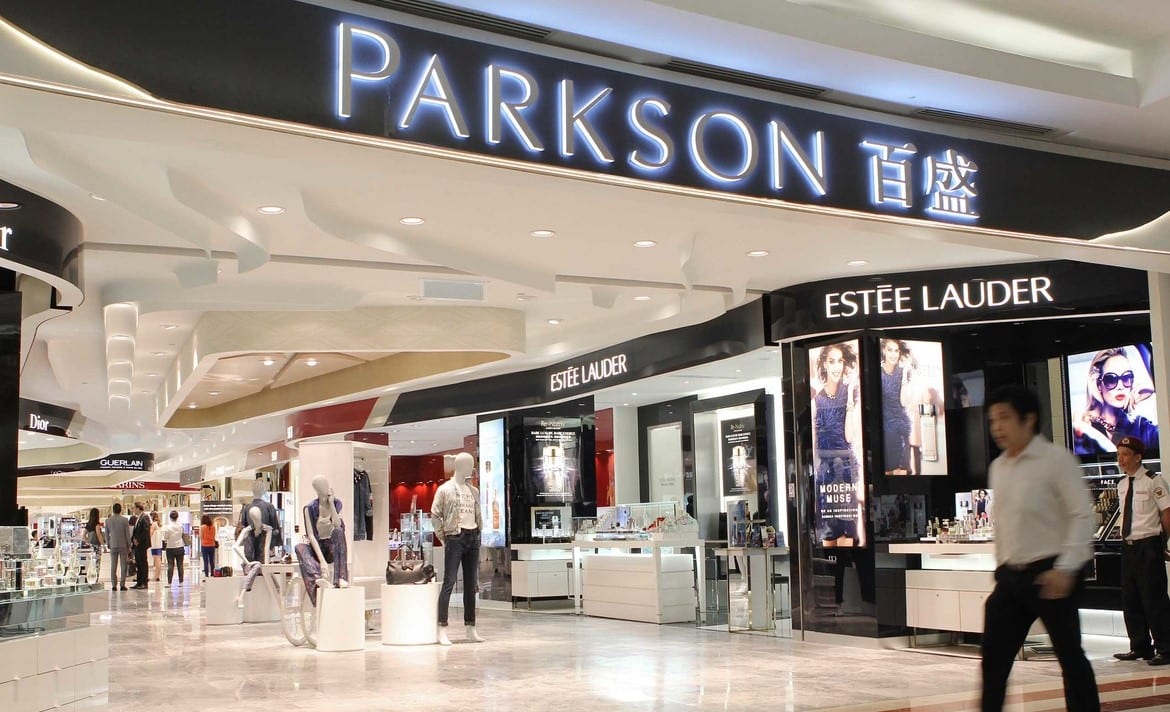
    Struggling department store operator Parkson Retail Asia has hinted it may close further stores as it posted yet another loss. For the first quarter of the new trading year, the Singapore headquartered company lost S$11.1 million, a slight improvement on the $12.9 million of a year ago.

    Last full trading year, the company lost $40.1 million for the full year.

    In a statement, the company said it would will continue to prioritise on enhancing product offerings “as well as on optimising both our operational efficiency and network of stores,” suggesting further exits, most likely in Vietnam where it has just five stores remaining from a peak of 10 and continues to lose money.

    Parkson credited the reduced loss on an improved performance of the Malaysian and Indonesian store networks, together with the effect of the closure of seven loss-making stores last financial year.

    Group sales rose 1.7 per cent to $92.6 million.

    On Friday the company announced the immediate resignation of its CFO Chia Cang Yang, with immediate effect. CEO Michael Remsen will oversee financial matters until a replacement is recruited.

  • Twenty4 opens cash-free retailer in Ipoh Malaysia

    Twenty4 opens cash-free retailer in Ipoh Malaysia

    Malaysian convenience store Twenty4 has opened in Ipoh as the region’s first cash-free retailer of its kind. The “smart” convenience store accepts only cashless transactions, earning it a spot in the Malaysia Book of Records. The brand’s CEO Kenny Ng said: “The shop is open round-the-clock and customers can purchase a variety of items, including food and personal care items, through cashless transactions.

    Customers can buy products at the store using debit cards, credit cards, Paywaves, Samsung Pay, Apple Pay or use other E-Wallet payments. We hope the concept will set the pace … be a pioneer in Malaysia, where people buy items without using cash.”

    Twenty4 sells various local and international products via self-service machines.

  • Foot Locker Is Opening First Outlet In Malaysia

    Foot Locker Is Opening First Outlet In Malaysia

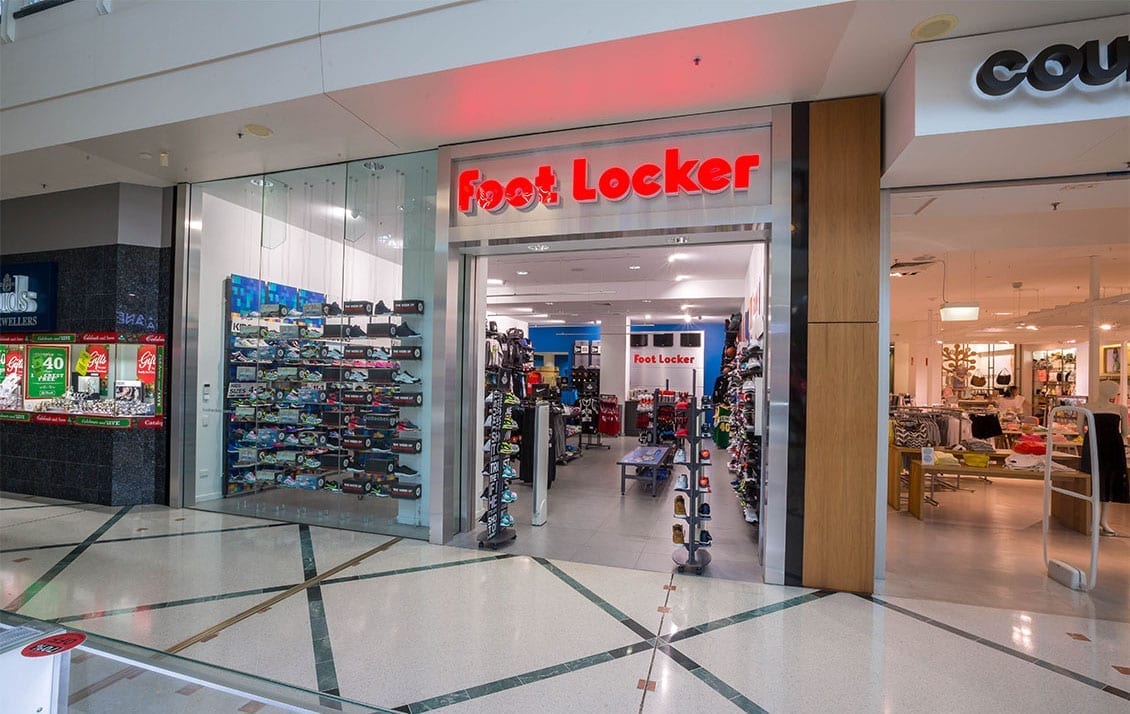
    Foot Locker Malaysia is set to open its first store. The American brand’s market-debuting outlet at 1 Utama will stock some exclusive items and collections and is also a regular collaborator with top sneaker brands. It is expected to start trading later this month.

    The Footlocker Malaysia move is part of a broader strategy to open in 40 new global locations. It has recently launched in Singapore and Hong Kong.

    The store’s location is currently under renovation and will open in the mall’s old wing on the ground floor.

  • Malaysia to reach 700 malls by end of the year

    Malaysia to reach 700 malls by end of the year

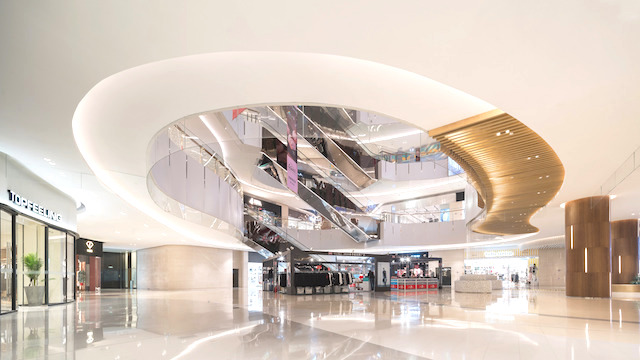
    Malaysia can expect to have close to 700 shopping malls trading by the end of next year, according to Malaysia Retail Chain Association (MRCA) president Datuk Seri Garry Chua. The malls will represent a net lettable area of 170 million sqft in total, potentially higher than current market demand.

    In an report, Chua said: “Currently we have about 560 Malaysian malls operating nationwide with total net lettable area of about 135 million sqft. The occupancy for majority of the malls in Klang Valley is between 85 and 87 per cent and that is considered okay if compared with neighbouring countries like Singapore.

    “One way to fill the malls, both new and existing, is tourism. The government has to do a lot more in getting tourists from around the world to come here, especially from China.

    “Chinese tourist spend about US$260 billion globally. They are the biggest spenders.”

    Chua added that tourism is likely to be the largest contributor of GDP worldwide by the 2030s. Its impact on Malaysian retail could contribute to industry growth from the current 10 per cent of GDP to 15 per cent within the next five years.

    The MRCA is estimating an average growth of 6.1 per cent during the third quarter of this year compared to the same time last year.

    “There is huge potential in the local retail industry, despite concerns of a glut in retail space,” said Chua.

    “For future retail, it will have to encompass a lot of digital and concept stores. The malls must be interactive. It must have things like artificial intelligence where you have robots moving around and interacting with people.

    “There should be new dynamics in shopping. Mall owners must keep abreast with latest trends. Pricing and design must be right, especially for fashion brands.

    “Malls are also adding more and more food and beverage (F&B) outlets. Previously, tenant mix comprised 20 per cent of F&B but today, it is 30 per cent,” he said.

  • Nestle Malaysia earnings up 15.7% in Q3, declares 70 sen dividend

    Nestle Malaysia earnings up 15.7% in Q3, declares 70 sen dividend

    Nestle (Malaysia) Bhd’s net profit for the third quarter ended September 30, 2018 rose 15.7% to RM137.69 million from RM119.01 million a year ago, underpinned by higher sales on the back of strong marketing and promotional activities.

    Revenue for the quarter under review increased 8.3% to RM1.43 billion from RM1.32 billion in the same quarter last year, driven by stronger domestic and export sales as well as the zero-rating of the Goods and Services Tax (GST), which boosted consumer spending.

    Nestle has proposed to declare an interim dividend of 70 sen per share for the quarter under review.

    For the cumulative period of nine months, the group’s net profit grew 4.7% to RM535.06 million from RM511.14 million, while revenue expanded 4.8% to RM4.17 billion from RM3.98 billion.

    “Against the backdrop of a more encouraging year for the Malaysian economy, we remain committed to our long-term strategy to ‘Fuel the Growth’ via our innovative drive and enhancing our strong brand portfolio,” Nestle said on its prospects.

    “We are confident that our investments, including the new Nestlé distribution centre, will enable us to maintain our solid growth momentum. In line with this commitment, the group has recently announced the RM100 million investment in Milo manufacturing making the Chembong factory the largest Milo manufacturing centre of excellence in the world. The company strives to improve efficiencies across our supply chain and reinvest savings to achieve sustainable and profitable growth,” it added.

    Nestle’s shares dipped RM1.50 or 1% to close at RM143.50 on 111,600 shares traded.

  • Bata Malaysia Opens Their First Exclusive Kids-Only Store

    Bata Malaysia Opens Their First Exclusive Kids-Only Store

    Bata Malaysia has opened the first Bata Kids concept store at Sunway Pyramid. Located on the first floor of the mall, the store offers children’s footwear and accessories from brands such as Bubblegummers, Disney’s Marvel, Hello Kitty, Barbie, and My Little Pony.

    “The flagship store is carefully constructed to be fun and colourful in order to appeal to the kids. This extends to the store’s design as well as visual merchandising,” the company said in a statement.

    An area is designated for kids to unleash their creativity through drawing and there is plenty of room to accommodate strollers.

    Bata Malaysia is offering a promotion on October 31, where the first 10 walk-in customers to flash the Bata Malaysia Facebook/Instagram page to the cashier will receive free shoes.

    The next 40 walk-in customers will be entitled to a RM20 voucher.

  • Shell Malaysia Launches 24-Hour Unmanned Petrol Mart

    Shell Malaysia Launches 24-Hour Unmanned Petrol Mart

    Shell Malaysia has opened its first unmanned Select convenience store. Located at Shell Tezz Enterprise on Jalan Tun Razak, the store trades 24-seven and is powered by technology from BingoBox. Customers can select goods from the shelves and place them on the store counter which automatically calculates the price. Payments can be made by debit or credit cards, or by BingoBox’s mobile app.

    BingoBox is based in China and has launched in Malaysia through a joint venture with local company Scientific Retail.

    “Using BingoBox Retail Technology, we can provide customers with a seamless shopping experience when they are at Shell at any time of the day,” said CEO of Scientific Retail, Ng Seong Ping.

    Shell Malaysia MD Shairan Huzani Husain said the technology will improve customer service.

    “Our Shell site employees now have more time to attend to customers’ needs, thus ensuring they are able to leave our station a little happier,” he said.

  • Media Prima to provide content for Europe’s Dailymotion video streaming service

    Media Prima to provide content for Europe’s Dailymotion video streaming service

    Media Prima Bhd has inked a memorandum understanding (MoU) with Dailymotion, which will see the media group’s video content being made available on the platform.

    Dailymotion currently has 300 million monthly unique users and three billion monthly video views. More than 50% of its users are from the Asia Pacific region. Other notable partners of Dailymotion includes BBC News, Vice Media, Bloomberg Media and CBS Sports.

    When asked if there are concerns over piracy and copyright, Media Prima Television Networks CEO Johan Ishak said that the group currently works with authorities such as the Home Ministry and the Communications and Multimedia Ministry to tackle the issue.

    Additionally, it also has an internal unit to look after the media group’s Intellectual Property (IP) content.

    “Whenever we find any incidences of piracy… we will get authorities to help us shut it down,” he added.

    According to Dailymotion’s vice-president Content (Asia Pacific) Antoine Nazaret, the necessary tools and technology are in place to ensure that media content uploaded to its platform are protected.

    He said the platform started as a user generated platform (UGC) 15 years ago and has shifted its focus to becoming a premium platform in the last two to three years.

    “We started 15 years ago as a UGC platform and it was a little bit of everything and anything. We took a really strong position 2-3 years ago (that) we don’t want to just be a UGC platform … we wanted to be a premium platform, meaning we want to care and be relevant for very premium content providers and guarantee them that their IP and content are perfectly well protected on the platform,” he added.

    Nazaret said in order for Dailymotion to guarantee its position on being premium, it has to demonstrate that it can safely protect the value content on the platform.

    The platform is owned by Paris based multinational company, Vivendi.

    No specific timeframe has been laid out as for the duration of the collaboration, with both parties saying that it will continue as long as it is required.

    Dailymotion will also be powering Media Prima’s Tonton over-the-top (OTT) service platform.

    As for Tonton, which ceased video-on-demand subscription on Aug 31, Johan said the group may relook at the possibility of re-implementing subscription services in the future when there is enough demand for paid content.

    Johan said the focus is on digital advertising through advertising video-on-demand.

    As for the first half of the financial year ended June 30, the group reported RM44.8 million as digital revenue compared to RM14.9 million in the comparative period driven by higher digital advertising revenue across all platforms.