Tag: Malaysia

  • TIGERS to expand China and Malaysia as e-commerce booms

    TIGERS to expand China and Malaysia as e-commerce booms

    Global e-commerce fulfilment expert Tigers has opened an office in Suzhou, China, and a new fulfilment centre in Selangor, Malaysia, as part of ongoing expansion plans to serve the region’s booming e-tail market. The new e-Fulfilment Logistics Centre in Selangor is Tigers’ second Malaysian operation, after the automotive fulfilment centre in Kota Kinabalu, East Malaysia.

    The new Suzhou office is located 30 minutes from Shanghai, China, where Tigers has recently opened a new facility to meet growing e-customer demand in both the business-to-business (B2B) and business-to-customer (B2C) sectors.

    “China and South East Asia are two of the fastest growing regions in the world for online retail, and we will continue to support that growth by providing state-of-the-art facilities to meet customer demand,” said Andrew Jillings, Chief Executive Officer and Group Managing Director, Tigers.

    Tigers specialises in e-commerce fulfilment, transportation, and supply chain solutions across a wide range of industries, including automotive, fashion, outdoor and active lifestyle, health, technology, wine, and perishables.

    “Suzhou is the perfect location for Tigers, and our historic city is fast becoming a hub for international logistics organisations,” said Edison Zhang, General Manager – Sales, China, Tigers.

    “We are experiencing strong sales activity in Suzhou, and there are plans for further expansion into the Chinese market, where we already have 15 locations.”

    The 10,000 sq ft Selangor facility will operate as a headquarter for sea freight, e-commerce, and logistics, and is located 20 minutes away from Port Klang, 40 minutes from Kuala Lumpur International Airport, and one hour from Kuala Lumpur city centre.

    The automotive fulfilment centre in Kota Kinabalu is a 12,000 sq ft (1,115 sq m) facility, which supplies the entire East Malaysia region with a spare parts delivery service on a B2B basis.

    The new facilities in Asia follow the opening of a new office at Frankfurt Airport in Germany in July, which will act as a gateway to Europe by creating a trade lane between Germany and South Africa.

  • Malaysia’s TM hires four new board members

    Malaysia’s TM hires four new board members

    Telekom Malaysia (TM) has appointed four new directors to the company’s board, following the resignation of David Benello as an independent non-executive director. The new directors are Dato’ Asri Hamidin @ Hamidon, Dato’ Mohd Naim Daruwish, Hisham Zainal Mokhtar and Saheran Suhendran. Asri Hamidin is appointed as a non-independence non-executive director representing the special shareholder, Minister of Finance (Inc) on the board. Mohd Naim has been made a non-independent non-executive director representing the interests of the Employees Provident Fund (EPF) which is a major shareholder of the Malaysian incumbent.

    Asri is currently the deputy secretary general (investment) at the Ministry of Finance, while Mohd Naim is currently the deputy chief executive (operations) of EPF. Hisham and Saheran were appointed as the independent non-executive directors. Hisham is currently a director in the group MD’s office at Malaysian Industrial Development Finance Bhd, while Saheran is currently a consultant at Messrs Chua Associates.

    All the board appointment took effect on October 3.

    TM also announced that Farid Basir has joined the telco as its new chief human capital officer (CHCO). Farid, taking over the position previously covered by Suhaimi Sulong as the acting CHCO since early this year, assumed his new role on October 1.

    Prior to his appointment, Farid was the CHCO at Bank Rakyat for almost three years.

    Cisco names Herman Lam as MD for HK & Macau

    Cisco has appointed Herman Lam as managing director for Hong Kong and Macau.

    The company has also announced that Barbara Chiu, vice president of Hong Kong, Macau and Taiwan, will retire by end of October.

    Cisco said Lam brings to the table over 25 years of experience in IT industry combined with a wealth of leadership and management experience gained with leading technology firms.

    Prior to joining Cisco, Lam’s previous stints include CEO of Hong Kong Cyberport Management Company, and general manager of Microsoft Hong Kong.

    Commenting on the appointment, Cisco Greater China chief executive officer Hera Siu said Lam’s “unique blend of experience and knowledge, complemented by extraordinary vision and operational expertise within large organizations,” will bring valuable insights to the company.

    “I also want to thank Barbara, who has had an immeasurable impact on Cisco’s success and express my utmost appreciation for her devotion and leadership during the past 12 years,” Siu noted.

    21Vianet appoints Wing-Dar Ker as DYXnet Group’s CEO

    Chinese carrier-neutral network service provider DYXnet Group has announced that Wing-Dar Ker has been appointed as the company’s new CEO.

    He takes over the position from company founder and CEO Lap Man, who will continue to serve the group as adviser.

    The appointment was made by 21Vianet Group, parent company of DYXnet Group and one of China’s carriers and cloud-neutral internet data center service providers.

    Wing is also president of Shanghai Blue Cloud Technologies Co Ltd, 21Vianet Group’s other wholly-owned subsidiary.

    The move is aimed at facilitating greater collaboration between DYXnet Group and Blue Cloud, while exploring and capitalizing on synergies, 21Vianet said.

  • First humanless retail store launched in Malaysia

    First humanless retail store launched in Malaysia

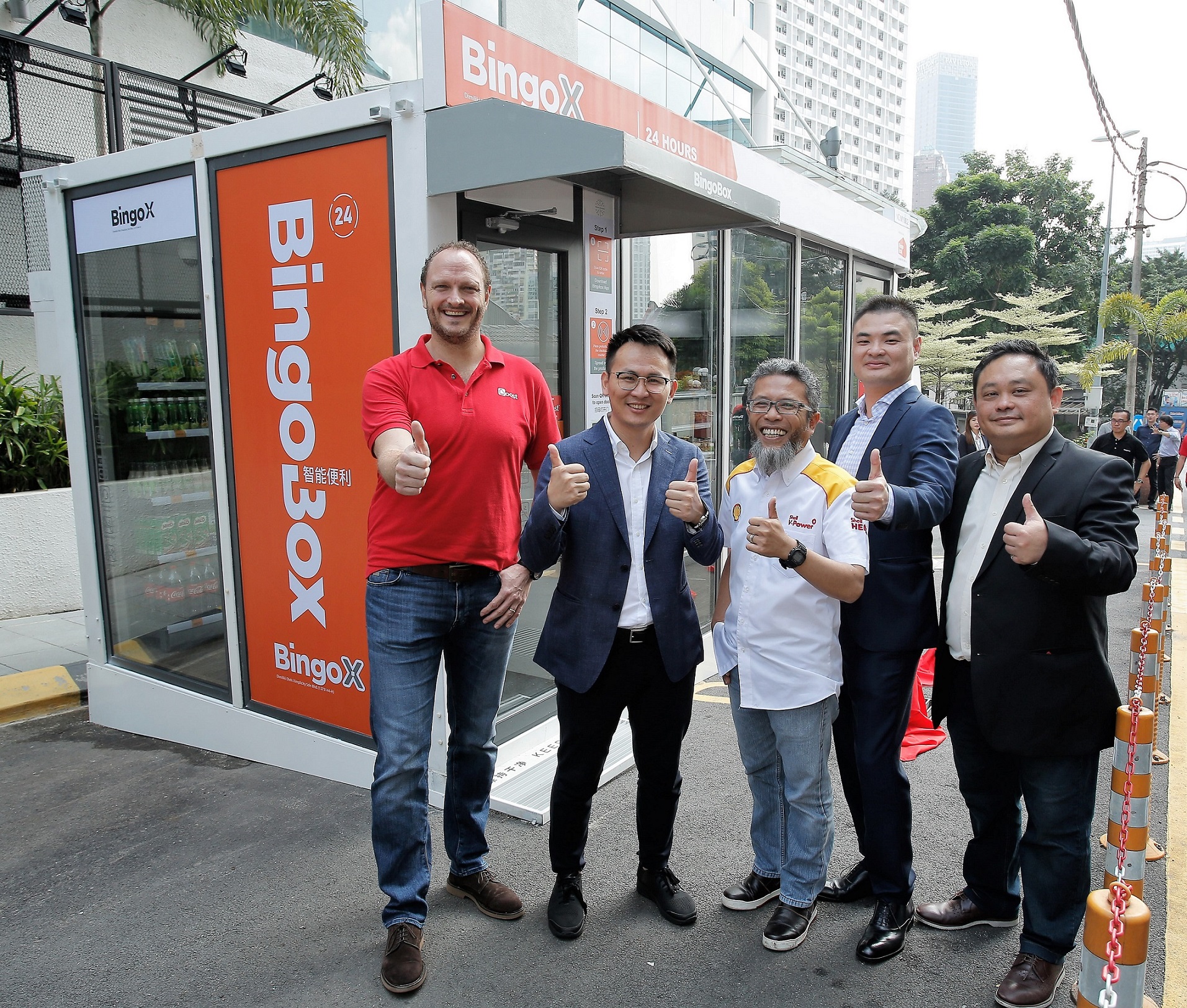
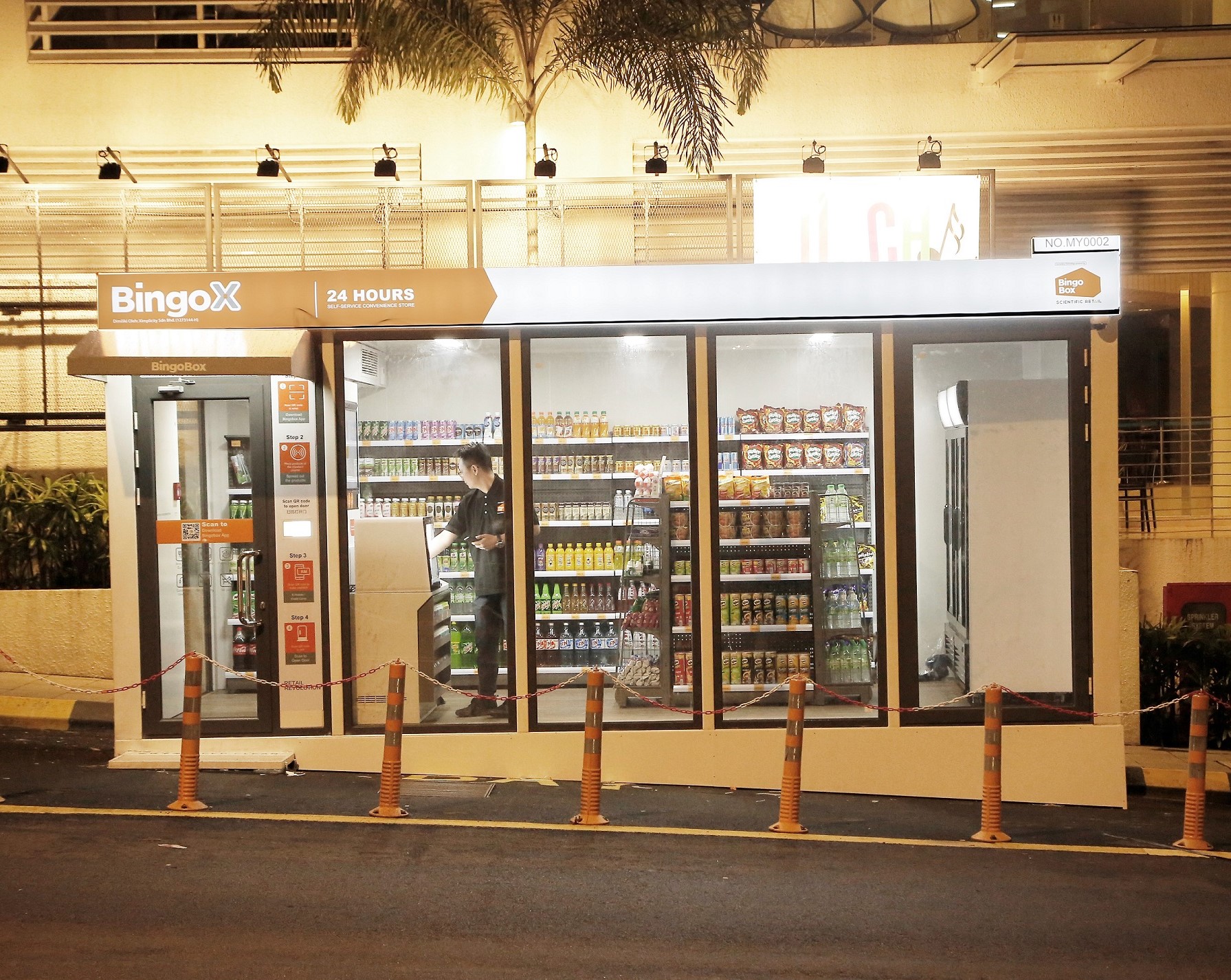
    The way Malaysians buy and sell products is set to be disrupted with the introduction of a revolutionary humanless retail technology called BingoBox Retail Technology. Launched recently, the state-of-the-art, BingoBox Retail Technology is the brainchild of Scientific Retail Sdn Bhd (Scientific Retail), a joint venture between a group of visionary Malaysian shareholders and BingoBox, the pioneer of the humanless and cashless convenience store in China and the world.

    In an effort to bring added value to Malaysian retailers and consumers, Scientific Retail has further enhanced the technology. BingoBox Retail Technology offers retailers an exciting, cost-efficient and practical avenue to market and sell their products. The easy availability and accesses-ability of the 24-hour unmanned store will provide consumers a simple and seamless shopping experience. Furthermore, smart entrepreneurs are also invited to create novel ideas leveraging on this technology to spearhead new business ventures.

    Ng Seong Ping, Chief Executive Officer of Scientific Retail alongside honoured guests Chen Zilin, Founder and Chief Executive Officer of BingoBox China; Shairan Huzani Husain, Managing Director of Shell Malaysia Trading Sdn Bhd and Shell Timur Sdn Bhd; Christopher Tiffin, Chief Executive Officer of Boost; and Remus Shai Meng Choon, Chief Executive Officer of Ximplicity Sdn Bhd officiated the launch of BingoBox Retail Technology.

    During the launch event, Ng said, “We at, Scientific Retail, were inspired by the growth and success of BingoBox, which launched its flagship store in June 2016. To date, BingoBox has been successfully installed in over 400 locations throughout China. We believe that this technology coupled with local enhancement will be ideal for the Malaysian market and we are delighted to be the first partner outside of China to introduce this technology.”

    “The cashless and unmanned store has many advantages including cost savings, improved convenience, and greater security. It also provides accurate data analytics, enabling business owners to understand consumers’ preferences, subsequently allowing them to customise their offerings to appeal to the targeted market segments.”

    “Our technology can cater to all types of businesses and across industries, from fashion to F&B, traditional retail to consumer electronics. The flexibility of this platform also allows unmanned stores to be placed at diverse locations including high rise residential and commercial towers, educational institutions and transportation hubs, amongst many others,” he added.

    “We have generated a lot of interest from various sectors for this technology, and we are looking forward to seeing about 500 retailers using our technology in Malaysia by the end of 2019. As a socially responsible corporate citizen, we are also committed to supporting small-sized brick-and-mortar retailers to grow its business and gain a competitive edge via BingoBox Retail Technology.”

    BingoBox Retail Technology features a highly advanced image recognition system that can auto-detect products. It also has sophisticated monitoring and interactive systems, including facial recognition, patented artificial intelligence and theft prevention. All these will come together cohesively to provide unparalleled convenience and seamless experience for consumers. In addition, Scientific Retail is able to provide consultancy services, end-to-end setup, which include external and internal fabrication, as well as 24-hour monitoring services and remote ‘face-to-face’ customer support, with a touch of a button, for consumers.

    Shairan Huzani Husain, Managing Director of Shell Malaysia Trading Sdn Bhd and Shell Timur Sdn Bhd, said, “We are delighted to be the first in our industry to offer this innovation to all Malaysians. Customers are at the heart of everything that we do; inspiring us to enhance our products and services to make life’s journeys better for all. This partnership allows Shell customers access to our Select store at any time of the day. Additionally, the cashless transactions provide added convenience which we hope will continue to keep them happy and satisfied.” Shell Malaysia is the

    Scientific Retail also collaborated with Malaysia’s leading e-wallet provider, Boost, to create a seamless mobile payment experience for users. Chris Tiffin from Boost, said, “We are pleased to work with Scientific Retail in creating an integrated payment system that works seamlessly with BingoBox Retail Technology. We have always focused on bringing convenience to our more than three million consumers and this partnership is yet another example of how we aim to achieve our goal of digitizing cash. This integration with BingoBox Retail Technology will allow consumers to shop and pay conveniently using one mobile app for a better user experience.”

  • aCommerce Forms Strategic Partnership with Fluent Commerce to Advance Omnichannel Strategy

    aCommerce Forms Strategic Partnership with Fluent Commerce to Advance Omnichannel Strategy

    aCommerce, Southeast Asia’s leading brand ecommerce enabler, and Fluent Commerce, the cloud-native order management company that allows omnichannel retailers to out-convenience competitors and offer their customers flexible fulfillment options, have signed a strategic partnership to bring together the best of ecommerce and omnichannel order operations.

    Under this partnership, Fluent Commerce will provide the smart omnichannel management and unified ecommerce that retailers and brands are looking for. aCommerce will act as a system integrator for retailers and brands in Southeast Asia, enabling them to provide a seamless experience to their consumers, regardless of online or offline channels.

    “The relationship with aCommerce is an acknowledgment of the imperative for retailers to provide an innovative experience for their ever more sophisticated customers, such as same-day delivery and collect in store options,” said Jamie Cairns, Channel Sales Director at Fluent Commerce. “By working together we’ll grow and unlock new opportunity for our clients by enabling them to rapidly deploy an end to end, unified commerce strategy. We’re certainly very excited by this combined proposition, which is unique in the region.”

    “Despite the ample growth of ecommerce in the region, Southeast Asia’s retail scene is largely happening offline. Combining the strengths of aCommerce and Fluent Commerce enables us to help retailers and brands execute New Retail strategies by leveraging technology to digitize and connect offline stores,” comments Mandy Arbilo, Group Director of Direct-to-Consumer Ecommerce at aCommerce. “By partnering with Fluent Commerce, we will be able to provide convenience, choice of delivery or pickup, return anywhere options, and up-to-the-minute inventory visibility.”

    Currently, aCommerce is working with leading Singaporean retailers to expand omnichannel and New Retail capabilities. The Southeast Asian leading ecommerce enabler will offer this service in Malaysia by March 2019.

  • Crown celebrates 40 years of its operational anniversary

    Crown celebrates 40 years of its operational anniversary

    Crown Equipment Corporation, one of the world’s largest material handling companies, is celebrating 40 years as a leading provider in the Asian market. With the region rapidly rising to become a manufacturing and logistics powerhouse, Crown is helping its customers manage market demands and meet industry challenges through its flexible product range and innovative, customised solutions.

    Pallet management is one of the major issues for emerging distribution companies and small to medium-sized enterprises lacking the knowledge to deal with the challenge. Within Asia, the two most popular pallet sizes are the square 1,100mm x 1,100mm pallet and the 1,200mm x 1,000mm pallet. The U.S., Europe, and Australia, however, use different International Organization for Standardization (ISO) approved pallet sizes, and these diverse pallet types can create challenging problems if not handled correctly.

    Crown’s global approach to research, design, engineering and manufacturing means that it produces a range of lift trucks that offer the best fit to the pallets relevant to the warehouse facilities in multiple regions globally. While the company builds a range of lift trucks to cover all aspects of material handling work, from the dock to the top space of a high bay rack, Crown also customises its standard designs to help solve specific problems, such as modifying the width and position of the legs so that it would work effectively according to the required pallet size.

    With a focus on providing end-to-end material handling solutions, Crown can also identify other areas of the warehouse that can add efficiency when dealing with a range of pallet sizes. Crown consultation includes a detailed review of customers’ operations to help decide the most appropriate material handling equipment and provide inputs to improve productivity, such as enhancing warehouse design and safety culture.

    “When you work with Crown, you are working with people in possession of great product knowledge and a thorough understanding of warehouse supply chain requirements. Knowledge is a major factor that separates Crown from the competition in the Asia Pacific region and the ability to provide customers with an end to end total material handling solution partnership,” said Steven Hill, the Managing Director of Crown Equipment for Southeast Asia.

    Crown set up operations in Southeast Asia in 1978 with the Southeast Asia regional headquarters now located in Singapore. The Asia Pacific region is serviced through an extensive retail branch network, which includes locations across Australia, New Zealand, Singapore, Thailand, South Korea, the Philippines, Indonesia, Malaysia, Vietnam, Taiwan and China.

    Crown has recently launched in a number of new locations with branches in the growth hubs of Johor, Malaysia; Rayong, Thailand; Clark, the Philippines; Incheon, South Korea; and Ho Chi Minh City in Vietnam.

  • Pavilion Hotel Kuala Lumpur Managed by Banyan Tree Opens This Year

    Pavilion Hotel Kuala Lumpur Managed by Banyan Tree Opens This Year

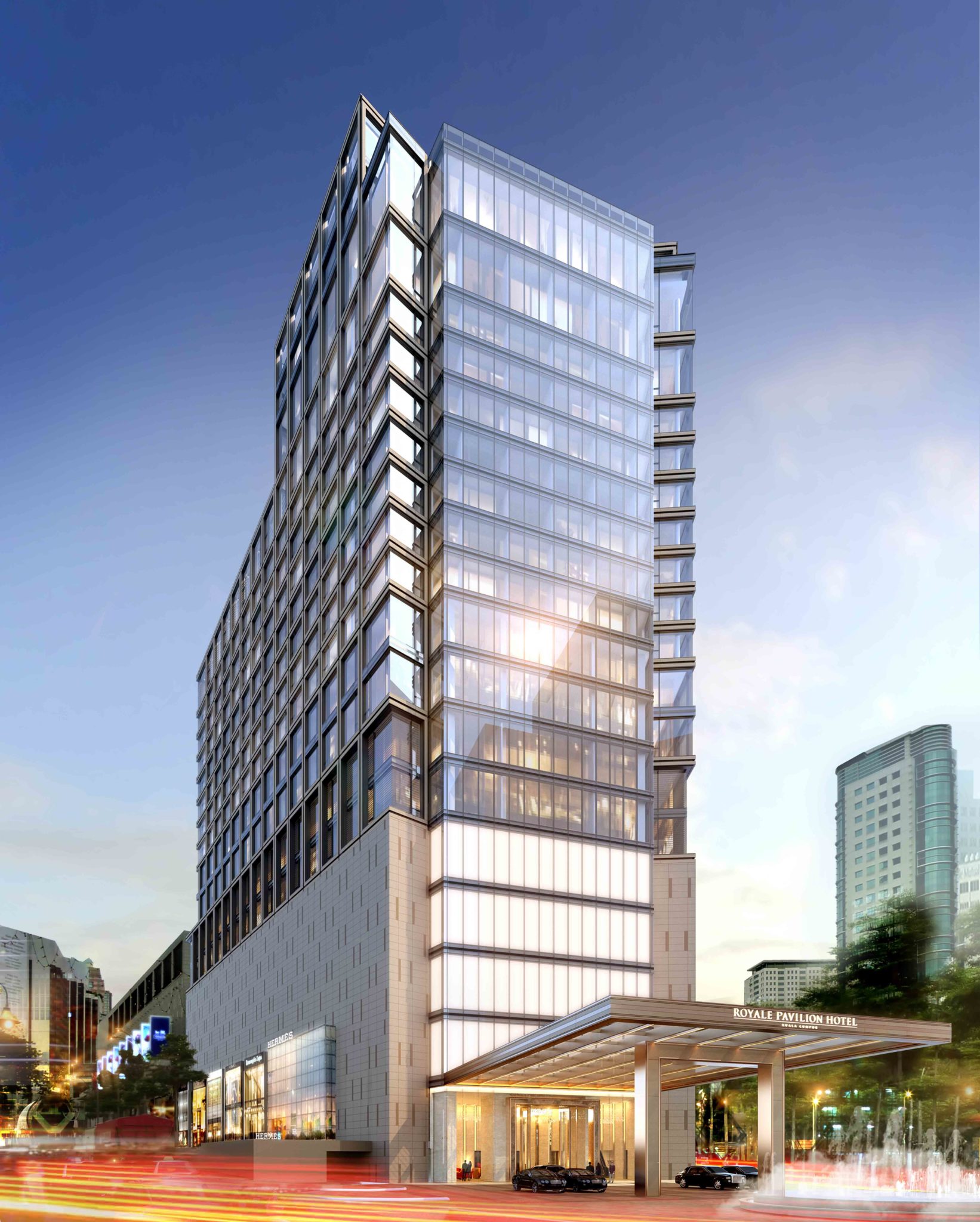
    Pavilion Hotel Kuala Lumpur stands 13 floors above Pavilion Kuala Lumpur, the award-winning six-storey shopping centre, adjacent to the Couture Precinct extension. Right in the heart of the capital of Malaysia, hotel guests have easy access to popular shopping hotspots and attractions – from well-known street markets such as Bukit Bintang to the best dining and nightlife experiences such as Jalan Alor and Changkat Bukit Bintang. They can also explore world-renowned landmarks such as Kuala Lumpur Tower, Petronas Towers and Kuala Lumpur Convention Centre, all within walking distance.

    Impeccable service and unrivalled experiences await guests at Pavilion Hotel Kuala Lumpur. The hotel features 325 rooms and suites decked in contemporary décor for the discerning traveller in need of an urban getaway. These include 115 City Oasis rooms [32 to 43 square metres (sqm)], 60 Courtyard Oasis rooms (38 to 43 sqm) and 45 Grand Oasis rooms (42 to 60 sqm).

    For guests who enjoy a bit more exclusivity, the hotel has four dedicated club floors, including 59 Club City Oasis rooms (32 to 49 sqm) and 20 Club Grand Oasis rooms (42 to 60 sqm). Club room guests have exclusive access to the Club Lounge located on Level 14, relaxing with a delectable breakfast spread, light bites or cocktails while taking in the magnificent view of Kuala Lumpur’s cityscape.

    There are also 26 contemporary suites available for an extra touch of luxe and space: 16 Urban Studio Suites, (64 to 72 sqm), eight Urban Suites (70 to 76 sqm), one Pavilion Suite (113 sqm) and one Presidential Suite (319 sqm).

    In the world of dining, guests are in for a treat with a dedicated and skilful F&B team. Level 8 houses The Courtyard, Pavilion Hotel Kuala Lumpur’s all-day dining restaurant that offers a mouth-watering smorgasbord of Southeast Asian-inspired cuisine. Guests can also dine at Ebisu, a restaurant and bar space featuring an array of Japanese cuisine with a twist. On Level 7M, the Whisky Cove is the place to unwind with a wide selection of whiskies and blends from around the world.

    Pavilion Hotel Kuala Lumpur also offers a range of meeting and event facilities suitable for all occasions. The total event space measures 1,298 sqm, with a ballroom that can accommodate up to 500 persons, a crescent-shaped venue that sits 120 persons in banquet setting and five fully-equipped meeting rooms that can accommodate 40 persons per room.

    The urban escapade is not complete without a rejuvenating experience at the award-winning Banyan Tree Spa. A selection of Asian-inspired treatments are available and with highly-skilled therapists who have undergone a minimum of 350 hours of training at Banyan Tree Spa Academy, guests are in for a pampering time.

    The Sky Gym and Rooftop Infinity Pool are located on Level 18, offering an unparalleled view of Kuala Lumpur. Guests can shop at Banyan Tree Gallery, the hotel’s dedicated retail outlet offering a collection of handicrafts, resort apparels and signature spa amenities.

    “This effervescent and cosmopolitan city is filled with vibrant beauty and diversity. With the flourishing business landscape that Kuala Lumpur possesses, this charming city has become a mecca of sorts for both tourists and business travellers around the world.  In addition, some of the best shopping malls in the world, as well as modern and historical landmarks – are within a stone’s throw away. Pavilion Hotel Kuala Lumpur is in an ideal hotel destination for business travellers and holidaymakers — and even locals looking for a pampering staycation,” said Anders Dimblad, General Manager of Pavilion Hotel Kuala Lumpur and Banyan Tree Kuala Lumpur.

    To celebrate the opening of Pavilion Hotel Kuala Lumpur, the hotel is launching an Opening Celebration package ranging from room up to spa promo deal.

  • NSK Hypermarket Malaysia to open in Cyberjaya in 2020

    NSK Hypermarket Malaysia to open in Cyberjaya in 2020

    Retail and wholesale chain NSK hypermarket is set to open in Cyberjaya by the end of 2020, with the signing of a tenancy agreement between Setia Haruman Sdn Bhd and NSK Property Sdn Bhd.

    NSK will rent a 13-acre piece of land located at the centre of Cyberjaya from Setia Haruman for 15 years. The 250,000 square feet hypermarket is targeted to open for business in the last quarter of 2020 and will initially operate from 7am to midnight daily.

    The hypermarket will cost RM35 million to build and operate retail and wholesale business, making it the first of its kind in Cyberjaya.

    “Our hypermarkets in Selayang and Kuchai Lama, operate 24 hours and we believe there is a growing need to have 24-hour hypermarkets to meet the needs of the people who wants the flexibility of shopping at any hour of their convenience. This can also be a possibility here as we see many 24-hour facilities mushrooming in Cyberjaya,” NSK executive chairman CB Lim said in a statement.

    Setia Haruman executive chairman Ahmad Khalif Mustapha Kamal said the opening of NSK hypermarket in Cyberjaya is yet another milestone in the growth and development of Cyberjaya’s ecosystem, which has many amenities that cater to the needs of its community from education, sports and recreation, 24-hour outlets and more.

    “With the opening of a public hospital and MRT in 2020 and 2022 respectively, we are confident many more businesses will open in the near future and this will enhance the liveability of Cyberjaya at large. We aim to make Cyberjaya, THE ideal place to work, live, study and play,” he said.

  • Nestle Malaysia to sell business to finance world’s largest Milo plant

    Nestle Malaysia to sell business to finance world’s largest Milo plant

    Nestle (Malaysia) Bhd is selling its chilled dairy business – which retails the Bliss brand of yogurt drinks, in Malaysia, Singapore and Brunei – and its Petaling Jaya factory, to Lactalis Manufacturing Malaysia Sdn Bhd for RM155.3 million, as part of plans to set up the largest Milo factory in the world in Chembong, Negri Sembilan.

    The group said it would be using RM100 million, or the bulk of the proceeds from the sale, by end of 2019, for the Milo manufacturing centre of excellence in Chembong.

    Nestle Malaysia plans to move all existing Milo manufacturing assets in the Petaling Jaya factory to the Chembong factory.

    The disposal is on a going-concern basis, with Lactalis offering continuous employment to a majority of the affected employees based on the purchasers’ evaluation of their business and operational requirements. For roles that will no longer be available, termination benefits will be accorded to those who qualify.

    The group expects a one-time gain of RM27 million from the disposal, split over 2018 and 2019.

    The deal comes with a “no compete” clause for five years, from Jan 1, 2019, forbidding Nestle Malaysia from going into the chilled dairy business.

  • Malaysia’s Parkson may close fifth Vietnam mall

    Malaysia’s Parkson may close fifth Vietnam mall

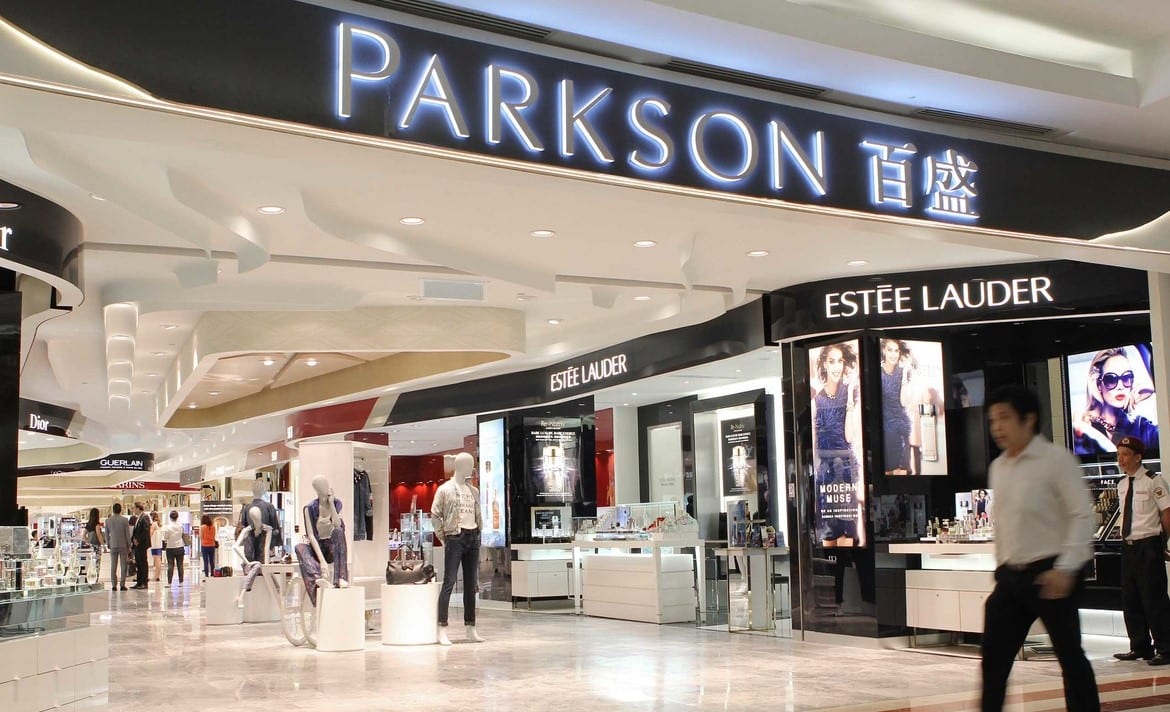
    Malaysia’s Parkson is apparently shutting down its fifth mall in Vietnam after suffering serious losses in recent years. Although the company has not made any official announcement, its name-board has been taken down from the Cantavil An Phu builing in Ho Chi Minh City’s District 2.

    If it shuts down, it would be the second outlet in HCMC that the company is downing the shutters on this year, following Parkson Flemington in District 11, and would bring the number of Parkson stores in Vietnam down to five, of which three are in HCMC, one in northern Hai Phong City and one in central Da Nang City.

    Previously, the firm had shut down its two outlets in Hanoi.

    Parkson, the first international mall to open in HCMC, has been reporting losses in recent years. Among its four markets – Malaysia, Indonesia, Myanmar and Vietnam, the last mentioned has been the worst performer in the fourth quarter of the fiscal year ending June 30, according to a report by Parkson Retail Asia.

    Vietnam had a negative growth of -14.6 percent in the fourth quarter and -8.3 percent in the fiscal year ending June 30 this year, it said.

    “The operating environment in Vietnam remains challenging amidst a crowded retail scene, wherein intensive promotional activities had to be carried out to capture sales,” the report said.

    Vu Vinh Phu, former chairman of the Hanoi Supermarket Association, said that Parkson was able to operate well when it first came to Vietnam more than 10 years ago as the number of competing malls then in the country was low.

    But market has become much more competitive now, with many new malls offering more than just a shopping experience, making them a place for entertainment and food, Phu told local media.

    Even though Parkson is one of the earliest comers, without a change in strategy, it will have to leave Vietnam sooner or later, he added.

    Parkson, a premium retail group from Malaysia, entered Vietnam in 2005 and developed a premium shopping mall chain in the big cities of HCMC, Hanoi, Hai Phong and Da Nang.

    It was touted as one of the highest-potential players in the retail market, planning to open 2-3 malls a year in Vietnam’s big cities.

    The entrance of other foreign companies like Thailand’s Central Group, South Korea’s Lotte and Japan’s Aeon as well as Vietnamese firms like Vingroup, Bitexco and Sun Group has changed things.

    Japanese retailer Aeon owns a mall in Hanoi’s Long Bien District and has another one in Ha Dong District under construction. It is planning other malls in Hai Phong and HCMC.

    Vietnam’s Sun Group opened the Sun Plaza mall in April and is building another one in Hanoi.

    Vietnam was one of 30 countries with the most vibrant retail market in the world, with retail sales of $129 billion last year, an 11 percent growth over the previous year, according to the Ministry of Industry and Trade.

  • AirAsia plunges into thriving Malaysian dive destination

    AirAsia plunges into thriving Malaysian dive destination

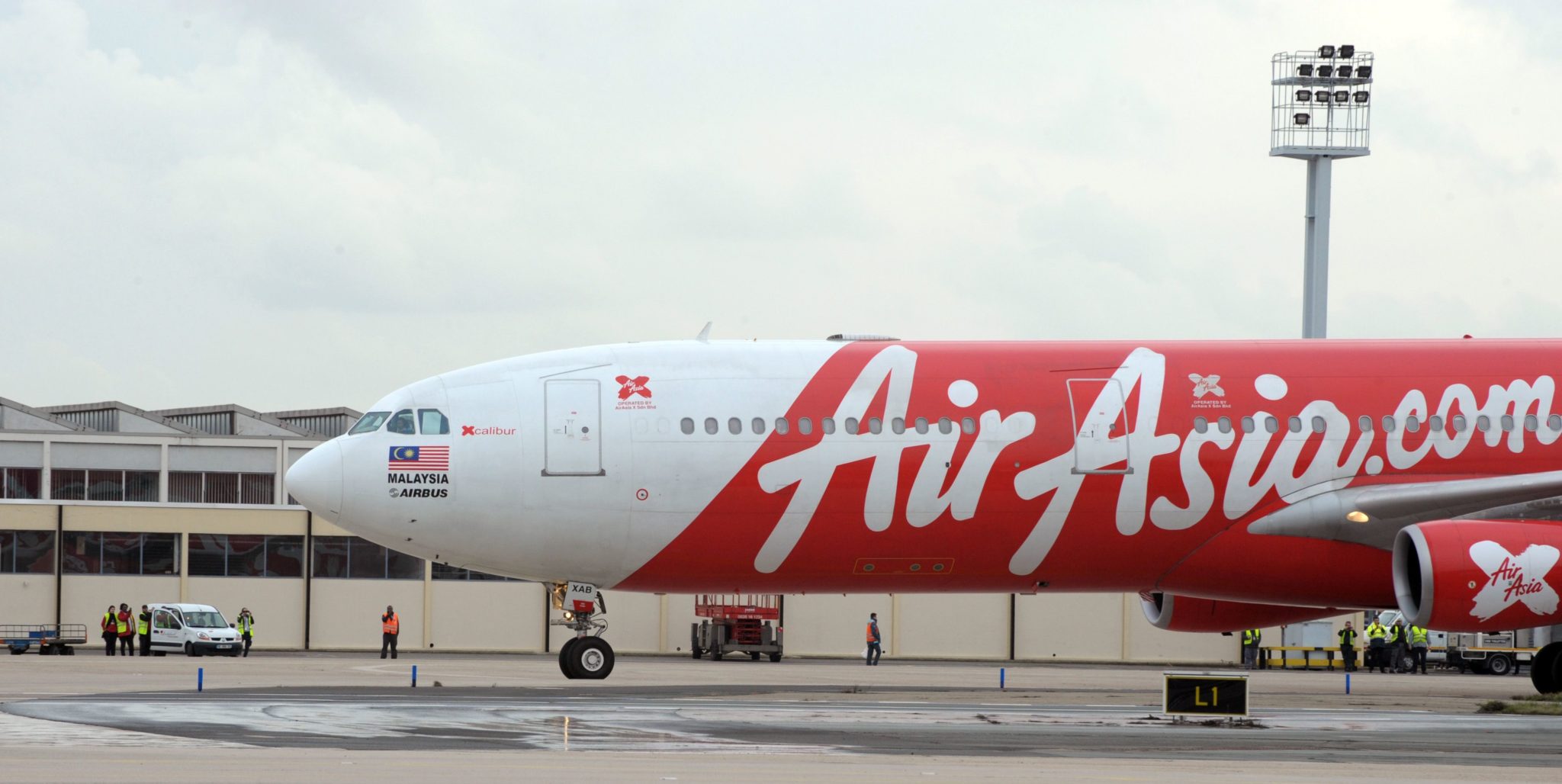
    Following the news in September that AirAsia is boosting the coverage of their Malaysia product with a new service between Kuala Lumpur and Kuantan, in Pahang, the airline has now announced another Malaysian connection with the launch of four-weekly flights from Kuching to Tawau starting 2 December 2018.

    AirAsia is currently the only airline in Malaysia to offer direct flights between the state capital city of Sarawak and Tawau, the third largest city in Sabah.

    “Tawau is gaining popularity as a gateway to the world’s best dive sites”

    Riad Asmat, AirAsia’s CEO in Malaysia, said: “We are excited to launch a new route from our ever-expanding Kuching hub. Our Kuching – Tawau route is a testament to our commitment to further boost the connectivity in East Malaysia and to expand economic opportunities in both cities. While Kuching is no stranger to tourists, Tawau is gaining popularity as a gateway to the world’s best dive sites, especially among Chinese tourists.

    90% of our Fly-Thru routes to Tawau are from cities in China and 76% of our guests visiting Tawau come from China. We believe we can further leverage on this direct route to attract more visitors to both Kuching and Tawau.”

    Flight schedule

    Table 1.jpg

    AirAsia Malaysia (flight code AK) now flies to 13 destinations from Kuching, namely Kuala Lumpur, Kota Kinabalu, Kota Bharu, Johor Bahru, Bintulu, Langkawi, Penang, Sibu, Tawau, Miri, Shenzhen, Pontianak and Singapore. The airline also flies to four destinations from Tawau to Kuala Lumpur, Kota Kinabalu, Johor Bahru and Kuching.

    To celebrate the new route, the airline is offering promotional all-in-fares from RM79 (USD 19.02) one-way from Kuching to Tawau. The promotional fare is available for booking on airasia.com and the AirAsia mobile app from now until 14 October 2018 for travel between 2 December 2018 and 26 November.

    On top of the new Malaysian expansion, AirAsia has also beefed up another Asian product with two direct new services between Thailand and India with a Bangkok-Visakhapatnam, running four times a week, departing from Don Mueang Airport every Monday, Wednesday, Friday and Sunday, as of 7 December. As well as Bangkok-Bhubaneswar, flying three times a week, departing Don Mueang Airport every Tuesday, Thursday and Saturday, starting 6 December.

  • Malaysia telco sector seen facing stiff headwinds

    Malaysia telco sector seen facing stiff headwinds

    The telecommunications (telco) sector is expected to face difficult headwinds given the heightened regulatory pressure and competition that is unlikely to abate anytime soon, said PublicInvest Research analyst Eltricia Foong.

    “We reckon that the operating landscape for both mobile and fixed-line operators will continue to be challenging. In the past, the fixed-line broadband market had been nonchalant but with the implementation of Mandatory Standard on Access Pricing (MSAP) following the change of federal government in May, this segment has since been hit by lower margin and greater competition,” she said in her report.

    With the implementation of MSAP, wholesale prices for network services are expected to be reduced by 8.7% to 12.1% between 2018 and 2020 while retail broadband prices are expected to decline 25% by end-2018.

    Although Telekom Malaysia (TM) currently monopolises the fixed-line fibre network, lower wholesale prices and the possible opening of its fibre network could mean greater competition in the future.

    Foong said the mobile segment has gone through a price war in recent years but judging from the relatively high profit margins enjoyed by operators, she believes that there is still room for further decline in prices, noting the risk of the regulator pressing for lower prices in the future.

    “We note that the mobile industry has been hit by price competition in recent years, particularly the postpaid segment where average revenue per unit (Arpu) has declined from a high of RM91 in 2013 to RM86 currently. Interestingly, prepaid Arpu has been holding up at around RM36 during the same period, though competition had temporarily brought down the rate to RM32 in 2016,” she said.

    She noted that Digi was hit the most, as its prepaid pricing was reduced from about RM40 in 2013 to RM32 currently.

    Operators in Malaysia continue to enjoy higher profit margin relative to regional peers, with net margins of between 10% and 24%. In Thailand, Indonesia and Singapore, operators’ net margins are between 2% and 20%.

    While the price competition that started in 2015 has led to lower profit for most telco players, Foong said, overall Arpu is not likely to improve but instead, may continue its downtrend, either due to market forces or regulatory pressure.

    “In an environment of falling revenues, cost optimisation will be the key for players to strive in this challenging telco industry. Digi and Maxis have proven track records in cost management while TM and Axiata are high-cost operators. This could also mean that there is limited scope for Digi and Maxis to extract greater cost efficiency going forward,” she said.

    For TM, the MSAP would result in lower revenue for its wholesale business and lower Arpu for Unifi services, and it is crucial for TM to achieve better cost efficiency in order to cushion the impact of further margin erosion.

    Foong said TM has the highest manpower cost as a percentage of revenue at 22% in FY17, compared to under 10% for the mobile operators. Although its high proportion of staff cost is justifiable with its extensive backhaul infrastructure, it is still lagging in terms of achieving optimal level of productivity.

    “Measured against revenue per employee, TM has the lowest count of RM500,000. Generally, we feel that any staff downsizing measures by TM would be costly and perhaps sensitive given the presence of labour union,” she said.

    Other costs that TM could potentially rationalise are supplies and materials, and maintenance costs.

    Given the weak prospect of declining revenue while cost rationalisation may be an uphill challenge for TM, Foong does not rule the possibility of TM being privatised in the future, which may make it easier for TM to restructure its operations.

    However, a merger between TM and Axiata is unlikely to materialise as the differences in corporate culture would impede a smooth integration process.

    Operators with good management track records like Digi and Maxis could still leverage on cost efficiency to minimise earnings decline in the near term, though the scope to do so is limited.

    Meanwhile, the less cost-efficient operators are likely to post a more significant drop in earnings in an environment of declining revenue, which would jeopardise their ability to maintain their historical dividend payout.

    “Prior to the onslaught of price competition in 2015, the telco sector had been paying attractive dividend but this has since deteriorated over the years. Between 2014 and 2019, our projected DPS CAGR for the sector is -12%.

    “In view of the unexciting earnings growth prospects, higher operating risk and lower dividend, we downgrade the telco sector to ‘underweight’. We cut our Arpu assumptions for FY19-20F for all the mobile operators and reduce terminal growth to 1.5%,” said Foong.

  • AirAsia strengthens east Malaysia network

    AirAsia strengthens east Malaysia network

    AirAsia is strengthening its connectivity in East Malaysia with four-weekly flights from Kuching to Tawau starting 2 December.

    AirAsia is the only Malaysian airline to offer direct flights between the capital city of Sarawak and the third largest city in Sabah state.

    AirAsia Malaysia CEO Riad Asmat said:  “To launch a new route from our Kuching hub to Tawau is a testament to our commitment to further boost the connectivity in East Malaysia.”

    Tawau is gaining popularity as a gateway to the Sabah’s dive sites, especially among Chinese tourists.

    The airline said 99% of passengers on Fly-Thru routes to Tawau were from cities in China and 76% of all passengers visiting Tawau come from China.

    AirAsia Malaysia (flight code AK) now flies to 13 destinations from Kuching, namely Kuala Lumpur, Kota Kinabalu, Kota Bharu, Johor Bahru, Bintulu, Langkawi, Penang, Sibu, Tawau, Miri, Shenzhen, Pontianak and Singapore. The airline also flies to four destinations from Tawau to Kuala Lumpur, Kota Kinabalu, Johor Bahru and Kuching.

    To promote the new route, the airline is offering an all-in-fares from MYR79* one-way from Kuching to Tawau.

    The promotional fare is available for booking on airasia.com and the AirAsia mobile app from now until 14 October 2018 for travel between 2 December and 26 November 2019.

  • DHL brings “Cash on Delivery” to Malaysia, Thailand, & Vietnam

    DHL brings “Cash on Delivery” to Malaysia, Thailand, & Vietnam

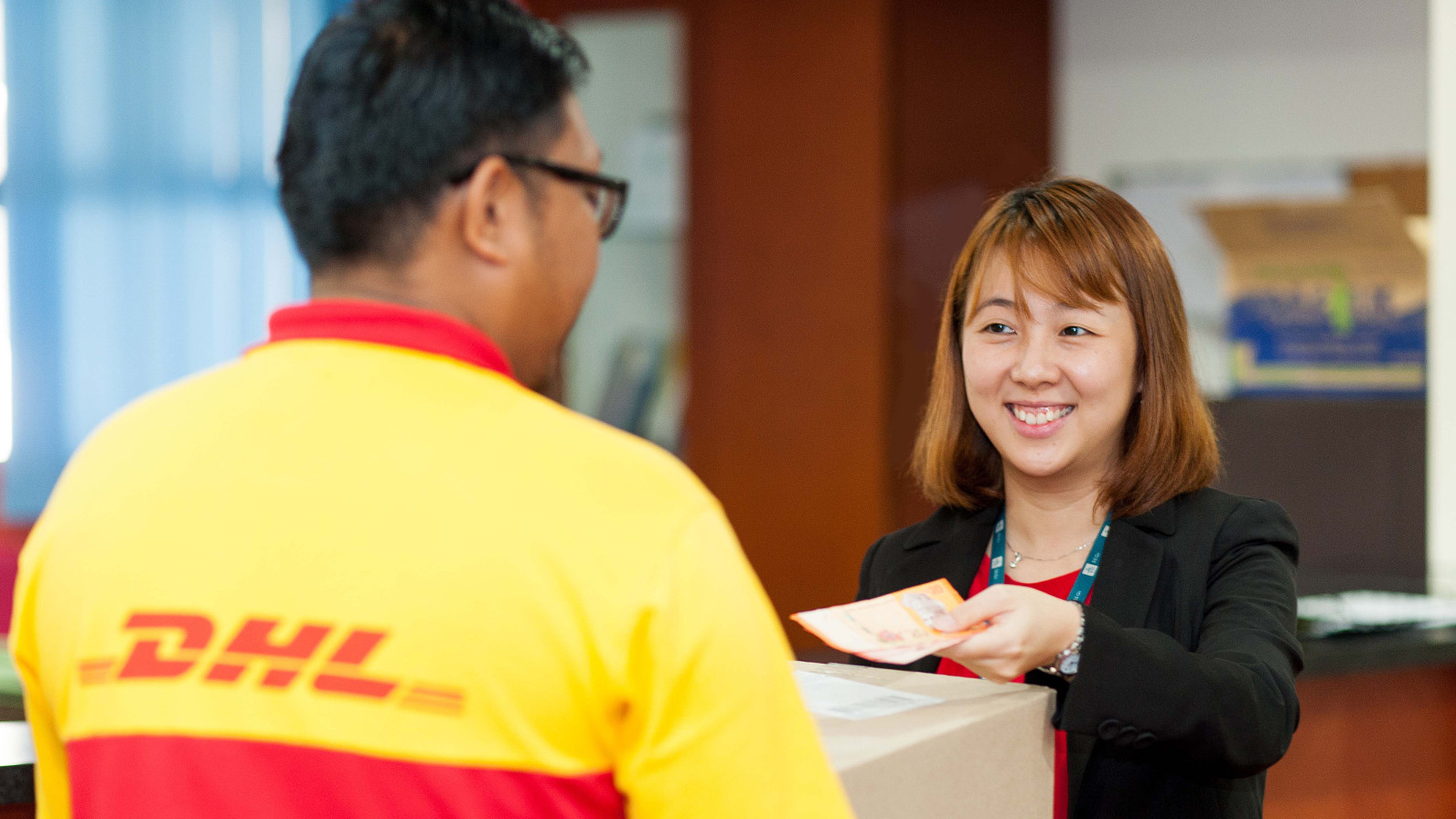
    E-commerce exporters in China and Australia, consumers in Malaysia, Thailand and Vietnam, and DHL eCommerce are all expecting benefits from the introduction of a Cross Border Cash-on-Delivery (COD) system by Deutsche Post DHL Group.

    The DHL e-Commerce Cash on Delivery (COD) service will allow consumers in the three Asean countries to pay in cash when they receive their online purchases.

    With more than 73 per cent of Southeast Asia’s population unable to access credit cards or internet banking services, DHL is realising that reverting to low-tech cash has the potential to see significant increases in volume (and revenue), as the regions burgeoning middle-class looks further afield for their purchases.

    “The low level of credit card penetration has forced e-commerce retailers to offer alternative modes of payment methods, such as cash on delivery, digital payments, and in some cases paying in-store”, said Charles Brewer, CEO of DHL eCommerce.

    “This opens up a huge potential by reaching out to a new group of unbanked consumers, and also meeting the needs of consumers who prefer to pay in cash.

    “With our fully-owned domestic delivery network in Malaysia, Thailand and Vietnam, we are able to deliver on-time with secure features like cash-on-delivery”, Mr Brewer added.

    The DHL eCommerce COD service allows sellers, specifically in China and Australia, to collect cash on delivery in the three Asean member states, with payment status tracking available on the DHL portal. Vendors receive their money every 14 days.

    Comprising a total solution, DHL eCommerce offers parcel pick-up, easy IT integration of the seller’s inventory into the DHL shipping process, end-to-end tracking, dynamic routing and distribution, returns management, and more.

    DHL Vietnam to truck Sendo’s local sales

    Meanwhile in Vietnam, DHL recently announced a partnership with Sendo, Vietnam’s leading local e-commerce platform.

    The deal will see the German logistics giant provide delivery to Sendo customers in Ho Chi Minh City (HCMC), Hanoi, and other primary markets in the country.

    Describing the deal as delivering benefits to everyone, Tran Hai Linh, CEO of Sendo said the international standard delivery service will boost the confidence of the country’s eCommerce shoppers, and deliver increased business to the 300,000  vendors, micro-entrepreneurs, and small businesses who sell their products online.

    To kick-start the arrangement DHL eCommerce has placed more than 300 ServicePoints in locations that provide easy access to Sendo’s sellers.

    Vendors can either drop off their parcels and receive discounts of up to 20 per cent, or arrange for a pickup by DHL for direct door-to-door delivery.
  • Malaysia’s govt undecided on fuel subsidy plans

    Malaysia’s govt undecided on fuel subsidy plans

    The government, which has promised to stabilise the fuel prices and reintroduce fuel subsidies to targeted groups in its manifesto, has yet to make decision on its fuel subsidy plans.

    “We are still drafting it. We have not come up to a number yet, and whether there is a decrease or increase (in fuel subsidy) we will see when we table it in the parliament,” Minister of Entrepreneur Development Mohd Redzuan Md Yusof said.

    “We are still trying to make estimates to what impact it (the subsidy plans) has to the economy of the country,” he added.

    On Budget 2019, Mohd Redzuan said the government is trying its best to come up with a fair and balanced budget, noting there will be an increase in the development expenditure.

  • Ted Baker Asia sales free falls

    Ted Baker Asia sales free falls

    Ted Baker Asia sales slipped in the 28 weeks to August as the UK brand trimmed its store network in Hong kong and Mainland China.

    According to its latest results filing, Ted Baker Asia sales fell 1.8 per cent in real terms, however in constant currency they rose 1.8 per cent, to £11.2 million.

    Sales per square foot excluding e-commerce sales decreased 4.4 per cent.

    “We continue to refine and develop our strategy for success in Asia,” said chairman David Bernstein.

    In China, Ted Baker closed one store, one concession and one outlet store. It closed another store in Hong Kong.

    But Bernstein said the company’s e-commerce concession businesses in China and Japan performed well with sales of £1.7 million (up by £600,000 compared with last year) which expressed as a percentage of total Ted Baker Asia retail sales came to 15.2 per cent.

    In Asia, Ted Baker licensees opened new stores in India, Malaysia, Singapore and Taiwan during the period.

    Globally, Ted Baker retail sales, including e-commerce, rose 1.1 per cent to £220.1million. Group revenue, including licensing, rose 3.5 per cent to £306 million.

    “Ted Baker has continued to develop and expand as a global lifestyle brand across its markets and distribution channels despite challenging external trading conditions,” said founder and CEO Ray Kelvin. “This continued growth is testament to the strength of the Ted Baker brand, the design and quality of our collections as well as the dedication and talent of our teams.

    “Whilst we believe that the second half of the year will remain challenging due to external factors, we are well positioned to continue Ted Baker’s long-term development. Our flexible business model ensures that our customer has multiple channels to engage with Ted Baker and our global e-commerce business continues to expand, supported by our digital marketing strategy and unique stores that showcase the brand.”