Tag: Malaysia

  • Pan Malaysia to form JVCO with Singapore’s Baker & Cook

    Pan Malaysia to form JVCO with Singapore’s Baker & Cook

    Investment holding company Pan Malaysia has entered into a partnership with Singaporean artisan baker and food store Baker & Cook.

    The 50-50 joint venture will serve to diversify Pan Malaysia’s business to include F&B retail outlets, trading as Baker & Cook and Plank Sourdough Pizza. Pan Malaysia’s investment is being made through its wholly owned unit Megafort.

    Under the agreement, Baker & Cook will manage day-to-day operations while Megafort handles concession and sub-franchisee agreements.

    The stock exchange filing announcing the joint venture read: “The group (Pan Malaysia) intends to diversify its business profile and income stream, and it believes that the JV is expected to contribute positively to the earnings of the group in the future.”

  • Korea’s Goobne Chicken enters Malaysian market

    Korea’s Goobne Chicken enters Malaysian market

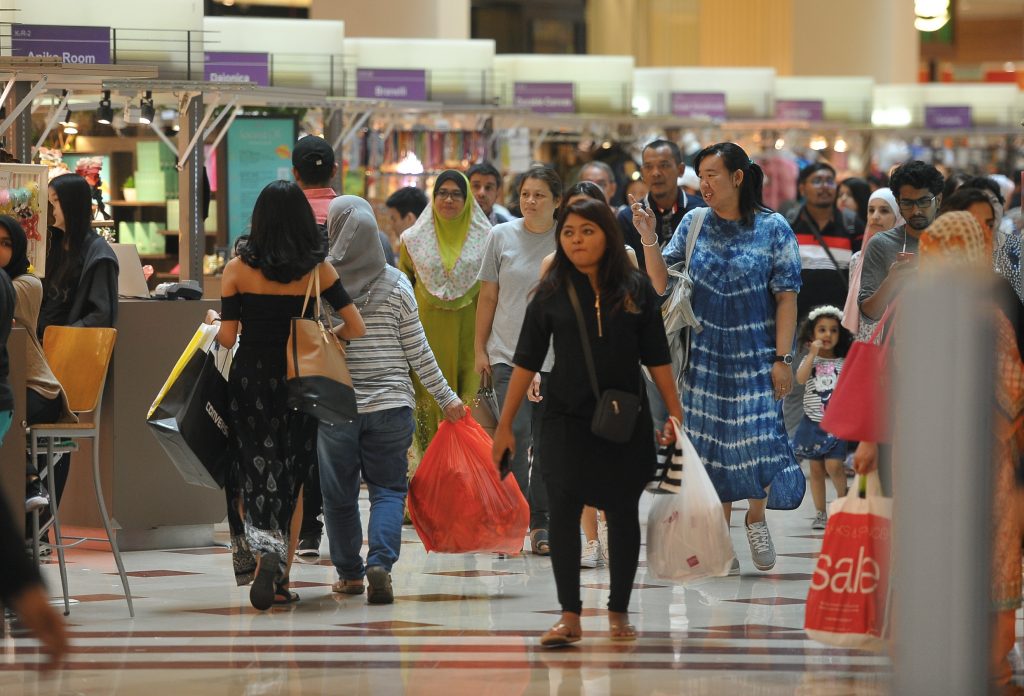
    South Korean fast-food chain Goobne Chicken has expanded into Malaysia, opening its first outlet in My Town Shopping Center.

    The brand plans to test the market under a franchise agreement with a local partner and has chosen its first location at one of the city’s largest shopping malls, housing more than 400 retail and dining options.

    Located on the fourth floor, the 115sqm store can seat 64.

    “Our employees in overseas management, product development and marketing departments have performed a thorough market study for the Malaysian entry,” said a Goobne Chicken spokesperson.

    “We plan to win over Malaysian consumers with our locally-tailored menu and marketing campaign.”

    Goobne operates 12 outlets overseas, including in Hong Kong, Macao, Japan and Indonesia.

    The company says it will open its first Vietnam restaurant in Ho Chi Minh City in November.

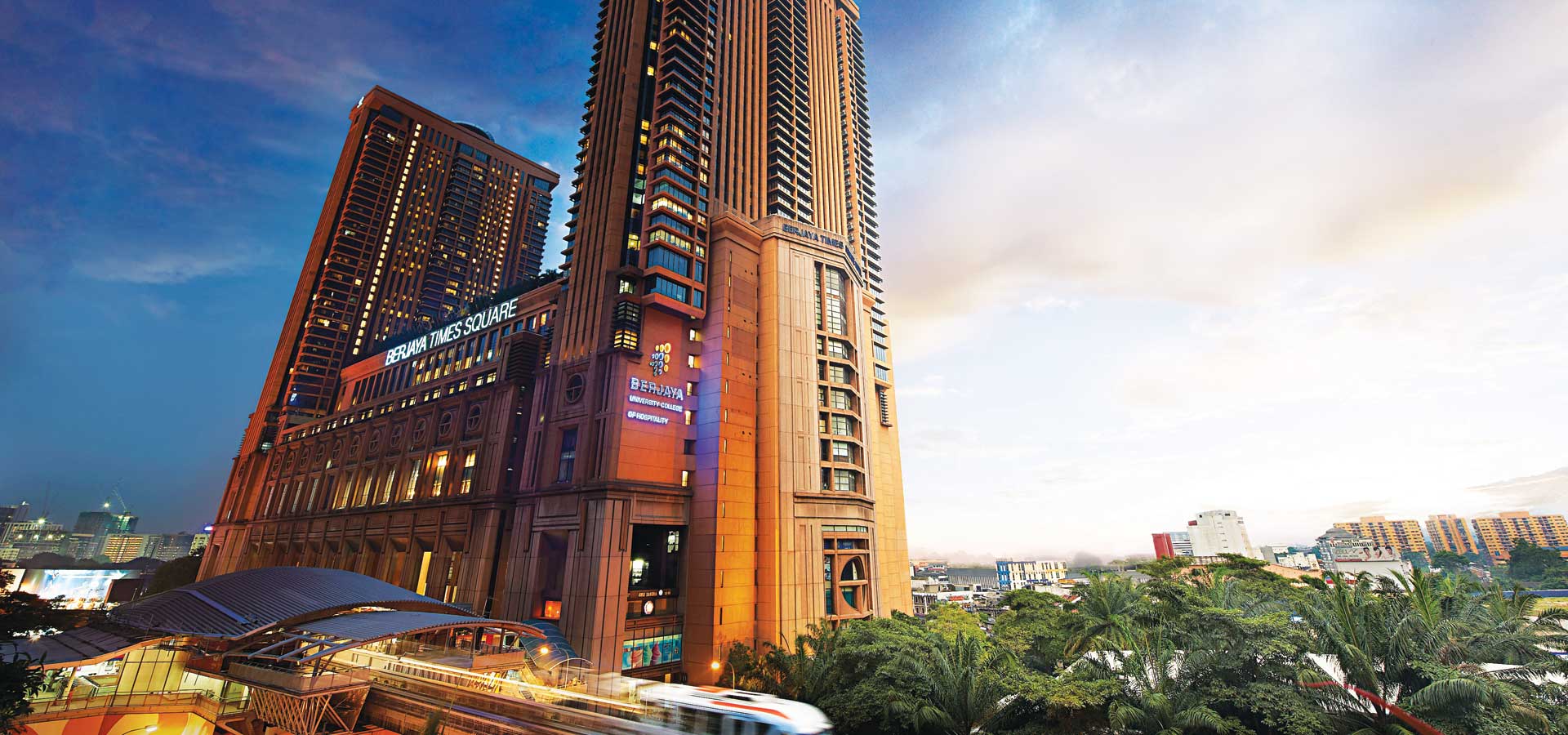
  • Malaysia’s Berjaya Land Q1 earnings up 44%

    Malaysia’s Berjaya Land Q1 earnings up 44%

    Berjaya Land Bhd’s (BLand) net profit for the first quarter ended July 31 rose 43.8% to RM16.58 million from RM11.53 million a year ago mainly due to Sports Toto Malaysia Sdn Bhd (STMSB) reported higher profit contribution from lower prize payout and operating expenses; and lower finance costs.

    Its revenue also jumped 1.2% to RM1.62 billion compared with RM1.60 billion in the previous year’s corresponding quarter, mainly due to higher new vehicle sales volume reported by HR Owen Plc; and higher revenue from the gaming business segment operated by STMSB.

    The directors expect the number forecast operation (NFO) business to be satisfactory and will continue to maintain its market share for the remaining quarters of the financial year ending April 30, 2019. The performance of the hotels and resorts business is also expected to remain satisfactory whilst the property market outlook is expected to remain lukewarm.

    “The group also expects to record a significant gain upon the successful disposal of the proposed Berjaya Vietnam International University Town One Member Ltd Liability Co (disposal) and proposed Vietnam subsidiary disposal accordingly in due course, going forward,” BLand said.

  • Ideas CEO calls for review of policies as Malaysia slips in economic freedom ranking

    Ideas CEO calls for review of policies as Malaysia slips in economic freedom ranking

    Malaysia’s fall to 79th spot from 67th in the 2018 Economic Freedom of the World Annual Report shows that space for the private sector in the country has been squeezed, businesses have been obstructed and the size of the government has increased.

    Institute for Democracy and Economic Affairs (Ideas) CEO Ali Salman said the findings based on data from 2016, the most recent year of available comparable data, measure economic freedom, that is, levels of personal choice, ability to enter markets, security of privately owned property, rule of law, etc, by analysing the policies and institutions of 162 countries and territories.

    “This calls for a comprehensive review of economic policies under the Pakatan Harapan (PH) administration, spanning critical areas like GLC reforms, size of the civil service and business regulations – areas on which Ideas has researched and advocated vigorously,” Ali said.

    According to research in top peer-reviewed academic journals, people living in countries with high levels of economic freedom enjoy greater prosperity, more political and civil liberties, and longer lives.

    For example, countries in the top quartile (25%) of economic freedom (such as the UK, Japan and Ireland) had an average per-capita income of US$40,376 in 2016 compared with US$5,649 for the bottom quartile countries (such as Venezuela, Iran and Zimbabwe).

    And life expectancy is 79.5 years in the top quartile of countries compared to 64.4 years in the bottom quartile.

    “Where people are free to pursue their own opportunities and make their own choices, they lead more prosperous, happier and healthier lives,” said Fred McMahon, Dr Michael A. Walker Research Chair in Economic Freedom with the Fraser Institute.

    The report was released by Ideas and produced by Canada’s Fraser Institute.

    The Fraser Institute produces the annual Economic Freedom of the World report in cooperation with the Economic Freedom Network, a group of independent research and educational institutes in nearly 100 countries and territories.

    It is the world’s premier measurement of economic freedom, measuring and ranking countries in five areas: size of government, legal structure and security of property rights, access to sound money, freedom to trade internationally and regulation of credit, labour and business.

    Hong Kong and Singapore again topped the index, continuing their streak in first and second place respectively, while New Zealand, Switzerland, Ireland, the US, Georgia, Mauritius, the UK, Australia and Canada (tied for 10th spot) round out the top 10.

    The 10 lowest-ranked countries are Sudan, Guinea-Bissau, Angola, Central African Republic, Republic of Congo, Syria, Algeria, Argentina, Libya and Venezuela.

    Countries such as North Korea and Cuba could not be ranked due to lack of data.

    Other notable country rankings include Germany (20th), Japan (41st), France (57th), Russia (87th) and China (108th).

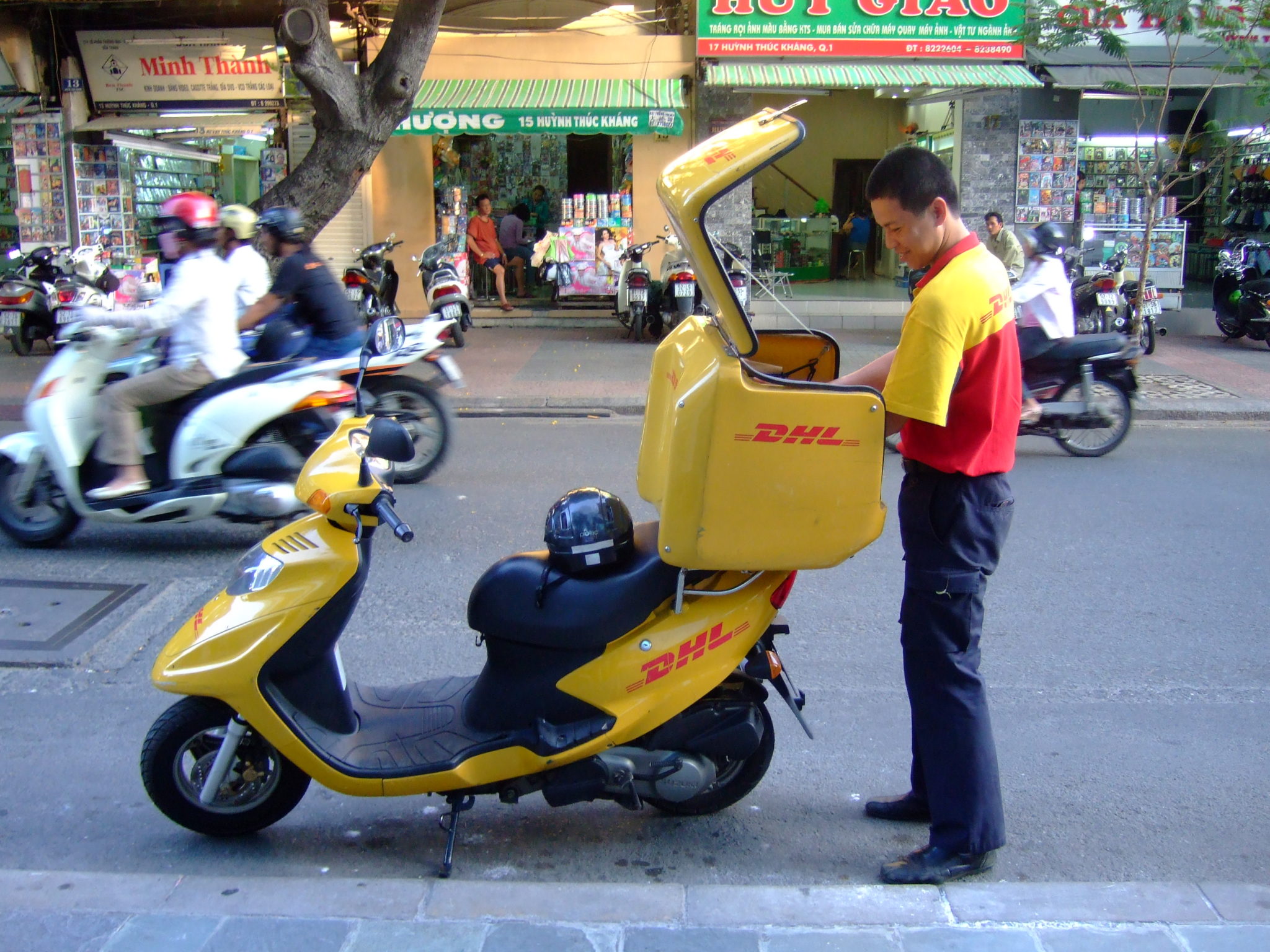
  • DHL eCommerce has rolled out a fleet of electric motorbike in Vietnam and Malaysia

    DHL eCommerce has rolled out a fleet of electric motorbike in Vietnam and Malaysia

    DHL eCommerce has rolled out a fleet of electric motorbikes as part of Deutsche Post DHL Group’s commitment to Zero Emissions by 2050.

    DPDHL announced that it will operate 70% of its own first and last mile services with clean pick-up and delivery solutions.

    “In parallel with the continued growth in e-commerce, we expect a strong demand for deliveries and we recognize the need for sustainable delivery solutions. As part of DPDHL’s commitment to Zero Emissions by 2050, our fleet of electric vehicles will provide greener deliveries and we are committed to steadily and consciously increasing our fleet of electric vehicles in our domestic delivery network.” said Kiattichai Pitpreecha, Managing Director, Southeast Asia, DHL eCommerce.

    The first fleet of electric vehicles are already in use and the plan is to increase the fleet gradually by sunsetting older vehicles and prioritizing ‘green and clean’ approaches. Delivery hubs in Puchong and Cheras in Malaysia and Ho Chi Minh and Hanoi in Vietnam will be retrofitted with electric charging points with fast charging capabilities.

    DHL eCommerce provides nationwide domestic delivery with fully-owned operations in Malaysia and Vietnam to enable e-commerce businesses to deliver to their consumers. The domestic delivery network also includes DHL ServicePoints for drop-off and pick-up with convenient locations to provide greater convenience for sellers and consumers while optimizing delivery for greater efficiency.

    “Consumers are becoming more environmentally conscious and are placing greater value on sustainable options when they shop. We are super pleased to be rolling out our electric fleet in Malaysia and Vietnam to support our customers — it is great for us, great for our customers and great for the country.” added Kiattichai Pitpreecha, Managing Director, Southeast Asia, DHL eCommerce

  • Country Heights plans to issue own crypto called “Horse Currency”

    Country Heights plans to issue own crypto called “Horse Currency”

    Country Heights Holdings Bhd (CHHB) is looking to issue its own asset-backed cryptocurrency (ABC) known as “Horse Currency” through an initial coin offering (ICO).

    The group told Bursa Malaysia that it will seek the support and endorsement from the shareholders at its EGM scheduled to be held on November 8.

    Citing blockchain technology as the way forward, CHHB highlighted that the main and defining difference of the “Horse Currency” and other cryptocurrencies available in the Malaysian market is that it is backed by the group’s existing assets worth of RM2 billion.

    “When launched, the ‘Horse Currency’ will mainly be used as a utility token, a reward token and royalty program with the businesses, products and services under the company’s new business strategies such as stays at the Palace of the Golden Horses, restaurants, golf memberships, private jet trips, Car City Centre, medical treatments and checks at the Golden Horses Health Sanctuary and many others.”

    CHHB said the group is also looking at allowing the “Horse Currency” to be used as legal tender in purchasing and leasing its unique properties scheme, especially the resort properties.

    Founder and chairman Tan Sri Lee Kim Yew proposes to issue 1 billion units, of which an intial 300 million units will be made available to the public.

    CHHB said its assets will be placed in a trust held by a reputable legal firm and a prominent technology partner and other external consultants (if necessary) will be appointed to give back-end support to this exercise.

    “We seek the shareholders to approve the appointment of these external consultants. In the fast moving digital age, the company intends to ride this wave of popularity of blockchain technology and assetbacked cryptocurrencies, in finding new and creative means to raise capital for the expansion of the company.”

    “We seek the shareholders’ support especially on this ABC, which the company will match minimum RM2 worth of assets eventually for 1 ‘Horse Currency’, across all ICO phases.”

    CHHB’s share price fell 1 sen or 0.8% to close at RM1.28 on 5,000 shares done.

  • KFC Malaysia plans expansion

    KFC Malaysia plans expansion

    KFC Malaysia is considering expansion in Bandar Sri Sendayan, Malaysia, following the launch of the township’s first outlet this month.

    Opened in collaboration with Matrix Concepts Holdings Bhd, the initial response to the launch of the globally popular brand has been encouraging.

    Datuk Seri Mohamed Azahari Kamil, MD of local franchisee QSR Brands (M) Holdings, said: “We believe the demand is high here based on the increasing number of population in the township.”

    The outlet and drive-thru in Bandar Sri Sendayan is the brand’s 700th outlet nationwide and the 21st out of 23 targeted for the region this year. The 24-hour venue can accommodate 170 customers at one time.

    QSR brands is considering four further outlets for Bandar Sri Sendayan, the population of which is expected to reach 120,000 people in the foreseeable future.

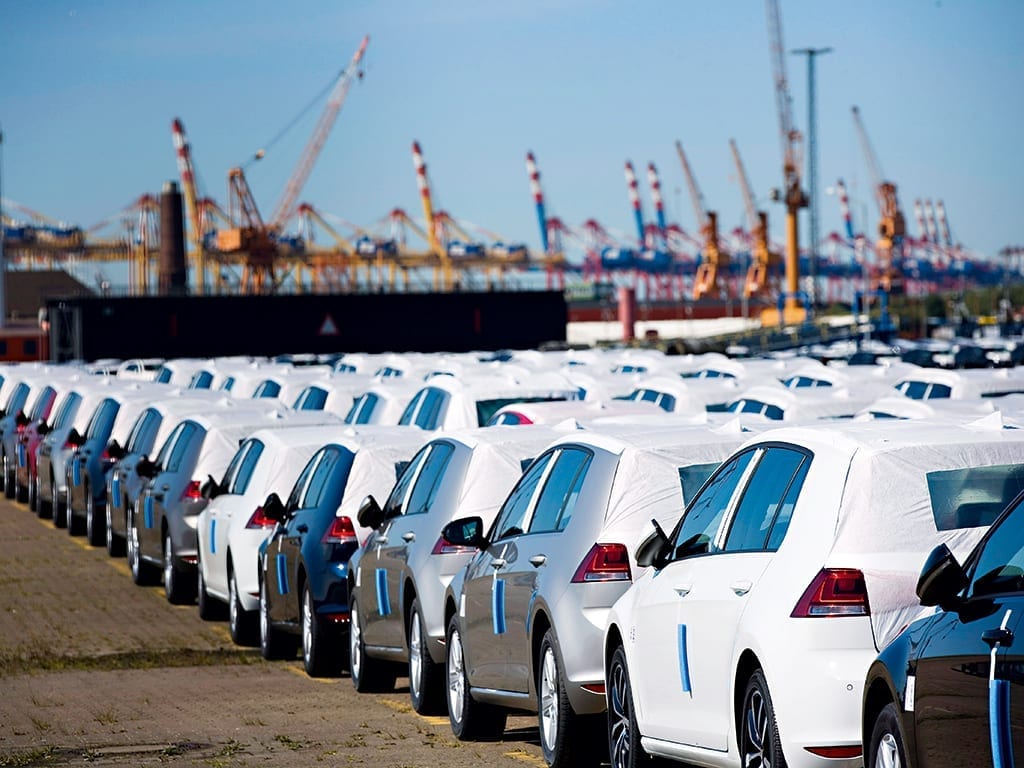
  • Automotive sales in September to be lower than in August: Research

    Automotive sales in September to be lower than in August: Research

    Kenanga Research expects sales volume for the automotive sector in September to be lower than the August 2018 level with the end of the tax holiday, despite certain makes seeing reduction in prices under the sales and service tax (SST) regime.

    “With the new SST gazetted on September 1, 2018, vehicles are charged 10% sales tax. Nevertheless, from the recent announcement by certain car makers, the prices for the locally-assembled and completely-knocked-down (CKD) units have dropped by 1% to 3% (compared with 6%-rated goos and services tax), whereas the prices for the completely-built-up (CBU) units have increased by 1% to 3%,” it said in a research note last Friday.

    Kenanga Research believes the unexpected price decrease in locally-assembled and CKD units was attributed to the better compliance of Industrial Linkage Programme regulation, which provides incentives and duty exemption to the original equipment manufacturers that use local components under the National Automotive Policy 2014.

    The research house is maintaining a “neutral” rating on the automotive sector, with Tan Chong Motor Holdings Bhd being the top pick for its turnaround in earnings after two consecutive years of losses with focus on high-margin vehicles, and expected expansion of its Indochina operations for larger market share volume.

    “Our other top pick for the sector is MBM Resources Bhd, which is trading at an undemanding 6.3 times FY18 PER (price-to-earnings ratio) compared with the five-year forward average of 11 times.”

    According to the Malaysian Automotive Association, Malaysia’s vehicle sales increased 27% year-on-year to 65,551 units in August, ending the historic three-month zero-rated tax holiday.

    However, on a month-on-month basis, car sales dropped 4% due to Perodua’s supply disruption and run-out of popular passenger vehicle models during the first two months of the tax holiday.

  • US-China trade war boon for Malaysian exporters

    US-China trade war boon for Malaysian exporters

    As US is imposing new tariffs on US$200 billion (RM828 billion) worth of Chinese goods, local exporters are expected to see some increase in orders from the affected players in the two big economies over the next few months.

    It is understood that the US tariffs will take effect on almost 6,000 goods from Sept 24, starting at 10% and increasing to 25% from the start of 2019. Items taxed include everyday items such as suitcases, handbags, toilet paper and wool; and food items from frozen cuts of meat, to almost all types of fish, soybeans, various types of fruit and cereal and rice.

    Sunway Business School Economics Professor Dr Yeah Kim Leng said that he believes the affected firms in both respected countries will be looking at sourcing for other countries and relocate part of their production plants to other countries including Malaysia.

    “Of course they will be exploring and we (Malaysia) already seeing some inquiries. Based on their feedbacks, they are seeking on how they can divert some of their orders to Malaysian companies.

    “Now that the lists of goods are much more wider, they (local firms) are likely to see greater inquiries and look into securing some of the production contracts,” Yeah said, as affected companies are looking to reduce their costs due to the additional tariffs.

    He opined that while the 10% tax is less damaging, the 25% tax will add to the cost pressures for both consumers and businesses in the respective industries.

    Yeah however believes that the slowdown in global growth may deter the affected players from expanding their capacities or relocating their plants to other countries, and instead have them look at existing companies to supply their orders for those affected goods.

    “In the short term, Malaysia may also not be able to capitalise on that given our full capacity constraints.

    “There might be a capacity constraint for Malaysian companies to ramp up production but those with spare capacities will stand to benefit to complete some of the orders,” he added.

    Meanwhile, FXTM global head of currency strategy & market research Jameel Ahmad said that the US’ new tariffs has encouraged further risk aversion across the markets as expected.

    Jameel opined that this move will make investors more sensitive to the ongoing uncertain external environment and expects those currencies belong to markets with weaker external positions to be hit hardest in the aftermath of this decision.

    “The US dollar has once again strengthened on increased trade tensions, while a wide basket of different emerging market currencies is once again on the back foot due to a lack of risk appetite for emerging market assets.This probably means another blow for the likes of the Indian rupee, Indonesian rupiah and South African rand.

    “The outcome is negative for the Chinese yuan, however it has been priced in throughout recent weeks and the reaction in the yuan has not been as negative as would have been first feared. The yuan is down just over 0.10% at time of writing.
    “The ringgit and rupiah are example of two Asian currencies that are trading more negatively than the Yuan, in reaction to this news,” Jameel added.

    The local note was down to 4.146 to the dollar. The FBM KLCI was down about 10 points to 1,792.94 points.

    On another matter, Yeah said the escalating trade war will likely give greater impetus for both China and US to pursue on their respective regional trade agreements and divert them from each other economies.

  • NeNe Chicken opens second store at The Starling Mall Malaysia

    NeNe Chicken opens second store at The Starling Mall Malaysia

    South Korean fried chicken chain NeNe Chicken has launched in East Malaysia.

    The brand’s fourth Malaysian restaurant opened at urban hub Plaza Merdeka Shopping Mall, featuring its offering of Korean-style fried chicken with a selection of sauces and marinades, along with some adaptations for the local palate.

    NeNe Chicken Malaysia MD Raymond Wong said: “Since the opening of our doors in our soft launch, we are amazed with the reception that has been given and we are putting in the hard work to keep the momentum going.”

    NeNe Chicken operates more than 1200 restaurants worldwide.

  • Axiata’s share price dip after edotco cancels Pakistan deal

    Axiata’s share price dip after edotco cancels Pakistan deal

    Axiata Group Bhd’s share price fell as much as 11 sen this morning after its subsidiary edotco Group Sdn Bhd canceled a US$940 million deal in Pakistan.

    The stock fell as much as 11 sen to a low of RM4.50 this morning from its last adjusted closing price of RM4.61. At 11.06am, the stock fell 1.3% or 6 sen to RM4.55 with 584,700 shares traded.

    Trading in Axiata’s securities was halted for an hour from 9am earlier before resuming at 10am.

    On Monday, edotco said it will not go ahead with the acquisition of 13,000 towers from Pakistan Mobile Communications Ltd, which would have made it the eight largest independent tower company globally.

    The US$940 million (RM3.9 billion) deal, which was in the works for more than a year, was terminated due to the non-fulfilment of a number of conditions within the timeframe stipulated under the sale and purchase agreement.

  • Celcom Axiata’s Sabah customers to enjoy 100Mbps internet speed

    Celcom Axiata’s Sabah customers to enjoy 100Mbps internet speed

    Celcom Axiata Bhd will be gradually upgrading the internet speed of its existing Celcom Home Fibre customers in Sabah to 100 megabits per second (Mbps) until the end of September 2018 at lower prices or no cost at all.

    From Sept 16 onwards, in conjunction with Malaysia Day, the Celcom Home Fibre™ and Celcom Business Fibre™ plans will be available with internet speeds of up to 100Mbps at half the price.

    This is in line with the government’s call for nationwide high-speed broadband accessibility at affordable prices.

    Customers who are currently subscribed to the Home Fibre™120 package will see the speed of their internet increase by 10 times to 100Mbps at no extra cost.

    As for customers who are subscribed to Home Fibre™ 150 and 180 at 20Mbps and 40Mbps packages respectively, they will be automatically upgraded to internet speeds at a reduced price of only RM120 per month.

    For business owners, Celcom Business Fibre™ Gold Supreme offers unlimited high-speed fibre internet with speeds up to 100Mbps at only RM130 per month, while Celcom Business Fibre™ Gold offers unlimited high-speed fibre internet speeds up to 40Mbps at RM90 per month.

    The Celcom Business Fibre™ also comes together with free installation, a free dect phone and a free wireless router.

    “Celcom is making broadband services more affordable by reducing its Celcom Home Fibre™ and Celcom Business Fibre™ prices by half, while offering more than double the speed for internet, said Celcom’s CEO Mohamad Idham Nawawi in a statement.

    We will continuously work towards expanding our fibre technology and high-speed broadband internet access for businesses and communities in both urban and rural areas, further upholding the government’s agenda for nationwide broadband penetration,” he added.

    He noted that every Malaysian should have the opportunity to be digitally adept and have access to high-speed internet without being burdened financially.

    Celcom’s advanced broadband fibre service for homes and businesses has been enhanced in Sabah to deliver more than double the speed of high-speed internet fibre connection service at affordable prices.

  • How ASEAN could benefit from the US-China trade war?

    How ASEAN could benefit from the US-China trade war?

    ASEAN has been urged to find ways for its member states to join hands together to cushion any possible fallout from the trade war between the United States and China.

    Against the backdrop of an escalating trade war between the US and China, Deputy Minister of International Trade and Industry Dr Ong Kian Ming is advocating greater cooperation between ASEAN countries to package the region to foreign investors instead of focusing on country specific promotion.

    He said Malaysia and it’s Asean counterparts should look at ways as a comprehensive unit to take advantage of this situation as investors might be interested in relocating and investing more in Malaysia as a result of this trade war.

    Drawing reference to the strong two way cross border trade linkage in terms of investment and expertise exchange between Johor and Singapore, Ong said Malaysia should replicate this with other countries.

    He also noted that interest from Chinese companies to invest in Malaysia, coming through the Malaysian Investment Development Authority, has risen since last year.

    Instead of setting hub in Malaysia, Ong added that Chinese companies could use Malaysia as a connecting point to tap into the Asean market.

    He opined that the trade war between US and China is less than likely to find a resolution in the short term and Malaysia, being an open economy will be affected by the trade duel.

    In that light, Malaysia should be open to investments and ratify trade agreements such as RCEP and CPTPP, which are yet to be signed in order to strengthen its stance on remaining open to trade.

    “As tariffs have gone down, the non-tariff measures has also gone down. That is why we need to have a greater push among the governments in Asean with the help of the business sector to come in and advice the government on the challenges they face so that we can remove or reduce some of the regulatory red tape with regards to the non-tariff measures,” he said referring to non-tariff barriers.

    Ong said in that regard, ASEAN is working together to compile a database of non-tariff measures so that the trade bloc could gather some of the regulatory and bureaucratic issues faced by companies when setting shop in another ASEAN state.

    International Trade and Industry Minister Darell Leiking urged all the relevant agencies in Malaysia to strive to reduce bureaucracy so as to facilitate more investments into the country.

    He also asked for all chambers of commerce within ASEAN to stand together and start trading with each other during a meeting with members of the Malaysia-Thailand Chamber of Commerce (MTCC) earlier last week.

    Retailers across the region do not see any immediate impact on their business; however, it is worth monitoring exchange rates, as RMB value might represent a variable to consider while working on price architecture.

  • AirAsia Malaysia completes IATA operational safety audit

    AirAsia Malaysia completes IATA operational safety audit

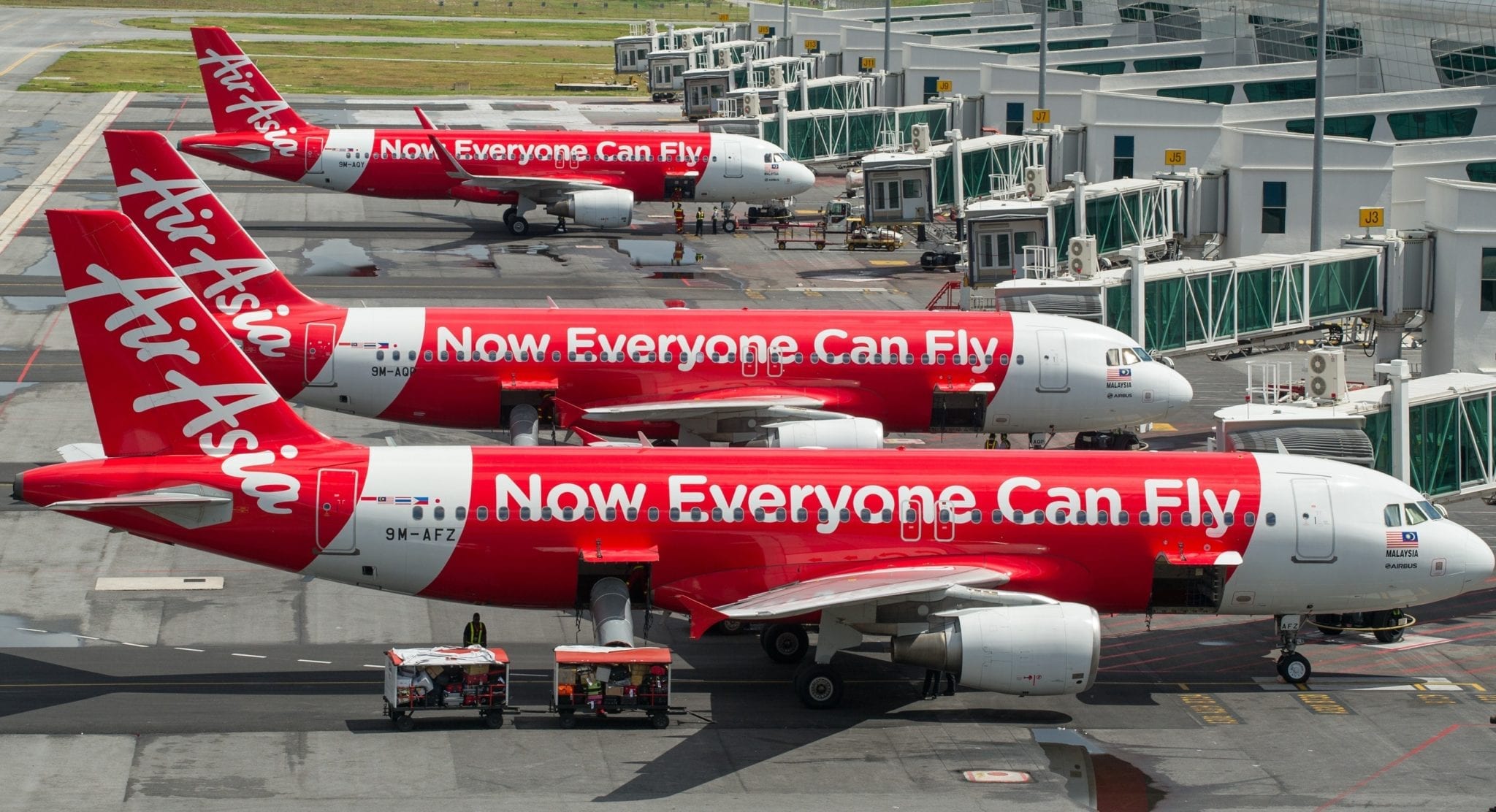
    AirAsia Malaysia has been officially recognised as an International Air Transport Association (IATA) Operational Safety Audit (IOSA) registered operator, following the completion of the IOSA audit.

    AirAsia Malaysia is the third airline within AirAsia Group to achieve IOSA accreditation, after AirAsia X Malaysia in 2014 and AirAsia Indonesia last month, it said in a statement today.

    AirAsia Malaysia CEO Riad Asmat said this accreditation by a globally recognised safety benchmark demonstrates the airline commitment to safe and secure operations.

    “Safety is our top priority, and we will continue working hard to ensure we maintain the highest levels of operational integrity,” Riad added.

    Meanwhile, AirAsia Group head of safety Capt Ling Liong Tien said the group is targeting to have its remaining Asean short-haul airlines in the group undergo the IOSA audit by early next year.

    IOSA is an internationally recognised and accepted evaluation system designed to assess an airline’s operational management and control systems and is regarded by the industry as the global benchmark for safety management.

    The audit, conducted bienially, covers eight functional and operational areas: organisation and management system, flight operations, operational control and flight dispatch, aircraft engineering and maintenance, cabin operations, ground handling operations, cargo operations and security management.

  • Now’s the time to buy properties

    Now’s the time to buy properties

    The best time to look for properties is now, as the property market picks up from a low base last year, and with a feel-good factor in the air as the industry anticipates new policies from the new government, said Reapfield Properties Sdn Bhd group COO Jonathan Lee.

    “Everybody’s looking for bargains. This is the best time to look. We’ve had the lowest transaction volume since 2012 last year. When you come to that point, what’s going to happen is probably up. Based on new policies, systems and restructuring (by the new government), we’ll have a good reset of the entire systemic approach. This is the right time to be investing,” Lee said in an interview.

    “There will be some adjustment period and in the midst of uncertainties, there are lots of opportunities to explore now.”
    He said although the current scenario is a curveball, it still brings value because the government’s kitchen sinking exercise will positively impact the property market from a systemic point of view.

    “Property is an inelastic product. You cannot build or cut down a lot of things in a short time. Because of the inelasticity, you will see some effect in certain places but it will not be a major impact to the ecosystem. It will change the way developers plan but we don’t see that as a major impact in the short run,” opined Lee.

    He said the sector is anticipating how policymakers will shape the new housing policy (to be announced this month) to dictate the direction of the property market.

    “There is a feel-good factor in the market now where people are more willing to look at the market for their own stay or for investment. We’ve seen some incremental movements due to this.”

    Lee pointed out that one of the challenges in the market is “noises”, where many investors or home buyers are confused about what is good value.

    “A decade ago, Cheras was A price, KLCC was B price and Mont Kiara was C price. There was a fixation of value in certain locations but, today, that has ran a lot, so a property in Cheras, Mont Kiara or Bangsar South could be selling at RM800 psf also. Where is the true value?”

    He said in today’s data-driven world, real-time data is important for the property market, as valuation is based on transactions.
    “If there is more streamlined approach to valuation, where transaction data is real time, then you will see better trends, supply and demand.”

    He said the data in Malaysia is delayed but in markets like Singapore and Hong Kong, there is real-time transaction data that can be retrieved from the local agencies.

    “With data based on transaction volume, price movement, indexes, this will help home buyers, developers, owners, investors to be aligned so you will have more relevant and accurate development and we know what is a good value. A lot of perception is running in the market now. If there’s a systemic way to have cleaner, real-time data, it will be more helpful,” Lee explained.

    He said home ownership in Malaysia is safe, attributed to a solid system, and that the laws that govern the system are well prescribed and codified. “In Malaysia, all ownership of property is undertaken through a registration process. The minute you transfer a title, you have a record of the transaction.”