Tag: Malaysia

  • Standard Chartered Malaysia tips ringgit to outperform Asian peers

    Standard Chartered Malaysia tips ringgit to outperform Asian peers

    Standard Chartered Bank (StanChart) has lowered its 2018 gross domestic product (GDP) growth forecast for Malaysia to 4.8% from 5.3% projected earlier due to slower-than-expected expansion in the first half of the year and on trade concerns, but is optimistic on the ringgit’s performance going forward.

    Its foreign exchange strategist for Asean and South Asia, Divya Devesh, said the ringgit is expected to continue to be an outperformer, supported by the fact that the currency is undervalued, and higher oil prices that will drive it.

    “Looking at the year-to-date performance across Asia, the ringgit is the second best performing currency after the Thai baht. The ringgit has clearly outperformed its peers in Asia, and more broadly in emerging markets. We think that’s going to continue,” he said at the “Global Research Briefing H2 Update” here today.

    Based on its in-house valuation of currencies, the ringgit is the second most undervalued currency across emerging markets after the Turkish lira.

    “Ringgit is still quite attractive from a valuation standpoint for foreign investors. We’re now seeing more investors invest in Malaysian bonds. In July, for example, there were net inflows into Malaysian bonds after three months of outflow.”

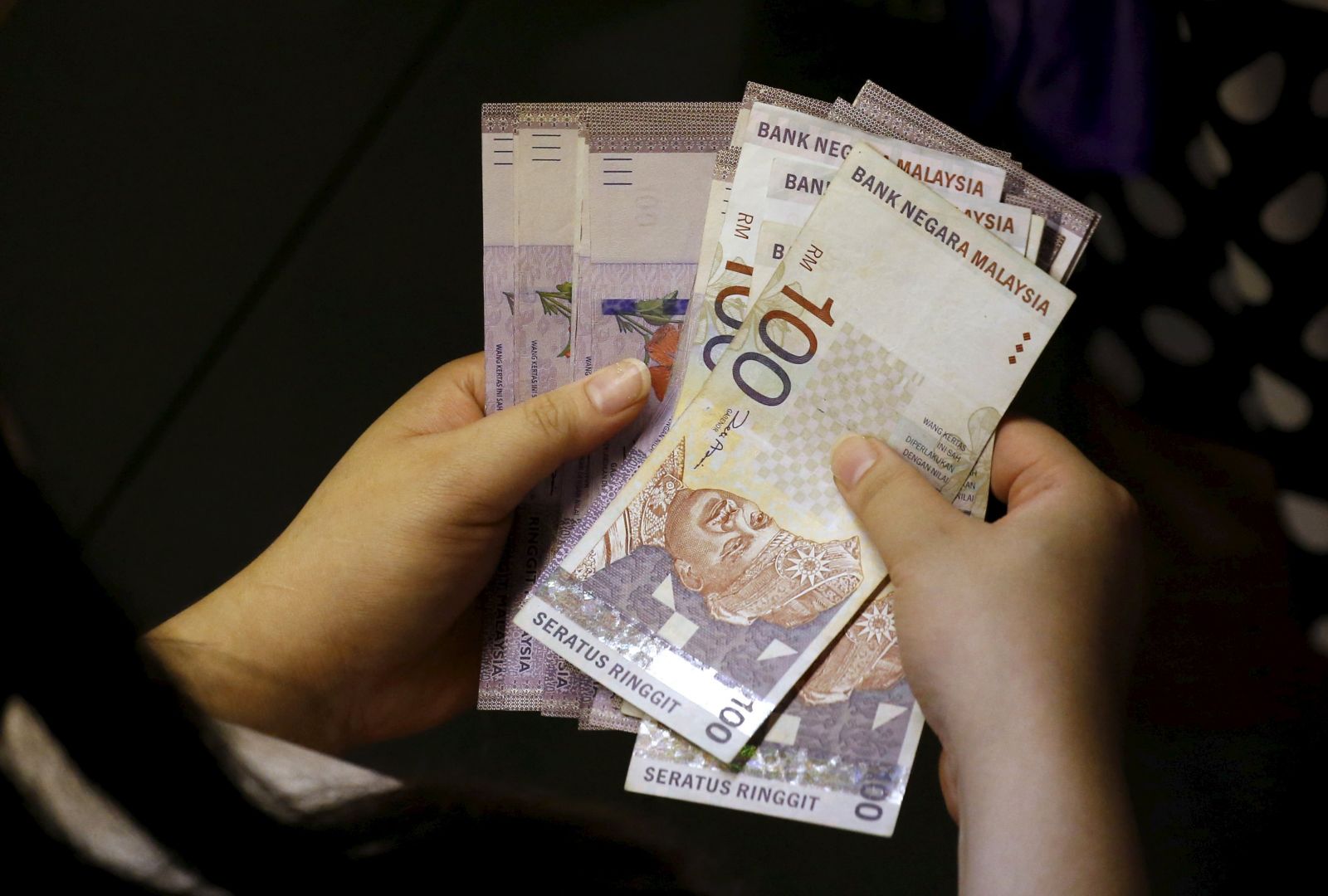
    It projected the ringgit to trade at RM4.0 against the US dollar by end of 2018 and RM4.1 by end of 2019.

    “Domestically, there are lots of supportive factors for the ringgit. The external environment is still unfavourable for emerging markets, hence we’re not projecting a sharp appreciation of the ringgit. We’re still looking at relatively range-bound performance for dollar-ringgit over the next 12-15 months,” Divya explained.

    He also said the impact of global quantitative tightening on the ringgit will be limited and Malaysia will be insulated even in a tightened liquidity environment, given that foreign investors have been underweight on Malaysia and have reduced their positioning in Malaysia significantly from bonds or equities; while the spotlight is going to be on economies and currencies that have twin deficits (fiscal and current account deficits) like India, Indonesia and the Philippines.

    Meanwhile, StanChart’s chief economist for Asean and South Asia, Edward Lee, said Malaysia is among the top three countries in Asia most affected by the US-China trade war on an indirect exposure basis, adding that Malaysia’s trade surplus could be narrower as a result.

    “If US goes ahead with a 25% tariff on the next US$200 billion (worth of Chinese goods) and you add in the previous 25% tariff on US$50 billion (worth of Chinese goods), the potential impact on China’s growth is 0.6 percentage point, which is massive. The 0.6 ppt translates to an impact of 0.3% of Malaysia’s GDP,” Lee estimated.

    The bank’s thematic research head, Madhur Jha, said there is a possibilty of a positive outcome from the US-China trade war that will see China quickening the pace of liberalisation of its economy, which will benefit Malaysia.

    She said commodity prices tend to move in tandem with oil prices, so when oil prices rise, the prices of commodity products also rise. Malaysia as a net commodity exporter will see better revenue and a better growth profile. The oil price is expected to stabilise at around US$70 a barrel this year.
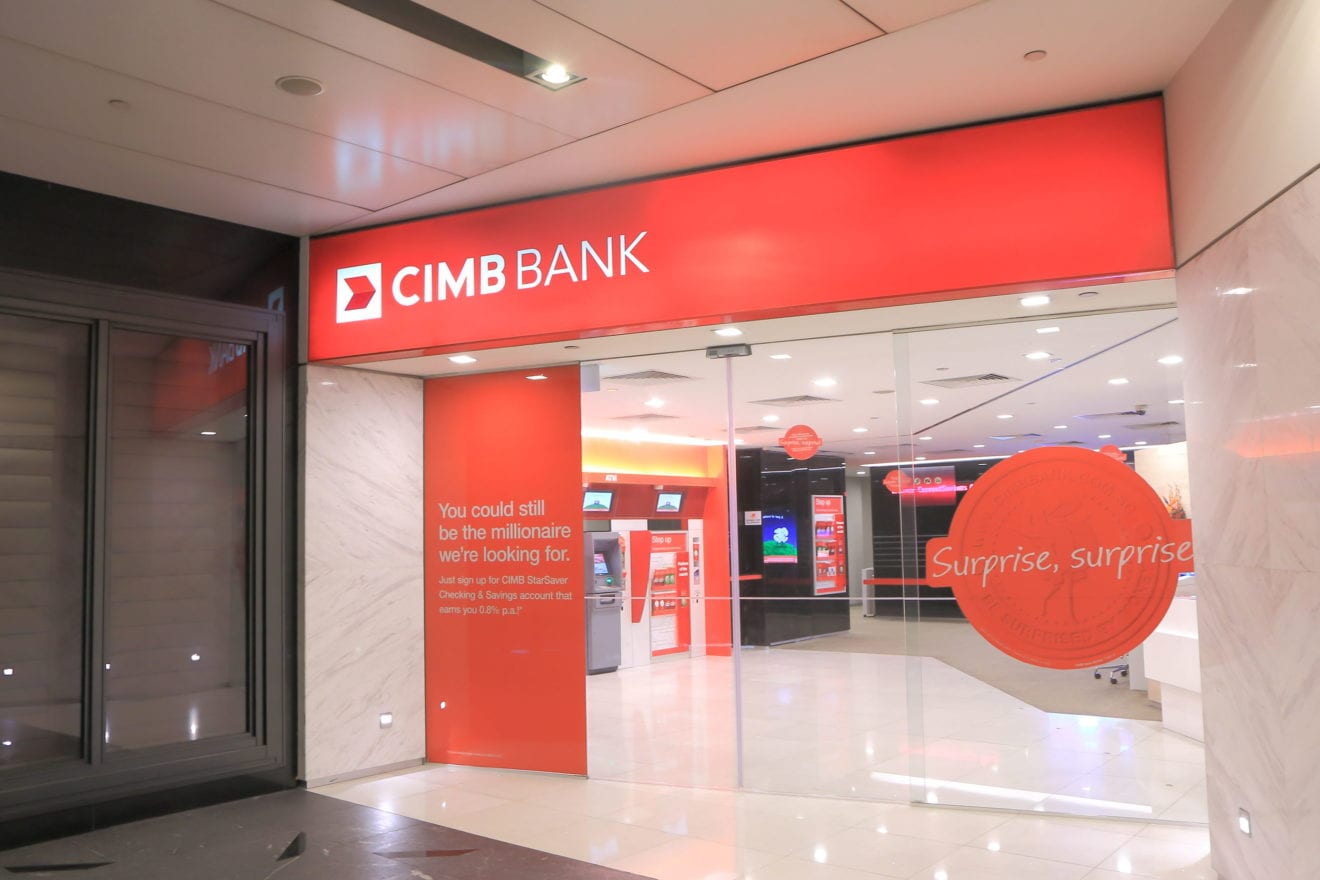

  • Slower earnings growth for Malaysia’s banking sector this year

    Slower earnings growth for Malaysia’s banking sector this year

    AmResearch expects the banking sector’s core earnings growth to come in lower at 5.8% this year from the earlier projection of 7.6% in anticipation of slower economic growth.

    The Q2 core earnings fell marginally by 0.4% quarter-on-quarter after excluding CIMB’s one-off gain of RM928 million from the partial disposal of CIMB-Principal Asset Management and CIMB-Principal Islamic Asset Management and an additional gain of RM11 million from the sale of a 50% stake in CIMB Securities International as well as adding back Hong Leong Bank’s one-off loss of RM27 million from the dilution of stake in its associate Bank of Chengdu.

    However, first-half earnings registered a commendable 10.3% growth.

    For 2019, the research house foresees the sector’s earnings to grow 6.2% in 2019, with the inclusion of BIMB’s expected improvement in profits.

    AmResearch also expects a better loan growth in the second half of the year with consumer loans gaining traction in the third quarter as consumer spending rises with the tax holiday, while business loans are expected to improve judging from better momentum for domestic non-household loans in the recent months.

    “We retain our loan growth assumption of 5% for 2018 with a slight downside bias based on a GDP growth of 4.8-5% for the year.”

    The banking sector’s average net interest margin (NIM) fell 6 basis points qoq to 2.3% in Q2 after an Overnight Policy Rate (OPR) hike of 25 basis points in January 2018.

    “The decline of the NIM in the second quarter was due to the upward repricing of deposit rates after the OPR increase in Q1 and higher funding cost from deposit competition moving close to the adoption of the net stable funding ratio. We expect pressure to remain on funding cost in the near term due to deposits’ competition.”

    Nevertheless, AmResearch expects NIM for the second half to be either flat or slightly compressed compared with the first half as the deposit repricing from the earlier OPR hike has already largely worked its way through banks’ funding cost.

    Despite an uptick in the gross impaired loan ratio for the banking sector in Q2, it said the sector’s asset quality is expected to remain stable in the second half.

  • U Mobile inks RM1 billion credit facility with UOB Malaysia

    U Mobile inks RM1 billion credit facility with UOB Malaysia

    U Mobile Sdn Bhd has inked a three-year RM1 billion term loan credit facility with United Overseas Bank (Malaysia) Bhd (UOB Malaysia) to fund its various capital expenditure programmes, including the company’s network expansion and enhancement goals across the country.

    U Mobile CEO Wong Heang Tuck said the RM1 billion credit facility agreement is one of the largest to be signed in this country to date and this reflects the bank’s vote of confidence in U Mobile’s credit quality and business fundamentals.

    “The fresh injection also means we are able to expedite our network strategy and customers will soon enjoy much better experience throughout the whole of Malaysia.”

    He added that the agreement, apart from enabling U Mobile to build a financial track record, affirms the company’s position as a credible challenger in the telco landscape.

    Over the past few years, the company has enjoyed traction in the industry and its subscriber base crossed the 6 million mark at the end of last year.

    U Mobile’s rising popularity in Malaysia also enabled the telco to become ebitda (earnings before interest, tax, depreciation & amortisation) positive mid last year, highlighting the company’s improving financial health.

    As at Dec 31, 2017, U Mobile’s shareholders have invested over RM4 billion in the business. With the RM1 billion loan from the commercial bank, U Mobile would be investing over RM5 billion in its network infrastructure, aggressively expanding its network footprint nationwide as well as enhancing customers’ mobile experience.

    The investment will also accelerate the telco’s growth ambitions, reinforcing its position as a serious industry contender. The network infrastructure upgrade is also a critical foundation to U Mobile’s expanding suite of mobile digital services, which spans from telco-assurance to payments.

  • Malaysia ahead of US in global Chinese tourist transactions

    Malaysia ahead of US in global Chinese tourist transactions

    Malaysia has climbed ahead of the US to become the ninth largest market worldwide for Chinese tourists’ spending overseas.

    This was recorded during China’s summer holidays, which took place between July 1 and Aug 31 this year.

    According to Alipay, a mobile and online payment platform offered by Ant Financial, the volume of transactions made by Chinese tourist using Alipay in Malaysia grew five times this year compared to the same period in 2017. This growth also makes Malaysia the only other Asian country apart from Cambodia to make the top 10 list.

    “Malaysia is a hotspot for Chinese tourists. When we established our network with Malaysian merchants in May last year, we looked forward to seeing both Chinese tourists and local businesses mutually benefit from our presence.

    Today, Chinese travellers can continue enjoying the smart lifestyle they enjoy back home, and Malaysian merchants are able to expand on their service offerings and see profit with Alipay,” said Cherry Huang, general manager, cross-border business for South and Southeast Asia Alipay.

    The two-month annual holiday period celebrated in China saw Alipay process almost three times as many in-store overseas transactions than during the 2017 summer break. It also saw a 43% increase in the average per-capita spend per user this year, going from RMB2,073 (RM1,257) to RMB2,955 (RM1,792).

    China was the third largest source of tourist arrivals (at 2.28 million) for Malaysia in 2017 and more tourists are expected to arrive over the years. Alipay’s presence locally allows merchants to leverage on Chinese tourists’ preference for cashless payments. This is evidenced by Nielsen’s findings highlighting that 99% of Chinese tourists have Alipay installed on their devices, with over 90% preferring mobile payments abroad given the option.

  • Fosun International hits $1bn in net profit

    Fosun International hits $1bn in net profit

    Fosun International post on Tuesday that company net profit reached Rmb 6.86bn ($1bn) for the first half of 2018, on the back intense acquisition activity, which saw the Chinese firm snap up local and international assets, including luxury brand Lanvin earlier in the year.

    The Chinese investment firm said net profit increased 17% over the last six months, which was slower than previous years, however, with a 33.6% uptick recorded for the first half of 2017.

    Revenue reached RMB43.51 billion for the January to June period, an increase of approximately 20% over the same period last year.

    The company said it “continued to focus on maintaining a healthy and stable balance sheet” and achieved a net gearing ratio of 53.6% with an overall financing cost of 5.18%.

    Since the turn of 2018, Fosun has bought a stake in French confectionery company St Hubert, a minority stake in China’s Tsingtao Brewery and majority stakes in European luxury brands Wolford and Lanvin.

    Fosun’s long-term portfolio also includes Club Med, a stake in Cirque du Soleil and the UK’s Wolverhampton ‘Wolves’ football team.

    Co-founded by Chinese billionaire Guo Guangchang in 1992, Fosun has evolved from an entrepreneurial start-up into a leading investment group taking roots in China with a global foothold.

    Listing on the Shanghai Stock Exchange in 2007, Fosun now forms part of Chinese active investor cohort, which also boasts the firms HNA, Dalian Wanda and Anbang Insurance.

  • Pomelo Fashion launches online shop in Malaysia

    Pomelo Fashion launches online shop in Malaysia

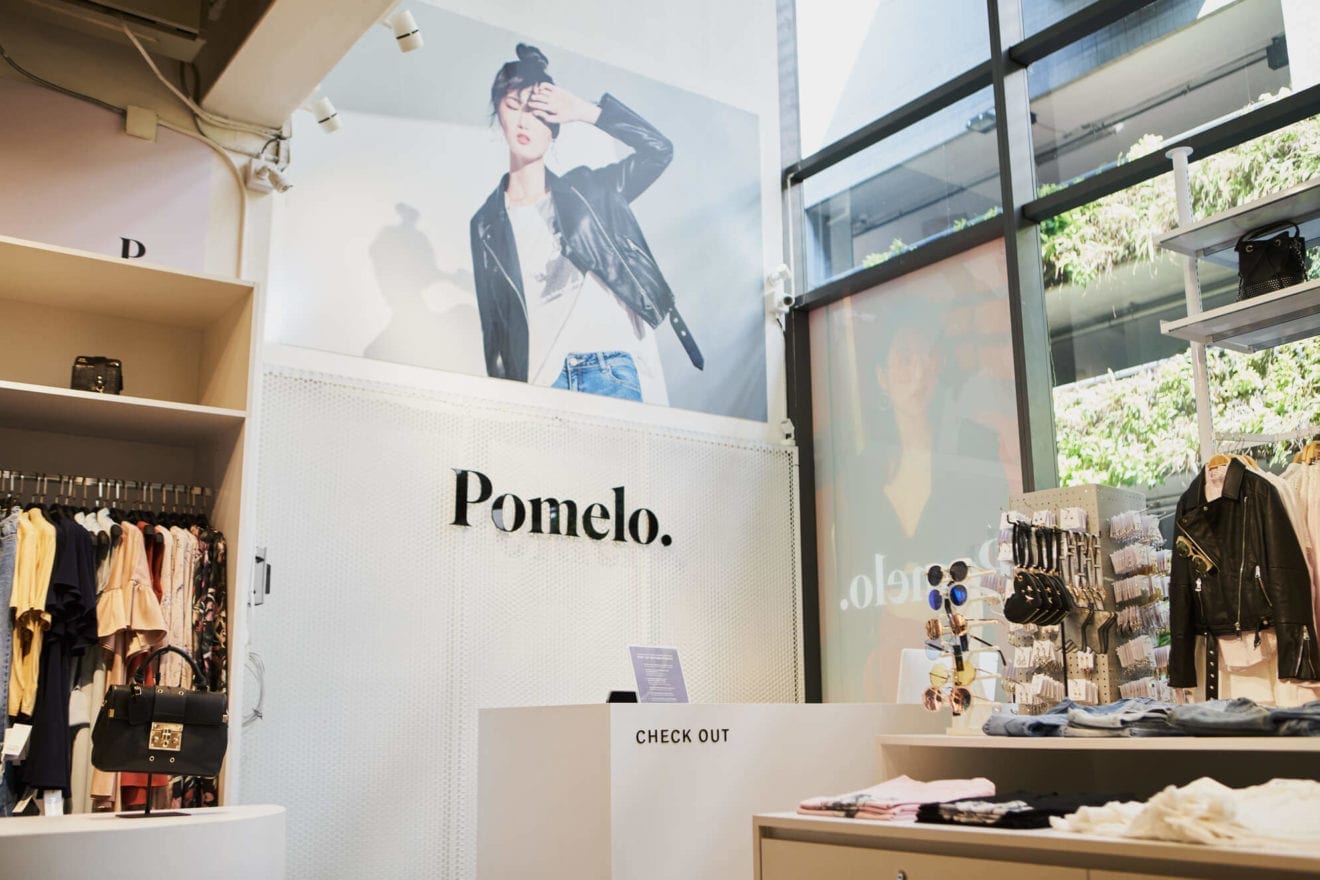
    Digital fashion brand Pomelo pursue its plan to expand its online-to-offline business model in Southeast Asia as it today announces its expansion into Malaysia to further strengthen its e-commerce presence in the region.

    Fashion consumers across Malaysia can now enjoy access to the brand’s latest offerings on a dedicated Pomelo Malaysia website and Pomelo App at any time.

    Driven by the online shopping behavior in Malaysia, the brand aims to meet the needs of the market with its ever-growing assortment of fashion products, enhanced delivery services and multiple payment options to provide them with the best possible online shopping experience.

    Pomelo stays true to its On trend. Online. On the go. philosophy offering its Malaysian consumers a wide assortment of trends for all styles and occasions.

    Indeed, added to their over 100 new weekly styles, seasonal and festival collections will be available to consumers including Ramadan, Chinese New Year, and Pomelo’s sustainable line Purpose.

    Southeast Asia is a booming market which reflects on the habits of the region’s inhabitants. In an effort to fit to today’s customers’ lifestyle, Pomelo invested in operations and logistics to bring its client a seamless and convenient online shopping experience. With this aim in mind, the company offer shoppers across Malaysia speedy delivery and easy returns.

    For the first time, Pomelo is launching 700 drop off locations all over Malaysia, with plans of expanding to nearly 2,000 locations – allowing customers ultimate convenience when making returns. Customers will get to enjoy free returns all year round as well as multiple payment options including cash on delivery (COD).

    Southeast Asia remains a strategic market for Pomelo and since its first launch in 2013, the brand has continued to expand in the region, with dedicated sites in Malaysia, Singapore, Thailand, Indonesia, and Australia.

    The brand also has an international site enabling fashion consumers to access the great assortment of Pomelo products in over 50 countries across the globe.

  • Dean & Deluca Kuala Lumpur opens

    Dean & Deluca Kuala Lumpur opens

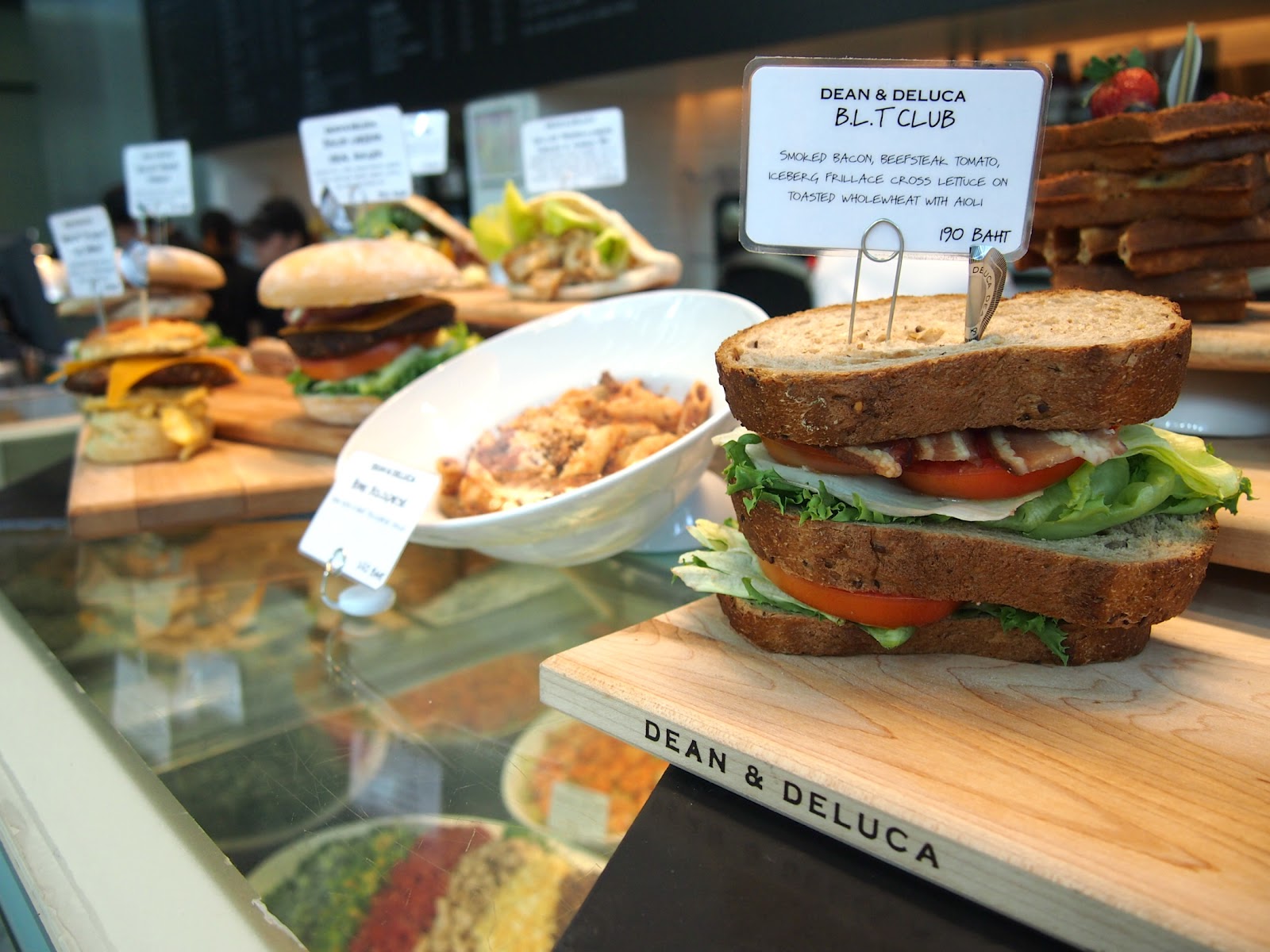
    Thai-owned New York deli concept Dean & Deluca has made its Malaysian debut at Pavilion in downtown Kuala Lumpur.

    Officially opened yesterday, the store is expected to attract shoppers with a premium cafe and restaurant offer, along with packaged foods to go.

    While the company is struggling in the US having closed a majority of its stores there over the last year or so, it is expanding in Asia. New outlets recently opened at Bangkok’s Suvarnabhumi airport, on both air and land sides and a store is scheduled to open soon at Hong Kong International Airport.

    Dean & Deluca also has stores in the Philippines, and several Middle Eastern markets.

  • Reversal of deferred tax pushes AirAsia’s profit higher in Q2

    Reversal of deferred tax pushes AirAsia’s profit higher in Q2

    AirAsia Group Bhd’s net profit more than doubled to RM361.81 million in the second quarter (Q2) ended June 30, 2018 versus RM146.52 million in the previous corresponding period, thanks to the reversal of deferred tax on the sale of aircraft.

    Its revenue for the quarter under review was up 10.3% to RM2.62 billion from RM2.38 billion.

    The low-cost carrier said in a filing with the stock exchange that load factor was lower at 86% in Q218 compared with 89% in Q217 due to a 17% increase in capacity. Average fare reduced 3% year-on-year, while the overall revenue per available seat kilometre (RASK) decreased 3% to 14.83 sen in Q218 from 15.35 sen in Q217.

    Looking ahead, the group is projected to achieve an average load factor of 83% in the third quarter of 2018 based on the existing forward booking trend.

    Despite strong demand and healthy load factor, AirAsia said it continues to face high fuel costs and weakening regional currencies. In addressing that, the group will drive revenue and sale of ancillary services and focus on reducing costs.

    “Our Malaysian operations remain strong with Indonesian operations slowly recovering. We face challenges in Thailand following the ferry incident in Phuket which has dampened demand from China. Third quarter is usually the peak quarter for travel to Boracay but unfortunately the government of Philippines has restricted travel to the island.”

    Barring any unforeseen circumstances, the board remains positive that the overall results in 2018 will be favourable.

    AirAsia’s first-half net profit nearly doubled to RM1.5 billion from RM762.4 million, with revenue rising 12.5% to RM5.18 billion from RM4.6 billion.

    Its shares dipped 5 sen or 1.4% to close at RM3.44 on 5.73 million shares done.

  • Loob takes Chatime Malaysia to court

    Loob takes Chatime Malaysia to court

    A defamation suit filed by bubble tea brand Tealive against Chatime Malaysia will be heard next February.

    Tealive’s owner Loob Holdings was formerly the primary franchise holder for Chatime before a series of disputes resulted in Chatime owners La Kaffa International terminating their agreement. Tealive is claiming that statements made and released to the media subsequent to Loob Holding’s departure from the brand were injurious to its business.

    The decision to proceed to trial follows the rejection of an appeal to cancel the suit by Chatime and its directors.

    Tealive is demanding a written apology to be published in English and Bahasa Malaysia newspapers, an injunction to prevent a repeat of the defamatory statements, and general damages, costs and other relief as appropriate.

  • CAE to train 400 pilots for AirAsia

    CAE to train 400 pilots for AirAsia

    Group Bhd wants CAE to train about 400 cadet pilots to support its growth in the various markets it operates over the next five years.

    The first batch of cadet pilots will begin training in the second half of the year for a 18-month competency-based Multi-Crew Pilot Licence (MPL) programme.

    The airline signed a new agreement with CAE for the training of 400 cadet pilots in Singapore on Tuesday.

    The training will be held at CAE Kuala Lumpur, CAE Melbourne and CAE Phoenix. After the 18-month training programme, the next generation of pilots will become AirAsia’s first officers.

    Apart from Malaysia, AirAsia has operations in Thailand, Indonesia, the Philippines and Japan. It is also looking at setting up operations in Vietnam and China in the medium to long term.

    The entire training cycle involves the rigorous cadet selection process, integrated English language training, a blended training methodology with emphasis on crew resource management and threat/error management.

    CAE said the training cycle followed the airline’s standard operating procedures.

    It said the comprehensive programme also followed the highest industry pilot training standards in the world.

    “CAE has been a tremendous partner since we first started the MPL programme together eight years ago, not only launching an innovative programme that sparked conversations in the industry but continuously refining and adapting the training programme,” AirAsia group chief operations officer Adrian Jenkins said.

    CAE group president, civil aviation training solutions, Nick Leontidis adds that this “new agreement highlights our dedication to effectively train and prepare this next cadre of cadets as they begin their careers as professional pilots.”

    CAE introduced the MPL training programme with AirAsia as a launch customer in 2010, complementing the offering in training paths and programmes for cadets.

    CAE said that since 2010, about 85 AirAsia cadets have been trained through the MPL programme. Since 2017, the first nine AirAsia-sponsored CAE MPL cadets have been flying as captains.


  • Maybank Q2 earnings up 18%, declares 25 sen dividend

    Maybank Q2 earnings up 18%, declares 25 sen dividend

    Malayan Banking Bhd (Maybank), which saw net profit jump 18.1% to RM1.96 billion for the second quarter ended June 30, 2018, expects its performance for the second half of the year (2H18) to be driven by its consumer, wealth and insurance businesses, said group CFO Datuk Amirul Feisal Wan Zahir.

    He expects the consumer business to drive the loan growth for Malaysia, cautioning that the corporate side may slow down but pointed out that this remains to be seen.

    “Loan growth from the consumer market was stronger than corporate in 1H18. We don’t think this will change in 2H18. We typically perform better than the industry for Malaysia (in loan growth),” he said after announcing its 1H18 financial results.

    Q2 net profit was up on higher net operating income and lower impairments, while revenue jumped 5.4% to RM11.51 billion from RM10.92 billion.

    The group has proposed to declare an interim dividend of 25 sen for the quarter under review.

    For the six-month period, Maybank’s net profit increased 13.9% to RM3.83 billion from RM3.36 billion a year ago on the back of higher operating income, lower impairments as well as reduced overheads as a result of better cost management. Revenue went up 3.7% to RM23.02 billion from RM22.20 billion.

    Maybank saw a loan growth of 4.6% in 1H18, where Singapore operations expanded 8.9%, followed by Indonesia at 6.6% and Malaysia 6.1%. The Malaysia loan growth of 6.1% was above the industry loan growth of 5% for the country. Singapore and Indonesia fared below its industry loan growth of 9.9% and 10.7% respectively.

    It expects its net interest margin, which stood at 2.33% in June 2018, to maintain at last year’s 2.36% or slightly less.

    Amirul said the implementation of the SST, which will bring a revenue of RM20 billion to RM25 billion to the government compared with RM42 billion under the GST, will result in more disposable income among the people, providing more expansionary spending on the consumer side.

    “The (SST) impact on the bank will be neutral,” he said.

    Meanwhile, he said Maybank’s exposure to the oil and gas sector is at 3.86% of its total loan assets and that the level of provisions has reduced having peaked last year.

    “Going forward we will be vigilant looking at each markets and we will be more cautious on Indonesia given the volatile environment.”

    Amirul also said Maybank’s loan exposure to financially-troubled Hyflux Ltd of Singapore is at the project company Tuaspring Pte Ltd level, which is fully secured and not on the group level.“We made some provisions in Q2,” he said.

  • Runway-inspired Michael Kors store opened in Malaysia

    Runway-inspired Michael Kors store opened in Malaysia

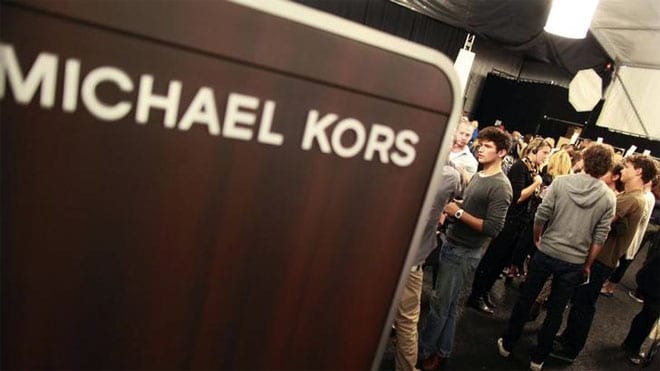
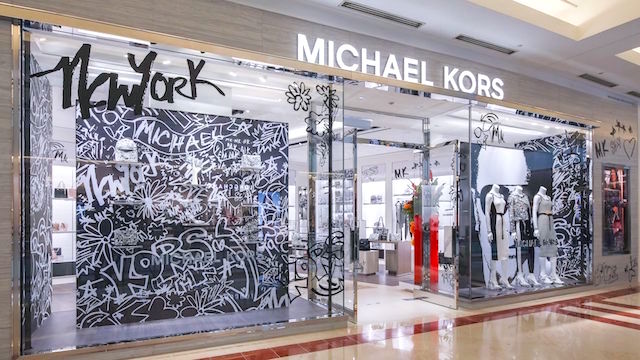
    Michael Kors Malaysia is opening a runway-inspired store at Suria KLCC.

    The launch is part of the US fashion label’s Runway 2020 strategy intended to modernise its business, which also includes the introduction of e-commerce and wearable technologies to the label. Designer Michael Kors’ strategy was announced last year and will involve an overhaul of stores worldwide.

    Michael Kors GM Kelly Lee said the store is designed to make customers feel like they are part of a fashion show – “our shoppers will feel like they are stepping onto a runway when they walk in”.

    To achieve the effect, store mannequins are positioned in line facing the store entrance as if on a catwalk, allowing shoppers to wander amongst them as they browse.

    The store will also be the first Michael Kors in Malaysia to sell menswear.

  • New CEO boosted 7-Eleven Malaysia profit

    New CEO boosted 7-Eleven Malaysia profit

    7-Eleven Malaysia says its net profit surged 29.4 per cent in the latest quarter as internal reorganisation began to pay off. Net sales inched up by just 0.4 per cent during the same time.

    Incoming CEO Colin Harvey – into the role just two weeks – said while the result was satisfying there is still room for improvement on key metrics.

    “I am confident that a strategy roadmap focussed on strengthening the key areas of assortment, supply chain, operational excellence, store base, and digitally enabling the organisation will bear fruit in terms of financial performance, and overall customer shopping experience,” he said.

    Revenue for the quarter reached RM557.6 million (US$135 million) on the back of new stores and improved consumer promotion strategies. Post-tax profit reached RM13.1 million, up (US$3.17 million).

    Revenue for the first half reached RM1.09 billion, 1.4 per cent against the same time last year, while post-tax profit was up 21.6 per cent to RM3.9 million.

    The company’s board expects trading conditions during the next quarter to improve, with anticipated heightened consumer sentiment. “We expect to see further improvements in the next quarter by pursuing our core strategy pillars of operations excellence, cost management and commercial innovation.”

    At the end of the second half, 7-Eleven Malaysia operated 2241 stores.

  • 7-Eleven Malaysia Q2 net profit up 29.4%

    7-Eleven Malaysia Q2 net profit up 29.4%

    7-Eleven Malaysia Holdings Bhd reported a 29.4% rise in net profit to RM13.13 million for the second quarter ended June 30 compared with RM10.15 million in the previous corresponding period, driven by higher gross profit margin.

    Its revenue rose marginally by 0.4% to RM557.63 million from RM555.21 million, thanks to growth in new stores and better consumer promotion activity.

    Gross profit improved by 2.2% or RM4 million to RM183 million compared with the corresponding quarter in the previous year, mainly attributed to the rise in revenue and improvement in gross margin by 0.6% points.

    Most categories saw higher gross profit margins.

    “I am personally excited to have joined the business just over two weeks ago, and I am confident that a strategy roadmap focused on strengthening the key areas of assortment, supply chain, operational excellence, store base, and digitally enabling the organisation will bear fruit in terms of financial performance, and overall customer shopping experience. I look forward to the challenges ahead in ensuring that 7-Eleven Malaysia remains the customers first choice convenience store”, CEO Colin Harvey said in a statement today.

    For the first half of 2018, 7-Eleven’s net profit expanded 21.5% to RM22.07 million from RM18.16 million on the back of a 1.4% increase in revenue to RM1.09 billion from RM1.08 billion.

    The group said in a filing with the stock exchange that it foresees the trading conditions for the next quarter to improve with anticipated heightened consumer sentiment.

    “We expect to see further improvements in the next quarter by pursuing our core strategy pillars of operations excellence, cost management and commercial innovation.”

  • Aeon to shut down Index Living Mall Malaysia stores

    Aeon to shut down Index Living Mall Malaysia stores

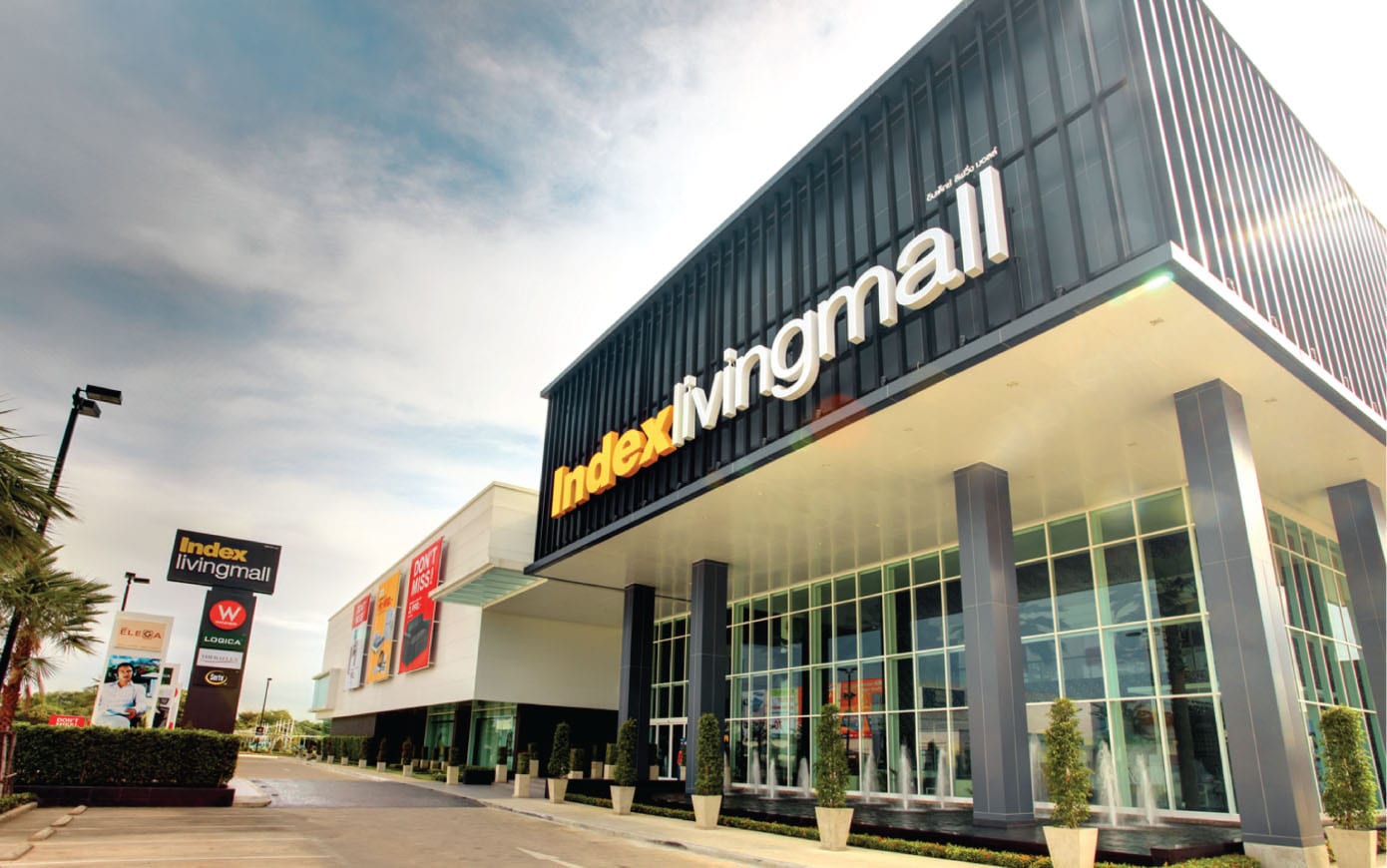
    Aeon Co (M) Bhd’s net profit plunged 64.5% to RM9.79 million for the second quarter ended June 30 compared with RM27.55 million in the previous corresponding period, due to the recognition of impairment loss on investment in its associate company Index Living Mall Malaysia Sdn Bhd (ILMM).

    Its revenue however, rose 5.4% to RM1.06 billion from RM1.01 billion.

    Aeon said in a filing with the stock exchange that ILMM will be closing down the remaining of its furniture outlets in Malaysia by the third quarter of 2018. The outlets are located at Aeon Shah Alam and Kota Baru, IOI City Mall, Putrajaya as well as Aeon Mall Tebrau City, according to its website.

    “As such, for the second quarter result, the company has recognised the impairment loss on its investment in the associate company which amounted to RM8.01 million and also share of its year-to-date operating loss which amounted to RM13.7 million.”

    ILMM is a 49:51 joint venture company between Aeon and Index Living Mall Company Ltd which was incorporated in Thailand.

    Aeon said the outlet closures are expected to reduce its earnings per share and net assets per share by about 2 sen for the financial year ending Dec 31.

    For the first six months of the year, the group’s net profit contracted 29.8% to RM37.73 million from RM53.75 million on the back of a 4.4% rise in revenue to RM2.18 billion from RM2.09 billion.

    Looking ahead, Aeon said the sales and services tax implementation will have an impact on consumer spending and product pricing.

    “With such outlook, the board expects the performance for the current year to remain challenging.”

    For the retail business, the group said it will continue to refurbish its selected stores and employ appropriate marketing and pricing strategies.

    Meanwhile, Aeon foresees the occupancy and rental rates for the property management services to remain stable and sustainable.

    Aeon’s share price closed unchanged at RM2.10 on 590,400 shares done.