Tag: Malaysia

  • Fred Segal plans expansion in India

    Fred Segal plans expansion in India

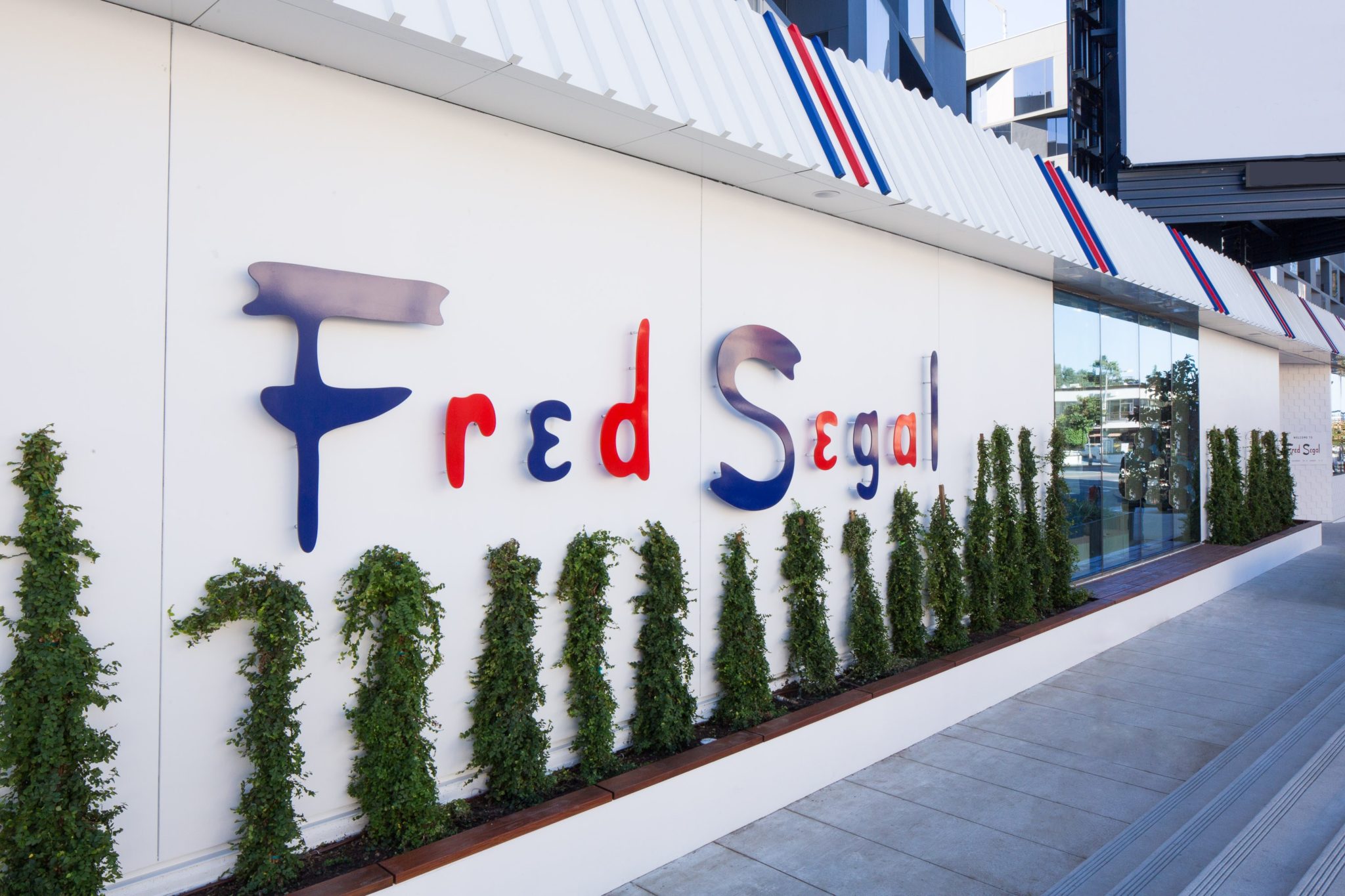
    US luxury fashion retailer Fred Segal is planning to expand its business in Asia with new stores opening in Taiwan and Malaysia.

    The move picks up on previously delayed plans to grow internationally that were announced four years ago. New CEO Allison Samek is launching the new stores after an austerity period during which several outlets were shuttered.

    The 3200sqft store in Kuala Lumpur will be set up in the 1 Utama shopping center and include a cafe, retailing a mix of established labels. The Taipei store will be a Frierson-branded flagship spanning two floors across over 7000sqft of retail space. Both locations will open next month.

    “We really looked to the local operating partner to give us feedback on what works in their marketplace and then bought specifically for that demographic,” said Samek.

    The firm is simultaneously establishing its first presence in Europe with outlets in Switzerland.

  • Indonesian ban on poultry from Malaysia has no impact on exporters

    Indonesian ban on poultry from Malaysia has no impact on exporters

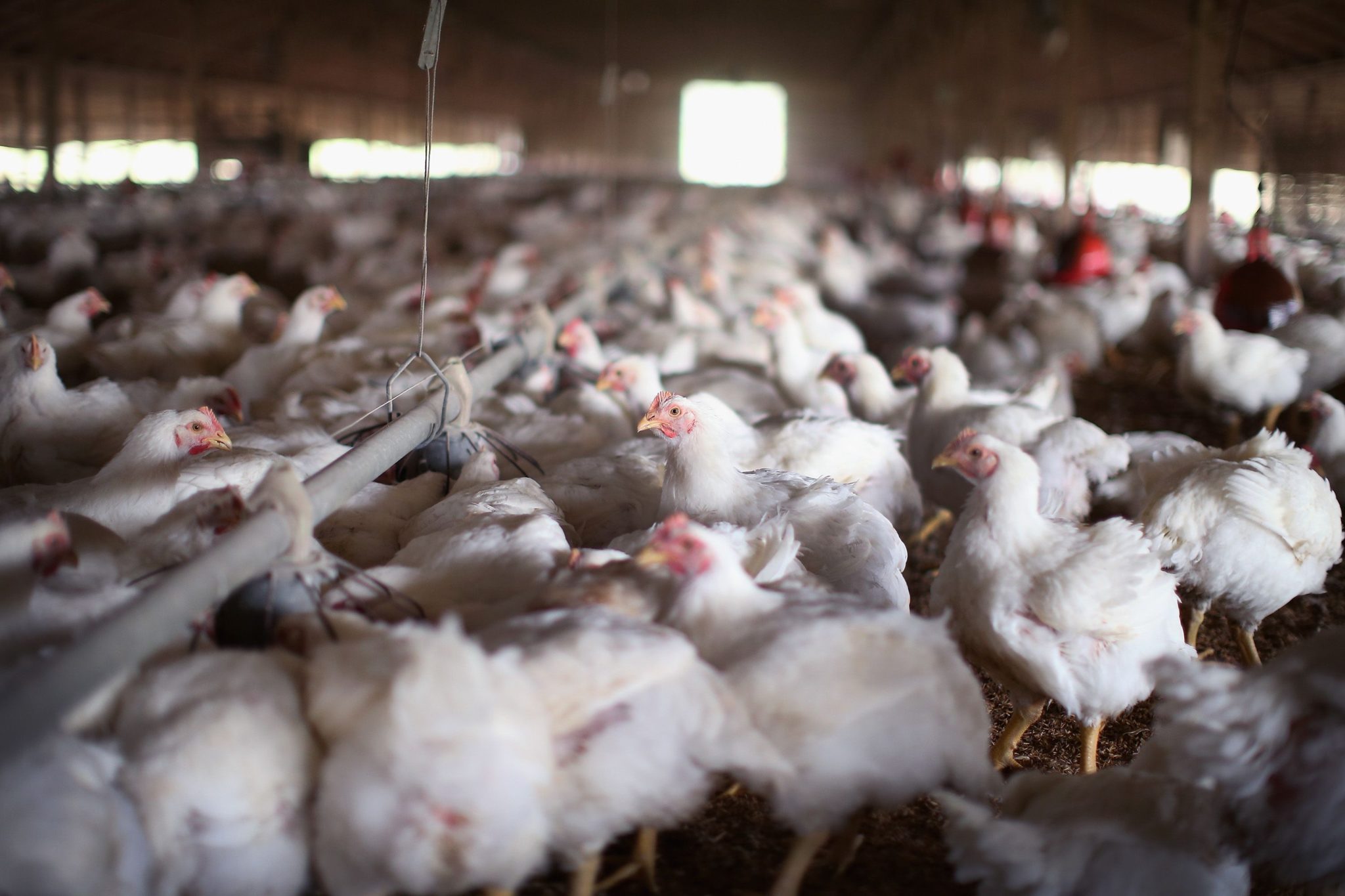
    Indonesia’s ban on the import of fresh poultry and unprocessed products from Malaysia shipped after Aug 9 will not have any impact on Malaysian exporters, as they have not been in the market for more than a year now.

    According to an industry player who declined to be named, a ban on Malaysian poultry has actually been in effect since the H5N1 avian influenza outbreak early last year.

    “Basically we don’t export that much or none at all. If you remember the outbreak of H5N1 avian flu in Kelantan. Malaysian poultry or veterinary products have been banned in Indonesia since then.

    “The ban has not been lifted, so there is no effect at all and this is just a continuity of the ban,” he said, adding that the announcement could be due to unofficial movement of poultry from Sabah and came on the heels of an outbreak of avian flu there.

    Malaysia External Trade Development Corp said that Malaysia’s exports of live poultry within Asean stood at RM746.3 million in 2017 while that meat and edible offal of poultry stood at RM56.4 million.

    There are some 10 poultry-based companies listed on Bursa Malaysia. Five of them were losers at the close of trading yesterday.

    Lay Hong fell 2.07% to 71 sen on volume of 8.17 million shares, Sinmah Capital declined 1.70% to 29 sen on 12.25 million shares, CAB Cakaran Corp skidded 1.06% to 93 sen on 123,900 shares, QL Resources eased 0.33% to RM5.96 on 297,200 shares and CCK Consolidated Holdings weakened 0.55% to 90.5 sen with 292,100 shares traded.

    DBE Gurney Resources, PWF Consolidated and Teo Seng Capital were flat at 3.5 sen, 85 sen and 84 sen respectively.

    TPC Plus was the lone gainer, rising 1.35% or 0.5 sen to 37.5 sen.

    LTKM’s shares were untraded.

  • Malaysia’s second quarter GDP growth expected to ease to 5.2%

    Malaysia’s second quarter GDP growth expected to ease to 5.2%

    Malaysia’s economic growth pace likely slowed again in the second quarter of 2018, a Reuters poll showed.

    The median of forecasts from 14 economists is for annual growth of 5.2% in April-June. That would be a dip from January-March’s 5.4% and make the latest quarter – during which Malaysia surprisingly got a new government – the third in a row of slowing growth.

    Forecasts for second quarter growth ranged from 4.7-5.6%.

    “Growth likely eased in Q2 and may continue to moderate, with growth drivers shifting more to private consumption than investment,” Standard Chartered said in a research note.

    The bank said growth may have been weighed down by a 6.4% drop in palm oil production from a year earlier and by Prime Minister Tun Dr Mahathir Mohamad’s push to review major infrastructure projects which has spooked investors.

    Since his coalition gained power in a shock May general election, Mahathir has scrapped a broad-based consumption tax and announced plans to potentially scrap multi-billion dollar rail projects with China and Singapore.

    Mahathir, who at 93 is on his second stint as premier, has said that mismanagement by the past administration has caused national debt to balloon to RM1 trillion.

    Ratings firm Moody’s said demand for tech exports has helped Malaysia’s manufacturing and exports in the second quarter, along with higher private spending following a tax holiday that started in early June when the government zero-rated its goods and services tax.

    “The brakes will be applied a little to the upbeat growth engine in the second half as the newly elected government has ended some infrastructure projects,” Moody’s said in a research note on Aug 7.

    Malaysia’s central bank left its key interest rate unchanged at 3.25% in July, at its first policy meeting under new governor Datuk Nor Shamsiah Mohd Yunus.

    The central bank raised its rate by 25 basis points in January, its first hike since July 2014, and the first change since July 2016 when it slashed the rate by 25 basis points.

  • Nestle’s Q2 earnings driven by higher margin

    Nestle’s Q2 earnings driven by higher margin

    Nestle (Malaysia) Bhd’s net profit for the second quarter ended June 30 rose 2.93% to RM166.16 million from RM161.44 million a year ago due to higher margin.

    In a filing with Bursa Malaysia, the company said its gross profit margin increased by 10 basis points from 37.8% to 37.9%.

    Nestle saw a slight increase in operating expenses from RM265 million to RM271 million, which was mainly attributed to the one-time costs from the start-up of the new national distribution centre (NDC). Pre-tax profit increased from RM211.9 million to RM214.4 million.

    Revenue for the quarter rose 1.98% to RM1.31 billion from RM1.28 billion a year ago driven by the launch of new products and strong consumers and trade promotions.

    In addition, increased festive sales during the Hari Raya period in June contributed to the company’s positive growth.

    “In the second quarter, we also started operations in our new NDC. This move from the existing NDC to the new NDC resulted in a shift of sales from June (Q2) to July (Q3) because of the required and planned ramp-up of the operations in the new NDC, which will support strong growth in years to come,” it said.

    The board of directors has declared an interim dividend of 70 sen per share amounting to RM164.15 million in respect of financial year ending Dec 31 which will be paid on Sept 27.

    For the six months ended June 30, net profit rose 1.34% to RM397.38 million from RM392.13 million a year ago while revenue for the period rose 3.13% to RM2.74 billion from RM2.66 billion a year ago.

    During the period, Nestle saw higher domestic sales and an increase in its export business. It said that the domestic growth was driven by strong demand, especially during the festive seasons.

    The group continued to deliver strong innovations and renovations during the period, which have set a solid base for growth in the second half of the year.

  • AirAsia share price up marginally after selling stake in Expedia JV

    AirAsia share price up marginally after selling stake in Expedia JV

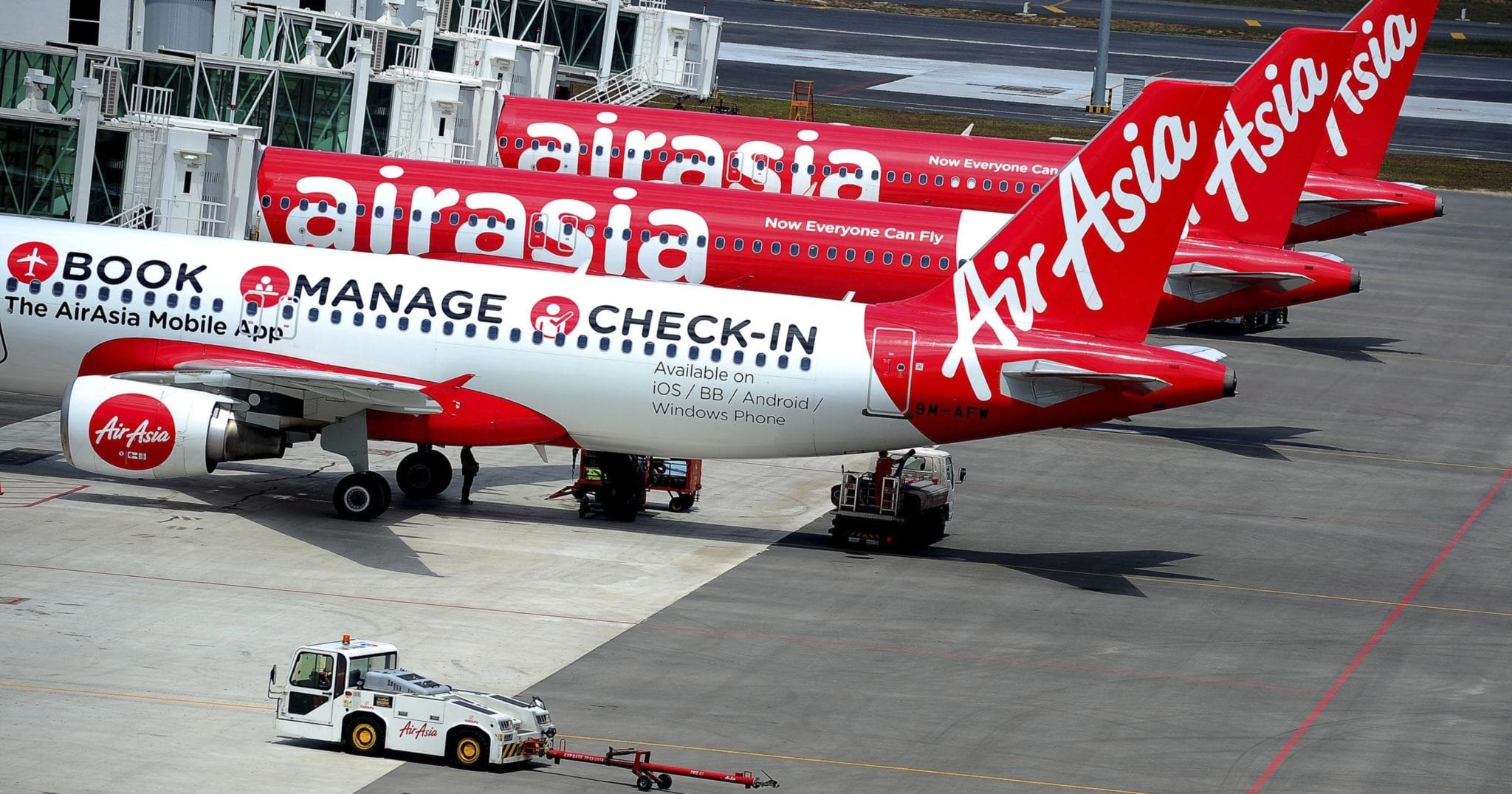
    AirAsia Group Bhd’s (AAG) share price rose 0.90% this morning after it divested its remaining 25% stake in its joint venture (JV) company, AAE Travel Pte Ltd for US$60 million (RM240 million).

    The airline sold its remaining stake to the 75% stakeholder in the company Expedia Inc’s Expedia Southeast Asia Pte Ltd — in a bid to monetise its investment and utilise the proceeds as working capital.

    At 10.41am, AAG was trading at RM3.38 with 2.18 million shares changing hands.

    AirAsia divested the other 25% interest it had in March 10, 2015.

    The group announced in a bourse filing yesterday that it has executed a share purchase agreement for the disposal and the cash purchase consideration is net of AirAsia’s concurrent purchase of AirAsiaGo.com domain names and related assets from AAE Travel Pte Ltd by Travel 360 Sdn Bhd.

    AirAsiaGo.com, which offers a full suite of travel products including AirAsia flight and hotel packages featuring Expedia Group lodging content, will continue to be powered by Expedia Group.

  • Malaysian economy could shrink if US-China trade war escalates

    Malaysian economy could shrink if US-China trade war escalates

    Malaysia’s gross domestic product (GDP) could contract by 1.3% in two years should the trade war between the United States and China intensify.

    CIMB Group chief economist Dr Donald Hanna said Malaysia’s economic growth could shrink in the event of continuous escalation in tariff imposition and a confidence shock in the financial market, which could result from, say, China offloading its substantial holdings of US debt.

    That will not only result in a reduction of global trade but will also affect Malaysia, which is an open economy – and trigger interest rate increases in the US.

    However, at current levels, Hanna noted that the impact of the trade duel between the two economic giants on Malaysia is small.

    He projected GDP growth to decelerate to around 5.1% in the second quarter (Q2) of 2018 from the 5.8% recorded in Q2 2017 – taking the cue from the slower growth in the Industrial Production Index for June, which rose only 1.1%.

    Full-year GDP growth is expected to be around 5.1-5.2%. This will be due to the natural moderation in GDP growth which started slowing down after a robust expansion in the second half of last year and not due to the US-China tensions.

    Hanna said the trade war appears to be one of US President Donald Trump’s policies that could see some longevity, compared to others on issues such as immigration and abortion.

    He noted that if Trump’s objective of waging a trade dispute is to shrink the US trade deficit, it is not likely to be achieved because of other macroeconomic policies that the US administration has in place.

    Hanna, who was speaking at the 13th CIMB Asean Research Institute’s Asean Roundtable Series: Trade War and Its Impact on Asean, also said Malaysia could be a preferred location for US and Chinese companies to relocate their investments – in the face of tariff slapping.

    Echoing that sentiment, European Union-Malaysia Chamber of Commerce and Industry CEO Roberto Benetello said China is likely to rethink its trade alliances in the region and get closer to partners in Asean.

    This could be a call to accelerate the Regional Comprehensive Economic Partnership (RCEP), which could see a slowdown in the ratification process, thanks to the ongoing spat.

    American Malaysian Chamber of Commerce executive director Siobhan M Das said that without the US market, Asean could become a dumping ground for China’s excesses.

    Malaysia Productivity Corp board member and former ambassador of Malaysia to the World Trade Organisation (WTO) Datuk Muhamad Noor Yacob said the focus should be on the WTO’s Dispute Settlement Body.

    Although observers have voiced their concerns over the possibility of Trump pulling the US out of the WTO, the country has been one of its active users, accounting for more than 100 of the 500 disputes attended to by the body since 1995. It has also been an active respondent to many disputes.

    The roundtable also saw speakers stressing on the importance of the RCEP and free trade agreements between the regional trading bloc and potential trading partners.

  • Lazada, Shopee, 11Street top e-commerce ranking in Malaysia

    Lazada, Shopee, 11Street top e-commerce ranking in Malaysia

    Lazada, Shopee and 11Street have been ranked the top three companies in terms of the most visited website in Malaysia in the second quarter (Q2) of 2018, according to iPrice Group’s Map of E-Commerce (MoE) list.

    Based in KL, iPrice Group is a privately owned online shopping aggregator. According to its portal, the MoE ranks Malaysia’s top 50 e-commerce players based on their average quarterly traffic, mobile application ranking, social media followers and number of staff. The data was collected in July 2018.

    Lazada came out top in traffic ranking with 27.99 million visitors and the number of Facebook followers with 25.5 million followers. It took second place for app downloads and Twitter with 31,035 followers.

    Shopee took second place in traffic ranking with 12.3 million visitors, while 11Street came in third place with 6.4 million visitors.

    However, iPrice said that Shopee inched closer to Lazada’s monthly traffic by two fifths in Q2 2018. In Q1 2018, Shopee’s was one over five to Lazada’s monthly average visitors.

    Fashion Valet and CJ Wow Shop entered the top five most visited Malaysian-based e-commerce platform in Q2 2018, while Lelong remained as the most visited Malaysian-based e-commerce platform with 5.2 million visitors.

    The top three most visited Malaysian-based e-commerce platforms were Lelong, GoShop (818,000 visitors) and Hermo (758,000 visitors).

    In the fashion, health and beauty category, Hermo, Fashion Valet, Poplook, Babydash and Naelofar Hijab are the five most visited Malaysian-based e-commerce platforms as of Q2 2018.

  • 11street Malaysia will take advantage of the new partnership

    11street Malaysia will take advantage of the new partnership

    Online marketplace 11street Malaysia is being overhauled following a partnership with PUC Ventures.

    The e-commerce retailer says the changes will enhance the user experience and further contribute to the Malaysian digital economy.

    The revamp will involve improved payment options and shopper experience; better logistics systems; a new mobile app; an influencer and celebrity store, as well as a platform for micro-influencers and convenient e-voucher sales management for sellers.

    The platform aims to offer new advantages to sellers by bringing together overseas buying and selling channels to encourage SME growth.

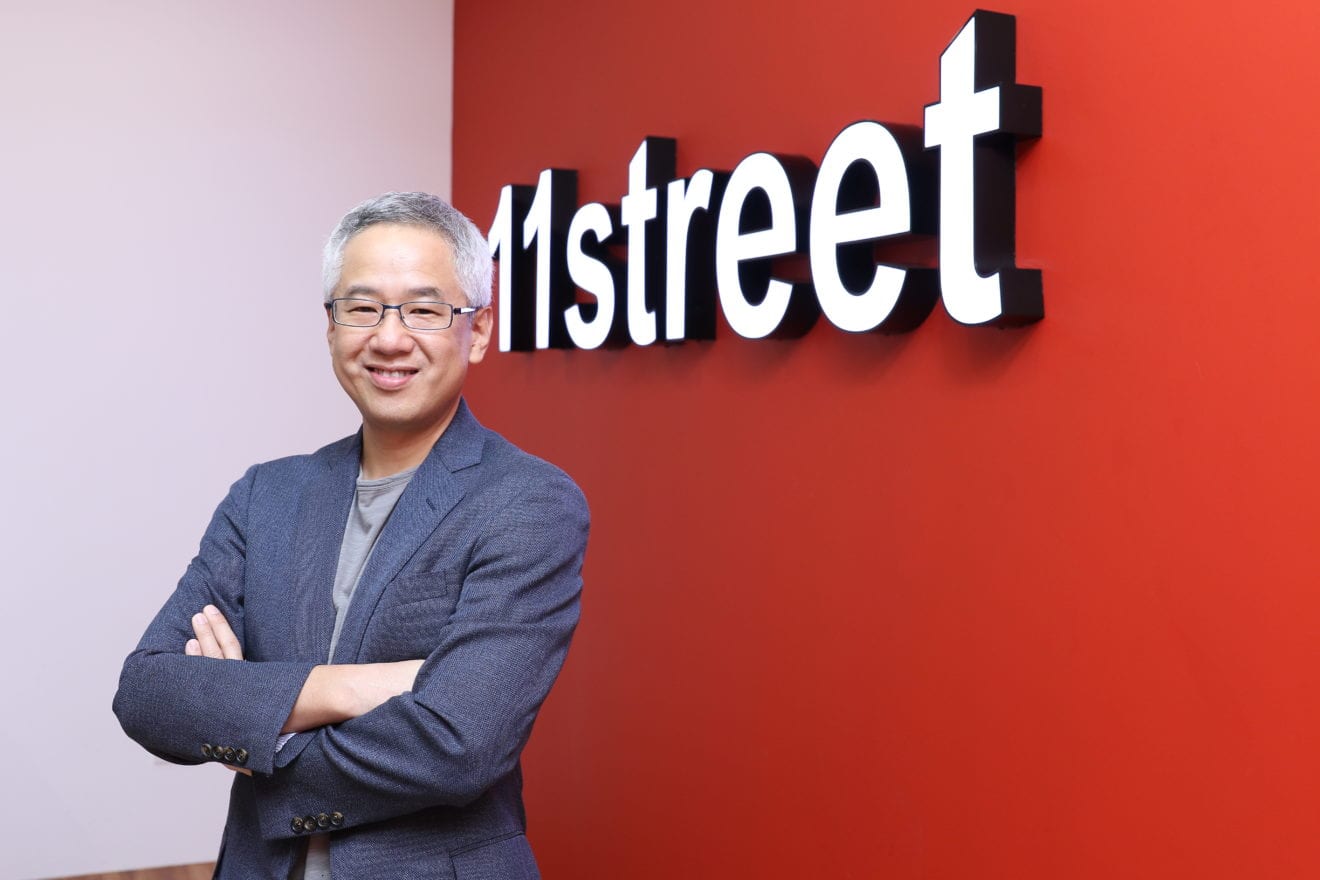
    11street CEO Cheong Chia Chou said: “As everything in our world becomes digitised, there is a need for a stronger e-commerce ecosystem where a customer’s physical digital journey can be fully integrated. Businesses are pushed to ride the wave of this rapid industry expansion to ultimately grow their businesses at a larger scale for better profitability and presence.”

    The partnership was made to expand integration and interoperability across platforms involved in Malaysian e-commerce. A statement released by the firm noted that the Malaysian digital economy has grown exponentially with 15.2 million online shoppers in Malaysia spending an average of RM321.15 (US$78.35) per year.

    The e-commerce industry revenue is expected to show a compound annual growth rate of 17.9 per cent over the next four years.

  • Public Bank Malaysia Q2 earnings up 4.8%

    Public Bank Malaysia Q2 earnings up 4.8%

    Public Bank Bhd’s net profit for the second quarter ended June 30, 2018 rose 4.8% to RM1.40 billion from RM1.33 billion a year ago mainly due to higher net interest income, higher income from Islamic banking business, lower loan impairment allowance and higher net fee and commission income.

    Its revenue jumped 5.2% to RM5.44 billion compared with RM5.17 billion in the previous year’s corresponding quarter.

    For the six months period, the bank’s net profit increased by 8.6% to RM2.80 billion from RM2.58 billion a year ago, mainly due to higher net interest income, higher net fee and commission income and higher income from Islamic banking business.

    Its revenue jumped 5.8% to RM10.79 billion compared with RM10.20 billion in the previous year’s corresponding period.

    Public Bank founder and chairman Tan Sri Dr Teh Hong Piow said the higher profit for the period was largely driven by growth in its loan and deposit business, with further impetus from a 4.9% growth in non-interest income.

    “Sustained business strength continued to place the group in a strong competitive position, with its net return on equity standing at 15.0%. Similarly, the group’s cost-to-income ratio of 33.1% and gross impaired loans ratio of 0.5% remained the best in the domestic banking industry,” Teh said.

    The board of directors declared a first interim dividend of 32 sen per share, which will be paid on Sept 19, 2018, resulting in a total dividend payout of RM1.24 billion.

    “The Public Bank group will continue to ride on the growing economy to strengthen its banking business along its organic growth strategy. The group’s resilient fundamentals, consistent financial performance, agility to market changes and strong customer service culture will continue to be the essential qualities in driving the sustainability of the group’s business, for the interests of all its stakeholders,” Teh said.

  • Maybank IB named best investment bank for fourth time running in Euromoney Awards

    Maybank IB named best investment bank for fourth time running in Euromoney Awards

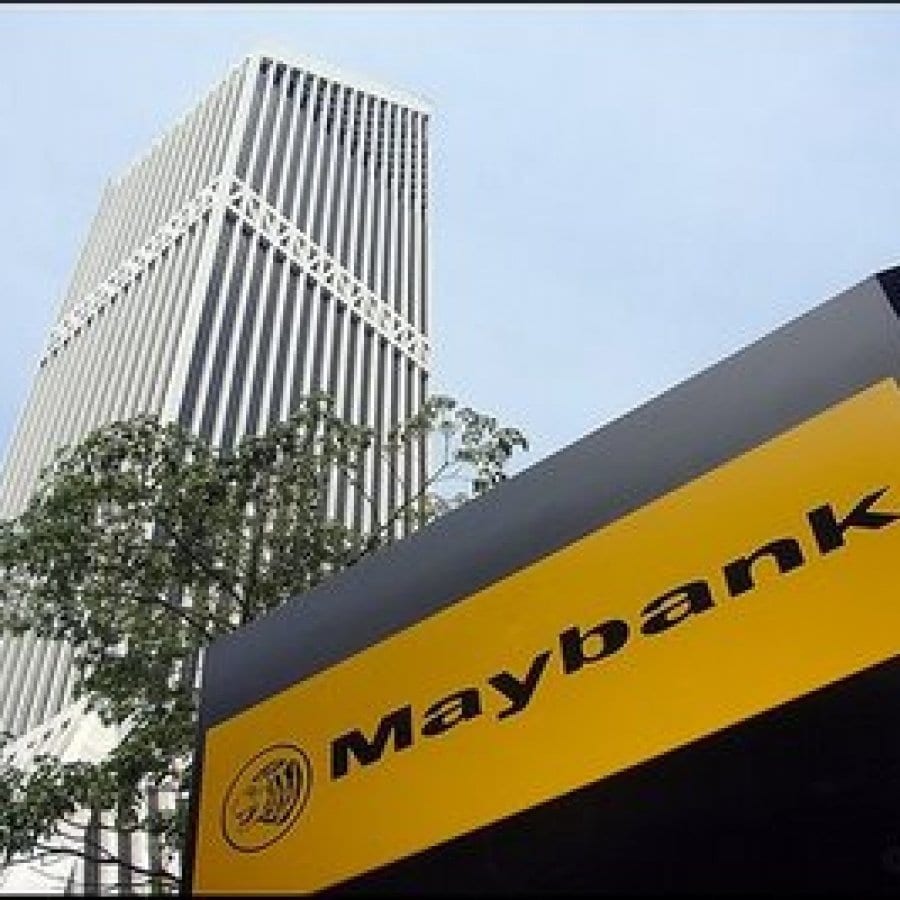
    Maybank Investment Bank Bhd (Maybank IB) was named the best Malaysian investment bank for the fourth time in a row in the Euromoney Awards for Excellence 2018.

    According to Euromoney, the accolade has been conferred on Maybank for its strong performance during the period under review.

    “Maybank IB had gone from strength to strength as a regional firm that now stands in comparison with all international and regional peers in Asean investment banking and advisory,” said Euromoney.

    It noted that the bank is the clear leader in investment banking in Malaysia.

    Maybank IB also topped the league tables in ringgit sukuk and conventional bonds.

    Euromoney received almost 1,500 submissions from banks for the award programme that covers 20 global awards, more than 50 regional awards, and best bank awards in close to 100 countries.

  • Trade wars to hit Malaysian steel sector

    Trade wars to hit Malaysian steel sector

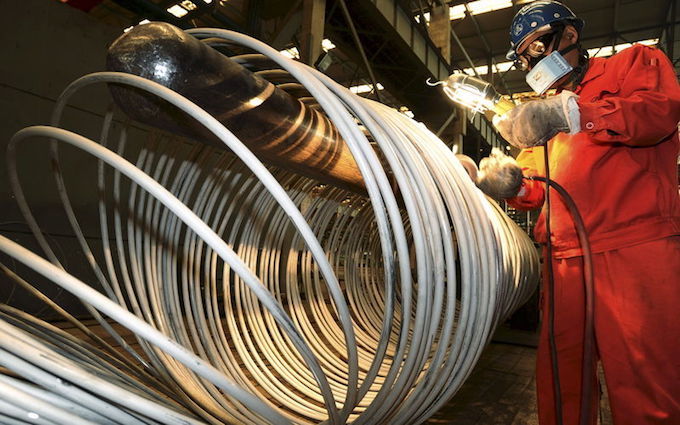
    The Malaysian steel sector will be affected negatively in 2018 and 2019 due to the trade wars on the external front, said MIDF Research.

    “Changes in global trade policies, tepid global demand as well as the local steel mill cost structure will continue to impede any positive demand for the companies under our observation,” it said in a report.

    It expects the steel sector to experience more headwinds from the trade wars as China’s demand for steel is shaky, coupled with the slump in its construction industry.

    “The demand from China’s manufacturing sector takes up to 360 million metric tons annually, close to 60% of its annual consumption. But, the demand is expected to shudder further due to China’s environmental health and occupational safety policies,” MIDF Research said.

    It noted that steel players such as Ann Joo Resources, Lysaght Galvanised Steel, Southern Steel, SC Steel, Mycron Steel and Choo Bee Metal have reacted negatively to the announcements and influx of news on trade and tariff wars.

    It expects the trend to persist because globally, steel demand is projected to grow to 1,616.1 million metric tons this year and tepid growth will be plagued by low demand for 2019, growing to 1,626.7 million metric tons.

    “This means less demand for export for the local steel mill. Most of the local companies are affected by unwavering overhead costs and operational expenditure, making the sector unattractive,” said MIDF Research.

    Meanwhile, the government has announced the exclusion of sales and services tax for building materials and construction services, which would be a breather for the construction sector from the grim outlook of project cuts, it added.

  • Mao Shan Café China to open 200 more stores

    Mao Shan Café China to open 200 more stores

    The Mao Shan Cafe, a franchised food retail network with a menu centred on durian – plans to open 200 outlets across Mainland China by 2022.

    Mao Shan Cafes serve durian cakes, savouries, pastries, waffles, durian coffee and ice cream and other unique foods based on Malaysia’s Musang King strain of durians, targeting Chinese nationals who are passionate about the fruit.

    In China, where whole durians are harder to come by, sales of durian-flavoured products have skyrocketed in recent years. Duerian imports have surged from 40 tonnes in 2011 to 368 tonnes in 2016.

    A subsidiary of US private equity business The Funding Partners, Mao Shan Cafe also plans to collaborate with Chinese food delivery giants Meituan and Alibaba-owned Ele.me to further boost sales.

    This year, 10 stores are planned for the Guangdong region and the first 100 in the company’s franchised network are expected to be trading by 2020. Sometime before the 200 threshold is reached, The Funding Partners plans to spin the company off in a Mainland China float.

    The chain’s first flagship store opened last month, in a ceremony attended by celebrities including Hong Kong performing artist, Maria Cordero.

    The Funding Partners has interests in Malaysia’s durian growing and export industry and saw the retail network as a way of expanding exports further to the mainland.

  • Victoria’s Secret To Open First Lingerie Store In Malaysia

    Victoria’s Secret To Open First Lingerie Store In Malaysia

    Victoria’s Secret Malaysia is opening its first lingerie store in October.

    Located at Mid Valley Megamall, the first full-range store will house all of the brand’s signature collections, including Body by Victoria, Very Sexy, Dream Angels, Bombshell and T-Shirt collection, along with the athletic line, Victoria Sport.

    All the signature scents and body care collections will also be ranged – including the Pink line.

    Victoria’s Secret arrived in Malaysia in 2012, and only stocks its lifestyle collections including accessories and beauty lines at existing stores.

  • Harvey Norman open door in Johor Malaysia

    Harvey Norman open door in Johor Malaysia

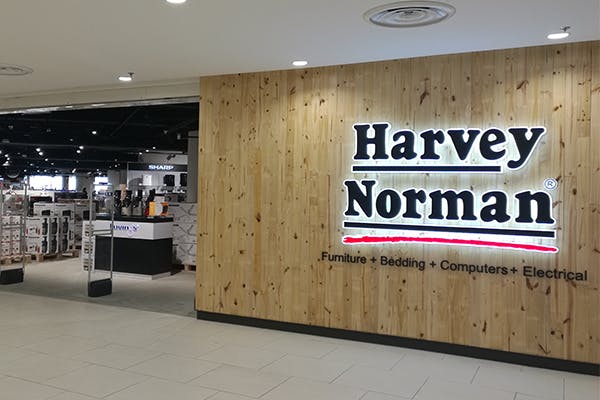
    Australian furniture retailer Harvey Norman Malaysia has opened its first store in Johor, at Paradigm Mall.

    Harvey Norman Asia MD Kenneth Aruldoss said the opening was timely as Johor has an impressive market thanks to rapid economic growth.

    The store also offers the retailer’s “Shop with Confidence” campaign which offers price guarantee.

    “This means that when customers buy a product from Harvey Norman and later find the same item at a lower price at another store, we will match the lower price and top up 10 per cent of the price difference within 10 days,” Aruldoss said.

    Another Johor store will be opened in SouthKey Mid Valley Megamall within the next three months while the third store is expected to open its doors in Tebrau, site of the Ikea-anchored Toppen shopping centre, early next year.

    Harvey Norman Malaysia has opened 17 stores so far, and plans to increase the network to 43 within 10 years.

  • Pink Parlour opens new Malaysia store

    Pink Parlour opens new Malaysia store

    A second Pink Parlour location is popping up in Malaysia.

    Opening in the city of Johor Bahru inside the KSL Mall, the lifestyle concept store will offer Pink Parlour beauty treatments, as well as serving as a café and retail space, according to a press release from Singaporean owner and operator, Parlour Group.

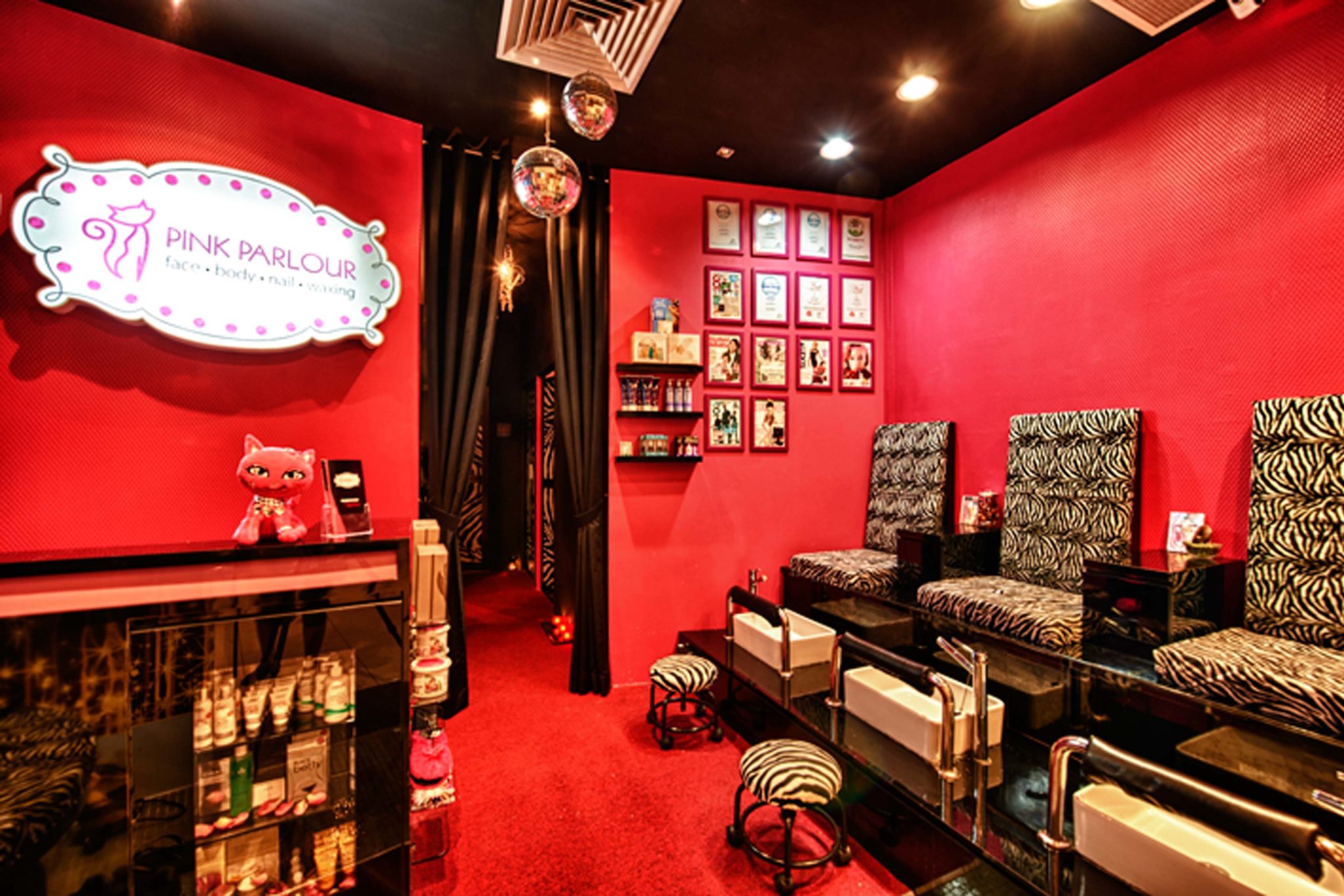
    Inside, the store’s front area will feature a café teashop and a retail spot, selling various pink-coloured products, matching the pink aesthetic of the Singapore salon.

    Out back, Pink Parlour’s waxing salon will be located, alongside a Senses area, the company’s second foot reflexology massage outlet.

    The new hybrid store – decked out in the brand’s signature fuchsia pink – is focused on innovation, and allows consumers to enjoy a holistic shopping and beauty experience.

    The new branch will be second store to bow in Malaysia after its first store opening in Kuala Lumpur’s Sunway Putra Mall just two years ago.

    Following the success of Parlour Group’s first location, the decision to create this brand new concept store signals positive receptivity in the Malaysian market.

    Fairoz Karim, one of the company’s established franchise partners in Malaysia, will operate the location.

    “Having seen [Pink Parlour’s] encouraging growth and support in Kuala Lumpur, I am truly excited to expand the business and open its second outlet in the hustling city of Johor Bahru,” said Karim.

    “Johor Bahru Malaysia KSL Mall has proven to be a prosperous commercial space, attracting hundreds of customers looking for upscale, professional beauty services, on a daily basis.

    “I look forward to seeing what the future holds for this new location in KSL mall and continuing our mutually beneficial business relationship with Parlour Group from Singapore.”

    Founded in 2005 by Singapore beauty veteran Wendi Chan and sales maven Derrick Seeto, Pink Parlour started out from a lack of modern beauty salons in Singapore.

    Today, the group operates 15 Pink Parlour outlets across Southeast Asian metropolitan cities such as Singapore, Kuala Lumpur, Manila and Jakarta.