Tag: Malaysia

  • Malaysia PM : ‘Third national car will not be like Proton’

    Malaysia PM : ‘Third national car will not be like Proton’

    The International Trade and Industry Ministry (Miti), which is confident of completing its review of the National Automotive Policy (NAP) by year-end, assured that the third national car mooted by Prime Minister Tun Dr Mahathir Mohamad, will not be like Proton, according to Miti Deputy Minister Dr Ong Kian Ming.

    He said Mahathir’s concept of the national car project is not about going back to Proton, but for energy efficient vehicles (EEV).

    Ong said the NAP needs to look at new mobility pathways, trends in driving patterns, and be adjusted with the improvement in public transportation and vendor development in the ecosystem.

    “There are many things that can be updated in terms of how we want to make the aspiration of Dr Mahathir to propel the automotive industry into something more sustainable and green.

    Inputs from the industry and stakeholders are important to help Miti shape this NAP. We hope the public do not think that Dr Mahathir’s intention is to revive Proton as Proton 2.0. There are many more ideas that he has,” Ong said at the British Malaysian Chamber of Commerce-Shell Premier Luncheon: Sustainability in Business, today.

    He said the third national car project will be open to all inputs and ideas of cooperation.

    “Dr Mahathir has spoken on the possibility of having an Asean car with cooperation with Indonesia, so there is opportunity to explore with other players, but looking at the angle of how the NAP is going at an international level, moving towards electric cars and EEV, and the value chain that comes along it, which includes electronics, artificial intelligence, internet of things – that would be part and parcel of the ecosystem.”

    On the matter of free trade deals, Ong said the government needs to decide on the ratification of the Comprehensive and Progressive Agreement for Trans-Pacific Partnership (CPTPP) first before it can discuss on free trade agreements (FTA) with other countries, but remains committed to the existing FTAs.

    “We’re already negotiating RCEP (Regional Comprehensive Economic Partnership) and is part of the countries negotiating it. Whatever happens to CPTPP will not affect our direct participation in RCEP at this point in time,” said Ong.

    Earlier at the event, Ong spoke about the government’s short term priorities in reforming for sustainability, which are to reduce and restructure national debt, put in place institutional and policy reform and design new narratives and strategies for investment and growth.

    He said ministers will need three to six months to get a complete grasp of their respective ministries.

    Its long term priorities are to realign the country’s fiscal structure and priorities, reform institutions for sound leadership, policy and justice, as well as to change the underlying structure of the Malaysian economy. This will take two to five years, before the 15th General Election.


  • ‘Deadpool’ boosts Fox earnings

    ‘Deadpool’ boosts Fox earnings

    group 21st Century Fox, most of which is being sold to Walt Disney Co., on Wednesday topped earnings expectations with help from the latest film devoted to anti-hero Deadpool.

    The company reported a profit of US$4.48 billion (RM18 billion) in the fiscal year that ended June 30, compared with net income of US$3 billion (RM12 billion) the previous year.

    It credited tax reform in the United States with giving it an accounting gain of US$1.5 billion (RM6 billion) at the end of 2017.

    The company’s film studio, 20th Century Fox, boasted of winning Academy Awards for six movies – including a best picture Oscar for The Shape of Water – and said it ended the year with “the strong theatrical success” of Deadpool 2.

    The sequel, starring an unkillable, potty-mouthed super hero from Marvel Comics, grossed more than US$730 million (RM3 billion) at theater box offices worldwide, according to the earnings report.

    Revenue for the recently-ended fiscal year increased seven-percent to $30.4 billion (RM124 billion), the company said.

    Adjusted earnings for the company were in line with analyst expectations. Fox shares were down a fraction of a percent to US$45.42 (RM185) in after-market trades.

    The company said its profit in the final fiscal quarter was US$925 million (RM3.8 billion) on revenue that was up 18% from the same period a year earlier.

    “As we move closer to combining our businesses with Disney and establishing new Fox, we are convinced that the paths we are creating for our iconic businesses will drive enduring and growing value for our shareholders,” executive chairmen Rupert and Lachlan Murdoch said in the earnings release.

    A media-entertainment megadeal enabling Disney to take over a large part of the Murdoch family’s 21st Century Fox empire moved a step closer to fruition last month when shareholders of both firms approved the tie-up.

    The US$71.3 billion (RM291 billion) deal – which must still get past regulators – will give Disney prized assets being sold by Rupert Murdoch’s group, including the Fox studios in Hollywood and important film and television production operations.

    US cable and entertainment group Comcast has been in a bidding war with Fox for British-based pay TV group Sky, of which Fox already owns 39%.

    The big media-entertainment firms are pursuing deals as they seek to slow the rise of streaming media platforms like Netflix and Amazon, and prepare for the entry into the sector of Silicon Valley giants like Google and Facebook.

  • Lalamove launched in Malaysia

    Lalamove launched in Malaysia

    Global on-demand logistics service provider Lalamove was launched in Malaysia this morning after its announcement to enter the market two months ago.

    Connecting businesses with the drivers or riders, the mobile app allows request for delivery services using motorbike and car.

    Country director Yong Sik Hoe said as the growth of e-commerce continues, the demand for delivery of the goods purchased is growing.

    He said local deliveries can be achieved within an hour, which allows business to scale rapidly without being constrained by logistics as well as huge operating expenses.

    Lalamove has presence in Hong Kong, Singapore, Thailand, Taiwan, Philippines, Vietnam, Indonesia and over 100 cities in China, serving 15 million customers and supporting over 2 million drivers.

  • Malaysia’s June exports rise 7.6% year-on-year

    Malaysia’s June exports rise 7.6% year-on-year

    Malaysia’s exports in June 2018 was valued at RM78.7 billion increasing by 7.6% year-on-year (y-o-y), a reversal of the trend of the five previous months where export growth was stronger than imports, according to Statistics Department.

    Chief Statistician Malaysia Datuk Seri Dr Mohd Uzir Mahidin said in a statement that re-exports increased 63.1% to RM15.7 billion y-o-y and accounted for 20% of total exports.

    However, he said that domestic exports was lower by 0.8% decreasing RM512.5 million to RM62.9 billion.

    Meanwhile, the department said imports growth registered a higher increase of 14.9% y-o-y to RM72.6 billion resulting a trade surplus of RM6 billion.

    Total trade which was valued at RM151.3 billion increased RM15 billion or 11% from June 2017, it noted.

    It said the export growth was contributed by expansion in exports to Hong Kong, China, Taiwan, Vietnam and Republic of Korea, while higher imports were mainly from China, Singapore, Taiwan, Republic of Korea and Saudi Arabia.

    The department said main products which contributed to the increase in exports were electrical and electronic products, refined petroleum products and crude petroleum.

    However, it said declines were recorded for these products; palm oil and palm oil-based products, liquefied natural gas (LNG), natural rubber, and timber and timber-based products,” it added.

    “While for imports, all the main categories of imports by end use and broad economic category classifications (BEC) recorded increases from a year ago, namely intermediate goods (RM1.2 billion), capital goods and cosumption goods,” it added.

  • AirAsia bullish on Indonesian market

    AirAsia bullish on Indonesian market

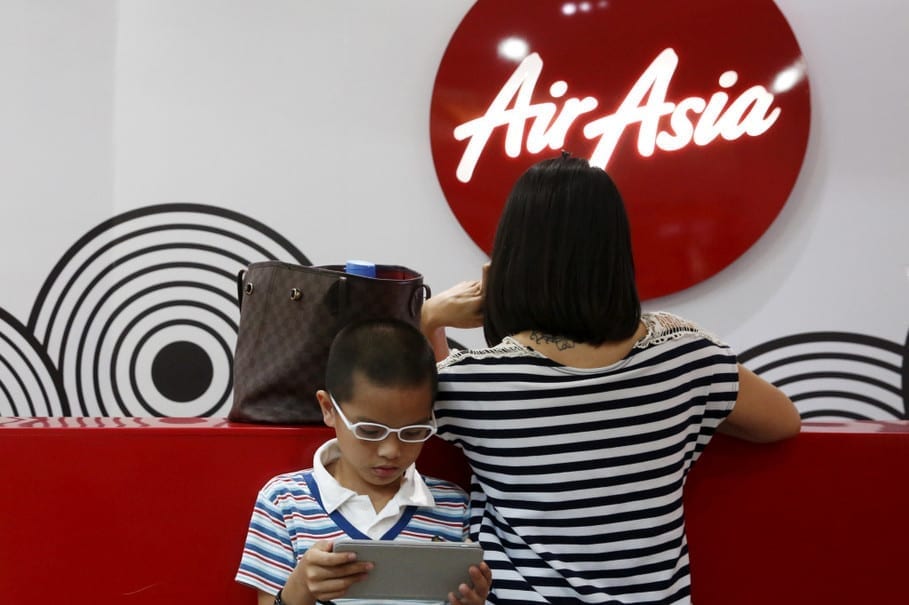
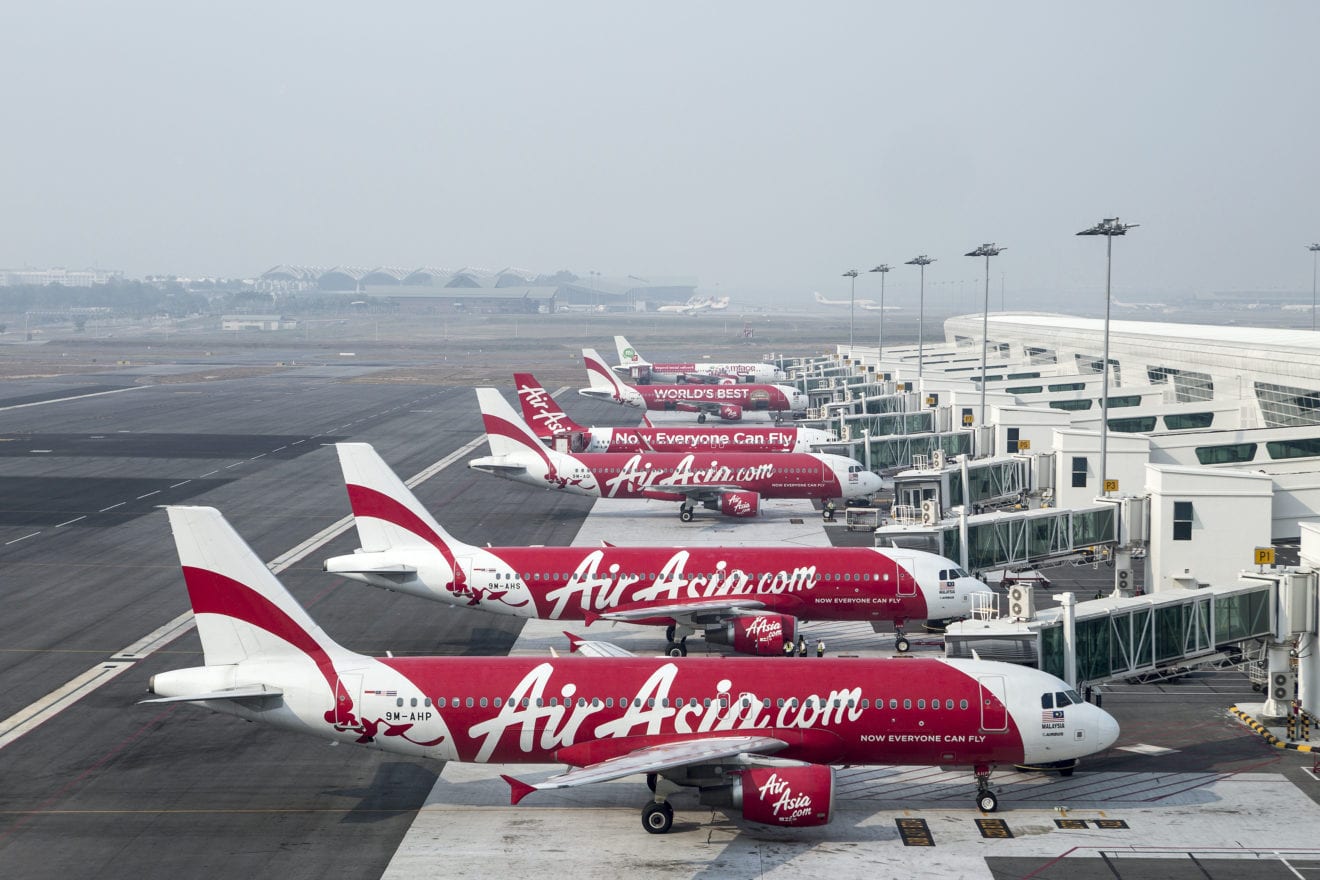
    Malaysian low-cost carrier AirAsia, which will start flights to Silangit Airport, Indonesia, the main gateway to Lake Toba from Oct 28, is looking to increase its services in Indonesia, a market in which it sees huge potential.

    Speaking at a press conference in conjunction with the official launch of the new route today, AirAsia Group CEO Tan Sri Tony Fernandes said the airline is eyeing more routes from Malaysia to Indonesia such as Belitung, Banyuwangi as well as Raja Ampat.

    “We are very bullish about Indonesian tourism. Indonesia is a huge priority for us,” Fernandes said.

    “We have already started talking about Kuala Lumpur-Belitung (route), which we see as a huge potential. There are so many places within Indonesia, as I’ve always said Indonesia is much more than just Bali.”

    In addition, Fernandes said the airline is also looking at cruise business in Indonesia, noting that coupled with the low-cost airline, it would be a huge potential for the state’s tourism industry.

    According to Indonesia’s Tourism Ministry, AirAsia made the highest contribution of all airlines to the number of international tourists flown to the country, bringing in 25% of the total figure.

    The four times weekly direct flights from Kuala Lumpur to Silangit Airport is the 21st route launched by the airline into the state.

    Fernandes said the new route marks the carrier’s commitment to support the government of Indonesia in developing the 10 priority tourism destinations, including Lake Toba.

    “Prior to Silangit, travellers wishing to visit Lake Toba had to take a six-hour bus ride from Medan. Today, they can fly direct to Silangit and reach Lake Toba in just an hour.

    “In addition to building new airports, Indonesia is converting Terminal 2 at Soekarno-Hatta International Airport into a low-cost carrier terminal. We believe this is a step in the right direction and we will continue to fully support Indonesia to achieve 20 million tourist arrivals by 2019,” he added.

    AirAsia is offering promotional all-in fares from RM39.10 for one way till Aug 12 for travel between Oct 28 and March 29, 2019.

    Besides Silangit, AirAsia also flies to 15 other destinations in Indonesia namely Jakarta, Lombok, Pekanbaru, Surabaya, Bali, Medan, Padang, Semarang, Banda Aceh, Pontianak, Yogyakarta, Palembang, Bandung, Makassar and Solo.

  • AirAsia Q2 load factor down 3% to 86% on seat capacity expansion

    AirAsia Q2 load factor down 3% to 86% on seat capacity expansion

    AirAsia Group Bhd’s operations in Malaysia, Indonesia and the Philippines saw a 3% drop in its load factor to 86% for the second quarter of 2018 (Q2 18) compared to the same period of 2017.

    Seat capacity for the quarter under review, however, increased 17%.

    The low-cost carrier said in a statement that it carried 10.88 million passengers in Q2 18, representing a 13% increase against the 9.61 million passengers flown in Q2 17.

    AirAsia Group’s total fleet size grew to 124 aircraft comprising 88 in Malaysia (AirAsia Bhd), 15 in Indonesia (PT AirAsia Indonesia Tbk) and 21 in the Philippines

  • Smart Trends eyes Asian, African markets

    Smart Trends eyes Asian, African markets

    Smart Trends International Sdn Bhd, a training recruitment and consultancy specialist, is looking to expand its operations in the emerging Asian and African markets.

    Smart Trends offers corporate training and technical programmes, which are designed to equip workers and non-workers with specific skills and abilities to perform their jobs efficiently and helps in improving their skills and enhancing their performance.

    The company had also recently signed a strategic partnership with NCFE (UK) to develop specially tailored technical and vocational courses for the Asean region. NCFE is an awarding organisation by the qualification regulators for England, Wales and Northern Ireland.

    “We are trying to venture into these markets in the fourth quarter of this year because we feel that there is a lot of potential especially in terms of vocational education,” Smart Trends chairman and group CEO Datuk Dr Emmanuel Benson said on the sidelines of the Global Leadership Awards 2018 recently.

    “Africa is an emerging market and they need education, especially on vocational and technical training. Not everyone (there) can afford to attend college or university,” he added.

    Smart Trends currently has presence in Sri Lanka and Vietnam with the opening of its training centres in these countries.

    In 2017, it has successfully trained and placed over 1,200 Malaysians with global multinational companies (MNCs) and Malaysian manufacturing, construction and oil & gas firms, according to its website.

    Going forward, Benson said he believes that there will be a lot of multinational job opportunities coming in to Malaysia, driven by surging foreign direct investments (FDIs) into the country as well as growing industries.

    “Training industry is an evolving and growing sector where you know micro-skilling is always needed.

    And what we are lacking (here) is that our graduates are not able to get a job and many people are getting retrenched, so micro-skilling is pivotal and plays an important role in order to get one employed,” he added.

    During the event, Benson bagged two awards, namely the “Masterclass CEO of the Year” and “Leadership Excellence in Human Capital Development Through Technology Innovation”.

  • Mitsui Fudosan plan to open more store

    Mitsui Fudosan plan to open more store

    Japan’s largest factory outlet operator is considering opening a similar park in Thailand.

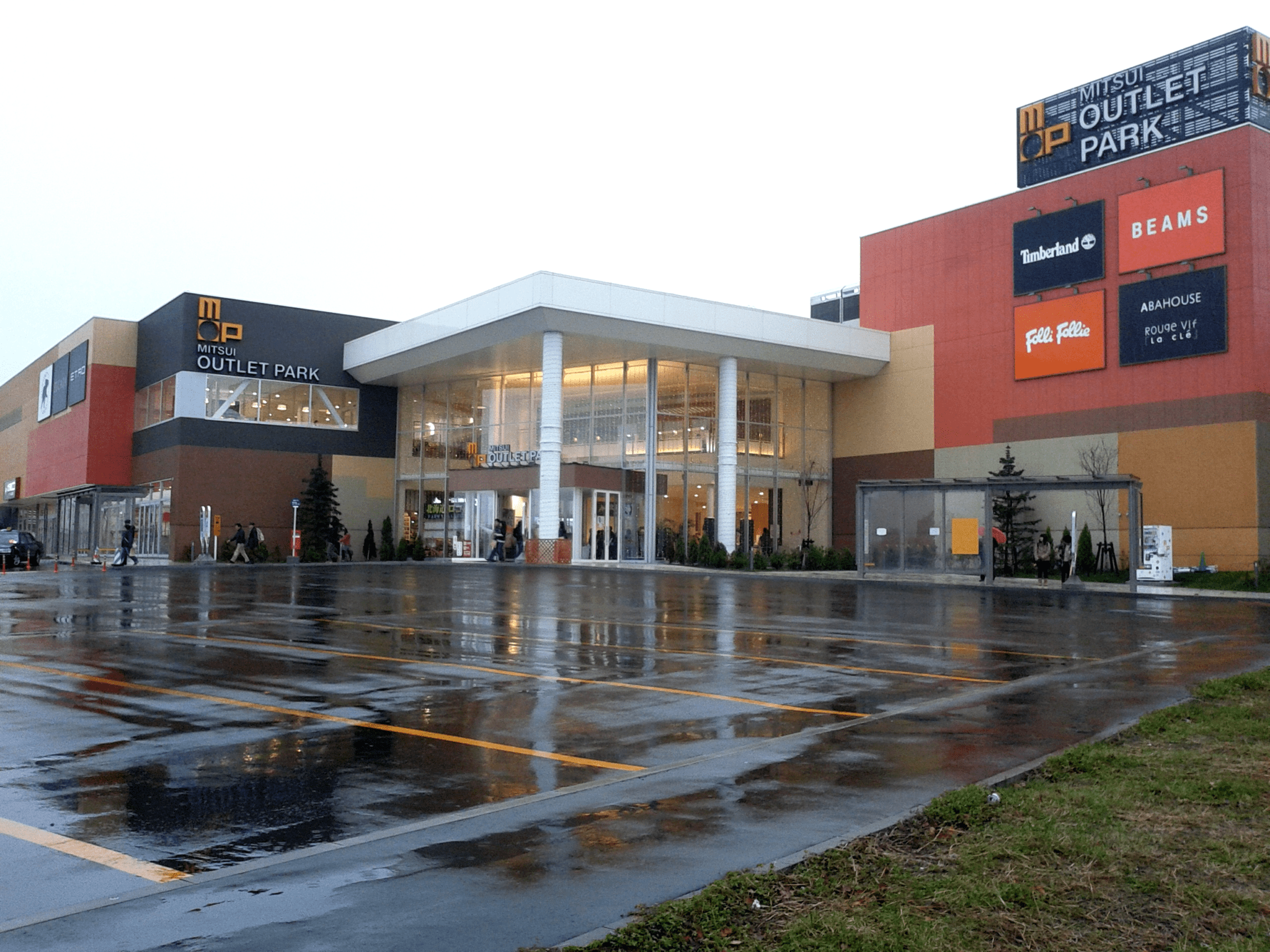
    The firm, Mitsui Fudosan Retail Management, is the developer of Mitsui Outlet Park, which attracts increasing numbers of Thai visitors each year. 120,000 Thai nationals are expected to visit the park this year, compared to 80,000 last year and 60,000 in 2016.

    Kazuo Iida, the GM for the firm’s tourism sales promotion department, said, “We’re interested in opening the Mitsui Outlet Park in Thailand, but the plan is just in the consideration process.

    “The number of Thais who visit Mitsui Outlet Park ranks fourth after China, Hong Kong and Taiwan,” he explained. “The number of Thais who visit Mitsui Outlet Park will outpace Taiwanese visitors for third place in the near future.”

    With the outlet park set to open a third-stage expansion at the end of October, it is moving towards becoming the outlet mall with the most stores in Japan, according to Iida.

    The group operates 13 outlet malls in Japan and two branches in Taiwan and Malaysia.

  • Asia’s large format retailers prepare for steady growth

    Asia’s large format retailers prepare for steady growth

    Global research organisation IGD has reported that Asia’s large format retailers are set to grow 3.3 per cent a year to 2022, with Vietnam, India and the Philippines forecast to see double-digit growth from large format players over the next five years.

    Most of this growth is predicted to be driven by domestic retailers, except for Vietnam where foreign retailers have been investing to gain a foothold in this fast-growing market. Indonesia will see steady growth, also driven mainly by domestic players; with China coming through as another market with significant growth opportunities due to its vast geography.

    Many large format retailers in Asia are still enjoying steady growth through expansion although they are facing pressures from increased competition in more developed markets.

    Besides expansion to new regions, retailers are also digitising physical stores to create a seamless shopping experience in more matured markets.

  • Velesto Energy bags RM101m job from Shell

    Velesto Energy bags RM101m job from Shell

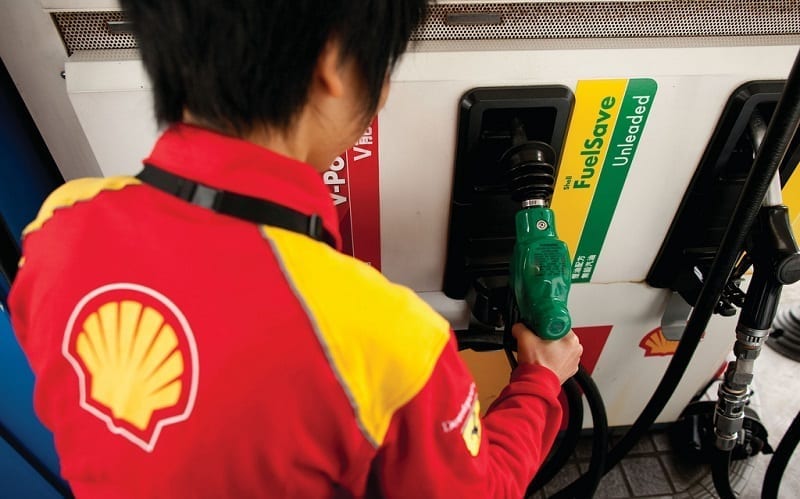
    Velesto Energy Bhd’s (formerly known as UMW Oil & Gas Corp Bhd) wholly owned subsidiary Velesto Drilling Sdn Bhd (VED) was awarded a US$25 million (RM101 million) contract from Sarawak Shell Bhd/Sabah Shell Petroleum Company Ltd for the provision of jack up drilling rig services.

    Velesto will assign its Naga 7 for the contract, which will go on from Aug 1, 2018 to Sept 30, 2018.

    The provision of the services is expected to contribute positively to the group’s earnings and net assets during the contract period for the financial period ending Dec 31, 2018.

    Velesto shares were unchanged at 30 sen on 21.64 million shares done.

  • Axiata to book non-cash loss on Idea Cellular-Vodafone Idea merger

    Axiata to book non-cash loss on Idea Cellular-Vodafone Idea merger

    Axiata Group said it is likely to book a RM1.5 billion to RM3 billion non-cash financial loss from the merger of 16.33% owned Idea Cellular and Vodafone Idea Ltd, which will make it the largest carrier in India by subscribers and revenue market share.

    Together, Axiata Group said in a statement, Vodafone Idea will serve a customer base of 440 million, representing 39% of the total market share while its revenue market share is estimated to be at 37.5%. Its revenue is forecasted to be in excess of US$10 billion (RM40.6 billion).

    The group said, the non-cash financial loss is due to applicable accounting standards from the dilution of Axiata Group’s shareholding in the merged enlarged Idea-Vodafone entity from 16.33% to 8.17%, upon completion of the merger which will result in the loss of certain shareholder’s rights as provided under the subscription agreement dated June 25, 2008 between, inter-alia, Axiata Group and Idea in relation to subscription by Axiata Group of shares in Idea.

    The estimated loss above is expected to have a material impact on the financial quarter ended June 30, 2018. The actual impact on de-recognition from the reclassification of Idea will be provided upon completion of the merger. Being a non-cash item, the financial impact above will have no bearing to Axiata Group’s current or future cash position.

    In a separate statement issued last Friday, the group said its cash balance is strong at RM5.7 billion as of end March 2018 with debts well within covenant and will not be a factor to impact Axiata’s dividend policy and payment for 2018.

  • UOB Malaysia issues RM600m notes

    UOB Malaysia issues RM600m notes

    United Overseas Bank (Malaysia) Bhd (UOB Malaysia) has completed its first issuance of RM600 million Basel III-compliant Tier 2 subordinated medium-term notes at a fixed coupon rate of 4.8%.

    The bank said in a statement that the issuance of the sub-notes was under its RM8 billion senior and subordinated medium term notes programme and are rated AA1 by RAM Rating Services Bhd.

    Increased from an initial target of RM500 million, the issuance was 2.5 times subscribed with orders in excess of RM1.5 billion.

    Its CEO Wong Kim Choong said the strong credit rating, tight pricing and the oversubscription reflects the continued confidence of the investment community in UOB Malaysia’s robust capital position and business fundamentals.

    “Strong investor demand also saw the notes priced at the lower end of the initial price guidance range with a fixed coupon rate of 4.8%.

    He said UOB Malaysia plans to use the net proceeds from the issuance for general business purposes.

    The notes will be due in 2028 and callable after July 2023. UOB Malaysia and HSBC Bank Malaysia Bhd are the joint lead managers on this transaction.

  • Malaysia ranked 5th most complex country in corporate compliance regulation

    Malaysia ranked 5th most complex country in corporate compliance regulation

    Malaysia has one of the most complex corporate compliance regulations among 84 jurisdictions in the world, according to TMF Group’s Compliance Complexity Index.

    Malaysia emerged as the fifth country in the world with the most complex corporate compliance regulation and second in Asia Pacific.

    The ranking was based on the difficulty of adhering to local business regulations and associated issues – such as local reporting requirements, and the time taken to set up companies.

    TFM Malaysia’s group managing director Sharon Yam said the index confirms the notion of Malaysia being reputed as one of the most complex jurisdictions for businesses to operate in.

    “However, the government has enacted legislation that is causing drastic changes to the business landscape and compliance regulations, and may ultimately result in greater simplicity for businesses,” she said.

    “With the introduction of an updated version of the 1968 Companies Act, out of date and time-sapping regulations have been replaced by more modern compliance standards. For example, the maximum age of directorship has been abolished, and companies are no longer required to state their shared capital. In the long term, this will make it easier for companies to comply with regulations, and Malaysia may begin to slide back down our list.”

    The United Arab Emirates emerged as the country with the most complex regulations followed by, Qatar, China, Argentina and Malaysia.

    TMF Group provides accounting, corporate secretarial, HR administrative and capital market support to companies of all sizes in more than 80 countries.

  • Malaysia Airlines to capture 50% moslem market share in Malaysia, Indonesia

    Malaysia Airlines to capture 50% moslem market share in Malaysia, Indonesia

    Malaysia Airlines Bhd (MAB) aims to tap into 50% of the umrah pilgrimage market in Malaysia and Indonesia with 270,000-290,000 umrah pilgrims projected to make their pilgrimage to the holy land in the upcoming pilgrimage season.

    The national carrier entered into a charter service deal with a coalition of four umrah tour operators comprising KRS Travel Sdn Bhd, ATS Global Travel & Charter, Ecoriths Leisure Travel &Tour and Rayhar Travels Sdn Bhd to provide air charter services during the umrah season beginning October 2018 until June 2019.

    MAB group CEO Captain Izham Ismail said all the 149 flights will be operated via its Airbus A380-800 aircraft. The agreement will see the carrier transporting 70,000 pilgrims from Malaysia and neighbouring countries such as Indonesia.

    The direct flight are from Kuala Lumpur to Jeddah and Madinah in Saudi Arabia.

  • Be prepared for property bubble burst, Ideas tells govt

    Be prepared for property bubble burst, Ideas tells govt

    The government must be ready for the property market bubble to burst, and the risk of it leading to an economic crisis, said the Institute for Democracy and Economic Affairs (Ideas).

    Ideas senior fellow Dr Carmelo Ferlito (pix) in his policy paper titled “Affordable Housing and Cyclical Fluctuations: The Malaysian Property Market” recommends that the government respond with market-oriented solutions and pay special attention to the household financial exposure.
    “Second, the government needs to downplay its role in the property market by reducing the number of government agencies and encourage the private sector to get involved in the affordable housing market.

    “Third, the government must enhance Malaysian financial literacy, with an orientation toward the value of saving and the possibilities offered by the rental market,” Ferlito said in a statement today.

    He said the government may also open and ease up the regulation in the property market for foreigners who are in possession of a regular working visa and are paying taxes, to help the industry.

    Ferlito’s policy paper highlights the evolution of the Malaysian property market over the past decade, which has resulted in a high number of unsold properties, especially in the high-end segment, and a partially unsatisfied demand for affordable housing.

    He said the spectacular growth of the high-end property segment was ignited by rising profit expectations supported by a growing demand and, at a later stage, by a supportive credit market.

    The mix of these elements has generated a bubble which, following the property transaction dynamics, reached its peak between 2012 and 2013, and that bubble is now expected to burst.

    Ferlito noted that the focus on the high-end segment was justified by high demand and it is therefore natural that investment expanded in that sector.
    “However, now that it appears clear that unexploited profit opportunities are disappearing, a capital allocation restructuring appears necessary.”

    He added that the high involvement of government agencies in the affordable housing market risks crowding out private initiative and prevents the necessary restructuring from taking place.

    “It is important to let the bubble burst; too much credit will only delay the bursting, keeping prices artificially high and putting at risk the financial solvency of buyers. Without credit support, the crisis will happen faster and force both capital restructuring and prices to move downwards,” Ferlito said.