Tag: Malaysia

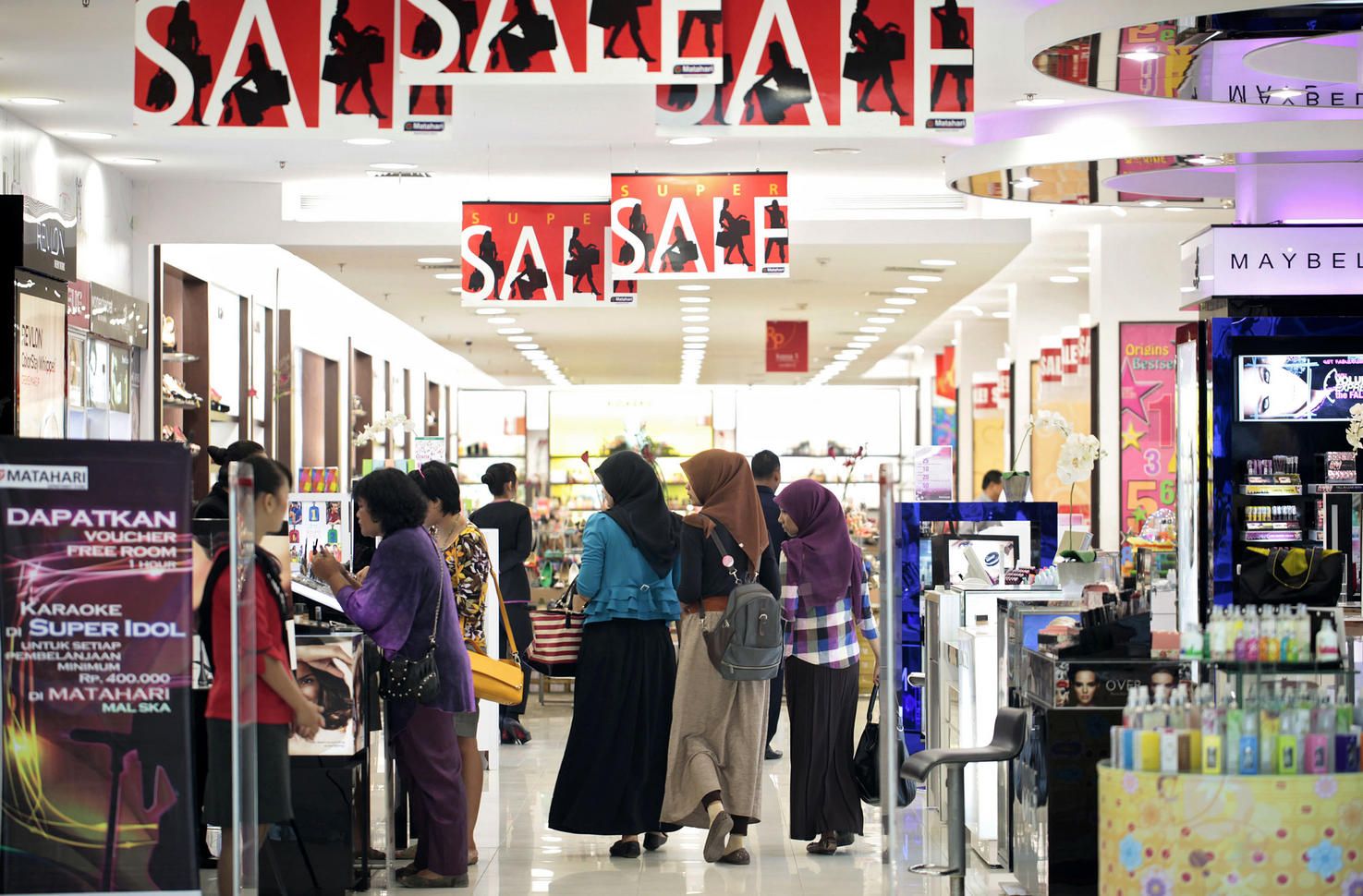
  • New retail experience at Sunway Malls’ Malaysia

    New retail experience at Sunway Malls’ Malaysia

    Those who visited Sunway Pyramid recently may have seen and enjoyed the stack of escalators that connects the upper level car park floors to the retail floors through its latest asset enhancement exercise.

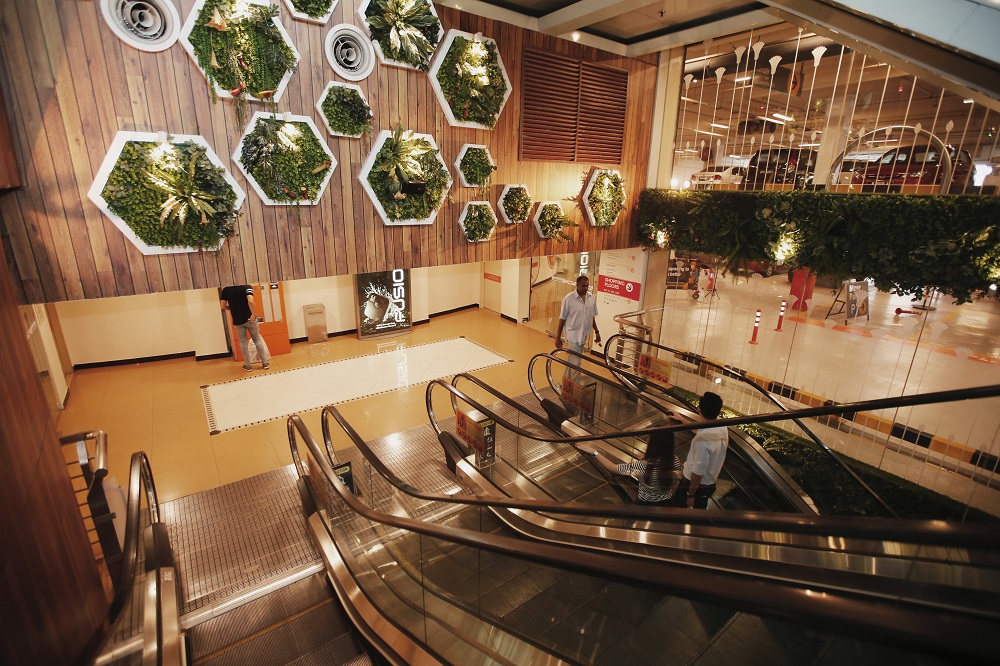
    Dubbed as ‘Oasis Garden’, the exercise saw the creation of a rainforest-like environment across 6 floors of escalator decks through creative use of sight, sound, smell and touch in generating a life-like experience.

    “When we were identifying the areas to bring out the soundscape, the escalators stood out in terms of importance and conduciveness. As two thirds of our mall traffic utilises those escalators which translated into 2 million visitors per month, the location represented a strategic value to make an impression to a great number of visitors. It is a captive market we had not targeted before,” said Mr Chan, CEO of Sunway Malls & Theme Parks.

    “The whole idea of Oasis Garden was to create a pleasant transition for people walking from the parking bays to the retail space and vice versa. I dare say Oasis Garden is Malaysia’s first sensory escalator deck,” he continued.

    Sunway Malls asserts that they are now looking beyond promotions, advertising and public relations to attract footfall and sales conversion. With 1 in 5 Malaysians spending their time in a mall at any given weekend and intense competition in the Klang Valley, Sunway Malls needed to ensure that brand advocacy and mall affiliation is a focus not to be forgotten amidst the excitement of tactical marketing.

    “We recognise that there is a need for a strategic all-inclusive approach that works in tandem with tactical marketing. Customers at present have a high expectation on service and quality of products. They are spoilt for choices and they have come to expect more holistically and gravitate towards brands who can engage with them in a creative manner. Events and promotions so bring in the traffic but we are a 21-year-old mall and I believe we can do more than that so we can impress our customers during their stay with us, converting them into returning customers,” said Chan.

    The escalators, connecting CP7 to CP2 parking floors at the Orange Atrium, now features artificial greenery with sounds of birds chirping, crickets, frogs and monkeys. The sounds of flowing water and gushes of wind complemented the entire “garden”, creating an immersive sound experience for shoppers.

    “The car park is a relatively harsh environment without air-conditioning. The mall can be a very crowded place and the sight of a rainforest-like garden helps to change the feel and mood of the shoppers, allowing them to experience something soothing, refreshing and therapeutic, said Chan.

    “To ensure we achieve the right soundscape, we sought the assistance of Professor Matthew Sansom, the associate dean of Sunway University School of Arts and Head of Performance and Media. He has had 20 years of experience working with sound and he explores the relationship of sound with people and the environment,” said Jason Chin, General Manager of Operations for Sunway Malls.

    So far, the mall has invested approximately RM250,000 on Oasis Garden. 60% of its materials are recycled from previous festive décor and events.

    “The sounds of nature really helped mask the sounds of the escalator mechanism, car screeches, and just general white noise from the crowd. Authentic sound from 17 species of birds were used to create this soundscape,” Chin explained.

    The mall has further enhanced Oasis Garden with scents of the forest, to create an even more wholesome experience for its shoppers.

    In many ways, Oasis Garden also serves as an awareness that Sunway is committed to the United Nation’s Sustainability Development Goals. Rainforests play an important role in ensuring the eco-system of life on land is well preserved.

    It took the mall over 6 months to get Oasis Garden to where it is today.

    “We also have a Paradise Garden in Lower Ground 1, just outside the Blue Entrance. It’s a seating area with real plants since it’s in the outdoors but the next area we are looking at to implement soundscape is our newly-refurbished Main Entrance at the Ground Floor. Professor Sansom is currently studying the area,” said Chin.

    “Our success with Oasis Garden shows that we can turn science into art, and we can translate a space into something people can enjoy. When a visit to the mall is delightful, we know we have done something right for our shoppers,” concludes Chan.

    Asset enhancement exercises are common for Sunway Pyramid as the mega mall went through a series of exercises to keep abreast. It underwent an extensive renovation and expansion back in 2007 and added a new retail podium known as Sunway Pyramid West in 2015.

    Sunway Malls is gearing to be amongst Malaysia’s largest mall owner-operator and currently manages five malls:Sunway Pyramid, Bandar Sunway; Sunway Giza Mall, Kota Damansara; Sunway Putra Mall, Kuala Lumpur; Sunway Velocity Mall, Cheras, Kuala Lumpur; Sunway Carnival Mall, Penang.
  • Grand Senheng opens electronics megastore Kuala Lumpur

    Grand Senheng opens electronics megastore Kuala Lumpur

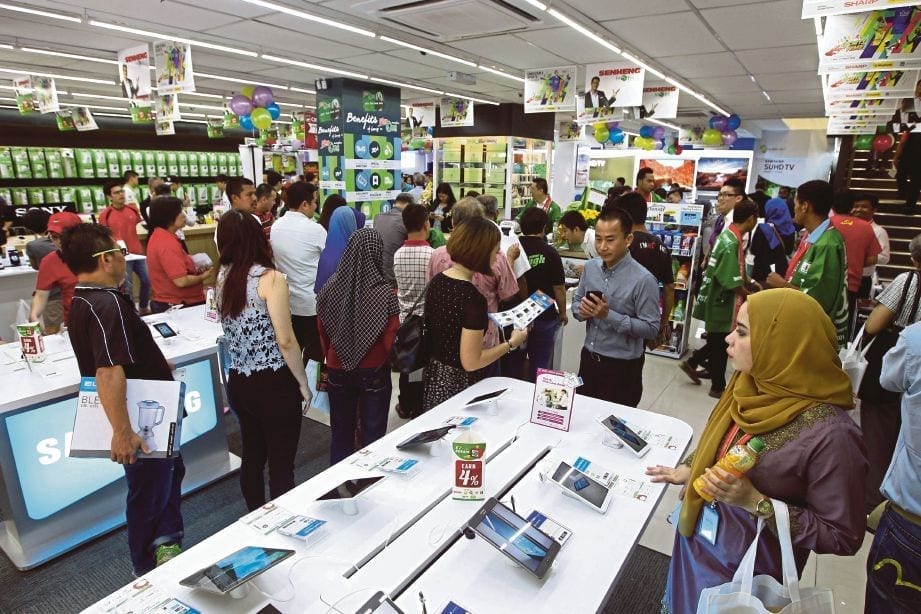
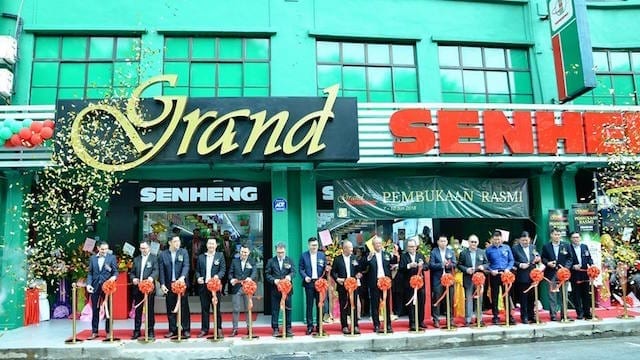
    Malaysian electrical retail chain Senheng has opened its first megastore, in Pandan Jaya, Kuala Lumpur.

    Set to be a one-stop destination for anything electrical or electronic, the Grand Senheng megastore enhances the customer experience by allowing shoppers to try out products in a unique and exclusive environment.

    “We pride ourselves on bringing great value, better lifestyle and a seamless shopping experience to our customers,” said managing director KH Lim.

    Senheng adopted a seamless business model last year, designed to align in-store, online and mobile shopping activities.

    To mark the opening, 500 units of high-quality electrical products were offered at only RM10 (US$2.46).

  • Perfection in a Heineken pour

    Perfection in a Heineken pour

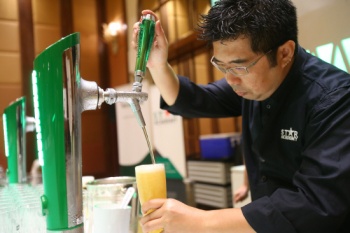
    HEINEKEN Malaysia’s Star Academy has kickstarted the latest edition of its programme to train bartenders to serve the perfect pour based on the five-step Heineken Pouring Ritual.

    The Heineken Star Serve, now in its fifth year, will see Star Academy trainers Jonathan Chong (pix) and Thomas Ling providing professional training to 600 participants across eight cities throughout this month.

    The participants will later be put through rigorous theoretical and practical assessments, not just on Heineken product history and knowledge, but also technical know-how, as well as other areas.

    The top performers will then enter a national finals competition where the winner will represent Malaysia at the Heineken Global Bartender Finals in Amsterdam, the Netherlands.

    In past global competitions, Malaysian finalists have made the country proud.

    Eddy Jay Jaimin was crowned champion in the 2016 Heineken Global Bartender Finals, while Jimmy Goh Teong Hock was the runner-up in 2013.

    The winner this year will be chosen based on his/her skill and knowledge in pouring the perfect pint of premium Heineken draught beer following the five-step Heineken Pouring Ritual of rinse, pour, skim, check and serve:

    Step 1: Rise the glass to make it clean and cold.

    Step 2: Pour with the glass at a 45° angle for a full, satisfying head.

    Step 3: Skim off the foam at a 45° angle to seal the head.

    Step 4: Check that the head sits on the horizontal line of the star.

    Step 5: Serve on a coaster with the logo facing the drinker.

    This golden standard includes ensuring a two-finger foam head to seal in the freshness and full-bodied flavour of the beer.

    But then again, less foam does not mean it’s a bad beer.

    Another key component to a perfect pour is the scientifically-designed glassware, which brings us to the next factor – beer bubbles.

    As one of the most vital constituents of a good pint of beer, the embossed base of the pint glass encourages the best carbonation, making for a long-lasting foam head, which ensures that every sip of beer is as good as its last.

  • Foreign selling on Bursa Malaysia last week halves to RM247.1m

    The net amount sold by foreign investors last week shrank by more than half from RM531.8 million to RM247.1 million, the smallest weekly attrition so far this year.

    The pace at which international investors are disposing of stocks listed on Bursa Malaysia has been slowing down for the past four consecutive weeks, MIDF Research said in its weekly fund flow report.

    The research firm noted that global investors were net sellers on every single day except on Wednesday, which saw a foreign inflow worth RM71.7 million net, the first since June 29.

    The local bourse ended 0.91% higher at 1,753 points that day after Federal Reserve Board chairman Jerome Powell’s reaffirmation of his upbeat assessment on the US economy.

    Bursa Malaysia’s Asian peers, namely South Korea, Taiwan and the Philippines, also experienced a surge of inflows on the same day.

    MIDF Research said foreign net selling that occurred on other days remained well below RM100 million, a level deemed moderate, while Thursday recorded the highest foreign net selling during the week at US$95.6 million net.

    “Notwithstanding this, the FBM KLCI marked its nine-day winning streak on the same day supported by the rise in construction stocks following the announcement that the KL-Singapore HSR project will be deferred instead of being unilaterally cancelled,” it added.

    However, MIDF Research said the reduction of outflows to RM64.6 million net on Friday coincided with the 0.26% decline in the FBM KLCI amid profit-taking activity in telecommunication stocks as they led decliners.

    MIDF Research said Malaysia’s year-to-date foreign net outflow has reached RM8.31 billion or US$2.07 billion, offsetting approximately 80% of last year’s RM10.33 billion inflow.

    “Nevertheless, this figure is still the second lowest outflow amongst the four Asean markets we track, standing below the Philippines which has a year-to-date outflow of US$1.31 billion net.”

    The research house added that participation amongst foreign investors, retailers and local institutional funds remained upbeat as each of their average daily traded values stood above RM1 billion, RM800 million and RM2 billion, respectively.

  • Malaysia’s economy seen expanding at slower rate

    Malaysia’s economy seen expanding at slower rate

    Malaysian economy is anticipated to expand at a slower rate in the next four to six months ahead, based on the findings of Malaysian Economic Indicators: Leading, Coincident & Lagging Indexes for May 2018.

    The Leading Index (LI) indicators are designed to observe the economic performance in the short term.

    The Statistics Department said in a statement that the monthly change of LI showed a negative growth of 1.1% to 117.8 points in May 2018 from 119.1 points in April 2018, mainly due to the 0.5% decrease in the number of new companies registered.

    It said the annual change of LI also registered a decrease of 0.7% in the same month against 1.4% in April 2018.

    However, the Coincident Index (CI), which reflects the current economic activity, improved in May 2018, registering a growth of 0.3% in the reference month.

    “The annual change of CI rose 2.2% in May 2018. The Diffusion Index for CI remained at 66.7% since January 2018. Nevertheless, the level of Diffusion Index for LI was below 50% (14.3%),” it added.

  • Palm Oil From Indonesia’s Shrinking Forests Taints Global Brands

    Palm Oil From Indonesia’s Shrinking Forests Taints Global Brands

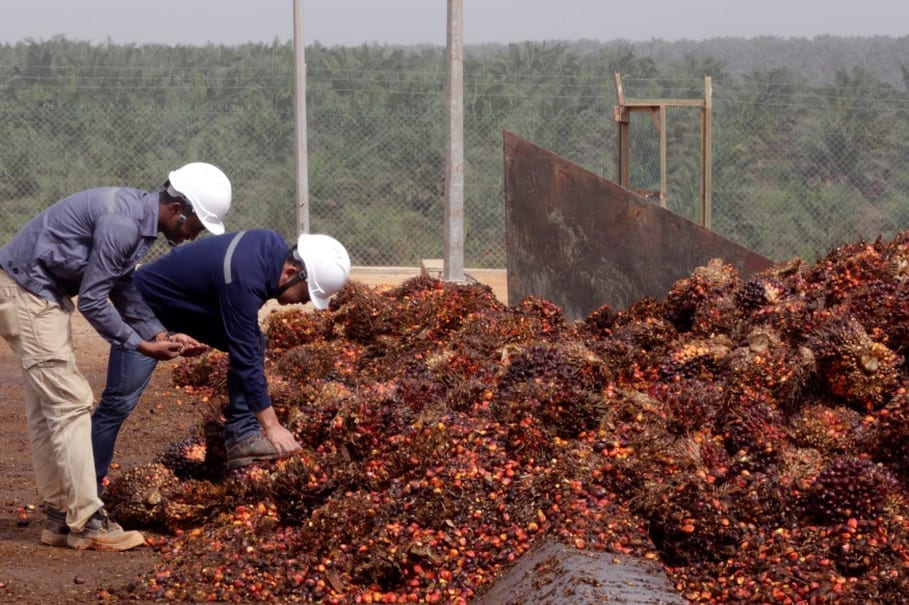
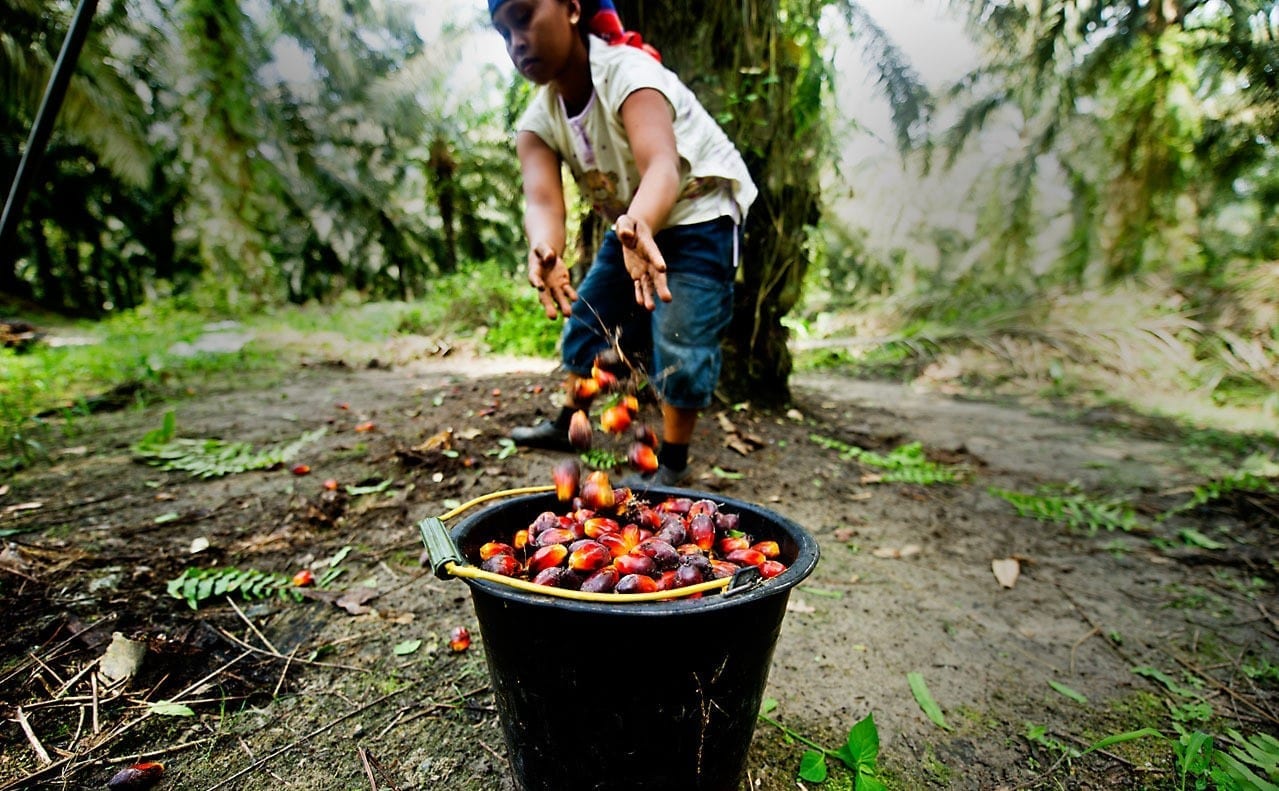
    Palm oil sourced from illegally cleared rainforest areas in Indonesia has flowed through traders to major consumer goods brands despite widespread commitments to cease purchases of non-sustainable oil, a new report says.

    Palm oil companies Royal Golden Eagle (RGE), Wilmar, Musim Mas Group and Golden Agri Resources sold oil from 21 “tainted” mills to more than a dozen global brands including Nestlé and Unilever, according to the report by Eyes on the Forest (EoF), a coalition of environmental nongovernmental organizations, including WWF Indonesia.

    In spot checks since 2011, EoF used GPS tracking to follow trucks carrying palm oil fruit, known as fresh fruit bunches, to mills from plantations within Tesso Nilo National Park and the Bukit Tigapuluh protected forest areas in central Sumatra.

    “All companies bought directly or indirectly from at least some of the 21 implicated mills,” according to the report, which calls for traceability on palm oil to be improved and to be extended to plantations that supply mills.

    Forest cover on Sumatra Island, home to endangered tigers, orangutans and elephants, had declined by more than half to 11 million hectares in 2016 from the 25 million hectares it had in 1985, as palm oil and other plantations have expanded and encroached on protected areas.

    Nestlé said in an emailed response it was “committed to tackling” deforestation. A company spokeswoman said the firm was working with partners to transform the palm oil industry “further down the supply chain.”

    Unilever said by email it publicly disclosed suppliers and mill details and was committed to increasing traceability in the palm oil supply chain “and to working with our suppliers and partners to resolve issues.”

    Unilever also said it was examining “details behind the investigation to determine the right approach and next steps.”

    Environment Ministry spokesman Djati Witjaksono Hadi said smallholders, “not companies,” owned plantations in national parks.

    Hadi referred further questions on the mills to the ministries of agriculture and industry, which did not immediately respond to requests for comment.

    Similar issues were highlighted in earlier EoF reports including in 2016, but a lack of strict supervision by traders has led to more forest clearing and illegally grown palm oil entering global supply chains despite their commitments to improve traceability and stop deforestation, the report said.

    Traceability

    “We acknowledge that it’s really challenging to get traceability beyond the mill and going right down to the plantation source,” Elizabeth Clarke, WWF global palm oil lead said. “But it’s absolutely paramount that they do this.”

    Among those mentioned in the report, Wilmar International was accused of buying palm oil from Citra Riau Sarana (CRS) whose three mills were found to have bought fresh fruit bunches from Tesso Nilo in 2011, 2012, 2015 and 2017, even though Wilmar sold its 95 percent stake in CRS in 2014.

    “Whatever action they’ve been taking, it hasn’t fixed that particular mill, and this is what we’re asking these particular individuals to do,” the WWF’s Clarke said.

    Responding to the report, Wilmar said it had “continued to engage with CRS and to monitor their traceability system” from 2014. “While there was progress made on traceability, we have stopped purchasing from them since June 2018 for other reasons,” Wilmar said in an emailed statement.

    But Wilmar said it had not received “a clear confirmation from the authorities which companies are illegal in the landscape” despite making a request to the Environment Ministry.

    CRS could not immediately be reached by phone for comment.

    Sime Darby Plantation, also named in the report, said it had 94 percent visibility of its supply chain “which provides key customers access to traceability information that can help them make informed choices about the palm oil products that they purchase.”

    It also said it was working with nongovernmental organizations to eradicate deforestation for the remaining 6 percent.

    Daniel A. Prakarsa, head of downstream sustainability at Sinar Mas Agribusiness and Food, a subsidiary of Golden Agri, said the company considered 39 percent of its output to be fully traceable, and was targeting full traceability from the 427 mills of its suppliers by 2020.

    “Our policy is to help suppliers to comply. Not just [saying] ‘this is our standard, you must comply, otherwise we stop [buying],’” he said.

    Musim Mas Group did not immediately respond to a written request for comment. On its website, the group says it is working with smallholders and other stakeholders along the supply chain to achieve sustainable palm oil production.

    Clarke from the WWF said trading firms “need to make it very clear to the mills that they won’t buy from them until they can provide assurance that it is 100 percent legal.”

  • AirAsia X rises 5.33% on Airbus purchase

    AirAsia X rises 5.33% on Airbus purchase

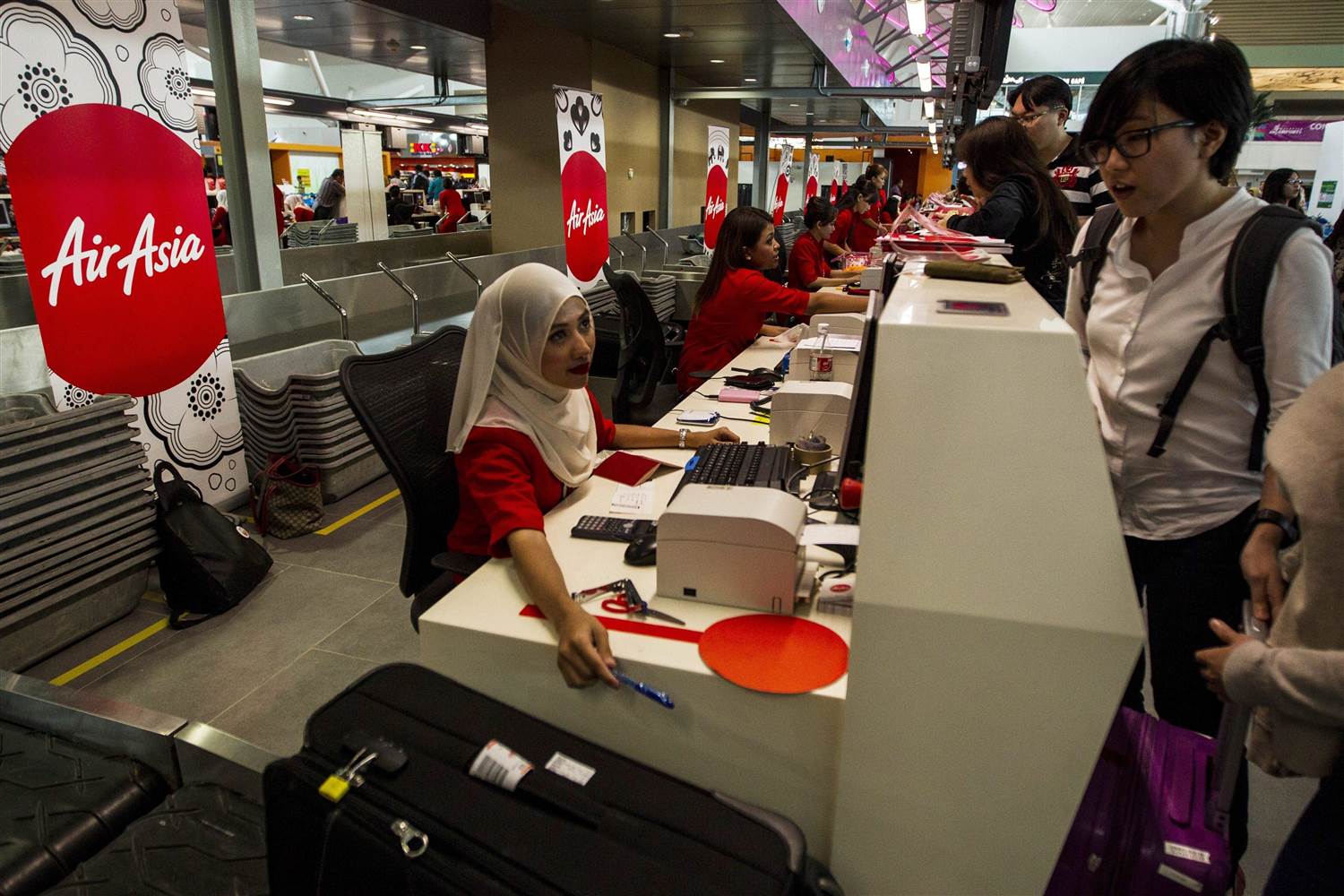
    AirAsia X Bhd’s share price rose as much as 5.33% to 37.5 sen on early trade after the airline confirmed its order of 100 Airbus A330neo widebody aircraft.

    At 12.01 pm, the stock was trading at 37.5 sen with 31.62 million shares done.

    Yesterday, AirAsia Group CEO and AirAsia X co-group CEO Tan Sri Tony Fernandes said that the group was in discussions with Airbus for two years and was looking to cancel the order before reaffirming and increasing the order, after reviewing AirAsia X’s model over the last one year.

    “We got close with Boeing, they ran a good campaign. It was a close fight. Until a week ago, I didn’t really know which way we were swinging … but I’m confident we chose the right plane for us,” he said.

    The order for the 100 aircraft is worth US$30 billion (RM121.8 billion) at list prices.

    Fernandes said funding sources for the order include sale and leaseback, leasing capital and debt capital but he declined to reveal the contract value of the order.

  • AirAsia X inks conditional amendment agreement with Airbus for additional 34 aircraft

    AirAsia X inks conditional amendment agreement with Airbus for additional 34 aircraft

    AirAsia X Bhd has entered into a conditional amendment agreement with Airbus S.A.S for the purchase and delivery of an additional 34 A330-900neo aircraft pursuant to the A330-300 purchase agreement dated June 14, 2007.

    This comes after the low-cost long-haul carrier announced yesterday that it had placed an order of 100 Airbus A330neo widebody aircraft.

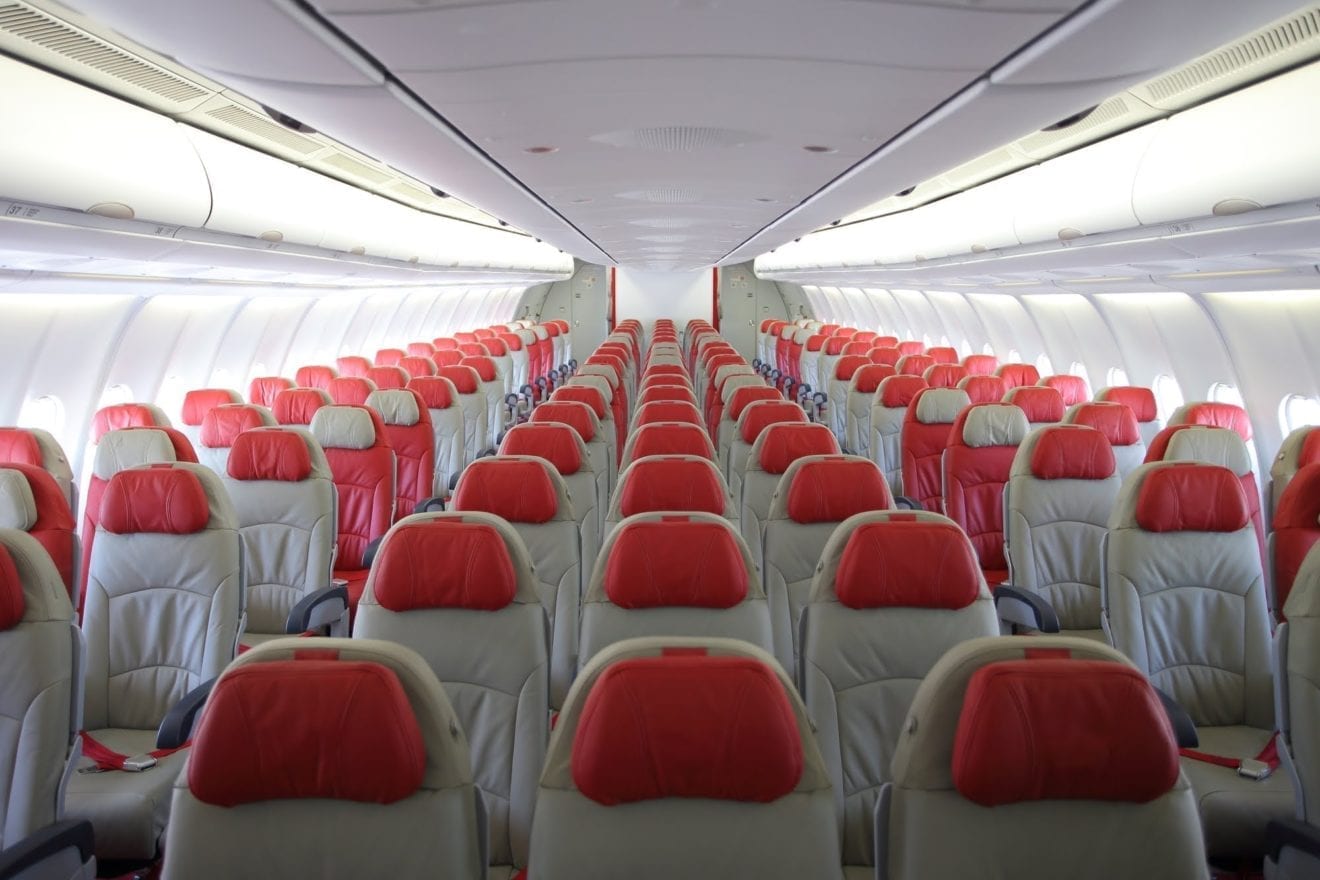
    AirAsia X said that the aircraft will be delivered between October 2019 and the second half of year 2028.

    The aircraft will each be fitted with a set of two Rolls-Royce Trent 7000-72 engines.

    The group said the rationale for entering into the conditional agreement is to seek additional aircraft for its operational growth and also for aircraft replacement in respect of current aircraft on lease, which will be returned to the respective lessors within the next 10 years.

    “The new generation aircraft provide many benefits including greater fuel efficiencies, lower operating costs, enhanced customer comfort and importantly, greater range capability enabling non-stop services to new international markets, namely Europe and the US.”

    It added that the additional delivery of the aircraft also provide opportunities for the group to operate from other hubs in Malaysia such as Penang and Kota Kinabalu.

  • Malaysia’s onsumer confidence in Q2 hits 21-year high

    Malaysia’s onsumer confidence in Q2 hits 21-year high

    Malaysian consumer confidence jumped to its highest level in 21 years in the second quarter of 2018 (Q2 2018), as households were upbeat about the labour market and their future incomes, according to Malaysian Institute of Economic Research (MIER).

    The think-tank said its Consumer Sentiments Index (CSI) survey, which involved 1,020 households in Peninsular Malaysia, rebounded above the 100-point optimism threshold to soar to 132.9 points in the second quarter, the highest level since Q2 1997.

    MIER said this is likely due to the recent change in the political landscape, abolition of the Goods and Services Tax (GST) and the consumers’ expectations of an improvement in the economic welfare.

    Speaking at MIER’s 33rd National Economic Briefing today, its executive director Dr Zakariah Abdul Rashid said the survey also revealed that the consumers are having ambitious spending plans in the coming months, especially for consumer durables.

    “This is underpinned by the improved consumers’ current incomes as well as future incomes and favourable employment outlook as shown by the survey results,” he added.

    MIER said based on the CSI survey results, 21% of the households interviewed enjoyed better finances in Q2 2018, the highest proportion received since Q1 2014, while majority (65%) of them saw no change in their incomes recently.

    “Only 13% of the respondents this time lamented being worse off financially then before, the smallest proportion tabulated since Q4 2004,” it noted.

    Consistent with its CSI survey, MIER said that businesses are also upbeat on the economy, as its Q2 2018 Business Conditions Index (BCI) rebounded strongly recording the highest level over the last 13 quarters, surpassing the demarcation level of 100-point threshold of optimism.

    Meanwhile, Zakariah said the government’s decision to abolish the GST and reinstate the Sales and Services Tax (SST) would not significantly impact the country’s economic growth.

    “The brief period of the tax holiday and the shift to SST in September won’t have much impact on GDP as the (GST and SST) elements play a very small or insignificant role in (contributing to) GDP. I think other factors (such as domestic demand, private and public consumptions) are more important,” he added.

    MIER maintained its GDP (gross domestic product) growth forecast at 5.5% this year. GDP growth is expected to moderate to between 4.8% and 5.3% next year.

    Additionally, Zakariah said growth prospects for 2018 and 2019 would depend heavily on resilient growth in domestic demand and good performances of major developed economies.
    Meanwhile, he said, the ringgit is expected to trade between RM4.18 and RM4.20 against the US dollar by year-end due to capital flows amid global interest rate differentials.

  • Business optimism in Malaysia soars in Q2

    Business optimism in Malaysia soars in Q2

    Business optimism in Malaysia rose 24 percentage points (pp) to 52% net as at the end of the second quarter (Q2) of 2018 versus 28% in Q1 after the change in the new federal government, according to Grant Thornton International Business Report.

    This near doubling in business optimism was the highest among the Asean countries.

    Grant Thornton Malaysia’s country managing partner Datuk NK Jasani said the results indicated that Malaysian businesses are upbeat and confident with the outlook of country’s economic landscape.

    “The outcome of the 14th General Election has contributed to this significant increase of confidence among Malaysian businesses and the results can been seen in various sectors.”

    He opined that the government should now emphasize on business transparency and have business friendly budget to continue this positive momentum.

    Business owners are confident about their business performances over the next year, with many having positive outlooks for revenue, employment and also investments. A net 56% of businesses are expecting an increase in revenue over the next 12 months, an increase of 22pp from Q1.

    The report finds that a net 26% of businesses owners are expecting to hire more employees, an increase of 12pp from Q1.

    Apart from that, business owners are expecting to increase their level of investments. 66% plan to increase their investment in technology; 44% in plant & machinery; 24% in research and development; and 22% in new buildings.

    Lesser business owners have cited the economic uncertainty as a constraint to their business growth, a decrease from 44% in Q1 to 32% in Q2.

    However, there is growing concern on the lack of skilled workers, energy costs and exchange rate fluctuations.

    Access to skilled workers is seen as the biggest constraint to growth by Malaysian businesses at 46%, an increase of 14pp from Q1.

    Concerns have also increased for exchange rate fluctuations, driven by the prospect of further US Federal Reserve rate increases this year.

    Jasani said with many businesses across Asean still borrowing in US dollars, fears over rate rises could easily blow business confidence off course.

    “For the emerging economies, including Asean, it is not an easy situation for businesses. However, action can be taken to reduce the risks associated with a reliance on US dollars. One option is to hedge and lock in a more predictable exchange rate for a period of time.”

  • Prudential BSN Takaful Malaysia aims for 1 million customer base

    Prudential BSN Takaful Malaysia aims for 1 million customer base

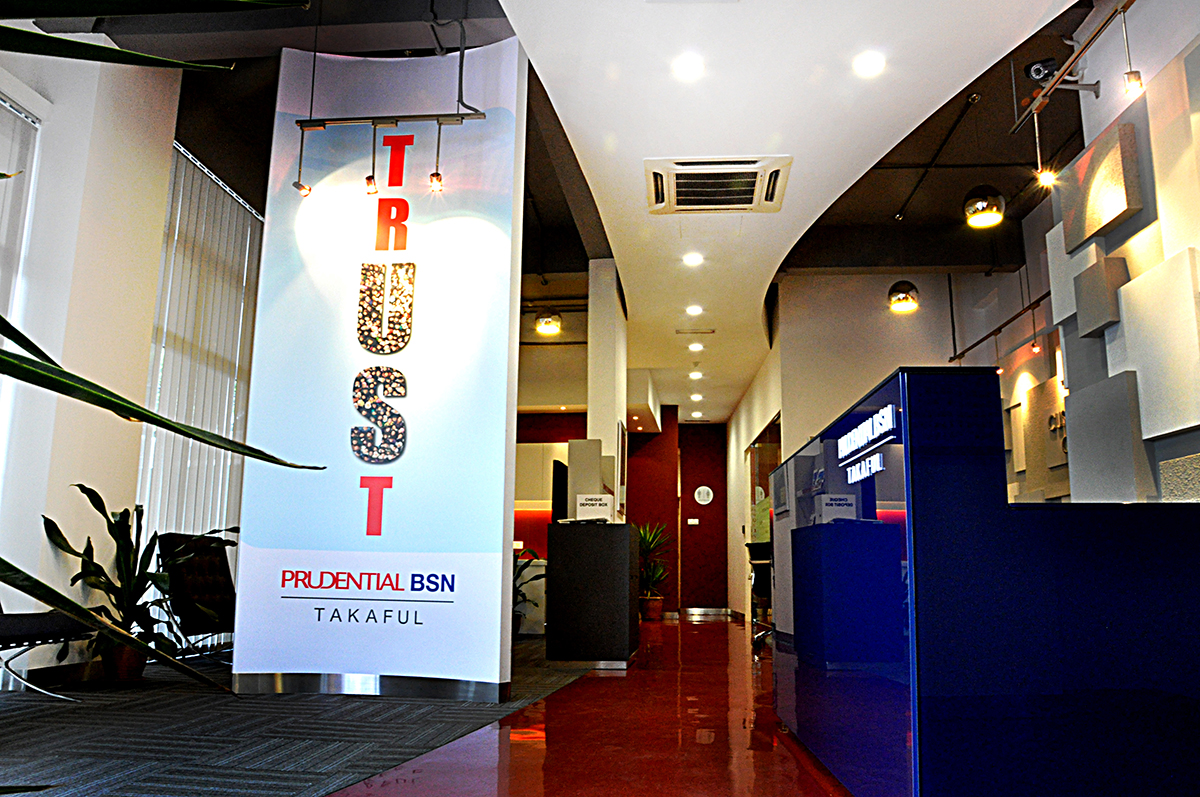
    Prudential BSN Takaful (PruBSN) is hoping to increase its customer base to one million with two of its new takaful packaged solutions namely the PruBSN Setia and PruBSN Impian, which provide customisable and comprehensive protection.

    The takaful operator’s current customer base stands at around 850,000. The targeted increase is expected to be further supported with other new product launches this year.

    To address escalating healthcare cost, the PruBSN Setia is a health protection coverage for working adults which covers medical, critical illness, accidental and income replacement riders.

    “When it comes to health protection, many working adults in Malaysia rely solely on their employer to provide medical benefits. Given today’s economic environment and living conditions, they will need to enhance their existing coverage to fully support their protection needs,” said PruBSN chief marketing offer Wan Saifulrizal Wan Ismail.

    “With PruBSN Setia, employees can take advantage of the multiple rider options to add up on to their life insurance or takaful plans. We want to help strengthen the future financial safety net for working adults and their families,” he added.

    Meanwhile, the PruBSN Impian provides expectant mothers with comprehensive prenatal, medical, critical illness and saving solutions for their children from as early as 14 weeks of pregnancy to 100 years old. This further extends to long term savings plan for the child’s education.

  • Pablo Cheesetart exits Malaysia market

    Pablo Cheesetart exits Malaysia market

    Fans of Japanese dessert franchise Pablo Cheesetart are reporting signs that the brand is withdrawing from Malaysia.

    The internationally popular concept started business in Malaysia in 2016 as one of a number of competing operators riding on a cheesetart trend, at a time when long queues were commonly seen at vendor outlets.

    Online commentators have noted that the brand’s locations in IOI City Mall Putrajaya and One Utama Shopping Mall have closed down. Pablo’s Facebook page has been deleted, although an instagram account run by the brand remains live without recent updates.

    No official statement from Pablo Cheesetart has been released.

  • Tom Ford Beauty Suria KLCC is now open

    Tom Ford Beauty Suria KLCC is now open

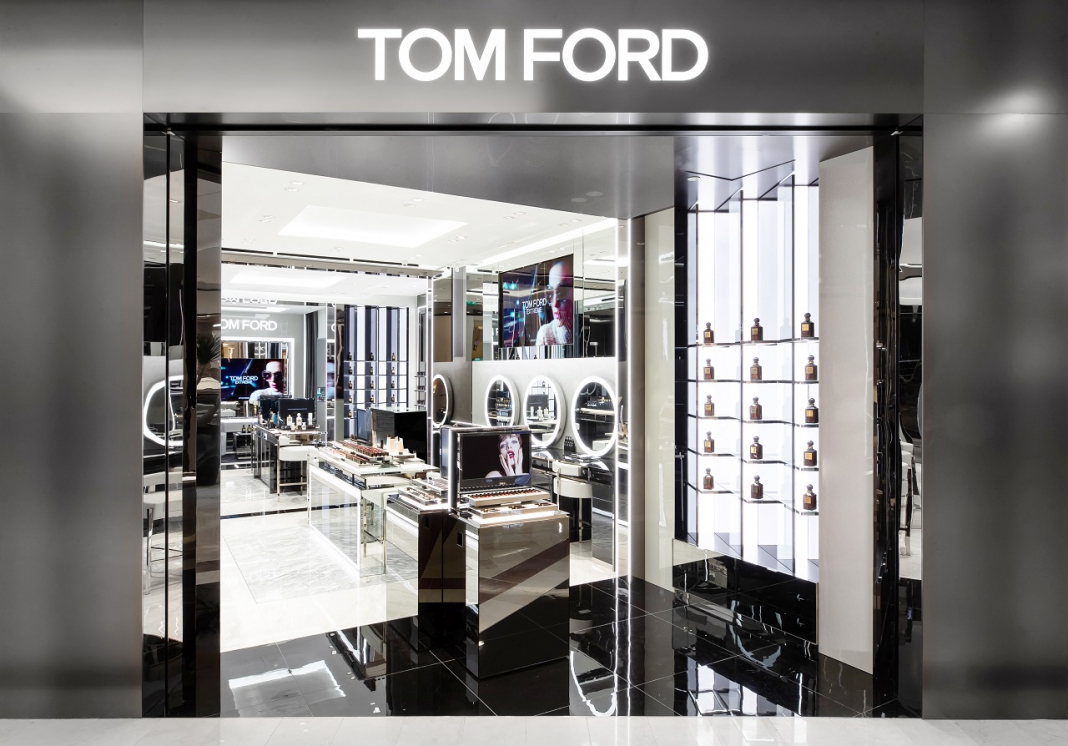
    Tom Ford Beauty has just opened its second free-standing store in Suria KLCC.

    The launch follows the opening of the brand’s flagship store in Covent Garden, London last year.

    The KLCC store features a layered grey glass sculpted design that casts rings of light on white marble slabs to showcase the beauty and skincare products on display. A key feature is a display of 100 Boys & Girls lipsticks.

    Buyers are invited to experience fragrance customisation, brow sessions, VIP masterclasses and bridal services.

    Private makeup services are available with the store’s beauty specialists by appointment.

    View interior gallery below (6 images) :

  • European Union ‘open to palm oil’

    European Union ‘open to palm oil’

    The European market is open to palm oil and there is no ban on the commodity, said Ambassador and Head of European Union Delegation to Malaysia, Maria Castillo Fernandez.

    Clarifying the stance of Europe on palm oil, she said there is a discussion in the region to reduce the use of biofuels in order to reach the European Union’s goal of achieving 32% renewable energy target by 2030.

    She clarified that palm oil has not been singled out as this extends to all types of biofuels.

    “There is no singling out on palm oil. It’s all crops (and) it’s on biodiesel that doesn’t mean you are banning anything but you will have to use less biodiesel coming from all the crops for your renewable energy target,” she explained.

    On how this will come to play, she said that will depend on the adoption of the delegated act next year.

    Europe is the second largest market for Malaysian produced palm oil.

    Fernandez reiterated that Malaysia’s trade relations is not just limited to palm oil, as the EU is Malaysia’s third largest trading partner.

  • Berjaya Corp acquires 98% stake in Just KPop

    Berjaya Corp acquires 98% stake in Just KPop

    Berjaya Corp Bhd’s (BCorp) wholly-owned subsidiary Berjaya HR Café Ltd has acquired 98% equity interest in South Korea’s Just KPop Ltd (JKP), for KRW98 million(RM354,172).

    The group told the stock exchange that following the subscription of 19,600 common stocks at par value of KRW5,000 (RM17.87) each, JKP has now become a 98%-owned subsidiary of BCorp.

    JKP, which has not commenced operations, is intended to carry out food and beverages businesses and restaurants as its principal activities.

    It was incorporated in South Korea under the Korean Commercial Act with an issued share capital of KRW100 million (RM357,473.68) comprising 20,000 common stocks at KRW5,000 each.