Tag: Malaysia

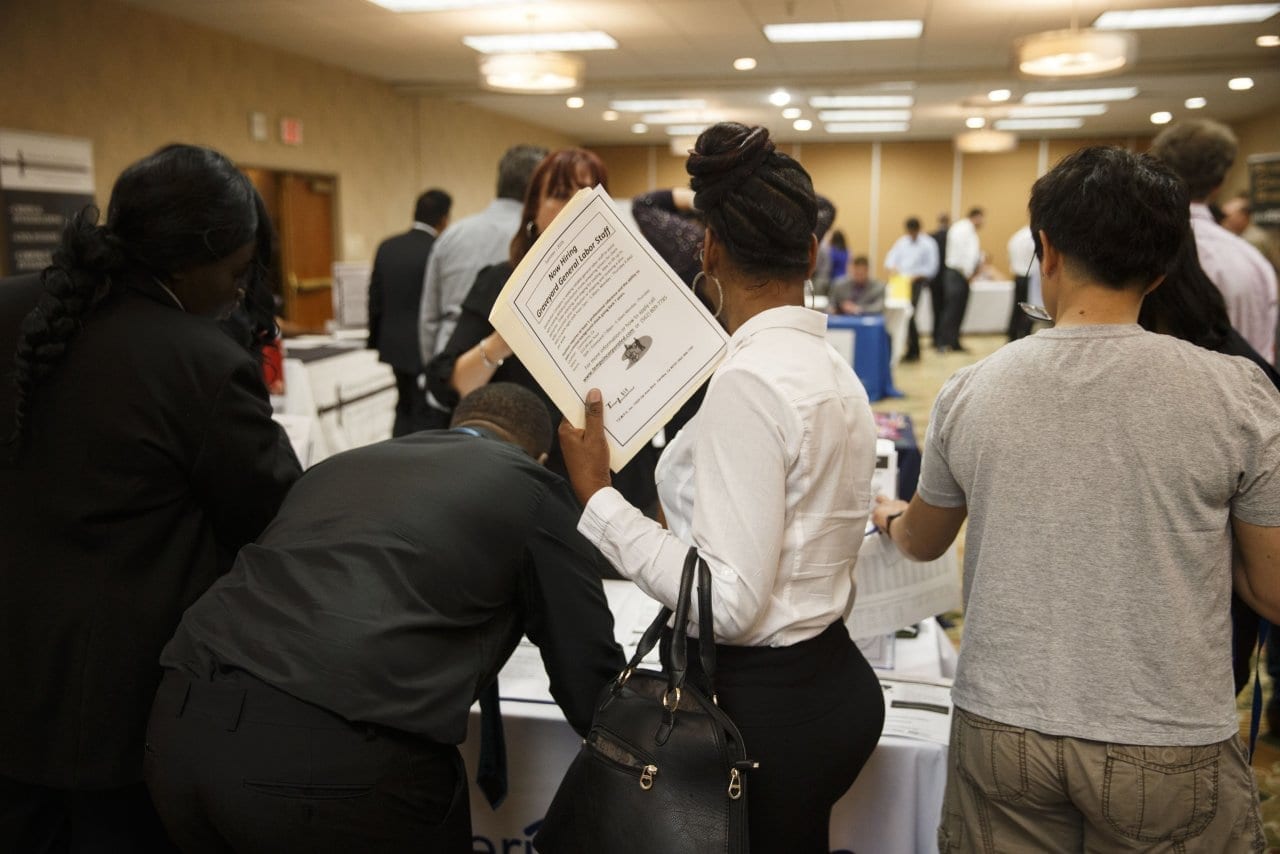
  • Malaysia unemployment rate unchanged at 3.3% in May

    Malaysia unemployment rate unchanged at 3.3% in May

    Malaysia’s unemployment rate in May 2018 remained at 3.3% for four consecutive months, according to the Statistics Department.

    Year-on-year, the unemployment rate fell by 0.1 percentage point as compared to 3.4% in the same month of 2017, the department said in a statement today.

    “Number of unemployed persons recorded a total of 504.8 thousand persons, decreased 0.5% against May 2017,” it added.

    On a seasonally adjusted month-on-month basis, the unemployment rate in May 2018 remained at 3.3% as compared to the previous month.

    Meanwhile, the department said that labour force participation rate in May 2018 increased by 0.2 percentage points to 68.4% as compared to the previous month.

    Year-on-year showed that the labour force participation rate increased by 0.6 percentage points, it added.

    During the same period, employed persons increased 2.8% after registering 2.6% growth in the previous month.

    As at May 2018, the country’s labour force stood at 15.4 million.

  • Malaysia to have ore renewable energy projects in near term

    Malaysia to have ore renewable energy projects in near term

    More renewable energy (RE) projects are expected to come up for bids in the near term as the new Energy, Green Technology, Science, Climate Change and Environment Ministry is committed to push up the nation’s RE capacity.

    MIDF Research, which recently attended the Minister Yeo Bee Yin’s maiden townhall, said the latter pointed that the country already attains abundant reserve capacity of 30%, which is much higher than most countries.

    “While there is no indication of an ideal or target reserve capacity, the new Minister indicated that the abundant reserve capacity gives the industry decent time to build up its RE capacity within the next three to seven years, without the need for much more major new plant-ups in the near-term.

    “This suggests in the near future, sector opportunities could tilt heavily towards RE project awards and a dearth of future fossil fuel plants,” the research firm said in its report last Friday.

    MIDF added that the ministry aims to reduce the reliance on imported fuel by aggressively increasing the RE contribution to the mix from just 2% currently to 20% “in the future”.

    It said the push for RE is not entirely new and efforts had been taken previously to increase RE contribution to the system such as the Large Scale Solar (LSS) projects.

    “Solar accounts for the bulk of Malaysia’s RE. However, there is the issue of getting RE sources to reach grid parity for it to be cost competitive and gain a larger share of generation mix without burdening end-consumers,” it said.

    MIDF also noted that given the indication of excessive reserve capacity, the pace of any major plant-ups in the near-term is likely to be impacted.

    It added that although the new Minister’s intention is to champion RE, it opined that the shift is for RE to eventually dilute contribution from fossil fuel rather than near-term, outright replacement.

    “There is the issue of feasibility to induce RE in a big way into the system too which will have to be sorted out,” it added.

    Positively, MIDF said that most of the incumbent players such as Tenaga Nasional Bhd (TNB) and Malakoff Corp Bhd are already paving way into the RE space (in particular, solar), while Cypark has been moving aggressively into RE in recent years.

    Meanwhile, the research house also highlighted that the four Independent Power Producer (IPP) projects cancellations are likely to hit selective players, the majority of which are likely to be non-listed.

    “Among the major projects in the pipeline, we think Edra’s Track 4B with a massive 2242MW capacity in Malacca could come under scrutiny given that it was a directly awarded project.”

    “While Track 4A (TNB-SIPP) was a controversial project awarded on a directly negotiated basis (previously to the TNB-YTL-SIPP consortium) back in 2014, the project is already well underway (28% completion),” it said, noting that Tadmax is another directly negotiated power plant project at Pulau Indah.

    MIDF said, others might involve LSS project awards such as Quantum Solar which was the first to be awarded LSS projects under the LSS initiative on a direct award basis.

    “Ranhill was recently awarded a 300MW CCGT project in Sandakan Sabah. There has yet to be any development announced on the project so far,” it added.

    Nonetheless, MIDF said it remained positive on the power sector while its top pick include TNB and YTL Power.

  • Les Georgettes by Altese debuts in Malaysia

    Les Georgettes by Altese debuts in Malaysia

    French jewellery brand Les Georgettes by Altesse has opened in Malaysia.

    Renaissance Luxury Group Apac sales director Elsa Pages said Les Georgettes, with an international distribution network of eight subsidiaries worldwide and premier distributors in more than 60 countries along with 3000 points of sale, considers Malaysia one of the main, mature markets to set the brand presence towards developing the brand throughout South-East Asia.

    Les Georgettes by Altese debuted in 2015 in France, and had 600 kiosks across France within its first six months of trading. It pairs high-quality heritage-brand Altesse jewellery with interchangeable Breton leather bands by Texier. Bracelets are the brand’s main products.

    The brand’s first kiosk opened at Bangsar Village 2 at the mall’s ground floor under Habib Jewels, whose MD Datuk Seri Meer Sadik Habib said that the kiosk’s gallery-like atmosphere allowed customers to walk around casually.

    “We travel a lot to learn the latest trends globally and selectively bring in the best brands to offer world class jewellery items at an affordable price to the market, which is our core value,” he added.

    Habib plans to open at least three to five Les Georgettes by Altesse stores within this year, starting in Klang Valley and potentially extending to Johor Baru, Penang and East Malaysia. The total investment for one kiosk is between RM500,000 to RM1 million (US$124,000 to $248,000).

  • Telekom Malaysia launches cheaper broadband plans, says more to come

    Telekom Malaysia launches cheaper broadband plans, says more to come

    Telekom Malaysia Bhd (TM) unveiled new broadband plans Thursday and pledged that it will continue to come up with more packages in line with the government’s aspiration for cheaper services by year-end.

    “We will continue, of course. This is the continuation of giving better and better (plans) to our customers, be they households or businesses. We started back in 2010 (launched unifi), then we had the upgrades in 2016 and 2017. So it is a continuation,” said acting group CEO Datuk Bazlan Osman.

    Speaking at a briefing on the new plans, Bazlan said it will consider feedback from customers, stakeholders and the government, and will continue to come up with more packages, based on demand.

    TM unveiled unifi Basic, a broadband-only plan at 30Mbps with a 60GB monthly usage quota for RM79 per month. This plan is only for households with monthly income of RM4,500 and below.

    The RM79 per month is 56% lower than the current 30Mbps unifi Home plan, which is priced at RM179 per month. Unifi Basic is available starting Aug 15 and pre-orders open on July 15.

    TM will provide upgrades of up to 800Mbps for existing unifi Home customers under its unifi turbo plan. Starting Aug 15, they will be upgraded in phases up to 10 times the current broadband speed, for the same price.

    For example, an existing 30Mbps unifi Home customer will be upgraded up to 300Mbps while a 100Mbps unifi Home customer will be upgraded up to 800Mbps. New customers who subscribe to any existing unifi plan before Dec 31 will also enjoy the speed upgrade in phases, beginning 2019.

    In addition, TM will upgrade over 340,000 Streamyx customers in unifi coverage areas to unifi while those who are not in unifi coverage areas will have double the speed they get now.

    Executive vice-president Imri Mokhtar said TM will continuously invest in fixed and wireless technologies to bring high speed broadband to its customers with more than 350,000 Streamyx customers expected to enjoy faster broadband soon.

    “Though the broadband plans unveiled today are primarily for home customers, we certainly have not forgotten our SME customers,” he said, adding that new plans for its business/SME customers will be announced in the next few months.

    Meanwhile, the unlimited unifi Mobile postpaid plan was announced today at a promotional price of RM99 per month, available from July 15 exclusively for its existing broadband customers.

    “These new plans mark our commitment to bring better affordability/price, speed and coverage for all Malaysians to enjoy a seamless digital experience with unifi. We expect the new broadband plans to place Malaysia alongside the top broadband nations in the region,” said Bazlan.

  • There is no sugar monopoly in Malaysia, say refiners

    There is no sugar monopoly in Malaysia, say refiners

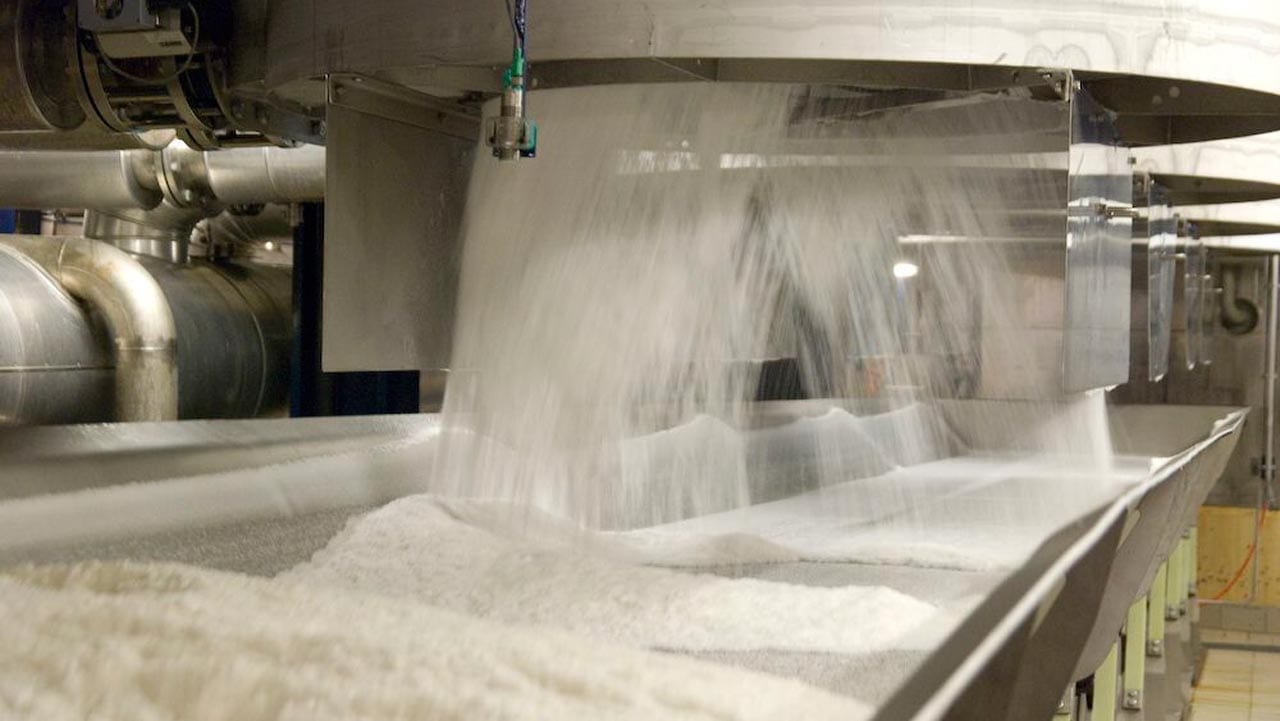
    MSM Malaysia Holdings Bhd and Central Sugars Refinery Sdn Bhd (CSR) have clarified that there is no sugar monopoly in Malaysia and that the price of the commodity is controlled by the government and is among the lowest in the world.

    The two refiners said the local players operate within a challenging business environment to ensure a steady supply of sugar to Malaysian consumers while maintaining a decent sugar stockpile for the nation.

    “The facts to date, while the costs of doing business have increased, such as minimum wage, gas and electricity tariffs, the ceiling price of refined sugar has remained at RM2.95/kg,” they said in a joint statement.

    As sugar is gazetted under the Price Control and Anti-Profiteering Act 2011, sugar in Malaysia is among the cheapest in the world. Currently, the ceiling price for coarse grain sugar is set at RM2.95/kg and fine granulated sugar at RM3.05/kg.

    Despite that, the industry is adversely affected with illegal activities such as sugar smuggling and infiltration of illicit sugar, which are threats to matters concerning halal, quality control and other mandatory certification requirements.

    “Nevertheless, the local refiners are committed to provide a stable environment for the consumer whilst maintaining highest standards of sugar quality even at the current controlled price.”

    In Malaysia, there are two sugar refiners – MSM under FGV Holdings Bhd and CSR under Tradewinds (M) Bhd – operating five sugar refineries, including a new one in Tanjung Langsat, Pasir Gudang, Johor, which is scheduled for commissioning this month.

    The current total capacity of the existing four refineries is 2.0 million tonnes a year. Domestic demand in Malaysia is 1.5 million tonnes a year, leaving Malaysia with an excess capacity of 500,000 tonnes annually. With the new refinery in Johor, total capacity will be 3.0 million tonnes a year.

    Apart from local brands, they said, there are importers that bring in and market a variety of sugar brands in Malaysia including SIS, Taikoo, Waitrose, Billington, Tate & Lyle, which provides for a competitive landscape.

    Food and beverage manufacturers buy sugar through the NY#11, the global commodity trading platform for raw sugar. Local refiners will then execute the buying on behalf of these companies, import the sugar that has been procured and refine it for them for a fee.

    As part of the local refiners’ duties, a certain amount of sugar is stockpiled to ensure adequate supply in the country during times of high global prices, the refiners said.

    “Due to the relatively lower world raw sugar prices today, many opportunistic parties that operate without the overheads and responsibilities that local refiners have, are trying to import sugar and profit from the low prices. These companies may not have the necessary certifications such as the halal certification and will cease operations once world raw sugar prices go higher than the ceiling price. It will then be left to local sugar refiners to address the instability by the void left behind by these opportunistic players.”

  • Jollibee Malaysia opens new store

    Jollibee Malaysia opens new store

    Filipino fast-food chain Jollibee is returning to Malaysia, opening a store in Sabah.

    According to CEO Ernesto Tanmantiong, the Jollibee Malaysia move is part of the company’s aspirations to open 500 stores under a PHP12 billion (US$224 million) spending plan, including new destination markets such as the UK, Malaysia and Indonesia.

    Sabah is geographically closest to the Philippines and has a large Filipino community.

    Jollibee founder and chairman Tony Tan Caktiong said: “We expect revenues and profit to continue to at least sustain [Jollibee’s] historical growth rates this year and in the years ahead.”

    The original Jollibee Malaysia business closed down following the 1997 Asian financial crisis.

  • Foreign inflows into Malaysia in second half if dollar weakens

    Foreign inflows into Malaysia in second half if dollar weakens

    Standard Chartered (StanChart), whose investment strategy is to stay bullish and diversified, said foreign inflows into Malaysia should be coming through in the second half of the year assuming the US dollar weakens.

    Its head investment strategist Manpreet Gill said outflows in the first half of the year had more to do with the US dollar strengthening, adding that the outflows are not unique to Malaysia.

    “We’ve seen it happening across Asia and emerging markets outside Malaysia and not because of the election in Malaysia. It’s a global picture where equity and bond flows have gone out of emerging markets to developed markets. That’s why we’re emphasising the US dollar so much because we think that’s what turning investment flows.

    “If we’re right about the US dollar weakening, foreign investments should come back to Malaysia in the second half of the year,” he said.

    Manpreet, who is based in Singapore, said a big part of this global context is particularly important for the Malaysian market, more so than in the past.

    StanChart has a bullish view on equities, given that global equities typically outperform in the late stages of an economic cycle, and this also translates to the Malaysian equity market. This period of late stage of the economic cycle is usually characterised by a gradual heating up of inflationary pressures, increase in policy rates and strong equity performance.

    “In the stage of economic cycle we’re in, it can be very expensive not to be invested in global equities. It will also be unusual for Malaysian equities not to do well when most regional equity and global markets are doing well,” said Manpreet.

    Within equities, the US remains its most preferred region, supported by strong earnings growth, though it expects most markets to perform well.

    Manpreet said late-cycle investing is one of the hardest points of the cycle to invest, hence a diverse approach makes the most sense, which is to have a counterbalance in one’s investment allocation. He said bonds remain a core holding, preferring emerging market US dollar bonds because of attractive yields.

    As it expects the dollar to weaken on US trade deficits and narrowing real interest rate differentials, Manpreet said, the ringgit can be a support, estimating it to come in at RM3.90 against the dollar over a 12-month period.

    On the implications of a US-China trade war, StanChart’s Global Market Brief said both bonds (at least initially) and equities would likely be hit. Given the heavy weight of equities and bonds in most portfolios, investors can allocate to areas that will do well in this scenario (such as gold), and ensuring sufficient “dry powder” to take advantage of market weakness. However, it believes a full-blown trade war is unlikely.

  • AirAsia celebrates Avalon Airport launch with $99 flights to Asia

    AirAsia celebrates Avalon Airport launch with $99 flights to Asia

    Earlier in the year, Avalon Airport and AirAsia announced they would be teaming up to offer the first ever international flights out of Melbourne’s second airport, Avalon.

    Now, tickets for first flights are finally out and to celebrate they are on sale for as little as $99 each way.

    These are to AirAsia’s home city Kuala Lumpur and, to be perfectly frank, are actually on sale for $12 each waywith airport taxes coming in at $87. Put the two together and you get your flight fare.

    Whichever way you look at it, it is super cheap and is definitely not one to be missed.

    The Melbourne to Kuala Lumpur route will operate twice daily on AirAsia’s long haul carrier AirAsia X on an A330-300 aircraft. While it’s the focus flight of this launch, it isn’t the only one from Avalon Airport on sale. Direct flights from Melbourne (Avalon) to Bangkok are also available from $154 each way while over 70 indirect flights via Kuala Lumpur are also available to snap up for cheap. This includes Melbourne to Singapore from $140, Melbourne to Phuket from $147, Melbourne to Male (Maldives) from $201 and Melbourne to Tokyo from $249, to name a few.

    Again all these fares are one-way with returns costing double.

    Travel is open across a more-than-generous period, ranging from 4 December 2018 to 13 August 2019. This includes peak season dates such as Christmas, though these are limited so you may need to be flexible with your dates around high-season to keep to your intended budget.

  • Malaysia 2011 furniture exports may rise to USD2.8b

    Malaysia 2011 furniture exports may rise to USD2.8b

    Malaysia’s 2011 furniture exports are likely to improve by 9 percent to MYR8.7 billion (USD2.84 billion), provided the US dollar stabilises at the current level and manufacturers are able to secure enough foreign workers at their factories.

    Malaysian Furniture Industry Council president Richard Lee said there was growing demand for Malaysian-made furniture from the US and Australia, especially now as American consumer spending is showing signs of recovery and Australians need to refurbish their homes after the big flood.

    Traditional markets like the US and Europe tend to favour Malaysia over low-cost producers like China and Vietnam due to better quality control and reliable after-sales services.

  • DHL to build Global Center of Excellence in Iskandar Malaysia

    DHL to build Global Center of Excellence in Iskandar Malaysia

    DHL has announced the set-up of a Global Center of Excellence (GCOE) in Iskandar Malaysia — its first in the country. The Center will provide supply chain consultancy services, and support businesses to design logistics solutions specific to some of Iskandar’s key industries including Automotive, Energy, Engineering & Manufacturing, Life Sciences & Healthcare and Technology. DHL is establishing the GCOE in conjunction with Iskandar Innovations Sdn Bhd, a wholly-owned subsidiary of Iskandar Investment Berhad.

    The GCOE Iskandar Malaysia is a collaboration between DHL and Iskandar Innovations Sdn Bhd, a wholly-owned subsidiary of Iskandar Investment Berhad.

    The GCOE will serve to connect companies with key stakeholders within Iskandar Malaysia and supports their vision to be the hub for Asia and global markets, and enhance its value proposition of connecting the region to the world’s major economies. The Center will also power the region’s logistics ambitions with networking sessions and workshops where companies and industry experts come together to share best practices, to brainstorm innovative ideas that will form the future of Iskandar Malaysia .

    “We want to create an ecosystem within Iskandar Malaysia and to establish a single network that is conducive to all companies to explore and set up business in the region as their gateway to markets around the world,” said Mr. Philip Chu, Managing Director, Global Center of Excellence Iskandar Malaysia. “C oupled with DHL’s sector-specific experience, it will underpin the bespoke logistics solutions that the GCOE will offer to the local industry.”
    “A strong base of logistics solutions and talent will not only allow the Iskandar region to achieve its ambitions of becoming an ASEAN supply chain hub, but also provide vital trade connectivity between its core industries and overseas markets where opportunities are aplenty,” said Datuk Ir. Khairil Anwar Ahmad, President and CEO, Iskandar Investment Berhad. “As Iskandar’s population and foreign investment levels continue to rise steadily,[1] the GCOE will play a strategic role in creating the job opportunities and export growth that underpin the region’s economic plans for the future.”

    “The establishment of the GCOE will bring Iskandar’s supply chain capabilities up to speed with those of other logistics hubs in the region, including nearby Singapore where DHL has already run a Supply Chain Center of Excellence for the last ten years,” said Mr. Alfred Goh, President, Global Fast Growing Enterprise and Regional Head, Customer Solutions and Innovation Asia Pacific, DHL. “As Malaysia’s broader economy grows in domestic demand and overseas exports alike,[2] Iskandar’s manufacturing and production industries will need increasingly efficient, flexible and scalable supply chains to power future economic development.”

    “By complementing pure logistics skills and solutions with broader business development, market insights, and networking with key decision-makers around the world, we believe the GCOE will help Iskandar align its logistics investments with global demand and market forces more closely than ever before.”

    In 2007, DHL established a similar Supply Chain Center of Excellence in neighboring Singapore that delivered multi-million-dollar returns within its first 36 months of operation.[3] The Iskandar GCOE will be operational in Q2 2018.

  • Nova Wellness to benefit from R&D centre

    Nova Wellness to benefit from R&D centre

    Nova Wellness Group Bhd’s growth plans via its in-house research and development (R&D) centre and capacity expansion plans are viewed positively with the initial public offering (IPO) given a fair value of 61 sen a share by Inter-Pacific Research Sdn Bhd.

    The research firm noted its valuation — a 10.9% premium to the company’s IPO offer price of 55 sen — is based on financial year 2019 (FY19) forecast earnings per share of 4.7 sen pegged to 13 times priceearnings ratio.

    “The nutraceutical industry in Malaysia is forecast to grow with the backing of the increase in awareness and demand for preventive healthcare,” Inter-Pacific noted in a report.

    “In addition, Nova Wellness is also looking to expand its presence in the skincare products segment.”

    Nova Wellness, which is scheduled to be listed on July 20 on the ACE Market, is a nutraceutical and skincare goods developer and retailer who is also engaged as an original equipment manufacturer service provider for dietary supplements and functional food products.

    Inter-Pacific stated Nova Wellness’ in-house R&D facility in Sepang provides the group with the platform to expand its product range and improve on its existing products to meet market demand and customer requirements.

    “The group’s own production facility enables it to produce a range of nutraceutical products under their own house-brands and conform to the standards required by relevant authorities,” it said.

    This includes Good Manufacturing Practice (GMP)-compliance and halal certification, while the in-house production facility allows the group to control the entire production process to minimise unplanned interruptions.

    Nova Wellness plans to increase its production capacity for functional food and skincare products by acquiring new machinery with the IPO proceeds.

    The company intends to raise RM44.91 million from the issuance of 81.66 million new IPO shares, with 36.7% from the proceeds earmarked for the construction of the new GMP-compliant production facility and 25.8% allocated for R&D activities.

    To date, Nova Wellness has developed 49 dietary supplements, 11 functional food products and 28 skincare products for both domestic and international markets.

    Inter-Pacific said the company’s wide distribution network across Malaysia for house-brand products bodes well for the group’s competitiveness.

    “The group will thus be able to keep its competitiveness — especially vis-à-vis larger competitors who have a presence in the international market,” it said.

    There are reportedly 227 independent retail pharmacies in Malaysia that sells Nova Wellness’ house-brand products, of which 105 are Nova Wellness Partnership Programme (NWPP) partners.

    Nova Wellness’ proposed 30% dividend payout policy of annual audited profit, coupled with an experienced management team, is a further upside, according to Inter-Pacific.

    The investment risks faced by the company include dependency on major customers and NWPP partners, as well as risks stemming from unsuccessful pre-clinical and clinical trials.

    Its top three major customers contributed 10% of the group’s FY17 revenue, while NWPP partners made up 60.4% of group revenue that same year.

    On another note, unsuccessful trials of products will negatively affect the group’s competitiveness.

  • DRB-Hicom studying Proton-Indonesia joint venture

    DRB-Hicom studying Proton-Indonesia joint venture

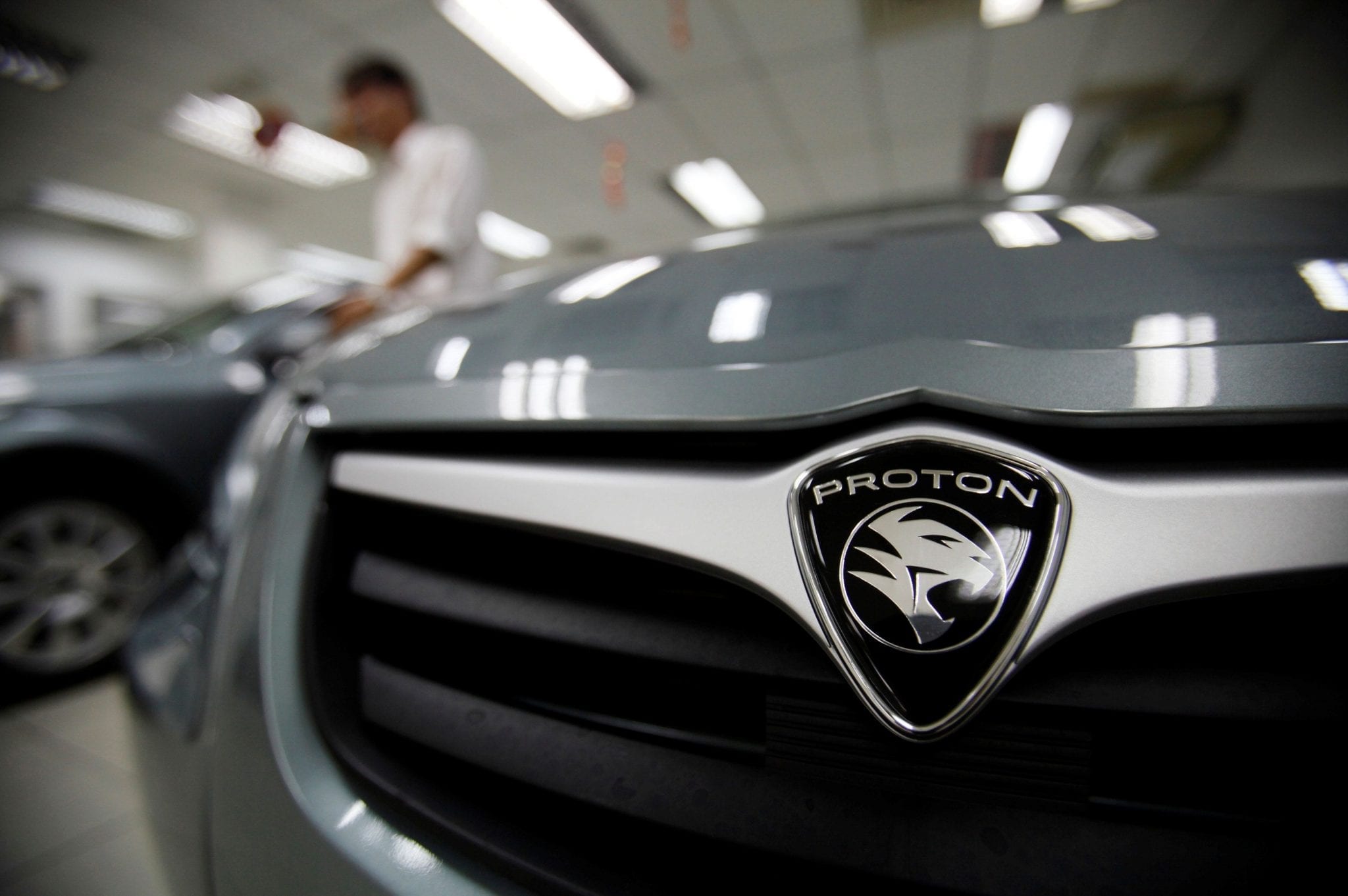
    DRB-Hicom Bhd is studying the proposed collaboration between Malaysia and Indonesia to produce an Asean car.

    Group managing director Datuk Seri Syed Faisal Syed Albar said a discussion on the matter is taking place as a memorandum of understanding was signed in 2015 between its subsidiary, Proton Holdings Bhd, and an Indonesian company to undertake the joint effort.

    “There is no cost involved and we need to study it a lot,” he said.

    Proton is 50.1% owned by DRB-Hicom and 49.9% by China-based automaker Zhejiang Geely Holding Group via its wholly-owned subsidiary, Geely International (Hong Kong) Ltd.

    It was reported earlier that the joint effort between Proton and Indonesia to produce an Asean car would be revived following talks between Prime Minister Tun Dr Mahathir Mohamad and Indonesian President Joko Widodo during the former’s visit to Indonesia last month.

    Meanwhile, Syed Faisal, who is also Proton chairman, disclosed that Geely has invited Mahathir to visit the company’s facilities in China during the prime minister’s visit to the country next month.

    Syed Faisal gave an assurance that the launch of the first Proton sport utility vehicle (SUV) will take place as scheduled in October.

    He said the briefing today also covered future technology offered by Geely.

    “Tun Mahathir likes the SUV that we loaned to him earlier, which indirectly shows that he has confidence in Geely’s technology in Proton,” he said.

    On the Mahathir’s plan for another national car, Syed Faisal said he believes that Proton, as the national car, has secured the confidence of banks, vendors and dealers. “In that regard, we will think of Proton first, and there will be no change in direction on that.”

    Syed Faisal reiterated the group’s commitment to pursue a 30% price cut from its automotive parts suppliers by year-end.

    Also present at the briefing was Dr Li Chunrong, CEO of Proton’s manufacturing arm, Perusahaan Otomobil Nasional Sdn Bhd.

  • Bank Negara Malaysia seen holding policy rate

    Bank Negara Malaysia seen holding policy rate

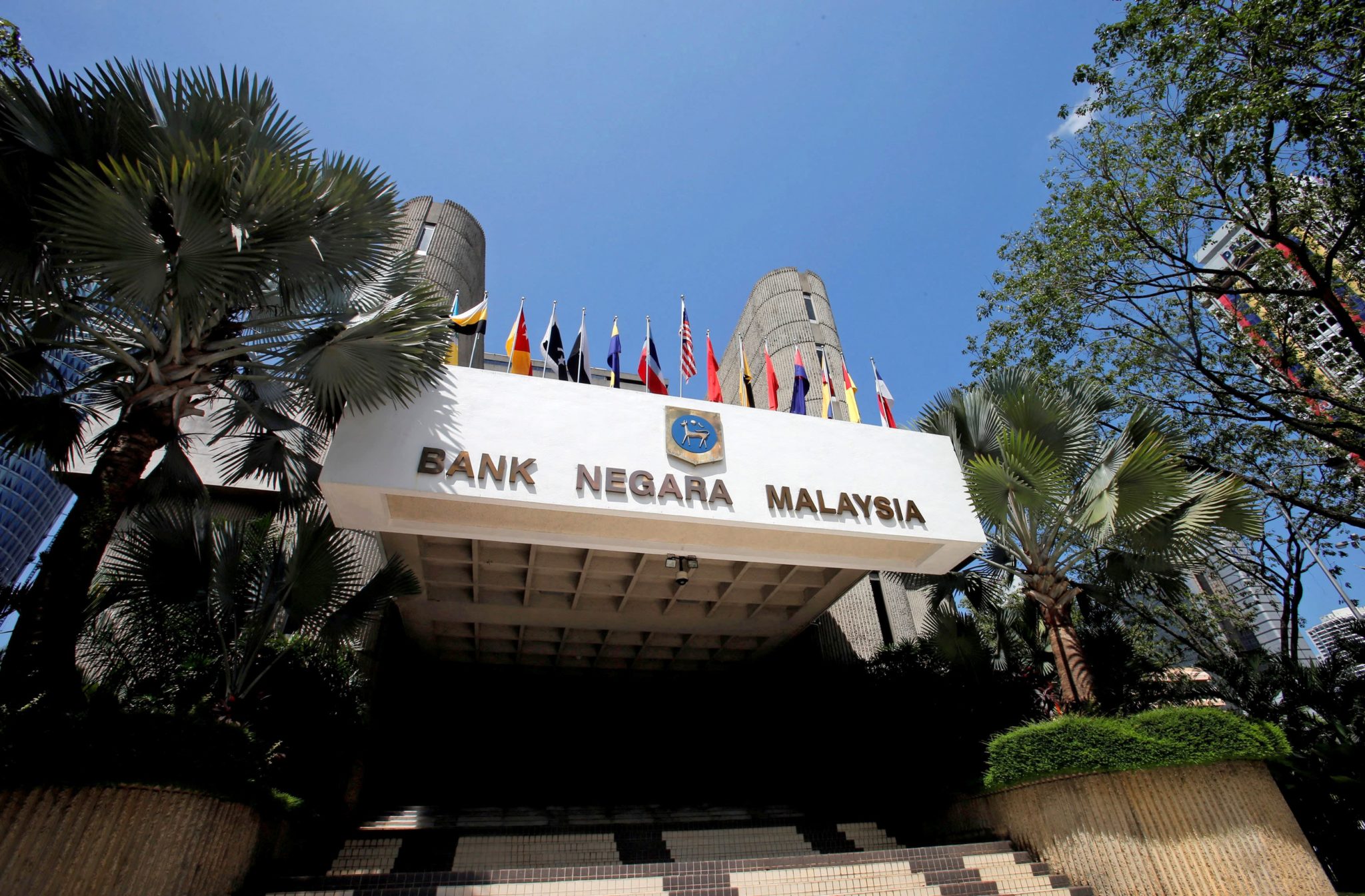
    Malaysia’s central bank is expected to leave its benchmark interest rate unchanged at a meeting on Wednesday, as growth remains firm and a short-term dip in inflation is expected after the new government removed a much-maligned consumption tax.

    All 10 economists polled by Reuters forecast that Bank Negara Malaysia (BNM) will hold its overnight policy rate at 3.25%.

    Unlike Indonesia and the Philippines, Malaysia has hiked its policy rate just once this year, by 25 basis points in January.

    That increase was the only hike since July 2014.

    Wednesday’s meeting will be the second since May 9 elections brought a stunning change of government and the return of Tun Dr Mahathir Mohamad, premier from 1981 to 2003, as prime minister.

    It will be the first BNM policy meeting with Datuk Nor Shamsiah Mohd Yunus as governor. She assumed the post on July 1.

    Soon after taking office, Mahathir scrapped the 6% Goods and Services Tax (GST) imposed in 2015, which Malaysians said was a major contributor to rising living costs and a key reason to reject Datuk Seri Najib Abdul Razak and his long-ruling coalition.

    Scrapping GST will likely bring a significant fall in inflation rate, expected to average around 1% in 2018’s second half, Capital Economics said in a note.

    As a result, it said, “another rate hike is probably off the table”.

    In May, BNM said scrapping GST would impact inflation, but it was too early to say by how much. It projected 2018 full-year headline inflation at 2-3%.

    May’s annual inflation rate was 1.8%.

    Standard Chartered, in a note on Friday, said external pressure may push the central bank to hike its key rate, should it become a drag on the ringgit currency, though it did not say when this could happen.

    The ringgit traded at 4.033 to the dollar at midday today. It has weakened about 4.5% since April 2, a peak for the year.

    StanChart has maintained its 2018 full-year economic growth projection at 5.3%, saying the pace would “moderate from strong levels in 2017, but remain firm”.

    Prior to the election, BNM forecast 2018 growth at 5.5-6%, and has not made a fresh projection since the voting.

    The government reported 2017 growth at 5.9%.

  • AirAsia celebrates Avalon Airport launch with $99 flights to Asia

    AirAsia celebrates Avalon Airport launch with $99 flights to Asia

    Earlier in the year, Avalon Airport and AirAsia announced they would be teaming up to offer the first ever international flights out of Melbourne’s second airport, Avalon.

    Now, tickets for first flights are finally out and to celebrate they are on sale for as little as $99 each way.

    These are to AirAsia’s home city Kuala Lumpur and, to be perfectly frank, are actually on sale for $12 each waywith airport taxes coming in at $87. Put the two together and you get your flight fare.

    Whichever way you look at it, it is super cheap and is definitely not one to be missed.

    The Melbourne to Kuala Lumpur route will operate twice daily on AirAsia’s long haul carrier AirAsia X on an A330-300 aircraft. While it’s the focus flight of this launch, it isn’t the only one from Avalon Airport on sale. Direct flights from Melbourne (Avalon) to Bangkok are also available from $154 each way while over 70 indirect flights via Kuala Lumpur are also available to snap up for cheap. This includes Melbourne to Singapore from $140, Melbourne to Phuket from $147, Melbourne to Male (Maldives) from $201 and Melbourne to Tokyo from $249, to name a few.

    Again all these fares are one-way with returns costing double.

    Travel is open across a more-than-generous period, ranging from 4 December 2018 to 13 August 2019. This includes peak season dates such as Christmas, though these are limited so you may need to be flexible with your dates around high-season to keep to your intended budget.

  • Volvo Car Malaysia launches new Batu Pahat 3S centre

    Volvo Car Malaysia launches new Batu Pahat 3S centre

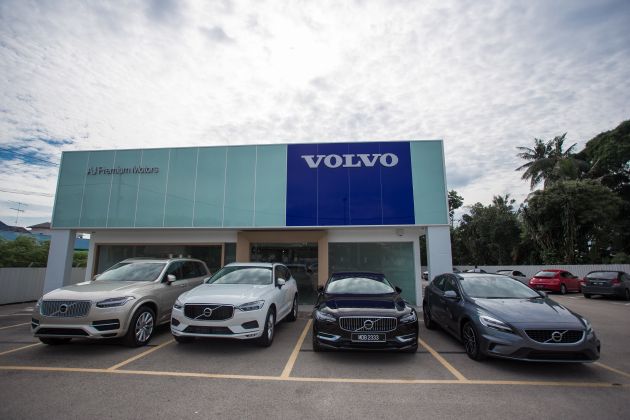
    Volvo Car Malaysia, together with its newest dealer AJ Premium Motors, have launched a new Volvo 3S centre in Batu Pahat to serve customers in the Southern region. The new dealership is part of the company’s sales and aftersales transformation programme, with more locations set to be introduced later in the year.

    “There is growing interest for our models in Malaysia and we are actively setting-up dealerships in strategic areas around Malaysia to better service this need,” said Lennart Stegland, managing director of Volvo Car Malaysia.

    “It is an absolute requirement for all new dealerships to adhere to the Volvo Retail Experience (VRE) standards, consistent with our dealership standards in Europe – it is not just an aesthetical guideline but also dictates the level of service rendered in our dealerships,” added Stegland.

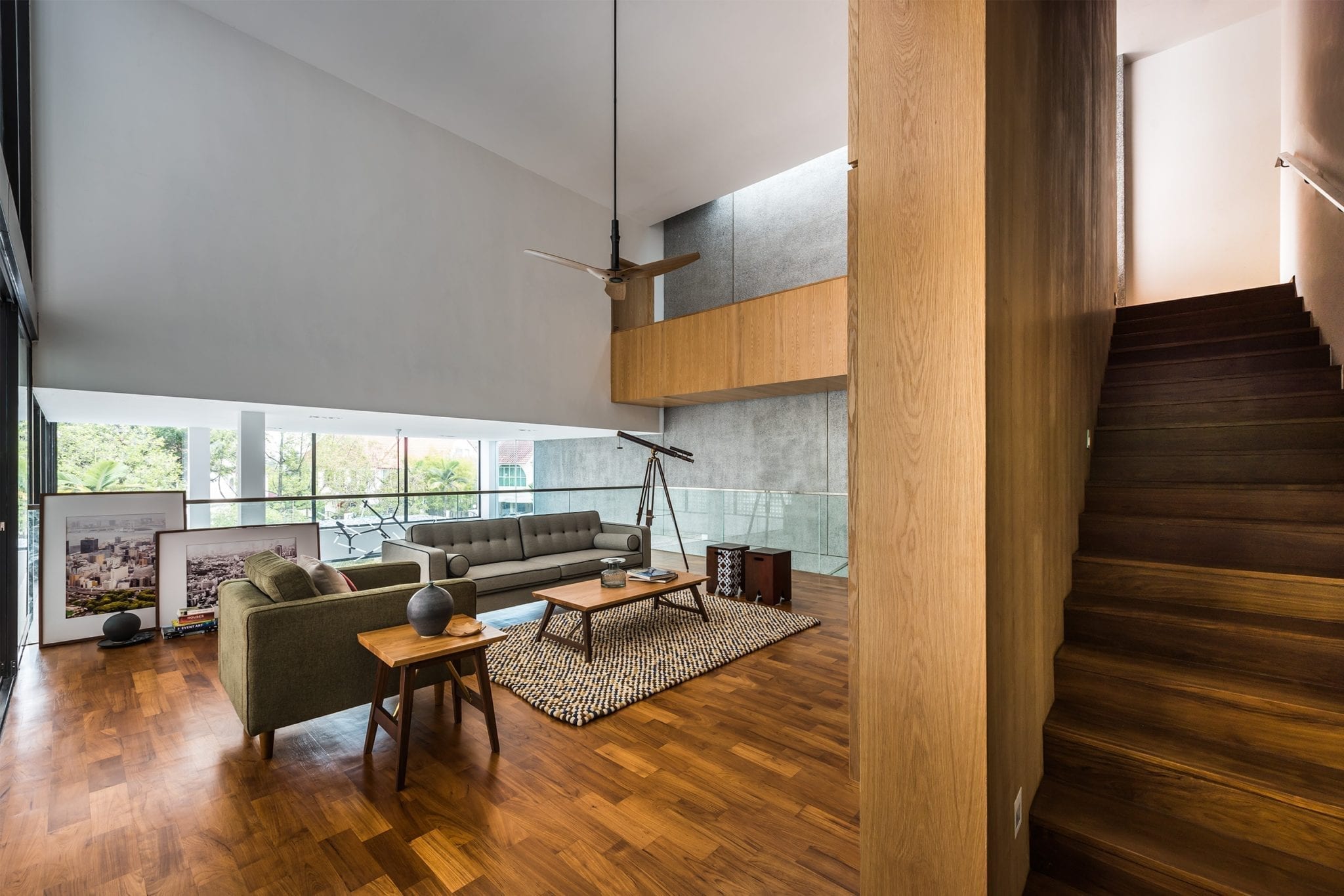
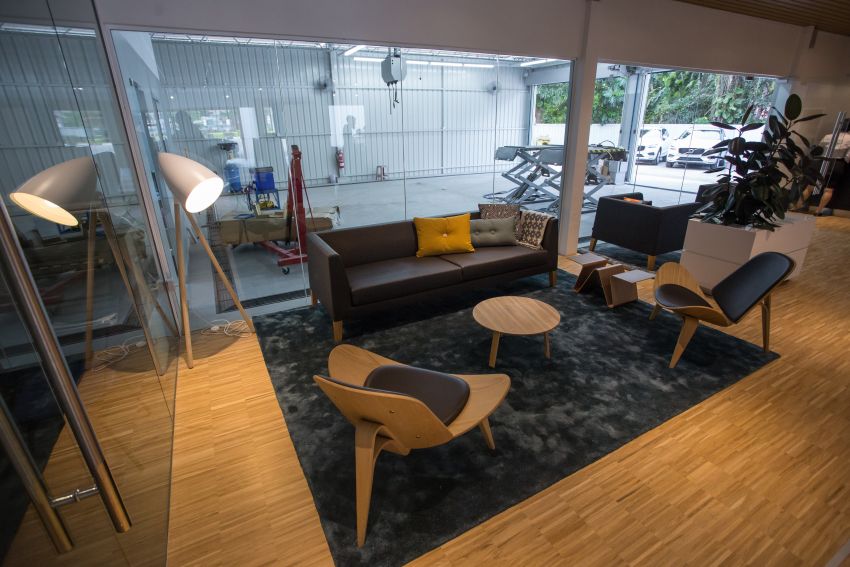
    Volvo Batu Pahat features a Scandinavian-inspired ‘living room’ where customers can relax while being attended to by a sales representative or while waiting for the vehicles to be serviced in one of the two service bays in the facility.

    “Our presence in Batu Pahat makes it more convenient for owners from the surrounding areas of Muar, Kluang and Segamat to service their cars or for prospective customers to view new Volvo models,” said Jacky Ong, managing director of AJ Premium Motors.

    The 3S centre is located at Lot. 1005, Jalan Kluang, 83000 Batu Pahat, Johor, Malaysia and it is open from 9am till 6pm on Monday to Saturday, and from 11am to 5pm on Sunday and public holidays.