Tag: Malaysia

  • Chanel opens Kuala Lumpur pop-up

    Chanel opens Kuala Lumpur pop-up

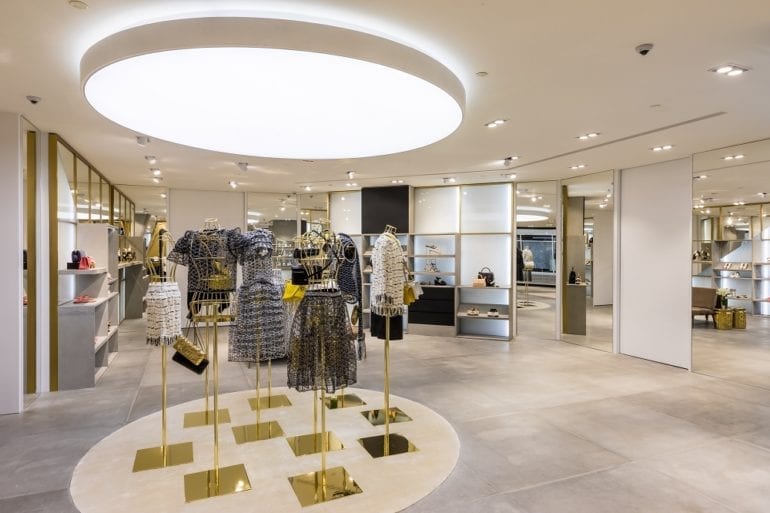
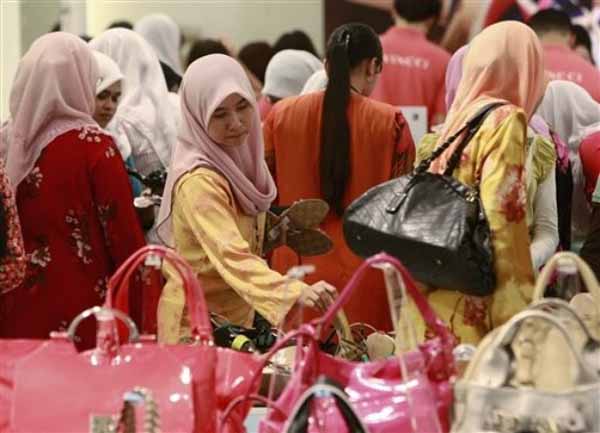
    French luxury label Chanel has opened a pop-up store in Kuala Lumpur this month, as its KL flagship location undergoes renovations for relaunch in late 2018.

    Located in Suria KLCC, the 400 square-metre temporary store stocks Chanel’s range of product, including its spring/summer 2018 collection featuring opulent fashion, accessories and shoes.

    The pop-up is also home to the recently launched Métiers d’art Paris-Hamburg 2017/18 collection that showcases the exquisite craftsmanship of the fashion house’s Maisons d’art.

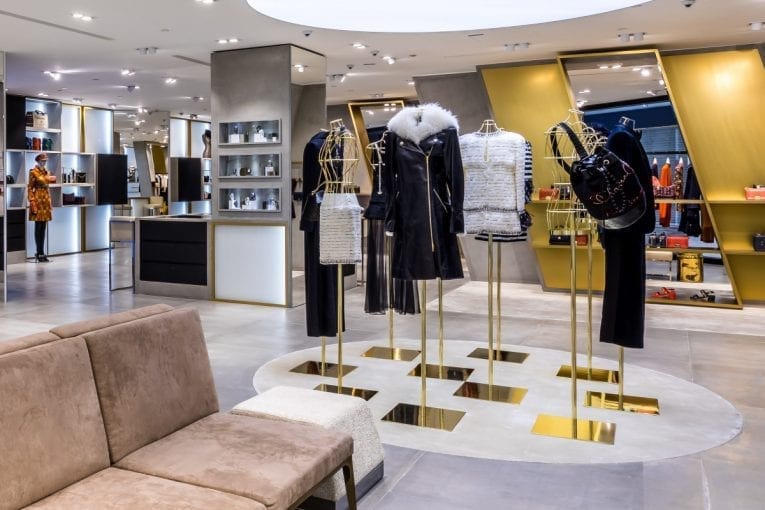
    The store has been designed in the je ne sais quoi elegance known to the Parisian house, found in the minimalist colour palette of beige, cream and tan, spotted with more graphic décor like dark gold fixtures and concrete modules.

    Key retail fixtures include a vast handbag wall, with the grid-ish shelves girded by neon tubes of light, and licked by champagne gold trim. A modular outlay showcases the latest shoes and then, in a separate area, there’s a place for customers to find the costume jewellery.

    Finally, concrete displays hoist Chanel’s ready-to-wear, including textural tailoring and more flowing pieces.

    A VIP dressing room and bespoke furniture are designed to make the customers shop in comfort and at their leisure.

    In April this year, Chanel successfully bowed an arcade-inspired beauty pop-up store in Kuala Lumpur. Dubbed “Coco Game Center”, the event encouraged shoppers to experiment with endless makeup and beauty products. Now closed, it ran from 8 April  to 13 May.

    More recently, Chanel released full year earnings for the first time. The label posted revenues of $9.62 billion for 2017, an 11 percent rise from a year earlier at constant currencies, helped like its peers by a strong performance in Asia Pacific especially, where sales grew 16.5 percent.

    Profit rose 18.5 percent from a year earlier to $1.79 billion.

  • Citaglobal Airports’ proposal for new LCCT was supported by AirAsia

    Citaglobal Airports’ proposal for new LCCT was supported by AirAsia

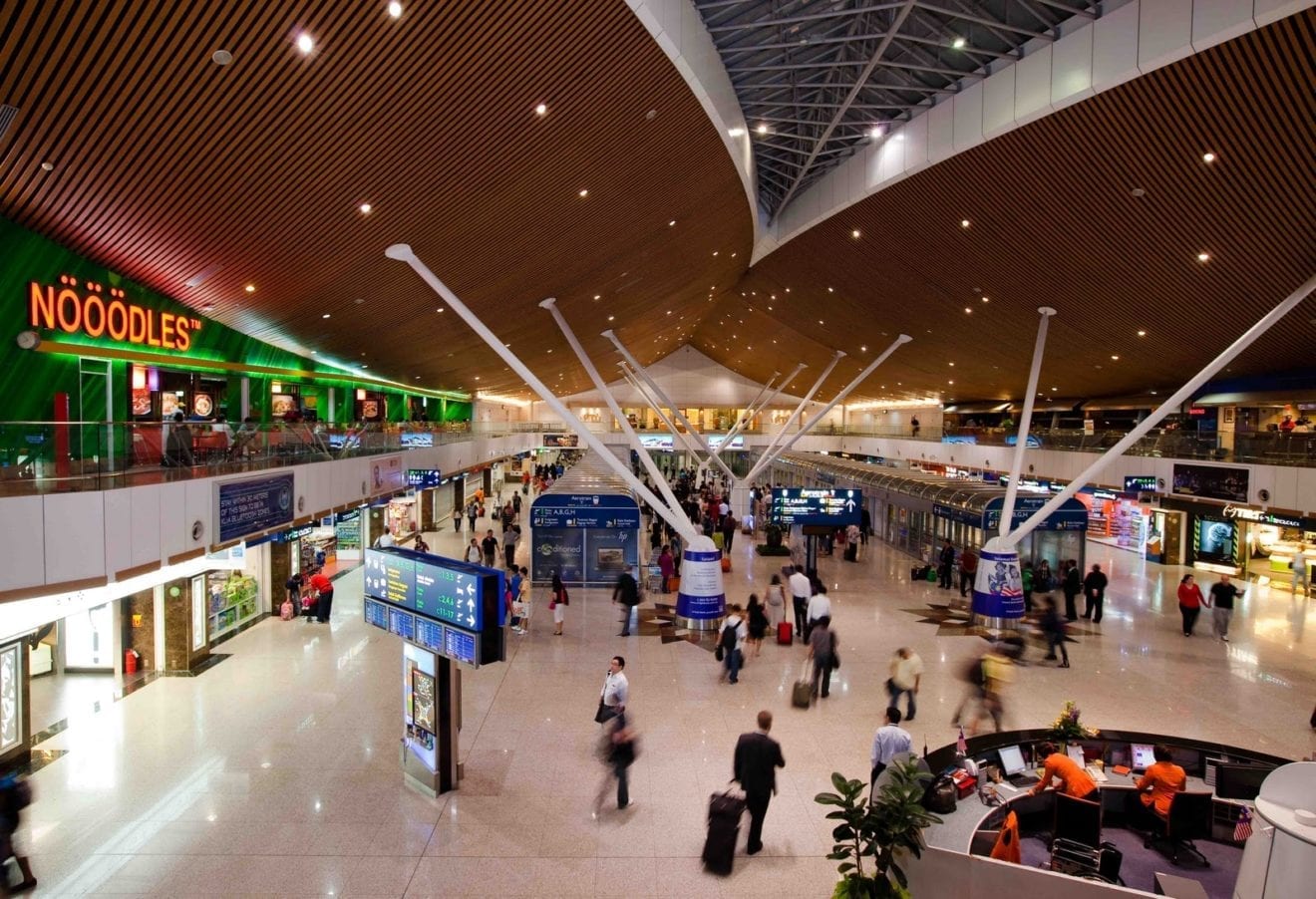
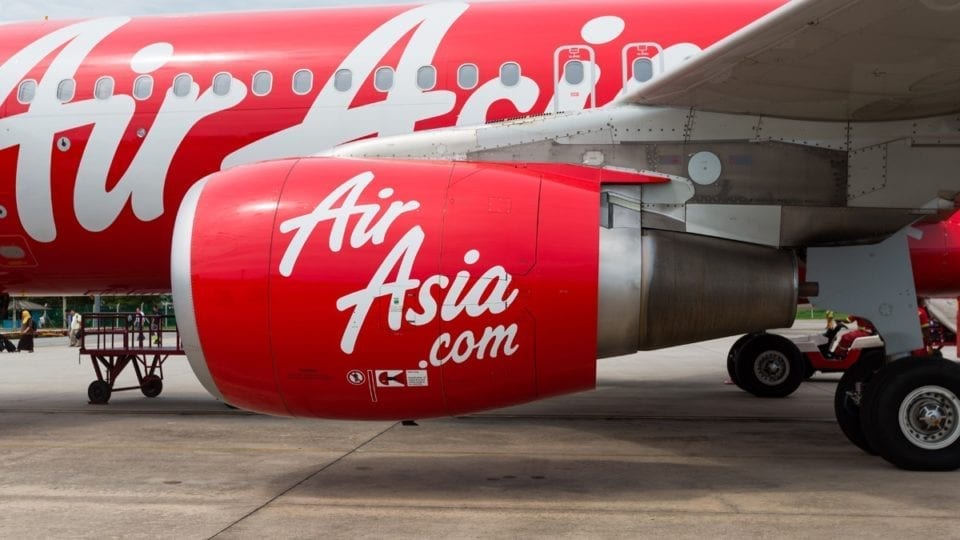
    A proposal for a new low-cost carrier terminal (LCCT) to be developed at Kuala Lumpur International Airport (KLIA) was made last year by a company called Citaglobal Airports Sdn Bhd, a move which looks to have had the backing of the AirAsia group, the largest user of klia2, the current LCCT.

    Documents revealed that the company’s director, Datuk Seri Mohamad Norza Zakaria, had proposed to then prime minister Datuk Seri Najib Abdul Razak, via a letter dated Nov 24, 2017, the building of a new LCCT that will be able to accommodate higher passenger numbers, especially with the establishment of the Digital Free Trade Zone.

    Citaglobal Airports said it will be able to generate the required funds for the project from the private sector which will benefit the government in terms of savings on infrastructure and operation costs.

    In addition to that, it said UK-based airport operator Manchester Airports Group Plc indicated interest to manage and operate the new LCCT.

    The project was said to require 450 acres, for which Citaglobal Airports suggested the government transfer land rights from the Director General of Land and Mines to the Transport Ministry, which will then be leased out for the project for a period of 99 years.

    “The necessity for a new LCCT in KLIA will make Malaysia a leading hub in Asia with a ‘dual hub’, whereby the main KLIA terminal will house the OneWorld Alliance, klia2 will house other premium airlines and the new LCCT will accommodate the low-cost carriers,” the proposal read.

    Companies Commission of Malaysia records show that Citaglobal Airports was incorporated on Nov 2, 2017 and is involved in wholesale of goods without particular specialisation and management and business consultancy activities.

    AirAsia Bhd issued a letter of support for the plan via a letter dated Nov 2, 2017 which coincides with Citaglobal Airport’s incorporation date. The letter carried AirAsia’s letterhead and bore the signature of its executive chairman Datuk Kamarudin Meranun and copies were sent to AirAsia group CEO Tan Sri Tony Fernandes and AirAsia Bhd CEO Aireen Omar.

    The low-cost airline expressed its interest in shifting its operations to the new LCCT.

    “We understand that Citaglobal Airports Sdn Bhd plans to develop a LCCT at KLIA. We are in full support of this proposal as the aviation sector is a major contributor to the country’s economic growth and accords significant contributions to other sectors of the economy,” it said, citing a study by Bain & Co.

    Kamarudin said it would support Citaglobal by making the new LCCT the base for AirAsia Bhd and AirAsia X Bhd operations, have all flights operated by AirAsia group operate at the new LCCT and participate with Citaglobal to generate non-aeronautical revenue.

    Citing the recent increase in Passenger Service Charge (PSC) introduced by the Malaysian Aviation Commission (Mavcom) and the proposed equalisation of PSC at both airports, on top of other cost increases proposed by the commission and the Department of Civil Aviation, the airline said an LCCT with a much reduced PSC and cost for travellers is required to accommodate the low-fare travel segment while KLIA and klia2 could be used to accommodate premium airlines.

    AirAsia declined to comment in response to the matter.

    According to Malaysia Airports Holdings Bhd, AirAsia accounts for 95% of traffic at klia2 and they are the largest occupant.

    “Any new airport terminal construction will be under the purview of the Ministry of Transport and will need to get the government’s approval. We are currently guided by the existing National Airport Master Plan,” its spokesperson said, who added that it has not received anything official on the matter.

    The Transport Ministry was yet to respond to request for comments as at press time.

  • Items worth $273m seized from premises linked to Malaysia ex-PM

    Items worth $273m seized from premises linked to Malaysia ex-PM

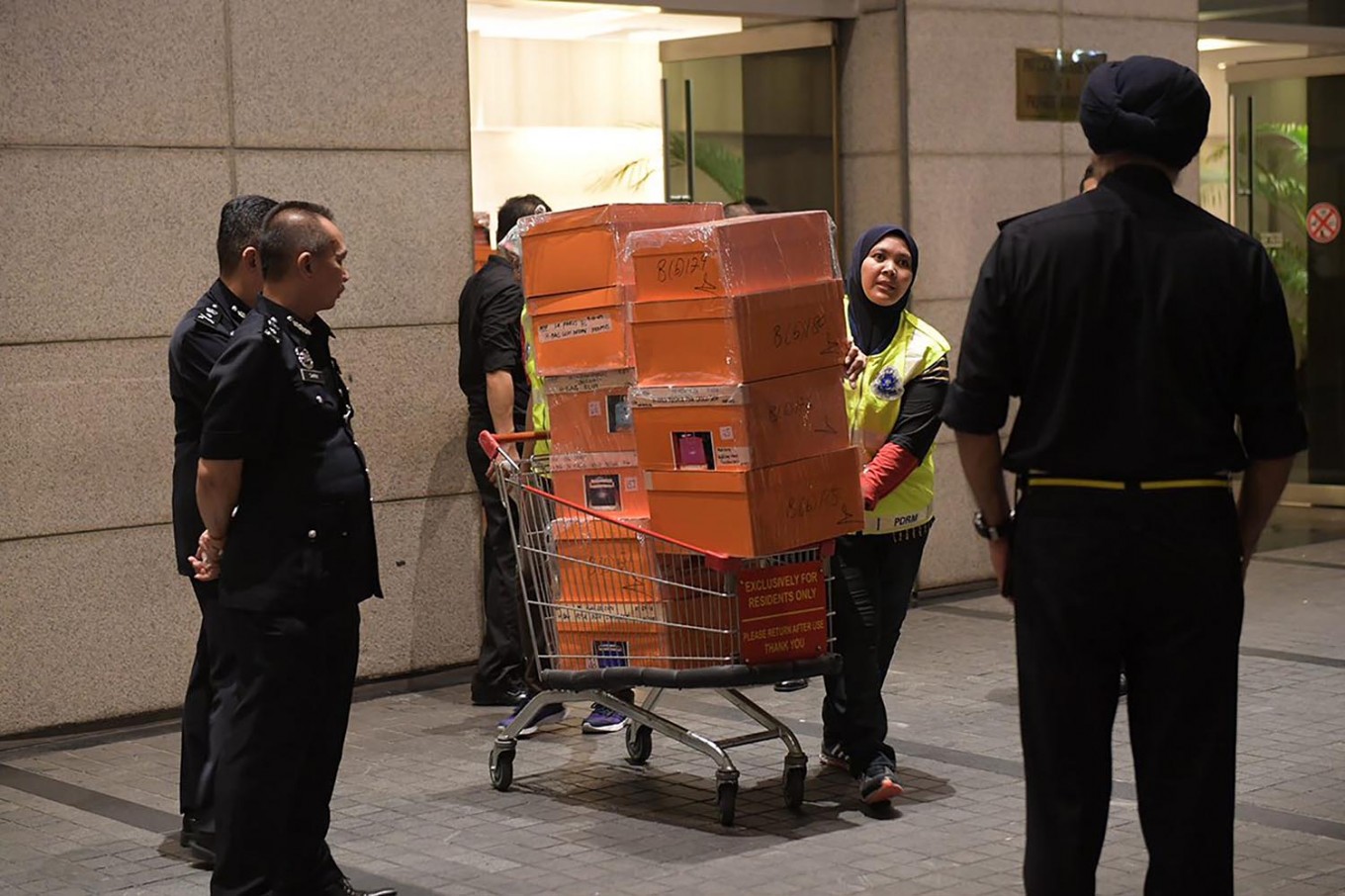
    Items seized from six premises linked to ousted Malaysian leader Najib Razak, including cash, a vast stash of jewelry and luxury handbags, are worth up to $273 million, police said Wednesday.

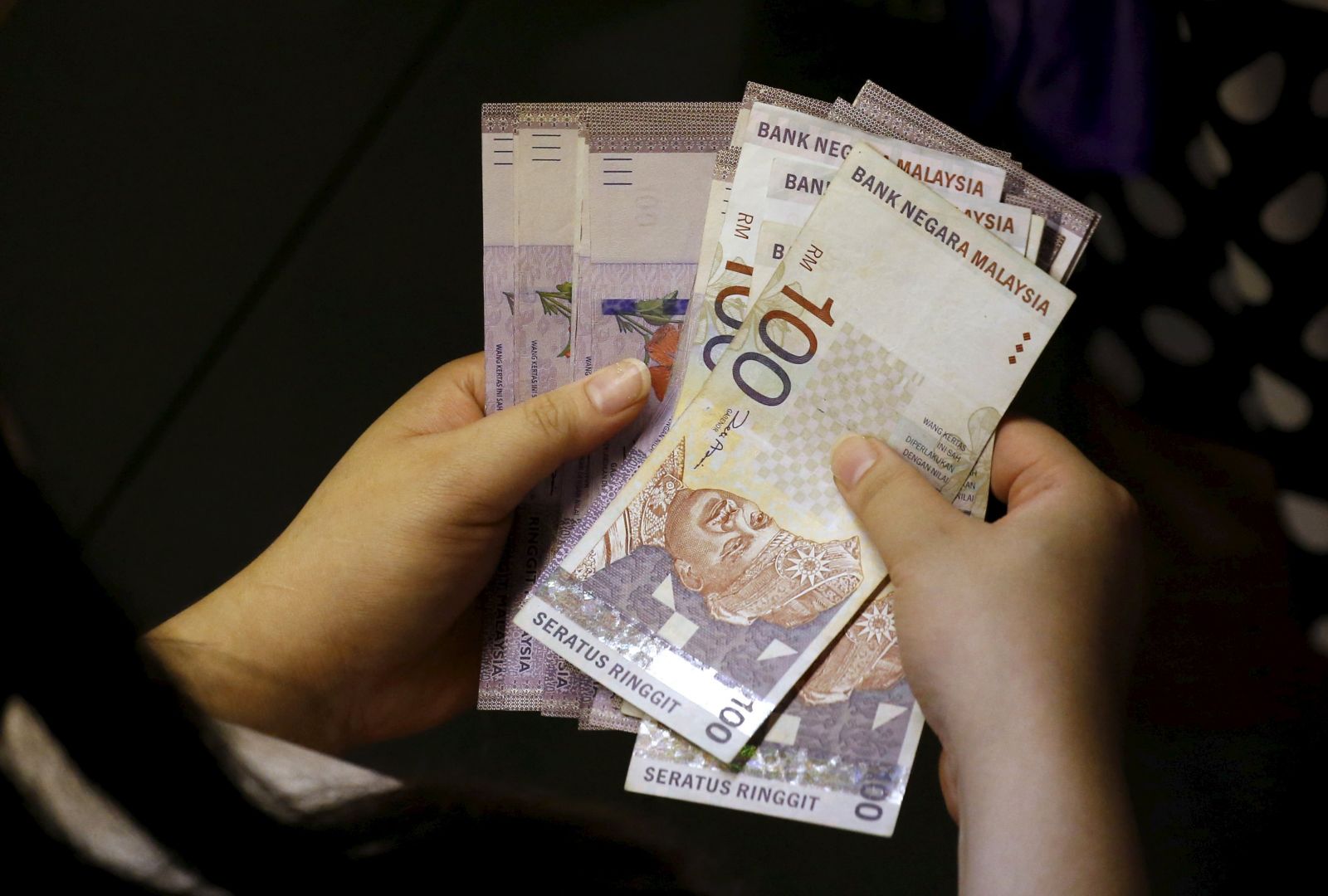
    “The total cost of all the items, the retail price, will be touching 910 (million) to 1.1 billion ringgit,” Amar Singh, the police’s head of commercial crime said. That is equivalent to $225 million to $273 million.

    The items included 116 million ringgit ($28.8 million) in cash in 26 different currencies, about 12,000 pieces of jewellery and hundreds of handbags as well as a large number of watches.

    Allegations of massive corruption were a major factor behind the shock election loss of ex-premier Najib’s long-ruling coalition in elections last month to a reformist alliance headed by Mahathir Mohamad.

    Najib and his cronies were accused of plundering billions of dollars from sovereign wealth fund 1MDB and using it to buy everything from US real estate to artworks. Najib and the fund deny any wrongdoing.

    His luxury-loving wife Rosmah Mansor became a lighting rod for public anger due to her vast collection of handbags and jewels, and her reported love of overseas shopping trips.

  • Palm falls on weak export demand

    Palm falls on weak export demand

    Malaysian palm oil futures fell at the midday break today, as weak export demand and losses in US soyoil weighed.

    The benchmark palm oil contract for September delivery on the Bursa Malaysia Derivatives Exchange was down 0.8% at RM2,266 per tonne, its sharpest intraday loss since June 19.

    Palm gained in the previous session, snapping four consecutive days of losses. It is down nearly 7% so far this month.

    Trading volumes stood at 19,531 lots of 25 tonnes each at noon.

    “The market is lacking demand, this is the primary cause of price declines,” said a Kuala Lumpur based trader.

    “Exports have been bad since the export tax was reinstated, and Indonesian prices are more competitive than ours,” added the trader, referring to Malaysia’s tax on crude palm oil exports.

    Malaysia resumed export taxes on crude palm oil in May, after suspending it for four months at the start of the year to increase demand and boost prices. It announced a 5% rate for the month of July.

    Exports of palm oil and related products from the world’s second largest producer declined 12.5% from June 1-25, reported inspection company AmSpec Agri Malaysia today, versus the corresponding period in May.

    Palm’s decline could also be due to weakness in US soyoil on the Chicago Board Of Trade, another trader said. The Chicago July soybean oil contract was last down 0.2% today.

  • Analyst cuts core earnings growth forecast for banking sector

    Analyst cuts core earnings growth forecast for banking sector

    AmInvestment Bank has cut the banking sector’s core earnings growth forecast to 7.6% from 9.2% after lowering expectations for banks’ non-interest income.

    The earnings growth will be contributed by an increase in revenue and improvement in operating expenses. Last year, banks’ core earnings grew 10.6%.

    Non-interest income is now expected to be more challenging than earlier expected, due to softer capital market activities, with IPOs and capital raising in the equity market likely to remain slow.

    AmInvestment Bank, which has reiterated its “overweight” call on the banking sector, is maintaining the loan growth expectation of 5% for the Malaysian banking industry supported by a gross domestic product growth of 5.5%. Domestic demand and improvement in external trade remain the drivers of economic growth.

    Banks registered slower loan growth in Q1’18, dampened by the slower pace of overseas loans even though domestic loan growth was above the industry rate.

    AmInvestment Bank expects loan growth of banks to improve in H2’18 underpinned by a pickup in consumer loans.

    “A stronger consumer spending is anticipated in the short-term period between the implementation of zero-rated GST and reintroduction of SST. We expect business loan growth to also improve, supported by the absence of large corporate loan repayments and a non-repeat of the forex translation impact seen in Q1’18.”

    The research house also noted that loans to the manufacturing, wholesale and retail sectors, benefiting from the improvement in consumer spending, are anticipated to be stronger compared with loans to the construction and construction-related sectors. This is in view of the fact that several major infrastructure projects have been terminated while some are under review.

    Net interest margin-wise (NIM), AmInvestment Bank anticipates it to taper off in H1’18 from Q1’18, which was boosted by an Overnight Policy Rate (OPR) hike of 25 basis points last January. NIM is projected to only expand two basis points (bps) this year against a projection of a three bps increase previously.

    “The lagged repricing of banks’ deposit rates adjusting to the increase in OPR coupled with keener competition for deposits compared to H1’18 as the sector moves closer towards the implementation of net stable funding ratio (NSFR) will be the contributing factors.”

    “Also, the tapering of margin is also expected to be partly attributed to pressures on the asset yield of banks’ subsidiaries in Indonesia (Maybank Indonesia and CIMB Niaga).”

    AmInvestment Bank believes the OPR will be maintained at 3.25% in H2’18, based on the headline inflation, which is still expected to be low, thus sustaining a positive real interest rate.

  • Malaysian freelancer now can get jobs at a swipe with DuitDo-it

    Malaysian freelancer now can get jobs at a swipe with DuitDo-it

    Looking to earn extra income for Malaysians has just become easier with the launch of DuitDo-it.

    Working like the dating app Tinder, job seekers can apply for part-time and contract or freelance work with just one swipe.

    DuitDo-it is developed and owned by recruitment agency AP Symphony Search, as part of their CSR efforts to help Malaysians earn more while meeting the needs of employers nationwide who need part-time, contract or freelance staff desperately.

    The agency said in a statement here today that with the big pool of Malaysians like unemployed youths, school leavers, students, retirees and stay-at-home mothers available, companies can now fill their temporary manpower gap easily. This should help reduce the country’s high reliance on foreign labour which is causing a huge outflow of funds, it said.

    DutiDo-it is free for job seekers. It may be downloaded from Google Play. Individuals can also post jobs such as looking after their cats or plants, or doing sewing.

    Symphony said DuitDo-it also meets the workforce trend of freelancing. “More and more people are looking for non-nine-to-five jobs that allow them to have more flexibility and control over their time,” the agency added.

    Work such as website design, accounts preparation and make-up artist can be found on DuitDo-it.

    One of the unique features of DuitDo-it is the use of video resumes to allow for quick hiring.

    Every job seeker will have his own individual rating to help employers make fast hiring decisions. If selected by the employer, the job seeker has three hours to accept, according to the statement.

  • Aeon Wallet to be launched in August

    Aeon Wallet to be launched in August

    Aeon Credit Service (M) Bhd is targeting to launch its cashless payment service Aeon Wallet in August, which will become another core business segment for the group.

    Aeon Credit, a subsidiary of Aeon Financial Service Co Ltd Japan, is principally engaged in consumer finance operations through provision of easy payment and hire purchase schemes for purchase of consumer durables and motor vehicles, personal financing schemes and issuance of credit cards.

    Aeon Credit will be launching two new products in the current financial year ending Feb 28, 2019 (FY19), in line with the company’s digital initiatives, namely the Aeon Wallet and Aeon Member Plus Card that will provide customers with payment, privileges and benefit to complement the evolving customer lifestyle, attracting customers from all segments to go cashless.

    Chief financial officer (CFO) Lee Kit Seong said the e-wallet will be another payment settlement tool for consumers in the market as it looks to first tap into its 6 million member base in the group and to have 1 million users for the e-wallet in a year.

    “We’re also introducing the Aeon Member Plus Card to consolidate the loyalty programme of the Aeon group of companies in Malaysia. The e-wallet is one of the settlements like Touch ‘n Go, Alipay, and WeChat Pay. Our e-money will ultimately become mobile payment and Aeon Pay (a settlement medium like iPay88),” Lee said.

    “After we expand internally, we will go externally. From e-money, we’re going to put it into a mobile wallet. We want to integrate the Aeon companies (such as Aeon, Aeon Big, Aeon Credit) in Malaysia to have one member (system). Once comfortable, we will go to the region,” added Lee.

    Aeon Credit has doubled its capital expenditure (capex) to RM120 million for FY19, from RM60 million in FY18, to invest in its operations and business expansion. The capex will be utilised for its branch transformation and digital marketing initiatives, the upgrading of its system infrastructure and for the introduction of its e-money business.

    Lee expects the company to maintain its momentum for FY19, with strong domestic demand being the key driver for growth, along with its transformation business model and continuous improvement in asset quality under the new MFRS9 environment.

    Meanwhile, chairman Ng Eng Kiat has maintained that “it is not wrong” in relation to the additional assessments and penalties by the Inland Revenue Board totaling RM96.82 million.

    “It’s an issue not just in relation to having to pay the tax. We’re taking the grounds that we’re not liable for those tax. We’re now appealing to the Special Commissioners of Income Tax,” said Ng, adding that it is also in consultation with tax agents, auditors and solicitors.

    He said although IRB has raised an assessment and failure to pay by a certain time will result in penalties, winding up of the company or action against the board of directors, it has applied to the Court of Appeal against the High Court’s May decision to get a stay. The hearing has been deferred to July.

  • Malaysia retailers see higher sales growth in 2018

    Malaysia retailers see higher sales growth in 2018

    The Malaysia Retailers Association (MRA) forecasts retail sales to be 5.3% for 2018, an improvement from the 4.7% growth in its March survey, boosted temporarily by the zero Goods and Sales Tax in June.

    The MRA said for the first quarter of 2018, the Malaysia retail industry recorded a below-than-expected growth rate of 2.6% in retail sales versus the 3.1% in October to December last year and 1.2% growth a year ago.

    “Despite poor performance recorded a year ago (-1.2% in Q12017), the Malaysia retail market remained subdued early this year. Shoppers were still careful in their spending on festive goods during the Chinese New Year period”.

    The MRA said except the supermarket and hypermarket sub-sector, all retail sub-sectors recorded improvement in their retail businesses during the first quarter of 2018.

    It said its members are hopeful that their businesses will recover by the second quarter of 2018. They projected an average growth rate of 6.0%. The change in ruling party after the general election on May 9, 2018 is expected to boost consumers’ confidence level and increase their willingness to spend.

    At the same time, the largest festival in Malaysia, Hari Raya, will be celebrated in June this year.

    “The department store cum supermarket operators are expecting a better performance with a growth of 4.6% for the second quarter of this year.

    “The department store operators are expecting to sustain their businesses with a growth rate of 4.7% for the second three-month period of this year,” it said.

    On the other hand, supermarket and hypermarket operators will not see improvement in their business in the coming months. They expect to remain in the red zone with a -4.4% growth rate for the second quarter of 2018.

    The Retail Group Malaysia adjusted the Q2 retail growth rate from 3.7% (estimated in March 2018) to 6.3%.

    This revision is also higher than the latest projection made by MRA members. This new estimate took into consideration the tax holiday during the last month (June) of second quarter as well as Hari Raya celebration at the middle of June 2018.

    The retail sale growth rate for third quarter has also been revised from 5.2% (estimated in March 2018) to 6.8%. This revision took into consideration the remaining two months of tax break before Sales and Services Tax (SST) is to be re-introduced from 1 September 2018.

    “For the last quarter of this year, the retail growth rate has been revised downwards from 5.0% (estimated in March 2018) to 3.5%.

    “This lower adjustment is needed to reflect higher consumers’ spending during the three-month period with zero-rated GST. Major purchases are expected to have been made from June to August of this year,” it said.

  • Petronas committed to help Sarawak become major oil industry player

    Petronas committed to help Sarawak become major oil industry player

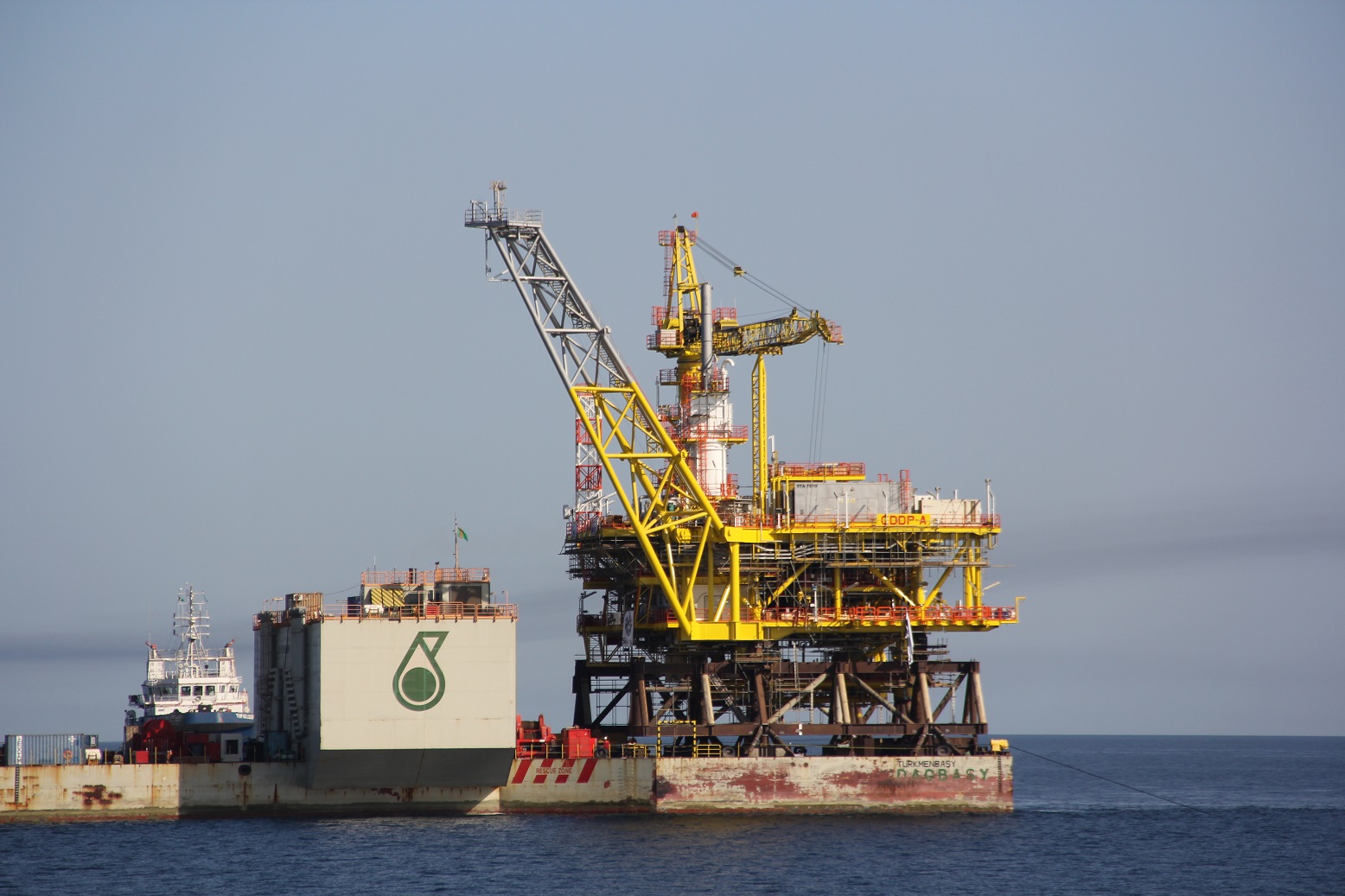
    Petroliam Nasional Bhd (Petronas) is committed to supporting Sarawak’s aspiration to become a major player in the petroleum industry and has so far invested RM183 billion in the upstream sector in the state alone via production sharing contracts (PSCs).

    According to infographics released to Bernama, the national oil company, since 1976 and up to last year, made cash payments worth RM33 billion to Sarawak.

    In addition, through the state government’s equity in Petronas’ liquefied natural gas (LNG) complex in Bintulu, the state also received RM18 billion in dividends.

    Through the Sarawak Joint Working Committee, Petronas also works closely with the state government to ensure Sarawakians and local companies get priority in career and business opportunities in both upstream and downstream activities in the region.

    Petronas also spent RM411 million on scholarships and aid programmes for over 6,000 Sarawakian students while 5,000 Sarawakian professionals are working in Petronas operations, worldwide.

    The Sarawak government, in March this year, launched state-owned Petroleum Sarawak Bhd (Petros) to boost its own participation in the industry.

    The infographics also explained in detail the Petroleum Development Act 1974 , a Federal law enacted by Parliament, having the legislative competence under the Federal Constitution to promulgate laws relating to petroleum.

    The PDA 1974 gives Petronas exclusive ownership to oil and and resources in Malaysia and makes it the sole regulatory body for upstream oil and gas activities through PSCs.

    The PSC system addresses the need for a greater centralised management of the petroleum industry for the benefit of the nation and the states.

    This has allowed Petronas to create significant value for the nation, hence contributing to the well-being and development of the nation and the respective states.

    “The PDA 1974 serves to protect the interest of all Malaysians, ensuring that the nation will benefit the most from its petroleum resources,” Petronas said in the infographics.

    Under the Act, profit share is split between Petronas, contractors and income tax payment to the government with the states and Federal government getting five per cent royalty each from the Profit Oil, Petronas and the contractors sharing 12.5% each from the 1985-type PSC and 15% for income tax.

    From two other types of PSC, Profit Oil is only 10% with 3% each for both parties and 4% for income tax (under Deepwater/Ultra Water PSC) and for Revenue/Cost PSC, Profit Oil is at 20% of which 6% each is for Petronas and contractors and 8% for income tax.

    The infographics also highlighted the fact that PSCs are risky, highly capital intensive and take a long time to provide returns while exploration took between three and five years with no income and the probability to discover oil rated at only between 20% and 25%.

    The risks is extended to the development period of between four and six years’ spending to monetise the discovery, a period when still no income is made.

    Once production commences, the 10% cash payment to the federal government and the states starts while both Petronas and the contractors pay 38% income tax from the profits made.

    The national oil company also pays annual dividends to the federal government.

    Contrary to general perception, these cash payments are paid, twice a year, irrespective of whether the production from the field is profitable or not.

    According to the infographics, an increase of the royalty payment from 5% to 20% as demanded by producing states will have an adverse impact on the industry.

    Such an increase in cash payment would also reduce the attractiveness of Malaysia as an oil and gas investment destination for many players.

    There are currently over 40 investors in PSCs of which about 80% are foreign companies which view the Malaysian petroleum sector as stable and favourable based on current PSC arrangements.

  • Telekom Malaysia tumbles 12% in early trade on news of lower broadband prices by year-end

    Telekom Malaysia tumbles 12% in early trade on news of lower broadband prices by year-end

    Shares of Telekom Malaysia Bhd slumped as much as 12.1% this morning to a low of RM3.19 in anticipation of a drop of at least 25% in broadband prices by year-end.

    At the noon break, the stock fell 39 sen or 10.7% to RM3.24 on 39.82 million shares done.

    Multimedia and Communications Minister Gobind Singh Deo said yesterday that discussions by relevant parties on the final charges are expected to conclude by August, after which lower priced broadband packages are expected to be offered.

  • AirAsia strongly refutes India CBI allegations

    AirAsia strongly refutes India CBI allegations

    AirAsia Group Bhd (AAGB) lambasted the Indian Central Bureau of Investigation’s (CBI) first information report (FIR) lodged against the low-cost airline, based on information from an unnamed “reliable source.”

    “We question the motives of the unnamed person, persons or organisation that lodged this FIR but we will cooperate fully with the Indian authorities in accordance with due process provided in law,” it said in a filing with the stock exchange.

    AAGB refuted strongly all the allegations made in the FIR as baseless, unsupported and unjustified and will vigorously challenge these allegations.

    The FIR claimed that unknown public servants have engaged in a criminal conspiracy involving AAGB, AirAsia India, group CEO Tan Sri Tony Fernandes, deputy CEO Bo Lingam, four other named parties and unknown public servants and unknown private persons, to expedite the approval process and change in aviation policies to suit AirAsia India, by lobbying with stakeholders in the Indian government through non-transparent means.

    AAGB explained that its move, together with other aviation players, to lobby the Indian government to remove the 5/20 rule was done in compliance with the law and without any unlawful payments. The 5/20 rule inhibits competition and the development of a healthy aviation sector that endures for the benefit of the Indian consumer.

    “Further, AAGB has had an internal review and concluded that there has been no wrongdoing by either Fernandes or Lingam.”

    AAGB said the joint venture with Tata Sons Ltd to set up its low cost carrier in India carrying the AirAsia brand, was primarily due to the sterling reputation and integrity of Tata Sons in India.

    “All required approvals were obtained through normal channels and it took more than a year to get these approvals. Given Tata’s more than 100 years track record and that of AirAsia’s reputation, we refute any inference of impropriety in obtaining these approvals.”

    AirAsia Investments Ltd holds 49% equity in AirAsia India, while the remaining 51% is owned by Tata Sons (49%) and two individuals on the board (2%) who are Indian nationals.

    AAGB reiterated that all the allegations in the FIR are unfounded and are without any rational basis and are wholly inconceivable in the context of corporate governance norms in Malaysia.

    “Accordingly AAGB denies all allegations of wrongdoing and will pursue all legal remedies available to address these allegations.”

    Meanwhile, AAGB said AirAsia India lodged an FIR against former CEO Mittu Chandilya last year over the contract with HNR Trading Pte Ltd which was unauthorised by the company.

    It also submitted a forensic audit report by an accounting firm in India to show that funds were illegally siphoned out of the company through that unauthorised contract.

    “We believe that the Bangalore police are still investigating although much time has lapsed.”

  • Malaysia’s inflation rate in May rises at fastest pace in four months

    Malaysia’s inflation rate in May rises at fastest pace in four months

    Malaysia’s consumer price index (CPI) increased 1.8% in May 2018 – the fastest pace in four months – to 121.1 compared with 119.0 in the corresponding month of the preceding year due to a strong recovery in transport prices.

    According to the Department of Statistics, among the major groups which recorded increases were transport (+3.8%); food & non-alcoholic beverages (+2.2%); housing, water, electricity, gas & other fuels (+2.1%); restaurants and hotels (+2.1%); health (+1.9%); and furnishings, household equipment & routine household maintenance (+1.5%).

    MIDF Research expects inflation to moderate in the upcoming months amid zero-rated GST, tax holiday period until the implementation of the Sales and Services Tax in September and stable retail fuel prices, which will reduce business costs.

    “At this juncture, we expect 2018’s fuel-related inflation to moderate amid higher base effects, re-subsidisation of domestic fuel price and high likelihood of a downward adjustment of global commodity prices in 2H18 from the current temporary factors, which pushed the prices up,” said MIDF Research.

    It expects headline inflation to average at 2.6% this year compared with 3.8% in 2017 amid higher base effects, supported by inflation rate for 1Q18 which stood at 1.8% compared with 4.2% in the same period last year.

    “As inflationary pressure remains steady, we anticipate Bank Negara Malaysia to maintain its current monetary policy with no more hikes in the overnight policy rate for the rest of 2018 barring any pleasant upward surprises in domestic economic growth,” it said.

    The research firm said that food inflation in Malaysia continued to fall from 2.6% year on year (yoy) in April 2018 to 2.2% yoy last month. Prices for fresh food products such as meat and seafood continued expanding however at a moderate pace of 1.6% yoy and 5.9% yoy respectively.

    In contrast, fruits inflation increased to 1.5% yoy while vegetables decreased further by 3.7% yoy. There is a potential for food inflation to rise in June due to higher demand for Ramadan and Hari Raya.

    On a monthly basis, the May CPI was up 0.2% compared with April 2018.

    Core inflation meanwhile, rose 1.5% in May 2018 compared with the same month of the previous year. Core inflation excludes most volatile items of fresh food as well as administered prices of goods and services.

    For the first five months of the year, the CPI registered an increase of 1.7% against the same period last year.

    In the overall CPI for May, inflation in three regions surpassed the national rate of 1.8%, namely Kuala Lumpur (+2.2%), Selangor & Putrajaya (+2.1%) and Johor (+2%).
    According to MIDF Research, the inflation rate increased in May across all states except Penang.

  • Bulgari’s Flagship in KL gets a Roman Makeover

    Bulgari’s Flagship in KL gets a Roman Makeover

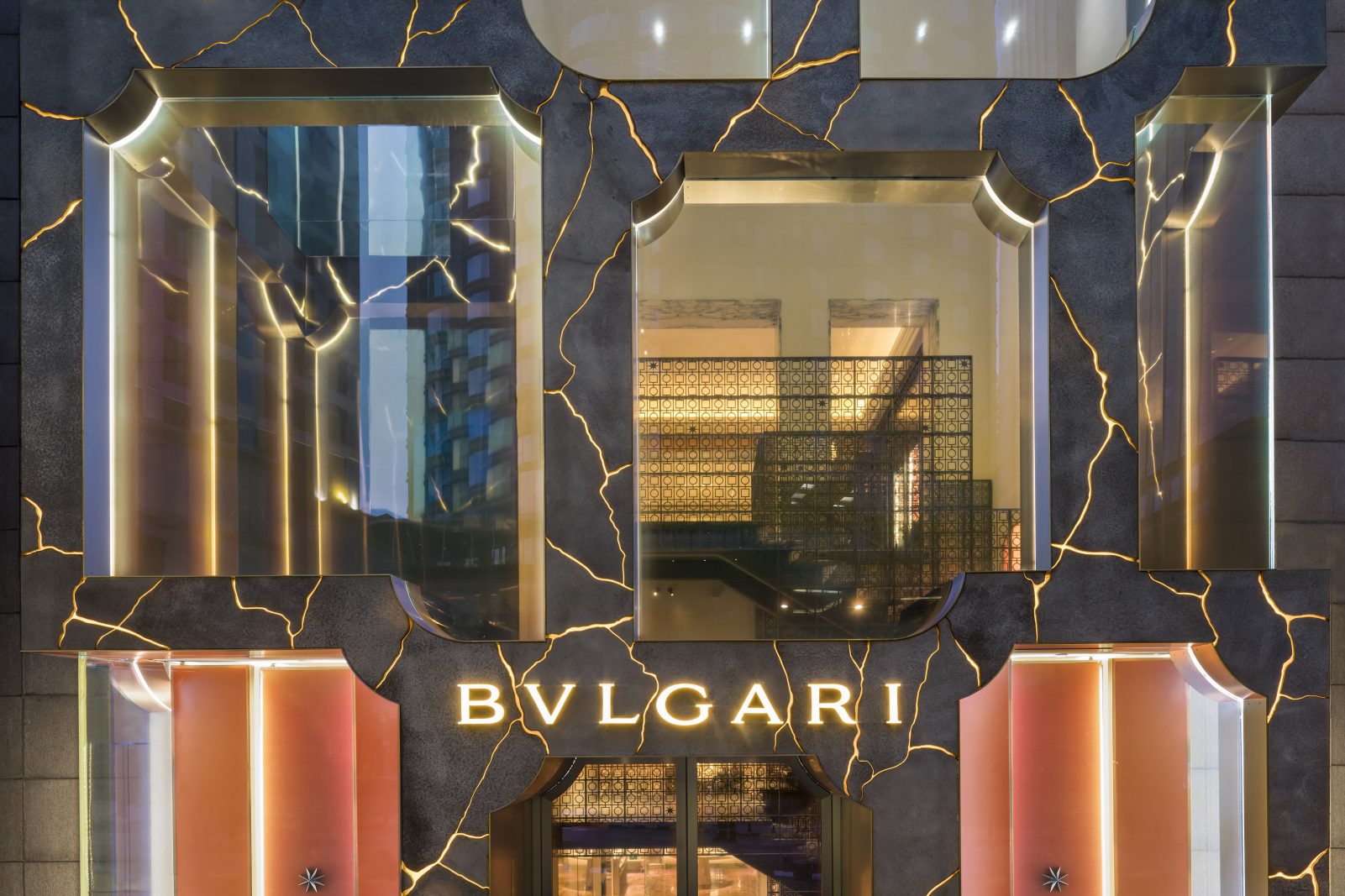
    Bulgari Malaysia has opened a flagship store in Bukit Bintang district, Kuala Lumpur.

    Built in the same style as the Via Condotti store in Rome, the 103sqm space sees the Italian brand experimenting with new ways to convey the luxury brand’s heritage.

    The designer, Netherlands-based MVRDV, used rough concrete with resin veins to create a sense of historic Italian architecture. The store space is permeated with gold light.

    Bulgari plans to adopt the new storefront facade in all of its global stores.

    The brand also recently launched a new design concept in Hong Kong.

    For more pictures, view the gallery below (4 images) :


  • AirAsia to start flights to Ipoh

    AirAsia to start flights to Ipoh

    Low-cost carrier AirAsia Group Bhd is adding services to Ipoh and also looking at restarting flights to Kuantan, according to its group chief executive Tan Sri Tony Fernandes.

    He said this in a tweet this morning from his handle @tonyfernandes: “We opening IPOH soon and also looking to restart Kuantan. Would mean we would fly to all local destinations.”

    AirAsia had initially introduced flights to Kuantan in June 2008, but dropped it later.

    At 11.49am, AirAsia fell 1.25% or 4 sen to RM3.15 with 1.9 million shares done.

  • AirAsia on the offensive over traffic rights

    AirAsia on the offensive over traffic rights

    AirAsia has accused Malaysia’s aviation body, Mavcom, of holding back the country’s aviation and damaging tourism growth.

    The airline made the accusations, Thursday, in a rebuttal of an earlier statement released by Mavcom saying it always adhered to a transparent and objective process when considering traffic right applications.

    AirAsia has accused Malaysian Aviation Commission (Mavcom) of making a grossly misleading statement on the evaluation process when allocating air traffic right to airlines.

    Mavcom had earlier said it that it followed a process that would take into account airlines’ views when it was allocating air traffic rights.

    But in its public statement, AirAsia disputed Mavcom’s claim saying the agency had failed to take into account the airline’s viewpoint made at three meetings since November last year to May this year.

    “Most of our concerns were ignored and have not been addressed,” the airline said in its statement.

    The airline claims that operations on international routes that are linked to unrestricted bilateral air agreements (permitting unlimited operations by airlines in terms of frequencies, seat capacity and aircraft types), should not be blocked by Mavcom.

    “Mavcom’s decision to reject our route applications is therefore completely against the Open Skies policy advocated by Malaysia’s  Ministry of Transport when negotiating for bilateral air agreements with other countries.”

    AirAsia is objecting to Mavcom’s demand that airlines should provide commercially sensitive and confidential information, such as unit revenue/cost (RASK/CASK) figures and fare structures, when requesting for route approvals.

    “Financial evaluation of routes should be left to the airlines, as it is the airlines’ prerogative to decide on the commercial viability of their own operations,” AirAsia said.

    It called on Mavcom to simplify the air traffic rights allocation process claiming it is “ now extremely cumbersome due to the high number of documents and data that need to be provided to support applications for route approvals.”

    AirAsia calls for more transparency from Mavcom as no detailed computation/supporting data is provided when a route is rejected, other than a statement citing “overcapacity” on the route concerned.

    The airline group noted that Mavcom rejected an application to increase Kota Kinabalu-Sandakan flights from 25 to 32 trips per week citing there was overcapacity on the route event though flights were operating at a 90% load factor.

    “We also wish to seek clarification from Mavcom on why MASwings is being allowed to operate 21 trips per week on the route. MASwings is a fully subsidised airline and possesses an undue financial advantage over other commercial airlines, and a review of its 21 times weekly service is required. Inter-Sabah air connectivity has been held back for years and we are keen to boost tourism in the state.”

    Malaysian carriers already lag behind their Asean competitors in terms of total weekly seats deployed for points in Asia.

    According to the Ministry of Tourism Malaysia, Thai carriers have deployed 893,166 weekly seats, while Singapore carriers have deployed 661,863, compared to 590,422 by Malaysian carriers as of December 2017.

    “Mavcom blocking growth in this manner only serves to benefit other regional airlines who are allowed to grow without undue restrictions by their own civil aviation authorities.

    “We have also seen a 3% decline in tourist arrivals to Malaysia to 25.95 million in 2017 from 26.76 million in 2016. Mavcom’s rejection of route applications will only further compound the issue and hamper Malaysia’s tourism and economic growth.”

    AirAsia Malaysia CEO Riad Asmat said, “Mavcom is not an airline, and should leave the business to actual airlines like AirAsia that understand the market. Since 2001, we have grown from two planes to more than 200 aircraft and from 200,000 guests flown in that first year to 89 million guests this year. We operate more than 320 routes – one-third of which are unique – to over 130 destinations across Asia-Pacific, the Middle East and the US.

    “By failing to understand the true business of airlines, and by trying to micro-manage the industry, Mavcom is doing more harm than good to Malaysian aviation, the exact opposite of its mandate. It is holding the industry back with slow approvals and high charges, while other countries invest heavily in increased air traffic connectivity, to the detriment of the Malaysian tourism sector and the economy,” the airline’s CEO concluded.