Tag: Malaysia

  • Loob to bring Tealive to China, eyes 500 outlets within 3 years

    Loob to bring Tealive to China, eyes 500 outlets within 3 years

    Loob Holding Sdn Bhd, the creator of Malaysia’s Tealive bubble tea brand, today announced a joint venture with two China companies to bring 500 Tealive stores to China within three years.

    The Malaysian company inked the deal with Zhejiang Boduo International Trade Co Ltd and Shanghai Panfei International Trade Co Ltd at a ceremony attended by retail and franchise industry officials as well as government representatives from Malaysia and China.

    CEO Bryan Loo signed for Loob Holding, which will take a 51% majority stake in the joint venture known as Shanghai Loob Boduo Food and Beverage Co Ltd, subject to company registration approval by the relevant authorities in China.

    Loo said the joint venture would see the first Tealive outlet opening in Shanghai this September before more stores being opened in other selected cities. He expressed confidence that the joint-venture would be able to achieve the targeted 500 stores in three years.

    “Barely six months after the birth of Tealive, we took the brand to Vietnam and we now have five outlets. We have penetrated the Australian market with our first store there next month. Just last month, we appointed our master franchisee in India and we are targeting 140 outlets within five years,” Loo said.

    China, the world’s largest tea market, will be the fourth overseas market for Tealive.

    Loo said Tealive served 2.5 million consumers each month in its 175 outlets and the brand was still expanding every week.

    On prospects in China, Loo said latest indicators were that the market for tea in China had now exceeded US$21 billion per year.

  • Gold price swings take shine off Malaysia’s Poh Kong Q3

    Gold price swings take shine off Malaysia’s Poh Kong Q3

    Poh Kong Holdings Bhd’s net profit for the third quarter ended April 30, 2018 fell 41.8% to RM4.31 million from RM7.4 million a year ago, as the fluctuation of gold prices affected the group’s operating profits.

    Revenue, however, increased 17.2% to RM240.44 million compared with RM205.23 million in the previous year’s corresponding quarter due to the increase in demand for gold jewellery and investment products, and additional revenue contribution from new outlets in the current quarter under review.

    For the nine-month period, Poh Kong’s net profit dropped 5% to RM14.48 million from RM15.24 million a year ago, while revenue jumped 18.5% to RM731.35 million compared with RM617.01 million in the corresponding period last year.

    The group is optimistic in maintaining its growth and leading position in Malaysia despite more challenging and competitive conditions in the domestic jewellery market.

    “Notwithstanding uncertainties in the global and regional economies, fundamentals in Malaysia remain resilient, which have enabled corporate and industry players to meet their challenges and business performance.”

    Barring unforeseen circumstances, Poh Kong is confident of its resilience to weather the challenges ahead for financial year ending July 31.

  • Sony opens world’s 1st deep bass concept audio store in Malaysia

    Sony opens world’s 1st deep bass concept audio store in Malaysia

    Sony’s first Extra Bass store in Southeast Asia has just opened in Kuala Lumpur’s Sunway Pyramid Asian Avenue.

    Extra Bass was designed to provide an unusual shopping experience for consumers into sound experiences at home or on the move. Creative displays show off a range of Sony’s Extra-series products, including headphones and wireless speakers.

    Sony plans to expand the concept to create a Music Information Hub for students, working with schools and communities to encourage more young people to participate in music and the arts.

    With a focus on experience and engagement, the store’s primary goal is to broaden people’s minds about music and entertainment, rather than simply sell gadgets.

    “Living in a technological era, brick-and-mortar retail is rapidly losing ground to its online rivals,” said Nixon Ng from Chip magazine in a comment.

    “To combat this, concept stores have appeared on the scene, ready to stimulate our senses and tempt us back to the physical shopping world … It’s a space where art, culture and commerce collide to promote a particular lifestyle.”


  • Analysing the Increased Online Shopping Consumption During Ramadan 2018

    Analysing the Increased Online Shopping Consumption During Ramadan 2018

    The month of Ramadan is considered as the most sacred period for millions of Muslims in Malaysia & Indonesia. As such, a huge number of people observing the religious period would shift their daily routine to focus on spirituality & contribute to charitable initiatives. This also shifts the way consumers shop in a very significant manner as well.

    Just a few weeks into Ramadan, online shopping consumption increased greatly during the fasting month. This was evident as iPrice Group, a price aggregator platform for hundreds of online merchants in Indonesia & Malaysia experienced double-digits growth in online sessions. Undertaking this study, there are unique consumer insights that only occurs during the month of Ramadan.

    Online Shopping at the Wee Hours of the Morning

    While many Malaysians & Indonesians are awake in the wee hours of the morning for Sahur (pre-dawn meal), they are more likely to shop online as well. Analysis suggests that online traffic at 5:00am increased by 105% in Malaysia & 345% in Indonesia when compared to the same time prior Ramadan. The increase was much higher in Indonesia as the country has the largest Muslim population in the world. This is a continuous trend as seen in our study last year in both Malaysia & Indonesia.

    In Malaysia, the increase in online traffic was much higher when compared to our research last year, where we only saw a 90% increase in online traffic at 5:00am. Indicating an increased interest in online products this year as compared to 2017.

    Evident in both countries was that online traffic during Ramadan was significantly higher when compared to the previous period. Overall online traffic was 11% higher in Malaysia & 30 percent higher in Indonesia. In addition to this, online traffic in both countries experienced a dip in online traffic at 7:00pm in Malaysia & 6:00pm in Indonesia as many prepare to break-fast (Iftar). Online traffic decreased 9% in Malaysia & 4% decrease in Indonesia at these periods. After Terawih prayers online traffic in both countries would resume, reaching its peak at 10:00pm.

    Search Trends for Fashion Products During Ramadan

    Fashion products are among the most sought-after items during Ramadan as millions of Malaysians & Indonesians prepare for the Hari Raya Aidilfitri celebrations. Using Google Trends, we saw that keywords such as “Baju Raya” & “Baju Raya 2018” was among the most popular keywords associated with “Raya” (which is closely associated with the Aidilfitri celebrations) in Malaysia.

    In the country, local brands have been actively showcasing their 2018 Raya collection & deals through various advertising, social media, & marketing campaigns across the country. The three most searched local fashion eCommerce brands in Malaysia during Ramadan were Naelofar Hijab, Fashion Valet & Muslimah Clothing. Towards the end of May 2018, Naelofar Hijab launched the “Shine On” collection which is their #naelofaraya2018 campaign. At this same period, Naelofar Hijab garnered a high volume of search interest between 23 – 30 May2018 indicating a successful campaign that caught the attention of many Malaysians.

    Close in fourth place was Siti Khadijah which garnered a high volume of search interest from Malaysians as well. Siti Khadijah specialises in prayer outfits specifically for women known as telekung. As such, the high level of interest for the eCommerce was no coincidence because many women are dedicating their time to pray during Ramadan.

    In Indonesia, there was high search volume for “gamis” which is a long dress worn by Muslim women along with keywords such as “hijab” & “baju muslim”. These keywords indicate that many Indonesians were looking for inspiration or sources for clothing suitable for their religion activities during the month of Ramadan. In addition to this, there was a high level of interest for “Baju Koko”, which is a fashionable traditional top for men most popularly worn during the Aidilfitri celebrations.

    Other Unique Search Trends Prior Aidilfitri

    Utilising Google Trends, there is also a high search interest for airline ticket promotions in Malaysia & Indonesia before Ramadan. This is in line with local trends since many will be travelling back to their hometown prior Aidilfitri celebrations. Search interest for airline tickets began during the second half of May 2018 which takes place a month before the Aidilfitri celebrations on 15th of June.

    In Malaysia, the most popular keywords & brands associated with “promotion” were “Airasia”, ”Malindo Air” &”Malaysia Airlines”. In Indonesia, inhabitants located in Sumatera, Kalimantan & Sulawesi were most interested in airline ticket promotions as compared to other states. This indicates that inhabitants in these regions were more likely to travel to the Java Islands or to other parts of the country for Aidilfitri.

    Other than airline tickets, the second most popular keyword used in Malaysia were related to groceries & merchandise deals. During Ramadan, there is a high demand for Raya goods such as biscuits, traditional delicacies, & other food stuff. Since these items are usually available at major supermarkets & stores many Malaysians are on the lookout for promotions by major retailers in order to maximise their spending. The top brands associated with the keyword “promotion” were:

    • Aeon
    • Giant
    • Tesco
    • Aeon Big
    • Econsave
    • Mydin
  • Manufacturing sector Malaysia posts RM65.5b sales in April 2018

    Manufacturing sector Malaysia posts RM65.5b sales in April 2018

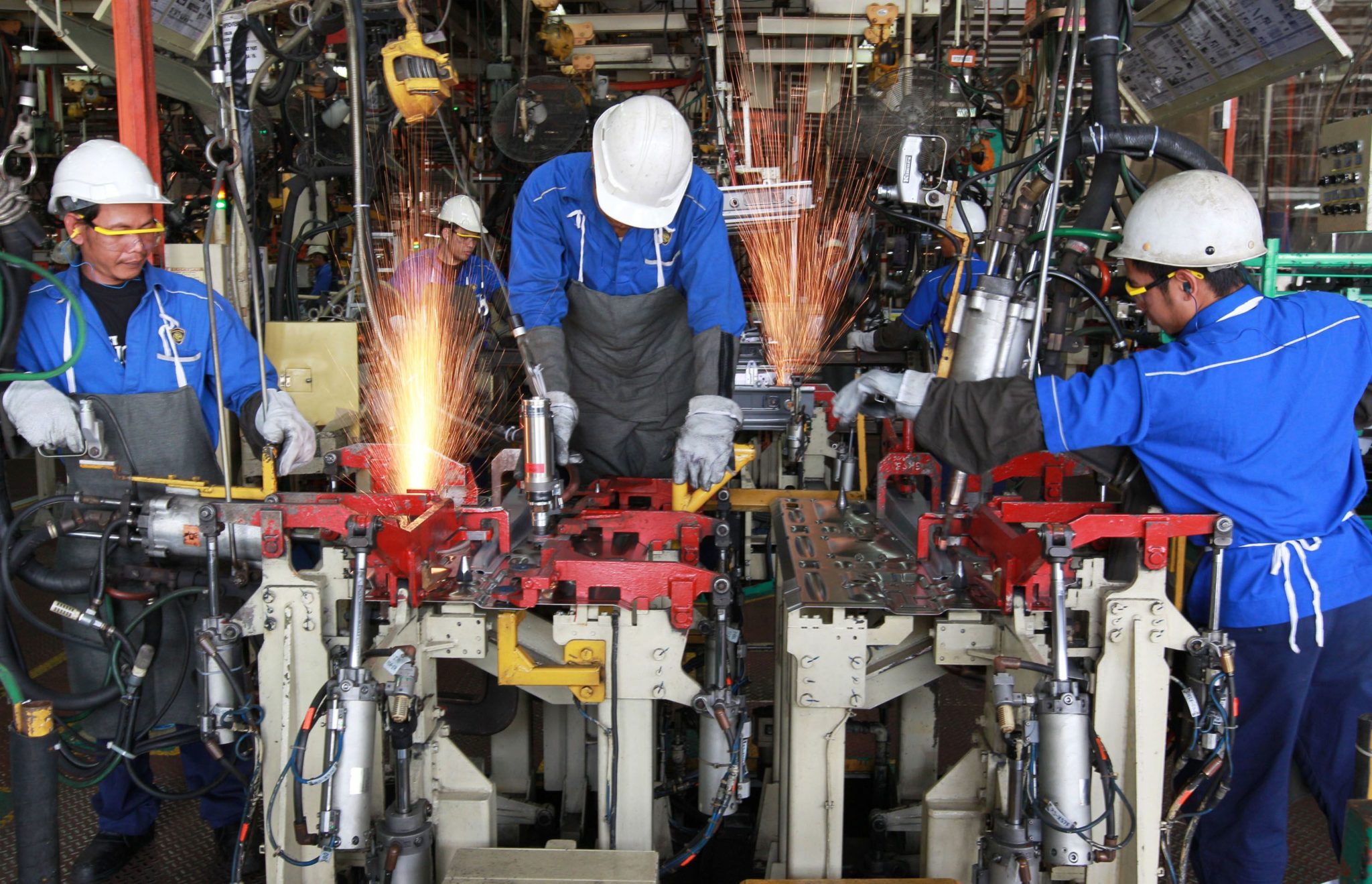
    Malaysia’s April manufacturing sales recorded a growth of 8.2% to RM65.5 billion compared with RM60.5 billion reported a year ago, according to the Statistics Department.

    The significant increase in sales value in April was due to the increase in electrical and electronics products (13.9%), petroleum, chemical, rubber and plastic products (6.3%) and food, beverages and tobacco products (6.4%).

    Total employees engaged in the manufacturing sector in April 2018 was 1.07 million persons, an increase of 2.1% or 22,100 persons against 1.05 million persons in April 2017.

    Salaries & wages paid rose 10.2% (RM353.5 million) to record RM3.83 billion, thus registering an average salaries & wages per employee of RM3,577 in April 2018.

    Sales value per employee gain 6.0% to RM61,226 compared with the same month the previous year.

    MIDF Research is of the view that the continuous uptrend in both wages and employment in the manufacturing sector provides a bright outlook for the economic activities and contribute positively towards domestic consumption in 2018.

  • Malaysian consumers expect economy to improve with zero GST

    Malaysian consumers expect economy to improve with zero GST

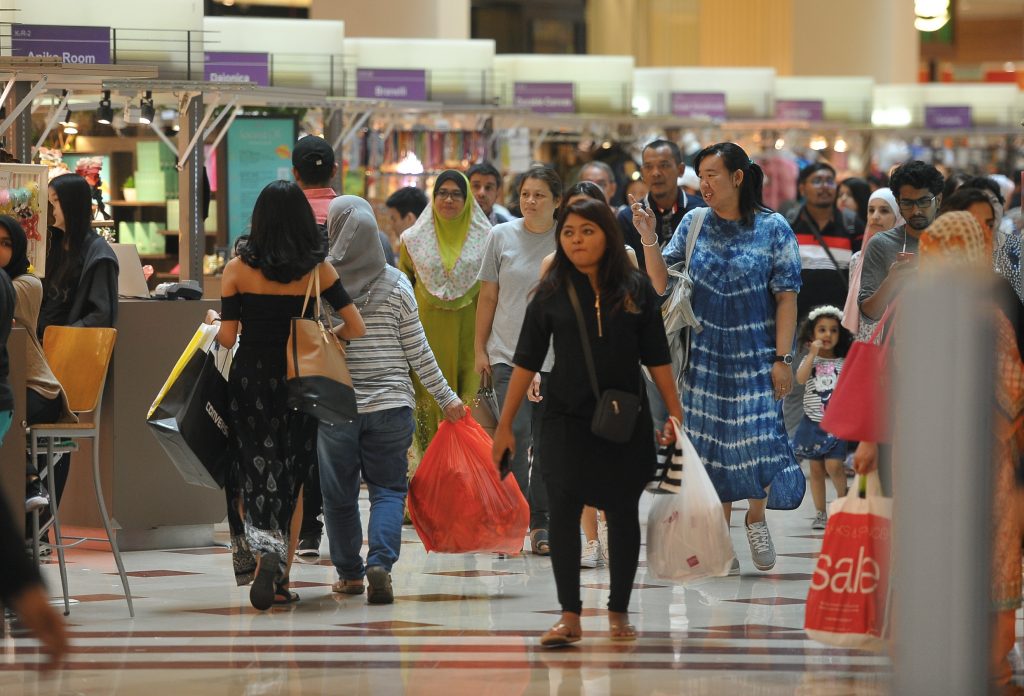
    Malaysian consumers are optimistic about the country’s economic outlook after the zero rating of the Goods and Services Tax (GST), with 82% of them opining that the economy will improve in the next 12 months, according to a survey conducted by Nielsen Malaysia.

    More than 1,000 Malaysians between the ages of 18 and 64 from Peninsular Malaysia, Sabah and Sarawak participated in the June survey.

    Nielsen said this latest survey follows similar research conducted in 2015, which found that attitudes toward the introduction of GST were less optimistic as only 58% believed the tax would be good for the economy.

    “While Malaysians were initially tentative toward the introduction of GST three years ago when the tax was first announced, having experienced the effects of the GST over the past three years, they appear to welcome the move to effectively eliminate the tax, perhaps due to the gradual increase in the cost of goods and services that has occurred since its implementation, as reflected in the Consumer Price Index (CPI),” said Nielsen Malaysia managing director Raphael Pereda.

    Some 57% of consumers expect price of goods and services to drop while 33% believe prices will stay at current levels.

    Pereda said the optimism level could mean good news for manufacturers and retailers, with consumer spending intentions likely to rise.

    “Many retailers have been providing consumers with discounts even before the zero-rated GST was officially implemented to encourage consumers not to postpone their festive spending to after June 1, 2018. If these value-for-money promotions continue, we can expect to see an increase in sales volume compared to previous years.”

    The survey showed that two out of three consumers (69%) expect their purchase habits to change following the reduction of GST, with 30% saying that they would spend more money on essential items such as apparel and clothing, perishable foods, non-perishable foods and baby products.

    Malaysians also showed a willingness to increase their spending on non-essential purchases such as holidays or leisure trips (33%), new property (27%) and out-of-home entertainment (26%). A quarter of them said they will be able to channel their money towards paying off debts once the GST is zero-rated.

    Meanwhile, 77% viewed the government’s initiative to fix the price of fuel as being “good for consumers”.

    When asked what they believed the government would do about road tolls in Malaysia, more than 90% believed tolls would either be removed or reduced.

    “It is clear the recent policy announcements made by the government have gained the approval of a vast majority of Malaysians. We are eager to see if this post-election optimism translates into actual consumer spending, which we will be able to determine over time through our retail data,” said Pereda.

  • French farmers block access to 13 refineries in palm oil biofuels protest

    French farmers block access to 13 refineries in palm oil biofuels protest

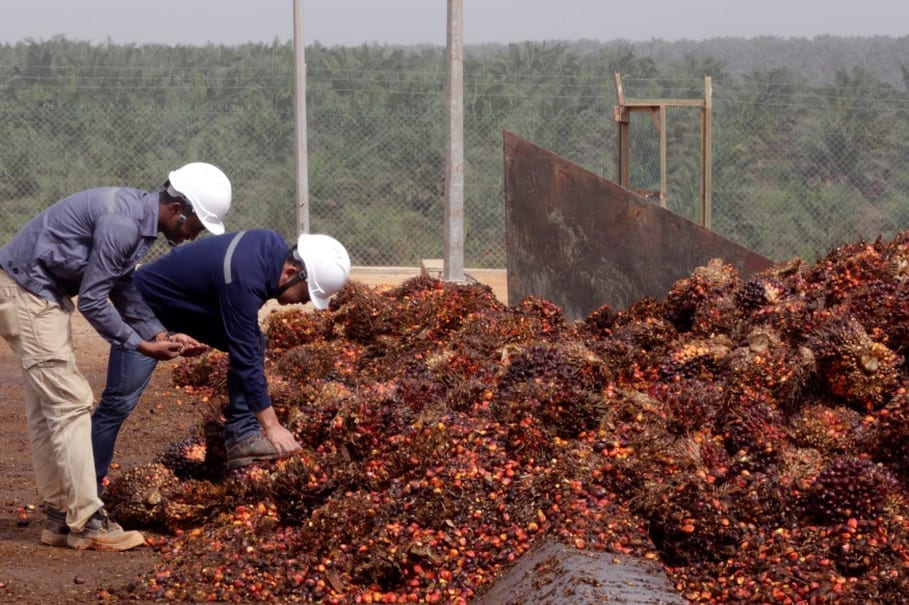
    Dozens of French farmers blocked access to 13 refineries across the country today to protest against plans to import palm oil for use in biofuels, a move they denounce as unfair competition which jeopardises their livelihood.

    Energy giant Total wants to import up to 300,000 tons a year of palm oil, which environmental advocates say has caused massive deforestation chiefly in Southeast Asia.

    French rapeseed and sunflower growers, who say they will lose out due to Total’s imports, accuse foreign palm oil producers of failing to respect the regulatory requirements European producers must follow.

    Farmers parked tractors in front of refinery gates while dumping piles of haystacks, dirt, manure and potatoes.

    “France imports several products that don’t respect the rules applied to French farmers. It concerns South American meat and Spanish wine as well as palm oil,” said Damien Greffon, who leads the FRSEA farmers’ union in the Paris region.

    The protests are a sign of growing anger in France’s farming communities which have so far not mobilised in large numbers against the government of President Emmanuel Macron since his election.

    Public sector workers and railway staff have held regular demonstrations and strikes against the pro-business reforms introduced by the new centrist government since May 2017.

    The farmers’ protests began late Sunday and have been called for three days because “dialogue has broken down” with the government, Greffon said.

    Agriculture Minister Stephane Travert said today that the government would not back down, adding that he would meet soon with unions as well as biofuels producers to discuss supplies and pricing.

  • AirAsia to fly from KK to Bangkok from Aug 16

    AirAsia to fly from KK to Bangkok from Aug 16

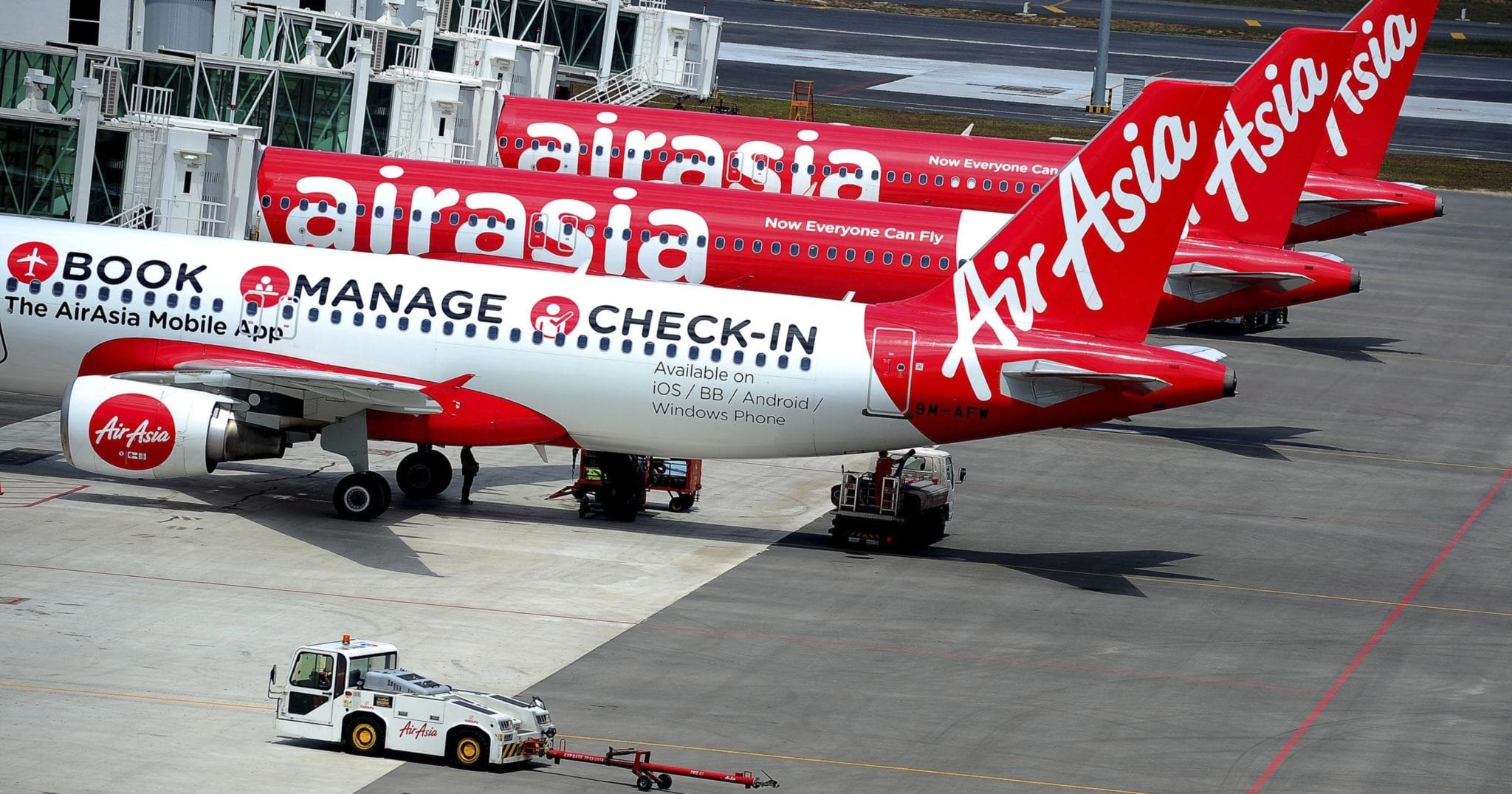
    AirAsia Group Bhd will fly from Kota Kinabalu (KK) to Bangkok, Thailand from Aug 16, 2018, marking the airline’s ninth route connecting Malaysia and Thailand.

    In a statement today, the low-cost airline said the thrice-weekly KK-Bangkok direct flights would be operated by AirAsia Thailand, with promotional all-in-fares starting from RM99 one way for travels between Aug 16, 2018, and Aug 13, 2019.

    Bookings for the promotional flight tickets are available from today until June 17, 2018.

    Currently, the Malaysia-Thailand routes operated by AirAsia includes Kuala Lumpur (KL)-Bangkok (84 times weekly), Penang-Bangkok (14 times weekly), Johor Baru-Bangkok (11 times weekly), KL-Hat Yai (11 times weekly), KL-Hua Hin (four times weekly), KL-Chiang Mai (seven times weekly), KL-Phuket (seven times weekly) and KL-Krabi (21 times weekly)

  • Lisa Lim Poh Lin appointed as independent non-executive director of Axiata Malaysia

    Lisa Lim Poh Lin appointed as independent non-executive director of Axiata Malaysia

    Axiata Group Bhd has appointed Dr Lisa Lim Poh Lin as its independent non-executive director to further strengthen the board’s diversity mix and expertise.

    The appointment came into effect on June 8.

    “We constantly strive to build a board composition of relevant business expertise, global experience and diversity of backgrounds. As an accomplished Malaysian scholar with high-profile global corporate experience, Lisa’s deep experience in the competitive world of business, technology and finance will significantly contribute to our board deliberations. We are pleased to have her join us and we look forward to her contributions,” said Axiata chairmanTan Sri Azman Mokhtar in a statement.

    Meanwhile, Axiata president and group CEO Tan Sri Jamaludin Ibrahim said Lim’s experience will add another dimension to the board’s composition and her passion for nurturing and developing digital talents and entrepreneurs is aligned with the group’s aspirations of building a vibrant digital ecosystem within Asean and South Asia.

    Lim has over 18 years’ of experience in management consulting, academic research and investment management and has served as a fund manager at Columbia Threadneedle. She was also a sector leader for Global Telecoms Research.

    She holds a first class honours (BA and MEng) in engineering and a PhD in engineering from Cambridge University.

    She was a recipient of Malaysian Public Services Commission scholarship and The Cambridge Commonwealth Trust Scholarship. She is also a certified financial analyst (CFA) charterholder.

  • Malaysia’s Astro group CEO Rohana to step down on Jan 31, 2019

    Malaysia’s Astro group CEO Rohana to step down on Jan 31, 2019

    Astro Malaysia Holdings Bhd group CEO Datuk Rohana Rozhan will step down from her role Jan 31, 2019 and will be succeeded by group chief content and consumer officer Henry Tan.

    In a filing with Bursa Malaysia today, Astro said Rohana, 55, will resign to pursue other goals. She will remain on the board of directors as a non-executive director following her resignation.

    “Rohana has been an inspirational leader to all at Astro, having led the team in setting many firsts and milestones for the media industry in Malaysia. We respect her decision to step down as group CEO and wish her all the very best and a bright future ahead,” said Astro chairman Tun Zaki Azmi.

    Rohana who has been with the group since 1995, is the principal architect of the company’s growth strategies which includes growing its presence in Southeast Asia.

    Under her tenure, Astro saw its customer base grow from two million to 5.5 million, while revenue grew RM1.79 billion to RM5.53 billion for the financial year ended Jan 31, 2018.

    “The business that we built at Astro over the years is attributable to one thing: the passionate, committed and talented individuals that make up Team Astro. It is my honour to have been part of this amazing team, moving as one, to achieve far more than I ever dreamt possible in a fast-evolving and dynamic industry. As Team Astro, our passion has always been to better serve our customers, which has been our privilege and our continued responsibility,” said Rohana.

    Her successor, Tan, has been with the group for more than 10 years.

    Yesterday, the group reported a 10.77% drop in net profit for the first quarter ended April 30, 2018 to RM174.72 million from RM192.35 million a year ago due to higher net finance cost. Revenue for the quarter fell 1.1% to RM1.31 billion from RM1.32 billion due to a decrease in subscription revenue.

    At 11.09 am, Astro’s share price fell 4.92% to RM1.74 with some 5.29 million shares done. Trading of Astro’s securities was temporarily halted between 9.39 am and 10.39 am.

  • Malaysia exports in April up 14% to RM84.2b from a year ago

    Malaysia exports in April up 14% to RM84.2b from a year ago

    Exports grew 14% to RM84.2 billion in April 2018 from a year ago, driven by electrical and electronic (E&E) products, refined petroleum, crude petroleum, timber and timber-based products, palm oil and palm oil-based products, while liquefied natural gas (LNG) and natural rubber recorded decreases in export volume and average unit value.

    This is the second highest monthly export value recorded for the year after March’s exports of RM84.5 billion.

    Imports expanded by 9.1% from a year ago to RM71.2 billion, supported mainly by capital goods, as intermediate goods and consumption goods imports fell.

    Malaysia’s total trade grew 11.7% from a year ago to RM155.4 billion in April, bringing the total trade balance to a surplus of RM13.1 billion (50.9%), according to the Statistics Department.

    FXTM global head of currency strategy & market research Jameel Ahmad said the annualised 14% growth in exports for April will certainly help provide positive momentum for the country’s second quarter gross domestic product (GDP), which is expected to continue growing above 5%.

    He noted that this will take away some concerns in the manufacturing sector which experienced the biggest decline in new orders since late 2016 and reduce risks, which could weigh down GDP prospects.

    Re-exports were valued at RM20.1 billion (+84.3%) in April and accounted for 23.9% of total exports. Domestic exports increased RM1.2 billion (1.8%) to RM64.1 billion.

    On a month-on-month (m-o-m) basis, Malaysia’s total trade in April saw an increase of RM1.2 billion or 0.8% from March, while the trade surplus stood 11% or RM1.6 billion, lower.

    Meanwhile, on a m-o-m basis, April exports decreased 0.3% or RM224.7 million from RM84.5 billion in March, mainly attributable to decreases in mineral fuels (1.3%) followed by animal and vegetable oils and fats (0.7%) and inedible crude materials (0.5%). However, in seasonally adjusted terms, exports registered an increase of 9.5%.

    Imports rose RM1.4 billion or 2.0% from RM69.8 billion contributed by consumption goods although on a seasonally adjusted terms, imports increased RM6 billion (8.8%) to RM74 billion.

  • Govt said to be looking to replace CEO of Bursa Malaysia

    Malaysia is looking to replace the chief executive officer of the national stock exchange, two sources said today, the latest in a series of top management changes initiated by the newly elected government.

    The sources gave no reason why the government was considering replacing Datuk Seri Tajuddin Atan at Bursa Malaysia. His term is due to end in March next year.

    A government adviser briefed by a minister said that the matter had been “one of the priorities” raised during a weekly Cabinet meeting today, but no conclusion was
    reached.

    “It was discussed … it’s just that they could not come to a decision,” said the source, who requested anonymity.

    Addressing a news conference after the Cabinet meeting, Prime Minister Tun Dr Mahathir Mohamad said the issue had not been tabled. “I did not see it on the table,” he said.

    Two sources have said among the names being considered as potential replacements for Tajuddin include an external candidate based in Hong Kong, and two internal candidates.

    Bursa Malaysia declined to comment. “We do not comment on speculative news,” a spokesman said.

  • AirAsia: Neither we nor CEO has received any notice from India’s CBI

    AirAsia: Neither we nor CEO has received any notice from India’s CBI

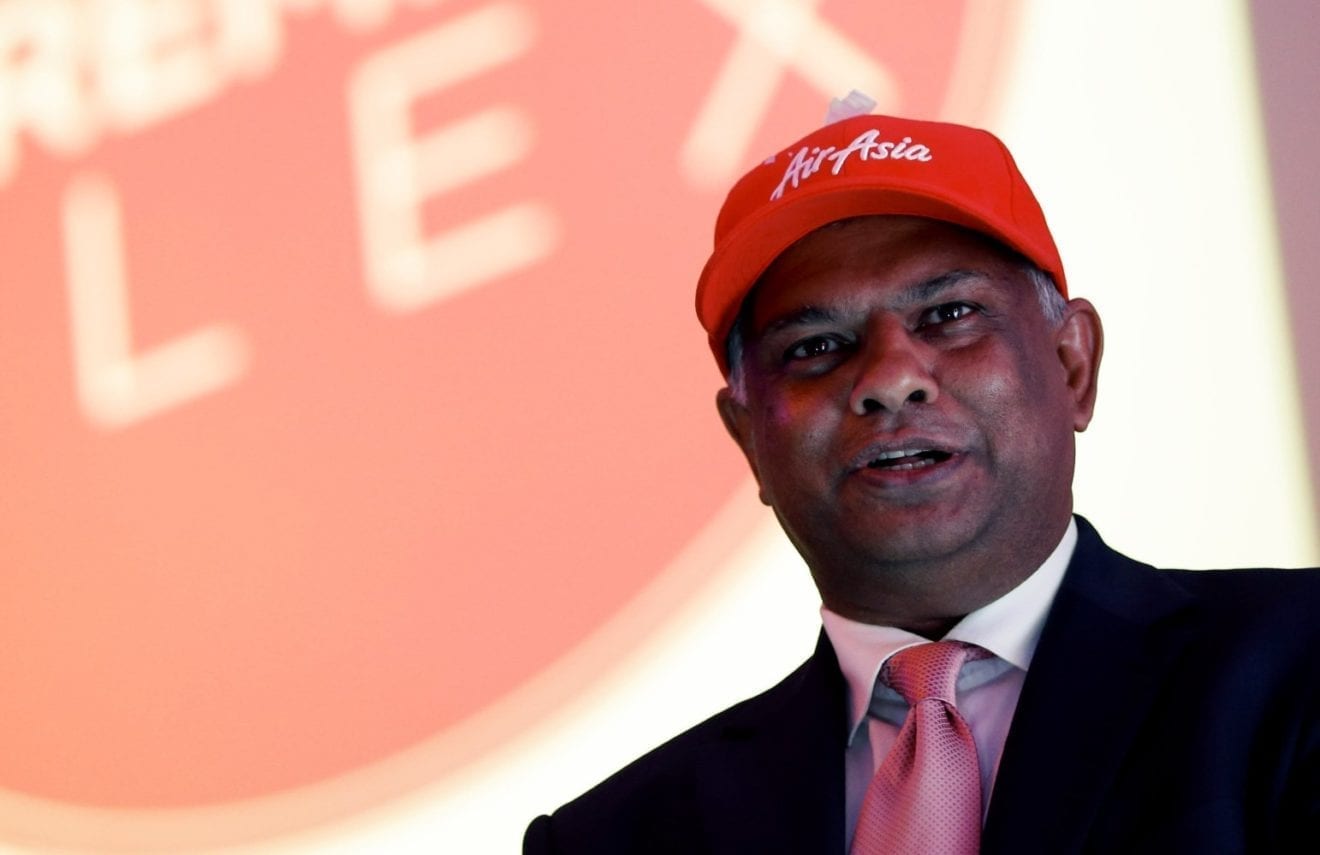
    Airasia Group Bhd and its CEO Tan Sri Tony Fernandes have not received any notices from the India’s Central Bureau of Investigation (CBI) contrary to reports which stated that Fernandes has been summoned for questioning on June 6.

    “We wish to state categorically that neither AirAsia Group nor Tan Sri Tony Fernandes, in his personal capacity, has received any such notice as of today,” the group said in a statement.

    If and when any such notice is received through formal and official channels, then in accordance with the sovereign laws of Malaysia we will abide by the due process of the letter of the law,” it added.

    AirAsia said both the group and Tony will fully cooperate with the respective authorities in India in the investigations.

    The group was referring to news reports quoting sources in which it was reported that AirAsia’s Indian unit allegedly broke rules while obtaining rights for international flights out of the country.

    CBI reportedly named Fernandes, the airline and others in a complaint, alleging they lobbied government officials “to secure mandatory approvals, some of them through non-transparent means”.

    Reuters quoted a CBI source on Friday as saying that Tony had been called for questioning in the case on June 6, adding that others would also be called as part of the investigation.

    In 2014 the low-cost carrier launched its domestic flight operations in India with local joint venture partner Tata Sons.

    At market close, Airasia’s share price rose 4.19% to close at RM3.23 with some 10.5million shares done.

  • Courts Malaysia hurts Asia performance

    Courts Malaysia hurts Asia performance

    Regulation changes in Malaysia dragged down both revenue and profits for Southeast Asian electrical, IT and furniture retailer Courts Asia.

    For the year to March 31, Courts Asia had a 3.7 per cent dip in revenue to SG$713.1 million (US$532.5 million). Profits slipped to $8.1 million from $23.7 million.

    Meanwhile, distribution and marketing expenses “remained relatively stable” at $56.5 million, or 7.9 per cent of revenue, the group says.

    Revenue from Malaysia, which contributed to 26.2 per cent of total turnover, slid 15.4 per cent on a year-on-year basis. This was mainly because of lower sales of goods and earned service charge income, says the group.

    Courts Asia executive director/group CEO Terence Donald O’Connor says the company faced headwinds in Malaysia following the introduction of the Consumer Protection (Credit Sale) Regulations 2017. This saw interest rates being capped at 15 per cent a year along with new compliance processes that led to a revenue drop.

    “The fall in revenue, coupled with an increased credit cost and a more prudent credit-sanctioning approach in Malaysia, affected our profitability,” says O’Connor.

    Taskforce

    As a result, Courts Asia has formed a transformation taskforce to look into business processes with the objective of driving productivity in Malaysia.

    Meanwhile, seven underperforming stores have been closed, ending with a footprint of 63 outlets. Other key actions taken in Malaysia include deploying a regional credit taskforce comprising executives with “specialised credit collections and marketing skill sets”.

    “While we agree that consumer sentiment has lifted with the changes sweeping through Malaysia, it will take time for it to filter through to discretionary spending,” says O’Connor. Initiatives such as zero rating GST from 6 per cent from today have been welcomed.

    In Singapore, Courts Asia’s performance remained strong at $25.2 million, the company says. Revenue from Singapore accounted for 69.9 per cent of the group’s top line, and increased 1.5 per cent. This was underscored by improved sales and follows an increased focus on driving an omni-channel approach with the relaunch of its online platform and the re-opening of Courts Megastore at Tampines in November.

    As part of its move toward offering furniture for the modern home, Courts Asia has refreshed its furniture range leading up to the Hari Raya festive season.

    For Indonesia, the group achieved 13.7 per cent growth in revenue in rupiah, thanks mainly to new stores. After “prudently widening its footprint”, Courts Asia now has 32 locations across the Jakarta region, including nine stores and 23 pop-ups.

  • AirAsia Potentially Planning Launch of Esports Team, League, and Center

    AirAsia Potentially Planning Launch of Esports Team, League, and Center

    Malaysian low-cost airline, AirAsia, is looking to take its esports activities to new heights. In an Instagram post, Kamarudin Meranun—chairman of AirAsia and CEO of its parent company, Tune Group—says the company will develop its own team, league, and esports centre.

    With no formal announcement made by the airline yet, it’s not clear whether the company is launching own competition series, or simply become a named sponsor for an existing event.

    AirAsia CEO Tony Fernandes acquired a majority stake in Mobile Legends esports organization Team Saiyan, earlier this year. The squad was subsequently rebranded, but this announcement suggests the airline could even be building its own esports team subsidiary.

    The Esports Observer reached out to AirAsia, who declined to provide more details at this point in time.

    The airline is also a sponsor of Mineski’s Dota 2  team, and runs an esports program for its employees: the AirAsia Allstars Esports Club. Tony Fernandes, who is also a majority shareholder of the Queens Park Rangers soccer club, has also previously hinted at a potential partnership with Singapore-gaming brand Razer