Tag: Malaysia

  • AirAsia X net profit up fourfold in first quarter

    AirAsia X net profit up fourfold in first quarter

    Low-cost, long-haul carrier AirAsia X Bhd saw a more than fourfold jump in net profit in the first quarter ended March 31, 2018 to RM41.5 million from RM10.34 million in the same quarter a year ago.

    Revenue for the period under review rose 7.2% to RM1.27 billion from RM1.18 billion on the back of a 13% increase in passenger volume.

    Despite a slight reduction in the average fare of 3% compared with the same quarter last year, the airline maintained its load factor at 84% in addition to delivering an additional 231,855-seat capacity, representing a year-on-year increase of 14%.

    “The company recognises the challenges posed by the recent hike in fuel prices, and best mitigative efforts are being put forth through the boost in ancillary and capacity numbers. The company is confident of presenting the results from these measure during the third and fourth quarters of the financial year,” AirAsia X said on its prospects.

    It noted that based on the current forward booking trend, forward loads are trending better than in the previous year.

    “Barring any unforeseen circumstances, including but not limited to terrorist attacks, natural disasters, epidemics, economic downturn, fuel price hike and fluctuation in foreign currencies against the ringgit, the company expects its prospects to remain positive,” it added.

    On Bursa Malaysia yesterday, AirAsia gained 1.33% to 38 sen on volume of 10.76 million shares.

  • Malaysia’s 2018 economic growth expected to remain above 5%

    Malaysia’s 2018 economic growth expected to remain above 5%

    Malaysia’s first quarter (1Q18) gross domestic product (GDP) growth came in at 5.4% year on year, lower than the consensus projection but AmBank Research is maintaining its 5.5% GDP growth for this year as it expects private consumption and the services sectors to continue to support growth together with other areas of business activities.

    “Apart from private consumption and services, we noticed that most of the other economic segments showed some loss of growth momentum. Still, our current 5.5% GDP growth for the full year remains, as we expect private consumption and services sectors will continue to support growth together with other areas of business activities,” it said in a report.

    “With the announcement of the Goods & Services Tax removal, added with the potential reintroduction of fuel and electricity subsidies as well as the review of toll roads, these suggest that the underlying inflation will pick up gradually.

    “While our base case for OPR (Overnight Policy Rate) remains with a total of one rate hike by Bank Negara Malaysia (BNM) that took place in January with the OPR now at 3.25%, the probability for a second rate hike in September 2018 remains at a low 45%,” said AmBank.

    However, Kenanga Research has revised its 2018 GDP growth forecast to 5.1% in 2018 from 5.5% (2017: 5.9%), as it said the change in government will likely put a damper on private investment due to policy uncertainty and disrupted public spending, which pose downside risks to its GDP forecast going forward.

    “The only upside to growth could possibly be derives from higher private consumption following the government’s decision to scrap the Goods and Services Tax (setting its rate at zero from June 1) and take its time to implement the sales and services tax. External factors may also weigh on growth mainly the expectation that exports would continue to slow on the back of the slowing global demand for consumer electronics especially mobile devices.”

    Nonetheless, it said there could be offsetting factors if the government takes an aggressive approach to review major infrastructure projects. It then can prioritise or strategically delay projects that have high import content as it did in the 1990s. Less import could help boost net exports and support GDP growth.

    Kenanga expects monetary policy to remain accommodative. It said although the central bank has left interest rates unchanged since it raised the OPR in January, the outlook for monetary policy may have turned considerably uncertain following the change in government.

    “The biggest risk to the monetary policy outlook is that a post-election sharp decline in investment would exacerbate an economic slowdown. This may prompt BNM to loosen its monetary policy and cut interest rates. For now we are maintaining our view that the OPR will remain on hold until the end of the year.”

  • Seoul Garden celebrates 35th anniversary with exciting deals

    Seoul Garden celebrates 35th anniversary with exciting deals

    Asian-Korean restaurant chain Seoul Garden has marked its 35th anniversary with a celebration at its first Malaysian outlet, in Gurney Plaza, Penang.

    The brand’s grill and steamboat buffet included marinated meats such as coffee chicken and beef bulgogi.

    Seoul Garden Group COO Siow Yong Wu says the brand has come a long way since its establishment in Singapore in 1983 as an a-la-carte eatery catering to Korean expatriates. He says they switched to a buffet concept before entering the Malaysian market in 2005 with the Gurney Plaza outlet.

    Penang franchisee Joseph Lee says Seoul Garden outlets were among the most popular dining venues because of their vast buffet, offering about 120 items.

    With 35 outlets across peninsular Malaysia, Sabah and Sarawak, the brand has also obtained halal certification.

    Group CEO Andrew Lee says all food items come from halal suppliers. “We have also re-engineered our proprietary grilling system to give customers a more comfortable, smoke-free dining environment.”

    Siow says the group intends to expand heavily, both within Malaysia and in neighbouring countries. Currently, the brand has a presence in Indonesia (Medan), Vietnam, the Philippines, Brunei and Myanmar.

  • Grab Malaysia partners Maybank for mobile wallet launch

    Grab Malaysia partners Maybank for mobile wallet launch

    Grab announced a strategic partnership with Maybank to drive the acceptance and usage of Grab’s new cashless payment method, the GrabPay mobile wallet.

    The announcement comes as Grab, which received its e-money license from Bank Negara Malaysia in December 2017, is set to launch its GrabPay mobile wallet in beta in the coming weeks.

    With the partnership and support of Maybank, Grab consumers will not only be able to use GrabPay mobile wallet at GrabPay merchants, but will also be able to eventually use their mobile wallet at Maybank’s key merchants thereby making GrabPay accepted at a wider network of merchants.

    Similarly, Maybank customers will also eventually have the option of paying via Maybank QRPay at GrabPay merchants.

    Through the partnership, consumers will soon also have the added convenience of directly topping-up cash to their mobile wallet via Maybank2U.

    Maybank group president and CEO Datuk Abdul Farid Alias said that the collaboration with Grab is part of Maybank’s ongoing efforts to provide customers with even more digital conveniences that would not only enrich their online experience but also enhance their lifestyles.

  • 92% of Malaysians prefer to own than rent

    92% of Malaysians prefer to own than rent

    Despite the rising perception that more Malaysians would choose to rent than to buy a home, statistics from the recent PropertyGuru Consumer Sentiment Survey show that 92% of those polled would rather own the roof over their heads than to lease.

    Among those polled, about 33% were presently renting with 67% residing in their “own homes”. Own homes are regarded as homes that are owned by their dwellers or it could be a family home, staying with a sibling or relative and other non-rental residences.

    A total of 817 respondents participated in the PropertyGuru’s Consumer Sentiment Survey for the second half of 2017.

    The survey shows that the traditional aspiration of owning a home remains largely unchanged despite evolving property market trends and demographics.

    For those who would prefer to rent, the majority cited a location that is close to their office or workplace as the most important criterion (71%), followed by family considerations (55%) and public transportation accessibility (52%) respectively. High-rise homes are the preferred option for renters with condominiums and serviced apartments being the top choice.

    “It appears that despite rising living costs, higher loan rejection rates and price unaffordability, Malaysians including the younger generation still would make home ownership a key lifestyle aspiration. The desire is very strong perhaps due to family or peer pressure or due to the prevalence of traditional perceptions of owning a home as being a sound foundation for one’s future,” said PropertyGuru Malaysia country manager Sheldon Fernandez.

    “Beyond providing a place to stay, a home to Malaysians still represents stability, security and continues to be a key asset class for wealth accumulation via capital appreciation and rental yields.”

    Fernandez added that the PropertyGuru survey also showed that even many of those who are presently renting also aspire to buy a home if they can afford it.

    Renters believe that RM501-RM800 monthly to rent a room was a realistic budget while those looking to rent a home would ideally wish to pay RM801-RM1100 per month, depending on location, property type, unit size and other factors.

  • Malaysia vehicle sales up 10% in April from a year ago

    Malaysia vehicle sales up 10% in April from a year ago

    Total vehicle sales in April 2018 increased 10.2% or 4,343 units to 47,089 units, compared with 42,746 units a year ago, according to the Malaysian Automotive Association (MAA).

    On a month-on-month basis, April saw a decline of 5.8% or 2,896 units as consumers adopted a wait-and-see attitude due to the general elections.

    Meanwhile, the association said vehicle sales in May are expected to increase, with many car companies announcing zero-rated Goods and Services Tax (GST) prices following the government’s move to abolish the tax on June 1. This will be boosted by promotional campaigns for Hari Raya Aidilfitri.

  • Bursa Malaysia opens lower

    Bursa Malaysia opens lower

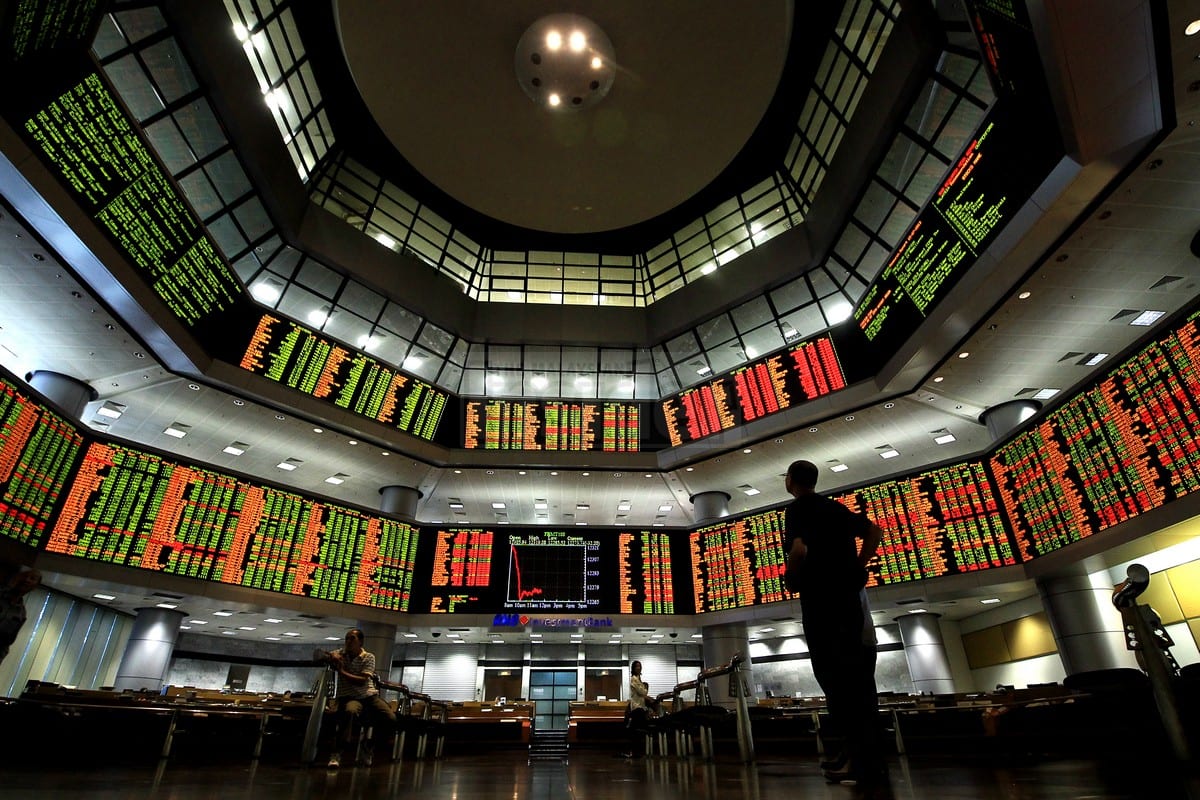
    Bursa Malaysia opened lower, extending yesterday’s losses on continued selling in selected heavyweights and in line with most regional peers, dealers said.

    At 9.17am, the benchmark FTSE Bursa Malaysia KLCI (FBM KLCI) was 6.01 points lower at 1,839.02 from Tuesday’s close of 1,845.03.

    The index opened 1.63 points weaker at 1,843.40.

    On the broader market, losers led gainers 202 to 137, while 183 counters were unchanged, 1,386 untraded and 20 others suspended.

    Volume stood at 185.91 million units valued at RM105.46 million.

    Public Investment Bank Bhd said the FBM KLCI may trade lower today as attention remains on Italian politics, with the benchmark sovereign debt yield turning around, as buyers re-emerged for the country’s 10-year paper.

    “On Wall Street, the S&P 500 gained as much as 0.3%, helped by signs the US-China trade war appeared to be abating, but suffered a late afternoon swoon to close 0.3% down for the day,” it said in a research note today.

    Among heavyweights, Maybank was two sen higher at RM10.90, Public Bank rose 22 sen to RM25.42, Petronas Chemicals improved one sen to RM8.44, while TNB shed 10 sen to RM15.24 and CIMB declined five sen to RM6.60.

    For actives, AirAsia X and Destini gained one sen each to 39 sen and 23.5 sen respectively, MyEG earned half-a-sen to 94 sen, while Hubline and PUC were flat at nine sen and 20.5 sen.

    The FBM Emas Index slid 38.07 points to 12,806.52, the FBMT 100 Index decreased 38.69 points to 12,609.62 and the FBM Emas Syariah Index dipped 81.97 points to 12,793.51.

    The FBM 70 lost 37.48 points to 15,068.35, but the FBM Ace advanced 1.60 points to 5,282.82.

    Sector-wise, the Finance Index was 30.89 points higher at 18,476.08, while the Plantation Index improved 4.71 points to 7,944.63 and the Industrial Index fell 18.83 points to 3,286.82.

    The physical price of gold as at 9.30am stood at RM159.97 per gramme, up 33 sen from RM159.64 at 5pm yesterday.

  • Raya Online Sales Will Likely Peak inEarly June With 0% GST

    Raya Online Sales Will Likely Peak inEarly June With 0% GST

    ShopBack, the leading online Cashback platform that partners more than 500 online shops in Malaysia, foresees Raya sales will reach its peak in the first week of June, given the 0% GST implementation from June 1st onwards.

    “Our partners have started to prepare for an early June promotion as that will likely be the week when consumers rush into Raya preparation. For example, Lazada is planning for a Mega Sale from June 1st until June 4th with onsite games, flash sales, and up to 11% cashback for ShopBack users. Around 40 partners are joining our Raya campaign and we are looking to have at least 100% growth this year,” says Alvin Gill, Country General Manager of ShopBack Malaysia.

    Other online partners that are joining the campaign include Traveloka, 11street, foodpanda, FashionValet, Booking.com, Senheng, Hermo, Expedia, Sephora, ASOS, JD sports, PappaDelivery etc. and the highest Cashback on offer is 30%.

    “There was a 25% drop in sales during the 14th General Election week and it was expected. As people resume working and Ramadan begins, the number of online sales has started to recover to the previous level. According to ShopBack data, the number of sales powered by ShopBack during Ramadan 2017 VS 2016 grew by 100%. We are confident to achieve beyond this number as the market sentiment looks very positive after GE14.

    “The 0% GST may allow Malaysians to have better purchasing power when spending for their Raya needs. Based on our historical data, sales normally surge at the second week of Ramadan but for this year, it may start after the 0% GST takes effect and will prolong to the fourth week,” Alvin says.

    Malaysians Spent More Compared to Indonesians

    ShopBack regional’s data also hows that in a comparison with Indonesians, Malaysians’ average spending during Ramadan 2017 was USD 54.54. Indonesians instead spent USD 49.04 on average. Overall, Fashion appeared as one of the top selling categories in both countries. Malaysians spent more on Health & Beauty and Electronic items while Groceries, Toys & Games had a great demand among Indonesians.

    “Larger electronic items, for example, household appliances could be the reason of higher spending found among Malaysians,” Alvin explains.

    Both Malaysia and Indonesia experienced a dip in traffic during Iftar hour. Website and app traffic during peak hour remained unchanged except for an increase of 15% during Ramadan month.

    “This year, ShopBack has integrated its app with regional partners like Lazada, especially Lazada app users can get better cashback when they shop through our app during Ramadan. We aim to integrate with more partners’ apps in the future to enhance our user experience. It will continue to propel our growth in the next half of 2018 together with the implementation of 0% GST,” Alvin adds.

    Currently, more than 1 million Malaysians are using ShopBack for their daily purchases. ShopBack has given over RM25 million worth of cashback since 2015. The cashback savings can be transferred out to a user’s bank account upon validation. Other than Malaysia, ShopBack also operates in Singapore, Thailand, Indonesia, the Philippines, Taiwan and Australia.

  • AirAsia boss Tony Fernandes wants to help Malaysian football

    AirAsia boss Tony Fernandes wants to help Malaysian football

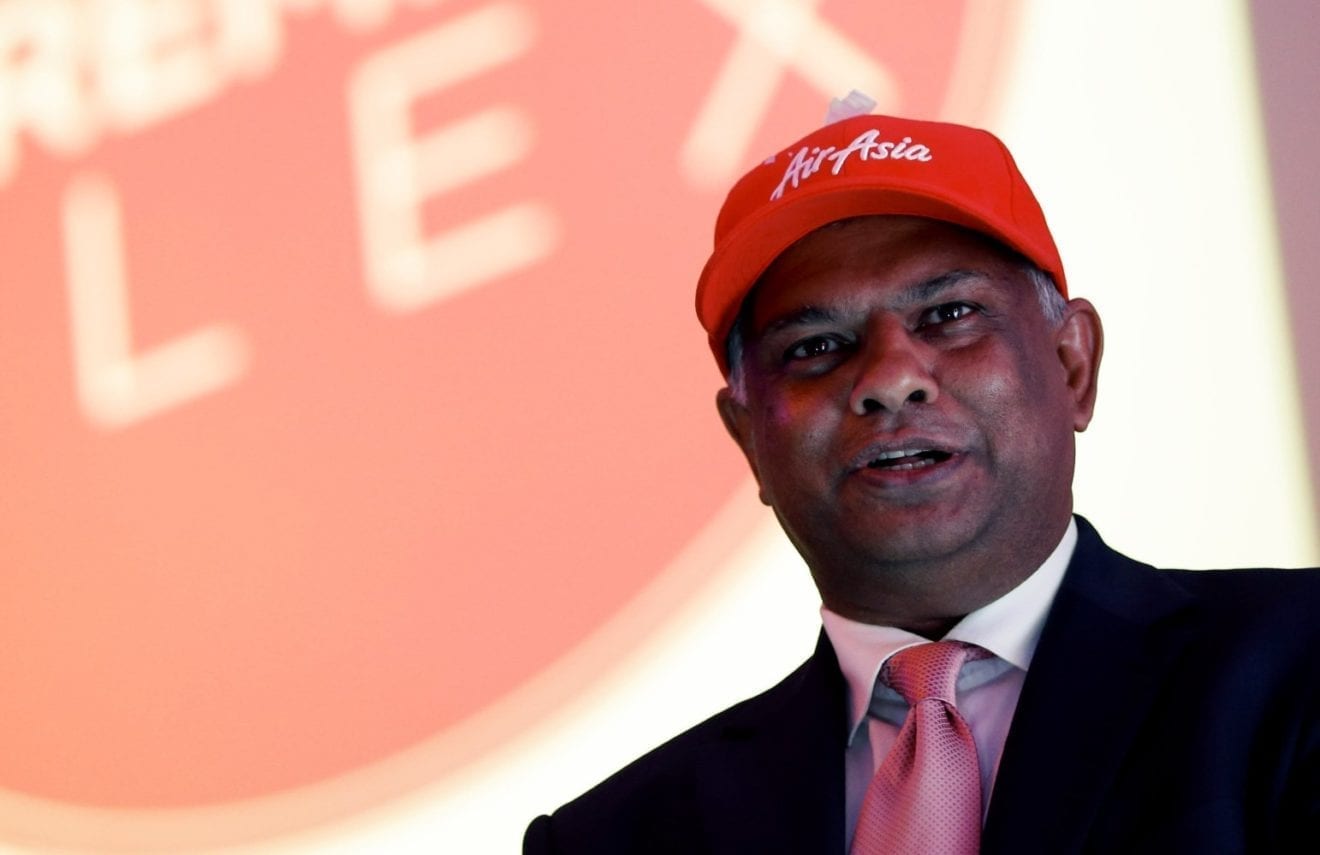
    Malaysian businessman and AirAsia’s  chief executive officer Tan Sri Tony Fernandes has expressed interest to work with the Football Association of Malaysia (FAM) after visiting the national body for a meeting on Monday.

    “At the meeting, Tony, through his company AirAsia, expressed his interest to collaborate with FAM in the future for various aspects such as referees, national teams, and youth development programmes,” said FAM secretary-general Datuk Hamidin Amin through a statement.

    “FAM certainly welcomes the support and involvement of a businessman such as Tony in our efforts to jointly rebuild football in Malaysia.”

    The airline company owner has his fingers firmly dipped in sports, also being the major stakeholder of English Championship club Queens Park Rangers.

    Tony’s AirAsia Group also owns PJ Rangers FC, who play in the Malaysian third-tier FAM league.

    The lifelong West Ham United fan is set to have a professional relationship with a soon to be new regime in FAM that are bound for elections in July.

    Hamidin is most likely succeed Tunku Sultan Ismail as president despite surprise contention from politician Tan Sri Annuar Musa and Malaysian National Sports Institute chairman Datuk Seri Abdul Azim.

    Tony’s business sense and passion for the game will certainly work in FAM’s favour if they come up with a successful blueprint in the said areas.

    The business tycoon has previously backed the national ‘Harimau Muda’ team by emblazoning a logo of them across the AirAsia plane.

    Also present at the Monday meeting were national Under-23 coach Datuk Ong Kim Swee and PJ Rangers deputy president Simon Lim.

  • Huawei Nova 3e (Huawei P20 Lite) coming on May 25 in Malaysia

    Huawei Nova 3e (Huawei P20 Lite) coming on May 25 in Malaysia

    After getting its official debut in China under the Nova 3e moniker, the Huawei P20 Lite is making a stop in Malaysia under the same name. The official date is May 25 with a starting price of RM1,399 ($352).

    Despite the change in the name, this is very much the same smartphone. The selfie camera sensor is the 24MP one from the Indian P20 lite version, rather than the 16MP from the international one, but more importantly, the 3e comes with a whopping 128GB of internal storage. That’s pretty impressive for a mid-ranger priced at less than $400. The rest is a standard P20 lite affair.

    Huawei is sweetening the deal with a free tripod/selfie stick until stock lasts, which will otherwise set you back MYR68 ($17). Those who get the phone by May 31 will also receive MYR79 ($20) discount.

  • QSR and PETRONAS tie-up to open 50 new KFC drive-thru outlets

    QSR and PETRONAS tie-up to open 50 new KFC drive-thru outlets

    QSR Brands Holdings’ wholly owned subsidiary QSR Stores has signed a memorandum of understanding with Petronas Dagangan to gradually open 50 KFC Drive-Thru outlets at Petronas gas stations within the next three years.

    QSR Brands MD Mohamed Azahari Mohamed Kamil says the strategic collaboration provides an excellent opportunity for the quick-service restaurant group to expand its business and restaurant services in Malaysia.

    “While continuing to strengthen our core product and service offerings, we place a great emphasis on our expansion strategies to meet the elevated demands of our customers,” says Azahari.

    QSR has more than 1250 KFC and Pizza Hut restaurants in Malaysia, Singapore, Brunei and Cambodia.

  • McDonald’s Malaysia denies any connection to Israel

    McDonald’s Malaysia denies any connection to Israel

    The Malaysian franchise of McDonald’s Corp said it was “disappointed” with calls on social media to boycott the fast-food restaurant chain in apparent retaliation against the US’ recognition of Jerusalem as the capital of Israel.

    Social media users in the Muslim-majority country have called on people to boycott various American companies following United States President Donald Trump’s decision to relocate the US Embassy in Israel to Jerusalem.

    One Twitter user, who goes by the name, TheUsopIbrahim, stated without citing sources that US-headquartered McDonald’s “channelled funds to Israel”.

    McDonald’s Malaysia said in a statement on Facebook on Saturday that the chain does not support or engage in any political or religious conflicts.

    Mr Azmir Jaafar, managing director and operating partner of franchisee Gerbang Alaf Restaurants, said: “The claim that McDonald’s channels funds to Israel is a false accusation, a lie, fake and slanderous.”

    He added that Gerbang’s largest shareholder is Muslim.

    The Malaysian and Singaporean franchise rights were bought by Saudi Arabia’s Lionhorn a year ago, as part of the US parent’s strategy of moving away from direct ownership in Asia.

  • Aw Lab Malaysia launches Kuala Lumpur flagship Store

    Aw Lab Malaysia launches Kuala Lumpur flagship Store

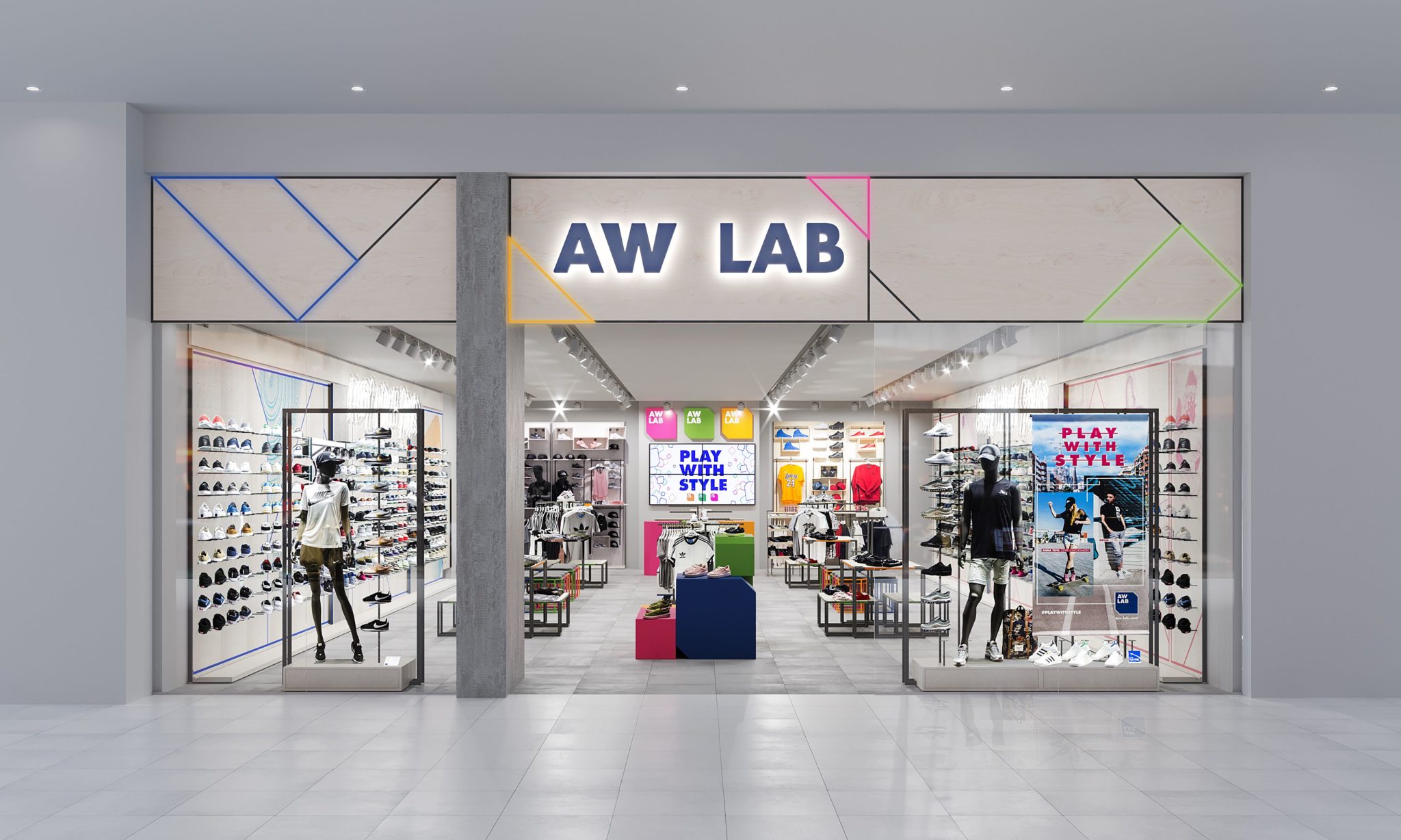
    Sneaker specialist Aw Lab Malaysia has launched a flagship store in Suria KLCC shopping mall, Kuala Lumpur.

    It carries exclusive collections from such brands as Adidas, Nike, Puma and Reebok, and introduces two new labels to the Malaysian streetwear market, Down Up and Two of a Kind.

    Malaysian celebrities Alicia Amin, Caprice, Elizabeth Tan and Juliana Evans attended the store opening.

    Giuseppe Nisi, head of Asia for the Italian company, which is part of the Bata group, says Aw Lab plans to open its second Malaysian store within the year.

    The store takes up two spaces on the third floor of the mall, popular with tourists and local shoppers alike.

  • Bank Negara seen to keep interest rate on hold after surprise poll result

    Bank Negara seen to keep interest rate on hold after surprise poll result

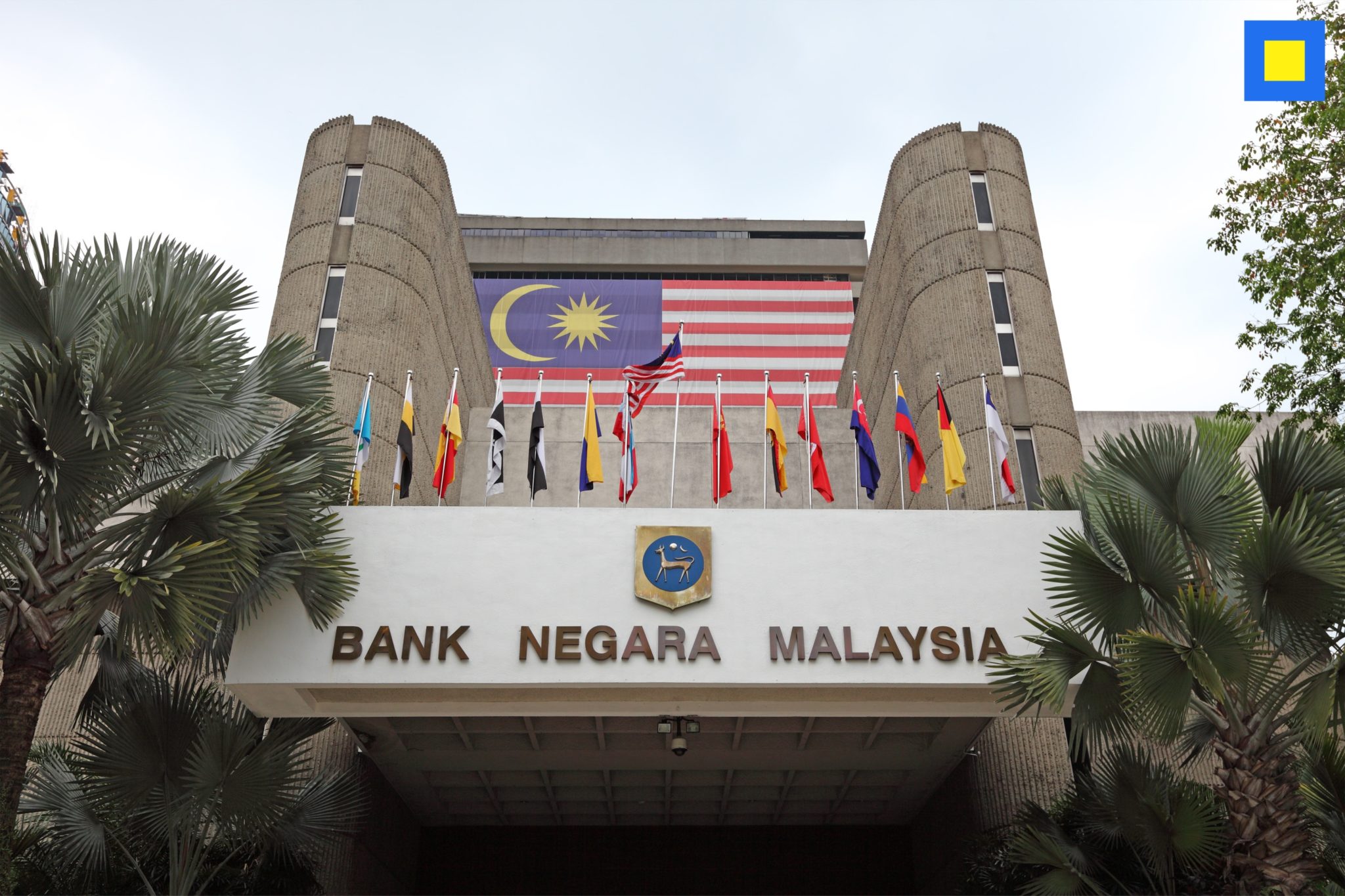
    Malaysia’s central bank is set to keep interest rates unchanged on Thursday, providing policy stability after the shock election victory of Tun Dr Mahathir Mohamad. All 18 economists surveyed by Bloomberg before Wednesday’s poll had forecast Bank Negara Malaysia will hold its benchmark rate at 3.25 percent. Economists at Nomura Holdings Inc. and Maybank Kim Eng Research Ltd. retained their calls after the vote outcome.

    The central bank said on its website it will release its policy statement as scheduled at 3pm.

    “Given this shock result, they’re going to be looking at how this will impact growth and I think there is a lot of downside,” said Euben Paracuelles, an economist at Nomura Holdings Inc. in Singapore.

    “Any follow up rate hike is going to be very unlikely.”

    The central bank moved early with a rate hike in January and can afford to hold off on further tightening in the face of a global sell-off in emerging markets in recent weeks.

    Inflation eased to 1.3 percent in March, the slowest pace since July 2016, with a stronger currency since last year helping to ease price pressures.

    The government had forecast inflation will average 2.5 percent to 3.5 percent this year.

    Rising oil prices and a slide in the currency in recent weeks are clouding the outlook. Added to that is a booming economy, which the central bank has forecast could grow as much as 6 percent this year.

    While Bank Negara probably won’t make direct reference to the election in its statement, the result has a bearing on the economy’s outlook.

    Investors are seeking policy continuity, with a focus on sustaining strong economic growth, curbing the budget deficit and managing market risks.

    Mahathir has pledged to scrap a contentious goods-and-services tax within 100 days in power. Financial markets are closed Thursday and Friday after the government declared public holidays.

    Market Risks

    Malaysia is one of the least affected of emerging markets globally from financial volatility amid a stronger dollar and a pick-up in U.S. interest rates.

    The benchmark stock index climbed to a record in April, helped by foreign inflows, and while the ringgit has taken a knock in recent weeks, it’s still up more than 2 percent against the dollar this year.

    Neighbors like the Philippines and Indonesia have suffered stock outflows and currency slumps that are among the worst in Asia.

    The Philippines is set to raise interest rates later on Thursday, which would the first hike since 2014, while Indonesia’s central bank has also said it’s prepared to move to help restore confidence in the currency.

  • AmBank committed to driving business forward

    AmBank committed to driving business forward

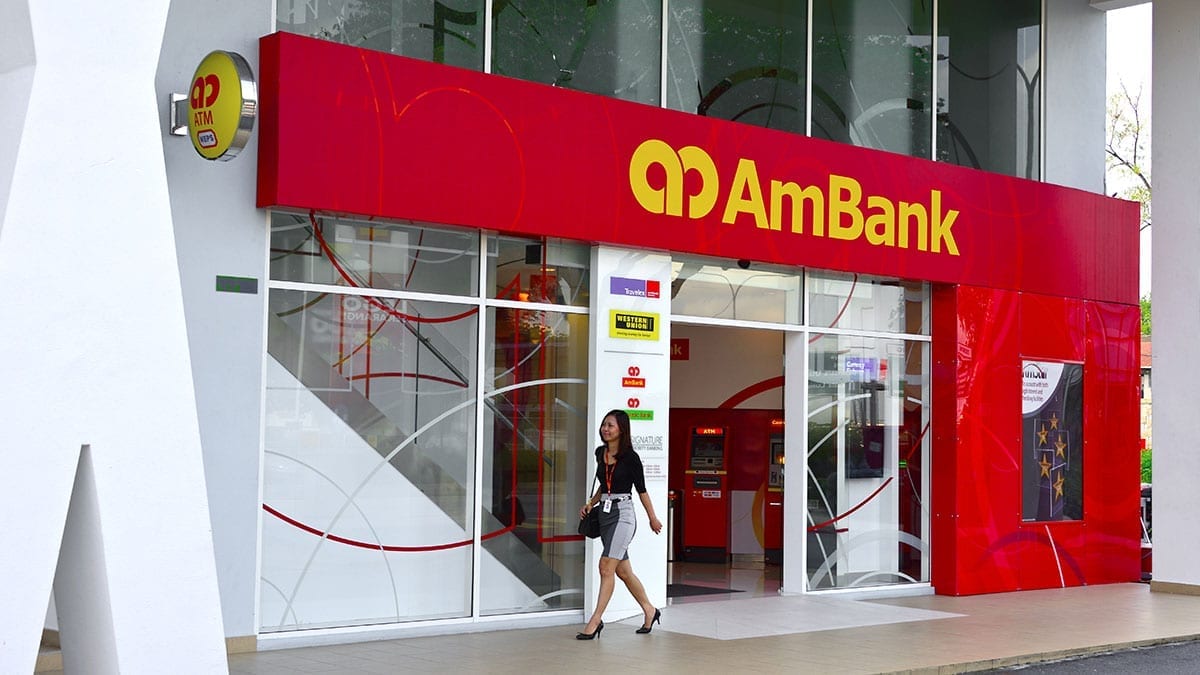
    AMMB Holdings Bhd remains fully committed to driving its banking business (AmBank Group) forward despite its major shareholders looking set to exit the group. The Australia and New Zealand Banking Group (ANZ) is the most substantial shareholder in AmBank Group, holding a 23.78% stake, and provides support in board and senior management representations, risk and financial governance, product offerings and new business developments.

    However, ANZ has been restructuring its businesses and is retreating from Asia with a slew of divestments in the region.

    Most recently, ANZ said in February that it would close its Laos retail products and services to shift attention to its institutional banking business in the country, after selling its retail businesses in the Philippines and Vietnam.

    Last year, it divested its 20% interest in Shanghai Rural Commercial Bank and its life insurance business.

    In 2016, ANZ sold its retail and wealth management businesses in five markets in Asia, including Singapore, Hong Kong, China, Taiwan and Indonesia, to Singapore’s DBS Bank Ltd.

    ANZ has been trying to sell its stake in AMMB since 2016 and talk that ANZ is close to divesting its stake – including to Retirement Fund Inc (KWAP) – has been reported many times, but to no avail after AMMB and RHB Bank Bhd scrapped plans for a merger last year.

    AMMB group CEO Datuk Sulaiman Mohd Tahir said exiting does not mean that the major shareholder (ANZ) is just going to “throw away the business and lose money as a result”, but it wants to sell to a partner who is able to provide it the value that it wants.

    “There is the question of finding a new partner. In Malaysia, it is also not so easy to simply dispose of it to anybody that you want out there, because you got to have regulatory approval, consents and requirements,” he told in an interview.

    He added that so long as ANZ continues to be a shareholder, it remains active in the participation of AmBank as it also wants the bank to do well.

    “They (ANZ) were much involved in my top four strategy in terms of driving the business. Even when we were reviewing the strategy, looking at performance, they (ANZ) were very much involved. We still have two representatives from ANZ on various boards,” said Sulaiman.

    Meanwhile, AMMB chairman Tan Sri Azman Hashim will be retiring from six entities in the AmBank group in stages over a two-year period announced last year and he has reiterated that he will eventually sell his stake in AMMB. Azman’s indirect interest in AMMB stands at 12.97%.

    Sulaiman said Azman built the bank and spent 30-40 years running the business,and he has every intention to make it the best.

    “Of course, age catches with him. My intention is he continues to grow the business until one day the business has done so well and you’re ready to leave and of course you’d like to leave it in good hands.

    “This is a valuable franchise for him (Azman). And for ANZ, they won’t just walk out at any price. So long as they’re still here, the intention is to continue to drive the business the best it can be.”

    Sulaiman said AmBank is growing in all forms, and with the right segments and products, while its digital journey is part of ensuring that it invests in the right kind of businesses.

    “They (ANZ and Azman) remain fully committed to driving the business, because no one wants to leave the organisation that you have built for so long and to see it go down the drain. The involvement of Azman and ANZ is as good as it could ever been.

    “They also recruited me to make sure I drive the business because they have a view on where and how it should be, what it can possibly be and my job is to make sure I deliver that,” said Sulaiman.

    Moving forward, Sulaiman said AmBank will continue to work towards achieving its aspiration to be among the top four banks in the country by 2020. The key growth segments identified are the mass affluent, affluent, small and medium enterprises and mid-corporate, which are on a growth trend.