Tag: Malaysia

  • Earlier Spike in Travel Expenses Due to GE14

    Earlier Spike in Travel Expenses Due to GE14

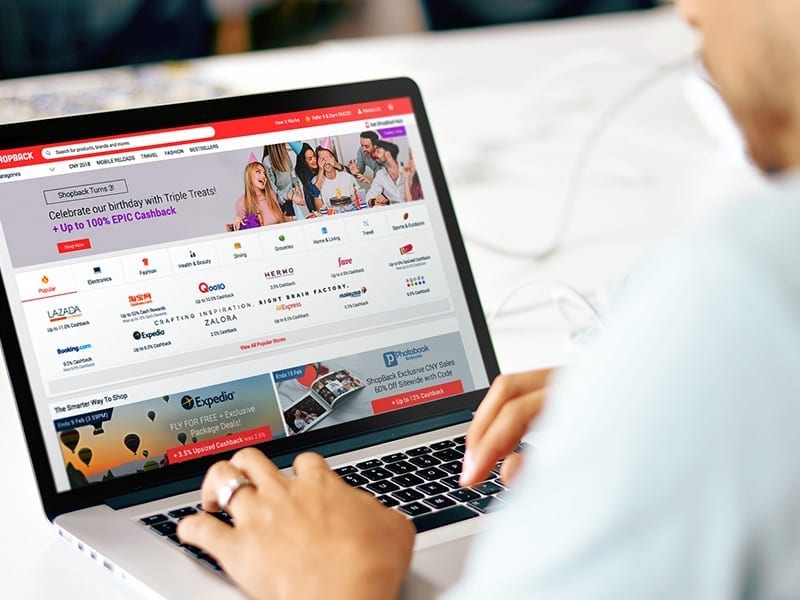
    ShopBack, the leading online Cashback platform that partners majority of transportation and accommodation booking sites in Malaysia, observes a 26% increase in travel purchases among its local users since the unveiling of the 14th General Election’s voting day (May 9th).

    “The next peak period for travel booking after March’s MATTA fair is supposed to be two weeks to a month prior to Hari Raya, but the purchasing trend came sooner this year as GE14 falls before Ramadhan,” says Alvin Gill, Country General Manager of ShopBack Malaysia.

    According to ShopBack Malaysia’s data, partners that offered a discount in flight and bus tickets, as well as reloadable petrol card, are the most sought-after stores under travel category on ShopBack’s web and app.

    “The daily average sales of our travel merchants has got a 26% increment since the voting day announcement. The demand remained strong in the past weeks, and we reckon part of the contributing factors was that AirAsia introduced fixed fares for all voters. ShopBack Malaysia’s users could purchase AirAsia’s tickets via Traveloka and Expedia; at the same time obtain cashback savings from every transaction made. In addition, bus tickets, Petronas gift cards from Lazada and 11street were also among the best-selling products in April,” Alvin explained.

    To cater for those who haven’t got transportation bookings sorted out yet, ShopBack Malaysia will organise a Mid-Year Travel Fair from April 30th to May 6thand offer up to 7.5% cashback together with its travel partners including Malaysia Airlines, Traveloka, Expedia, BusOnlineTicket, Booking.com, Hotels.com, etc. Malaysians could seize the chance and optimise their spending by visiting ShopBack’s website or download its mobile app.

    Malaysia is the No.1 Travel Destination for Locals, Not Overseas

    On the other hand, ShopBack Malaysia’s data also shows Malaysians frequently visits domestic destinations, especially Kuala Lumpur, Malacca, and Johor Bahru. Japan is the second most popular country, followed by Taiwan, Indonesia and Thailand.

    “Malaysians love to travel, and they didn’t stop travelling due to the economy challenges. Instead of flying out, many of them chose to travel within Malaysia and spent on better accommodation, such as 4-star hotel i.e. KSL Hotel & Resort and Hatten Hotel Melaka. Even so, the daily average spending for domestic travel is still significantly lower than Japan and Taiwan (four times lower than Japan and about half of Taiwan’s expenses).”

    Delving into customer purchasing pattern, he said if there’s no special occasion, travel transactions usually happens on Monday and Wednesday, between 3 pm – 6 pm. The year-end holiday season makes the heaviest travel months throughout the entire year, and Malaysians’ online travel spending also tends to spike before every festive period, and during MATTA Fair.

    “Although MATTA fair is an offline event, online booking sites such as Malaysia Airlines, Traveloka, Expedia will jump on the bandwagon and as the platform that empowers shoppers to shop and save smart, ShopBack Malaysia works closely with them to tailor-make best deals and upsized cashback for our users. It is a win-win situation as the result usually is very encouraging – for example, we noticed local airlines achieved 2.5 times more bookings during the past MATTA fair,” Alvin said.

    To date, ShopBack has more than 1 million users in Malaysia and it has rewarded them with more than RM25 million worth of cashback.  What’s better is users are able to stack this on top of their credit card’s cashback, and transfer the money to their bank account once it gets validated. Other than Malaysia, ShopBack is also available in Singapore, Thailand, Taiwan, Indonesia and the Philippines.

     

  • CEVA Logistics opens a new hub in Malaysia

    CEVA Logistics opens a new hub in Malaysia

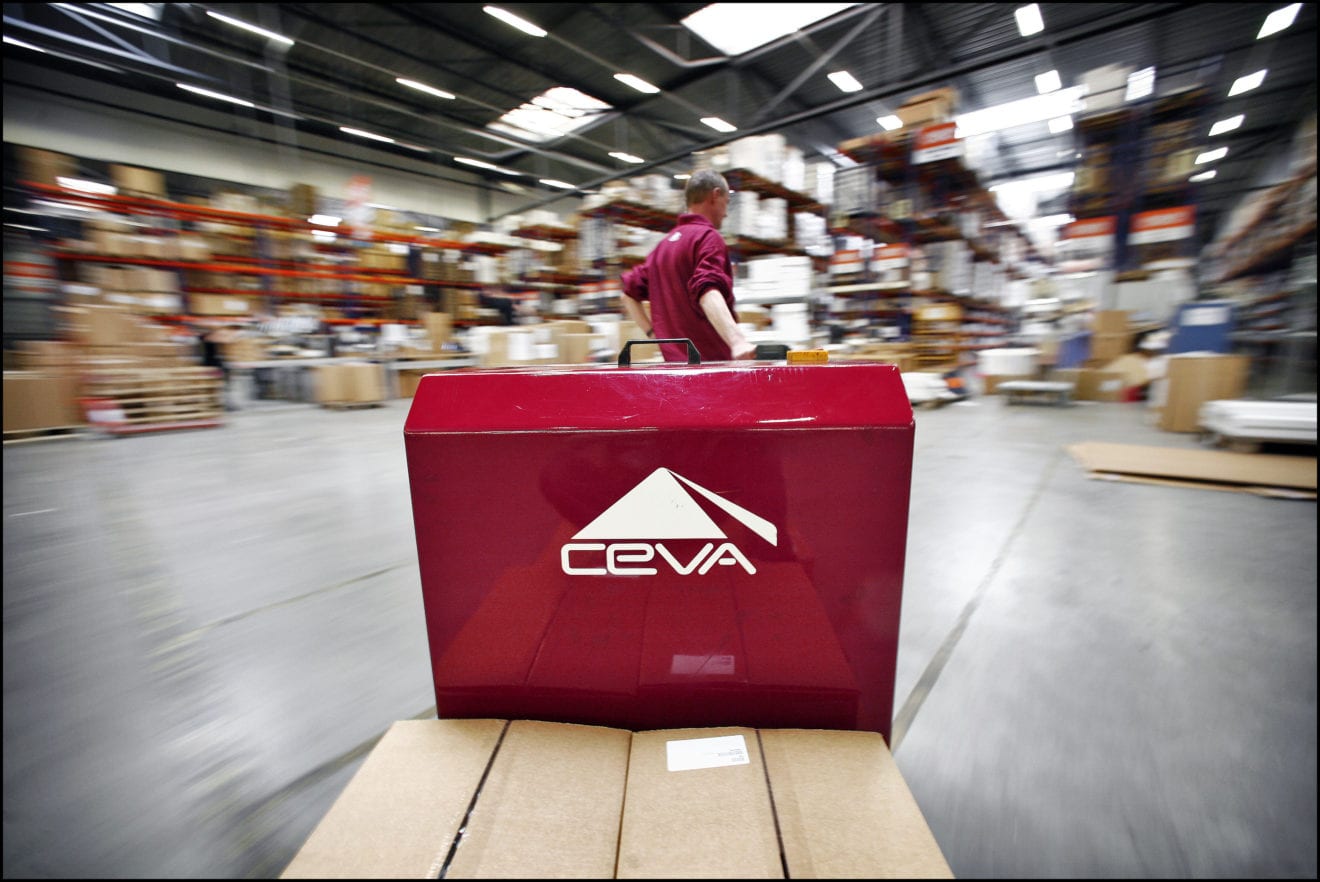
    CEVA Logistics, one of the world’s largest supply chain management companies, has officially opened a new multi-user facility in Penang, Malaysia. Situated within the Bayan Lepas Free Industrial Zone Phase IV, the 70,000 sq ft facility is only 10 minutes away from the Penang International Airport and 10 minutes from the Penang Bridge, connecting the island to mainland Malaysia.

    This new multi-user warehouse delivers cost efficiency and flexibility through an optimized layout design and improved infrastructure to serve our customers. It includes a combination of temperature-controlled and ambient storage space, conducive and modern office space for in-plant customers, advanced materials handling equipment, advanced RF warehouse management system and Customs stationed on-site to facilitate on-time clearance.  This is also an integrated hub that will house under one roof CEVA’s contract logistics and freight management teams for Malaysia as well as its global supply chain solutions control tower teams who support its 24×7 largest customers globally.

    “CEVA continues to invest in its customer needs in Malaysia, this new facility which has doubled our footprint in Penang will continue to support our growth needs and positions us for future expansion in the market. With its strategic location in the northern part of Malaysia, coupled with the air cargo hub at Bayan Lepas airport, it aims to cater to a wide range of logistics and warehousing services and  offer even greater value and benefits to our customers, ” says CEVA’s Elaine Low, Executive Vice President, South East Asia.

  • Vietjet Soaring to Greater Heights

    Vietjet Soaring to Greater Heights

    In just a little over a decade, Vietjet – Vietnam’s new-age airline has taken Asia and the world by storm, making waves in the global aviation industry and turning heads with its rapid growth, unique service offerings and cheeky out-of-the-box ideas.

    Once the underdog of the race, Vietjet is now leading the domestic aviation market in Vietnam and actively expanding its fleet to support its foray into new international markets.

    Earlier this year, the airline was the first in Southeast Asia to take delivery of an A321neo Airbus aircraft, adding to its existing fleet of 55 aircraft, which includes a mix of A320s and A321s.

    Vietjet also recently announced its decision to upgrade an existing order for 42 A320neo aircraft to the superior and larger A321neo models. Accordingly, the airline now has a total of 73 A321neo and 11 A321neo on order for future delivery.

    The airline currently operates 44 international routes, including flights to and from Hong Kong, Thailand, Singapore, South Korea, Taiwan, Malaysia, Cambodia, China and Myanmar – making traveling across Southeast Asia both convenient and less expensive. Domestically, Vietjet’s extensive flight network connects passengers to a total of 38 destinations within Vietnam, allowing travellers to explore the many hidden gems the country has to offer.

    With a vision of becoming a favourite multinational airline, Vietjet has also made great strides in the expansion of its flight network both domestically and internationally. The airline has established a comprehensive code-sharing partnership with Japan Airlines, providing customers better access to destinations between Vietnam and Japan, and beyond.

    Just recently, the airline also announced plans to connect Vietnam with New Delhi, India and Brisbane, Australia. Scheduled to commence in 2019, the non-stop service between Ho Chi Minh City and Brisbane will give the airline much reason to celebrate as it will mark Vietjet’s first Australian long-haul destination.

    There is no denying the vast potential of the growing tourism market. Moving forward, Vietjet aims to continue exploring unchartered territories, forging partnerships and taking hold of opportunities to facilitate deeper international and regional integration. In the coming months, the airline will continue adding new routes to its ever-expanding list of destinations, spreading its wings to even more destinations across the globe. These are but a few of the things the airline is doing to better serve its customers in the region.

  • Lazada Malaysia links up with Singapore

    Lazada Malaysia links up with Singapore

    In the pilot phase, more than 50,000 products from such categories as fashion, health and beauty, home and lifestyle, and sports and travel are being made available to Lazada Singapore shoppers. They include items from such Malaysian brands as Carlo Rino, Pensonic and Swan.

    The move comes on the eve of Lazada’s annual birthday campaign, which offers special promotions and giveaways.
    The DFTZ is the first e-hub outside of China under the Electronic World Trade Platform. Under this roll-out, a single contract grants access to Singapore. Other Southeast Asian countries will be added later.

    The DFTZ provides a centralised bonded warehouse at KL International Airport Aeropolis, which features advanced technology for sorting, shelving, packing and logistics.

  • Massive Power switch in Celcom Planet deal

    Massive Power switch in Celcom Planet deal

    Malaysian investment holding company PUC will invest RM90 million (US$23 million) in Celcom Planet (CPSB), which owns and runs e-commerce platform 11Street Malaysia.

    PUC, which provides integrated media, e-commerce and technology services, says the deal will give it management control of 11Street Malaysia.

    Meanwhile, CPSB claims to be one of the largest e-commerce companies in Malaysia.

    It is a JV between Axiata Digital Services and Korean-owned SK Planet Global Holdings

    “The investment paves the way for the company to increase potential revenue streams in advertising and media, and financial services from the synergistic collaboration for the company and its subsidiaries,” PUC says in a Bursa Malaysia filing.

    As part of the terms of the deal, PUC will have the right to nominate and appoint the CEO and chief marketing officer of 11Street Malaysia.

    For last year, 11Street Malaysia recorded a GMV of about RM427 million, selling more than 13 million products from 40,000-plus sellers.

  • Lazada launches regional trade with Digital Free Trade Zone Ahead of 6th Birthday

    Lazada launches regional trade with Digital Free Trade Zone Ahead of 6th Birthday

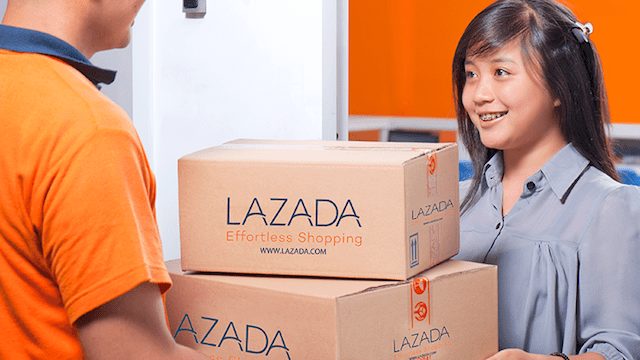
    Starting today, over 100 Lazada sellers in Malaysia will begin marketing their products to buyers in Singapore, with seamless support from Lazada and the Digital Free Trade Zone (DFTZ).

    This is a significant boost for online trade, allowing Malaysian small and medium enterprise owners to expand overseas, reaching out to new customers among Singapore’s population of 6 million. Through Lazada and the DFTZ, sellers enjoy a one-stop solution with more efficient cargo clearance and GST exemptions, and overall, export processes that are quick and hassle-free.

    In this pilot phase, over 50,000 products from various categories – Fashion, Health & Beauty, Home & Lifestyle, Sports & Travel and more – will be made available to Lazada Singapore shoppers. They include items from iconic Malaysian brands like Carlo Rino, Pensonic and Swan. This provides Malaysian brands increased visibility and representation in today’s global marketplace.

    The kick-off today is strategically timed to precede Lazada’s annual birthday campaign, taking place from 24 to 26 April in Singapore. As for Malaysia, the 6th birthday campaign will take place from 25 to 27 April. During this period, a spike in consumer interest and transactions are expected, owing to a continuous stream of promotions and giveaways.

    Empowering Malaysian Sellers

    The DFTZ is the first e-hub outside of China under the Electronic World Trade Platform. With Lazada and DFTZ, there is none of the administrative and legal hassles associated with entering new markets. A single contract grants access to Singapore in this rollout; and other Southeast Asia countries will be added subsequently. Business owners also need only upload their product information once and Lazada will replicate the content on local portals.

    The DFTZ provides a centralized bonded warehouse at KL International Airport (KLIA) Aeropolis, allowing efficient sharing of inventory among markets. The warehousing hub features advanced technology for sorting, shelving, packing and logistics.

    Fulfilment of orders is also easier on the pocket, with Lazada’s e-Logistics solutions which offer lower-cost and faster delivery.

    Paving the Way for Borderless e-commerce

    “This is a significant milestone in Southeast Asian e-commerce, one we are proud to lead. We see huge potential for expanding trade across Southeast Asia and are working hard to make it happen,” says Hans-Peter Ressel, Lazada Group Chief International Officer.

    “Now, I can bring my sales to the next level and easily reach a new group of customers in Singapore. I don’t have a wide logistics network so Lazada’s ecosystem gives me an amazing chance to participate in overseas trade for the first time,” says Aymen Ben, from ACHLIM HEALTH & BEAUTY, Malaysia.

  • AirAsia adds flights and extends fixed fare period for GE14

    AirAsia adds flights and extends fixed fare period for GE14

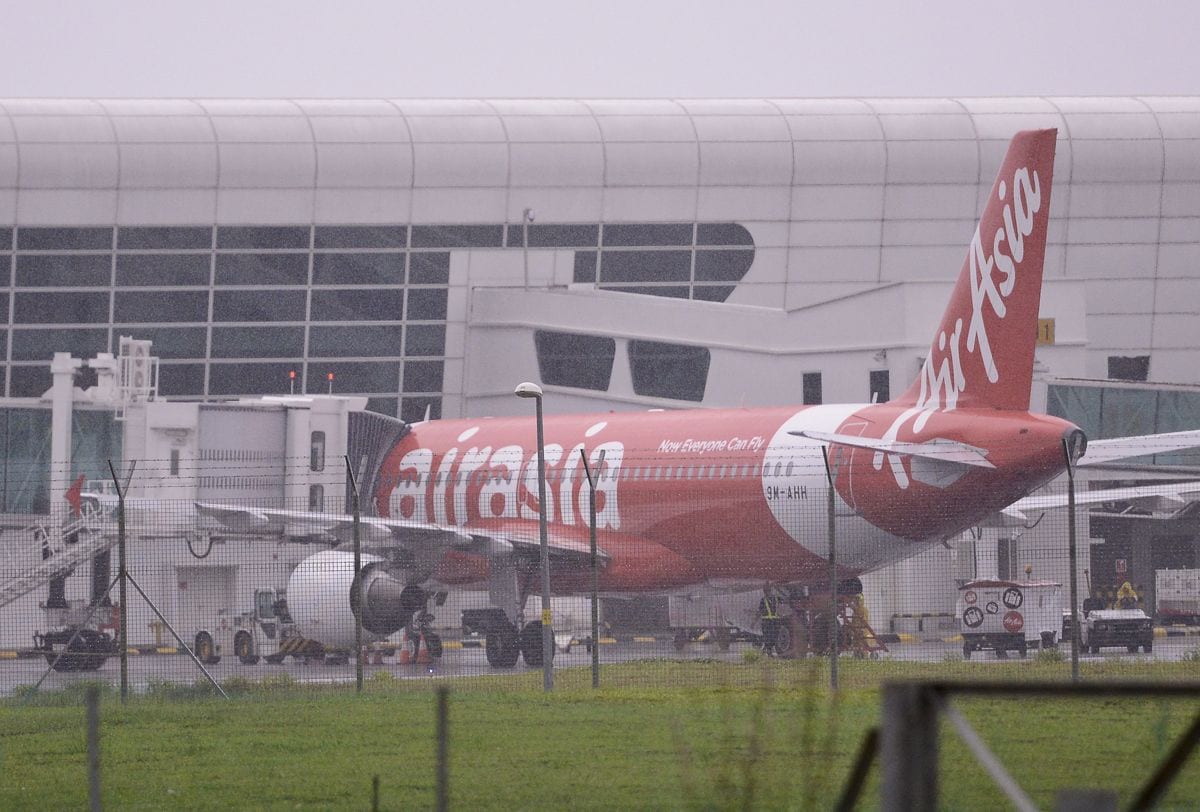
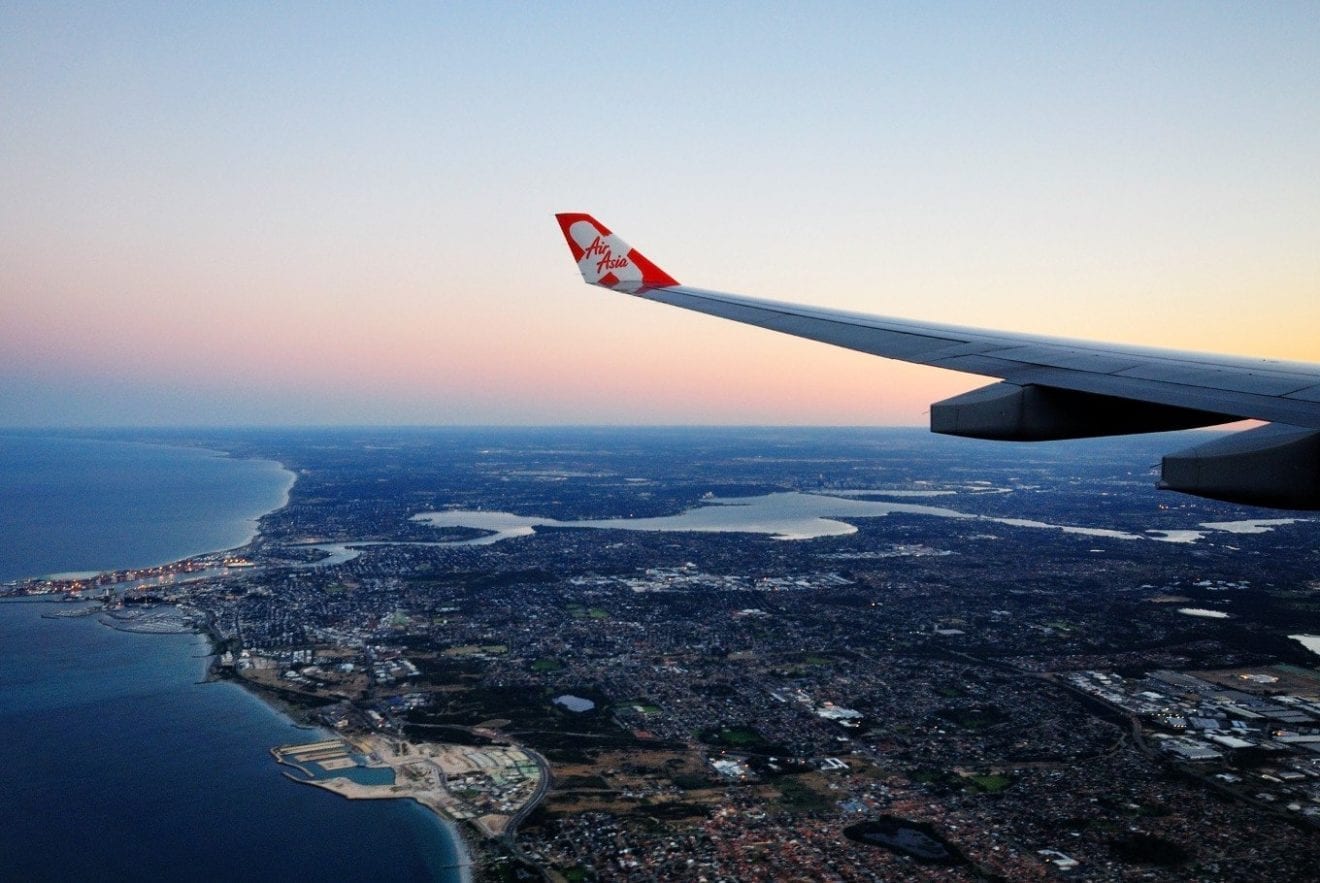
    AirAsia will be adding capacity on selected domestic routes due to increased demand for flights during the polling period.

    “To accommodate this demand, the original May 8-10, 2018 travel period for our fixed fares will also be extended to include May 7, 2018,” the low-cost carrier said in a statement Thursday.

    From May 7-10, AirAsia will operate 120 additional flights, including 20 utilising 377-seat Airbus A330 aircraft.

    One-way fares during this period remain fixed at RM99* for routes within Peninsular Malaysia, RM129* for routes between Peninsular Malaysia and Sarawak, and RM199* for routes between Peninsular Malaysia and Sabah, for new bookings only and subject to availability.

  • Digi adds Sage solutions to Digi Business Hub

    Digi adds Sage solutions to Digi Business Hub

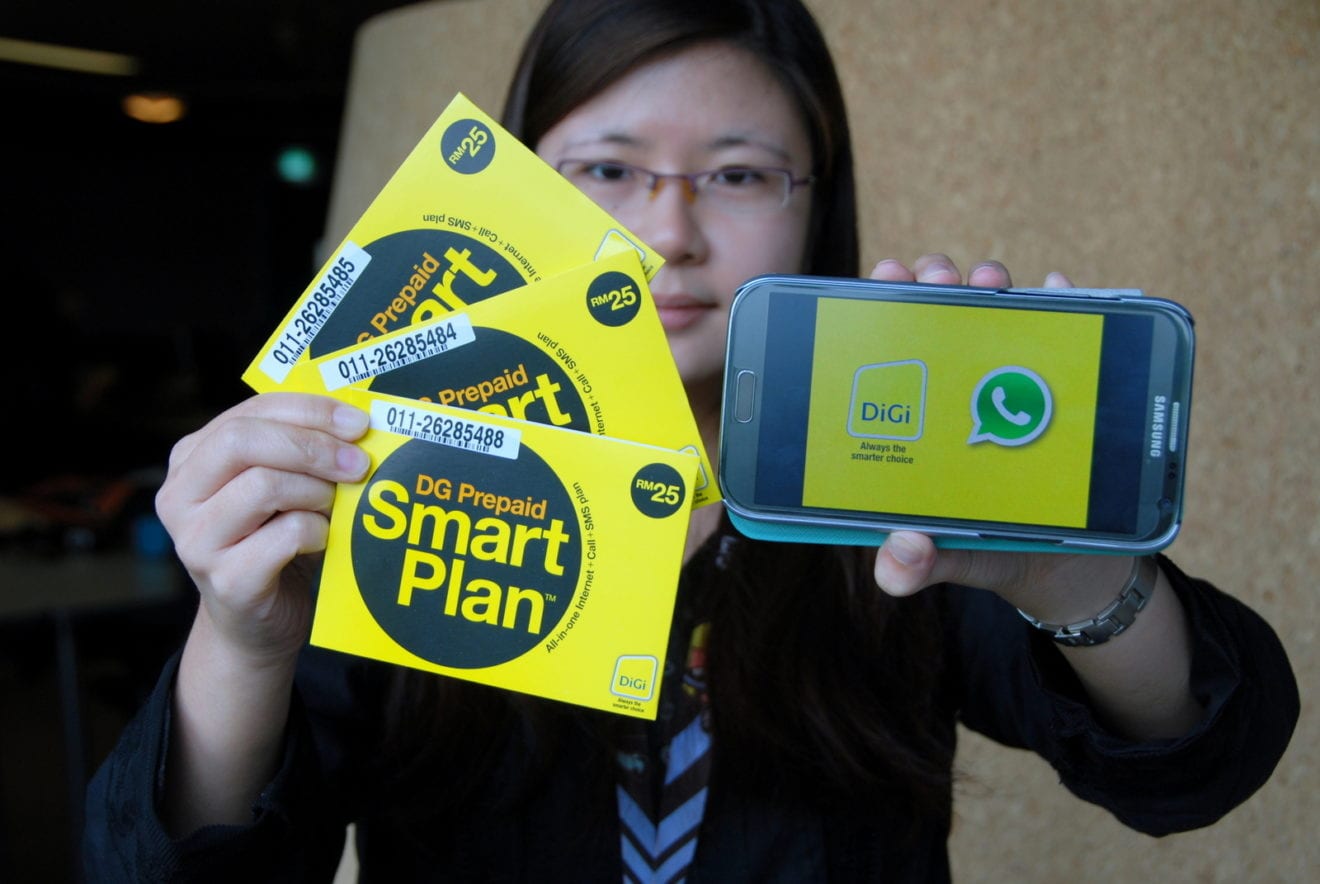
    Malaysia’s Digi Telecommunications has teamed up with cloud management business solutions provider Sage to add a number of new services to the operator’s newly-launched Digi Business Hub.

    Under the agreement, Sage will offer solutions including its Sage Accounting, Sage UBS accounting and billing software and Sage Easy Pay payment software at a 20% discount to Digi customers.

    The Digi Business Hub B2B platform, which soft-launched earlier this month, provides one-stop access to exclusive offers covering a range of point of sale, human resources, marketing, accounting, payroll and office supply services from Digi’s own digital solutions and those of partner companies.

    Solutions include internet leased lines, fixed telephone and mobile roaming services, a guest Wi-Fi system, e-commerce store building solutions and procurement and web hosting solutions.

    The hub also offers access to a range of IoT based services, including a device accepting credit and deibt card payments, a fleet management solution and M2M services.

    The Digi Business Hub is exclusively available for Digi business customers. Digi has revealed plans to add new solutions partners every quarter.

  • Malaysia 4G service performance below global average

    Malaysia 4G service performance below global average

    The race for LTE dominance in Malaysia is still in its infancy as operators scramble to deliver consistent quality of service nationwide.

    Statista data points to smartphone penetration in Malaysia of 62.8% in 2017 with a forecast of 68.46% by 2022. Adoption is fueled by nationwide mobile connectivity with usage in areas such as mobile shopping, social media and general internet surfing according to market research firm GfK.

    “Shopping apps, especially, are also gaining popularity, paving the path for mobile payments. More consumers today are contributing to the growth of mobile commerce (m-commerce) in Malaysia, making payments through their mobile devices for retail items, airline tickets, and services such as Grab and Uber,” observed Stanley Kee, Managing Director for Southeast Asia, GfK.

    According to the EY report “Decoding the Malaysian digital DNA: from smart to savvy” 78% of surveyed Malaysians use of the technology has improved their communication with friends and family, albeit at the expense of sleep (25%).

    As more consumers turn to their smartphones to research new products or services (83%) or make purchases online rather than in person (38%), experience and speed will trump convenience as a metric for selecting the best service provider. That said, price remains an important factor in Malaysian buying psyche.

    With more operators defaulting to LTE or 4G as the solution to consumer’s appetite for connectivity, OpenSignal published a comparative study of the performance of the mobile operators in the country.

    Four years since Maxis launched the first LTE service in Klang Valley (January 2013), five operators now claim to offer 4G service although OpenSignal reported only two operators as having LTE availability scores higher than 75%. 4G services aren’t yet ubiquitous, but they’re getting there.

    “Yes held onto our 4G availability award with a score of 92.5%, but Unifi Mobile (the new brand name for Telekom Malaysia’s Webe) and Celcom demonstrated the biggest growth spurts in our availability results. Unifi’s 4G availability increased by 10 percentage points in six months, while Celcom’s score increased by more than 7 percentage points,” said Kevin Fitchard, Open Signal lead analyst.

    Maxis has extended its lead in 4G speed metric, averaging LTE downloads to 24.4Mbps. Celcom came in second with a 16.3Mbps LTE download average. But Malaysia’s other operators fell short of the global 4G average of 16.9Mbps. U Mobile and Unifi in particular are struggling to boost LTE speeds. Both scored below 10Mbps in OpenSignal test.

    Asked about the growing interest among operators for 5G service Fitchard took a pragmatic view saying: “Countries that are still building out their 4G networks and services like Malaysia will likely be occupied with that task for the next several years. But today 5G isn’t really an option for any operator globally, so everyone has to wait,” he concluded.

  • AirAsia X Malaysia gets third IATA op safety audit

    AirAsia X Malaysia gets third IATA op safety audit

    AirAsia X Malaysia has received its third biennial IATA Operational Safety Audit (IOSA) registration. AirAsia X, which is the long-haul, low-cost affiliate carrier of the AirAsia.IOSA is an internationally recognised and accepted evaluation system designed to assess an airline’s operational management and control systems, and is regarded by the industry as the global benchmark for safety management.

    To qualify for the registration, AirAsia X Malaysia had to successfully complete an operational safety audit covering eight areas of operations: organisation and management system, flight operations, operational control and flight dispatch, aircraft engineering and maintenance, cabin operations, ground handling operations, cargo operations and security management.

    AirAsia X Malaysia CEO Benyamin Ismail said this third IOSA registration testified of its continuous commitment to maintaining the highest safety standards across its operations.

    “It was made possible by our dedicated Allstars who work tirelessly to ensure we comply with the most stringent safety standards in the industry. Safety is at the heart of everything we do and we will strive to not only meet regulatory requirements at all times but to surpass them,” he said.

    AirAsia X Malaysia joined the IOSA Registry on April 16, 2015, becoming the second airline in Malaysia to successfully pass the internationally recognised operational safety audit.

  • AirAsia extends it’s network from Penang

    AirAsia extends it’s network from Penang

    AirAsia confirmed Wednesday it will fly a direct service from Penang to Hanoi, Vietnam and Phuket, Thailand, effective 1 July.

    Operated exclusively by AirAsia Berhad (AK), the direct flights to Hanoi and Phuket mark the airline’s ninth and 10 route from Penang Island in northern Malaysia.

    Flights from Penang to Hanoi will operate four times weekly, while flights to Phuket will operate daily.

    At present only Flirefly, Malaysia Airlines’ subsidiary, flies the Penang-Phuket route offering four weekly services using a 70-seat ATR-72 aircraft.

    AirAsia Malaysia head of commercial, Spencer Lee said: “Penang is undoubtedly one of Malaysia’s pride with its World Heritage status, internationally acclaimed cuisines, vibrant cultures and beautiful architecture. More importantly, its strategic location at the crossroads in the region has helped boost the growing inbound and outbound travel demand that saw 7 million tourist arrivals via air travel last year.

    To celebrate the two new direct routes, all-in-fares from RM99* from Penang to Hanoi and RM79* one-way from Penang to Phuket are available for booking effective yesterday to 15 April for the travel between 1 July and 28 October.

    Passengers can also save more when they book with BigPay, Asia’s money app. It offers money savings of up to RM32** on airasia.com. Moreover, guests get to pay the real exchange rate with no fees when they spend abroad, and earn BIG points along the way.

    Aside from the latest Asean routes, AirAsia also flies directl from Penang to Kuala Lumpur (102 times weekly each way), Johor Bahru (31 times weekly), Kota Kinabalu (11 times weekly), Kuching, (10 times weekly one way), Langkawi (21 times weekly), Ho Chi Minh City (daily), Singapore (28 times weekly), Medan (28 times weekly), Surabaya (five times weekly) and Jakarta (14 times weekly) via AirAsia Indonesia (flight code QZ) and Bangkok (14 times weekly) via AirAsia Thailand (flight code FD).

  • Chicken Cottage starts expansion rapidly

    Chicken Cottage starts expansion rapidly

    Fast-food chain Chicken Cottage has opened its second outlet in Malaysia, in Taman Tun Dr Ismail (TTDI), taking its total to 90 stores worldwide.

    Its first outlet in Malaysia was in Kuala Terengganu, with others to follow in Putrajaya and Johor soon, says the Menteri Besar of Terengganu, Datuk Seri Ahmad Razif Abd Rahman. Chicken Cottage is owned by a subsidiary of the state government’s investment arm Terengganu Inc.

    Launched in the UK in 1994, the chain was taken over by Global Food Holdings, the Terengganu subsidiary, with a 70 per cent stake in 2014. It acquired full ownership in April last year.

    Ahmad Razif says it would cost franchisees around RM1 million ($US258,500) to open an outlet in Malaysia, plus the company plans to open 250 Chicken Cottages internationally. Target countries include China, India, Singapore and Thailand. The brand has halal certification from religious departments in both Malaysia and abroad.

    Meanwhile, Chicken Cottage Holdings chairman Datuk Wan Nawawi Wan Ismail says TTDI was chosen for the Klang Valley’s first outlet as the residential area borders Kuala Lumpur and Petaling Jaya, Selangor.

  • AirAsia Malaysia has flexible policies to empower its women workforce

    AirAsia Malaysia has flexible policies to empower its women workforce

    Over half of Spencer Lee’s team are women, and the head of the commercial department at AirAsia Malaysia continues to be amazed by all of them, their drive and their prowess for critical thinking.

    “Women are analytical, dynamic and rational individuals. Besides being great planners, they are calmer and never take no for an answer. This positive drive has enabled AirAsia to produce great results in the aviation turf,” Lee says.

    “I’m surrounded by women in the office. Some say I need a bodyguard to protect me from these confident and empowered women,” Lee adds in jest, during an interview at AirAsia’s RedQ in Sepang, Selangor.

    “A large percentage of women in our department hold managerial positions, too. They head sections such as marketing, sales, social media and route revenue,” says Lee, who has been with AirAsia for 13 years.

    Women are analytical, calm and confident in the workplace.

    Though Lee surrounds himself with strong women, he is never threatened or intimidated by their capabilities. On the contrary, he says he has never been gender specific about selecting team players. Instead, he focuses on their individual skills.

    “Employment comes down to having the drive, right skills set and commitment towards the job. No matter how smart a person is, that means nothing without the right attitude. At AirAsia’s commercial department, we source talents who are driven and passionate,” Lee explains.

    Lee says he’s aware that many of his colleagues are juggling various roles, especially mothers with young kids or those caring for elderly parents. “It’s important for leaders to emphasise and understand their subordinate’s concerns.”

    He adds, “We live in a world where everyone is digitally connected. At times, mothers in my team work from home when caring for a child who is unwell. The key is flexibility and understanding,” says Lee, who believes in adopting versatile work policies.

    AirAsia recently set up a daycare centre for kids between one and six years old, to make working more conducive for mothers. There’s also a launderette, a cafeteria and a clinic for their benefit.

    Lee says any company will attract the right female talent if it has the right policies and work environment.

    “At AirAsia, we have an amazing team comprising of mothers who juggle work and family. They are engineers, pilots and ramp agents (people who load and unload baggage and cargo). It is important to create a good ecosystem with facilities that empower women.”

    Lee says he’s never had a major hiccup among his female colleagues. The secret is to respect everyone and work as a family.

    “We take our work seriously and strive to give it our best. The job can be challenging but we embrace the work culture. Occasionally we have a get-together after work. It keeps the team stronger and united regardless of gender, colour or creed.”

  • Malaysia First to Offer Gold in Exchange for Recycled Plastics and Cans

    Malaysia First to Offer Gold in Exchange for Recycled Plastics and Cans

    Malaysians will soon be the first to earn gold by recycling their plastic bottles and aluminum cans. Southeast Asian fintech firm HelloGold and Malaysia’s reverse-vending machine (RVM) company KLEAN are implementing a recycling scheme that offers Malaysians 0.00059 grams of investment-grade gold for each recycled plastic bottle and each aluminum can.

    Anyone can start earning gold by first downloading the HelloGold app from the Google Play Store or Apple Store and registering for an account. Once registered, users can bring their plastic bottles and aluminum cans to any KLEAN RVM for recycling. After depositing the bottles or cans in the machine, users can choose to convert their KLEAN e-credits into gold through a seamless integration between the KLEAN digital wallet and the HelloGold mobile app. Users can also register for an account at any of the forty machines that will be available across Klang Valley in July, and 500 machines across Malaysia at key locations before the end of the year.

    Robin Lee, CEO and Co-founder of HelloGold, said, “Emerging economies across Asia are dealing with increasing plastic use and consumption. Without adequate recycling infrastructure or habits in place, these plastics end up in landfills and oceans destroying the environment. HelloGold’s partnership with KLEAN will incentivise people to clean up the environment, while accessing new financial products such as gold.”

    “In our mission to enable everyone access to safe and affordable gold products to protect their savings, HelloGold has been expanding our reach to millions of online and offline communities through key partnerships such as Axiata’s Boost and Aeon Credit. Our latest partnership with KLEAN reflects our shared values in using innovative technology to enable financial inclusion and wealth creation for the man on the street,” Robin concluded.

    Increasing plastic waste has become a pressing environmental problem for countries across Asia. Six of the top ten countries most responsible for plastic waste entering the ocean are in Asia, leading with China and followed by Indonesia, Philippines, Vietnam, Thailand and Malaysia. Only 14% of plastic packaging is collected for recycling globally, an estimated US$80-120 billion economic loss per year.

    Nick Boden, CEO of KLEAN, said, “Plastic waste is increasing around the world, yet recycling rates remain low. Through this partnership, we aim to encourage greater recycling by showing Malaysians the potential wealth and money that lies around our communities, in our landfills and floats in our oceans.”

    Nick continued, “After launching in Malaysia, we see great potential to expand our offering to other countries such as Singapore and South Africa. In countries such as South Africa, plastic scavenging is often the main source of income for families who must sell their plastic within an informal economy that is dominated by middle men with high fees. Enabling these families to directly access virtual currency or gold at KLEAN’s reverse vending machines will allow for a safer and more stable economic livelihood.”

    The KLEAN Reverse Vending Machines collect aluminum cans and plastic bottles, sort and crush on site, while registering users and rewarding them with virtual points. These collected items are then smelted back into aluminum in the case of cans and recycled into PET pellets in the case of plastic bottles.

    According to report, imports of plastic waste have increased sharply in Southeast Asia following China’s decision to ban imports of plastic waste from the start of 2018. Malaysia’s plastic imports jumped from 288,000 tonnes in 2016 to 450,000 tonnes in 2017; in the same period, Vietnam’s imports rose 62%, Thailand’s 117%, and Indonesia’s 65%.

  • Li-Ning showing positive margin number

    Li-Ning showing positive margin number

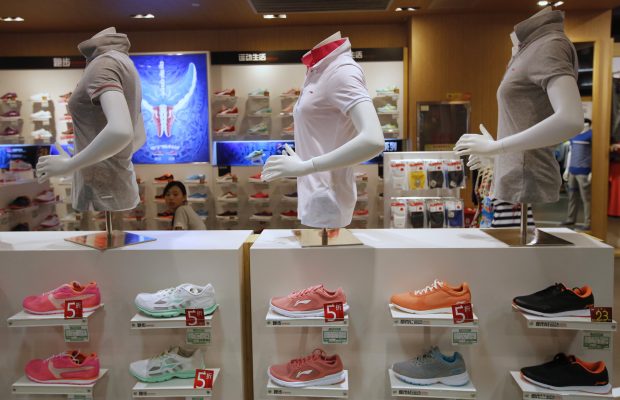
    Stronger margins helped Chinese sportswear brand Li-Ning boost profit attributable to shareholders by 56 per cent last year, to RMB515 million (US$82 million).

    The company says sales rose 11 per cent to RMB4.176 billion and the net profit margin from 4.1 per cent to 5.8 per cent, with both brick-and-mortar sales and online turnover rising. E-commerce now accounts for 19 per cent of total sales of its core brand.

    Li-Ning is coming to the end of a major business restructure and brand repositioning which has resulted in shorter product life cycles, reduced in-store inventories and – after widespread discounting and buy-back programs to reduce the excess stock – stronger margins.

    Last year, the company showed the results of placing more emphasis on sports research and investment in product research and development to design and provide professional products to athletes and sports enthusiasts.

    “Incessant imagination, on the other hand, is driving Li-Ning to be more trend-setting by integrating fashion, entertainment and leisure elements with professional sports, therefore creating more professional and stylish products and sports experience for sports enthusiasts and life enjoyers,” the company said in its earnings statement.

    “To enhance retail capability, we are dedicated to enhancing the precision of our product planning and optimising the supply model, so as to satisfy end-user demands in a ‘swift + precise’ way. As for retail stores, we upheld the consumer-oriented approach by enhancing and re-shaping retail experience at stores constantly.”

    As at the end of last year, Li-Ning had 6262 points of sale in China, a net decrease of 178 during the year, excluding its Li-Ning Young channel, which now has 173 stores across 26 mainland provinces.

    “The group has taken continuous initiatives to refine channel structure and raise channel efficiency by implementing various measures including closing down and renovating inefficient and loss-making stores and opening highly efficient stores and key experience-concept stores,” the company said. “During the year, the overall retail sell-through registered a high-single digit growth, with product discount rate and sell-out rate further improved.”

    Li-Ning says competition in the sports-casual market is still intense.

    Founder and executive chairman, Li Ning himself, said the robust development of the sports industry brings new opportunities as well as challenges to the future.

    “We foresee the consumption structure of consumers to be transformed toward a more refined and mature dimension while the influence of brand power and brand value deepened. Looking forward, we will continue to devote major resources into sports knowledge learning, technological research and development and Li-Ning brand experience development, proactively exploring and broadening room for business development.”