Tag: Malaysia

  • Ewein joins Bangkok coffee vending machine venture

    Ewein joins Bangkok coffee vending machine venture

    Ewein Bhd is looking to undertake the “Smart Mobile Coffee Vending Machine Project” in Bangkok, Thailand, as part of its strategy to expand its e-commerce division overseas.

    The project will see the installation of smart mobile coffee vending machines in 30 locations in Bangkok.

    While Ewein did not give details of the project, other examples of smart mobile coffee vending machines use a smartphone to see the environmental data as well as to control the amount of coffee, sugar, and coffee creamer which are mixed into a cup of coffee. The machine and the phone exchange their data via Bluetooth, providing a more personalised service.

    The company said in a filing with the stock exchange that its 89%-owned subsidiary Ewein Ecommerce Sdn Bhd today entered into a memorandum of agreement with Yingyos Charubusapayon and Chai Yangruay to collaborate and jointly establish a joint venture (JV) company in Thailand for the project.

    The JV, in which Ewein Ecommerce will own a 40% stake, will have an authorised and paid-up capital of up to 5 million baht (RM629,000).

    Ewein Ecommerce’s participation in the project will be financed through internally generated funds.

    “The board is optimistic that the Bangkok project will contribute towards profitability of Ewein.”

    On Bursa Malaysia today, Ewein fell half a sen or 1.4% to 35.5 sen on 387,000 shares done.

  • Epiphany Cafe plans to invade Asia

    Epiphany Cafe plans to invade Asia

    A rural New Zealand donut maker is set to expand into Asia, initially targeting the Philippines, Indonesia, Malaysia and Singapore.

    Epiphany Cafe started just two years ago as a single family-owned store in the Waikato city of Hamilton, in the heart of New Zealand’s largest dairy-farming region. Since then it has expanded to five stores in Auckland and Hamilton under a franchise model it is now looking at expanding into other New Zealand towns and cities before heading offshore.

    “We believe there is a need we can fulfil in Asia,” GM for sales and marketing, Suzanne Gaier, said in an interview published on Stuff.co.nz.

    Gaier hopes to have the first Asian stores operating within 12 to 24 months.

    “Our idea is also to bring our core staff members from New Zealand into Asia and inject Kiwiana that way too. The whole idea is to take our Kiwi brand over there and be the Fonterra of sweet treats… as well as provide Kiwi expats with a little slice of home.”

    Epiphany Cafe developed its donut recipe over six months and now boasts 29 flavours regularly rotated.

  • NeNe Chicken Malaysia opens second store at The Starling Mall

    NeNe Chicken Malaysia opens second store at The Starling Mall

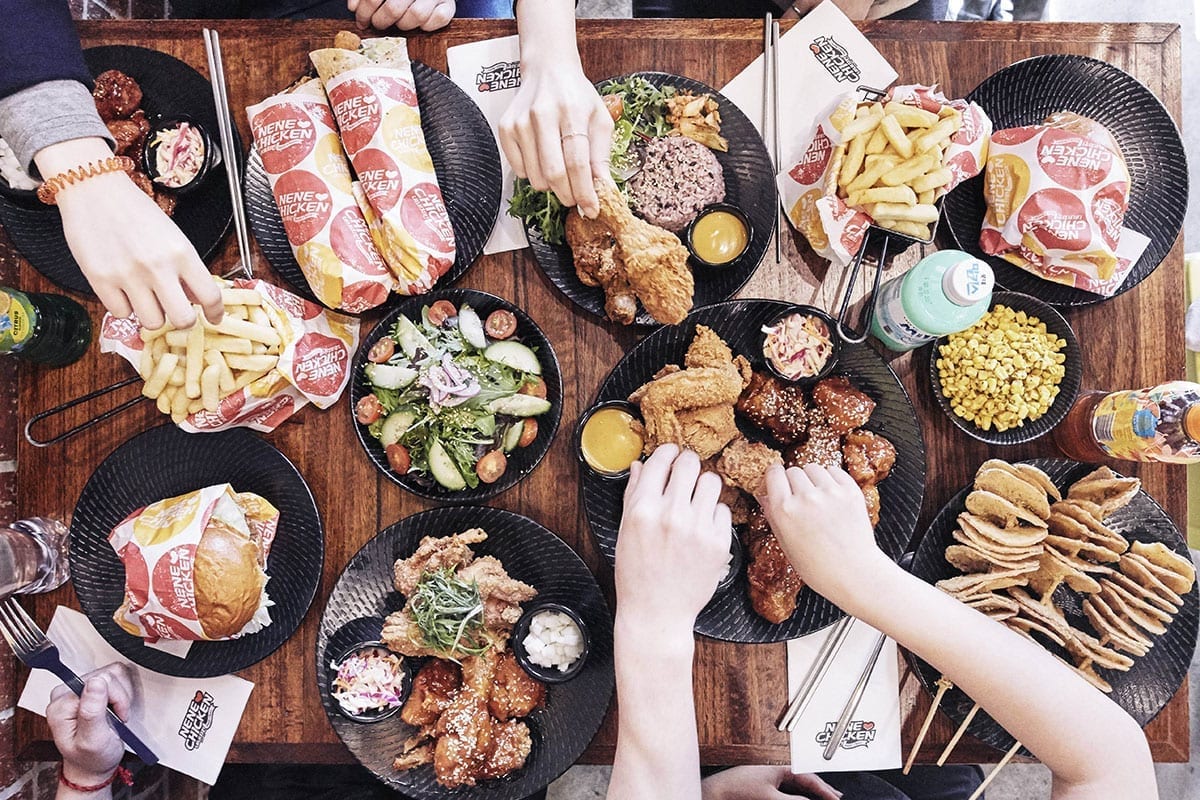
    Fast-food chain NeNe Chicken Malaysia has opened its second outlet, in Petaling Jaya.

    Located at The Starling Mall, the new restaurant can accommodate 120 customers with an outdoor seating area.

    NeNe Chicken Malaysia MD Raymond Wong said the chain would focus on expanding its menu and locations in upcoming years.

    The chain opened its first outlet two months ago at Genting Highlands.

    NeNe Chicken is known for its signature flavours such as Bulgogi, Freaking Hot and Spicy Fried Chicken.

    The chain also aims to open in East Malaysia by the end of this year.

    Established in 1999 in Korea, NeNe Chicken currently has stores in Australia, Hong Kong, and Singapore.

  • Offer for OldTown extended to March 20

    Offer for OldTown extended to March 20

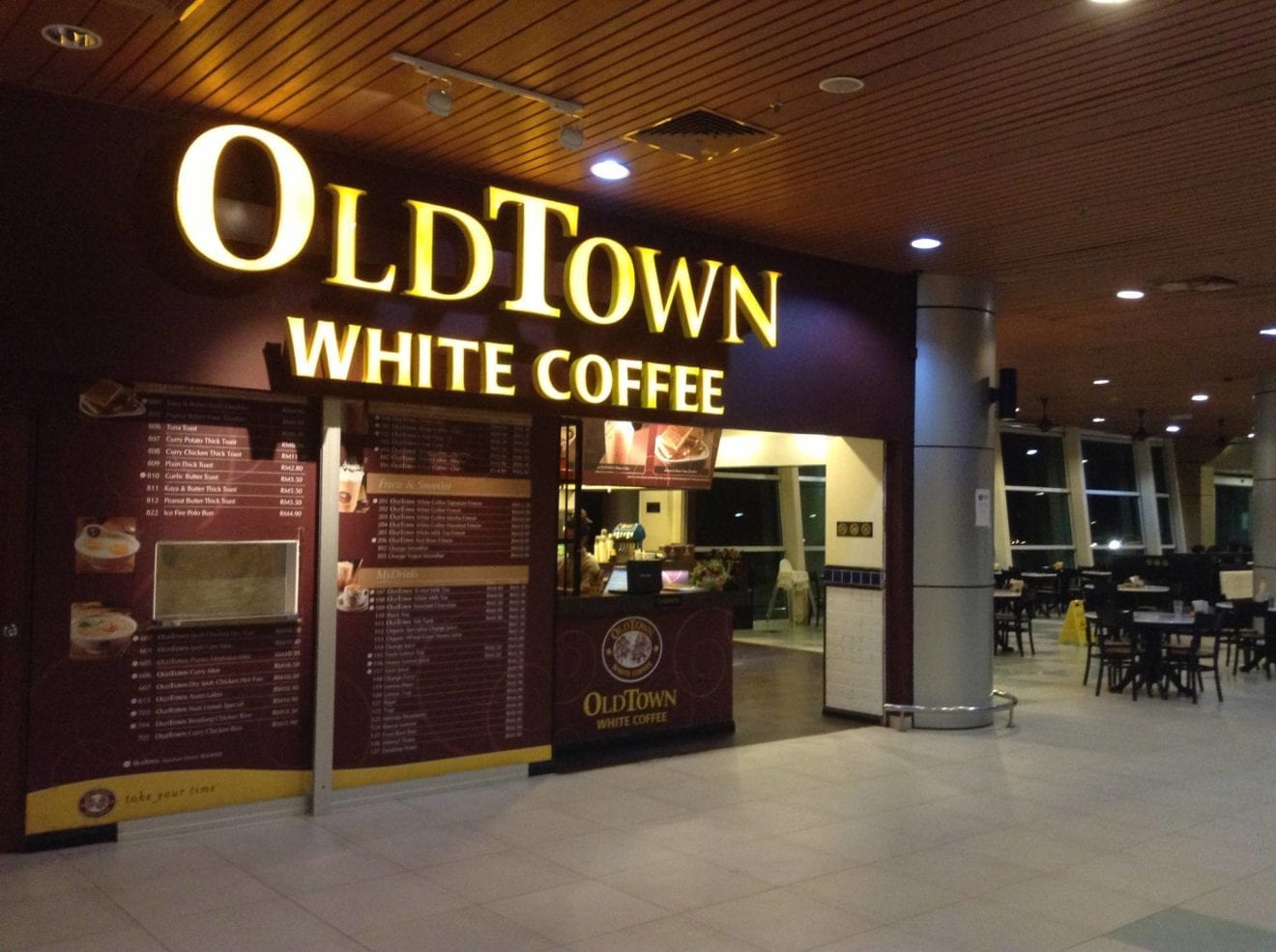
    Jacobs Douwe Egberts Holdings Asia NL BV (JDE) has extended the closing date of its takeover offer for OldTown Bhd to March 20.

    According to a circular issued by CIMB Investment Bank Bhd, the terms and conditions of the offer remain unchanged and the level of acceptances of the offer stood at 83.75% on March 9.

    OldTown received a takeover notice from JDE in December last year at an offer price of RM3.18 per share. The offer was supposed to close today.

    Earlier, JDE said it has secured irrevocable undertakings from shareholders holding 51.45% and is looking to procure the remaining shares with an eye to delist and privatise OldTown.

    JDE has agreed to pay a good faith fee of US$3.48 million (RM13.6 million) or 1% of the total offer price to OldTown.

  • Lazada comes with idea to simplify selling system

    Lazada comes with idea to simplify selling system

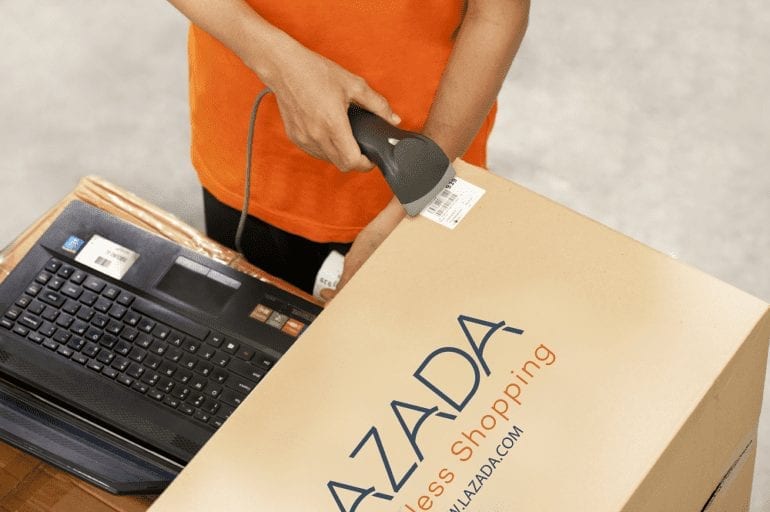
    To help Southeast Asian entrepreneurs ride the e-commerce boom, Lazada has rolled out measures to make doing business online easier, faster and more financially rewarding.

    Already in effect, the moves benefit new sellers and about 135,000 merchants already on Lazada’s platform.

    One of the highlights is Seller Rewards, a powerful framework that recognises sellers for outstanding performance. The higher the ratings, the more rewards or benefits the seller enjoys such as:

    ● Higher visibility of products when users search and browse the site
    ● Access to shipping services and price subsidies extended by Lazada
    ● Access to promotional campaigns spearheaded by Lazada
    ● Access to preferred sellers programs; or premium seller program in Malaysia and Seller Prioritas program in Indonesia.

    Customers can rate sellers based on how they apply best practices to deliver a positive customer experience, such as quality checks on products sold, using recommended packing materials to avoid damage, and preventing purchase cancellations through third-party negligence.

    As another plus, sellers will no longer be financially penalised for policy breaches. However,  errant sellers may be delisted by Lazada.

    Instead of three to four days for anyone to start their business on Lazada, the process can now be completed in mere minutes. The simplified sign-up form requires registrants to provide just their email address, telephone number and address. They can start logging up sales 15 minutes after creating an account.

    Lazada group chief operations officer Aimone Ripa di Meana says the seller-friendly initiatives are part of the company’s efforts to empower entrepreneurs to grow their business online. “By incentivising sellers and giving them more leeway to sell efficiently and effectively, we want to ensure Lazada’s marketplace is the best place for sellers to reach out to more consumers.”

    Launched in 2012, Lazada is present in Indonesia, Malaysia, the Philippines, Singapore, Thailand and Vietnam. It helps more than 135,000 local and international sellers as well as 3000 brands serving 560 million consumers. Lazada Group is majority owned by Alibaba Group Holding.

  • January Malaysia manufacturing sales up 11% year-on-year

    January Malaysia manufacturing sales up 11% year-on-year

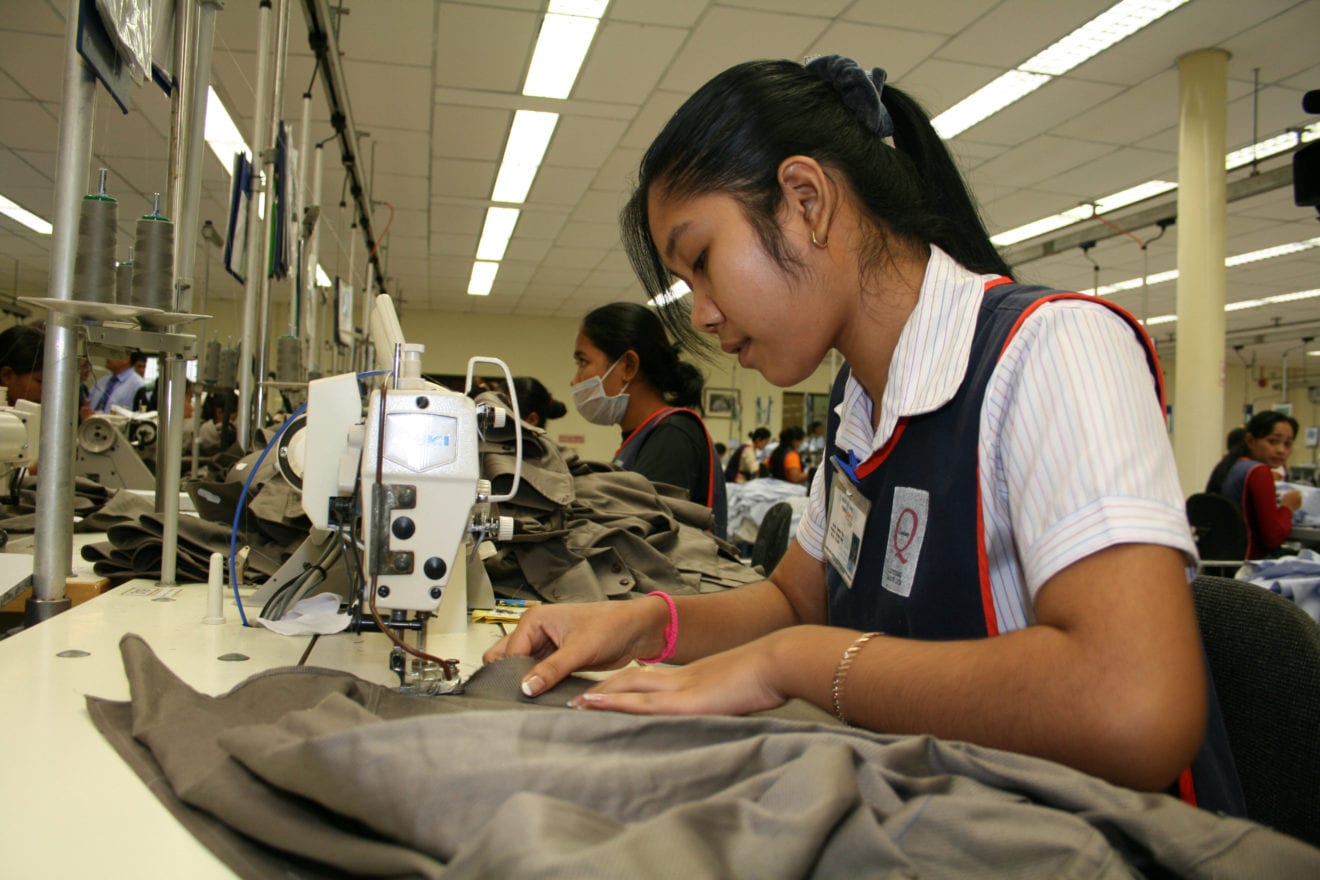
    Manufacturing sales in Malaysia soared 10.8% to RM67.8 billion in January this year compared with RM61.2 billion in the same month of 2017.

    The Department of Statistics said in a statement today the significant increase in sales value was due to increases in electrical and electronic products (14.3%); petroleum, chemical, rubber and plastic products (10.9%); and non-metallic mineral products, basic metal and fabricated metal products (8.1%).

    These three sub-sectors contributed 80.2% to the sales value of the manufacturing sector in the first month of the year.

    The total number of employees engaged in the manufacturing sector in January 2018 was 1.07 million persons, a 2.5% increase or 26,203 persons from the 1.04 million persons in January 2017.

    Salaries and wages paid rose 13.3% or RM439.7 million to RM3.74 billion, translating into an average salaries and wages per employee of RM3,494 in January 2018.

    Sales value per employee was up by 8% to RM63,292 compared with the same month in the previous year.

  • DHL to set up Malaysia’s first Global Centre of Excellence

    DHL to set up Malaysia’s first Global Centre of Excellence

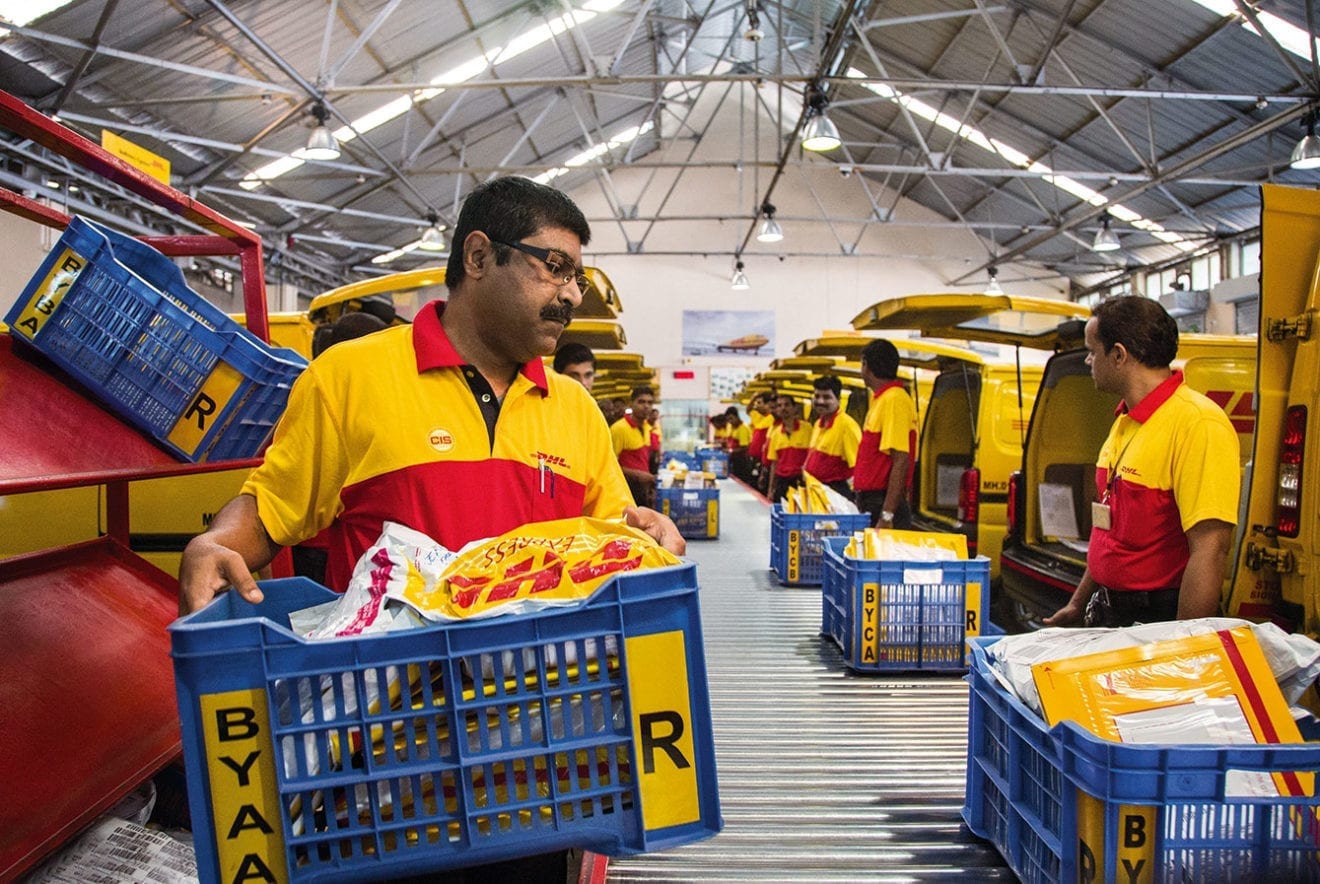
    Global logistics company DHL will set up its first Global Centre of Excellence (GCOE) in Malaysia at Iskandar Malaysia, the company announced today.

    The centre, which is expected to be operational in the second quarter of this year, will be set up by DHL in collaboration with Iskandar Innovations Sdn Bhd, a wholly-owned subsidiary of Iskandar Investment Bhd.

    The GCOE will provide supply chain consultancy services, and support businesses to design logistics solutions specific to some of Iskandar’s key industries including Automotive, Energy, Engineering & Manufacturing, Life Sciences & Healthcare and Technology.

    The centre also has the capabilities to power the region’s logistics ambitions with networking sessions and workshops where companies and industry experts come together to share best practices, to brainstorm innovative ideas that will form the future of Iskandar Malaysia.

    “We want to create an ecosystem within Iskandar Malaysia and to establish a single network that is conducive to all companies to explore and set up business in the region as their gateway to markets around the world,” GCOE Iskandar Malaysia managing director Philip Chu said in a statement.

    “Coupled with DHL’s sector-specific experience, it will underpin the bespoke logistics solutions that the GCOE will offer to the local industry.”

    Iskandar Investment president and chief executive officer Datuk Khairil Anwar Ahmad, meanwhile, said the creation of the GCOE will push the Iskandar region to the next level.

    “A strong base of logistics solutions and talent will not only allow the Iskandar region to achieve its ambitions of becoming an ASEAN supply chain hub, but also provide vital trade connectivity between its core industries and overseas markets where opportunities are aplenty,” he said.

    “As Iskandar’s population and foreign investment levels continue to rise steadily, the GCOE will play a strategic role in creating the job opportunities and export growth that underpin the region’s economic plans for the future.”

    DHL president, Global Fast Growing Enterprise and Regional head, Customer Solutions and Innovation Asia Pacific, Alfred Goh said the new GCOE could be linked to other GCOEs in the group.

    “The establishment of the GCOE will bring Iskandar’s supply chain capabilities up to speed with those of other logistics hubs in the region, including nearby Singapore where DHL has already run a Supply Chain Centre of Excellence (SCCE) for the last 10 years,” he said.

    “By complementing pure logistics skills and solutions with broader business development, market insights, and networking with key decision-makers around the world, we believe the GCOE will help Iskandar align its logistics investments with global demand and market forces more closely than ever before.”

    DHL had in 2007 established a similar SCCE in neighboring Singapore that delivered multi-million-dollar returns within its first 36 months of operation.

  • Parkson Holdings to expand in new malls, pull out from less popular ones

    Parkson Holdings to expand in new malls, pull out from less popular ones

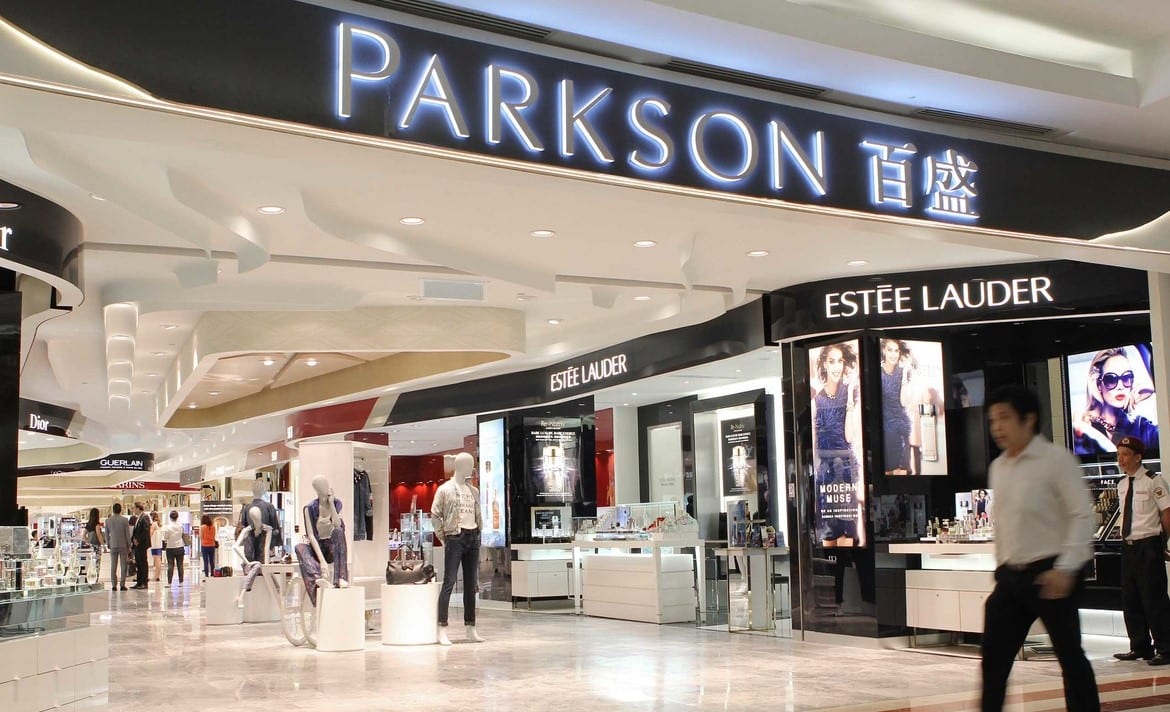
    Parkson Holdings is looking to open in several new locations with a presence in newer and more exciting malls while exiting those that do not fit in with the company’s market dynamics.

    The Malaysian department-store operator with a regional presence said it was looking at a few strategic areas in Damansara, Bukit Jalil, Klang and Melaka as possible locations for new stores.

    “In China, we plan to open two in the near future, with a few more in the pipeline,” a company spokesperson said.

    The spokesperson said the dynamic and evolving nature of the retail industry means that certain older malls have become less relevant compared to other newer malls with features appealing to shoppers.

    “Hence, the closing and opening of stores is part and parcel of the business,” the spokesperson said, referring to last month’s closures of two stores in the heart of the city.

    Currently, Parkson has 114 stores in the region with 44 in Malaysia occupying a total of five million sq ft.

    While exiting from malls that do not fit into the brand image, the spokesperson said the company will take up larger spaces on a net lettable basis in newer malls. The spokesperson noted that the company’s strategy will ensure that the brand stays relevant, noting that both MyTown and Sunway Velocity malls which are only 1km apart have Parkson stores and cater to different markets.

    The spokesperson said Velocity catered for the young and fashionable while MyTown catered more for the family crowd.

    “They are observed to have different racial and cultural mix,” the spokesperson said.

    Besides the two closures in Kuala Lumpur, the regional mall operator also closed Parkson Flemington in Ho Chi Minh City, Vietnam, on Feb 26. It closed the Sungei Wang Plaza’s 107,000 sq ft outlet, which opened in 1987, on the same day.

    The spokesperson said while Sungei Wang Plaza used to be a popular hangout several decades ago, the market dynamics have changed.

    The company closed the 220,000 sq ft Maju Junction outlet, located at the Jalan Sultan Ismail-Jalan Tunku Abdul Rahman intersection, in early February. It was an anchor tenant of the mall and started operating there in 2014.

    On the closures, the spokesperson said: “Over time, market dynamics change vis-a-vis customer demographics, profile, alternative locations and competition from new competitors.

    “We have to react quickly to be at the right place where the market and customers congregate. Those that do not have these criteria may have to be replaced.”

    Henry Butcher Retail managing director Tan Hai Hsin said the main challenge of Sungei Wang Plaza was the ownership structure.

    “It is a strata-titled shopping centre with hundreds of owners. When external retail market and consumer shopping behaviour changed, the strata-titled shopping centre is not able to react to the changes quickly due to its multiple ownership.

    “Firstly, it requires consensus from the owners in the mall before any action on refurbishment and reconfiguration can be done. “Secondly, it is difficult for the management to change the configuration of the retail shops based on market changes due to multiple ownerships.

    This challenge also applies to the strata-titled Pertama Complex and Campbell Complex.

    According to CapitaLand Malaysia Mall Trust in a report from last year, the retail industry remains challenging. The opening of various new malls in the Klang Valley within a stone’s throw of each other and an oversupply of mall space have impacted the retail scene.

    While the more popular malls never seem to lack visitors, those with lesser pull have suffered. The emergence of online retail is another factor.

    On the closure of Parkson Flemington in Ho Chi Minh City, the spokesperson said: “As in every business, we have to know our market and this applies to all the markets we are in. Our strategy is to identify and be present in such markets with the right demographics, population size, disposable income and, of course, the right location.

    “In order to have the sustaining power to remain ahead, we have to diversify our offerings and stay focused on our customers’ needs and wants.”

    Parkson became one of the leading retailers in Vietnam by building a chain of retail stores in Ho Chi Minh City, Hanoi, Haiphong, and Danang. Competition came. Since 2014, Parkson has yet to open any new stores in Vietnam. Parkson Flemington was the fourth store that closed since it entered that market in 2005.

    The Malaysia-based retailer has six stores in Vietnam, 48 in China, one in Myanmar and 15 in Indonesia. The Malaysian retailer also operates the Centro retail brand in Indonesia.


     

  • Verifone Introduces Next-Generation Engage Solutions in Thailand and Malaysia as Cashless Economies Evolve in APAC

    Verifone Introduces Next-Generation Engage Solutions in Thailand and Malaysia as Cashless Economies Evolve in APAC

    The future of cash as the dominant payment method in Asia Pacific is changing as a result of technology innovation, government-sponsored programs, increasing smartphone penetration, and evolving consumer behavior. As governments throughout Asia Pacific create initiatives for cashless economies, Verifone will deliver next-generation of Engage payment solutions in the region including: the e285 mobile point-of-sale (mPOS) in Thailand and the flexible V205c and V200t in Malaysia.

    Verifone Engage is a family of interactive, commerce-enabling payment devices that allow merchants to connect with customers in new ways. Packed with features, functionality, and versatility, Engage leverages the power and performance of our flexible open architecture to transform the POS into rich, two-way conversations.

    The Thailand government’s e-payment initiative is creating opportunities for businesses to drive the country’s financial transactions towards digital methods. Five commercial banks (Kasikornbank, Siam Commercial Bank, Bangkok Bank, Krungthai Bank and Government Savings Bank) have been approved to introduce QR code payments.

    By connecting directly with banks, Verifone’s mPOS solution supports the national e-payment initiative while removing the need for a third-party gateway, and providing increased security and reduced costs to merchants.

    Built for businesses of all sizes, the PCI PTS 5.x-certified e285 accepts EMV, magnetic stripe and contactless payment options, while the touchscreen easily supports signature capture. With a compact and vibrant touchscreen, this solution also displays and accepts payments with QR codes which will become a standard payment method in Thailand. To further reduce the cost of ownership for Banks, the e285 comes with integrated remote estate management and electronic receipt management solution.

    Verifone V205c and V200t in Malaysia

    In Malaysia, the central bank has started on a 10-year e-payment strategy and check volume has declined 42 percent since 2011. However, security at the POS is a primary concern since the outdated PCI PTS 3.x standard remains widespread.

    Verifone’s V205c and V200t are the first PCI PTS 5.x- certified solutions in Malaysia and offers the highest levels of security at the POS.

    Since PCI PTS 5.x certifications are valid through 2026, merchants of all sizes – from large retail chains to local convenience stores – are assured of long-term investment and compliance free of the additional costs associated with technology updates.

    While the V205c is a countertop solution with dial-up and Ethernet connectivity, the V200t is a flexible device with both countertop and portable functionalities owing to its added 3G connectivity and long battery life. Both solutions offer enough memory to support rich multimedia and value-added applications so merchants can interact with customers like never before.

    To help merchants start, run, and grow their businesses, all three Engage solutions are capable of supporting Verifone Connect, a secure and adaptable, end-to-end product that not only enables the acceptance of payments but allow businesses to increase consumer engagement and drive efficiency. Paired with any Engage device, Connect empowers merchants to better manage their businesses with next-generation software and services. Key features include payment services, estate management, business solutions with merchant and consumer-facing apps, and new device purchasing.

    Verifone will deliver these solutions and services through its partners in Thailand and Malaysia. In Malaysia, AEON Credit will deploy the V205c and V200t solutions through our partner Revenue Harvest.


  • Aeon expects sales to increase 10-20% during promotion period

    Aeon expects sales to increase 10-20% during promotion period

    Aeon Co (M) Bhd expects sales to grow between 10% and 20% during its promotion period, the Aeon Day and Thank You Day sales promotions.

    Executive director Poh Ying said the “Aeon Day” sales promotion would be held on every 8th and 28th day of the month while the “Thank You Day” on every second and last weekend of the month.

    “These promotions will benefit 1.2 million Aeon members who have played a pivotal role in spurring our growth,” he said after launching the Aeon 2018 Promotions today.

    He said for “Aeon Day”, members would receive RM5 cash vouchers for every RM100 spent or RM3 cash vouchers for every RM60 spent, while for “Thank You Day”, they would receive RM5 cash vouchers for every RM80 spent, RM10 cash vouchers for every RM150 spent and RM30 cash vouchers for every RM300 spent, all excluding the Goods and Services Tax.

    “With the rising cost of living and the inflation, many consumers are looking for more ways to stretch their money, especially for groceries.

    “The cash vouchers can help our customers obtain greater savings in the long-run,” he added.

    Poh said that consumer spending sentiment this year was expected to be good due to the upcoming election as well as the implementation of measures to curb inflation.

    “Along with the consumer-friendly 2018 Budget and the better ringgit, I believe these factors will drive consumer spending and the growth of the retail industry,” he added.

    Meanwhile, Poh said Aeon had allocated between RM400 million and RM500 million in capital expenditure this year to be used, among others, to renovate new and existing stores in Taman Maluri, Kuala Lumpur, Kuching and Johor.

    To date, Aeon operates 33 departmental stores cum supermarkets and manages and operates 26 shopping malls, three MaxValu and three MaxValu Prime supermarkets, nationwide.

  • Malaysia unfazed by US import tariffs on steel, aluminium

    Malaysia unfazed by US import tariffs on steel, aluminium

    While Malaysia may not see much of an impact from the United States’ move to go ahead with steel and aluminium import tariffs, the move is likely to trigger a surge in steel prices.

    US President Donald Trump signed off on the implementation of 25% tariff on steel imports and 10% for aluminium last week, fanning an outburst from industry players and critics from across the world and within the US alike.

    Maintaining his earlier stance, Malaysian Iron and Steel Industry Federation (Misif) president Datuk Soh Thian Lai said that the impact on Malaysia will be minimal given the relatively small volume of steel exports.

    Malaysian steel exports, which stood at about 96,000 tonnes, accounted for only 0.2-0.3% of the total US steel imports for 2017 of between 34 million and 37 million tonnes.

    Soh said Malaysia will still be able to find an alternate market to the US to export this 96,000 tonnes.

    “Most probably steel prices in US will increase fast enough in the near term and importers will still be able to import even with the 25% duty,” he added.

    In line with that, scrap prices are likely to see a rise, given that consumption of the material will become more domestic centric, hence limiting exports.

    “Scrap prices will increase because now the US could use more scrap internally instead of exporting. The US in actual fact is a net exporter of scrap, and with this trade act imposed, this could raise steel prices not only in the US but also countries importing scrap from them especially Malaysia and Asean countries,” he explained.

    Majority of Malaysia’s scrap, which could not be quantified, he said, is imported, with the US being one of the major importers.

    On the next course of action, Soh said Misif has written of its grouses to the US embassy and the Ministry of International Trade and Industry (Miti).

    “We will follow up with US Embassy and Miti on this. Since the US has allowed an exemption on Canada and Mexico. We will ask the government to bring this up to the US, for Malaysia to be exempted,” he added.

    Echoing Soh’s sentiment on surging steel prices, Barnabas Gan, economist at OCBC Bank, said while trade barriers will spike steel and aluminium prices, it could also result in job casualties for the steel and aluminium-consuming industries of the US.

    “Eventually, we note that the trade tariffs without exemptions will likely do more harm than good, both to the US economy as well as impeding global growth and trade activities. Even in the absence of trade retaliation, the tariffs would threaten many jobs in the US pertaining to aerospace, automobile, manufacturing and construction industries, while benefiting steel and aluminum makers,” he noted.

    Consumers would then face higher inflationary pressures, and thus adversely affect consumer spending and overall disposable income levels. Moreover, the bleaker outlook for the said industries could worsen investor confidence, and thus dissuade investment spending into the US,” he added.

    Meanwhile, Ambank Research said that the move could potentially reduce US steel imports by 13.3 million tonnes and Malaysia on its end could see a reduction of between 48,000 and 49,000 tonnes. Similar to Gan, the research house said the tariffs could have a knock-on effect on steel-consuming industries.

    In line with this development, AmBank noted that the US dollar is expected to weaken, working to strengthen the ringgit and heighten fears of possible trade war.

    The share price of Tatt Giap Group Bhd which exports steel products to the US, fell 3.33% to close at 14.5 sen on Friday, along with Mycron Steel Bhd, which fell 1.15% to 43 sen.

    Steel counters which saw gains at market close on Friday were Ann Joo Resources Bhd Resources, up 0.29% to RM3.47; Malaysia Steel Works (KL) Bhd, 1.05% to 96.5 sen; CSC Steel Holdings Bhd, 2.88% to RM1.43; and Atta Global Group Bhd, 0.55% to 92 sen.

    Leon Fuat Bhd was unchanged at 79.5 sen.

  • Dairy Farm International’s plan after hitting bottom line

    Dairy Farm International’s plan after hitting bottom line

    Poor trading by Dairy Farm International’s Southeast Asian grocery business hit the company’s bottom line last year, with underlying profit falling 13 per cent.

    But every other one of the company’s divisions traded strongly throughout the year, according to the results just released.

    Full-year profit was US$403 million, after allowing for $64 million of costs relating to business restructuring. Sales by Dairy Farm’s wholly-owned subsidiaries totalled $11.3 billion, largely unchanged from 2016’s $11.2 billion. But total sales, including 100 per cent of associates and joint ventures, at $21.8 billion were up 7 per cent year on year, reflecting strong growth at both supermarket operator Yonghui and cafe-restaurant operator Maxim’s, which owns the Starbucks business in Hong Kong, Vietnam, Cambodia and now Singapore.

    “After a disappointing year… for our food businesses in Southeast Asia, actions are being taken to improve their long-term performance,” explained chairman Simon Keswick. “All of the group’s other formats and markets are trading well and growth opportunities are being pursued, in Mainland China and elsewhere.”

    In Dairy Farm’s food division, sales were down and profits were “significantly lower” than in 2016, primarily due to poor performances in the supermarket and hypermarket businesses in Malaysia, Singapore and Indonesia.

    “A number of underperforming stores are being closed and prices lowered to clear or write off discontinued and slow moving stock.

    “In Hong Kong, sales were more resilient, although profits were marginally down due to increasing rents and labour costs. Positive sales growth seen in the Philippines reflected the ongoing investments being made to improve the business,” said Keswick.

    Elsewhere in the company there was brighter news.

    The convenience store format (including 7-Eleven in Hong Kong and Singapore) produced increased sales and profit. “In part, this reflected a consumer shift to more convenient retail formats, as well as a positive reception to the service and range enhancements introduced for customers,” said Keswick.

    The convenience stores division reported $2 billion in sales, an increase of 4 per cent over the previous year – but operating profit surged 16 per cent to $85 million.

    In the health and beauty division, (led by Guardian and Mannings), sales and profit were higher, principally due to strong performances in Hong Kong, Macau and Indonesia, together with improvements in Mainland China.

    Keswick said this was led by an increasing focus on the beauty category and the continued development of the division’s house brands.

    The home furnishings division (Ikea in Hong Kong, Taiwan and Indonesia) recorded higher sales and trading profit, but the reported profit declined, mainly due to costs associated with the opening of the fourth Ikea Hong Kong store in October. Sales and profits increased in Taiwan and Indonesia and there was solid growth in the e-commerce business.

    Maxim’s enjoyed good sales growth and profit expansion during the year, in large part due to strong performances from its branded products, particularly mooncakes, and its business in Mainland China. The company also acquired the Starbucks Singapore business last year.

    The group’s 19.99 per cent-owned associate in Mainland China, Yonghui Superstores, opened a net 292 new stores last year, which underpinned a 19 per cent growth in revenue. Ongoing supply chain optimisation and shrinkage improvement resulted in improved margins, which together with better capital use, led to a 45 per cent growth in profit.

    Convenience focus

    Keswick said Dairy Farm International will focus on increasing its convenience store operations in the year ahead through expansion and enhancement of the store network. New smaller-store formats are being piloted in some markets.

    The group will also continue to develop its e-commerce presence, focusing on a number of initiatives in its home furnishings, food, and health and beauty operations introduced last year.

    Dairy Farm International added a net 633 stores last year. At year end, it had 7181 stores in operation in 11 countries and territories, including its interest in 779 Yonghui stores in mainland China and 1210 Maxim’s stores.

    Besides the Starbucks Singapore deal, Maxim’s also acquired the existing businesses and franchises of Genki Sushi in Singapore and Malaysia. It opened its first The Cheesecake Factory in Hong Kong in May, which Keswick said is trading well, and this year will introduce American casual restaurant format Shake Shack in Hong Kong and Macau.

    In the Philippines, Rustan became a wholly-owned subsidiary following the acquisition of the remaining 34 per cent interest from the group’s joint venture partner.

  • Palm oil prices in Kuala Lumpur drop to six-week low

    Palm oil prices in Kuala Lumpur drop to six-week low

    Malaysian palm oil futures declined today, as traders feared the prospect of cancelled shipments to India and after forecasts made at an industry conference in Kuala Lumpur.

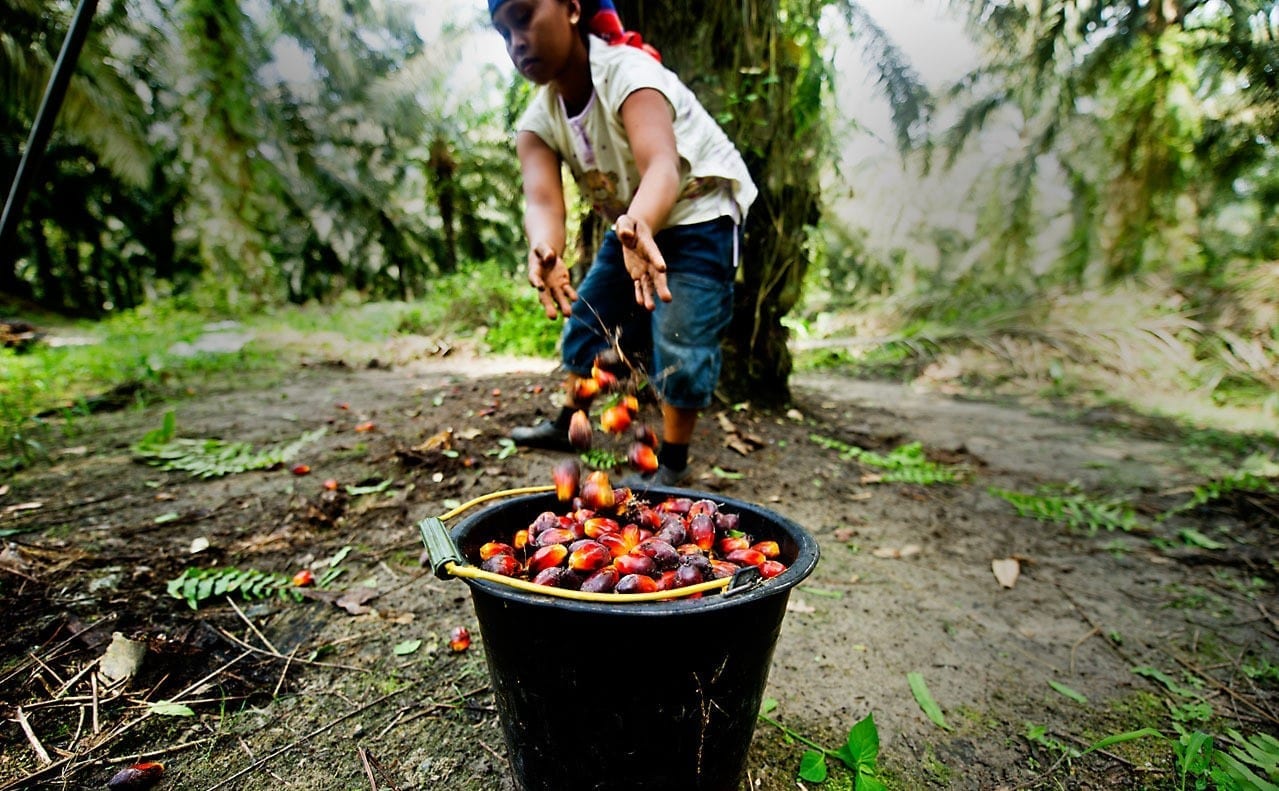
    The benchmark palm oil contract for May delivery on the Bursa Malaysia Derivatives Exchange was down 1.4% at RM2,443 per tonne by the close of trade.

    Trading volumes stood at 33,814 lots of 25 tonnes each at the end of the trading day.

    The vegetable oil earlier traded within a narrow price range, with industry participants eyeing forecasts from a two-day palm industry conference, a trader in Kuala Lumpur said.

    Leading industry analyst Dorab Mistry said on Tuesday he expects Malaysian palm oil futures to climb to RM2,700 a tonne by June, up nearly 10% from now.

    Malaysian crude palm oil futures are seen rising to RM2,600 a tonne before falling back to RM2,300 by July, said analyst James Fry.

    Meanwhile, analyst Thomas Mielke said today he expects Indonesian crude palm oil prices to average US$630 (RM2,457) a tonne from April to September, below current levels.

    The two countries count for nearly 90% of global palm oil output.

    Malaysia’s benchmark contract in Malaysia was hovering not far off Monday’s one-month low, which followed India’s decision to raise the import tax on palm oil to the highest level in more than a decade.

    Buyers in India, the world’s top vegetable oil importer, are now seeking to cancel up to 100,000 tonnes of crude palm oil cargoes due to the higher costs of imports, according to three trade sources.

    India tax import policy would have big short-term impact on palm demand, the Kuala Lumpur-based trader said, but he expected demand to be supported by China.

    “China is pointing toward higher demand for soybeans, which would benefit our palm oil,” the trader said.

    Another trader added overall market sentiment was weak, and which weighed on prices in the second half of trade.

    Palm oil prices are affected by movements in rival edible oils as they compete for a share in the global vegetable oils market.

    The Chicago Board of Trade’s May soybean oil contract was down 0.5%, while the May soybean oil on China’s Dalian Commodity Exchange fell 1.5%.

    From a technical viewpoint, a break below RM2,471 could cause a loss to RM2,418-RM2,448, said Wang Tao, a Reuters market analyst for commodities and energy technicals.

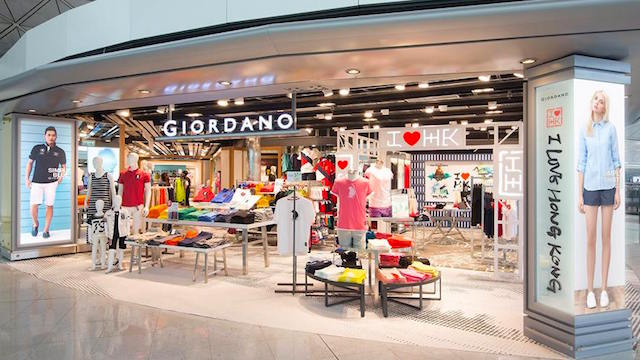
  • E-business of Giordano International looks good

    E-business of Giordano International looks good

    E-business last year was particularly strong for apparel retailer Giordano International.

    Overall, consolidated sales reached HK$5.4 billion, up 5.2 per cent. Group comparable-store sales and comparable-store gross profit rose  by 5.2 and 5 per cent respectively.

    Consolidated gross margin edged up by 0.1 points to 59.5 per cent.

    Profit after income taxes attributable to shareholders of the company was $500 million,
    an increase of 15.2 per cent over 2016.

    Operating profit rose by 21.3 per cent, with most regions having double-digit growth, particularly Southeast Asia, Mainland China and Taiwan. The group’s business in Vietnam was acquired on July 1.

    With an improved merchandise assortment, Indonesia and Malaysia delivered good results.

    Operating profit increased by 18.6 and 26 per cent for Indonesia and Malaysia respectively. In Singapore, operating profit increased by 31.2 per cent, attributable mainly to the gross margin improving by 1.7 points to 63.7 per cent.

    Unusually strong sales from Thailand in 2016 resulted in an unfavourable year-on-year comparison. Operating profit declined by 20.1 per cent in local currency terms.

    A surge in net profit for South Korea – a 48.5 per cent JV under an independent management team – resulted from better cost control, closure of non-performing stores and enhancement in gross margin.

    Giordano had a network of 2414 stores at the end of December, of which 1268 were standalone outlets. Most stores were in Greater China, South Korea, Southeast Asia and the Middle East.

    Meanwhile, the group’s e-business is directly managed and derived mainly from third-party platforms as well as its own proprietary website in Greater China. This channel generated $310 million in revenue at a 31.4 per cent growth rate.

    Accounting for 93.2 per cent of the group’s e-business sales, Mainland China continued its momentum and recorded a 28.2 per cent increase in sales on various platforms combined.

    Giordano’s e-business in Taiwan was revamped during the year to become its second-largest online presence.

  • Sunway Putra mall Wins Big At Malaysia Tourism Awards 2016/2017

    Sunway Putra mall Wins Big At Malaysia Tourism Awards 2016/2017

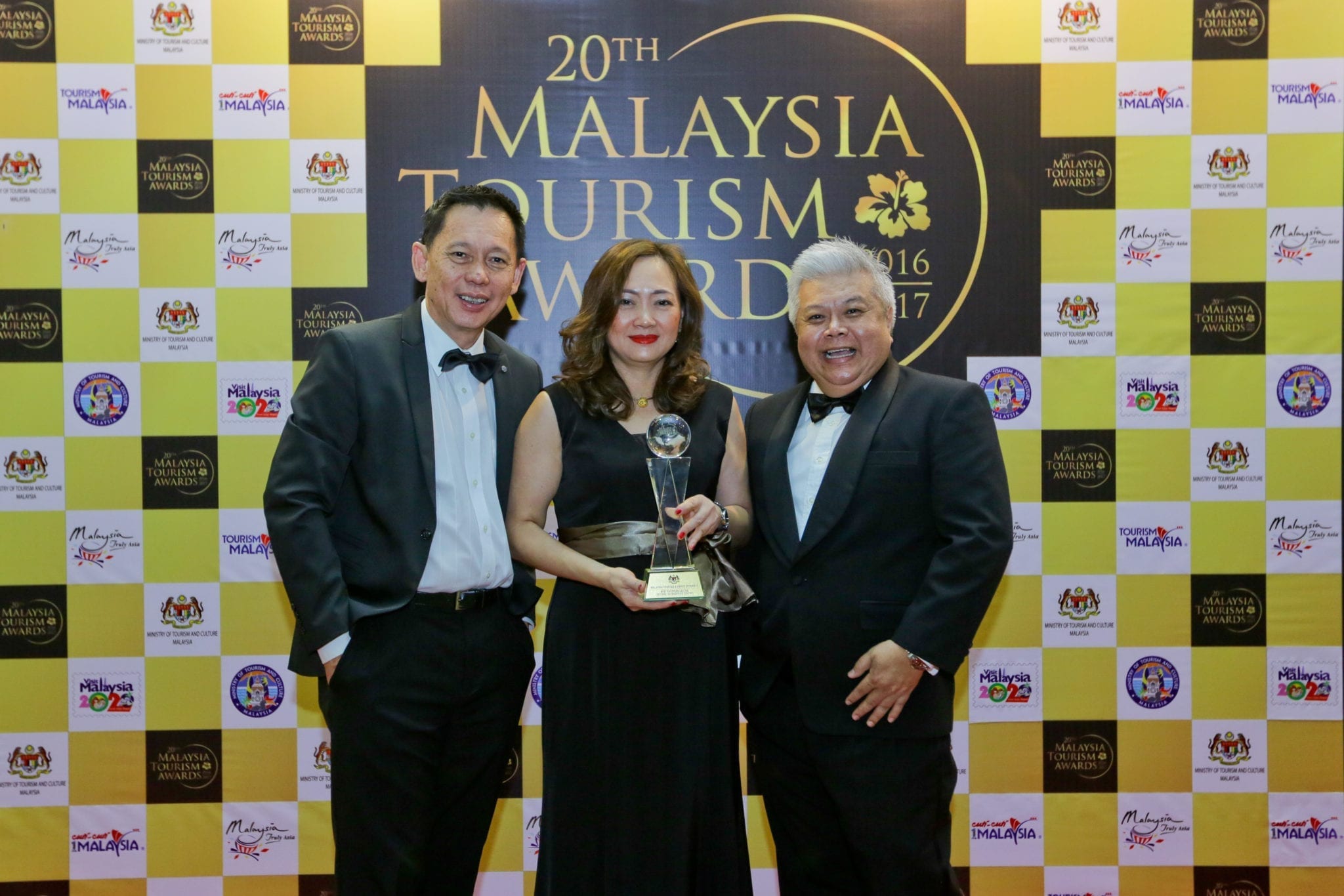
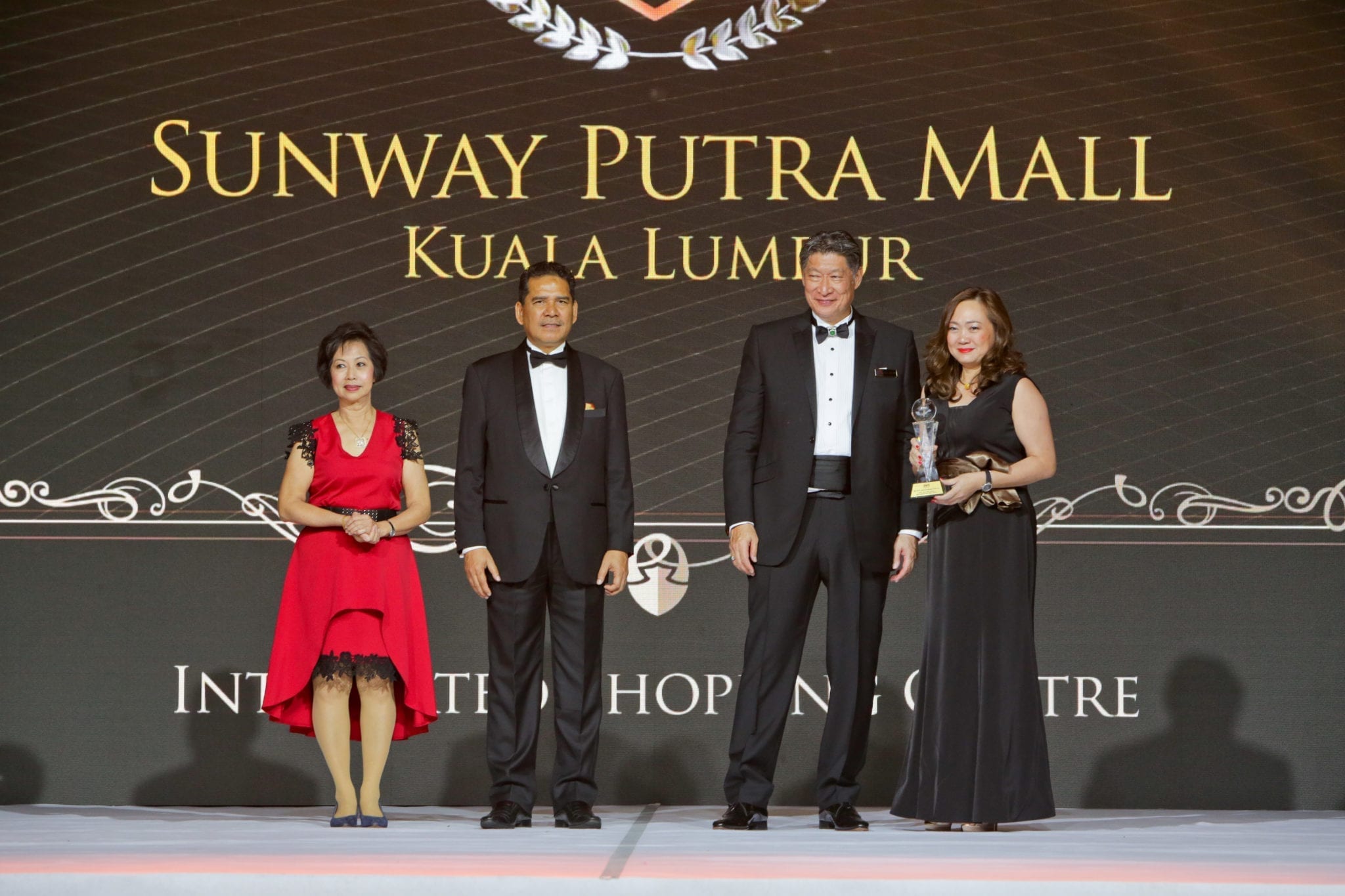
    It was a celebratory affair when Sunway Putra Mall emerged as the winner in the twentieth edition of the Malaysia’s Tourism Awards 2016/ 2017 award presentation ceremony at Putrajaya International Convention Centre (PICC) recently.

    The win saw the refurbished mall being named as the winner for best Shopping Centre under Integrated Shopping Centre category. It was the mall’s maiden attempt for the award.

    Tourism Malaysia chairman, Datuk Siew Ka Wei presented the award to Sunway Putra Mall General Manager Ms Phang Sau Lian alongside with Deputy Director General (Promotion) Tourism Malaysia, Dato’ Sri Abdul Khani Daud and Deputy Director General (Planning) Tourism Malaysia, Dato’ Chong Yoke Har in front of Malaysia’s various tourism industry players and related government agencies.

    Also present at the ceremony was, Minister of Tourism and Culture, Dato’ Seri Nazri bin Abdul Aziz, Tourism Malaysia director-general Datuk Seri Mirza Mohammad Taiyab and  Malacca Chief Minister Datuk Seri Idris Haron.

    The Tourism Minister had earlier paid tribute to industry players and captains for coming together amidst rising regional competition and limited resources towards the country’s tourism sector.  These awards were recognition towards tourism industry players contribution for boosting the country’s tourism attraction.

    Sunway Malls & Theme Parks CEO, Mr HC Chan said the win was meaningful for the mall group as this was the 6th time Sunway Malls was bestowed the prestigious award by the Ministry.

    “We like to thank the Ministry for their continued belief and support towards Sunway Malls. Apart from being the 6th time winning this award, what made it extra special is Sunway Malls has won this award for 8 consecutive years,” he added.

    Sunway Putra Mall picked up this award for year 2016/2017 edition while Sunway Pyramid won the 2010/2011, 2012/2013 and 2014/2015 editions.


    “This tourism award is another milestone for Sunway Putra Mall, despite being only just over two years in operation after the refurbishment, we are now recognized by the Minister of Tourism and Culture as the top Integrated Shopping Centre that promotes Malaysia.” said Phang.

    In addition, Sunway Group garnered the special Prime Minister’s Award at the 20th Malaysia Tourism Awards Ceremony. The award was a personal selection by Prime Minister and the Tourism and Culture Minister for an organisation’s exceptional contributions to the tourism industry.

    The Malaysia Tourism Awards is held once every two years, recognises and honours local and International tourism industry players for outstanding and innovative products and services. It also acts as an incentive for participants to strive for the highest level of professionalism and quality in both products and services. In its twentieth edition, this year’s awards saw over 665 nominations for 14 categories being received. Qualified entries went through a stringent selection by a panel of independent judges.

    The winning of this award added another feather to the cap for the mall tourism offering excellence. Sunway Putra Mall had received a gold award from Kuala Lumpur Mayor’s Tourism Award 2017 and recognised by the Ministry of Tourism & Culture as a Malaysia Tourism Quality Assurance (MyTQA) certified mall that delivered outstanding service quality and tourism products.

    Among the unique initiatives included DBKL Tourism Bureau appointment of the mall’s customer service representative as DBKL’s brand ambassador to promote tourists spots in Kuala Lumpur, promoting at overseas tourism missions alongside Tourism Malaysia and many others.

    The mall among others also partnered with international movies for activation, staging popular artistes appearances and collaborating with Malaysian Airlines and Matta Fair to promote KL as a tourism destination.

    The mall is home to international, regional and national retail brands with the likes of H&M. Uniqlo, Mango, Max Fashion, G2000, MONKI, Braun Buffel, Tissot, Padini Concept Store and many others. Offering more than 60 Food and Beverage outlets including local delights which are popular among tourists such as Dolly Dim Sum, Sepiring, Onde-Onde, Narenj and a food precinct called, ‘Selera Street’, that promotes locals favourites, namely Lorong Seratus Tahun, TeoChew Cendol, Ah Cheng Laksa and more.

    To date Sunway Putra Mall had also picked up the FIABCI 2017 Malaysia Property Award of Best Property for Retail Category, Malaysia Shopping Malls Association’s (PPK) Best Experiential Marketing Awards 2016 (gold award) for Category B (malls with 500,001 to 999,999 sq ft nett lettable area) and MPIM Asia Awards 2015 (bronze award) for best refurbished building category.