Tag: Malaysia

  • 7-Eleven Malaysia numbers look good last year

    7-Eleven Malaysia numbers look good last year

    For the 4th Quarter ended 31 December 2017

    The Group’s revenue for the current quarter of RM546.2 million grew by RM22.6 million or 4.3% against the
    corresponding quarter’s revenue in the previous year of RM523.6 million. The growth in revenue continued to be
    driven by the growth in new stores, higher average spend per customer and better consumer promotion activity.

    Gross profit of RM173.8 million improved by RM13.1 million or 8.2% compared to the corresponding quarter in the previous year. This was mainly attributed to the increase in revenue and improvement in gross margin by 1.1% points. The improvement in gross margin was due to higher sales contribution from those categories with higher gross profit margins.

    Other operating income of RM42.7 million increased by RM10.5 million or 32.4% compared to the corresponding
    quarter in the previous year. This is mainly attributed by compensation income from vendors of RM9.3 million in the current quarter.

    Selling and distribution expenses for the quarter increased by RM6.5 million or 4.1% against the corresponding quarter of the previous year. This was mainly due to new store expansion resulting in higher rental cost, store depreciation
    expense and utility cost. Administrative and other operating expenses for the quarter increased by RM1.0 million or 4.4% due to increase in staff cost.

    The increase in revenue, gross margin improvement and other operating income resulted in the Group’s profit after tax of RM15.9 million, an increase of RM6.3 million or 66.5% as compared to the corresponding period in previous year.

    For the 12 months ended 31 December 2017

    For the 12 months ended 31 December 2017, the Group’s revenue of RM2.19 billion grew RM83.7 million or 4.0%
    against the corresponding period in the previous year of RM2.10 billion. The growth in revenue was driven by the
    growth in new stores, higher average spend per customer, improved merchandise mix and consumer promotion activity.

    Gross profit improved by RM44.8 mil or 6.9% compared to the corresponding 12 months in the previous year. This was mainly attributed to the revenue growth and gross profit margin expansion of 0.9% points.

    Other operating income increased by RM21.7 million or 18.8% compared to the corresponding 12 months in the
    previous year. This was mainly due to increase in marketing income by RM11.5 million and compensation income
    from vendors of RM9.3 million.

    Selling and distribution expenses for the 12 months period in 2017 increased by RM55.1 million or 9.2% against the corresponding period of previous year. This is mainly due to impact of minimum wages which came into effect from 1st July 2016, new store expansion and depreciation.

    Administrative and other operating expenses increased by RM5.0 million or 5.4% against the corresponding 12 months in the previous year. This is also mainly due to the increase in staff cost and staff training.

    This resulted in the Group’s profit after tax of RM50.1 million a decrease of RM2.1 million or 4.0% compared to the corresponding 12 months in the previous year.
  • Food inflation lower at 3.8% in January

    Headline inflation moderated to 2.7% in January, mainly due to lower transport inflation at 5.7% compared to 11.5% in December 2017, said Bank Negara Malaysia (BNM).

    “Although RON95 petrol averaged slightly higher at RM2.28 per litre in January 2018 (December 2017: RM2.27 per litre), the higher base of RON95 price in January 2017 (RM2.10 per litre) compared to December 2016 (RM1.90 per litre) resulted in lower inflation in the transport category,” the central bank said in a statement today.

    BNM said food inflation was also lower at 3.8% (December: 4.1%), reflecting lower inflation in the fish and seafood category.

    It said there was a higher current account surplus in the fourth quarter of 2017 (4Q 2017) as the current account surplus widened, reflecting a larger goods surplus and lower secondary income deficit.

    Going forward, BNM said the current account surplus was expected to continue registering a healthy surplus, supported mainly by the goods account.

    “Net financing growth continued to support economic activity as it increased to 7.2% in January 2018 (December 2017: 6.9%),” said BNM.

    It said the growth of net outstanding issuances of corporate bonds continued to increase, with a double-digit growth rate of 16.6% (December 2017: 15.4%).

    The central bank said the growth of outstanding loans of the banking system also increased slightly to 4.2% (December 2017: 4.1%).

    The growth of outstanding business loans increased to 2.0% in January 2018 (December 2017: 1.8%), driven mainly by wholesale and retail trade, restaurants and hotels, real estate, construction, and primary agriculture sectors, said BNM.

    “Banking system capitalisation remained strong as financial institutions are well-positioned to withstand macroeconomic and financial shocks, with excess capital buffers of RM140 billion as at January 2018,” said the central bank.

    More than 75% of total capital, comprised high-quality loss-absorbing capital in the form of Common Equity Tier 1 Capital (i.e. equity, retained earnings and reserves), it said.

    BNM said financial markets attracted non-resident inflows amid positive sentiments as in January, the domestic financial markets were supported by positive sentiments, driven by Malaysia’s strong economic outlook and higher global oil prices.

    “As a result, the Malaysian Government Securities (MGS) and equity markets attracted non-resident inflows amounting to RM4.2 billion and RM3.4 billion respectively.

    “Following the inflows, the ringgit appreciated by 4.3% against the US dollar and the FTSE Bursa Malaysia KLCI increased by 4.0% in January, while in the bond market, three-year, five-year and 10-year MGS yields increased by five basis points each, following the increase in the overnight policy rate (OPR) by 25 basis points.

    “The impact of the OPR increase on MGS yields was mitigated by non-resident inflows into the MGS market,” said BNM.

  • Park Hyatt hotel to occupy top floors at Malaysia’s PNB 118, the world’s 3rd tallest building

    Park Hyatt hotel to occupy top floors at Malaysia’s PNB 118, the world’s 3rd tallest building

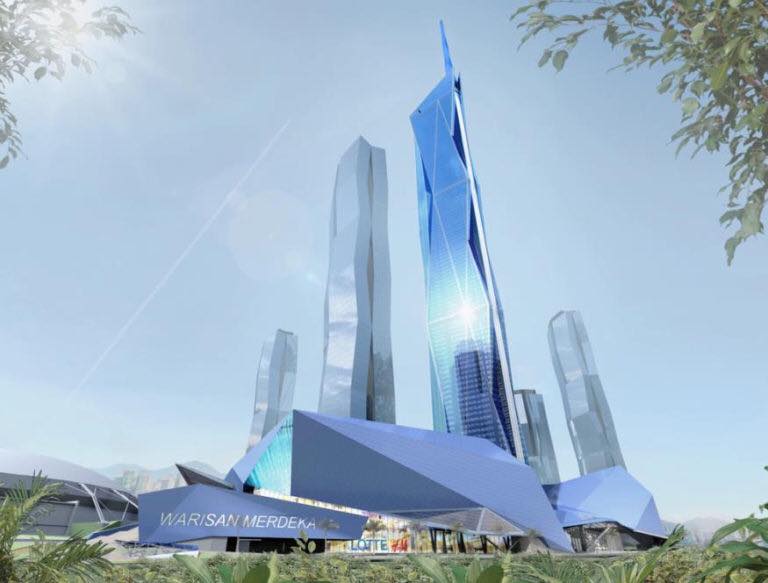
    Malaysia’s largest government-linked fund management firm, Permodalan Nasional Bhd (PNB), has signed Hyatt Hotels & Resorts as the hotel operator for its tower development, expected to be the third tallest in the world when completed.

    The luxury hotel operator’s Park Hyatt brand will occupy the top 17 floors of the tower, called PNB 118, PNB said on Tuesday. Aimed for completion in 2020, the 118-storey building will be the tallest in Southeast Asia.

    PNB 118 will have 1.65 million square feet of rentable office space, a retail mall and other entertainment amenities. The fund itself will take up around half of the office space, and is looking to have its portfolio companies take tenancy as well.

    “From our perspective, this is an investment into real estate, in a historic location,” group chairman Abdul Wahid Omar said at a press briefing.

    In November, PNB said it was looking to raise 2 billion ringgit ($512.03 million) via a green sukuk programme to finance the tower project. The fund’s real estate portfolio also include British and Australian assets.

    Malaysia’s capital has been experiencing an oversupply of office space in recent years. However, new office buildings continue to enter the market. Notably, the construction of a 106-storey building, Exchange 106, is underway in the Tun Razak Exchange and targeted for completion this year.

  • Parkson Holdings’s second-quarter looks bad

    Parkson Holdings’s second-quarter looks bad

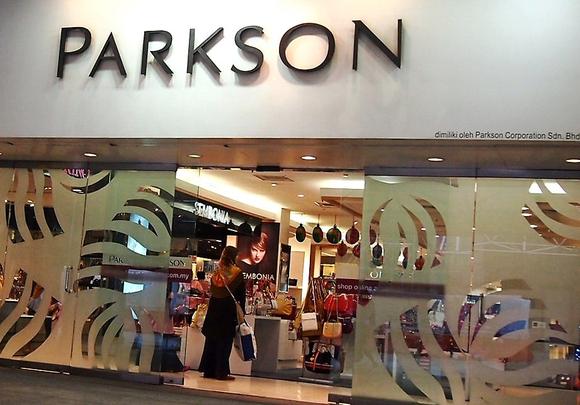
    Despite slight revenue growth, Parkson Holdings’ retailing division ended its second quarter with a loss.

    For the first half, its interim financial report shows there was 3 per cent growth in revenue to RM1.9 billion (US$485.9 million) with an operating loss of RM9 million.

    For the second quarter, to the end of December, the department store group’s revenue grew by 16 per cent to RM1 billion, mainly from higher consumer spending for year-end festivities and holiday seasons. The higher revenue coupled with continued business efficiencies enabled the group to move out of the red with an operating profit of RM27 million.

    After accounting for impairment losses of RM36 million, the group had a loss before tax of RM3 million for the quarter.

    Performance by location:

    Malaysia

    Parkson Malaysia had 4 per cent revenue growth to RM505 million for the six months thanks to the contribution of new stores. However, same-store sales shrank 4 per cent, attributed mainly to the absence of Hari Raya buying following a shift in the festive calendar. This meant the operating loss of RM20 million was higher than a year ago.

    Parkson Malaysia had 45 stores at the end of December after opening two stores and closing two underperforming stores.

    China

    Parkson China, the major contributor of the group’s retail business, had encouraging returns from its transformation strategies, says the company. Same-store sales growth was 3 per cent and 2 per cent respectively for the quarter and year to date, with revenue increasing by 4 per cent to RM1.3 billion for the first half.

    This enabled Parkson China to report an operating profit of RM32 million against a loss of RM85 million a year earlier.

    At the end of December, the group had a network of 48 stores in 30 cities.

    Myanmar/Vietnam

    Same-store sales growth for Parkson Vietnam sagged 5 per cent for the first half amid intense competition, while the contribution of the Myanmar business remained negligible.

    The group had six stores in Vietnam and one in Myanmar at the reporting date. However, the group is about to close its fourth location in Vietnam, Parkson Flemington in Ho Chi Minh City.

    This follows the closure of Parkson Keangnam (Hanoi) in 2015, and Parkson Paragon (Ho Chi Minh City) and Parkson Viet Tower (Hanoi) the following year.

    Indonesia

    Same-store sales were also negative for the first half in Indonesia, falling 8 per cent with revenue lower at RM86 million, largely impacted by the absence of festive spending following the shift in the Lebaran celebration. There was an operating loss of RM13 million.

    Following the closure of two stores in Jakarta during the first half, the group ended the year with 15 outlets in Indonesia.

  • Mr DIY opens door in Mid Valley Megamall Malaysia

    Mr DIY opens door in Mid Valley Megamall Malaysia

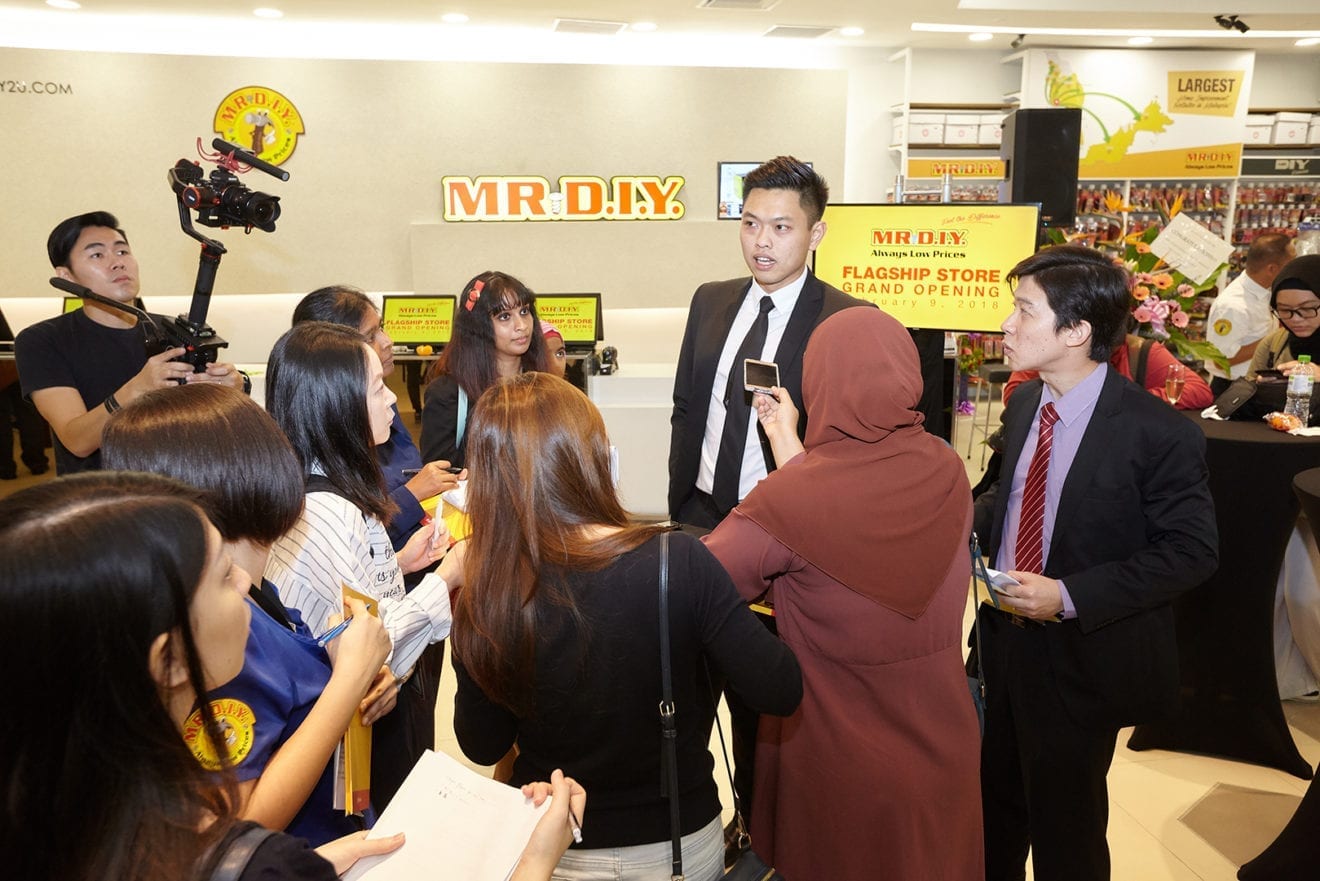
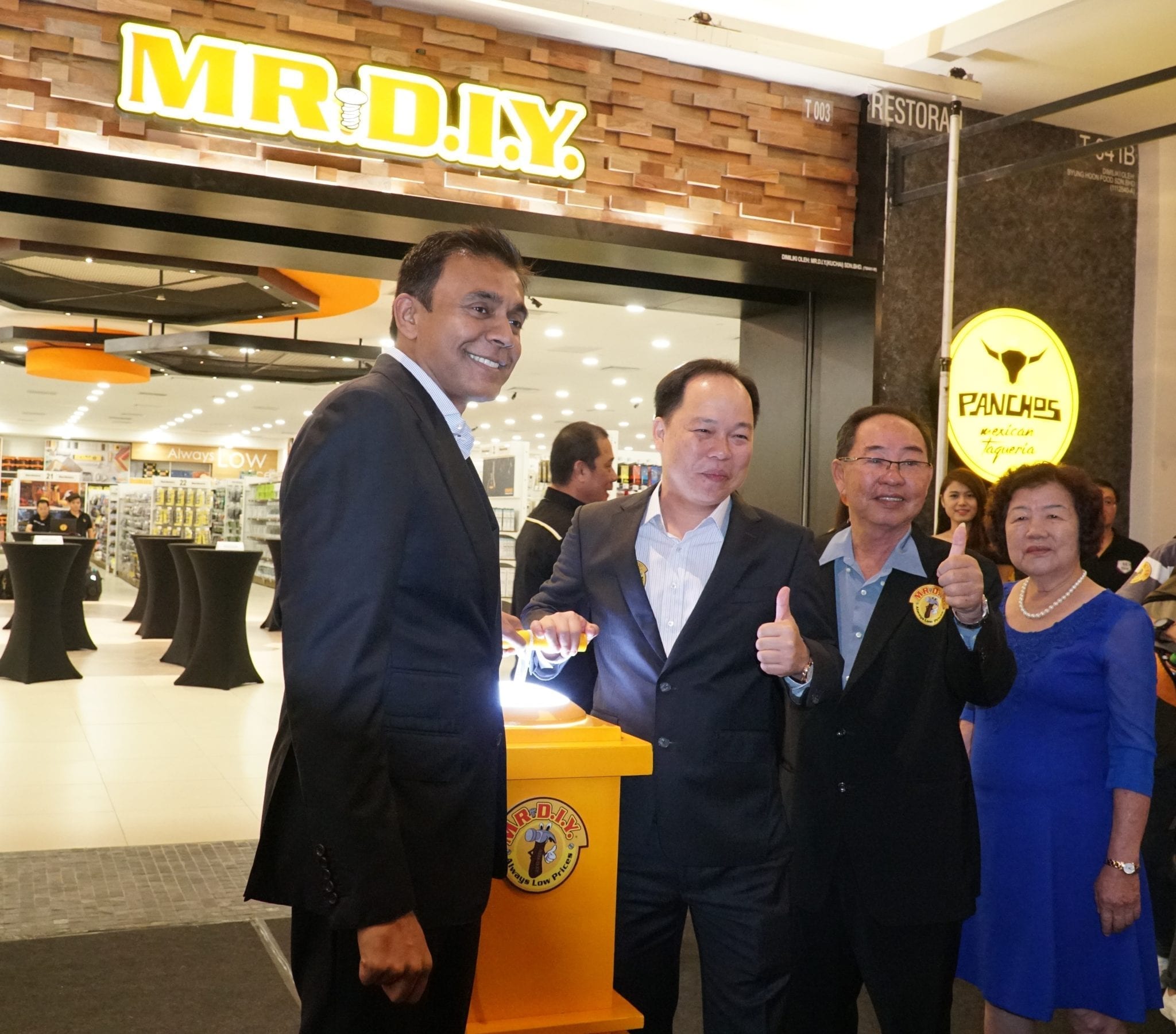
    Malaysian home improvement retailer Mr DIY has launched its first flagship store, at Mid Valley Megamall in Kuala Lumpur.

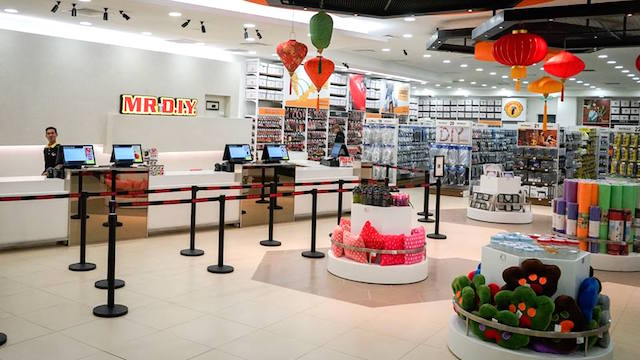
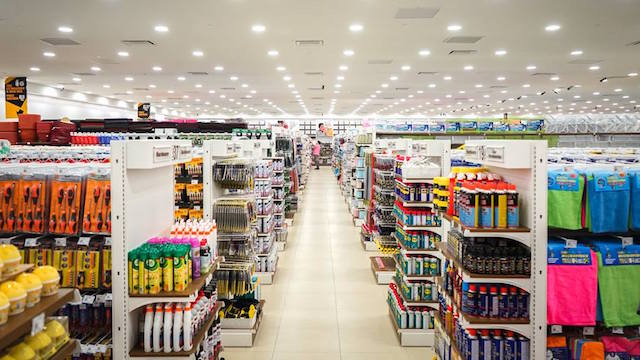
    The chain’s 360th store covers 1393sqm on the mall’s third-floor mezzanine, offering 20,000 product varieties across nine departments – household, hardware, electrical, car accessories, toys, stationery, gifts, sports, and jewellery and cosmetics.

    “This is an important milestone for Mr DIY’s growth in the region as we strive toward our vision of becoming the largest home-improvement retailer in Asia Pacific,” says Mr DIY Trading marketing head Andy Chin.

    With fresh concepts, the flagship store features a ceiling designed like a hexagon nut, plus there are walkways to make it easy for shoppers to navigate the store.

    Chin says RM2 million (US$511,000) was invested in the store, which is expected to drive a monthly footfall of 200,000 customers.

    He says it is an exciting year for the company. “We are targeting a total of 300 new stores across Asia Pacific, with 150 in Malaysia alone. Next, we are looking at expanding our reach into two new countries, Singapore and the Philippines, within the second half of the year while we are set to launch the Mr DIY e-commerce platform in the third quarter.”

    The retail chain last year recorded more than RM1 billion in revenue, serving 110 million customers. It started as a hardware store in Jalan Tuanku Abdul Rahman, Kuala Lumpur, in 2005 and now has more than 450 outlets throughout Malaysia and Asia Pacific, including Thailand, Indonesia and Brunei.

  • Petronas Gas proposes 19 sen dividend on better Q4 earnings

    Petronas Gas proposes 19 sen dividend on better Q4 earnings

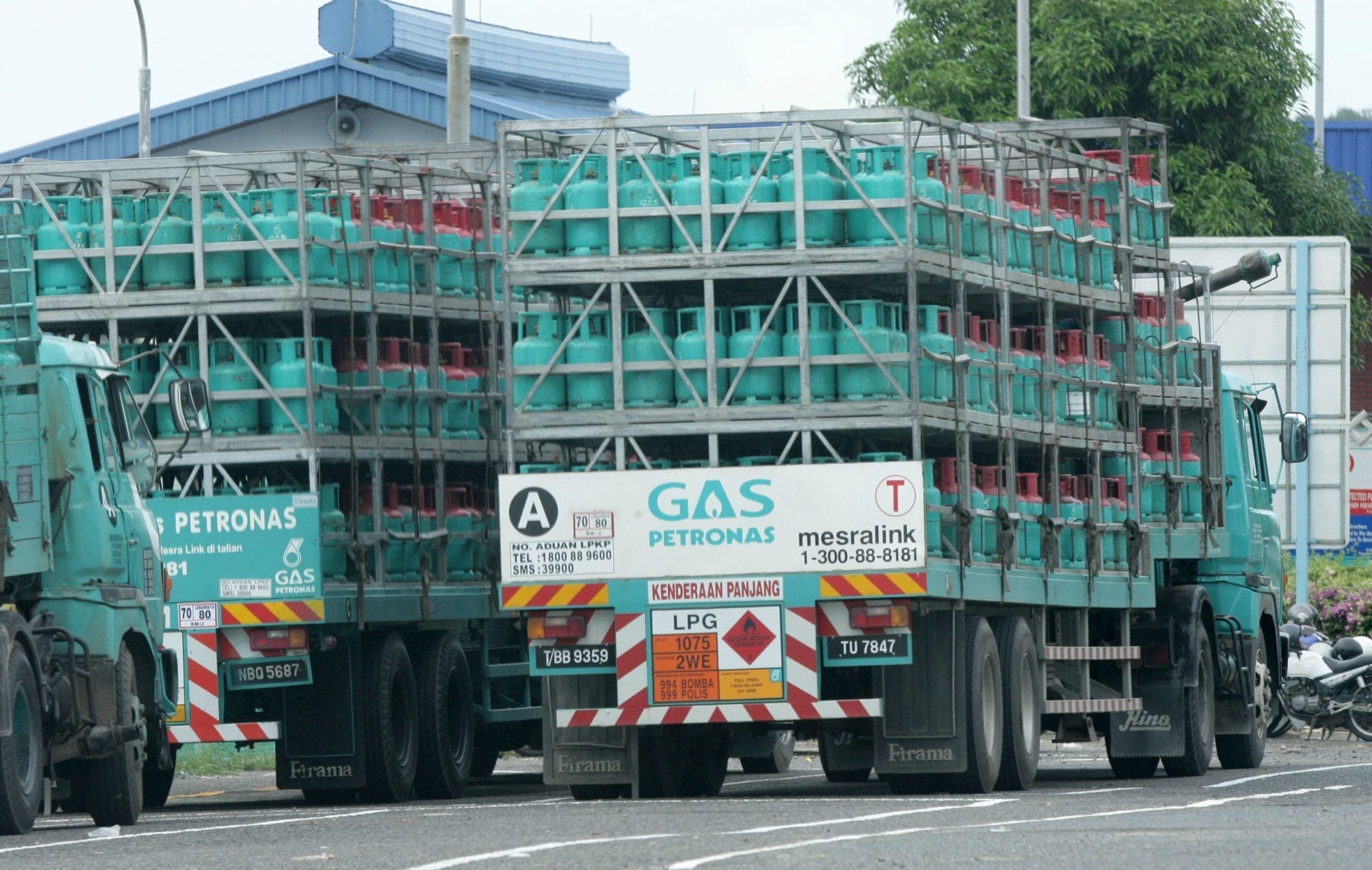
    Petronas Gas Bhd saw its net profit increase 4.7% to RM486.7 million for the fourth quarter ended December 31, 2017 compared with RM465.06 million in the same quarter a year ago, thanks to new contribution from its liquefied natural gas (LNG) regasification terminal in Pengerang, Johor and higher revenue from the gas processing and utilities segments on the back of higher performance-based structure income and favourable selling price.

    Its revenue expanded 13% from RM1.15 billion to RM1.3 billion.

    The group has proposed to declare a dividend of 19 sen per share amounting to RM376 million for the quarter under review.

    Petronas Gas’ full-year net profit rose 3.1% from RM1.74 billion to RM1.79 billion. Revenue came in at RM4.81 billion, 5.4% higher than the RM4.56 billion made a year ago.

    Looking ahead, the group expects its performance to remain robust in 2018, backed by its strong and sustainable revenue streams from existing gas processing agreement and gas transportation agreement signed with Petronas.

    “Furthermore, revenue stream for the regasification segment will grow with the first full year of operations at the group’s new LNG regasification terminal in Pengerang, Johor.”

    On Bursa Malaysia today, Petronas Gas ended down 2 sen or 0.1% at RM17.66, on volume of 827,800 shares.

  • Sunway Malls continues to be thronged with shoppers amidst new malls in the Klang Valley

    Sunway Malls continues to be thronged with shoppers amidst new malls in the Klang Valley

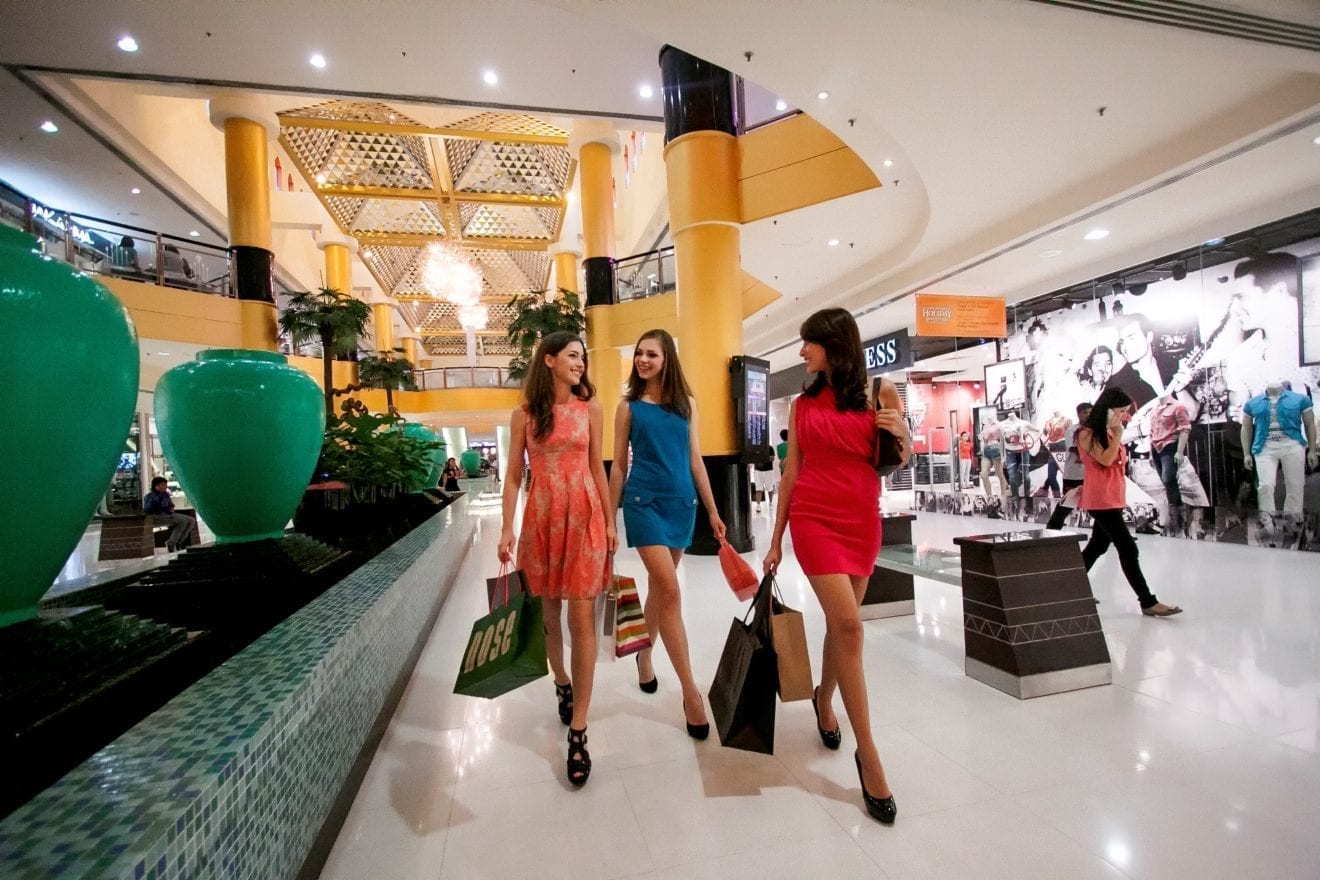
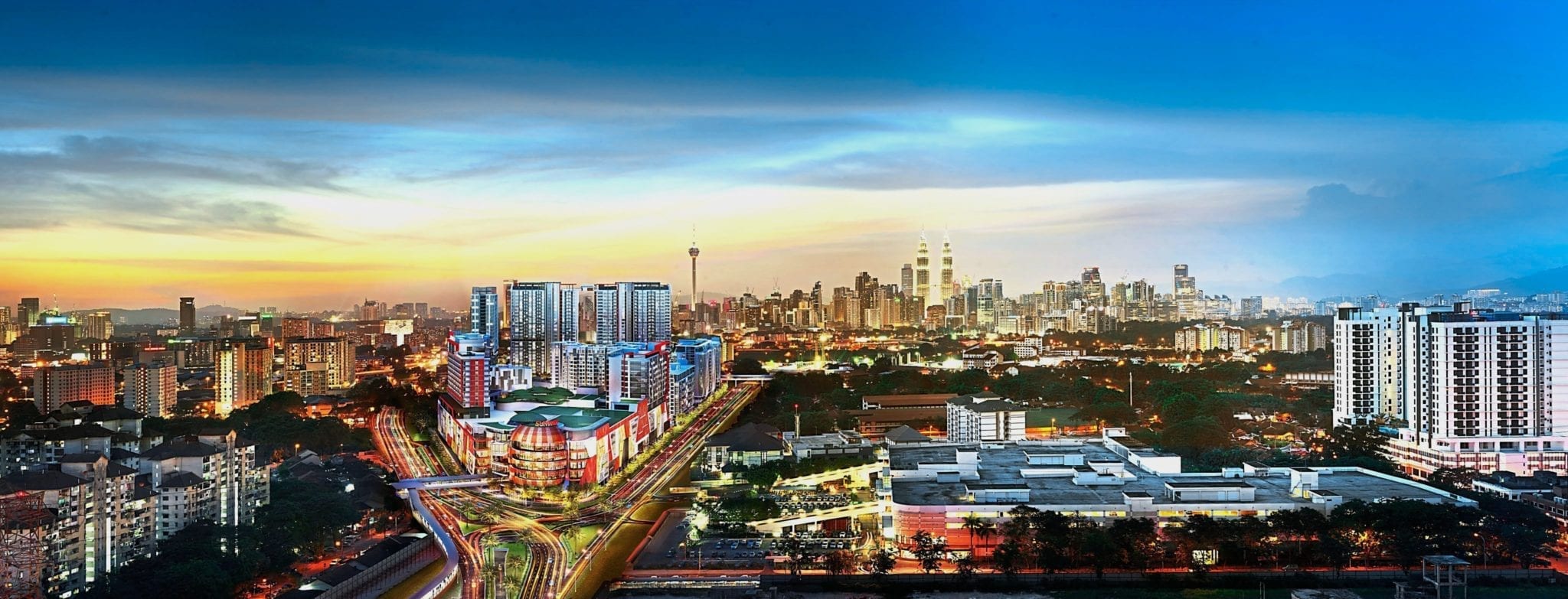
    Sunway Pyramid, Malaysia’s most iconic themed shopping destination, has recorded its highest traffic growth in 2017. The mall’s car count saw a positive 5% growth as compared to the year before amidst cautious consumer sentiment, disruption in ecommerce and the opening of more new malls in Klang Valley.

    Kevin Tan, the Chief Operating Officer of Sunway Malls, attributed this positive increase in traffic to multiple reasons.

    “Our Chairman, Tan Sri Dr. Jeffrey Cheah’s foresight to take pro-active steps to ease vehicular traffic congestions within Sunway City and Subang Jaya successfully facilitated better driving experience to Sunway City, said Kevin.
    “Tens of millions were spent to construct a new flyover, which flows traffic from KESAS into Sunway City with ease. More millions were then spent to widen the NPE roads leading to the Kewajipan roundabout, thus reducing congestion and freeing up the NPE road in front of the mall,” he continued.

    The flyover and road expansion were funded by Sunway as part of its community service to visitors of Sunway City. Sunway also contributed substantially to the Bus Rapid Transit, providing the community a cleaner alternative public transportation within Sunway City.

    There is also a plan in the pipeline to ease the congestion due to weaving traffic in front of the gateway entrance to the mall.

    Another co-relating factor is the increased parking capacity with the addition of the mall’s new wing, Sunway Pyramid West, where Sunway Clio Hotel is situated. Currently, the mall has approximately 10,000 parking bays integrated with Sunway Resort Hotel and Spa, Sunway Pinnacle and other Sunway business units nearby.

    “In addition to the 5% traffic growth, we see ride hailing as another key driver that positively contributed to the increase in footfall of the mall. The popularity of ride hailing services such as Grab and Uber is a plus factor providing alternative transportation to the mall without taking up our car park bays. It is estimated that
    these ride service arrivals is as high as 20% of the mall’s average car arrival”, said Kevin, who believes that ride hailing helps lessen the demand of car park bays during peak hours, which in return allow higher turnover of bays with lesser congestion and increasing the mall’s capacity to receive more cars.

    The mall also had a proliferation of non-shopping offerings expanding relative to shopping offerings with the growing trend on F&B and leisure spending.

    “The demand for F&B over the last few years had been so significant that 25%-30% of the today’s malls’ leaseable area is now catered to this trade category. Years ago, F&B took up less than 10% of the malls’ overall leased space. If you combine both the F&B and leisure trade categories today, it can go beyond 50% of the nett lettable area
    in a mall and these are significant traffic contributors,” Kevin explained.

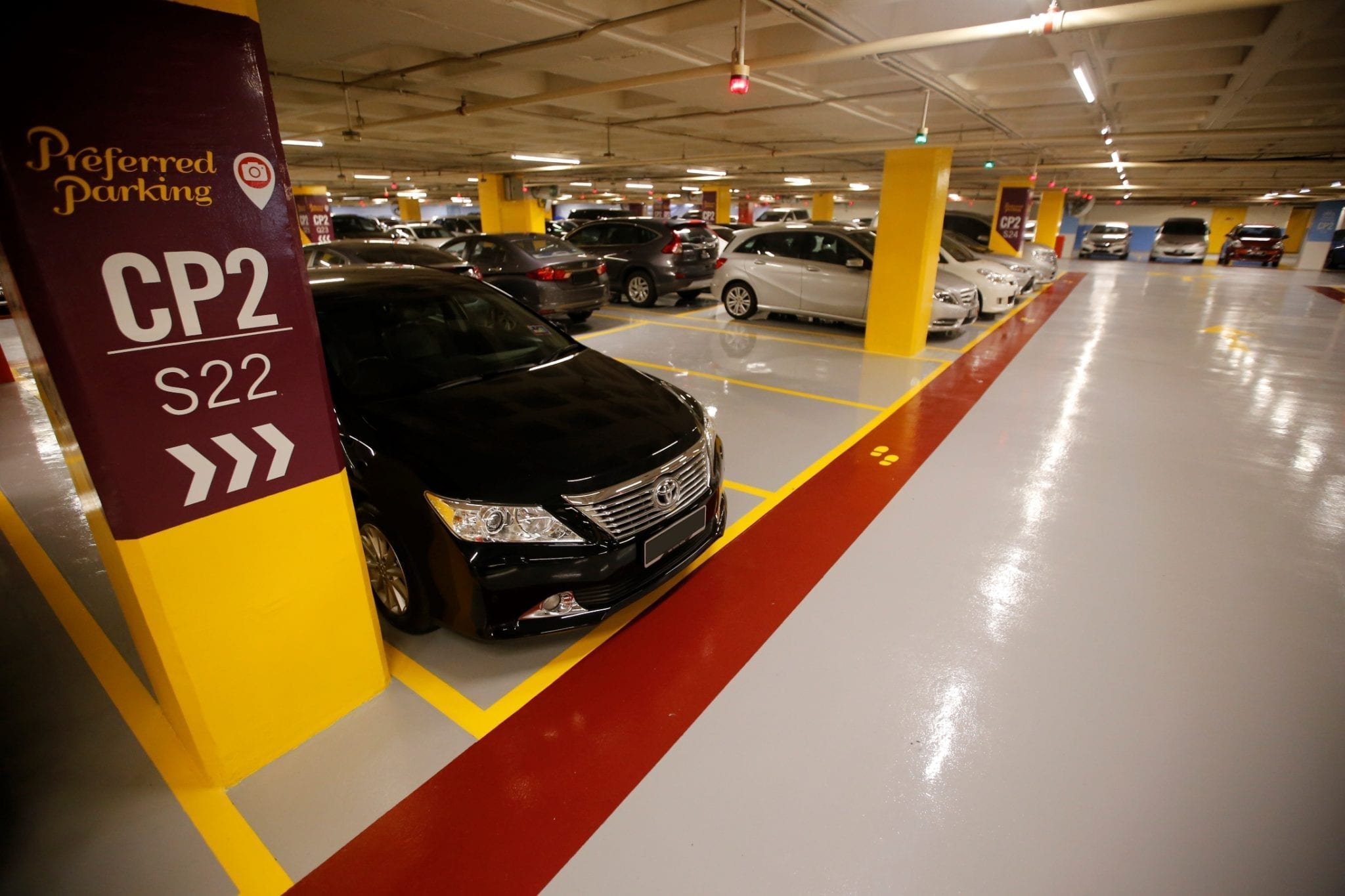
    The growth in traffic complements the mall’s plan to upgrade its parking ambience this year. The mall is uplifting its car park by applying epoxy flooring, starting with the Preferred Parking zone, and allocating charging stations for Mercedes electric vehicles.

    “We are further improvising the driving experience in our car park. A fresh coat of paint and flooring coated with epoxy is currently in progress, starting with our CP2 Preferred Parking. In view of the popularity of the Preferred Parking, we are allocating another zone for shoppers seeking convenience at B1,” said Jason Chin, General Manager of Operations for Sunway Malls, who also said that there is regular security patrol by the mall’s auxiliary police as safety has always been the mall’s top priority.

    “We are striving to create various new experiences to remain relevant to our shoppers. Those who visited the mall recently would be pleasantly surprised by sounds of the nature, especially birds chirping at our car park lobbies. We also decorated the lobby area so it creates a more wholesome ambience that depicts nature,” he
    continued.

    As for the tenants’ sales, the mall so far saw a positive growth for most of the brands. “With increased footfall, tenants have the opportunity to benefit with better sales performance. Our tenants are reporting robust growth in 2017. We cannot deny the challenging times for retailers as shoppers are spoilt for choice today. Those who
    offer value marketing, social retailing and strong brand loyalty appeal to shoppers to spend at their particular store,” said Kevin.

    2017 was a key milestone for Sunway Pyramid as the mall celebrated its 20th anniversary and was accorded The Edge Malaysia Property Development Excellence Award.

  • Arabesque eyes pension funds as it looks to expand in Asia

    Arabesque eyes pension funds as it looks to expand in Asia

    Arabesque Asset Management (Arabesque), a London-based boutique money manager, is looking to expand its presence in Asia, and is setting its sights on pension funds in the region.

    The company, which specialises in environmental, social and governance (ESG) investments, had assets under management (AUM) of US$150 million as at end-2017. Most of its customers are family offices.

    Arabesque Chairman Georg Kell says the company is looking at “securing mandates from Asian pension funds”.

    “As an asset management firm that is very focused on ESG, we are in good position to capture the growth and demand for ESG investment by institutional investors and pension funds,” Mr. Kell said on the sidelines of a recent capital market conference in Kuala Lumpur.

    He declined to disclose which Asian pension funds Arabesque is in discussions with.

    A growing number of pension funds in Asia have begun to take ESG investments more seriously in recent years.

    Japan’s Government Pension Investment Fund, which had AUM of $1.5 trillion at the end of 2017, said last year it plans to allocate 1 trillion yen ($9 billion) or 3% of its equities portfolio into companies that practice ESG.

    In Malaysia, Kumpulan Wang Persaraan, the country’s second largest pension fund, hopes to have 70% of its AUM be ESG-compliant by an undisclosed timeline, up from the current 50%. The fund had AUM of over 137 billion ringgit ($35.22 billion) as at end-September 2017.

    Mr. Kell says Arabesque, which was founded in 2013, needed a few years to build its track record before moving to expand aggressively.

    “In this industry, you are pretty much non-existent until the third or fourth year onwards,” he says.

    According to Mr. Kell, Arabesque will also be looking to grow its retail investor business. This will be done via partnerships with local players because it can be costly to set up a distribution network to reach out to retail investors.

    “In Malaysia, we have a partnership with BIMB Investment Management. We are looking for similar partnerships in the region,” he says.

    But he believes it’s important to educate retail investors about ESG products in order to boost demand.

    “In Asia, their (retail investors) mindset is not open enough… Of course, we know that building something new is never easy. It takes time,” Mr. Kell says. “Nevertheless, I am confident that sustainable investing is here to stay and will become a new normal.”

  • Rewarding airport shoppers

    Rewarding airport shoppers

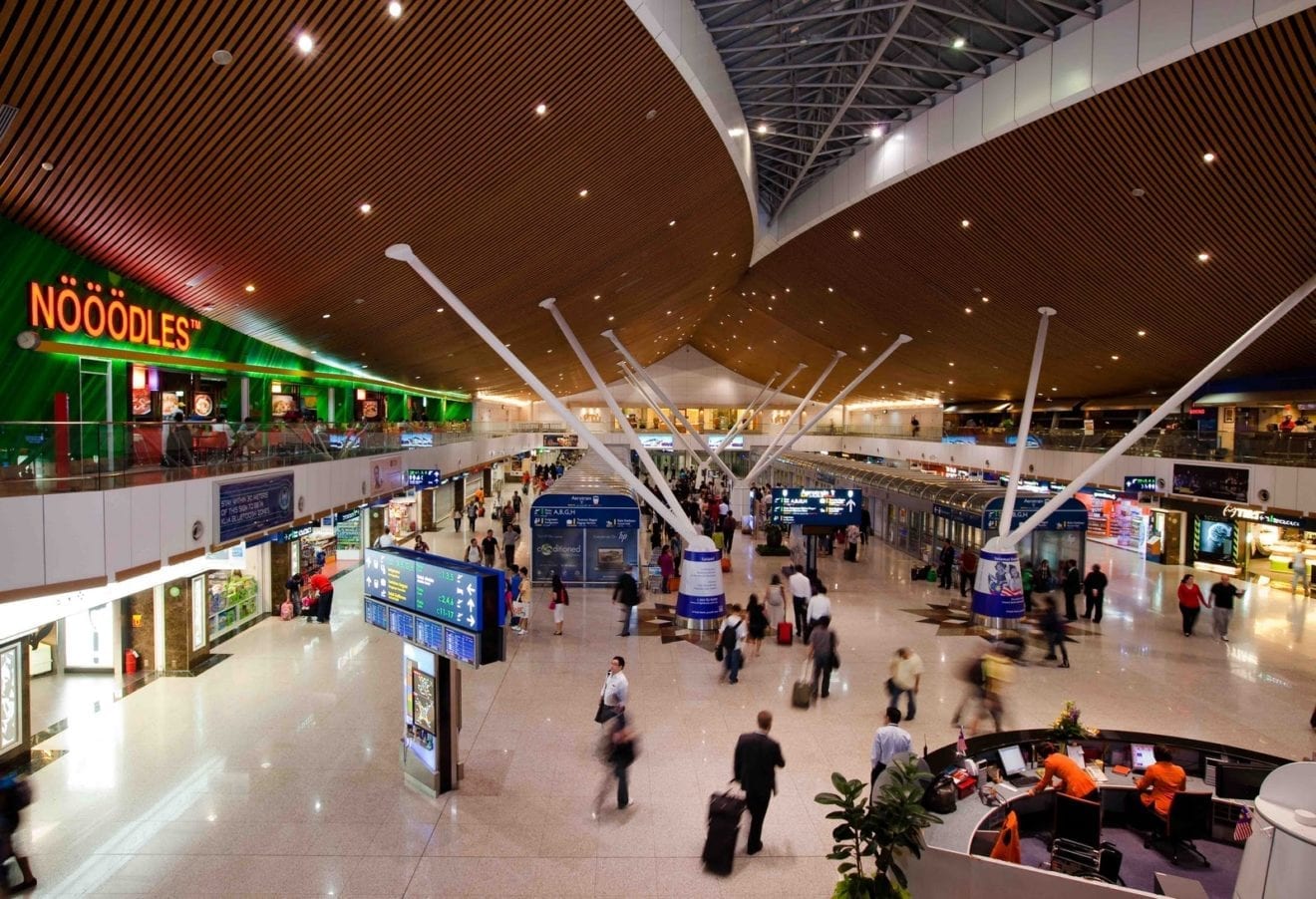
    Malaysia Airports (Niaga) Sdn Bhd, also known as Eraman, presented prizes to the winners of two contests during a ceremony held at Express, Level 3, Domestic Arrival, KL International Airport.

    The two contests, Shop & Stay and Dining Contest, launched in September and October respectively, are part of Eraman’s way to reward customers.

    The Shop & Stay Contest attracted thousands of entries.

    Malaysia Airports (Niaga) Sdn Bhd general manager Zulhikam Ahmad presented the prizes to all the lucky winners.

    He also expressed his delight over the good response both contests received.

    “It is great to see that Eraman has so many loyal customers and I would like to take this opportunity to thank everyone for their support.

    “These contests are our way of expressing our thanks to our loyal customers.

    “We hope that with these exclusive prizes, our customers will spend more at Eraman,” said Zulhikam.

    During the Shop & Stay Contest period, Eraman customers who spend a minimum of RM40 in a single receipt at Express are entitled to join the contest and win luxury hotel stays in Malaysia.

    These customers are also entitled to receive a RM10 cash voucher which can be redeemed at Chocolate Shop KLIA and the Duty Free Emporium International Arrival Hall, klia2.

    So far, two winners from each cycle – September-October, October-November and November-December – were presented with an exclusive holiday package of 4D3N stay at Shangri La Rasa Sayang Resort & Spa Penang, Tanjong Jara Resort, Terengganu and Hyatt Regency Sabah respectively, while consolation winners received RM100 worth of Eraman cash vouchers each.

    The six-month Shop & Stay Contest ends on March 14.

    One of the winners, Asmara Mansor from Kuching, Sarawak, said: “I feel very happy and blessed. I cannot believe I have won a holiday trip to Shangri-La Rasa Sayang, Penang.

    “I purchased some bread and buns at Express before my flight back to Kuching.

    “This is my second time winning a prize through Eraman. I won RM500 worth of Eraman shopping vouchers a few years ago. I guess I am lucky,” she said.

    Meanwhile, the Dining Contest which took place from Oct 1 to Dec 31 at Food Garden, rewarded three grand prize winners with two return flight tickets each to Krabi, Thailand (October winner), Bandung, Indonesia (November winner) and Hanoi, Vietnam (December winner).

    Three first prize winners received P10 Huawei smartphones while nine consolation winners were given Eraman cash vouchers worth RM100.

    “The Dining Contest managed to deliver what it set out to achieve.

    “This contest, a first for Food Garden, got the airport community and travellers to dine at Food Garden and create awareness of the many offerings that are available at Food Garden.

    “With the increase in passengers and new tenants such as Nasi Kandar and Alamin Food Empire, sales performance has increased overall, said Zulhikam.

    October grand prize winner Didayatul Adha Mohd Ros from Nilai, Negri Sembilan, said: “I plan to go to Krabi with my family during the school holidays in March. Thank you Eraman, for organising this contest,” she said.

    In conjunction with the Chinese New Year celebration, Eraman is also having Combo Deals for its customers.

    In addition to participating in the Shop & Stay Contest, customers can enjoy a combo of a drink and bun for RM2.50.

    On top of that, purchases of RM25 and above at Express as well as Eraman’s food and beverage eateries will entitle customers to a complimentary ang pow.

    Read more at https://www.thestar.com.my/metro/metro-news/2018/02/20/rewarding-airport-shoppers-retail-brand-gives-out-hotel-stays-and-flight-tickets-to-lucky-winners/#mIZBemyEtkF6WDPs.99

  • Now you can WhatsApp and fly with AirAsia

    Now you can WhatsApp and fly with AirAsia

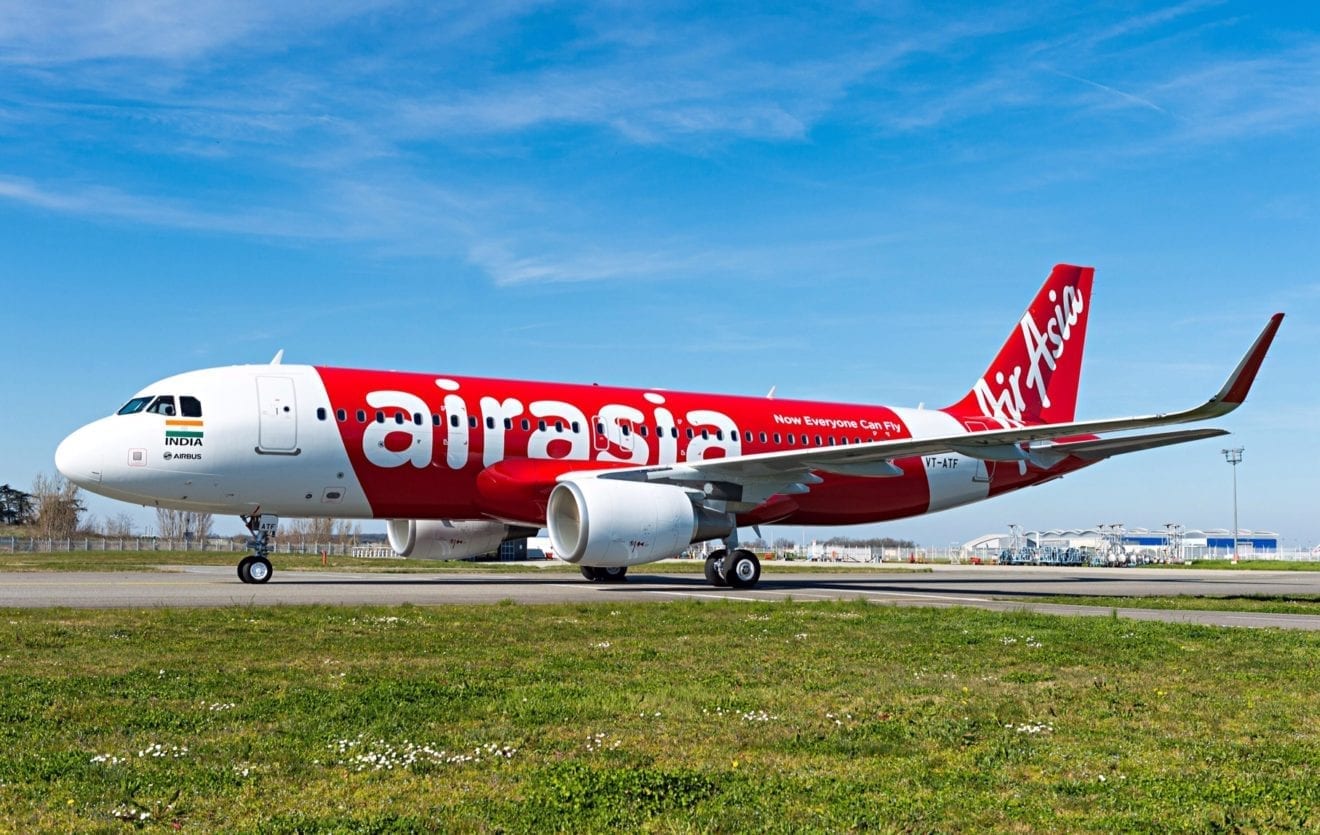
    Members of AirAsia’s loyalty programme will be able to enjoy free in-flight Internet on carriers with ROKKI WiFi starting from today.

    All AirAsia BIG members will receive 2MB chat plans for apps WhatsApp, WeChat, LINE, KakaoTalk and Viber that can be activated when they fly on ROKKI-enabled flights.

    Rokki chief executive officer Lalitha Sivanaser said the company recognised the importance of staying connected on the move, even during a flight.

    “Connectivity is integral to our lives. We hope this free inflight Internet will help guests stay in touch with their friends and family and get the latest updates no matter where they are.

    “ROKKI is continuously advancing the digital transformation on board, further enhancing the inflight portal that offers entertainment, news, and exciting shopping deals on their personal mobile devices while flying,” added Sivanaser.

    To redeem the plan, BIG Members need only connect to the ROKKI portal using their AirAsia BIG login details.

    The experience is available on any of AirAsia’s 44 ROKKI-enabled aircraft with free connection via personal mobile device.

    ROKKI is an inflight entertainment and connectivity platform that offers guests free entertainment, music, games and news, as well as shopping features.

  • Air Asia X to stop flights from Mumbai

    Air Asia X to stop flights from Mumbai

    Malaysian budget carrier AirAsia has decided to pull out its flights from Mumbai to Kuala Lumpur from April 30.

    AirAsia India spokesperson saying passengers booked on the sector after April 29 will be allowed to either re-route through other destinations, get a credit refund, change the travel date or get a full refund.

    The Mumbai-Kuala Lumpur flight has been popular with tourists to Malaysia and Bali, where Air Asia has excellent connections. If you were planning your South Asia summer holiday, you still have three good options from Mumbai. The following airlines operate non-stop flights:

    Malindo Air flies to to Kuala Lumpur from Mumbai every day, with a flight duration of 5 hours and 20 minutes. Book your tickets here.

    Malaysia Airlines also has daily non-stop flights between Mumbai and Kuala Lumpur. Book tickets here.

    Jet Airways flights, operated by Malaysia Airlines as a part of codeshare, will also take you to Kuala Lumpur in just 5 hours 20 minutes. Book here.

    Other primary carriers that will get you there with 1 short stop along the way include Singapore Airlines, Air India, Emirates, Etihad, Cathay Pacific and Sri Lankan Airlines, to name a few.

  • ShopBack searching for Singapore’s biggest online shopaholic

    ShopBack searching for Singapore’s biggest online shopaholic

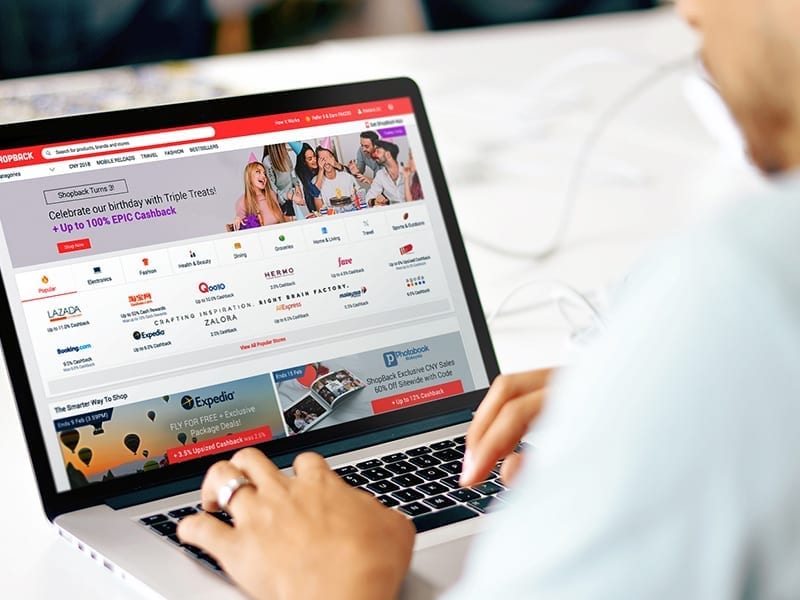
    E-commerce start-up ShopBack is teaming up with online social networking service LinkedIn to hunt for its Chief Shopping Officer.

    The Chief Shopping Officer will identify the best deals and shop for him or herself at any of ShopBack’s 500+ merchant partners, including Singapore Airlines, FoodPanda, Cathay Cineplexes, Grab and more.

    The online loyalty platform will provide SGD11,271 in shopping funds for the role, which will commence from 1 March – 30 April 2018. All purchases and cashback accumulated during the period of employment will be for the Chief Shopping Officer to keep thereafter.

    Applications for the temporary role will run for three weeks (ending on March 5, 2018) on LinkedIn and the Chief Shopping Officer will be officially announced on March 13, 2018.

    “There’s no better way for us to find out what our customers want than picking a Chief Shopping Officer from among them. Most of these customers do not necessarily have a professional background as a shopper and have regular day jobs. We wanted to tap professionals on LinkedIn, who may be a hardcore programmer by day, but an online bargain hunter at night,” said Vincent Wong, country head at ShopBack Singapore.

    ShopBack said it is looking for candidates who can work remotely with at least two to three years of online shopping experience with a knack for sniffing out the best online bargains. The role also requires some video editing skills and being on camera.

    Linda Lee, LinkedIn’s head of communications for South-east Asia and North Asia, added the company is seeing companies in Singapore and the Asia-Pacific region hire for more fun and unconventional roles on the website.

  • Malaysia’s 2017 exports up 18.9%, highest jump in 12 years

    Malaysia’s 2017 exports up 18.9%, highest jump in 12 years

    Malaysia’s total exports saw an increase of 18.9% to RM935.4 billion in 2017, the highest growth since 2005, official data showed.

    Total imports rose 19.9% to RM838.1 billion, lifting the 2017 trade surplus 10.3% to RM97.25 billion, the highest surplus recorded since 2012. Total trade surpassed RM1.7 trillion in 2017.

    MIDF Research projects export growth to average 9.3% in 2018, underpinned by continuous buoyant momentum in global trade activities, further recovery in commodities prices and receding protectionism threat.

    “Similar to 2017, we foresee upbeat momentum in global trade activities will continue and supported with gradual rise in commodity prices as well as receding of protectionism threat. Hence, we are optimistic that Malaysia’s external trade performance will continue expanding at steady pace in 2018.”

    In December 2017, Malaysia’s export growth moderated to 4.7% to RM79.3 billion, while imports expanded 7.9% to RM72.1 billion. Total trade stood at RM151.4 billion, representing a 6.2% growth compared with the same month in 2016. However, it posted a decrease 3.6% compared with the previous month.

    The trade surplus for December 2017 declined 19.% to RM7.3 billion against December 2016. It dropped 27.2% compared with November 2017.

    The value of electrical and electronic products, which accounted for 36.2% of total exports, increased 6.2% to RM28.7 billion, while liquefied natural gas and crude petroleum rose 4.8% and 6.9% to RM4.1 billion and RM2.7 billion, respectively.

    However, decreases were registered in refined petroleum products (-6.2%), timber and timber-based products (-11.4%), natural rubber (-24.4%), and palm oil and palm oil-based products (-0.4%).

    Geographically, export growth was supported by expansion in shipments to Hong Kong (+RM1.6 billion), China (+RM1.3 billion), European Union (+RM853.0 million), Vietnam (+RM589.7 million) and South Korea (+RM512.5 million).

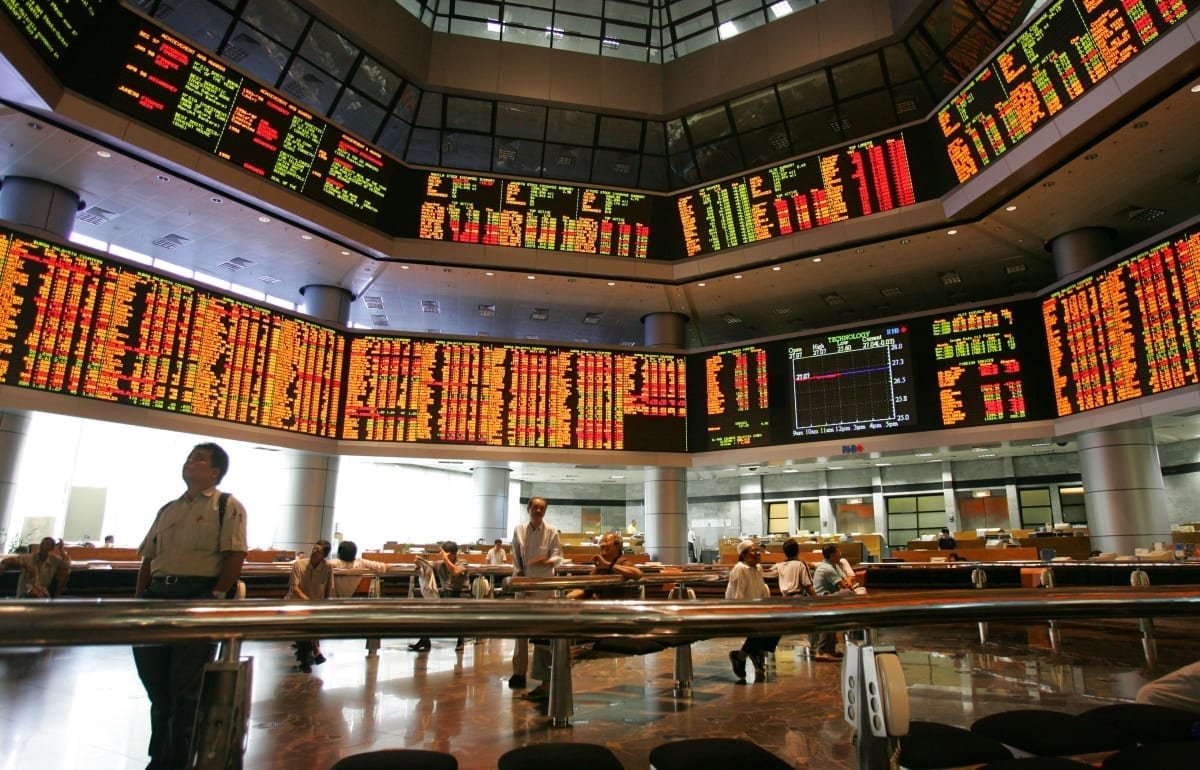
  • Bursa Malaysia to trade firmer this week

    Bursa Malaysia to trade firmer this week

    Bursa Malaysia is expected to trade firmer next week, taking cue from the encouraging 2017 gross domestic product (GDP) data released on Wednesday.

    Affin Hwang Investment Bank Vice-President/Head of Retail Research, Datuk Dr Nazri Khan Adam Khan said the 5.9% GDP growth, deemed as positive and taking on the good momentum from last year, would improve investors’ appetite on the local bourse.

    “We can see that the volume has gone up too, which means we have the momentum to trend higher next week.

    “The benchmark FTSE Bursa Malaysia KLCI (FBM KLCI) is also likely to touch the 1,860 points level next week,” he said.

    Bank Negara Malaysia in a statement said Malaysia’s GDP expanded 5.9% in the fourth quarter of 2017 from a year earlier, driven mainly by private sector demand, with support from the external sector, while the 2017 full-year GDP grew 5.9% against the 4.2% expansion in 2016.

    The central bank said the outlook for 2018 remained favourable, supported by domestic demand.

    Nazri said that the ringgit is also expected to be higher next week amid a stronger current-account surplus of RM12.9 billion in the fourth quarter last year.

    “The rebound in the ringgit to currently quote at 3.8-level, recovery in oil prices as well as positive sentiment on global equity markets, will boost the FBM KLCI’s performance and increase investors’ confidence,” he added.

    Meanwhile, Maybank Investment Bank in a note said in the first half of 2018 (1H2018) Market Outlook session, it expects fiscal stimulus pre-GE14 (General Election-14) and Bank Negara’s overnight policy rate (OPR) hike to be the two main thematics driving investment.

    “But for the longer term play, the focus is on multi-year orderbook replenishment in infrastructure construction, tourism and Look East Malaysia.

    “Fiscal stimulus in the lead up to the general election will be those in the consumer sector as a boost to disposal income is expected to continue and will be front loaded in 1H2018.

    ‘While for the OPR, it will benefit banks and it is believed, contractors will have the highest potential of winning jobs for the upcoming megaworks,” it added.

    On a Thursday-to-Friday basis, the benchmark FTSE Bursa Malaysia KLCI (FBM KLCI) finished 18.46 points higher at 1,838.28.

    The FBM Emas Index jumped 142.43 points to 13,117.49, the FBMT100 Index appreciated 127.74 points to 12,829.58 and the FBM Emas Syariah Index fell 132.54 points to 13,145.10.

    On a sectoral basis, the Plantation Index gained 50.94 points to 7,996.97, the Industrial Index declined 18.70 points to 3,202.66, while the Finance Index increased 137.94 points to 17,594.41.

    Weekly turnover went down to 6.46 billion units worth RM7.76 billion from 15.68 billion units valued at RM16.43 billion.

    Main market volume fell to 4.08 billion shares valued at 7.30 billion from 10.01 billion units worth RM15.42 billion.

    Warrant turnover decreased to 1.24 billion units worth RM242.26 million from 2.79 billion units valued at RM566.26 million last week.

    The ACE market slipped to 1.10 billion shares worth RM205.73 million from 2.83 billion units worth RM432.96 million previously.

    The local market was closed on Friday for the Chinese New Year celebration.

    The gold futures contract on Bursa Malaysia Derivatives is likely to extend gains next week as investors remain cautious on global equity markets and a weaker US dollar, said an analyst.

    OANDA Corp Head of Trading for Asia Pacific, Stephen Innes said higher US inflation combined with the US dollar exhibiting zero correlation to higher interest rates amidst burdening dual deficits, should play out favourably for the gold markets.

    “Gold is in a perfect spot to extend gains. Higher US inflation as expressed through the higher consumer price index data is positive. We could see a more significant move into gold if equity prices start to lose traction,” he said.

    Another dealer said Bursa gold futures market might track closely the movement of COMEX gold’s Friday close to get direction of the week.

    The local gold market traded higher throughout the holiday shortened week in line with COMEX gold.

    The market was traded half-day on Thursday and closed on Friday for the Chinese New Year celebration.

    On a Thursday-to-Friday basis, February 2018 increased 46 ticks to RM169.40 a gramme, March 2018 rose 37 ticks to RM169.65 a grame, April 2018 jumped 49 ticks to RM170.45 a gramme and May 2018 went up 37 ticks to RM170.20 a gramme respectively.

    Weekly turnover eased to 15 lots worth RM286,365 from last week’s 26 lots valued at RM436,615, while open interest eased slightly to 72 contracts from 75 contracts.

  • Sunway Developments in bid to redevelop residential estate in Singapore

    Sunway Developments in bid to redevelop residential estate in Singapore

    Sunway Bhd’s unit Sunway Developments Pte Ltd (SDPL) and Singapore-based Hoi Hup Realty Pte Ltd have entered into a sale and purchase agreement with the collective majority owners of a 160-unit private residential estate in Clementi, Singapore for S$530.0 million (RM1.6 billion).

    According to a filing with Bursa Malaysia, SDPL, Hoi Hup and S C Wong Pte Ltd plan to set up a joint venture company to re-develop Brookvale Park, which sits on a 999-year leasehold land measuring 34,654 square meter, into a new private residential development with an allowed plot ratio of 1.6 times. The plan is subject to authorities’ approval.

    Hoi Hup, SDPL and S C Wong Pte Ltd will have 60% : 30% : 10% interests respectively in the joint venture.

    SDPL is expected to pump in about S$70.0 million or RM210.0 million into the venture.

    The proposed project is expected to contribute positively to the earnings of Sunway Group from the financial year ending Dec 31, 2019 onwards.

    The group’s share price closed down one sen at RM1.65 with some 921,500 shares changing hands last week.