Tag: Malaysia

  • BAssets continues to up stake in 7-11 Malaysia

    BAssets continues to up stake in 7-11 Malaysia

    After rumblings that 7-Eleven Malaysia Holdings is being targeted for privatisation, diversified group Berjaya Assets (BAssets) has taken steps to achieve this.

    BAssets is owned by businessman/investor Vincent Tan Chee Yioun, who has started mopping up 7-Eleven shares on the open market.

    “Something is brewing between 7-Eleven Malaysia and BAssets – a corporate exercise is being contemplated,” the newspaper says, quoting an unnamed source.

    BAssets last week surfaced as a substantial shareholder of 7-Eleven Malaysia. It has a 5.1 per cent stake after acquiring 5.1 million shares on the open market and through direct deals.

    Tan himself is already a major shareholder in 7-Eleven, along with Sultan Ibrahim Sultan Iskandar.

    Including BAssets’ stake, Tan has total equity interest of 42.46 per cent in the 24-hour convenience store chain. He also controls BAssets with a 59.36 per cent stake. Sultan Ibrahim is the second-largest individual shareholder of 7-Eleven Malaysia with a 15.52 per cent direct stake, and he also has a 9.38 per cent direct stake in BAssets.

    Tan’s Berjaya Retail, the single largest shareholder of 7-Eleven Malaysia, has pared down its stake from 48.62 per cent as at January 9 last year to 31.61 per cent in October.

    According to the 7-Eleven corporate website, it has 17,799 stores in Japan, 8469 in Thailand, 5022 in Taiwan, and 477 in Singapore. In Malaysia, it has more than 2100 stores serving about 900,000 customers daily.

  • Cotton On’s Factorie to step out from two markets

    Cotton On’s Factorie to step out from two markets

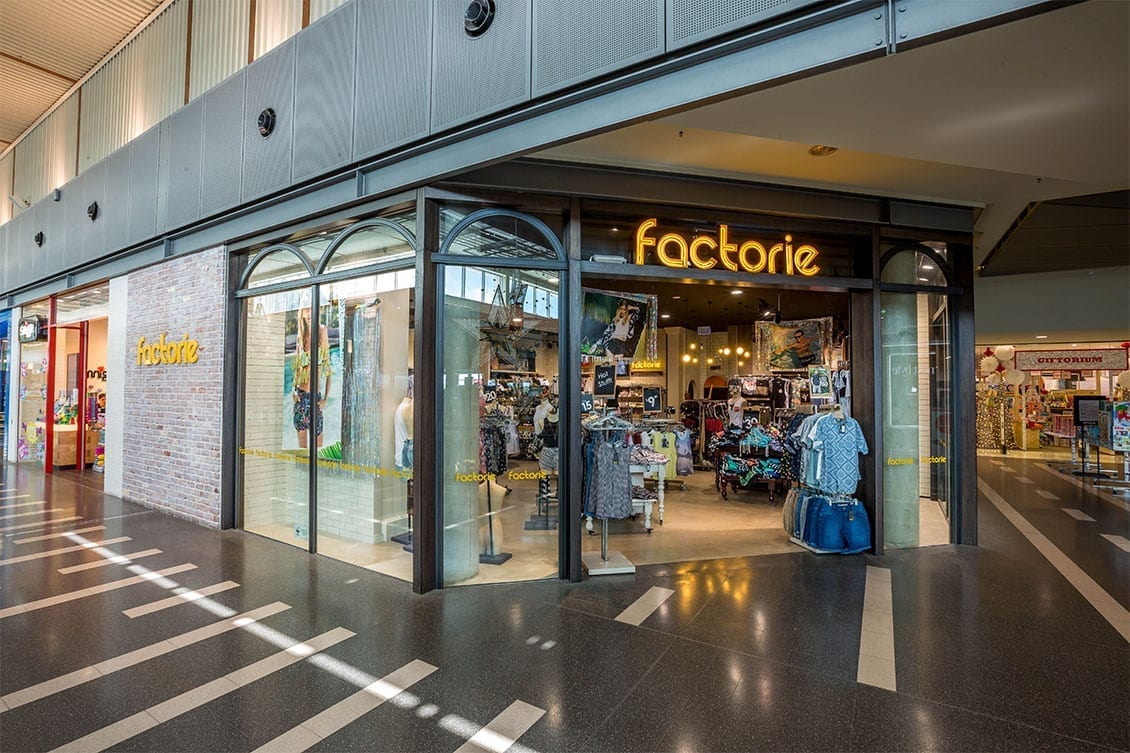
    Cotton On Group has confirmed it is withdrawing its fashion brand Factorie from Malaysia and Singapore.

    A spokesperson says the move impacts eight outlets, four in each country, but the company will seek to improve its store footprint across the markets. “We value the incredible contribution our team members have made to Factorie …they remain our number-one priority and we’re working closely with them to identify opportunities for their redeployment within the business.”

    The spokesperson would not comment on the reason behind the closure. While the stores are scheduled to shutter by the end of next month, Factorie products will still be available online on Zalora.

    Factorie entered the Asia Pacific market in 2013. Its latest move follows fashion brands such as Celio and New Look leaving the Singapore market.

    Meanwhile, the retail industry in Malaysia saw sales dip 1.1 per cent in the third quarter last year. According to a Retail Group Malaysia report, this was because of a drop in purchasing power among Malaysians.

  • AirAsia, AirAsia X Malaysia log increase in passenger volume, load factor in Q4 2017

    AirAsia, AirAsia X Malaysia log increase in passenger volume, load factor in Q4 2017

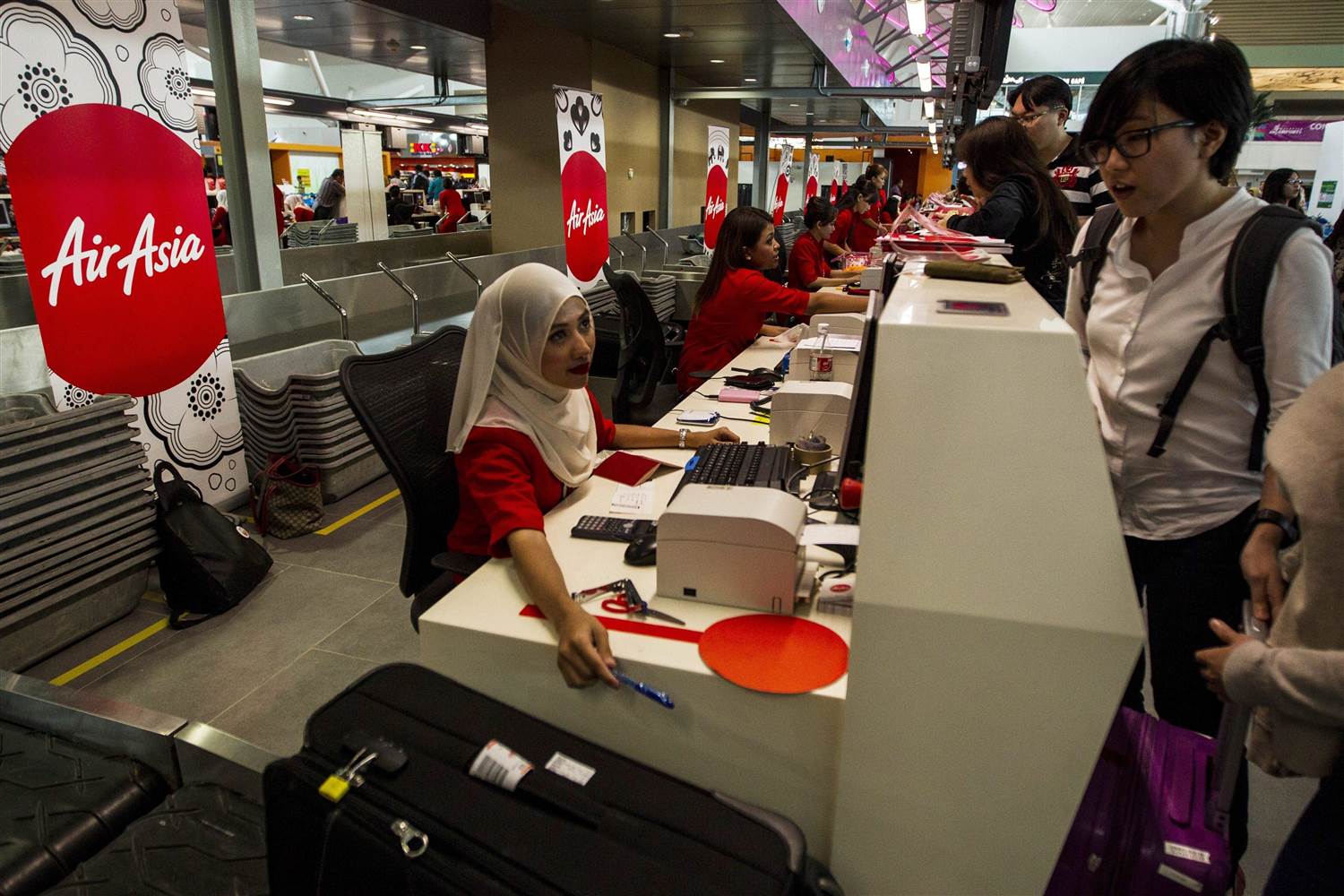
    Budget airlines AirAsia Bhd and its long-haul carrier counterpart AirAsia X Bhd registered higher year-on-year passenger volume and load factor in the fourth quarter of 2017.

    Air Asia carried 10.44 million passengers between October and December 2017, which is a 17% increase from the previous year’s 8.25 million, in line with the 16% seat capacity increase to 11.93 million.

    The low-cost carrier, which saw an expansion to its fleet to 116 aircraft, also saw its load factor improve by 1% to 88% against the 87% registered in the same quarter in 2016.

    Meanwhile, its Malaysian operations reported a 15% increase in passenger volume to 7.79 million from 6.76 million in the quarter under review.

    AirAsia commenced 10 new routes, five originating from Malaysia, two from the Philippines and three from India, while AirAsia Japan commenced its first flight on October 29, 2017, flying between Nagoya and Sapporo.

    On another note, AirAsia X carried 1.54 million passengers in the last quarter of 2017, translating into a 12% increase from the fourth quarter of 2016. Load factor improved 2% to 83% while capacity expanded 10% to 1.87 million from 1.7 million.s

  • Cypark awarded RM260.51 million solar plant project

    Cypark awarded RM260.51 million solar plant project

    Cypark Resources Bhd has bagged a RM260.51 million contract for the construction of a 30MW large scale solar photovoltaic plant at Empangan Kelinchi, Negeri Sembilan.

    The company told Bursa Malaysia it had on January 26 accepted the conditional letter of award dated January 26, 2018 from Cove Suria Sdn Bhd.

    The engineering, procurement, construction and commissioning of the plant is for a period of 24 months, while operation and maintenance will last for 21 years.

    At 2.31pm, Cypark’s share price was unchanged at RM2.52 on some 227,300 shares done.

  • Jaya Grocer to open five more outlets in 2018

    Jaya Grocer to open five more outlets in 2018

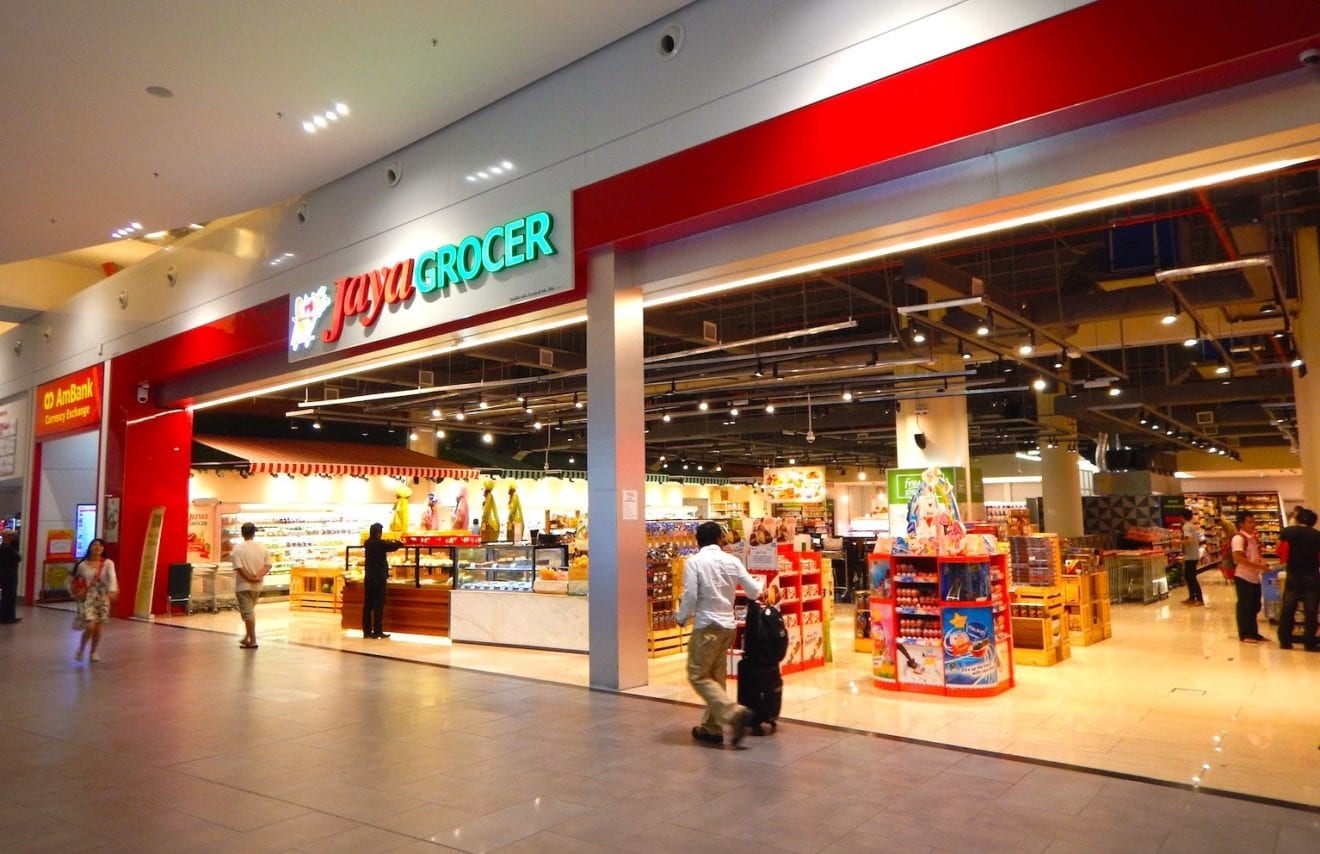
    Neighbourhood fresh grocer Jaya Grocer, which celebrates its 10th anniversity, plans to open five more outlets in the Klang Valley this year.

    Its operations director Daniel Teng said on Thursday the outlets would be at Eco Ardence at Setia Alam in February; Kuala Lumpur Eco City (KLEC) at Bangsar in June; Empire City Damansara in July; Kiara 163 at Mont Kiara in September, and Kuala Lumpur East at Taman Melati in December.

    Jaya Grocer has 22 outlets. The latest outlet opened at Sunway Iskandar Citrine Hub in Johor last week.

    As part of its anniversary celebrations, Jaya Grocer is offering 10 items on special promotional prices each week since the start of the year.

    During a briefing for the media at Starling Mall Jaya Grocer in Damansara Utama, he said the management team is led by retail veterans with a family heritage dating back to pre-Independence Malaya.

    “We are proud of our heritage and are yet humbled by the overwhelming support shown by our loyal customers through the decades,” Teng said.

    On the opening of its Bangsar Market by Jaya Grocer, he said it would be one of the largest “urban fresh grocers” in the country.

    This would be located at the KLEC, a strategic and synergistic public-partnership between developer SP Setia Bhd and Kuala Lumpur City Hall.

    “The concept of Bangsar Market by Jaya Grocer is to bring back the feeling of shopping in a fresh wet market which is clean and well laid out. We hope to meet the discerning demands of sophisticated modern day shoppers in the city,” Teng said.

    Bangsar Market will occupy 54,000 sq ft or the entire second level of the mall.

    On Jaya Grocer’s online delivery service, Teng said it would be gradually expanded to cover more areas in the Klang Valley, beginning with its Pearl Point Outlet in Jalan Klang Lama.

    “Since we started at the end of 2016, our online segment has grown by 30%,” said Teng.

    “It has certainly helped to meet a need among modern consumers with a hectic city lifestyle or busy mothers with young children who cannot spare time to shop in person.

    “We provide same day delivery, with the quickest delivery time being within two hours. Furthermore, we only charge a token for the delivery service and prices remain the same as in-store, including promotional items,” he said.

    Jaya Grocer plans to set up a new distribution centre in Puchong that will help improve the overall supply chain management, Teng said.

    Jaya Grocer is operated by Trendcell Sdn Bhd, which is 45% owned by the Asean Industrial Growth Fund (AIGF). The other 55% being held by the founding Teng family which continues to manage the business.

    AIGF, a private equity fund, is 45% owned by CIMB Private Equity, 45% by Mitsubishi and 10% by the Development Bank of Japan.

    Jaya Grocer started in 2007 with its first outlet in Jaya 33 in Petaling Jaya. Jaya Grocer was set up by the Teng family, who are the founding family of Giant Hypermarket and the TMC (Teng MiniMarket Centre) in Bangsar.

    The family sold the Giant chain to Hong Kong-based Dairy Farm group in 1999 for an undisclosed sum. Meanwhile, TMC Store Bangsar has been wholly owned and operated by GCH Retail (Malaysia) Sdn Bhd since November 1980.
  • Malaysia’s local telco industry needs consolidation

    Malaysia’s local telco industry needs consolidation

    Celcom Axiata Bhd CEO Michael Kuehner, while welcoming the expected entry of a new player in the local telco scene next week, pointed out that what the industry needs is consolidation and not another player.

    Yodoo is expected to launch its mobile data plan next Tuesday.

    “The market has too many (telcos) than too few. Customers have ample choice in Malaysia, from all price range, from all types of network experience, there is enough to choose from. There is no need for another one coming in.

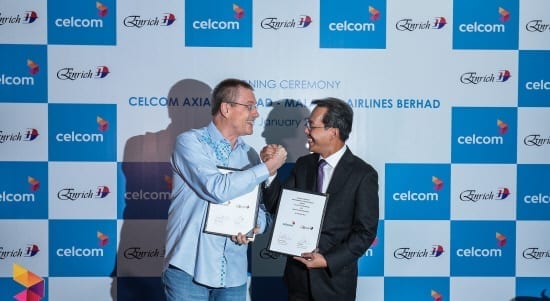
    “No worries about competition. Very happy with competition. We’re strong enough to stay in competition and be successful. Of course there is always the element of competition when it comes to pricing, which possibly has an impact on revenue, but it’s about how strong you are, how much value you deliver to customers and that makes you successful,” Kuehner said after signing a memorandum of understanding (MoU) with Malaysia Airlines Bhd (MAB) to collaborate in enhancing digital lifestyle for travellers today.

    He expects industry growth for 2019 to be flattish after industry revenue fell for the last three years.

    “After three years of shrinking revenue for telcos, maybe a bit of stabilisation possibly on telcos’ revenue side next year, so we’re slightly positive,” Kuehner said.

    Earlier, Celcom Axiata and Malaysia Airlines inked an MoU to provide benefits spanning multiple areas across both companies, including Enrich rewards, flight discounts for Celcom customers, attractive roaming plans and more.

    Kuehner said both Celcom and Enrich customers will enjoy innovative digital offerings and rewards, starting Feb 1. Both companies are still in the exploratory stage to discuss the details.

    On anotehr matter, Kuehner said a merger between Axiata Group Bhd and Telekom Malaysia Bhd (TM) makes sense in terms of scale , delivery and network perspectives.
    He said fixed mobile convergence is a trend worldwide and it is also relevant in Malaysia, adding that TM is strong on the fixed line side while Axiata is strong on the mobile side.

    “It (the merger) makes sense and this is where rumours come from, because a lot of people are talking about it. But not everything that makes sense will always happen. It’s difficult to predict,” Kuehner

    “It (merger) is up to the shareholders. I don’t have an opinion. I’m not the one calling the shots,” said Kuehner, adding that there is no indication on the merger from parent Axiata Group.

    News of a possible merger between the two emerged some nine months ago, with both companies deniying news of a reunion after a demerger in 2008. Analysts are still banking on the merger to set the tone for an industry consolidation, which is deemed as the logical route forward.

  • Ringgit marches higher against US dollar

    Ringgit marches higher against US dollar

    The ringgit marched higher against the US dollar today, appreciating by 59% since it was last seen in April 2016, said Oanda Head of Trading for Asia Pacific, Stephen Innes.

    At 6pm, the local note ended at 3.8840/8870 against the greenback from 3.9110/9140 on Wednesday.

    Innes said the ringgit touched the 3.8 level, rising 15% from its weakest point in early 2017.

    It strengthened against the US dollar as it continued its depreciation amid the increase on the overnight policy rate by 25 basis points to 3.25% by Bank Negara Malaysia today.

    He said the increase did not have much impact on the ringgit as the markets had fully priced in the move.

    “However, we think the market found itself a little oversold and with what amounted to be a dovish rate increase by BNM, traders booked profits.

    “If we consider that we could be entering extended cyclical downtrend on the US dollar, the ringgit could still rally below 3.80 level in near term,” he told Bernama.

    On another note, Innes also said that oil prices, which has come off their highs, would remain above the budget’s forecast and continue to support ringgit’s strength.

    The ringgit was traded mixed against a basket of major currencies.

    It rose against the Singapore dollar to 2.9746/9781 from Wednesday’s 2.9803/9832 and gained versus the yen to 3.5630/5661 from 3.5658/5695 yesterday.

    It declined against the euro to 4.8286/8327 from 4.8242/8295 on Wednesday and went down against the British pound to 5.5491/5537 from 5.5110/5168 yesterday.

  • Aeon plans foray into on-demand delivery services

    Aeon plans foray into on-demand delivery services

    Aeon Co (M) Bhd signed a memorandum of understanding (MoU) with Singapore-based online concierge and delivery service, honestbee, to venture into on-demand delivery services.

    This new delivery option, which uses personal shoppers to pick up and deliver orders, will enable Aeon customers to make their purchases online, via honestbee mobile app or website.

    Speaking at the signing ceremony, Aeon executive director Poh Ying Loo said the alliance is part of the group’s strategy to speed up its e-commerce business and at the same time add value to its outlets.

    Aeon joined the e-commerce bandwagon in late 2015 through its online website called shoppu.com.my, offering various product categories including electronics, fashion and household items.

    Asked on how this new service will help to elevate its e-commerce sales growth, Poh said at this point of time, it is still early to determine. It was reported that the group’s online website shoppu.com.my contribution in financial year 2016 (FY16) remained marginal.

    For now, Poh said the new online marketplace platform will only offer delivery service for grocery items at its flagship store, Aeon Mid Valley. He said customer who live within 17km radius from the store will enjoy a minimum one-hour delivery service.

    Commenting on its future plans for e-commerce segment, Aeon managing director Shinobu Washizawa said going forward, the group will have more such innovations in the pipeline.

    “In order to enhance the value for our customers by moving towards an omni-channel retailer, we want to combine our strengths with honestbee’s expertise to digitalise our customer’s shopping experience.”

    “We will closely monitor the feedback and demands from our customers, and consider to expand this service both in terms of regional and in merchandise offering,” Washizawa added.

    At present, Aeon has 26 malls, 33 Aeon outlets and two Maxvalu prime supermarkets across the country.

    Launched in 2015, honestbee currently has presence in eight markets including Singapore, Hong Kong, Taiwan, Japan, Malaysia, Indonesia and Thailand. To date, it has 112 partners, providing more than 90,000 products across the markets.

  • Malaysia Inflation rises 3.5% in Dec 2017, full year 3.7%

    Malaysia Inflation rises 3.5% in Dec 2017, full year 3.7%

    Malaysia’s consumer price index (CPI) expanded 3.5% to 120.9 in December 2017 from 116.8 in the corresponding month of 2016, mainly driven by the transport segment, which was up 11.5%.

    For the full year of 2017, CPI rose 3.7% compared with the same period in 2016.

    According to the Department of Statistics, other major groups which recorded increases in December 2017 were food & non-alcoholic beverages (+4.1%), restaurants and hotels (+2.6%), furnishings, household equipment & routine household maintenance (+2.4%), health (+2.3%) and housing, water, electricity, gas & other fuels (+2.2%).

    On a month-on-month basis, CPI increased 0.1% in December 2017. Core inflation, which excludes most volatile items of fresh food, as well as administered prices of goods and services, rose 2.2% in December 2017 compared with the same month of the previous year.

    MIDF Research expects the headline inflation rate to average at 2.6% in 2018 amid unfavourable base effects.

  • Indonesia Ranks Higher in 2018 Global Talent Competitiveness Index

    Indonesia Ranks Higher in 2018 Global Talent Competitiveness Index

    Indonesia improved its ability to attract professionals and keep the existing skilled workforce, the annual Global Talent Competitiveness Index showed on Wednesday (24/01).

    The report was released during the World Economic Forum by graduate business school Insead, which has campuses around the world.

    For the study Insead cooperated with staffing company Adecco Group and telecommunications services provider Tata Communications.

    Indonesia ranked 77th out of 119 countries, which is a leap from last year’s 90th position.

    According to the study, Indonesia has strong employability, as through vocational education and technical training it prepares domestic talents to match the skills needed by the economy.

    Despite the position rise, however, the largest economy in Southeast Asia still lags behind Singapore, which ranks second, Malaysia (27th), the Philippines (54th) and Thailand (70th).

    The Global Talent Competitiveness Index considers four “pillars” called “enable” (reflecting a country’s regulations and markets), “attract” (reflecting a country’s capability to lure resources), “grow” (reflecting the ability to improve self-competence through education and training), and “retain” (reflecting an ability to maintain domestic and overseas talent).

    The report said Indonesia has a lot of homework “to catch up on all the pillars” to cultivate a talent pool large and competitive enough to support its growth in the competitive global economy.

    The index drew data from public sources: the United Nations Educational, Scientific and Cultural Organization (Unesco) for quantitative data; the World Bank’s World Governance Indicators and Doing Business Report for composite indicator data; and the World Economic Forum’s Executive Opinion for survey data.

    This year’s report highlighted the critical role diversity plays in linking talent policies to innovation strategies to increase talent competitiveness.

    “Eventually, diversity has come to be understood as an essential enhancer of corporate productivity and performance. Recruiting the best talent is essential. But evidence shows that diversity can actually trump talent,” Alain Dehaze, chief executive officer of Adecco Group, said in a statement.

    According to the report, diversity can be a national resource, as it will create innovative and competitive working environments, especially in the era of automation, which makes people with different knowledge and experience join together in problem solving.

    “If there is a high diversity of social mobility … then the richness of knowledge, perspective and networks pushes economic performance even higher via increased innovation,” Insead said in the report.

    Developed, high-income countries continue to top the ranking, 15 of them being European countries with well-developed education systems, flexible business regulators, employment policies highlighting adaptability, social protection and internal and external openness.

  • TAS Offshore posts RM1.56 million net loss in Q2

    TAS Offshore posts RM1.56 million net loss in Q2

    Shipbuilding firm TAS Offshore Bhd swung to the red registering a net loss of RM1.56 million for the second quarter ended November 30, 2017 against a net profit of RM489,000 in the previous corresponding period, due to unrealised forex losses as a result of the strengthening ringgit.

    Revenue however, jumped three times from RM2.92 million to RM11.71 million on progressive revenue recognition on shipbuilding contracts.

    TAS Offshore told Bursa Malaysia that despite signs of demand and supply finally finding a balance, the group will be cautious in its operation since the market is still uncertain due to the US shale oil industry.

    “However, in the long term, we envisage the oil price outlook to be positive due to the increase in demand for energy when industrial and development activities increase in tandem with the population growth and the demand for offshore support vessels will return.”

    For the first half of the year, TAS Offshore, however, reported a net profit of RM673,000 versus a net loss of RM642,000 in the same period a year ago, while revenue leaped over three fold from RM5.17 million to RM22.14 million.

    The stock closed unchanged 33.5 sen with some 147,000 shares changing hands.

  • Malaysian Automotive Association bullish on NAP 2018

    Malaysian Automotive Association bullish on NAP 2018

    The Malaysian Automotive Association (MAA) is hoping that the review of the National Automotive Policy (NAP), which will be announced by the government in mid-2018, will improve the automotive industry and help boost vehicle sales.

    MAA president Datuk Aishah Ahmad said the government has not engaged with MAA on the review of the NAP and that the details of the NAP 2018 have not been discussed with the industry.

    “It’s just preliminary announcement that there are some changes in the NAP and we hope whatever announcements they make will be good for the industry and will boost industry sales and assist the industry for us to expand sales and make more money,” she told a press conference on the automotive market review for 2017 and outlook for 2018 today.

    Last week, International Trade and Industry Minister Datuk Seri Mustapa Mohamed said NAP 2018 is still a work-in-progress, with consultations to continue for another four to five months. NAP 2018 will focus on mobility, next-generation vehicles, big data, lifestyle and connectivity.

    With NAP 2018 also focusing on parts and components, Aishah concurred that this is a growth area based on industry figures.

    She said NAP 2014 has helped reduce the prices of energy-efficient vehicles (EEV) slightly as EEV producers enjoyed incentives on local components.

    Meanwhile she said the strengthening ringgit will help industry players, especially those who trade in US dollars and Japanese yen, as they will have better margins.

    MAA is projecting a total industry volume (TIV) of 590,000 units in 2018, a 2.3% growth from 2017. This takes into account of factors like economic growth, rising cost of doing business, rising cost of living, continuation of the strict lending guidelines and ride-hailing services.

    The TIV of new motor vehicles registered in 2017 declined marginally by 0.6% to 576,635 units in 2017 from 580,085 units in 2016.

    Aishah said the local automotive market was subdued for much of last year.

    For the second consecutive year, the TIV contracted, reflecting perhaps a down-cycle of the market that started in 2016.

    “Despite our country’s economic recovery and the aggressive promotional campaigns undertaken by MAA members, sales remained essentially flat in 2017. This can be attributed to the inflationary pressures affecting consumers’ disposable income, which consequently resulted in cautious consumer spending,” said Aishah.

  • UAE firm in deal to supply naptha to Lotte Chemical Titan

    UAE firm in deal to supply naptha to Lotte Chemical Titan

    Lotte Chemical Titan Holding Bhd’s wholly owned subsidiary Lotte Chemical Titan Sdn Bhd has entered into a three-year sales contract with United Arab Emirates-based Abu Dhabi National Oil Co  for the supply of refined products and paraffinic naphtha.

    The group announced in a stock exchange filing that the contract runs from Jan 1, 2018 to Dec 31, 2020.

    Pricing of the supplies will be based on the market price of the commodity during the loading month. The estimated quantity is between 600,000 tonnes and 1 million tonnes a year.

    ADNOC is a major feedstock supplier of naphtha to Lotte and had previously supplied the commodity in a one-year contract.

    Lotte’s shares gained 0.39% to close at RM5.18 with some 731,300 shares done.

  • Honda Malaysia retains number one spot for non-national brands

    Honda Malaysia retains number one spot for non-national brands

    Honda Malaysia retained its number one spot for non-national brands for the third consecutive year, managing to sell 19% more cars or 109,511 units in 2017, the highest in its history.

    Honda Malaysia also sold the second largest number of cars in total industry volume in 2017, for the second consecutive year, it said in a statement today.

    Since 2003 and in the span of 14 years, Honda Malaysia has sold more than 730,000 units of vehicles.

    The company managed to capture a 19% market share, the highest ever achieved in Honda Malaysia history, with six new model launches, namely BR-V, City, Jazz and Jazz Hybrid, City Hybrid, CR-V and All-New Civic Type R.

    The City emerged as Honda’s best-selling model in 2017, contributing 27% of total sales, followed by HR-V at 17%, BR-V at 16% and Civic at 14% respectively.

    In the Hybrid segment, the Jazz Hybrid and City Hybrid contributed 2% to the total sales of Honda Malaysia despite being on sale for only 4 months. The two models are leading the overall Hybrid segment.

    Throughout 2017, Honda Malaysia expanded its presence and penetration in Sabah and Sarawak, which contributed more than 7,500 units to the total sales achieved. Sales for East Malaysia in 2017 increased by 33% compared to 2016. BR-V was the best-selling model in Sabah and Sarawak.

    Not losing sight of its after sales service segment, Honda Malaysia introduced Honda Pride with 12 specially designed benefits such as five years warranty with unlimited mileage, genuine parts and comfortable dealer showroom.

    In terms of service intake, Honda Malaysia recorded more than 1.15 million vehicles serviced in 2017, up 13% from the 1.0 million vehicles serviced in 2016.

    Managing director and CEO Toichi Ishiyama said, “Reflectively, we are pleased to note that with the maturing Malaysian market, customers responded well to the various Next Generation Advanced Technologies we introduced such as Honda SENSING, Turbo and Sport Hybrid i-DCD. The Sport Hybrid i-DCD made history during their introductions, as Malaysia is the only country outside of Japan to introduce the technology. It was also the most affordable Hybrid to be introduced in the market. Honda was also the first brand to introduce the SENSING technology into mass models such as the CR-V and New Accord.”

  • Bursa Malaysia to continue upward momentum next week

    Bursa Malaysia to continue upward momentum next week

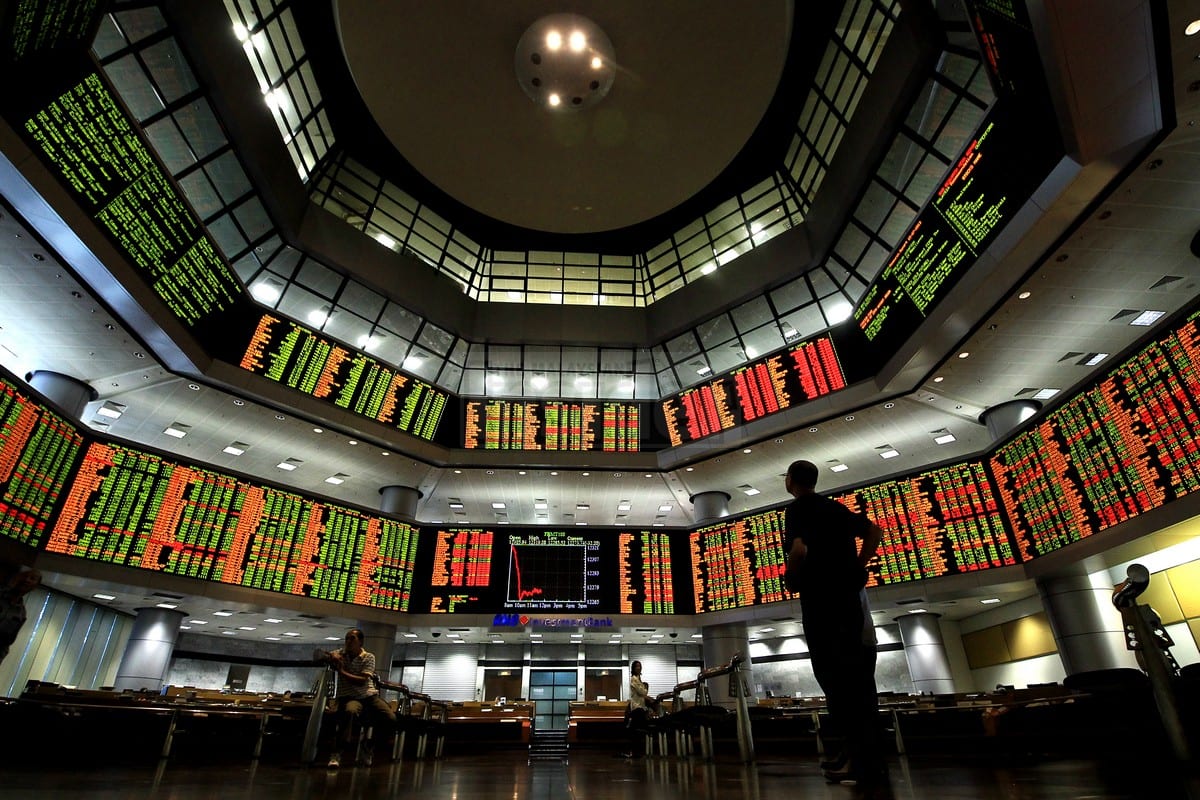
    Bursa Malaysia is expected to continue its positive momentum next week, driven by a stronger ringgit, firmer oil price, strong global economic outlook, and better corporate earnings, a dealer said.

    Affin Hwang Investment Bank Vice-President/Head of Retail Research Datuk Dr Nazri Khan Adam Khan said the global economic outlook is looking good so far this year, triggered by buying interest among local and foreign investors.

    “It has been a good start (for FBM KLCI) this year, with positive outlook on the local and global economy. The local benchmark index has experienced the highest fund inflows in three years, signalling investors’ confident towards our market,” he said.

    For next week, he said that the FBM KLCI would likely move between 1,800 and 1,850 points.

    “The strong oil prices have so far lent support to our market, of which about 30 per cent of companies in Bursa Malaysia are directly and indirectly involved in the oil and gas industry,” he said.

    He said that the benchmark index would also be affected by US President Donald Trump’s tax reform plan.

    As the week ended, the market was traded mostly higher, benefitting from gains in the Wall Street, as well as positive economic data from China.

    However, the European Union’s (EU) approval of draft measures to back a ban on the use of palm oil in biofuels from 2021 on Thursday has hurt the plantation and palm oil related counters as the commodity is a major export from Southeast Asia to the EU.

    On a Friday-to-Friday comparison, the FBM KLCI performed better, gaining 6.16 points to end the week at 1,828.83.

    On the scoreboard, the FBM Emas Index slipped 26.78 points to 13,195.82, the FBMT 100 Index decreased 2.06 points to 12,860.60, the FBM Emas Syariah Index dipped 79.87 points to 13,627.46, the FBM 70 shed 154.79 points to 16,472.37, and the FBM Ace fell 192.66 points to 6,713.12.

    On a sectoral basis, the Finance Index surged 26.07 points to 17,236.98, the Plantation Index fell 99.45 points to 8,037.87 and the Industrial Index erased 31.52 points to 3,368.02.

    Total turnover slipped to 25.35 billion units valued at RM15.97 billion from 27.14 billion units valued at RM19.11 billion in the previous week.

    Main Market volume decreased to 17.14 billion shares worth RM14.73 billion from the previous Friday’s 17.88 billion shares worth RM17.59 billion.

    Warrants turnover declined to 2.64 billion units worth RM448 million from 3.46 billion units worth at RM479.51 million previously.

    The ACE Market narrowed to 5.51 billion shares valued at RM778.77 million against the previous week’s 5.74 billion shares valued at RM1.02 billion.