Tag: Malaysia

  • Axiata Group appoints heads for business service, info security

    Axiata Group appoints heads for business service, info security

    Axiata Group has made two key appointments for its business services and information security, as part of its transformation efforts into a “new generation digital champion.”

    The Malaysia–based telecoms conglomerate has recently appointed Asri Hassan Sabri – Axiata’s group chief business operations officer since January 2016  –  as chief executive officer of its newest subsidiary, Axiata Business Services. His appointment is effective January 1, 2018.

    Asri has 30 years of experience in various management, consulting and entrepreneur engagements in the IT and telecom industries. Prior to joining Axiata, he was a strategic partner with Provident Capital Partners, an established South Asia private equity company.

    Operating under the brand Xpand, Axiata Business Services will drive the group’s enterprise and Internet of Things (IoT) business across all of Axiata’s footprint in ASEAN and South Asia.

    The subsidiary was established in 2017 as a new area of focus for the group, one which is earmarked to achieve double-digit growth and holds great promise as a multi-billion dollar addressable market within the next few years, according to a company statement.

    Axiata has also hired Abid Abdul Adam as group chief information security officer, as part of the operator’s continued focus and commitment to improving cyber security capabilities. Abid will also assume the position of group head of privacy given the increasingly critical nature of data privacy and protection.

    Abid joins Axiata from South Africa where he was the chief information security officer and deputy information protection officer for a leading financial services organization. He brings to the table over 15 years of experience in developing, implementing, and leading an Information security and technology risk management function.

    Commenting on the appointments, Axiata president and group CEO Tan Sri Jamaludin Ibrahim said the move is in line with the group’s hope to build a leading digital company, beyond its core mobile business.

    “Asri’s role as CEO of Axiata Business Services is to scale up this addressable area of growth in the enterprise and IoT space and to ensure that group aggressively capitalizes on the opportunities in the ASEAN and South Asia market, to eventually bring a significant uplift in revenue,” he said in a statement.

    “Abid’s two led functions work in tandem to help us to achieve cyber resilience and data privacy across the group.”

  • Mydin puts Sam’s Groceria stores up for sale

    Mydin puts Sam’s Groceria stores up for sale

    Malaysian grocery chain Sam’s Groceria is being sold by owner Mydin Mohamed Holdings as it divests loss-making businesses.

    Mydin values the high-end grocery business at US$12.5 million (MYR50 million). The chain has four outlets: in Gurney Paragon Mall and Straits Quay on Penang island, Sunway Carnival Mall in Seberang Perai, and Nu Sentral in Kuala Lumpur.

    Managing director Datuk Ameer Ali Mydin says the decision to sell followed the realisation that the stores’ patrons were mainly local Chinese and expatriates. “We do not sell liquor, wine, beer or pork, so we have been unable to meet our customers’ needs.”

    Sam’s Groceria, which started in 2013, stocks 60 per cent imported grocery products and fresh food.

    Last year, Mydin disposed of another loss-making unit, MyMydin Convenience, and discontinued its Kedai Rakyat 1Malaysia (KR1M) stores.

    For the year ended March 31, 2016, the group posted its first loss, of MYR156.6 million, in 60 years. With an internal re-organisation and cost cutting, the group managed to post a small profit last financial year.

  • AirAsia to close Surakarta-Kuala Lumpur route

    Low-cost carrier AirAsia is set to close on Jan. 16 its route from Surakarta in Central Java to Kuala Lumpur.

    AirAsia Berhad commercial head Spencer Lee told Antara news agency that the closure was due to commercial reasons.

    The airline is currently spreading the news among passengers through email and text messages. Those affected by the closure will receive a full refund or be allowed to change their flight by taking off from Semarang, Central Java, or Yogyakarta.

    Despite the move, Lee assured the carrier was still committed to adding more flights to Indonesia this year.

    Meanwhile, Purwanto, operation and service department manager of state-owned airport operator PT Angkasa Pura I at Adi Soemarmo International Airport in Central Java, said the operator had heard about the news, but has yet to receive an official confirmation from the carrier.

    “Based on our data, the average number of passengers for the route is relatively high, up to 70 percent capacity,” Purwanto said.

  • Malaysia Gears Up for Election as Najib Targets `Fake News’

    Malaysia Gears Up for Election as Najib Targets `Fake News’

    Malaysia’s political parties are gearing up for an election within months, with the ruling party launching a portal aimed at combating “fake news” and the opposition alliance holding a national convention this weekend.

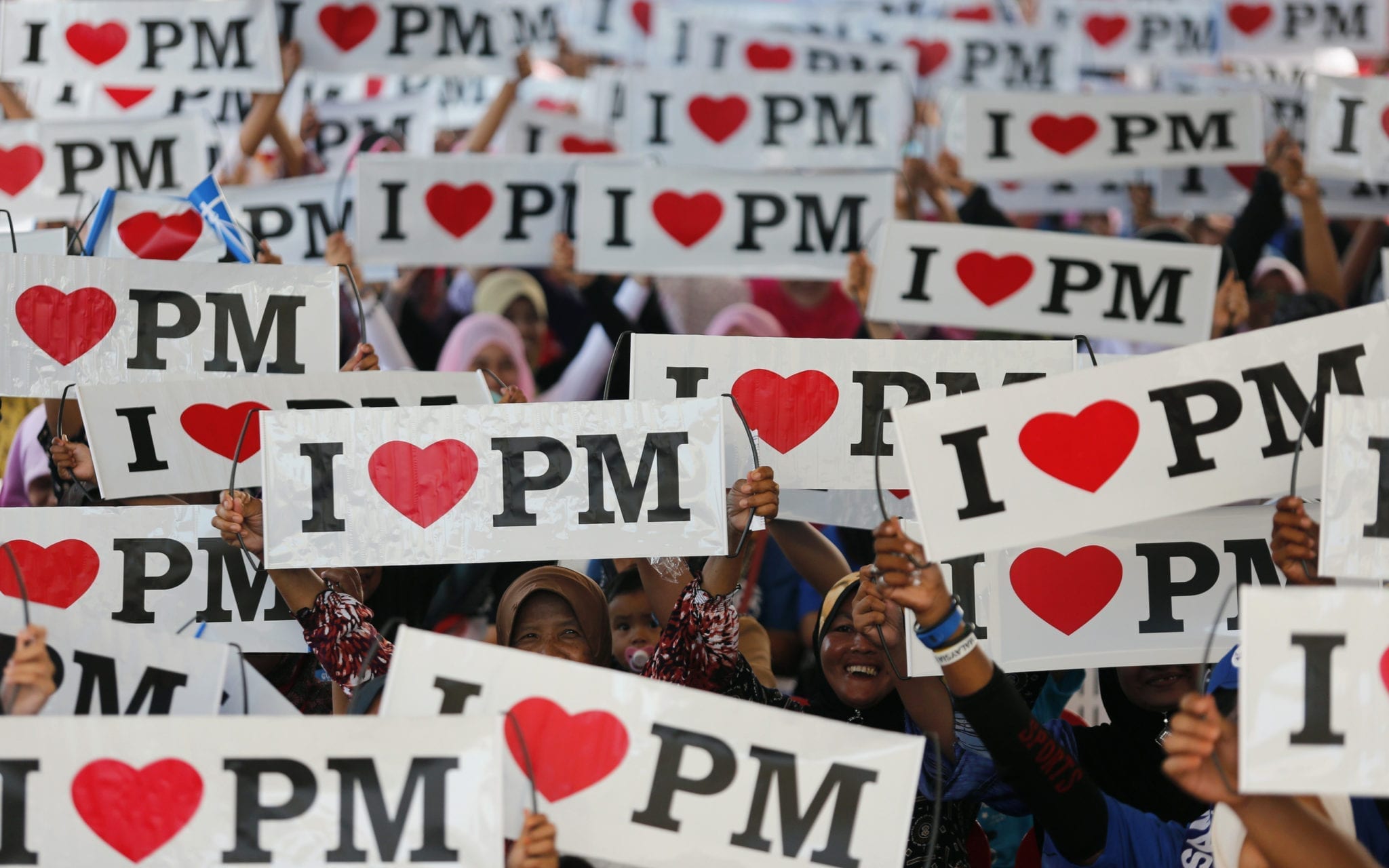
    Prime Minister Najib Razak, 64, said the portal, called TheRakyat — or “The People” — was a “significant step” for the Barisan Nasional coalition ahead of elections which must be held by August.
    “We know that in the 13th general election, we were victims of fake news,” he said at the portal’s launch on Wednesday in Kuala Lumpur. He cited rumors of power outages at voting booths in the 2013 ballot and the suggestion that some votes were therefore not counted. “We believe this will happen again in the 14th general election. That’s why we need a platform to connect to the people.”
    At stake for the ruling coalition is its unbroken rule of the Southeast Asian nation for more than 60 years. Under Najib it suffered its worst showing yet at the 2013 poll, losing the popular vote for the first time and failing to recapture a two-thirds majority in parliament.
    A stronger economy and ringgit could boost Najib’s chances this time, even as his rivals criticize him over rising living costs and corruption allegations. Najib has denied the claims of graft and been cleared by local authorities.

    A disparate opposition — as well as the four-party coalition known as Pakatan Harapan, there are a number of other major groups including the biggest Islamic opposition outfit — may also help Najib. There’s still the possibility of opposition candidates standing against each other in some districts.

    Pakatan Harapan will meet on Sunday and is expected to name its pick for prime minister, with speculation centered around former premier Mahathir Mohamad, who split from Barisan Nasional and has become one of Najib’s fiercest critics. Mahathir, who at 92 years of age is now chairman of Pakatan Harapan, said the group would announce “our future plans” at the end of its convention.

    The opposition’s de facto leader, Anwar Ibrahim, is in jail on a sodomy conviction, a charge he has denied. Pakatan Harapan would need to install an interim prime minister if it wins the election, then secure a royal pardon in order for Anwar to become premier.

  • 50,000 malaysians expected to be laid off in 2018, says report

    50,000 malaysians expected to be laid off in 2018, says report

    MORE than 50,000 employees are expected to be laid off this year as reported.

    The English daily quoted Malaysian Employers Federation executive director Shamsuddin Bardan as saying manufacturing would be the main sector affected, followed by the services (insurance, banking and retail) and construction sectors.

    He said among the challenges facing the job market were the levy imposed on employers for the hiring of foreign workers and the Employee Insurance Scheme.

    “The increase in maternity leave days, from 60 days to 90 days, as well as the possibility of paternity leave, will also be factors.”

    The report said automation would continue to be another factor for job losses as more companies turned to robotics and information technology.

    “Multinational corporations involved in labour-intensive industries are also leaving due to higher wage costs in Malaysia,” said Shamsuddin.

    “They are moving to more attractive and lower-labour-cost nations, where there are no high social costs.”

    He said Cambodia and Laos were among the countries where wages were below US$100 (RM402.59) per month, whereas in Malaysia, they were about US$250.

    Malaysian Trades Union Congress president Abdul Halim Mansor was quoted as saying that based on information from the Labour Department, between 30,000 and 50,000 people could be retrenched this year, involving those from the finance, construction and manufacturing sectors.

  • Irispay launches vending-machine store

    Irispay launches vending-machine store

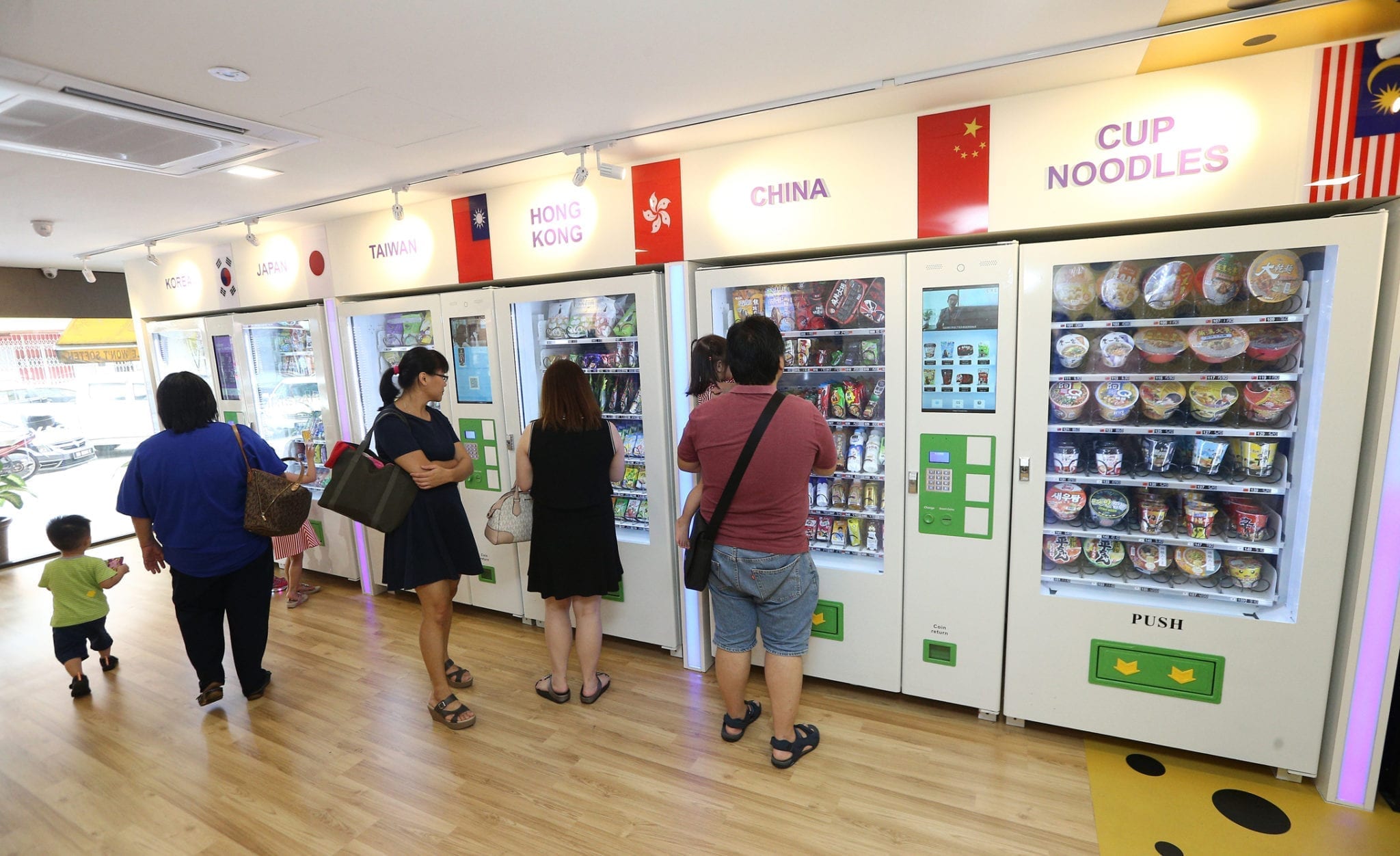
    Malaysian mobile wallet provider Irispay has rolled out its first e-Concept Store  in Kuala Lumpur.

    In Subang Jaya, the 24-hour store runs without the need for staff as reported.

    Customers buy from a line of vending machines, each one dedicated to the country of product origin, such as China, Hong Kong, Japan, Korea and Malaysia. Products include instant ramen, fruit-flavoured drinks and even condoms.

    There are three steps for customers, who use the Irispay mobile wallet app for access: choose a product, scan a QR code, authorise payment.

    An Irispay spokesman says Subang was chosen for the first store because of its large number of students, the company’s target market.

    Irispay says it hopes to expand to as many as 250 stores nationwide this year.

  • M&S sells Hong Kong business to Dubai conglomerate Al-Futtaim

    M&S sells Hong Kong business to Dubai conglomerate Al-Futtaim

    Marks & Spencer has confirmed the sale and franchise of its retail business in Hong Kong and Macau to its long-established franchise partner Al-Futtaim.

    The two companies all but confirmed the sale in August  and settlement took place on December 30.

    Al-Futtaim is now the sole franchisee for Marks & Spencer Hong Kong and Macau, but the deal does not extend to the mainland where M&S has a presence on Tmall, having closed its department stores there.

    The two companies have a partnership dating back to 1998 when Al-Futtaim opened Dubai’s first M&S store in the UAE.

    The addition of 27 Marks & Spencer Hong Kong and Macau stores takes Al-Futtaim’s M&S network to 72 shops in 11 markets in Asia and the Middle East.

    “We have substantially reshaped our International business, which has improved profitability and positioned us for growth,” observed Paul Friston, Marks & Spencer’s international director in a statement confirming the sale.

    “As one of the world’s leading retail operators, with strong logistics capabilities and local expertise, Al-Futtaim is the ideal partner for us to develop and grow our business in Hong Kong and Macau.”

    Stephen Rayfield, VP of M&S and sports & lifestyle with Al-Futtaim said the company is looking forward to “enriching our customers’ lives and aspirations through the provision of quality products and services in Hong Kong and Macau”.

    Pascal Martin, partner with OC&C Strategy Consultants, said the decision to sell and franchise the Marks & Spencer Hong Kong business is consistent with the shift to an asset-light business model that the UK company has adopted for its international business.

    “It did not make sense to support only Hong-Kong and Macau as directly operated international businesses after having pulled out from all other direct markets, such as China and France. By selling its Hong Kong and Macau business to Al-Futtaim, M&S can also raise cash to continue to invest in its core, including product quality, the UK market and e-commerce.”

    At the same time, Al-Futtaim has a strong track record in operating M&S stores in many other markets and a solid investment capacity to continue to expand the M&S international store network, said Martin.

    “Another key factor is that Al-Futtaim’s M&S business is led by ex-M&S’ senior executive, Stephen Rayfield, who knows the business inside-out and can fully optimise daily operations between Al-Futtaim and M&S.”

    M&S now has a simple homogeneous international business: all wholesale to local partners, with the exception of a joint venture in India with Reliance.

    “The brand will be able to leverage Al-Futtaim’s strong investment capacity to accelerate the International expansion. Al-Futtaim can benefit from adding a strong profitable business (HK and Macau) to its already strong international M&S portfolio. They may be able to exert more control on M&S Asia logistics network to achieve better integration across Singapore, Malaysia, Hong Kong and Macau. Al-Futtaim will likely have increased negotiation power with M&S on product, store format, pricing and more,” said Martin.

  • Petron investing $3.5b in Malaysian oil refinery

    Petron investing $3.5b in Malaysian oil refinery

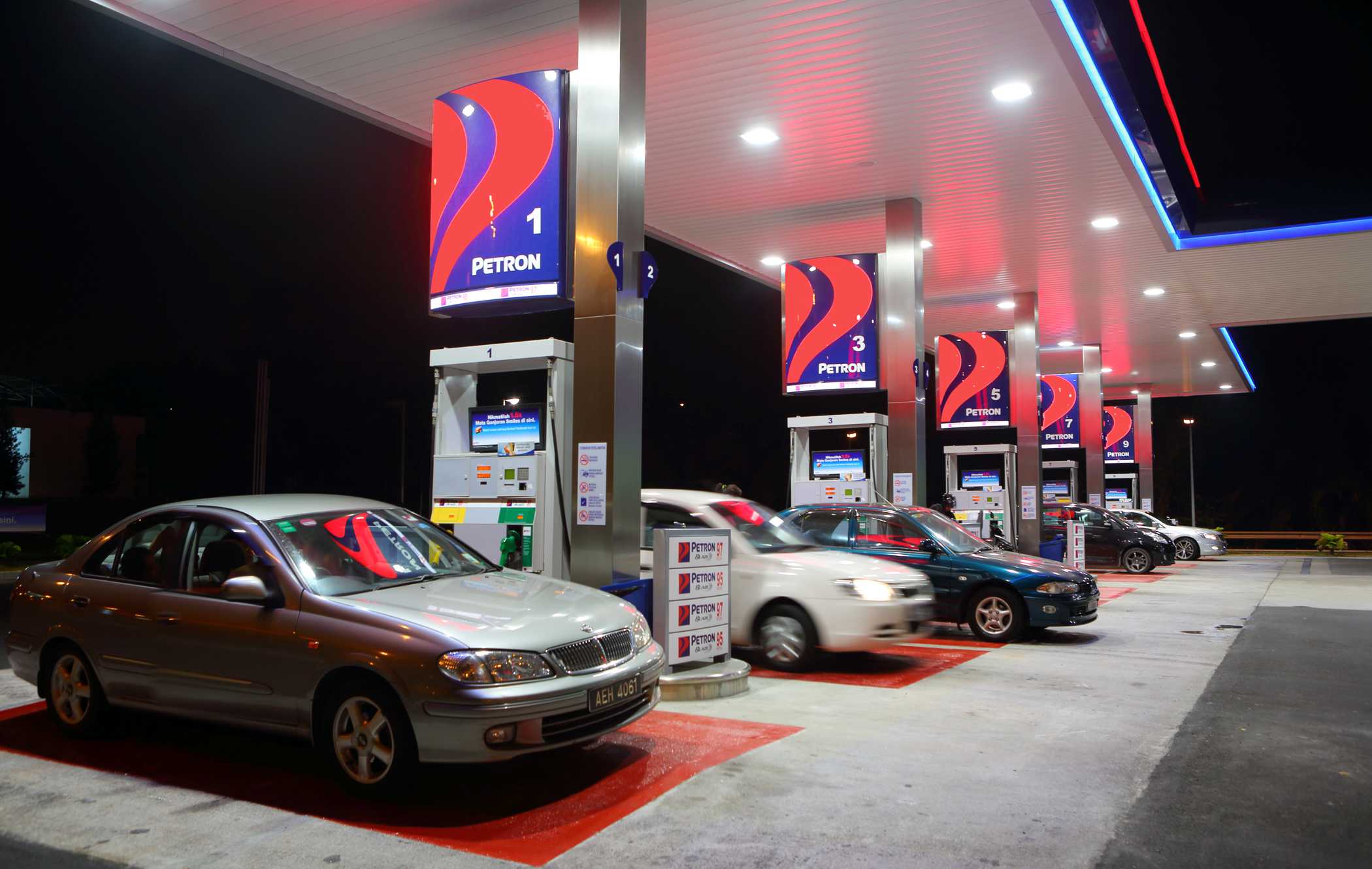
    Petron Corp. is pursuing a $3.5-billion expansion of its refinery in Malaysia that would significantly improve the company’s bottomline, a top executive said.

    “One we complete the expansion there, we are projecting that it will give $600 million a year from $20 million,” Petron president Ramon Ang said.

    Petron acquired Esso Malaysia’s Port Dickson refinery and fuel retail network in Malaysia  in 2011.

    Ang said Petron Malaysia showed consistent strong financial results.

    “We acquire Malaysia before with $20 million Ebitda [earnings before interest, taxes, depreciation and appreciation]. This year, we will end at $270 million Ebitda,” Ang said.

    Ang said once the planned expansion was given an approval, the construction would be completed by 2020.

    The Malaysian refinery currently produces around 80,000 barrels per day. Petron ranks third in terms of market share in Malaysia.

    “It will add  another 90,000 [barrels] a day,” Ang said.

    “The Malaysia expansion, if we will add 90,000 barrels per day, [would cost] $3.5 billion,” Ang said, adding that most equipment in the refinery needed to be replaced and upgraded.

    Petron is also embarking on a $5-billion refinery expansion in the Philippines that will bring the existing capacity of its Bataan refinery to 360,00 barrels per day in  three years.

    Ang said the expansion of the existing Bataan facility would be done in phases at 90,000 barrels per day for each phase. The first phase is expected to be completed by 2019 and the next phase by 2020.

    “[For] the next expansion of our refinery, we will be adding another 90,000 bpd.  So from 180,000 bpd, we will be hitting 270,000 bpd,” Ang said earlier.

    Petron owns the existing 180,000 bpd refinery in Limay, Bataan.

    “We can start [the first phase] in 2018, to be completed in 2019. We forecast an increase in income,” he said.

    Ang said the first phase of the expansion would cost $1.5 billion while the second phase would amount to $3.5 billion.

    He said the expansion would help produce more  petrochemical products.

    Petron already invested $2 billion to upgrade its Bataan refinery and make it at par with the most advanced refineries in the region.

  • New AirAsia flights set to boost east Malaysia connectivity

    New AirAsia flights set to boost east Malaysia connectivity

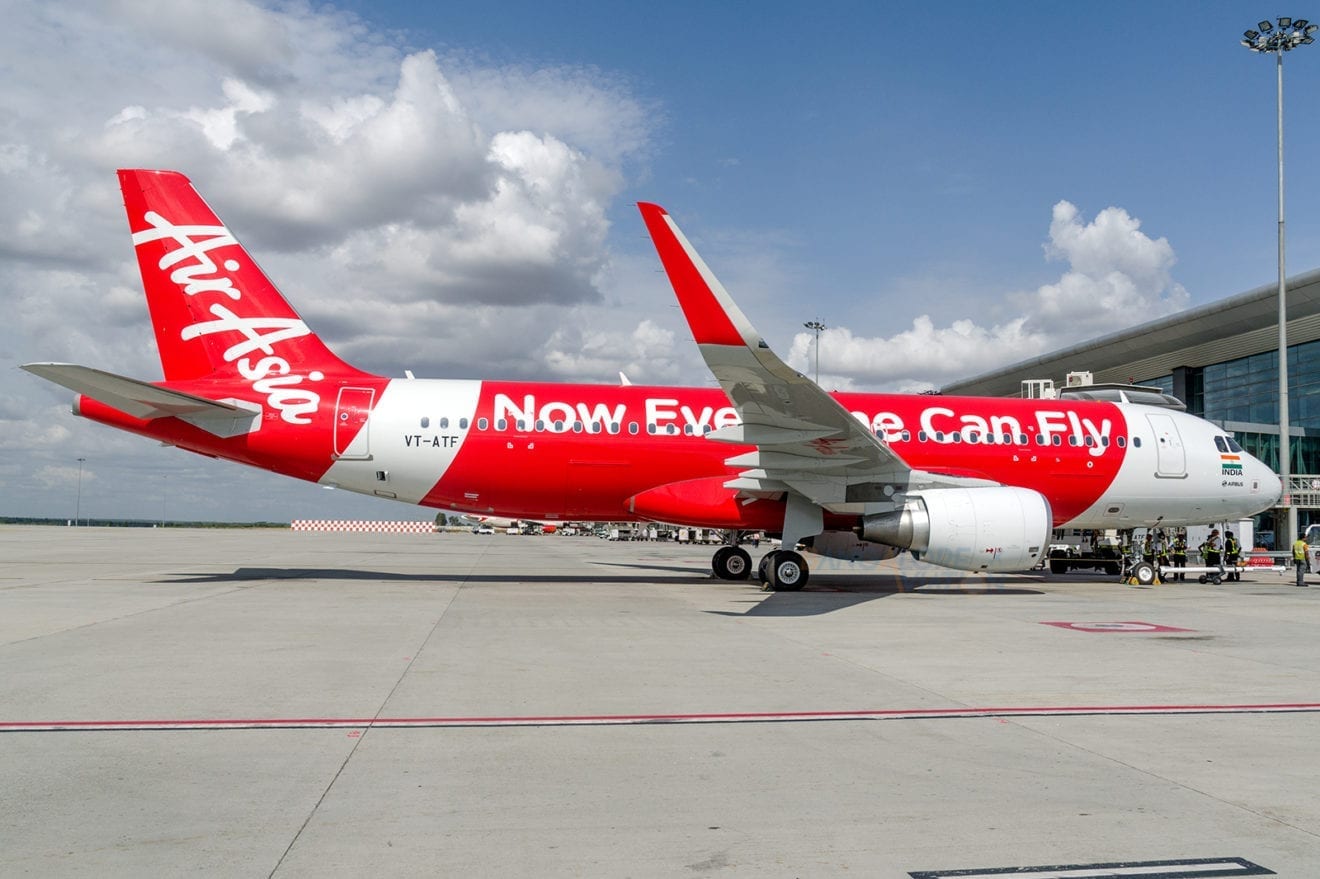
    Low cost carrier AirAsia flew two inaugural flights yesterday into Sarawak  from Shenzhen to Kuching and Singapore to Bintulu.

    The two new direct flights are part of AirAsia’s plans to boost the international connectivity into east Malaysia.

    This is in line with the government efforts to improve the tourism industry and flight connections into the state.

    Spencer Lee, head of commercial at AirAsia Berhad said: “We are honoured and humbled to welcome two new international flights into Sarawak today.

    “AirAsia has always been committed towards expanding the markets in Sarawak and these direct flights reiterate our commitment to grow the connectivity in and out of the state.

    “To date, we have flown about 4.8 million guests in and out of Sarawak which is 12.1% more from 2016 with China and Singapore in the top five nationality.

    “We hope the introduction of these new routes will foster the number of visitors into Sarawak next year, and this is only made possible by the continuous support rendered by Sarawak’s state government and tourism authorities.”

    AirAsia now flies to 12 destinations from Kuching with a total of 229 weekly flights one way.

    In addition to Shenzhen, the airline also flies from Kuching to Singapore, Pontianak, Miri, Sibu, Bintulu, Kota Kinabalu, Johor Bahru, Kota Bharu, Penang, Kuala Lumpur and Langkawi.

    AirAsia also flies to three destinations from Bintulu namely Singapore, Kuala Lumpur and Kuching with a total of 39 weekly flights one way.

  • Sophisticated investors are staying away from Bitcoin

    Sophisticated investors are staying away from Bitcoin

    Malaysia’s pension fund managers are not putting money into bitcoin, despite the digital currency’s recent stratospheric rise.

    Armed Forces Fund Board or Lembaga Tabung Angkatan Tentera (LTAT) chief executive officer Tan Sri Lodin Wok Kamaruddin told NST Business that bitcoin is a highly speculative investment, where the value does not necessary reflect its fundamentals.

    “We don’t have any intention to invest in bitcoin at all. We would prefer to confine our investment within the country where we can, to some extent, control the risk and investment better,” he said in a telephone interview.

    He said the government statutory body would not take the risk in such kind of investment it has at its disposal.

    “Since Bank Negara Malaysia (BNM) deems it as illegal, we certainly would not want to have anything to do with it. I think it is something that the public should refrain from getting involved with their hard-earned money,” he added.

    Lodin said LTAT is currently managing about RM9 billion worth of armed forces retirement money.

    “We have got quite a fair distribution of our assets in different sectors, especially those which are in line with the government’s economic development programme such as infrastructure, property development, plantation and ship-building as well as retail operations like BH Petrol,” he said.

    Lodin said presently LTAT does not plan to invest abroad.

    “No doubt in some cases, investing abroad may be more attractive but at the same time the risk is higher such as currency and politics. At least, if it is within the country, we could mitigate these risks,” he said, adding that LTAT able to pay on the average of 11 per cent dividend annually to contributors.

    In a separate meeting with the Employees Provident Fund (EPF), its chief executive officer Datuk Shahril Ridza Ridzuan said cryptocurrencies such as bitcoin have no intrinsic value and donot provide any kind of actual asset yield. Therefore, it is very hard to invest in it.

    “Cryptocurrency is effectively buying something with the hope of selling it to someone else for a higher price,” he said.

    Shahril Ridza said the speculative element in the returns profile is too great for a fund like EPF, where it focuses on generating actual returns on assets.

    IQI Global chief economist Shan Saeed concurred, saying bitcoin has no sustainable value and none of the global central banks approved it.

    “Nobody has approved bitcoin as a mode of (payment) instrument. Although people are buying, the price is likely to crash. It is a fancy item with no fundamentals,” he said.

    Shan advised investors in Malaysia to stay away from Bitcoin, saying that the chances of losing money are fairly high.

    “Recently the United Kingdom regulators have warned investors to stay away from bitcoin. I’m not in favour of bitcoin because it is a virtual currency. It’s not even worth looking at,” he said.

    Shan said bitcoin is not secured without regulators’ approval, and it is a perfect example how the bubble could burst.

    “The incredible rise of bitcoin over the last few weeks has all the hallmarks of a major topping action when a speculative asset in the final euphoric stages of a big bubble formation makes some unsustainable huge price jumps,” he said.

    He said bitcoin should soon witness a final blow off with one last giant spike higher on huge volume followed by a major price reversal on the same day.

    The Retirement Fund Inc (KWAP) chief executive officer Datuk Wan Kamaruzaman Wan Ahmad recently said cryptocurrency is not the type of risk it can take.

    “We are not invested in cryptocurrency because we prefer to only take moderate risks. However, we do personally monitor the movement of the Bitcoin’s trends,” he said in a recent interview with BFM.

    He added that KWAP has always aimed for more stable investment, with slightly above a double-digit return to its shareholders.

    Last week, Bank Negara announced that Malaysia had recorded RM75 million transactions monthly from four digital currency exchanges in the country.

    Its deputy governor Abdul Rasheed Ghaffour said digital currency exchanges here providing the services were Luno, CoinHako, XBit Asia and PinkExchange.

    He said Bank Negara would meet cryptocurrency exchanges this week, noting that the global market capitalisation of digital currency stood at US$420 billion.

    He said while digital currencies were not legal tender in Malaysia, the central bank was not stopping their trading because “a ban would curb innovation and creativity.”

    In an AFP report quoting investment firm deVere Group chief executive officer Nigel Green, bitcoin started the year at US$1,000 per unit in January. By mid-December, it had shot to within striking distance of US$20,000, a dizzying climb that stoked fears of a bubble even in financial circles used to speculation and volatility.

    Bitcoin was created in 2009, since then, it has become the world’s decentralised cryptocurrency.
  • AirAsia X appoints a new CFO for its Operations

    AirAsia X appoints a new CFO for its Operations

    AirAsia X, The leading low-cost, long-haul carrier today appointed Wong Mee Yen as chief financial officer (CFO) effective Jan 1, 2018.

    She is replacing outgoing CFO Cheok Huei Shian, who has led the AirAsia X finance team since Feb 25, 2015. Cheok, who is leaving the company to pursue personal interests, will continue with through December 2017 to ensure a smooth transition.

    Wong will report directly to chief executive officer Benyamin Ismail and will be responsible for corporate finance, treasury, financial planning and analysis as well as investor relations.

    “We are pleased to bring back Mee Yen to join our management team at AirAsia X,” group CEO Datuk Kamarudin Meranun said in a statement.

    “She was part of the core team in the early days of AirAsia and has played an instrumental role in the success of AirAsia and getting the company listed on the Bursa Malaysia,” Kamarudin said.

    he also thanked Cheok for her contributions towards realising the company’s transformation.

    “Her hard work helped us to return to the black, and she will always be the paragon of an Allstar to us,” Kamarudin said.

    Wong was with AirAsia between 2004 and 2007 as group financial controller. Prior to AirAsia X, she was chief financial officer (MRT project) at LMG Rail Car Sdn Bhd.


  • Malaysian Senators Think AirAsia’s New Uniforms Are ‘Too Revealing’

    Malaysian Senators Think AirAsia’s New Uniforms Are ‘Too Revealing’

    Malaysian legislators this week criticized the uniforms issued to female crew by two Malaysian airlines, calling them “too revealing” and suggesting they conflict with the country’s Muslim values.

    Senator Datuk Abdullah Mat Yasim targetted the uniforms of AirAsia and Firefly, a subsidiary of Malaysia Airlines. Abdullah called on the Malaysian Aviation Commission to investigate the issue during debate on an aviation bill in the Dewan Negara, the upper house of Malaysia’s parliament.

    Another Senator, Datuk Megat Zulkarnain Omardin, agreed, and added another culprit to the list, saying “My wife is worried whenever I fly alone on Malindo or AirAsia .  This is a real hassle for me.”

    Abdullah replied that he found the uniforms for Indonesia-based Malindo Air acceptable, because they covered attendants’ “sensitive areas.”

    AirAsia is Malaysia’s largest airline, with operations across East Asia and India. Though Americans might not see AirAsia or Firefly’s uniforms as particularly revealing, female flight crew members feature prominently in AirAsia’s marketing materials. AirAsia also says its crew “loves to sing and dance.” It should be noted, though, that the airline does have male flight attendants – including one whose racy Britney Spears dance routineon an Airbus A330 went viral earlier this year.

    The debate follows comments last week by another Malaysian senator that flight attendants should wear Shariah-compliant uniforms to comport with Malaysian religious standards. Islam is Malaysia’s official religion, though only about 60% of Malaysians are Muslim, and Malaysia touts itself as a tolerant multicultural and multiethnic society.

  • NBA Teams for Online Stores in APAC

    NBA Teams for Online Stores in APAC

    In partnership with the US National Basketball Association (NBA), sports merchandise e-commerce company Fanatics has launched official NBA online stores across Asia Pacific.

    Fanatics already runs the flagship NBA Store in New York City, the league’s global e-commerce site and its official online store for Europe.

    It has now opened official online stores in Cambodia, Japan, Laos, Malaysia, Singapore, Thailand and Vietnam, as well as Australia and New Zealand. These offer a range of men’s, women’s and youth products from all 30 NBA teams, including oncourt apparel from official outfitter Nike and products from a range of NBA merchandise partners including Mitchell & Ness and New Era.

    There are also exclusive products, including personalised team jerseys.

    As well as paying in local currency, online shoppers will benefit from quicker deliveries and cheaper shipping thanks to Fanatics’ centralised distribution point in Asia.

    “The NBA is becoming an increasingly global league, and we’ve seen a significant uptick in fandom across several regions throughout Asia,” says Fanatics International president Steve Davis.

    With the launch of the new online stores, the league now has 20 international e-commerce sites.

  • Lotte chemical to expand polyethylene manufacturing unit in Malaysia

    Lotte chemical to expand polyethylene manufacturing unit in Malaysia

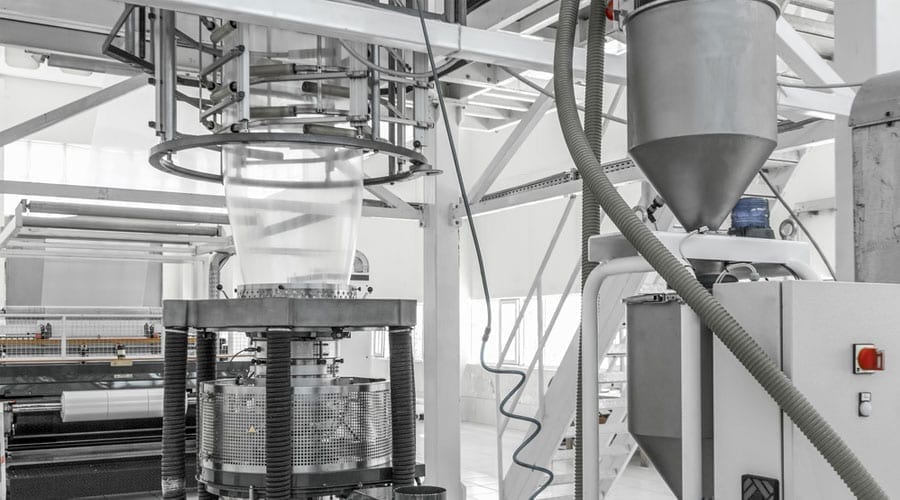
    Lotte Chemical Corp., the compound unit of Lotte Group, has extended its polyethylene plant in Malaysia to support deals in Southeast Asian markets, the organization said.

    Lotte Chemical has contributed 300 billion won (US$276 million) in growing the polyethylene production facility in Malaysia since 2015 and finished the extension venture in August, the organization said in an announcement.

    The Lotte Chemical Titan Holding Berhad plant now has a manufacturing limit of 810,000 tons of polyethylene, up 13 percent from the past limit of 720,000 tons, it said.

    Lotte Chemicalclaims a 74.87-percent stake in the plant which for the most part delivers polyethylene, the most widely recognized of plastic items. Lotte Property and Development holds a 31.27-percent stake in Lotte Chemical. The organizations are affiliates of Lotte Group, a retail-to-construction aggregate.

    Lotte Chemical intends to extend its manufacturing facilities in South Korea and the United States one year from now to have a consolidated polyethylene yield limit of 4.5 million tons globally, up from 3.3 million tons it is forecasting for the finish of 2017, the announcement said.


  • Don Quijote eyes more Asia stores

    Don Quijote eyes more Asia stores

    After opening its first outlet in Singapore (called Don Don Donki) this month, Japanese discount retailer Don Quijote plans to expand with even more outlets in Asia.

    Founding chairman Takao Yasuda sas the group is looking to open stores in Hong Kong, Malaysia, Taiwan and Thailand.

    When moving to Singapore to retire two years ago, Yasuda was surprised at the price of food ingredients and other products imported from Japan. “I realised my new mission was to lower the prices to affordable levels.”

    He says the Singapore store has been so popular it has had to limit customer numbers at weekends. “We’ll increase to around 10 stores in Singapore in two to three years so customers can enjoy shopping at leisure.”