Tag: Malaysia

  • MoneyMax Holding More Ground Malaysia

    MoneyMax Holding More Ground Malaysia

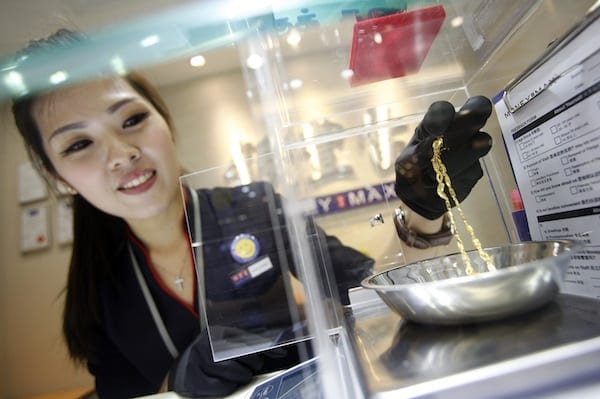
    Malaysian pawnbroker MoneyMax Financial Services – an offshoot of the Singapore group that specialises in pawnbroking, retail and trading in pre-owned jewellery, watches and branded goods – is buying into 13 pawnbrokers in Malaysia.

    It is acquiring interests in the traders from CMS Top Holdings for a consideration of RM56.6 million  (US$13.5 million) through its wholly owned subsidiary Cash Online. The transaction is being funded through internal resources and will underwrite expansion of its pawnbroking network in Malaysia.

    The target firms last year posted an aggregate net loss of about RM1.02 million, and have net tangible assets of about RM50.1 million.

    Separately, Chong Mei Sang, which established a JV with MoneyMax in 2014, will acquire about 1.96 million shares in the capital of each target company, including Pajak Gadai Bukit Gambir and Pajak Gadai Senai.

  • Dairy Farm sales stagnate

    Dairy Farm sales stagnate

    Dairy Farm sales were described as “flat” in the third quarter to September 30.

    The Hong Kong-headquartered company said improved performances in health and beauty, Ikea, restaurants and Yonghui were offset by lower sales in the food and grocery division.

    “The lower food division sales, together with new store pre-opening costs in home furnishings, (Ikea) led to underlying profits being marginally below the same period in the prior year,” the company said in a statement issued in London, where it has a secondary listing. “Similar trading conditions are expected to continue for the remainder of the year.”

    Dairy Farm said the weakness seen in food and grocery sales was principally driven by difficult trading for the hypermarket and supermarket operations in Southeast Asia, where it operates Giant hypermarkets and Cold Storage supermarkets. It says reviews of “a number of the businesses” are being undertaken.

    The results from greater China (including its Hong Kong Wellcome supermarkets) showed improvement over the same period last year. Convenience store operations (including 7-Eleven stores in Hong Kong and Singapore) produced improved sales and profitability.

    Yonghui reported a strong 20 per cent  growth in revenue and 131 per cent increase in profit in the quarter.

    Improved sales in the health and beauty division (Manning’s, Guardian and Rose Pharmacy) were driven principally by a strong performance in Hong Kong and Macau. Home Furnishings (Dairy Farm has the Ikea franchises in Hong Kong and Taiwan) traded well, although profitability was reduced due to pre-opening expenses for the new store in Hong Kong.

    Maxim’s (which also includes Starbucks operations in Hong Kong, Vietnam and Cambodia) had a seasonally strong quarter in both sales and profit, benefiting from record mooncake sales during the Mid-Autumn Festival period. In September, Maxim’s acquired the existing business and exclusive rights to operate and develop Starbucks franchise stores in Singapore.

    In August, the group completed the acquisition of the remaining 34 per cent interest in Rustan’s in the Philippines from its joint venture partner.

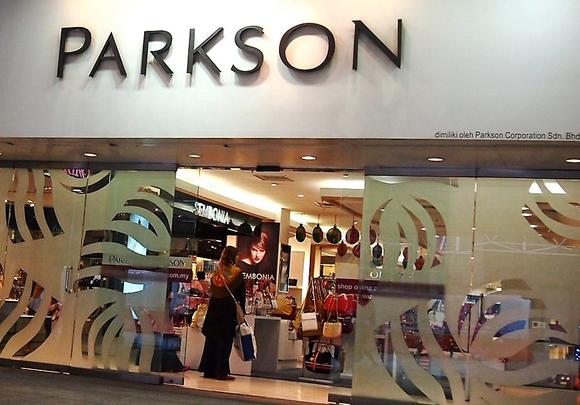
  • Parkson Retail Asia 1Q Net Loss Widens On Year As Sales Decline

    Parkson Retail Asia 1Q Net Loss Widens On Year As Sales Decline

    Parkson Retail Asia has had a lacklustre start to its fiscal year, its unaudited first-quarter figures show.

    Gross sales proceeds fell by 8.3 per cent year on year to S$202.4 million (US$148.9 million) for the quarter.

    Total merchandise sales generated $198.1 million, with concessionaire sales contributing 74.2 per cent, down from 77.9 per cent for the same period last year, and direct sales contributing the balance of 25.8 per cent.

    Attributable net losses to the owners of the company for the period, to September 30, reached $12.9 million. The group also had net current liabilities of $67.9 million at the end of September, the result of investments in new stores and ventures yet to reach optimal level. This was an increase of 22.5 per cent from its June 30 position.

    Same-store sales in Indonesia and Malaysia were impacted during the quarter by the absence of Lebaran/Hari Raya festival buying following a shift in the calendar.

    Malaysia remained challenging, with the country’s consumer sentiment index, at 77.1, continuing to register below the 100-point confidence threshold for the 13th consecutive quarter.

    Consumer spending appears to have also softened in Indonesia, where retail spending has been declining, while Parkson’s same-store sales in Vietnam dropped by 7.8 per cent. This is attributed to the “fading of novelty effects” arising from the entry into the market of such international players as H&M, Takashimaya and Zara.

    “Competition in Vietnam’s retail market remained intense,” says Parkson.

    In Myanmar, the group closed its store at FMI Centre, Yangon, in January with a new store at Junction Square in the city opening two months later.

    Parkson says its performance in the next quarter is expected to benefit from year-end school holidays and festive buying. However, it expects challenges with fragile consumer sentiment and stiff competition.

  • New look for Rolex KL Pavilion store

    New look for Rolex KL Pavilion store

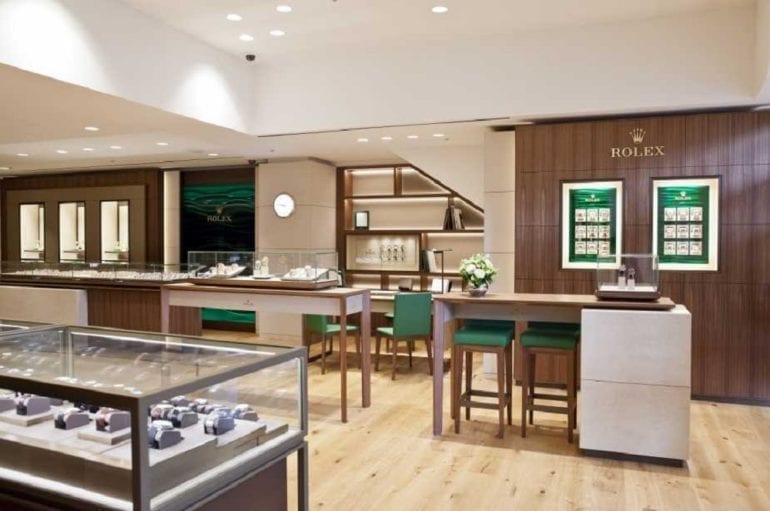
    Rolex has relaunched its boutique at Pavilion Kuala Lampur, with a new, elegant shop design and layout to lure the lucrative Malaysian market.

    Launched by Swiss Watch Gallery, which officially operates the luxury watch brand, the 158 square-metre-space has been modernized to appear high end, and offers a more intimate setting for consumers to experience the luxury timepieces.

    Key design features included bronze detailing and polished walnut wood cabinets to match the brand’s new image. The boutique also has a private salesroom for those seeking a discreet shopping experience.

    According to Valiram Group’s executive director Ashvin Valiram, the boutique is a “historical landmark”.

    “We are delighted that Swiss watchmaking’s crown jewel remains confident in our collaboration and we will continue to be its biggest and most passionate champion in the region,” said Valiram.

    To celebrate the launch, Rolex is offering Malaysian clientele the chance to purchase one of its newest timepieces– the gold Oyster Perpetual Cosmograph Daytona, which has a patented Oysterflex bracelet.

    The Swiss luxury watchmaker has also introduced new versions of its classic Oyster Perpetual Lady-Datejust 28 in steel and Rolesor (a material combining 904L steel and 18-carat white gold), and the Oyster Perpetual Sky-Dweller, as well as the Oyster Perpetual Sea-Dweller, Oyster Perpetual Pearlmaster, and Oyster Perpetual Yacht-Master 40 models.

    The Kuala Lumpur flagship store, the largest boutique in Southeast Asia, first bowed at the Pavilion some ten years ago.

    In 2016, the Swatch Group led watches with a 19% value share for the year, according to Euromonitor. The most populr brands in Malaysia included Swatch, Longines, Omega, Tissot, and Rado.

    Looking ahead, Malaysia will continue to see the penetration of high-end watches, said Euromonitor, with demand for signature watches brands such as Hublot, Breguet, Maurice Lacroix and Rolex, to remain sustainable.

  • ShopBack unveils close to USD40M in funding

    ShopBack unveils close to USD40M in funding

    ShopBack the one-stop lifestyle portal that powers smarter purchase decisions, raised USD25M in its latest funding round, bringing the company’s total funding raised to date close to USD40M. The round was led by Credit Saison, the largest credit card and retail finance company in Japan. More than 10 institutional investors participated in the round, including new investors Blue Sky and Intouch Holdings PLC, as well as existing investors SoftBank Ventures Korea, Singtel Innov8, Qualgro and East Ventures.

    “Cashback served as the cornerstone for ShopBack’s establishment in Malaysia and laid the foundation for us to build smarter shopping solutions,” said Alvin Gill, ShopBack Malaysia’s Country General Manager, “Living up to our value proposition as ‘The Smarter Way’, we have recently added service aggregation features for the rides to simplify purchase decisions for our users. We strive to become the one-stop shopping and lifestyle portal for every Malaysian.”

    Today, ShopBack powers close to 1,000 orders per hour, with an annualised sales figure of over USD300M for more than 1,300 partner merchants across the online retail, travel and lifestyle verticals. Over three and half million consumers across six countries in the Asia Pacific have signed up with ShopBack since the company’s inception in 2014.

    “ShopBack’s business model builds on the explosive growth of ecommerce in the Asia Pacific to drive tangible value for its users and cost-efficient sales generation for its partner merchants,” said Sean Lee, Partner of SoftBank Ventures Korea, “The model enables ShopBack to leverage user insights across shopping categories and develop smarter shopping solutions such as cross-category recommendations.”

    “The ShopBack team has demonstrated the ability to build a pool of loyal users in a sustainable and scalable manner, which is the backbone of all successful businesses. We have high confidence that the team is able to deliver on their vision in the region, hence the follow-on 18 months after our initial investment,” said Sean

    The three-year-old start-up previously disclosed two seed funding rounds totaling to over USD1M. This latest round of funding will be used to drive three key areas of development – acquiring world-class talent, launching new product features and establishing market leadership.

    Talent is key to long term success

     According to Heang Chhor, Managing Partner of Qualgro, “ShopBack consistently meets our high bar for delivering very strong growth. It has demonstrated exceptional ability to adapt and execute fast in very different markets across Southeast Asia. This rests on an innovative and fast-moving talent pool, that ShopBack has been able to attract, grow and motivate.”

    “Speed and results-orientation are key in the region, and ShopBack’s mantra of “Fail fast, learn fast and iterate faster”, has seen them rapidly become a regional platform for ‘The Smarter Way’ to shop online.”

    ShopBack’s presence in six countries is driven by a team of more than 130 people. The management team hails from ecommerce and technology background with experience in scaling companies across the region, including Alvin Gill who was previously the Chief of Staff to the CEO at ZEAL Network, a publicly-listed online lottery company with revenues in excess of EUR100M per annum.

    Prior to ZEAL Network, Alvin was in the investment banking industry before joining ZALORA Malaysia. He led the Buying Division and contributed, for the categories he controlled, a significant revenue growth towards the business. His experience and knowledge in Business Intelligence helped the company solve and streamline multiple operational challenges during his tenure.

    Proven product-market fit laid foundation for ShopBack’s regional growth

    ShopBack’s core business model is built on a strong foundation of multiple experimentations and iterations. It transformed from a one-day flash sale site to a perennial Cashback platform which enables it to deliver value to customers and partner merchants all year round.

    “We have witnessed ShopBack’s growth journey and the founders’ dedication to the business from the early days,” said Edgar Hardless, Chief Executive Officer of Singtel Innov8. “With the flourishing e-commerce market in the region, we believe ShopBack is strongly positioned to realise their regional growth aspirations.”

    ShopBack believes rapid and effective localisation is critical for players operating in a fragmented region like the Asia Pacific. While its core service offering remains the same across geographies, different marketing and product strategies are adopted to better address the needs of customers in each market.

     “This new round of funding leads to the start of the year-end shopping festival, with the nearest being Alibaba’s 11.11 Singles’ Day. Our customised marketing approach has efficiently lifted the awareness level for Taobao, Tmall, and AliExpress in Malaysia, which resulted in a 400% increase in orders during 2016’s 11.11 Singles Day compared to 2015. We look forward to upscale the performance this year with an impactful campaign including up to 50% cash rewards and special rebates for our users,” added Alvin.

  • Xiaomi Malaysia picks Kuala Lumpur to open its 2nd store

    Xiaomi Malaysia picks Kuala Lumpur to open its 2nd store

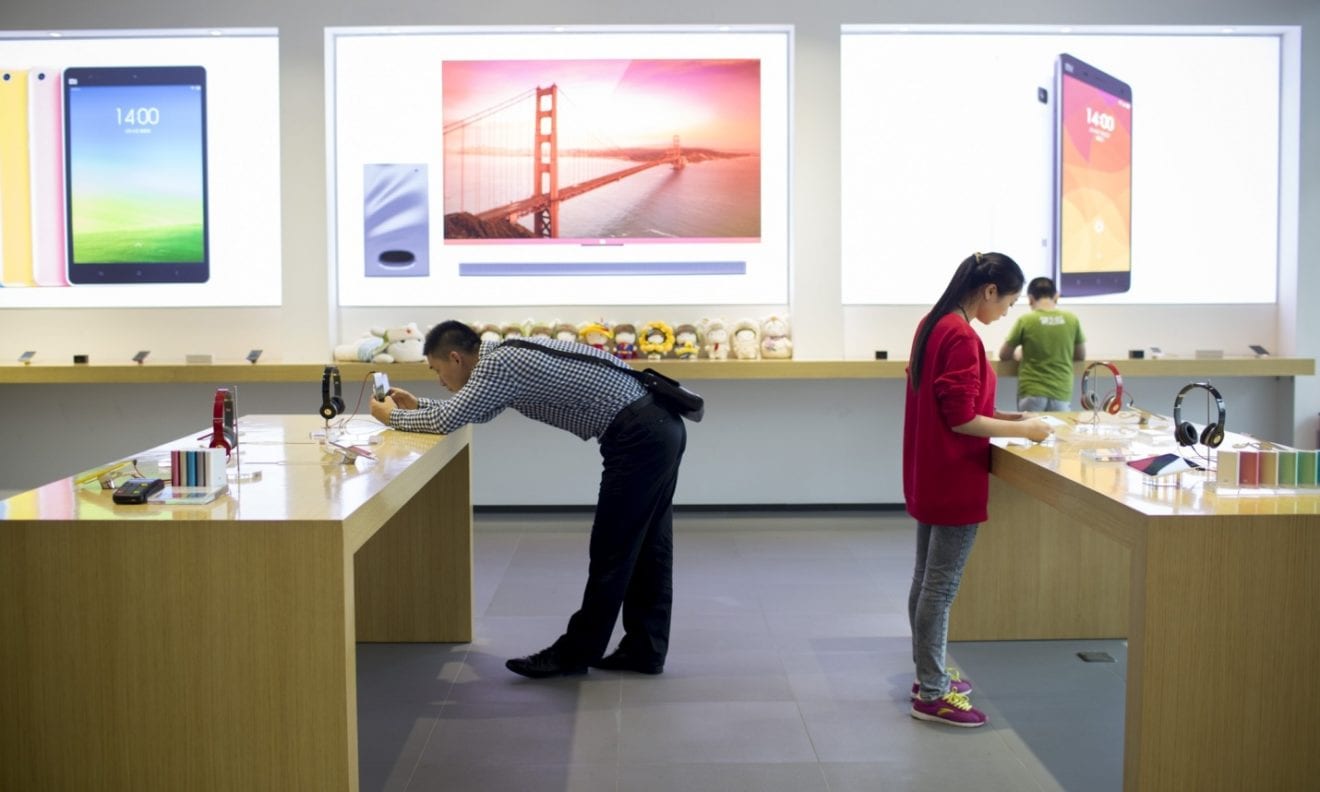
    Xiaomi Malaysia has opened its second retail store, offering Kuala Lumpur shoppers greater access to its Mi Ecosystem products.

    Originally the Chinese electronics company had sold its smartphones and other products exclusively online, but in its home territory has been introducing its Mi Home stores.

    At 940sqft (90sqm), its second authorised Mi Store is smaller than the debut store in Penang.  Xiaomi South Pacific head Steven Shi says the opening of a second store indicates the brand’s “great expectations” for growth in Malaysia.

    Two new smartphone models were released to coincide with the store’s opening, and Shi says Xiaomi will soon expand its Mi Ecosystem of products in Malaysia. These include IoT-ready products such as a smart rice cooker that can be pre-programmed for different recipes, a smart luggage bag than can be unlocked by phone, plus routers, TVs and drones.

    Meanwhile, Xiaomi is expanding across Southeast Asia, and has opened 15 Mi Stores and a factory in Indonesia. Xiaomi also has two Mi Stores in Singapore and one in Thailand. Its network in Malaysia is run by CG Computers.

    Its second concept phone, released with the KL store opening, was designed by Philippe Starck and features a curved ceramic back that that transitions to an aluminium frame. It will be available for pre-order on Saturday through online and offline channels including Lazada and authorised Mi Stores.

    Also showcased in the new store is the Redmi 5A Prime, the first Xiaomi phone that pairs a selfie light with a 16-megapixel front-facing camera. It has a fingerprint sensor on its back.

  • Morten Lundal to step down as Maxis CEO

    Morten Lundal to step down as Maxis CEO

    Morten Lundal will be stepping down from his position as chief executive officer of Maxis next year after serving the Malaysian telecoms operator for nearly five years.

    In a filing with Bursa Malaysia, Maxis said Lundal will be leaving the company when his contract expires on March 31, 2018.  No official reason was provided, and Maxis will reveal a successor in due course, the operator said.

    Lundal joined Maxis as CEO back in October 2013, bringing over 16 years of experience in the telecoms industry onboard. He was previously CEO of Digi, before joining Vodafone in various global positions within the British telecoms giant in 2008.

  • AirAsia partners Tourism Malaysia for travel fair

    AirAsia partners Tourism Malaysia for travel fair

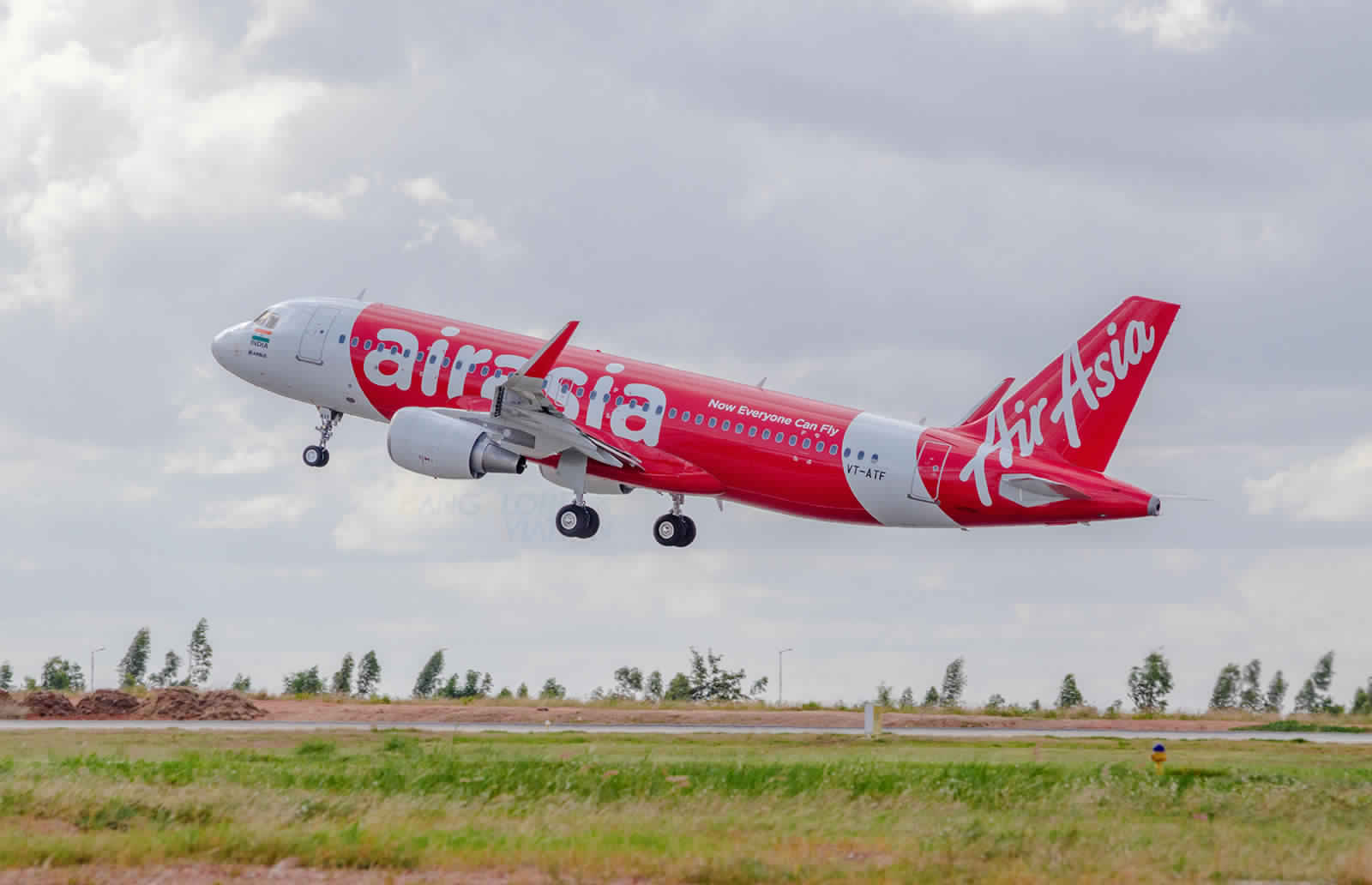
    Low-cost airliner AirAsia has announced the launch of a travel fair in Hyderabad, packed with offers, being organised in association with Tourism Malaysia.

    This fair is aimed at promoting tourism between India and Malaysia and thereby contribute to the socio-economic development of both the nations.

    During the initiative, interesting deals and offers are likely to be offered at the fair where guests can avail themselves up to 20 per cent off on their flight tickets. The offer is valid on bookings made between November 3 and November 5 for travel between November 6, 2017 and April 30, 2018.

    This discount is applicable on flights from Bhubaneshwar, Bangalore, Kolkata, Cochin, Hyderabad, Chennai, Trichy, Vishakhapatnam to Kuala Lumpur.

  • Malaysia Airlines moves fully to the cloud

    Malaysia Airlines moves fully to the cloud

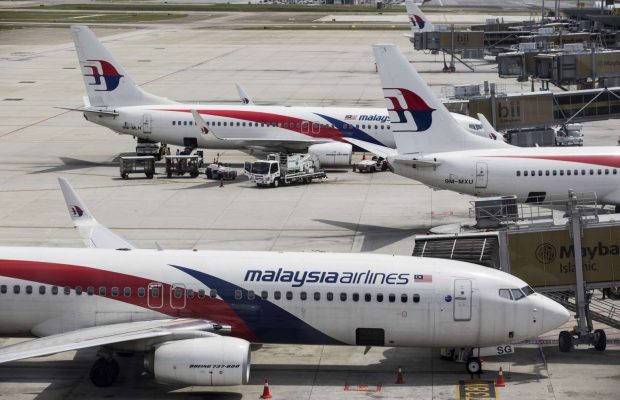
    Tata Consultancy Services has implemented an industry-first transformation project to migrate Malaysia Airlines’ data center to a 100% hybrid cloud model.

    To better enable a competitive-edge and future readiness for the airline, TCSorchestrated the large and complex project to migrate the airline’s core mission-critical data center infrastructure and myriad applications to a hybrid-cloud model operating 80% on Microsoft Azure and 20% on a private cloud.

    The pioneering move makes Malaysia Airlines the world’s first full-service airline to completely replace its existing data centers and adopt full-scale cloud solutions for its entire range of nearly 200 applications running mission critical commercial, operations and corporate systems.

    “We set out with an ambitious goal to digitally transform core IT operations to an as-a-service model, to achieve a quantum leap in cost savings, scalability, efficiencies, agility, and other key factors,” Malaysia Airlines CIO Tan Kok Meng said.

    The cloud-centric model is achieving exemplary results, including a 51% cost reduction forecast over the a 5-year period from mid-2016; productivity improvements up to 80% for core applications; application delivery times accelerated from days to hours in some cases; enhanced security and compliance capability and reporting.

    TCS Asia Pacific president Girish Ramachandran said this industry-first transformation not just drives improved value and enhanced operational efficiencies, but equally important, it enables Malaysia Airlines to deliver a better customer experience that results from a digitally-reimagined all-cloud IT model.

    As primary service partner, TCS collaborated with Microsoft, SAP, and numerous other vendors to ensure Malaysia Airlines’ current phase of digital evolution is seamless and cost-efficient and delivered without business disruption.

    The project scope included re-platforming of legacy applications for cloud compatibility and network service provisioning for large and complex airline operations. See the cloud transformation story in a single snapshot here.

  • Lazada Online Revolution offering 210 million items

    Lazada Online Revolution offering 210 million items

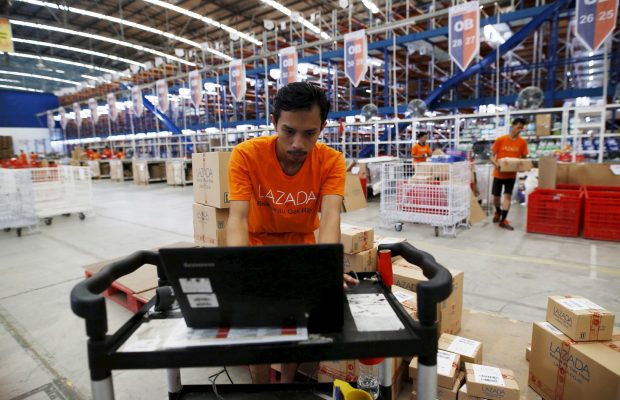
    In its sixth year, the Lazada Online Revolution mega-sale will be the biggest yet when it takes off on November 11 across six countries – Indonesia, Malaysia, the Philippines, Singapore, Thailand and Vietnam.

    Themed “Shop the Universe”, the sale will offer 210 million products, up sevenfold from last year, and has expanded its product categories to include fashion, luxury cosmetics, groceries, pet supplies and digital goods such as e-vouchers and prepaid mobile-phone top-ups. International brands include Huawei, Laneige, Levi’s, Mac, Ray-Ban, Shiseido and Triumph.

    There will be about 26 million deals offering discounts of up to 90 per cent, including items from the Taobao Collection, which offers kitchenware, furnishings, fashion apparel and accessories.

    Shoppers in Southeast Asia ordered about two million items within the first 24 hours of last year’s Online Revolution 2016. Among the top sellers were VR glasses, smartphones, shower gels and mascaras.

    As well as its own 130 delivery centres across the six countries, Lazada will work with more than 80 delivery companies to handle demand during the sale.

  • Tigas Alliance opens innovative flagship pharmacy

    Tigas Alliance opens innovative flagship pharmacy

    Tigas Alliance, the pharmacy chain owned and run by Berjaya Pharmacy Retail, has opened a flagship at Plaza Berjaya in Kuala Lumpur.

    Farmasi Tigas Ekspres features an innovative service format that includes health advice.

    With the tagline “A pharmacy you can talk to”, Tigas Alliance focuses on providing consultation services with its own licensed pharmacists, termed #rockstarpharmacists.

    “We believe pharmacists are an essential stakeholder in the partnership with doctors to deliver holistic and effective patient care,” says Tigas Alliance pharmacist/senior manager Jennifer Tan.

    “Our mission is to promote excellence in preventive health consultations.”

    Tigas ensures its #rockstarpharmacists are kept informed of the latest industry guidelines through regular professional development sessions. No appointments are needed for customers at the store’s private consultation areas.

    Pharmacy services include health assessment and monitoring, medicine review, weight management, smoking cessation, family planning and dietary advice.

  • Mixed quarter for CapitaLand Malaysia Mall Trust

    Mixed quarter for CapitaLand Malaysia Mall Trust

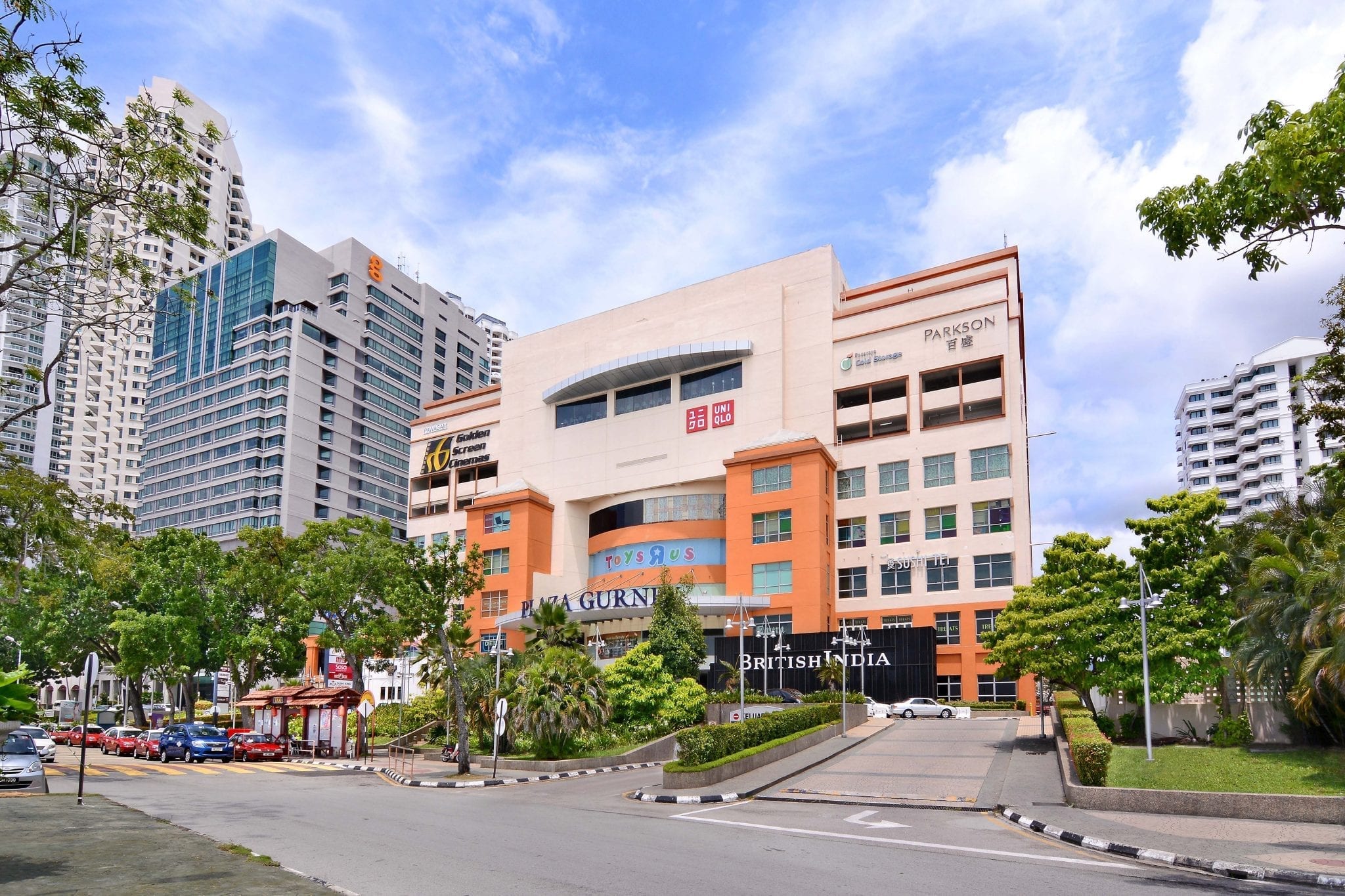
    In a third quarter of mixed results, CapitaLand Malaysia Mall Trust (CMMT) saw its net property income fall 2.2 per cent year on year to RM60.1 million (US$14.1 million).

    East Coast Mall and Gurney Plaza turned in stronger performances to partially mitigate lower contributions from the trust’s Klang Valley shopping malls.

    Cautious consumers and growing competition from new malls have affected Malaysia’s retail sector, says chairman David Wong of CapitaLand Malaysia Mall REIT Management (CMRM), which manages the trust.

    “Our Klang Valley malls continued to be affected by the increased supply of retail space in the vicinity,” says CMRM CEO Low Peck Chen.

    She says a reconfiguration of the basement level at Gurney Plaza to increase the F&B offering is expected to contribute to income from the fourth quarter.

    “At Tropicana City Mall, a Japanese restaurant was added to the standalone F&B cluster

    adjoining the office tower. Another restaurant will join the cluster next month to make a total
    of four F&B outlets, all of which have extended hours past midnight to better meet the needs of consumers.

    “Shoppers at The Mines will also find more shopping and entertainment choices on Level 4 following reconfiguration works.”

    Meanwhile, a rejuvenation of the 40-year-old Sungei Wang Plaza is expected to start soon.

    “During the quarter under review, we organised several family-oriented experiential marketing
    activities to enhance the shopping experience, which drew more visitors to our malls.”

  • Isaac Toast lands in Malaysia – at KL airport

    Isaac Toast lands in Malaysia – at KL airport

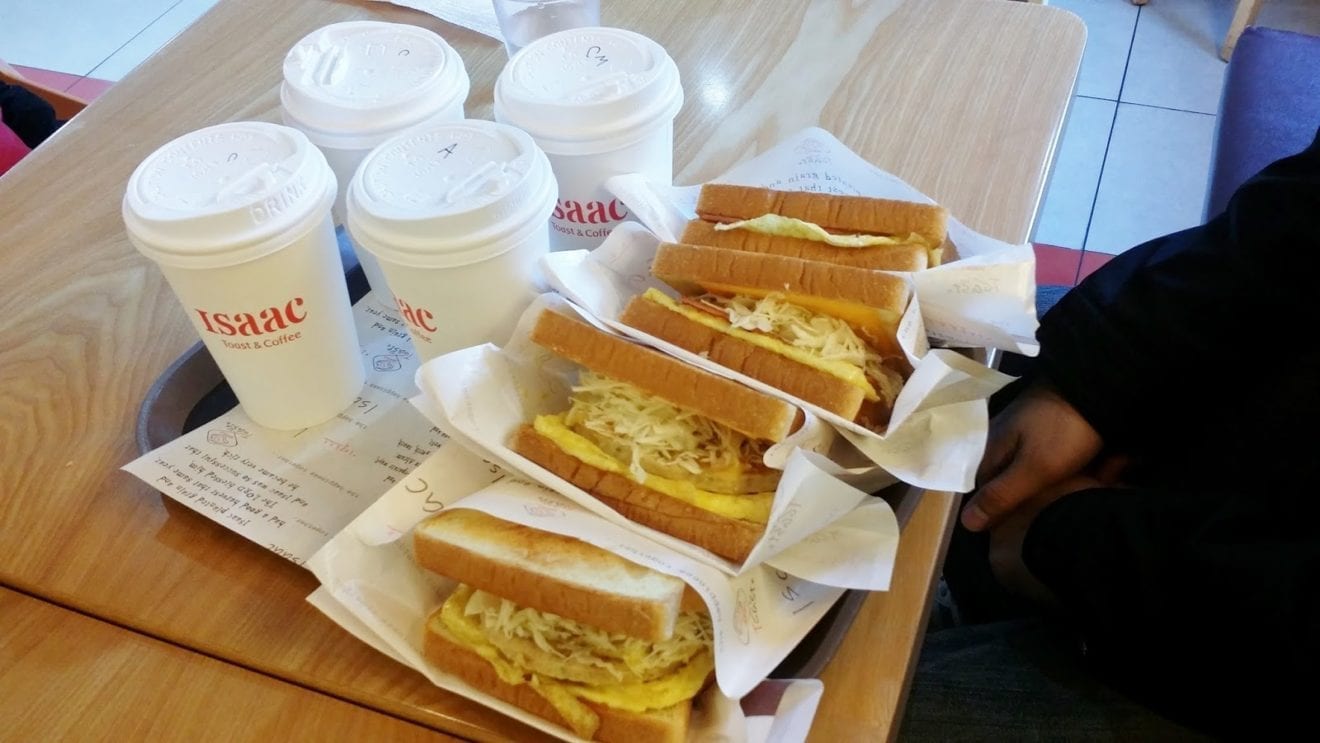
    South Korean sandwich outlet Isaac Toast opened yesterday at Kuala Lumpur International Airport (KLIA2) Arrival Hall – its debut for Malaysia.

    Starting out as a sandwich stall in Seoul in 1995, Isaac Toast now has 700 retail outlets in South Korea, with a scattering of stores also in Macau and Taiwan.

    It is known for its filling sandwiches that feature different meats and toppings. Its most popular sandwiches include Bulgabi, Bulgogi, Bacon Best and Ham Special, plus some branches offer specialties like Double Cheese Potato and even Shrimp.

  • Charoen Sirivadhanabhakdi eyes Malaysian restaurants

    Charoen Sirivadhanabhakdi eyes Malaysian restaurants

    A Thai group controlled by Charoen Sirivadhanabhakdi may buy a substantial stake in the KFC and Pizza Hut restaurant chains in Malaysia.

    Through his majority controlled Thai Beverage, which brews and markets Chang beer, Charoen is presently taking over the KFC chain in Thailand.

    QSR Brands owns and runs the KFC and Pizza Hut quick-service restaurants in Malaysia. Johor Corporation has a 51 per cent stake in QSR Brands, while the Employees Provident Fund (EPF) and private equity firm CVC Capital Partners own 25 and 24 per cent respectively.

    JCorp took KFC private in 2012 through QSR Brands in a deal listed at RM5.1 billion (US$1.2 billion). The deal was completed in early 2013.

    Apart from ThaiBev, Charoen also owns Fraser and Neave (F&N) in Singapore, a company he took over in January 2013. In Malaysia, Fraser & Neave Holdings works in the F&B sector.

    Charoen’s ThaiBev last month bought 240 KFC restaurants across Thailand for THB11.3 billion (US$340.2 million).

    QSR Brands has more than 775 KFC restaurants in Malaysia, Singapore, Brunei and Cambodia. It also runs Pizza Hut in Malaysia and Singapore, with more than 390 restaurants.

  • Berli Jucker eyeing Asean expansion

    Berli Jucker eyeing Asean expansion

    Thai company Berli Jucker (BJC) plans an aggressive expansion of its retail network in the Asean region.

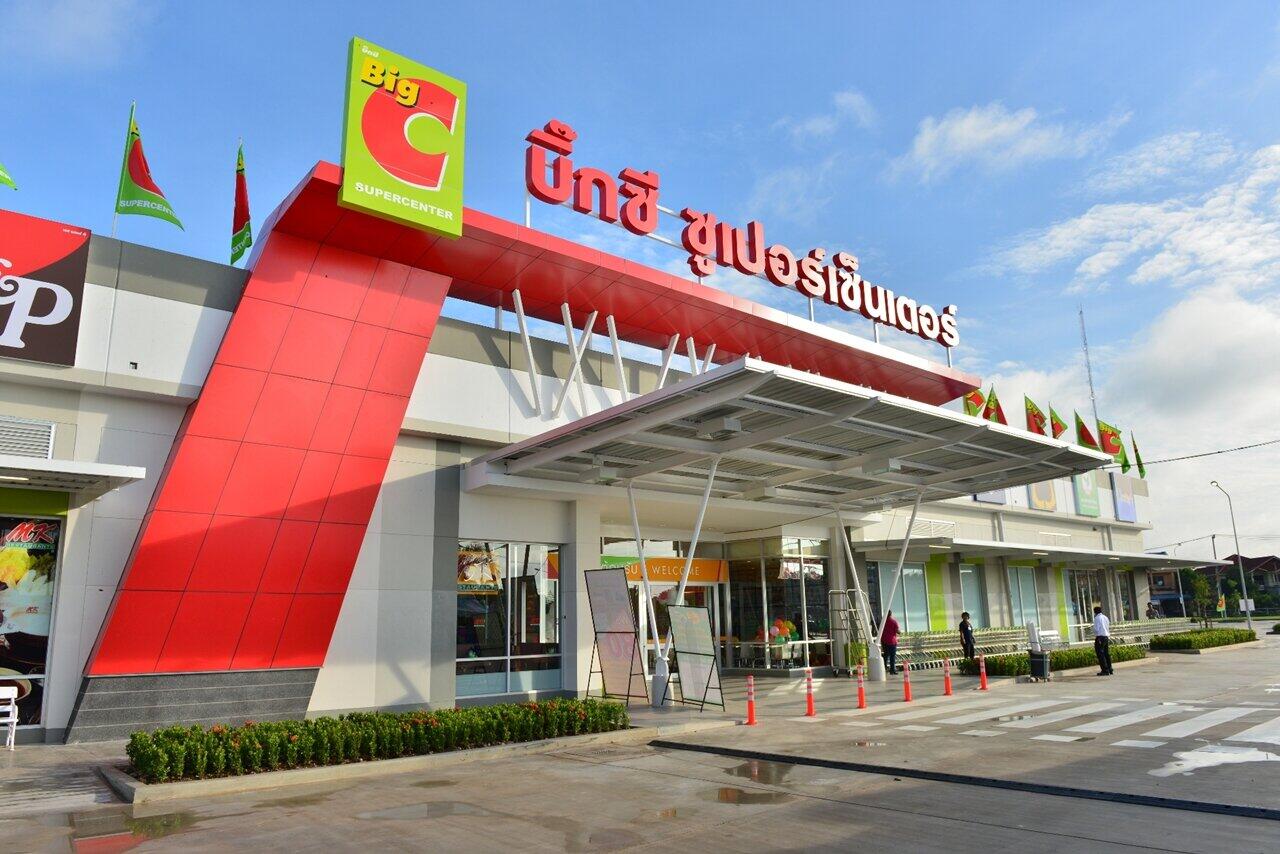
    The push will include its hypermarkets and convenience stores, including the opening of Big C hypermarkets in Malaysia.

    BJC president/CEO Asawin Techajareonvikul says the company is evaluating whether to give Malaysia or Vietnam priority in its retail network expansion.

    Described by the company as “downstream business”, the expansion will help its main interests, manufacturing, distribution and logistics.

    Group chairman Charoen Sirivadhanabhakdi says BJC has had a foothold in Malaysia since acquiring a glass factory there in 1966. Big C stores would be the group’s first retail venture there.

    However, Asawin says there are already many competitors in Malaysia. “Meanwhile, in Vietnam, we already have 19 MM Mega Market hypermarkets as well as 173 B’s Mart convenience stores. The market has a lot of potential.”

    He says that between 200 and 300 hypermarkets are run by different companies in Thailand, but with about 90 million people in Vietnam, the number of hypermarkets there is quite small.

    “Our strategy is to build ‘connectivity’ within our retail network,” says Asawin. “Our Big C stores now cover all major provinces throughout the kingdom, but the transportation lead time from one store to another is currently about three hours. We want to reduce this to only one hour, and that means we need to open more stores to fill the gap, especially in cities in border areas.”

    BJC has 1200 retail outlets in Thailand, Laos and Vietnam under different brands, including Big C in Thailand, MM Mega Market and B’s Mart in Vietnam, and M-Point Mart in Laos. The group also has more than 10 factories in Asean.