Tag: Malaysia

  • Eraman partners with Alipay in drive to attract Chinese consumers

    Eraman partners with Alipay in drive to attract Chinese consumers

    Malaysia Airports (Niaga) Sdn Bhd, known as Eraman, has partnered with Alipay, the world’s largest online and mobile payment platform, as it improves its services to Chinese shoppers.

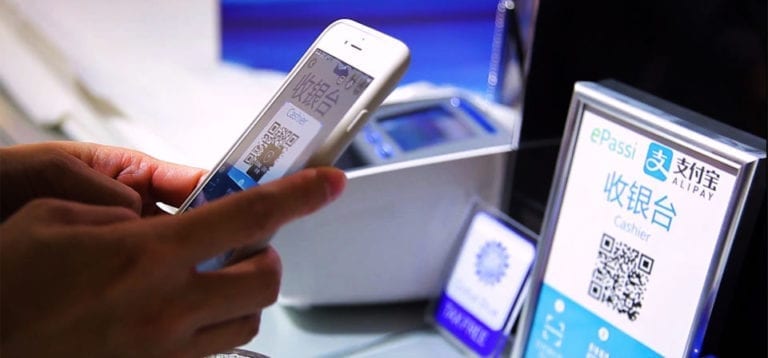
    Eraman, Malaysia’s leading travel retailer, said it will now be able to tap into the 520 million-strong Alipay active user base. Some 4.5 million are Chinese tourists that travel to Malaysia annually. Those travellers visiting Eraman outlets will be able to pay with their Alipay personal QR code via their smart phone.

    Alipay is integrated into the merchant portfolio of Maybank and CIMB Bank Bhd, Malaysia’s two largest financial services providers, and uses the in-store on-line payment solution at all Eraman outlets nationwide. Eraman claimed that this new payment mode will improve Chinese travellers’ shopping experience at the airports.

    “Security and speed are important to us as we look to enable our Chinese travellers to walk into our outlets while travelling abroad and pay for purchases with the Alipay – just like they do in China. This Alipay in-store payment will act as the settlement, allowing Chinese travellers to pay for their transactions in Yuan without having concerns on the exchange rate. This is done through a simple swipe and barcode-scanning method,” said Malaysia Airports (Niaga) General Manager Zulhikam Ahmad.

    “All Eraman retail outlets in KLIA and klia2 including duty free emporium and lifestyle stores began accepting Alipay in June 2017. However Eraman food & beverage and retails outlets in Kota Kinabalu, Kuching, Penang, Langkawi International Airport and Labuan Airport have begun to accept Alipay since the end of August. In China, this payment system is a way of life for shopping and many other activities, and given the growing number of Chinese travellers here, we are hoping for a high uptake,” added Zulhikam.

    In conjunction with this smart partnership, Eraman has launched a special promotion from 1 September to 31 December whereby all Chinese travellers using Alipay will be entitled to an e-voucher of RMB100 when they spend RMB1,000 at participating Eraman retail outlets. This e-voucher can be redeemed for the second purchase at Eraman outlets within 24 hours.

    Meanwhile, Alipay users will also be able to enjoy up to -10% off for purchases made at Eraman’s F&B outlets and its convenience store, EXpress. The discount can be used for a second purchase at Eraman within 24 hours.

    “As the premier retail brand under Malaysia Airports, Eraman has evolved over the last couple of years. We continue to diversify our offerings, embrace the many exciting possibilities and grow our presence in the leading airports in Malaysia. This is our way of providing the total airport experience by means of an alternate payment method and providing ease for our Chinese customers who happen to be one of our top three passenger groups in terms of nationality,” said Zulhikam.

    Chinese travellers contribute the highest ticket sales at KLIA and klia2. Eraman said it has recorded double-digit percentage growth in sales value with fragrances & cosmetics, liquor and tobacco boosted by purchases from Chinese travellers this year. Eraman said this was also due to a varied offer and competitive pricing compared to downtown on fragrances, cosmetics and liquor.

    Malaysia is ranked third in the region after Thailand and Singapore for the number of Chinese visitors it attracts each year. Eraman said it aimed to become “their preferred duty free retailer” as Malaysia rises in the rankings.

    Eraman added that it is keen to build “long term alliances with reputable partners and recognises this collaboration to be a major contributor to the company”.

    “The entry of Alipay marks a notable milestone in the growth of Chinese tourist arrivals and online transaction services in Malaysia, and we are proud to be part of this development. We look forward to a strong synergistic collaboration and we are happy Alipay is on board with us,” said Zulhikam.

    “We are excited to partner Eraman, a very strong player in the duty free industry. With this partnership we’ll help Eraman to reach out to more Chinese customers by utilizing the Alipay marketing platform to market various top brands and products offered by Eraman,” said Alipay Country Manager of Malaysia Greta Gunawan. “Duty free shops are always on the must-visit list of Chinese tourists. In the future, Alipay users can check shop details and special offers via the in-app Discovery platform even before they depart to Malaysia.”

    CIMB Group Chief Executive Officer, Group Transaction Banking Hendra Lembong added: “We are pleased to collaborate with Eraman in providing Chinese tourists a convenient and secure cashless payment experience in Malaysia with CIMB’s Alipay mobile wallet. As a pioneer settlement and merchant acquirer bank in facilitating Alipay payments in Malaysia, CIMB is confident of spearheading the growth of mobile wallet payment services in the country with its cutting edge expertise in transaction banking. We aim to not only support Malaysia’s drive for a safe and secure cashless society, but also provide our customers with a seamless banking experience within ASEAN.”

     

  • Cold Stone Announces Malaysian Expansion

    Cold Stone Announces Malaysian Expansion

    Scottsdale, Ariz.-based Cold Stone Creamery has signed a master franchise agreement with Srivijaya Sdn. Bhd. to expand its presence into Malaysia. The company plans to roll out 20 stores over the next five years, beginning with a location in Kuala Lumpur.

    Cold Stone operates approximately 300 international outposts in more than 28 markets.

  • Petron posts 56% jump in income

    Petron posts 56% jump in income

    Petron Corp. saw its consolidated net income in the first semester surge 56 percent year-on-year to P8.2 billion this year from P5.3 billion last year, despite supply issues brought about by refinery maintenance.

    The oil refiner and retailer said in the first half of 2017, it saw its crude oil inventory go down while its Bataan refinery went through a 45-day maintenance shutdown, scheduled as part of a 10-year inspection program.

    “With our upgraded refining capabilities, we derived more value and produced more profitable products,” Petron president and chief executive Ramon S. Ang said in a statement.

    “This is strongly complemented by our extensive expansion efforts in both our logistics and retail businesses,” Ang said.

    He said the strong showing during the first semester of the year was driven by a deliberate focus on more profitable segments and improved refinery production yields, while sustaining sales volumes.

    With volumes reaching record levels in 2016, Petron sold a total of 52.9 million barrels of products in the Philippines and Malaysia or just about the same as the level in the same period last year of 52.6 million barrels.

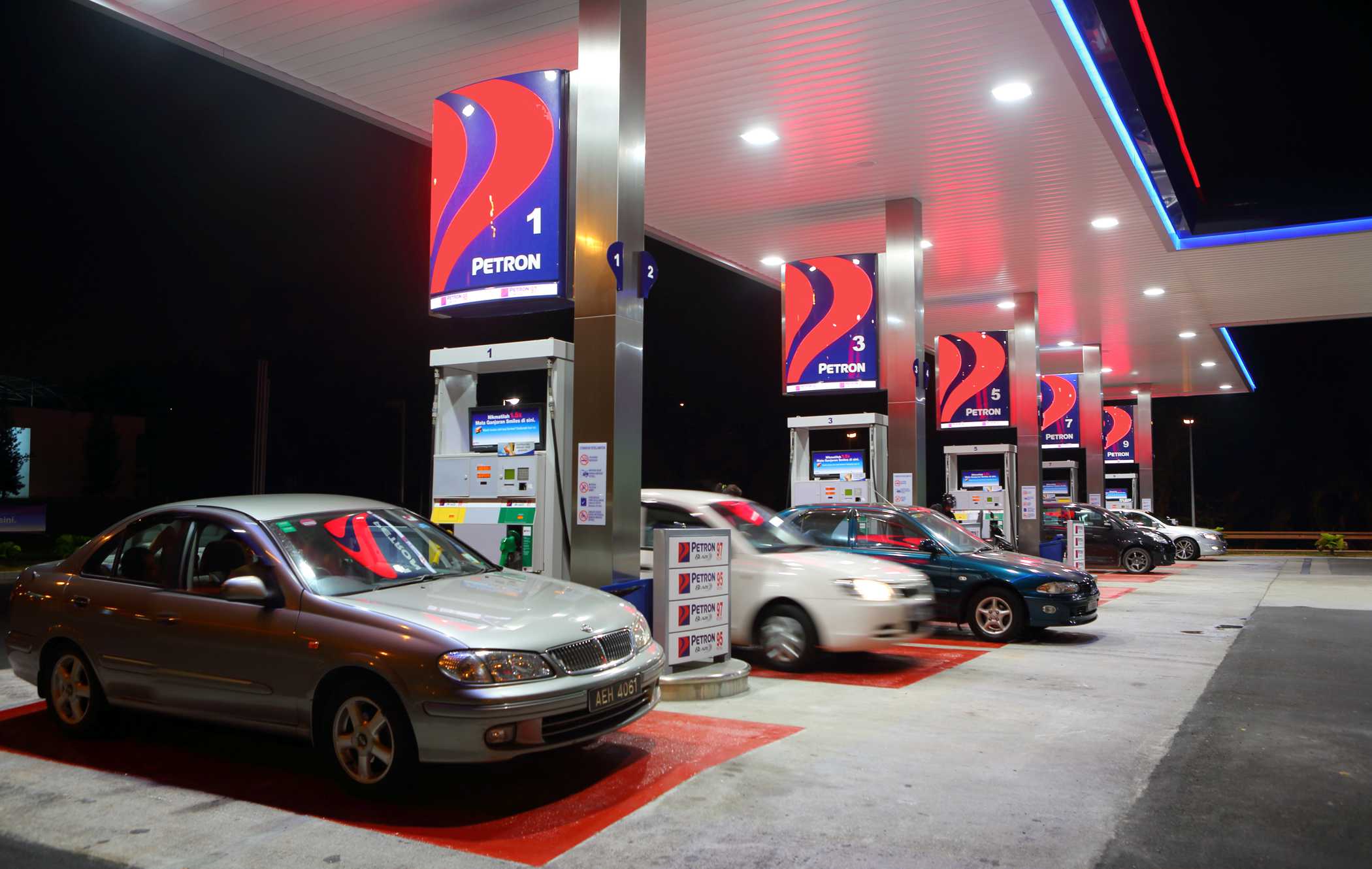
    Petron has a combined retail network of about 2,900 service stations, of which more than a fifth or about 600 are in Malaysia.

    With petrochemical sales revving up by 78 percent year-on-year, Petron saw consolidated sales revenue jump 28 percent to P207 billion in the six months to June.

    Also, operating income leaped 27 percent year-on-year to P14.6 billion from P11.5 billion.

    In both the Philippines and Malaysia, Petron is building “dozens” of service stations.

    “With the country’s economy growing at a rapid pace, we are expanding our facilities not just for the needs of today but also to ensure a reliable and continuous supply of quality fuels for tomorrow,” Ang said.

    “Our expansion projects mean more employment opportunities and economic activity, which help in nation-building,” he added.

  • Axiata more than doubles Q2 profit

    Axiata more than doubles Q2 profit

    Malaysia’s Axiata Group has reported a strong 115.5% year-on-year surge in Q2 profit to 479.1 million ringgit ($112.2 million) due in part to record-high revenue.

    Group revenue increased 13.9% year-on-year and 3% sequentially to 6.1 billion ringgit, despite increased losses from Axiata’s 19.75% stake in India’s Idea Cellular due to that market’s ongoing weakness.

    Revenue and ebitda at both Malaysian mobile unit Celcom Axiata and Indonesia’s XL Axiata both improved, while Cambodia’s Smart Axiata had another strong quarter, the company said.

    Data revenue grew nearly 11% from the previous quarter to account for 44.1% of service revenue.

    In the group’s South Asian Markets, Sri Lanka’s Dialog Axiata increased its mobile data revenue by 44.1% sequentially, Bangladesh’s Robi Axiata’s year-to-date data revenue grew 95.6% sequentially and Nepal’s Ncell posted data revenue growth of 16.9% quarter-on-quarter.

    For the first six months of the year, group revenue grew 15.7% quarter-on-quarter to 11.9 billion ringgit with profit up 17% over the same period to 741.1 million ringgit.

    “While the Group achieved better-than-expected half year performance, there remain considerable macroeconomic and industry challenges. As such, the Board is supportive of the ongoing turnaround of key units, while balancing the need to remain fiscally disciplined in terms of dividend and investment policies,” Axiata chairman Tan Sri Azaman Hj. Mokhtar said.

  • Telekom Malaysia Q2 profit grows 51%

    Telekom Malaysia Q2 profit grows 51%

    Telekom Malaysia has reported a 51% year-on-year increase in net profit for the second quarter, as forex gains more than compensated for declining revenue.

    Net profit for the period reached 210.48 million ringgit ($49.3 million), with the operator reporting a foreign exchange gain of 50 million ringgit.

    But revenue declined 2.3% year-on-year to 2.98 billion ringgit, as a result of lower data, voice and other telecommunications service revenue.

    For the first half of the year, revenue increased a slim 0.7% to 5.94 billion ringgit. The company increased its broadband customer base to 2.36 million, while its LTE coverage grew to reach more than 80% in major cities.

    Capex for the six month period amounted to 899 million ringgit or 15.1% of total revenue.

    “This is a challenging period for the industry where we see flattish growth trends and cost headwinds. Our internet revenue, has seen commendable growth at 8.5% YTD,” Telekom Malaysia group CEO Dato’ Sri Mohammed Shazalli Ramly said.

    “We are focused on empowering digitization in our daily operations to optimise processes and productivity. We are expediting our fiber rollout and expanding our reach with our ongoing investments, for example to high-rise buildings; and made some key execution leadership appointments to facilitate this, amongst others.”

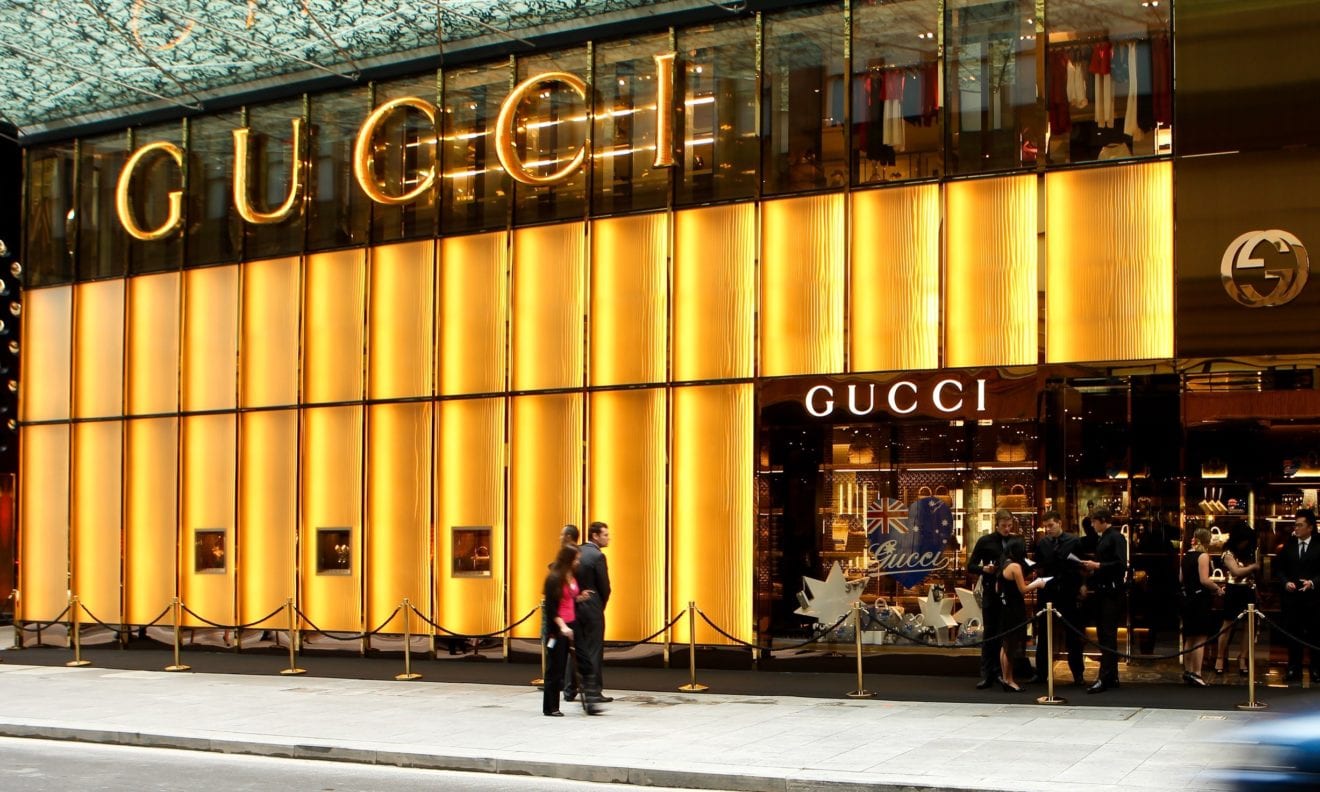
  • Gucci reopens Pavilion Kuala Lumpur store

    Gucci reopens Pavilion Kuala Lumpur store

    Gucci Pavilion KL has reopened in Kuala Lumpur, after the Italian label closed its Malaysian flagship to be redesigned in the taste of current creative director Alessandro Michele.

    Located on the second and third floor at Pavilion Kuala Lumpur, the refurbished store is the first in Malaysia to feature the creative director’s new design concept.

    Within the two-storey boutique, customers are privy to illustrious fabrics, geometric prints, and mosaic marble floors, as well as wooden panelled walls –set against a rich burgundy colour palette throughout.

    The stairway is flushed with dark red velvet and room-enlarging mirrors, while the store façade is a Greco-Roman marble stone in grey, with the ‘Gucci’ stamped in metallic silver over the entrance.

    The Gucci Pavilion KL store stocks the latest ready-to-wear, footwear, bags, accessories and fragrances for men and women.

    The high-end fashion house has been improving its retail operations in Asia in recent months.

    In June, Gucci unveiled its China-dedicated e-commerce website, gucci.cn, created to “allow consumers a better access to Gucci products, without the limitations imposed by store location or opening hours.”

    Gucci opened its first Alessandro Michele-designed store in Japan in Tokyo last December.

  • 11street Malaysia commits to long term after parent’s Indonesian exit

    11street Malaysia commits to long term after parent’s Indonesian exit

    Just days after its parent company announced an exit from Indonesia, 11street Malaysia says it is confident of its long-term growth prospects.

    11street is effectively the online business unit of giant Korean telco SK Telecom, which last week said it was selling its 50 per cent stake in Indonesian e-commerce venture Elevenia to Lotte, a company it is pursuing a joint venture opportunity with in their home market.

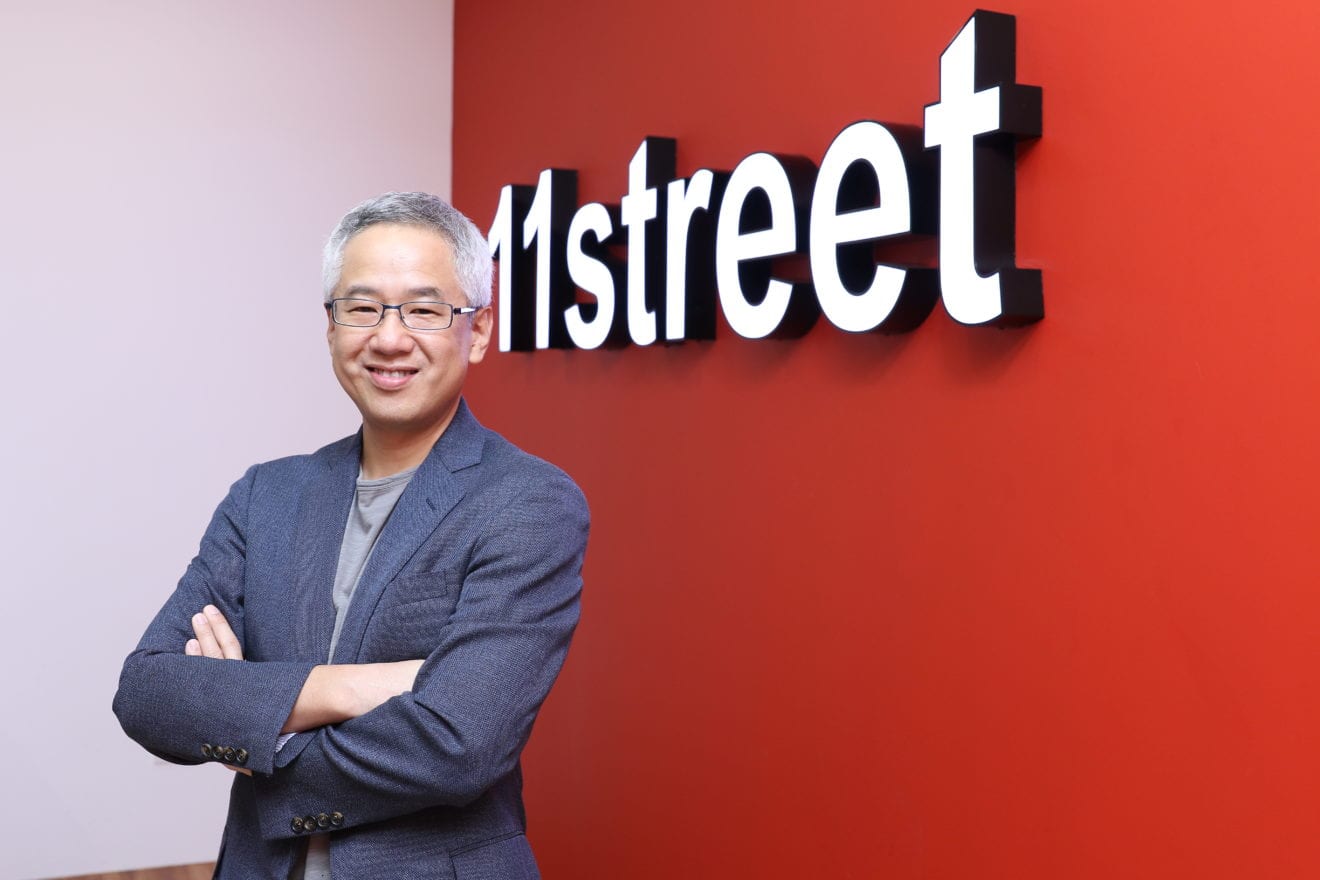
    In Malaysia, 11Street is operated by Celcom Planet, a joint venture between Celcom Axiata Berhad and SK Planet. Celcom Planet CEO Hoseok Kim (pictured) says since its launch in April 2015, 11Street Malaysia has rapidly grown into a first tier e-commerce provider of an open-market platform with 40 thousand listed sellers, 13 million registered products for sale and 16 million monthly visits.

    “We are very pleased with the success and progress that 11street Malaysia has made in less than three years since its launch and we are confident that we will be the number one marketplace in Malaysia within the next three years”, said Kim.

    He added that the company is currently looking at various strategic options including funding from strategic partners to prepare for the next phase of accelerated growth.

    Sungwon Suh, CEO of SK Planet, backed up Kim’s comments.

    “Recently, SK Planet has made a strategic decision to pick and choose battlegrounds where we can win and Malaysia is [one of] the battlegrounds, one of the fastest-growing and infrastructure-ready e-commerce markets in Southeast Asia,” said Suh.

  • Ikea plans $212 million Malaysian distribution centre

    Ikea plans $212 million Malaysian distribution centre

    Swedish furniture retailer Ikea is to  open a regional distribution and supply chain centre for Asean in Malaysia.

    According to Malaysian media, the facility will cost about RM908 million (US$212 million), and serve the existing 12 stores in the Ikea Asean network – and seven more planned for construction by 2026.

    The 100,000 sqm warehouse will be one of Ikea’s largest worldwide and reflects the company’s growing focus on the fast-growing Asian market.

    Ikea currently has stores in Thailand, Malaysia, Singapore and Indonesia. More are planned for the Philippines and Vietnam, although launch dates have yet to be announced.

    It is unclear whether Ikea stores in Hong Kong and India will also source products from the new facility.

    Malaysia’s international trade and industry minister Datuk Seri Mustapa Mohamed said the project adds momentum towards making Malaysia a regional distribution hub and the preferred logistics gateway to Asia, as outlined in the National Logistics and Trade Facilitation Masterplan and National E-Commerce Strategic Roadmap.

  • First-half revenue dip for Cosmo Lady

    First-half revenue dip for Cosmo Lady

    In a challenging market, intimate-wear enterprise Cosmo Lady (China) Holdings had a 6 per cent dip in revenue to about RMB2.07 billion (US$310.9 million) for its first half.

    Announcing its interim results, the company says the decline was mainly because of loss-making retail stores being closed, coupled with weak sales of sleepwear and loungewear.

    Gross profit fell from RMB1.05 billion for the first half last year to RMB937.1 million, with gross profit margin easing to about 45.1 per cent from 47.7 per cent.

    Sales of bras and underpants returned to growth for the six months, following last year’s decline. Adjustment is still in progress for sleepwear, loungewear and thermal clothes.

    Cosmo Lady says its group profit of about RMB144.8 million, while lower than the RMB174 million for the same period last year, was a significant improvement over the RMB67.9 million for last year’s second half.

    “During the first half of this year, Cosmo Lady’s business was consistently challenged by economic and industry uncertainties,” says chairman/executive director/CEO Zheng Yaonan.

    Stores closed

    A “large number” of loss-making retail stores, mainly department store concessions and high street locations, were closed. At the end of June, the group’s distribution network comprised 7307 outlets, of which 1295 were self-managed retail stores and 6012 were franchised stores. Meanwhile, the group further developed its e-commerce business, continuously boosting sales and has been expanding partnerships. In May, it signed a co-operation agreement in Japan to distribute Kimuratan Corporation apparel for infants and children in Mainland China.

    Cosmo Lady also issued new shares to a wholly owned subsidiary of Fosun International, raising gross proceeds of HK$600 million (US$76.6 million). The two parties entered into a strategic co-operation agreement to explore development possibilities in the intimate-wear industry in China.

    Also, the group has also started developing the Indonesian market with a business partner.

    It has also engaged Rowland Berger Strategy Consultants (Shanghai) for help in preparing and implementing a five-year development plan

    During the rest of this year, Cosmo Lady will be working with partners to develop the markets of Thailand, Vietnam and other developing countries in Southeast Asia, as well as opening discount retail stores in third- and fourth-tier regions in China.

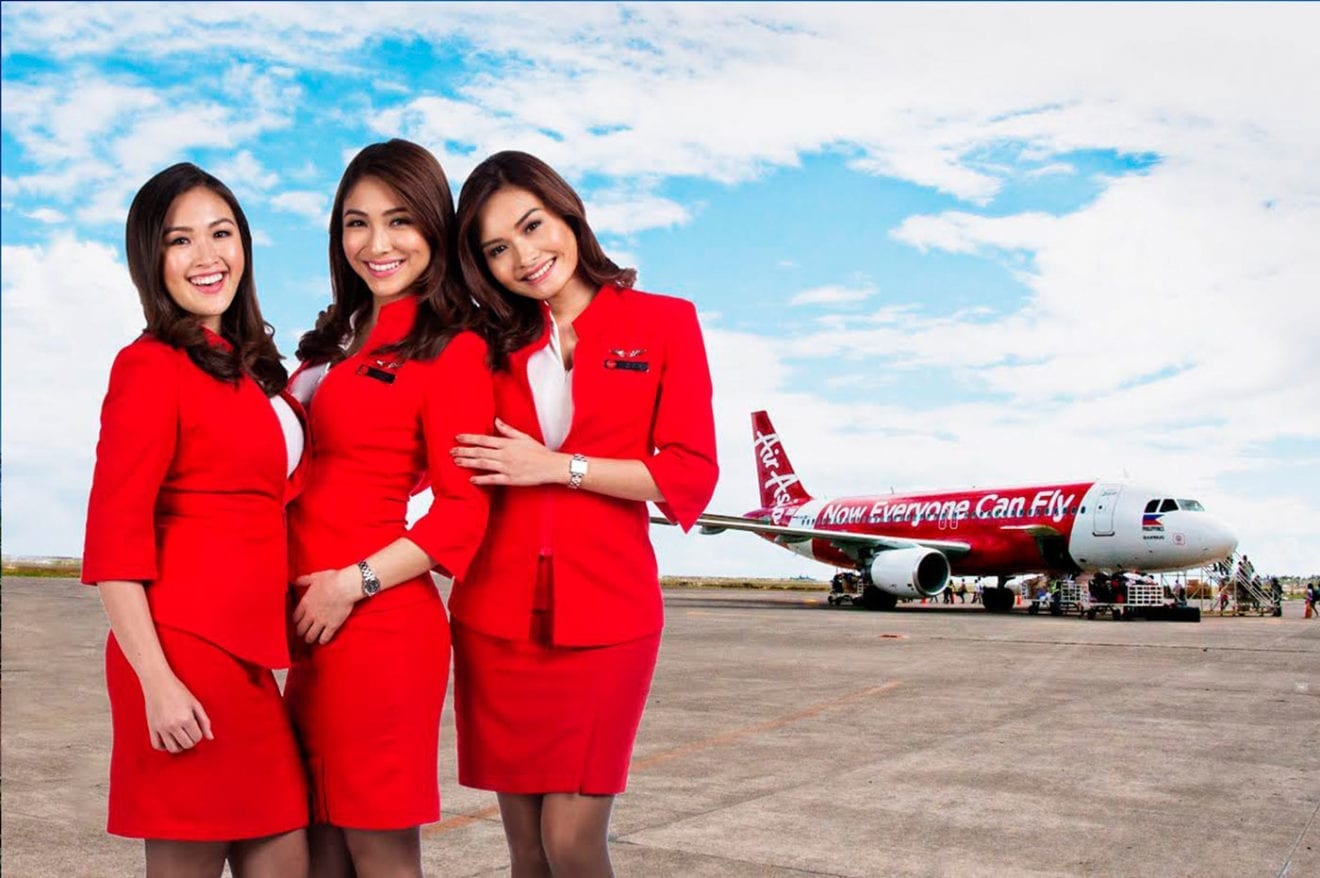
  • AirAsia trains crew to spot human traffickers

    AirAsia trains crew to spot human traffickers

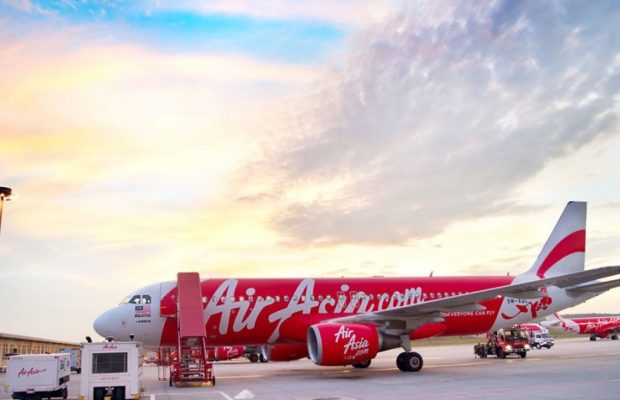
    AirAsia, the biggest budget carrier in Asia, is training thousands of its staff to fight human trafficking, becoming one of the first airlines in the continent to crack down on the global crime.

    Companies have come under increased pressure to tackle human trafficking, with an estimated 46 million people living in slavery and profits thought to be about US$150 billion.

    Planes are a key part of the illegal business, as criminal gangs transport thousands of children and vulnerable people by air each year for redeployment as sex workers, domestic helpers or in forced labour.

    The United Nations has urged airlines to step in and look out for the tell-tale signs of trafficking.

    Kuala Lumpur-based AirAsia, which flies millions of passengers annually to more than 110 destinations, said it was planning to train between 5,000 and 10,000 frontline staff, including cabin crew.

    “We like to be able to have our staff know what to do if somebody comes up to them and says ‘I need help’,” said Yap Mun Ching, the executive director of AirAsia Foundation, the airline’s philanthropic arm, which is driving the initiative.

    “Sometimes (the victims) don’t know they have been trafficked. They realise it only when they are on their way and they want to be able to get help. Most of the time they don’t know who to turn to,” she told the Thomson Reuters Foundation.

    AirAsia has teamed up with US-based Airline Ambassadors International, a group that trains airline staff on trafficking, for the initiative, which kicked off this week at the airline’s four main hubs – Kuala Lumpur, Bangkok, Jakarta and Manila.

    All are hotspots for trafficking.

    The group said signs of trafficking include young women or children who appeared to be under the control of others, show indications of mistreatment or who seem frightened, ashamed or nervous.

    The UN Office on Drugs and Crime urged airline bosses at a summit in June to train flight crews to help combat human trafficking, the first time the aviation industry has held global discussion on the issue.

    While some training of airline staff to spot and report potential trafficking is mandatory in the United States, it is not widespread across the industry.

    So far, more than 70,000 US airline staff have been trained under a programme that began in 2013.

    Asia has some of the worst offenders of human trafficking.

    Countries such as Thailand, Myanmar and Laos are listed by the United States on a trafficking watch list for not meeting the minimum standards needed to end the crime.

  • Najib launches AirAsia’s Langkawi-Shenzhen flight

    Najib launches AirAsia’s Langkawi-Shenzhen flight

    Datuk Seri Najib Tun Razak launched AirAsia’s direct flight from here to Shenzhen, China.

    The new route is expected to further develop Langkawi as a world-class tourist destination.

    AirAsia Group chief executive officer Tan Sri Tony Fernandes thanked Najib for officiating the direct flight on Saturday.

    “Last year, the Prime Minister launched our direct flight from Guangzhou to Langkawi.

    “Leadership takes courage and it is courageous leadership shown by the Prime Minister to support AirAsia in reducing the airport tax which for years Malaysia Airports had resisted.

    “Today, we see that value of his brave leadership. Direct international tourists have increased from 83,754 in 2015 to 187,433 in 2016 – an increase of 120 per cent.

    “This represents a contribution of RM300mil to GDP, based on the 12 times multiplier effect,” Fernandes said in his speech.

    He said 2016 was the first time when international tourists outnumbered domestic tourists.

    “We are driven by this and already this year we have flown over a million tourists to Langkawi with our 238 weekly flights from Langkawi.

    “But we want to get to the three million mark and contribute a large part to the Langkawi Development Authority’s (LADA) target of RM9bil revenue.

    “Our vision is that we will make Langkawi as connected as Phuket, if not greater.”

  • OIA Global launches new office supporting Malaysia’s growth

    OIA Global launches new office supporting Malaysia’s growth

    OIA Global, a logistics, packaging and material sourcing provider, announced its Southeast Asia expansion with the opening of its first company-owned office in Kuala Lumpur, Malaysia. OIA’s decision to open the office, is driven by customer growth, and the continued growth of the Malaysian economy.

    Peter Wong, OIA’s managing director Asia-Pacific, noted the country posted a strong 5.6% GDP expansion in the first quarter which ended March 31, 2017. “Our business continues to grow in Southeast Asia and specifically in Malaysia,” said Wong.

    The new Kuala Lumpur office supports the existing OIA Penang location led by Herlyn Choo, branch manager. “Malaysia continues to lead in exports of energy, electronic equipment, wood products, textiles and chemicals,” Choo stated. “The increased volume of imports and exports are a clear message for OIA Global to continue to expand here in Malaysia,” Choo added.

    The new office is located at located at Unit A505, 6th Floor, West Wing, Wisma Consplant 2, No 7, Jalan SS16/1 47500 Subanjaya Selangor Malaysia.

  • Etude House Malaysia launches flagship

    Etude House Malaysia launches flagship

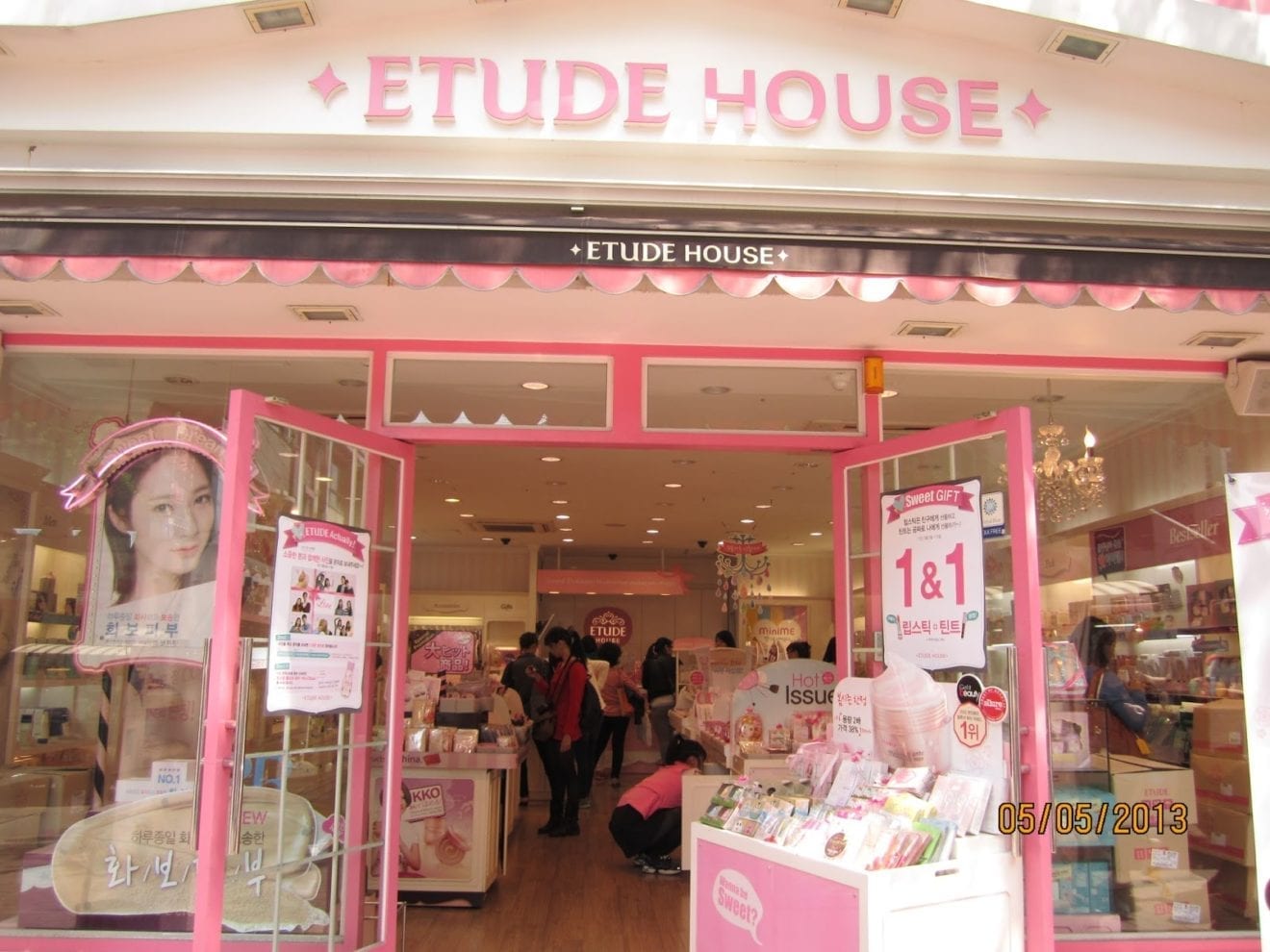
    Etude House Malaysia launches its first flagship store today, at Sunway Pyramid in Selangor, complete with customisable lipsticks.

    The Korean skincare brand’s new store features a “Find Your Look” section offering a choice of nine signature looks, a makeup studio and an all-new range of personalised lipsticks.

    The customisable Dear My Glass Tinting Lips-Talk collection carries 20 lip colours and 20 pop-art-inspired lipstick cases for mixing and matching. The lipsticks are formulated with nourishing ingredients like collagen and honey to keep lips hydrated.

    As an added service, lipstick cases can be engraved with the customer’s name.

  • NEC launches 5G SDN/NFV platform in Malaysia

    NEC launches 5G SDN/NFV platform in Malaysia

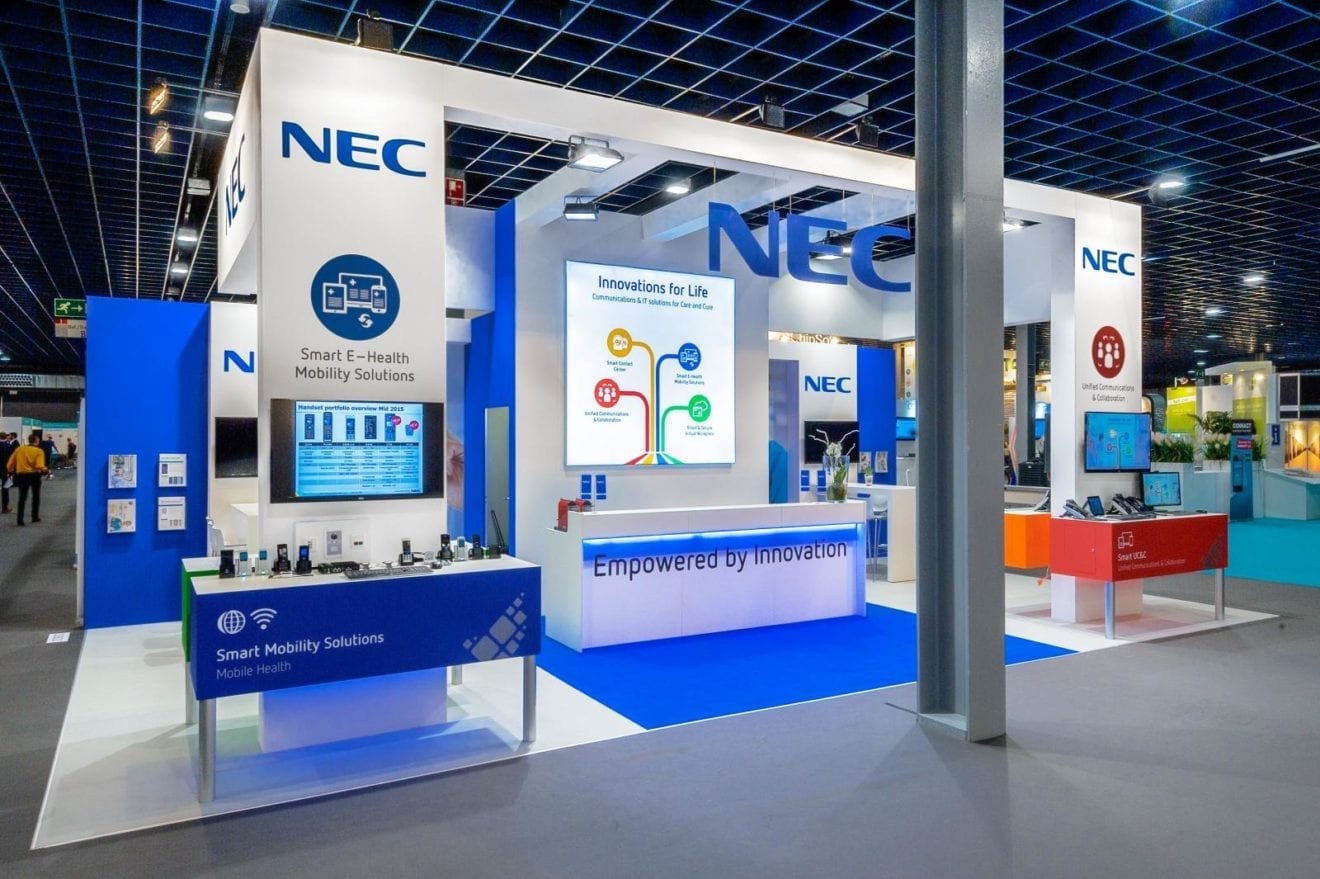
    NEC Corporation of Malaysia and Netcracker have teamed up with red Hat, Juniper Networks and Dell EMC to launch a multi-vendor 5G-ready virtualization platform for operators and enterprises in Malaysia.

    The companies will launch a full SD/NFV solution capable of using IT virtualization technologies to virtualize entire classes of network node functions into building blocks that can be chained together to create communication services.

    The platform combined Netcracker’s hybrid operations management offering and business enablement applications with NEC and Netcracker’s virtualization deployment operations center and multilayer SDN controller.

    It also comprises Red Hat’s OpenStack platform, Juniper’s NFV networking services platform and Dell EMC’s PowerEdge NFV solution.

    Research from Netcracker indicates that the virtualization platform can reduce the time to market for new enterprise services by up to 70%.

    “To stay competitive in a global economy, service providers and enterprises in Malaysia will eventually have the need to adapt to 5G technologies,” NEC Malaysia Chong Kai Wooi said.

    “With our SDN/NFV 5G-ready solution, companies will be able to speed up the time-to-market for their potential communications services and/or any applications that run on 5G technology, improve cost efficiency and have the ability to offer new, revenue generating-services.”

    “As the industry moves quickly towards 5G technology, getting the management and orchestration environment right is critical to enable new IoT use cases requiring dynamic network slicing,” added  Netcracker CTO of SDN/NFV Aloke Tusnial.

    “This is a key focus for us at Netcracker and we are delighted to be part of this strong collaboration to bring 5G virtualization to market faster.”

  • Sephora Malaysia to open at Genting Highlands

    Sephora Malaysia to open at Genting Highlands

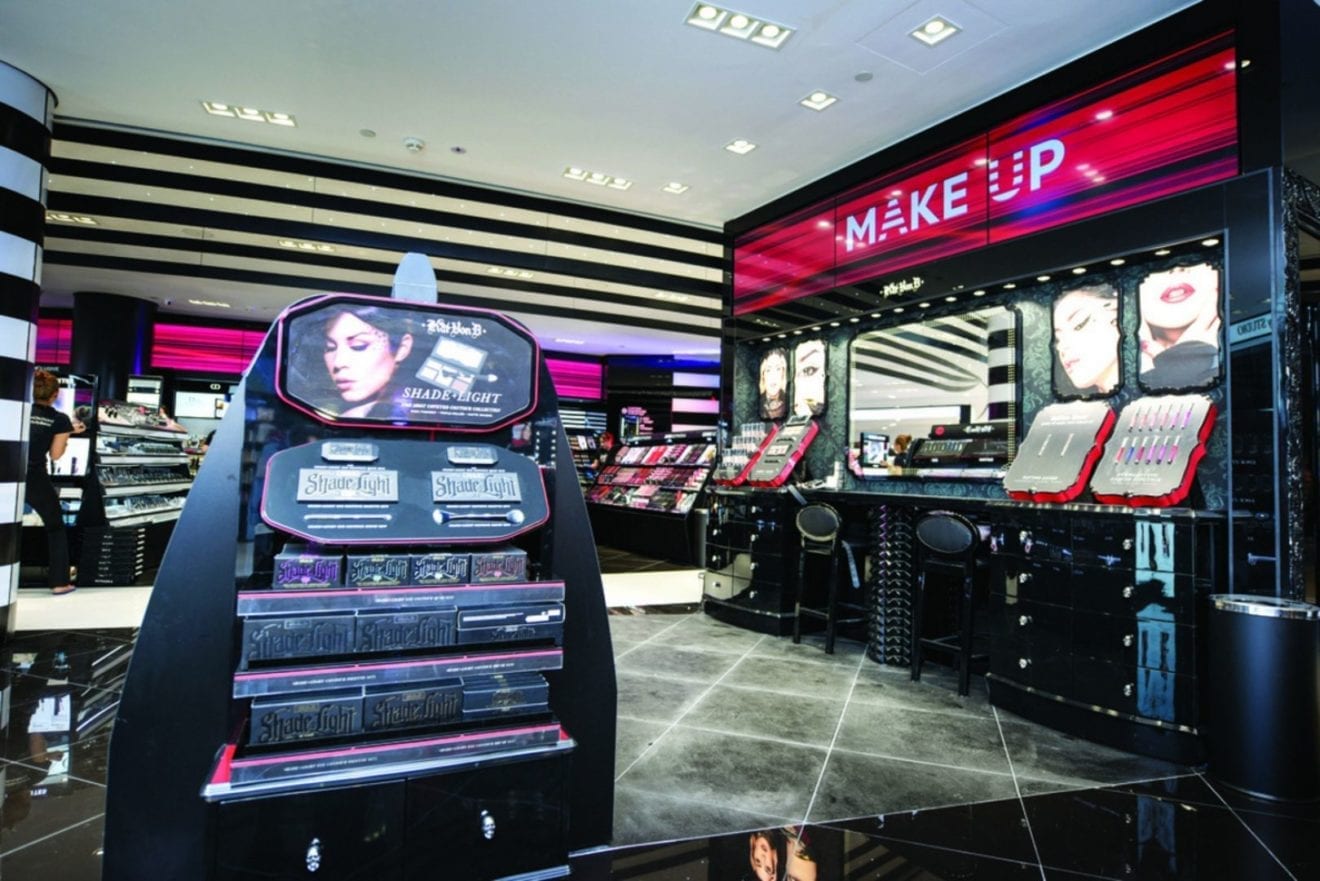
    Sephora Malaysia will open its 19th store at the Sky Avenue mall, in Genting Highlands on September 1.

    The beauty retailer will feature up to 100 international brands including Dr. Jart+, Fresh, Kat Von D, Marc Jacobs Beauty, Tarte.

    Product categories range from makeup, skincare, devices and haircare through to fragrances.

    Opening day promotions will be available for early bird customers, including gift vouchers from RM50 to RM100, Sephora mini backpacks and other giveaways. There will be live music in-store.