Tag: Malaysia

  • Lanvin opens menswear store in Kuala Lumpur

    Lanvin opens menswear store in Kuala Lumpur

    Lanvin has opened its first flagship store in Malaysia, with an emphasis on the French maison’s men’s fashion and women’s accessories collections.

    Located at the Pavilion in Kuala Lumpur, the store covers 2040 square feet of floor space and is situated on level 2 of the prestigious mall.

    The store features Lanvin’s signature retail design accenting sleek interiors with cream-coloured shelves and marble floors, largely minimalist with an emphasis on the high-end clothing and accessories.

    Focused on Lanvin’s male customer, the shop boasts a range of men’s formalwear, black tie suiting, casualwear, as well as a skater and sneaker offerings from Lanvin’s Pre-Fall Collection.

    For women, Lanvin Kuala Lumpur also carries the latest women’s accessories including bags and leathergoods. It has not been disclosed if the French luxury brand has plans to open a women’s store in the Malaysian capital.

    Lanvin retail sales have faced difficulty the past two years ever since the house’s Taiwanese owner Madame Shaw abruptly sacked Alber Elbaz, its long-serving and critically acclaimed creative director.

    Shaw appointed Bouchra Jarrar, but the new designer head failed to turn fashion into revenues in her sixteen-month tenure.

    In a turnaround move last week, Lanvin named Olivier Lapidus to be its new artistic director, replacing Jarrar just four days after she was fired.

  • Axiata, iflix sign non-binding MoU

    Axiata, iflix sign non-binding MoU

    Axiata Group and iflix, a subscription video on demand service provider, have inked a non-binding Memorandum of Understanding (MoU) relating to the expansion of their strategic collaboration to provide entertainment to Axiata’s more than 125 million customers in six countries.

    In a statement, Axiata said from two existing successful partnerships with Celcom in Malaysia and Dialog in Sri Lanka, the regional collaboration is intended to extend to Axiata’s customers at XL in Indonesia, Smart in Cambodia, Robi in Bangaldesh and Ncell in Nepal.

    “Axiata has always demonstrated a strong focus on customer experience and innovation, as we strengthen our position in new sources of value, specifically in digital entertainment products and digital content distribution platforms across the region.

    “The expansion of our collaboration with iflix is a testament to that commitment. We are thrilled to make iflix’s world-class service and content available to over 125 million customers in Malaysia, Indonesia, Bangladesh, Cambodia, Nepal and Sri Lanka,” Axiata group chief strategy and marketing officer Dominic Arena said.

    Axiata said the collaboration would further strengthen the group’s leading regional telecommunications position.

    Meanwhile, iflix group chief executive officer Mark Britt said it was committed to provide all Axiata customers with unlimited access to the world’s best TV shows and movies through an exceptional user experience and unparalleled service, already enjoyed by Celcom and Dialog customers.

    “Together with Axiata’s highly innovative and award winning Mobile Internet Fulfilment Exchange application platform and music service Yonder, we look forward to working with Axiata to further redefine media and entertainment for Axiata’s customers in Malaysia, Sri Lanka, Indonesia, Cambodia, Bangladesh and Nepal, over the coming months,” he said.

  • Tencent Holdings targets Malaysia for local payments

    Tencent Holdings targets Malaysia for local payments

    Tencent Holdings has applied for a licence in Malaysia to offer local payment services via its WeChat Pay, in what would be a first for the platform beyond Mainland China and Hong Kong.

    If approved, users in Malaysia will be able to link their bank accounts to the service and pay for goods and services in ringgit.

    Tencent has chosen Malaysia as a test bed because of its large Chinese community, says WeChat Pay global director Grace Yin.

    The company has more than 600 million monthly users of its QQ Wallet and WeChat Pay, which is embedded in social-media app WeChat, which has 938 million active users. Rival Alipay says it has more than 450 million active users.

    WeChat Pay and Alipay dominate China’s mobile banking market, which had RMB18.8 trillion (US$2.76 trillion) worth of transactions in the first three months of this year, according to consultancy Analysys.

    Silicon Valley startup Stripe this week said it has partnered with the two companies to allow its merchants worldwide to accept payments from Chinese consumers.

    WeChat Pay can be used at more than 130,000 shops in 13 foreign markets, including Japan, and supports 10 currencies. Yin says to expand overseas, WeChat Pay needs extra layers of regulatory approval, as well as having to explain the system to local businesses.

    Mandarin advertisements

    Meanwhile, seeing Thailand as central to its expansion across Southeast Asia, Tencent is putting an early focus on advertising Thai brands to Chinese tourists in Mandarin.

    Tencent Thailand MD Krittee Manoleehagul says Thailand is the third market to offer service this after Hong Kong and Italy.

  • iPay88 spreads its wings

    iPay88 spreads its wings

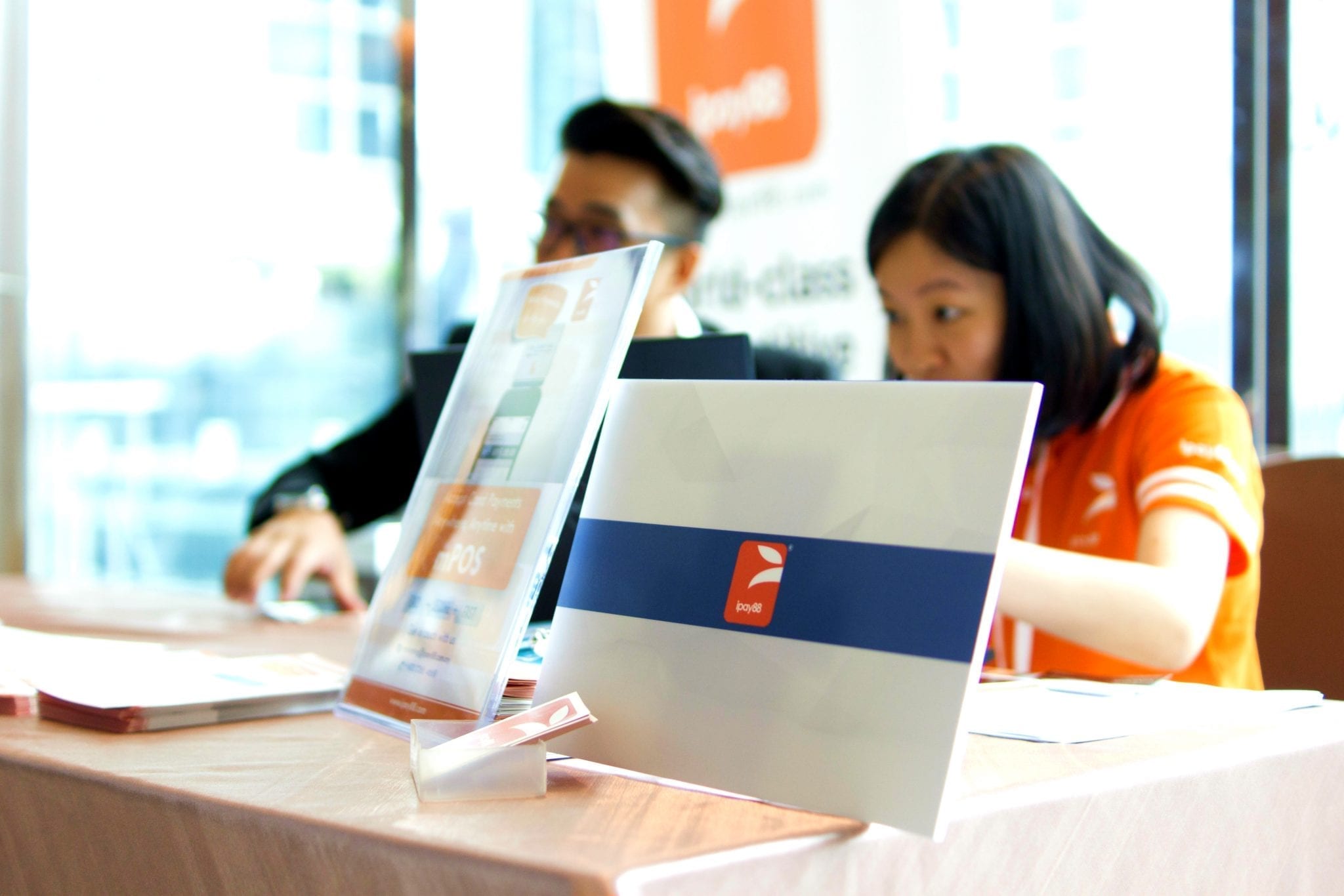
    IPAY88 Sdn Bhd, an NTT Data company, a fully homegrown Malaysian payment gateway provider is targeting the global e-commerce market while it continues to expand in SEA.

    Co-founder and executive director Chan Kok Long says, “iPay88’s proven payment solutions are well recognised and trusted regionally. As e-commerce grows in the SEA region, we are determined to be the sought-after payment gateway for these countries.”

    Since its inception in 2006, iPay88 has grown to be a technological and online payment solutions leader in online payments in Malaysia as well in the Asean region.

    The company’s payment gateway systems support over 70% of all e-commerce businesses in Malaysia. To date, iPay88 has a footprint in almost all Southeast Asian countries including Cambodia, Indonesia, Thailand, Vietnam, Philippines and Singapore.

    iPay88’s first international footprint was set in Indonesia in 2006, followed by the Philippines in 2014.

    Today, iPay88 is one of the leading payment gateway providers in Indonesia as well as the Philippines.

    Market expansion to a region as diverse as Asean and the Asia Pacific is not easy as each country’s online payment environment is unique and business environment varies.

    The opening of Indonesia and Philippines markets were important milestones for iPay88, as Chan says, “Our successful ventures in these two markets (Indonesia and the Philippines) have acted as a blueprint for us to continue exploring the other Southeast Asian markets.”

    “In the next two years, our growth in Malaysia is expected to be the largest ever in terms online transactions and sales volume. However, our growth in Indonesia and the Philippines will eventually outrank Malaysia in terms of numbers of transactions and sales volumes as these countries have a larger population and growing appetite for e-commerce.”

    According to Chan, the next few years will also see tremendous e-commerce growth in Thailand, Vietnam and Myanmar where smartphone penetration is one of the highest in the world.

    These countries have a big population and research shows that the younger generation (gen Y) prefer to make online purchases.

    Their governments are also seeing the potential in e-commerce and encouraging the growth of its e-commerce sector.

    Next step – global expansion

    “Apart from our strong presence in Southeast Asia, we have since expanded our footprint to other parts of Asia including Hong Kong and Bangladesh,” says Chan.

    Chan details that although Bangladesh is a late entrant in the e-commerce sector, the company has observed that it has recorded tremendous growth within a short time.

    “The e-commerce industry in Bangladesh, like other developing countries, has a ‘latecomer advantage’. However, it is encountering similar issues that we have encountered and addressed in SEA. Currently the sector is facing challenges such as delivery channels for its customers, affordability, erratic internet connections and online fraudulence. We believe, in no time will be the next major driver of economic development in Bangladesh.”

    Since iPay88 has just ventured into Bangladesh, no transactions have been recorded yet.

    Besides Bangladesh, iPay88 is also actively looking into opportunities in the Middle East. The company hopes to build a strong presence in Apec by the end of 2018.

    Malaysia continues to lead in revenue contribution

    iPay88 expects its revenue contribution from international markets to increase in accordance to its expansion plans. Chan says he is confident that by the end of this year iPay88 expects to double the sales volume from international markets compared to last year.

    “We are looking at a local:international revenue ratio of 80:20 by the end of 2018,” says Chan.

    iPay88’s Q1 and Q2 revenue in 2017 was contributed mainly by Malaysia.

    While Malaysia still leads in terms of revenue growth, in terms of sales volume, we are seeing a 34% growth in Indonesia for Q1 and Q2 of 2017 as compared to the same period in 2016. The number of transactions in Indonesia also grew by 97% in the same period.

    Meanwhile, the sales volume in the Philippines, surged by 64% and the number of transactions recorded a growth of 44%.

    “Doing business online offers a lower cost of operations from many aspects – the biggest advantage of doing business online is having the capability to span across geographical borders, meaning that you can reach out to possibly more lucrative overseas market easily,” he explains.

    “While these countries grow their e-commerce sector, iPay88 plans to be right there ever ready to aid them with our state-of-the-art and trusted payment platform to ensure fast and secure online payments,” he says.


  • New routes to help Malaysia Airlines turn around next year

    New routes to help Malaysia Airlines turn around next year

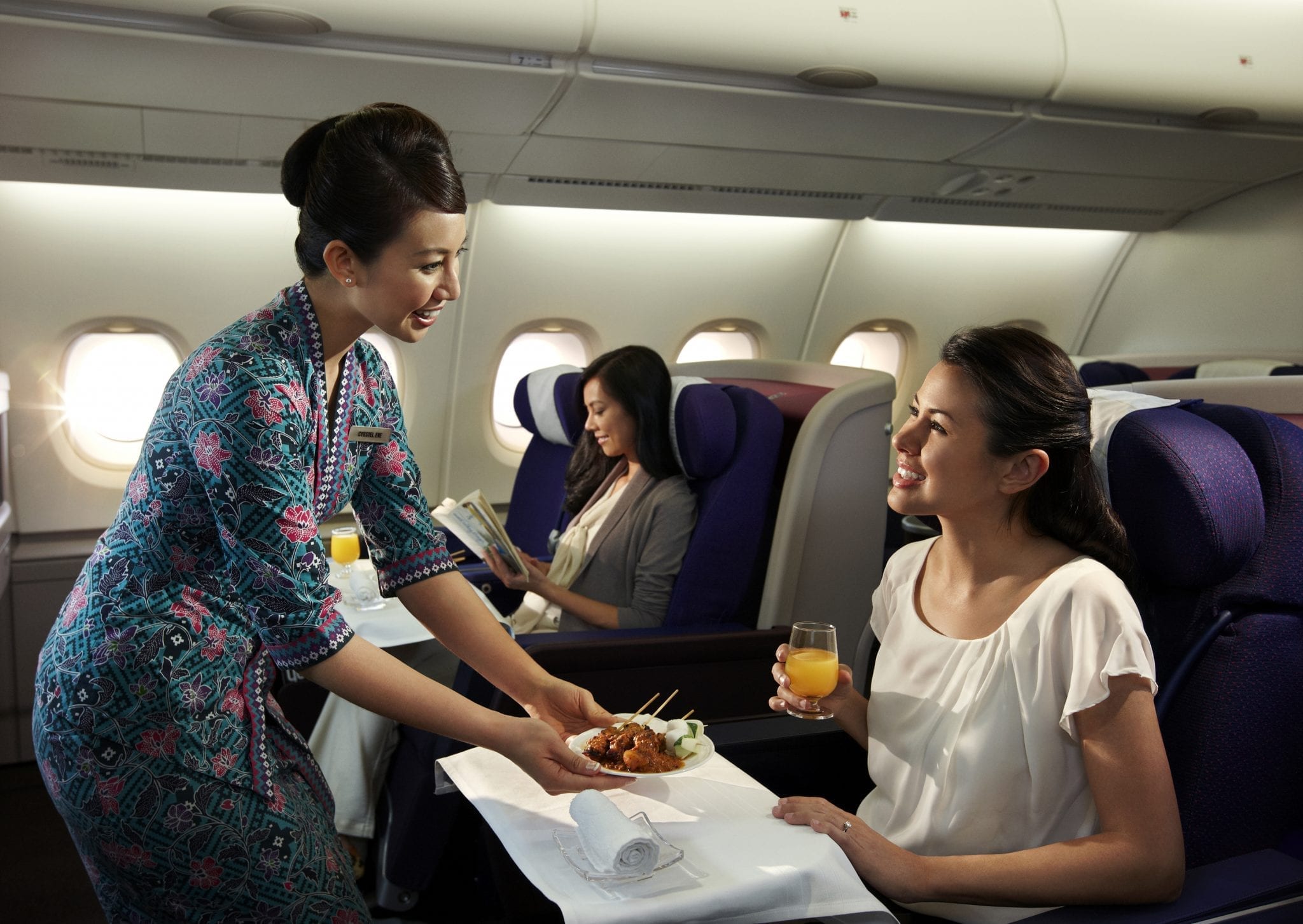
    The expansion of new routes to China, India and North Asia, which is expected to happen in the second half of financial year ending Dec 31, 2018, would be the key to the turnaround story of Malaysian Airlines Bhd (MAB), said chief executive officer Peter Bellew.

    Bellew said MAB was making good progress in its restructuring and the airline just needed another few percentage upside on the yield to be into profit.

    “Our recovery plan is half-way through. In fact, we can say we are little bit ahead (of schedule). And it’s all about revenue and cost control.

    “Taking the right routes, improving the sales and marketing and by increasing the load factors, we should increase the revenue. Next year, we are expected to be able to break even across some of the quarters, start making profit and to show consistent profit in the following year,” Bellew told reporters on the sidelines of Malaysia Aviation Group’s Hari Raya celebration in Sepang on Monday.

    The group comprises its ground-handling unit, AeroDarat Services Sdn Bhd and MAB’s units -–MASWings Sdn Bhd, Firefly Sdn Bhd and MASkargo Sdn Bhd.

    Bellew said expansion of selected new routes throughout this year till 2019 would be a significant step forward for the airline, capitalising on a booming population, increasing middle class and incredible growing economies of China, India, as well as in Japan, South Korea and Taiwan.

    “We are quite optimistic our fleets would increase a little bit next year and we should improve products on board as well, and overall, would result in beneficial impact to the airline,” he said.

    MAB was reportedly half-way through its US$1.39bil (RM6bil) restructuring exercise which is likely to be completed in five years.

    The exercise was put into place in 2015 during the time of Bellew’s predecessor, Christoph Mueller.

    Bellew took over as MAS CEO on July 1, 2016, after Mueller left citing personal reasons.

    The second phase of the MAB’s restructuring, according to Bellew, involved adding new routes, including 11 routes to China. It launched new routes to Nanjing and Fuzhou last month.

    The coming routes include Chengdu, Chongqing, Wuhan, Tianjin, Shenzhen and Shanghai from Penang, Kuala Lumpur and Kota Kinabalu, while the expansion of other new routes are also being considered.

  • Malaysian retailers urged to go digital

    Malaysian retailers urged to go digital

    The Malaysia Retail Chain Association (MRCA) wants to drive the retail industry to go into the online arena, in line with the government’s aspirations, for better opportunities and to compete better.

    President Datuk Garry Chua said online adoption among Malaysian retailers is still relatively low, but the initiative to start thinking and adopting digital strategies is there. He said members are putting their products for sale online and gauging feedback from online channels.

    “Some of our members have started adopting online initiatives but it takes time to pick up. But it’s a good start. Since the government is bringing in Alibaba, we have to rely on that wave to benefit the retailers and SMEs to the maximum,” he told reporters after opening the MRCA Retail Conference 2017 yesterday.

    He said online sales contribution is growing, but on a gradual mode.

    “This depends on the Digital Free Trade Zone (DFTZ). If it kicks off faster, the process (online sales) will be faster. We’re looking at the next three years (for a pick-up in online sales). Definitely a double-digit growth for online after this,” said Chua.

    Despite the growing importance of e-commerce, he said brick-and-mortar stores will not totally lose its presence.

    “You have to fine tune the balancing game. Countries like the US, Singapore and Malaysia always have a supply of malls, so some have to be wiped out. It’s like a rationalisation process. You can’t have too many, so there’s a balancing of online and offline,” he said.

    He reiterated MRCA’s expectation of a 4.5% growth in retail sales this year, driven by tourism.

    Themed “Retail Innovation: The Future is Now”, the MRCA Retail Conference 2017 discussed shifting retail landscapes, disruptive technology, digital economy, DFTZ and understanding Gen Y, in line with the government’s aspirations of spurring Malaysia’s economic growth by providing cross-border e-trade facilities for SMEs.

    The conference was officiated by International Trade and Industry Minister Datuk Seri Mustapa Mohamed.

    In his speech, Mustapa said the government launched the Productivity Blueprint a couple of months ago and has set up three groups of Productivity Nexus, in which one is a Productivity Nexus for retail and food & beverage (F&B) to be led by the private sector. The Nexus also comprises of organisations such as MRCA, Bumiputra Retail Organisation, Malaysia Franchise Association among others, in partnership with the government.

    “We recognise the importance of the retail and F&B sectors, which employ no less than 2.5 billion people and contribute 8.3% to GDP. Having said that, labour productivity in many of the sectors in the country is one of the lowest, therefore we formed the Productivity Nexus, which is about sharing of best practices,” Mustapa said.

    He added that innovation is important for retailers to move with the times and to be ahead of the curve, with digital being the way forward.

    The MRCA Retail Conference 2017 was held in conjunction with MRCA’s Malaysia International Retail Franchise & Licensing Fair 2017, which starts today.

  • AirAsia’s Shenzhen-Langkawi route starts Aug 9

    AirAsia’s Shenzhen-Langkawi route starts Aug 9

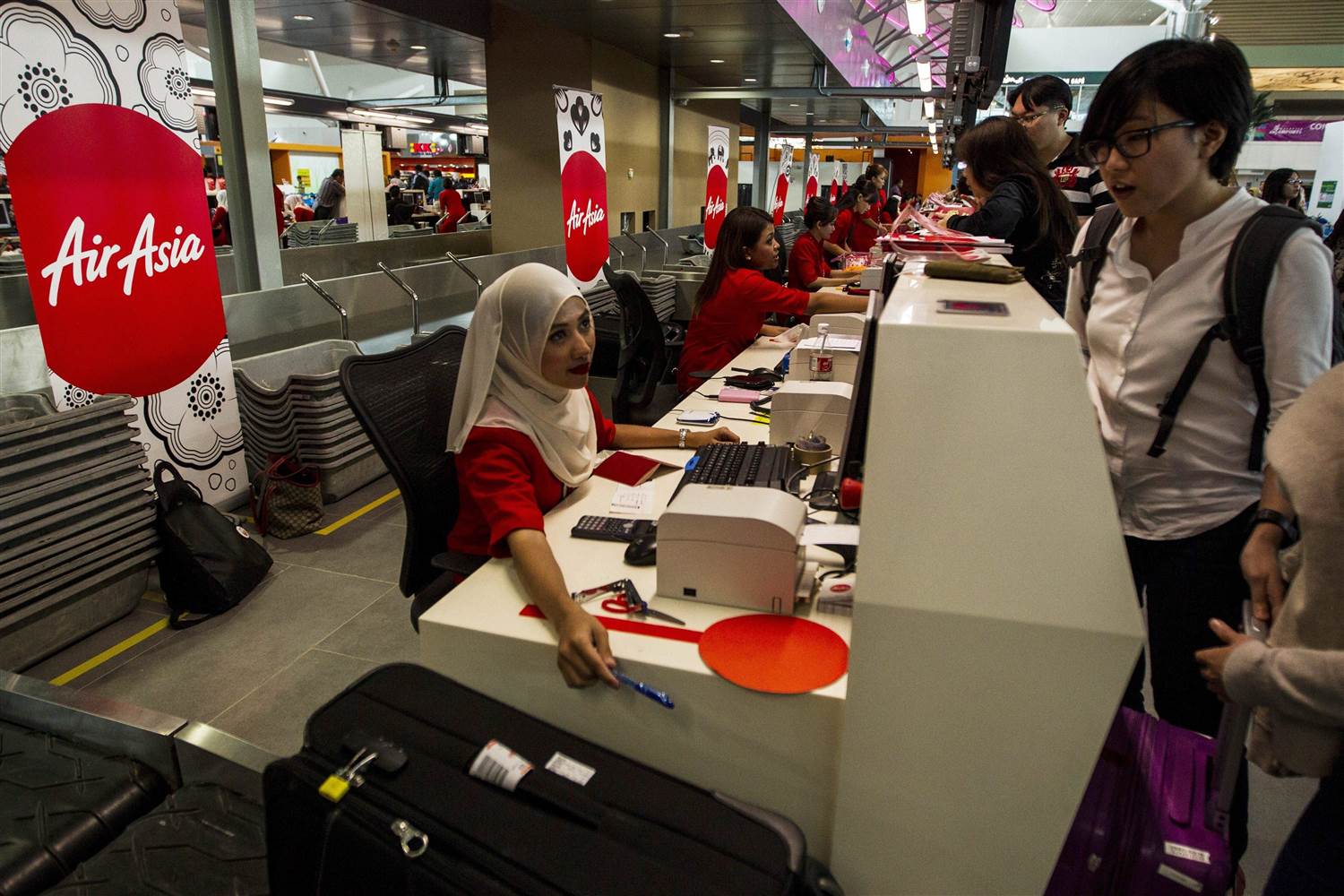
    AirAsia is expanding its connectivity by introducing direct flights from Shenzhen, China, to Langkawi starting Aug 9. Chief executive officer Aireen Omar said the concept of low-cost airline was introduced in Shenzhen with the aim of enabling more people to fly.

    “Now people in the Guangdong province are well-connected to the world through our extensive flight network of over 120 destinations in Asia, Australia, New Zealand and the United States,” she said in a statement.

    Since its inaugural flight in 2007, the airline has flown 4.3 million guests in and out of Shenzhen, bringing in high local and international passenger traffic into the city.

    Celebrating its tenth anniversary flying into Shenzhen, China, AirAsia was now offering 35 weekly flights from Shenzhen to South-East Asia.

    The average load factor for this year for the three routes from Shenzhen recorded a performance of over 85%, placing AirAsia as the leading foreign airline, in terms of flight frequency and passengers flown into Shenzhen.

    To celebrate the occasion, AirAsia is offering all-in fares as low as RM256 from Kuala Lumpur to Shenzhen and RM257 from Kota Kinabalu to Shenzhen.

  • Bank Mandiri to expand in Malaysia as first ‘ASEAN bank’

    Bank Mandiri to expand in Malaysia as first ‘ASEAN bank’

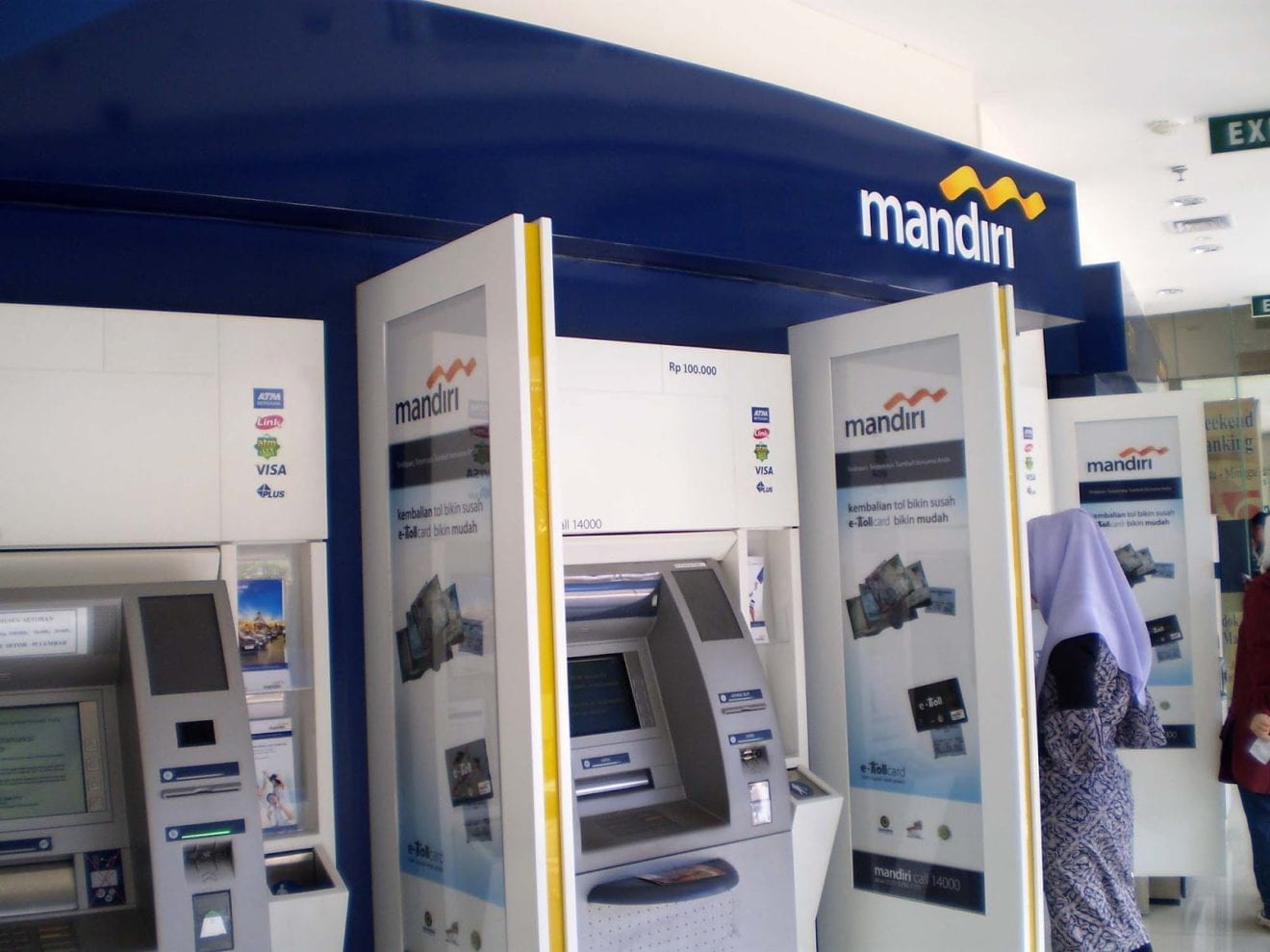
    Bank Mandiri will expand operations in Malaysia by using its newly awarded status as a cross-regional lender, Indonesia’s largest state-owned bank said Thursday.

    Mandiri said it is the first bank in the region to be designated a qualified ASEAN bank — a concept developed by Association of Southeast Asian Nations members as part of an effort to create an open, integrated financial market providing services to companies investing and trading in the region.

    To obtain QAB status, banks must meet certain conditions, such as in capital adequacy, and pass screening under bilateral agreements between monetary authorities. Indonesia and Malaysia agreed in 2016 to grant QAB status to three banks from each other’s countries.

    Such Malaysian banks as CIMB Group Holdings and Malayan Banking already have major operations in Indonesia, while Indonesian banks have been seeking opportunities to grow outside the home market. “We highly appreciate the Malaysian banking authorities that support the presence of banks from Indonesia,” said Muliaman Hadad, chairman of Indonesia’s Financial Services Authority. “Indonesia has also treated Malaysian banks as their own. This is a step forward that can strengthen relations between Indonesia and Malaysia.”

    Malaysia will become the first overseas market for Mandiri to operate a full-fledged banking business in, the lender said. It plans to invest 300 million ringgit ($70 million) to upgrade a remittance office in Kuala Lumpur to a full branch and roll out wholesale and retail banking services.

    Mandiri is also exploring expansion into Myanmar and the Philippines, it said in a news release.

  • e-retail brands out of the social media loop in SE Asia

    e-retail brands out of the social media loop in SE Asia

    Over 85% of consumers in Singapore, Malaysia and Indonesia, who mention e-retailer brand names in their social media posts don’t tag brand handles, according to Digimind.

    This means brands need to be vigilant in monitoring their brand reputation in the wider social media space to ensure they aren’t missing out on key conversations and trends, and are able to act upon any customer service concerns quickly.

    With the rise of empowered consumers and an increasing adoption of online shopping, e-retailers need to adopt customer-centric strategies in order to thrive. With so much of our daily conversations happening online, data from social media can provide key insights for e-retailers wishing to optimize customer experiences.

    Digimind’s study, Social Shopping in 2017, assessed the state of the e-retail industry in the three countries by monitoring 15 local and regional e-retailers, including Lazada, Zalora, and Berrybenka.

    “It’s no secret that brands who implement customer-centric strategies are excelling. With 2.8 billion active social media users in Southeast Asia, it is crucial for e-retailers to listen to what is being said about their brand, competitors and the industry online,” said Stephen Dale, general manager of APAC at Digimind.

    “Understanding what consumers are saying on social media can provide companies with an arsenal of insights that can be used to develop content strategies, improve customer service, build brand advocacy, and increase sales,” said Dale.

    He added that when analyzed in conjunction with other data such as web page visits and browsing behavior, this can further inform marketing plans and Voice of the Customer programs.

    The study also revealed that while the majority of e-retailer’s followers in the countries studied were on Facebook, consumers were most actively publicly posting their opinions and experiences on e-retailers on Instagram and Twitter.

    This means while Facebook is the ideal channel for brands to communicate with followers, Instagram and Twitter are key channels for community engagement.

  • YSL Beauty opens largest store in Kuala Lumpur

    YSL Beauty opens largest store in Kuala Lumpur

    YSL Beauté has officially opened its first flagship boutique in Malaysia, the luxury retailer’s flagship store for Asia.

    It’s a milestone move for YSL. Spanning over 1,057 square feet, the new boutique is currently the largest YSL Beauté boutique in the world and also the first in Asia to offer gifting and engraving services to its patrons.

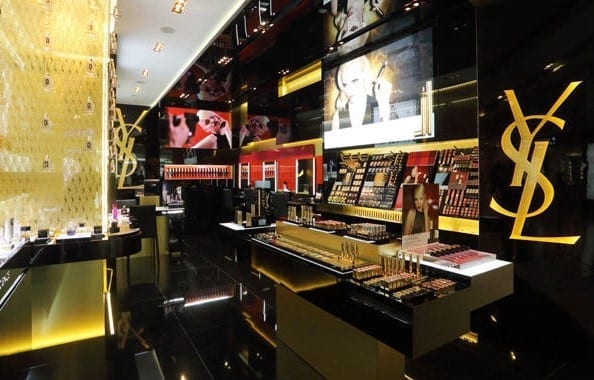
    Conveniently located in the Pavilion Kuala Lumpur, the new French cosmetics store boasts glossy black panelling licked with the iconic YSL gold embellishments.

    Better still for local shoppers, it offers the full range of YSL Beauté products, including the bestselling YSL Touche Éclat concealer and its new summer 2017 collection.

    Dubbed “Solar Pop,” the new line features four of YSL’s flagship products revamped for the season with exclusive packaging and colours.

    This includes Yves Saint Laurent’s “Les Sahariennes Bronzing Stones,” a bronzing palette formulated with ultra-fine pigments to smooth and illuminate skin with a natural effect, and YSL’s “Full Metal Shadow” glossy eye colours, which get two new shades: Gold Source and Violet Wave.

    YSL classic “Baby Doll Kiss & Blush” comes in two bright new shades with Orange Intrépide and Mauve Aventureux, and for nails, the new Malaysia store will sell “Laque Couture” in two new colours: Jungle Green and Jungle Orange.

    With scores of YSL Beauté counters and concessions already open across Asia, including Hong Kong, Singapore, South Korea and Japan, no further indication has been given from the brand regarding more standalone boutique openings in the near future.

    The new YSL Beauté is located at Lot 3.63.00, Level 3, Pavilion Kuala Lumpur.

  • YSL Beauty opens largest store in KL

    YSL Beauty opens largest store in KL

    YSL Beauté has officially opened its first flagship boutique in Malaysia, the luxury retailer’s flagship store for Asia.

    It’s a milestone move for YSL. Spanning over 1,057 square feet, the new boutique is currently the largest YSL Beauté boutique in the world and also the first in Asia to offer gifting and engraving services to its patrons.

    Conveniently located in the Pavilion Kuala Lumpur, the new French cosmetics store boasts glossy black panelling licked with the iconic YSL gold embellishments.

    Better still for local shoppers, it offers the full range of YSL Beauté products, including the bestselling YSL Touche Éclat concealer and its new summer 2017 collection.

    Dubbed “Solar Pop,” the new line features four of YSL’s flagship products revamped for the season with exclusive packaging and colours.

    This includes Yves Saint Laurent’s “Les Sahariennes Bronzing Stones,” a bronzing palette formulated with ultra-fine pigments to smooth and illuminate skin with a natural effect, and YSL’s “Full Metal Shadow” glossy eye colours, which get two new shades: Gold Source and Violet Wave.

    YSL classic “Baby Doll Kiss & Blush” comes in two bright new shades with Orange Intrépide and Mauve Aventureux, and for nails, the new Malaysia store will sell “Laque Couture” in two new colours: Jungle Green and Jungle Orange.

    With scores of YSL Beauté counters and concessions already open across Asia, including Hong Kong, Singapore, South Korea and Japan, no further indication has been given from the brand regarding more standalone boutique openings in the near future.

    The new YSL Beauté is located at Lot 3.63.00, Level 3, Pavilion Kuala Lumpur.

  • Tata Comm launches IZO cloud node in Malaysia

    Tata Comm launches IZO cloud node in Malaysia

    India’s Tata Communications has launched three new nodes for its IZO Private Cloud service designed to support enterprises’ hybrid cloud adoption while ensuring regulatory compliance.

    The new private cloud nodes in Germany, United Arab Emirates (UAE) and Malaysia aim to enable CIOs to gain more control over all their applications by creating a hybrid, high-performance IT infrastructure where different cloud, colocation and managed hosting environments work together.

    Today, different clouds often operate in silos, resulting in a complex environment which can hold back enterprises’ digital transformation. The fully-managed IZO Private Cloud service seeks to address this complexity by enabling CIOs to create a hybrid IT environment that combines the flexibility of public cloud with enterprise-grade security.

    It also gives CIOs complete control of the residency of their data, while keeping up with employees’ demands for mobile, collaborative and social ways of working.

    IZO Private Cloud now spans across 13 locations. In addition to Germany, UAE and Malaysia, Tata Communications has private cloud nodes in India, Singapore, Hong Kong and the UK.

    The new private cloud nodes address the needs of enterprises in industries with stringent regulatory requirements, including aviation, healthcare, manufacturing, media, banking, IT, financial services and insurance, retail and e-commerce.

    “In today’s digital economy, enterprises’ growth is fuelled by cloud-based applications and data,”  Tata Communications SVP of global product management and data center services Srinivasan CR said.

    “Yet, the sovereignty and security of these critical assets is a major concern for CIOs. As a global cloud provider with a local presence, we address these concerns by giving CIOs complete visibility and control over their entire IT estate, across all networks and devices, and empower them to drive organisation-wide digital transformation with maximum agility.”

  • Kioda to enter India via franchise route, open 300 stores

    Kioda to enter India via franchise route, open 300 stores

    Malaysia-based Korean concept retail store Kioda plans to open 300 stores in India by 2021 and has tied up with Franchise India which will invest USD 10 million for expansion and marketing.

    Kioda, which has a product range of cosmetics, gifts, stationery and household items, is looking to source 25-30 per cent of its products locally for Indian stores and rest to be imported from Malaysia.

    Kioda is entering India in a joint venture partnership with Franchise India and will open 300 stores in the next four years, the company said in a statement.

    “We eventually want to source products from India itself especially in the F&B range.Kioda stores will be unique stores which have a Korean concept and experience,”Kioda Managing Director Alvin said.

    The company, which currently has presence in Singapore and China apart from Malaysia, plans to expand to additional 13 countries by 2018.

    The joint venture agreement was signed at the Master Franchise Show here by Franchise India where over 150 companies participated.

    Franchise India Chairman Gaurav Marya said: “India offers a large landscape for brands to access the burgeoning consumer market with international brands taking the top tier space in the hierarchy. Our investments in the JV will help us to quickly ramp up across India.

  • Malaysia targets luxe shoppers as retail spend soars

    Malaysia targets luxe shoppers as retail spend soars

    With shopping now a bigger driver of tourist spend than ever before in Malaysia, a luxury-dedicated component of the Malaysia Mega Sale Carnival was last week inaugurated by luxury retailer The Melium Group, in partnership with Tourism Malaysia and Pavilion Kuala Lumpur.

    Abdul Ghaffar Thambi, secretary-general, Tourism and Culture Ministry, said: “In 2015, for the first time, shopping became the main tourist expenditure at 31.3 per cent, overtaking the share for spending on accommodation. This trend continued into 2016 with tourist expenditure on shopping taking up a share of 31.7 per cent.

    “We are also seeing an increase in the amount spent by tourists for shopping. In 2016, tourists spent RM26 billion (US$6.1 billion) on shopping, up 20.3 per cent from RM21.6 billion the previous year.”

    Based on a report on the Tourist Refund Scheme, 43 per cent of tourist expenditure in Malaysia is on watches and jewellery, both considered luxury items. Chinese tourists are the largest spenders on these items, followed by Singaporeans, Indonesians, Indians and Bangladeshis.

    Beyond the Malaysia Mega Sale – Luxury Shopping Experience, Tourism Malaysia intends to attract big spenders in Singapore, Indonesia, India, the Middle East and Bangladesh through in-market tactical campaigns.

    President of The Melium Group, Farah Khan, said: “Our aim in supporting the government’s effort in the Malaysia Mega Sale launch is to engage with the luxury tourism market segment and ensure that Kuala Lumpur is well-positioned as the next global market opportunity for luxury brands.

    “With our duty-free status, we can capitalise on the luxury tourist shoppers market as luxury brand prices in Malaysia are within an average of 25 per cent lower than in other countries, and with the GST refund our luxury brands prices are more attractive.”

  • LaLaport Kuala Lumpur mall breaks ground

    LaLaport Kuala Lumpur mall breaks ground

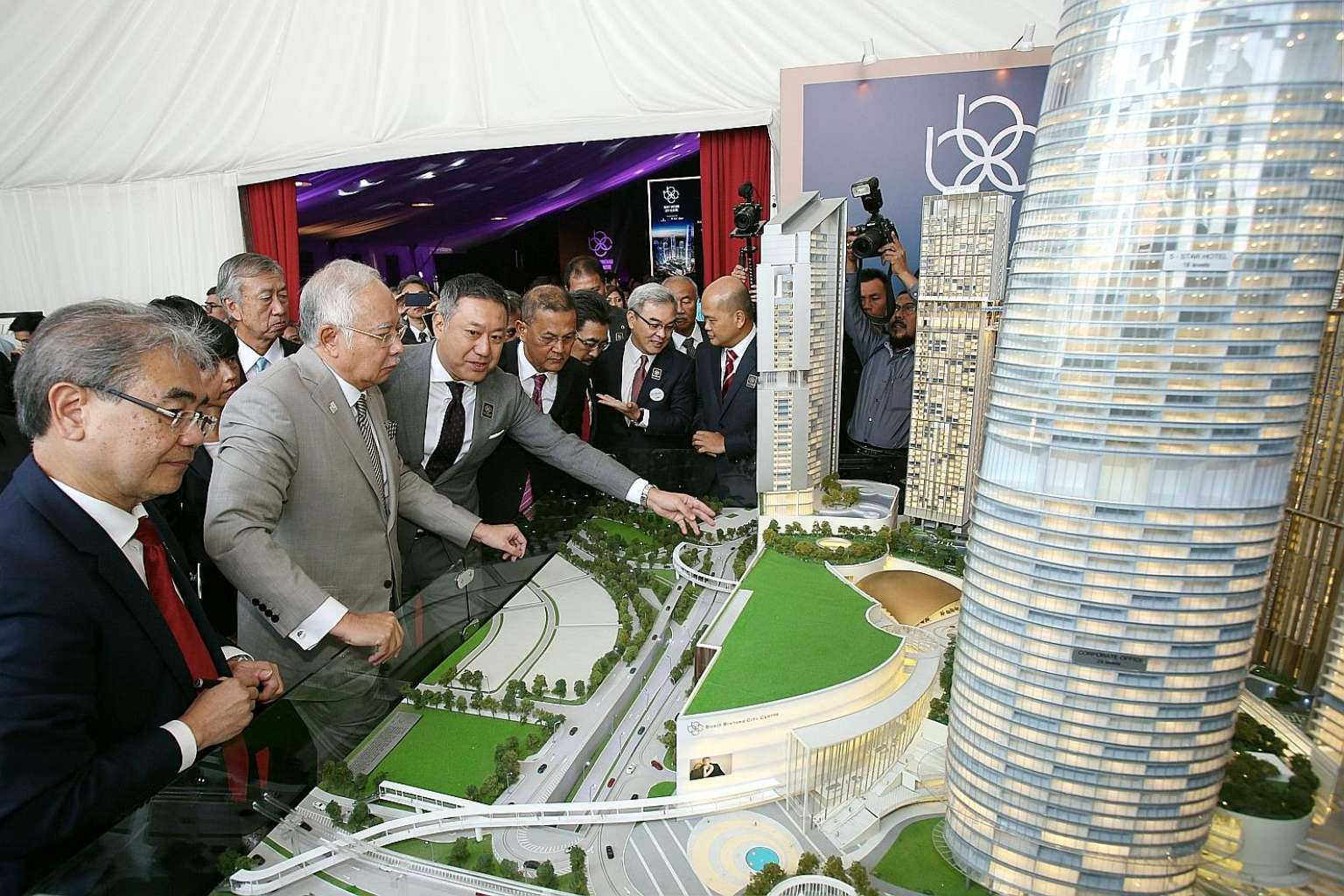
    Mitsui Fudosan, Japan’s largest integrated developer, broke ground on Tuesday on the Mitsui Shopping Park LaLaport Kuala Lumpur, one of Southeast Asia’s largest retail spaces under development.

    The mall is being constructed in the city center on the site of Pudu Prison, a colonial era facility demolished as part of a government growth drive.

     When completed in 2021, the five-story mall will offer 82,600 sq. meters of leasable space — enough for more than 300 retail outlets. The project has an estimated cost of 1.6 billion ringgit ($374 million), and is a 50:50 joint venture between Mitsui Fudosan Asia and BBCC Development. The latter is collectively owned by Malaysia’s state-owned Employees Provident Fund, UDA Holdings and prirvately held Eco World Development Group.

    The project forms part of a bigger real estate development, the Bukit Bintang City Centre (BBCC), which includes hotels, apartments, and offices in a built-up area of over 600,000 sq. meters with a gross development value of 8.7 billion ringgit.

    “I am confident that BBCC will succeed in further uplifting the image of Kuala Lumpur as an international modern metropolis,” said Prime Minister Najib Razak at the ceremony.

    Mitsui Fudosan Asia will lead the development, leasing, and operations drawing on its experience managing LaLaport malls in Japan. The group is aiming for a new urban lifestyle with innovative approaches to entertainment and education, according to Akihiko Funaoka, a senior Mitsui Fudosan executive. Among the attractions will be Zepp Kuala Lumpur, a concert hall and entertainment hub with 2,500 seats equipped by Sony Music Entertainment.

    Mitsui Fudosan’s existing regional investment is primarily in operating apartments, including in Malaysia. The shift to retail is a response to the growing middle-income market, according to Takehito Fukui, the company’s managing director for Malaysia.

    Isetan The Japan Store has already introduced some similar concepts to the Malaysian capital. Operated by Isetan Mitsukoshi, its six-story mall covers 11,000 sq. meters with dining and clothing outlets, and an area devoted to art and culture.

    Malaysian-owned 1 Utama Shopping Centre meanwhile includes a baseball batting cage and scuba diving center among its tenants.

    Mitsui Fudosan already runs Mitsui Outlet Park near Kuala Lumpur International Airport. The branded outlet store opened in 2015, and has traded briskly with locals and tourists from around Asia. According to Fukui, revenue was up 15% on 2016 in the first five months of the year.