Tag: Malaysia

  • AirAsia eyes local, international expansion

    AirAsia eyes local, international expansion

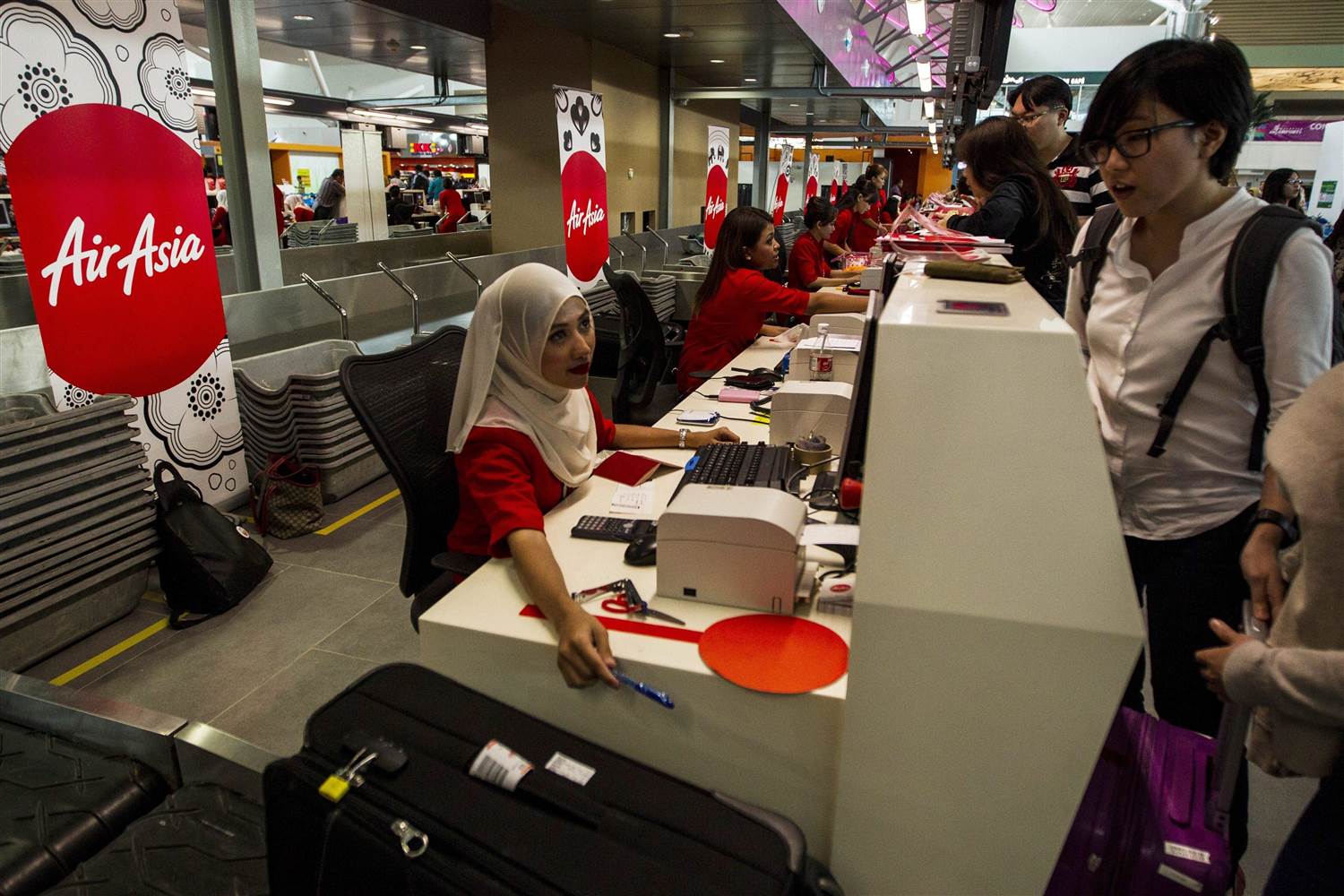
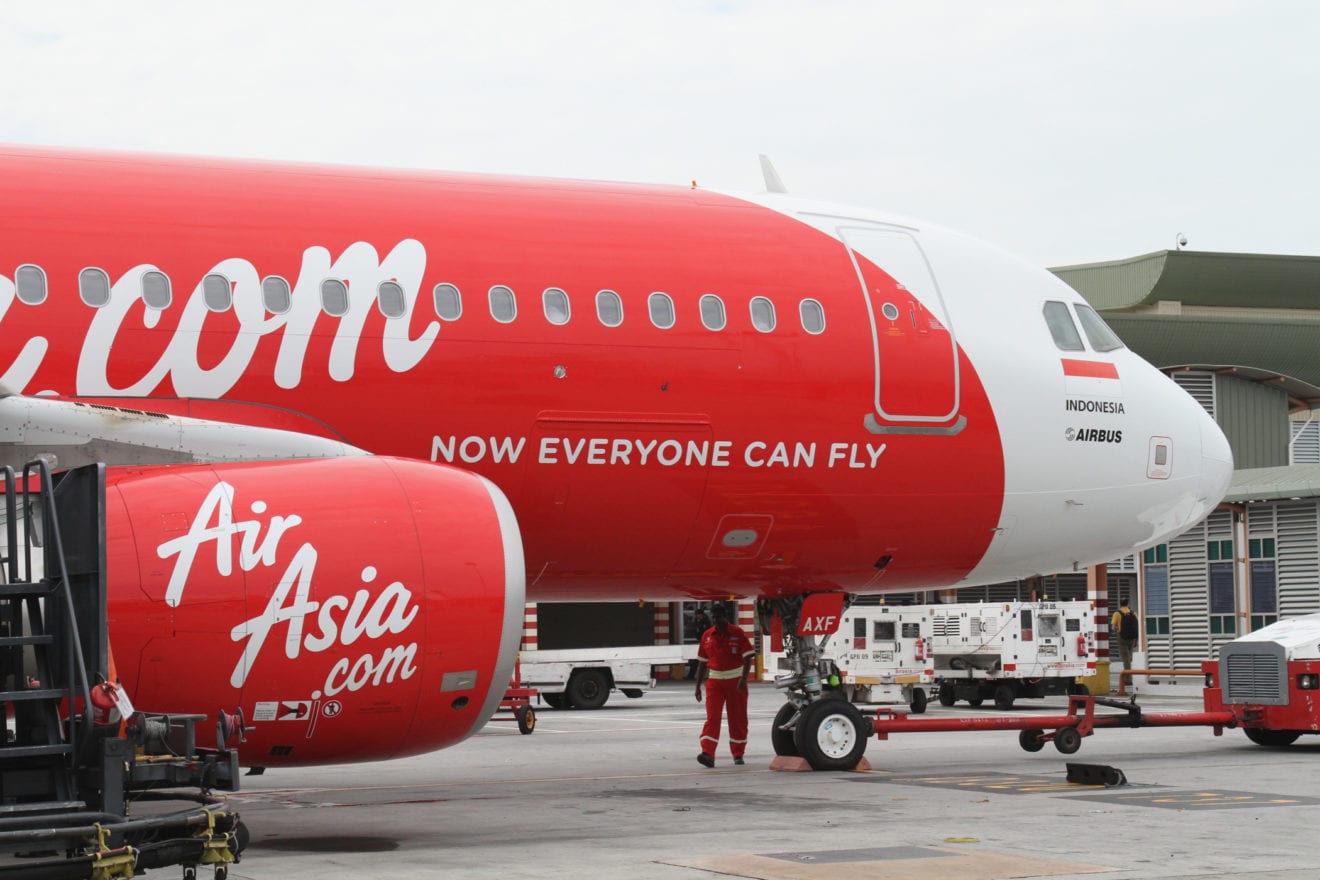
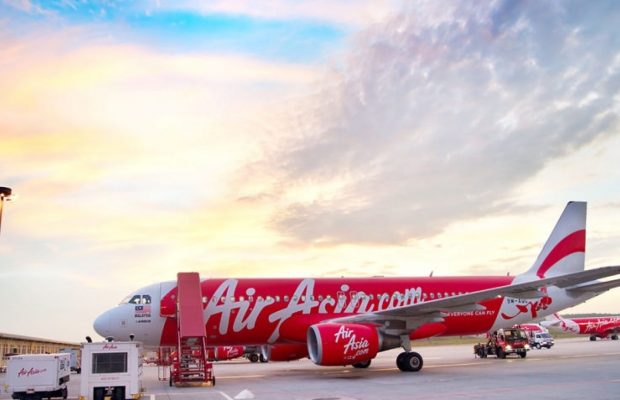
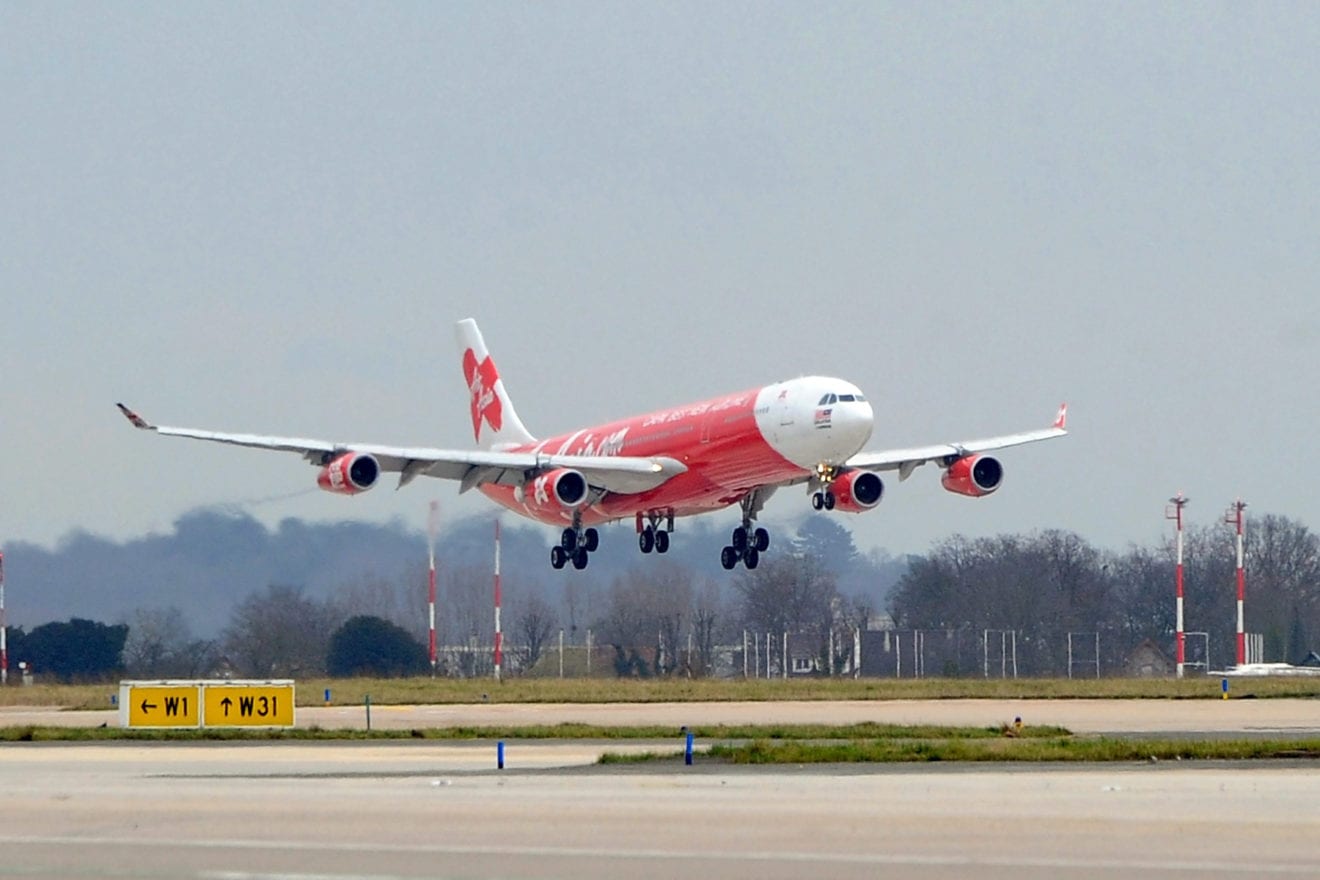
    AirAsia , who has been gunning for aggressive regional expansion with the signing of two separate joint-ventures in Vietnam and China in the first half of 2017 (1H17), will continue to emphasise on both local and international expansion.

    According to head of commercial Spencer Lee, AirAsia will continue to focus on expanding local connectivity and frequency amidst regional expansion in order to stimulate and maintain local market demand.

    “For us it is always about expansion and locally, we are aiming to close the gap on local connectivity with flights to unique destinations that people might not even expect.

    “For example for our current network in Sarawak, we have started Kuching Pontianak and Kuching Langkawai routes and are set to reveal another additional two new destinations from Kuching at the end of the year,” Lee revealed to The Borneo Post yesterday.

    This was during the inaugural AK1029 flight ceremony from Pontianak to Kuching held at Kuching International Airport yesterday.

    The Kuching-Pontianak route is the latest AirAsia route from Kuching and has begun its operations with daily flights between the two destinations. Its addition brings total AirAsia destinations from Kuching to ten and total weekly flights both ways to 468.

    The Kuching-Langkawi route on the other hand, is slated to begin operation sometime in August.

    Besides expansion on their airline business, Lee emphasised that the group would also be looking towards focusing on growth of their non-airline products such as their Tune travel insurance and their Big prepaid travel money card.

    “Now that have built our network and our passenger numbers, we believe that the one huge opportunity for us to grow even further is to build businesses that complements our entire business model by adding to the whole flying experience for our customers.

    “For example, with our BIG programme, we have amassed a huge database which we can use to improve our customer services, and our other offered products that seek to enhance the entire flying experience we offer.

    “I think at the end of the day, while we are primarily an airline, we believe that it’s about giving guests the best flying experience that extends beyond the actual flight.

    “Hence, at AirAsia, we are really aiming to build up an ecosystem were we can link and connect all of our businesses together.”

    Looking forward, Lee anticipates for the group to see another great year like they had in 2016, especially for Sarawakian operations due to increased partnerships with the local authorities, travel industry and state government with their expansion plans.

    “I hope that personally for Kuching, we will continue seeing a growth like the four per cent year over year (y-o-y) passenger number growth we saw last year and while we don’t have an estimate right now, you can rest assure that we will be aiming to beat last year’s figure.”
  • Air Asia X‘s Direct Flights from Bali Reduce Passengers Going through KL

    Air Asia X‘s Direct Flights from Bali Reduce Passengers Going through KL

    he number of tourists from China and India has seen huge improvements after e-visa services were made available, said Tourism Malaysia chairman Datuk Dr Siew Ka Wei.

    According to Siew in a statement, between March 2016 and April 2017, total of 284,606 and 323,173 Chinese tourists have applied for e-visa (electronic visa) and eNTRI (Electronic Travel Registration and Information), respectively. As for India, its tourists’ visas application also shot up by 91.1 per cent from 36,442 approved in March to 69,635 visas approved in April.

    “Following the green light from Prime Minister Datuk Seri Najib Razak to approve e-visa applications for multiple entries, the Home Affairs Ministry is working on the final details of the two-week multiple entry visa-free visit to Malaysia, which will boost this number even further.

    “In addition, they are also allowed to transit in Malaysia without a visa, on specific terms and conditions. “This improved facility is expected to help attract larger numbers of tourists from China and India to Malaysia who are looking for a holiday experience that offers diversity at an affordable price,” he said.

    He added that Chinese and Indian nationals can now apply for e-visa, eNTRI or VOA (Visa on Arrival), depending on the purpose of their visit to Malaysia. “These improvements have come at an opportune time to encourage more Chinese and Indian tourists to visit Malaysia.

    “Considering that visa arrangements are critical for the convenience of travellers, these facilities are expected to ease travel preparations, especially since it has the following features, namely online application system, faster processing time and reasonable fees,” he added.

    Meanwhile, Malaysian Association of Tours and Travel Agents (Matta) Inbound and Domestic vice president Datuk KL Tan said the number of tourists from China and India saw a drop lately due to aggressive promotions from neighbouring countries such as Indonesia, Thailand and Singapore.

    “These countries have increased their promotions and are targeting the Chinese and Indian tourists. “Indian tourists have dropped significantly as more countries such as Indonesia had extended free visa on arrival to Indian nationals. Thailand too had extended a similar policy until end of this year.

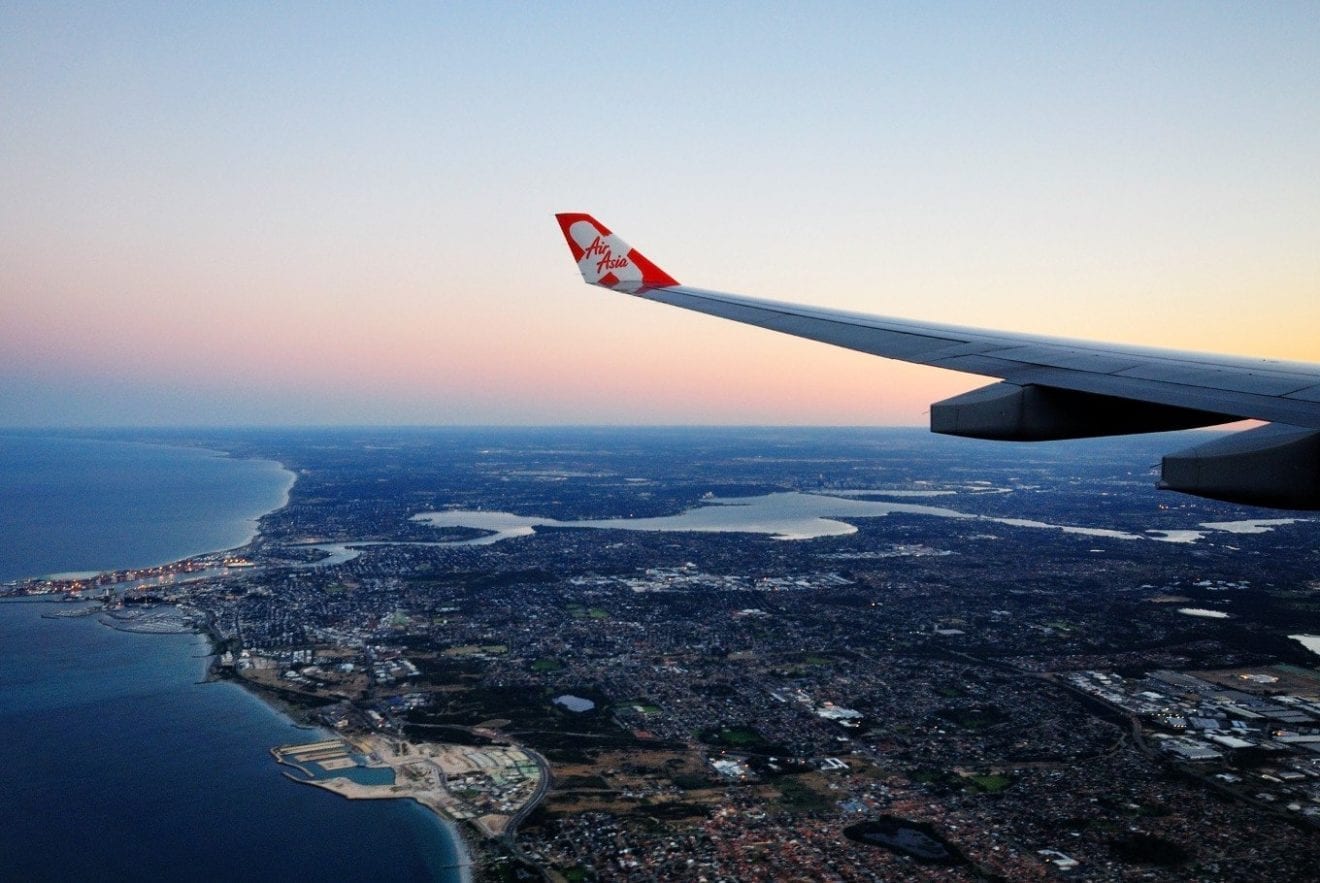
    “Their airlines have started to fly direct. Air Asia X Indonesia started direct flights from Bali to Mumbai and Bali to Kochi. These have reduced chances of passengers going through Kuala Lumpur,” said Tan.

    Tan added that most country’s tourist market have dropped especially in the ASEAN region.“Foreign tourists’ arrival such as those from Singapore, Thailand, Brunei and Indonesia has seen a decrease.“But for long haul markets, we are quite dependent on Chinese tourists.”

    He however applauded the improvements made by the government saying that an increase of visitors from any country is always good. “But India visitors dropped 35.1 per cent during the first quarter in 2017 compared to 11.6 per cent for whole of last year.

    “The visa fee is slightly on the high side. We would like to see for the government’s review on the visa fees, especially for India. “If everything goes right, we could get six million Chinese visitors and 1.5 million from India by 2020. Growth from the nine ASEAN nations will be steady, rising to 23.5 million by 2020 and the rest of the world, five million,” Tan said.

  • Samsung Galaxy Tab S3 now available in Malaysia

    Samsung Galaxy Tab S3 now available in Malaysia

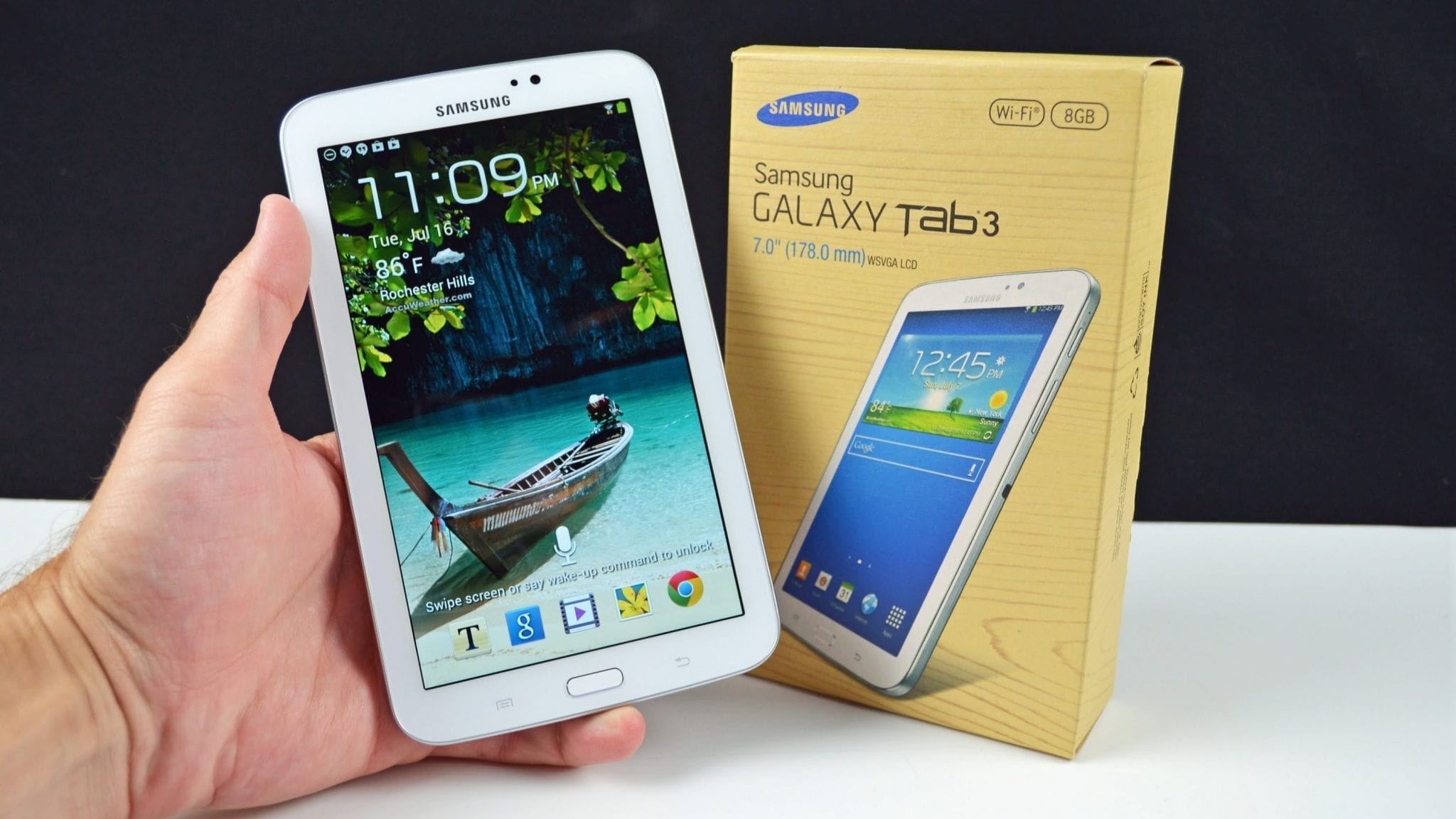
    Samsung Malaysia Electronics announced the availability of the Galaxy Tab S3, a stylishly designed tablet with advanced computing technology offering a premium mobile experience.

    Equipped with an S Pen designed to feel and write like your favourite ball pen, the Galaxy Tab S3 delivers versatile usage as a productivity tool.

    “The Galaxy Tab S3 is carefully crafted with versatile features and functionality that provide a dynamic user experience.

    “This tablet represents Samsung’s commitment to expand its tablet portfolio with premium technology and deliver the best of entertainment and productivity for users at home, work or on the go,” said Hosea Heen, Samsung Malaysia Electronics head of mobile business.

    Building upon its signature design, the Galaxy Tab S3’s minimal and refined design was achieved by affixing glossy, reinforced glass panels to an aluminium frame, resulting in seamless aesthetics.

    The Galaxy Tab S3 provides premium Galaxy technology including an enhanced S Pen, which allows users to be more productive, creative, and to multi-task.

    The Galaxy Tab S3 is the first Samsung tablet to boast powerful quad-stereo speakers crafted by AKG by Harman in each corner of the device.

    Housing a superb 9.7-inch Super AMOLED display with HDR (High Dynamic Range) video content support, the Galaxy Tab S3 also displays stunningly vivid images with true-to-life colours.

    Unveiled at this year’s Mobile World Congress, the Galaxy Tab S3 delivers on Samsung’s legacy of innovative Galaxy technology including a 13-megapixel rear camera with auto focus and a 5-megapixel front camera for high-quality photos.

    The tablet also includes expandable storage and more power efficiency with fast-charge capabilities, supporting up to 12 hours of video playback.

    Mobile entertainment is taken to the next level as the tablet provides a cinema-like experience with 4K video playback on its Super AMOLED display. Highly optimised for gaming, the Galaxy Tab S3 also comes equipped with Vulkan API for superior graphics and the new Game Launcher for an enhanced user interface and personalised gaming experience, as well as modes like ‘Do Not Disturb’ for uninterrupted gameplay.

    Samsung Flow uses biometric authentication for a safe and secure login and can wirelessly tether compatible devices to transfer documents from a mobile device to a tablet. It also syncs message notifications so users will never miss an important text message, whether they are using a smartphone or their tablet, making working on the go seamless.

    For power users always on the go, the Galaxy Tab S3 also supports Pogo keyboards as no charging or pairing is required. The tablet’s dedicated Pogo pin-connected keyboard locks into place securely so users can get to work quickly, and features a streamlined layout that optimises key spacing to promote accurate typing. USB Type-C compatibility, meanwhile, provides more convenient cable connections as well as much faster data transfers. The Pogo Keyboard Cover comes in gray colour and retails at RM499.

    A new selection of Galaxy Tab S3 covers will give stylish users the option to pair their tablet with soft-coloured Book Covers that feature powdery matte finishing and a lightweight design to complete the device’s stylish look.

    Its dual usage mode—Viewing Mode or Touch Mode—makes it perfect for propping the tablet up to touch with ease or standing it up to watch movies comfortably. The Book Covers are also designed to magnetically attach the S Pen for quick access.

    Available in black, white and green colours, the Book Covers retail at RM199.

    The Galaxy Tab S3 is available in Malaysia at Samsung Experience Stores nationwide, including e-commerce partners Lazada and 11street, as well as authorised dealers starting June 1.

    Offered in understated black and silver colours to suit the refined tastes of modern millennials, the powerful tablet has an attractive recommended retail price of RM2,999 inclusive of six per cent GST.

  • Malaysia’s online sales set to quintuple by 2025, fashion leads

    Malaysia’s online sales set to quintuple by 2025, fashion leads

    Online sales in Malaysia, which is currently just above 1 per cent of total retail market, is likely to quintuple by 2025, says a report. The rise is due to online outpacing store-based retail, especially fashion sales. The Malaysian government has launched a strategic roadmap for e-commerce and rolled out several initiatives in partnership with the private sector.

    According to the Malaysia B2C E-commerce Market 2017 report by yStats, more than 50 per cent of online shoppers in Malaysia are less than 29 years old. Meaning, the continued maturity and wealth growth of this demographic sits well for the increase of online sales, said yStats.

    Moreover, Malaysia’s internet penetration is one of the highest in the region with approximately one third of internet users make purchases online, said report authors. The product category with the largest share of e-commerce sales in 2016 was clothing and footwear.

    Complementing the government-backed e-commerce development projects, other factors encouraging the growth of online retail in Malaysia are the ready infrastructure and favourable demographics in the Asian nation, said the report.

    In March, Malaysian Prime Minister Najib Razak launched a digital free trade zone along with Jack Ma, founder and executive chairman of Alibaba. At the time, the Chinese e-commerce company said it would set up a logistics hub in Kuala Lumpur that will serve as a regional distribution hub.

    It will be part of a digital free trade zone set to be developed close to the Kuala Lumpur International Airport.

    The e-commerce competition landscape in Malaysia is led by online marketplaces. Lazada.com.my and 11street.my were the most visited e-commerce websites in Malaysia in February 2017, according to a ranking included in the report.

  • Three key areas that will help grow Malaysia’s retail industry

    Three key areas that will help grow Malaysia’s retail industry

    The e-commerce market is one. According to BMI Research, three specific areas: big-box boulevards, e-commerce, and duty-free shopping will be the key growth areas in Malaysia’s retail sector over the coming years. They are attracting significant investment initiatives that are in line with the government’s National Economic Transformation Program.

    The government is currently stimulating public-private investment in modern ‘big-box boulevards’-large scale integrated shopping malls on the outskirts of urban centres. Multinational corporations are predicted to be attracted by Malaysia’s strong outlook for consumer spending.

    “We forecast total household spending in Malaysia to expand at an annual growth rate of 7.5% between 2017 and 2021, rising from MYR774b ($250.12b) in 20 17 to MYR1t ($323.45b) in 2021,” BMI said.

    Malaysia’s e-commerce sector is still noted to be nascent, with consumers generally preferring to shop using cash in local stores due to a lack of trust with regards to online payments. However BMI estimates that this will gradually change as consumer purchasing habits evolve, supported by the government’s National e-Commerce Strategic Roadmap.

    “We forecast Malaysia’s e-commerce market to reach MYR21.04b ($6.81b) in sales in 2017, a 28.2% y-o-y increase,” BMI said.

    Malaysia’s tourist industry is another key part of the government’s economic transformation strategy, and like retail, is one of the 12 designated areas for investment. The government’s aim is to position Malaysia as a duty-free shopping destination for the Asia-Pacific Region, centred upon Kuala Lumpur International Airport.

    “Our forecasts for tourist arrivals into Malaysia will underpin growth in duty-free retail sales. 2017 will see 28.1m international tourists , rising at an average of 5.2% y-o-y to hit 34.3m by 2021. This will be driven by ongoing weakness in the Malaysian ringgit, making the country affordable for tourists,” BMI said.

  • Consumer spending in Malaysia to increase 5.8% in 2017

    Consumer spending in Malaysia to increase 5.8% in 2017

    It will grow at an annual average of 5.3% between 2017-2021. BMI Research reported that consumer spending in Malaysia is set to increase. The rise will be brought about the increasing disposable income. Real household spending growth in Malaysia will continue to expand the medium term.

    However, it will be modest on the back of an uptick in inflation and slightly weaker currency. Household spending will become more dynamic over the medium term as the share of non-essential spending rises. BMI foresees household spending real to grow at an annual average of 5.3% between 2017-2021. In 2017 we project a y-o-y increase of 5.8%

    Rising disposable incomes will foster discretionary spending, highlighted by robust growth in education; restaurants and hotels; and recreation and culture spending. According to BMI, these categories are set to grow at an annual average rate of 8.7%, 8.5% and 8.2% respectively.

    Consumer spending in Malaysia will benefit from a youthful and increasingly urbanised population; rising household incomes; and low levels of unemployment. The growing middle class and relatively low inflation will help generate demand for non-essential items and luxury goods.

  • AirAsia warns of free ticket scam

    AirAsia warns of free ticket scam

    AirAsia has issued a public warning about a social media post, claiming to offer free flight tickets through an online survey.

    The post asks participants to answer several questions to redeem vouchers, the low-cost carrier said in a statement on Monday.

    “There is also another scam circulating on Facebook, offering 268 free tickets in conjunction with AirAsia’s 28th anniversary.

    “Both scams used the AirAsia brand without authorisation and aim to lure the public to participate in it,” it added.

    The airline said it will not be held liable for any claims pertaining to the false scheme and will not hesitate to take legal action against individuals or groups that organise illegal schemes using the AirAsia brand.

  • AirAsia sees 2017 results surpassing 2016 despite lower 1Q earnings

    AirAsia sees 2017 results surpassing 2016 despite lower 1Q earnings

    AirAsia, Asia’s largest budget airline, saw net profit drop 29.8% to RM615.81 million or 18.4 sen a share in the first quarter ended March 31, 2017 (1QFY17) from RM877.79 million or 31.5 sen a share a year ago, mainly due to higher fuel costs as average fuel price rose 20% to US$67 (RM286.18) per barrel in 1QFY17 from US$56 per barrel in 1QFY16 and a strong US dollar.

    Staff costs also went up sharply by 27% year-on-year to RM363.5 million in 1QFY17, mainly due to a revised staff remuneration package that was introduced in 4QFY16. As a result, total net operating profits fell to RM267.1 million in 1QFY17 from RM337.7 million in 1QFY16. However, the airline remains positive about its prospects in 2017 and is optimistic that the 2017 results may surpass that of 2016, it said in a filing with Bursa Malaysia yesterday.

    For the remaining quarters of 2017, AirAsia said it remains optimistic as it continues to observe strong demand across most sectors coupled with a favourable fuel price and foreign exchange environment.It is projecting to achieve an average forecast load factor of 91% in 2QFY17 based on the existing forward booking trend. “The strong demand is expected to derive from the festive Hari Raya season, in conjuction with the midterm school holidays in India, as well as the expanded South Korea and China network from the Philippines,” it added.

    AirAsia’s quarterly revenue jumped 31% to RM2.23 billion in 1QFY17 from RM1.7 billion in 1QFY16 due to the consolidation of Indonesia AirAsia (IAA) and Philippines AirAsia (PAA) Group during the current quarter under review. AirAsia said the improved quarterly revenue growth was also derived from a 6% increase in total passengers carried on an additional 1% growth in seat capacity, as well as a strong seat load factor of 89% in 1QFY17 compared with 85% in 1QFY16. Despite of a slight reduction in the average fare of 2%, overall revenue per available seat kilometre improved 3% to 14.91 sen in 1QFY17 from 14.42 sen in 1QFY16. Its cost of available seat kilometre (CASK), however, rose 14% to 13.61 sen in 1QFY17 from 11.97 sen in 1QFY16, while non-fuel CASK increased 9% to 8.6 sen from 7.87 sen.

    In a separate statement yesterday, AirAsia group chief executive officer Tan Sri Tony Fernandes said following the completion of the capital injection exercise in January, the airline’s net gearing ratio stood at 1.22 times at the end of 1QFY17 compared with 1.33 times at the end of 4QFY16. “With the start of consolidated accounts combining our Malaysia, Indonesia and Philippine units, we are taking a major step to being recognised as one airline, not many. AirAsia as OneAirAsia, sharing a single cost structure, brings immense benefits in terms of economies of scale and building a dominant position in the markets we operate in. We hope to include Thai AirAsia in our consolidated accounts beginning the second quarter,” he said.

    He said the airline will add 29 new planes this year through a combination of finance and operating lease, bringing the total fleet to 201 aircraft by end-2017. “This is the most number of aircraft we have added in four years, demonstrating our confidence in the competitive environment in Asia.

    “In March this year, we signed a joint venture in Vietnam and later another in China in early May. Adding these two countries will give us air operator certificates in a total of eight Asian countries, and with that, unrivalled connectivity within the region,” he also said.

    The airline is also expected to achieve 10% further savings by end-2017 as it moves towards regional consolidation and streamlining group operations across the board. It also plans to grow its ancillary target per passenger from RM50 to RM60 this year.

    “In generating returns for our shareholders, we hope to monetise our non-core assets and distribute a special dividend every two years. We are currently in final negotiations and will materialise the sale of Asia Aviation Capital, our leasing arm, very soon. We continue to work toward the listing of PAA and IAA and our training centre — AirAsia Aviation Centre of Excellence,” said Fernandes.

  • Malaysia’s AirAsia again tries to take off in Vietnam

    Malaysia’s AirAsia again tries to take off in Vietnam

    After failing three times, Malaysian discount air carrier AirAsia is once again trying to crack the growing, but well-protected, Vietnamese airline market

    Vietnam closely guards its airline market, dominated by state-run Vietnam Airlines and local discount carrier Vietjet Air, but growth potential is such that it is attracting yet another bid by AirAsia, its fourth since 2005.

    AirAsia’s latest strategy is to team with Thien Minh Group, a pioneering local travel agency founded in 1994 by Tran Trong Kien, the current chief executive officer. TMG, whose Buffalo Tours is one of the best known travel brands in the country, also operates hotels and a travel booking website. The company also began offering seaplane flights four years ago.

    AirAsia CEO Tony Fernandes is said to have first met TMG’s Kien in late 2015. The two have since explored ways to collaborate in Vietnam. Determined not to repeat AirAsia’s previous failed attempts, the two companies carefully studied strategic options as well as how to integrate the companies’ different corporate cultures, Kien said.

    The companies plan to jointly set up a low-cost carrier in Vietnam, with the first flight planned for spring 2018. Deploying medium-range passenger aircraft, such as the Airbus A320 and A321, the venture will target domestic and international routes not served by Vietnam Airlines or Vietjet Air.

    Kien said there are still niche routes where they see strong demand, such as direct flights between Tokyo and Nha Trang.

    Failed attempts

    AirAsia first attempted to enter the Vietnamese market in 2005 through a proposal to support Vietnam’s Pacific Airlines, predecessor to Jetstar Pacific Airlines, but lost to rival Qantas Airways. The next bid, in 2007, was a proposed joint venture with a state-owned shipbuilder that was rejected by the government. Its most recent deal, this time to acquire 30% of Vietjet Air in 2010, was signed by the two companies but again grounded by the government.

    Vietnam’s heavily protected airline market has so far resisted outside penetration by foreign newcomers.

    However, it still remains attractive to AirAisa, which is determined to grab a piece of the market owing to the large growth potential compared to other Southeast Asian countries, according to an executive at a Japanese airline company.

  • Upgrade for Pizza Hut Malaysia’s restaurants

    Upgrade for Pizza Hut Malaysia’s restaurants

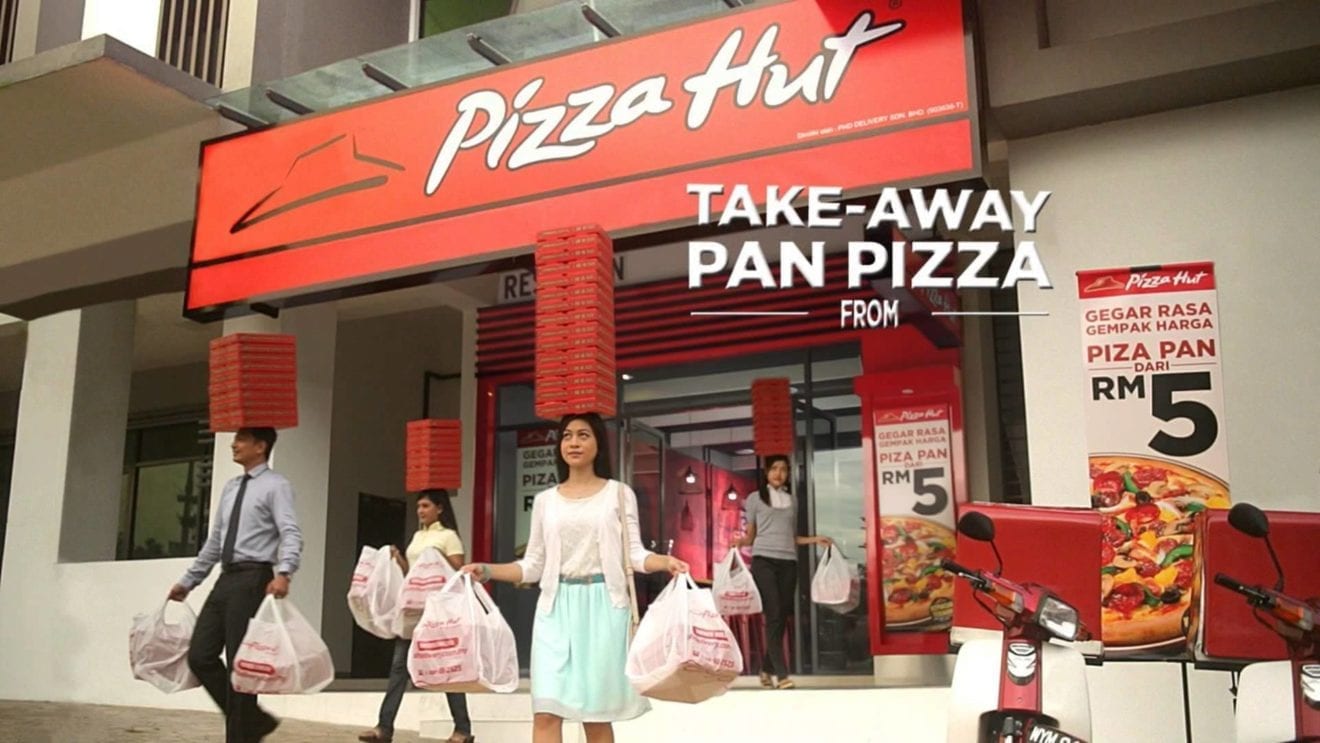
    The operator of Pizza Hut, QSR Brands (M) Holdings Bhd, plans to upgrade its 221 dine-in restaurants over the next two years, as part of its re-branding activity in conjunction with Pizza Hut’s 35th anniversary.

    QSR Brands chief executive officer Merrill Pereyra said Pizza Hut currently had close to 400 outlets, nationwide.

    “So far, we have upgraded more than 50 restaurants and we will also conduct 100 per cent asset enhancement in all 221 restaurants,” he told a press conference after Pizza Hut’s 35th anniversary celebrations in Kuala Lumpur on Thursday.

    Pereyra said the company planned to enhance dining experience at its restaurants as the segment was not only its core business but also made Pizza Hut stand out from its competitors.

    He, however, declined to elaborate on the capital expenditure for the upgrading exercise but said the company had allocated enough for the purpose.

    When asked on possibilities of new openings for this year, Pereyra said the company planned to spend the next couple of years to re-brand Pizza Hut and the exercise would include a new logo, website and also a new mobile application.

    The website was launched on May 5 and we are already seeing nearly 100 per cent increase in visits and 150% increase in new users.

    Order placement with the newly developed website and mobile application would reflect Pizza Hut’s refreshed brand mission of “easy and better”, he added.

    Pereyra said the mobile application will be launched in three months.

    Pizza Hut, in conjunction with its anniversary celebrations, on Thursday launched the 35 Bites Challenge where consumers can attempt to finish a large pizza in 35 bites, within five minutes.

  • AirAsia X’s profit hit by higher fuel expenses

    AirAsia X’s profit hit by higher fuel expenses

    AirAsia X Bhd’s (AAX) profit for the first quarter (Q1) ended March 31, 2017, was dragged down by higher expenses such as aircraft fuel cost, which ballooned by 55% from a year earlier.

    AAX, whose expenses are mostly denominated in the US dollar, said it posted a 43% year-on-year drop in operating profit to RM60.3mil mainly due to an overall 6% depreciation of the ringgit against the greenback.

    The long-haul, low-cost airline told Bursa Malaysia on Tuesday that net profit fell to RM10.34mil from RM179.49mil previously.

    Aircraft fuel expenses, the single largest operating cost, swelled to RM377.69mil from RM243.06mil a year earlier. Aircraft operating lease costs rose to RM70.82mil from RM45.64mil previously.

    Its profit took a hit despite a healthy growth in passengers carried – up 33% to 1.4 million in Q1 on the back of a higher available seat capacity – that led to a 22% jump in revenue year-on-year to RM1.18bil.

    Load factors were 2 basis points higher at 84% compared with the same quarter in 2016.

    Ancillary revenue per passenger remained constant at RM150 while freight and cargo revenue grew by 5.9% to RM32.8mil in the quarter under review.

    Revenue per available seat kilometer (RASK) was down 6% year-on-year from 15.11 sen to 14.20 sen during the quarter under review.

    AAX said the marginal drop was due to the expected increase in capacity on core existing routes as per its strategy to grow market share and therefore pressuring yields.

    In a press statement, it said Malaysia AirAsia X (MAAX) registered a healthy load factor of 84%, up 2 percentage points (ppts).

    Thailand AirAsia X outperformed despite regulatory constraints by posting US$5.5mil net profit in Q1. It recorded a strong 94% load factor, an increase of 5 ppts from 89% in the same period last year.

    As for Indonesia AirAsia X, the A330s service was still temporarily suspended in Q1 as part of a network restructuring aimed at improving operational efficiencies. However, it has resumed the A330 operations with the introduction of two new routes this month.

    On its prospects, the AirAsia group affiliate said that based on the current forward booking trend, forward loads and average fares were trending better than the previous year.

    However, it added, the relative weakness of the Malaysian ringgit remained a key concern as a large portion of the company’s borrowings and operating costs – including fuel expenses and aircraft operating lease exprnses – are denominated in US dollars.

    “Barring any unforeseen circumstances, including but not limited to terrorist attacks, natural disasters, epidemics, economic downturn, fuel price hike and fluctuation in foreign currencies against the Malaysian ringgit, the company expects its prospects to remain positive,” it said.

    In the press statement, MAAX chief executive officer Benyamin Ismail said: “Moving forward for the rest 2017, AirAsia X will focus on strengthening our market leadership through a number of strategies.

    “We hope to stretch our aircraft utilisation rate further with more incremental frequencies on high yield point-to-point routes and new routes in the second half of 2017. We have also set targets in ensuring the company remains lean through various cost initiatives and maximise the operational synergies between AirAsia and AirAsia X.”

  • YTL uses 4G to “leapfrog” region

    YTL uses 4G to “leapfrog” region

    Malaysian mobile operator YTL plans to speed up the pace of digital innovation as it challenges incumbents in its home market, says the company’s CEO Wing K Lee.

    Lee is set to address the CommunicAsia2017 Summit today on the subject of “A Nationwide 4G Leapfrog.” He says YTL’s six-year journey from Wimax start-up to operator of Malaysia’s first 4G LTE service in June last year has “lifted the standard of competitiveness” on mobile internet.

    Although granted a Wimax license at the same time as other new competitors, YTL took longer to go to market with its product and spent more time building its geographical coverage.

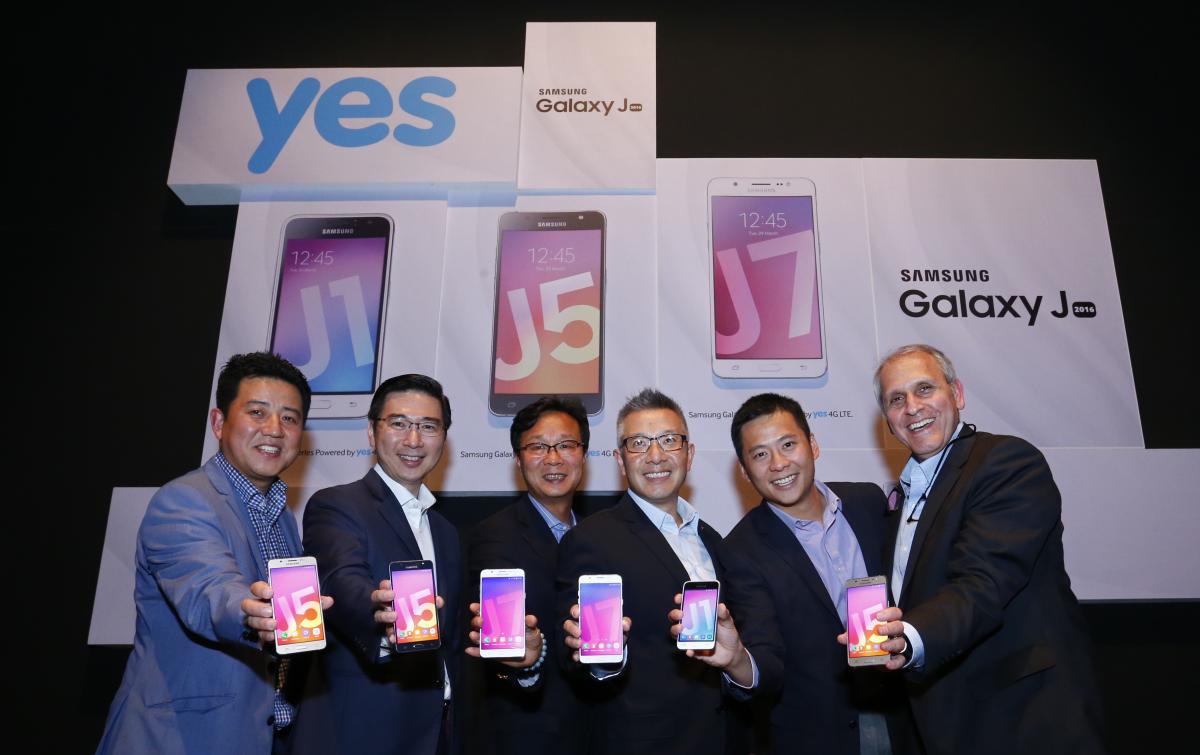
    It followed up its original 2010 launch with its LTE network, built by network partner Samsung Electronics, which also offers VoLTE. The network covers around 85% of Malaysia with data speeds as high as 100 Mbps.

    YTL’s “digital roadmap” and experience serves as a regional case study on “leapfrogging”: using new technology in a greenfield environment to create better infrastructure than more advanced areas which developed their tech infrastructure earlier on legacy frameworks.

    “As a completely greenfield player, we had the good fortune to start from a clean slate, free of legacy processing and thinking,” says Lee. “So we created a digital-first experience-from automation to care-for both our customers and our dealers.”

    Skill-sets of the century

    Another game-changer came four years ago, when YTL won an open tender from Malaysia’s Ministry of Education to provide 4G broadband in all public schools.

    The operator has partnered with Google to deploy 4G Chromebooks to schools throughout Malaysia, integrating Google Apps for Education into its cloud-based learning platform which supports 10 million students, teachers, and parents.

    Cloud cover over Malaysia

    Given the national footprint, YTL uses a cloud-based approach to enable “anywhere, anytime learning” and instill a “21st century skill-set” in young Malaysians.

    Lee says the way forward for YTL was to continue to invest in the cloud to create a new platform to deliver value.

    The education project, he says, was a good example of how the company wants to use connectivity in a transformative way to create new services and products, often in collaborative partnerships.

    “We won’t play the same game as legacy players,” he says. “We’re just getting warmed up and will continue to speed up the pace and diversity of innovation.”

  • AirAsia X dedicates aircraft to remember late COO

    AirAsia X dedicates aircraft to remember late COO

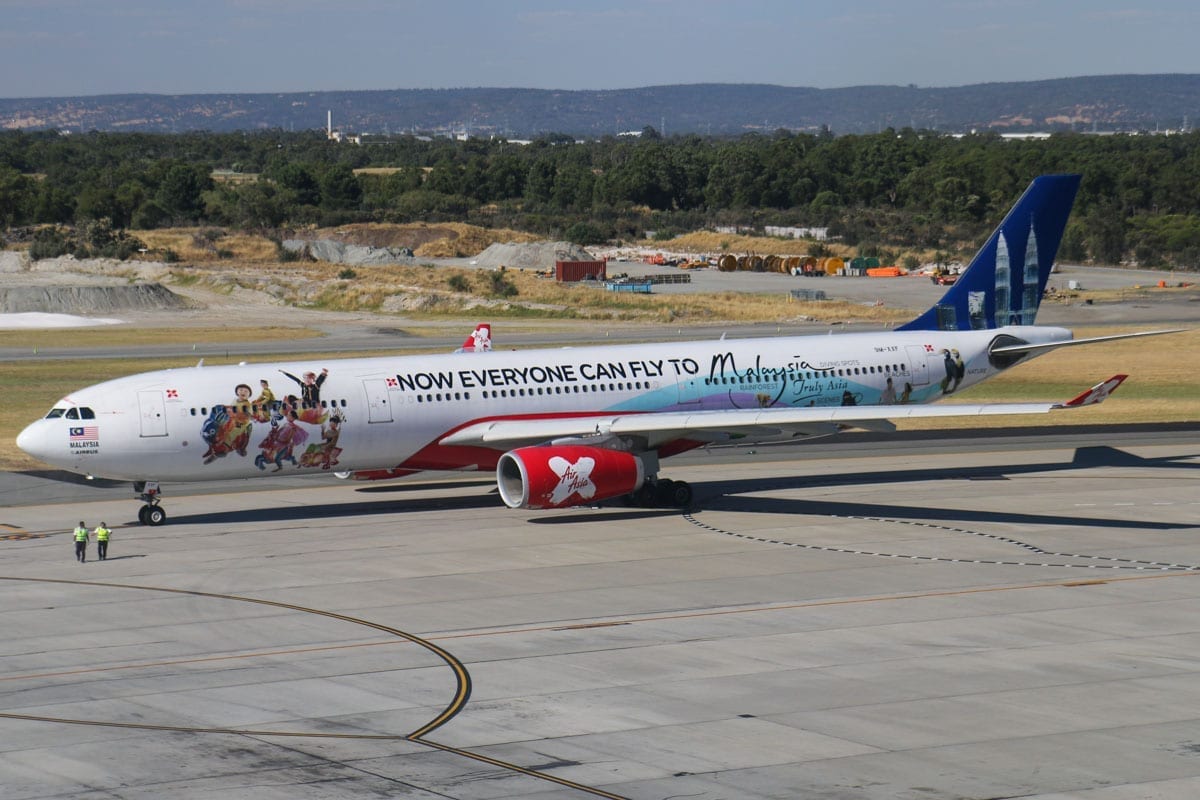
    AirAsia X has dedicated an aircraft to remember their late chief operating officer Anaz Ahmad Tajuddin, who passed away on Jan 13 from cancer.

    AirAsia group chief executive officer Tan Sri Tony Fernandes filmed two Facebook live videos of the sombre event held on Tuesday, unveiling the aircraft with Anaz’s smiling face on the fuselage together with the phrases “A truly passionate Allstar” and “Anaz the legend”.

    “We’re here to give tribute to our wonderful staff Anaz, who left us all too quickly,” said Fernandes in the video.

    Anaz was 43 when he passed away. Meanwhile, AirAsia X chief executive officer Ben Ismail said that the Airbus A330 aircraft was delivered about three weeks ago, and has since travelled to Japan, Australia and China.

    “We are celebrating Anaz being one of the most important men in AirAsia,” said Ben.

    “As you can see, I dedicated one of our aircrafts to him. We love him. I love him,” he added.

    AirAsia executive chairman Kamarudin Meranun said they have gathered to remember “our dear brother Anaz” who was a “very passionate Allstar”.

    “It’s happy because we still remember him but it’s also a sad affair,” said Kamarudin.

    AirAsia chief executive officer Aireen Omar also commended the artistic touch on the plane.

    “I will always remember Anaz,” said Aireen.

    Anaz’s family and other AirAsia staff were also present at the event.

  • 7-Eleven tests hand-scanning Biopay in Korea

    7-Eleven tests hand-scanning Biopay in Korea

    In conjunction with Lotte Card and Lotte Data Communication, 7-Eleven has launched its first smart convenience store equipped with a BioPay system at Lotte World Tower.

    BioPay is a payment method that allows consumers to make transactions by identifying themselves with a part of their body linked to a preassigned credit card. It is the first such store to be opened by 7-Eleven in the world, the company said. The HandPay system, in which individuals are recognized by their veins, was chosen over other types of BioPay — such as iris or fingerprint recognition — to maximize convenience, added the company.

    Customers place their purchases on a conveyor belt at an unmanned counter, where the items are then scanned 360 degrees to locate their barcodes. The prices are then tallied and appear on a screen. The system will be further improved through an artificial intelligence system that can identify products without barcodes.

    The store also has other high-tech features, including a refrigerator that automatically opens and shuts, electronic price tags, a smart CCTV system, and a Smart Safe Cigarette Vending Machine.

    Jung Seung-in, president of Korea Seven, said, “7-Eleven Signature, as a premium smart convenience store with a cutting-edge IT system suitable for the fourth industrial revolution, will be remembered as an innovative icon in Korea’s distribution industry.”

    Korea Seven is a joint venture by Lotte and 7-Eleven. The 7-Eleven Signature store will be open exclusively to employees of Lotte for the next one or two months as a pilot program before it opens to the public. The company also said that it would make efforts to extend the HandPay system to payment methods other than Lotte Card by the end of August.

    While the company refused to reveal specific mid- and long-term plans, the technology used in the 7-Eleven Signature store is likely to be expanded to other subsidiaries of Lotte in the future.

  • Alipay comes to Malaysia

    Alipay comes to Malaysia

    Chinese mobile wallet Alipay has arrived in Malaysia, marking the latest international push for Ant Financial Services Group, Alibaba Group’s payment affiliate and owner of Alipay.

    According to Alibaba, six Malaysian banks have received regulatory approval from the Malaysian Central Bank to process Alipay settlements. Alipay is also scheduled as a payment option across the Southeast Asian nation by 2018, said the company.

    Alipay has been on a rampant expansion route. It recently invested in foreign payment firms including India’s Paytm and Thailand’s Acsend Money, and is now widely accepted in 70 countries, including the United States.

    At the time of entering North America last February, Alipay said it is looking to enhance the shopping and travel experience of Chinese consumers visiting the US and Canada, and is expanding its partnership with DFS Group, a luxury travel retailer.

    The partnership launched Alipay in-store mobile payment at the DFS store in Honolulu International Airport store and at the DFS Hawaii store in Honolulu’s downtown T Galleria. DFS Group had previously launched Alipay in its airport stores in San Francisco and Los Angeles, and at JFK in New York City.

    At the same time ahead of Chinese New Year 2017, Alipay was launched in Paris across 83 duty free outlets operated by Société de Distribution Aéroportuaire – the joint venture between Lagardère Travel Retail and airport operator Groupe ADP. Lagardère Travel Retail deployed Alipay with the support of its bank, BNP Paribas, and payment services provider Ingenico Group.

    More than 450 million people use Alipay worldwide, according to the company’s website, and the introduction of the technology is part of the retailer’s efforts to meet the demands of its key Chinese consumers.

    Alipay’s overseas expansion has also been creating synergies for Alibaba, whose e-commerce business, logistics networks and cloud computing services have all made inroads in Southeast Asia.