Tag: Malaysia

  • DHL launches domestic delivery service with nationwide coverage in Malaysia

    DHL launches domestic delivery service with nationwide coverage in Malaysia

    HL eCommerce, a division of the world’s leading logistics company, Deutsche Post DHL Group, has launched its domestic delivery operations in Malaysia with a range of customer-centric services catered to Malaysia’s growing e-commerce market. Malaysian online retailers will also benefit from DHL’s range of cross-border shipping solutions and network of fulfillment centers globally to enable their international expansion. This will further accelerate the e-commerce market in Malaysia which is expected to grow at CAGR of 15.8% to EUR 1 bn by 2020, largely fuelled by recent initiatives such as the National E-commerce Strategic Roadmap, Digital Free Trade Zone and Economic Transformation Program.

    “E-commerce has become a way of life for Malaysians, with 47% already using their smartphones to shop online,” said Malcolm Monteiro, CEO, Asia Pacific, DHL eCommerce. “Approximately 7 million are already shopping online every month, and with the industry expected to grow to EUR 1 bn by 2020 in Malaysia and globally to US$1 trillion[4] in the same year, businesses need high-quality logistics solutions to leverage this immense growth and meet the rapidly changing needs of online shoppers. This makes the need for a tailored e-commerce delivery service greater than ever before.”

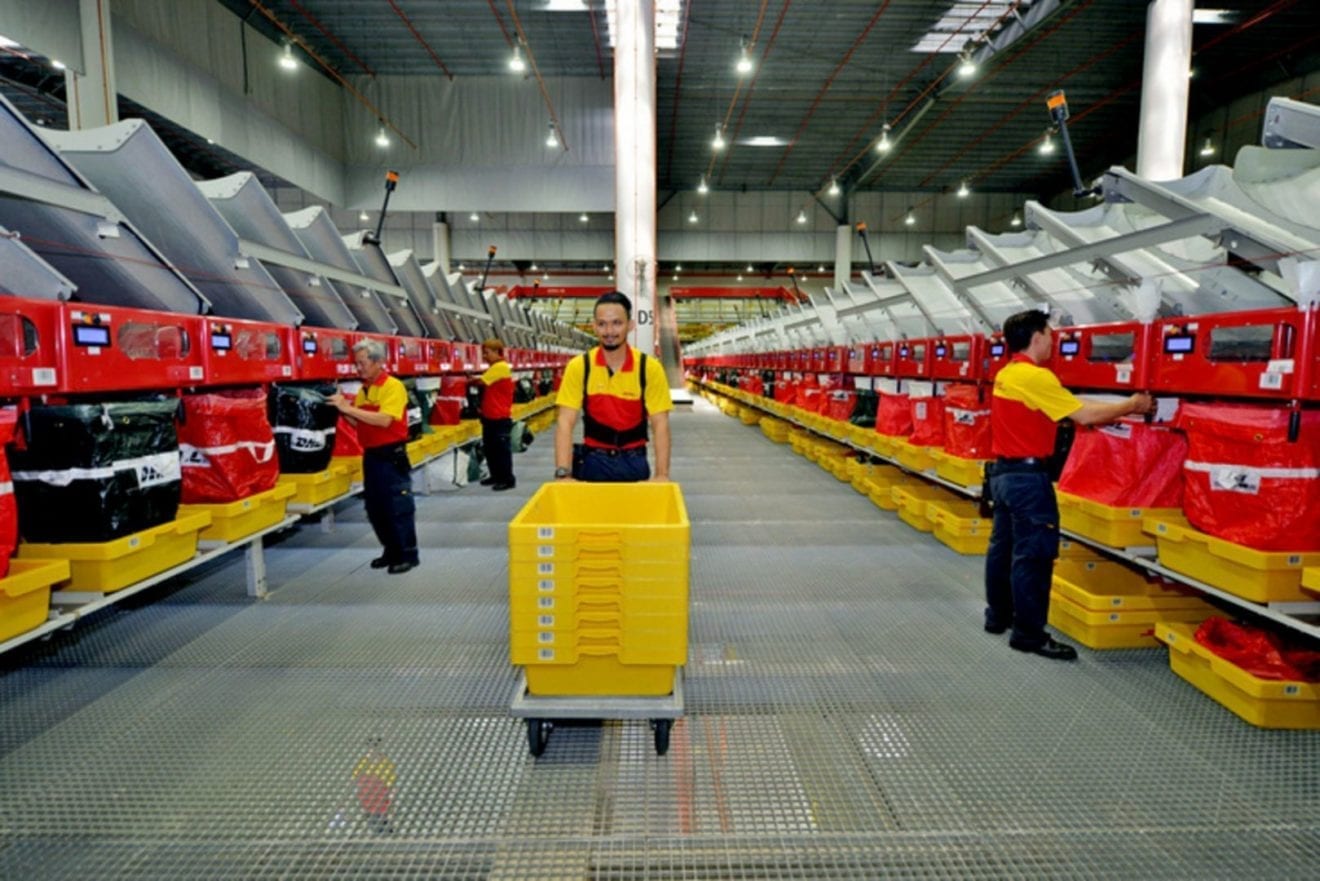
    The investment in Malaysia includes a 48,000 sq ft central distribution hub in Puchong as well as depots in Penang, Johor Bahru, Cheras and Puchong and a fleet of 2-wheel and 4-wheel vehicles. The fleet of vehicles will provide next-day delivery to all urban areas in Klang Valley, Penang and Johor Bahru, and two to four day delivery to all other locations across West Malaysia and East Malaysia.

    DHL eCommerce’s end-to-end domestic delivery solutions will offer pick-up services, track and trace, reverse logistics, cash on delivery with daily remittance and call center capabilities for deliveries within Malaysia. It aims to provide best-in-class domestic delivery with quick, predictive and secure delivery.
  • Malaysia Airlines offers to lease A330s from Alitalia

    Malaysia Airlines offers to lease A330s from Alitalia

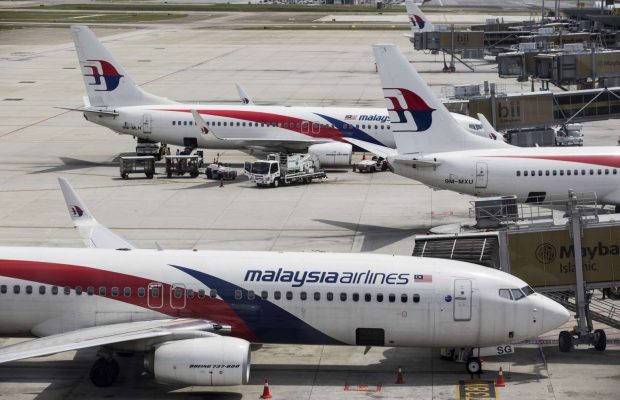
    Malaysia Airlines has offered to lease Airbus A330 jets from Alitalia if the struggling Italian airline is wound up, the Asian carrier’s chief executive told on Wednesday.

    Alitalia is preparing for special administration proceedings after workers rejected its latest rescue plan, making it impossible for the loss-making airline to secure funds to keep its aircraft flying. Workers are hoping the Italian government will step in with an alternative rescue deal.

    Malaysia Airlines could take between six and eight Airbus A330s from Alitalia, CEO Peter Bellew told in Dubai.

    An Alitalia spokesman declined to comment.

    Malaysia Airlines is emerging from a turnaround after twin tragedies since 2014, when flight MH370 disappeared in what remains a mystery, and flight MH17 was shot down over eastern Ukraine.

    Its load factors – or how full its planes are – averaged around 80% in the three months to March 31, Bellew said.

    Malaysia Airlines wants to lease between six and eight A330s or Boeing 777s for use from 2018 and a further seven to nine for 2019, he said.

    This is an increase on the six for 2018 and six for 2019 he told last month he was interested in.

    “The world really is awash right now” with large aircraft, Bellew said. “There are really good deals out there at the moment. It’s a buyer’s market right now.”

    Bellew also said he planned to make a decision on an order for 30-35 new Airbus A330neo or Boeing 787-9 widebody planes in the next four to six months to replace its A330s from the end of 2019.

    “If the prices are good … we will do an order,” he said. “But if the price isn’t right, we won’t do it.”

  • Malaysia’s DFI generates near 25% profit in FY2017

    Malaysia’s DFI generates near 25% profit in FY2017

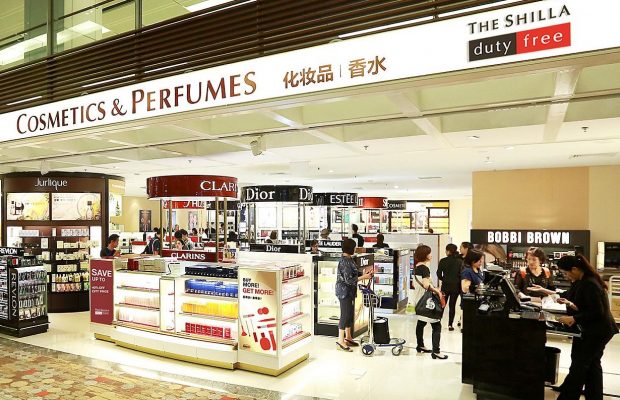
    Duty Free International Limited (DFI), the largest multi-channel duty-free and duty-paid retail group in Malaysia, in which Gebr Heinemann holds a 10% stake, has announced net profit after tax increased 24.8% to RM77m ($17.7m) from RM61.7m for the financial year ended February 28 2017 (FY2017).


    DFI’s parent company DFZ Capital Berhard entered into a joint-venture with Heinemann Asia Pacific in June 2016 with two seats on the board of directors – Max Heinemann and Marvin von Plato. DFI operates more than 40 retail outlets in Malaysia, on the border to Thailand and Singapore as well as duty-free shops in airports.

    DFI ended the fourth quarter (Q4) of FY2017 with revenue down slightly by 7.4% to RM150m compared to RM162m the previous year.

    The decrease was mainly due to a slowdown in tourism traffic to and from Thailand following the flood in Southern Thailand during the quarter and the after effects of the demise of Thai King Bhumibol in October 2016, as well as the imposition of a Goods and Services Tax at border outlets and duty-free zones with effect from 1 January 2017. On a full year basis, the Group reported an increase of 4.6% in revenue to RM632.6m for FY2017, from RM604.5m in FY2016.

    The profit before income tax in Q4, RM25.1m, was RM3.6m lower compared to RM28.7m in the same period in 2016 due to a decrease in revenue as mentioned above, coupled with an increase in management fee and lower reversal of inventories written down in the current quarter.

    On a full year basis, the Group reported an increase of 15.7% in profit before income tax to RM97.8m for FY2017, from RM84.5m in FY2016. The increase was mainly due to the overall increase in revenue and an increase in net foreign exchange gain of RM9.9m compared to the net foreign exchange loss of RM7m in FY2016. There was a recognition of gain arising from changes in the fair value of options amounting to RM4m, as well as lower professional fees incurred by RM1.6m in FY2017 when compared to FY2016.

    The above mentioned however, was partially offset by higher rental expenses and higher employee benefits expenses for FY2017.

    DFI executive director Lee Sze Siang commented on the FY2017 results: “We continue to face the challenges of the current economy and the volatility of the USD-Ringgit exchange rate, as well as the impact of unforeseen occurrences of the flood in Southern Thailand and effects of the demise of Thai King Bhumibol. Nevertheless, we have already started the process of improving our business operations, enhancing our merchandise mix and revamping our outlets. As we continue to focus on improving our operational efficiency and better managing our costs, we are confident of overcoming the challenging and competitive business environment.”

  • Maybank anticipates 35% rise in 2017 retail SME financing

    Maybank anticipates 35% rise in 2017 retail SME financing

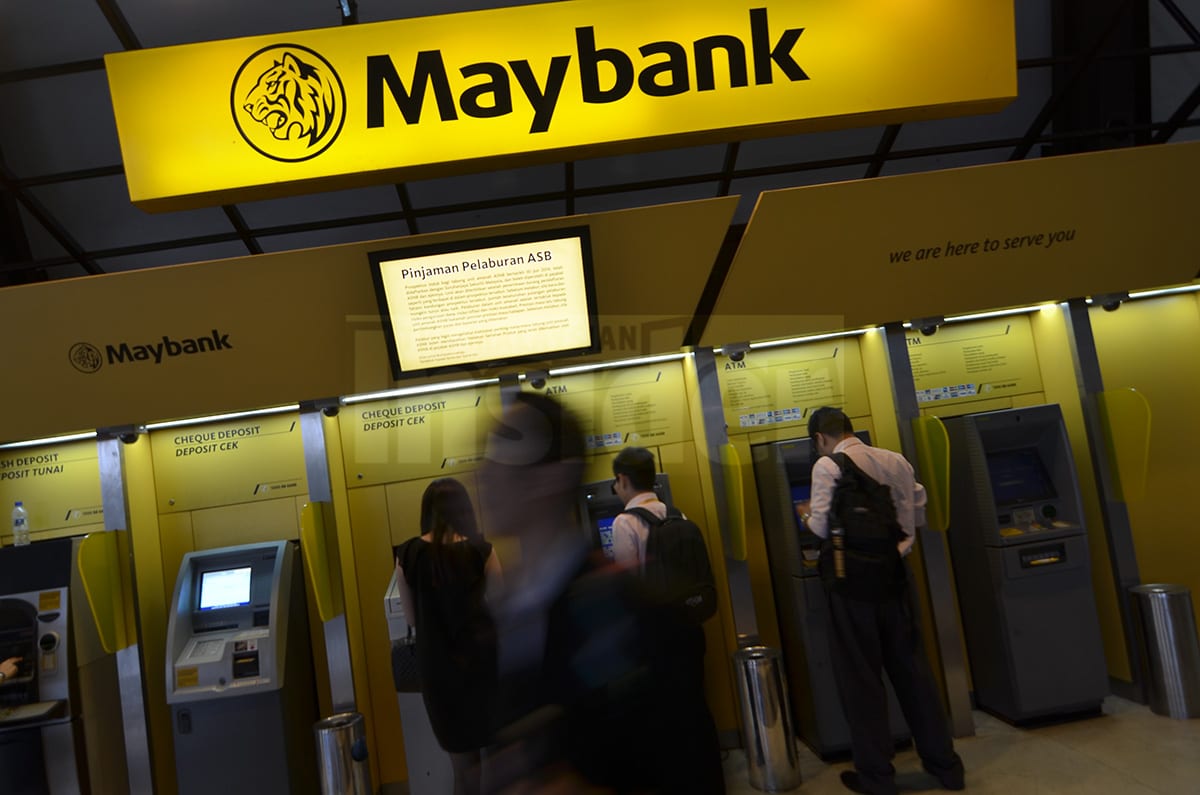
    Malayan Banking Bhd is anticipating financing to the retail small and medium enterprise (SME) segment to jump 35% this year — compared with 27% last year — which will up the segment’s loan portfolio to RM16.8 billion by year end.

    The growth is expected to be driven by business property-based loans, portfolio guarantee (PG), trade finance, commercial cards, micro credit and SME deposits, said Maybank’s community financial services (CFS) head in Malaysia, Datuk Hamirullah Boorhan, in a statement today.

    This retail SME segment typically comprise businesses with turnover of RM25 million and below, and is a key component to the banking group’s CFS portfolio, said Hamirullah.

    Some 61% of the segment’s financing last year comprised Islamic financing, with the remainder made up by conventional loans.

    To support the segment’s growth, Maybank is raising its number of seminars under its ‘Building Capacity & Capability’ Programme, which is now in its 3rd year, to 15 seminars in 2017, compared with just eight seminars last year.

    The programme is aimed at enabling retail SMEs to better understand the banking facilities available to them and how they can leverage on these services to grow their businesses, said Maybank.

    “The half day sessions are jointly hosted by industry experts, as well as financial advisors from Maybank who provide insight into traditional banking products, as well as new opportunities available through online and digital platforms.

    “Participants [will] also benefit from business insights and financial tips shared by renowned speakers, as well as joint business networking sessions with other SMEs and field experts,” the statement read.

    “Given our wealth of experience in serving this segment, we are confident that we can help the retail SME segment run their businesses more effectively, manage their cash flows better and leverage new-age technology to take their businesses to the next level,” said Hamirullah.

    This year, Maybank is roping in local market expert Aladdin Street.Com to share on the impact of e-commerce and globalisation, while Credit Guarantee Corporation Malaysia (CGC) will also be present to provide direct assistance to participants.

    “With the wealth of opportunities expected from the implementation of the Digital Free Trade Zone, we want to ensure that local SMEs are sufficiently equipped with knowledge and resources to benefit from the expected boost in e-commerce growth in Malaysia,” said Hamirullah.

    “Our BCC programme will cover 15 sub-urban locations nationwide over the next six months and reach out to more than 1,200 entrepreneurs,” he said.

    “We will also include informative knowledge sharing sessions such as on the e-Commerce halal marketplace, M2uPay solution, access to CGC financing and portfolio guarantee, as well as marketing and branding tips,” he added.

  • Malaysians spending up online, says iPay88

    Malaysians spending up online, says iPay88

    Despite a sluggish economy, Malaysians are buying online more than ever, according to payment service provider iPay88.

    A subsidiary of Japanese company NTT Data, iPay88 claims to cover 70 per cent of Malaysia’s e-commerce market. It recorded 38.2 million online transactions via its payment gateway systems last year, a leap of 161 per cent from 14.6 million in 2015.

    Executive director Lim Kok Hing says e-commerce and online purchases soared by 210 per cent last year, mainly because of convenience and the ability to find better deals online.

    Transactional data from iPay88 shows that the volume of marketplace shopping for the first quarter of this year grew by 293 per cent, with purchases mainly being online games, ticketing, and fashion and apparel.

    While the type of goods being bought online have not changed, people are spending more online. Main purchases include apparel and footwear (RM25.3 million, or US$5.7 million), accessories and jewellery (RM5.1 million), and electronics and sports equipment (RM3.3 million).

    An interesting trend noted by iPay88 is that online shopping spikes during week days, with the two daily peak times being 11am to 3pm, and 7pm to 11pm. The most popular days for shopping are Wednesdays, Thursdays and Fridays.

    Set up in 2006 and headquartered in Kuala Lumpur, iPay88 has also established a presence in Indonesia, Singapore, Thailand, the Philippines and Vietnam.

  • Tesco Thailand growth stalls

    Tesco Thailand growth stalls

    Tesco Thailand like-for-like sales are growing “strongly” according to the UK parent’s preliminary results released Thursday.

    Asian commentary took up a very small part of the larger company’s announcement, however the figures showed a dramatic slowdown in sales growth during the second half of the year to February 25, compared with the first half.

    Combined Thailand and Malaysian sales rose 3.3 per cent and 3 per cent respectively in the first two quarters, but plunged to a growth of just 0.4 per cent and 0.5 per cent in the third and fourth quarters. Third quarter sales were affected by Thais mourning the passing of the King in October together with a flat economy in Malaysia. The quarters also compared against strong growth period the preceding year.

    By half-year, Asian sales grew by 3.2 per cent and 0.4 per cent, giving a full-year growth rate of 1.8 per cent.

    Of Thailand, Tesco CEO David Lewis said like-for-like sales grew strongly in Thailand as the company invested in both lowering prices and improving its fresh food proposition.

    “We grew market share and were pleased to retain our number one position for customers for brand and trust,” he said.

    In Malaysia, Tesco’s top-line sales growth was held back by weak consumer spending across the market and a trend away from large stores towards convenience shopping, where the retailer is currently under-represented.

    Total international sales grew by 2.1 per cent at constant exchange rates, including a 0.8 per cent new-store contribution driven by store openings in Thailand which more than offset the impact of store closures, primarily in Europe.

    “International sales growth weakened in the second half due to an increasingly competitive environment in Europe, particularly Poland, and as we annualised a strong performance last year in Asia.”

    Global success

    Tesco’s global group sales rose 4.3 per cent to £49.9 billion, while in the UK like-for-like sales rose 0.9 per cent – the first reported full-year growth since 2009/10.

    The company ended the year with net debt of £3.7 billion, down 27 per cent after £1.9 billion of debt was repaid during the year.

    Lewis says the company is well on track with its reformation program.

    “We are ahead of where we expected to be at this stage, having made good progress on all six of the strategic drivers we shared in October. We are confident that we can build on this strong performance in the year ahead, making further progress towards our medium-term ambitions.

    “Today, our prices are lower, our range is simpler and our service and availability have never been better. Our exclusive fresh food brands have strengthened our value proposition and our food quality perception is at its highest level for five years. At the same time, we have increased profits, generated more cash and significantly reduced debt,” Lewis concluded.

  • Malaysia Airlines Signs the First-Ever Deal to Track Its Fleet From Space

    Malaysia Airlines Signs the First-Ever Deal to Track Its Fleet From Space

    Malaysia Airlines has become the first airline to sign a deal for space-based monitoring of its aircraft’s flightpaths. It’s a coup for the carrier, which is still reeling from the loss of the missing MH370 three years ago.

    The agreement, signed with three aerospace companies—Aireon, SITAONAIR, and FlightAware—will allow Malaysia Airlines to track its flights via satellite as they cross remote oceans, pass over polar regions, or travel anywhere else in the world, citing a press release from Aireon.

    Malaysia Airlines Chief Operating Officer Izham Ismail said in the release: “Real-time global aircraft tracking has long been a goal of the aviation community. We are proud to be the first airline to adopt this solution.”

    The location of most international-bound planes can already be monitored via a type of signal periodically broadcast from the aircraft called ADS-B (Automatic Dependent Surveillance Broadcast). These signals can be received by air traffic control ground stations and by other aircraft. They can also be tracked from space. Aireon, which is launching a new satellite network with a company called Iridium Communications, expects to complete its space-based monitoring system in 2018.

    However, it is unclear that such a network would have been able to track Malaysia Airline’s Flight 370, which disappeared with 239 people aboard on March 8, 2014. Because the plane’s location transmission system went dead, the signals that would have been received by a satellite network would not have been broadcast, Bloomberg reports.

    Although debris from MH370 has washed up onto African beaches and islands in the Indian Ocean, the main wreckage was never found.

  • Domino’s Poised for Global Expansion, Opens 14000th Store

    Domino’s Poised for Global Expansion, Opens 14000th Store

    Domino’s Pizza, the recognized world leader in pizza delivery, is celebrating the grand opening of its 14,000th store in in Cyberjaya, Malaysia, outside of the nation’s capital of Kuala Lumpur.

    “It was just eight months ago that we cut the ribbon on our 13,000th store and here we are already celebrating another milestone – our 14,000th store,” said Patrick Doyle, Domino’s president and CEO. “Last year we were opening, on average, a new Domino’s store every seven hours. Our global growth has been tremendous. The story of our brand is clearly one of incredible momentum and brand resonance worldwide.”

    The new store is also a milestone for the Malaysian market, as it marks their 200th store opening. It is also the 3,500th Domino’s store in the Asia-Pacific region. The master franchisee for the market, Dommal Food Services Sdn. Bhd., opened the first store in Malaysia in 1997 and has successfully made Domino’s one of the most recognized brands in the country.

    Domino’s 14,000th store features the pizza theater store design, which is open concept and brings the art and fun of pizza making to the forefront. It features indoor seating and allows customers to watch their pizzas being made, each step of the way. The milestone store is in the innovation hub of Malaysia, Cyberjaya, as technology is a central focus of the brand in Malaysia.

    “We have been building beautiful new stores around world at an impressive pace, thanks to the hard work, commitment and passion of our franchisees worldwide,” said Richard Allison, president of Domino’s International. “Our goal to become the No. 1 pizza company in the world – with the best customer service, serving high quality food, with inviting stores and leading technology – is being executed every day in countries like Malaysia and around world.”

    Domino’s operates in over 85 markets worldwide. Domino’s had global retail sales of nearly $10.9 billion in 2016, with more than $5.3 billion in the U.S. and more than $5.5 billion internationally.

  • Samsung offers RM200 rebate on Galaxy J5, J7 for smartphone trade-ins

    Samsung offers RM200 rebate on Galaxy J5, J7 for smartphone trade-ins

    South Korean electronics giant Samsung is offering a RM200 rebate for customers who trade in their old smartphones for its Galaxy J5 Prime, or Galaxy J7 Prime. Samsung Malaysia Electronics said that with the rebate, via the trading-in of smartphones of any brand which is in working condition (the company said the trade-ins do not have to be in perfect form), customers can purchase the Galaxy J5 Prime and the Galaxy J7 Prime for RM699 (retail price: RM899) and RM999 (retail price: RM1,199), respectively.

    The company said that the month-long offer is valid from tomorrow until May 21, 2017, at any participating outlet and Samsung Experience Stores.

    Samsung Malaysia Electronics vice president for IT & Mobile Business unit, Lee Jui Siang, said that the company wants consumers to discover experiences that the company’s mobile phones bring to the table today.

    “This is a golden opportunity for them to expand their mobile experience further. The Galaxy J5 Prime and J7 Prime are great devices coming from the diverse Galaxy J family.

    “Simultaneously, we are encouraging consumers today to responsibly discard their used mobile phones in the most environmentally-safe way possible,” he said in a media statement today.

    Calling the two models “the best smartphones to take ‘wefies’ with”, the company said that the two models feature 13MP rear cameras, with an f1.9 aperture lens for bright images, even in low-light settings.

  • Community park to be settled in MyTown Kuala Lumpur

    Community park to be settled in MyTown Kuala Lumpur

    MyTown Shopping Centre has opened in the Kuala Lumpur CBD as a joint development by Boustead Holdings and retail banker Ikano.

    It features 1.6 million sqft (148,644 sqm) of retail space (more than 400 stores), an alfresco dining area and a park.

    Anchor tenants include the biggest Ikea and Zara stores in Malaysia, Malaysia’s first Best flagship, Food Empire, Golden Screen Cinemas, H&M, Parkson Department Store and Village Grocer.

    Biggest ZARA in Malaysia @ MyTOWN

    Its two-acre (0.8ha) Town Park has been set aside for community events. It includes ramps and tracks for rollerblading and skateboarding. A Sunken Garden features amphitheater-style.

    MyTown is the first shopping centre in Malaysia to feature Soundscapes – special compositions and custom designed sounds to offer an immersive environment in key locations.

    MyTOWN Launch

    Mr Christian Rojkjaer – Managing Director of Ikea Southeast Asia & Director of Boustead Ikano Sdn Bhd (3rd from left) & Tan Sri Dato’ Seri Lodin Wok Kamaruddin – Deputy Chairman / Group Managing Director, Boustead Holdings Berhad (4th from left) flanked by Directors from Boustead Ikano Sdn Bhd, Boustead Holdings Bhd & Ikano Ptd Ltd including (from left to right), Mr Lee Hartigan, Dato Sri’ Ghazali Mohd Ali, Datuk Koo Hock Fee, Ms. Cheah Swee Choo, Mr Sebastian Hylving, Mr Joakim Hogsander – General Manager of MyTOWN Shopping Centre & Mr Thomas Malmberg.

    GM Joakim Hogsander describes the centre as a lifestyle mall. “We have created a special customer journey through our choice of tenants, design and experience.”

    MyTown has been awarded green building status by the US Green Building Council (USGBC) and Malaysian Green Building Index.

  • AirAsia is official airline partner for SEA Games 2017

    AirAsia is official airline partner for SEA Games 2017

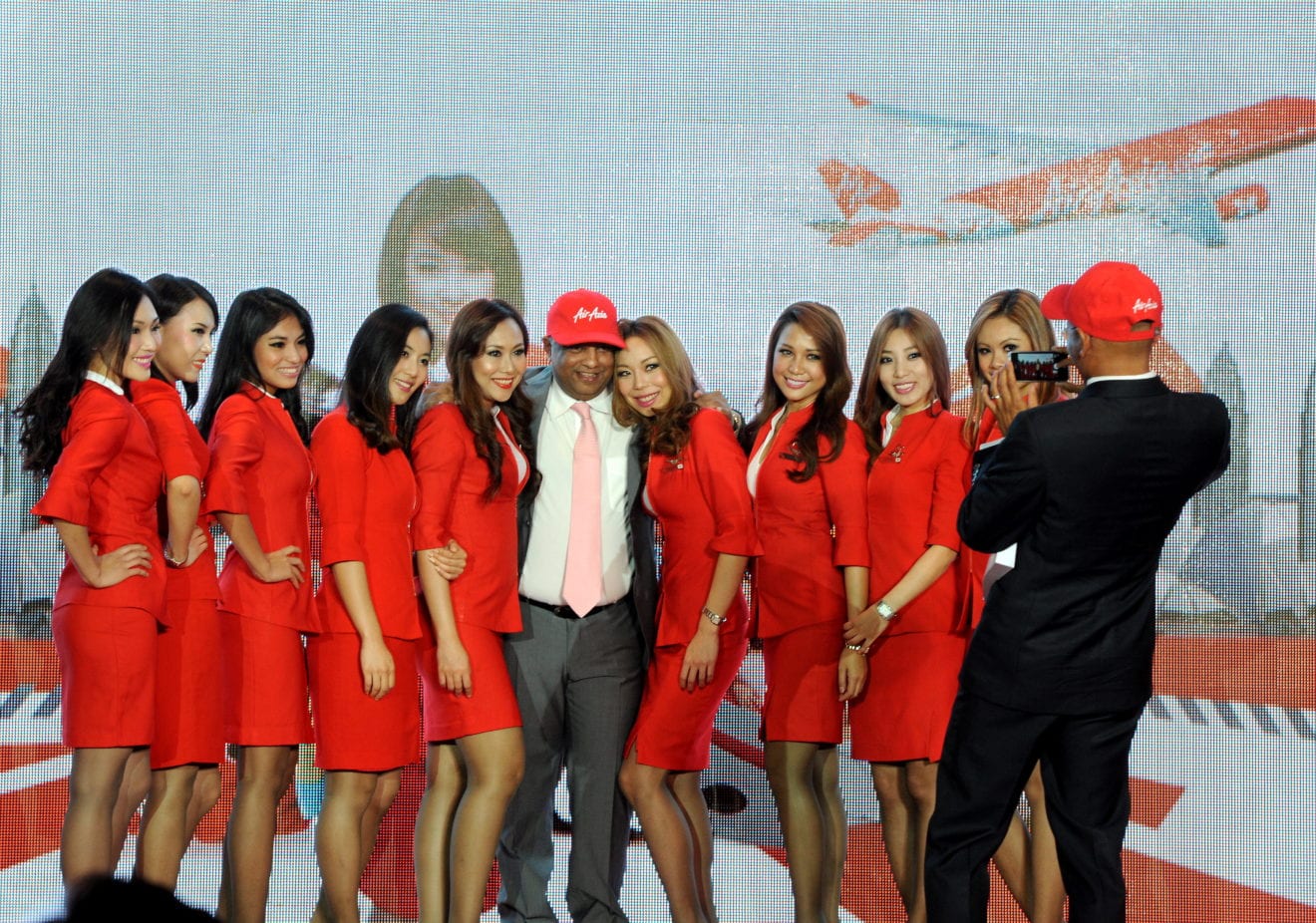
    Budget airline AirAsia Bhd has lent its support to Malaysia’s hosting of the 29th Southeast Asian Games from Aug 19 to 31, 2017 and 9th Asean Para Games from Sept 17 to 23, 2017.

    As a Gold Sponsor, AirAsia will be providing flights for the Malaysia Organising Committee (MASOC) officials within the airline’s Asean network for the purpose of organising both sporting events.

  • Supply chain group Tigers launches new e-shop marketplace supporting brands entering china

    Supply chain group Tigers launches new e-shop marketplace supporting brands entering china

    Supply chain group Tigers has launched a new marketplace, called eShop, to support brands entering the rapidly expanding China and Southeast Asia e-commerce markets.

    The digital marketplace, part of Tigers’ suite of e-commerce products, offers a one-stop shop solution, from marketing, to taking payments, managing the supply chain, order fulfilment, and returns.

    Up-and-coming Italian designer workout wear Gr1ps, and award-winning golf simulator OptiShot Golf are amongst the first Tigers eShop customers in China, Hong Kong, and Malaysia.

    “Tigers eShop offers a cost-effective, scalable enterprise solution for companies of all sizes,” said Andrew Jillings, chief executive officer and group managing director, Tigers.

    “We can provide fiscal representation to SMEs wanting to enter the China market that do not have a presence there.”

    “The logistics industry has the desire to adopt technology, but few providers are offering a real solution that ultimately services every e-commerce business.

    “Rather than being a one-size fits all, Tigers’ IT systems, which work on a cloud-based operating platform, are flexible enough to meet a large variety of demands.”

    Gr1ps, founded in 2011, designs innovative functional training products and has been recognised as a pioneer in Brazilian Jiu Jitsu and Mixed Martial Arts apparel. “Tigers eShop forms a core part of our sales strategy in acquiring new clients in the Asia market, and increasing brand awareness and exposure through Tigers’ network,” said Katty Fung, chief operating officer, Gr1ps.

    “We look forward to bringing our brand values, of quality and attention to detail, to larger sports and lifestyle communities with this expansion.”

    OptiShot Golf is a golf simulator platform designed by two fans of the game, which allows players to practice and play on replicas of major championship courses, as well as play in global online tournaments, with real clubs and real golf balls.

    “China is an important market for us and the Tigers eShop is an exciting opportunity for us to grow our presence there,” said Kevin Johnston, president and chief operating officer (COO), OptiShot Golf.

    Tigers, which has been operational in Greater China since 1969, has 17 offices across the country and specialises in e-commerce fulfilment, transportation, and supply chain solutions.

    The Hong Kong headquartered supply chain specialist has 65 offices and 32 omni-distribution hubs across China, the USA, Germany, the United Kingdom, the Netherlands, Switzerland, Australia, Malaysia, India, and South Africa.

    Tigers plans to open more eShops across a number of strategic locations.

    “Tigers will continue to focus on our two main assets, our technology and our people,” said Jillings.

    “We are privileged to be working with exciting brands like Gr1ps and OptiShot Golf. They are both dynamic groups with great products and they embrace the online retail space.

    “There is always a learning curve working with companies like these.”

    Tigers can trace its founding origins back to 1888 in the Cape of Good Hope, South Africa, where their South African subsidiary was first founded.

  • Malaysia puts high hopes on one halal certification with Indonesia

    Malaysia puts high hopes on one halal certification with Indonesia

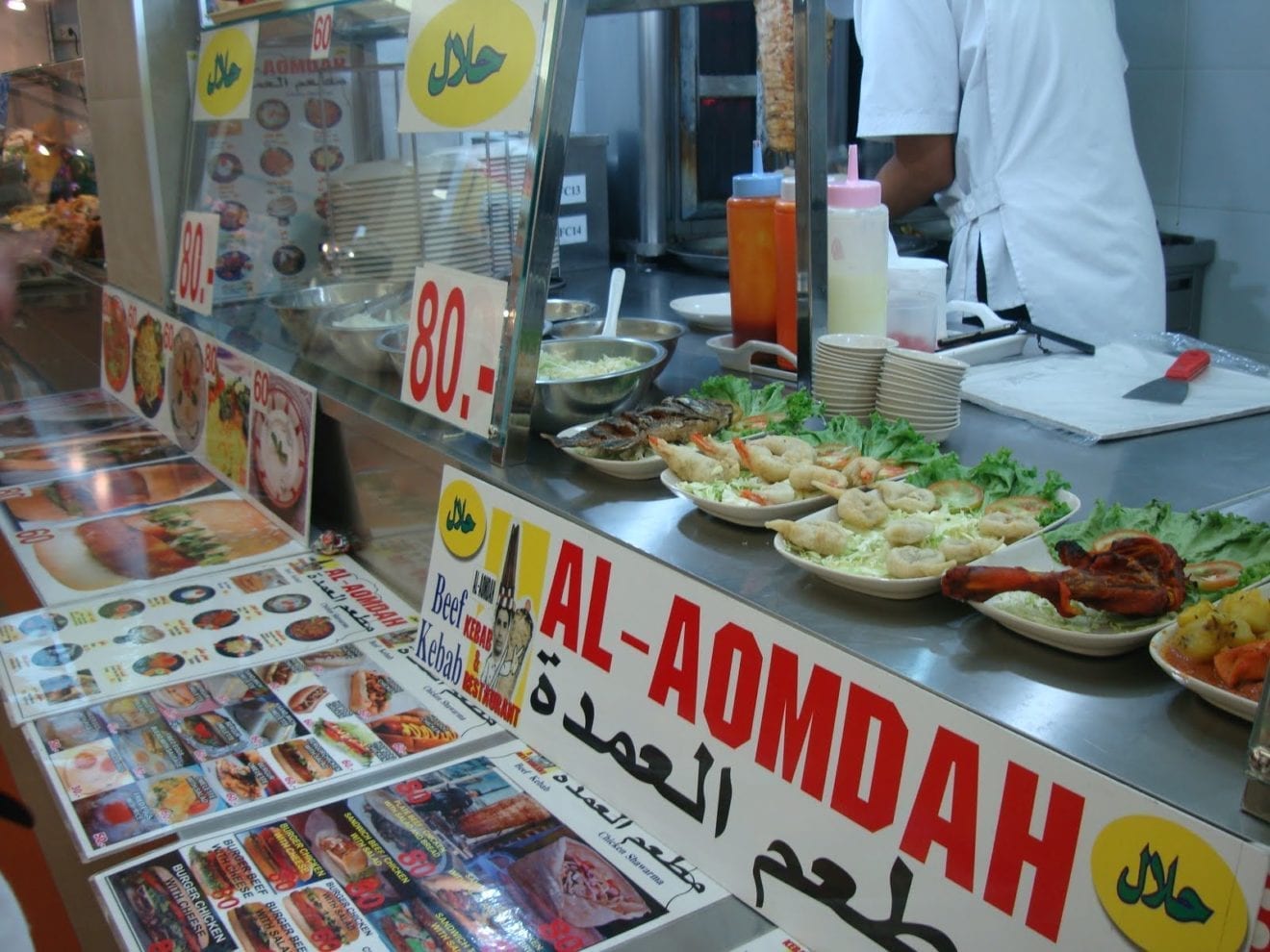
    Malaysia is putting high hopes on the planned unified halal certification with Indonesia, the country with the world’s largest Muslim population, in a bid to strengthen halal trade relations between the two countries.

    At present, Indonesia only directly accepts Malaysian halal certificates for industrial goods, such as palm oil.

    However, Malaysian end-user products must undergo various tests to obtain another halal certificate from the Indonesian Ulema Council (MUI) and halal logo from the Food and Drug Monitoring Agency (BPOM) before being marketed in Indonesia.

    To address the issue, Malaysian and Indonesian authorities are reviewing their halal certifications to avoid inefficient imports and exports in the long run.

    “We have been collaborating very closely because we want to sell more products to Indonesia and, of course, we also welcome Indonesian products in Malaysia,” Malaysian International Trade and Industry Minister Mustapa Mohamed told reporters on the sidelines of the 2017 Malaysia International Halal Showcase (Mihas) in Kuala Lumpur on Wednesday.

    “Some challenges have not been resolved. Indonesian authorities recognize our halal certification, but there are some additional tests that our people have to go through.”

    The MUI’s Food and Drug Analysis Agency (LPPOM) deputy director, Muti Arintawati , said her side had planned to simplify halal certification for Malaysian end-user products imported into Indonesia.

    “We may not need to conduct an audit at the production location. Instead, we can just audit the documents of those products. Nonetheless, this plan has yet to be officially agreed to,” Muti told The Jakarta Post over the phone on Friday.

    In August last year, Malaysian Prime Minister Najib Razak said he was committed to boosting trade between the two neighboring countries to US$30 billion in the near future.

    Total trade between Malaysia and Indonesia has seen a declining trend to $14.31 billion in 2016 from $24 billion in 2013 amid the global economic crisis, as shown by data from Indonesia’s Trade Ministry.

    “Indonesia is huge, of course. It’s a very big market. […] The issue here is that there are some technical issues in regard to the acceptance of halal,” Abu Bakar Koyakutty, senior director of the market access and international partnership division at the Malaysia External Trade Development Corporation (Matrade), told The Jakarta Post on Tuesday.

    “There are different standards on halal. If we can resolve the issue, we see there’s a huge potential.”

    According to a 2016 study published by Salaam Gateway, a business intelligence platform that is a joint effort between the Dubai Islamic Economy Development Center and intelligence and research agency Thomson Reuters, one of problems facing halal regulatory standards globally is that there is no unified standard.

    For instance, it states there is a significant variance between the standards of the Department of Standards Malaysia (DSM) applied in Malaysia and the standards of the Emirates Authority for Standardization and Metrology (ESMA) applied in the United Arab Emirates.

    “The cost of gaining multiple certifications to satisfy the needs of different markets adds complexity and could prohibit entry, resulting in unmet demand for halal food among Muslim consumers,” said the report.

    The report also notes the slow and limited uptake of halal accreditation programs, the process in which a third neutral party validates the certification.

    Compounding that problem, halal accreditation bodies have yet to sign specific mutual recognition agreements for halal certification and there is no forum or framework to ensure peer review.

    Halal accreditors operate independently of each other at present and, often times, there is limited clarity on the jurisdiction of the accreditors.

    Meanwhile, the State of Global Islamic Economy Report 2016/2017 — by Thomson Reuters and research and advisory firm DinarStandard puts the size of Islamic economy at an estimated $3 trillion by 2021, rising from $1.9 trillion in 2015.

    In 2015, Muslims’ spending on food and beverages stood at $1.1 trillion and there was $415 billion estimated revenues from halal-certified food and beverage products.

  • DHL Express forays into Sarawakian market

    DHL Express forays into Sarawakian market

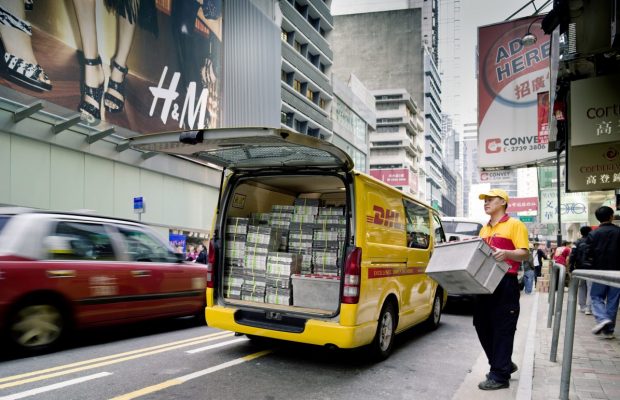
    International express services provider, DHL Express, has set up a direct presence in East Malaysia through the establishment of a new Gateway in Kuching yesterday.

    As the only international express services company with a direct presence in Sarawak, the new and upgraded Gateway caters to the increasing demand for international trade, supporting businesses operating in and out of the state.

    The Kuching Gateway serves as a clearance point for inbound shipments entering the state, before they are sent to DHL’s four Service Centers in Miri, Bintulu, Sibu, and Kuching for deliveries.

    Strengthening DHL’s network of 23 service centers, 90 service points and 6 gateways in West Malaysia, the Kuching Gateway improves the efficiency and responsiveness to meet the increased demands of customers in Sarawak.

    Speaking at the official launch of the Kuching Gateway, Christopher Ong, Managing Director of DHL Express Malaysia & Brunei said, “Previously operated through an agent, we took over the operations in Sarawak to enhance our services and interact directly with our customers.

    “The new facility delivers top-notch productivity and operational efficiency, with improved speed, reliability and flexibility. This will enable our customers in Sarawak to have greater access to international markets.

    “To provide our customers with peace of mind when they ship with us, we have invested heavily to ensure that the facility is built to TAPA “A” certification standards, to meet our global criteria for operational efficiency, quality and security.

    “The Kuching Gateway provides direct access to our global network of more than 220 countries and territories, allowing businesses in Sarawak to trade in the global marketplace more efficiently than ever before,” he added.

    The official launch of the Kuching Gateway was witnessed by over 30 guests including officers from The Royal Malaysia Customs Department in Kuching.

    DHL offers a portfolio of logistics services ranging from national and international parcel delivery, ecommerce shipping and fulfillment solutions, international express, road, air and ocean transport to industrial supply chain management.

    With about 350,000 employees in more than 220 countries and territories worldwide, DHL connects people and businesses securely and reliably, enabling global trade flows.   it offers specialised solutions for growth markets and industries including technology, life sciences and healthcare, energy, automotive and retail.

  • Courts online offer doubles

    Courts online offer doubles

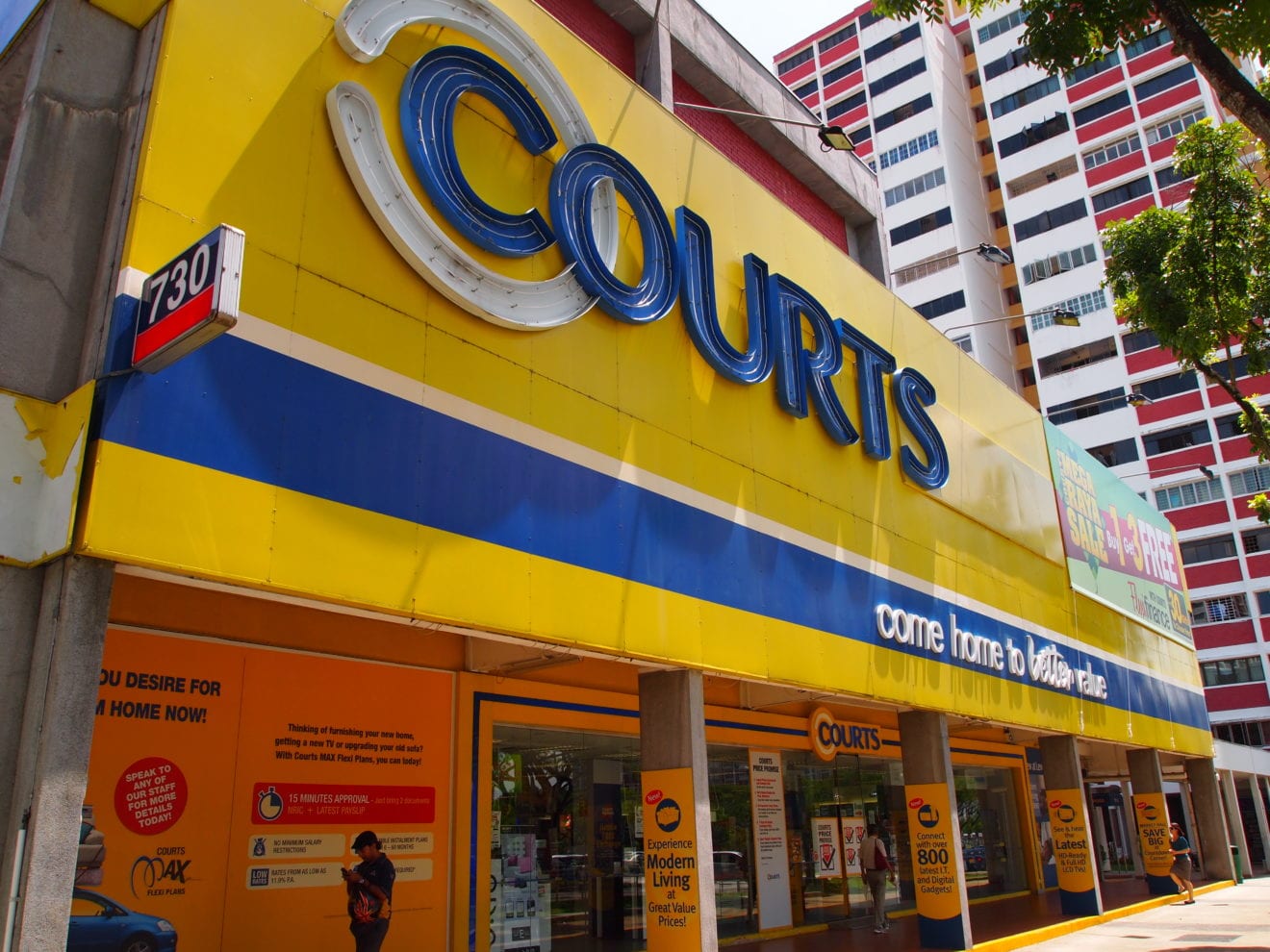
    The range of goods sold by Courts online has doubled as part of a revamp of its e-commerce business.

    The Singapore-based listed retail company also operates in Malaysia and Indonesia.

    Specialising in furniture and consumer electronics, Courts originally launched in 2012 with 7000 products. Now, through a partnership with e-commerce agency SmartOSC, the site now offers 14,000 products.

    Research firm Statista estimates Singapore’s e-commerce market will reach US$6.42 billion by 2020. Courts has seen growth throughout Southeast Asia, most notably in Indonesia and Malaysia.

    In April last year the business revamped its traditional stores to engage with customers more effectively, and opened two offline “test beds”, in Causeway Point and Sri Damansara in Malaysia. As a result, the brand is moving toward an integrated shopping experience involving both in-store and online.

    Court’s Group CIO Stan Kim says the strategy is really about creating an omni-channel experience for customers.
    He says Courts is looking to establish a new industry standard for a mobile-first and user-centric experience. The brand plans to also enhance its click-and-collect offering, which now contributes about  half of its online sales.