Tag: Malaysia

  • Capital 21 mall to be largest in Johor Baru

    Capital 21 mall to be largest in Johor Baru

    Being built by Singapore-listed Capital City Group, Johor Baru’s largest mall Capital 21 will have a gross floor area of 1 million sqft (92,903 sqm) when it opens early next year.

    The mall will be part of Project Capital City, which includes a hotel and residential component. More than 60 per cent of the retail units have been sold.

    Capital City CEO Siow Chien Fu says he is bullish about prospects. “Johor Baru is the second-largest city in Malaysia and it still lacks this type of large shopping centre.”

    Capital City will have 690 serviced apartments and 630 hotel-style serviced suites.

    While the serviced suites have not been launched, 28.6 per cent of the units have been sold.

    “People have been talking about an oversupply of housing in Kuala Lumpur for years, but there has still been good take-up. I’m not worried. Johor Baru is big enough and the state is doing a lot of development, like industrial parks,” says Siow.

    Capital City is the company’s first development and veteran architect-turned-developer Siow is confident of its asset-light business strategy. Unlike traditional property developers, Capital World will not own land. Instead, it works with landowners in joint ventures to develop assets.

    Its pipeline of projects includes another integrated development of retail, office, hotel and residential apartments in Johor Baru.

  • Maybank CEO Farid becomes Maybank Indonesia president commisioner

    Maybank CEO Farid becomes Maybank Indonesia president commisioner

    Maybank Indonesia Tbk on Monday announced the appointment of Malayan Banking Bhd (Maybank) group president and chief executive officer Datuk Abdul Farid Alias as its new president commissioner (similar to a chairman’s position).

    Maybank Indonesia head of corporate communications and branding, Esti Nugraheni, said in a statement that Abdul Farid was taking over from Tan Sri Megat Zaharuddin Megat Mohd Nor after an AGM held on Sunday accepted his resignation.

    The AGM also approved the appointment of Restiana Ie Tjoe Linggadjaya as director, succeeding Ghazali Mohd Rasad who completed his term of service.

    “The board would like to thank Tan Sri Megat and Ghazali for their dedication to Maybank Indonesia, and welcome the new members of our board of commissioners and board of directors,” it said.

    Maybank Indonesia also announced that the bank recorded a 71.0% increase in net profit to Rp1.95 trillion (RM3.3 billion) for the financial year ended Dec 31, 2016 compared with Rp1.14 trillion achieved in the previous corresponding year, despite the economic slowdown.

    Maybank Indonesia is one of the largest banks with 428 branches including Syariah branches and micro functional offices across Indonesia.

  • Healthcare Tourists in Malaysia Mostly from Countries Such as Indonesia

    Healthcare Tourists in Malaysia Mostly from Countries Such as Indonesia

    In January, International Living (IL), an authority on global retirement and relocation opportunities, had put Malaysia in sixth place for its “10 Best Places to Retire” list. Part of the Annual Global Retirement Index, Malaysia received high scores in the “Healthcare” and “Fitting In” categories — the latter was due to the fact that the country was a melting pot of world communities, according to IL senior editor Dan Prescher.

    Last year, Malaysia welcomed more than one million healthcare tourists, who contributed more than RM1 billion in hospital revenue, said Malaysia Healthcare Travel Council (MHTC) chief executive officer (CEO) Sherene Azli.

    “There has been an overall growth in tourists for medical tourism. “From 643,000 travellers in 2011, the number rose to 859,000 in 2015. In terms of revenue, we recorded RM527 million and RM914 million for 2011 and 2015, respectively,” she said.

    “If we take other medical revenue into account, healthcare travel contributed between RM3 billion and RM4 billion to the country’s economy in 2015.” She said the travellers were mostly from Indonesia, India, China, Japan, the United Kingdom (UK), Australia and Middle Eastern countries.

    Among the treatments they sought were in cardiology, orthopedics, oncology, neurology, dental and fertility treatments, cosmetic surgery and rehabilitation services. MHTC is an agency under the Health Ministry that has been entrusted with the responsibility of promoting the country’s healthcare travel sector, which is a National Key Economic Area.

    This year, the MHTC aims to achieve RM1.3 billion in revenue, and potentially contribute RM5 billion to the nation’s gross domestic product through other medical travel revenue, including dental, cosmetic, wellness, logistics and hospitality services.

    “MHTC has also identified Indonesia, Vietnam, Myanmar and China as core markets based on the volume of healthcare tourists received, as well as growth potential of the respective markets.

    “Additionally, we have representatives in Indonesia (Jakarta), Myanmar (Yangon), Vietnam (Hanoi and Ho Chi Minh City), China, and most recently, India, to gain faster access to our core markets and facilitate potential visitors with enquiries and healthcare travel assistance.”

    She said the MHTC planned to increase its market penetration in those countries while aggressively raising the country’s profile in secondary markets like Bangladesh, Australia, the UK and the Middle East. The number of healthcare tourists from India, for example, had doubled in less than five years, she said.

    “In 2011, there were over 18,000 Indian travellers who sought various treatments in Malaysia. That figure rose to more than 39,000 in 2015 at a rate of 116 per cent.” She said healthcare tourism in the country had moved from strength to strength in the last few years.

    “The country was named Medical Travel Destination of the Year at the Medical Travel Awards for two consecutive years in 2015 and 2016 by the International Medical Travel Journal. “Malaysia was also named ‘Best Country in the World for Healthcare’ by IL’s Global Retirement Index for three consecutive years, from 2015 to 2017,” Sherene added.

    Sherene herself had been honoured as one of 50 outstanding women in healthcare at this year’s World Health and Wellness Congress in February — another global milestone for the country. To further attract foreign tourists to our shores for healthcare tourism, the MHTC has embarked on a “Malaysia Loves You” campaign in February.

    Launched by Health Minister Datuk Seri Dr S. Subramaniam, it aims to promote Malaysian healthcare in several key areas, namely quality, accessibility, affordability and ease of communication. At the same time, Sherene said the campaign hoped to increase global awareness on Malaysia’s potential as a leading healthcare travel destination.

    “We believe that Malaysia has all the qualities in international healthcare tourism. To top it off, it is easy for travellers to communicate with health professionals here, be it in English, Tamil, Hindi or Chinese.”

    Malaysian Society for Quality in Health (MSQH) CEO Kadar Marikar said the accreditation received by Malaysian hospitals and healthcare providers had raised travellers’ confidence in the country as a healthcare tourism destination.

    “Foreign patients will be well-assured of safe care when they seek medical care in MSQH accredited facilities. The accreditation process focuses on patient care with measurable safety outcomes, while minimising the risk of adverse events.

    “Accreditation of healthcare facilities and services in Malaysia by MSQH since 2000 has helped put in place the Standards of Services. Among others, it focuses on putting the right structures and processes, minimising risks as well as measuring performances to ensure safe patient care and outcome.”

    The MSQH accreditation programme is internationally-recognised by the International Society for Quality in Healthcare (ISQua). Kadar said the four-year accreditation programme also helped to build tourists’ confidence in healthcare industry providers.

    To boost the arrival of foreign patients to Malaysia and bolster their confidence in local healthcare facilities, he said medical healthcare/medical tourism facilitators should have a strong presence to assist patients.

    “We need to develop and certify professional medical tourism facilitators to make sure they are knowledgeable in the field.” International Islamic University Malaysia Associate Professor Noor Hazila Abd Manaf of the Department of Business Administration agrees.

    Noor Hazila co-authored a paper entitled “Medical Tourism Service Quality”, on the local healthcare tourism industry that focused on service quality, perceived value, overall satisfaction and future intention of medical tourists in Malaysian hospitals.

    “Malaysia already has a strong footing in the accreditation of its hospitals through MSQH. “The government has also established the MHTC, a one-stop centre to promote the country’s medical services abroad.

    “Although a relative newcomer, the results of promoting the industry can be seen from the increasing number of international patients coming to the country,” she said. Noor Hazila said her report aimed to identify important constituents of medical tourism, which might assist policymakers and hospital managers in understanding the industry better.

    “In order for Malaysian hospitals to continue competing on the global front and attracting more international healthcare tourists, it needs to follow the examples of leading medical tourist hospitals by widely publicising the outcome of their services on their websites as a means of communicating their technical competency.

    “For example, India’s Apollo Group of Hospitals publicises a 90 per cent success rate in more than 500 liver transplants they performed. “Similarly, Thailand’s Spine Institute at Bumrungrad International claimed a 95 per cent rate of success in its website for its spinal endoscopic surgeries performed on more than 600 patients.”

    Revealing information on technical competence, she said, could give patients a sense of assurance in quality. “However, browsing the websites of Malaysian medical tourism hospitals show a gap in the dissemination of such information.”

    Aside from this, she said it was also important for service providers to ensure a high quality of service from its medical staff.

    Tech and experience, a winning combination for Sunway Med

    Since winning the International Hospital of the Year award in Madrid, Spain, last year, Sunway Medical Centre has seen a steady growth in international patients.

    The award was presented by the International Medical Travel Journal. Sunway Healthcare managing director Lau Beng Long said the hospital recorded an 18 per cent increase in the number of international patients from 2015 to last year, with 13 per cent increase in revenue.

    “We found that there is a 30 per cent increase in healthcare tourist traffic and 12 per cent increase in expatriate patients.”

    He attributed the hospital’s success to its “people, our technology and our product”.

    “There are a couple of factors, I believe, have enabled us to clinch this award. We differentiate ourselves in the market by positioning it as the one-stop centre not just in medical services, but also the entire supply chain of medical tourism experience”.

    Sunway Medical Centre is strategically located in Sunway Resort City, which is a stone’s throw away from Sunway Hotel, Sunway Theme Park, Sunway Shopping Mall and Sunway University. This provided a comprehensive solution for patients who need a healing environment.

    “We also have a dedicated international patient centre team, which provides one-stop services for our international patients, ranging from providing treatment options, to cost estimate, hotel and transport booking, interpreting services and so on.

    “We serve international patients from more than 130 countries, and are recognised for orthopedics, digestive health, neurology, ENT and urology. “Last year, we set up our cancer, radiosurgery and nuclear medicine centre, which provides comprehensive solutions for cancer treatment. “

    He said Sunway Medical Centre was also the first hospital in Southeast Asia to have received the accreditation from the Australian Council on HealthCare Standards. “Ultimately, people are our best asset. We take pride in our specialists, majority of whom are trained overseas in Australia, the United States and the United Kingdom, and also our dedicated nursing and allied health teams.

    “With technology and experienced, SunMed is the first private hospital in Malaysia to perform total joint knee replacement surgery using computer navigation, deep brain stimulation for Parkinson’s Disease, endoluminal grafting for abdominal aortic aneurysm, cornea transplant, etc.

    “Overall we see a balanced distribution of patients coming for different treatments.” On the profile of medical tourists visiting the hospital, he said most of the patients were from neighbouring countries.

    “Again, we are seeing a fair distribution of patients from Southeast Asia, South Asia, North Asia, Middle East and the West. “Top of the list are patients from Indonesia, China, Bangladesh, Yemen, India, Australia, Pakistan, the US, Japan and Maldives.

    “A majority of our foreign patients are aged 30 and over. The length of stay will vary based on their treatment and procedure.” He said the hospital was currently undergoing an expansion.

    “Upon completion of Tower C in the second quarter of this year, there will be 600 beds at Sunway Medical Centre’s facilities, with 180 consultation suites and 1,470 parking bays.

    “We are also growing our services to strengthen our centres of excellence, recruiting more consultants and nurses to provide competent care, upgrading our facilities, and introducing more technology,” he said.

  • AirAsia to connect Pontianak with Kuching in June

    AirAsia to connect Pontianak with Kuching in June

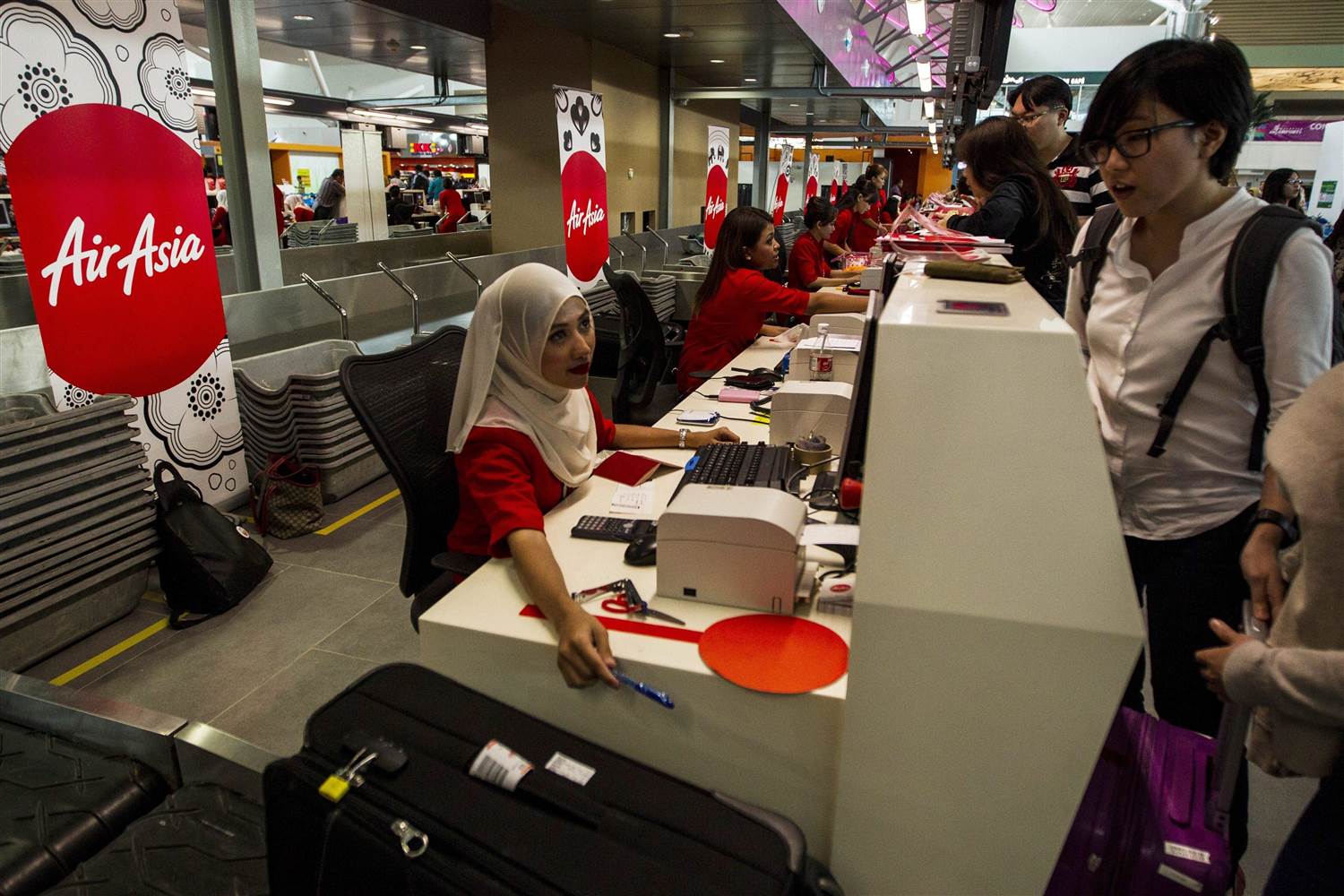
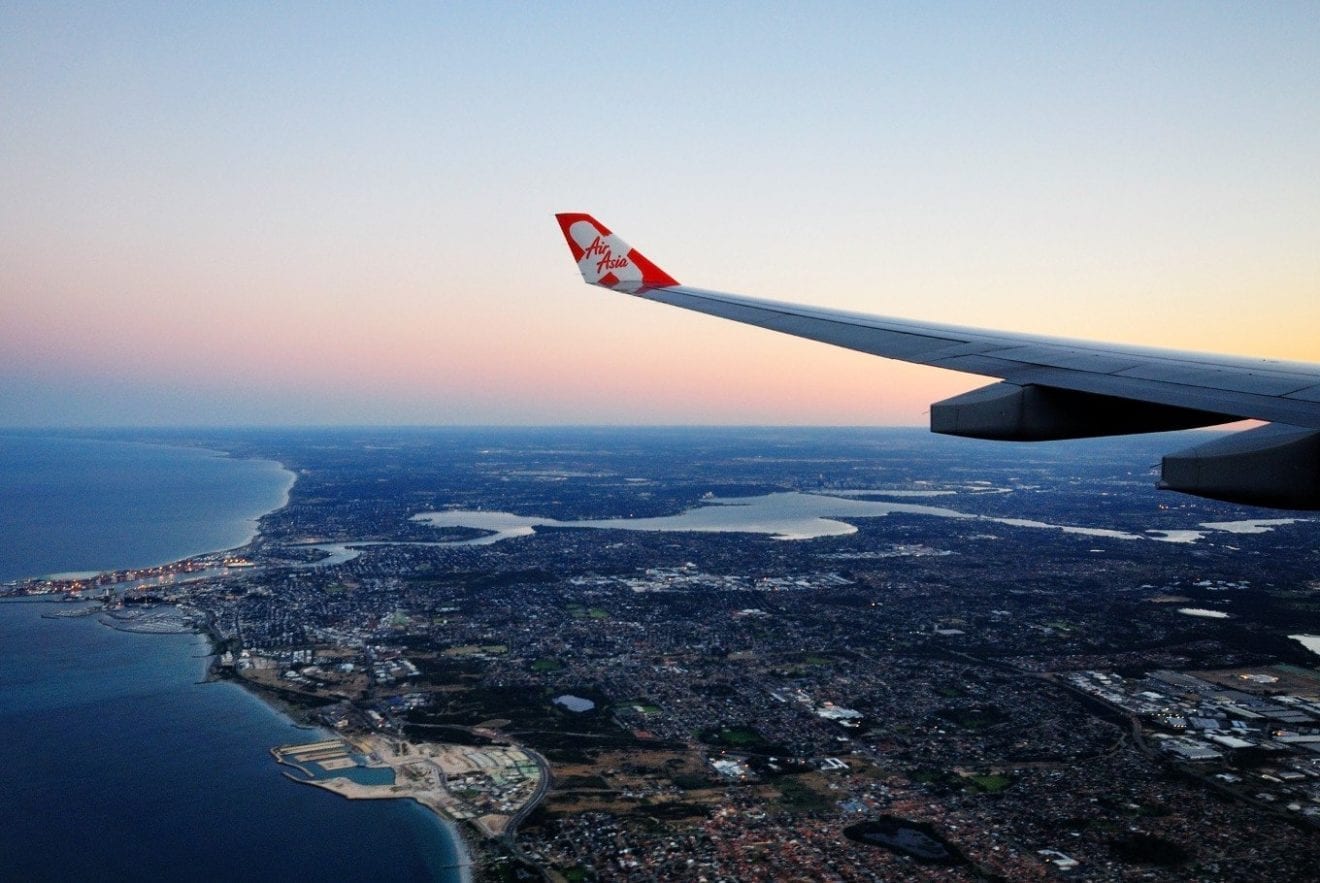
    Budget airline AirAsia is set to open a new direct route from Pontianak in West Kalimantan to Kuching in Sarawak, Malaysia, starting on June 5.

    The carrier currently serves only one route from Pontianak to Malaysia. Its planes fly to Kuala Lumpur. The new service also marks its first direct flight from Indonesia to Kuching.

    AirAsia Berhad commercial head Spencer Lee said that the move aimed to contribute to the development of local tourism, economics and trade in the two cities.

    Available once a day, the flight from Pontianak to Kuching is scheduled to depart at 12:10 p.m. and the one from Kuching to Pontianak at 11:55 a.m.

    To celebrate the new service, AirAsia is currently offering promotional tickets for flights taken between June 5 and Sept. 30 for starting prices of Rp 249,000 (US$19) for bookings made through its mobile app by April 2.

  • AirAsia, AirAsia X offer 3-day promotion

    AirAsia, AirAsia X offer 3-day promotion

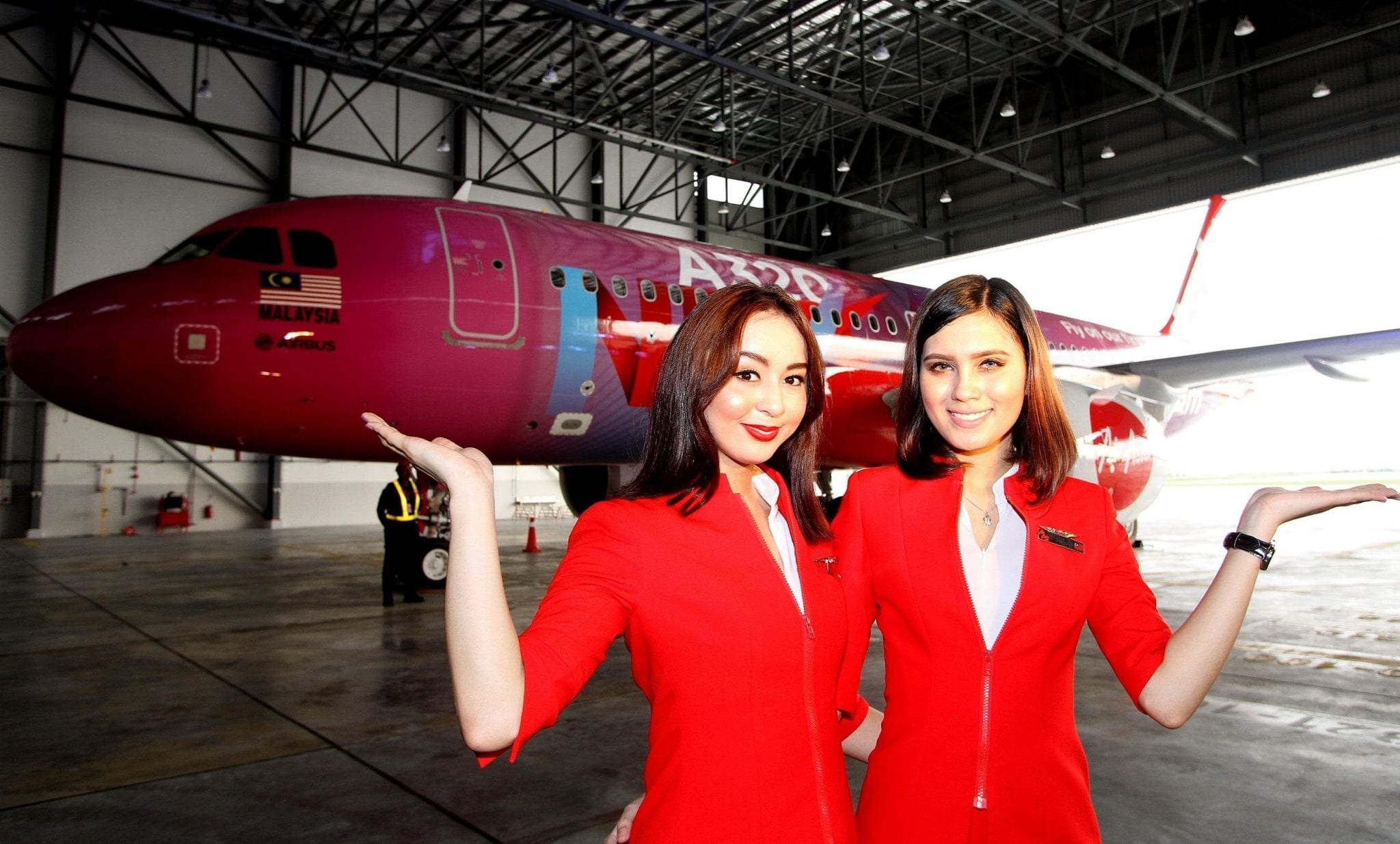
    AirAsia and AirAsia X will offer a three-day promotional campaign, “#AirAsiaDanceToFly”, to all destinations, offering fares from as low as RM499 for one-way all-in fares. It is inclusive of taxes and fees.

    In a statement, AirAsia X said the promotion was valid for booking from March 31 to April 2 and for travel from March 31 to Sept 30.

    It said the campaign was inspired by one of AirAsia X’s cabin crew, Assraf Nasir, who became an overnight online sensation after a dancing video of him onboard an empty A330 aircraft went viral.

    Chief executive officer Benyamin Ismail hopes for all guests to catch this contagious fun spirit onboard and grab the low fares to fly with AirAsia X fun crew.

    “The world has enjoyed his sassy video and now it’s your turn to show us your moves,” he added.

    In conjunction with the promotion, AirAsia X will award the most creative video entry that best emulates the dance moves of Assraf with a pair of return free flights to Honolulu, Hawaii, through a social media contest from April 3-9.

    It said the winner would be awarded with a pair of return flights from Kuala Lumpur to Honolulu, Hawaii via Osaka, excluding taxes, fees and optional services.

    To participate, the public must create a 15-second non-audio dance video, upload it to Instagram with the hashtag #AirAsiaDanceToFlyMY by 11.59pm April 9, with a caption saying why they deserve to win.

    The winner will be named on AirAsia’s official social media channels.

  • Alibaba plans regional distribution hub in Malaysia

    Alibaba plans regional distribution hub in Malaysia

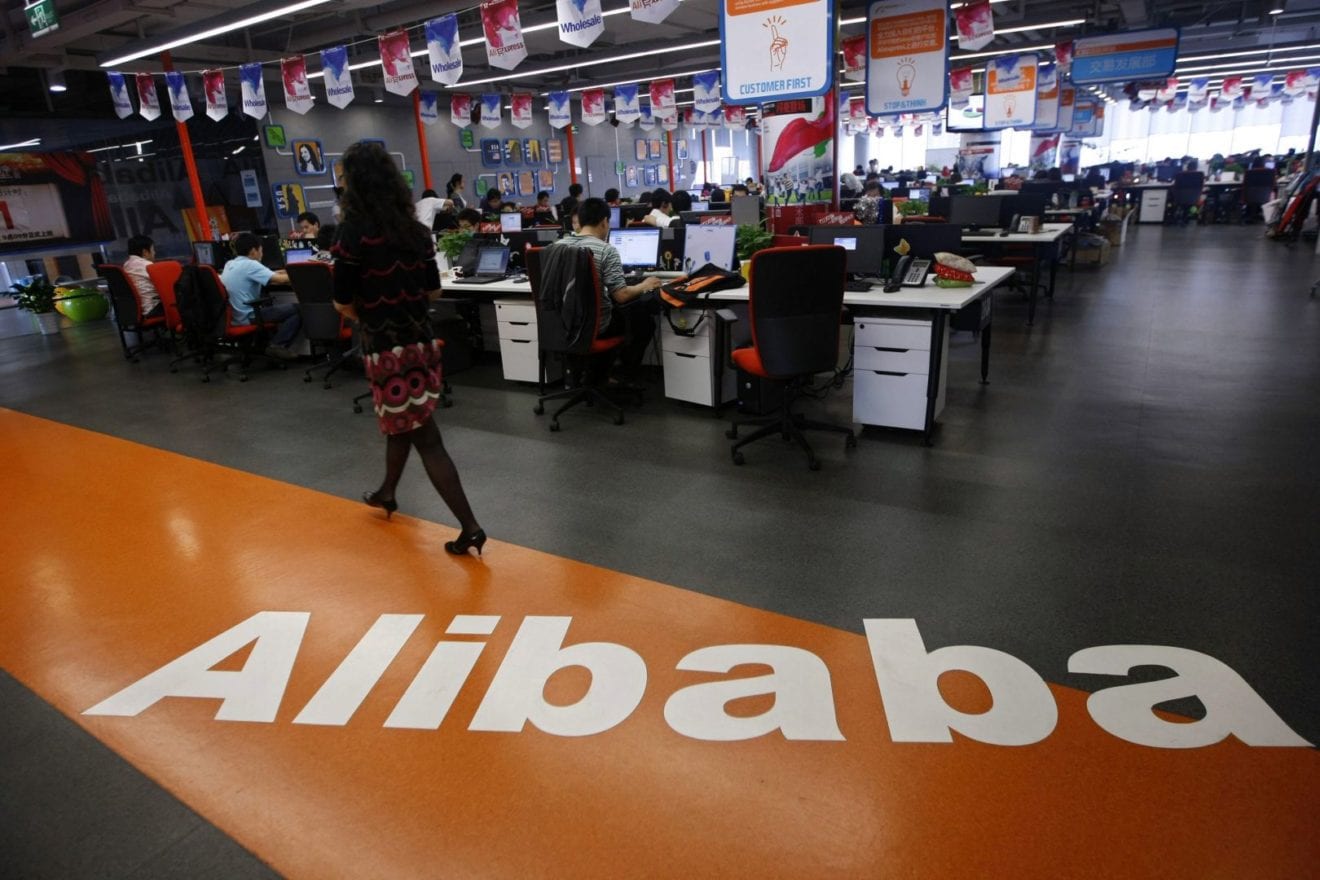
    Alibaba Group has signed an agreement with the Malaysian government covering the establishment of an e-fulfillment hub in Kuala Lumpur and a one-stop online cross-border trading platform.

    The agreement will also include cooperation in e-payment and financing, and development of e-talent training that will fit into Malaysia’s roadmap of transformation into a digital economy.

    The e-hub to be built near the Kuala Lumpur International Airport is under the Electronic World Trade Platform (eWTP) initiative which is being undertaken together with the Malaysia Digital Economy Corporation (MDEC) and other parties. The facility is envisioned to function as a centralized customs clearance, warehousing and fulfilment facility for Malaysia and the region, to deliver faster clearance for imports and exports.

    “We have set out plans to progress Malaysia’s economy and place it firmly at the center of the global marketplace. To do this we need to harness the assets that we have and provide the support for individuals and businesses to be competitive in the new digital landscape. “The Alibaba Group is at the forefront of private sector development of e-commerce solutions and their ambitions to enable trade, particularly for SMEs, make them the perfect partner in this new initiative,” said Prime Minister Razak.

    Ma proposed the establishment of digital free trade zones for small businesses while attending the St. Petersburg International Economic Forum in Russia last June, suggesting that such special trading areas can act as e-commerce hubs linking up markets around the world.

    As part of Malaysia’s DFTZ initiative, the e-hub will provide new commercial opportunities on the established trade route with the country. As more trading routes are covered with new hubs that reflect the needs of the firms participating in the modern economy, a digital global e-road will be created.

    Alibaba has already played a key role in the establishment of the China (Hangzhou) Cross-Border E-Commerce Comprehensive Pilot Free Trade Area which will be connected to the DFTZ in Kuala Lumpur.

    The eWTP’s e-hub concept has been incorporated into Malaysia’s DFTZ which will see the involvement of Alibaba, its subsidiaries and affiliates such as Lazada and Cainiao Network in other areas as well, such as the proposed e-service platform, which, when connected to Alibaba’s OneTouch platform, will link Malaysia directly to the e-commerce pilot area in Hangzhou, China to allow SMEs and businesses to trade conveniently and efficiently between the two countries. Relevant parties from both sides will also explore e-payment and financing opportunities and establish training programs to help incubate startups and develop skillsets in individuals in support of Malaysia’s digital economy development.

    “With innovation throughout the supply chain, support from governments and important private sector collaborations, we will achieve our aim of enabling SMEs and young people to thrive and enjoy in the fruits of the next phase of globalization,” Ma said.

  • Huawei Malaysia opens KL flagship

    Huawei Malaysia opens KL flagship

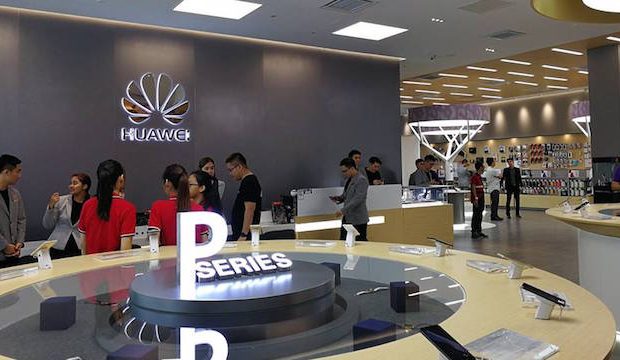
    Huawei Malaysia has opened its largest flagship store, at the Pavilion KL in Kuala Lumpur.

    On the fifth floor, the store will be a one-stop centre providing on-site services and send-for-repair services, as well as a private product consultation service.

    Its shelves feature a range of smart devices including phones, tablets and wearables.

    Huawei Malaysia Pavilion KL 2

    In conjunction with the store opening, the Chinese handset maker has a special promotion for the first 100 customers – a Swan speaker for a RM1000 (US$225) or more spend.

  • M&S launches boutique concept in Malaysia

    M&S launches boutique concept in Malaysia

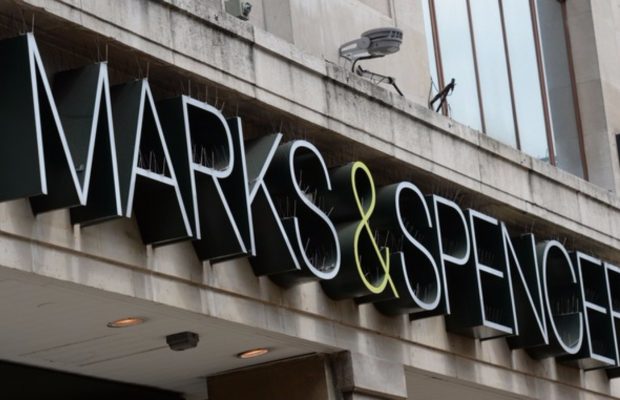
    Marks & Spencer (M&S) has launched a premium boutique concept in Kuala Lumpur, in Sunway Velocity Mall.

    M&S Malaysia

    Covering more than 10,600 sqft (985 sqm), the M&S boutique concept – the first of its kind in Malaysia – features large mirrors and seasonal imagery. A welcome zone at the entrance showcases the season’s trends, and boutique displays allow customers to see the range of styles, fits and outfit ideas available.

    M&S Malaysia 3

    As well as offering the UK retailer’s clothing and accessories across womenswear, menswear, childrenswear, lingerie and toiletries, the boutique has a food hall featuring more than 800 lines plus an in-store bakery with Coffee-To-Go, offering coffee and tea alongside breads and pastries baked on-site.

  • Malaysian stocks likely to inch higher next week

    Malaysian stocks likely to inch higher next week

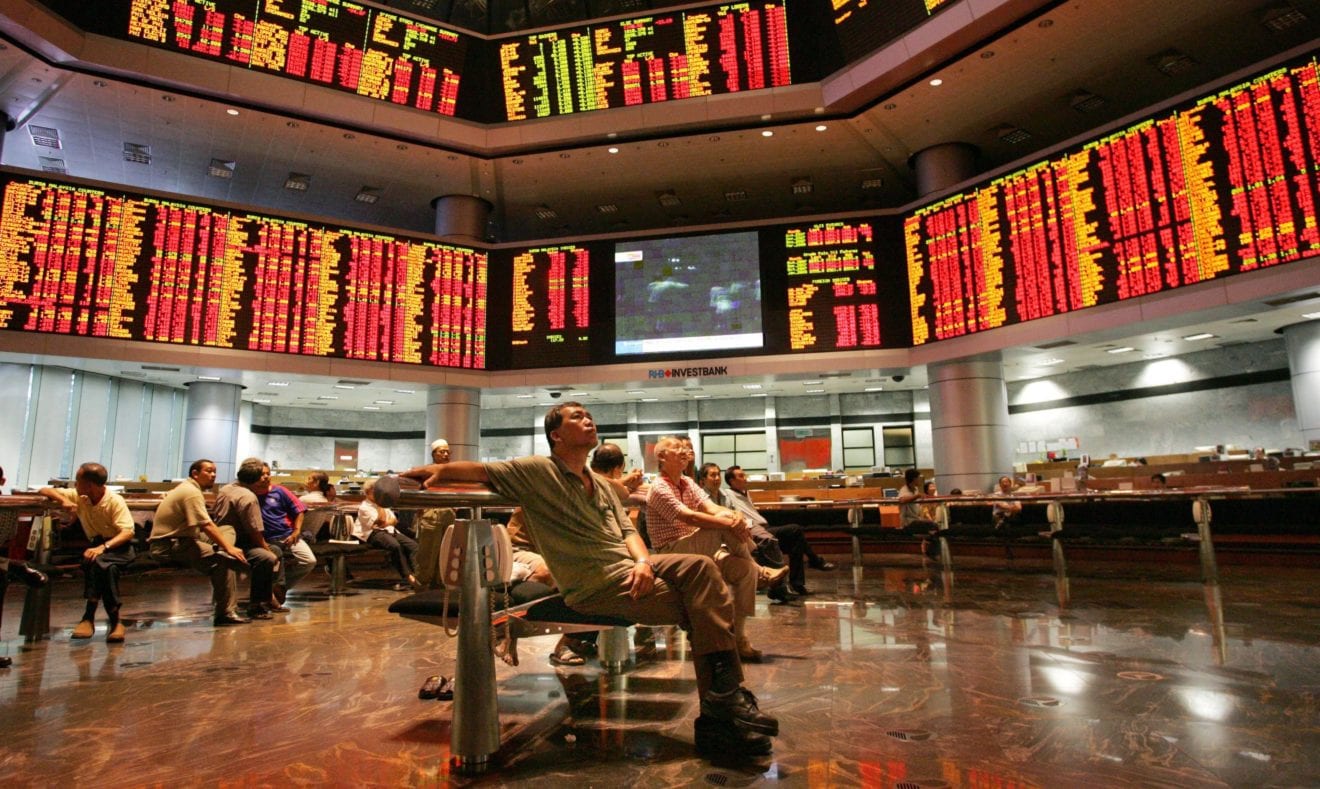
    Bursa Malaysia is likely to trend higher next week, with the benchmark index inching towards the 1,780-level, supported by positive local economic news and the return of calmness after the sharp drop on Wall Street early last week.

    Affin Hwang Investment Bank Vice-President and Head of Retail Research, Datuk Dr Nazri Khan Adam Khan, said FTSE Bursa Malaysia KLCI (FBM KLCI) maintained its bullishness and stayed in higher territory as equity bulls remained largely unfazed by the increases in the US interest rate.

    “For the year-to-date, FBM KLCI recorded a total gain of 116 points, or 7.1 per cent, signalling more resilience and upside in the near term despite imminent Federal Reserve rate increases and doubts on US President Donald Trump’s fiscal reforms,” he told Bernama.

    On the local news, he said, Prime Minister Datuk Seri Najib Tun Razak’s statement that Malaysia gross domestic product would be higher than 4.2 per cent this year should be supportive for market sentiment.

    Nazri said this showed that the economy was growing more than double the rates the International Monetary Fund had predicted for advanced economies while showing that Malaysia was firmly on the path to become a high-income nation.

    On the technical front, he said, immediate uptrend supports for the index were at 1,700 and 1,730.

    However, a convincing breach above 1,760 resistance would mean that the FBM KLCI would aim for the 1,780 and 1,800 levels.

    On a week-to-week basis, the FBM KLCI increased 0.55 of-a-point to 1,745.75 from 1,745.20 last Friday.

    The FBM Emas Index rose 24.52 points to 12,365.86, FBMT 100 Index was up 20.7 points to 12,017.00 and the FBM Emas Syariah Index gained 45.52 points to 12,772.75.

    On a sectoral basis, the Finance Index added 8.08 points to 15,748.07 and the Industrial Index rose 8.43 points to 3,272.24.

    The Plantation Index was 4.94 points weaker at 8,156.67.

    Weekly turnover surged to 22.23 billion units worth RM15.24 billion from 19.39 billion units worth RM17.22 billion last week.

    Main Market volume narrowed to 14.74 billion shares valued at RM15.16 billion from 15.10 billion shares valued at RM16.53 billion previously.

    Warrant turnover rose to 1.23 billion units worth RM149.62 million from 1.22 billion units worth RM148.94 million last week.

    The ACE Market increased to 5.98 billion shares worth RM897.82 million from 3.0 billion shares worth RM523.39 million previously.


  • Booths grocery products head to Malaysia

    Booths grocery products head to Malaysia

    Rather than head south in its home market, the upmarket northern England Booths grocery chain has opted instead for a JV in Malaysia.

    The family-owned retailer, which launched in Blackpool in 1847, has partnered with Hong Kong-listed retailer Dairy Farm, owned by Jardine Matheson, to sell 40 of its best-selling products, including chutneys, jams and puddings, in 19 shops across Malaysia.

    Chairman Edwin Booth, part of the fifth generation of the family to be involved in the firm, says Booths’ heritage gives people “a great deal of reassurance”.

    Booths has 34 stores across England’s north, mainly medium-sized supermarkets. Each store has its own identity, reflecting its location. Its JV in Malaysia is its first overseas foray.

    Staff members are given extensive product training to help them deliver a “friendly and informed” shopping experience, says the company.

  • Digital Free Trade Zone For Malaysian E-commerce Growth

    Digital Free Trade Zone For Malaysian E-commerce Growth

    The announcement of the much-anticipated Digital Free Trade Zone (DFTZ) by Prime Minister Datuk Seri Najib Tun Razak today comes amidst a time where businesses in Malaysia are encouraged to capitalise on this initiative to boost the Digital Economy in the country. First-ever and a pilot programme, we foresee the DFTZ to benefit local SMEs and entrepreneurs, and pave the way to a more global market for them.

    With the implementation of a DFTZ in Malaysia, the comprehensive approach, covering fulfilment, global supply chain, payment gateways, training and employment prospects, will set a conducive platform to cement Malaysia as a digital hub in the Southeast Asia region, as well as to encourage traditional brick-and-mortar businesses especially local SMEs to transition onto the e-commerce sphere, and trade across ASEAN countries and soon, the world.

    Furthermore, the Government’s introduction of a Digital Free Trade Zone exemplifies an intention to impart knowledge and equip entrepreneurs with the knowledge and know-hows of e-commerce complementing the vast facilities that the trade zone will stand to offer. Resonating this intention, 11street’s owned training programme which is recognised by the Malaysian Digital Economy Corporation (MDEC) aims to help e-entrepreneurs understand the basic rudiments of online business, sharing with them the effective strategies that will propel their businesses to a different height and be competitive in the global market.

    In conclusion, the Digital Free Trade Zone is shaping up to be a boon to local SMEs. The trade zone will serve as gateway to the ASEAN market and allow local products to tap into a wider market. We at 11street will continue to support to initiatives to evolve e-commerce in Malaysia, so as to open up opportunities for a better e-commerce climate for both e-commerce platforms and also entrepreneurs.

  • Malaysia’s MYEG partners with Philippine I-Pay to bring e-services to Philippines

    Malaysia’s MYEG partners with Philippine I-Pay to bring e-services to Philippines

    I-Pay Ventures Commerce Ventures, Inc. (I-Pay) recently signed a joint-venture agreement with MY E.G. Services Bhd (MYEG) to enable government and large enterprises in the Philippines to offer a Payment Gateway and related value-added online services.

    I-Pay is the company behind the NBI’s online registration system. MYEG is Malaysia’s fastest-growing company as the country’s civil service embraces the digital way of providing services to the public. Its tie-up with the Immigration Department and Road Transport Department has resulted in massive growth in the company’s top and bottom lines.

    Both parties envision the joint venture will replicate the business model of MYEG in Malaysia. The new agreement represents each organization’s strong commitment to provide Philippine public service sector with the best and trusted e-commerce platform with an excellent track record.

    According to its latest annual report, MYEG recorded a 36.8% compounded annual growth rate (CAGR) in revenue for the five years between 2011 and June 2016 while its profit grew at a CAGR of 45.1% over the same period.

    MYEG has also been constantly recognized by Forbes as one of Asia’s “Best Under A Billion” companies.

    “We are very excited to work with I-Pay to offer a superior G2C user experience in the Philippines,” said TS Wong, managing director, My E.G. Services Bhd. “Our unique model provides significant cost savings and increased efficiency to all stakeholders. Combined with I-Pay’s established operating record, we are confident of achieving mass adoption in the coming years.”

    I-Pay’s vision is to facilitate Government and enterprises in delivering technology-driven services encompassing the Internet, automation, big data and electronic payments.

    I-Pay is a payment processing provider and a direct agent of Western Union in the Philippines. It is the payment processing investment of the IP Ventures Group (IPVI).

    IPVI has successfully built market leading companies in the data center space, IP Converge Data Center Inc. (CLOUD); online gaming space, IP E-games (EG); and business outsourcing, PCCW Teleservices Philippines, Inc.

    IPCVI is backed by renowned investors such as IP Ventures Inc. (leading technology and retail conglomerate in the Philippines), Kaikaku Fund (Softbank affiliated fund), JJ Atencio (Founder and CEO of 8990 Holdings Inc.) and Derrick Chiongbian.

    “Our partnership with MYEG gives us access to world class technology that can upgrade Internet infrastructure and government services in the Philippines. Its ultimate goal is to improve delivery of government services for the Filipino people,” said Enrique Y. Gonzalez, president of IP Ventures Group.

  • Skin care brand Mamonde opens Lazada online store

    Skin care brand Mamonde opens Lazada online store

    Korean beauty products brand Mamonde has launched an e-commerce site on Lazada to introduce its skincare and makeup products into Singapore.

    Mamonde’s USP is using flower extracts in its products. Camellia, hibiscus, honeysuckle, lotus and magnolia blooms are hand-picked and frozen or heat dried, with the active ingredients then being extracted.

    There are plans to also open a physical store in Singapore eventually, says Amorepacific, which also owns the brands Etude House, Innisfree, Laneige and Sulwhasoo.

    “Launching digitally first in Singapore was a deliberate move that allows us to observe consumer purchasing habits before scaling up operations in the market,” says Amorepacific Asean regional head Robin Na.

    “While the beauty industry in Singapore is mature, we believe that consumers there are still hungry for new brands.”

  • AirAsia X plans for more fifth-freedom flights

    AirAsia X plans for more fifth-freedom flights

    AirAsia X is planning to add more fifth-freedom flights as it seeks to take advantage of the growth at secondary and tertiary cities across North Asia.

    Sharing the long-haul, low-cost carrier’s plans was its head of network planning Venggatarao Niadu, as part of a panel at the Routes Asia Strategy Summit in Okinawa.

    “We now operate an eight-hour range for our Airbus A330 widebodies, and we want to go beyond that using more fifth-freedom flights,” says Naidu.

    Naidu cites AirAsia’s Kuala Lumpur-Gold Coast-Auckland and Kuala Lumpur-Osaka-Honolulu as examples of the model it is looking to for future growth. He adds that North Asia and China are regions for expansion and where it could mount more fifth-freedom services.

    When asked about AirAsia X’s plans to return to Europe, Naidu describes it as “still a work in progress” and that the carrier is still working to secure the relevant rights. He reveals that flights to Europe will not only be operated by its main Malaysian unit, but also Thai AirAsia X.

    Meanwhile, AirAsia X acknowledges that it faces certain obstacles to growth, largely bilateral limitations, and slot and infrastructure shortages.

    Naidu says that, even with those challenges, and growing competition in the market, it isn’t deterred from seeking new growth opportunities.

    “When we see an opportunity, we grab it first. Then the industry will follow suit and flood the market. But we have seen that the industry will rationalise after a few years to keep it stable,” he says.

  • Malaysians’ appetite for spending remains poor

    Malaysians’ appetite for spending remains poor

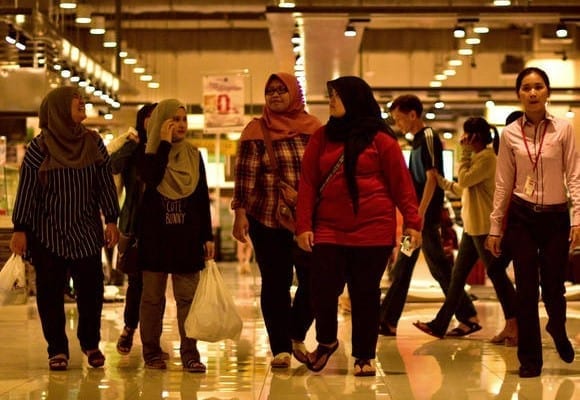
    Malaysian consumers continue to tighten their belts as reflected by the 0.3% year-on-year growth of retail sales in the fourth quarter of 2016 (4Q16), according to Retail Group Malaysia (RGM).

    The quarterly growth of retail sales decelerated for the third quarter after it hit a high of 7.5 per cent in 2Q16, based on data compiled by RGM from members of Malaysia Retailers Association (MRA).

    Retailers are pessimistic about the sales performance for 1Q17. “As consumer confidence remains low, they estimate an average growth rate of only 0.9 per cent during 1Q17,” said the report.

    “The year-end school holiday and festive celebration did not motivate Malaysian consumers to spend more. The weak economic environment and bleak job prospect discouraged shoppers to buy more than usual.

    “4Q16’s growth rate was a let-down taking into consideration the low growth rate of 1.3 per cent during the same period in 2015,” said RGM in its latest quarterly report that was released over the weekend.

    For 2016, domestic retail sales expanded by 1.7 per cent, which was not much stronger compared with 1.4 per cent growth in 2015 — the year when goods and services tax was introduced in April that year.

    “After almost two years, the retail industry has yet to recover. Economic condition remains tough for retailers,” said RGM.

    In view of the lacklustre growth pace in 4Q16, RGM has slashed its forecast annual retail sales growth to 3.9 per cent to RM101.6 billion (US$22,921,609,224) for 2017 from RM97.8 billion (US$22,064,304,942) in 2016, compared with its initial forecast of 5 per cent.

    RGM pointed out that the latest quarterly result was way below market expectations. “It was 95 per cent below the estimate made by members of MRA in November 2016 [at 5.5 per cent],” RGM wrote in the report.

    The weak retail sales are quite a sharp contrast to the growth of private consumption, which had been above 6 per cent for three consecutive quarters since April last year.

    Among the sub-sectors, the other specialty stores, which include photo shops, optical shops, children-related stores, second-hand goods stores, toy stores, TV shopping as well as restaurants, were the worst-performing retail category in 4Q16. This sub-sector suffered a contraction of 7.7 per cent — the second consecutive quarter of declining sales. For the whole year, this sub-sector suffered a decline of 2.2 per cent in its business.

    In contrast, the fashion & fashion accessories sub-sector was the bright spot among all. The sub-sector continued to fare well in 4Q16.

    “It managed to sustain its business with a growth rate of 6.9 per cent compared with the same period a year ago. This retail sub-sector was the best-performing retail sub-sector in 2016 with a growth rate of 5.8per cent,” said RGM.

    Moving forward, for the first-quarter growth rate, RGM predicts a 1.5 per cent improvement in overall retail business.

    “The weak ringgit has affected the costs of a large number of retail goods sold locally. Many retailers have begun to raise prices, including prices of food and beverages, household goods as well as other daily necessities.

    “Malaysian consumers are expecting to be cautious about their spending on retail goods during the first half of this year. Their cost of living has risen and their purchasing power has reduced during the last one year,” said the quarterly report.