Tag: Malaysia

  • Booths grocery products head to Malaysia

    Booths grocery products head to Malaysia

    Rather than head south in its home market, the upmarket northern England Booths grocery chain has opted instead for a JV in Malaysia.

    The family-owned retailer, which launched in Blackpool in 1847, has partnered with Hong Kong-listed retailer Dairy Farm, owned by Jardine Matheson, to sell 40 of its best-selling products, including chutneys, jams and puddings, in 19 shops across Malaysia.

    Chairman Edwin Booth, part of the fifth generation of the family to be involved in the firm, says Booths’ heritage gives people “a great deal of reassurance”.

    Booths has 34 stores across England’s north, mainly medium-sized supermarkets. Each store has its own identity, reflecting its location. Its JV in Malaysia is its first overseas foray.

    Staff members are given extensive product training to help them deliver a “friendly and informed” shopping experience, says the company.

  • Digital Free Trade Zone For Malaysian E-commerce Growth

    Digital Free Trade Zone For Malaysian E-commerce Growth

    The announcement of the much-anticipated Digital Free Trade Zone (DFTZ) by Prime Minister Datuk Seri Najib Tun Razak today comes amidst a time where businesses in Malaysia are encouraged to capitalise on this initiative to boost the Digital Economy in the country. First-ever and a pilot programme, we foresee the DFTZ to benefit local SMEs and entrepreneurs, and pave the way to a more global market for them.

    With the implementation of a DFTZ in Malaysia, the comprehensive approach, covering fulfilment, global supply chain, payment gateways, training and employment prospects, will set a conducive platform to cement Malaysia as a digital hub in the Southeast Asia region, as well as to encourage traditional brick-and-mortar businesses especially local SMEs to transition onto the e-commerce sphere, and trade across ASEAN countries and soon, the world.

    Furthermore, the Government’s introduction of a Digital Free Trade Zone exemplifies an intention to impart knowledge and equip entrepreneurs with the knowledge and know-hows of e-commerce complementing the vast facilities that the trade zone will stand to offer. Resonating this intention, 11street’s owned training programme which is recognised by the Malaysian Digital Economy Corporation (MDEC) aims to help e-entrepreneurs understand the basic rudiments of online business, sharing with them the effective strategies that will propel their businesses to a different height and be competitive in the global market.

    In conclusion, the Digital Free Trade Zone is shaping up to be a boon to local SMEs. The trade zone will serve as gateway to the ASEAN market and allow local products to tap into a wider market. We at 11street will continue to support to initiatives to evolve e-commerce in Malaysia, so as to open up opportunities for a better e-commerce climate for both e-commerce platforms and also entrepreneurs.

  • Malaysia’s MYEG partners with Philippine I-Pay to bring e-services to Philippines

    Malaysia’s MYEG partners with Philippine I-Pay to bring e-services to Philippines

    I-Pay Ventures Commerce Ventures, Inc. (I-Pay) recently signed a joint-venture agreement with MY E.G. Services Bhd (MYEG) to enable government and large enterprises in the Philippines to offer a Payment Gateway and related value-added online services.

    I-Pay is the company behind the NBI’s online registration system. MYEG is Malaysia’s fastest-growing company as the country’s civil service embraces the digital way of providing services to the public. Its tie-up with the Immigration Department and Road Transport Department has resulted in massive growth in the company’s top and bottom lines.

    Both parties envision the joint venture will replicate the business model of MYEG in Malaysia. The new agreement represents each organization’s strong commitment to provide Philippine public service sector with the best and trusted e-commerce platform with an excellent track record.

    According to its latest annual report, MYEG recorded a 36.8% compounded annual growth rate (CAGR) in revenue for the five years between 2011 and June 2016 while its profit grew at a CAGR of 45.1% over the same period.

    MYEG has also been constantly recognized by Forbes as one of Asia’s “Best Under A Billion” companies.

    “We are very excited to work with I-Pay to offer a superior G2C user experience in the Philippines,” said TS Wong, managing director, My E.G. Services Bhd. “Our unique model provides significant cost savings and increased efficiency to all stakeholders. Combined with I-Pay’s established operating record, we are confident of achieving mass adoption in the coming years.”

    I-Pay’s vision is to facilitate Government and enterprises in delivering technology-driven services encompassing the Internet, automation, big data and electronic payments.

    I-Pay is a payment processing provider and a direct agent of Western Union in the Philippines. It is the payment processing investment of the IP Ventures Group (IPVI).

    IPVI has successfully built market leading companies in the data center space, IP Converge Data Center Inc. (CLOUD); online gaming space, IP E-games (EG); and business outsourcing, PCCW Teleservices Philippines, Inc.

    IPCVI is backed by renowned investors such as IP Ventures Inc. (leading technology and retail conglomerate in the Philippines), Kaikaku Fund (Softbank affiliated fund), JJ Atencio (Founder and CEO of 8990 Holdings Inc.) and Derrick Chiongbian.

    “Our partnership with MYEG gives us access to world class technology that can upgrade Internet infrastructure and government services in the Philippines. Its ultimate goal is to improve delivery of government services for the Filipino people,” said Enrique Y. Gonzalez, president of IP Ventures Group.

  • Skin care brand Mamonde opens Lazada online store

    Skin care brand Mamonde opens Lazada online store

    Korean beauty products brand Mamonde has launched an e-commerce site on Lazada to introduce its skincare and makeup products into Singapore.

    Mamonde’s USP is using flower extracts in its products. Camellia, hibiscus, honeysuckle, lotus and magnolia blooms are hand-picked and frozen or heat dried, with the active ingredients then being extracted.

    There are plans to also open a physical store in Singapore eventually, says Amorepacific, which also owns the brands Etude House, Innisfree, Laneige and Sulwhasoo.

    “Launching digitally first in Singapore was a deliberate move that allows us to observe consumer purchasing habits before scaling up operations in the market,” says Amorepacific Asean regional head Robin Na.

    “While the beauty industry in Singapore is mature, we believe that consumers there are still hungry for new brands.”

  • AirAsia X plans for more fifth-freedom flights

    AirAsia X plans for more fifth-freedom flights

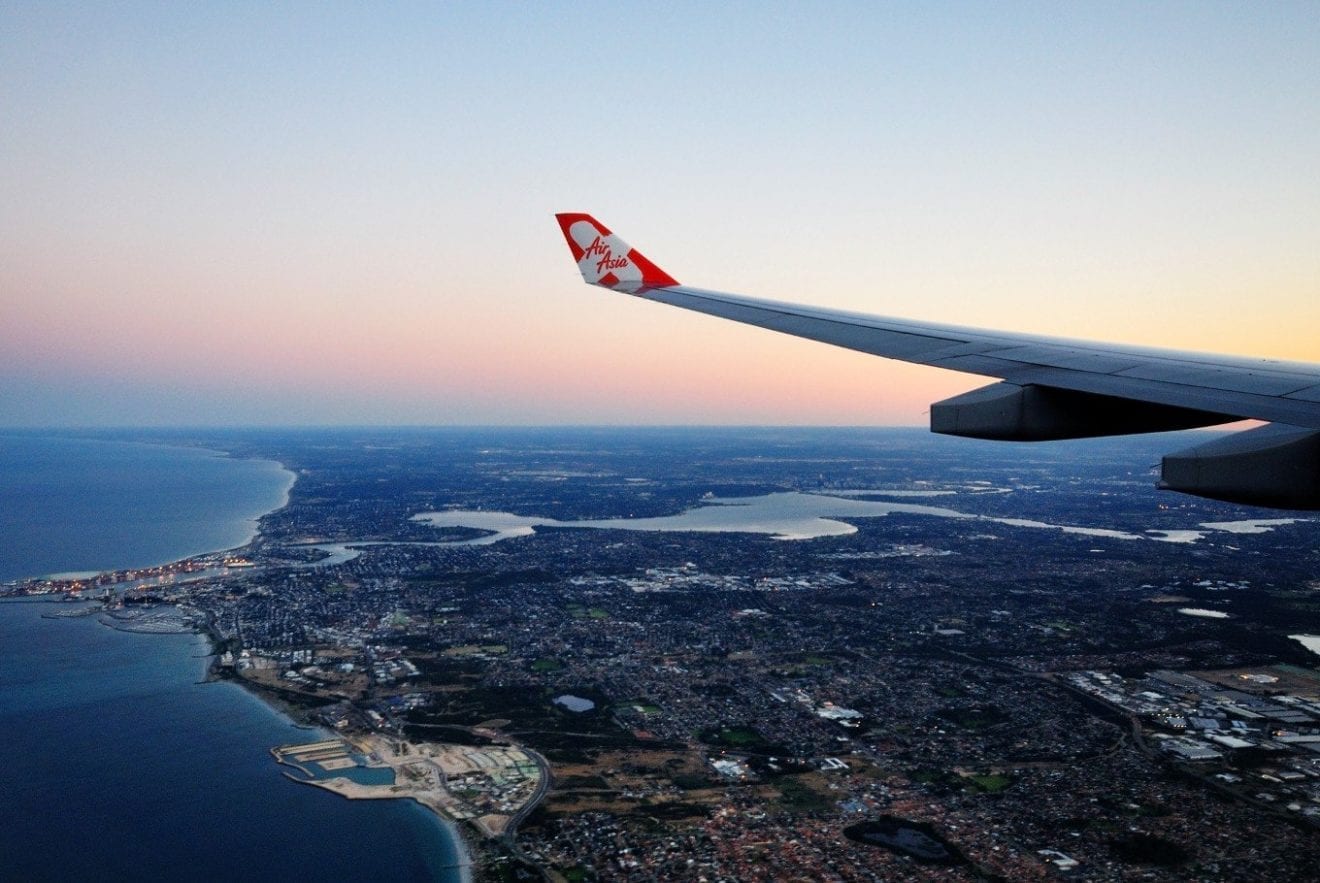
    AirAsia X is planning to add more fifth-freedom flights as it seeks to take advantage of the growth at secondary and tertiary cities across North Asia.

    Sharing the long-haul, low-cost carrier’s plans was its head of network planning Venggatarao Niadu, as part of a panel at the Routes Asia Strategy Summit in Okinawa.

    “We now operate an eight-hour range for our Airbus A330 widebodies, and we want to go beyond that using more fifth-freedom flights,” says Naidu.

    Naidu cites AirAsia’s Kuala Lumpur-Gold Coast-Auckland and Kuala Lumpur-Osaka-Honolulu as examples of the model it is looking to for future growth. He adds that North Asia and China are regions for expansion and where it could mount more fifth-freedom services.

    When asked about AirAsia X’s plans to return to Europe, Naidu describes it as “still a work in progress” and that the carrier is still working to secure the relevant rights. He reveals that flights to Europe will not only be operated by its main Malaysian unit, but also Thai AirAsia X.

    Meanwhile, AirAsia X acknowledges that it faces certain obstacles to growth, largely bilateral limitations, and slot and infrastructure shortages.

    Naidu says that, even with those challenges, and growing competition in the market, it isn’t deterred from seeking new growth opportunities.

    “When we see an opportunity, we grab it first. Then the industry will follow suit and flood the market. But we have seen that the industry will rationalise after a few years to keep it stable,” he says.

  • Malaysians’ appetite for spending remains poor

    Malaysians’ appetite for spending remains poor

    Malaysian consumers continue to tighten their belts as reflected by the 0.3% year-on-year growth of retail sales in the fourth quarter of 2016 (4Q16), according to Retail Group Malaysia (RGM).

    The quarterly growth of retail sales decelerated for the third quarter after it hit a high of 7.5 per cent in 2Q16, based on data compiled by RGM from members of Malaysia Retailers Association (MRA).

    Retailers are pessimistic about the sales performance for 1Q17. “As consumer confidence remains low, they estimate an average growth rate of only 0.9 per cent during 1Q17,” said the report.

    “The year-end school holiday and festive celebration did not motivate Malaysian consumers to spend more. The weak economic environment and bleak job prospect discouraged shoppers to buy more than usual.

    “4Q16’s growth rate was a let-down taking into consideration the low growth rate of 1.3 per cent during the same period in 2015,” said RGM in its latest quarterly report that was released over the weekend.

    For 2016, domestic retail sales expanded by 1.7 per cent, which was not much stronger compared with 1.4 per cent growth in 2015 — the year when goods and services tax was introduced in April that year.

    “After almost two years, the retail industry has yet to recover. Economic condition remains tough for retailers,” said RGM.

    In view of the lacklustre growth pace in 4Q16, RGM has slashed its forecast annual retail sales growth to 3.9 per cent to RM101.6 billion (US$22,921,609,224) for 2017 from RM97.8 billion (US$22,064,304,942) in 2016, compared with its initial forecast of 5 per cent.

    RGM pointed out that the latest quarterly result was way below market expectations. “It was 95 per cent below the estimate made by members of MRA in November 2016 [at 5.5 per cent],” RGM wrote in the report.

    The weak retail sales are quite a sharp contrast to the growth of private consumption, which had been above 6 per cent for three consecutive quarters since April last year.

    Among the sub-sectors, the other specialty stores, which include photo shops, optical shops, children-related stores, second-hand goods stores, toy stores, TV shopping as well as restaurants, were the worst-performing retail category in 4Q16. This sub-sector suffered a contraction of 7.7 per cent — the second consecutive quarter of declining sales. For the whole year, this sub-sector suffered a decline of 2.2 per cent in its business.

    In contrast, the fashion & fashion accessories sub-sector was the bright spot among all. The sub-sector continued to fare well in 4Q16.

    “It managed to sustain its business with a growth rate of 6.9 per cent compared with the same period a year ago. This retail sub-sector was the best-performing retail sub-sector in 2016 with a growth rate of 5.8per cent,” said RGM.

    Moving forward, for the first-quarter growth rate, RGM predicts a 1.5 per cent improvement in overall retail business.

    “The weak ringgit has affected the costs of a large number of retail goods sold locally. Many retailers have begun to raise prices, including prices of food and beverages, household goods as well as other daily necessities.

    “Malaysian consumers are expecting to be cautious about their spending on retail goods during the first half of this year. Their cost of living has risen and their purchasing power has reduced during the last one year,” said the quarterly report.

  • Lego Malaysia opens seventh store

    Lego Malaysia opens seventh store

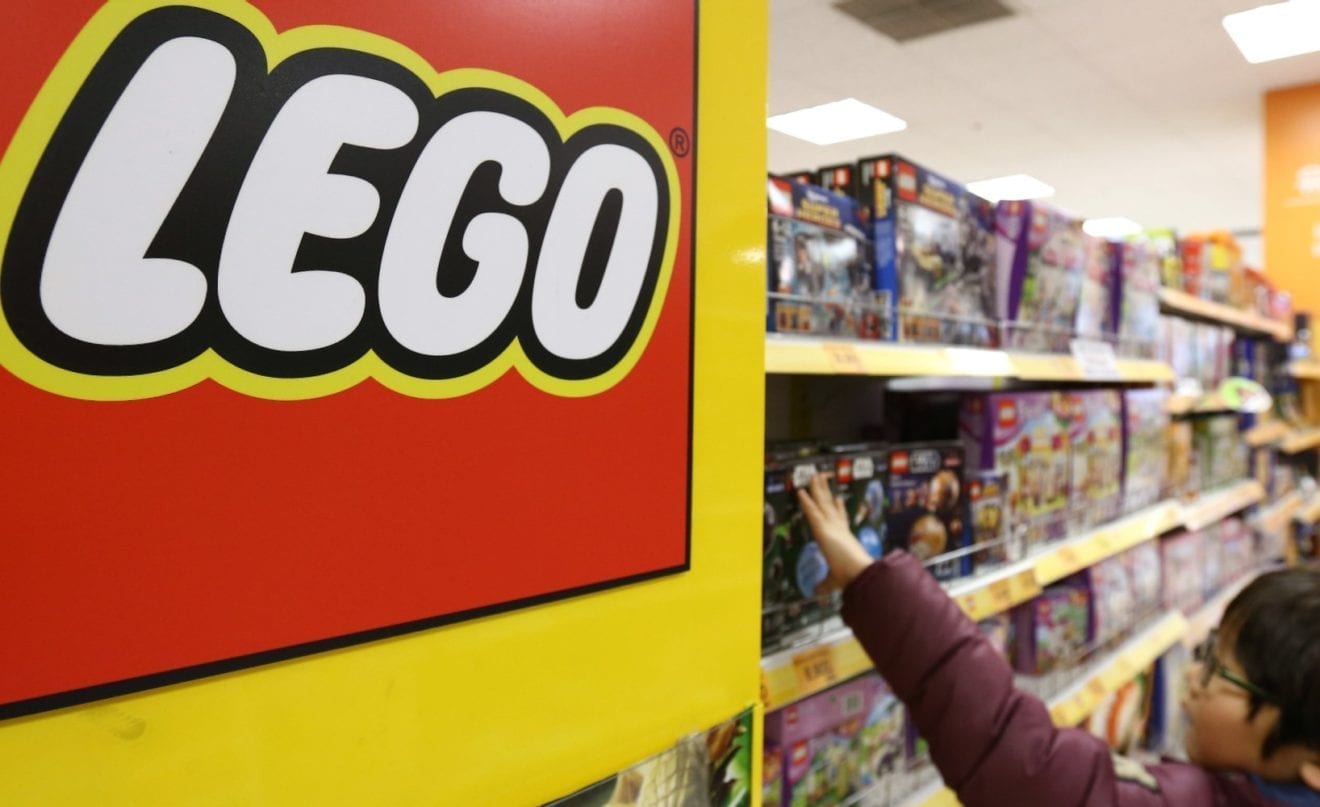
    Lego Malaysia has just opened its seventh store, a flagship on the sixth floor of the Pavilion Elite shopping mall on Jalan Bukit Bintang.

    “Lego has been a global household name for generations, taking creative play to new heights year after year,” said Tan Lian Ann, MD of ALJ Distributors, which owns the Lego store.

    “The brand has and continues to come up with interesting products for all ages.

    “We are thankful to Lego Trading Malaysia and Pavilion Elite for collaborating with us on this latest venture to provide consumers with a new shopping experience. Together, we look forward to continuously bring high-quality Lego Play experiences, not just to children, but also to adult fans and enthusiasts,” said Tan.

    The 279 sqm store aims to provide an interactive and vibrant shopping experience.

    Aside from showcasing innovative displays alongside its products, the store invites visitors to experience Lego Play – from building personalised mini figures to selecting specific bricks from its Pick-A-Brick wall.

    The flagship also offers products normally sold only at LegoShop.com or in Lego stores in the US and Europe.

  • Alibaba to open Malaysian distribution hub

    Alibaba to open Malaysian distribution hub

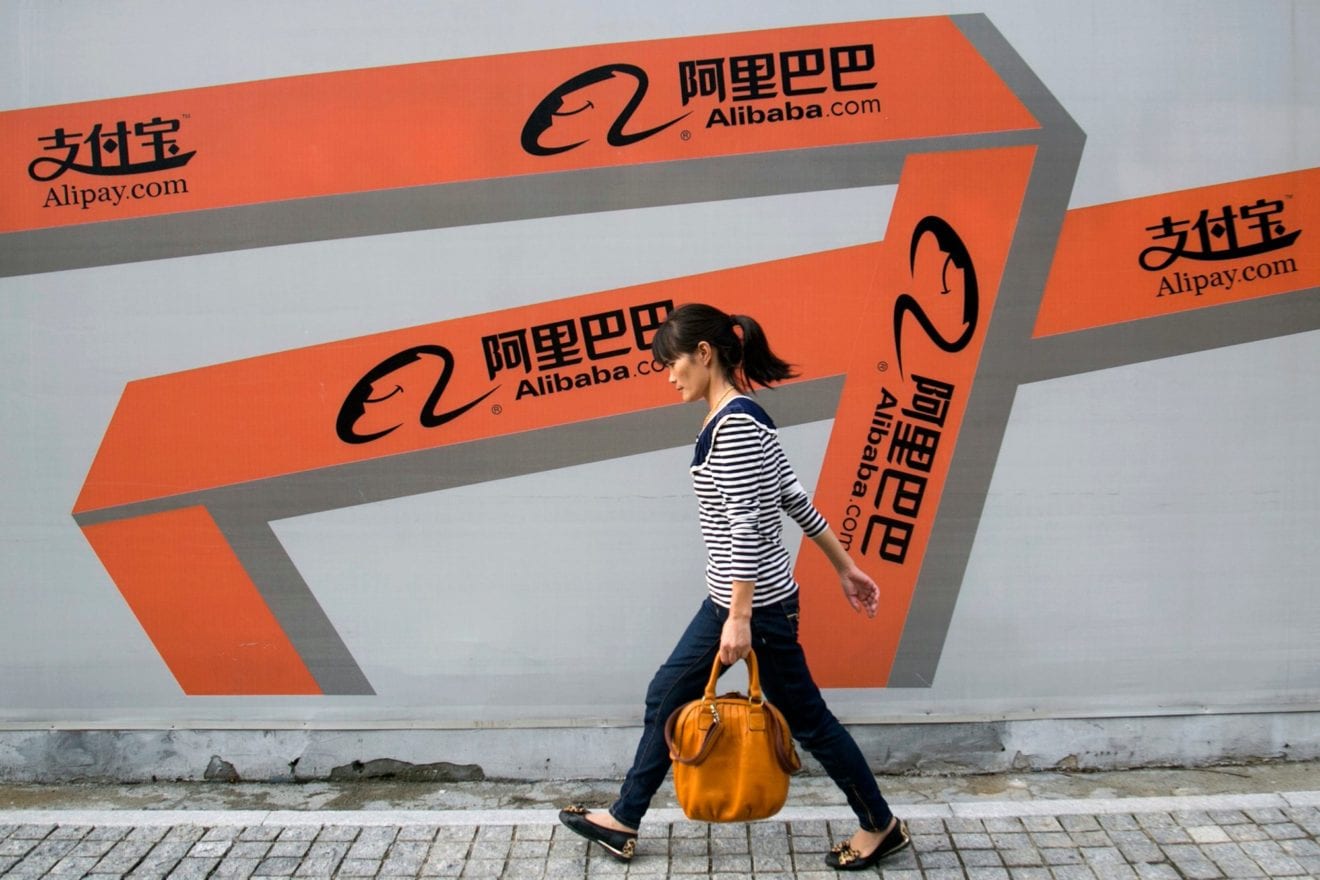
    Chinese e-commerce giant Alibaba is to open a Malaysian distribution hub at KLIA Aeropolis to serve its growing business in Southeast Asia.

    According to unnamed sources quoted by financial press, Alibaba founder Jack Ma and Malaysian prime minister Najib Razak will announce the project at an event in Kuala Lumpur next week.

    The new centre will be a major feature of a 1 million sqm KLIA Aeropolis development adjacent to the city’s international airport, under development by Malaysia Airports Holdings. The plan is to create a regional distribution hub, boosting air freight traffic and attracting US$1.58 billion of domestic and foreign investment.

    “Kuala Lumpur International Airport (KLIA) has existing facility for Alibaba Group to pilot their distribution services here, and if (Alibaba) decide to expand in the future, there is the option to build more on other (undeveloped) sites in KLIA Aeropolis,” one source told Reuters.

    While Alibaba invested $1 billion to buy Singapore-headquartered online retail Lazada and has built a 14.4 per cent stake in Singapore Post, this will mark the company’s first investment in Malaysia.

    The KLIA Aeropolis is part of a planned Digital Free Trade Zone being established in Malaysia, details of which will be released during Ma’s visit to the country next week. Ma has been appointed a digital economy advisor to the Malaysian government.

  • Inditex Group sales rise on new stores

    Inditex Group sales rise on new stores

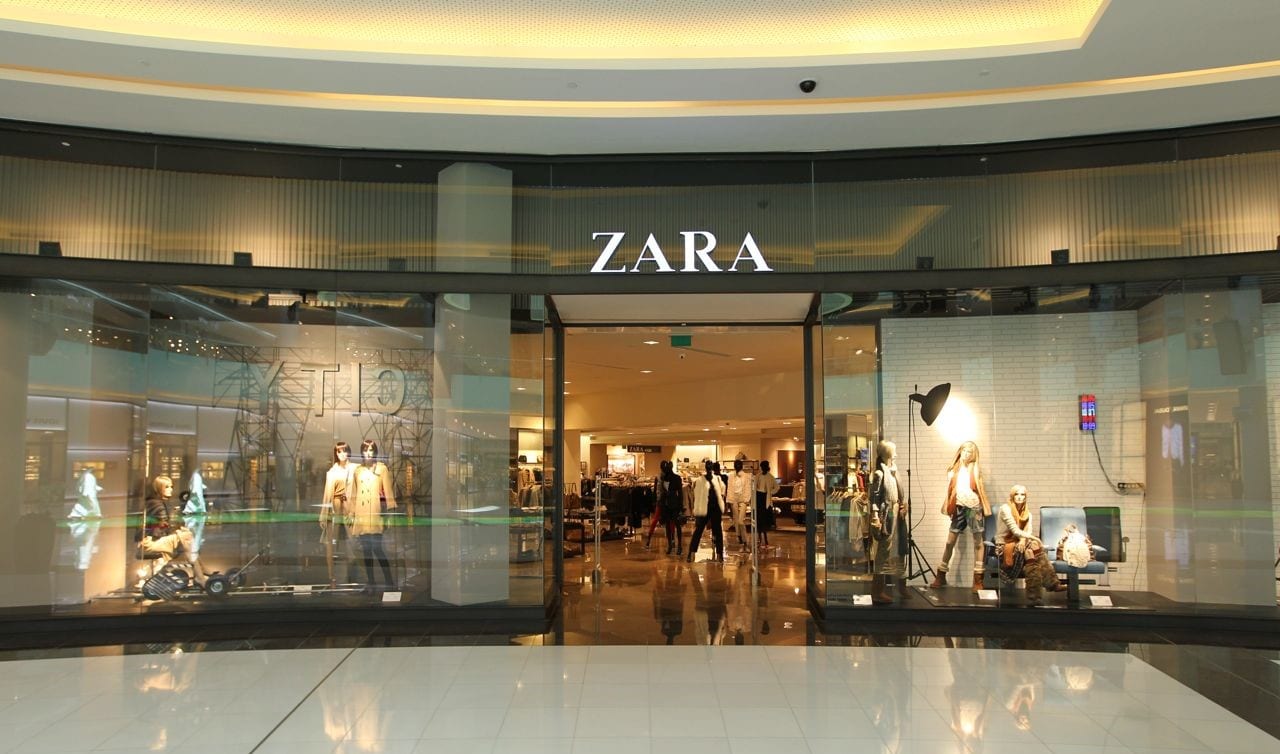
    Zara parent Inditex Group sales rose by 12 per cent in its latest trading year, to January 31, reaching €23.3 billion.

    Growth was achieved in every geographic region where the group is present, and includes contributions from debut stores in Vietnam and New Zealand.

    Same-store sales rose by 10 per cent, up from 8.5 per cent the previous year, with positive same-store sales growth in all geographies and across all brands.

    Net profit was €3.2 billion, up 10 per cent year-on-year, while earnings before interest and tax grew 8 per cent to €5.1 billion.

    Chairman and CEO Pablo described the result as positive against a backdrop of strong prior-year performance.

    Inditex opened 279 stores, net of closures, in 56 markets, across all its brands, ending the year with 7292 stores in 93 countries, a large proportion of the new ones in Asia, including its first Zara in Vietnam, in Ho Chi Minh City.  Other Zara stores opened in China, Thailand, Indonesia and Japan and it refurbished it flagship in the Shinjuku district in Tokyo, one of Japan’s most important shopping districts, which reopened to the public in November.

    A flagship Pull&Bear store opened in Windsor House in Hong Kong and new stores were opened by Massimo Dutti in India and by Oysho in Indonesia. Bershka refurbished its flagship on Nanjing Road East in Shanghai and Zara Home opened a global flagship on Garosu de Seoul in South Korea.

    Since the financial year ended, it has opened online stores in Malaysia and Singapore, taking its online platform to 43 markets.

  • CIMB bags ‘Best Retail Bank in Malaysia’ award

    CIMB bags ‘Best Retail Bank in Malaysia’ award

    CIMB Bank Bhd has won “Best Retail Bank in Malaysia” at the International Excellence in Retail Financial Services Awards Programme 2017 conferred by The Asian Banker.

    CIMB’s Enhanced Virtual Assistant (EVA), the first chat-bot banking application in Asean, also won “Internet Banking Product of the Year” recently at a ceremony held in Tokyo.

    CIMB group consumer banking chief executive officer Samir Gupta said the best retail bank award was reflective of its continuous efforts to deliver great customer experience, in line with today’s consumer expectations and also preference for online and mobile banking.

    “This, coupled with CIMB’s strong Asean network, contributes to a seamless banking experience for over 12 million of our retail customers,” he said in a statement yesterday.

    CIMB EVA, on the converse, is the epitome of banking made simpler, more secure and more convenient, he said.

    “Customers can easily check their current or savings account balances, pay bills and perform mobile top-up through chat,” he said.

    The Asian Banker’s International Excellence in Retail Financial Services Awards Programme is the most rigorous, prestigious and transparent awards programme for consumer banking in Asia-Pacific, Central Asia, West Asia and Africa.

  • Malaysia-Cambodia-Thailand subsea cable launches

    Malaysia-Cambodia-Thailand subsea cable launches

    A new subsea cable connecting Malaysia, Cambodia and Thailand has been launched in Cambodia, adding at least 30Tbps of regional capacity.

    The Malaysia-Cambodia-Thailand (MCT) cable system was designed and deployed by Huawei Marine for Cambodia’s EZECOM, Telekom Malaysia and Symphony Communication of Thailand.

    The 1,300km cable system uses 100Gbps technology, and will connect to other submarie cable systems, including the Asia-America Gateway (AAG).

    Speaking at the launch of the system, EZECOM CEO Paul Blanche-Horgan said the launch is the culmination of six years of work. He said the launch of the cable will improve the security of Cambodia’s connection to the internet.

    “With this cable, we are now directly connected POP to POP, which means a much more secure connection for Cambodia. This is of great importance, as [Cambodian deputy prime minister and minister of interior] Samdech Krolahom does understand, for the context of national security as well as certain key sectors like banking.”

    Samdech Krolahom himself said that with the new cable, “Cambodia now has faster, more reliable, more affordable and, most importantly, a more secure internet connection for all.”

  • Nokia providing IP/MPLS for Malaysia’s first MRT line

    Nokia providing IP/MPLS for Malaysia’s first MRT line

    Nokia has announced it has provided a mission-critical communications network for Malaysia’s first Mass Rapid Transit line.

    The company has supplied the network to systems integrator LG CNS as part of the project to provide railway operational support on the new SBK (Sungaii Buloh-Kajang) line.

    Nokia is providing an IP/MPLS network capable of providing scalable Layer-2 and Layer-3 VPN services for various railway sub-systems. The company is also providing its Network Services Platform for end-to-end network and services management.

    The northern section of the SBK line launched in December, and the southern and underground sections are due to be operational by the end of July.

    Once complete, the line will cover 51km and serve the 1.2 million residents in and around Malaysian capital Kuala Lumpur.

    “Nokia’s IP/MPLS solution for railways is designed to address railway operators’ demanding requirements in terms of performance, reliability and, most importantly, safety,” Nokia head of global enterprise and public sector for APAC Stuart Hendry said.

    “We are pleased to play such an important role in helping ensure safe, on-time and connected journeys for Kuala Lumpur’s residents.”

  • CIMB Niaga Syariah reports 165.5 percent rise in profit

    CIMB Niaga Syariah reports 165.5 percent rise in profit

    CIMB Niaga Syariah, the sharia unit of PT Bank CIMB Niaga Tbk recorded a 165.5 percent increase in its net profit to Rp305.43 billion in 2016 from Rp115.03 billion in the previous year.

    Director of the sharia unit of CIMB Pandji P. Djajanegara attributed the surge in profit to 40.2 percent rise in sharia financing to Rp10.21 trillion in 2016 from Rp7.28 trillion in 2015.

    “An increase was recorded in all business segments,” Pandji said here on Monday.

    He said the non performing financing (NPF) of the sharia unit of the bank dropped to 1.15 percent from 1.86 percent despite the surge in financing.

    “The performance of the sharia unit was in line with the management adoption of prudential banking principle while expanding its financing portfolio,” he said.

    In 2017, apart from expanding consumer financing, CIMB Niaga Syariah wanted to increase financing of business segment including corporation, micro, small and medium enterprises (UMKM) and commercial financing, he said.

    He said the sharia business is expected to account for 10 percent of the credits to be provided by PT. CIMB Niaga Tbk.

    The third party fund held by CIMB Niaga Syariah rose 40.2 percent to Rp10.63 trillion in 2016 from Rp7.58 trillion in 2015.

    Pandji attributed the increase in the third party fund partly to the status of the unit as a recipient of hajj pilgrimage payments including regular hajj and special hajj pilgrimage.

    CIMB Niaga Syariah has a product of hajj saving that includes hajj plan saving, and hajj pahala (merit) saving and iB Mapan Wakaf saving.

    With the financing and the third party funds , the assets of CIMB Niaga Syariah rose 40.34 percent to Rp12.78 trillion in 2016 from Rp9.11 trillion in 2015.

    The sharia unit contributed 5.45 percent to the total assets of Bank CIMB Niaga in 2016 , up from 3.90 percent in 2015.

    PT CIMB Niaga is the countrys fifth largest bank in assets controlled by the CIMB Group of Malaysia.

  • Mujosh eyewear to open in Vietnam

    Mujosh eyewear to open in Vietnam

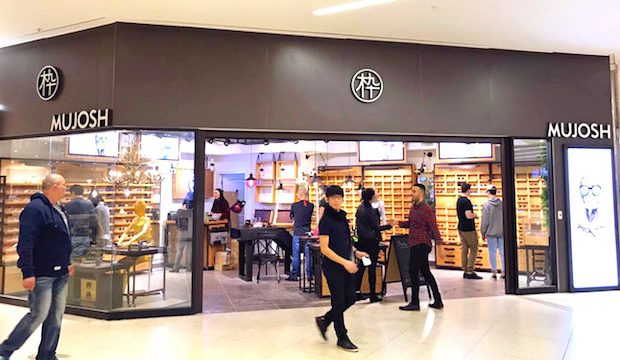
    Hong Kong-headquartered Mujosh eyewear is about to open its first store in Vietnam.

    The edgy brand, which made its international debut in Malaysia just last year, will open a store inside Saigon Center in Ho Chi Minh City. The mall houses the Takashimaya department store along with the first Japanese-headquartered Owndays shop in Vietnam.

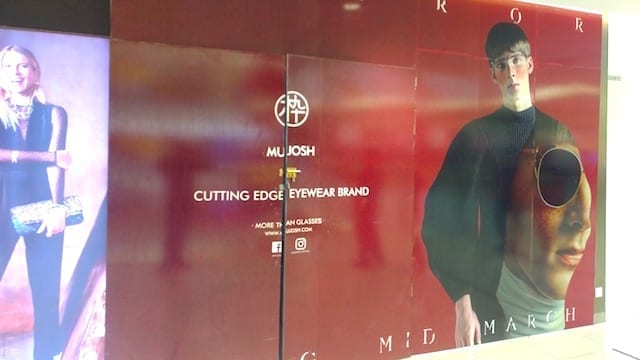
    The store is undergoing fitout with a billboard promising an opening in “mid-March”.

    Established in 2010, Mujosh describes itself as “an innovative fashion eyewear brand” which combines unique elements and styles into frame designs.

    “Appreciating creative ideas, valuing the value of handicraft, cherishing the original touch of materials, Mujosh is deeply loved by fashion icons and wearers.”

    The brand also has stores in Singapore (on Haji Lane), Thailand and Australia. It plans to open 1000 stores globally within five years.

    Owned by Photosynthesis Group Co, Mujosh is the company’s first brand to go international since it started its international business expansion at the beginning of 2015.

    Edmonton marks Canadian debut

    Meanwhile, Mujosh opened its first store in Canada, a flagship in West Edmonton Mall, the largest shopping centre in North America. The mall hosts about 32 million visitors per year; between 90,000 and 200,000 daily.

    Among early customers was one who said she had become familiar with the brand while travelling in Shanghai and Singapore.

  • REV Asia looking for partners in Indonesia, Philippines to grow overseas businesses

    REV Asia looking for partners in Indonesia, Philippines to grow overseas businesses

    Digital media group REV Asia is on the lookout for local partners for its operations in Indonesia and the Philippines, says managing director Voon Tze Khay.

    The group’s initial plan, which was to grow its market share in social media advertising revenue in those markets, hit a snag one-year into operations, leading it to seek home-grown partners.

    “We thought if we could run Malaysia at such a successful pace over the last three years, why not try it ourselves? However, after 12 months, we realised that the opportunities in these markets are plenty but the right way and more strategic way to do it is through a local partner, either in the form of merger and acquisition (M&A) or joint venture (JV),” Voon told in an interview.

    He said the group faced operational challenges in both markets, in terms of understanding the local business culture, dealing with local advertising agencies and brands as well as challenges in working style and expectations in the delivery of campaigns.

    “Running a business in these two countries is very different to how we run it in Malaysia simply because the understanding of local and business culture is a fairly important tool. We have not seen it grow in the way that we expected,” he added.

    Voon said it has identified certain players that could be potential partners but talks have not begun as it is still mapping out how to grow with a local partner. The group entered both markets in 2015 with their Says.com and 8share.com brands. These markets contribute about 5% to total group revenue and there are no plans to expand its other brands there in the immediate term.

    “In the next 24 months, we are looking at international revenue (contributing about) 5-8% because our focus is going to be Malaysia. We are expecting Malaysia to grow in the double digits year-on-year in both revenue and bottom line.

    “For international markets, there’s still a lot more groundwork to be done for local business understanding and a lot more research to be done from data point of view. That doesn’t mean we are not putting in efforts to grow it. But growth compared with Malaysia will be a lot smaller,” said Voon.

    In 2017, the group aims to grow in terms of audience and revenue in Malaysia, through organic growth and M&As, by shifting its focus to videos and small and medium enterprises (SMEs).

    Voon said consumption of videos on mobile has grown tremendously and will continue to grow. It also aims to tap into the 700,000 SMEs in Malaysia by offering them specific packages to promote their services across the group’s platforms.

    In 2016, total video revenue contributed 10% while total SME revenue contributed only 2%. This year, it aims to grow contribution from these two products to 25% and 12% respectively.

    In terms of M&A, Voon said, REV Asia is always on the lookout for opportunities within the three main languages in Malaysia.

    “We will continue to seek out M&A opportunities but we will be selective. It has to be a digital media product with a sizeable audience already visiting the site and we will look at how that particular brand fits within the entire REV Asia set-up,” he said.

    Recall that the group acquired two Chinese websites, Viralcham and Rojaklah, in 2015 and last year it acquired three Malay-language websites, namely Siraplimau.com, Myresipi.com and Kongsiresepi.com.

    Meanwhile, REV Asia Bhd (holding company of REV Asia) saw its shareholding in iCar Asia Ltd diluted to 17.28% in September last year and in November shareholders approved the transfer of its shareholding into a special purpose vehicle (SPV).

    “The process is underway, we are waiting for the finalisation of a court order to reduce the share capital and to fully formalise the transfer of the shares of iCar Asia out from REV Asia Bhd into an SPV. We hope to complete the transfer by first quarter this year,” said Voon.