Tag: Malaysia

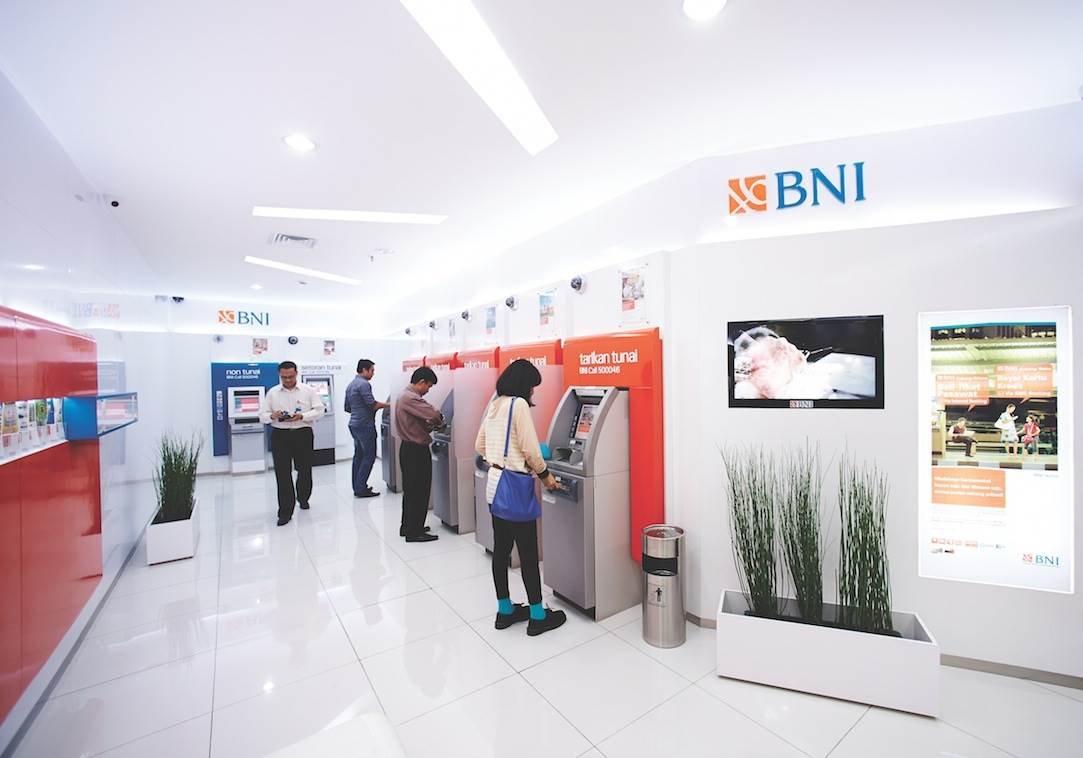
  • BNI plans to set up subsidiary in Malaysia

    BNI plans to set up subsidiary in Malaysia

    State lender Bank Negara Indonesia (BNI) plans to set up a subsidiary in Malaysia this year after the two countries signed an agreement on reciprocity-based banking business.

    BNI is waiting for the holding company of state-owned companies in the banking sector to issue a policy, which is currently under process, BNI Director for Treasury and International Affairs Panji Irawan said at the Indonesia Stock Exchange here on Thursday.

    To set up the subsidiary, BNI is considering involving other state lenders, including Bank Mandiri and Bank Rakyat Indonesia, to shore up its business capacity and efficiency, he added.

    “Whoever is interested in it, can cooperate with us. We cannot do it alone,” he noted.

    In view of its financial capacity, BNI is likely to set up a subsidiary rather than establishing a branch office in the neighboring country, he revealed.

    “The subsidiary will not serve as a branch. It will be locally incorporated and must have a board of directors,” he explained.

    Under the Malaysian law, BNI must have a paid-up capital of US$66 million to US$75 million to set up the subsidiary, he informed.

    BNI President Director Achmad Baiquni wanted the bank to strengthen its network in the neighboring country in the first half of this year.

  • AirAsia awaits green-light for KL-Bhubaneswar route

    AirAsia awaits green-light for KL-Bhubaneswar route

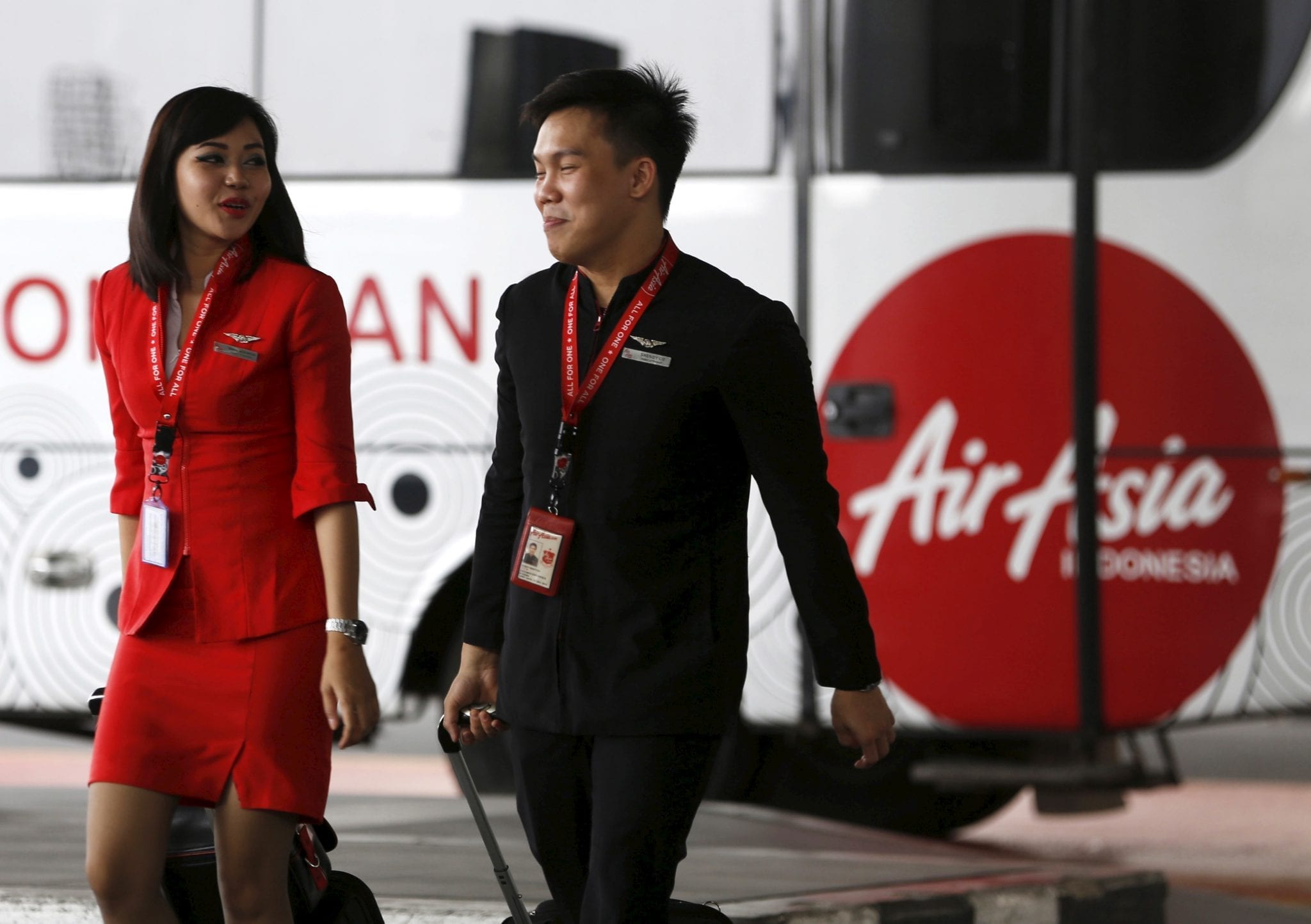
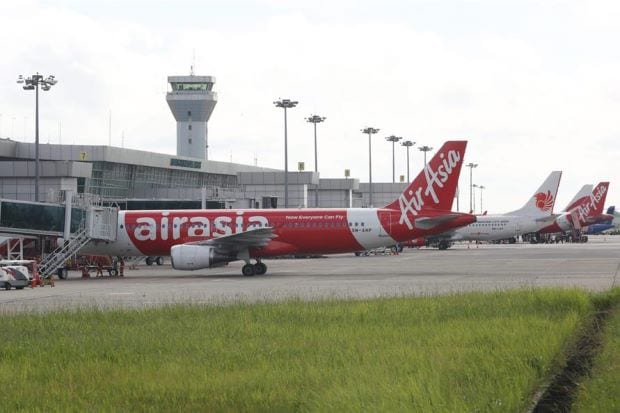
    AirAsia is waiting for the go-ahead from India’s Directorate General of Civil Aviation to start direct flights from Kuala Lumpur to Bhubaneswar in March this year.

    The Malaysian budget airline will launch the new service once it receives formal permission from the Indian aviation regulator in its plans to boost the eastern Indian state of Odisha’s international links and tourism traffic.

    Airports Authority of India’s eastern region executive director, Sanjay Jain, said the airport operator would extend all support to AirAsia for the flight services.

  • BN explains why petrol prices have gone up

    BN explains why petrol prices have gone up

    The price of petrol has gone up because the price of refined petrol has increased, even though crude oil prices have dropped.

    In refuting allegations by the opposition, the Barisan Nasional Strategic Communications Team said today Malaysians used refined petrol, not crude oil.

    It noted that refined petrol prices might differ from crude oil prices due to global supply and demand factors.

    Also, Malaysia uses a managed float system which is dependent on global petrol prices.

    “Knowing that it is a managed float system, it is ridiculous that opposition leaders blame the government when petrol prices increase due to global market price increases but when petrol prices go down, they claim this is due to global prices and give no credit to the government,” said the statement.

    It said MPs Dr Wan Azizah Wan Ismail (PKR) and Tony Pua (DAP) had pointed out that the crude oil price for January had dropped and that the ringgit did not weaken compared with the previous month when criticising the increase in petrol prices.

    “We would like to inform both these Members of Parliament, the other opposition leaders and their propagandists that Malaysians do not pump crude oil into their cars.

    “The majority of Malaysians pump refined petrol in the form of RON95 or refined diesel.”

    The prices of RON95 and RON97 went up by 20 sen to RM2.30 (up 9.5%) and RM2.60 (8.3%) respectively, while diesel went up by 10 sen to RM2.15 (4.9%) today.

    The statement said as part of the move away from inefficient blanket subsidies, where the rich had benefited more than the poor, to more direct targeted assistance, Malaysia had adopted the managed float system from Dec 1, 2014, to determine the price of retail petrol and diesel.

    “Our managed float system uses the average price of the refined product — not crude oil — for the previous month to determine the retail pump price for the next month. Specifically, Malaysia uses the Singapore Means of Platts (MOPS) pricing for petrol and diesel.

    “While global oil prices had increased in recent months due to an agreement to cut production by oil-producing countries — which also benefits Malaysia — the price of refined oil products has increased further due to other reasons.”

    It said a check on the MOPS would show that the average price of motor gasoline 95 unleaded for January had stabilised in a range of US$69 to US$70 per barrel and was materially higher than the average price in December 2016 where the price had steadily increased from US$62 at the beginning of the month to US$68 by December’s end.

    The statement noted that oil refineries in Southeast Asia had enjoyed “higher pricing and margins due to an unusually higher than normal number of refineries around the world shutting down due to fires and major maintenance”.

    This, it said, had reduced supply and increased the refineries’ margins and pricing — hence the higher motor gasoline 95 prices.

    The statement advised Wan Azizah and Pua to “better understand the economics and market reality of petrol prices instead of making baseless statements that are untrue — or worse — designed to intentionally mislead and incite Malaysians.

    “It is like a monthly game that never ends and a game that opposition leaders do not seem to tire of playing.”

    The statement said that while Malaysians had reason to complain that the price of RON95 in February at RM2.30 per litre was higher than what they had enjoyed in the past, Malaysia’s petrol prices were still consistently the cheapest in Southeast Asia (except Brunei) and among the 15 cheapest among 180 countries in the world.

    “This is unusual as Malaysia is not a big producer and exporter of oil when compared with the other countries in the top 15 cheapest retail petrol list.

    “In Asean, our RM2.30 per litre price for February compares favourably to Indonesia (RM2.73), Thailand (RM4.10), the Philippines (RM3.72) and Singapore (RM6.56).

    “Malaysia’s RON95 price was also at RM2.30 per litre in October and November 2014. It is also interesting to note that in 2008, RON92 had reached RM2.62 per litre.”

    The statement noted that while a managed float would mean that Malaysians had to bear with higher petrol prices when global prices increased, this also meant “we had also benefited from a prolonged period of low refined petrol prices over the past two years when it had reached as low as RM1.60 per litre”.

    This, it added, was unlike before 2004 when Malaysians did not benefit from low global oil prices, which had ranged from US$10 to US$20 per barrel compared with US$55 to US$60 per barrel now as Malaysians were taxed 58.62 sen per litre for petrol and 19.64 sen per litre for diesel for decades. These taxes, it noted, were abolished only in the year 2004.

  • Positioning Malaysia as hub for Islamic funds

    Positioning Malaysia as hub for Islamic funds

    The Securities Commission Malaysia (SC) launched its latest Islamic capital market (ICM) initiative with the unveiling of a five-year Islamic Fund and Wealth Management Blueprint, which vision is for Malaysia to be a leading international centre for Islamic fund and wealth management (IFWM) and to drive further development and growth of the ICM.

    IFWM, despite having a longer history than sukuk and banking in general, continues to be the Cinderella of the ICM. This is despite the fact that there are almost 1.5 billion Muslims in the world and the size of the Muslim professional and middle classes with an increasing amount of disposable income and affluence, continues to grow both at home and in the diaspora.

    Wealth management in the form of estate planning, inheritance and pension provision in old age is vital both for investment and social security reasons. It is set to proliferate, especially following the launch in January of the dedicated RM100 billion Islamic pension fund, Simpanan Syariah, by the Employees Provident Fund (EPF), which has confirmed its plan to increase the fund by an additional RM50 billion next year.

    But, why has IFWM been slow to take off as the industry enters its fifth decade in its contemporary history? The reasons are manifold. The three main asset classes in investment portfolios are usually gilts (bonds and certificates of various sorts including sukuk), real estate and equities. While in the conventional system, all the above asset classes are tried and tested and culturally accepted, the same is not true of Muslim markets. The old adage that Arabs (and many Muslims) prefer to invest in bricks and mortars because they are tangible and can be “felt” is still having a psychological impact in the investment psyche of some Muslims, including high net worth (HNW) ultra-conservative ones. This despite the fact that the real estate sector, especially in the Gulf Cooperation Council countries, has seen several bubbles over the last few decades which has seen market collapses and affected ordinary investors badly. Governments have lowered the ceiling of exposure to real estate of banks and also banned gearing — stopping individuals borrowing money to speculate in property.

    In the equities market, Saudi Arabia and Malaysia are the two largest ICM markets by far, accounting for most of the estimated US$70 billion to US$80 billion (RM310 billion to RM354 billion) global Islamic equities market, of which the kingdom accounts for an estimated US$30 billion to US$40 billion and Malaysia RM132.4 billion.

    But, they pale in insignificance compared with the conventional counterpart, which has assets under management (AUM) in excess of a few trillion dollars. The sudden proliferation of the sukuk market over the last decade has detracted from the development of the equities market as financial institutions spent more resources in innovating sukuk structures as opposed to equity offerings, which on the whole remain vanilla.

    These asset classes, of course, are subject to the vagaries of economic cycles. Even global sukuk issuances in 2016 for instance is set to top US$80 billion, way below the US$130 billion in the halcyon days of 2012.

    IFWM, like most of the direction of investment financing in the industry has traditionally been geared towards HNW people. The Islamic finance industry has failed to democratise the syariah-compliant investment space, in particular access to capital markets. How many sukuk are aimed at retail and ultra-retail investors? Here Malaysia has set the standard with Dana Infra, which has issued retail sukuk to part fund the LRT expansion in Kuala Lumpur.

    Given that sukuk is now a globally acceptable investment asset class, it is not unusual to see the Californian State Pension Fund as an investor in such certificates. At least, in the equities side, Malaysia’s Islamic unit trusts and the Saudi National Commercial Bank (NCB’s) Al Ahli Islamic equity fund suite have pioneered access to syariah-compliant products. But, whether they have enjoyed the same government support in terms of tax and other incentives is a moot point.

    It is against the above challenging background that Second Finance Minister Datuk Johari Abdul Ghani launched the SC Blueprint on behalf of Prime Minister Datuk Seri Najib Razak.

    Malaysia has an impressive record of launching blueprints and master plans for the various segments of the Islamic finance industry, backed by the requisite legal, regulatory and enforcement frameworks. This is because it is the only country where Islamic finance has been treated in a holistic, systemic way. The Islamic asset and wealth management blueprint is the latest and, perhaps, belated manifestation.

    Najib in his message in the blueprint was to the point: “The IFWM Blueprint is a further demonstration of the country’s continuing leadership in Islamic finance as we seek to develop yet another new growth driver for the industry to enhance its value proposition and ensure its sustainability.”

    The three strategic thrusts of the blueprint are predictable — strengthening Malaysia’s positioning as a global hub for Islamic funds; establishing Malaysia as a regional centre for syariah-compliant sustainable and responsible investment; and developing Malaysia as an international provider of Islamic wealth management services.

    Similarly, the 11 recommendations of the blueprint, once again, feigns ambition than substance. There are interesting themes, including enhancing market access and international connectivity; promoting the growth of private equity; facilitating new digital business models, products and services for IFWM; and providing targeted incentives to strengthen international competitiveness.

    SC chairman Tan Sri Ranjit Ajit Singh reiterated at the launch: “As part of the holistic development of Malaysia’s Islamic markets and consistent with the Capital Market Masterplan II, the blueprint will also drive greater internationalisation of the Islamic fund and wealth management industry through enhanced cross-border capabilities and connectivity.”

    The reality, unfortunately, is that the Malaysian IFWM industry and institutional investors have been frustrating, parochial and ultra-conservative in their cross-border activities save for a few forays in Asean and Australia. For the blueprint to realise its potential, a mindset change by Malaysian asset managers is similarly required!

  • Synchronised ideas for major expansion

    Synchronised ideas for major expansion

    THE old adage, “when going gets tough, the tough get going” still rings true in today’s challenging economic climate.

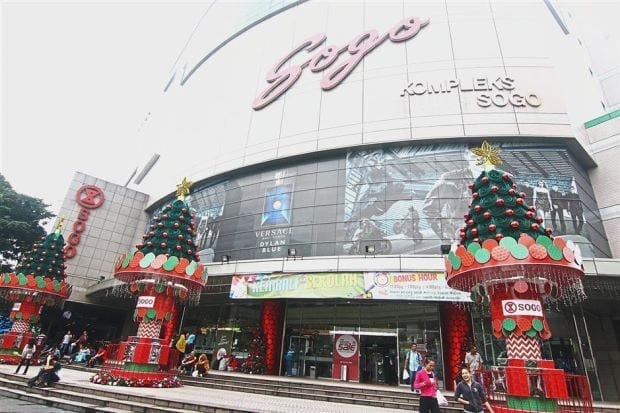
    This is the mindset of Sogo Malaysia group deputy chairman Datuk Andrew Lim and group managing director Datuk Alfred Cheng, who are exploring a joint venture to set up six flagship stores in the country within the next five years.

    Lim said they both had a synchronised idea of taking the Sogo group forward.

    “Through a 50:50 joint venture, we hope to bring an additional layer of excellent retailing into the Malaysian context by offering international and domestic shoppers a wholesome shopping experience,” he said.

    Speaking about the country’s retail industry, Lim noticed a lack of quality retailing.

    “In order to have a vibrant retail industry in Malaysia, we must have different niches – mass retailing as well as quality retailing,” he said.

    Lim further explained that quality retailing means offering a better grade of goods and services at value-for-money prices.

    “As consumers trade up, they will be looking for quality merchandises that commensurate with their income and status.

    “Apart from that, the country also has a plan to upgrade Malaysia to a first-world economy and as such, the retail services will figure prominently.

    “Based on all these assumptions, we are positive about the retail industry in Malaysia, despite current sentiments.

    On the outlook of the retail industry, Lim pointed out that the focus of decision-making had shifted from big stores to individual customers.

    Lim is positive about Malaysia‘s retail industry despite current sentiments about the economy.

    Lim is positive about Malaysia‘s retail industry despite current sentiments about the economy.

    “Gone are the days when store merchandises are laid out on the racks and customers will just walk in and purchase.

    “The thrust of retailing now has to be customer-relevant.

    “Millennials and internetters change their tastes very fast, and to serve this generation of shoppers, we have to intensively tweak our merchandise offerings on a weekly basis.

    “What will distinguish us as a quality retailer is by offering a personalised shopping service and rapid response to customers’ changing needs,” said Lim.

    With an investment of up to RM30mil each flagship store, the stores will be located within prominent commercial developments in capital cities of the country.

    “Each of these stores will have at least 18,581sq m (200,000sq ft) retail space and will be a representation of the local community.

    “To offer products and services catered to individual locations, the demographic profile of each vicinity will be studied within a 10km radius, not taking into account foreign visitors,” said Lim, adding that the interior and tenants of each store would also be based on needs of customers within the area.

    At present, there is only one Sogo KL Department Store nationwide, with a nett lettable space of about 65,032sq m (700,000sq ft).

    Now in its 23rd year of operation, Sogo Malaysia has continuously been developing talents and honing skills of employees through training and professional courses while investing on systems to build a strong back bone, leading to the preparation for expansion.

    Lim added that Malaysia was also an interesting place to visit for both foreign and local tourists.

    “We view the economic future optimistically due to the fact that the millennials and Internet generation also wants to feel living experiences.

    “Malaysia has the natural advantage of having different cultures in one locality along with amazing beaches, rainforests, caves and mountains,” concluded Lim.
     

  • AirAsia X plans to lease two used 777-300ERs for London Gatwick summer 2017

    AirAsia X plans to lease two used 777-300ERs for London Gatwick summer 2017

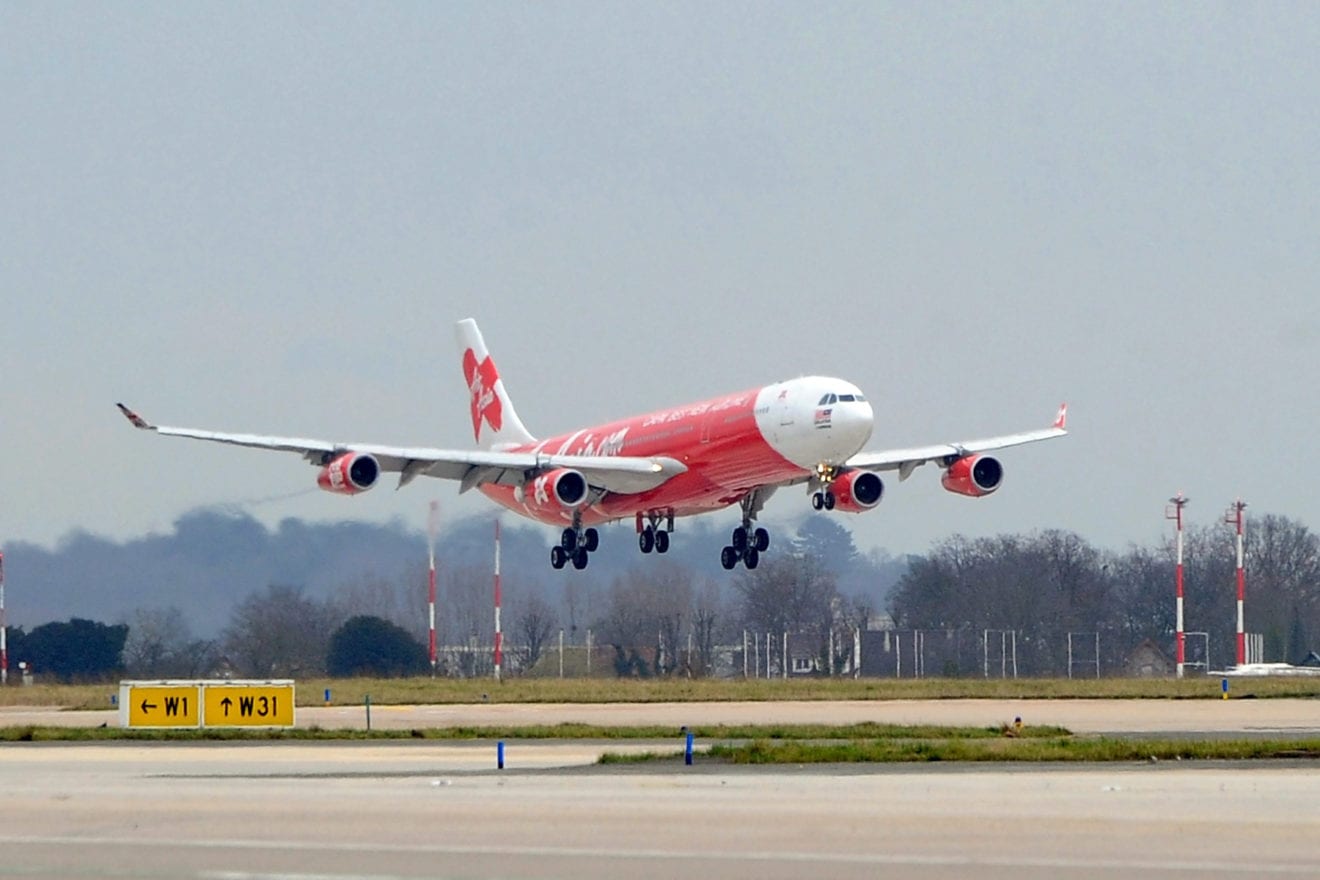
    Malaysian long haul low cost airline AirAsia X is planning to dry lease two 777-300ERs from 2Q2017 to support the resumption of services to London Gatwick in Jun-2017. Its joint venture airline in Thailand is also aiming to launch long haul services to Europe in summer 2017 with a new route to Frankfurt, using the group’s existing A330-300ceo fleet.

    The lease of second hand 777-300ERs enables AirAsia X to accelerate the relaunch of flights between its main home market of Malaysia and Europe. Previously AirAsia X was intending to wait for the delivery of the A330-900neo to resume long haul flights, which it last operated in 2012 with inefficient A340-300s.

    The group was initially aiming to start operating A330-900neos from 2018, but first delivery has been delayed to early 2019. Short term leases on two 777-300ERs therefore give AirAsia X at least an 18 month jump on resuming London – a strategically important market.

    However, the 777-300ERs come with high risks and costs, particularly given the current market conditions and the relatively low density full service airline configuration that AirAsia X inherits with the aircraft.

  • Malaysia real estate market outlook for 2017

    Malaysia real estate market outlook for 2017

    2016 overview

    Fundamentally, you could say that the property industry runs alongside the economy of the country. As reported in CBRE / WTW’s report, domestic consumption rose, driven by spending in areas that include F&B, transportation and communication. Government consumption also grew (according to year-on-year basis) – with expenditure owing to infrastructure.

    Net exports saw mixed results – slower demand from China and reduced exports from the US but the weakening ringgit enticing and increasing Malaysian exports even further. The weak ringgit also opened opportunities for foreign investment.

    Other than the global rout in oil prices that has led to a significant number of layoffs in the oil and gas sector, the weakening business sentiment and slowdown in the overall trading is also expected to be more apparent, but in the short term.
    Looking positive was the growth rate of retail sales which remained buoyant despite softer consumer spending and the rising costs of living. According to the report, strong support was seen from tourists in retail spending from shopping. The weakening ringgit is expected to encourage tourists’ spending.

    2017 outlook

    In the Year of the Rooster, the country’s economic growth is expected to be slower due to the challenging global economic and financial landscape. Domestic demand is said to be the key driver of growth, sustained primarily by economic activity from the private sector. Due to the well diversified nature of our country’s exports, positive growth is projected into the year. However, inflation is expected to remain flat although pressured by increase of several price-administered items and the weak ringgit exchange rate.

    The impact of these cost factors on inflation is expected to be mitigated by continued low global energy prices, generally subdued global inflation and more moderate domestic demand. Supportive fiscal and monetary policies are also expected to help steady the ship for economic growth. GST will strengthen the government’s revenue source to accommodate its fiscal measures.

    With the overall weakening ringgit, low crude oil prices coupled with worldwide geo-political issues will continue to plague the economy in 2017. No doubt, the year will be a challenging one, but Malaysia’s economy is anticipated to remain stable with GDP growth estimated at 4.2%.

    Real estate market outlook in Malaysia

    As uncertainties and concerns over the large market supply remains unabated, loan growth is expected to slow further as the weak credit cycle continues.

    Apart from the stringent loan requirements from financial institutions that are said to have caused the drop in the number of property transactions, the increasing cost of living and economic uncertainties have led to an upswing in worries about job security, resulting in more cautious consumer spending. These and more will have led the market to consist of more genuine purchasers with speculative sentiments not as strong as during the boom period.

    As such, supply has remained resilient with greater activity in larger cities. The proposal to boost public servants’ housing loan eligibility proposed by the government, may stimulate some residential sales, apart from other plans to increase the number of units of low and medium cost, affordable housing. No doubt residential development will continue to be active beyond the KL fringe, especially supported by the rapid infrastructure development.

    Conclusion

    Looking at the real estate outlook in the Klang Valley for 2017 (refer boons and banes), key drivers to a positive year are expected to come from infrastructure – HSR, MRT and LRT additional lines and stations, new highways and expressways. While Johor and Seremban are expected to gain from the “spillover” effected from new infrastructure, residential hotspots to take note of include – Selangor Vision City, Nilai/Pajam, Semenyih/Kajang, Putrajaya/Cyberjaya, Rawang/Ijok/Kuang, Sungai Buloh and Kuala Selangor.

    Key drivers that will push these areas are scarcity of land in the city centre, high land costs in the city as well as the improved connectivity in view of new infrastructure.

    In his message at the launch of the 2016/2017 report, CBRE / WTW managing director Foo Gee Jen shared that on-ground consensus among practitioners throughout all its branches across Malaysia is that market conditions have become much more challenging in 2016 and that 2017 will not get any better.

    Transaction activity is down in many urban centres, especially in the residential sector, which Foo said is a common barometer to gauge the overall property market. However, although figures in CBRE /WTW’s outlook report are discouraging, there is still a glimmer of hope for the year to correct itself once the mass rapid transportation system in Kuala Lumpur and other similar transport systems are up and running.

    Bottomline

    Foo’s view on the whole: “Another flattish period pulled down by mostly low commodity prices, continued slow economic growth in most major countries, especially with political uncertainties like Brexit, Trump’s presidency and other referendums in Europe.”

    His advice: “Reduce portfolios of non-strategic assets to reduce loan gearing and be aware of liquidity needs if and when credit tightens. Investors and developers should focus on taking calculated risks where markets are strong, pursue developments in strong, supply-constrained markets and bid on strategic long-hold assets that are most likely able to withstand a downturn.”

    Information and charts/graphs were retrieved from the CBRE / WTW 2017 Malaysia Real Estate Market Outlook. Follow our column next week on interior design, followed by office space in KL and market direction across various regions in Malaysia.

  • AirAsia travellers urged to arrive early, self check-in

    AirAsia travellers urged to arrive early, self check-in

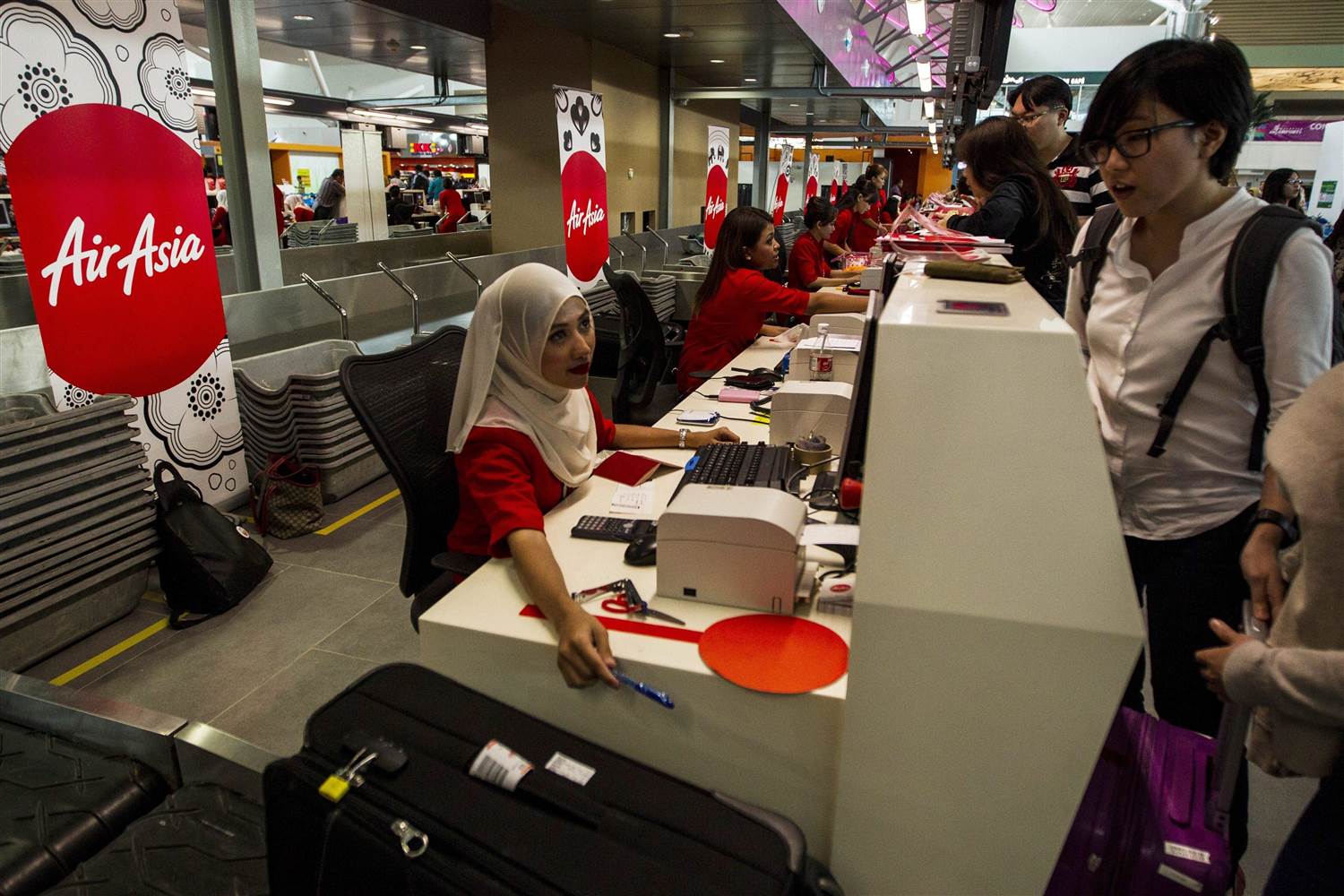
    AirAsia and AirAsia X have urged all guests travelling throughout the Chinese New Year period to arrive earlier at the airport to avoid congestion due to the expected surge in travellers.

    In a statement, the budget airline advised guests to arrive at least three hours prior to scheduled time of departure for AirAsia flights, and at least four hours earlier for AirAsia X flights.

    Travellers are also strongly encouraged to conduct self-check-in via web, mobile or kiosk services for a smoother journey at the airport.

    It said for guests with baggage to check-in, baggage drop counters close 60 minutes before flight departure for all AirAsia and AirAsia X flights.

    However, it is advisable to complete baggage drop and proceed to the boarding gate as early as possible.

    “Guests with group booking, reduced mobility or with special needs are only allowed to check-in at the counter and should allocate more time to clear all travelling formalities.

    “Each guest is only allowed one piece of cabin baggage (weighing not more than seven kg), and a laptop bag or a handbag on board,” it added.

  • Biggest Coach store opens in Malaysia’s KL Mall

    Biggest Coach store opens in Malaysia’s KL Mall

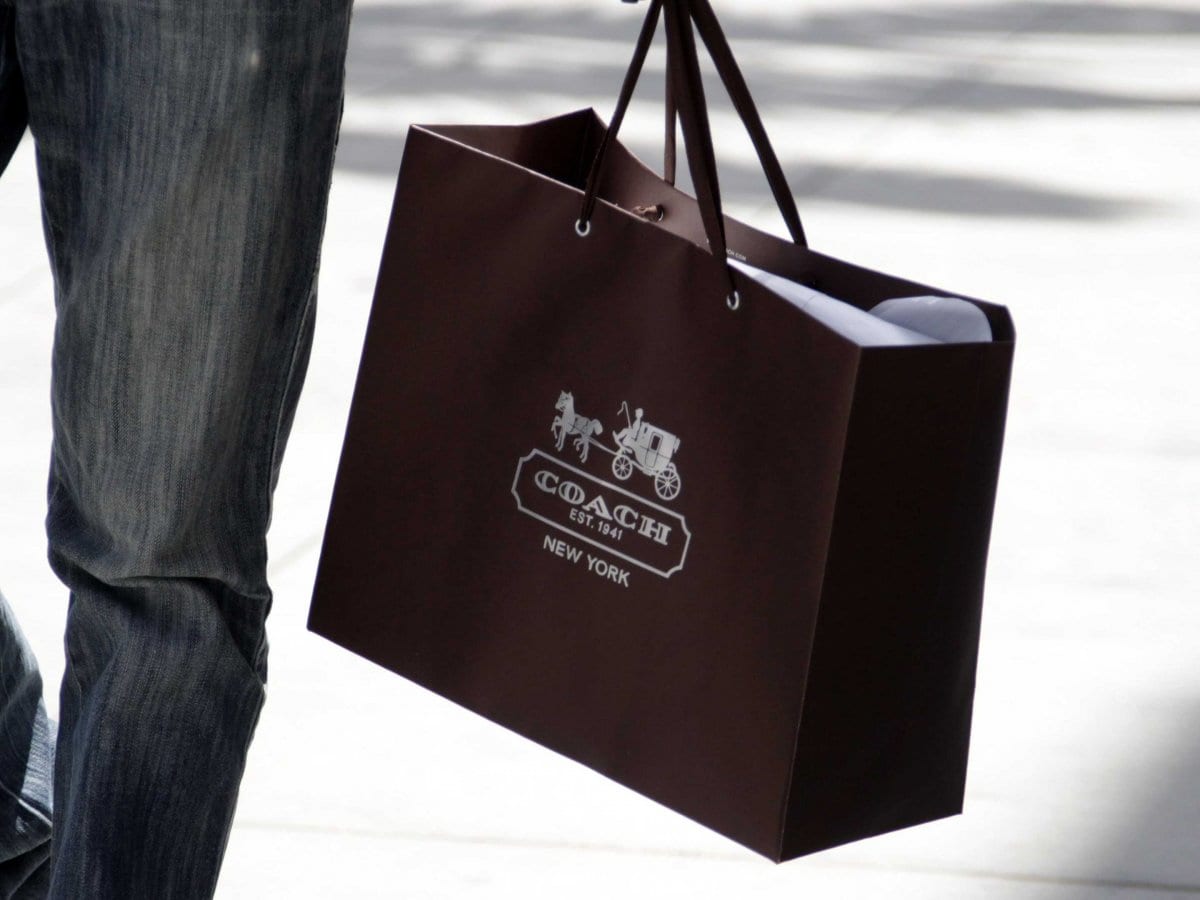
    Luxury fashion company Coach Malaysia has opened its largest store for Southeast Asia, in Kuala Lumpur’s Pavilion Elite.

    The store is part of the company’s continuous expansion strategy in the Asian market despite it closing its Hong Kong flagship last year.

    Pavilion Elite, developer Urusharta Cemerlang’s latest project, is next to Pavilion Kuala Lumpur as part of an integrated project with a net lettable area of about 23,226 sqm. The development is estimated to have cost US$146.4 million.

  • Laduree Malaysia plans to open in Pavilion KL

    Laduree Malaysia plans to open in Pavilion KL

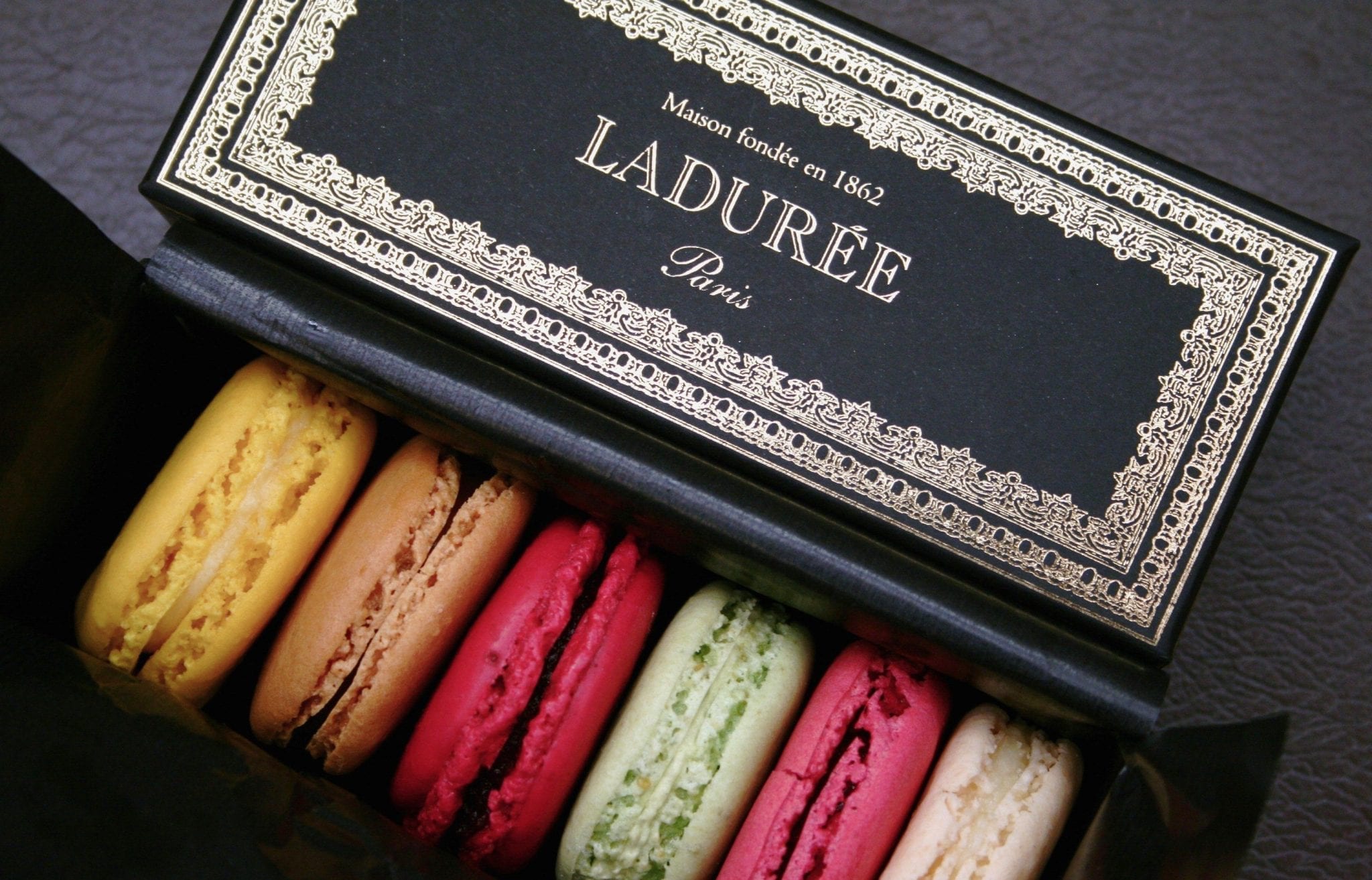
    Famed for its macaroons, luxury French bakery Laduree Malaysia is expected to launch soon with a store in Pavilion KL’s Couture Zone.

    No date has been set yet for the opening.

    laduree-malaysia

    With their ganache filling, Laduree macarons come in a variety of flavours, ranging from classics (chocolate, vanilla, lemon, coffee, salted butter caramel and rose petal) to seasonal (chestnut, Morello cherry, lime coconut and matcha).

    The brands beginnings go back to 1862 when Louis Ernest Ladurée, a miller from southwest France, opened a small bakery in Paris. In 1930, his grandson Pierre Desfontaines came up with the original idea of double-decker macaroons by sticking two shells together with a ganache filling. Since then, Ladurée has been selling around 20,000 macaroons every day all over the world.

    International expansion began in 2005 with London. Today, the brand has stores in 17 countries including Thailand, Hong Kong, Japan, the Philippines, Singapore, South Korea and Taiwan.

  • Samsung Malaysia launches into regions

    Samsung Malaysia launches into regions

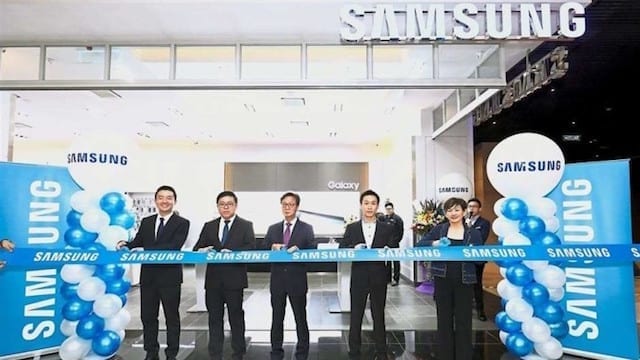
    Samsung Malaysia Electronics has launched its first Samsung Experience Store (SES) in Genting Highlands, at Sky Avenue mall.

    It is a one-stop shop providing mobile phones and accessories as well as associated services.

    Samsung Malaysia Electronics IT and mobile business unit VP Lee Jui Siang says the opening of the store is another step forward in the company’s plans to expand to different regions of Malaysia.

    To mark the store’s opening, Samsung offered customers a chance to take home a personalised caricature mug specially drawn using a Galaxy Note 5. It also gave away a special-edition umbrella for Samsung product purchases.

  • Malaysian retailer leaves Hanoi after two stormy years

    Malaysian retailer leaves Hanoi after two stormy years

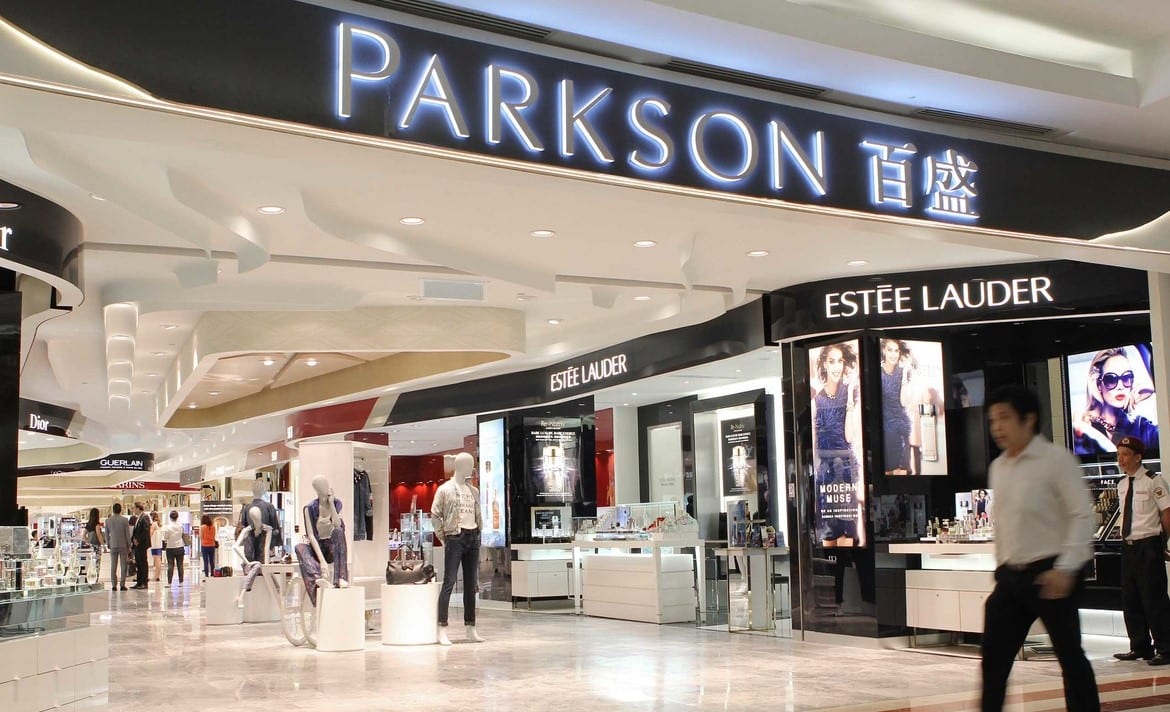
    After closing some of its department stores in Hanoi within a two-year period, Parkson, a retail giant from Malaysia, has officially decided to leave the capital. Parkson Viet Tower on Thai Ha street will close on December 15. Meanwhile, Vincom, just opened Vincom Pham Ngoc Thach in early November.

    In early 2015, Parkson closed Parkson Keangnam Hanoi Landmark. The closure produced a big stir as the owners of the shops were asked to move at night.

    In May 2016, Parkson shut down Parkson Paragon in Phu My Hung Urban Area in district 7 in HCM City.

    Located outside the central area of the city, Parkson Paragon was prominent in Phu My Hung new urban area, on Nguyen Luong Bang street, the financial heart of the area.
    However, the advantageous position could not help Parkson Paragon, especially when it had to share the pieces of the market cake with many other retailers with similar business models in HCM City.

    Parkson still maintains seven malls in three cities, including five in HCM City: Parkson Saigontourist in district 1, Parkson Hung Vuong Plaza in district 5, Parkson C.T Plaza in Tan Binh district, Parkson Cantavil Premier in district 2 and Parkson The Flemington in district 11. The latter has not had good customer traffic.

    It also has Parkson TD Plaza in Hai Phong City and Parkson Vinh Trung Plaza in Da Nang. Sources said the business in Da Nang has not been satisfactory.

    Parkson is a brand of Lion Group from Malaysia. Analysts believe that the insistence on the ‘department store’ model put Parkson at a disadvantage in comparison with the ‘shopping mall’ model applied by other big brands such as Vincom, Aeon, Mipec and Crescent Mall.

    Parkson has also had to share the branded-goods market with new rivals. And a series of counterfeit goods scandals also contributed to Parkson’s unsatisfactory business results.

    In 2010, when many retail brands appeared in Vietnam and the shopping mall model joined the market, Parkson became entangled in some scandals on counterfeit goods.

    Topics like ‘be cautious when buying goods at Parkson’ or ‘Parkson sells fake goods’ were shared on forums. Many customers also made complaints about the service quality at Parkson centers.

    Parkson admitted that it will face big problems in the last quarter of the 2016 fiscal year. The retailer has not mentioned the opening of more stores in Vietnam in its strategy to expand its network in SE Asia.

  • AirAsia X to start direct KL-Wuhan flights

    AirAsia X to start direct KL-Wuhan flights

    AirAsia X plans to fly four times weekly direct to Wuhan, China, from Kuala Lumpur, effective March 22, 2017, and is offering one-way promotional fares from RM199.

    Chief executive officer Benyamin Ismail said the company is the largest foreign carrier into China and the destination is set to receive 32 weekly flights from Kuala Lumpur, Kota Kinabalu, Bangkok and Phuket.

    AirAsia currently operates daily flights to Wuhan from Kota Kinabalu.

    “China is a segment that continues to record encouraging progressive performance annually and remains the focus of AirAsia X’s network expansion strategy.

    “Wuhan will soon be a virtual hub for the AirAsia and AirAsia X Groups. We are committed to maintaining growth, while developing innovative products and services,” he said in a statement on Monday.

    The group currently operates 409 weekly flights from various Asean cities across 45 routes to 17 destinations in China.

    As of 2015, AirAsia carried over five million people in and out of China, making it the largest foreign carrier in the country

  • Trading brightens for Luk Fook Holdings

    Trading brightens for Luk Fook Holdings

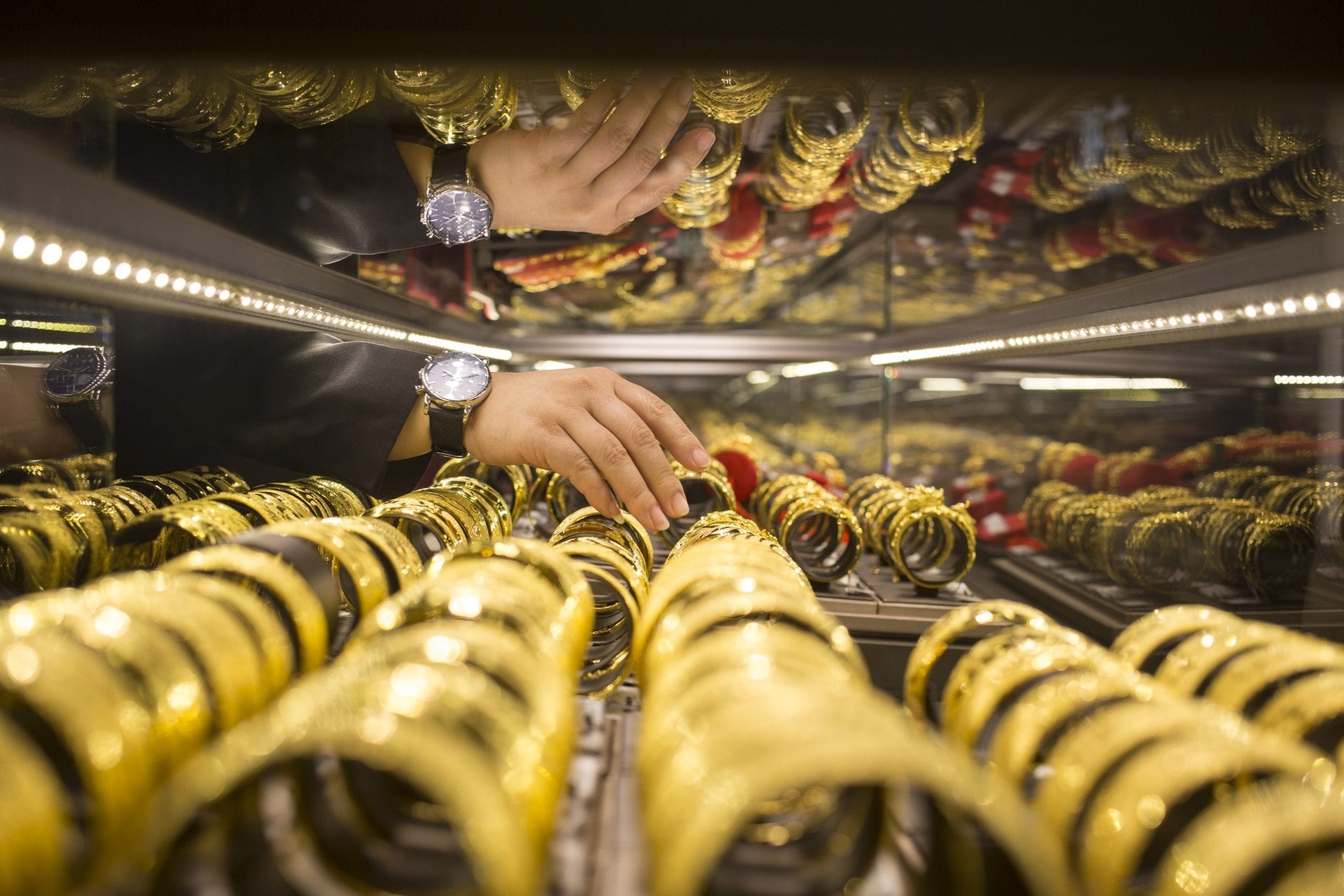
    Jeweller Luk Fook Holdings (International) reports a turnround to positive growth in its same-store sales for its third quarter, ended December 31.

    With a relatively low base, the same-store sales growth for the period recorded a “substantially narrowing decline” of 10 per cent from 37 per cent in the second quarter.

    Since September, same-store sales of gemset jewellery products in Mainland China have achieved double-digit growth for four consecutive months.

    Luk Fook’s same-store sales for the quarter turned into a positive growth of 20 per cent from a decline in the previous two quarters. Together with the 2 per cent growth of same-store sales in gold products, mainland sales for the quarter started to see positive growth (5 per cent) for the first time in the current fiscal year.

    The group ended the quarter with 11 new shops – nine in Mainland China and two in Kuala Lumpur. However, it closed an outlet in Macau.

    There was also an increase in its licensed shops in China, with 28 at the end of December. There were 195 own-brand shops – 129 in China, 47 in Hong Kong, 10 in Macau and nine in other countries.

    Together with 1297 licensed shops in China and one in Korea, there were 1493 Lukfook outlets worldwide, of which 1426 shops were in China.

  • AirAsia X enhances entertainment for Aussies

    AirAsia X enhances entertainment for Aussies

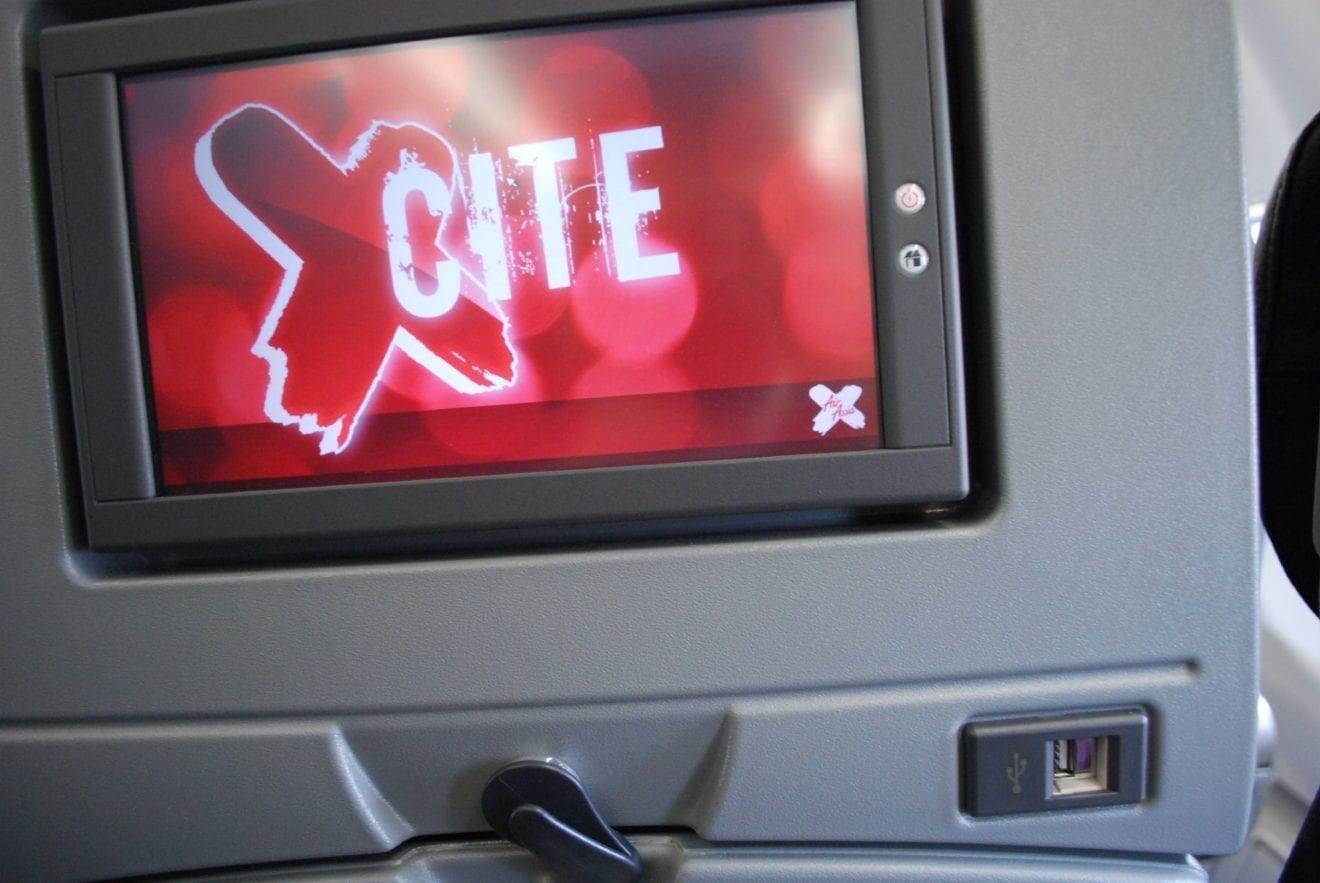
    Malaysian carrier AirAsia X has upgraded its in-flight entertainment option for Australian passengers.

    The new Xcite Inflight Entertainment tablet is a Huawei Mediapad 2, equipped with a 10.1″ HD widescreen display, Harman Kardon audio technology and headset.

    Guests travelling aboard AirAsia X (flight code D7) services to and from Australia can pre-book these devices for about $AU15 (RM49) or rent them on-board for about $18 (RM60).

    The new tablets support five languages (English, Bahasa Malaysia, Mandarin, Korean, Japanese) and the service is complimentary for all Premium Flatbed customers.

    AirAsia X CEO Benyamin Ismail says device content will be regularly updated with the latest Hollywood blockbusters, as well as other international and local movies.

    Currently Xcite is showing X-Men: Apocalypse, The Maze Runner, 21 Days Under the Sky, Storks, The Drop and more. However, no television shows or series are available on the devices at this point.

    There’s also plenty of music, games and magazines to read, plus passengers can shop while they fly, as the AirAsia BIG Duty Free catalogue is also included.

    Previously, the airline offered Samsung Galaxy Tab devices for rental on all its Australian flights.

    AirAsia X flies out of Sydney, Melbourne, the Gold Coast, Darwin and Perth.

    Xcite Inflight Entertainment will not be available on flights to/from Auckland, Jeddah and Kathmandu.