Tag: Malaysia

  • Affin Hwang Research retains Neutral on consumer sector

    Affin Hwang Capital Research is retaining its Neutral sector rating on the consumer sector and recommends stocks with solid track records and high yields, with Heineken as its top pick.

    It said on Monday while the Q3, 2016 earnings mainly disappointed,  it believes consumer spending will recover slowly in 2017 as the consumer sentiment index should pick up, backed by positive government initiatives.

    “Sector net profit fell by 26% YoY, with six of nine of our companies below expectations. We changed two ratings this round: we upgraded BAT to Hold on a share-price retraction which brought about more attractive dividend yields; and we downgraded MSM to Sell, as raw sugar prices have risen strongly, hurting margins.

    “We also recently upgraded Hai-O to Hold on better-than-expected growth in its multi-level marketing (MLM) division,” it said.

    Affin Hwang Research pointed out that while the Malaysian Institute for Economic Research (MIER) consumer sentiment remained low at 73.6 in 3Q16 – a slight pickup from an all-time low of 63.8 in 4Q15 since the global financial crisis – it was still below the 100-point threshold.

    According to Nielsen, Malaysian consumers are among the least confident in Asia Pacific. Given potentially higher transport costs and food prices partly due the removal of the cooking oil subsidy, it forecasts a higher full-year inflation rate of 2.7% in 2017 (vs. 2.2% in 2016E).

    Comparatively, MIER’s retail trade index improved to 111.6 in Q316, above the 100-point threshold, which seems to indicate that expected sales and business conditions will strengthen.

    Retail Group Malaysia forecasts 5% on-year growth in 2017 (vs 3% on-year  in 2016E and 1.4% on-year in 2015), expecting a boost on increased tourist arrivals. Budget 2017’s key initiative to increase government aid under the BR1M scheme by as much as 20% with an allocation of RM6.8bil and special assistance of RM500 to all public servants should also help boost consumer spending.

    “Nonetheless, the retail sector remains challenging, with earnings before interest and tax (EBIT) margins and same-store-sales growth in a downturn. The F&B segment will likely be hit by higher raw material prices moving forward.

    “While the tobacco segment lacks positive catalysts, BAT’s share price has come down and now offers dividend yields of 5% or more, on our estimates.

    “We are generally still positive on the brewery sector, which had done well in previous quarters, and we like our two stocks, Heineken and Carlsberg, for their dividend yields.

    “We expect domestic consumer spending to recover slowly in 2017, as consumer sentiment is expected to improve from its low base, supported by stable labor market conditions and a large young population. Maintain Neutral. We advise investors to focus on companies with defensive characteristics and attractive dividend yields,” said Affin Hwang Research.


  • Ban on plastic bags going well in Selangor

    Ban on plastic bags going well in Selangor

    Most folks in Selangor are responding well to the ban on plastic bags despite some feeling that they still need more time to get used to it.

    Some however felt more awareness must be created as to why it is necessary to ban plastic bags.

    Copywriter Trinity Alexandra, said she fully supports the ban as it “forces” her to do her part for mother nature but admitted it has been a challenge.

    “Even though I have recycle bags or containers in my car, I sometimes forget to take it out so I am forced to pay the 20 sen charge for the plastic bags,

    “So the challenge is mainly to remind myself to lug the bags and containers around,” said Trinity.

    Writer P. Deepika, 28, said more should be done on creating awareness about the reason for the ban.

    “People need to know why they are doing something, otherwise you are not addressing the issue. We won’t achieve much at the end of the day.

    “Having said that, I do think the ban is a necessary move,” she said.

    Praveen Reginald, 33, said she has practised packing food in her own containers and bringing along cloth bags even before the ban was enforced.

    She, however, felt merchants who are providing plastic bags with a price should be made to give out paper bags instead.

    “I think it’s a good effort to ban plastic as it is very timely but I think the Government should pressure merchants to provide paper bags,” she said.

    Selangor state exco member Elizabeth Wong said ample time had been given to retailers, traders and even consu­mers to get used to the No Plastic Bag Day campaign.

    “Our enforcement units from the local councils will begin their rounds very soon,” she said.

    “The maximum compound of RM1,000 will be imposed as it is the standard amount for any breach of licensing by-laws,” said Wong.

    The campaign, she added, was “encouraging and positive so far”.

    Malaysia Retail Chain Association president Datuk Garry Chua said its members were getting used to the ban, some of whom were now using environmentally-friendly bags.

    However, he hoped that there would be a grace period for retailers and consumers to get adjusted to the ruling.

    Fomca deputy president Mohd Yusof Abdul Rahman said the ban should be extended to all states via its local authorities.

    “This is an important environmental issue and I don’t see why it should not be implemented nationwide,” said Mohd Yusof.

    Ecotourism and Conservation Society Malaysia co-founder Andrew Sebastian said he hoped that any savings that the retailers and traders make from not giv­­­­­­­ing out plastic bags could be channelled back to the environment.

    Malaysian Nature Society president Henry Goh said it was in full support of using less plastic, adding that this should eventually lead to a total ban.

  • Carousell snaps up Malaysian mobile ad startup

    Carousell snaps up Malaysian mobile ad startup

    eCommerce company Carousell has bought Duriana, the Malaysian mobile classifieds startup, to become the top mobile classifieds player in the market.

    The deal adds significant critical mass to Carousell in Philippines, where Duriana has built a credible presence, and cements Carousell’s position as the largest and fastest growing mobile classifieds marketplace in Asia-Pacific.

    Duriana is Carousell’s third acquisition in less than six months as it aims to become the world’s number one mobile classifieds marketplace. Since its launch in August 2012, Carousell has expanded to 19 major cities in seven countries, including recent launches in Hong Kong, the Philippines and Australia. This deal will add over 600,000 Duriana users to the Carousell platform, boosting its global classifieds marketplace which currently has over 57 million listings and over 23 million items sold as of the fourth quarter of 2016.

    Since Carousell’s launch in Malaysia in December 2014 and in the Philippines in October 2016, the classifieds marketplace has been growing rapidly with almost 2 million items sold in Malaysia during the last quarter, almost double the previous quarter. In the Philippines, Carousell has also enjoyed strong growth with over 80 per cent quarter-on-quarter growth in transactions.

    “A classifieds marketplace offers its users the most value when there’s a large and vibrant community of buyers and sellers on the platform,” said Quek Siu Rui, co-founder and CEO of Carousell. “We saw that Duriana users had similar demographics and interests in buying and selling fashion items, gadgets and electronics as well as home furnishing. By bringing Duriana users onto the Carousell platform, we’re helping more people buy and sell their pre-loved items quickly and easily.”

    Duriana users will join the Carousell marketplace, where they can continue buying and selling online as part of a larger global community.

    “It’s been an exciting three years with Duriana, and we’re proud to have brought the company to this stage. After this exit, we’re looking forward to pursuing a new adventure.” said Saeed Gouda, co-founder and CEO of Duriana. “Carousell is shaking up the mobile classifieds space, and we’re confident that Duriana users will enjoy buying, selling and connecting as part of the vibrant Carousell community. “

  • Lina’s Paris seeking partners in SE Asia

    Lina’s Paris seeking partners in SE Asia

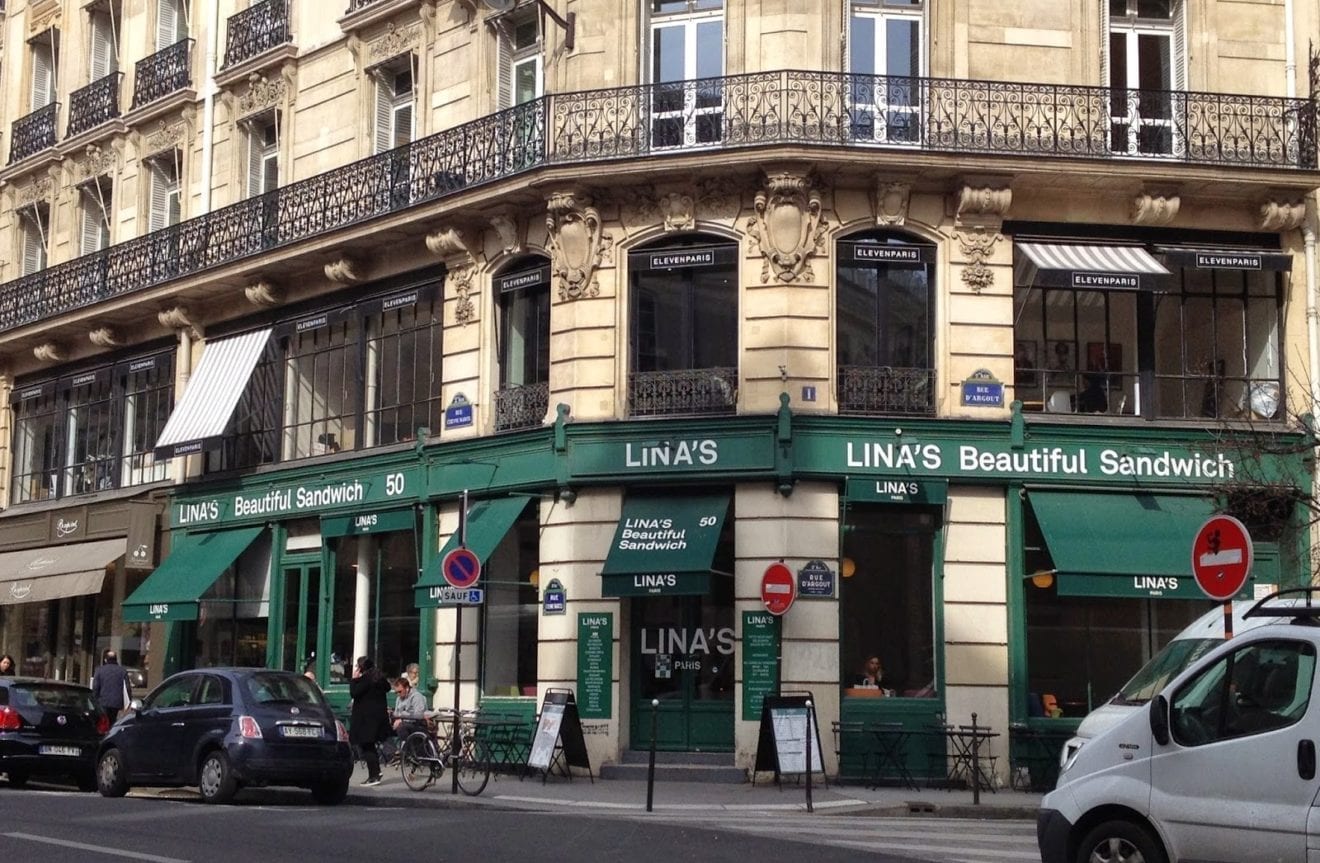
    After launching in Korea, French fast-casual restaurant chain Lina’s Paris is planning to roll out across Southeast Asia.

    Working with a franchisee, it already has 10 restaurants in Korea and has just opened a kiosk in Seoul Art Center with 100 seats.

    linas_sac

    Founded in 1989, Lina’s Paris offers French-style breakfasts, sandwiches, salads, hot dishes, soups, fresh juice, sorbet and pastries. The outlets are designed as comfortable lounges with free WiFi and Parisian decor. In some countries the offer includes organic and gluten-free food.

    Lina’s Paris has nearly 50 restaurants in six countries, and says it is now actively seeking partners in Southeast Asia.

  • Uniqlo Malaysia opens second store

    Uniqlo Malaysia opens second store

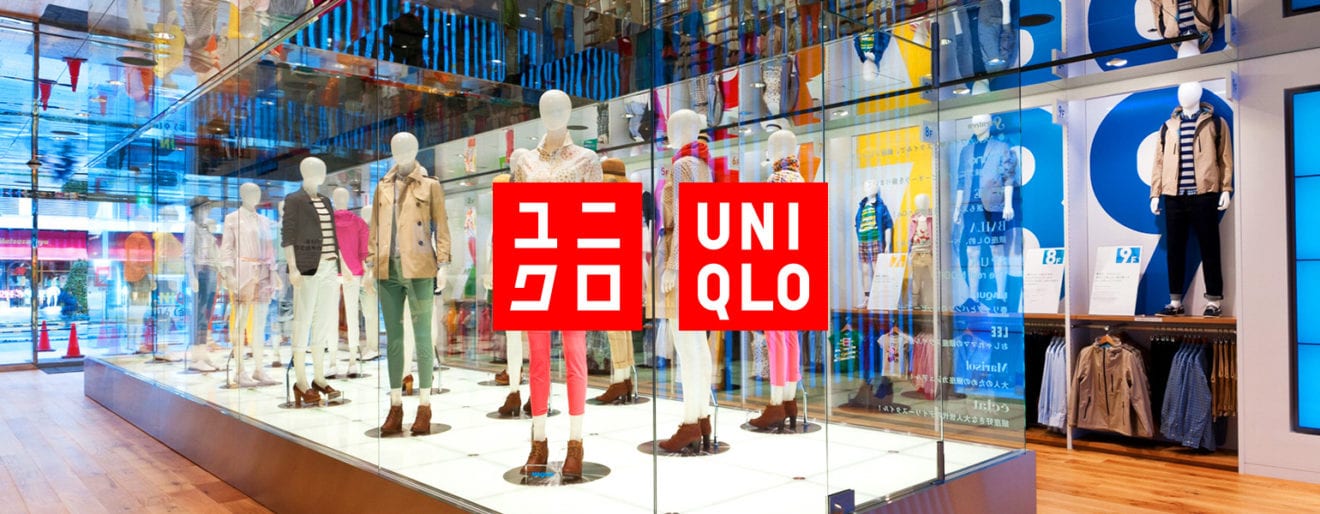
    Uniqlo Malaysia has opened a second store in Ipoh, in the city’s largest shopping centre, Ipoh Parade Mall.

    Gifts and specials have marked the opening of the concept clothing store.

    uniqlo-malaysia-ipoh-paradeUniqlo’s first store in the city opened at Aeon Mall Ipoh Klebang in 2015.

    Featured at the new store is the brand’s expanded Jogger Pants range. The women’s line features Denim and Drape Jogger Pants while for the men the pants come in denim.

    Children’s and babies’ clothing is also available.

  • Malaysia Fuel prices up 15-20 sen in January 2017

    Malaysia Fuel prices up 15-20 sen in January 2017

    Fuel prices will increase between 15 to 20 sen just as Malaysians usher in the New Year at midnight tonight, according to the Petrol Dealers Association of Malaysia (PDAM).

    The widely used RON95 petrol will cost RM2.10 per litre from tomorrow, and diesel RM2.05 per litre, an increase of 20 sen.

    The RON97 petrol will see an increase of 15 sen, to RM2.40 per litre.

    This comes after the Finance Ministry’s lengthy explanation yesterday justifying an increase in fuel prices in 2017 as inevitable.

    PKRs Rafizi Ramli had predicted a 30 sen increase in fuel prices following an 18% hike in world crude oil prices.

    “With the current strengthening of the US dollar against the ringgit, the cost of purchasing crude oil will also increase.

    “Hence, the surge of the retail fuel price in Malaysia,” said Finance Ministry strategic communications director, Lokman Noor Adam.

  • KIP REIT to list in Malaysia with portfolio of five retail properties

    KIP REIT to list in Malaysia with portfolio of five retail properties

    KIP REIT is set to list in Malaysia on 6 February 2017, with an initial portfolio of five retail properties across the peninsular.

    Documents lodged with the Securities Commission of Malaysia on 30 December indicate an initial public offering of 234.15 million units, of which 13.5 million units are open to retail investors.

    Of these, 10.2 million units are reserved for the Malaysian Public, with 50% of this tranche further demarcated for its Bumiputera nationals.

    The rest of the 220.65 million units will be offered to institutional and other qualified investors, said the REIT.

    KIP REIT is sponsored by Malaysian property developer Kepong Industrial Park (KIP) Group.

    The constituents of its initial portfolio are namely the KIP Mart outlets in Tampoi, Kota Tinggi, Masai, Melaka, Bangi, and Senawang.

    The properties are valued at MYR580 million (USD130 million), and feature an aggregrate occupancy rate of about 85.3% for the four-month period that ended in October 2016.

    In addition, KIP REIT will also have a right of first refusal (ROFR) on the sponsor’s malls at Kota Warisan, Sendayan, Sungai Buloh, Kuantan, and Sungai Petani.

    At the indicative price of MYR1.00 per unit, KIP REIT seeks to raise at least MYR234 (USD52 million) million from the offering.

    Final listing price for units of KIP REIT has been set for 17 January.

  • Selangor to ban retail use of plastic bags in 2017

    Selangor to ban retail use of plastic bags in 2017

    The Selangor government’s “No Plastic Bag Day” campaign, now held on Saturdays, will be extended to every day of the week starting 2017. Elizabeth Wong said the state government will couple this with the polystyrene-free containers campaign next year.

    “Beginning Jan 1, 2017, all retailers in Selangor will no longer provide polystyrene containers and free single-use plastic bags.

    “Local council by-laws have been revised to support this policy and retailers must agree to go plastic-free when applying for or renewing their licences.

    “All retailers will be provided with visual materials to build awareness of the #BebasPlastik campaign,” she said at the #BebasPlastik campaign launch at the Selangor state secretariat building today.

    Wong, who is Green, Technology, Environment, Tourism and Consumer Affairs Committee chairman, said the state government through research found that 71% of Selangorians felt that the “No Plastic Bag Day” on Saturdays was insufficient.

    “We need change and we are committed to this change by making it a policy to fight rampant littering and to address environmental issues like global warming.

    “The Selangor government has also stopped using plastic bags and polystyrene at all official events and buildings.

    “Change can only happen when every level of society gets involved in the effort,” she said.

    The state aims to collect 20,000 pledges by the new year.

    Selangor started the “No Plastic Bag Day” in 2010 with support from most supermarkets, mini markets and retail premises every Saturday.

    Customers are charged 20 sen for each plastic bag they require and the money is channelled to charity bodies or consumerism programmes and environmental conservation efforts.

  • Malaysia’s property market still resilient despite challenges

    Malaysia’s property market still resilient despite challenges

    The property market remains resilient despite of the challenging economic environment, according to observers.

    Rahim & Co Research director Sulaiman Saheh said although the number of launches and sales performance of developers have been declining, there were projects that were performing well due to the nature of the product, concept, location and marketing strategies.

    “Market fundamental is still resilient and the market has the holding power, in spite of some expectations of rising unit sales,” he said during a presentation at the Rahim & Co property research seminar recently. He said affordability is still a major concern.

    “The market is leaning towards the affordable market segment. Creative products within the affordable segment are going to be well-received,” he said, adding that there is still demand but the buyers were hindered by end-financing woes.

    “We expect a rationalisation of high-end and branded residences as the global economy remains challenging,” said Sulaiman.

    According to Knight Frank in a report on the local real estate market, the outlook for the high-end condominium segment remains lacklustre, impacted by weak sentiment as potential buyers and investors continue to adopt a “wait-and-see” approach. “With the widening gap between supply and demand as well as mismatch in product pricing and affordability in the domestic market, more developers are expanding their target catchment by marketing overseas as the weak ringgit translates into attractive pricing and low-entry level for foreigners.”

    It said the challenging property market environment had led to more strategies with developers adopting “push marketing” to boost sales of selected projects and improve revenue.

    Meanwhile, Knight Frank said the office market in the Klang Valley is expected to remain subdued and face downward pressure.

    “Amid the mismatch between supply and demand, office vacancies are expected to trend upwards due to a strong supply pipeline and lacklustre absorption as more firms cut workforce or freeze hiring to consolidate business operations.

    “Owners of newly-completed office buildings which have yet to achieve significant occupancies may offer more competitive rental package to secure tenants while those of secondary office buildings are expected to be more flexible in negotiations to retain existing tenants.”

    According to Axis REIT Managers Bhd head of investments and Malaysian Institute of Estate Agents immediate past president Siva Shanker, some 5.8 million sq ft of office space is expected to come onstream in the Klang Valley in the second half of 2016.

    He said the market would “start to level out” by 2018 or 2019 and start peaking by 2020 or 2021.

    “With additional office space expected to be completed by end-2016 in addition to the still available space in the Klang Valley, the general market will continue to be a tenant’s market.

    “Landlords or building owners have become more aggressive in marketing to attract tenants,” Siva said at Rahim & Co’s property research seminar recently.

    Knight Frank added that good grade and dual-compliant office space in good location, however, is expected to remain resilient.

    As for the retail market, Knight Frank said the projected sales growth for 2016 had been revised downwards from 4% to 3.5% following the weak performance last year.

    “Consumer spending remains a key challenge in the retail industry with many continuing to hold back on purchases due to growing concerns about rising cost of living and the weaker job prospects.

    “Moving forward, the uncertainties following the recent Brexit referendum are expected to further weigh down market sentiments globally and this will not augur well for the local retail industry. With the scheduled completion of some 3.36 million sq ft of new retail space in the second half of 2016, competition in the retail market will heighten.”

  • AirAsia X increasing more Teheran flight

    AirAsia X increasing more Teheran flight

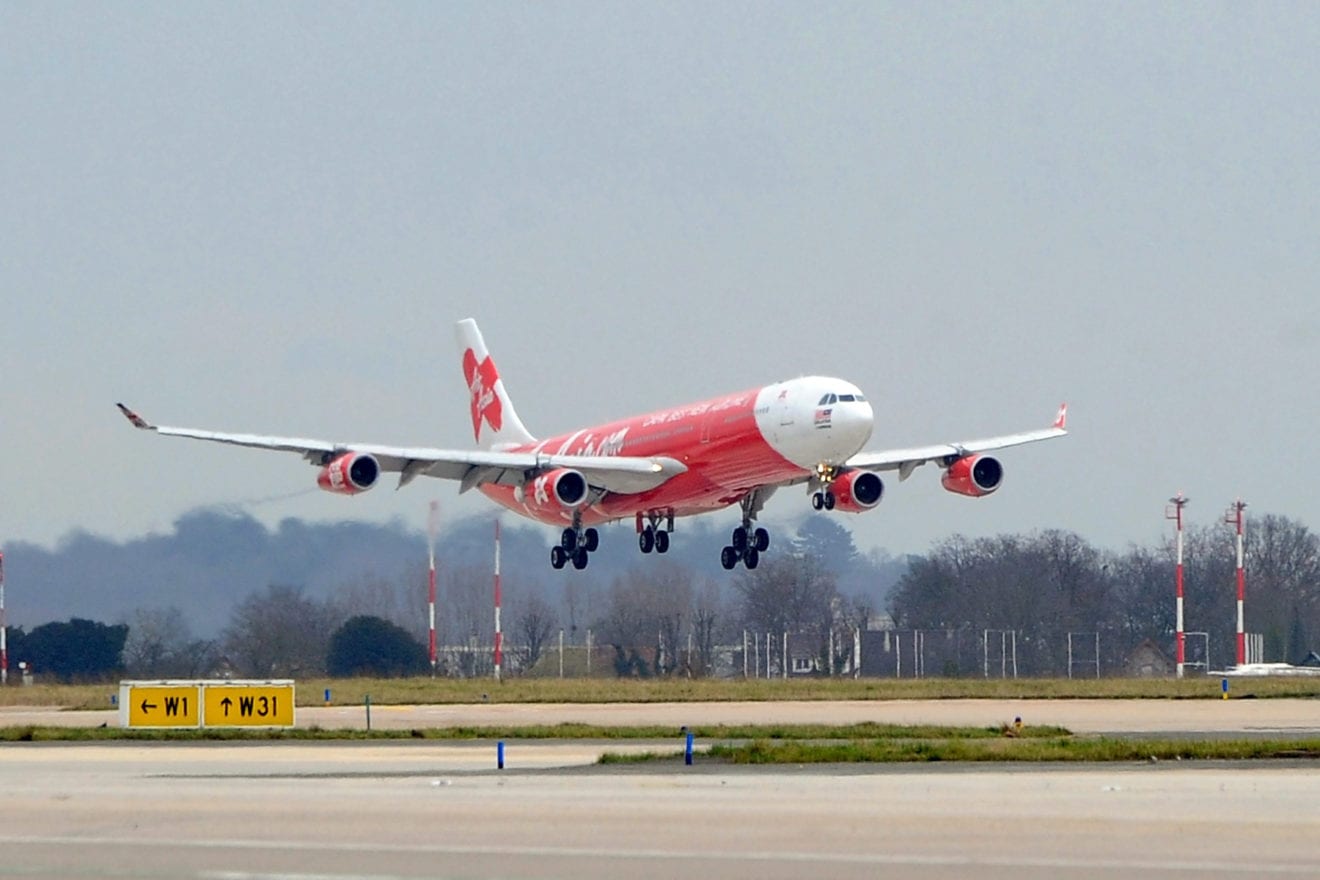
    Airasia X Bhd, the long-haul low-cost arm of budget carrier AirAsia, is adding more flights to Teheran from Kuala Lumpur six months after resuming its flight to the capital of Iran. AirAsia X’s chief commercial head Arik De said the airline had received positive response from travellers and seen a steady increase in the Kuala Lumpur-Teheran route load factor.

    He said the airline had recorded 80 per cent average load factor on the route with strong forward bookings trend, especially towards Nooruz celebration in March. “We will raise frequency starting next month onward with four times weekly direct flights to Teheran from Kuala Lumpur,” said Arik. The improved connectivity’s timing will also benefit from Malaysia’s plan to boost bilateral trade and investment ties with Iran.

    Last month, International Trade and Industry Minister Datuk Seri Mustapa Mohamed said the Cabinet had given its approval to embark on bilateral free-trade agreement talks with Iran to take advantage of the potential growth of two-way businesses since trade sanctions were lifted.

    Bilateral trade so far has been small with about US$700 million (RM3.14 billion) in 2015. Malaysia hopes to boost exports to Iran, especially palm oil. Both the governments agreed during a visit by Iranian President Dr Hassan Rouhani in October to double the trade volume. Mustapa said with a population of 80 million, Iran was one of the largest markets in the Gulf region and already businesses were making a beeline to tap potential since sanctions were lifted in January last year.

    Arik said almost a quarter of AirAsia X’s passengers travelled to Tehran via AirAsia’s FlyThru service from the airline’s long- and short-haul networks. The airline resumed its direct flight to Teheran on June 21 last year after suspending the destination in October 2012 following sanctions against Iran.

  • Petrol, diesel prices go up in January

    Petrol, diesel prices go up in January

    As expected, retail fuel prices will see an increase across the board as of midnight. For January, RON95 petrol will be priced at RM2.10 per litre, marking an increase of 20 sen compared to December retail price. RON97 petrol will be priced at RM2.40 per litre, up by 15 sen.

    The same applies to diesel and Euro 5 diesel, which are priced at RM2.05 per litre and RM2.15 per litre respectively – an increase of 20 sen for both. These new fuel prices were confirmed by Petrol Dealers Association of Malaysia president Datuk Khairul Annuar Abdul Aziz. “Prices are in line with global petrol prices. However, the diesel prices which exceeded the RM2 mark will be a concern for the business community,” he told.

    The country’s petrol and diesel prices have been placed on a managed float system from Dec 1, 2014 following the removal of fuel subsidies. Yesterday, Finance Ministry Strategic Communications director Datuk Lokman Noor Adam reportedly said that the retail prices of RON95 and diesel would go up in Jan due to an increase in the price of crude oil in the world market.

    He said the retail price of RON95 and diesel were set according to the average prices of fuel in the world market for a month, as well as being influenced by the ringgit’s movement against US dollar.

  • Maybank launches mobile money transfer service in Malaysia with Western Union

    Maybank launches mobile money transfer service in Malaysia with Western Union

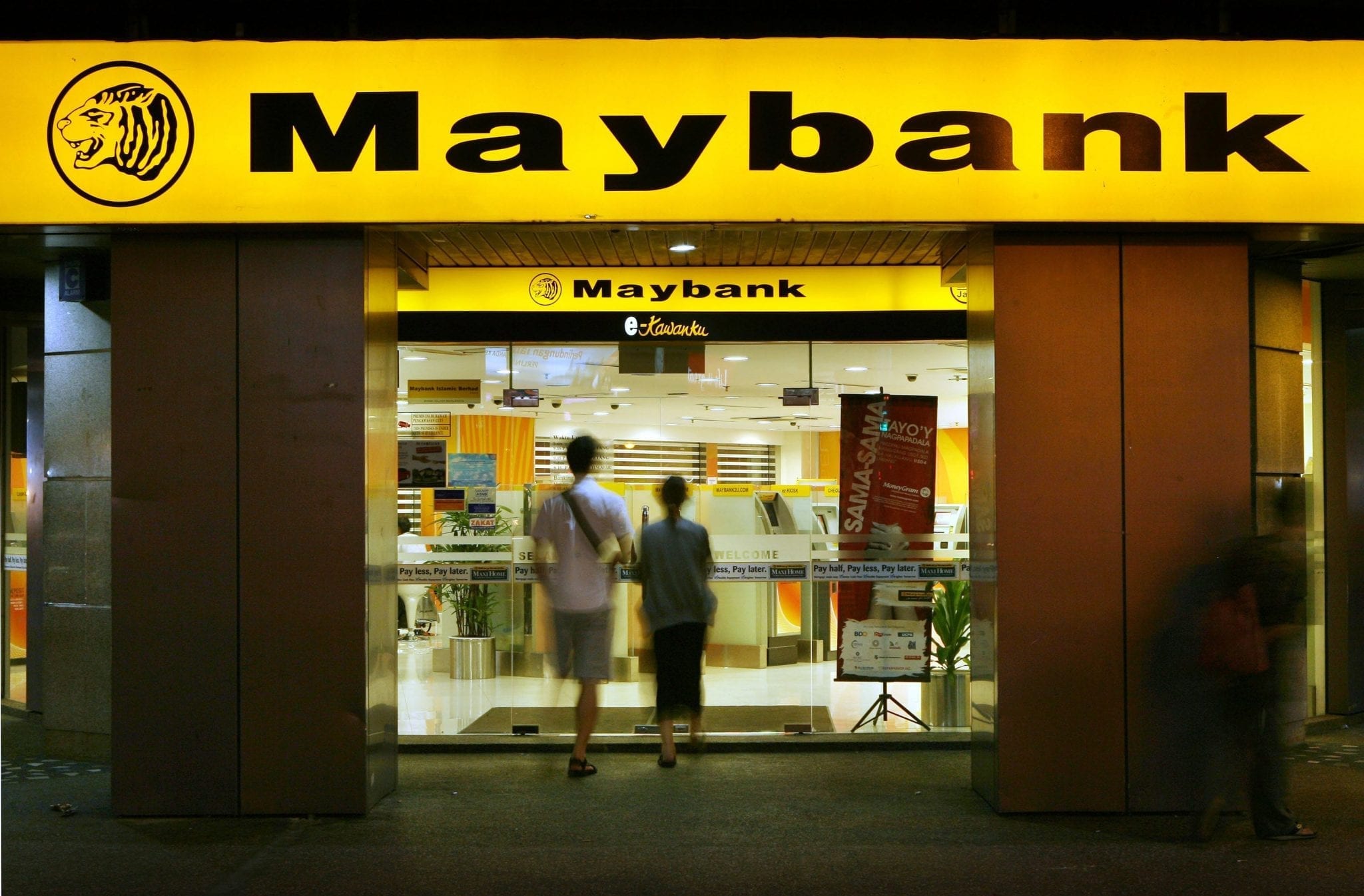
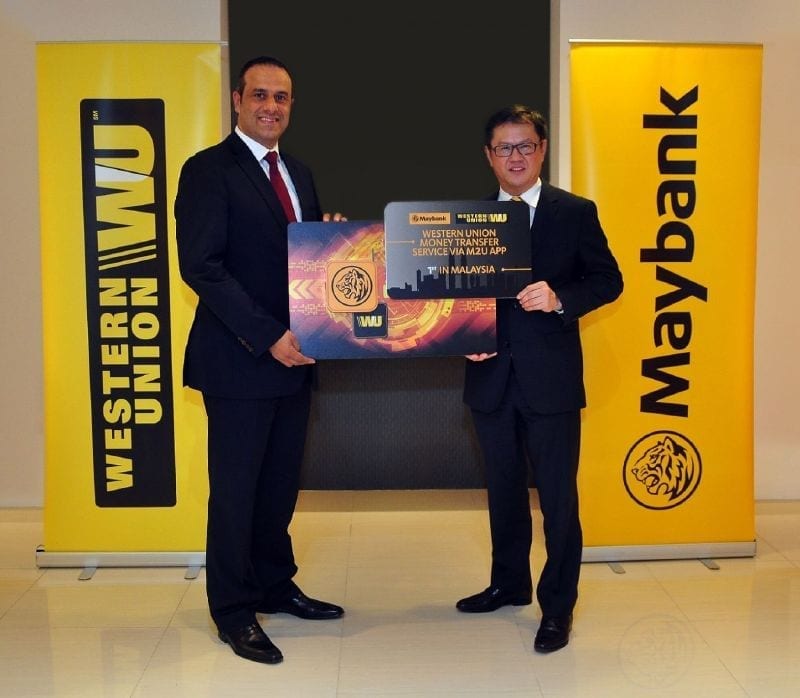
    Maybank and Western Union have launched a digital remittance service in Malaysia via the Maybank2u (“M2u”) mobile banking app and Maybank’s website.

    The service enables Maybank customers to transfer money to more than 500,000 Western Union® Agent locations in over 200 countries and territories. The money transfer service is available 24 hours a day and customers to transfer up to RM10,000 daily. Recipients will be able to receive money quickly after it is wired by the sender.

    “This new service reflects the same commitment we have as Western Union in providing consumers the best in cross-border financial services. Maybank customers are now able to enjoy fast, convenient and reliable cross-border remittance transfer services digitally around the world,” said Maybank Group Head, Community Financial Services, Datuk Lim Hong Tat.

    “We have revolutionised the money transfer processes for Maybank customers when comparing with current practice where they need to visit a Western Union Agent location in order to transfer money. Now, all they need to do is log in to the M2u App and select the Western Union service, and they are good to go,” added Lim.

    Lim added that new service will help the bank to grow its digital transactions business.

    Bassem Awada, Western Union Vice President for Key Initiatives, Middle East, Africa, Asia Pacific, Eastern Europe and CIS, said, “This mobile banking app not only grows our relationship with Maybank, but also strengthens our position in Malaysia’s cross-border money transfer market. The combination of Maybank’s strong presence in digital banking and Western Union’s growing digital network, geographic reach and ability to exchange in 130 currencies enables us to move money quickly and reliably.”

  • Oman Air wins Malaysian foreign airline of year award

    Oman Air wins Malaysian foreign airline of year award

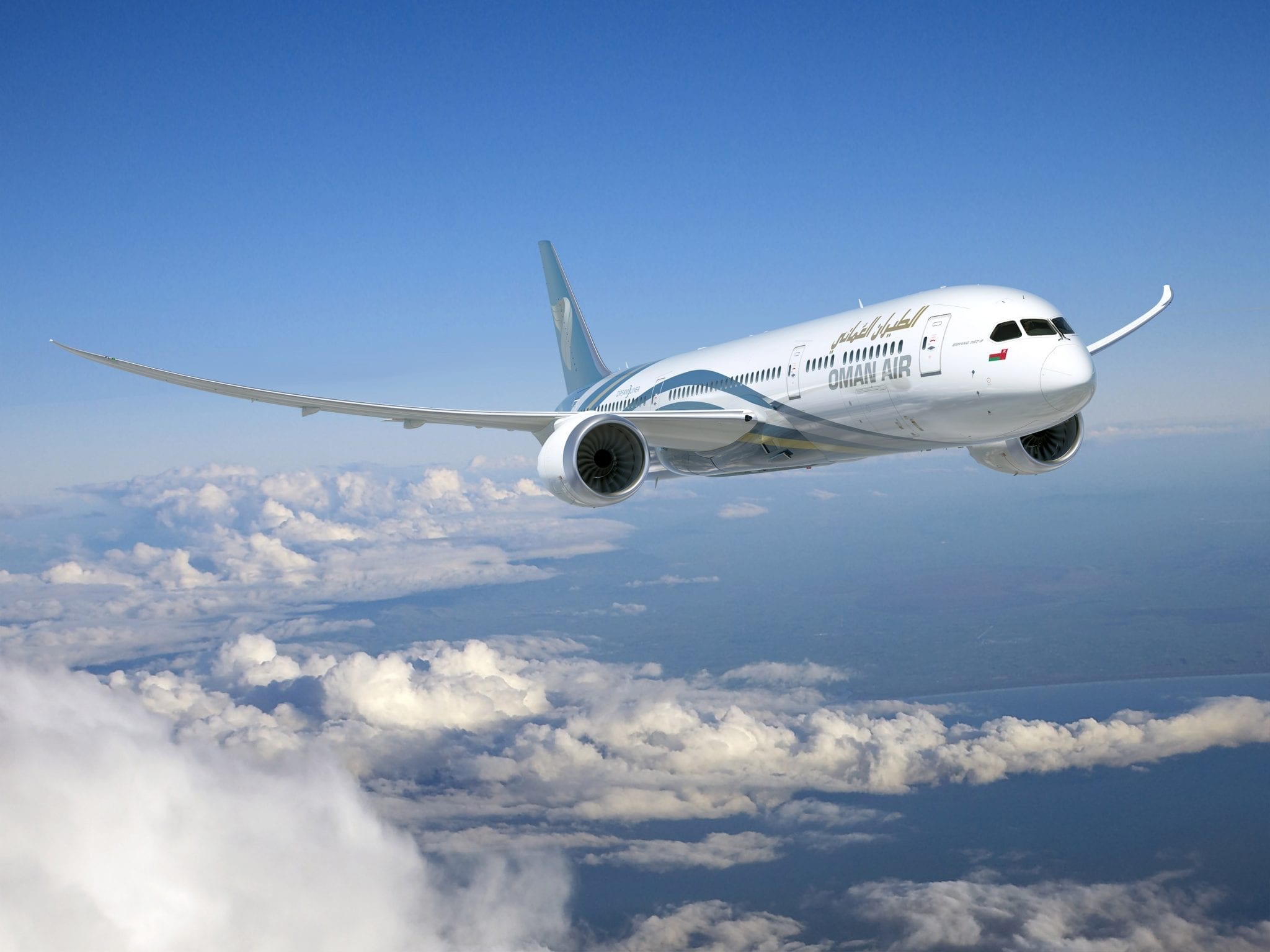
    National carrier Oman Air won a prestigious airlines award in Malaysia, the airline announced on Wednesday. Oman Air was awarded the Foreign Airline of the Year by Sector to Middle East award at the Kuala Lumpur International Airport (KLIA) Awards 2015.

    Oman Air was chosen based upon its achievements in 2015, including growth, sales performance, international recognition and service excellence.

    This latest recognition is among an ever- increasing list of awards for Oman Air, which overcame competition from other airlines operating in the Middle East, including last year’s winners.

    Gateway of choice

    The KLIA Awards has been in existence since 2006, in recognition of aviation partners’ contributions in achieving the vision of KLIA becoming the gateway of choice in the region.

    This year’s ceremony took place at the Sama Sama Hotel, KLIA, Petang, and the award was accepted by Oman Air’s Country Manager in Malaysia, Zainuddin Mohamed. Also present at the ceremony were Malaysian Minister of Transport Datuk Seri Liow Tiong Lai, Malaysia Airports Chairman Tan Sri Dr Wan Abdul Aziz Wan Abdullah and Civil Aviation Department Director General Datuk Seri Azharuddin Abdul Rahman, as well as other key personnel from the aviation industry.

    Commenting on the award, CEO of Oman Air Paul Gregorowitsch noted, “Oman Air is undertaking a very ambitious expansion programme, and it is gratifying to have our achievements and contribution to the industry recognized by KLIA. We continue to grow in all markets, including South East Asia, and our success is based on our consistently excellent product and on-board experience. Oman Air is always striving to “be the best”, and testament to this is our ever growing list of industry accolades and awards.”

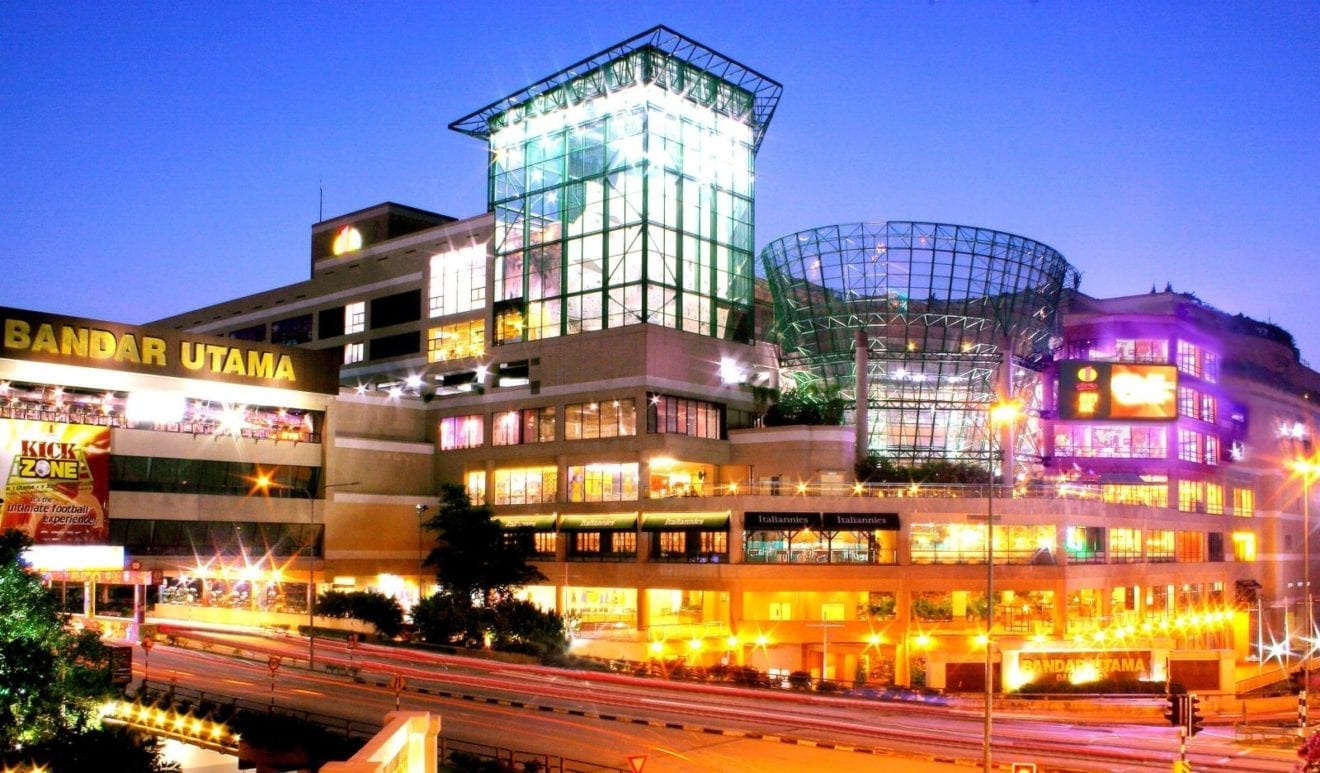
  • 2016 a good year for malls

    2016 a good year for malls

    It’s been a difficult year for many industries, but not for the retail trade, especially in the case of shopping malls, according to an industry veteran.

    In an interview with FMT, Malaysia Shopping Malls Association adviser Chan Hoi Choy said the retail industry was estimated to record a growth of 5% in 2016 over the previous year.

    “The fourth quarter of the year is the retail industry’s strongest and busiest quarter; so we will finish the year strong,” he said.

    The industry is worth about RM100 billion a year.

    Chan said domestic consumption contributed to about 90% of the retail industry’s revenue.

    Asked to explain why more malls were being built despite widespread complaints about a rising cost of living, Chan said this was down to the nature of modern malls and spending patterns.

    “Most malls nowadays are lifestyle malls that promote integrated activities,” he said. “They are a one-stop centre comprising retail, food and beverage, entertainment and services outlets.”

    He added that one in five Malaysians would spend weekends at malls.

    Another factor behind the retail industry’s resilience, he said, was that people still needed to buy essential goods regardless of increases in prices, and malls offered variety.

    “The items most people buy in malls on a regular basis are things which do not cost much,” he said, adding that people had adjusted to the goods and services tax.

    Chan said the annual increase in the number of shopping malls was running into “double digits” and this was the biggest threat to the retail industry.

    “Developers must be very careful about building new malls,” he said. “They must carry out thorough research to understand the demand and supply. There is an oversupply of malls and those which serve under-served markets are more likely to succeed.”

    He said it would take a long time for developers to realise returns on their investments because malls were capital intensive developments.

    He said the retail industry would normally grow in tandem with the GDP, which is expected to grow between 4% and 5% in 2017.

    He urged the government to consider removing excise duties on more items, saying this would make Malaysia even more attractive as a shopping destination.

    “As it is, we are one of the top 10 shopping destinations in the world,” he said. “The government has done a fantastic job of attracting tourists to come here and shop, as well as abolishing excise duties for some 300 tourist products.”

    Chan said the multiplier effect of abolishing excise duties on more items would be “huge”, noting that attracting more tourists would mean more revenue for other industries as well.

    “Very few countries in the world receive more tourists than there are citizens,” he said. “So we believe the growth of tourism will be a big plus for the retail industry and the country as a whole.”

  • Malaysia’s ‘gain’ and Singapore’s ‘loss’

    Malaysia’s ‘gain’ and Singapore’s ‘loss’

    An extensive study by the National University of Singapore’s Business School between 2010 and 2012 showed a significant difference in the spending habits of Singaporeans, between those who lived closer to the Malaysian border and those further away, The New Paper reported today.

    With Singapore’s GDP growth falling below original estimates this year and cut backs in forecast for 2017, two academics in the island republic believe there will be even more Singaporeans crossing the border for their day-to-day shopping needs, The New Paper reported today.

    They supported this theory with data that showed the trend among Singaporeans making day to day purchases from Johor compared with other high-end products.

    NUS visiting professor Sumit Agarwal and associate professor of finance Qian Wenlan reported some of their findings in the Singapore daily, stating that for the period of the survey, 48,000 Singapore nationals participated, half living in the north, near the Malaysian border, and the other half much further away.

    “First, we studied credit card transactions. We ensured that both sets of individuals were comparable in income and demographics.

    “We found those living near the border had significantly lower credit card spending (32% less) within Singapore than those living further from the border, for products that were substitutable, like supermarket purchases, apparel and dining.

    “In contrast, credit card expenditure on non-substitutable products like utilities, government services, medical services and education was the same.”

    The two academics added that other indicators, such as usage of debit cards, ATM withdrawal levels and online banking transactions were also on par between those near and far from the border.

    They naturally concluded that the main attraction to shopping in Malaysia was the “continuously weakening ringgit”.

    “However,for the period of the survey, the push factor in driving Singaporeans to Johor was also the fact that Singapore had a 7% GST in place.

    “The Malaysian government only introduced a similar GST in April last year at a rate of 6%. Until then, Singaporeans enjoyed a 7% tax advantage when shopping in Johor,” the academics said.

    They, however, did not believe that the implementation of the 6% GST by Malaysia would make much of a difference to the result of their study.

    The concern, however, should be for retailers in Singapore, the professors said.

    “A separate study involving retail outlets in Singapore was carried out. Data was collected on sales of snacks, soft drinks and detergent.

    “Across all three product categories, shops in areas that were close to JB had much lower sales per capita, corroborating our earlier findings,” Sumit and Qian said, adding that cigarettes were also popular among Singapore shoppers in Johor.

    The study concluded that with the ringgit’s ever-weakening value and Singapore’s slowing economy, more and more Singaporeans will be happy for the savings they will make across the causeway.