Tag: Malaysia

  • AirAsia X increasing more Teheran flight

    AirAsia X increasing more Teheran flight

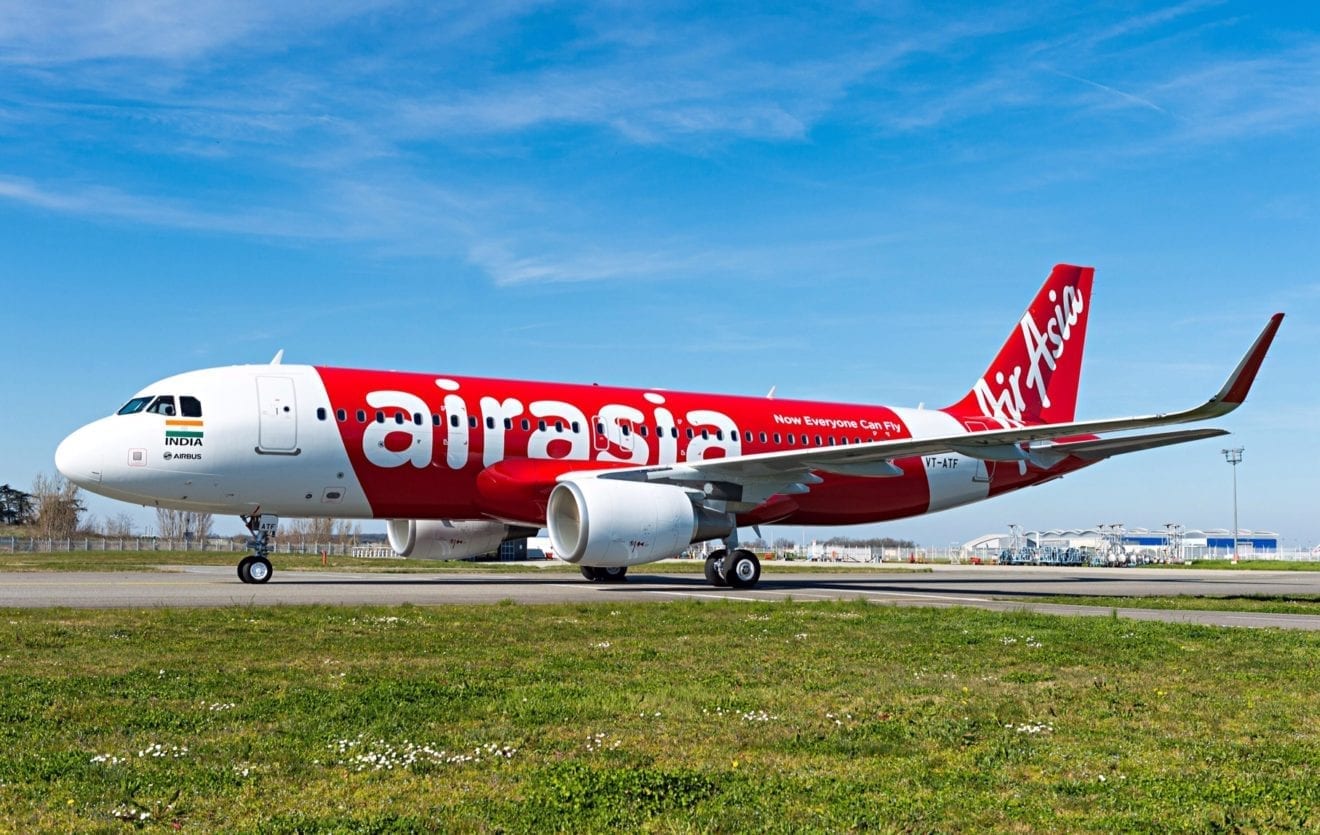
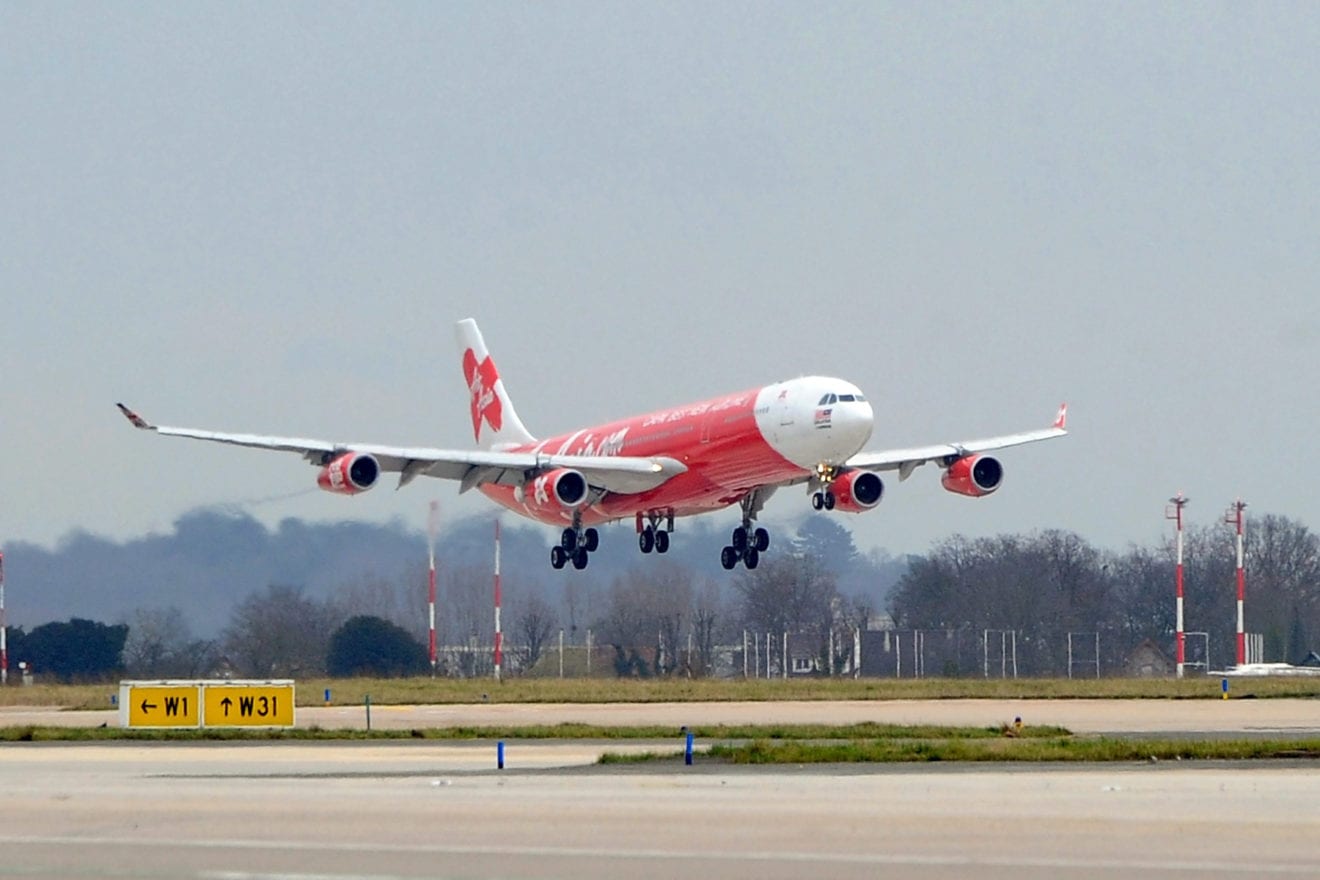
    Airasia X Bhd, the long-haul low-cost arm of budget carrier AirAsia, is adding more flights to Teheran from Kuala Lumpur six months after resuming its flight to the capital of Iran. AirAsia X’s chief commercial head Arik De said the airline had received positive response from travellers and seen a steady increase in the Kuala Lumpur-Teheran route load factor.

    He said the airline had recorded 80 per cent average load factor on the route with strong forward bookings trend, especially towards Nooruz celebration in March. “We will raise frequency starting next month onward with four times weekly direct flights to Teheran from Kuala Lumpur,” said Arik. The improved connectivity’s timing will also benefit from Malaysia’s plan to boost bilateral trade and investment ties with Iran.

    Last month, International Trade and Industry Minister Datuk Seri Mustapa Mohamed said the Cabinet had given its approval to embark on bilateral free-trade agreement talks with Iran to take advantage of the potential growth of two-way businesses since trade sanctions were lifted.

    Bilateral trade so far has been small with about US$700 million (RM3.14 billion) in 2015. Malaysia hopes to boost exports to Iran, especially palm oil. Both the governments agreed during a visit by Iranian President Dr Hassan Rouhani in October to double the trade volume. Mustapa said with a population of 80 million, Iran was one of the largest markets in the Gulf region and already businesses were making a beeline to tap potential since sanctions were lifted in January last year.

    Arik said almost a quarter of AirAsia X’s passengers travelled to Tehran via AirAsia’s FlyThru service from the airline’s long- and short-haul networks. The airline resumed its direct flight to Teheran on June 21 last year after suspending the destination in October 2012 following sanctions against Iran.
  • Petrol, diesel prices go up in January

    Petrol, diesel prices go up in January

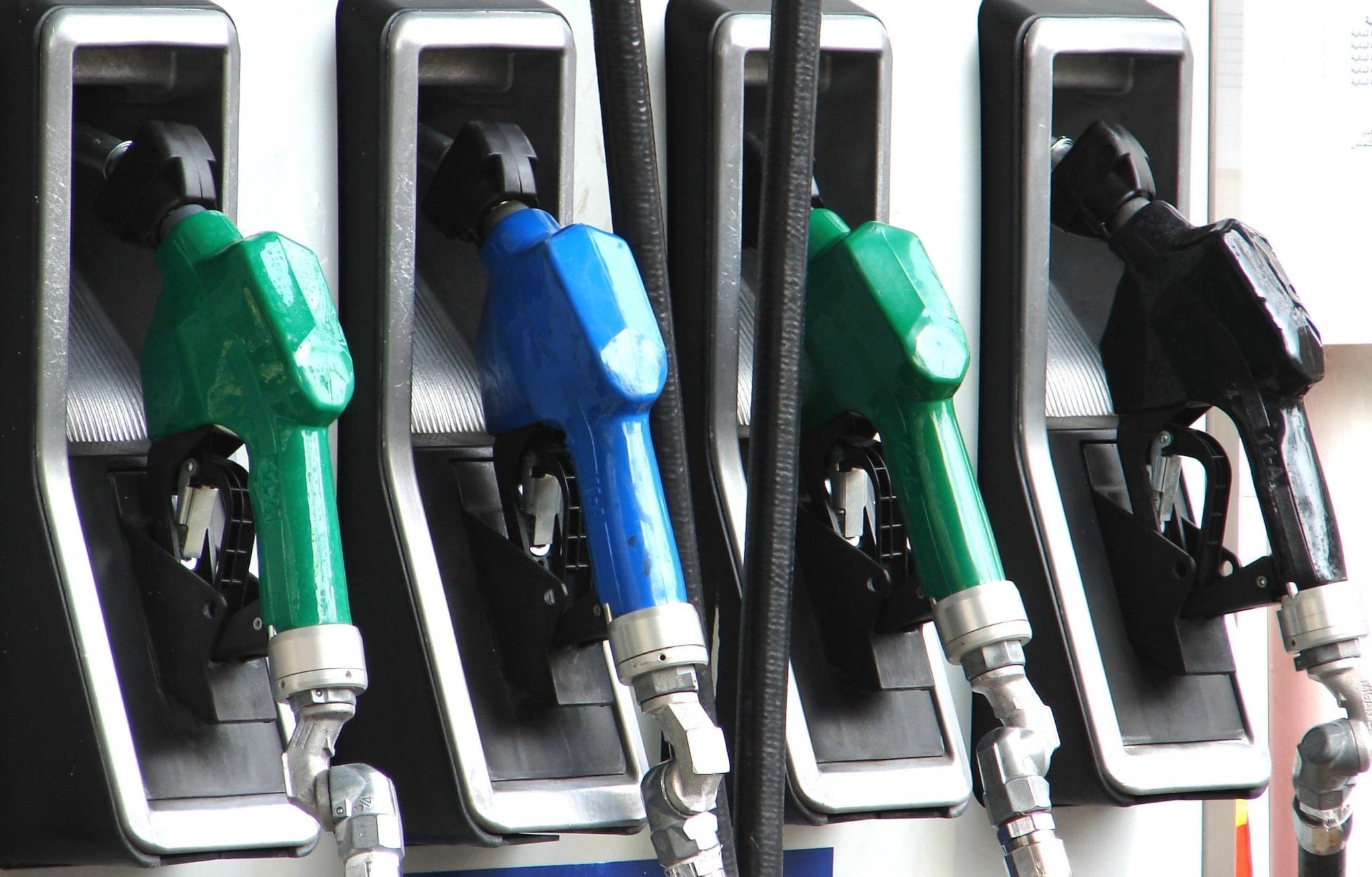
    As expected, retail fuel prices will see an increase across the board as of midnight. For January, RON95 petrol will be priced at RM2.10 per litre, marking an increase of 20 sen compared to December retail price. RON97 petrol will be priced at RM2.40 per litre, up by 15 sen.

    The same applies to diesel and Euro 5 diesel, which are priced at RM2.05 per litre and RM2.15 per litre respectively – an increase of 20 sen for both. These new fuel prices were confirmed by Petrol Dealers Association of Malaysia president Datuk Khairul Annuar Abdul Aziz. “Prices are in line with global petrol prices. However, the diesel prices which exceeded the RM2 mark will be a concern for the business community,” he told.

    The country’s petrol and diesel prices have been placed on a managed float system from Dec 1, 2014 following the removal of fuel subsidies. Yesterday, Finance Ministry Strategic Communications director Datuk Lokman Noor Adam reportedly said that the retail prices of RON95 and diesel would go up in Jan due to an increase in the price of crude oil in the world market.

    He said the retail price of RON95 and diesel were set according to the average prices of fuel in the world market for a month, as well as being influenced by the ringgit’s movement against US dollar.

  • Maybank launches mobile money transfer service in Malaysia with Western Union

    Maybank launches mobile money transfer service in Malaysia with Western Union

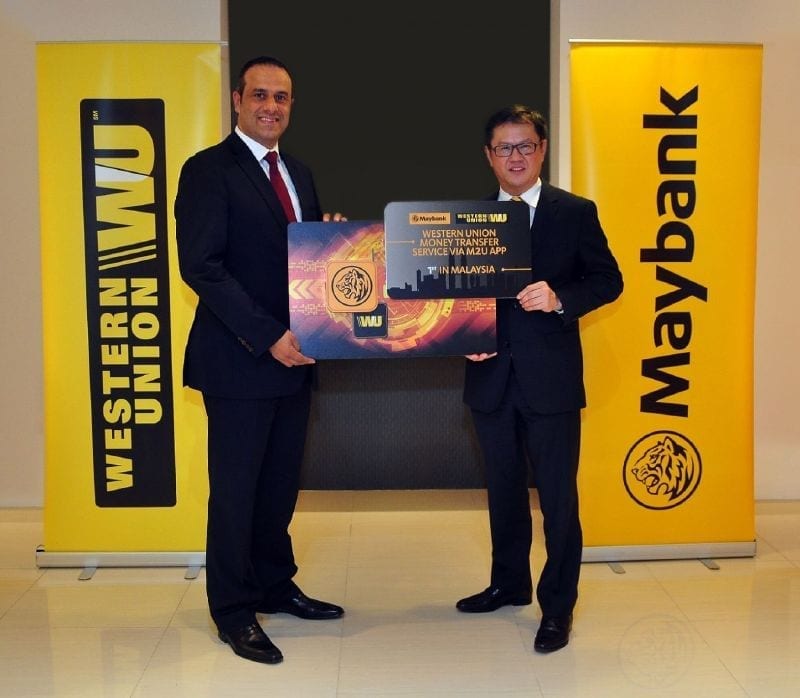
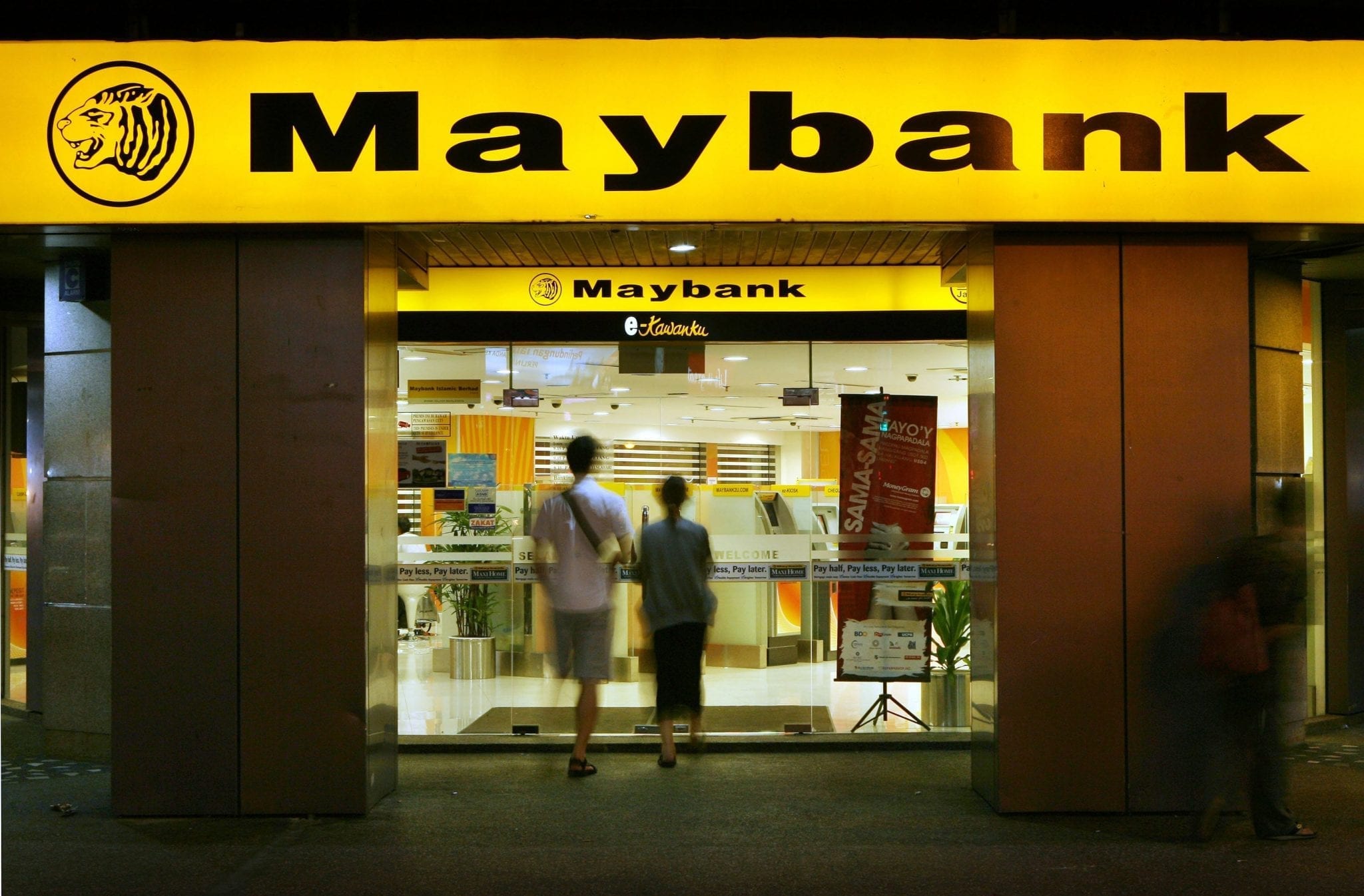
    Maybank and Western Union have launched a digital remittance service in Malaysia via the Maybank2u (“M2u”) mobile banking app and Maybank’s website.

    The service enables Maybank customers to transfer money to more than 500,000 Western Union® Agent locations in over 200 countries and territories. The money transfer service is available 24 hours a day and customers to transfer up to RM10,000 daily. Recipients will be able to receive money quickly after it is wired by the sender.

    “This new service reflects the same commitment we have as Western Union in providing consumers the best in cross-border financial services. Maybank customers are now able to enjoy fast, convenient and reliable cross-border remittance transfer services digitally around the world,” said Maybank Group Head, Community Financial Services, Datuk Lim Hong Tat.

    “We have revolutionised the money transfer processes for Maybank customers when comparing with current practice where they need to visit a Western Union Agent location in order to transfer money. Now, all they need to do is log in to the M2u App and select the Western Union service, and they are good to go,” added Lim.

    Lim added that new service will help the bank to grow its digital transactions business.

    Bassem Awada, Western Union Vice President for Key Initiatives, Middle East, Africa, Asia Pacific, Eastern Europe and CIS, said, “This mobile banking app not only grows our relationship with Maybank, but also strengthens our position in Malaysia’s cross-border money transfer market. The combination of Maybank’s strong presence in digital banking and Western Union’s growing digital network, geographic reach and ability to exchange in 130 currencies enables us to move money quickly and reliably.”

  • Oman Air wins Malaysian foreign airline of year award

    Oman Air wins Malaysian foreign airline of year award

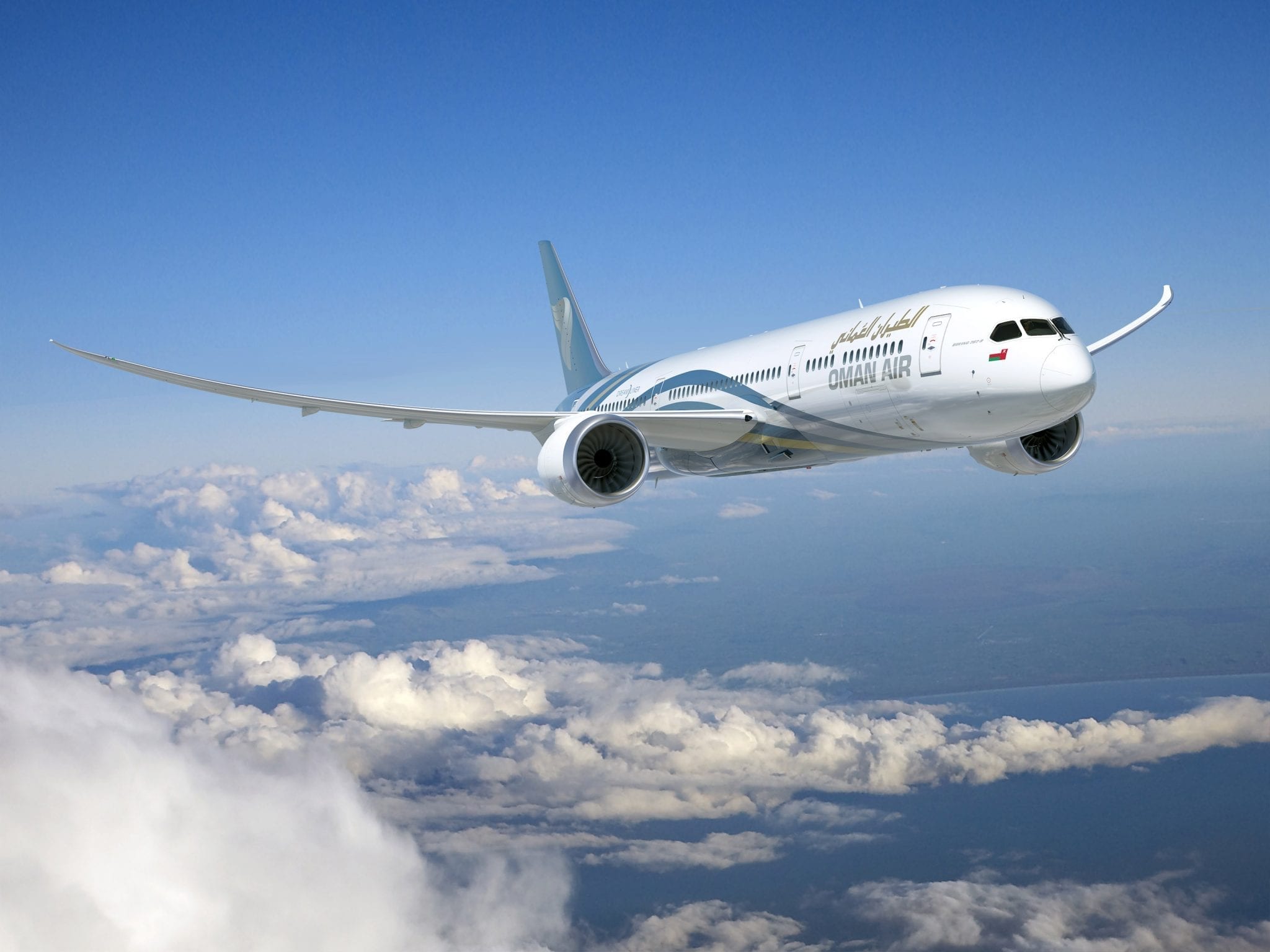
    National carrier Oman Air won a prestigious airlines award in Malaysia, the airline announced on Wednesday. Oman Air was awarded the Foreign Airline of the Year by Sector to Middle East award at the Kuala Lumpur International Airport (KLIA) Awards 2015.

    Oman Air was chosen based upon its achievements in 2015, including growth, sales performance, international recognition and service excellence.

    This latest recognition is among an ever- increasing list of awards for Oman Air, which overcame competition from other airlines operating in the Middle East, including last year’s winners.

    Gateway of choice

    The KLIA Awards has been in existence since 2006, in recognition of aviation partners’ contributions in achieving the vision of KLIA becoming the gateway of choice in the region.

    This year’s ceremony took place at the Sama Sama Hotel, KLIA, Petang, and the award was accepted by Oman Air’s Country Manager in Malaysia, Zainuddin Mohamed. Also present at the ceremony were Malaysian Minister of Transport Datuk Seri Liow Tiong Lai, Malaysia Airports Chairman Tan Sri Dr Wan Abdul Aziz Wan Abdullah and Civil Aviation Department Director General Datuk Seri Azharuddin Abdul Rahman, as well as other key personnel from the aviation industry.

    Commenting on the award, CEO of Oman Air Paul Gregorowitsch noted, “Oman Air is undertaking a very ambitious expansion programme, and it is gratifying to have our achievements and contribution to the industry recognized by KLIA. We continue to grow in all markets, including South East Asia, and our success is based on our consistently excellent product and on-board experience. Oman Air is always striving to “be the best”, and testament to this is our ever growing list of industry accolades and awards.”

  • 2016 a good year for malls

    2016 a good year for malls

    It’s been a difficult year for many industries, but not for the retail trade, especially in the case of shopping malls, according to an industry veteran.

    In an interview with FMT, Malaysia Shopping Malls Association adviser Chan Hoi Choy said the retail industry was estimated to record a growth of 5% in 2016 over the previous year.

    “The fourth quarter of the year is the retail industry’s strongest and busiest quarter; so we will finish the year strong,” he said.

    The industry is worth about RM100 billion a year.

    Chan said domestic consumption contributed to about 90% of the retail industry’s revenue.

    Asked to explain why more malls were being built despite widespread complaints about a rising cost of living, Chan said this was down to the nature of modern malls and spending patterns.

    “Most malls nowadays are lifestyle malls that promote integrated activities,” he said. “They are a one-stop centre comprising retail, food and beverage, entertainment and services outlets.”

    He added that one in five Malaysians would spend weekends at malls.

    Another factor behind the retail industry’s resilience, he said, was that people still needed to buy essential goods regardless of increases in prices, and malls offered variety.

    “The items most people buy in malls on a regular basis are things which do not cost much,” he said, adding that people had adjusted to the goods and services tax.

    Chan said the annual increase in the number of shopping malls was running into “double digits” and this was the biggest threat to the retail industry.

    “Developers must be very careful about building new malls,” he said. “They must carry out thorough research to understand the demand and supply. There is an oversupply of malls and those which serve under-served markets are more likely to succeed.”

    He said it would take a long time for developers to realise returns on their investments because malls were capital intensive developments.

    He said the retail industry would normally grow in tandem with the GDP, which is expected to grow between 4% and 5% in 2017.

    He urged the government to consider removing excise duties on more items, saying this would make Malaysia even more attractive as a shopping destination.

    “As it is, we are one of the top 10 shopping destinations in the world,” he said. “The government has done a fantastic job of attracting tourists to come here and shop, as well as abolishing excise duties for some 300 tourist products.”

    Chan said the multiplier effect of abolishing excise duties on more items would be “huge”, noting that attracting more tourists would mean more revenue for other industries as well.

    “Very few countries in the world receive more tourists than there are citizens,” he said. “So we believe the growth of tourism will be a big plus for the retail industry and the country as a whole.”

  • Malaysia’s ‘gain’ and Singapore’s ‘loss’

    Malaysia’s ‘gain’ and Singapore’s ‘loss’

    An extensive study by the National University of Singapore’s Business School between 2010 and 2012 showed a significant difference in the spending habits of Singaporeans, between those who lived closer to the Malaysian border and those further away, The New Paper reported today.

    With Singapore’s GDP growth falling below original estimates this year and cut backs in forecast for 2017, two academics in the island republic believe there will be even more Singaporeans crossing the border for their day-to-day shopping needs, The New Paper reported today.

    They supported this theory with data that showed the trend among Singaporeans making day to day purchases from Johor compared with other high-end products.

    NUS visiting professor Sumit Agarwal and associate professor of finance Qian Wenlan reported some of their findings in the Singapore daily, stating that for the period of the survey, 48,000 Singapore nationals participated, half living in the north, near the Malaysian border, and the other half much further away.

    “First, we studied credit card transactions. We ensured that both sets of individuals were comparable in income and demographics.

    “We found those living near the border had significantly lower credit card spending (32% less) within Singapore than those living further from the border, for products that were substitutable, like supermarket purchases, apparel and dining.

    “In contrast, credit card expenditure on non-substitutable products like utilities, government services, medical services and education was the same.”

    The two academics added that other indicators, such as usage of debit cards, ATM withdrawal levels and online banking transactions were also on par between those near and far from the border.

    They naturally concluded that the main attraction to shopping in Malaysia was the “continuously weakening ringgit”.

    “However,for the period of the survey, the push factor in driving Singaporeans to Johor was also the fact that Singapore had a 7% GST in place.

    “The Malaysian government only introduced a similar GST in April last year at a rate of 6%. Until then, Singaporeans enjoyed a 7% tax advantage when shopping in Johor,” the academics said.

    They, however, did not believe that the implementation of the 6% GST by Malaysia would make much of a difference to the result of their study.

    The concern, however, should be for retailers in Singapore, the professors said.

    “A separate study involving retail outlets in Singapore was carried out. Data was collected on sales of snacks, soft drinks and detergent.

    “Across all three product categories, shops in areas that were close to JB had much lower sales per capita, corroborating our earlier findings,” Sumit and Qian said, adding that cigarettes were also popular among Singapore shoppers in Johor.

    The study concluded that with the ringgit’s ever-weakening value and Singapore’s slowing economy, more and more Singaporeans will be happy for the savings they will make across the causeway.

  • 11street launches online marketplace

    11street launches online marketplace

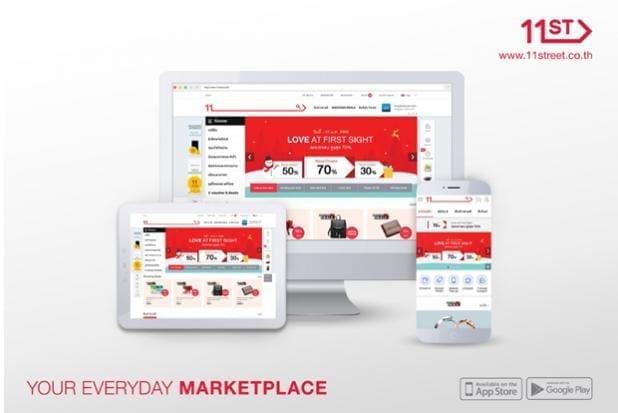
    The South Korean e-commerce leader 11street has opened an online marketplace in Thailand during the festive season to capitalise on rapid growth in online shopping. The wholly owned subsidiary of the mobile operator SK Telecom aims to become Thailand’s biggest e-commerce player by 2020.

    Hong Cheol-jeon, chief executive of 11street (Thailand), said he was excited about giving Thai shoppers the chance to experience the innovative platform from Korea. On its soft opening day last Weddnesday, 11street beat its target with more than 10 million baht in transactions.

    More than 600,000 customers have experienced the platform so far. The 11street platform has attracted more than 6,000 local sellers and aims to have 20,000 by the end of 2017.

    Earlier in August, the company opened its first “sellers’ campus” to train Thai entrepreneurs interested in conducting business online. The 11street platform is designed to work across different operating systems with a seamless experience from desktops to tablets and mobile devices. One feature is a Korea Street, offering products from Korea for sale in Thailand at competitive prices.

    Mr Hong said that in the digital era where data and people are connected, security is one of the most important elements for the platform developer. “Our platform is equipped with latest technology for escrow to ensure the security of online transactions,” he said. Online sales account for lees than 2% of the total retail market in Thailand, meaning there is still huge potential room for growth.

    “Compare that with South Korea where the e-commerce market is worth approximately US$47 billion, which is 18% of the $252-billion retail market,” he said.

  • Cos Malaysia starts the journey in Pavilion

    Cos Malaysia starts the journey in Pavilion

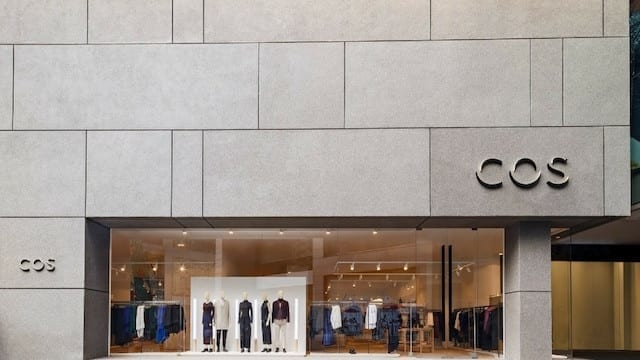
    Fashion brand Cos Malaysia has opened its first store, at the new Pavilion Elite Mall in Kuala Lumpur.

    The brand, which is part of the Swedish H&M stable, is offering menswear and womenswear from its latest autumn/winter collection. This explores hybrid garments combining wardrobe classics with the eccentric and eclectic, featuring warm colours, organic tones and draped proportions, says Malaysian beauty and wellness website Pamper.my.

    The store’s interior reflects the Cos design aesthetic of clean lines and natural elements, and features a lounge area.

    Cos MD Marie Honda describes the inaugural Malaysian store as “an exciting stage in our expansion in Asia”.

  • Salvatore Ferragamo changes the game in Asia

    Salvatore Ferragamo changes the game in Asia

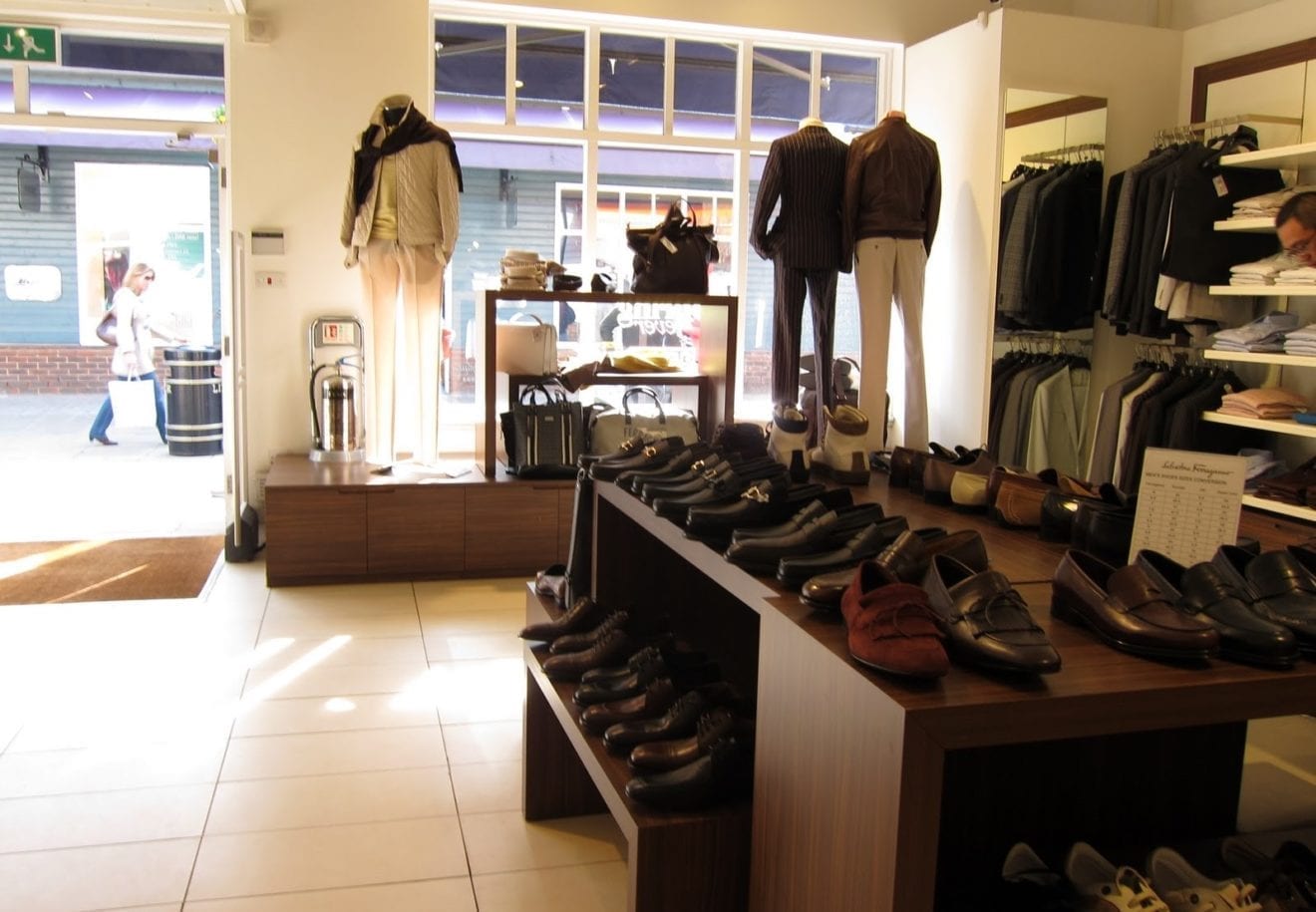
    Italian fashion label Salvatore Ferragamo has taken over four JVs created in partnership with Trinity (Fung Group), which distributes the brand in South Korea and Southeast Asia.

    Ferragamo says it has bought the companies’ 20 per cent share, still owned by Trinity through Trinity Luxury Brands Holdings and Ferrinch. The value of the transaction has not been disclosed.

    Impacting Ferragamo Korea, Ferragamo (Malaysia), Ferragamo (Singapore) and Ferragamo (Thailand), the takeover follows an agreement signed in 2012. This included a purchasing option allowing for Salvatore Ferragamo to take full control of the JV companies.

    At the time, Ferragamo had already increased its stake in the four companies to 80 per cent.

    In the past few years, the Asia-Pacific region has become Salvatore Ferragamo’s main market, accounting for 35.5 per cent of its global revenue. At the end of September, the label’s sales in the region amounted to €360 million (US$375 million), equivalent to a 0.3 per cent decrease compared to the first nine months of the previous fiscal year.

    The label has 70 monobrand stores in the region.

  • Luk Fook Jewellery Malaysia debut

    Luk Fook Jewellery Malaysia debut

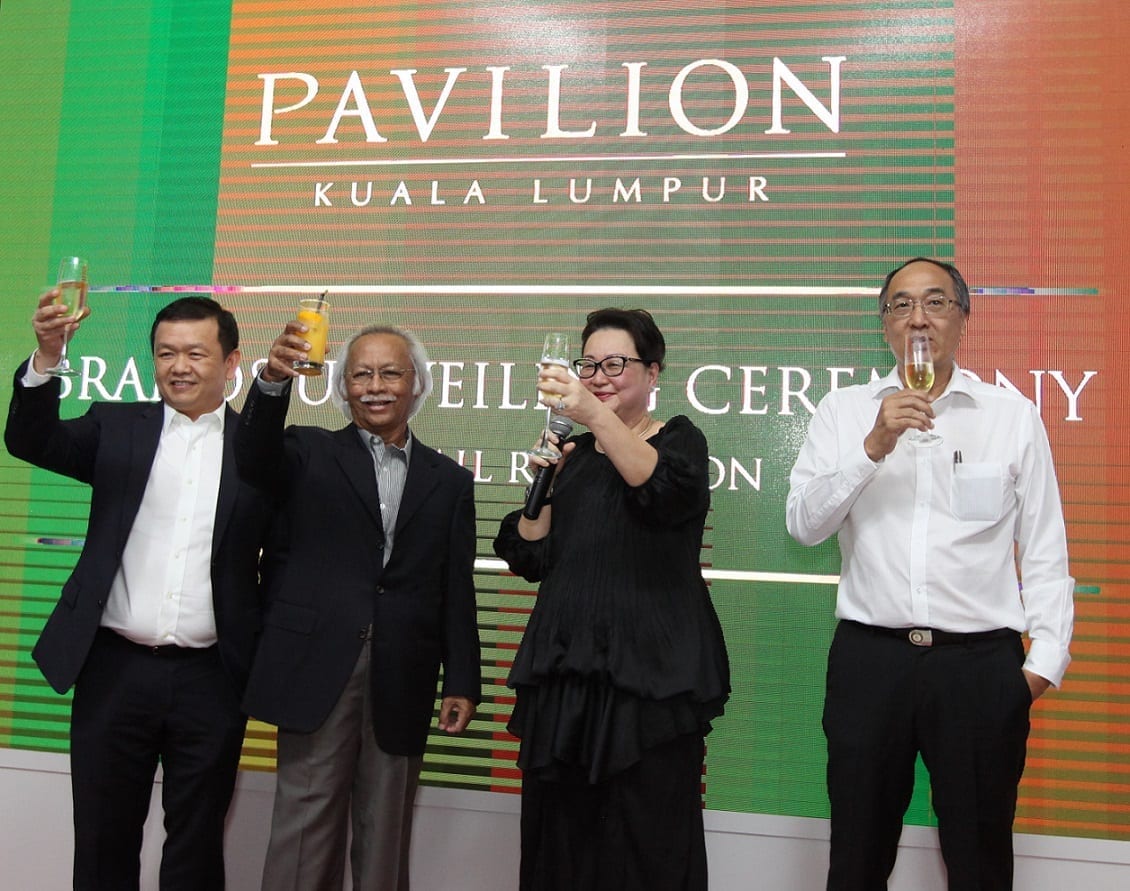
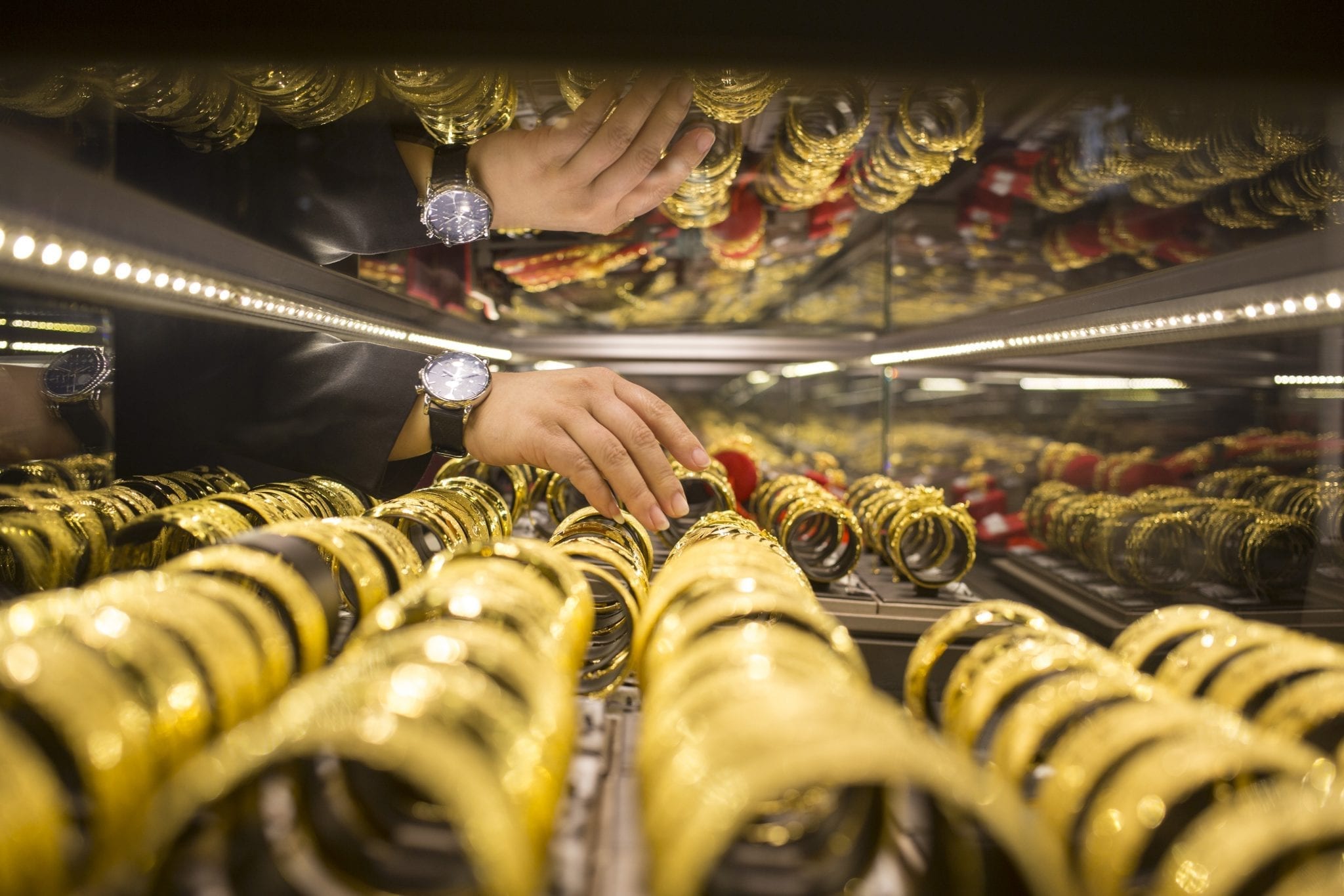
    Hong Kong luxury brand Luk Fook Jewellery has arrived in Malaysia, opening two stores – at Pavilion Elite and Suria KLCC.

    The group hosted a grand ribbon-cutting ceremony at its Pavilion Elite outlet, attended by actress Kristal Tin, Pavilion Kuala Lumpur retail CEO Joyce Yap, Hong Kong-Malaysia Business Association VP Henry Yip Choong Hung and Luk Fook Group executive director/deputy-GM Shirley Wong.

    Hosting the event was Luk Fook Group chairman/CEO Wong Wai Sheung.

    Luk Fook Jewellery first entered the Southeast Asian market in 2010 with a retail shop in Singapore. The two new outlets join its 1470 stores in the nine countries, including Australia, China, Korea, Macau and the US.

  • Shell completes the sale of Shell Refining Company in Malaysia

    Shell completes the sale of Shell Refining Company in Malaysia

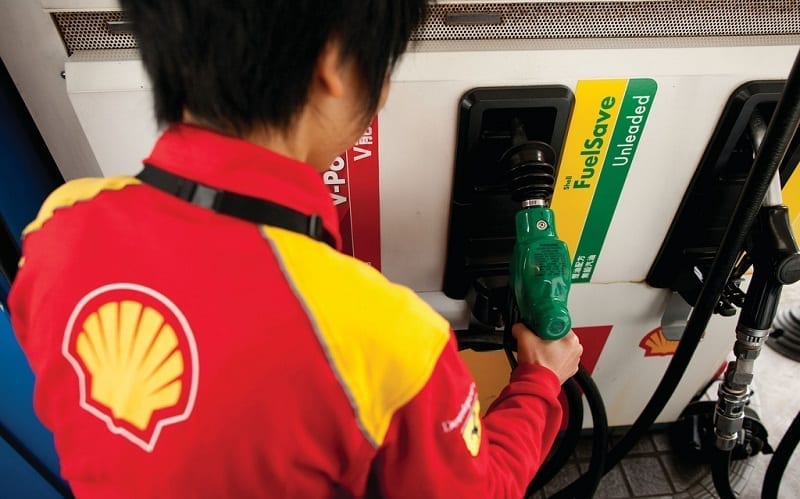
    Shell is the leading retail fuels and lubricants provider in Malaysia, which remains an important market for the company. Shell will maintain supply to its retail and commercial customers, and will honour all current commercial arrangements through existing comprehensive supply agreements in the country.

    This divestment is consistent with Shell’s strategy to concentrate its global downstream operations in areas where it can be most competitive.

  • Sunway Velocity Mall opens doors

    Sunway Velocity Mall opens doors

    Sunway Velocity Mall has opened in Cheras, with a catchment of 1.72 million residents including the nearby areas of Ampang and Kuala Lumpur.

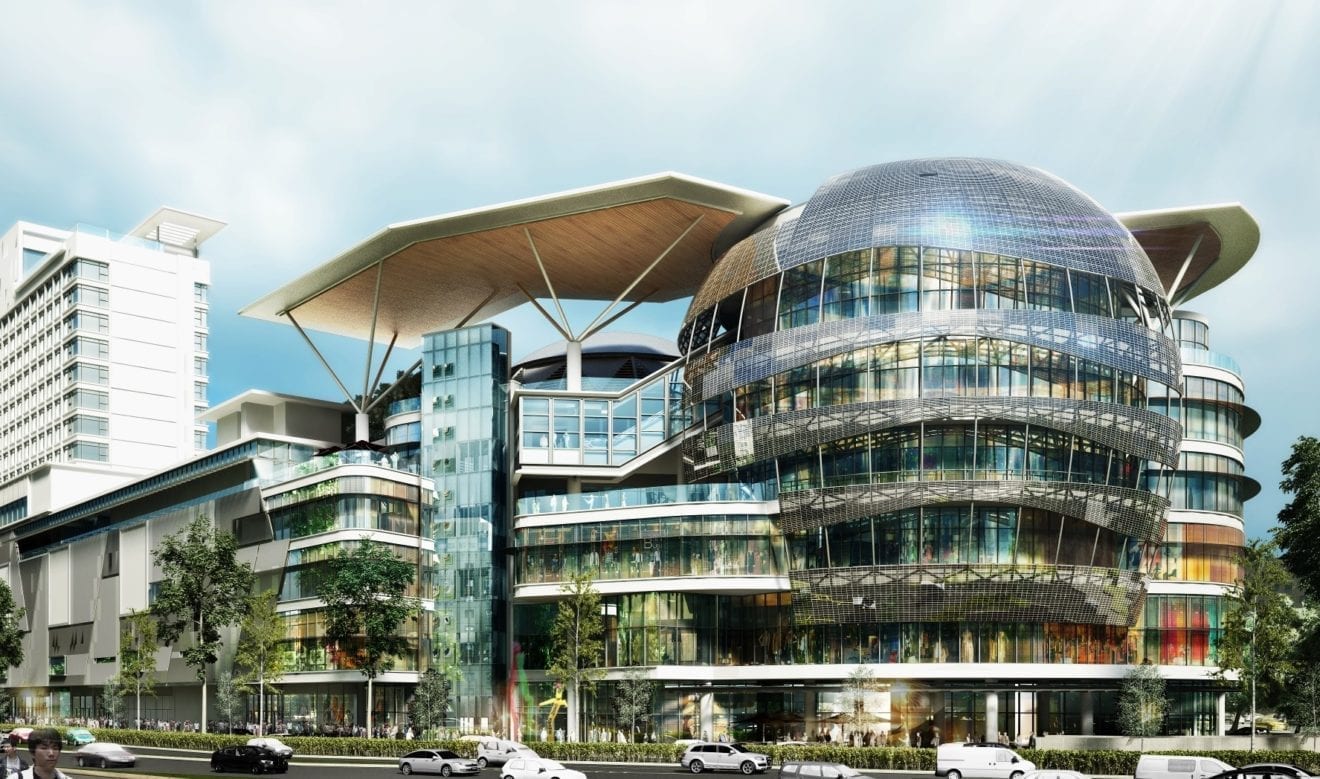
    With a neo-futuristic appearance, the sphere-shaped shopping centre, known as the “KL Orb”, is set to be a landmark on the city’s skyline, especially with its LED light display.

    Its opening is also a milestone for the Sunway Group’s retail division. The group’s fifth mall, it integrates shopping, entertainment and gastronomy in an integrated development.

    “Sunway Velocity Mall was built and designed with one key purpose – to enrich the life experiences of its surrounding community,” says Sunway Shopping Malls & Theme Parks CEO HC Chan.

    The centre has four precincts: Vanity Hall, Marketplace, Food Street, and Commune @ Sunway Velocity. The seven-storey mall offers the first-ever Aeon MaxValu Prime in Malaysia – the third such outlet in the world following Japan and Hong Kong.

    The other two main anchors are Parkson and TGV Cinemas, which has the largest Imax screen in Malaysia. Other tenants include Chi Fitness, Grand Imperial, Harvey Norman, JD Sports, Padini Concept Store, Popular Bookstore, Toys‘R’Us and Uniqlo.

    Chan says the mall is part of the “golden triangle of retail spaces” comprising the new Ikea Cheras, Aeon Maluri Shopping Centre, MyTown Shopping Centre and the Tun Razak Exchange (TRX) Lifestyle Quarter development.

    Sunway Velocity Mall has been “dressed” for the festive season with decorations including a 30ft (9m) Christmas tree surrounded by giant presents in the main atrium. There is also a Christmas spend-and-win campaign, Santa City, which runs until February 12. Prizes include a Volvo V40 car, a Celistar diamond ring by SK Jewellery, a Hero bed frame, and a Nature’s Finest Himalaya mattress from Harvey Norman.

    There are also free weekend Christmas workshops for children.

  • AirAsia injects RM1b into Indonesia ops

    AirAsia injects RM1b into Indonesia ops

    AirAsia Bhd has injected US$227mil or RM1.01bil into its associate PT Indonesia AirAsia (IAA) to address the latter’s negative equity position.

    The low-cost carrier said  its board had approved the subscription of the US$227mil or 3.042 trillion nominal value of perpetual capital securities issued by its 49% owned Indonesian operations.

    AirAsia had on Friday entered into a perpetual security purchase agreement with IAA to formalise the issuance and terms and conditions between IAA and AirAsia for the subscription.

    To recap, on Sept 29, 2015, AirAsia had subscribed to 2.058 trillion rupiah nominal value, which was 49% of the perpetual capital securities issued by IAA.

    The move then was to comply with the directive received from the Directorate General of Civil Aviation (DGCA) of the Republic of Indonesia to resolve the negative equity position for financial year 2014.

    On May 10, 2016, the Indonesian DGCA had again instructed IAA to increase its capital to address the negative equity balance.

    Subsequently, IAA offered to issue 3.042 trillion rupiah of new perpetual capital securities to AirAsia.

    “The subscription is to enable IAA to attain positive equity position as directed by the DGCA in compliance with the directive.

    “Failure to address the capital shortfall carries the risk that the Minister of Transportation of the Republic of Indonesia would deny IAA’s requests for new route approvals or even impose a suspension of operations,” it explained.

    AirAsia said the Subscription would help reduce IAA’s gearing without any need for AirAsia to inject further funding or capital to IAA as it entailed converting the amount owed to the company into equity of IAA.

    “Indonesia is a crucial market for AirAsia. International Air Transport Association forecasted that Indonesia is expected to be the sixth largest market for air travel by 2034 with 270 million passengers.

    “The risk of suspension of IAA would not only affect the AirAsia brand but also affect the network and future growth of AirAsia Group,” it said.

    AirAsia said the perpetual capital securities carry an initial periodic distribution rate of 2% per annum for the first 12 months and subsequently 8% per annum on outstanding principal amount to the perpetual capital securities until the first call date.

    It will then be stepped up to 13% per annum on outstanding principal amount of the perpetual capital securities post the first call date thereafter.

    “Perpetual in tenure with no fixed maturity date, with IAA having a call option to redeem the perpetual capital securities at the first call date, which is at the end of the seventh year from date of issuance and on each subsequent periodic distribution date thereafter at their principal amount.

    “The periodic distribution rate will step-up by 5% if the perpetual capital securities are not redeemed at the first call date,” it added.

  • Lazada’s 12.12 sale nets $40.5 million

    Lazada’s 12.12 sale nets $40.5 million

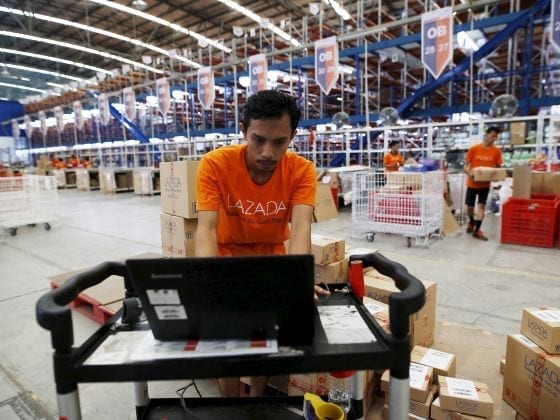
    Lazada Group’s Online Revolution, also known as 12.12, has again proven to be the biggest online shopping event in Southeast Asia, ringing up US$40.5 million in sales.

    About 60 per cent of the gross merchandise value (GMV) of the December 12 event came from mobile, with shoppers spending an average of 12 minutes on Lazada apps browsing deals from international and local brands and sellers.

    With the theme “Brands for All”, the 12.12 event featured more than 500,000 offers and flash sales from more than 1000 brands and 55,000 sellers. Best-sellers included shower gels and mascaras, tote bags and bracelets, vacuum cleaners and tableware, and virtual-reality headsets and speakers.

    Lazada Group CEO Maximilian Bittner says the sale has become highly anticipated among more consumers in Southeast Asia, who are no longer just from large cities, but also from small cities and rural areas.

    “This year, the difference was consumers clearly shopping for everyday products such diapers and groceries, as well as higher-value items from trusted brands.”

    Lazada has a presence in Indonesia, Malaysia, the Philippines, Singapore, Thailand and Vietnam.

  • SM founder Sy receives lifetime achievement award

    SM founder Sy receives lifetime achievement award

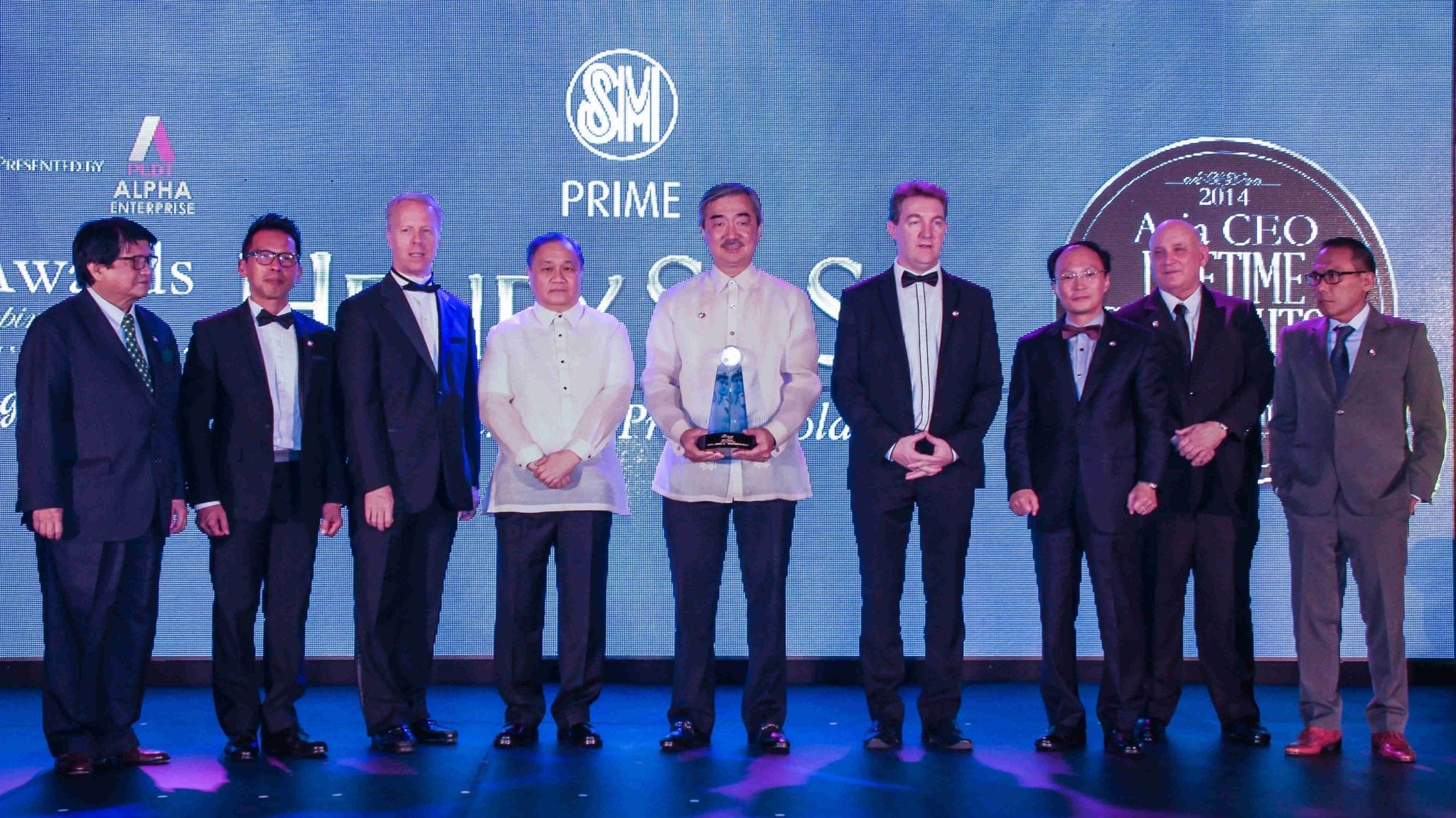
    Enterprise Asia, a non-governmental organization based in Malaysia that organizes the Asia Pacific Entrepreneurship Awards (APEA), honored retail pioneer Henry Sy, Sr. with a Lifetime Achievement Award last Dec. 1 at a ceremony held at the Dusit Thani Manila. Sy is the first and only Filipino to receive the Lifetime Achievement Award from Enterprise Asia, which is on its third year of organizing the awards in the Philippines.

    The APEA recognizes and honors business leaders who have shown outstanding performance and tenacity in developing successful businesses within the Asian region. The awards also aim to gather leading entrepreneurs across Asia to spur greater innovation, fair practices and growth in entrepreneurship. Today, the award covers Malaysia, Indonesia, Brunei, Singapore, Hong Kong, Thailand, India, China and the Philippines.

    “On behalf of Mr. Henry Sy, Sr. and his family, we thank Enterprise Asia for this honor and prestigious Lifetime Achievement Award,” Mr. Jose T. Sio, SM Investments Corporation (SM) executive vice president and chief finance officer said. Among the notable recipients of the Lifetime Achievement Award for the past 10 years were: Yeoh Tiong Lay, the founder of YTL Corporation, the largest conglomerate in Malaysia;Teh Hong Piow, the founder of Public Bank Berhad, one of the largest banks in Malaysia; Food magnate Sam Goi, chairman of Tee Yih Jia Group of Singapore; Ciputra of PT. Ciputra Group, one of the leading property developers in Indonesia;Mokhtar Riady, founder of the Lippo Group of Indonesia; and real estate magnate Hui Wing Mau of the Shimao Group of Hong Kong to name a few.

    Sy is the founding Chairman of SM. To many, he is the Father of Philippine Retail, having successfully built SM into a dominant player in the country’s retail industry with its highly progressive and innovative approach. Like his Chinese name predicted and with his vision, passion and hard work, Mr. Sy transformed Shoemart, from a humble shoe store, into SM, now a highly recognizable brand and icon with interests and presence in retail, banking, and property development. Enterprise Asia is a non-governmental organization dedicated to recognizing entrepreneurship development across the region.