Tag: Malaysia

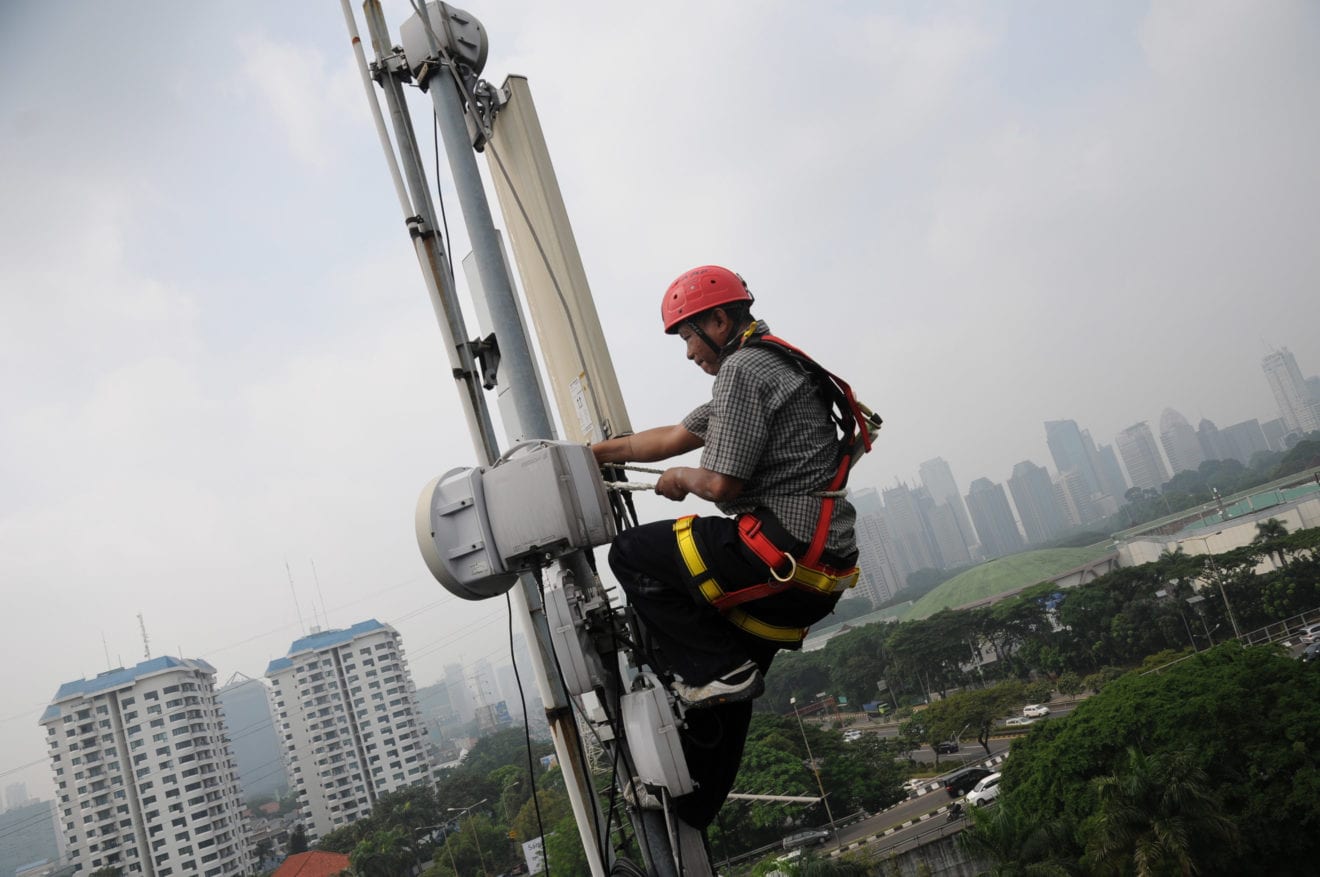
  • Axiata to sell 34.1% of tower unit for $600m

    Axiata to sell 34.1% of tower unit for $600m

    Malaysia’s Axiata Group has arranged to sell a 34.1% stake in its wholly-owned telecommunications infrastructure services division edotco Group for $600 million.

    The operator will place $400 million worth of primary shares with Innovation Network Corporation of Japan, and $200 million in secondary shares with Khazana Nasional Berhad.

    The placement is expected to close by the end of January. It values edotco at close to $1.5 billion, with an enterprise value to FY16 ebitda multiple of 12.5x – roughly comparable to the company’s regional peers.

    The valuation takes into account the potential future injection of tower assets from Axiata’s Cambodian and Sri Lankan operations, which would further increase Axiata’s shareholding in edotco.

    “Our lead investors and new shareholders, INCJ and Khazanah, are both long-term investors who will provide strategic value-add to edotco’s growth strategy, open doors to further strategic collaborations, as well as enhance and diversify our shareholder base,” edotco CEO Suresh Sidhu said.

    Axiata CEO Jamaludin Ibrahim added that edotco achieved a comparatively strong valuation during the placement due to its robust recent business growth.

    “We are determined to make edotco a world-class business and one of the world’s largest independent tower companies by 2020. The successful placement exercise is yet another step – financially and symbolically – towards facilitating this aspiration.”

  • FedEx Trade Networks expands in Malaysia

    FedEx Trade Networks expands in Malaysia

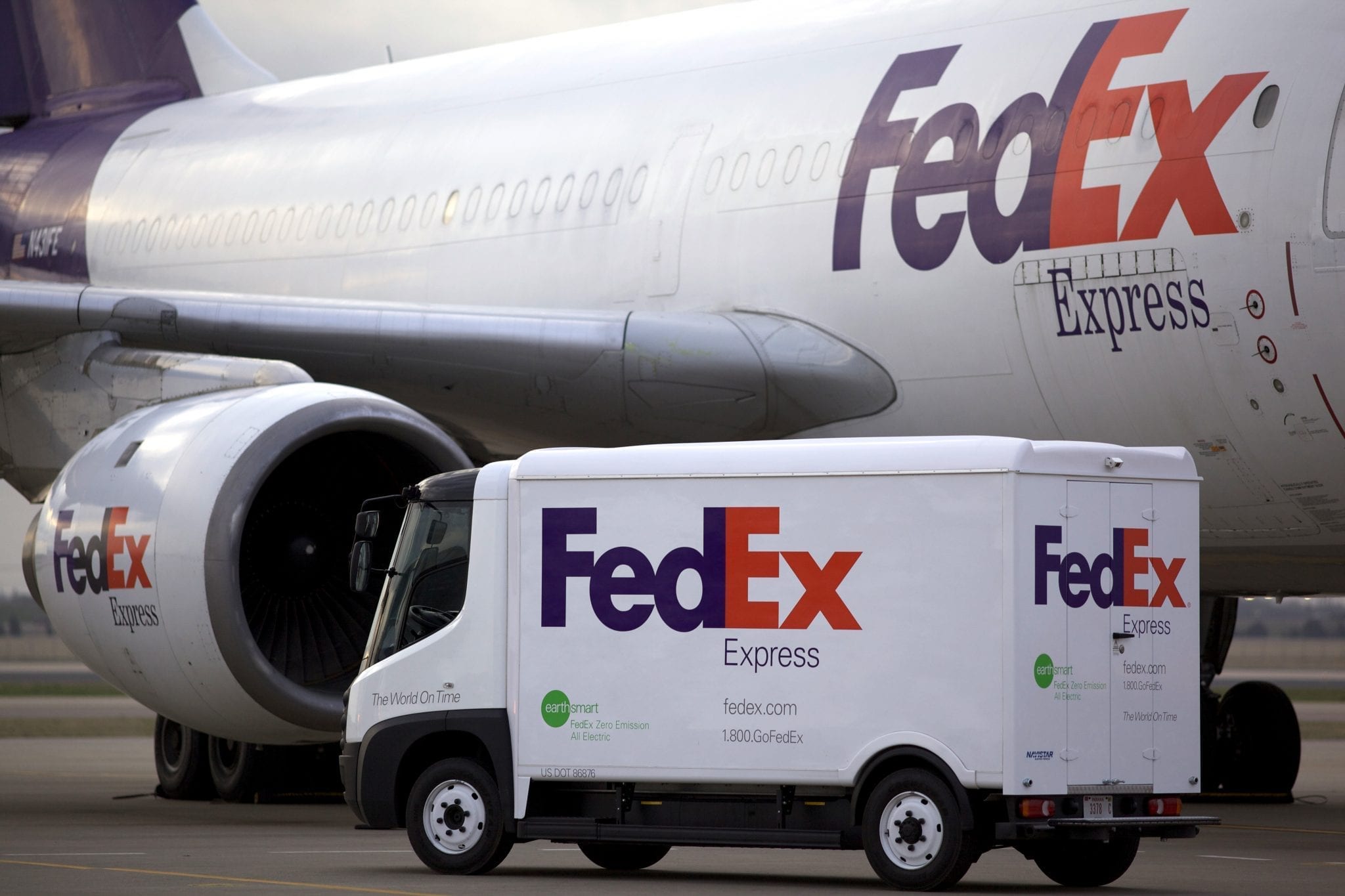
    FedEx Trade Networks, a premier international freight forwarder, announced the opening of a new office in Malaysia. Based in Penang, the additional facility highlights the continued expansion of FedEx Trade Networks to meet the growing market demand.

    “With our network stretching into Malaysia, we are well positioned to proactively respond to customer needs and support them in simplifying the complexities of international shipping,” said Udo Lange, executive vice president and COO, FedEx Trade Networks.

    The new FedEx Trade Networks office is strategically located in Penang’s central business district, with close proximity to the airport and the seaport as well as the city’s key infrastructure facilities. FedEx Trade Networks offers a comprehensive portfolio of services, covering e-commerce, international air and ocean freight forwarding, surface transportation (domestic and cross-border), customs brokerage, trade and customs advisory services as well as other value-added services, including My Global Trade Data, the company’s online suite of information management tools.

    “The world requires a new type of freight forwarder that understands how to turn global logistics into strategic advantages,” said Lange. “FedEx Trade Networks makes the complexities of global shipping simple, striving to provide customers with unparalleled supply chain visibility and logistics transparency to help move their businesses forward.”

    Penang is one of the most urbanised and industrialised states in Malaysia with a high concentration of key industries and sectors, including high tech, electronics and electrical products, industrial goods as well as aerospace, retail and e-commerce. Home to multinationals as well as small and medium enterprises, the city is one of the leading industrial sectors in the world.

  • AirAsia increasing flights for Chinese New Year

    AirAsia increasing flights for Chinese New Year

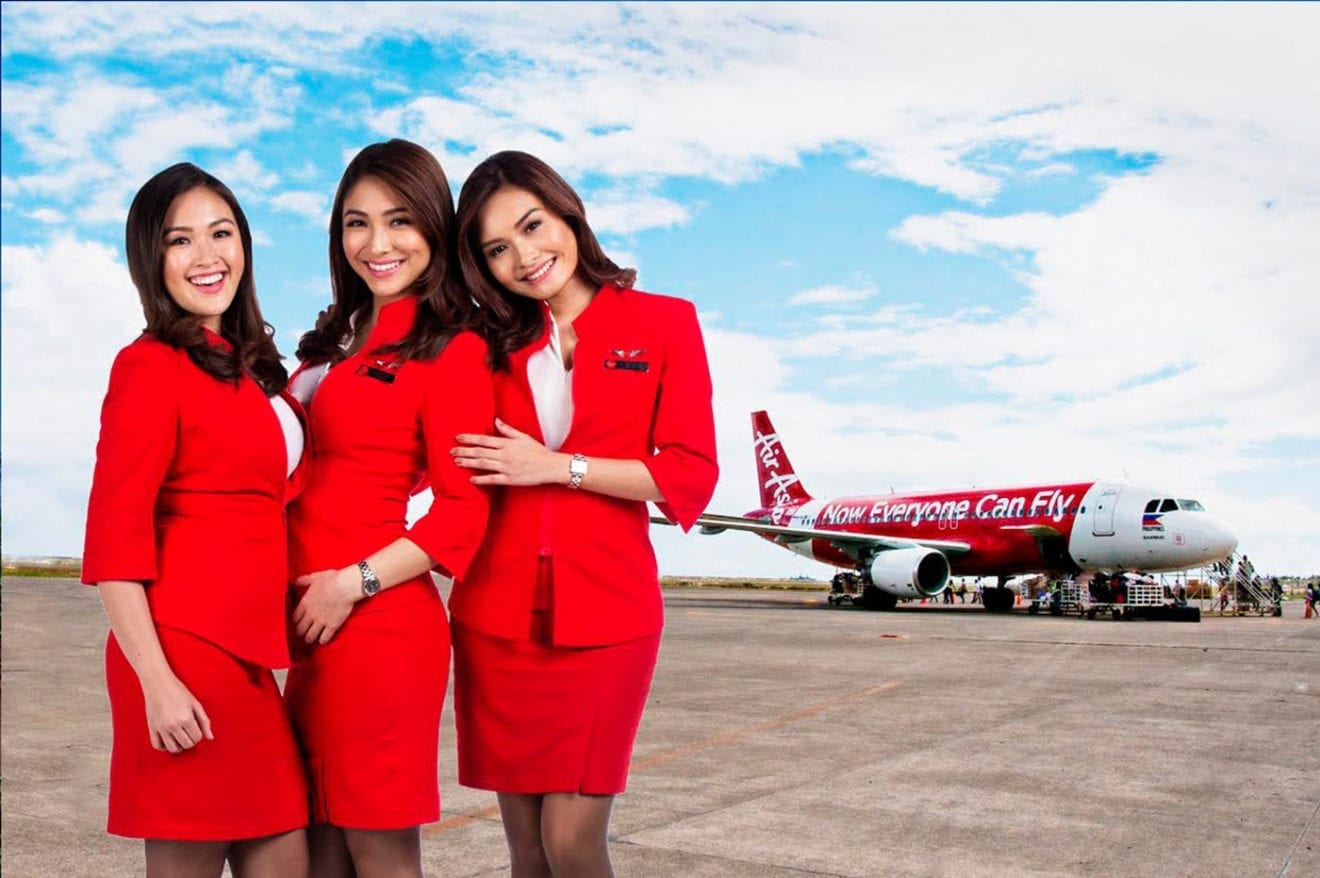
    AirAsia is increasing its flights for the Chinese New Year (CNY) period, offering 84 additional domestic and international trips. In a statement here yesterday, its Head of Commercial, Spencer Lee, said CNY has always been one of the busiest periods for the company as guests would travel back home or go for a short getaway during the long weekend.

    “As part of the airline’s festive promotions to welcome the Year of the Rooster, we have launched ‘#AyamComing’ campaign, offering all-in-fares from as low as RM29 (one-way), festive inflight meals and online pre-booking discounts at its duty-free shop,” he said.

    He said the special low fares would be available for booking starting from today until Jan 22, for travel up to July 31, 2017.

    “Aside from adding more flights to meet the demands, we want our guests to enjoy the exceptional connectivity of our flights,” he said.

    Lee said AirAsia X, the company’s long-haul affiliate, introduced 12 new routes last year, nine of which were exclusively operated by AirAsia and AirAsia X.

    As part of the promotion, Big Duty Free, AirAsia’s online duty-free shop, is offering 38 per cent discounts on all items from now until Feb 12, he said.

    “Guests can also spend and earn eight times AirAsia BIG points (loyalty programme) when they shop online,” he said.

  • AirAsia is hosting its first hackthon

    Budget airline AirAsia is the latest corporate to get into hackathons. The company just revealed plans to host its first-ever hack event on March 18 at its headquarters in Kuala Lumpur, Malaysia.

    AIRVOLUTION 2017” — yes, all caps and a cheesy name ? — is, as you’d expect, focused on air travel and related themes although the final challenge will be announced on the day of the event. The top prize RM 25,000 (around $5,600) in cash alongside five sets of return flights to any AirAsia destination, and 100,000 of the company’s “Big” loyalty points.

    There’s space for 20 selected teams to compete, with the only stipulation being that they must be from one of the 26 countries covered by AirAsia flights. Applications are open from now until 19 February 2017. Selected teams will be notified 3 March and those based outside of Malaysia will have their flights covered by AirAsia.

    The event, which includes Microsoft among its sponsors, is aimed at injecting fresh ideas and thinking into the 13-year-old airline, according to CEO Tony Fernandes, who last year said he wanted to make AirAsia a “digital airline.”

    “This year marks the emergence of AirAsia as a digital airline, and I believe this event can spur the kind of radical, creative thinking that will ensure AirAsia remains on the leading edge,” he said in a statement.

    AirAsia is by no means the first travel company, or even airline, to embrace hackathons. Emirates, Singapore Airlines and Malaysia Airlines all run events, while British Airways has gone one step further with its own in-flight hackathon in 2013.

  • PappaRich Malaysia considering IPO

    PappaRich Malaysia considering IPO

    Food chain PappaRich Malaysia is considering a Singapore IPO, possibly this year.

    Insiders say the company, which opened its first restaurant in Malaysia in 2006, aims to achieve a valuation of at least S$200 million (US$140 million) in the share sale.

    PappaRich would follow other Southeast Asia-based restaurant chains including ABR Holdings, which runs Swensen’s ice cream parlours, and kopi tiam restaurant chain Oldtown in gaining a listing to fund expansion.

    paparich-logo


    A PappaRich representative says a listing has always been a consideration as the company considers fundraising options to support its expansion plans.

    Oldtown, which makes instant coffee and runs cafes, has risen 18 per cent in Kuala Lumpur trading over the past 12 months, and shares of Thai dessert chain After You, which raised US$21 million in a Bangkok IPO last month, have surged 167 per cent from their offer price.

    More than a million customers dine at the PappaRich outlets monthly, according to its website. The company has about 100 outlets globally including Australia, China, New Zealand, Singapore and the US.

  • Malaysia Airlines’ recovery plan on track

    Malaysia Airlines’ recovery plan on track

    Malaysia Airlines Bhd (MAB) has performed well in 2016 and the momentum is expected to continue in the year ahead, backed by its 12-point MAS Recovery Plan (MRP), said Khazanah Nasional Bhd.

    Managing director Tan Sri Azman Mokhtar expressed confidence that the five-year recovery plan, after its 28 months of implementation, was on track and on schedule.

    “They (MAB) are making good progress. Insya Allah (God willing), next year or the year after, (even MAB) have come out publicly to say they are on track to break even and be profitable,” he told a press conference on Khazanah’s financial and strategic performance for 2016 and outlook for 2017 in Kuala Lumpur on Friday.

    Khazanah is the sole shareholder of MAB.

    In August 2014, the Government investment arm unveiled its RM6bil MRP in the quest to return MAB to sustained profitability and revive the flag carrier of Malaysia.

    The plan included cutting 30 per cent of its workforce of 20,000 employees and introducing a new restructured entity which is now called MAB.

    On July 1, 2016, MAB appointed its chief operating officer, Peter Bellew, to replace Christoph Mueller as chief executive officer.

    On the ringgit performance throughout 2016, Azman believes that the currency is “clearly undervalued”.

    “Whether (the depreciation rate is) 10%, 8% or 12%, we believe that our ringgit is undervalued,” he said, adding that Khazanah had also undertaken internal research on the currency performance.

  • Improving outlook for online shopping

    Improving outlook for online shopping

    More shoppers seen migrating to virtual stores as economy slows down

    AS consumers hold on tighter to their wallets and purses amid a slowing economy, online shopping is expected to be more prominent in the Malaysian retail scene with more brick-and-mortar retailers offering online shopping facilities to customers.

    As in many other countries around the world, the trend of online shopping is gaining a sizeable market share in the Malaysian retail space, according to leading retail consulting firm Retail Group Malaysia (RGM).

    Commenting on this trend for 2017, its managing director Tan Hai Hsin said that although this trend is fast catching up in the country, it is not expected to replace physical stores anytime soon.

    “Malaysians are active in online shopping.

    “But the transaction amount is still low compared to the entire retail industry.

    “Online retail sales only account for less than 2% of total retail sales in Malaysia.

    “Services like telecom services, banking services, movie tickets, government services, etc account for the largest portion of online shopping.

    “More and more brick-and-mortar retailers in Malaysia offer online shopping facilities.

    “This trend covers almost all retail sectors – international luxury brands, clothes, fashion accessories, gifts, toys and books, etc.

    “At the same time, more online retailers in Malaysia are setting up physical stores. Zalora.com.my has a permanent (shop) at Mitsui Outlet Park,” he adds.

    The popular Christy Ng Shoes has set up a showroom in Damansara Utama.

    Popular Facebook Fatbaby has also set up an ice cream parlour in Subang Jaya.

    F Block and Aurora are two good examples of retailers offering both physical stores and online shopping sites at the same time, Tan notes.

    RGM provides retail research and shopping centre consultancy services to retailers, shopping centre developers and shopping centre managers in Malaysia as well as in the region.

    RGM is projecting a 5% growth rate in retail sales this year and has revised downwards the growth rate from 3.5% to 3% for last year or to RM 99.1bil in retail sales value.

    This year will remain a challenging year for Malaysian retailers as significant recovery will only be expected during the second half of 2017, according to the firm.

    As the economy is not expected to recover strongly in the immediate term, Malaysian consumers are expected to hold back on their spending during the first half of this year.

    The continued weakening of the ringgit will impact the costs of retail goods, RGM says, adding that retailers may be forced to raise prices again during the first six months of this year.

    Meanwhile, Malaysia Retail Chain Association (MRCA) president Datuk Garry Chua agrees e-commerce will be the trend to watch out for in the retail space with the government’s initiative to diversify the country’s economy in the e-commerce domain via the setting up of the Digital Free Trade Zone.

    This will help the retail industry in Malaysia to grow and towards this end, he adds MRCA has formed a committee to work closely with the Government pertaining to the Digital Free Trade Zone.

    Alibaba founder Jack Ma has been appointed as the digital economy adviser to the Government for this initiative.

    MRCA is forecasting retail sales growth to improve this year at 5% to 6% compared with about 4% growth for 2016.

    Chua says the higher growth rate in retail sales for this year can be partly attributed to arrival of tourists, especially from China.

    “This year about one million Chinese tourists are expected to arrive in Malaysia which is a boon to the retail industry.

    “Each trip to the country, RM3,500 to RM4,000 will be spent by each individual during shopping. This will lift retail sales amid some challenges in the retail arena,’’ he says.

    Chua says one of the major challenges which may impact the growth of the retail sector is the requirement for employers to pay the levies of their foreign workers under the newly introduced Employer Mandatory Commitment.

    He feels the government should do away with the payment of the levy as it will affect the cost of production and pricing.

    Another challenge for the sector is the escalation of rental rates in prime areas which has put pressure on retailers operational costs, he notes.

    Tan reckons the retail sales performance in 2017 will have a direct impact on the occupancy rates of shopping centres. Many shopping centre owners have introduced rental rebates or reduce rental rates in order to retain existing tenants, he says.

    “Shopping centres that suffered from low occupancy rates in 2016 will still face the same challenges this year. In addition, many new shopping centres will still face difficulty to secure new tenants to take up their retail shops if the purchasing power of Malaysians do not improve by the second half of this year. Numerous shopping centres in Klang Valley scheduled for opening last year have been delayed to this year,” he says.
  • No-grow period for Tesco Asia

    No-grow period for Tesco Asia

    Tesco Asia’s sales growth stalled in the third quarter as Thais stopped spending during the mourning period for their late king.

    First quarter growth was 3.3 per cent and second quarter growth 3 per cent. But during the third quarter, according to results released it shrank to an underwhelming 0.4 per cent.

    Tesco CEO David Lewis said the slowdown reflected “a particularly strong step up in the comparative” period. “Our sales performance in Asia also reflects some weakening in consumer spending in Thailand during the Christmas period. We are proud that our colleagues have continued to serve our customers so well during such a sad time for the nation, following the death of King Bhumibol Adulyadej.”

    International like-for-like sales grew 1.2 per cent reflecting a strong seasonal performance last year. While there was little sales growth in Thailand, Lewis says the company managed to expand its market share there during the quarter.

    Globally, the UK-headquartered retailer continues to improve under Lewis’ stewardship with the company winning back market share and sales growth returning. UK like-for-like sales grew 1.8 per cent.

    “We are very encouraged by the sustained strong progress that we are making across the group. In the UK, we saw our eighth consecutive quarter of volume growth and delivered a third successful Christmas.

    Our fresh food ranges proved particularly popular, outperforming the market with great quality, innovative new products and even more affordable prices. Internationally, we have continued to focus on improving our offer for customers in challenging market conditions,” he said in a statement.

    “We are well-placed against the plans we shared in October to become more competitive for customers, simpler for colleagues, and an even better partner for our suppliers, whilst creating long-term value for our shareholders.”

    David Alexander, senior analyst with Verdict Retail, says Lewis’ pragmatic approach to steering the Tesco ship out of choppy waters looks more assured with each passing update.

    ‘The numbers from third quarter and Christmas trading are hardly spectacular, but they represent a further positive step in the steady progress the ex-Unilever boss has made since taking charge.”

    Alexander says simplifying the offer has been at the heart of Tesco’s turnaround strategy.

    “On a broader level, this has resulted in the dismantling of the Phil Clarke legacy; trimming the fat from Tesco’s balance sheet with the sales of Giraffe, Blinkbox, Euphorium and HomePlus. At its heart though, it is about delivering an improved experience for the people that can make the difference for Tesco: staff and customers. Poor product availability and customer service had been issues plaguing the troubled Tesco of old, so store ordering systems have been improved, stock is now replenished earlier on in the day and deliveries to large stores are now more likely to arrive on time. What’s more, this year Tesco recruited an extra 15,000 seasonal staff to assist over the Christmas period, up from 4000 last year, making for a smoother process for customers in-store.”

    Alexander says while these changes are not revolutionary, they have been critical in reshaping Tesco.

    “Time and again, Lewis has displayed an unflinching willingness to make the tough calls – witness the highly public standoff with Unilever over supplier pricing in the wake of the weaker pound and the recent announcement that 1000 staff are to be made redundant in its distribution network, again to “run its business more simply and in a way that best serves customers”.”

    Although the numbers coming from both Tesco and rival Sainsbury’s are left in the shade by the festive performances of Aldi, Lidl and a resurgent Morrisons, both can take considerable heart from what appears to have been a very strong end to the year in grocery, believes Alexander.

    “With tougher times predicted to be just around the corner, Tesco cannot afford to take its foot off the pedal.”

  • Public Bank and UnionPay International Launch PB UnionPay Lifestyle Debit Card

    Public Bank and UnionPay International Launch PB UnionPay Lifestyle Debit Card

    UnionPay International (UPI), a global payment network, has reaffirmed its presence in Malaysia by inking a first-of-its-kind partnership with Public Bank (PB), the third largest bank in Malaysia. The two collaborated to launch the PB UnionPay Lifestyle Debit Card in December 2016, targeted at customers and businessmen who are frequent travelers to Asia. 

    Poised as the best travel companion, the PB UnionPay Lifestyle Debit Card which is issued upon opening of a PB UnionPay Savings Account, will give Cardholders access to a range of perks and benefits. A PB UnionPay Lifestyle Debit Cardholder can access the Priority Lane at the Chinese Visa Application Service Centre in Kuala Lumpur and Kuching, to expedite the submission and processing of visa applications. Besides, discounts of up to 10 percent are  offered to these Cardholders at duty-free shops in 100 participating international airports. PB UnionPay Savings Account offers a flat interest rate of 0.5 percent per annum, and a monthly cash rebate of RM10 (S$3.21) for accounts with a minimum of RM10,000 (S$3,221) month-to-date average balance and no over-the-counter transactions for the month. 

    In conjunction with the launch, Public Bank is offering complimentary access to Plaza Premium Lounge Malaysia so visitors can partake in a host of facilities that will make traveling more comfortable and satisfying. A panda neck pillow and eye mask resembling the card design will be given to new PB UnionPay Savings Account holders with a minimum deposit amount of RM2,000 (S$643) which is earmarked for three months. Gifts are available while stocks last.

    Public Bank is the third largest banking group in Malaysia. Headquartered in Kuala Lumpur, Malaysia, the Bank entered its 50th year of operations in 2016 with a total group asset size of RM363.76 billion (S$116 billion) as of end 2015. With an extensive reach to its customers via a network of 259 well distributed branches and over 2,000 self-service terminals in Malaysia, this partnership between UPI and PB aims to provide PB customers with greater mobility within the region through the use of its high quality and secure cross-border payment services.

    ӡWe are excited to have Public Bank on board as our strategic partner for our issuing in Malaysia,ӱ said Mr. Wenhui Yang, General Manager of UPI Southeast Asia. ӡUnionPay International is fully aligned with Public BankӮs focus on providing the most efficient services to its customers through the innovation of new banking services, and we believe that this partnership will put us in a good position to serve the needs of consumers and businesses in Malaysia.ӱ

    ӡWe are proud to be the first local bank in Malaysia who had launched UnionPay Card which offers various solutions to fit our customersӮ financial and lifestyle needs. With the expanding business alliances between China and Malaysia, Public Bank continues to progress and expand in order to become the first choice of expatriates and students from China for their banking service needs as this card serves them well whenever they are in China, Malaysia or any other 160 countries and regions that accept UnionPay Cards.ӱ said Y. Bhg. DatoӮ Chang Kat Kiam, Deputy Chief Executive Officer of Public Bank.

  • Poh Kong Holdings plans five more stores

    Poh Kong Holdings plans five more stores

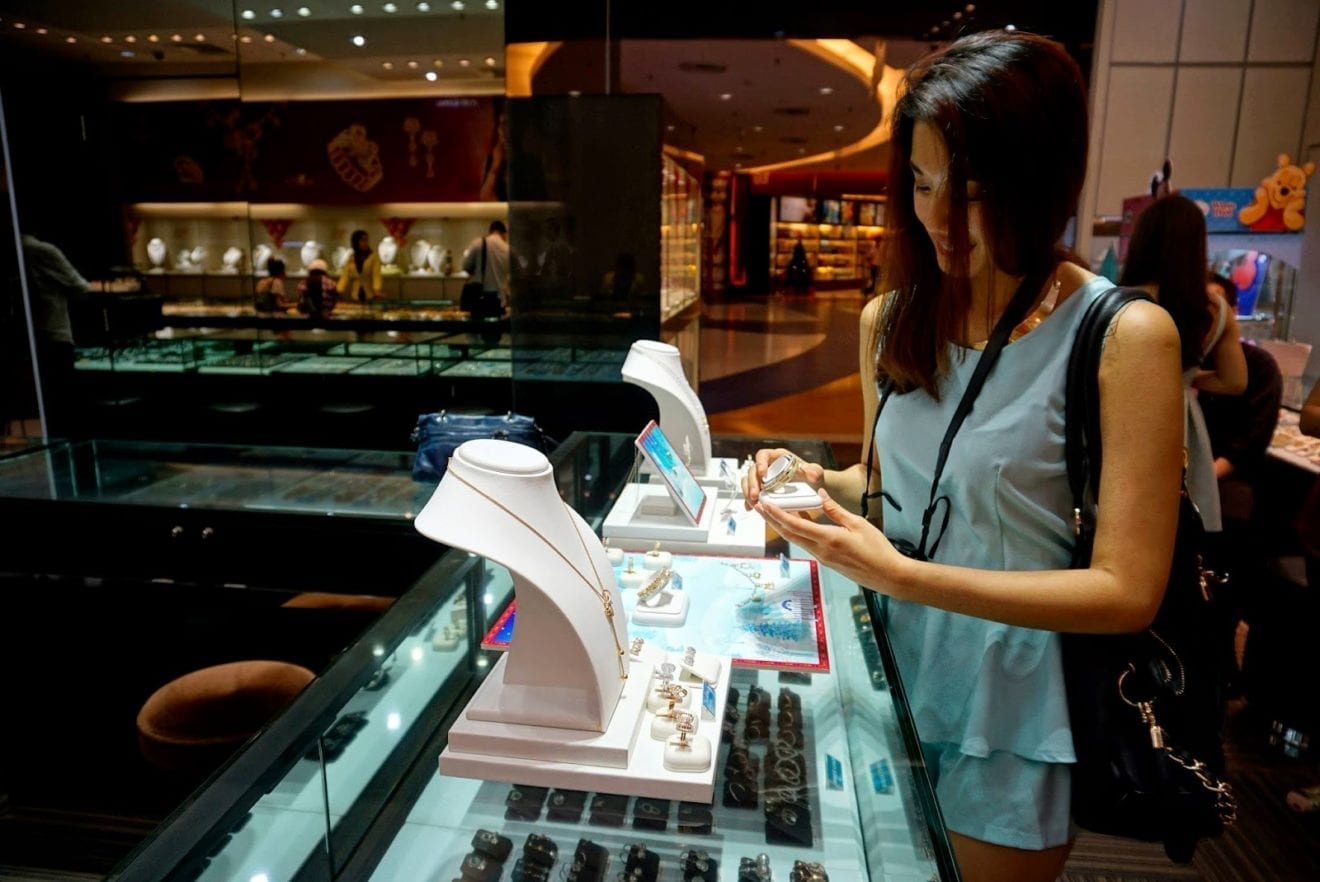
    Malaysia’s largest jewellery retailer, Poh Kong Holdings, plans to spend up to RM25 million (US$5.6 million) to open five more stores in Malaysia this year.

    The company says two of the outlets will be in Johor, a state with an appetite for gold and gemset jewellery.

    Each outlet costs up to RM5 million to set up, including inventories, says Poh Kong business development manager Edison Choon.

    poh-kong-jewelry-store

    He declined to reveal the locations of the other three possible stores.

    By year end, he says, the company aims to have at least 100 stores (there are now 97 outlets, all in peninsular Malaysia).

    At the moment, 71 per cent of Poh Kong’s revenue is generated in the Klang Valley. Analysts say the company has 16 to 20 per cent share of Malaysia’s gold jewellery market, which is estimated to be worth RM5 billion.

  • McDonald’s Malaysia bans non-halal foods

    McDonald’s Malaysia bans non-halal foods

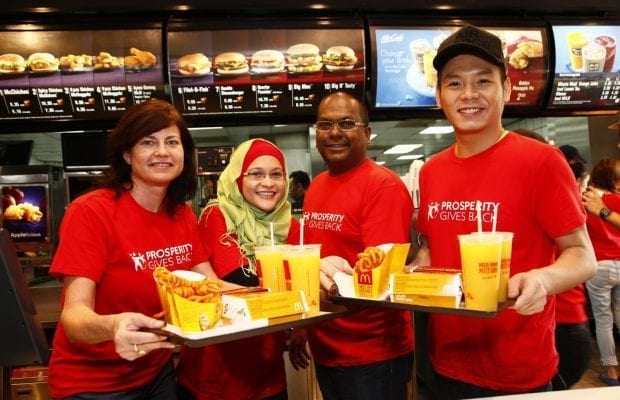
    McDonald’s Malaysia has decided to ban customers taking products that are not halal-certified into its restaurants.

    The fast-food restaurant chain says the measure is necessary to safeguard its own halal status, reports the Malay Mail.

    “This is in line with fulfilling requirements of our halal certification,” company official say.

    The new policy came to notice after an announcement was made in one of its restaurants that birthday cakes taken onto the premises must have halal certification or logo.

    McDonald’s Singapore and Malaysia franchise rights were sold last month to Saudi Arabian company Lionhorn as part of a broader plan by the US company to move away from direct ownership in Asia.

  • Chatime Malaysia master franchisor axed

    Chatime Malaysia master franchisor axed

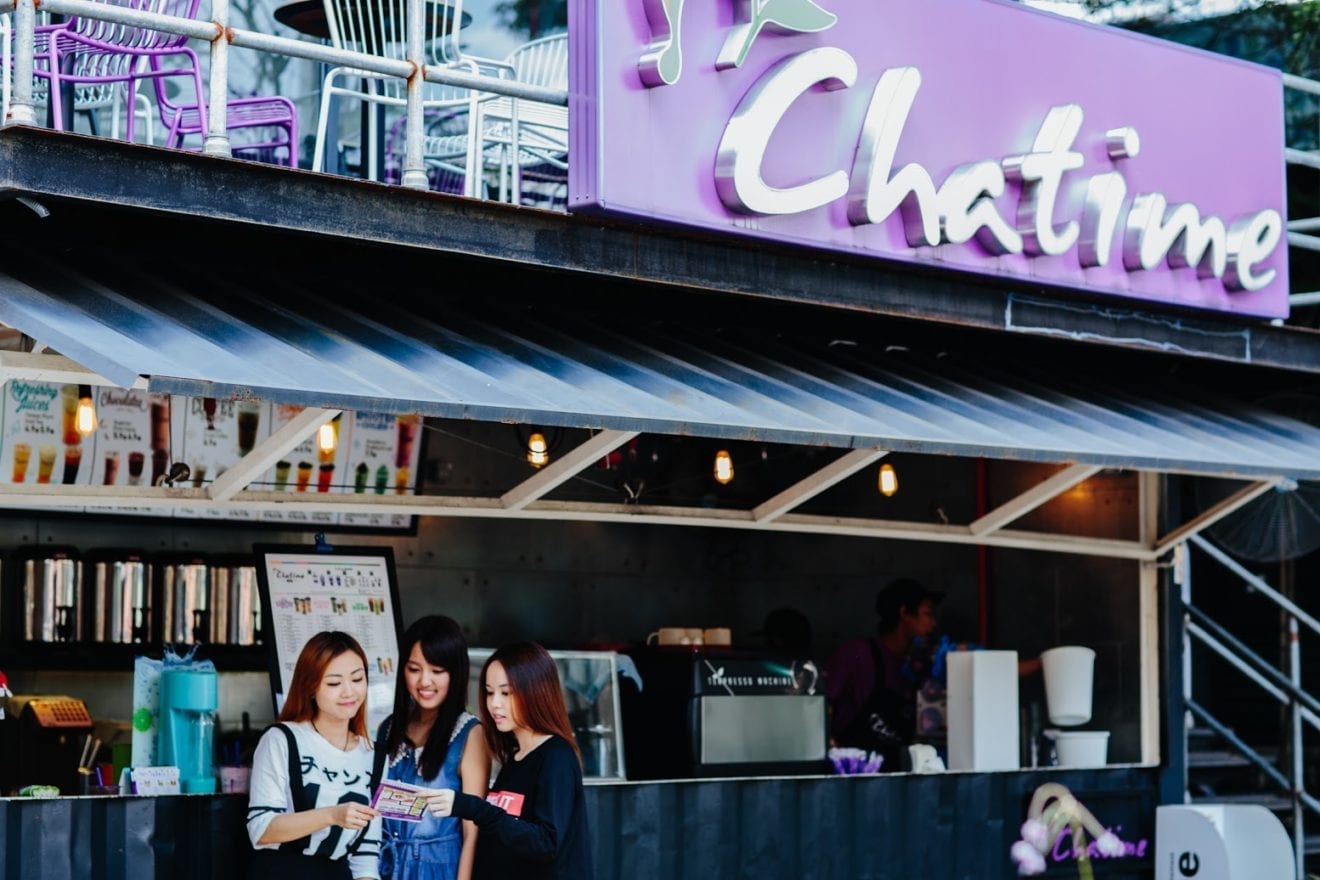
    Loob Holdings, which owns and runs the Chatime Malaysia outlets, says it will seek legal advice in response to news of a purported termination of the franchise agreement with La Kaffa International of Taiwan.

    Loob CEO Bryan Loo says that while the franchisor owns the brands, all Chatime outlets in Malaysia are owned and run by his company, either through direct ownership, sub-franchisees or joint ventures with sub-franchisees.

    While awaiting the legal process, he says all 165 Chatime outlets in Malaysia will be open as usual with Loob as master franchisee.

    Earlier, La Kaffa chairman Henry Wang announced the termination of Loob Holdings’ Chatime master franchisor contract, which it has held for six year, because of disagreements in the direction of business operations.

    Wang said La Kaffa would take over the Chatime business in Malaysia, assuring franchisees they would continue to receive support from the company.

  • Former Petronas regional marketing head to Pizza Hut as CMO

    Former Petronas regional marketing head to Pizza Hut as CMO

    QSR Brands, one of the largest quick service restaurants operator in Malaysia as well as a leading brand in the Southeast Asia region, is promoting Merrill Pereyra to chief executive officer.   Along with Pereyra’s promotion, it is also appointing Jean Ler as chief marketing officer for Pizza Hut Malaysia.

    Ler will head up marketing, including brand management, innovations and consumer insights to rejuvenate the Pizza Hut brand in Malaysia. She will look to strengthen the relevance and connection to consumers by bringing them delicious products, renewed marketing communications and exciting enhanced experiences.

    Ler has a marketing career that spans 20 years across various reputable local and multinational food & beverage companies. She was most recently regional head of Marketing for Petronas Lubricants AsiaPac following various positions of increased responsibility at Dutch Lady and KraftFoods/Mondelez where she successfully regained market leadership position for the Dairy and Biscuits portfolio of the respective brands.

    Meanwhile, CEO Pereyra joined QSR Brands in June 2016 as COO to further shape the company’s growth story in the region. His current CEO role includes leadership of KFC and Pizza Hut in Malaysia, Singapore, Brunei, and Cambodia. His promotion follows the departure of Rohan St. George who helmed QSR Brands from 2013 to 2016.

    With over 25 years of years of innovative and energetic leadership in the Middle East, South Pacific, Australia and Asia, Pereyra is renowned for leveraging global resources, capabilities, and relationships to promote growth of brands in new markets. He has a successful track record in setting up new businesses in six countries, in developing and implementing strategic business plans as well as fast tracking high potential employees to leadership positions.

    Over the last 30 years, Pereyra has assumed senior leadership, sales and marketing positions at various leading quick service restaurants such as Domino’s, Healthy Habits and McDonald’s. In his last two roles, he was CEO of Domino’s and managing director of Healthy Habits in Australia. Prior to that, he spent 23 years at McDonald’s in four different countries.

    Eric Leong has also been appointed as GM for Pizza Hut and will oversee the planning, coordinating, and managing field activities including restaurant and delivery management, quality assurance, and implementing special projects. This is in line with Pizza Hut’s drive for superior customer service and operational efficiencies to cement a solid foundation for ambitious business growth.

    He brings more than 27 years of experience in the food and beverage industry, with extensive experience in sales and retail. Prior to joining Pizza Hut Malaysia, he was the managing director at Minor Food Group Singapore, which is part of Minor International, one of the largest leisure, F&B and retail companies in the Asia Pacific.

    He was also supervising director and general manager at Berjaya Corporation Berhad in 2012, holding both portfolios comprising Papa John’s Pizza Malaysia and Philippines, as well as Wendy’s Malaysia.

    Both Ler and Leong witll report to  Pereyra in his new role as CEO.

    Pereyra said, “At the heart of everything we do at QSR Brands, is our consumers. This is something Eric and Jean truly understand and embody. They both bring a wealth of experience and a fresh perspective to Pizza Hut.” “I look forward to working closely with them to deliver our plans for 2017 and beyond to improve our brand value and provide Malaysians with new and exciting dining experiences that appeal to their tastes and hearts.”

    This year Pizza Hut celebrates its 35th anniversary in Malaysia

  • Samsung Malaysia launches Galaxy A5 and A7 2017 with IP68 rated dust and water resistance

    Samsung Malaysia launches Galaxy A5 and A7 2017 with IP68 rated dust and water resistance

    Samsung Malaysia has announced the latest 2017 version Galaxy A lineup for the local market that features IP68 certified water and dust resistance along with built-in Samsung Pay function.

    The all-new Galaxy A series 2017 that was introduced include Galaxy A5 and Galaxy A7. The main differences between the two are the screen size and battery capacity. The Galaxy A5 comes with a 5.2 inch Full HD Super AMOLED display with a 3,000 mAh size battery. Galaxy A7 on the other hand features a 5.7 inch Full HD Super AMOLED display with a 3,600 mAh size battery.

    galaxy-a5-a7-01

    Apart from the above dissimilarities, both devices share similar components such as a 1.9GHz octa core SoC, 3GB RAM, 32GB expandable storage (up to 256GB), front-facing fingerprint scanner, 16 megapixel f/1.9 for both front and rear cameras as well as fast charging support via USB Type-C.

    It is worth noting that Samsung has separated the dual SIM card slots from the microSD card slot which means you won’t have to choose between using dual SIM card or one SIM card with a microSD card. We are also slightly disappointed that both the Galaxy A 2017 devices will be running Android Marshmallow OS instead of the latest Android Nougat.

    The local retail price for both Galaxy A5 2017 and A7 2017 are RM1,699 and RM1,899 respectively. Pre order starts from the 6th to 15th of January 2017 at selected Samsung outlets. If you make your pre-order during this period, you will receive a pair of Samsung Level U Pro wireless headphones worth RM399 for FREE!

  • After Soaring, AirAsia Hits Some Turbulence

    After Soaring, AirAsia Hits Some Turbulence

    Malaysia’s AirAsia, which operates budget flights across Southeast Asia, had a stellar 2016. But the catalysts that fueled the airline’s ascent by as much as 130% by August are no longer there. This stock could fall another 20%.

    AirAsia is a play on the Malaysian ringgit. Its share price started to slip in late August, coinciding with the ringgit’s decline. Since then, the ringgit has fallen some 11%, to $4.50, and AirAsia has tumbled more than 30%. The stock still managed to return over 80% in 2016, however.

    A weaker ringgit hurts AirAsia’s operating margins. Deutsche Bank ’s Joe Liew estimates that half of the airline’s operating costs last year were related to the dollar, in part because 90% of its debt is denominated in greenbacks. The airline says that two-thirds of its dollar debt was hedged at about 3.23 ringgits to the dollar. Still, Deutsche estimates that for every 5% decline in the ringgit, AirAsia’s operating profit falls by 7.1%.

    More importantly, over half of AirAsia’s shareholders are foreigners, who are more likely to unload the stock when Malaysia’s currency policy gets unsteady. The ringgit “keeps us awake at night,” says Credit Suisse’s strategist Tan Ting Min, because China is Malaysia’s largest exporter and the currency is viewed as a yuan proxy. It’s also sentiment-driven because foreigners hold about half of Malaysian government bonds, 50% more of which are maturing this year. In addition, Malaysia’s central bank unnerved investors during the Trump tantrum—the selloff of emerging market bonds and currencies after the U.S. election—by asking foreign banks to stop trading ringgit in the offshore nondeliverable forwards market, a popular way for foreigners to hedge against its decline.

    There are other head winds. Fuel prices have begun to rise. At the end of December, jet fuel was trading at $67 a barrel, 48% above a year ago, according to Platts. While AirAsia hedges 74% of its jet-fuel costs at $60 a barrel, expensive fuel still affects its earnings. Deutsche says that for every 5% rise in jet-fuel prices, AirAsia’s net profit falls by 6.6%.

    COMPETITION IS ALSO HEATING UP

    Again in Malaysia. Malindo, which started operations only in 2013, bought 16 new aircraft in 2016 and operates 42 in total, about a third the size of AirAsia Malaysia. Meanwhile, market leader Malaysia Airlines, which has been in cost-control mode for the past two years after the crash of the MH 370 in March 2014, is looking to expand again. It is starting nine new routes to China this year.

    AirAsia said in August it would divest itself of Asia Aviation Capital, which provides aircraft-leasing services to the airline. AirAsia said the unit could fetch $1 billion. At the end of September, Asia Aviation had only $59 million in equity on its balance sheet. “We struggle a little to understand how that [$1 billion] number is derived, given the balance-sheet numbers,” wrote Deutsche in a note last week.

    Deutsche Bank last week downgraded AirAsia to Sell with a price target of 1.75 ringgit, or another 20% downside. It values AirAsia at five times enterprise value to earnings, in line with full-service airlines Cathay Pacific (293.Hong Kong) and Singapore Airlines(C6L.Singapore). Both of these airlines are suffering from excess capacity, and Deutsche is betting that AirAsia will be operating in a similar environment a year from now.