Tag: Malaysia

  • Sa Sa profits dive

    Sa Sa profits dive

    Sa Sa profits took a hit of 37.3 per cent for the six months to September 30.

    The Hong Kong-listed beauty products retailer’s interim results show turnover easing by 4 per cent to HK$3.628 billion (US$467.7 million) for the period, with retail sales in Hong Kong/Macau decreasing by 3.6 per cent to HK$2.9032 billion.

    Profit fell from $153 million to $96 million with its gross profit margin dropping from 42.9 to 41.2 per cent.

    During the six months, the group rationalised its retail network from 291 to 283 – six fewer Sasa stores and two fewer single-brand stores/counters.

    While sales fell in Hong Kong/Macau, the number of transactions rose by 0.2 per cent for local customers and 4.4 per cent for Mainland Chinese tourists. The value of each transaction, however, fell by 6.3 and 6.6 per cent respectively.

    Retail sales in Hong Kong continued to be weak, mainly because of average transaction values being lower. The company says the underlying reasons were a change in consumer preferences, a strong Hong Kong dollar and a depreciating yuan. Also, the policy change limiting Shenzhen residents’ multiple-entry permits to one visit a week has had a “significant” impact.

    However, Sa Sa reports an uptick toward positive growth in July as the company adapted with faster product launches, shorter product cycles and cheaper trendy products.

    Korean swing

    As an indication of market change, Sa Sa’s Korean product mix grew from 16.7 per cent of total sales to 23.5 per cent, and the parallel-imported product mix increased from 29.1 to 31.7 per cent. Sales for house brands dropped from 41.5 to 38.5 per cent.

    Overall turnover for Mainland China decreased by 4.3 per cent to $135 million, while same-store sales fell 5.1 per cent. The loss for the period amounted to $13.7 million. Profitability was impacted by the relocation of warehouses.

    Turnover for Singapore at $101.3 million was a drop of 11.1 per cent. As well as weaker sales, management issues impacted performance. While turnover was high, this created difficulties in retaining the knowledge base. However, a restructuring process has drawn on the resources of the relatively strong Malaysian management team.

    Malaysia’s turnover was down 19.1 per cent to $163.4 million, though same-store sales rose 11.2 per cent. Retail sales growth exceeded other markets thanks to the group’s strong retail network and effective marketing campaigns.

    Turnover in Taiwan fell by 23.1 per cent to $98.3 million, with same-store sales tumbling 19.5 per cent because of weak consumer sentiment and ongoing restructuring of the management team.

    Logistics problem

    In eCommerce, Sasa.com turnover reached $193 million, a dip of 0.1 per cent. Sales were affected by the appointment of a new logistics provider in April with the aim of increasing scalability. However, changeover difficulties resulted in a decision to return to the original service provider.

    “Significant numbers of orders had to be cancelled, and further costs were incurred by moving inventory back and forth as well as the running of two warehouses in parallel during the period,” says the company.

    Building on the growth of mobile internet use, the company launched a mobile app and started a collaboration with eCommerce platform Kaola in addition to its partnership with JD.com, Suning.com and T-Mall.

    On the mainland, the dynamics of the cosmetics market are changing with internet retailing growing at a rapid pace, says the company. Because of these challenges, it is continuing to strengthen management and recruit staff.

    “We are also seconding experienced staff from Hong Kong to improve the attractiveness of our product offerings and strengthen inventory management.”
  • Manolo Blahnik Malaysia debuts in KL

    Manolo Blahnik Malaysia debuts in KL

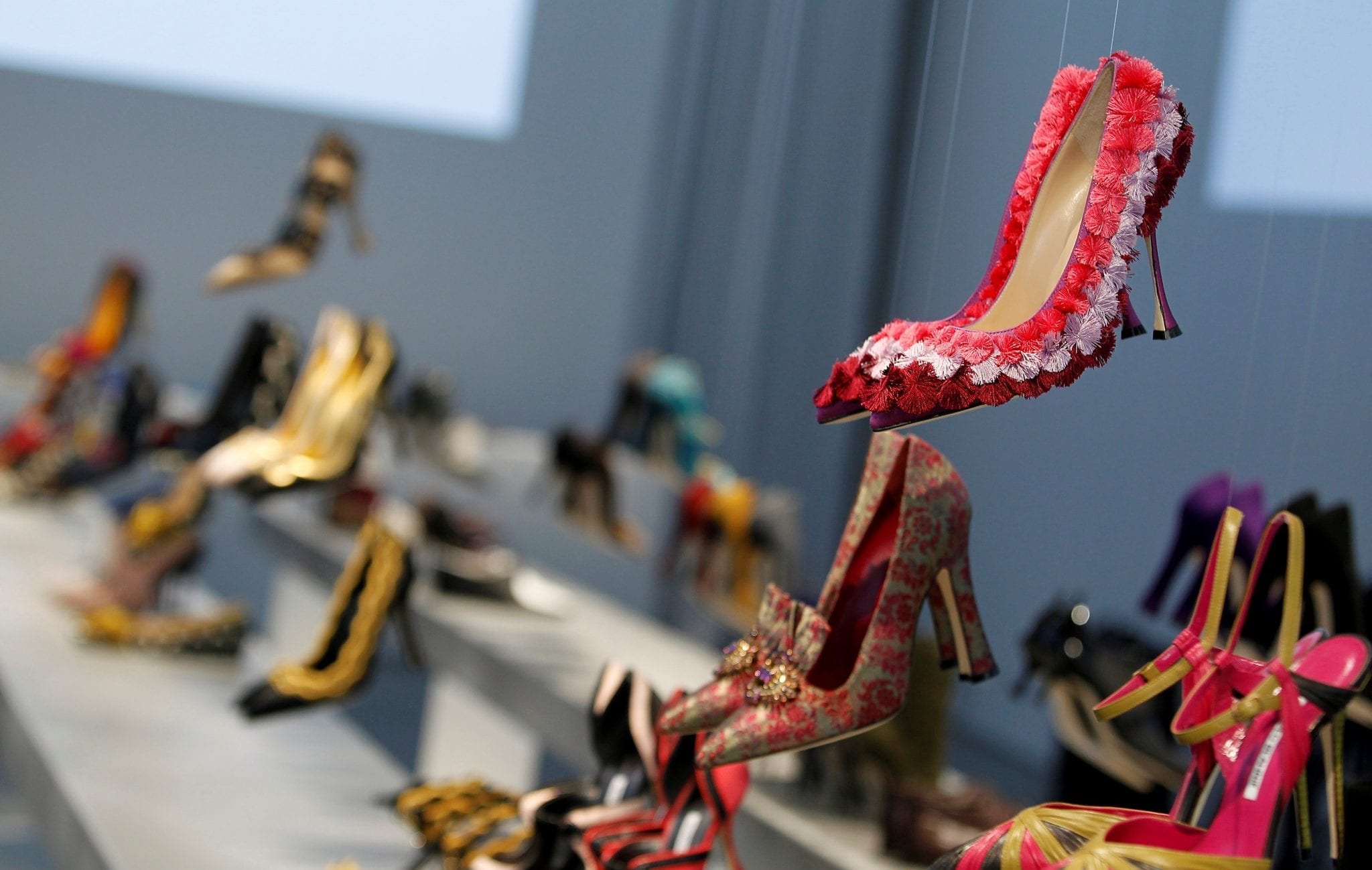
    Women’s shoe retailer Manolo Blahnik Malaysia has launched its first store, in Pavilion KL.

    The 95 sqm store is part of an Asia expansion plan that includes the refurbishment of its Singapore store at Takashimaya, as well as the launch of a flagship store in Tokyo next year. The brand is partnering with retailer Bluebell Group on the projects.

    Founder Manolo Blahnik, who opened his first shop in Chelsea in London in 1973, was born in the Canary Islands to a Spanish mother and Czech father. He studied languages and art in Geneva before moving to Paris in 1965, where he became a set designer.

    On a visit to New York in 1970, he showed his theatre designs to Diana Vreeland, then editor-in-chief of American Vogue, who encouraged him to concentrate on his shoe designs.

    Blahnik learnt the art of making shoes by visiting factories, and by 1971 was in London making shoes.

  • Mitsui Outlet Park expansion starts

    Mitsui Outlet Park expansion starts

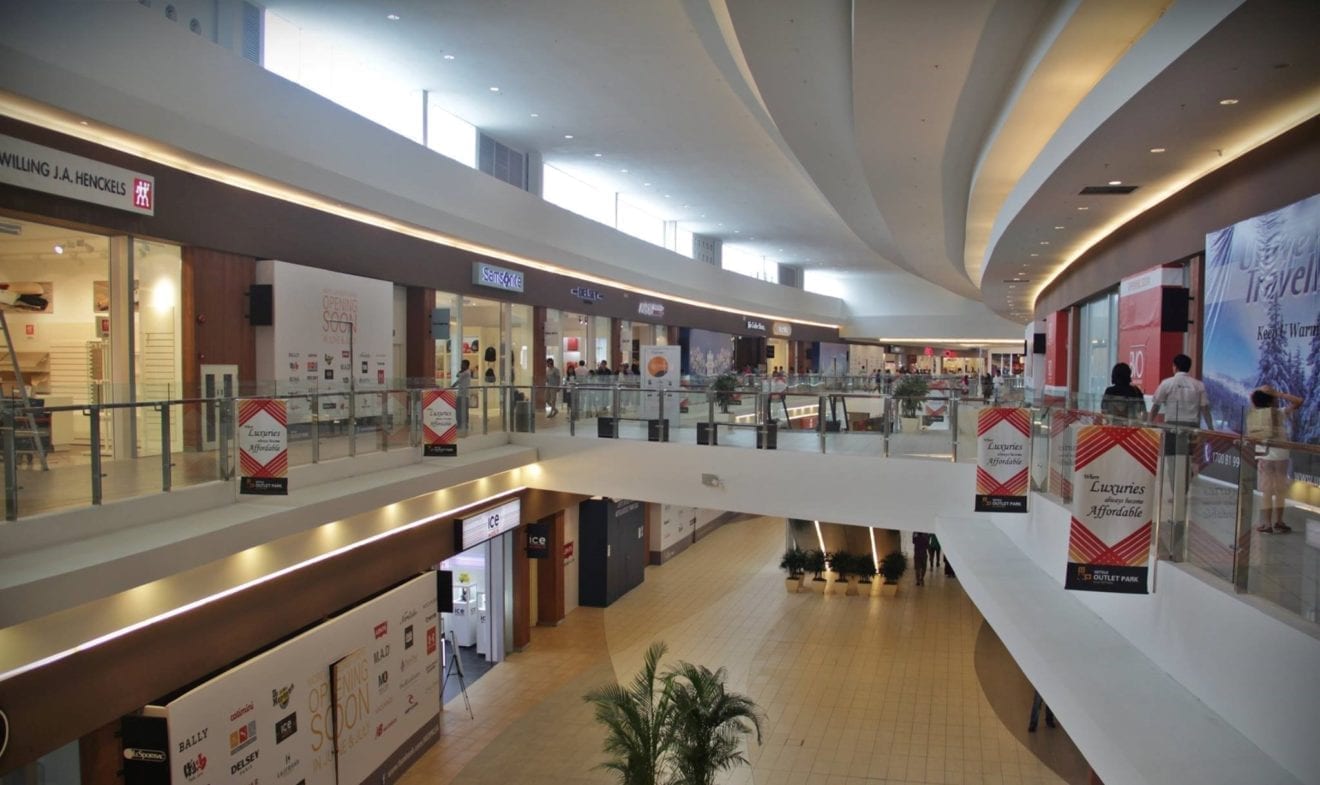
    Ground has been broken for the second phase of the Mitsui Outlet Park KLIA Sepang, claimed to be the largest factory-outlet shopping mall in Southeast Asia.

    On a 27,500 sqm site next to the current outlet near Kuala Lumpur International Airport, the double-storey extension will feature 60 shops and 500 parking lots to complement the existing 2100 bays, and is expected to open in January 2018. The present 24,000 sqm development has 130 shops.

    mitsui-sepang

    It will introduce more premiums brands in fashion, cosmetics, sportswear and accessories, with a diversification into entertainment and amusements.

    Tourism and Culture Ministry secretary-general Tan Sri Dr Ong Hong Peng officiated at the ground-breaking ceremony, which was attended by Mitsui Fudosan managing officer Osamu Obayashi.

    To complement phase one’s Paradise Village architectural concept, which features a Sunshine Square, Pier Walk, Beach Walk and Tropical Plaza concept, phase two introduces a new ambient experience with Sky Walk and River Walk themes. Sky Walk will have simulated clouds on its ceilings while River Walk will resemble a creek.

    Mitsui Outlet Park KLIA Sepang is a JV between Japanese real estate developer Mitsui Fudosan and Malaysia Airports Holdings. The outlet is managed by the JV company, MFMA Development. Free buses connect the development with the two airport terminals.

  • Malaysia’s MMU, Teradata ink pact on big data analytics skills

    Malaysia’s MMU, Teradata ink pact on big data analytics skills

    Multimedia University, Malaysia (MMU) and Teradata have announced a strategic partnership to collaborate on education and research in an effort to cultivate the next generation of data science professionals and experts in Malaysia.

    Through this co-operation, MMU will gain access to the Teradata University Network (TUN), a web-based portal that provides complementary teaching and learning tools used by more than 45,000 students around the world to share expertise, access knowledge as well as information on how to enhance both curriculum and align research to the current industry needs.

    Teradata University Network currently has over 5,500 registered faculty members, from over 2,400 universities, in 115 countries, with thousands of student users.

    A key to the success of Teradata University Network is that it is led by academics to ensure the content will meet the needs of today’s classrooms.

    Leveraging the partnership, MMU’s Faculty of Computing and Informatics will offer a Data Science Specialization as part of its Bachelor of Computer Science degree.

    This step was taken following the formalization of a Data Science Institute (DSI) at MMU last month designed to cater to both research and industry engagement of MMU’s expertise in this area.

    “This MoU facilitates greater input from a leading industry player, and Teradata has committed to provide experts to support exposure to our students and staff alike to its services and solutions,” said MMU president Ahmad Rafi Mohamed Eshaq.

  • AirAsia X may relaunch London in 2017

    AirAsia X may relaunch London in 2017

    Malaysia’s AirAsia X is considering the lease of A350s or 777-300ERs in 2017 to accelerate its return to Europe. A new widebody type will add cost and complexity but is necessary if the medium/long haul low cost airline is to meet its objective of relaunching London as soon as possible.

    AirAsia X had been planning to wait until it receives A330-900neos before relaunching London and commencing other European routes. However the airline prefers not to wait until 2H2018, when its A330-900neo deliveries are slated to begin, and using another aircraft type in the interim mitigates the impact of a potential delay with the A330neo variant required for Kuala Lumpur-London.

    AirAsia X could also use a new aircraft type – most likely A350-900s – to support new routes to the US. It plans to launch services from Japan to Hawaii in Jun-2017 using A330ceos, but also has longer-term plans for longer routes from Japan to Las Vegas, Los Angeles and San Francisco – and potentially ultra-long haul routes from Malaysia to the US.

  • AirAsia plans IPO of ASEAN airline holding company

    AirAsia plans IPO of ASEAN airline holding company

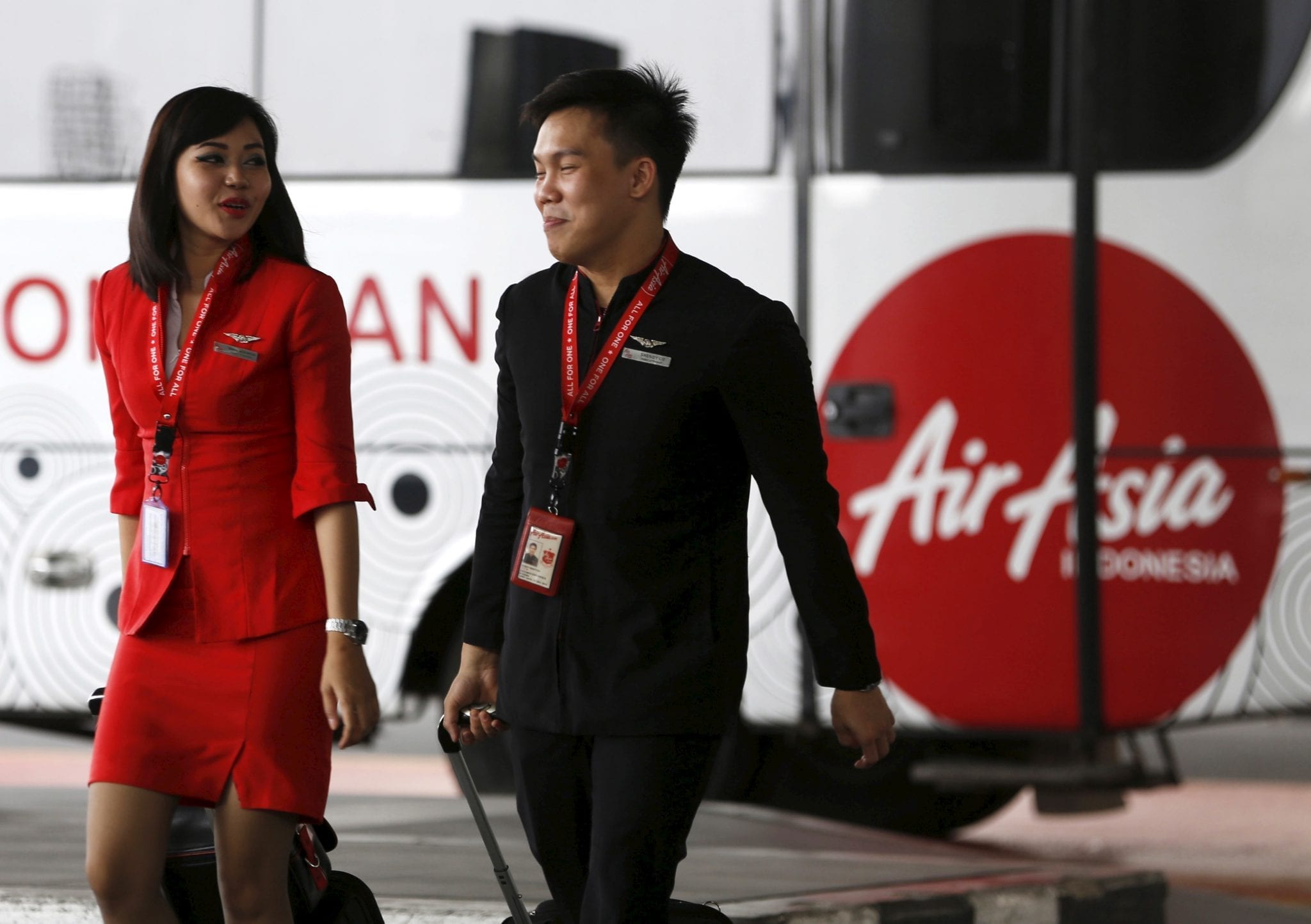
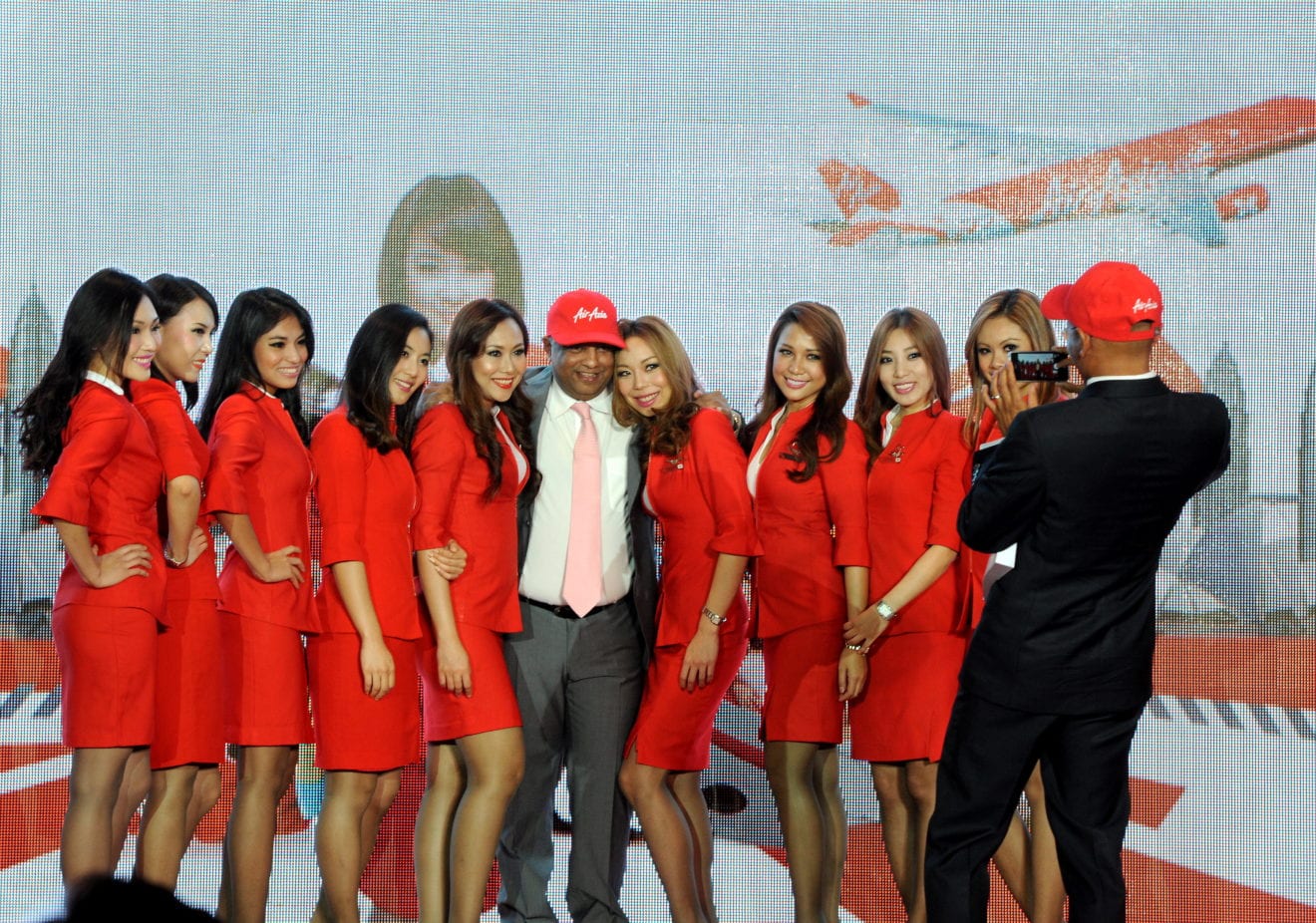
    Asia’s biggest low-cost airline AirAsia Bhd plans an initial public offering of a holding company that will house all its Asean operations, group CEO Tony Fernandes said on Thursday.

    ASEAN Holding Co will be listed in Hong Kong, Fernandes said in a statement without giving a timeline. AirAsia will also list its flight crew training centre in Kuala Lumpur, he said, following the company’s third-quarter results.

    Fernandes did not say how much the IPOs will raise.

    He has in the past expressed a desire to combine the airline’s operations in its home country Malaysia with those in Indonesia, Thailand and the Philippines.

    “The plan is to list Indonesia and Philippines first by next year before looking at ASEAN Holding Co to be listed,” a company spokesman told Reuters.

    AirAsia is also looking to divest some of its non-core businesses. It already has its aircraft leasing arm on the market and aims to complete the sale in early 2017 following bids that are due in December, Fernandes said, adding that he valued the unit at about $1 billion.

    Reuters reported in August that AirAsia was looking to sell a majority stake in its Asia Aviation Capital leasing operation, or possibly the entire business, which the carrier values at 4.1 billion ringgit ($922.38 million).

    Last month, AirAsia said it had received good interest in the sale.

    AirAsia also said on Thursday it swung to a profit in the third quarter, from a net loss a year ago, driven mainly by an increase in aircraft operating lease income and lower oil prices.

    Net profit for the three months ended Sept 30 was 353.9 million ringgit, versus a net loss of 405.7 million ringgit a year ago.

    Revenue rose 11.2% to 1.69 million ringgit, the company said.

    The results were underpinned by a load factor of 87%, a measure of how full planes are, up 6 percentage points from the same period last year.

    The number of passengers carried rose 11%, ahead of an increase in seat capacity of 2% year-on-year, according to AirAsia’s statement.

    AirAsia expects average load factor for its Malaysia business to remain at 89% in the following quarter, riding on strong demand due to year-end holidays and festivities.

    It forecasts load factors of more than 80% for its operations in Thailand, Indonesia and the Philippines for the fourth quarter.

    On Tuesday, the group’s long-haul unit, AirAsia X Bhd swung to a net profit of 11.03 million ringgit.

    Revenue was higher at 982.4 million ringgit.

    Shares of both AirAsia X and its parent have more than doubled this year, after sharp losses in 2015.

  • YTL launches 4G LTE data, VoLTE services

    YTL launches 4G LTE data, VoLTE services

    YTL Communications in Malaysia has deployed Elitecore’s Revenue and Customer Management (RCM) Platform to roll out its 4G LTE high speed data & VoLTE services.

    The platform will enable the operator to roll out new business models like, HD Voice (VoLTE), Enterprise LTE and LTE Roaming, in addition to the Double Double buckets, one for wireless broadband and another for mobile internet, VoLTE and data services bundled with devices.

    YTL Communications said it is the only operator in Asia Pacific to commercially launch nationwide Voice over LTE (VoLTE) services.

    Elitecore’s NFV ready and Virtualized platform comprises of integrated policy and charging, 3GPP AAA, convergent billing, fulfillment, mobile self-care catering to voice, data and VAS services supporting multiple networks such as LTE, Wi-Fi and Wimax.

    “Elitecore’s product roadmap alignment with YTL’s business vision and proven experience in convergent billing and integrated policy and charging supports our growth strategy and helped us migrate from our legacy billing and operational support systems,” said Ali Tabassi, COO of YTL Communications. “The platform offers high agility for faster time-to-market and feature rich functionalities.”

    Elitecore said its RCM is a modular and feature ready platform that offers operators the speed and flexibility to roll out, new monetization and personalization use cases needed to innovate in next-generation data services. The platform promises significant contribution to capex and AMC cost reduction.

  • Dah Makan hoping venture capitalists delive

    Dah Makan hoping venture capitalists delive

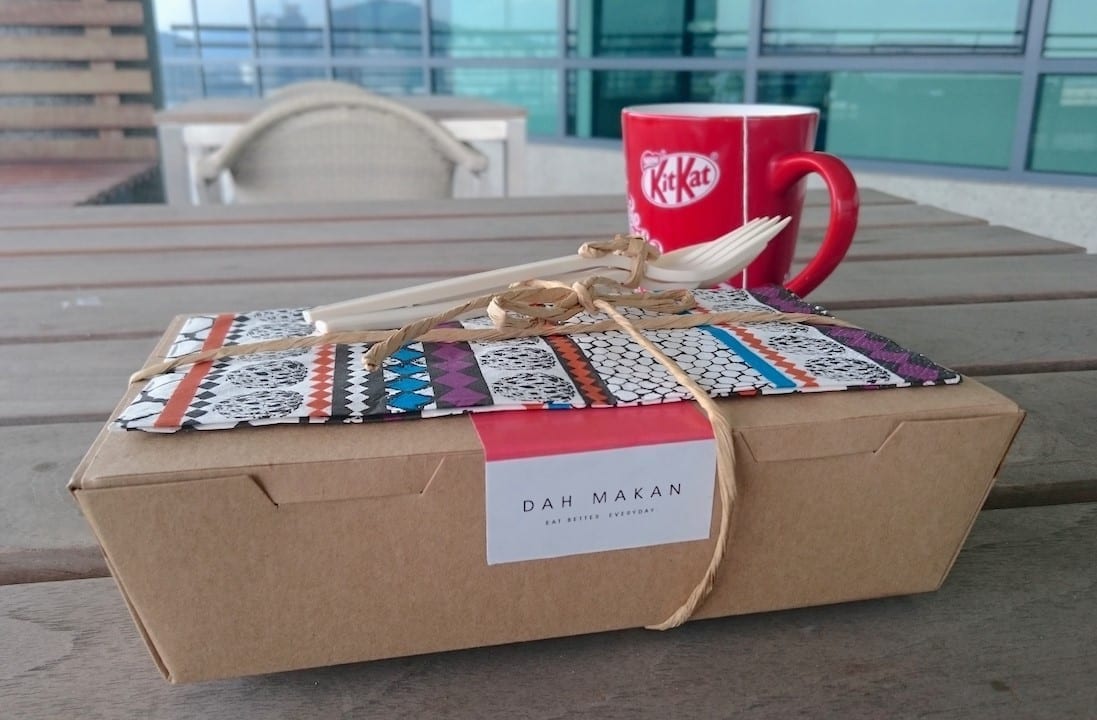
    Seeking to upgrade technology and improve the user experience, Malaysian food-delivery startup Dah Makan is working on a larger funding round with global venture-capital firms.

    Dah Makan raised $320,000 from two angel investors in a seed round more than a year ago and has since grown to cover about 80 per cent of the Klang Valley region and has also crossed its 100,000th delivery.

    “We are now finalising a larger round with several global VCs with extensive experience in eCommerce and consumer brands,” says founder/CEO Jonathan Weins. “It’s very important to have the right investors on board as they can have significant influence on the future of a company.”

    He says an announcement on the funding may come in a few months, but meanwhile the company is investing into its team and technology. It released a new version of its apps last months and implemented a new backend system to manage the delivery fleet.

    Before Dah Makan, which is Malay for “Have you eaten?”, Weins had helped launch Foodpanda in Hong Kong.

    For Dah Makan, he and his co-founders did most everything from sourcing and cooking to delivering with the goal of understanding the customer experience as well as the business model.

    From less than half a dozen orders a day, a few months later the rate was 100 orders a day. Since then, the group has had to move kitchens three times to expand capacity and has grown its team with culinary and tech talent.

  • Cash Crunch Chokes off India Palm Oil Imports From Indonesia & Malaysia

    Cash Crunch Chokes off India Palm Oil Imports From Indonesia & Malaysia

    India’s palm oil imports are expected to slip next month by up to a fifth, including from the top two producers Indonesia and Malaysia, as New Delhi’s removal of high-value rupee notes from circulation disrupts distribution systems and curbs demand.

    Traders in Malaysia, India’s largest palm oil supplier taking up half of its imports last year, say the absence of the large bills has already impacted sales. Indian buyers are delaying shipments and cancelling vessel space bookings, and the traders expect them to hold back further in the month ahead.

    In India – top importer of vegetable oils – traders are forecasting up to a 20 percent drop in crude and refined palm oil imports for December from the previous month, with edible oil refiners reducing purchases as the cash crunch weakens retail demand.

    Having fewer high-value notes in circulation is also hampering distribution because village shops typically pay local wholesale dealers in cash.

    “Bulk buyers are not ready to lift stocks. Most of November shipments we cannot cancel or postpone as tankers have already left Indonesian and Malaysian ports. So we are postponing shipments in December to January,” said a senior official with an Indian oil refiner who declined to be named.

    Cargo surveyor data shows Malaysian palm oil shipments to India for the first half of November have already dropped by 81 percent to 85 percent versus the corresponding period last month.

    “Inquiries have fizzled out since last week,” said a Kuala Lumpur-based trader, who reported an over 50 percent decline in sales volumes. “It’s not going to be easy now for the market to sustain high price levels.”

    Benchmark palm oil prices have been volatile in recent trading sessions, hitting a four-year high a week ago and then posting its biggest intraday drop in more than four months in the next session.

    Palm oil looks set to fall more than 3 percent this week, down about 0.2 percent on Friday around 2,870 ringgit per tonne.

    Purchases from top consumers India and China typically fall-off at year-end because palm oil solidifies during the Northern Hemisphere winter, but this year the numbers are being hit hard.

    India’s total palm oil imports stood at 739,159 metric tons, according to traders, and are expected to fall to 650,000 metric tons in November and by another 20 percent from there in December.

    Total palm oil imports in December 2015 were 790,368 metric tons, according to the Solvent Extractors Association of India (SEA).

    No cash in a cash market

    Exact numbers aren’t available from largest producer Indonesia, but analysts there also expect lower shipments to India because of the cash shortage, while Indian buyers said they have cut vegetable oil imports from all suppliers, even for soyoil from Brazil and Argentina in December.

    Last week, Indian Prime Minister Narendra Modi declared 500 rupee and 1,000 rupee bills no longer legal tender to crack down on corruption and bring unaccounted wealth back into the economy, leaving millions with insufficient cash.

    “Retail sales are going down as many people don’t have cash to buy essential commodities. Refiners are not able to dispose their stocks, so they are likely to cut imports in the short-term,” said B.V. Mehta, executive director of SEA.

    Still, while India cannot do without imports due to limited local supplies, it is not clear how long the slowdown will last.

    Jitendra Kadam, a grocery shop owner from India’s western state of Maharashtra, said consumers have cut down purchases of everything from sugar to edible oils.

    “Until they get notes of smaller denominations, demand will remain weak,” he said.

    Said a Malaysian trader: “Everything is at a standstill. There is not enough cash around, so people are not going to trade much. They are going to wait and see.”

  • Samsung home appliances now available on Lazada Malaysia

    Samsung home appliances now available on Lazada Malaysia

    Samsung Malaysia Electronics (SME) Sdn Bhd today established a partnership with online shopping mall Lazada Malaysia to offer its first portal-in-portal site in South-east Asia.

    Head of Consumer Electronics Business Jimmy Tan Chee Wee said the partnership would allow more Malaysian consumers to shop online for their desired Samsung home appliances.

    “Today, many consumers are tech-savvy and enjoy online shopping on their own space, and the partnership will help them enjoy savings and convenience compared with the conventional way of shopping,” he said.

    Tan was speaking at the “Unbox the Wonders of Home” year-end online campaign in conjunction with Lazada’s Online Revolution campaign here today.

    He said the collaboration would provide SME a greater opportunity to reach a wider customer base through online portal and mobile applications, and share the latest promotions as well as product information at the same time.

    “Lazada helps to track every shop within the onsite portal according to the postcodes to ensure each of them is geographically tagged and catalogued to fit the shopper’s address.

    “This will bring them to the nearest SME retail shops, automatically entitling them to free and fast delivery,” he said.

    Tan said products offered online range from smartphones to televisions and refrigerators, with no price differences between online and offline products.

  • Xiaomi Malaysia opens shop on Lazada

    Xiaomi Malaysia opens shop on Lazada

    Xiaomi Malaysia has launched an official store on Lazada.

    A sale will kick off the brand’s arrival featuring the Mi Band 2, Mi Capsule Earphones and 10,000mAh Mi Power Bank Pro.

    Mi products, ranging from Mi Phones, Mi Smart Devices, Mi Power Banks, and Mi Accessories will be available on Lazada, sold and fulfilled by the Mi Store with official warranties from Mi Malaysia.

  • PlayStation 4 Pro is now officially available in Malaysia

    PlayStation 4 Pro is now officially available in Malaysia

    Malaysian gamers and fans, you can finally head out and purchase the Sony PlayStation 4 Pro now as it’s been officially released in the country according to an announcement that was made via the official Playstation Asia Facebook page.

    We reported on the announcement of the PlayStation 4 Pro previously, and it was scheduled for an initial release in certain markets on 10 November. Although the retail price for most countries, including Malaysia was revealed (RM1799), an actual release date was not confirmed.

    It seems now that fans in Malaysia won’t have an agonisingly long wait to get their hands on the new console as Malaysia is also releasing the console today (10 November 2016).

    According to the Sony Playstation Asia Facebook page, you can head to Sony Centres around the country to get the console. There are limited units available at the moment and according to the Facebook page, customers are advised to contact the Sony Centres to confirm availability of stock. You can get a list of Malaysia Sony Centres here.


    As for customers who have pre-ordered the Sony PlayStation 4 Pro beforehand, you should be getting your units pretty soon as well. We managed to get in touch with Sony and they said that pre-order batches are expected to reach retailers today (10 November 2016).

    We, however, could not ascertain which particular retailers these were and whether they included online e-commerce sites like Lazada, 11thStreet and GemFive. It has been advised that customers who made their orders via those channels to check with the sites themselves for confirmation.

    Do tell us if you managed to get your pre-ordered PlayStation 4 Pro or purchase it at an authorised retailer. We’re guessing there are pretty limited stocks available for Malaysia so although it may be officially released here, there might be a bit of a wait till customers will actually be able to get their hands on one. We’re currently reaching out to Sony on the stock availability and restocking schedule, so stay tuned!

    And if you don’t mind waiting and still want to get your hands on a PlayStation 4 Pro, you could still pre-order a unit below.

  • Honor Malaysia launches first concept store

    Honor Malaysia launches first concept store

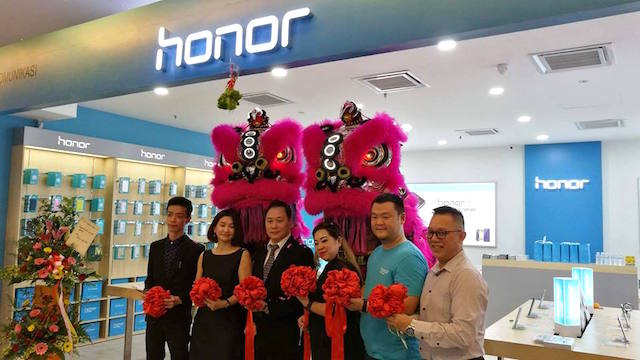
    In collaboration with mobile phone retailer TF Mobile Enterprise, technology brand Honor Malaysia has opened its first concept store at Plaza Low Yat in Kuala Lumpur.

    Honor Malaysia instore

    A spokesman says the move aims to strengthen the company’s interactions with consumers by complementing its eCommerce presence with retail stores.

    Honor Malaysia 1

    Featuring its line-up of Honor devices, the store has a launch promotion until November 21 during which buyers will receive gifts. They can also enter a draw to win Honor products.

    Honor Malaysia is a subsidiary of Huawei Technologies (Malaysia).

    honor-malaysia-open

  • CapitaLand Mall Asia Showtime in Cannes

    CapitaLand Mall Asia Showtime in Cannes

    Targeting global retailers who are looking to Asia to chart growth, CapitaLand Mall Asia has its biggest presence ever at international retail event Mapic in Cannes, France.

    It is the fifth consecutive year CapitaLand has exhibited at Mapic, one of the world’s largest events matching developers with retailers. It runs over three days this week.

    Crowds at CapitaLand's booth at MAPIC

    CapitaLand is preparing to open eight malls in three Asian countries next year with a combined retail gross floor area (GFA) of nearly 1 million sqm, the group’s largest-ever retail offering in a single year.

    Of the eight malls, six are retail components of integrated developments in China and the others are stand-alone malls in India and Malaysia. They are Raffles City Changning, CapitaLand’s second Raffles City project in Shanghai; LuOne, also in Shanghai; Raffles City Shenzhen; Raffles City Hangzhou; Suzhou Center Mall (pictured); CapitaMall Westgate in Wuhan; Melawati Mall in Kuala Lumpur; and Forum Mall in Mysore.

    Raffles City Changning

    Raffles City Changning


    Ready catchments

    CapitaLand Mall Asia CEO Jason Leow says the opening of the malls underscores the group’s strength in connecting retailers to ready catchments of shoppers.

    At September 30, 76 per cent of CapitaLand’s assets contributed to recurring income, of which shopping malls and integrated developments form the bulk, says Leow.

    “Our 103 malls in Singapore, China, India, Japan and Malaysia provide brands with access to about 3 billion consumers in these five markets combined.”

    He says Mapic is an excellent platform for CapitaLand to boost its brand visibility and strengthen its retailer network.

    Mr Jason Leow with retailers at MAPIC

    Its presence at the trade show has been enhanced by one of its joint ventures being nominated for the Mapic Awards. Listed for Best Futura Shopping Centre Award, Jewel Changi Airport was developed by Jewel Changi Airport Trustee – a JV between Changi Airport Group and CapitaLand Mall Asia – as a mixed-use complex featuring lifestyle offerings including a five-storey indoor garden, play attractions, shopping and dining options, a hotel, and airport services.

    It is scheduled to open next year. The Futura award recognises retail developments with outstanding architectural qualities and strong, original concepts.

    Jewel Changi Airport is the only Singapore entry among 50 projects shortlisted across 12 categories at the Mapic Awards, with the results to be announced at a gala dinner.

    CapitaLand Mall Asia CapitaLand Mall Asia, a wholly owned subsidiary of real-estate company CapitaLand, is one of the largest shopping mall developers, owners and managers in Asia by total property value of assets and geographic reach.

  • 7-Eleven offers 24×7 e-commerce service

    7-Eleven offers 24×7 e-commerce service

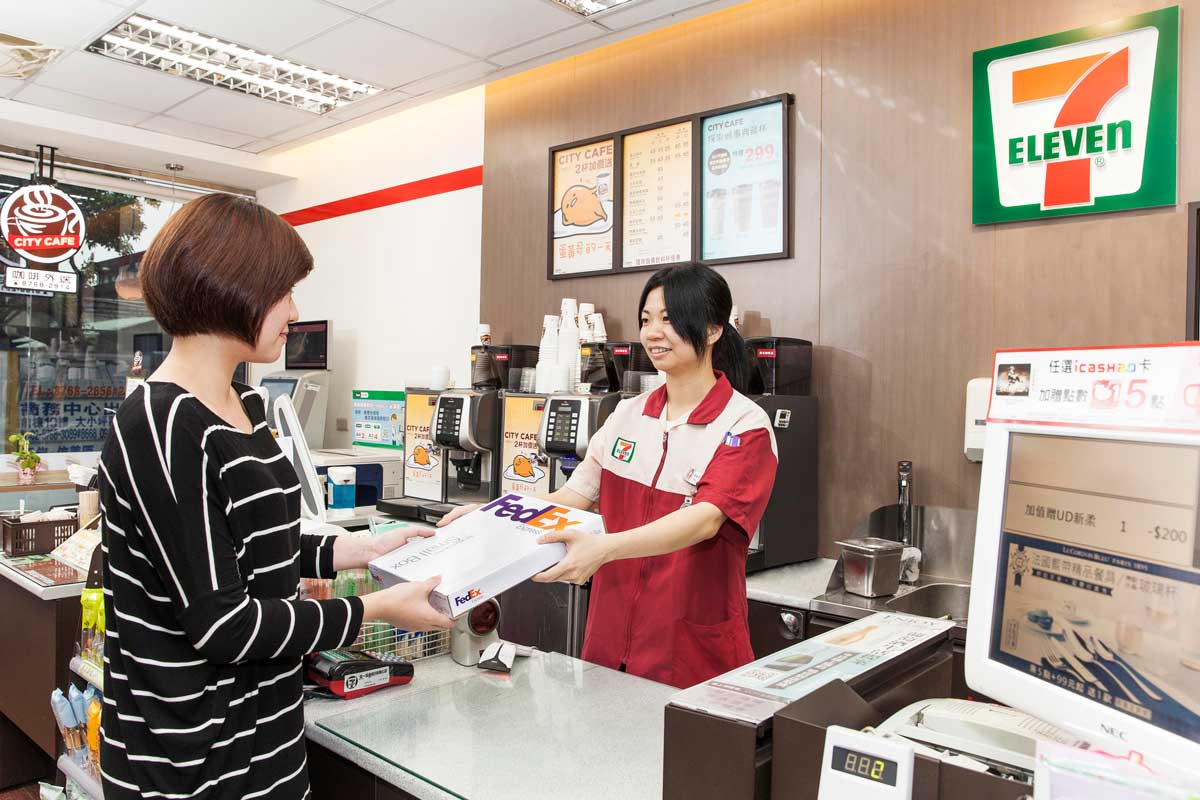
    Convenience store chain operator 7-Eleven Malaysia is jumping on the bandwagon in e-commerce by offering parcel locker services in some of its outlets to facilitate delivery for online shopping.

    The service is expected to start this month, says 7-Eleven Malaysia chief executive officer Gary Brown at the Asia Pacific Retail Congress in Kuala Lumpur recently.

    The move by 7-Eleven will be seen as a nascent but integral part of an expanding online retail eco-system that is beginning to grow in popularity in Malaysia.

    “An online shopper can choose to get his purchases delivered to a 7-Eleven store most convenient to him. Once it arrives, he will receive a text with a PIN code. Because we are a 24-hour convenience chain, we will be able to offer online shoppers the convenience to pick up their purchases 365 days, 24×7,” he says.

    Brown says the move is to make shopping as convenient as possible and is part of the chain’s evolution in the larger retail space that is not confined to bricks and mortar. It has been around since the 1980s but it was only of late that the convenience chain began went beyond retail to offer payment services.

    7-Eleven Malaysia Holdings Bhd was listed on Bursa Malaysia in 2014. The convenience store chain is controlled by Tan Sri Vincent Tan Chee Yioun, with an indirect stake of 53.59% via HQZ Credit Sdn Bhd. HQZ Credit is the ultimate holding company of Berjaya Retail Bhd – the major shareholder of 7-Eleven.

    Brown says he is seeing a lot of changes in Malaysia’s retail landscape and 7-Eleven, as part of that landscape needs to improve customer’s experience by making it convenient.

    Brown says the company plans to open 200 new stores annually for the next 10 years.

    It opened 500 new stores in the past 2½ years and at the same time, refurbished another 500. The cost of 200 new stores and refurbishing another 200 involves an investment of between RM80mil and RM90mil a year, he says.

    Brown says out of 2,050 7-Eleven outlets, close to 100 stores are located in malls and other managed facilities.

    In Publika, Solaris Dutamas, there are four 7-Eleven outlets, six in Times Square, Jalan Imbi and three in Sg Wang mall. Two out of the six in Times Square operate 24×7.

    “In a high traffic area, for example, in a mall, we need to have more density. In a mall, they operate 12 hours. But when they are outside a mall, but in a managed area, they operate 24×7,” he says.

    Brown says the company is interested to enter more malls. Having a store in a mall makes sense because consumers do not want to walk too far.

    “7-Eleven leverages on what we call impulse satisfaction, or instant gratification,” he says.

    It also offers mobile top-up services and payment of utility bills 24×7 and recently introduced sitting arrangement for that cup of coffee.

    “It is not convenient carrying a cup of hot coffee around,” he says.

    The convenience store operator reported a group revenue for the financial year ended Dec 31, 2015 of RM2.01bil, an increase of 6%, or RM113.2mil, over 2014’s revenue of RM1.89bil.

    The company reported a gross profit of RM59.9mil for 2015 financial year, which translates into a 3% gross profit margin over revenue, which is normal as margins tend to be rather thin for the retail sector. It reported operating income of RM109.7mil, an increase of 2.2% compared to 2014.

    Better merchandise mix

    Its growth in revenue was driven by new stores, an improved merchandise mix and consumer promotion activities, and was achieved despite an ongoing retail market negativity, which explains the need for the company to go into a store expansion mode as well as to offer new services at its 24-hour outlets.

    The company’s store expansion drive of about 200 new stores a year will help grow revenue. Its store count increased by 199 stores or 11.4 % from 1,745 stores to 1,944 stores in 2015.

    On the often quoted view that there is an oversupply of retail space in the Klang Valley and cities like Penang and Johor Baru, Brown disagrees.

    “There is a lot of mall space in the Klang Valley but I would not say there is an oversupply. Malaysians like malls, so they have a role to play, despite the growth in online retail,” he says.

    He says the more pertinent question is what will happen to malls which are not well located and which are not well managed.

    Those that are will continue to grow, thrive and attract tenants. A mall will survive on tenant mix, which drives customer traffic.

    “There may be some fallout if a mall does not have a good tenant mix,” he says.