Tag: Malaysia

  • RHB expands e-Retail solution with MPOS

    RHB expands e-Retail solution with MPOS

    Malaysia’s RHB Bank has expanded its SME e-Retail Solution with the introduction of RHB Merchant Mobile Point of Sale (MPOS), which allows SME retailers to begin operating as quickly as seven days.

    SME e-Retail Solution offers Business Current Account for transactional needs, Reflex Online Cash Management system that enables low cost internet banking, cloud-based electronic point of sale (ePOS) system and remote access to back office analytics and CRM for better management for the proprietor.

    Other features include credit and debit card terminals to enable card transactions, customised SME insurance package specifically for retailers to protect their businesses, and business credit card to help SMEs with expenses and payment plans.

    Its latest offering Merchant MPOS is a wireless device that accepts all types of cards transactions, and is Chip & Pin enabled. Users can receive e-receipts via emails or notifications to their mobile phones.

    The MPOS is integrated to the merchant ePOS system to enable fast and convenient payment collection supporting bluetooth and Wi-Fi.

    Meanwhile RHB’s partnership with SAGE software Asia Pte Ltd will see the introduction of SAGE One cloud accounting software. This cloud solution will be synced to the ePOS terminal to enable automatic updates of transactions. SMEs will then have access to the real-time financial position of their businesses.

    “We are the first financial institution in Malaysia to offer a total connectivity solution for SMEs. The SME e-Retail Solution offers SME retailers a holistic solution for seamless connectivity. SMEs are able to achieve cost reduction and increase efficiency in their businesses,” said RHB Bank director of group business and transaction banking Datin Amy Ooi.
  • Dyson plans to enter India

    Dyson plans to enter India

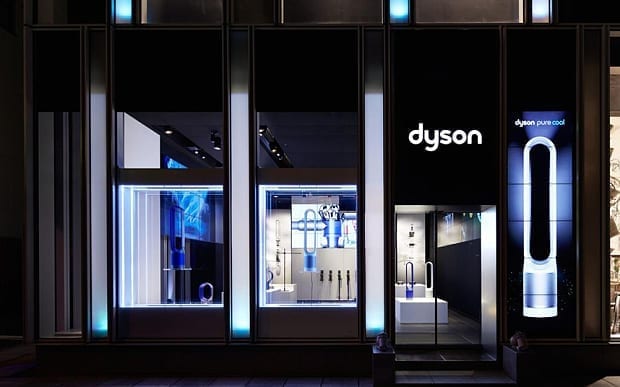
    UK company Dyson, known for its innovative vacuum cleaners and air purifiers, plans to open its own retail stores in India by the middle of next year.

    It has already sought permission from the Department of Industrial Policy and Promotion (DIPP) to import and sell products in India.

    “If we get the permit, we’ll set up middle of next year,” says founder James Dyson, in New Delhi for the India-UK Tech Summit.

    “Over the first five years, we’ll invest about £154 million [US$190.8 million] in India. Our investment will be in building infrastructure (retail), taxes (to the government), marketing and promotions.”

    India will be the 76th market for Dyson, which in its last overseas foray entered China three years ago.

    “India is an interesting market, but it may take time to develop – unlike China, which has emerged as the third-largest market for Dyson after the US and Japan,” says Dyson.

    Online portals

    The company’s plan is to set up a retail store in each of the top 20 cities in India, as well as selling through other retailers and online shopping portals.

    “Online helps our business,” Dyson says. “We sell through Amazon in some countries and may sell through Amazon in India as well.”

    The company will import products from Malaysia, Singapore and Philippines for the Indian market. Depending on volume, Dyson may look at making products in India after a few years.
    As well as vacuum cleaners, the company will also look at the beauty and hygiene market with hair dryers and hand dryers, as well as LED lighting products.

    Dyson is a family-owned technology company that employs more than 7000 people globally—a third of whom are engineers and scientists.

    “India produces 1.3 million engineers every year – that’s very exciting. We’ll look at working with Indian universities soon,” Dyson says. The company spends £5 million a week in research, design and development, and has more than 200 live technology projects and 50 active research programs with 40 universities around the world.

    Dyson’s revenue rose 26 per cent to £1.7 billion last year while profit increased 19 per cent to £448 million.

  • Airasia to serve Kuala Lumpur-Jakarta-Labuan Bajo route

    Airasia to serve Kuala Lumpur-Jakarta-Labuan Bajo route

    The Malaysia-based low cost carrier AirAsia will soon serve the Kuala Lumpur-Jakarta-Labuan Bajo route, according to East Nusa Tenggara Tourism and Creative Economy Office Chief Marius Ardu Jelamu.

    “There has been an agreement with the central government and the airline company that AirAsia will serve this new route starting from next year,” Jelamu said here on Wednesday.

    He said the AirAsias new route will have a positive impact on the flow of tourists to the province of East Nusa Tenggara through the entry gate of Labuan Bajo.

    “This new service of AirAsia will enable more foreign tourists to visit the leading destinations in East Nusa Tenggara,” he said, adding that tourism progress is dependent on smooth air transport connectivity.

    Jelamu said that in addition to the Kuala Lumpur-Jakarta-Labuan Bajo route, his party is also trying to accelerate the implementation of Kupang-Dili-Darwin route.

    “In addition to air connectivity from the west, the one from the south, namely from Australia to East Nusa Tenggara, also has its share of attractive markets for linking the three countries,” he said.

    Jelamu expressed hope that the Kupang-Dili-Darwin route, which had been halted since 1990s, can be reopened soon to support the advancement of tourism in the island province.

    “We hope that the Ministry of Transportation will quickly agree on the proposed route service with the airline,” he said.

    Further, Jelamu said he appreciated the efforts of the Ministry of Transportation to have opened the Jakarta-Kupang and Jakarta-Labuan Bajo routes, served by Garuda Indonesia.

    However, he said the flight path from the south also has attractive market potential related to the flow of tourists and expressed hope that the Kupang-Dili-Darwin route would be reopened soon.

  • Japan Food Holding trims offshore outlets

    Japan Food Holding trims offshore outlets

    Singapore-based Japanese restaurant chain Japan Food Holding achieved 10.8 per cent growth in net profit for the six months to September 30.

    This took its net profit to S$2.7 million (US$1.95 million) on the back of a 5.5 per cent increase in revenue to S$33.5 million.

    At the end of the period it had 51 outlets, up six from the same time a year ago.

    On a quarterly basis, the group maintained its net profit at about $1.4 million, while its revenue eased up by 4.7 per cent to $16.6 million.

    Japan Foods says its improved performance was driven mainly by it having more restaurants, with encouraging performances from its new brands including Dutch Baby Cafe, Ginza Kushi-Katsu and New ManLee Bak Kut Teh. There was also a higher gross profit margin for the second quarter, up from 84.3 per cent last year to 85.1 per cent, thanks to constant cost-management efforts such as bulk purchasing and product pricing.

    Outside Singapore, the group’s network dropped to 19 restaurants from 24 with the closure of three Ajisen Ramen restaurants in Malaysia and Vietnam. In Hong Kong, the group’s associated companies closed two Menya Musashi restaurants when their leases expired.

    Takahashi says the coming 12 months are expected to remain challenging in Singapore because of intense competition, tight labour supply, rising business costs and the uncertain economic outlook.

    Executive chairman/CEO Takahashi Kenichi says that consumer sentiment turning “bearish” because of recession fears has been tough on F&B businesses. “However, I believe we are offering good-quality food at reasonable price points, and this has enabled us to continue attracting diners.”

    Despite the solid overall result, the group’s flagship brand and main revenue generator, Ajisen Ramen, as well as its Keika Ramen brand, had a fall in revenue from $6.9 million in last year’s second quarter to $6.5 million for the latest period. This was a result of two Singapore restaurants – at Compass Point and Tiong Bahru Plaza – having to close for mall renovation works.

  • Guardian Malaysia plans 30 new stores

    Guardian Malaysia plans 30 new stores

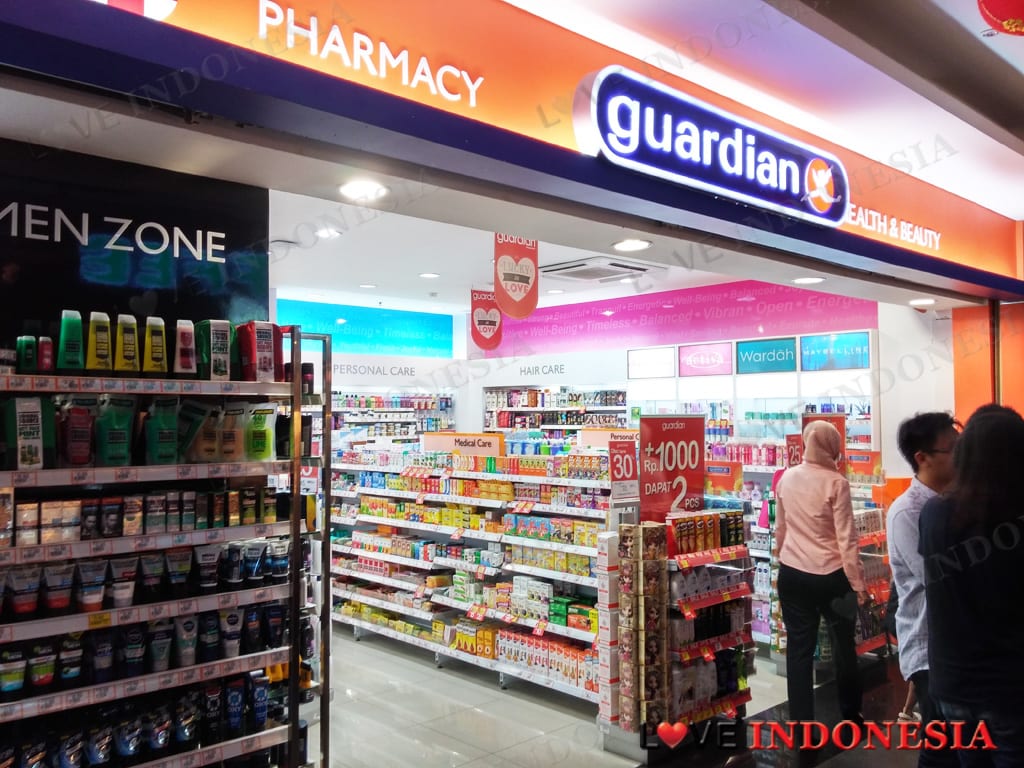
    Guardian Malaysia plans to open 30 stores in 2017 and develop an online business as it bolsters its share of the health and beauty market.

    With 430 stores trading currently, the company has a share of the sector estimated at around 30 per cent.

    “Domestically, the current retail market is tough and demand is soft, so we have conducted a research and come out with a new concept, which is aligning products with shoppers’ demand, and then see the customers’ response,” Guardian’s CEO Peter J Dove said in an interview with Bernama.

    A further 70 stores have been slated for refurbishment and 15 will close altogether.

    Guardian Malaysia

    This week the company celebrated the opening of its new 316 sqm concept store at Suria KLCC in Kuala Lumpur which will be a template for about 10 of its largest stores in the country.

    Highlights of the Suria KLCC store include a ‘Make Me Up corner’, a semi-private area for shoppers to experiment with new products and learn how to apply them.

  • Aeon revenues rise

    Aeon revenues rise

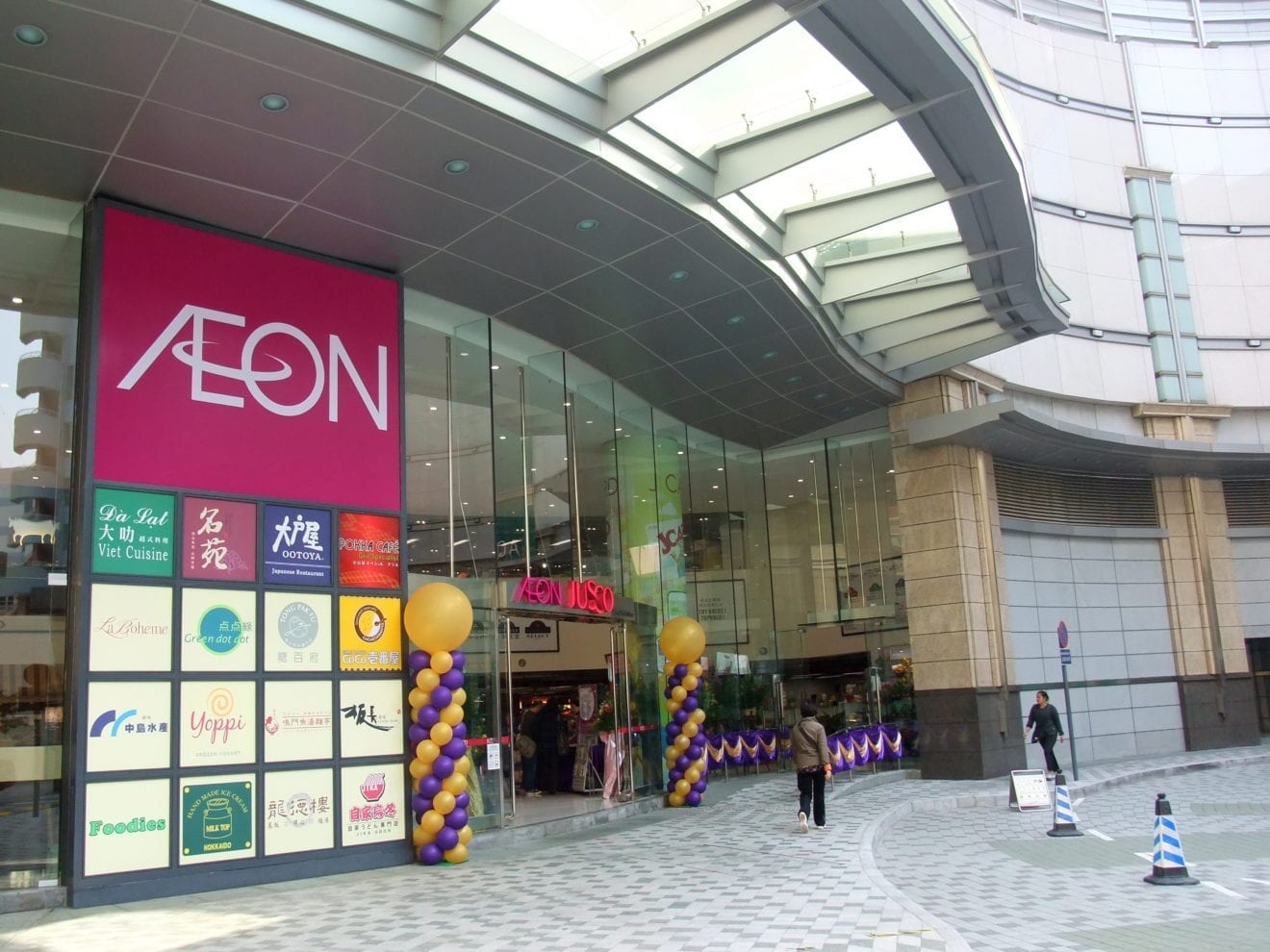
    Japanese retailer Aeon has seen its revenue edged up 0.9 per cent in the latest half year,  but its results vary greatly between formats.

    Total sales reached JPY 4,112 billion (US$39.2 billion), for the six months to August 31, while operating profit improved by a meagre 0.1 per cent to JPY72.4 billion (US$0.69 billion).

    In an analysis of the company’s performance, retail research house IGD observed stronger performances by Aeon’s convenience store business and its pharmacy interests than in its general merchandise and supermarket businesses.

    Aeon’s convenience store business reported a 6.1 per cent increase in operating revenues of JPY190.6 billion (US$1.8 billion), up 7 per cent year-on-year for the first half.

    “The group’s Ministop and My Basket operations performed strong thanks to the enhanced merchandise selection and improved services,” says IGD.

    The drugstore and pharmacy business grew revenues by 5.8 per cent, with the Welcia banner increasing its number of 24-hour stores to enhance customer convenience, driving steady growth in same-store sales.

    Conversely, the supermarket and discount store business posted a 7 per cent decline in revenue to JPY1,448.5 billion (US$13.8 billion). This was mainly due to the impact of the transfer of Daiei’s stores.

    And its general merchandise store business suffered a significant loss, amid weak consumer spending in Japan.

    Outside Japan, Aeon reported operating revenue of JPY205.3 billion (US$1.96 billion), down 5.4 per cent year-on-year. Aeon China and Hong Kong achieved an improvement after the group completed refurbishment of its flagship stores, which helped strengthen the business foundation in China and bolster earrings. In the reporting period, the group also expanded further in Asean markets, opening a new stores in Malaysia and Vietnam.

  • AirAsia Flight Airplane Gets Stuck In Mud After Skidding Off Runway At Malaysian Airport

    AirAsia Flight Airplane Gets Stuck In Mud After Skidding Off Runway At Malaysian Airport

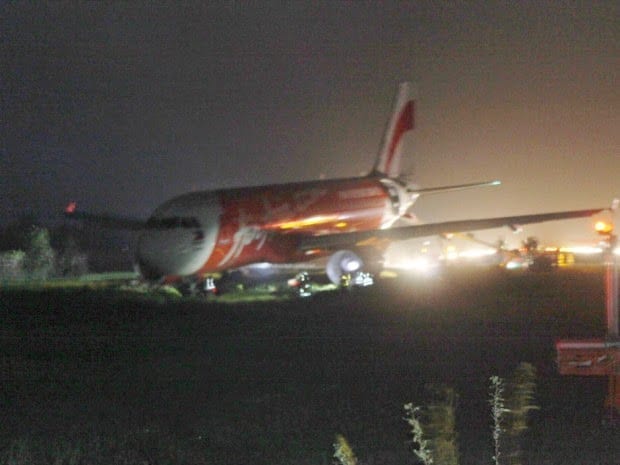
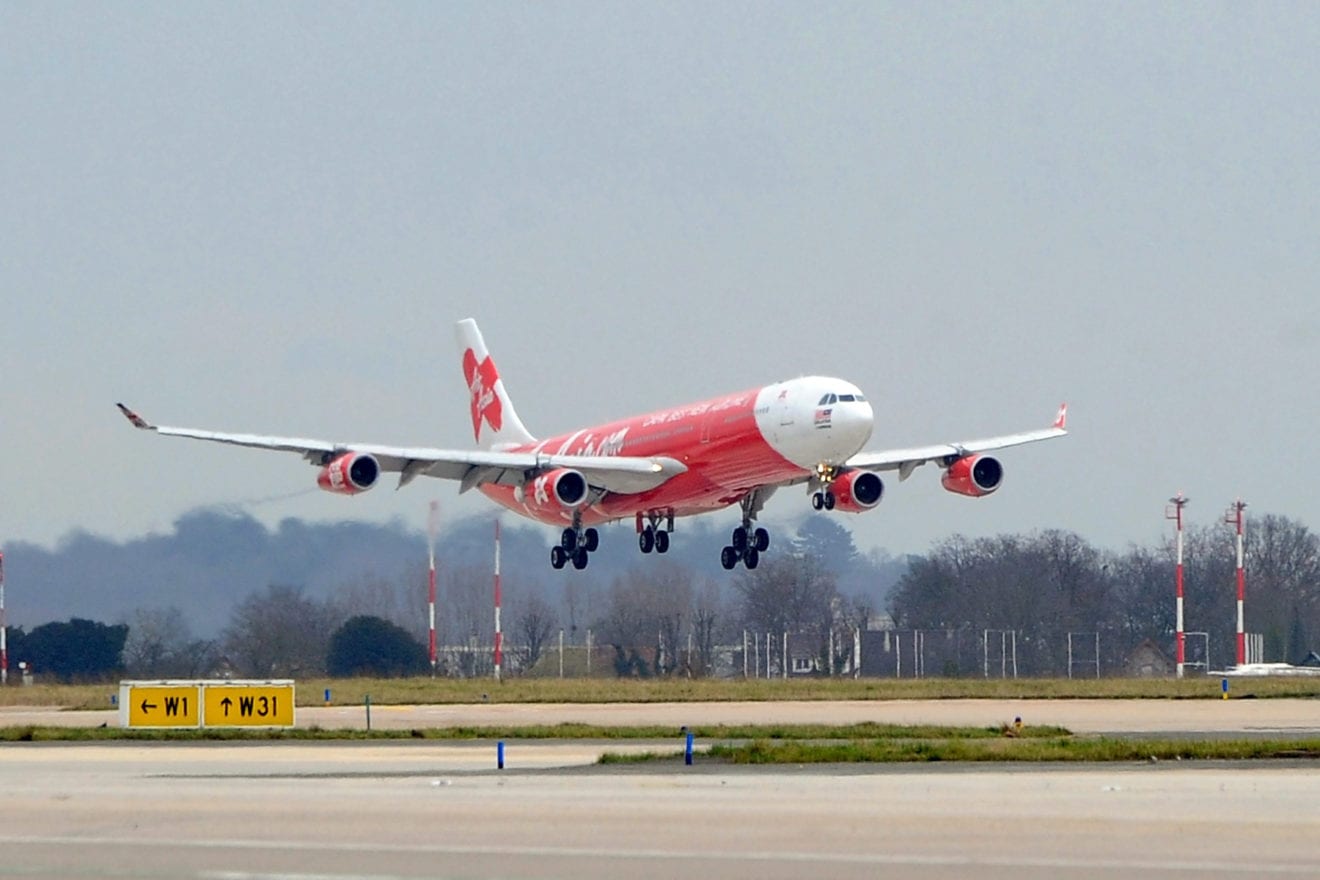
    Hundreds of passengers were left stranded at a Malaysian Airport after a plane skidded off the runway during take-off. AirAsia Flight AK6443 was preparing for take-off from Sultan Ismail Petra airport.

    The AirAsia aircraft was preparing for take-off on Tuesday evening when two of its three landing gears slipped off the edge of the runway and became lodged in the grass and mud.

    Flight AK6443, which was scheduled to fly to Kuala Lumpur, and was making a U-turn, when the nose and left landing gears slid off the runway.

    Airport manager Ramzi Ahmad told that the aircraft, which was due to depart at 10.25pm, was towed away at 5.45am the next day.

    The accident temporarily put the runway at Sultan Ismail Petra airport out of use, which in turn impacted several other flights.

    Three flights that were scheduled to land at the Kota Bharu airport were forced to turn back, according to the report.

    Passengers were asked to disembarked the plane and go back to the airport to wait for their flight. Many passengers were still stranded at Sultan Ismail Petra Airport at 1.30am.

    “AirAsia confirms that flight AK6443 scheduled to depart from Kota Bharu to Kuala Lumpur yesterday night was involved in an incident while taxiing on the runway at Sultan Ismail Petra airport. All guests and crew on board the flight are safe and no injuries have been reported. All guests were attended to and all necessary assistance were provided. All AirAsia flights are operating normally from Sultan Ismail Petra airport today.”

    Flight AK6446 finally departed from the airport bound to its destination. It flew at 9:00 am the next day.

  • Manchester United stars to introduce Cafe Football

    Manchester United stars to introduce Cafe Football

    Former Manchester United stars Ryan Giggs and Gary Neville will open a football-themed cafe in Singapore next year as part of a business venture with real-estate firm Rowsley.

    rmp_cafe_football_0823-1280x853-

    Gary Neville (left) and Ryan Giggs team up.

    Cafe Football is the first overseas venture for the UK franchise, which also includes Hotel Football just beside Old Trafford in Manchester.

    Cafe Football and Hotel Football were initially set up by Singaporean businessman Peter Lim along with five of the Manchester United’s “Class of 92” cohort, which includes Giggs, the Neville brothers Gary and Philip, Paul Scholes and Nicky Butt. Rowsley last year acquired the majority share of both Cafe Football and Hotel Football, as well as hotel management company GG Collections.

    The company has just revealed its intention to bring the franchise to Asia, as well as Europe, over the next decade. It has identified China and India as the main markets it is targeting for expansion.

    “We’ve been approached quite a lot by partners to expand,” says Gary Neville, who played 602 games for the club. “Knowing there’s quite a lot of excitement in the market, we’re filtering down to the best opportunities that support our brand and product.

    “So far, we’ve had fantastic reviews in Manchester, with a more than 80 per cent occupancy rate even during non-match days. Now we are looking for a UK, Europe and Asian expansion over the next 12 to 18 months to add multiple properties.”

    Neville says they hope to build more than 5000 rooms over the next 10 years. They are hoping to open in Indonesia, Malaysia and Thailand, with some developments including both a hotel and cafe, while others will be a cafe only.
    There are currently two Cafe Football outlets in the UK, in Manchester and London. The cafes feature menus divided into “defence, midfield and attack”, with dishes named after football phrases such as “The Special One”, “Mexican Wave” and “El Classico”.

    Lim previously was involved in a football-themed eatery in Singapore. Fashion brand distributor FJ Benjamin, of which Lim is a shareholder, co-owned the now-defunct Devil’s Bar, a sports pub with a Manchester United theme, at Orchard Parade Hotel.

  • Labuan duty-free shops not ready

    Labuan duty-free shops not ready

    Shops that applied for the Customs Kedai Bebas Cukai (Duty-free Shop) licence to enable them to continue being engaged in the sale of duty-free cigarettes, liquor and beer, have not been successful in obtaining approval.

    An observation of the premises operated by the applicants showed that the applicants had failed to meet the main requirements needed before a licence could be issued.

    The three main requirements are: 1. A desk at the premises for a Customs official to be stationed to monitor the daily sales of the items. 2. A computer 3. Internet connection

    Failure to comply with these requirement will result in the application for licence not being approved.

    This was stated in a circular issued by Customs officer Hjh Mirani Hj Majidi who signed on behalf of the Labuan Customs Department Director. The circular was issued to all applicants.

    Labuan Chinese Chamber of Commerce (LCCC) Chairman Datuk Wong Kii Yii (pic) said it is obvious that the market is not ready for the implementation of the new system to monitor sales at the point of sale.

    He suggested that under the circumstances, it was best the new rules be deferred until such time when the applicants were ready to invest in the fittings and space as required by the department.

    Wong said in the meantime the department could beef up its enforcement at well-known spots on the island where contraband cargoes were loaded into small boats.

    “This will cost less money for the department than basing an official in all the duty-free shops which could be about 20.

    This is a simple solution. We support the Government and public,” said Wong. The new Customs rules on retail sales of cigarettes, liquor and beer should have been effective from yesterday (Nov 1).

    A random survey showed most of the shops were selling the items as before. Some, however, took them off their shelves for fear.

  • Nestlé aims to boost e-commerce contribution to revenue

    Nestlé aims to boost e-commerce contribution to revenue

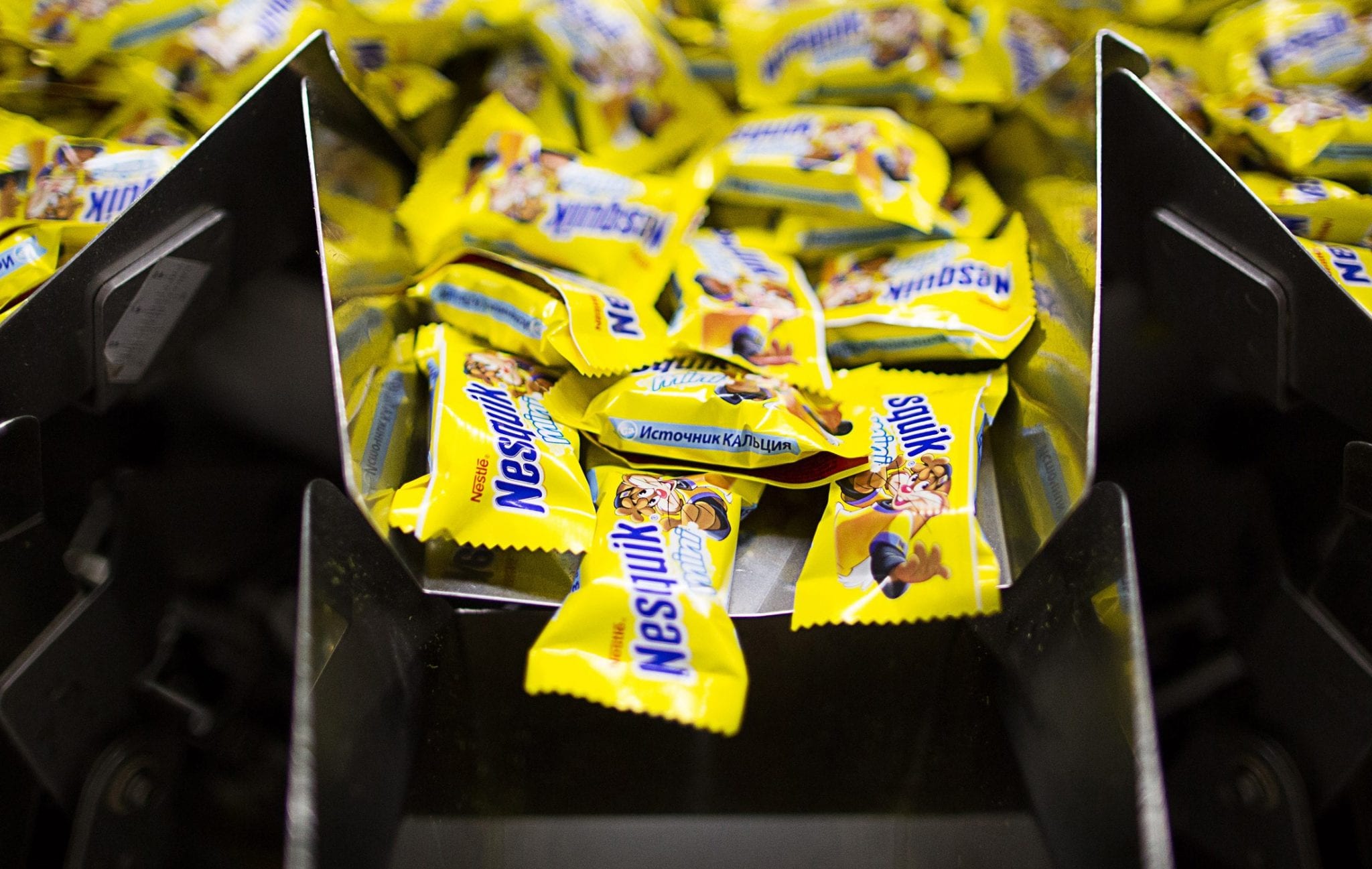
    Nestlé (Malaysia) Bhd expects to increase its e-commerce contribution to its revenue from the existing one per cent to 10 per cent within the next three to four years. This 10 per cent, according to its managing director, Alois Hofbauer would translate to some RM500 million.

    “We are already the market leader within the nutritional, health and wellness segments in this country. Right now, it is not just about expanding but continuously strengthening our position,” he told Business Times on the sidelines of Lazada’s biggest online shopping event launch, the ‘Online Revolution’, this morning. “We already have our e-commerce platform, as well as ongoing partnership with Lazada and 11street.

    Going forward, we will be increasing our partnership numbers within this space.” He explained that the Nestlé Malaysia catalogue alone amounted to the hundreds but it is difficult for physical retailers to carry all of them. “With an e-commerce platform, we will be able to offer all our products and to all corners of Malaysia. It doesn’t matter if you’re in the Klang Valley or Terengganu outskirts, we will be able to provide our products for you,” said Hofbauer.

    He also stressed that this continuous increased demand would also mean a positive impact to all its stakeholders, from farmers who supply the raw products, to shareholders and to also the government as Nestlé is here for the long term. “We have seen some minor impact given the Goods and Services Tax (GST) and otherwise subdued economic landscape, but the foods and beverages (F&B) industry is resilient and we will continue to grow.”

    The company registered a total turnover of RM4.8 billlion in its 2015 financial year and has been growing at a rate of five per cent, beating the F&B industry’s overall growth of two per cent, also in 2015. Hofbauer was earlier part of the five-person panel alongside Lazada Malaysia’s chief executive officer, Hans Peter Ressel; L’Oréal Malaysia’s business head of consumer product division, Manashi Guha; Samsung Malaysia’s head of consumer electronics, Jimmy Tan and Vinda Group’s commercial director, Tony Sperrin in discussing the impacts of e-commerce on Southeast Asia’s retail landscape.

    “The growth in Malaysia in particular has been tremendous as we have seen a triple digit growth year on year on Lazada,” said Ressel. “We expect this momentum to continue because right now we are reaching further into the outskirts of Malaysia as we see a higher demand there versus Klang Valley. That being said, Malaysia will continue to be one our key markets.” The ‘Online Revolution’ on Lazada will run for a month from November 11 to December 14 and will feature the participation of over 1,000 brands and 55,000 international and local merchants.

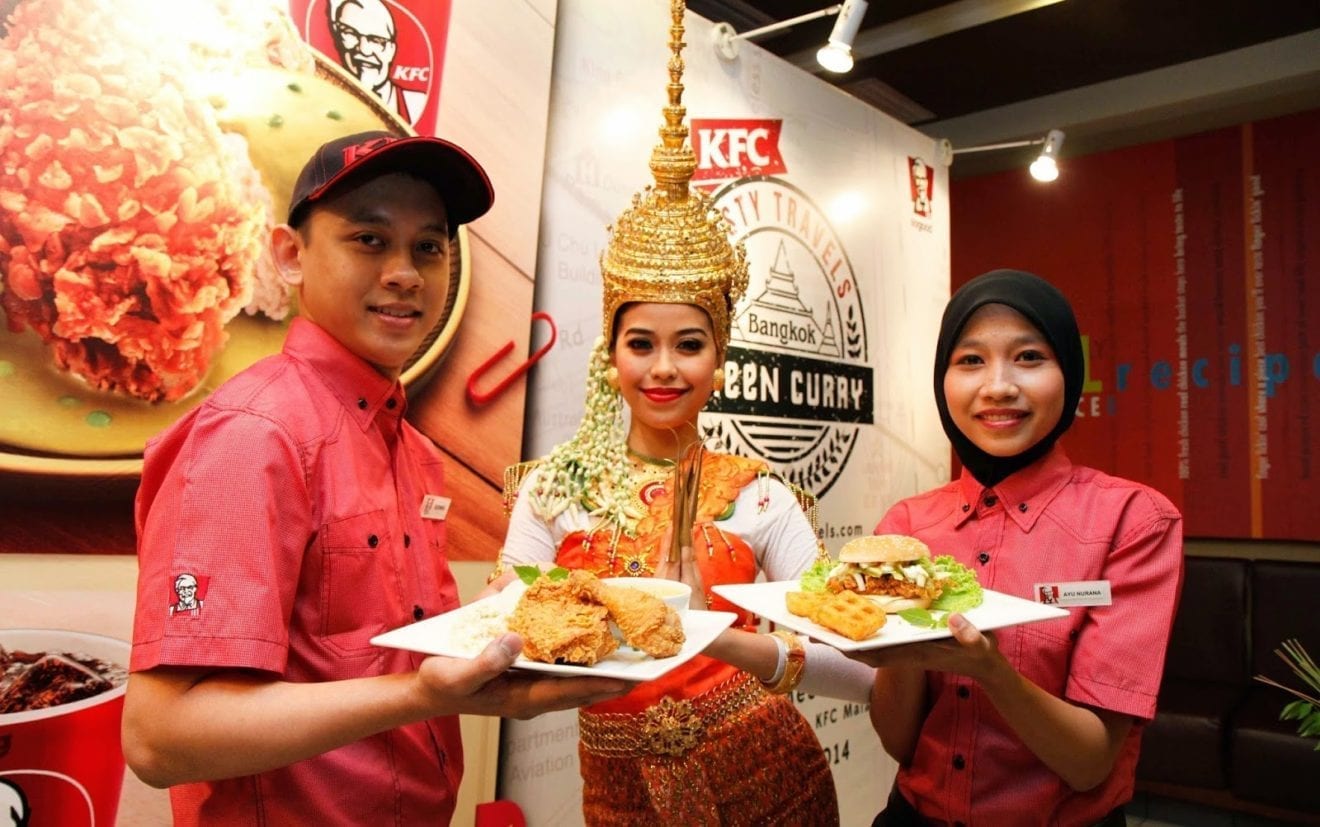
  • KFC Malaysia parent plans IPO

    KFC Malaysia parent plans IPO

    KFC Malaysia parent QSR Brands (M) Holdings, is arranging an IPO next year expected to raise about US$500 million.

    The company, which has both KFC and Pizza Hut restaurant concessions in Southeast Asia,

    Citigroup, Credit Suisse Group and Malayan Banking will lead the offering. QSR has also chosen CIMB Group Holdings and RHB Bank to work on the share sale, reports the Business Times.

    The Kuala Lumpur-based company is seeking a listing after first-time share sales raised US$270 million this year.

    CVC, Employees Provident Fund and Johor Corp took QSR Brands private in 2013. It manages more than 730 KFC restaurants in Brunei, Cambodia, India, Malaysia and Singapore, as well as more than 450 Pizza Hut outlets in Malaysia and Singapore.

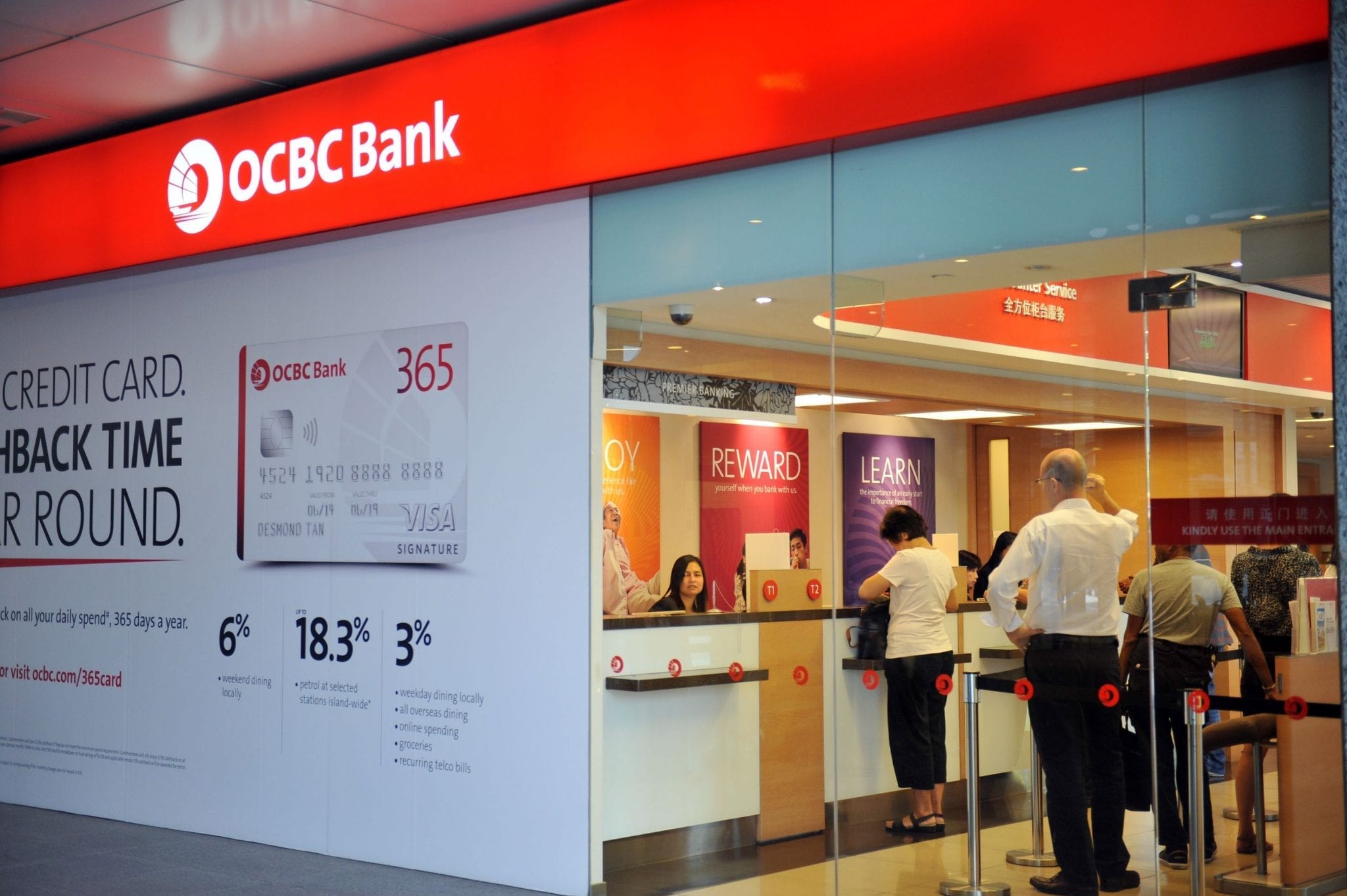
  • OCBC adds Siri, iMessage support to Pay Anyone

    OCBC adds Siri, iMessage support to Pay Anyone

    OCBC Bank has integrated its Pay Anyone e-payment service with Siri and iMessage to enable peer-to-peer payments supported by voice and messaging technology

    OCBC has enabled payment commands on its mobile banking app to be facilitated via Apple’s Siri or iMessage.

    Users can now issue a voice command to Siri, Apple’s virtual assistant, specifying the payee and payment amount to make payments. Customers can also send money to others via iMessage, Apple’s messaging platform.

    The Siri and iMessage services for OCBC Pay Anyone, the payment service within OCBC’s mobile banking app, are available to all OCBC Bank customers using iPhone devices running the iOS10 software and the latest OCBC Mobile Banking app. Payments are authenticated by the customer using their mobile banking credentials.

    To send money using Siri, users need to instruct Siri with a voice command indicating whom from their contact list to send money to, and the amount to send. Upon making this request, the Siri interface will pop up on the iPhone, asking the user to confirm the payment details. Once the payment details are confirmed, the user will be guided to complete the transfer using OCBC Pay Anyone.

    Additionally, users can choose to send money via iMessage while texting their friends, without leaving the conversation by closing the messaging app or opening another app. Within the iMessage conversation screen, users can choose the OCBC Pay Anyone iMessage app to initiate payment directly to the person they are chatting with.

    The app automatically populates the recipient’s name, and the user just needs to indicate the amount to send and complete the transaction with OCBC Pay Anyone. Once the money is sent, the OCBC Pay Anyone app will close and the user can resume chatting within the same iMessage window.

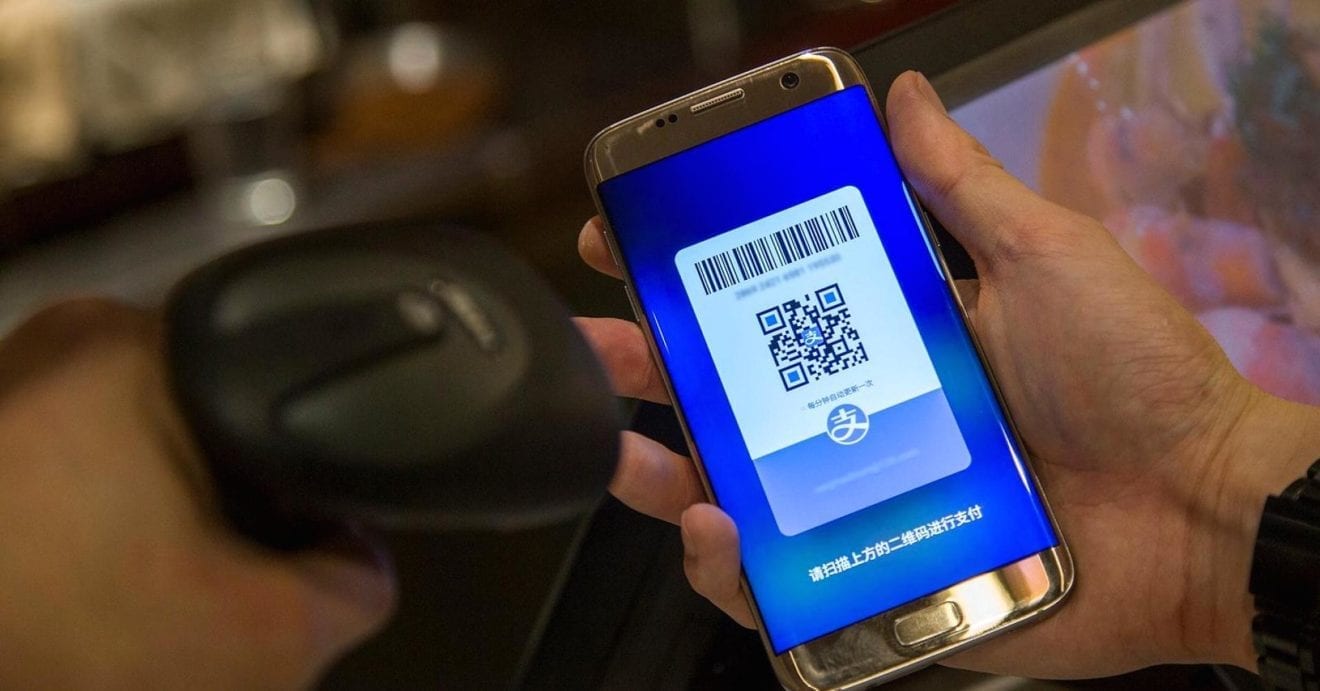
  • Samsung Pay to expand to Malaysia, Thailand

    Samsung Pay to expand to Malaysia, Thailand

    Samsung Electronics has confirmed Samsung Pay Thailand will make its debut before the end of this year.

    Thailand, Malaysia and Russia are three of 10 new markets where the payment technology will be introduced.

    Samsung Pay has also announced a global partnership with MasterCard to offer a simplified online payment and express checkout solution through its digital payment service Masterpass, starting early next year. Hundreds of thousands of merchants in 33 countries currently accept Masterpass for online payments.

    “When we introduced online payments in South Korea last year, the service was well received by the market.

    Online payments accounted for more than 25 per cent of the 2 trillion won in processed transactions, demonstrating that consumers may be actively looking for solutions to make their online experiences faster, simpler and secure,” said Thomas Ko, VP and Global GM, Samsung Pay, Mobile Communications Business at Samsung Electronics.

    Samsung Pay will provide consumers with a seamless online payment platform with benefits including:

    • Express Checkout: Skip the process of filling out long online forms. With the express checkout solution, customers will be able use their Mastercard debit or credit cards along with the shipping information saved on their Samsung Pay account to quickly complete online transactions.
    • Make Purchases from Any Device: Customers can make online purchases from a computer, tablet or smartphone while shopping on their favorite sites or apps.
    • Secure Transactions: Security remains our top priority. When making online payments, a unique token is used in an encrypted form – not the actual debit or credit card number. Users can authenticate transactions using secure methods including a fingerprint scanner, which is built into Samsung’s mobile devices.
  • Moto Z, Z Play on preorder soon in Malaysia

    Moto Z, Z Play on preorder soon in Malaysia

    Mix and match

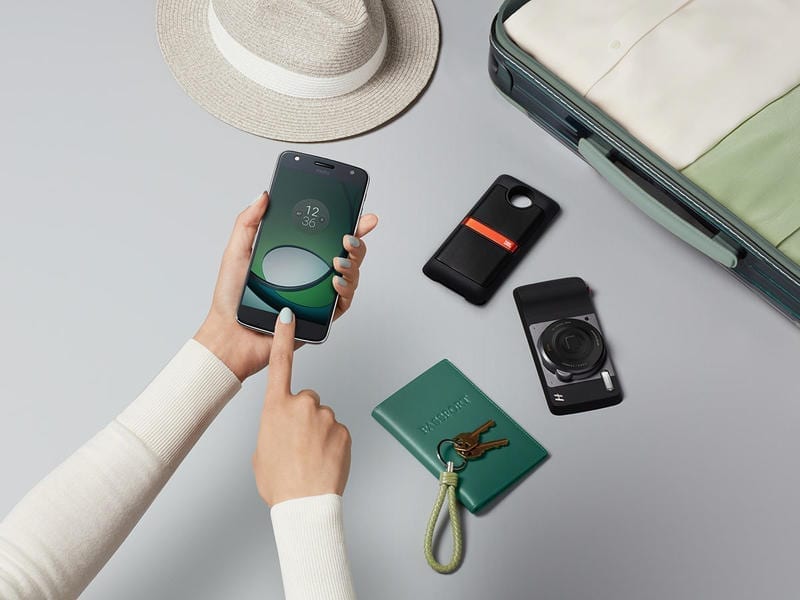
    It wouldn’t be that big a deal if the new Moto phones were all that arrived. This time, the Moto Mods will also be available: snap-on modules that expand the capabilities of the phones.

    Not only will the JBL SoundBoost speaker be available, so will the Hasselblad True Zoom camera, the Insta-Share projector as well as the Incipio offGrid Power Pack that adds both more battery as well as wireless charging capability.

    Motorola also brought in Style Shells to customise Moto phones: the Black Leather, Charcoal Ash, Silver Oak, Washed Oak and Crimson Ballistic Nylon and Black Herring will be available.

    They’re not available at retail as yet but will be on preorder on 11street and Lazada from November 4. The first 50 customers will also get a JBL speaker mod for free with purchases of either the Moto Z or the Z Play.

    Pricing-wise, the Moto Z is retailing at RM2699 and the Z Play at RM1799. The speaker mod will cost RM599, the Hassleblad camera mod is RM1299, the Insta-Share projector is RM1399 while the Power Pack is RM499.

    For the style shells, the Black Leather, Charcoal Ash, Silver Oak and Washed Oak are retailing at RM79 while the Crimson Ballistic Nylon and the Black Herring will cost RM59.


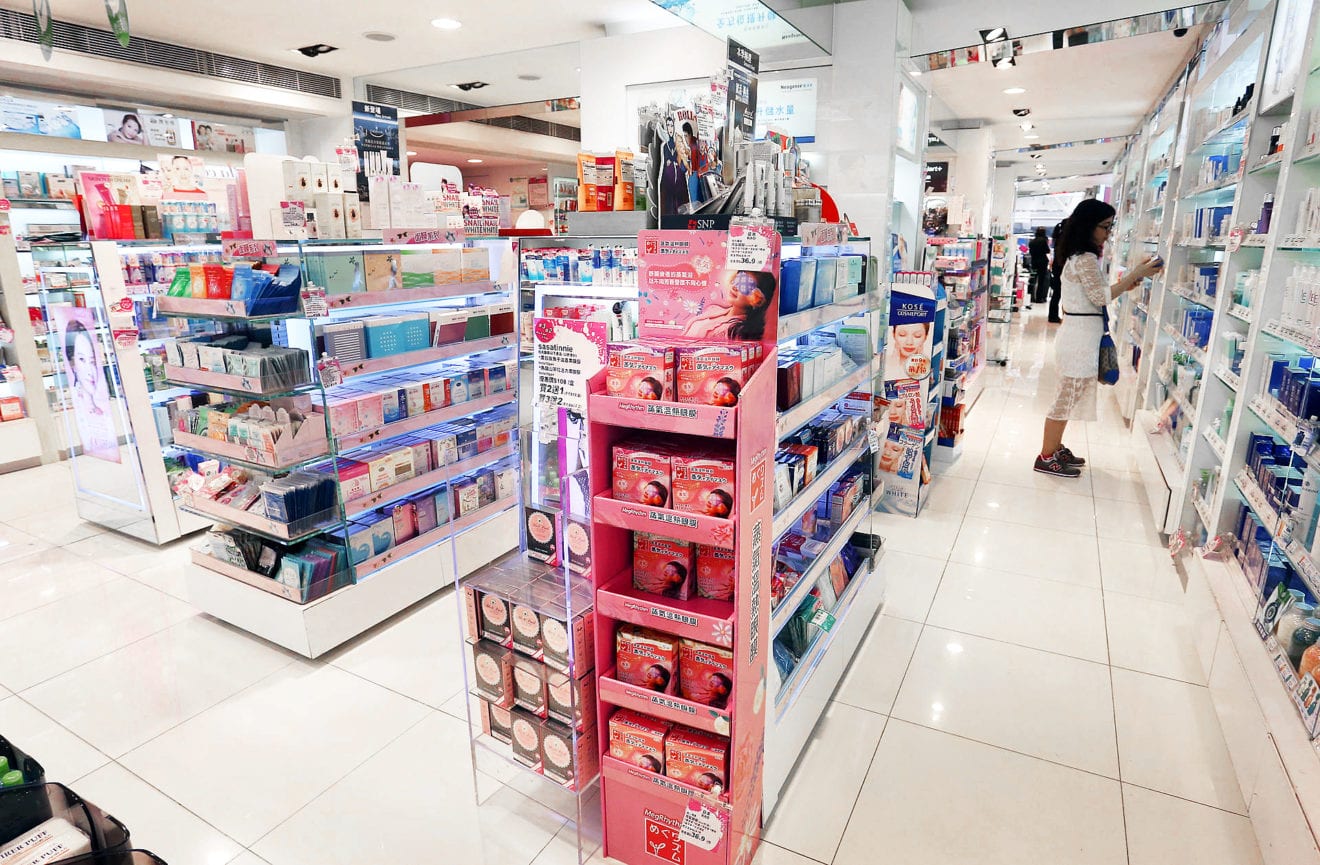
  • Sa Sa profit drop looms

    Sa Sa profit drop looms

    Sa Sa profit is expected to fall 35 to 45 per cent for the six months ended September 30.

    The Hong Kong-based cosmetics retailer has issued a profit warning, citing a drop in both sales and gross profit margin of its Hong Kong and Macau business, weaknesses in some overseas stores and decline in online profits.

    Meanwhile, the group has recorded a 2.3 per cent decrease in retail and wholesale turnover to HK$1910.9 million (US$246.3 million) for its second quarter.

    In other markets, including China, Malaysia, Singapore, Taiwan and Sasa.com), the group’s turnover fell 2.9 per cent. For Hong Kong and Macau, turnover was down 2.2 per cent to HK$1552 million, total sales easing by 2 per cent while same-store sales were 2.5 per cent down on a year-on-year basis.

    However, there was a 3.9 per cent rise in the number of transactions because of increased traffic growth. The number of transactions of Hong Kong and mainland customers rose by increased by 1.8 and 5.9 per cent respectively, while the average sales per transaction fell by 5.5 and 6.9 per cent respectively.

    Improved sales performances, says the group, were a result of its efforts to adjust product offerings to meet market demand. The resulting change in product mix intensified downward pressure on gross profit margin for the quarter.

    For the National Day Golden Week holiday from October 1 to 7, the group’s retail sales in Hong Kong and Macau had positive growth of 13.8 per cent, with same-store sales growing by 12.4 per cent.

    As at September 30, the group had a total 283 stores/counters, down from 288 at June 30. Hong Kong and Macau has 113 outlets (up one), China 53 (down two), Malaysia 68 (down one), Taiwan 26 (down five). Singapore was steady at 23 outlets.