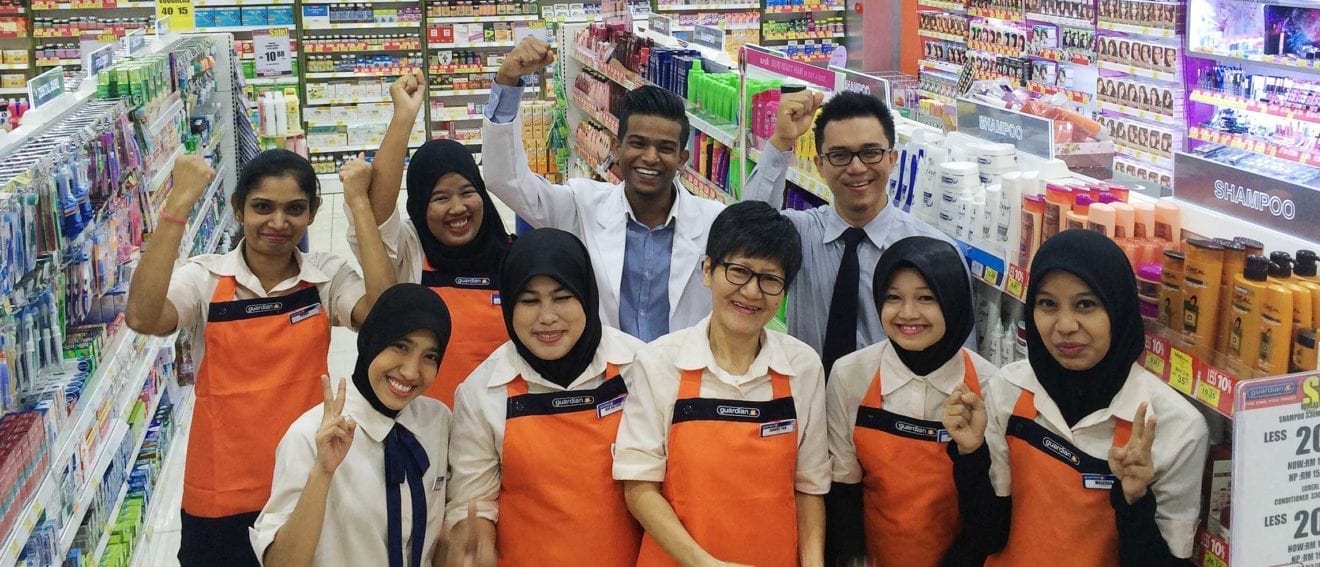
Guardian Health and Beauty (Guardian Malaysia) plans to open between 25 and 30 new stores next year as it embarks on an aggressive expansion plan to further strengthen its position in the domestic health and beauty retail market.
Chief Executive Officer Peter J Dove said besides the new stores opening, the company would also refurbish 70 stores, as well as, close 15 existing stores which are less performing.
At present, Guardian Malaysia has 430 outlets nationwide and commands a 30 per cent market share in the health and beauty segment.
“Domestically, the current retail market is tough and demand is soft, so we have conducted a research and come out with a new concept, which is aligning products with shoppers’ demand, and then see the customers’ response,” Dove told Bernama after launching Guardian’s concept store in Kuala Lumpur City Centre Sunday.
The retailers in the pharmacy and personal care sub-sector are expecting to record an 11.4 per cent growth in the third quarter of 2016.
Guardian Malaysia also plans to implement the same concept store idea for 10 out of its 40 top stores nationwide.
“We will also introduce and aggressively go into e-commerce next year to reach more customers,” he said, but declined to disclose the investment allocation to develop the new e-commerce platform and new concept stores.
Meanwhile, the new concept store incorporates shopper-friendly features including a “Make Me Up” corner, which focuses on addressing the needs of shoppers, highlight the latest cosmetics products and trend, as well as, offer a semi-private area for product trials.
Guardian Malaysia has also expanded its range of new international and local brands, as well as, spearhead the first modern trade pharmacy initiative with the listing of traditional Chinese herbal health products.
Arsalaan (Oz) Ahmed has been appointed as the Chief Executive Officer for HSBC Amanah Malaysia Berhad. As the CEO of HSBC Amanah Malaysia Berhad, Oz Ahmed will be leading the Islamic banking businesses for Retail, Commercial and Wholesale Banking, and reporting to the CEO of HSBC Bank Malaysia Berhad, Mukhtar Hussain.
Before joining HSBC Amanah, Oz was appointed as the Head of Capital Financing & Financial Institutions for Barwa Bank in Doha, Qatar, where he led the development of Islamic debt capital market and wholesale banking platform.
With 15 years of experience, Oz has distinguished himself as a thought leader in Islamic and ethical finance and an expert in Shariah-compliant retail, corporate and investment banking. He has held a number of senior management roles with international exposure in the United Kingdom, Middle East and Malaysia.
Commenting on his appointment, Mukhtar Hussain, CEO of HSBC Bank Malaysia Berhad, said, “Oz brings a wealth of experience vital for the growth of our Amanah business in Malaysia. As Malaysia strengthens its role as the Islamic Finance hub of Asia, it is crucial that we aid the progress with the right leadership, innovation and world class Shariah compliant products and services.”
Naza Premira Sdn Bhd, the official distributor of Vespa scooters in Malaysia, announced the arrival of the Vespa Sprint Adventure earlier this week. It is basically a customised Vespa Sprint 150cc ABS “designed with a unique adventurous look”, which probably means it is not quite ready to travel the world, but certainly looks the part.
The Vespa Sprint Adventure is a derivative of the Vespa Sprint, which was launched by Naza last year. Among the features of the Sprint Adventure are sporty black matt details and travel accessories. Underneath the more rugged exterior is a new Piaggio i-Get 150cc single cylinder, four-stroke, air cooled engine with electronic injection. Pushing out 13hp at 7,750 rpm, and 12.8Nm of torque at 6,500 rpm, the little mill is quite efficient, giving gas mileage of up to 42 km/l (Measured by the World Motorcycle Test Cycle). The exhaust system is also a new unit, which Vespa says makes the engine quieter while at the same time giving “a more full and pleasant timbre”.
The Sprint Adventure is also equipped with an ABS brake system. The accessories that differentiate the Vespa Sprint Adventure from the standard variation are a black front and rear carrier as well as a smoked fly screen. The accessories will be received and assembled separately at the dealership. The Sprint Adventure is available in Green Matt and Desert Sand and will retail at RM17,000, rather steep for a 150cc scooter, notwithstanding its adventure “credentials”. The standard Sprint was priced at 15k with GST at its launch last year. In conjunction with the launch of the new limited edition scooter, an adventure tour of South East Asia is being organised with a fleet of the Vespas ridden by journalists, “influencers”, celebrities, photographers and Vespa adventure lovers participating. The convoy will take them from Vietnam to Singapore.
Malaysia will be represented by photographer Mark Teo. A social media contest will also be held. More details can be found on the official Vespa Sprint Adventure (VSA) Facebook page and Instagram profile. Fun Fact: The Guinness Book of Records states the minimum distance around the world to be 29,000km in their recognised round the world attempts.
At 42 km/l, it would require just 690.5 litres of petrol for the Vespa Sprint Adventure to circumnavigate the earth. At the current Malaysian RON95 price of RM1.80 (which is not really possible since the scooter would be travelling around the world), it would cost just RM1,243 in fuel costs for the entire journey!
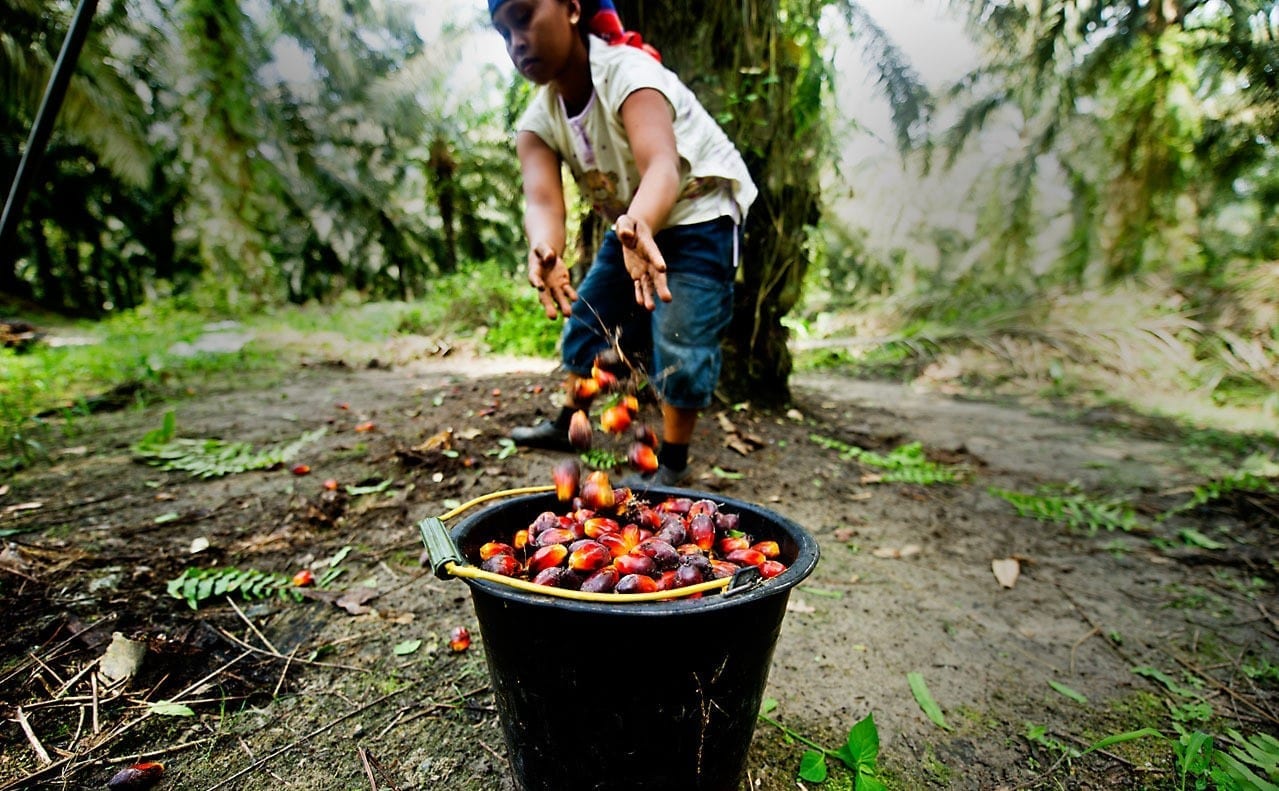
Malaysia will push back a mandate to blend more palm oil into diesel to a later date following a rebound in crude palm oil prices.
The biodiesel program, targeted at transportation and industrial sectors, was initially designed in-part to cut the Southeast Asian country’s swelling palm oil inventory that weighed on prices of the commodity.
“After a thorough study, taking into consideration the difference between crude palm oil and diesel prices at current volatile market, I would like to announce that the implementation of Biodiesel Mandate will be deferred to a later date,” Plantation Minister Mah Siew Keong said in a short statement.
The content of palm oil in biodiesel will be raised to 10% under the so-called B10 program that blends palm-based methyl ester with traditional petroleum diesel for sale at retail pumps nationwide. Malaysia will also mandate for a 7% blend, or B7, for industrial sector.
The program, scheduled to be enforced next month, has been delayed twice this year amid mounting concerns from vehicle resellers over potential damage to engine that may prompt manufacturers to dishonor their warranty pledges.
The rising cost of palm oil could result in higher pump prices for consumers at a time when Malaysian households are grappling with higher cost of living.
“Although significant effort has been put into for its implementation, the government is committed to ensure that there is no burden of extra cost at this time,” Mah said in the statement.
Malaysia estimates that the program is expected to consume about an additional 709,000 tons of crude palm oil annually, and contribute to a saving of 820 million liters of petroleum diesel a year.
Crude palm oil production in Malaysia declined 2.2% month-on-month to 1.67 million tons in October, a seasonally strong month, according to data from the Malaysian Palm Oil Board. On a year-on-year basis, output plunged 17.6% in October and inventory stood at 1.57 million tons.
Spot prices of crude palm oil has risen more than 30% so far this year as production of the edible oil used in everything from soap to snacks fell in Malaysia and Indonesia due to unfavorable weather conditions.
Key agricultural areas in Malaysia and Indonesia, which collectively produces more than 80% of the global supply of palm oil, have been hit by lingering effects of 2015’s El Nino weather conditions that shriveled oil palm trees and hurt yields this year.
El Nino is the unusual warming of the Pacific Ocean that causes a shift of moist winds away from their more typical patterns and results in less rain.
The benchmark crude palm oil futures on Bursa Malaysia Derivatives for January delivery rose 2.0% to 2,883.00 ringgit on Wednesday.
Telenor Group has launched a new mobile wallet service in Malaysia targeted at the underbanked segments of the market.
The service is has been built based on the Malaysian money services business Prabhu, which Telenor acquired in May.
The service has been rebranded Valyou, Telenor’s mobile wallet brand. While Telenor was forced to shut down its Valyou service in its home market of Norway last year due to lower than expected demand, the service will live on in Malaysia.
Valyou supports cross-border international mobile remittance including money transfers to seven countries as well as over-the-counter remittance at local retailers. It is open to subscribers from any mobile operator and supports all smartphone types.
Valyou is currently available as and Android app and will soon be coming to iOS.
“Malaysia ranges among the regional frontrunners when it comes to digital payments, and we are happy to expand Telenor’s financial services footprint with Valyou,” Telenor SVP and head of financial services Tine Wollebekk said.
“Our ambition is to explore end to end digital remittance to all relevant corridors, including both Telenor’s own financial services markets – such as Pakistan, Bangladesh or Myanmar – but also to other countries that are important for the local migrant community.”
Malaysian shares edged higher Friday, as investors cheered Prime Minister Najib Razak’s resolve to narrow the budget deficit next year.
Najib, who pledged to hand out cash aids and push for infrastructure development to stoke growth in an uncertain global environment, expects the nation’s gross domestic product to expand 4% to 5% in 2017. He forecast fiscal deficit to narrow to 3% of GDP from the 3.1% target for this year.
The nation’s benchmark FTSE Bursa Malaysia KLCI ended 0.2% higher at 1,669.98 points Friday. The index rose 0.7% for the week, tracking gains in most regional indexes.
CIMB Group Holdings, British American Tobacco Malaysia and plantation stocks led gains on Friday, while YTL Corp, Genting and Genting Malaysia slipped.
The ringgit declined 0.05% to 4.183, tracking broad gains in the dollar as the European Central Bank’s post-policy comments pushed the euro to seven-month lows.
Data released Friday showed Malaysia’s retail inflation rate rose a lesser-than-expected 1.5% last month, unchanged from August’s reading. Economists had expected a 1.7% increase in September.
“At this juncture, the balance of risks is still skewed towards growth disappointment, not to mention possible fiscal slippage, with inflation pressures of second-order concern,” said Weimen Ng, an economist at ANZ Research, in a note. “A key trigger that will bring Bank Negara Malaysia back to the rate cut table at the final meeting of the year on 23 November is a significant slowdown in private consumption.”
At today’s budget, inflation was projected at be between 2% to 3%. Malaysia’s central bank stood pat on interest rates at its September review, after delivering a surprise rate cut in July.
Regional sentiment was tepid on Friday, weighed down by broad strength in the dollar and sliding crude prices.
Crude oil prices slipped over 2% on Thursday, reversing the previous day’s gains.
The dollar index, measured against a basket, rose to its highest level since February on Friday as the euro remained under pressure after the ECB stood pat. Chatter about a possible plan to taper the central bank’s 80 billion euro a month bond-buying program rattled markets earlier this month.
ECB President Mario Draghi’s comments that a long-awaited rise in inflation required “very substantial” monetary policy accommodation also weighed on the euro.
In Southeast Asian markets Friday, Philippine’s PSE Composite and Singapore’s Straits Times slipped 0.8% and 0.4%. Indonesia’s Jakarta Stock Exchange Composite rose 0.1%, while Thailand’s SET index advanced 0.5%.
In rest of Asia, South Korea’s KOSPI and Japan’s Nikkei 225 declined 0.4% and 0.3%. China’s Shanghai Composite advanced 0.2%. Hong Kong markets were closed due to a typhoon.
On the KLCI, 15 of the 30 constituents ended lower Friday and four closed unchanged, while overall declining issues outnumbered advancing ones 392 to 327.
Foreign investors sold 15.5 million ringgit ($3.7 million) in Malaysian shares on Thursday, according to Kenanga Research.
British American Tobacco Malaysia advanced 2.7% to 49.8 ringgit, leading gains on the KLCI. The cigarette maker reports third-quarter earnings on Monday.
CIMB rose 2.2% to 5.04 ringgit. The banking major is trading at its highest level this year, helped by expectations of lower credit costs in Malaysia and Indonesia, especially in the second half of next year, analysts said.
Plantation majors Kuala Lumpur Kepong and IOI Corp rose 1.8% to 24.36 ringgit and 0.5% to 4.51 ringgit. On Friday, the government said palm oil production in Malaysia is expected to rise 5.6% in 2017. Palm oil futures were up 0.4% at 2,728 ringgit per tonne.
Plantations-to-motoring conglomerate Sime Darby ended 0.3% higher at 7.98 ringgit.
Genting Malaysia slipped 1.7% to 4.71 ringgit Friday. The leisure and hospitality major declined 1.7% for the week, trimming last week’s 2.8% rally.
Choppy trading in resort-to-rail conglomerate YTL Corporation continued Friday, with the stock closing 1.1% lower at 1.75 ringgit. The stock has alternated between losses and gains this week, ending the week 1% lower.
Gaming conglomerate Genting slipped for the second day, falling 1% to 7.87 ringgit.
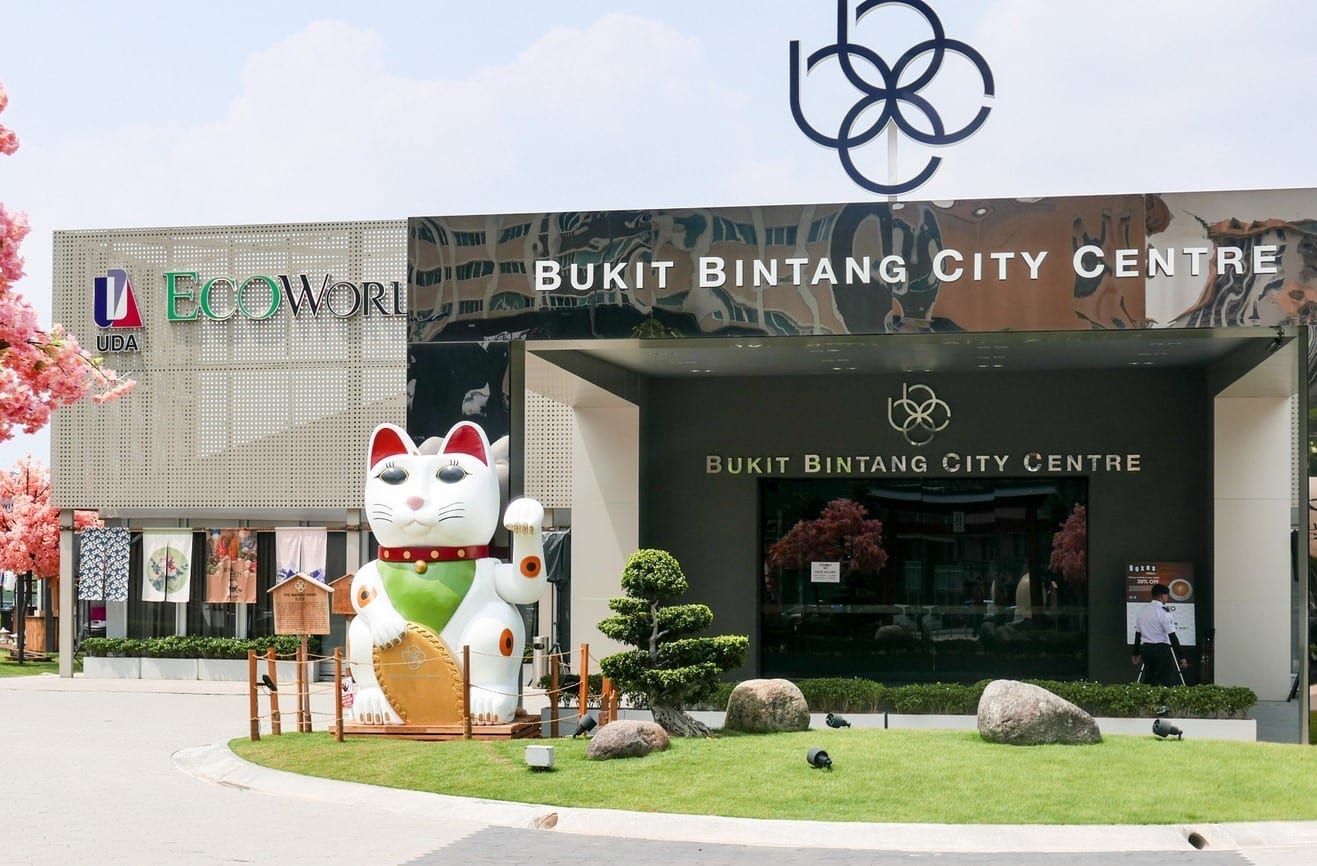
Kuala Lumpur is to have a new mall at Bukit Bintang City Centre (BBCC), on the site of the former Pudu Prison.
Bukit Bintang City Centre Development has entered into a JV with Japan’s Mitsui Fudosan Asia for the development of the Mitsui Shopping Park Lalaport mall. Covering 130,100 sqm, it will have a net lettable area of 80,000 sqm and house about 300 stores.
Construction is expected to start next year with the opening to be in 2021.
Malaysia’s Malaysian Global Innovation & Creativity Centre (MaGIC), smart city enabler Cyberview and Mastercard have signed an agreement to support the Malaysian government’s push towards a cashless society.
During the recent signing of the memorandum of agreement at the Smart City Expo World Congress in Barcelona, Cyberview’s managing director Dato’ Faris Yahaya said that a cashless society drive would help to strengthen smart city development in Cyberjaya.
Faris said the agreement is the latest in a series of milestones achieved by Cyberjaya in its continued evolution as a Smart City.
Recent achievements include the deployment of a city-wide long range (LoRA) network to offer an IoT lab and the establishment of its City Innovation Council (CIC) to allow startups to test out prototypes.
“Cyberview has spearheaded the continued development of the city under its Smart City and Living Lab initiatives – development pillars designed to increase its operational efficiency, improve the quality of life for the people of Cyberjaya and contribute to growing the local economy,” added Faris.
“We continue to do this by incorporating technology into every facet of the township through collaboration with our many partners, and this is eminent from our push in transforming Cyberjaya into a cashless city by working hand in hand with MaGIC and Mastercard,” he said.
(From left) Carlos J. Menendez, President Enterprise Partnership, MasterCard; Dato’ Faris Yahaya, Managing Director, Cyberview Sdn Bhd; Tan Sri Dr. Mohd Irwan Serigar, Secretary General of Treasury, Ministry of Finance Malaysia; Perry Ong, Country Manager for Malaysia and Brunei, MasterCard and Mr. Ashran bin Dato’ Ghazi, Chief Executive Officer, Malaysian Global Innovation & Creativity Centre (MaGIC) during the Memorandum of Understanding Ceremony at the Smart City Expo World Congress in Barcelona.
“The reason why we’re doing this is because we understand that payments are the heart of a city’s economic activity – forming the core of every economic flow including salaries, consumer spending, business procurement, and taxes,” said Faris.
Cashless ecosystem
This latest agreement lists several initiatives to be rolled out by the partners to develop a cashless ecosystem in Cyberjaya.
He said some of these include integrating Mastercard’s digital payments service Masterpass to make everyday transactions for consumers faster, simpler and more secure as well as providing city authorities and urban planners actionable data-driven insights into the retail industry and to better inform their marketing campaigns for visitors.
These activities are in line with the government’s Economic Transformation Programme and Bank Negara Malaysia’s (BNM) vision to transform Malaysia into a cashless society.
Ashran Dato’ Ghazi, chief executive officer of MaGIC said: “MaGIC will support the Cyberview Smart City initiative in a collaboration with both Cyberview and Mastercard. Through the Corporate Entrepreneurship Responsibility (CER) platform, MaGIC will play a key role to facilitate the partnership between players in the corporate sector like Mastercard and local entrepreneurs to design and build smart city infrastructure, services and solutions in Cyberjaya.”
Perry Ong, country manager for Malaysia and Brunei of Mastercard, said, “Through the Economic Transformation Program, an electronic payments agenda is embedded through a structural reform known as the Payment Card Reform framework where the payment industry is working together in efforts to broaden market access and to dampen cash transactions. It is imperative that we recognise the great control, transparency and efficiency electronic payments offers to society.”
Ong added that Mastercard will be providing the horizontal payment construct across all the vertical clusters in the Smart City including urban mobility, lifestyle, finance, health, supply chain and education among others.
He said this will ensure an integrated payment ecosystem for a better commerce experience with digital solutions such as “Masterpass, which helps Malaysians to enjoy simpler, safer and smarter digital payments across any device and channel anywhere – be it online, in app and in-store with contactless.”
“By embedding digital payments into our core infrastructure and harnessing the data that electronic payments generate, cities can deliver on their promise to create smarter, more welcoming spaces, and empower their citizens to lead greater, more rewarding lives,” said Cyberview’s Faris.
He said an AllianceDBS Research report earlier this year projected that the ‘cashless’ system in Malaysia will grow by 15 per cent, five-year compounded annual growth rate (CAGR), as Bank Negara Malaysia (BNM) pushes for reform in the country’s payment system.
“We will continue to collaboratively work with our numerous ecosystem partners, including MaGIC and Mastercard to enhance the liveability of the city and provide the people of Cyberjaya with everything they will need to improve their lives,” Faris said.
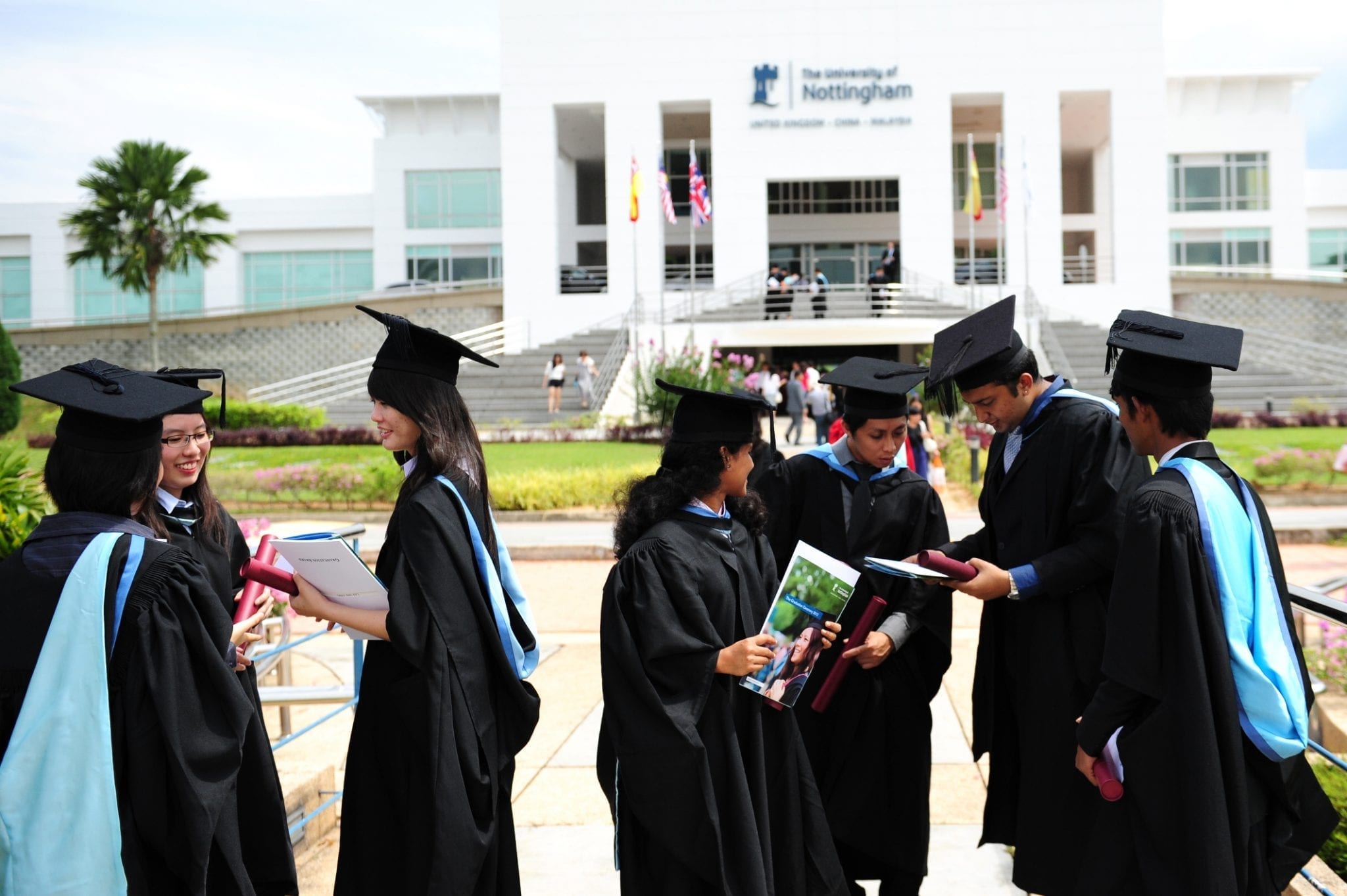
The University of Nottingham Malaysia Campus (UNMC) has become the first site in APAC to implement a network combining Brocade network switches and Wi-Fi access systems from Ruckus Wireless.
The new wired and wireless network, deployed under a managed service agreement, provides 2,400 on-campus students with coverage within UNMC’s student hostels.
“One of our key strategies for competing for the best faculty and students is to provide them with best-in-class facilities, which is why we’ve invested in a complete infrastructure revamp to support our student network services,” said UNMC’s Director of Campus Services Nicholas Ching.
Established in 2000, UNMC was the first branch of a British university in the country and one of the first to open outside Britain. It has been rated as “excellent” or Tier 5, making it the highest rated international university in Malaysia on a scale of Tier 1-6 by the Malaysian government.
Ching said a key requirement for UNMC was to provide students with highly reliable Wi-Fi access, offering predictable performance and support for the latest 802.11ac Wi-Fi standard.
The implementation team carried out a complete site survey across the 11 hostels to ensure seamless wireless coverage without any blind spots. The implementation utilizes Ruckus adaptive antenna technology and automatic interference mitigation, which is designed to deliver consistent, predictable performance at extended ranges, enabling strong wireless coverage in each student dorm room.
“University students are all digital natives with high expectations about Wi-Fi access quality and a low tolerance for service failure,” said Abdul Aziz Ali, country manager for Malaysia, Brocade. “Accessing high-bandwidth video services, class materials, and social applications is a big part of engaging in campus life.”
As part of the managed services agreement with UNMC, Brocade partner MYI Technologies will have a resident engineer on site for three years on a 24 by 7 basis. The engineer will also be responsible for supporting the Internet gateway and security components of the university’s student network services.
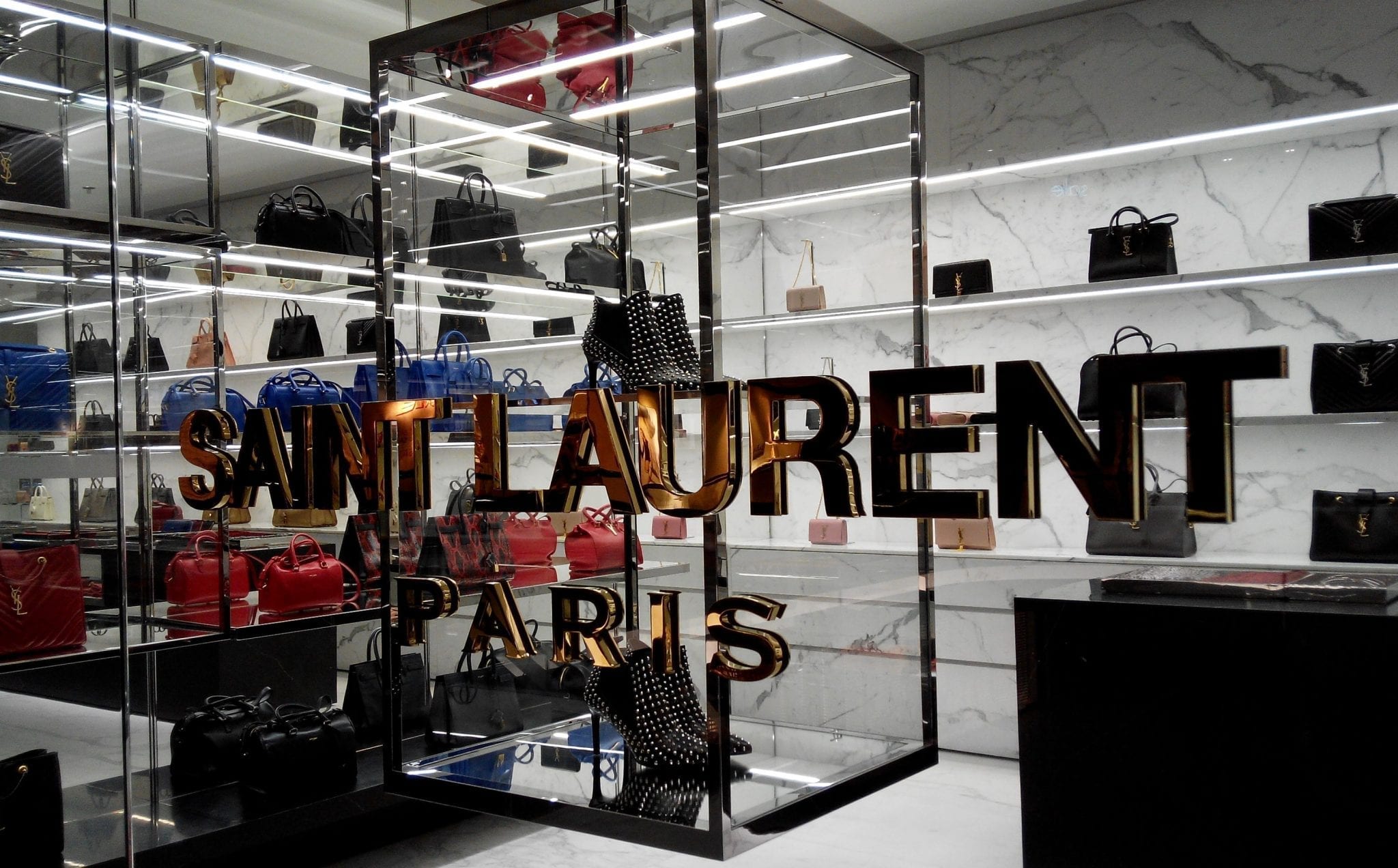
Just weeks after the opening of the Saint Laurent Malaysia store at Suria KLCC, another has started trading at Pavilion KL.
Its latest store aims to reflect the fashion brand’s heritage and identity, offering an original shopping experience. The boutique offers prêt-à-porter, accessories, shoes, sunglasses and jewellery for both men and women.
Across two floors, one at street level, the boutique offers a modern interpretation of the French modernist movement of the 20th century, reports Buro 24/7. It takes a minimalist approach and is finished with art deco materials presenting an interplay of matte and shine through a fusion of materials: the floors and walls are in white statuary marble and black silk marble, with structures in polished brass and extra-clear glass.
Schenker Logistics (Malaysia) announced that the Kuala Lumpur Logistics Centre 9 (KLC9) warehouse located in Shah Alam is officially accredited for their halal logistics operations under the international halal standard for logistics IHIAS 0100:2010. The accreditation covers both storage and transportation.
The certificate was presented by IHI Alliance executive director Hj Rafek Saleh to Schenker Malaysia Logistics director Claus Kuhnert in Shah Alam.
According to Kuhnert, this recognition is timely as halal supply chain management is an emerging requirement for FMCG brands. It is a new milestone for DB Schenker to be the first accredited multinational third party logistics service provider to receive this international halal logistics recognition.
“Schenker Malaysia understands the importance of a halal value chain, and an unbroken halal supply chain for big brand owners serving Muslim markets in Southeast Asia. We feel that this need is not well served by the logistics industry and we at Schenker Malaysia see this as an opportunity to become one of the first fully certified international logistics service provider in Asia. We are gearing towards full compliance to serve the halal industry as the innovative integrated logistics service provider of choice,” he added.
DB Schenker expects the halal logistics solutions offered by the company will allow their clients to achieve a total halal supply chains for food, cosmetics and pharmaceutical companies, and strengthening its position in the FMCG business.
The accreditation will also enable DB Schenker to actively participate as the MNC logistics player in strengthening Malaysia’s position as a global halal hub.
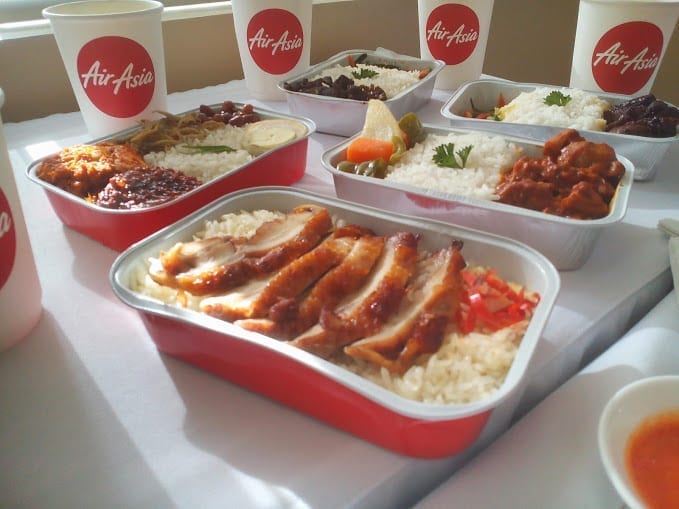
AirAsia has launched its latest Santan Combo Meal, available for pre-booking, from RM10 on AirAsia Bhd (AK) flights and from RM15 on AirAsia X Bhd (D7) flights.
In a statement today, AirAsia said the Santan Combo Meal has a selection of 15 meals ranging from local Asean delights to international cuisines.
“Guests who pre-book the combo meals can choose from a selection that includes coffee (only available for flights above 90 minutes), carbonated drinks and mineral water,” it said.
AirAsia Commercial Head Spencer Lee said guests would be happy to know that the new price offers a RM5 discount off the in-flight ticket price.
“When they pre-book their meals online, not only they enjoy discount prices and have a wider selection of meals to choose from, but also have the privilege of being served first,” he said.
Lee said among the new items on the menu was the festive Christmas treat of Southwest Stuffed Chicken Meal on AK flights for RM10.
“This meal consist of roasted chicken breast stuffed with capsicum and onions and served with a special jalapeno cream sauce on a bed of roasted potatoes,” he said.
Meanwhile, those travelling on D7 flights can enjoy the new combo meal of Grandma’s Chicken Pie for RM15, which is minced chicken baked with a layer of creamy mashed potatoes, complemented with broccoli and carrots.
Guests can pre-book their meals up to 24 hours before their scheduled departure time on www.airasia.com via the Manage My Booking tab.
The 2017 Malaysia Budget announced by Prime Minister Datuk Seri Najib Razak is an incremental step in realizing Malaysia’s vision of a fully connected digital economy, according to IDC.
Although the specific financial breakdown of the budget initiatives is not yet available, IDC Malaysia said the direct and indirect impact on the Malaysian ICT sector is apparent.
Data from IDC suggests that total IT spending that includes infrastructure, software and services will grow by 3.3% to be worth $21.16 billion in 2017.
The research firm noted that it will be interesting to see if the recent budget initiatives will help Malaysia in achieving its vision of a digital economy given that key budget items are directly related to technology, such as improving the speed of fixed line broadband services, tax relief for purchase of select technology products and services, funding for specific MDEC programs focusing on specific initiatives, and launching a digital free zone.
It likewise mentioned that the Malaysian government has placed a high emphasis on high-speed internet connectivity in previous budgets and continues to make it a priority in the 2017 edition, by mandating fixed line internet services to be increased to a baseline of 20Mbps.
Currently, the average fixed line internet speed in Malaysia is at 6.8 Mbps, up 36% compared to the previous year. The proportion of internet users with access speeds greater than 10 Mbps and 4 Mbps has increased to 16% and 66% respectively.
The government has also recognized the importance of further enabling SMEs in increasing macroeconomic indicators. SMEs’ contribution to the overall GDP for Malaysia was estimated to be 36.3% in 2015, whereas it tends to be about 50% and above in high-income nations.
The $17.7 million allocated to promote SMEs development, as well as the funding for MDEC programs such as the e-commerce ecosystem and Digital Maker Movement, is a very positive step in this direction, IDC said.
“The e-commerce ecosystem will continue to evolve in the future with the maturity of services, and the consumption patterns of the citizens. Two key areas worthy of future attention are figuring out how to retain more revenues from e-commerce sector within Malaysia, as well as encouraging global e-commerce platforms to increase investment in the country,” said Vijay Sundararaman, IDC Malaysia Country Manager.
“There is a growing discussion on the creation of e-hubs that can accelerate SMEs output, as well as interconnectivity of these hubs globally to create a worldwide ‘Mega Trading Platform’.”
After early success in the Philippines, Khun Thai Tea is now eyeing three more Asian markets.
The milk tea concept was co-founded by Bronze Media LLP Singapore owners Jeremy Lee and Elis Chai.
Lee says the company is about to open its third store in Metro Manila, at MegaMall, with plans for a new kiosk every month moving forward. It is looking for partners in other Southeast Asian markets.
“We are going to take Khun Thai Tea to Jakarta in Indonesia, Kuala Lumpur in Malaysia, and Taipei in Taiwan,” he says. “Plans to start outlets in these cities are already underway.”
Local Filipino partner Nancy Padilla says the chain’s drinks are based on an original recipe for a refreshing black iced-tea (‘cha-yen’ in Thai) that dates back to 1955. First created by a Thai native fondly known as Auntie Marlee, the strongly brewed Ceylon tea has since been modernised with a switch from Ceylon to a Thai-grown assam tea known as ‘Bai Miang’. Infusion with spices maintains the headiness of the original recipe and bring out its complex flavours.
The traditional sugar, condensed milk and evaporated milk-heavy Cha-Yen recipe has also been updated to better suit the tastes of modern health-conscious consumers.
In addition to the original recipe, says Padilla, Khun Thai Tea outlets also offer variations of the concoction inspired by drink recipes from around Asia, such as a mix of coffee and tea (‘Yuan Yang’), which was first brewed in Hong Kong.
Drawing inspiration from Taiwanese bubble milk tea recipes, Khun Thai Tea also comes with small chewy tapioca balls (‘boba’, or bubbles) added, to infuse new textures and experiences to the drink.
The newest menu item, Ice Bandung, is inspired by the original popular Malaysian beverage recipe which combines the alluring taste of rose syrup with the velvety smoothness of milk.
Adventure calls, and for iPhone fans, LifeProof FRĒ has been there to answer, year after year. Take iPhone 7 and iPhone 7 Plus wherever the action leads in absolute confidence and bring back the living proof with incredible photos shot on iPhone’s best cameras yet. FRĒ for iPhone 7 and iPhone 7 Plus select color are available at LifeProof.asia now.
LifeProof FRĒ for iPhone 7 and iPhone 7 Plus
For those looking for the best in screenless waterproof technology, NÜÜD for iPhone 7 and iPhone 7 Plus are also coming soon.
“LifeProof helps you get the most out of your iPhone and our latest designs incorporate some exciting changes that make the user experience the best we’ve ever delivered,” said LifeProof CEO Jim Parke. “Apple has set the bar high with these iPhones, and we’re helping bring it to places you’ve never before thought possible.”
LifeProof allows smartphone users to dive head-first into the action at a moment’s notice. The super slim designs are waterproof to 6.6 feet, drop proof to 6.6 feet, dirt proof and snow proof. FRĒ features a built-in screen protector, while NÜÜD leaves the screen uncovered for the truest touchscreen experience. Every device feature remains accessible and fully functional, making LifeProof cases a necessity when intentionally taking on water, drops, dirt or snow.
Price listings as follow —
LifeProof FRĒ
LifeProof NÜÜD
iPhone 7
RM 329 (include GST)
RM 359 (include GST)
iPhone 7 Plus
RM 359 (include GST)
RM 399 (include GST)
LifeProof FRĒ for iPhone 7 and iPhone 7 Plus in Black are available at selected retail, while NÜÜD for iPhone 7 and iPhone 7 Plus are coming soon. For more information and product availability, please visit www.lifeproof.asia