Tag: Malaysia

  • Upgrade for Pizza Hut Malaysia’s restaurants

    Upgrade for Pizza Hut Malaysia’s restaurants

    The operator of Pizza Hut, QSR Brands (M) Holdings Bhd, plans to upgrade its 221 dine-in restaurants over the next two years, as part of its re-branding activity in conjunction with Pizza Hut’s 35th anniversary.

    QSR Brands chief executive officer Merrill Pereyra said Pizza Hut currently had close to 400 outlets, nationwide.

    “So far, we have upgraded more than 50 restaurants and we will also conduct 100 per cent asset enhancement in all 221 restaurants,” he told a press conference after Pizza Hut’s 35th anniversary celebrations in Kuala Lumpur on Thursday.

    Pereyra said the company planned to enhance dining experience at its restaurants as the segment was not only its core business but also made Pizza Hut stand out from its competitors.

    He, however, declined to elaborate on the capital expenditure for the upgrading exercise but said the company had allocated enough for the purpose.

    When asked on possibilities of new openings for this year, Pereyra said the company planned to spend the next couple of years to re-brand Pizza Hut and the exercise would include a new logo, website and also a new mobile application.

    The website was launched on May 5 and we are already seeing nearly 100 per cent increase in visits and 150% increase in new users.

    Order placement with the newly developed website and mobile application would reflect Pizza Hut’s refreshed brand mission of “easy and better”, he added.

    Pereyra said the mobile application will be launched in three months.

    Pizza Hut, in conjunction with its anniversary celebrations, on Thursday launched the 35 Bites Challenge where consumers can attempt to finish a large pizza in 35 bites, within five minutes.

  • AirAsia X’s profit hit by higher fuel expenses

    AirAsia X’s profit hit by higher fuel expenses

    AirAsia X Bhd’s (AAX) profit for the first quarter (Q1) ended March 31, 2017, was dragged down by higher expenses such as aircraft fuel cost, which ballooned by 55% from a year earlier.

    AAX, whose expenses are mostly denominated in the US dollar, said it posted a 43% year-on-year drop in operating profit to RM60.3mil mainly due to an overall 6% depreciation of the ringgit against the greenback.

    The long-haul, low-cost airline told Bursa Malaysia on Tuesday that net profit fell to RM10.34mil from RM179.49mil previously.

    Aircraft fuel expenses, the single largest operating cost, swelled to RM377.69mil from RM243.06mil a year earlier. Aircraft operating lease costs rose to RM70.82mil from RM45.64mil previously.

    Its profit took a hit despite a healthy growth in passengers carried – up 33% to 1.4 million in Q1 on the back of a higher available seat capacity – that led to a 22% jump in revenue year-on-year to RM1.18bil.

    Load factors were 2 basis points higher at 84% compared with the same quarter in 2016.

    Ancillary revenue per passenger remained constant at RM150 while freight and cargo revenue grew by 5.9% to RM32.8mil in the quarter under review.

    Revenue per available seat kilometer (RASK) was down 6% year-on-year from 15.11 sen to 14.20 sen during the quarter under review.

    AAX said the marginal drop was due to the expected increase in capacity on core existing routes as per its strategy to grow market share and therefore pressuring yields.

    In a press statement, it said Malaysia AirAsia X (MAAX) registered a healthy load factor of 84%, up 2 percentage points (ppts).

    Thailand AirAsia X outperformed despite regulatory constraints by posting US$5.5mil net profit in Q1. It recorded a strong 94% load factor, an increase of 5 ppts from 89% in the same period last year.

    As for Indonesia AirAsia X, the A330s service was still temporarily suspended in Q1 as part of a network restructuring aimed at improving operational efficiencies. However, it has resumed the A330 operations with the introduction of two new routes this month.

    On its prospects, the AirAsia group affiliate said that based on the current forward booking trend, forward loads and average fares were trending better than the previous year.

    However, it added, the relative weakness of the Malaysian ringgit remained a key concern as a large portion of the company’s borrowings and operating costs – including fuel expenses and aircraft operating lease exprnses – are denominated in US dollars.

    “Barring any unforeseen circumstances, including but not limited to terrorist attacks, natural disasters, epidemics, economic downturn, fuel price hike and fluctuation in foreign currencies against the Malaysian ringgit, the company expects its prospects to remain positive,” it said.

    In the press statement, MAAX chief executive officer Benyamin Ismail said: “Moving forward for the rest 2017, AirAsia X will focus on strengthening our market leadership through a number of strategies.

    “We hope to stretch our aircraft utilisation rate further with more incremental frequencies on high yield point-to-point routes and new routes in the second half of 2017. We have also set targets in ensuring the company remains lean through various cost initiatives and maximise the operational synergies between AirAsia and AirAsia X.”

  • YTL uses 4G to “leapfrog” region

    YTL uses 4G to “leapfrog” region

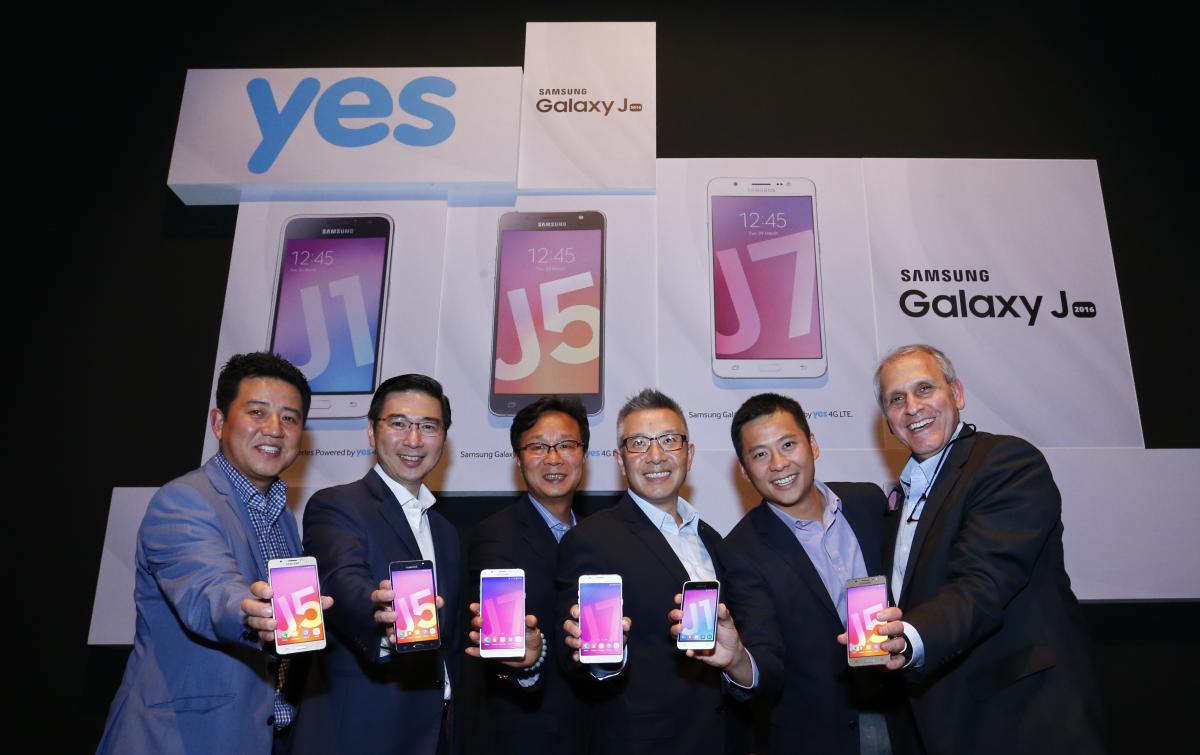
    Malaysian mobile operator YTL plans to speed up the pace of digital innovation as it challenges incumbents in its home market, says the company’s CEO Wing K Lee.

    Lee is set to address the CommunicAsia2017 Summit today on the subject of “A Nationwide 4G Leapfrog.” He says YTL’s six-year journey from Wimax start-up to operator of Malaysia’s first 4G LTE service in June last year has “lifted the standard of competitiveness” on mobile internet.

    Although granted a Wimax license at the same time as other new competitors, YTL took longer to go to market with its product and spent more time building its geographical coverage.

    It followed up its original 2010 launch with its LTE network, built by network partner Samsung Electronics, which also offers VoLTE. The network covers around 85% of Malaysia with data speeds as high as 100 Mbps.

    YTL’s “digital roadmap” and experience serves as a regional case study on “leapfrogging”: using new technology in a greenfield environment to create better infrastructure than more advanced areas which developed their tech infrastructure earlier on legacy frameworks.

    “As a completely greenfield player, we had the good fortune to start from a clean slate, free of legacy processing and thinking,” says Lee. “So we created a digital-first experience-from automation to care-for both our customers and our dealers.”

    Skill-sets of the century

    Another game-changer came four years ago, when YTL won an open tender from Malaysia’s Ministry of Education to provide 4G broadband in all public schools.

    The operator has partnered with Google to deploy 4G Chromebooks to schools throughout Malaysia, integrating Google Apps for Education into its cloud-based learning platform which supports 10 million students, teachers, and parents.

    Cloud cover over Malaysia

    Given the national footprint, YTL uses a cloud-based approach to enable “anywhere, anytime learning” and instill a “21st century skill-set” in young Malaysians.

    Lee says the way forward for YTL was to continue to invest in the cloud to create a new platform to deliver value.

    The education project, he says, was a good example of how the company wants to use connectivity in a transformative way to create new services and products, often in collaborative partnerships.

    “We won’t play the same game as legacy players,” he says. “We’re just getting warmed up and will continue to speed up the pace and diversity of innovation.”

  • AirAsia X dedicates aircraft to remember late COO

    AirAsia X dedicates aircraft to remember late COO

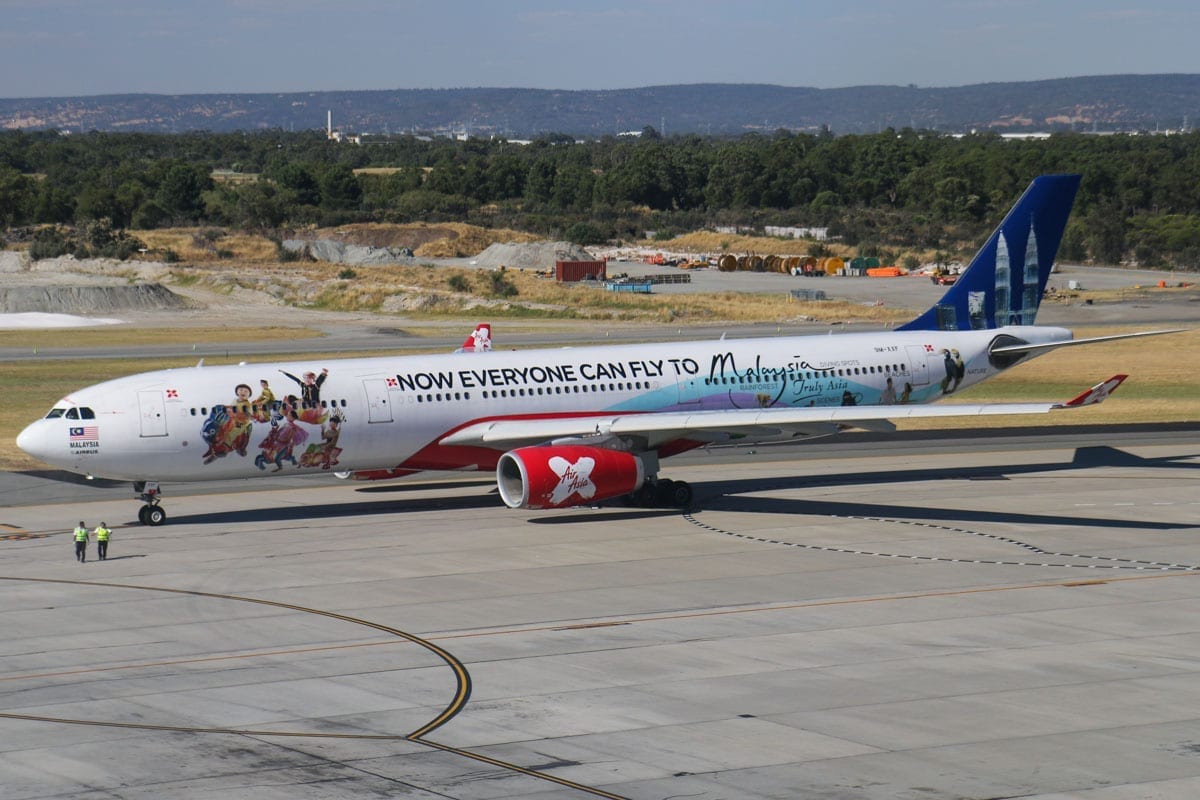
    AirAsia X has dedicated an aircraft to remember their late chief operating officer Anaz Ahmad Tajuddin, who passed away on Jan 13 from cancer.

    AirAsia group chief executive officer Tan Sri Tony Fernandes filmed two Facebook live videos of the sombre event held on Tuesday, unveiling the aircraft with Anaz’s smiling face on the fuselage together with the phrases “A truly passionate Allstar” and “Anaz the legend”.

    “We’re here to give tribute to our wonderful staff Anaz, who left us all too quickly,” said Fernandes in the video.

    Anaz was 43 when he passed away. Meanwhile, AirAsia X chief executive officer Ben Ismail said that the Airbus A330 aircraft was delivered about three weeks ago, and has since travelled to Japan, Australia and China.

    “We are celebrating Anaz being one of the most important men in AirAsia,” said Ben.

    “As you can see, I dedicated one of our aircrafts to him. We love him. I love him,” he added.

    AirAsia executive chairman Kamarudin Meranun said they have gathered to remember “our dear brother Anaz” who was a “very passionate Allstar”.

    “It’s happy because we still remember him but it’s also a sad affair,” said Kamarudin.

    AirAsia chief executive officer Aireen Omar also commended the artistic touch on the plane.

    “I will always remember Anaz,” said Aireen.

    Anaz’s family and other AirAsia staff were also present at the event.

  • 7-Eleven tests hand-scanning Biopay in Korea

    7-Eleven tests hand-scanning Biopay in Korea

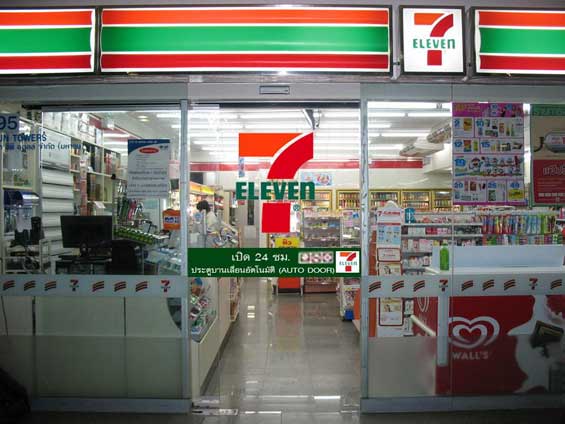
    In conjunction with Lotte Card and Lotte Data Communication, 7-Eleven has launched its first smart convenience store equipped with a BioPay system at Lotte World Tower.

    BioPay is a payment method that allows consumers to make transactions by identifying themselves with a part of their body linked to a preassigned credit card. It is the first such store to be opened by 7-Eleven in the world, the company said. The HandPay system, in which individuals are recognized by their veins, was chosen over other types of BioPay — such as iris or fingerprint recognition — to maximize convenience, added the company.

    Customers place their purchases on a conveyor belt at an unmanned counter, where the items are then scanned 360 degrees to locate their barcodes. The prices are then tallied and appear on a screen. The system will be further improved through an artificial intelligence system that can identify products without barcodes.

    The store also has other high-tech features, including a refrigerator that automatically opens and shuts, electronic price tags, a smart CCTV system, and a Smart Safe Cigarette Vending Machine.

    Jung Seung-in, president of Korea Seven, said, “7-Eleven Signature, as a premium smart convenience store with a cutting-edge IT system suitable for the fourth industrial revolution, will be remembered as an innovative icon in Korea’s distribution industry.”

    Korea Seven is a joint venture by Lotte and 7-Eleven. The 7-Eleven Signature store will be open exclusively to employees of Lotte for the next one or two months as a pilot program before it opens to the public. The company also said that it would make efforts to extend the HandPay system to payment methods other than Lotte Card by the end of August.

    While the company refused to reveal specific mid- and long-term plans, the technology used in the 7-Eleven Signature store is likely to be expanded to other subsidiaries of Lotte in the future.

  • Alipay comes to Malaysia

    Alipay comes to Malaysia

    Chinese mobile wallet Alipay has arrived in Malaysia, marking the latest international push for Ant Financial Services Group, Alibaba Group’s payment affiliate and owner of Alipay.

    According to Alibaba, six Malaysian banks have received regulatory approval from the Malaysian Central Bank to process Alipay settlements. Alipay is also scheduled as a payment option across the Southeast Asian nation by 2018, said the company.

    Alipay has been on a rampant expansion route. It recently invested in foreign payment firms including India’s Paytm and Thailand’s Acsend Money, and is now widely accepted in 70 countries, including the United States.

    At the time of entering North America last February, Alipay said it is looking to enhance the shopping and travel experience of Chinese consumers visiting the US and Canada, and is expanding its partnership with DFS Group, a luxury travel retailer.

    The partnership launched Alipay in-store mobile payment at the DFS store in Honolulu International Airport store and at the DFS Hawaii store in Honolulu’s downtown T Galleria. DFS Group had previously launched Alipay in its airport stores in San Francisco and Los Angeles, and at JFK in New York City.

    At the same time ahead of Chinese New Year 2017, Alipay was launched in Paris across 83 duty free outlets operated by Société de Distribution Aéroportuaire – the joint venture between Lagardère Travel Retail and airport operator Groupe ADP. Lagardère Travel Retail deployed Alipay with the support of its bank, BNP Paribas, and payment services provider Ingenico Group.

    More than 450 million people use Alipay worldwide, according to the company’s website, and the introduction of the technology is part of the retailer’s efforts to meet the demands of its key Chinese consumers.

    Alipay’s overseas expansion has also been creating synergies for Alibaba, whose e-commerce business, logistics networks and cloud computing services have all made inroads in Southeast Asia.

  • Petron to start $20B oil refinery in early 2018

    Petron to start $20B oil refinery in early 2018

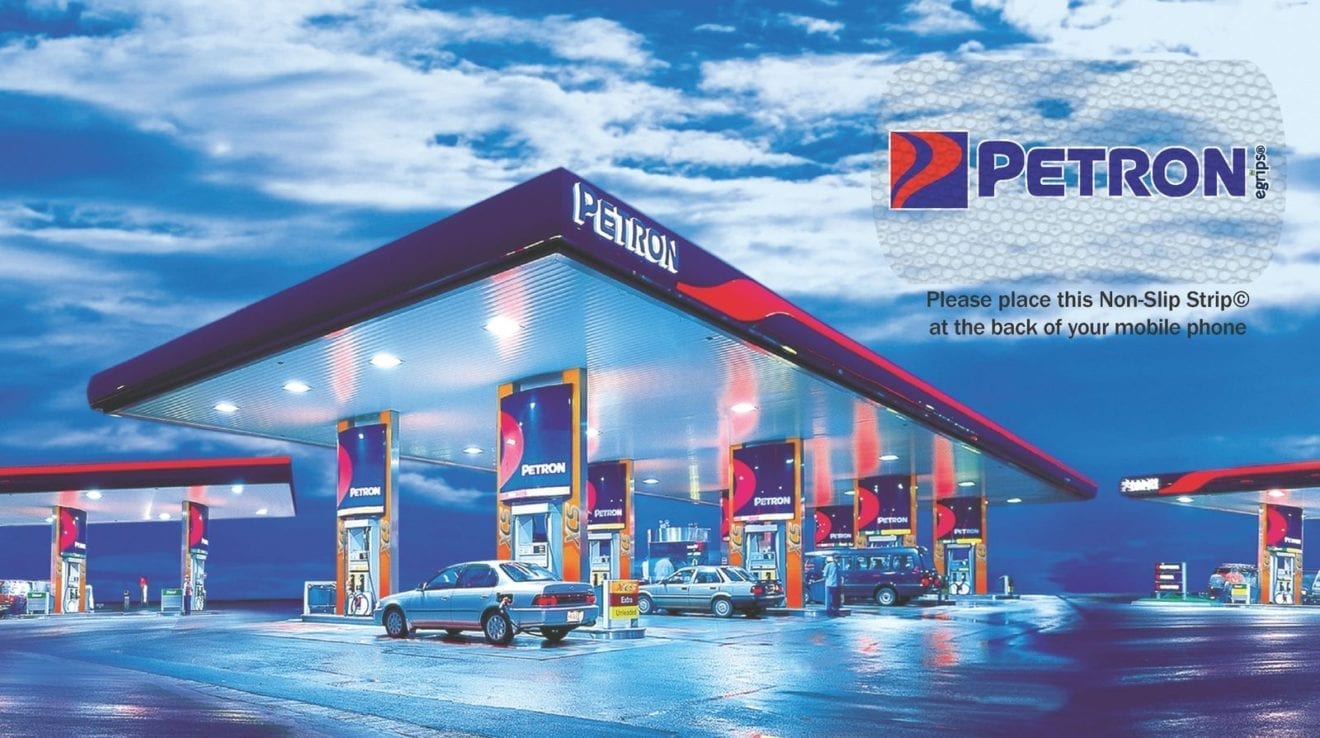
    Petron, the country’s biggest oil refiner and retailer, has partnered with two foreign firms to start building a new oil refinery worth $15 million to $20 billion by early 2018.

    “This is the biggest investment in the Philippine history so far. Have you seen a plant that is worth that much?” Ramon Ang, president and chief executive officer of Petron, said in a media roundtable in Pasig City.

    Ang said the oil refinery will mainly produce petrochemicals, with a capacity of 250,000 barrels per day. “It will process petrochemical and by-products.”

    “Right now, we have a target location and we are in the process of acquiring or doing a lease or a joint venture agreement with the land owners. A new oil refinery project with this size requires at least 2,000 hectares and a deep sea port,” Ang told reporters.

    The chief of Petron said he cannot reveal yet the location and the names of his partners as the project has yet to secure government approvals.

    “We have to wait for ECC (environmental compliance certificate) and other government approvals. We may start early next year, once the partners agree on equity. Financing is huge, we have to process it in different countries,” Ang said in Filipino.

    He said the construction period for the greenfield project will take two to 3 years. Ang said his group is looking at 30% equity and 70% loan for the financing of the project.

    “World market potential for petrochemical is very very high, so we are gearing for that,” Ang said.

    Expansion in Malaysia, Philippines

    Other than its greenfield project, Ang said Petron plans to earmark a spending budget of another $2 billion to expand its plants in Bataan and Malaysia.

    He said Petron plans to spend at least $1.5 billion to expand the capacity of its oil refinery in Malaysia to 150,000 barrels a day from 88,000 barrels a day. Petron also plans to spend about $500 million to upgrade its refinery in Bataan.

    “Right now, Malaysian investment contributes about 25% of our revenue. It will only grow if we invest in the Malaysian refinery upgrade. Otherwise, it is just like buy and sell. So, the Malaysian refinery, we have to upgrade. At the moment, we are finalizing the study to do the upgrade,” Ang told reporters.

    He said the Malaysian market is promising, with about 25 million population, consuming around 600,000 barrels a day.

    Petron acquired in 2011 Esso Malaysia’s Port Dickson refinery and fuel retail network in Malaysia.

    Meanwhile, the Petron Bataan Refinery is the country’s largest integrated crude oil refinery and petrochemicals complex. Inaugurated in 1961 with a capacity of 25,000 barrels per day, it has grown to its current rated capacity of 180,000 barrels-per-day.

    “Bataan upgrade will start within the next two months. If you notice, during the time of the government, they already know how to do oil refinery upgrade… it is just that the investment is too big. For us, this is where we are strong at,” Ang said.

    Petron registered a net income of P5.6 billion in the first quarter of 2017, doubling the P2.8 billion it posted for the same period last year.

    Combined volumes from the Philippines and Malaysia were 3% higher at 26.2 million barrels. 

    Domestic retail segment volumes grew 6%, with LPG and lubricants growing 5% and 16%, respectively. 

    Petrochemical export volumes also more than doubled. Petron Malaysia’s commercial and lubcricants sectors also posted double-digit growth.
  • Shop at Lazada, pay at 7-Eleven

    Shop at Lazada, pay at 7-Eleven

    Convenience store chain 7-Eleven Malaysia is now offering Lazada Malaysia offline payment services at its stores nationwide via its partnership with MOLPay.

    As the leading convenience store in the country, 7-Eleven is continuously making its way up by enhancing customers’ shopping experience and has added Lazada offline payment to its services.

    “It is clear that our main intention is to always remain number one and in order to do so, we are trying our best to give the best experience in true convenience to our customers,” said 7-Eleven Malaysia chief executive officer Gary Brown at the official launch of Lazada Offline Payment at Berjaya Times Square Hotel.

    With the new service, 7-Eleven Malaysia now allows customers to confirm orders from Lazada and proceed to checkout with 7-Eleven as the preferred payment option.

    Transactions can be completed by presenting a printed slip or SMS code of the online purchases to the cashier at any 7-Eleven stores nationwide.

    “The partnership is a strategic fit, benefiting both 7-Eleven and MOLPay’s individual strength.

    “This is also an alternative payment option for our online shoppers, enabling them to shop for over 12 million items that are available on our website and paying over the counter at any 7-Eleven stores nationwide,” said Lazada Malaysia chief executive officer Hans Peter Ressel.

    The aim of the new experience is to fulfil customer’s expectation and provide them with the best convenience possible.

    “As Malaysia still has a considerable number of people who do not have digital banking or have limited access to digital banking, this provides the flexibility in ensuring all households and businesses have access to Malaysia’s digital economy regardless of their income level,” said MOLPay chief executive officer Eng Sheng Guan.

    As the first free-standing convenience store chain in the country to provide such payment services, it aims to reach customers in the non-urban areas such as the east coast and Sabah and Sarawak.

    The newly introduced experience will also ease the process of online purchases as payment can be made offline, 24 hours and seven days a week.

  • Malaysia Airlines Extends Cooperation With AFI KLM E&M

    Malaysia Airlines Extends Cooperation With AFI KLM E&M

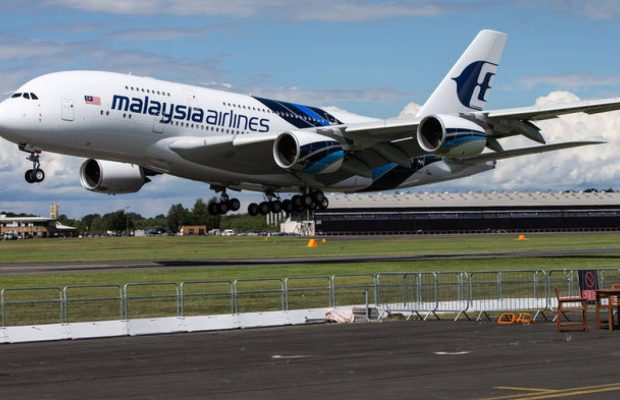
    Malaysia Airlines has decided to extend its long-running component support contract with AFI KLM E&M covering its fleet of Boeing Next-Generation 737-800 aircraft. The initial agreement was intended to cover 35 aircraft. The support provided by AFI KLM E&M today covers 54 aircraft and will involve a wider range of Part Numbers (P/N). The Malaysian Carrier has also extended the contract duration for the coming years.

    The component support solutions supplied to Malaysia Airlines are implemented via the Component Services Program (CSP) operated jointly by AFI KLM E&M and Boeing. Services include component repair and access to the local and main AFI KLM E&M spares pools located respectively in Kuala Lumpur and Amsterdam.
    The high quality of CSP, which combines the complementary expertise of an Airline MRO and the Airframer, along with the component availability solutions deployed in close proximity to the Malaysia Airlines facilities, have hitherto given the airline complete satisfaction.

    Paul Kear, Technical Director Malaysia Airlines, said: “The support implemented by AFI KLM E&M for our fleet of 737-800s stands out both for its service quality and its responsiveness. The Group has deployed tailored solutions, guaranteeing our operational continuity, so it was a logical decision to extend our cooperation.”

    Ton Dortmans, Executive Vice President KLM E&M, added: “We are delighted to see that Malaysia Airlines has maintained and even extended its trust in AFI KLM E&M services. This testifies to the quality of our services and foregrounds our ability to provide services backed by a global logistics network built around local facilities on our clients’ doorsteps.”

  • Malaysia Airlines closes Kuala Lumpur lounges for upgrades

    Malaysia Airlines closes Kuala Lumpur lounges for upgrades

    Malaysia Airlines is temporarily closing two of its home hub lounges in Kuala Lumpur as it completes extensive refurbishment works to breathe new life into the spaces.

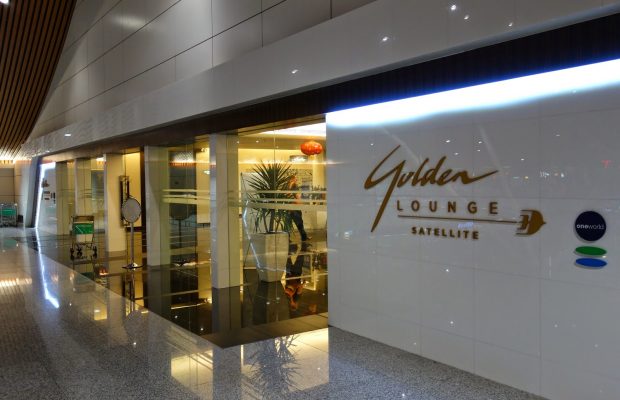
    MAS’ regional Golden Lounge in KLIA’s Main Terminal is up first – primarily used by passengers on shorter international flights such as to Singapore – closing its doors from May 12 until August 15 2017, with eligible passengers instead directed to the airport’s Satellite Terminal for lounge access.

    There, business class guests and Oneworld Sapphire/Emerald frequent flyers (including Qantas Gold and Platinum cardholders) can choose to visit either Malaysia Airlines’ international Golden Lounge (open 24 hours) or the Malaysia Airport CIP Lounge near gates 31-37 (open 6am-10am and then 6pm-10pm).

    Under Oneworld’s lounge access rules, a third option is also available in the Cathay Pacific First and Business Class Lounge: again found in the Satellite Terminal, which is accessible from the Main Terminal via Aerotrain.

    Malaysia Airlines’ domestic Golden Lounge will also be shuttered from June 2 until August 15 2017, but as these passengers cannot access the airport’s international departures area where the other lounges are located, a temporary lounge space will be created at gate B3.

    There, lounge-eligible travellers will find light refreshments available along with dedicated seating, wireless Internet, newspapers, magazines and flight information screens.

    Toilets, showers and prayer rooms won’t be offered within this temporary space, although the nearest restrooms can be found just outside the gate area, with the closest prayer room aside the Malaysia Airlines Gate A transfer desk.

    Refurbishments to these lounges were originally due for completion by “late 2016”, being approximately eight months behind schedule.

    Qantas partner Malaysia Airlines will reinvigorate its business class and first class airport lounges in Kuala Lumpur and at London’s Heathrow Airport over the coming year with an all-new design and premium amenities for business and high-end leisure travellers.

    Central to the Golden Lounge upgrades are new demonstration kitchens, where chefs will whip up Malaysian and international gourmet dishes while interacting with guests and customising meals to their personal tastes.

    Joining that is a “bistro service” in the business lounges and a revamped fine dining experience in the Kuala Lumpur first class lounge, with all locations also receiving faster wireless Internet and additional universal power sockets, allowing visitors to easily recharge their devices without an adaptor.

    Adopting a design created by internationally-renowned firm Duoz – the same company behind the Ritz-Carlton Kuala Lumpur and the Marriott Sydney Harbour at Circular Quay – guests will notice patches of greenery for a touch of colour throughout.

    “Delivering a holistic experience for our guests which starts from the lounge lies at the heart of the redesign,” said Malaysia Airlines’ CCO Paul Simmons.

    “We want the space to encapsulate the richness of travel with the airline, a luxurious contemporary Malaysian style that our guests will be able to experience when they enter any Malaysia Airlines Golden Lounge around the world,” Simmons added.

    Malaysia Airlines’ regional and domestic lounges at Kuala Lumpur will be first with the new design and amenities by late 2016, followed by the international business and first class lounges in the KLIA Satellite terminal and also the airline’s London Heathrow lounge in mid-2017.

    The carrier’s ambitious lounge overhaul follows the debut of all-new business class seats on Malaysia Airlines’ Airbus A330 flights between Australia and Kuala Lumpur, with the fully-flat seats fitted to all MH A330s by late September this year.

  • Sunway Reit Advocates For Clean Air

    Sunway Reit Advocates For Clean Air

    Sunway Real Estate Investment Trust (Sunway REIT or Trust), one of the largest retail-focused real estate investment trusts (REITs) in Malaysia, has embarked on a sustainability campaign, “Clean Air – A Smoke Free Environment Project” at Sunway REIT’s flagship asset, Sunway Pyramid Shopping Mall.

    As part of the effort, three local artists who have been internationally-recognised for their murals and installations – Kenji Chai, Caryn Koh and Louise Low – came together to support the campaign and create public awareness on smoking hazards. Each of them had put their imagination to work and created wall murals which uniquely expressed their hopes and wishes for cleaner air on three exterior walls around Sunway Pyramid.

    CEO of Sunway REIT, Dato’ Jeffrey Ng Tiong Lip, said, “We would like to encourage the public to come join us in this journey to make Sunway City Malaysia the first sustainable and smoke-free city by 2018 where all Sunway-owned premises within the township will be declared smoke-free. We hope that the beauty of these masterpieces will discourage smoking in those areas and inspire our community to help us clear the air of cigarette-smoke for the 200,000 people, including 40,000 students, who reside within the city,” he said.

    Sunway City has transformed from a tin-mining wasteland into Malaysia’s first fully-integrated green township as accredited by Green Building Index, and the nation’s first low-carbon city as awarded by the Malaysian Institute of Planners. Sunway City is the first smart sustainable city in Malaysia driven by a private corporation.

    In 2013, Sunway Group’s Founder and Chairman, Tan Sri Dr Jeffrey Cheah, roadmapped a five-year plan to culminate in 2018, where all Sunway-owned premises would be 100% smoke-free. Over the years, in the first and second phases of the roadmap, the Sunway Group have partnered up with various government agencies including the Ministry of Health and My Sihat as well as the World Health Organisation towards realising the vision of a smoke-free nation.

    To-date, Sunway City has gazetted six premises within the City, namely Monash University, Sunway University, Sunway Medical Centre, Sunway Resort Hotel and Spa, Sunway Pyramid Hotel and Sunway Pyramid Shopping Mall as smoke-free zones. Sunway City is working to gazette the Menara Sunway and The Pinnacle to be smoke-free as well.

    In support of the United Nations Sustainable Development Goal 11 : Sustainable Cities and Communities, Sunway City is intensifying its efforts through various initiatives which will set the blueprint for future smart cities in Malaysia and the ASEAN region.

    Sunway Group is committed to the United Nations 17 Sustainable Development Goals, and creates positive and long-term impact on its economy, environment and society through #sunwayforgood programmes. For more information, please follow Sunway Group’s Facebook page

    During the duration of the campaign, from 8 May 2017 to 30 June 2018, members of the public are also invited to sign up for the fully-sponsored Sunway REIT Smoking Cessation Programme which is supported by Sunway Medical Centre and Johnson and Johnson. Participants will receive free active behavioural counselling by Sunway Medical Centre’s professionals who are committed to bring participants through their smoking cessation journey. The pilot run of the project is open to 250 participants.

    For the first week of the campaign, 8 May 2017 to 14 May 2017, Sunway REIT will also be conducting various activities for the public at the LG2 Orange Avenue, Sunway Pyramid Shopping Mall. Shoppers can drop by for complimentary consultations for a smoking cessation programme and smokerlyzer tests. Consultation sessions will be held from 11.30 am – 2.30 pm from Monday to Friday and 11.30 am – 3.30 pm on Saturday and Sunday.

  • AirAsia, Tourism Malaysia team up to promote tourism

    AirAsia, Tourism Malaysia team up to promote tourism

    AirAsia and Tourism Malaysia are teaming up to attract tourists to Malaysia under a two-year agreement.

    In a statement, the low-cost airline said they would focus on developing activities to promote the country to all 10 Asean countries, China, Japan, South Korea, India, Sri Lanka, Bangladesh, Nepal, Maldives, Saudi Arabia, Iran, Australia and New Zealand.

    The agreement will include efforts in terms of brand advertising, promotional activities and campaigns; familiarisation trip for consumer, trade, media, travel agencies to Malaysia; synergy in planning between tourism development and air transportation to provide better connectivity; market intelligence sharing and assistance for developing the tourism sector; and joint roadshows between both parties to market Malaysia to trade partners.

    In conjunction with this partnership, AirAsia is offering a 5% special discount on top of all existing promotions exclusively for UnionPay cardholders.

    This discount is available for booking starting now until July 4, 2017, with travel period from May 5, 2017, to June 5 2018.

    AirAsia and Tourism Malaysia signed a memorandum of agreement (MOA) for the partnership on Wednesday in Shanghai.

    Tourism Malaysia was represented by its deputy director general (promotion) Datuk Seri Abdul Khani Daud and AirAsia Bhd by its head of commercial Spencer Lee.

    The signing ceremony was witnessed by Tourism and Culture Minister Datuk Seri Mohamed Nazri Abdul Aziz, who was in Shanghai to lead Malaysia’s participation at the inaugural ITB China travel trade fair at the Shanghai World Expo Exhibition and Convention Centre.

    “Connectivity is the heart of tourism, and this partnership between Tourism Malaysia and AirAsia will combine our marketing efforts, resulting in a stronger awareness and branding for Malaysia as a tourist destination,” Abdul Khani said.

    “We look forward to stronger customer demand and confidence in Malaysia as an ideal holiday destination.”

    Lee said AirAsia looked forward to work closely with Tourism Malaysia to provide travellers with better connectivity into and within Malaysia while allowing them to travel from one destination to another seamlessly.

    “Through this partnership, we aim to generate wide awareness and publicity on Malaysia as a preferred leisure and business destination, and boost the country’s tourist arrivals and receipts. This effort is in line with the national objectives, as seen through the newly implemented e-visa entry for China and India, making tourist entry into Malaysia easier and convenient,” he said.

    It has been reported that the Tourism and Culture Ministry faced financial constraints, with its advertising and promotion budget being slashed year after year over the last few years. The budget last year was RM167mil, down about 40% from 2012.

    In April, Parliament passed a bill to introduce a tourism tax, which is expected to provide a sustainable fund every year to develop the tourism industry.

  • Geox opens fourth store in Kuala Lumpur

    Geox opens fourth store in Kuala Lumpur

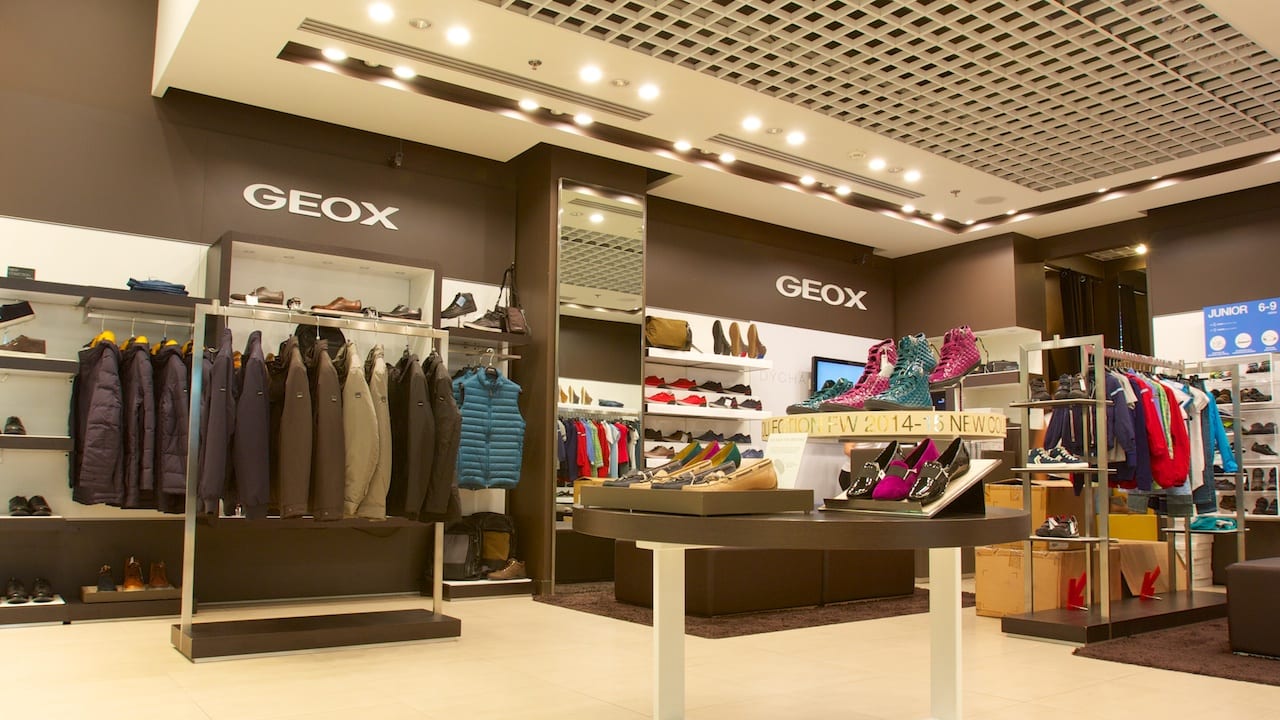
    Geox is expanding its international footprint with the opening of a new store in Kuala Lumpur. The 110 sq mt space launched at Pavilion shopping centre, which attracts more than 30 million visitors a year.

    The new location joins seven further shops across Malaysia. The Italian footwear brand has three stores in Kuala Lumpur and 19 concessions in the country’s leading department stores.

    The brand’s full shoe collections, known for their patented systems, will be available in the new Pavilion store including children’s shoes. The store will also showcase Geox’ men’s and women’s clothing lines.

    Geox has made innovation a key part of its brand identity and boasts of over 60 different patents registered in Italy and extended internationally.

    Geox has currently a retail presence in 110 countries and is stocked in more than 1,161 standalone stores and 10,000 multi-brand retailers.

    The group has recently appointed Gregorio Borgo as its new CEO. The company’s consolidated net sales for 2016 increased by 3% to 900.8 million euros.

  • McDonald’s Malaysia to double store presence

    McDonald’s Malaysia to double store presence

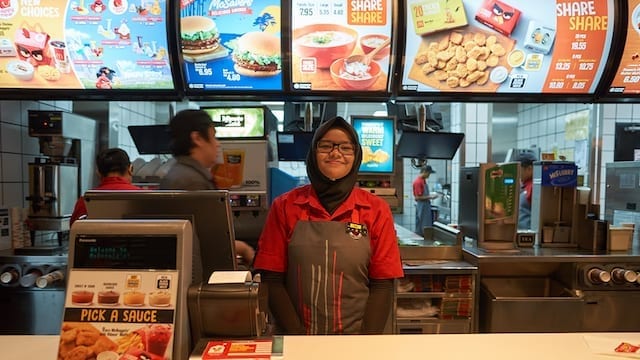
    McDonald’s Malaysia will expand its store stable over the next nine years, taking its current store total to 450 by 2025.

    The fast-food operator will invest 1.4 billion ringgit (US$317 million) to facilitate an almost doubling of store numbers in Malaysia.

    According to a press release, some 363 million ringgit will be used to open 33 new restaurants and refurbish 86 existing outlets by 2019, in an “aggressive three-year accelerated growth plan.”

    In addition, more than sixty per cent of outlets will have a drive-thru service, increasing consumer “convenience, anytime anywhere,” Azmir Jaafar, McDonald’s Malaysia managing director, told reporters.

    McDonald’s Malaysia also plans to open more McCafes, and launch mobile app-enabled delivery and 24-hour stores — slated for urban areas and on busy roadsides.

    The retail shakeup comes just 100 days after Lionhorn, part of Saudi Arabia’s Reza Investment Company, acquired the American restaurant’s franchise license to operate 400 McDonald’s outlets in Malaysia and Singapore.

    At the time, McDonald’s hailed the venture as positive with more flexibility for accessing capital, and more streamline decision making for business growth.

    As part of McDonald’s turnaround plan announced in May 2015, it was committed to refranchising 4,000 restaurants by end-2018 with the long-term goal of becoming 95% franchised. McDonald’s has now refranchised about 1,300 restaurants.

    U.S.-based McDonald’s shift to Developmental Licensee ownership in Malaysia has further allowed local market stores to create products for local consumption.

    Product customisation, coupled with McDonald’s burger icons, resulted in double-digit growth for McDonald’s Malaysia last year. Same-store sales surged 16% year on year in 2016, driven the Big Mac and the “Great Value” hamburger products.

    Looking forward, the fast-food operator projects double-digit growth for 2017 in Malaysia. It currently boasts a network of 262 restaurants and 12,000 employees and served 13.5 million customers monthly.

  • AirAsia to fly directly from Kuching to Pontianak

    AirAsia to fly directly from Kuching to Pontianak

    AirAsia will now fly to Pontianak, Indonesia, from Kuching with direct daily flights starting June 5.

    This marks AirAsia’s 10 route from Kuching and the airline’s second route from Malaysia into Pontianak.

    “We are excited to launch our second international flight from Kuching, which will further grow our connectivity between Malaysia and Indonesia for all our guests.

    “Pontianak offers a unique experience for travellers with it being one of the 12 cities that straddle the Equator,” said its head of commercial Spencer Lee in a statement.

    “We are confident this new route will contribute to the five million tourists target for Sarawak this year aside from boosting the local economy and trade sector,” he added.

    In celebration of the new route, travellers can look forward to all-in-fares from RM89 one-way, which are available from now until April 2, 2017 for the travel period from June 5 to Sept 30 this year.

    AirAsia BIG members who book during the promotion period can also earn two times AirAsia BIG points on the base fare.

    As the capital city of West Kalimantan, Indonesia, Pontianak is also known as Kota Khatulistiwa (Equator City) for being the only city in the world situated right on the Equator that divides the northern and southern hemispheres.