Tag: Malaysia

  • Ferrari opens new Kuala Lumpur showroom

    Ferrari opens new Kuala Lumpur showroom

    Ferrari has opened a new showroom in Kuala Lumpur in partnership with Naza Italia, the official importer and distributor of Ferrari in Malaysia.

    Located at Naza Platinum Park on the ground flor of Tower 1, Naza Italia has invested RM2.8 million to develop the 3,115 square foot Ferrari City Showroom.

    A second Ferrari outlet for the Malaysian capital, the new showroom showcases three of the latest Ferrari models, and boasts a luxurious customer lounge as well as a configuration and customiszation room.

    The opening is part of the company’s strategy to boost the brand’s presence in the metropolitan area.

    “Substantial growth in business calls for an expansion that will enable us to better serve Ferrari’s discerning clientele,” Naza World Group executive chairman, Datuk SM Faisal SM Nasimuddin, told media at the launch.

    “To address that, we are making the brand more accessible with a showroom in this prime location,” he continued.

    The Naza Platinum Park location compliments Ferrari’s first showroom offering, located in Petaling Jaya.

    “The showroom is somewhat of an appetizer, presenting Ferrari enthusiasts and potential buyers a taste of the latest offerings and a preview of experience provided at the showroom in Petaling Jaya,” he said.

    Naza World also recently invested RM5 million to renovate its debut KL showroom.

    “The upgrade is a reflection of Naza Italia’s commitment to the clientele and to better serve our customers,” he concluded.

  • AirAsia offers year-end grand sale

    AirAsia offers year-end grand sale

    AirAsia is offering low-fare deals from as low as RM39 for flights from Kuala Lumpur to Penang, Sihanoukville, Luang Prabang, Pattaya, Shantou, Kalibo (Boracay) and Visakhapatnam.

    The budget carrier said in a statement that travellers from Kuching to Langkawi and Pontianak also can enjoy the low fares starting from RM79, and from as low as RM169 for flights from Johor Baru to Macau and Kolkata.

    Flights from Kuala Lumpur to Perth, Taipei, Shanghai and 120 more destinations in Asia, New Zealand, the Middle East and the United States, can enjoy fares starting from RM279.

    The airline said the promotion also included the AirAsia X Premium Flatbed seats, with fares starting from RM699 for flights from Kuala Lumpur to Perth, Taipei and several other destinations.

    The year-end grand sale promotion runs from Monday to Oct 15 for immediate travels up to March 31, 2018, available online at www.airasia.com and AirAsia mobile application.

    Customers can also opt for the Value Pack, which offers 20kg checked baggage allocation, meals, standard seat selection and travel insurance coverage, inclusive of the One Hour On Time Guarantee and Baggage Delay coverage.

  • Opposing suitors lining up for 11street Malaysia

    Opposing suitors lining up for 11street Malaysia

    Alibaba Group and JD.com are both competing to try to take over e-commerce company 11street Malaysia, a partnership between Celcom Axiata and Korea’s SK Planet, called Celcom Planet.

    The Chinese rivals are both discussing deals with 11street Malaysia.

    Running second to Lazada in terms of monthly visits and apps installed, 11street is an online marketplace for fashion, electronics, groceries, health and beauty, children’s and baby products, leisure and sports, home and living, books and services, and deal offerings such as e-vouchers.

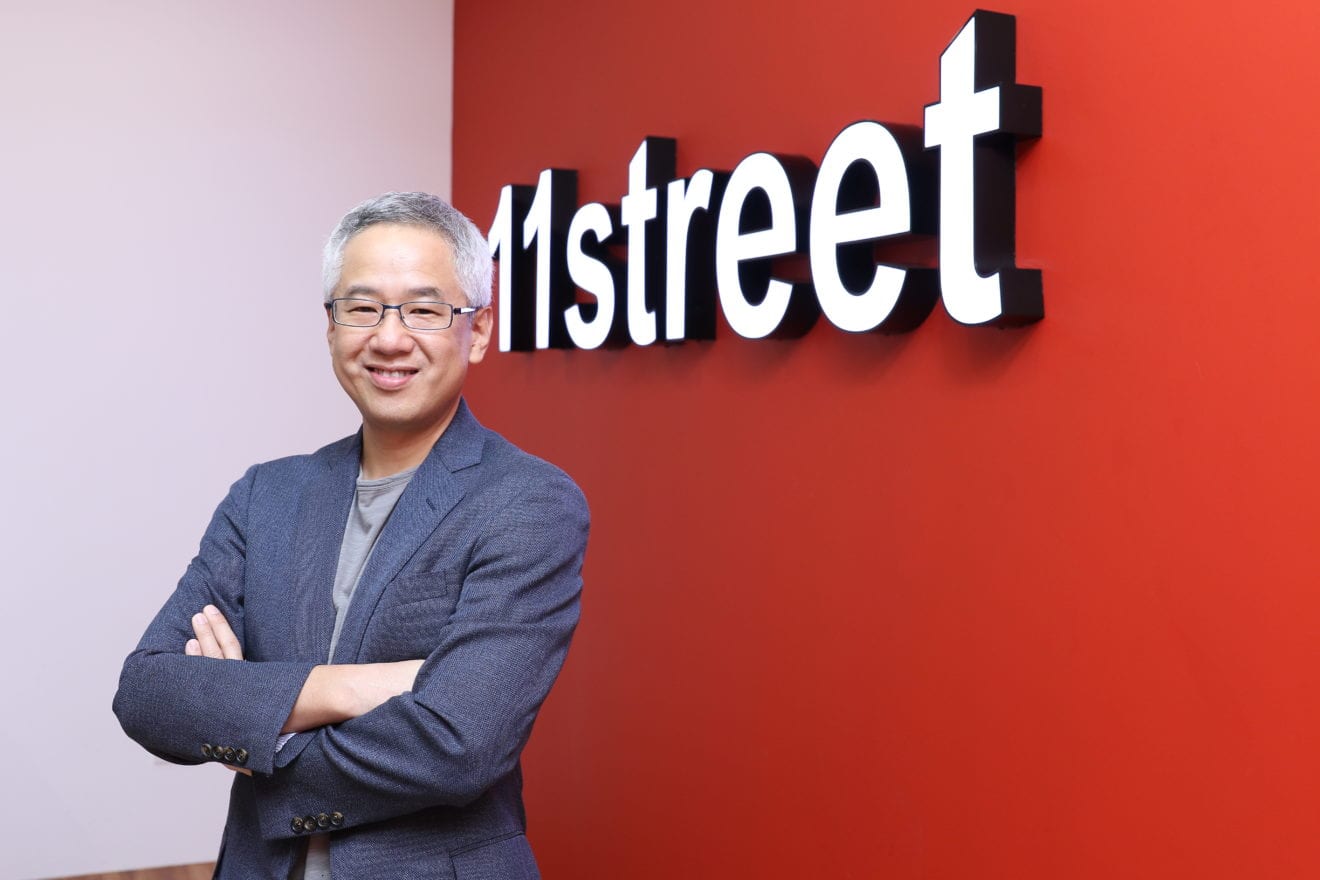
    In late August, Celcom Planet CEO Hoseok Kim said the company was confident about its long-term growth prospects, but appeared to concede a change of ownership was on the cards, at least in part.

    “We are very pleased with the success and progress that 11street Malaysia has made in less than three years since its launch and we are confident that we will be the number one marketplace in Malaysia within the next three years”, said Kim.

    He added that the company was looking at various strategic options including funding from strategic partners to prepare for the next phase of accelerated growth.

    Alibaba has already invested more than $2 billion in Lazada, and has led a $1.1 billion investment in Indonesia’s Tokopedia.

    SK Planet launched 11street in Thailand this year. It launched in Malaysia in 2015 and a year earlier in Indonesia as Elevenia (now taken over by Salim Group).

    Meanwhile,  JD.com has announced a $500 million joint venture with Thailand’s Central Group focused on e-commerce and financial technology.

    Chairman/CEO Richard Liu says he plans to make Indonesia the centre for the island area of Southeast Asia, and Thailand the hub for mainland Southeast Asia.

  • Dyson Malaysia opens concept store in KL

    Dyson Malaysia opens concept store in KL

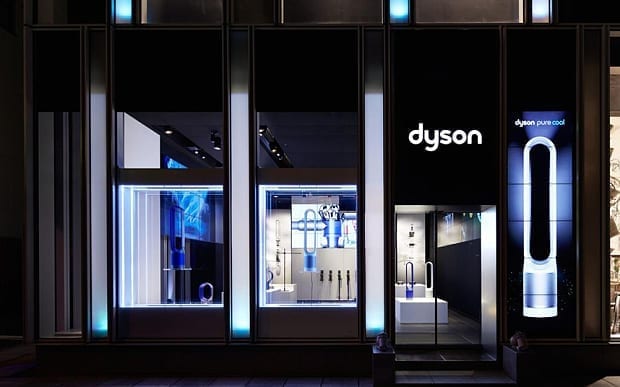
    Dyson Malaysia has opened its first concept store, in The Gardens Mall, Kuala Lumpur. Dyson Demo is also the largest space in Southeast Asia for the British engineering company.

    “We want our visitors to have the chance to be hands-on with our products. They can pick up, test and experience Dyson’s technology,” says Dyson Southeast Asia GM Martyn Davies.

    Three main products feature in the minimalist store – cord-free vacuum cleaners, purifying fans and hairdryers. Davies says Dyson hopes to introduce four new technologies by 2020.

    “We have a development centre in Johor Baru, so there is a high chance Malaysian engineers worked on the technology behind these products, and are working on our upcoming ones,” he says.
    Visitors to the store can try the vacuum cleaners on three different floor surfaces.

    “This space is designed for our clients to pick up the machines, pull them apart and test them on our test track with various dust samples,” says Dyson Electronics head Jim Roovers.

  • Central i-City expects full occupancy for opening

    Central i-City expects full occupancy for opening

    CPN Ventures, the company running the Central i-City shopping centre in Shah Alam, Malaysia, is confident it will have 100 per cent occupancy when it opens in October next year.

    The RM850 million (US$202 million) mall is a JV between Thailand’s Central Pattana Public Company, which has a 60 per cent stake, and I-Bhd.

    COO Anthony Dylan says the 100 per cent occupancy target is the standard in Thailand. “The mall will have predominantly Malaysian tenants, and the JV will see the shopping centre combining both Malaysian and Thai strengths.”

    He says that despite a shaky start to the year, the Malaysian retail sector is poised for positive growth. In a sluggish first quarter, sales shrank 1.2 per cent

  • Eraman Malaysia taps Alipay to lure Chinese tourists

    Eraman Malaysia taps Alipay to lure Chinese tourists

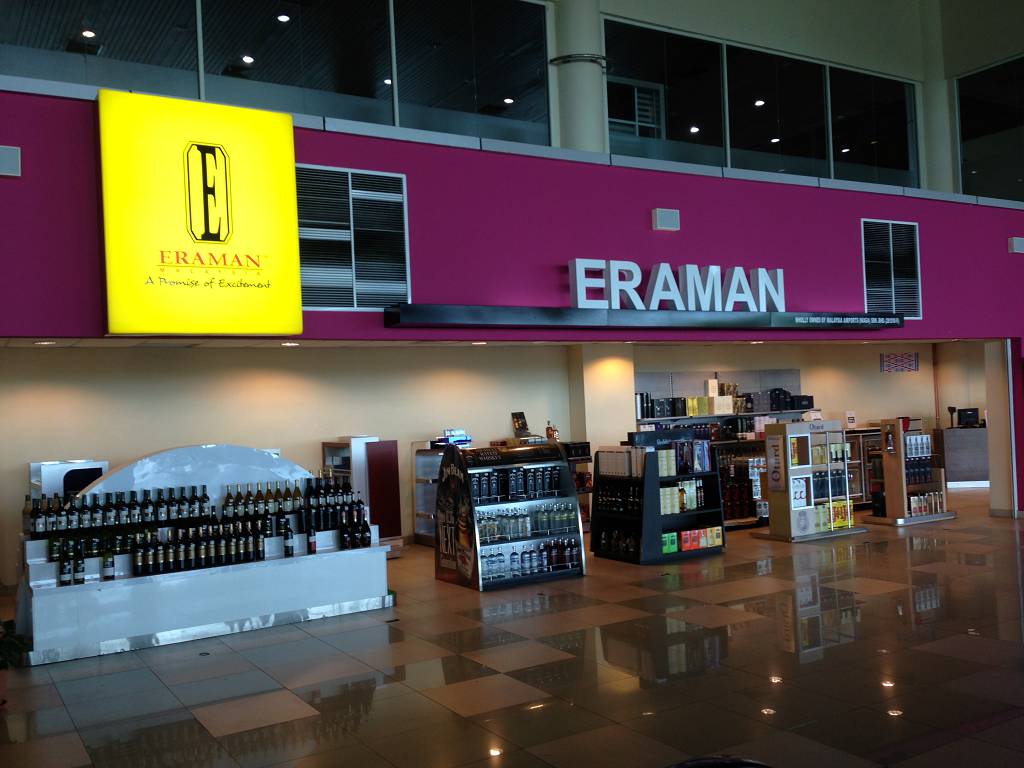
    Eraman Malaysia, the nation’s main travel retailer, has partnered with Alipay, as it improves its services to Chinese shoppers.

    Alipay, operated by Ant Financial Services Group and part of China’s Alibaba Group, is the largest online and mobile payment platform and Eraman hopes to tap the 520 million-strong Alipay active user base via the partnership.

    Around 4.5 million of Alipay’s Chinese tourists travel to Malaysia annually, which mean those visiting Eraman outlets will be able to pay with their Alipay personal QR code via their smart phone.

    The contactless payment is integrated into the merchant portfolio of Maybank and CIMB Bank Bhd, Malaysia’s two largest financial services providers. It uses the in store online payment solution at all Eraman outlets nationwide.

    According to Eraman, the technology will improve Chinese travellers’ shopping experience at the airports.

    “Security and speed are important to us as we look to enable our Chinese travellers to walk into our outlets while travelling abroad and pay for purchases with the Alipay – just like they do in China. This Alipay in store payment will act as the settlement, allowing Chinese travellers to pay for their transactions in Yuan without having concerns on the exchange rate. This is done through a simple swipe and barcode-scanning method,” said Malaysia Airports (Niaga) General Manager Zulhikam Ahmad.

    “All Eraman retail outlets in KLIA and klia2 including duty free emporium and lifestyle stores began accepting Alipay in June 2017. However, Eraman food and beverage and retails outlets in Kota Kinabalu, Kuching, Penang, Langkawi International Airport and Labuan Airport have begun to accept Alipay since the end of August. In China, this payment system is a way of life for shopping and many other activities, and given the growing number of Chinese travellers here, we are hoping for a high uptake,” added Zulhikam.

    Malaysia is ranked third in the region after Thailand and Singapore for the number of Chinese visitors it attracts each year.

    Alipay has seen rapid expansion in 2017. In August, the payment provider inked an agreement with Singapore digital payment provider CCPay to offer cashless payment services to Singaporean retailers.

    Earlier in the year, it expanded into North American travel retail and later announced it had signed a deal with six major banks in Malaysia, with the goal of making Alipay a payment option across the Southeast Asian nation by 2018.

  • Second Jalan Jalan Japan for Kuala Lumpur

    Second Jalan Jalan Japan for Kuala Lumpur

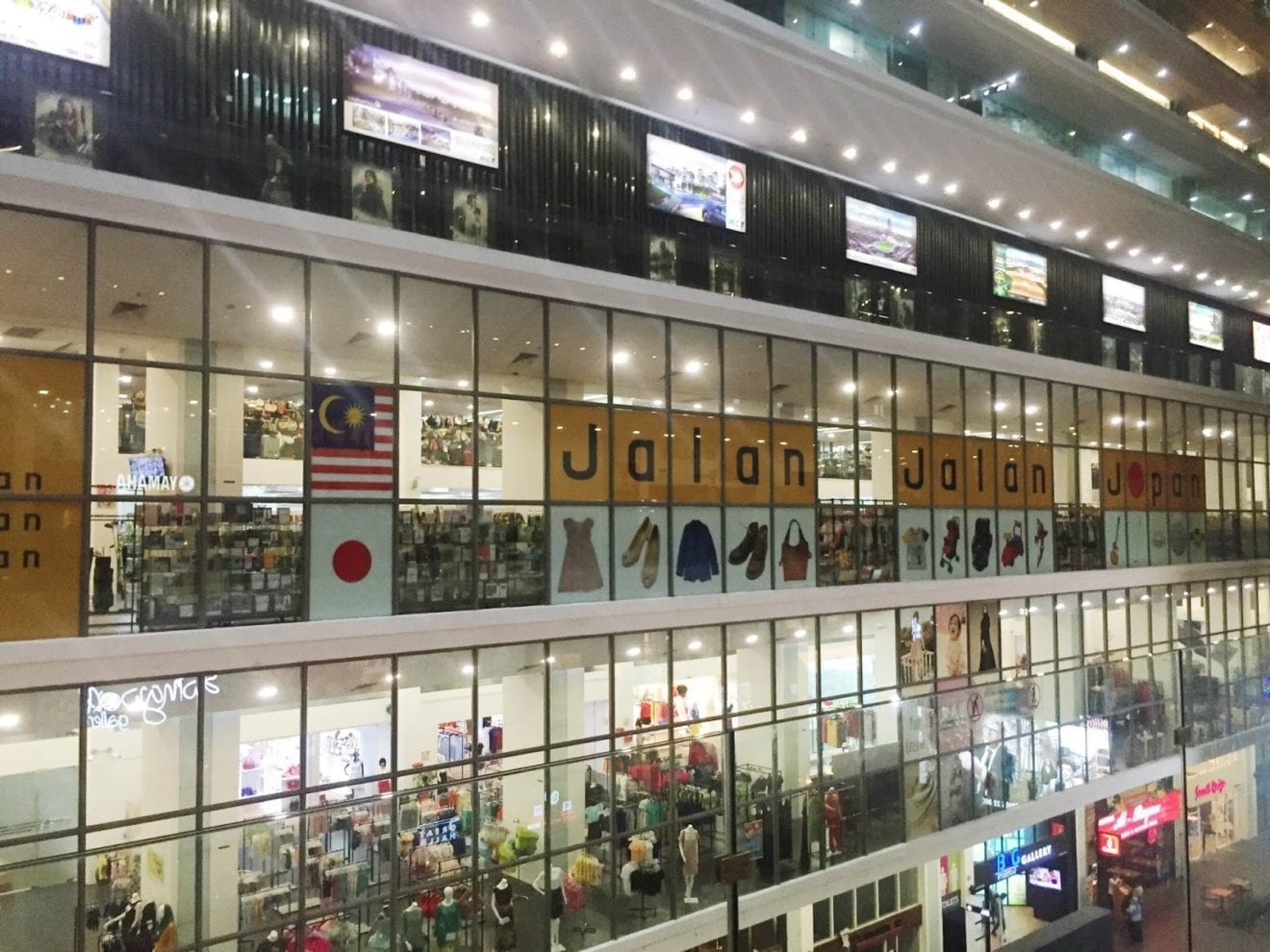
    Japanese used-book retailer Bookoff Corporation, through its subsidiary Bok Marketing, will open a second Jalan Jalan Japan outlet in Kuala Lumpur.

    Opening at 1 Shamelin Mall on September 30, it is the brand’s second Southeast Asia store.

    Also known as “JJJ”, the first Jalan Jalan Japan store opened at Skypark One City in Subang Jaya in November. It offers not only books, but also clothes, bags, shoes, household items, baby goods, toys, hobby items, sporting goods, instruments, furniture and accessories.

    Bookoff has more than 800 shops in Japan, buying more than 400 million items and selling more than 300 million pieces  annually. All JJJ goods are imported from Japan.

    Another two or three stores are planned for around Kuala Lumpur over the next few years.

  • Retail industry gets boost from Hari Raya festival

    Retail industry gets boost from Hari Raya festival

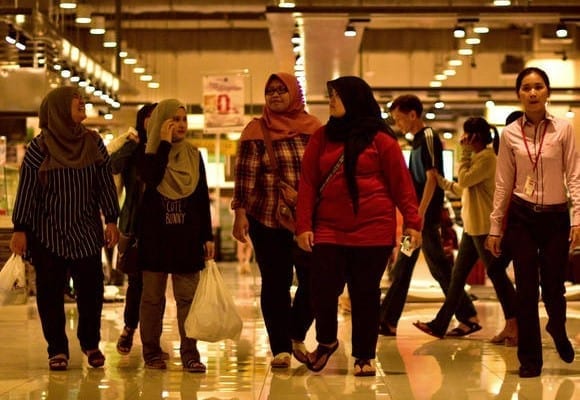
    The retail industry has shown slight improvement in the months of April to June, as compared to the first three months of the year, with the Hari Raya festival in May boosting retail sales.

    The Retail Group Malaysia reports in its latest Malaysia Retail Industry Report that in the second quarter of 2017, Malaysia’s national economy recorded another sustainable growth rate of 5.6% as compared to 4.9% for retail sales, supported by domestic demand.

    “From the supply side, the improvement was driven by broad-based expansion across all major sectors,” said the report.

    The average inflation rate during the period under review slowed slightly to 4% with the two largest increases seen in the transport and food and non-alcoholic beverages sectors. This was mainly owing to a falling fuel prices.

    Private consumption climbed even higher by 7.1% with consumers spending more on dining out, services and Internet shopping.

    “During the latest quarter, the Consumer Sentiment Index (by MIER) improved slightly to 80.7. However, it was still below the threshold level of confidence. Malaysian consumers were still concerned on their rising cost of living and remained cautious in their monthly spending,” said the report.

    The unemployment rate improved marginally to 3.4%.

    Among the retail sub-sectors, the department store sub-sector was the strongest performer in the second quarter with a strong growth rate of 15.1%. The department store-cum-supermarket sub-sector also rebounded with a growth of 4.1% after a poor performance in the earlier quarter.

    The supermarket and hypermarket sub-sector improved slightly by 0.8% with heavy price discounts by grocery retailers depleting profit margins.

    The fashion and fashion accessories sub-sector returned to profitability with a growth rate of 2.5% as compared to the previous corresponding period.

    The pharmacy and personal care sub-sector also improved on-year with a growth rate of 7.9%.

    The Other specialty stores sub-sector reported a better growth rate of 6.3% during the second quarter of 2017 as compared to the same quarter last year. This sector includes photo shops, children-related stores, second-hand goods’ stores, TV shopping channels, toys’ stores as well as restaurants.

    The Retail Group Malaysia reports that the retailers’ association are not optimistic on their businesses over the next three months. They estimate an average growth rate of 2.9% in the third quarter of 2017.

    The department store-cum-supermarket operators and department store operators are expecting declines in their growth rates of 2.5% and 1.5% respectively.

    Supermarket and hypermarket operators are expecting to maintain a 0.8% growth rate for the quarter, while retailer in the fashion and fashion accessories sector expects a growth rate of 6.1%.

    Retailers in the pharmacy and personal care sub-sector expect to maintain growth at 7.2% while retailers in other speciality stores sector expect its business to expand by 5.6% over the same period last year.

    Based on these results, Retail Group Malaysia is revising its annual growth forecast downwards from 3.9% to 3.7% with the total sales turnover estimated at RM101.4bil.

    The third quarter growth rate estimate has also been revised from 5% to 4%.

    Retail Group Malaysia is maintaining its fourth quarter growth rate estimate at 5.5%, taking into consideration the 0.3% growth achieved in the same period last year.

    “For the rest of this year, the rise of our purchasing power will continue to fall behind the increase in prices of retail goods. More retail goods are expected to raise prices because of higher fuel prices in recent months.

    “The full recovery of the Malaysian retail market is highly dependent on external economic demand and ringgit performance for the rest of the year,” it said in its report.


  • MIDF: Foreign funds flow back to Bursa

    MIDF: Foreign funds flow back to Bursa

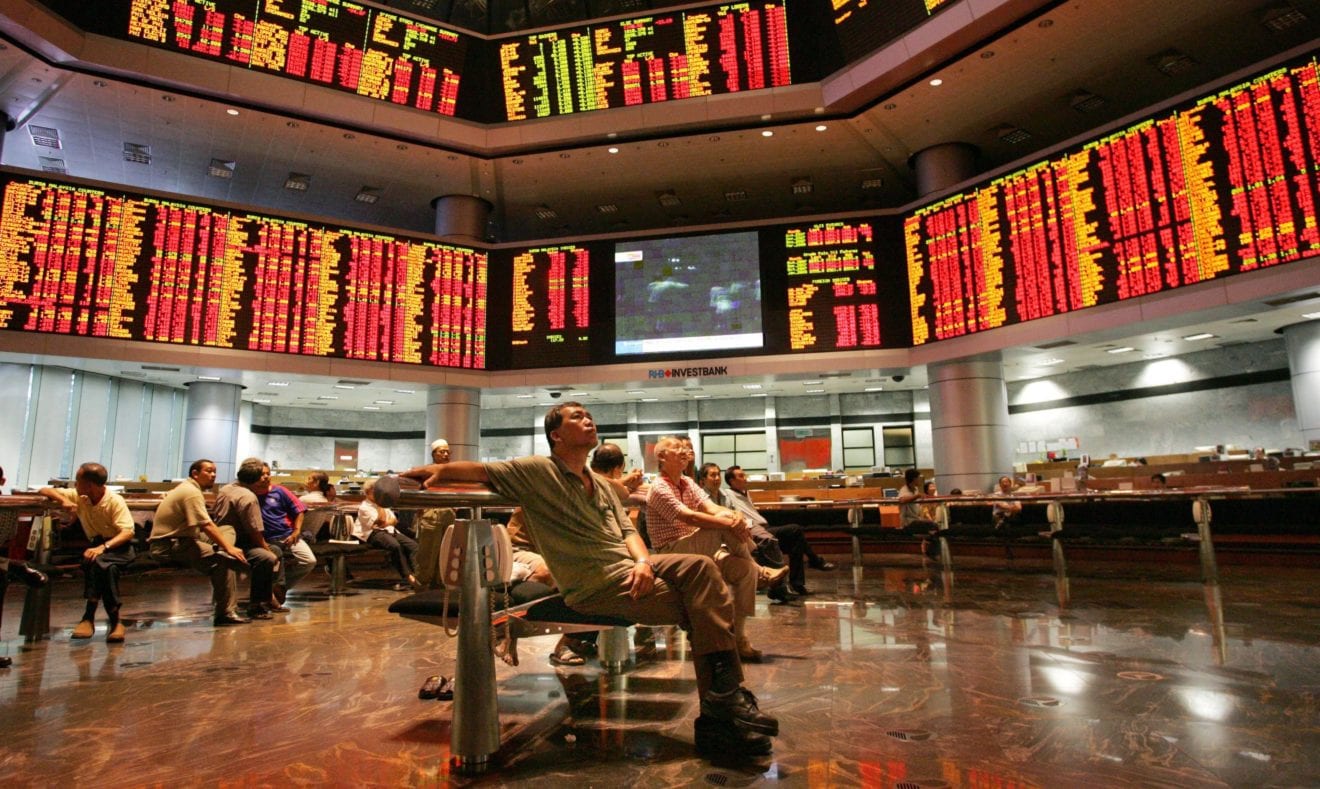
    Foreign tide has finally returned to Bursa Malaysia after three successive weeks of attrition, albeit only marginally.

    Foreigners turned net buyers last week despite the short trading week, according to MIDF Research in its weekly fund flow report today.

    Bursa was closed on Thursday, Friday and yesterday for the National Day, Aidul Adha festival and public holiday due to outstanding achievements by national athletes at the 2017 SEA Games.

    Last week, foreign funds acquired RM36.2 million net based on transactions in the open market, excluding off market deals. This is the lowest weekly foreign acquisition for the year.

    “We note that the six-day selling streak has snapped as global funds acquired RM7.1 million net on that day. Foreign buying momentum increased the next day by seven times to RM52.2 million net.

    “However last Wednesday, international fund managers cleared their positions ahead of the long weekend, disposing RM23.1 million net,” it explained.

    August turns out to be the first month of net outflows this year which amounted to RM241.9 million net. Nonetheless, cumulative year-to-date net infl ow still stands above the RM10 billion mark.

    Foreign participation rate was resilient for the week as foreign average daily trade value (ADTV) remains above RM800 million for the fifth week in a row.

    Retail participation, meanwhile, edged higher for the week. The retail ADTV increased by 25 per cent to RM865 million after three straight weeks being below RM700 million.

  • Eraman partners with Alipay in drive to attract Chinese consumers

    Eraman partners with Alipay in drive to attract Chinese consumers

    Malaysia Airports (Niaga) Sdn Bhd, known as Eraman, has partnered with Alipay, the world’s largest online and mobile payment platform, as it improves its services to Chinese shoppers.

    Eraman, Malaysia’s leading travel retailer, said it will now be able to tap into the 520 million-strong Alipay active user base. Some 4.5 million are Chinese tourists that travel to Malaysia annually. Those travellers visiting Eraman outlets will be able to pay with their Alipay personal QR code via their smart phone.

    Alipay is integrated into the merchant portfolio of Maybank and CIMB Bank Bhd, Malaysia’s two largest financial services providers, and uses the in-store on-line payment solution at all Eraman outlets nationwide. Eraman claimed that this new payment mode will improve Chinese travellers’ shopping experience at the airports.

    “Security and speed are important to us as we look to enable our Chinese travellers to walk into our outlets while travelling abroad and pay for purchases with the Alipay – just like they do in China. This Alipay in-store payment will act as the settlement, allowing Chinese travellers to pay for their transactions in Yuan without having concerns on the exchange rate. This is done through a simple swipe and barcode-scanning method,” said Malaysia Airports (Niaga) General Manager Zulhikam Ahmad.

    “All Eraman retail outlets in KLIA and klia2 including duty free emporium and lifestyle stores began accepting Alipay in June 2017. However Eraman food & beverage and retails outlets in Kota Kinabalu, Kuching, Penang, Langkawi International Airport and Labuan Airport have begun to accept Alipay since the end of August. In China, this payment system is a way of life for shopping and many other activities, and given the growing number of Chinese travellers here, we are hoping for a high uptake,” added Zulhikam.

    In conjunction with this smart partnership, Eraman has launched a special promotion from 1 September to 31 December whereby all Chinese travellers using Alipay will be entitled to an e-voucher of RMB100 when they spend RMB1,000 at participating Eraman retail outlets. This e-voucher can be redeemed for the second purchase at Eraman outlets within 24 hours.

    Meanwhile, Alipay users will also be able to enjoy up to -10% off for purchases made at Eraman’s F&B outlets and its convenience store, EXpress. The discount can be used for a second purchase at Eraman within 24 hours.

    “As the premier retail brand under Malaysia Airports, Eraman has evolved over the last couple of years. We continue to diversify our offerings, embrace the many exciting possibilities and grow our presence in the leading airports in Malaysia. This is our way of providing the total airport experience by means of an alternate payment method and providing ease for our Chinese customers who happen to be one of our top three passenger groups in terms of nationality,” said Zulhikam.

    Chinese travellers contribute the highest ticket sales at KLIA and klia2. Eraman said it has recorded double-digit percentage growth in sales value with fragrances & cosmetics, liquor and tobacco boosted by purchases from Chinese travellers this year. Eraman said this was also due to a varied offer and competitive pricing compared to downtown on fragrances, cosmetics and liquor.

    Malaysia is ranked third in the region after Thailand and Singapore for the number of Chinese visitors it attracts each year. Eraman said it aimed to become “their preferred duty free retailer” as Malaysia rises in the rankings.

    Eraman added that it is keen to build “long term alliances with reputable partners and recognises this collaboration to be a major contributor to the company”.

    “The entry of Alipay marks a notable milestone in the growth of Chinese tourist arrivals and online transaction services in Malaysia, and we are proud to be part of this development. We look forward to a strong synergistic collaboration and we are happy Alipay is on board with us,” said Zulhikam.

    “We are excited to partner Eraman, a very strong player in the duty free industry. With this partnership we’ll help Eraman to reach out to more Chinese customers by utilizing the Alipay marketing platform to market various top brands and products offered by Eraman,” said Alipay Country Manager of Malaysia Greta Gunawan. “Duty free shops are always on the must-visit list of Chinese tourists. In the future, Alipay users can check shop details and special offers via the in-app Discovery platform even before they depart to Malaysia.”

    CIMB Group Chief Executive Officer, Group Transaction Banking Hendra Lembong added: “We are pleased to collaborate with Eraman in providing Chinese tourists a convenient and secure cashless payment experience in Malaysia with CIMB’s Alipay mobile wallet. As a pioneer settlement and merchant acquirer bank in facilitating Alipay payments in Malaysia, CIMB is confident of spearheading the growth of mobile wallet payment services in the country with its cutting edge expertise in transaction banking. We aim to not only support Malaysia’s drive for a safe and secure cashless society, but also provide our customers with a seamless banking experience within ASEAN.”

     

  • Cold Stone Announces Malaysian Expansion

    Cold Stone Announces Malaysian Expansion

    Scottsdale, Ariz.-based Cold Stone Creamery has signed a master franchise agreement with Srivijaya Sdn. Bhd. to expand its presence into Malaysia. The company plans to roll out 20 stores over the next five years, beginning with a location in Kuala Lumpur.

    Cold Stone operates approximately 300 international outposts in more than 28 markets.

  • Petron posts 56% jump in income

    Petron posts 56% jump in income

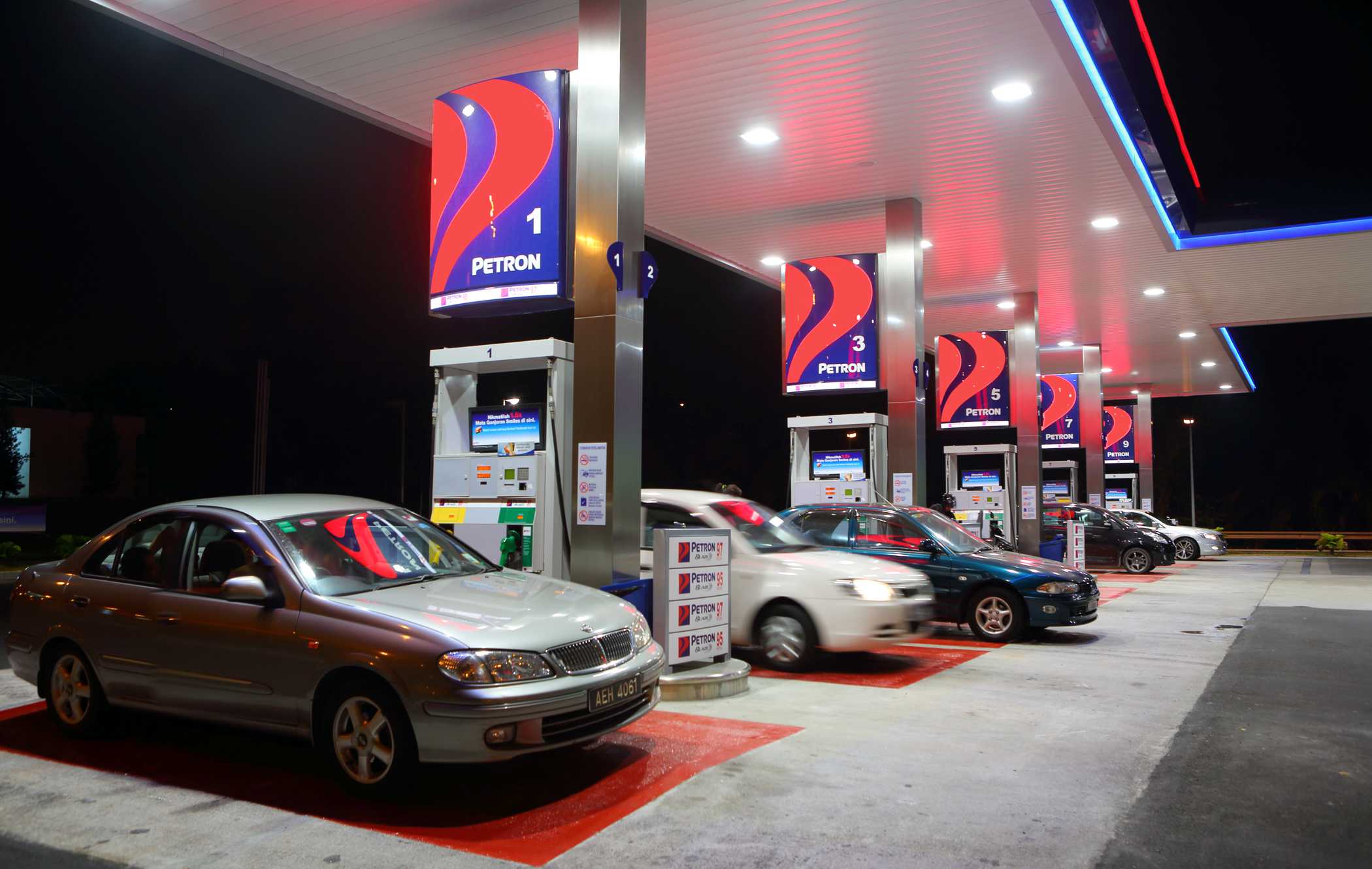
    Petron Corp. saw its consolidated net income in the first semester surge 56 percent year-on-year to P8.2 billion this year from P5.3 billion last year, despite supply issues brought about by refinery maintenance.

    The oil refiner and retailer said in the first half of 2017, it saw its crude oil inventory go down while its Bataan refinery went through a 45-day maintenance shutdown, scheduled as part of a 10-year inspection program.

    “With our upgraded refining capabilities, we derived more value and produced more profitable products,” Petron president and chief executive Ramon S. Ang said in a statement.

    “This is strongly complemented by our extensive expansion efforts in both our logistics and retail businesses,” Ang said.

    He said the strong showing during the first semester of the year was driven by a deliberate focus on more profitable segments and improved refinery production yields, while sustaining sales volumes.

    With volumes reaching record levels in 2016, Petron sold a total of 52.9 million barrels of products in the Philippines and Malaysia or just about the same as the level in the same period last year of 52.6 million barrels.

    Petron has a combined retail network of about 2,900 service stations, of which more than a fifth or about 600 are in Malaysia.

    With petrochemical sales revving up by 78 percent year-on-year, Petron saw consolidated sales revenue jump 28 percent to P207 billion in the six months to June.

    Also, operating income leaped 27 percent year-on-year to P14.6 billion from P11.5 billion.

    In both the Philippines and Malaysia, Petron is building “dozens” of service stations.

    “With the country’s economy growing at a rapid pace, we are expanding our facilities not just for the needs of today but also to ensure a reliable and continuous supply of quality fuels for tomorrow,” Ang said.

    “Our expansion projects mean more employment opportunities and economic activity, which help in nation-building,” he added.

  • Axiata more than doubles Q2 profit

    Axiata more than doubles Q2 profit

    Malaysia’s Axiata Group has reported a strong 115.5% year-on-year surge in Q2 profit to 479.1 million ringgit ($112.2 million) due in part to record-high revenue.

    Group revenue increased 13.9% year-on-year and 3% sequentially to 6.1 billion ringgit, despite increased losses from Axiata’s 19.75% stake in India’s Idea Cellular due to that market’s ongoing weakness.

    Revenue and ebitda at both Malaysian mobile unit Celcom Axiata and Indonesia’s XL Axiata both improved, while Cambodia’s Smart Axiata had another strong quarter, the company said.

    Data revenue grew nearly 11% from the previous quarter to account for 44.1% of service revenue.

    In the group’s South Asian Markets, Sri Lanka’s Dialog Axiata increased its mobile data revenue by 44.1% sequentially, Bangladesh’s Robi Axiata’s year-to-date data revenue grew 95.6% sequentially and Nepal’s Ncell posted data revenue growth of 16.9% quarter-on-quarter.

    For the first six months of the year, group revenue grew 15.7% quarter-on-quarter to 11.9 billion ringgit with profit up 17% over the same period to 741.1 million ringgit.

    “While the Group achieved better-than-expected half year performance, there remain considerable macroeconomic and industry challenges. As such, the Board is supportive of the ongoing turnaround of key units, while balancing the need to remain fiscally disciplined in terms of dividend and investment policies,” Axiata chairman Tan Sri Azaman Hj. Mokhtar said.

  • Telekom Malaysia Q2 profit grows 51%

    Telekom Malaysia Q2 profit grows 51%

    Telekom Malaysia has reported a 51% year-on-year increase in net profit for the second quarter, as forex gains more than compensated for declining revenue.

    Net profit for the period reached 210.48 million ringgit ($49.3 million), with the operator reporting a foreign exchange gain of 50 million ringgit.

    But revenue declined 2.3% year-on-year to 2.98 billion ringgit, as a result of lower data, voice and other telecommunications service revenue.

    For the first half of the year, revenue increased a slim 0.7% to 5.94 billion ringgit. The company increased its broadband customer base to 2.36 million, while its LTE coverage grew to reach more than 80% in major cities.

    Capex for the six month period amounted to 899 million ringgit or 15.1% of total revenue.

    “This is a challenging period for the industry where we see flattish growth trends and cost headwinds. Our internet revenue, has seen commendable growth at 8.5% YTD,” Telekom Malaysia group CEO Dato’ Sri Mohammed Shazalli Ramly said.

    We are focused on empowering digitization in our daily operations to optimise processes and productivity. We are expediting our fiber rollout and expanding our reach with our ongoing investments, for example to high-rise buildings; and made some key execution leadership appointments to facilitate this, amongst others.”

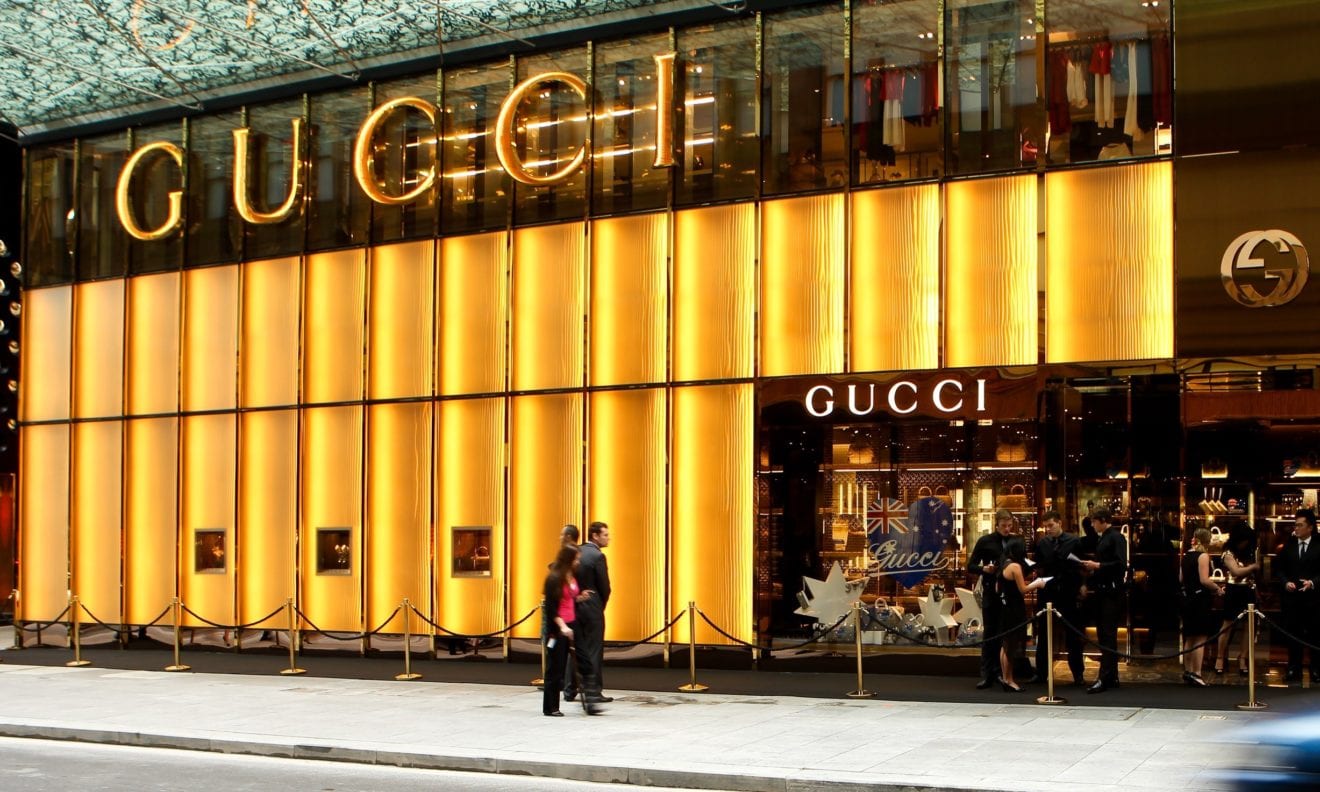
  • Gucci reopens Pavilion Kuala Lumpur store

    Gucci reopens Pavilion Kuala Lumpur store

    Gucci Pavilion KL has reopened in Kuala Lumpur, after the Italian label closed its Malaysian flagship to be redesigned in the taste of current creative director Alessandro Michele.

    Located on the second and third floor at Pavilion Kuala Lumpur, the refurbished store is the first in Malaysia to feature the creative director’s new design concept.

    Within the two-storey boutique, customers are privy to illustrious fabrics, geometric prints, and mosaic marble floors, as well as wooden panelled walls –set against a rich burgundy colour palette throughout.

    The stairway is flushed with dark red velvet and room-enlarging mirrors, while the store façade is a Greco-Roman marble stone in grey, with the ‘Gucci’ stamped in metallic silver over the entrance.

    The Gucci Pavilion KL store stocks the latest ready-to-wear, footwear, bags, accessories and fragrances for men and women.

    The high-end fashion house has been improving its retail operations in Asia in recent months.

    In June, Gucci unveiled its China-dedicated e-commerce website, gucci.cn, created to “allow consumers a better access to Gucci products, without the limitations imposed by store location or opening hours.”

    Gucci opened its first Alessandro Michele-designed store in Japan in Tokyo last December.